-

BUCKHEAD — A relaxing pedicure just got a whole lot more luxurious — and a whole lot more viral.
A promotional video from Buckhead Nail and Toe Spa at 3210 Roswell Road NW has exploded across social media, racking up hundreds of thousands of views in less than 24 hours.
Buckhead Nail and Toe Spa’s Viral ‘Women’s Spa Day’ : Hookah, Mimosas, and Massages Included
The clip shows a client reclining in a plush spa chair, simultaneously enjoying a full-body massage, a hookah session, and a glass of orange mimosa while technicians pamper her feet with oils, honey, and fresh orange slices.
The caption says it all: “They say Atlanta ain’t a real and I be trying to defend it but uhhh.”
In the video, steam rises around the client’s legs as gloved hands work a luxurious foot treatment. One technician holds the hookah hose while another rubs her shoulders and neck.
A picture-in-picture overlay captures her blissful, eyes-closed expression. The clip ends with close-ups of intricate, long acrylic nail designs — the salon’s signature specialty.
Buckhead Nail and Toe Spa, which bills itself as “Atlanta’s Best Beauty Salon & Day Spa,” offers a full menu of services including nail art, spa pedicures, facials, full-body massages, eyelash extensions, threading, waxing, and more.
According to the salon’s social media and website, complimentary hookah and wine are part of the upscale experience at the Roswell Road location.
The post quickly drew thousands of reactions. Some commenters called the treatment “royalty vibes,” while others joked it was “ghetto fabulous” or “too much in the best way.” One user wrote, “This place is for the hood rats… They also offer a Hennessey pedicure.” Another simply said, “I’m saving the address.”
Located in the heart of Buckhead near high-end shops and offices, the salon has built a loyal following for its over-the-top pampering packages. Its Instagram and TikTok pages regularly feature similar spa-day videos, but this latest one clearly struck a chord.
The business has other videos as well showing off their hookah services:
Salon hours are Monday–Saturday 9:30 a.m.–8 p.m. and Sunday noon–7 p.m. Walk-ins are welcome, but appointments are recommended for signature treatments. Phone: (404) 869-8999. Website: buckheadnailandtoespa.com.
Whether you’re looking for a quick manicure or a full “treat yourself” escape complete with hookah and honey-infused foot therapy, Buckhead Nail and Toe Spa is proving that Atlanta knows how to do self-care — with a side of extra.
Have you tried the viral spa day yet? Drop your thoughts in the comments below, Atlanta. Just don’t forget to book ahead — it looks like the secret is out.
If you want to check out some other food spots in the area, here are the best restaurants in Buckhead. Or you might like to read our Buckhead Steak Guide to find all the best eateries offering mouth-watering prime cuts.
-
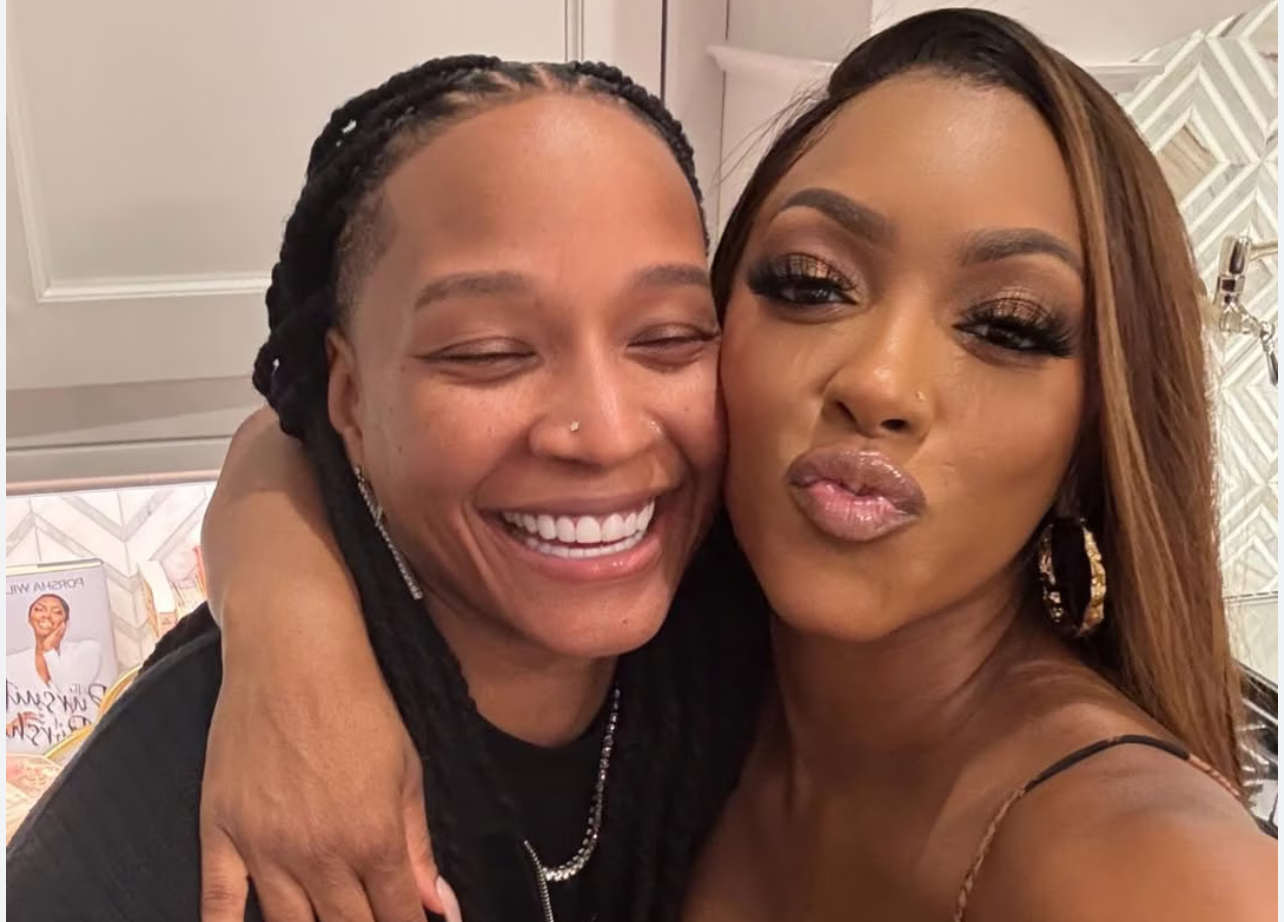
Atlanta’s Real Housewives of Atlanta scene just got a fresh dose of uncharted territory—and fans can’t stop talking about it.
Porsha Williams, the beloved (and often controversial) RHOA star, has officially introduced her new girlfriend, Patrice “Sway” McKinney, to the world—and to the peach-holding cast—in the early episodes of Season 17.
Porsha Williams & Patrice ‘Sway’ McKinney on RHOA Season 17: Atlanta’s Reality TV Power Couple Takes Center Stage
The hard launch came in November 2025 when Porsha posted a series of intimate birthday photos of the couple in front of a towering Christmas tree, captioning it with love and celebration.
Since then, the pair has been inseparable: from a romantic Los Cabos New Year’s getaway (quickly dubbed “Swaycation” by fans) to a steamy Bali trip that had Bravolebrities like Kandi Burruss dropping fire emojis in the comments.
Who Is Patrice ‘Sway’ McKinney? Atlanta Entrepreneur and Salon Suite Queen
Patrice “Sway” McKinney—known professionally as Sway The Pro—is far from a reality TV newcomer. The Michigan native moved to Atlanta in 2008 chasing bigger opportunities.
A licensed master barber-stylist, she founded Encore Salon Suites, one of the first Black-owned salon suite franchises in the city.
With multiple locations across Atlanta (including West Midtown and Marietta) and a booming coaching business, Sway mentors aspiring beauty entrepreneurs on how to launch and scale profitable salon suite businesses.
She’s also a real estate developer and motivational speaker who turned down a pro basketball path to build her empire.
The couple actually met eight years ago but “circled the block” and reconnected in 2025 after Porsha finalized her divorce from Simon Guobadia in June.
In October, Porsha revealed on BravoCon she was dating both a man and a woman. By November, she chose Sway—and made it crystal clear on Instagram.
RHOA Season 17 Preview: ‘This Is My Lady Friend, Sway’
In the Season 17 preview for Episode 2 (which dropped earlier this month), Porsha brings Sway to a group event, casually introducing her as “my lady friend.”
The cast’s reactions are priceless—surprise, side-eyes, and a few supportive nods. In confessional, Porsha declares, “I am what you call dating. I am in uncharted waters. You can just call me Christopher Columbus.”
Porsha has been refreshingly open about her journey. On a recent Watch What Happens Live with Andy Cohen, she gushed that Sway “lets me be me. We celebrate each other. We support each other. It’s just great.”
She’s also pushed back on labels, famously coining the playful term “Sway-sexual” while telling fans she’s “Porsha-sexual” first—exploring without pressure. “At this moment, I don’t mind if you want to call me a lesbian… I’m not offended by it at all,” she shared in a recent interview.
Engagement rumors (sparked by an obvious AI photo) were quickly shut down by both women in February 2026. They’re taking things at their own pace—and thriving.
Why This Storyline Matters for Atlanta Reality TV
Porsha Williams has always been a lightning rod on RHOA—fierce, funny, and unafraid to evolve in the public eye.
Her relationship with Sway brings a new layer of authenticity to the Atlanta franchise, which has long celebrated Black excellence, entrepreneurship, and personal growth. Sway’s success as a self-made Atlanta businesswoman adds even more local flavor to the mix.
Fans are eating it up. Social media is flooded with support (and the usual shade), with many praising Porsha for living her truth post-divorce.
As Season 17 continues to unfold, expect more date nights, cast dinners, and plenty of “Porsha is fluid” commentary from the ladies.
Porsha and Sway are proof that Atlanta’s reality TV scene isn’t just about drama—it’s about real evolution, real love, and real empire-building. Stay tuned to Bravo for the full peach-holding tea.
Primary Keyword (High Volume):
- Porsha Williams new girlfriend Sway
Secondary & Long-Tail Keywords (Target These for Featured Snippets & Rank #1):
- Porsha Williams Sway McKinney
- Patrice Sway McKinney RHOA
- Porsha Williams girlfriend Sway Season 17
- How Porsha Williams met Sway McKinney
- Porsha Williams Sway-sexual
- RHOA Season 17 Porsha new girlfriend
- Porsha Williams Patrice McKinney relationship timeline
- Sway The Pro Encore Salon Suites Atlanta
- Porsha Williams RHOA debut Sway
- Porsha Williams and Sway vacation Los Cabos Bali
Bonus Atlanta/Local SEO Terms:
- Atlanta reality TV Porsha Williams girlfriend
- RHOA Black-owned business Sway McKinney
This story is still developing—and the tea is hot.
-
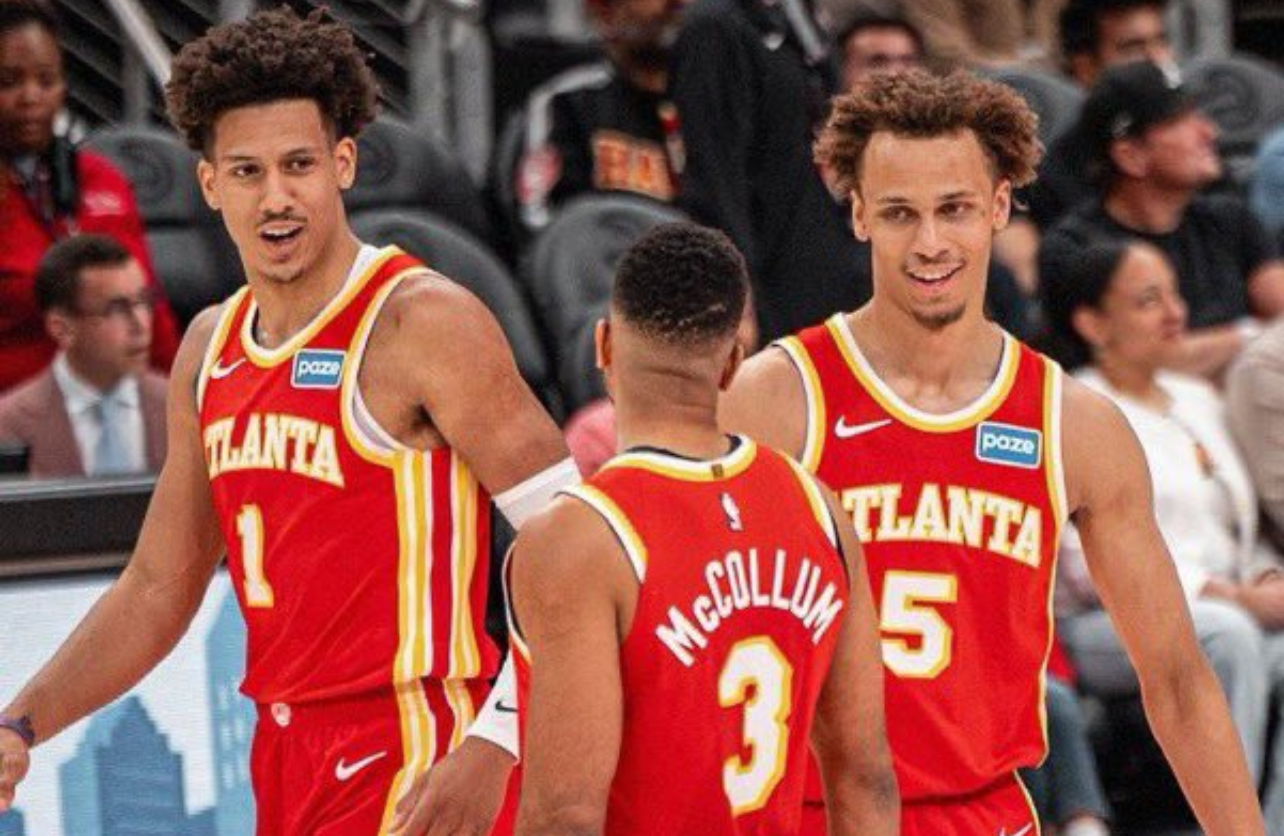
Atlanta, GA — The Atlanta Hawks are back in the NBA playoffs for the first time since 2024, entering as the No. 6 seed in the Eastern Conference with a 46-36 record.
They’ll face the No. 3 New York Knicks in a best-of-seven first-round series that tips off today, Saturday, April 18, at 6 p.m. ET at Madison Square Garden (Game 1 on Prime Video).
Hawks Set for First-Round Playoff Showdown with Knicks: A Rematch Five Years in the Making
This is a rematch of their memorable 2021 first-round clash, which the Hawks won 4-1 en route to the Eastern Conference Finals. The 2026 version features very different rosters but plenty of intrigue.
How to watch: Amazon Prime Video
Hawks’ Surging Form and Roster Transformation

After a rocky 20-25 start, Atlanta closed the season on a blistering 26-11 run under head coach Quin Snyder.
The team traded franchise icon Trae Young midseason (along with Kristaps Porzingis) and reshaped around a more balanced, defense-first identity that emphasizes ball movement, length, and transition play.
Key Players to Watch for Atlanta:
- Jalen Johnson (All-Star forward): Averaging 22.5 points, 10.3 rebounds, and 7.9 assists. He’s a do-it-all star who can dominate in transition and create mismatches.
- Nickeil Alexander-Walker: A major offseason pickup, putting up 20.8 PPG with elite 3-point shooting (39.9%) and perimeter defense.
- Dyson Daniels: Lengthy guard with strong defensive impact (11.9 PPG, 6.8 RPG, 5.9 APG).
- Onyeka Okongwu: Reliable big man in the frontcourt (15.2 PPG, 7.6 RPG).
- CJ McCollum and Jonathan Kuminga: Veteran scoring punch and explosive bench energy, respectively. Corey Kispert adds shooting depth off the bench.
The Hawks rank in the top 10 offensively (118.5 PPG) and have been one of the hottest teams in the league since the All-Star break, playing fast and sharing the ball effectively.
Knicks: Physical Defense and Star Power

New York brings a stout, experienced squad led by Jalen Brunson, Karl-Anthony Towns, OG Anunoby, Mikal Bridges, and Josh Hart.
They finished with strong defensive metrics and expect to lean on half-court execution, rebounding, and perimeter toughness.
Key Matchups:
- Brunson vs. Hawks’ perimeter D (Daniels, Alexander-Walker): Can Atlanta’s length disrupt New York’s engine without over-helping?
- Johnson vs. Knicks wings (Anunoby, Bridges, Hart): Johnson’s versatility will be tested against elite defenders.
- Frontcourt battle: Towns’ size and scoring vs. Okongwu and Atlanta’s bigs; rebounding and interior presence will be critical.
The Knicks won the regular-season series 2-? (close games), but Atlanta showed they can compete, including a blowout win in one matchup.
Series Schedule (All times ET)
- Game 1: Sat, Apr 18 – Hawks @ Knicks, 6 p.m. (Prime Video)
- Game 2: Mon, Apr 20 – Hawks @ Knicks, 8 p.m. (NBC/Peacock)
- Game 3: Thu, Apr 23 – Knicks @ Hawks, 7 p.m. (Prime Video) – First home game at State Farm Arena!
- Game 4: Sat, Apr 25 – Knicks @ Hawks, 6 p.m. (NBC/Peacock)
- Games 5-7 (if necessary): Apr 28, 30, May 2 – alternating sites.
Outlook from Atlanta
The Hawks enter with “nothing to lose” momentum and a young, hungry core. Many see them as a dangerous underdog capable of stealing games with hot shooting and defensive length, though most projections favor the deeper, more experienced Knicks.
A series win would be huge for this rebuilding-on-the-fly group and set up a likely tough second-round date with Boston or similar.
Prediction buzz around town: Optimistic Hawks fans are calling for a competitive series (possibly 6-7 games) and an upset push, while acknowledging New York’s physical edge. Bold takes include Johnson going off for multiple triple-doubles or Alexander-Walker lighting it up from deep.
Stay locked in to AtlantaFi.com for live updates, post-game analysis, fan reactions, and full coverage as the playoffs begin. Let’s go Hawks — State Farm Arena will be rocking for those home games!
What’s your score prediction for Game 1? Drop it in the comments.
-
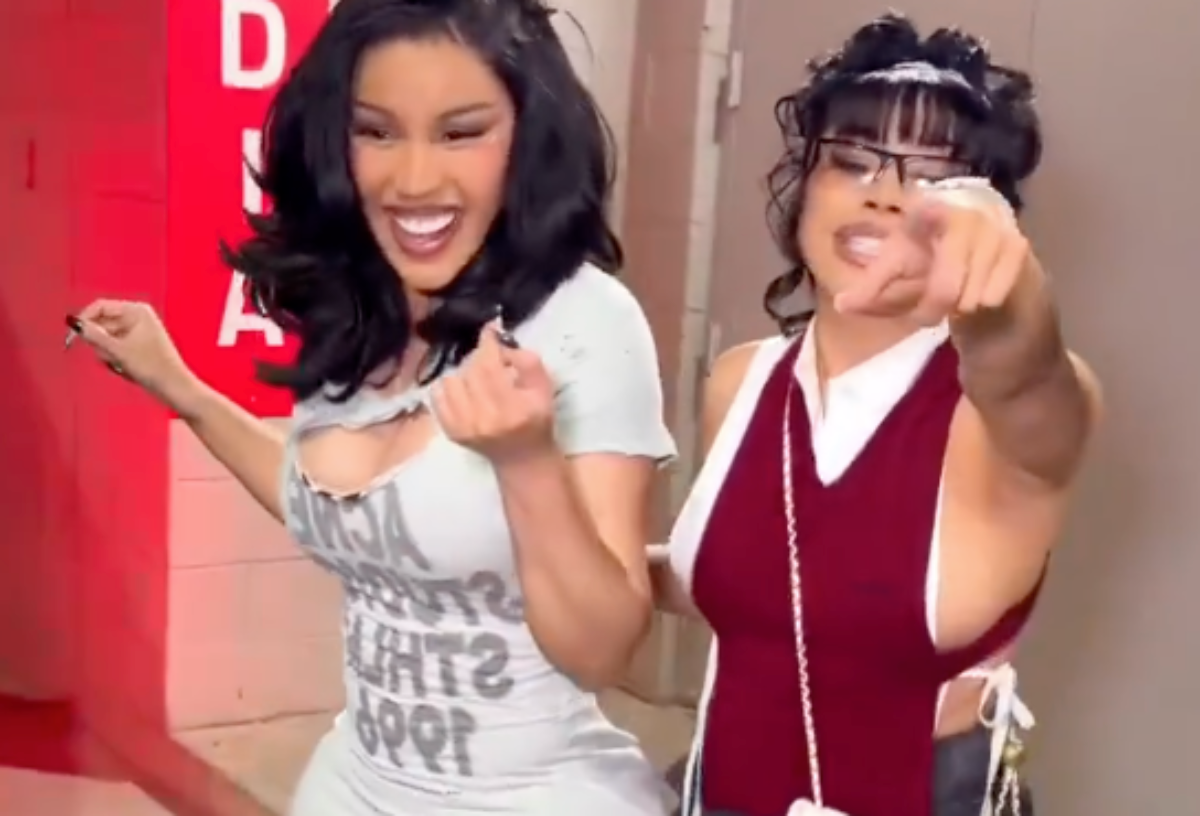
State Farm Arena was the hottest spot in the city last night as Cardi B brought her Little Miss Drama Tour to a sold-out crowd for the first of two nights in her tour finale. The Bronx rapper, fresh off the release of her highly anticipated second album Am I the Drama?, delivered a high-energy performance packed with hits, pyro, choreography, and plenty of hometown love.
But the real buzz? The star-studded audience that turned State Farm Arena into a who’s who of music, sports, and entertainment.
Cardi B Atlanta Concert 2026: All Celebrities at State Farm Arena
Fans and photographers spotted a massive turnout of A-listers supporting Cardi as she wrapped her first headlining arena run in six years. Atlanta showed up big for the “WAP” and “Bodak Yellow” icon, with local heroes and national stars alike packing the VIP sections.
Here’s the full celeb lineup spotted at Friday night’s show:
- 2 Chainz: The Atlanta rap legend was in the building and later raved about the show in interviews, saying he had an incredible time and plans to return for night two.
- Quavo: The former Migos member and fellow Atlanta native turned out to show love.
- Kelly Rowland: The Destiny’s Child star brought her signature elegance to the arena.
- Lizzo: Always a vibe, the “About Damn Time” hitmaker was seen vibing throughout the night.
- Teyana Taylor: The multi-talented singer, dancer, and actress added major star power.
- Ty Dolla $ign: The West Coast R&B/hip-hop favorite made the trip to support.
- Serena Williams: The tennis GOAT and Atlanta resident was courtside — well, stage-side — cheering on Cardi.
- Devin Haney: The undefeated boxing champ brought the energy. facebook.com
- Judge Mathis, Lauren Jauregui, Keyshia Ka’oir, QC P, Whitney Alford, Blxst, and Savanna James: All spotted enjoying the spectacle.
On stage, Cardi kept the surprises coming for her Atlanta faithful. She brought out local favorites Jeezy for a remix performance that had the crowd erupting, along with Mariah the Scientist and mentions of T.I. adding to the hometown flavor.
Stage Production & Energy
Cardi took the stage around 8:45 p.m. following a pair of high-energy DJ sets that kept the packed arena buzzing. The production featured six distinct acts with elaborate set pieces, costume changes, pyrotechnics, aerial elements, and immersive video interludes.
She opened with a dramatic entrance tied to the album’s themes — shadows, crows, and intense lighting — launching straight into fierce, aggressive tracks that set a tone of unapologetic confidence.
Fans described the night as equal parts rap masterclass, dance party, and theatrical spectacle. Cardi’s stage presence was electric: sharp choreography, crowd interaction (including plenty of Atlanta shoutouts), and that signature raw charisma that had the entire arena chanting along.
Read up on Cardi B’s final concert in Atlanta.
Vocals were strong, especially on more melodic moments, and she rapped with precision even during high-movement sections.
Highlights from the Setlist (Night One – April 17)
The set drew heavily from Am I the Drama? while hitting all the fan favorites:
- Early Acts: Explosive openers like “Hello,” “Magnet,” “Salute,” “Check Please,” “Trophies,” “Enough,” “Money,” and “Press” got the crowd hyped immediately.
- Emotional & Mid-Set Moments: Ballad-like tracks such as “Be Careful,” along with deeper cuts and interludes allowing for costume changes and storytelling.
- Hometown Surprises: As mentioned previously, she brought out Jeezy, Mariah the Scientist, and gave nods to T.I. — turning the show into a true Atlanta celebration.
- Big Hits & Collab Energy: “I Like It,” “WAP” (with the energy peaking), “Bodak Yellow” (a massive closer that had the building shaking), “Up,” “Bongos,” and more.
- Other staples: “Bartier Cardi,” “Drip,” and fan-favorite moments from throughout her career. blog.ticketmaster.com
The structure kept the momentum high with salsa-infused dance breaks, interludes, and seamless transitions. No openers for the main set — just Cardi and her full band/dancers owning every second.
The Little Miss Drama Tour has been full of guest appearances throughout its run, but Atlanta’s night one felt extra special with the mix of surprise performers and a deep bench of attendees. Social media lit up with videos of the performances, crowd reactions, and endless celeb sightings.
Cardi has one more night at State Farm Arena tonight (April 18), and if last night was any indication, expect even more stars to pull up for the grand finale. Tickets are still moving fast for those who want in on the drama.
What a way to close out the tour in the A! Cardi B turned Atlanta into the epicenter of hip-hop glamour last night. Stay tuned to Atlanta Pulse for more coverage from night two.
Cardi B closes out Little Miss Drama tour in Atlanta.
Final Word
Our Atlanta Live Music Guide lets you know every week and each fun-filled weekend who’s playing and where.
There are so many Atlanta events popping off every week it’s hard to keep up with it all. That’s why I suggest you subscribe to AtlantaFi.com to get all the freshest gatherings, Atlanta happenings, parties and more delivered to your inbox.
Things to do in Atlanta on a weekly basis can range from going golfing mid-week to checking out the latest restaurant openings. At AtlantaFi.com, we curate the city for you!
Read more AtlantaFi.com stories:
-
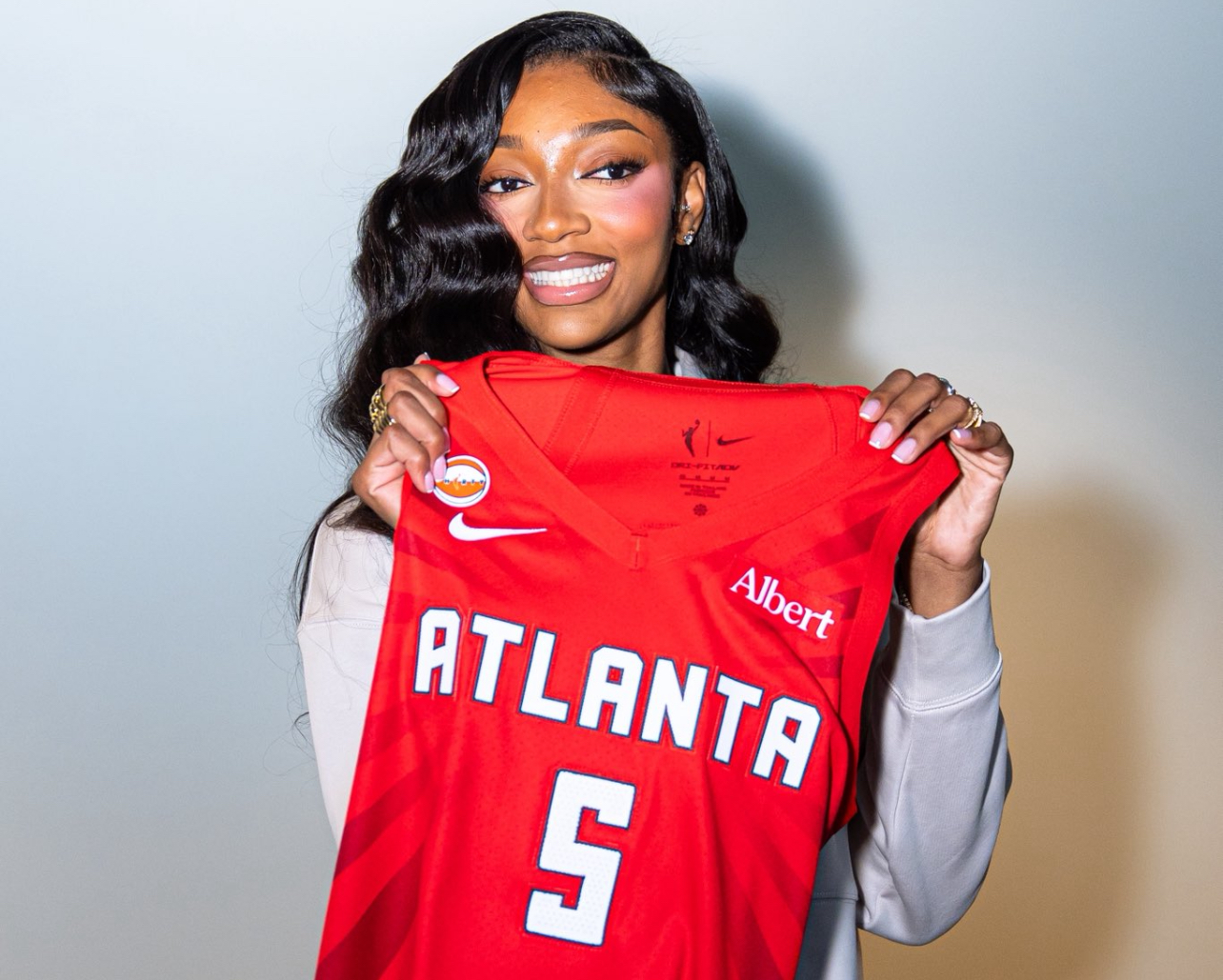
In a highly anticipated event, the Atlanta Dream formally introduced two-time WNBA All-Star Angel Reese alongside key returning players and free-agent signees.
Atlanta Dream Introduce Angel Reese, Ushering in a New Era of Ambition
The press conference on Friday, April 17 at the team’s headquarters marked a celebratory milestone following one of the biggest trades of the 2026 WNBA offseason.
The Blockbuster Trade That Brought ‘Bayou Barbie’ to Atlanta
On April 6, 2026, the Dream acquired Reese from the Chicago Sky in exchange for first-round draft picks in 2027 and 2028, plus a second-round pick swap in 2028.
The move signaled Atlanta’s aggressive push to build a championship contender after a strong 2025 season under first-year head coach Karl Smesko.
Reese, the 2024 WNBA Draft’s No. 7 overall pick out of LSU, has quickly established herself as one of the league’s most dominant and marketable players.
Standing at 6’3”, she is a rebounding machine with 49 career double-doubles, averaging around 14.0 points and 12.8 rebounds per game in her first two seasons.
A national champion and perennial highlight-reel star, Reese brings not only elite interior play and defensive energy but also massive off-court appeal.
At the introduction, Reese expressed gratitude for her time in Chicago while embracing her new chapter.
“It’s literally a dream come true,” she said. Surrounded by new teammates, she became emotional discussing the “sisterhood” she felt immediately upon joining. “This feels like a breath of fresh air,” Reese added, fighting back tears.
A Star-Studded Supporting Cast
Reese joins an already talented core that includes:
- Allisha Gray
- Brionna Jones
- Jordin Canada
- Naz Hillmon
- Rhyne Howard
The group posed together holding new jerseys, signaling unity and high expectations for the 2026 season, which tips off May 17 against the Las Vegas Aces at State Farm Arena.
Team president and COO Morgan Shaw Parker noted the immediate business impact: In the first four hours after the announcement, the Dream sold half as many jerseys as they did in the entire 2025 season. Demand for tickets and merchandise has surged.
What Reese Brings to Atlanta
Reese’s addition pairs her rebounding prowess and physicality with Atlanta’s perimeter talent and playmaking.
Many analysts see it as a perfect fit for a team looking to make a deeper playoff run. Reese herself promised fans she’s “here to stay,” signaling commitment to the city’s vibrant basketball culture.
Her arrival also amplifies the Dream’s visibility. As one of the WNBA’s most followed personalities, Reese is expected to draw new fans to Atlanta while elevating the team’s national profile.
The Dream’s front office, led by GM Dan Padover, described Reese as “a dynamic talent and a perfect fit for what we are building.”
With a mix of veteran experience, youth, and superstar power, expectations in Atlanta have never been higher.
As the 2026 WNBA season approaches, one thing is clear: The Atlanta Dream are no longer just competing — they’re positioning themselves as contenders, with Angel Reese as the new face of the franchise.
ATL Barbie has officially arrived, and the city is ready to rally behind her.
-
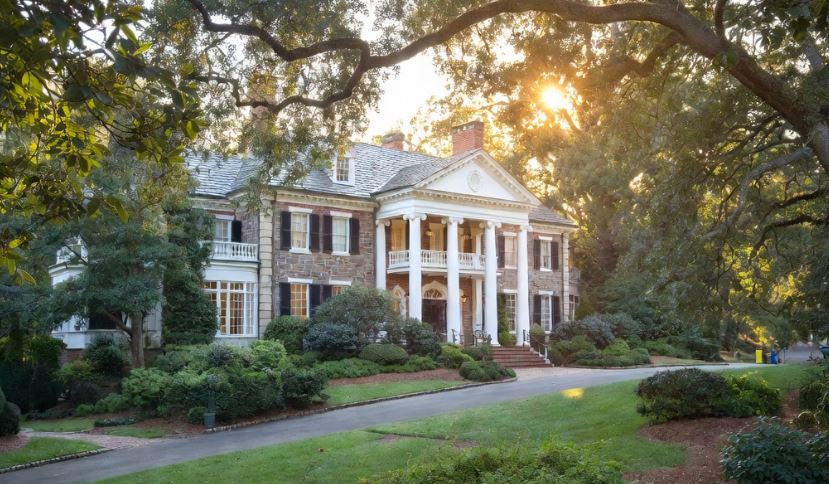
Buckhead, often called the “Beverly Hills of the South,” ranks as one of Atlanta’s most affluent districts, known for luxury estates, high-end shopping at places like Phipps Plaza and Lenox Square, fine dining, and proximity to top private schools and parks like Chastain Park.
Within Buckhead, several enclaves vie for prestige, but data on home values, sales records, and resident profiles consistently point to Tuxedo Park as the pinnacle of wealth.
Tuxedo Park stands out as the richest neighborhood in Buckhead, Atlanta’s wealthiest part of town.
Why Tuxedo Park?
Tuxedo Park, located in the northwest part of Buckhead (primarily in ZIP code 30327), features sprawling historic and modern estates on large, tree-lined lots. It offers privacy, architectural significance, and an old-money vibe mixed with new luxury builds.
One of the top neighborhoods in Atlanta, Buckhead has carefully crafted Tuxedo Park’s image.
- Home Values and Sales: Median or average home prices in Tuxedo Park often exceed $2.8–$3.5 million or more, with many estates in the $5–$20 million range. Recent record sales include a $19.8 million off-market deal in 2024 on Tuxedo Road, the highest residential sale in Atlanta history at the time. Average sale prices over recent periods have hovered around $3.4 million.
- Income Levels: Median household income reaches $250,000+ in some metrics, with average individual incomes around $225,000. This places it among the highest in the metro area.
- Prestige Factors: It is home to the Georgia Governor’s Mansion, historic estates designed by notable architects like Philip Shutze and Neel Reid, and residents including CEOs, celebrities, athletes, and old Atlanta families (e.g., past ties to Coca-Cola leadership and golfer Bobby Jones). Many properties are on the National Register of Historic Places or feature gated privacy.
Tuxedo Park’s streets, such as Tuxedo Road and nearby areas like Clifton Ridge, frequently top lists of Atlanta’s most expensive streets, with averages in the multi-million range. Nearby, celebrity homes dot the landscape.
Close Contenders in Atlanta: Top Buckhead Mansions
Buckhead includes dozens of mansions for sale, but also smaller neighborhoods, and wealth is concentrated but not uniform. Other top areas include:
- Kingswood: A smaller, tranquil enclave just west of Tuxedo Park with palatial homes (many from the 1960s onward) on generous lots. Median/average values often range from $2.4–$2.75 million. It offers strong family appeal near elite schools like Westminster and Lovett.
- Chastain Park area: Features larger lots, newer luxury homes, and proximity to the park, golf course, and amphitheater. Values are high (often $1.9–$2.5 million+ medians) but generally below Tuxedo Park’s peaks.
- West Paces Ferry / other corridors: These host many record-breaking sales and executive estates.
Overall Buckhead median home values sit around $500K–$900K depending on the exact subarea and data source (with luxury skewing averages much higher), far above Atlanta citywide figures. The broader 30327 ZIP code often ranks among the wealthiest nationally.
Lifestyle and Appeal
Residents enjoy:
- Privacy and Exclusivity — Large lots (often 1+ acres), mature trees, and minimal through traffic.
- Amenities — Proximity to Buckhead’s commercial core, Cherokee Town Club, top schools, and green spaces.
- Investment — Strong appreciation, with luxury properties showing resilience and growth even in fluctuating markets.
Tuxedo Park balances historic charm with modern high-end living, attracting those seeking old-world prestige in an in-town setting.
Final Word
Wealth metrics in Atlanta’s expensive neighborhoods rely on median home prices, recent sales, household income from Census/Zillow/Redfin sources, and local real estate reports.
These can vary by year and methodology (e.g., small sample sizes in exclusive enclaves), but Tuxedo Park consistently leads. Buckhead as a whole remains Atlanta’s luxury flagship, though it faces typical urban challenges like traffic and debates over city services.
In summary, if you’re looking for the richest neighborhood in Buckhead, Tuxedo Park is the clear frontrunner—an enclave where Atlanta’s elite have built legacies for over a century. For buyers or admirers, it represents the apex of Southern luxury living.
-

Mother’s Day is the one day where it’s OK to splurge at an Atlanta restaurant. After all, it’s Mom.
This year, there’s a lot of things going on, but that doesn’t mean we won’t take Momma out to eat. So where can you eat in Atlanta for Mother’s Day?
Many families will take the matriarch out on the town, feasting downtown, Midtown in Buckhead and all over. There are a number of specials on tap for Mama as well. Here are some of the best ones we’ve seen.
Here Are The Best Brunch Restaurants For Mother’s Day
Let’s take a culinary tour around Atlanta to see what’s on tap for restaurants on Mother’s Day.
The Americano
3315 Peachtree Rd NE, Atlanta

This Mother’s Day, The Americano is turning it up for brunch with a complimentary welcome glass of Sparkling Rosé at the Whispering Angel Photo Wall with a Rosé Our Way social media giveaway. It features a chance to win a staycation at the InterContinental Buckhead, live music, specialty cocktails and an extravagant buffet of carved Roasted New York Steak, Leg of Lamb, housemade pastas, and more crafted by Celebrity Chef Scott Conant.
As a special touch, a Live Fashion Illustrator will create a personalized portrait of Mom to take home—a bespoke keepsake honoring her style, strength, and grace.
- Price: $115++ per adult, $55++ for ages 12 and under, complimentary for children 3 and under.
- Timing: 11AM – 3:30PM; the live fashion illustrator will be available from 11:30 AM – 2:30 PM. Guests should arrive at least 15 minutes prior to their reservation if they wish to receive a portrait.
- Reservations: recommended HERE.
Apron
2 Porsche Drive, Hapeville, GA

Special Mother’s Day menu from 7 a.m. to 2 p.m., featuring bananas foster pancakes, sweet potato hash, and blueberry cream cheese-stuffed French toast. A la carte pricing. Reservations via 470-466-3330
Aria
490 East Paces Ferry Rd NE, Atlanta, GA 30305 | (404) 233-7673

Aria is opening especially for mom to offer a delicious meal in an elegant setting on Mother’s Day. The Buckhead restaurant welcomes guests starting at 5 p.m. and will be serving its regular menu in the dining room and a special wine pack for takeout. Make reservations online.
Persian Basket Kitchen & Bar
2100 Ray Moss Connector, Johns Creek, GA 30022 | (770) 674-2779

Persian Basket Kitchen & Bar in Johns Creek will have a special brunch on Mother’s Day.
Dish to try: The Persian Brunch Tray offers one of their signature omelets as well as an array of traditional Persian accoutrements including jams, honey, dates, grape molasses, walnuts, olives, kaymak, butter, beef jamon, herbs, feta and warm Naan.
5Church Atlanta
1197 Peachtree St NE #528, Atlanta, GA 30361 | (404) 400-3669

Treat mom to something special this Mother’s Day at 5Church Atlanta. Guests are invited to enjoy chef Mark Alba’s delicious sunrise (10 a.m.-4 p.m.) and sunset (4-8 p.m.) Mother’s Day buffets with server-attended stations.
Dish to try: Brunch highlights include seared Scottish salmon with creamed spinach, an omelet station and fried chicken with cayenne honey. Among the dinner features are prime rib with veal jus, baked ziti pasta, seared crab cakes and bacon-braised collard greens.
Cost is $45 for adults and $20 for children, and reservations can be made online.
Mary Mac’s Tea Room
224 Ponce De Leon Ave NE, Atlanta, GA 30308 | (404) 876-1800
Takeout X Curbside Pickup √ Dine-In √ 
Mary Mac’s is the quintessential downhome Southern eatery and a must-stop for visitors looking for a great Georgia dining experience.
Here’s what one reviewer says about Mary Mac’s. “Delicious and affordable southern food. The service was super friendly as well. Come hungry because the portion sizes are huge. Got the fried chicken and was not disappointed. While the green tomatoes were good, I’d recommend getting a different side. Just some better options on there that I wish I’d chosen!”
The Colonnade
1879 Cheshire Bridge Rd NE, Atlanta, GA 30324 | (404) 874-5642

Since 1927, this discreet-looking place has served the masses a simple plate typical of two pieces of chicken, some cornbread and green beans. And it’s been a hit ever since.
Here’s what one reviewer says about The Colonnade: “The Colonnade is a main stay when you’re going out to eat. This was my first time dining (out). I ordered to go. The restaurant hostess was so kindhearted and friendly. The food is so delicious. Great food, family atmosphere and real community. The Colonnade is a great comfort food living room.”
Gypsy Kitchen
3035 Peachtree Rd NE, Atlanta, GA 30305 | (404) 939-9840

Gypsy Kitchen is rolling out all the stops for Mother’s Day. The Buckhead eatery’s chef will features such dishes as peekytoe crab Louie with butter lettuce, French beans, soft-boiled eggs, chervil and summer citronette; sorghum-glazed pork belly with white corn johnny cake, poached eggs, home fries and tasso ham Bearnaise;
What to Try: White Lily biscuits with house-made accoutrements; and ricotta cardamom fritters with orange blossom honey syrup and toasted pistachios. At 4 p.m., bring mom back for “Basque in the Sun,” the restaurant’s afternoon culinary adventure on the patio with live music and food and drinks specials.
Make reservations at Gypsy Kitchen online.
Marlow’s Tavern
Atlanta Locations
- 950 W Peachtree St NW #215, Atlanta, GA 30309 | (404) 815-0323
- 2355 Cumberland Pkwy SE Suite 10, Atlanta, GA 30339 | (770) 432-2526
- 3575 Durden Dr NE # 301, Atlanta, GA 30319 | (770) 557-1649
- 5600 Roswell Rd Suite 160, Atlanta, GA 30342 | (404) 255-8890

Marlow’s Tavern is welcoming guests on Mother’s Day, serving its regular menu of favorites including firecracker shrimp, Asian ahi tuna salad, “Infamous” fish tacos, Tavern burger, grilled Atlantic salmon and more. Call a convenient location to make a reservation.
Mom deserves a special day out, and Milton’s Cuisine & Cocktails has a delicious prix fixe Mother’s Day meal planned. Executive chef Derek Dollar’s menu options include piquillo crab bisque, sticky peanut butter-toffee beignets, shrimp and lump crab pasta, pastrami-rubbed wagyu flank steak, hummingbird cake and more. Cost is $45 for adults and $22.50 for children. The historic Crabapple restaurant will be open from 10 a.m.-8 p.m. on May 9; make reservations online.
The Southern Gentleman
3035 Peachtree Rd, Atlanta, GA 30305 | (404) 939-9845

The Southern Gentleman has an excellent Mother’s Day meal planned in Buckhead.
What to Try: Avocado deviled eggs, duck confit eggs Benedict, brioche French toast, hot chicken sandwich, wagyu skirt steak frites, butter-poached lobster tail and sweet endings of chocolate bombe, spring berry tart and orange and grapefruit upside-down cake.
The Southern Gentleman opens at 10 a.m.; make reservations online.
Gocha’s Breakfast Bar
Atlanta Locations:
- 695 Cascade Rd SW STE 440 Atlanta, GA 30331 | (678) 927-9166
- 834 Glynn St S suite 244,248, Fayetteville, GA 30214 | (770) 629-7443

Gocha Hawkins opened Gocha’s Breakfast Bar in January 2019 in the Cascade area of Atlanta. Since then, the eatery has expanded to Fayette County and become one of metro Atlanta’s top brunch spots.
Get there about 11 a.m. to beat the crowd and treat Mom to a good meal!
Twisted Soul Cookhouse & Pours
1133 Huff Rd NW #D, Atlanta, GA 30318

Twisted Soul Cookhouse & Pours is a top Atlanta brunch spot run by Executive Chef and Owner Deborah VanTrece. And don’t forget her other Atlanta restaurant, Oreatha’s at the Point!
What Is The Best Thing To Do On Mother’s Day?
Mom will love you if you go all out with brunch, gifts and big hugs, but she may be an active woman. Take her out on the town. Take her to one of Atlanta’s malls and get her what she wants.
If she wants to live on the wild side a bit, take her on an Atlanta culinary adventure! Does she like barbecue? See our list of the Best Atlanta BBQ Restaurants. Is she a beer drinker? Take her to visit a craft brewery in the city.
Here are more articles from AtlantaFi.com:
-
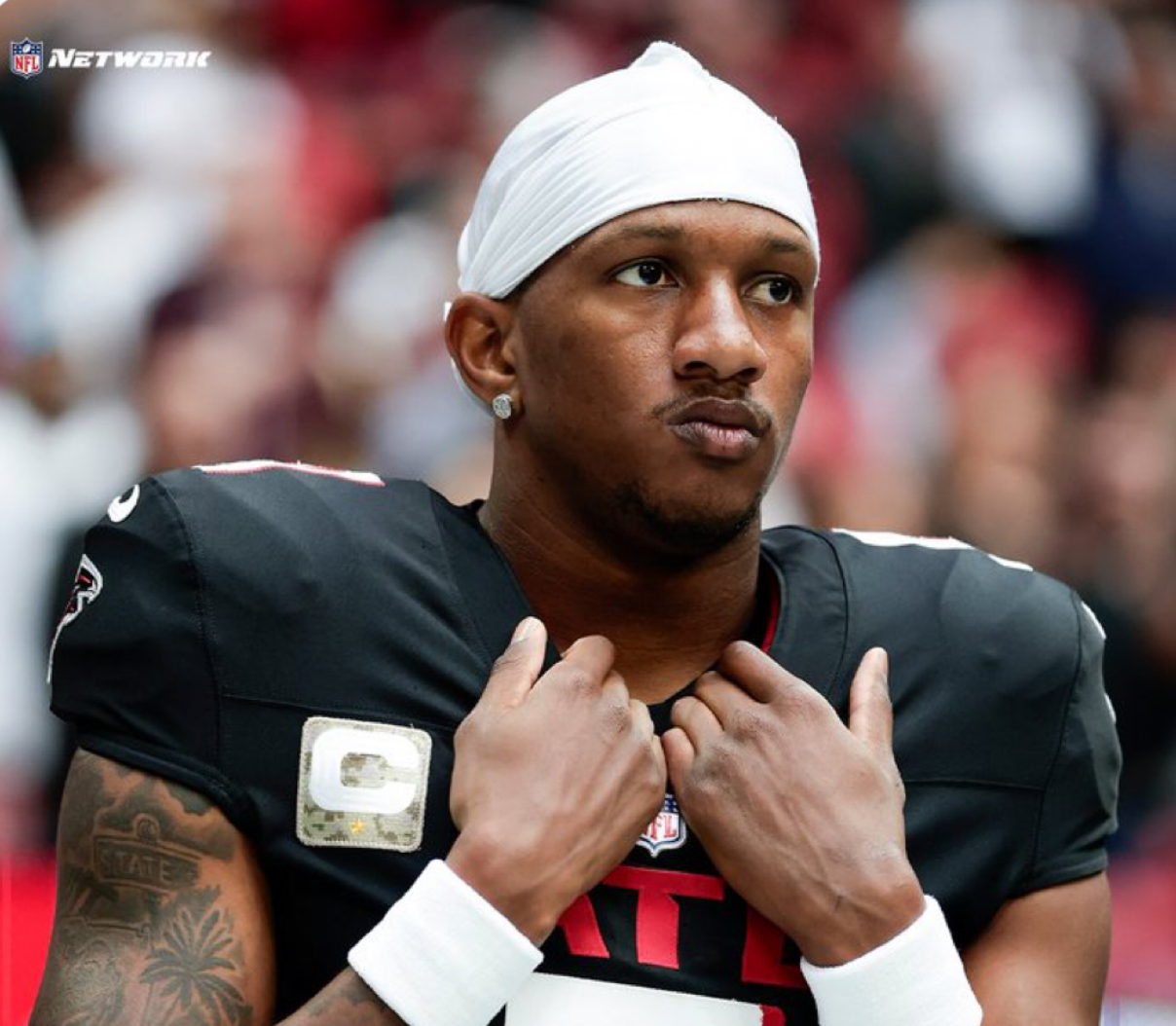
Birmingham, AL – A former University of Alabama defensive tackle has been charged in what authorities describe as an elaborate $20 million fraud scheme in which he allegedly impersonated prominent NFL players using disguises, fake identities, and virtual loan closings.
Luther Davis, who played for the Crimson Tide, is accused of dressing in wigs and makeup to pose as Atlanta Falcons quarterback Michael Penix Jr., Cleveland Browns tight end David Njoku, and New York Giants safety Xavier McKinney.
Former Alabama Defensive Tackle Luther Davis Accused in $20 Million Loan Fraud Scheme Involving NFL Player Impersonations
Along with an accomplice, Davis reportedly created fictitious companies, bank accounts, and identification documents tied to the players to secure fraudulent loans.
According to court documents and law enforcement statements, the scheme spanned 17 months and involved at least 13 separate loans totaling nearly $20 million. The pair allegedly attended virtual loan closings while disguised, using the fake personas to convince lenders to disburse the funds.
Authorities say the operation relied on sophisticated elements of identity theft and financial deception.
Fake IDs, forged documents, and impersonations allowed the suspects to bypass standard verification processes during the remote loan applications and closings, which became more common after the COVID-19 pandemic.
Davis now faces serious federal charges, including bank fraud and identity theft, carrying potential penalties of up to 20 years in prison if convicted.
The case has drawn significant attention due to the high-profile nature of the impersonated athletes and the scale of the alleged fraud.
Penix, Njoku, and McKinney have not been accused of any wrongdoing and are considered victims in the scheme.
This is not the first time Davis has made headlines; as a standout defensive lineman at Alabama, he contributed to the team’s championship culture before transitioning to professional opportunities.
The charges mark a dramatic fall from his days wearing the crimson and white.
Federal investigators continue to examine the full scope of the operation, including where the allegedly fraudulently obtained funds were directed.
As the case proceeds through the courts, it highlights ongoing vulnerabilities in virtual lending processes and the growing sophistication of financial crimes involving identity theft.
Further details are expected to emerge as the case against Davis and his alleged accomplice moves forward.
-

Atlanta’s film industry is buzzing once again as production on Zatima Season 5 gets underway at Tyler Perry Studios.
The popular BET+ comedy-drama spin-off from Tyler Perry’s Sistas is set to film its highly anticipated new season right here in the heart of Georgia, continuing the city’s reputation as a premier hub for television production.
Zatima Season 5: Tyler Perry’s Hit BET+ Series Returns to Tyler Perry Studios with Star Cast
Fans of Zatima have been eagerly awaiting news about the upcoming season. Following the drama-filled Season 4 that premiered on BET+ in September 2025, the series is heading back to Atlanta for Season 5 filming, with cameras expected to roll starting this month at Tyler Perry Studios.
This marks yet another major win for local crews, extras, and the booming entertainment economy in metro Atlanta.
What to Expect from Zatima Season 5
Zatima, created, written, and directed by Tyler Perry, follows the turbulent relationship of Zac Taylor (Devale Ellis) and Fatima Wilson (Crystal Renee Hayslett).

The show blends heartfelt comedy with real-life relationship drama, family dynamics, and career struggles – all hallmarks of Perry’s signature storytelling. While plot details for Season 5 remain under wraps, viewers can expect more of the ups, downs, and surprising twists that have made Zatima a BET+ standout since its 2022 premiere.
en.wikipedia.orgThe series has built a massive following for its authentic portrayal of modern love, friendship, and personal growth, drawing loyal audiences who tune in weekly on BET+.
Where Zatima Is Filmed: Atlanta’s Tyler Perry Studios

As with previous seasons, Zatima Season 5 will be filmed entirely in Atlanta at Tyler Perry Studios – one of the largest production facilities in the country.
Atlanta casting call: Zatima is hiring for upcoming roles
The sprawling complex in southwest Atlanta has become synonymous with Perry’s empire, hosting hits like Sistas, The Oval, and now multiple seasons of Zatima. Local casting calls for extras have already circulated, giving Atlanta residents another chance to appear in the background of the hit show.
Georgia’s generous tax incentives and top-tier crew talent continue to attract projects like this, solidifying Atlanta’s spot as the “Hollywood of the South.”
Zatima Cast Members Returning for Season 5
The core Zatima cast is expected to return, bringing their undeniable chemistry back to screens:
- Devale Ellis as Zac Taylor – The charming yet flawed leading man navigating love and fatherhood.
- Crystal Renee Hayslett as Fatima Wilson – The strong, independent powerhouse at the center of every fan’s favorite couple.
- Nzinga Imani as Angela – Zac’s ex and a source of ongoing tension.
- Remington Hoffman as Bryce – Zac’s loyal friend and comic relief.
- Guyviaud Joseph as Tony – Part of the tight-knit circle adding depth to the group dynamics.
- Cameron Fuller as Nathan, Jasmin Brown as Deja, Ameer Baraka as Jeremiah, and Laila Odom round out the recurring ensemble that fans have grown to love. tvguide.com
No major new cast additions have been announced yet for Season 5, but Tyler Perry Productions often keeps surprises coming – stay tuned for updates.
Why Atlanta Fans Can’t Wait for Zatima Season 5 on BET+
With filming now underway in Atlanta, Zatima Season 5 is shaping up to be one of the most exciting releases of the year for BET+ subscribers.
The show’s success has not only boosted viewership but also put a spotlight on Atlanta’s diverse talent both in front of and behind the camera. Tyler Perry Studios continues to create opportunities that keep Georgia at the forefront of the entertainment world.
Keep checking back with us here at Atlanta Local News for the latest on Zatima Season 5 production updates, potential release windows on BET+, and any red-carpet events tied to Tyler Perry’s hit series.
Atlanta, your favorite couple Zac and Fatima are coming home – and the drama is just getting started!
Want more Tyler Perry news? Read our Tyler Perry casting guide for Atlanta roles.
-
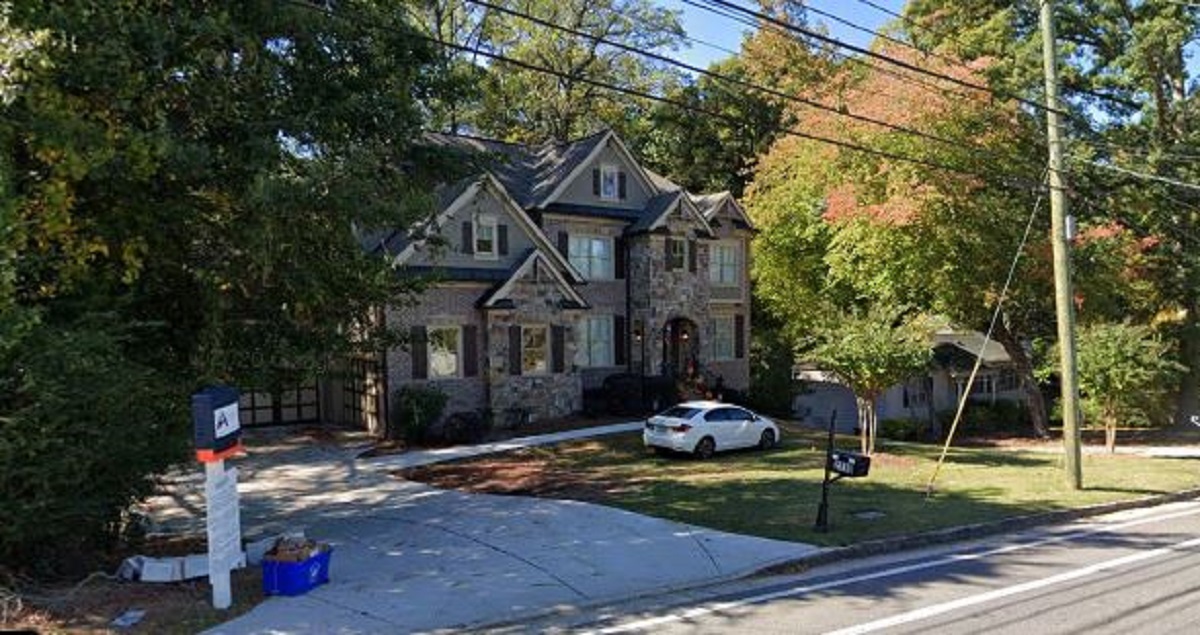
Druid Hills continues to earn recognition as one of the nation’s most desirable places to live, blending historic charm, urban convenience, and high livability.
While technically a historic in-town neighborhood (partly in the City of Atlanta and DeKalb County) rather than a classic suburb, its tree-lined streets, Olmsted-designed parks, and proximity to Emory University make it a standout enclave just 4–5 miles east of downtown Atlanta.
Now, while it’s certainly a nice enclave that people want to live in, Druid Hills is not really a suburb, but we’ll take it.
Recent data from sources like Redfin, Zillow, Realtor.com, and Niche affirm its appeal, with strong (though fluctuating) home values, excellent amenities, and a highly educated resident base.
In addition to home prices, some of the factors included:
- Crime rate
- Unemployment ratio
- Property taxes
- Clinician to patient ratio
- Median Household Income: Roughly $130,000 (with average/mean higher due to affluent households; per capita income ~$75,000–$92,000). Poverty rate ~9%.
- Housing Market (as of early 2026): Median sale prices range from ~$690K–$837K depending on the source and month, with some reports showing medians around $813K in March 2026 (down ~30% YoY in one snapshot, reflecting market normalization and variability in luxury sales).
Let’s look at the numbers:
Here Are The Most Livable Cities In The USA
Rank
Suburb
City
Population
Median household income
Median household income growth
Median house price
Median house price growth
Overall livability score /10
1
Druid Hills
Atlanta
8,365
$123,405
31.10%
$573,400
15.60%
7.6
2
Falls Church
Washington, D.C.
14,128
$124,796
8.71%
$757,300
2.06%
7.57
3
Pimmit Hills
Washington, D.C.
6,223
$131,118
14.80%
$612,900
16.60%
7.52
4
Melrose
Boston
28,113
$103,743
11.00%
$508,700
9.80%
7.41
4
Pleasant Ridge
Detroit
2,431
$116,583
14.00%
$332,900
12.50%
7.41
Another metro Atlanta location makes an appearance in the statistics when it comes to real estate property values. East Point, Georgia is listed 9th when it comes to suburbs with the greatest annual home prices growth.
East Point, which is about four miles from downtown Atlanta, has some great things to do there.
You can view the full study here.
When it comes to a livable area, Atlanta’s neighborhoods have quite a few amenities to chose from. If you like food halls, there’s quite a few as well as the walking space provided by the Beltline.
Atlanta has one of the best real estate markets in the country, with affordable housing in every quadrant of the city. Large backyards, manicured parcels and strong neighborhoods with ample dining amenities make it one of the top places for transplants.
Not to mention that the city’s dining scene is the best in the Southeast. Looking for a home? Check out our Real Estate Resource Page.
Keep up with what’s going on in Atlanta’s real estate scene here with our Apartment Guide.
More Articles From AtlantaFi: