-
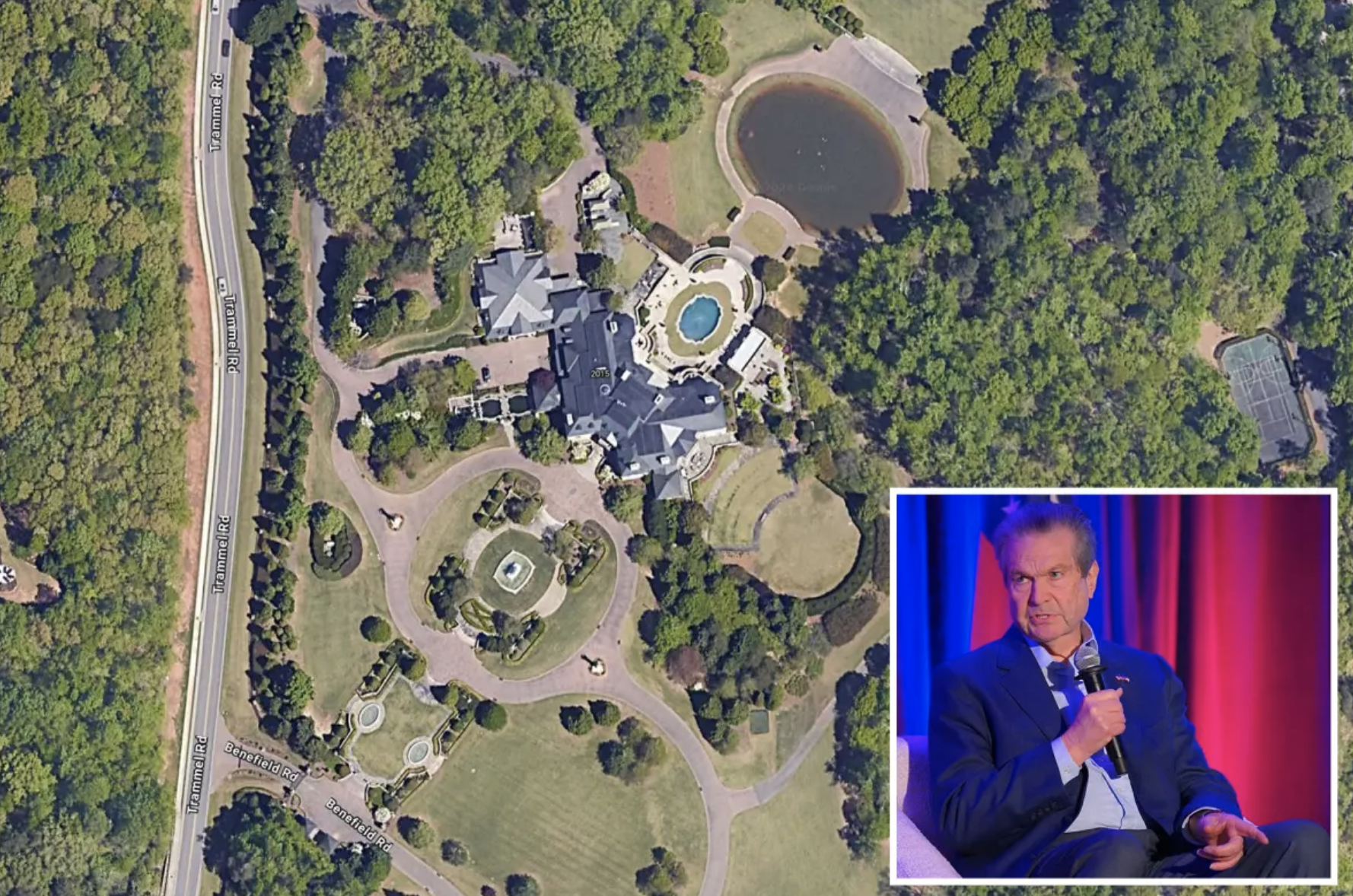
Nestled on 72 gently rolling acres in Cumming, Forsyth County, roughly 40 miles north of Atlanta, stands Le Rêve—French for “The Dream.” This sprawling European-inspired estate, completed in 2006 after three years of construction, is the private residence of healthcare billionaire and 2026 Georgia Republican gubernatorial nominee Rick Jackson. In a 2013 court deposition, Jackson himself declared that Forsyth County should be “proud of one fact, in that they have the nicest home in Georgia and the 18th largest home in the United States.”
At approximately 47,000 square feet with roughly 82 rooms, the modern French chateau-style mansion was designed by noted Atlanta architect Norman Askins. It features seven bedrooms, about nine full bathrooms and 11 half-baths (reports commonly cite around 20 bathrooms total), ten fireplaces, and two elevators.
The Rick Jackson Mansion, Dubbed the ‘Nicest Home in Georgia’
The home sits behind gates on a property that includes a private lake (described in early accounts as about four acres), formal gardens, sports courts, stables, jogging trails, and a private golf course (variously reported as nine or 18 holes). Aerial views reveal an expansive layout with circular drives, fountains, manicured lawns, a large pool area, and wooded surroundings that provide substantial privacy.

Amenities Fit for a Private Resort
Le Rêve was built for both grandeur and entertainment. The terrace level includes a two-lane bowling alley, a 1950s-style diner, an arcade, a virtual golf simulator, and an impressive model train set. The home theater was designed as a replica of Atlanta’s historic Fox Theatre, complete with roughly 27 seats and a reported million-dollar investment in the space.
Additional features noted over the years include a wellness center with a dry sauna and television, a lap pool and leisure pool, a massage room, a toy train room, and extensive outdoor recreational spaces. Older listings described the property as fully furnished, with dozens of televisions and other high-end finishes throughout. A statue of Alexander the Great once graced the grounds, and the estate includes a guesthouse and substantial garage space.

Original owners Hubert and Norma Humphrey (associated with the World Leadership Group / Global Equity Lending) reportedly spent nearly $50 million building the home. It was listed for as much as $45–50 million before the housing crisis led to foreclosure around 2010. The bank later reduced the asking price significantly; public records and contemporary reports indicate it sold in July 2011 in the $9.5–$11.5 million range (Redfin lists a $9.5 million sale price). Jackson acquired the property in that foreclosure sale.
Rick Jackson: How He Made His Millions
Jackson, founder of the Alpharetta-based Jackson Healthcare medical staffing company (a multi-billion-dollar enterprise with dozens of related entities), has lived at Le Rêve for more than a decade. Forbes has described his residence as more than 35,000 square feet with at least seven bedrooms and 20 bathrooms on 72 acres. The property has periodically drawn attention during his political rise, including coverage of a lawsuit he filed against Forsyth County over nearby apartment zoning. In court documents, he expressed concerns about density, security, and property values adjacent to the estate.
While Jackson has long described Le Rêve as Georgia’s nicest home, market realities place it in a different category from the state’s highest-priced transactions.
The record residential sale in Georgia was a $30 million Sea Island property (Entelechy II, designed by John Portman) that closed in late 2025. Other large estates, such as Rick Ross’s Promise Land in Fayetteville (often cited around 54,000 square feet), exceed it in size. Recent media references have described Jackson’s home as an approximately $11.5 million mega-mansion based on its purchase and assessments.
A Symbol of Scale and Ambition
Le Rêve remains one of Georgia’s most extravagant private residences by sheer size and amenity count—a self-contained compound that blends traditional European architecture with recreational features more commonly found at resorts. Its history as a foreclosure bargain turned long-term family home for a self-made billionaire (Jackson has emphasized his rise from foster care and public housing) adds a layer of American Dream narrative that has featured in campaign storytelling.
The estate is not open to the public, and recent photographs are limited, but archival images and satellite views continue to circulate, underscoring its scale: a gated compound so large that multiple aerial images are often needed to capture the full grounds. For Jackson, who has poured substantial personal resources into his 2026 gubernatorial bid, Le Rêve stands as both a private sanctuary and a highly visible symbol of the fortune built through Jackson Healthcare and related ventures.
-
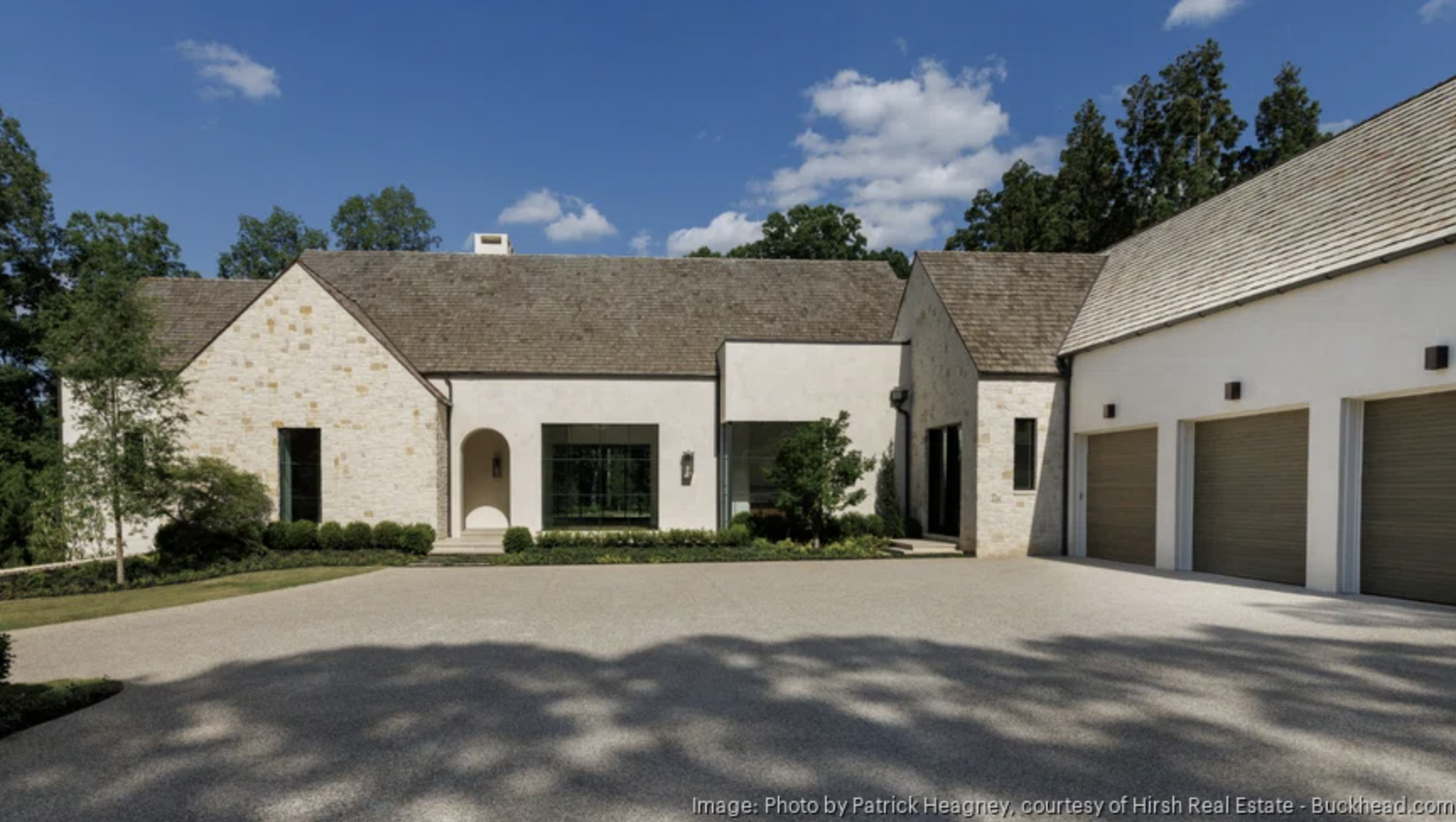
A newly built Scandinavian-style estate at 3603 Knollwood Drive in Buckhead’s exclusive Tuxedo Park neighborhood sold for $13.8 million on July 27, 2026—the highest residential sale price recorded in metro Atlanta so far this year.
Buckhead Mansion Sold for Top Price in 2026
The roughly 16,225-square-foot home sits on 1.58 private hilltop acres. It features six bedrooms and 10 bathrooms (including half-baths), an oversized pool with a flat lawn, a private elevator, four-car garage, covered outdoor living spaces, a fitness room, media lounge, and substantial unfinished flex space in the walkout lower level. Architecture was by Castro Design Studio, site planning by Land Plus, and construction by Siegel Construction, known for its Scandinavian modern aesthetic that has driven strong prices in recent years. The property was listed around $14.5 million.
According to the listing brokerage, the price ranks as the sixth-highest ever paid for a home in Buckhead.
Context in Buckhead’s luxury market
This transaction breaks a stretch without sales above $10 million in the first half of 2026. Earlier in the year, the top Buckhead single-family sales (through June) included:
- $9.75 million — 1165 Garmon Road (June 2026), a 2023 Castro Design Studio estate on 2.3 acres that had previously sold for about $7.15 million in 2024.
- $9.29 million — 4725 Northside Drive (June 2026), a large gated compound on nearly 6.6 acres with a private lake.
- $8.295 million — 41 Blackland Road in Tuxedo Park (February 2026), new English-manor-style construction.
- Other notable deals in the $7–8 million range, including several off-market transactions in Tuxedo Park and nearby areas (such as properties on Tuxedo Road and Valley Road).
Tuxedo Park continues to command premium prices due to its privacy, proximity to top private schools (Pace, Westminster, Lovett), Chastain Park, and Buckhead Village amenities, while maintaining a secluded, estate-like character.
The Knollwood Drive sale underscores ongoing demand for high-end new construction in Buckhead’s premier neighborhoods, even as broader luxury inventory has increased and buyer leverage has grown in higher price tiers later in the spring.
Looking for eats? The city’s dining scene is the best in the Southeast. Looking for a home? Check out our Real Estate Resource Page.
Keep up with what’s going on in Atlanta’s real estate scene here with our Apartment Guide.
See The Latest Atlanta Real Estate News At AtlantaFi.com.
More Articles From AtlantaFi:
-

If you’re thinking about jumping into the local real estate market, you should know that a lot depends on your credit, but also the going rate for homes in Atlanta.
Atlanta Home Prices in 2026: Cooling Trend Continues, But Signs of Stabilization Emerge
Atlanta’s housing market is resilient in many ways, going into the second half of 2026, following several years of rapid appreciation. Home values have experienced modest declines over the past year, giving buyers increased options and some negotiating power amid rising inventory.
How Much Is an Average Home Worth in Atlanta Right Now?
According to the latest Zillow Home Value Index, the typical home value in Atlanta stands at $387,000, with median sale prices closer to $427,000–$430,000 based on recent data. Homes are going pending in about 21 days on average, indicating a market that’s cooled from pandemic-era frenzy but remains active.
Redfin’s data paints a similar picture for the city proper: the median sale price last month hovered around $395,000, down 5.7% from the previous year. Homes are taking longer to sell—around 85 days on market compared to 77 days a year ago—while the market scores as “somewhat competitive.
“Metro Atlanta figures show slight variation. ports point to median sales prices in the broader region around $400,000–$411,000 (from late 2025 Atlanta REALTORS® Association data), with single-family home medians hitting $400,350 in early 2026 per property analytics platforms. Average values in the metro area are estimated near $385,000, down about 4.4% from last year.
This cooling follows a period of steady gains, with prices now adjusting after post-pandemic surges. Increased listings—up significantly in core counties—have extended days on market and allowed more price reductions, benefiting buyers in many negotiations.
What to Expect in 2026
Experts anticipate greater stability this year, with forecasts pointing to minimal further declines or even modest recovery.
Zillow projections suggest Atlanta home values could dip another ~1.3% through mid-2026, while some local analysts and agents predict prices to stabilize or trend slightly upward as the year progresses—potentially with total sales rising year-over-year.
Key drivers include:
- Inventory growth — More homes on the market (some reports note 17–25% increases YoY) creating opportunities for buyers.
- Mortgage rates — Currently in the low-to-mid 6% range, with potential drops toward high-5% or below 6% spurring more activity.
- Demand factors — Atlanta’s appeal remains strong for transplants, job growth, walkable Intown neighborhoods, and lifestyle amenities like the BeltLine.
Intown areas continue to command premium interest due to limited supply and demand for architecturally significant or walkable homes, while suburban and outer quadrants offer more affordability
.Overall, 2026 is shaping up as a healthier, more predictable market for both buyers and sellers—less frenzied than recent years, but still resilient. Whether you’re buying, selling, or just watching, Atlanta’s real estate scene remains one of the Southeast’s most dynamic.
Final Word
Stay tuned for neighborhood-specific breakdowns and monthly updates right here on our site. Data sourced from Zillow, Redfin, Atlanta REALTORS® Association, and local market reports.
Not to mention that the city’s dining scene is the best in the Southeast. Looking for a home? Check out our Real Estate Resource Page.
Keep up with what’s going on in Atlanta’s real estate scene here with our Apartment Guide.
See The Latest Atlanta Real Estate News At AtlantaFi.com.
More Articles From AtlantaFi:
-

Phaedra Parks, the sharp-witted attorney, television personality, and entrepreneur best known for The Real Housewives of Atlanta (RHOA), resides in one of Atlanta’s most prestigious neighborhoods. Her Buckhead mansion stands as a testament to her success, blending Southern elegance with bold personal style. Purchased in 2016, this sprawling estate has appreciated significantly and serves as the perfect backdrop for her multifaceted life.
The Story Behind Phaedra Parks’ Buckhead Mansion
Phaedra bought the gated property in Buckhead, Atlanta, for approximately $1.9 million in late 2016. Spanning nearly 9,000 to 10,000 square feet, the home features six bedrooms and nine to ten bathrooms, plus a separate carriage house/guest house. It sits on about two acres of lush, manicured grounds.

Originally built with classic French-inspired architecture, Phaedra has transformed it into her personal “fortress.” Current estimates place its value between $3 million and $3.7 million, reflecting both market growth in Buckhead and her renovations.
Key exterior highlights include:
- A grand, welcoming driveway and entrance
- Expansive outdoor living spaces with patios, courtyards, and a gazebo
- A spacious backyard perfect for entertaining, complete with a swimming pool and greenery
- The signature “Versace patio” — an opulent outdoor area with lavish accents
Inside the Mansion: Luxury Meets Personality

Phaedra describes her home as far from a sterile “white refrigerator” design — it’s bold, intentional, and filled with character. Visitors are greeted by a dramatic two-story foyer with original artwork, rich details, and a steampunk-inspired flair in some areas.
Standout interior features:
- Custom kitchen: Inspired by an Italian villa, it boasts white marble countertops, stainless steel appliances, cream cabinets, and cheerful yellow accents. It’s a chef’s dream and entertainer’s hub.
- Multiple master suites and luxurious bathrooms with spa-like finishes.
- Elegant living spaces featuring marble, lavish accents, stone fireplaces, and a mix of classic and eclectic decor.
- A carriage house for guests, adding extra flexibility for her busy lifestyle.
The home perfectly reflects Phaedra’s Southern belle charm combined with her love for dramatic, personalized touches.
Who Is Phaedra Parks? Her Career and What She Does for a Living
Beyond the mansion, Phaedra Parks is a highly accomplished professional with a diverse portfolio that has built her an estimated net worth of $6 million or more.
Her main pursuits include:
- Entertainment Attorney: As managing partner of The Parks Group, an Atlanta-based law firm, she specializes in intellectual property, entertainment law, contract negotiations, and litigation. She has represented high-profile clients including Bobby Brown, Jermaine Dupri, and others in the music and entertainment industry.
- Mortuary Science & Funeral Business: A licensed mortician, Phaedra has owned and worked in funeral homes. She has spoken openly about this passion stemming from personal loss and sees it as both a business and creative outlet.
- Television Personality & Media: A longtime RHOA star (returning in recent seasons), author, and actress. Her reality TV fame has amplified her brand while she maintains substantial income streams outside of it.
- Entrepreneur: She has launched fitness DVDs, a skincare line, a book, and various wellness ventures. She’s also involved in real estate and activism.
Phaedra balances her demanding career while raising her two sons, Ayden and Dylan, in this Buckhead home. Her success story highlights smart investments, diverse income streams, and resilience.
Why Buckhead? Prestige and Privacy
Buckhead is often called Atlanta’s Beverly Hills — known for luxury homes, upscale shopping, and exclusivity. Phaedra’s choice reflects her status as a prominent Atlanta figure who values both family life and a sophisticated address.17
Whether hosting lavish gatherings or enjoying quiet family time, her mansion embodies the Southern elegance and bold confidence that fans love about Phaedra Parks.
If you’re fascinated by celebrity homes, luxury real estate in Atlanta, or Phaedra’s inspiring journey from attorney to reality TV icon and business mogul, her Buckhead mansion is the ultimate example of living life on her own terms.
-

Live-work-play (LWP) developments are gaining significant traction as more people prioritize convenience and seamless access to housing, work, retail, and entertainment in one integrated location.
By blending residential, office, and commercial spaces, these mixed-use projects are fundamentally reshaping urban growth and daily life experiences in cities across the United States.
The Rise of Live-Work-Play Developments: Reshaping Urban Living in America
Atlanta stands out prominently in this trend, ranking 4th among U.S. cities for live-work-play developments delivered over the past decade.
To understand the evolution of this movement, CoworkingCafe analyzed leading U.S. markets based on the highest number of LWP buildings opened in the last 10 years (2016–2025). The analysis examined space allocation between residential, office, and retail uses, building quality, and the integration of coworking spaces.
Top 10 U.S. Cities for Live-Work-Play Developments (2016–2025)
Here is a summary table of the leading cities by number of LWP projects delivered:
Rank City Number of LWP Projects Notable Highlights 1 New York City, NY 119 Highest national count; coworking in 14% of buildings 2 Miami, FL 15 Steady pre-pandemic growth; strong mixed-use momentum 3 (Tied or next leaders; specifics vary by data) – Emerging hubs with significant deliveries 4 Atlanta, GA 11 Ties with Philadelphia; 3.3M sq ft total; all Class A 5–10 Philadelphia, PA and others (e.g., potentially Chicago, Los Angeles, Washington D.C. markets) Varies Strong volume in major metros with diverse space mixes Note: Exact rankings beyond the top mentions draw from comprehensive CoworkingCafe data, with New York dominating and Atlanta securing a top-5 spot.0
Atlanta’s Strong Position in the LWP Boom
Atlanta has emerged as a key player, with 11 live-work-play projects completed between 2016 and 2025, tying it for 4th place nationally alongside Philadelphia, PA. These developments total approximately 3.3 million square feet, with notable peak delivery years in 2016, 2020, 2023, and 2024 (often two projects annually).
Key characteristics of Atlanta’s LWP projects include:
- Residential-heavy mix: Multifamily residential space accounts for 74% of the total square footage—significantly above the national average of 62%. Office space makes up 17% (below the 27% national benchmark), and retail comprises 9% (slightly under the 11% average).
- Moderate coworking integration: Only 3 of the 11 developments feature coworking spaces, indicating substantial potential for growth in flexible work options.
- Premium quality focus: Every live-work-play building in Atlanta is classified as Class A, highlighting a commitment to high-grade amenities and upscale design.
- Notable examples: Projects like The Indie, Arya Peachtree, Society Atlanta, The Rive Atlanta, The Beverly by Alta, Entra West End, and others exemplify the trend.
- Ongoing momentum: Two additional projects are slated for delivery in 2026, promising continued expansion.
- State dominance: Atlanta’s 11 projects represent 65% of Georgia’s total 17 LWP developments over the decade, underscoring the city’s central role in driving this development type statewide.
Broader Implications and Future Outlook
The surge in live-work-play developments reflects shifting preferences toward integrated, convenient lifestyles that minimize commutes and maximize access to amenities. Nationally, these projects—totaling hundreds across major markets—blend functions to create vibrant, self-contained communities.
Atlanta’s emphasis on high-quality, residential-focused designs positions it well for sustained growth, especially as remote and hybrid work patterns evolve.
With a robust pipeline and proven demand, cities like Atlanta are poised to lead the next wave of urban innovation.
As more developers incorporate coworking and flexible spaces, LWP projects will likely become even more integral to modern city planning, offering residents a true “live, work, play” experience in one dynamic environment.
Downtown Atlanta’s development landscape has undergone significant transformation in recent years, driven by large-scale mixed-use projects, infrastructure upgrades, and a focus on revitalizing the city’s historic core. These changes reflect a broader effort to make Downtown more vibrant, walkable, and economically robust, particularly in preparation for events like the 2026 FIFA World Cup.
More Content From AtlantaFi.com:
-
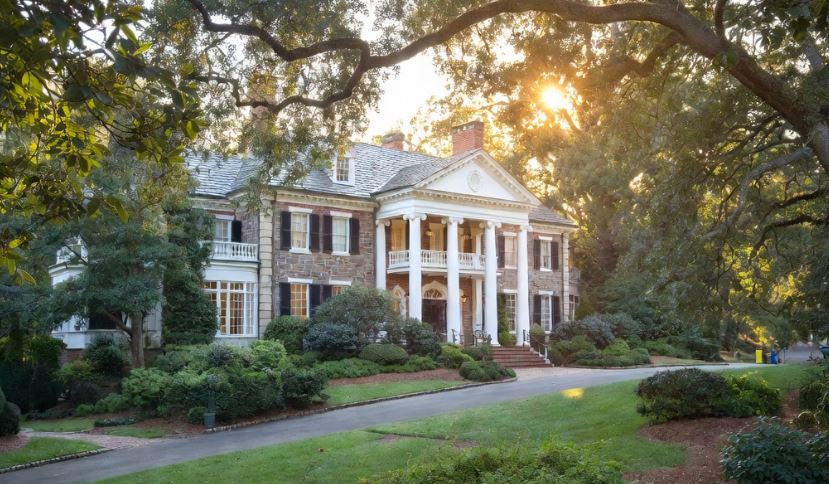
Buckhead, often called the “Beverly Hills of the South,” ranks as one of Atlanta’s most affluent districts, known for luxury estates, high-end shopping at places like Phipps Plaza and Lenox Square, fine dining, and proximity to top private schools and parks like Chastain Park.
Within Buckhead, several enclaves vie for prestige, but data on home values, sales records, and resident profiles consistently point to Tuxedo Park as the pinnacle of wealth.
Tuxedo Park stands out as the richest neighborhood in Buckhead, Atlanta’s wealthiest part of town.
Why Tuxedo Park?
Tuxedo Park, located in the northwest part of Buckhead (primarily in ZIP code 30327), features sprawling historic and modern estates on large, tree-lined lots. It offers privacy, architectural significance, and an old-money vibe mixed with new luxury builds.
One of the top neighborhoods in Atlanta, Buckhead has carefully crafted Tuxedo Park’s image.
- Home Values and Sales: Median or average home prices in Tuxedo Park often exceed $2.8–$3.5 million or more, with many estates in the $5–$20 million range. Recent record sales include a $19.8 million off-market deal in 2024 on Tuxedo Road, the highest residential sale in Atlanta history at the time. Average sale prices over recent periods have hovered around $3.4 million.
- Income Levels: Median household income reaches $250,000+ in some metrics, with average individual incomes around $225,000. This places it among the highest in the metro area.
- Prestige Factors: It is home to the Georgia Governor’s Mansion, historic estates designed by notable architects like Philip Shutze and Neel Reid, and residents including CEOs, celebrities, athletes, and old Atlanta families (e.g., past ties to Coca-Cola leadership and golfer Bobby Jones). Many properties are on the National Register of Historic Places or feature gated privacy.
Tuxedo Park’s streets, such as Tuxedo Road and nearby areas like Clifton Ridge, frequently top lists of Atlanta’s most expensive streets, with averages in the multi-million range. Nearby, celebrity homes dot the landscape.
Close Contenders in Atlanta: Top Buckhead Mansions
Buckhead includes dozens of mansions for sale, but also smaller neighborhoods, and wealth is concentrated but not uniform. Other top areas include:
- Kingswood: A smaller, tranquil enclave just west of Tuxedo Park with palatial homes (many from the 1960s onward) on generous lots. Median/average values often range from $2.4–$2.75 million. It offers strong family appeal near elite schools like Westminster and Lovett.
- Chastain Park area: Features larger lots, newer luxury homes, and proximity to the park, golf course, and amphitheater. Values are high (often $1.9–$2.5 million+ medians) but generally below Tuxedo Park’s peaks.
- West Paces Ferry / other corridors: These host many record-breaking sales and executive estates.
Overall Buckhead median home values sit around $500K–$900K depending on the exact subarea and data source (with luxury skewing averages much higher), far above Atlanta citywide figures. The broader 30327 ZIP code often ranks among the wealthiest nationally.
Lifestyle and Appeal
Residents enjoy:
- Privacy and Exclusivity — Large lots (often 1+ acres), mature trees, and minimal through traffic.
- Amenities — Proximity to Buckhead’s commercial core, Cherokee Town Club, top schools, and green spaces.
- Investment — Strong appreciation, with luxury properties showing resilience and growth even in fluctuating markets.
Tuxedo Park balances historic charm with modern high-end living, attracting those seeking old-world prestige in an in-town setting.
Final Word
Wealth metrics in Atlanta’s expensive neighborhoods rely on median home prices, recent sales, household income from Census/Zillow/Redfin sources, and local real estate reports.
These can vary by year and methodology (e.g., small sample sizes in exclusive enclaves), but Tuxedo Park consistently leads. Buckhead as a whole remains Atlanta’s luxury flagship, though it faces typical urban challenges like traffic and debates over city services.
In summary, if you’re looking for the richest neighborhood in Buckhead, Tuxedo Park is the clear frontrunner—an enclave where Atlanta’s elite have built legacies for over a century. For buyers or admirers, it represents the apex of Southern luxury living.
-
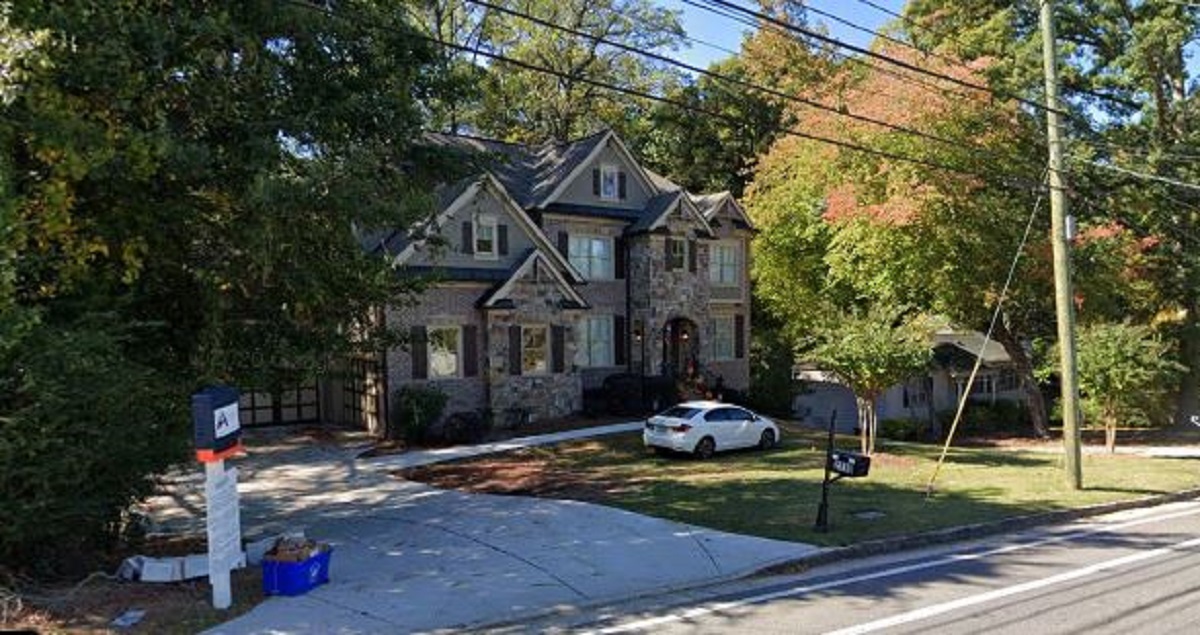
Druid Hills continues to earn recognition as one of the nation’s most desirable places to live, blending historic charm, urban convenience, and high livability.
While technically a historic in-town neighborhood (partly in the City of Atlanta and DeKalb County) rather than a classic suburb, its tree-lined streets, Olmsted-designed parks, and proximity to Emory University make it a standout enclave just 4–5 miles east of downtown Atlanta.
Now, while it’s certainly a nice enclave that people want to live in, Druid Hills is not really a suburb, but we’ll take it.
Recent data from sources like Redfin, Zillow, Realtor.com, and Niche affirm its appeal, with strong (though fluctuating) home values, excellent amenities, and a highly educated resident base.
In addition to home prices, some of the factors included:
- Crime rate
- Unemployment ratio
- Property taxes
- Clinician to patient ratio
- Median Household Income: Roughly $130,000 (with average/mean higher due to affluent households; per capita income ~$75,000–$92,000). Poverty rate ~9%.
- Housing Market (as of early 2026): Median sale prices range from ~$690K–$837K depending on the source and month, with some reports showing medians around $813K in March 2026 (down ~30% YoY in one snapshot, reflecting market normalization and variability in luxury sales).
Let’s look at the numbers:
Here Are The Most Livable Cities In The USA
Rank
Suburb
City
Population
Median household income
Median household income growth
Median house price
Median house price growth
Overall livability score /10
1
Druid Hills
Atlanta
8,365
$123,405
31.10%
$573,400
15.60%
7.6
2
Falls Church
Washington, D.C.
14,128
$124,796
8.71%
$757,300
2.06%
7.57
3
Pimmit Hills
Washington, D.C.
6,223
$131,118
14.80%
$612,900
16.60%
7.52
4
Melrose
Boston
28,113
$103,743
11.00%
$508,700
9.80%
7.41
4
Pleasant Ridge
Detroit
2,431
$116,583
14.00%
$332,900
12.50%
7.41
Another metro Atlanta location makes an appearance in the statistics when it comes to real estate property values. East Point, Georgia is listed 9th when it comes to suburbs with the greatest annual home prices growth.
East Point, which is about four miles from downtown Atlanta, has some great things to do there.
You can view the full study here.
When it comes to a livable area, Atlanta’s neighborhoods have quite a few amenities to chose from. If you like food halls, there’s quite a few as well as the walking space provided by the Beltline.
Atlanta has one of the best real estate markets in the country, with affordable housing in every quadrant of the city. Large backyards, manicured parcels and strong neighborhoods with ample dining amenities make it one of the top places for transplants.
Not to mention that the city’s dining scene is the best in the Southeast. Looking for a home? Check out our Real Estate Resource Page.
Keep up with what’s going on in Atlanta’s real estate scene here with our Apartment Guide.
More Articles From AtlantaFi:
-
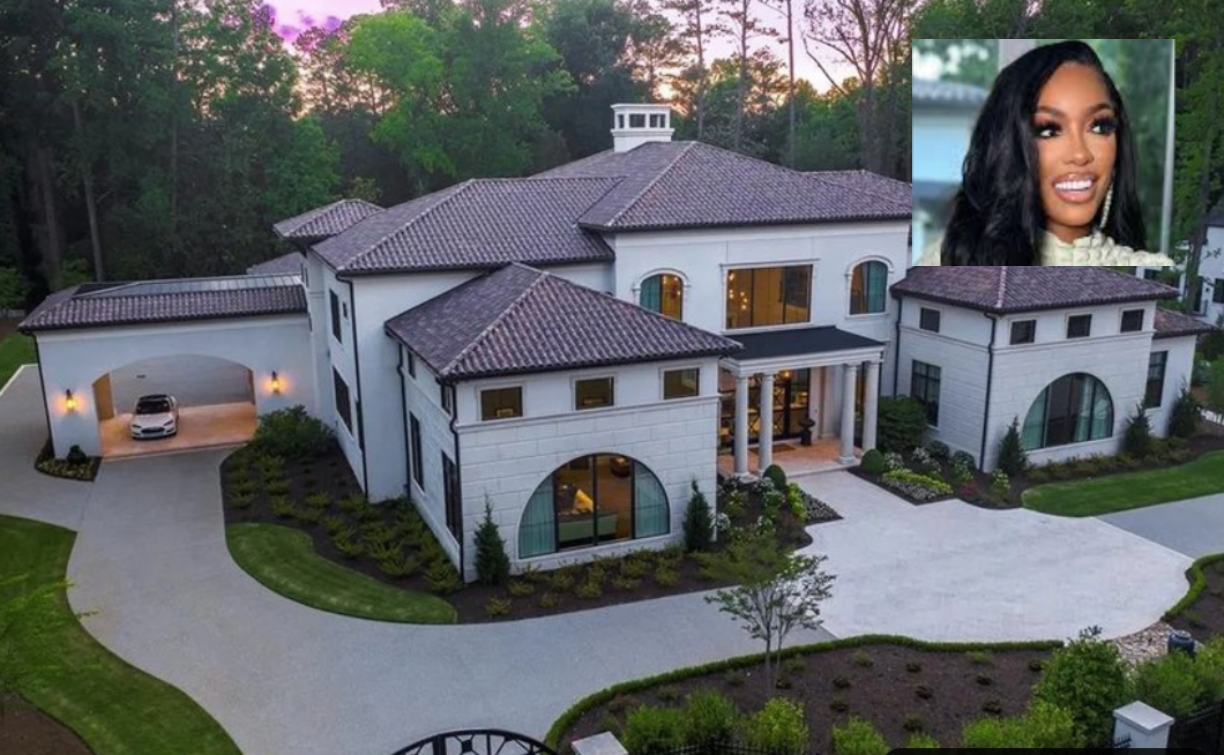
In the ever-glamorous world of Real Housewives of Atlanta, Porsha Williams continues to set the standard for luxury living.
Where Does Porsha Williams Live in Atlanta?
Porsha actually lives in a Sandy Springs mansion with an Atlanta address.
Her current home — the stunning Mediterranean-style mega-mansion in Sandy Springs with those unbeatable views of the Buckhead skyline — remains the talk of the town, especially as she settles into life post-divorce from Simon Guobadia.
Inside Porsha Williams’ New House
Fans have been dying to see more of this 15,284-square-foot showstopper, so we’ve rounded up some standout photos of the exterior, backyard oasis, and elegant interiors that capture why this estate feels like the perfect next chapter for Porsha.
The home, built in 2018 and purchased by Simon in 2021, blends timeless Mediterranean elegance with modern Atlanta opulence. Here’s a closer visual look:

This aerial shot showcases the full grandeur of the gated estate: the sprawling white stucco facade, tiled roof, arched entryways, and lush landscaping that wraps around the nearly 2-acre lot.
The circular driveway and porte-cochère add that extra layer of sophistication.

Another breathtaking exterior view highlights the resort-style backyard — complete with a sparkling private pool, outdoor lounge areas, cabana, and that signature Buckhead skyline peeking through the trees at dusk.
t’s the ultimate spot for those iconic RHOA pool parties or quiet family evenings with daughter PJ.
A front-facing perspective emphasizes the home’s welcoming yet grand entrance, with stately columns, arched windows glowing warmly, and the manicured grounds leading up to the main house.
The design screams high-end custom build by Paradise Builders.

Stepping inside, this expansive great room/living area features soaring ceilings, neutral tones, elegant columns, and seamless flow between living spaces — perfect for entertaining or cozy nights in. The open layout, fireplace, and natural light make it feel airy and luxurious.
The chef’s kitchen is a true highlight: massive island, high-end appliances, custom cabinetry, and those beautiful pendant lights over the seating area. It’s designed for both everyday family meals and lavish gatherings.

These images (sourced from real estate listings and media features) give a real sense of the home’s scale and style — from the dramatic exteriors to the sun-filled, sophisticated interiors Porsha has made her own. Whether decked out for holidays or everyday glam, it’s clear why she’s fought so hard to stay put.
As we reported earlier, the estate’s history is relatively modern (custom-built in 2018), and Porsha’s Atlanta residential journey — from the Roswell home during her Kordell years, to her independent Duluth purchase in 2016 (which sold last year), to this Sandy Springs crown jewel — mirrors her evolution into the powerhouse she is today.
Stay locked in to AtlantaFi.com for more updates on Porsha’s life, her businesses, and any next moves in real estate. In ATL, the homes tell the stories — and Porsha’s is one for the books.
Keep up with what’s going on in Atlanta’s real estate scene here with our Apartment Guide.
See The Latest Atlanta Real Estate News At AtlantaFi.com.
More Articles From AtlantaFi:
-
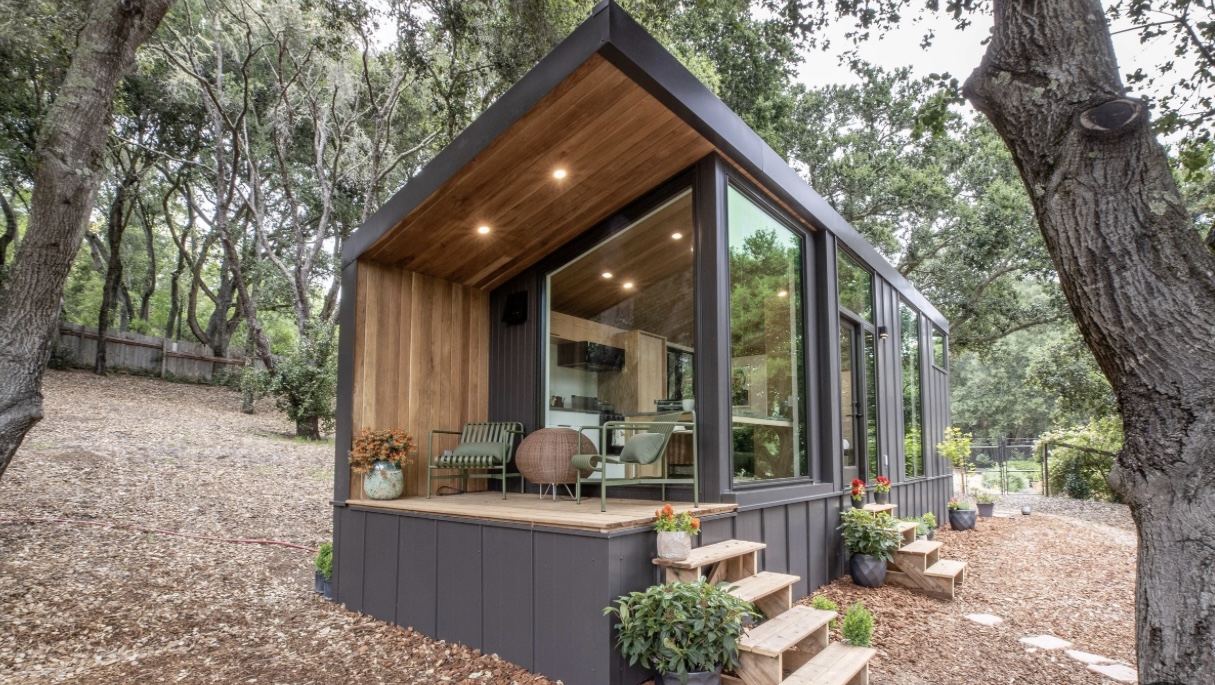
The Georgia House has given strong support to a measure that could bring tiny homes—more formally known as accessory dwelling units (ADUs)—to backyards across the state, including right here in Atlanta neighborhoods.
In a recent vote, lawmakers passed House Bill 1166, sponsored by Rep. Tangie Herring (D-Macon). The legislation would allow homeowners on most single-family residential lots to build one self-contained ADU of 400 square feet or less “by right.”
Tiny Homes Get Closer To Statewide Adoption
This means local zoning boards could not deny a properly permitted tiny home or backyard cottage simply because it’s an ADU, though units would still have to meet all existing state and local rules on building codes, utilities, septic systems, and historic districts.
The bill includes key amendments to address concerns: ADUs cannot be sold separately from the main house, and safeguards aim to prevent large institutional investors from using them to boost portfolios or flip properties.
Supporters say the change removes “unnecessary zoning barriers” while keeping safety and infrastructure standards intact.
Why this matters for Atlanta
Metro Atlanta faces ongoing housing affordability challenges, with rising costs pushing out young families, essential workers, aging residents, and even college graduates returning home.Advocates argue backyard ADUs offer a practical, low-impact way to add rental income options or multigenerational living spaces without needing massive new apartment developments or changing the overall character of single-family streets.
Rep. Herring emphasized that the measure provides more housing flexibility for families—whether housing aging parents, boomerang kids, or essential workers—while preserving local oversight on critical issues.
Concerns from local leaders and residents
Not everyone is on board. Groups like the Georgia Municipal Association have raised red flags about potential unplanned strain on water, sewer, and stormwater systems, especially in older neighborhoods not built for added density.Some worry about increased traffic, parking pressure, or changes to community feel if tiny homes proliferate. Critics also fear creative workarounds that could allow investor-driven conversions despite the amendments.
The bill keeps significant control in local hands—cities and counties like Atlanta would still enforce building permits, septic rules, and protections for historic areas.
What’s next?
HB 1166 now heads to the Georgia Senate, where it will face committee hearings, possible further changes, and a floor vote.If it passes the Senate and wins Gov. Kemp’s signature, the law would take effect and override local zoning bans on these small units statewide.
Atlanta residents and housing watchers will be paying close attention as the session continues. For many, this could be a step toward more flexible, family-friendly housing options in the city’s residential areas—without the need for large-scale redevelopment.
Stay tuned to AtlantaFi.com for updates from the Capitol and what this could mean for your neighborhood.
See The Latest Atlanta Real Estate News At AtlantaFi.com.
More Articles From AtlantaFi:
-

In a market where big-name brokerages continue to consolidate and dominate, a prominent local figure is charting an independent path. Harvin Greene, one of Atlanta’s top-producing real estate professionals, has officially launched DOSSIER, a boutique, design-led luxury real estate firm aimed at delivering personalized, thoughtful service amid industry-wide changes.
Dossier: Luxury Real Estate Brand Opens in Atlanta
The announcement, made earlier this month, positions DOSSIER as a deliberate alternative to the growing scale of corporate real estate models.
Greene, who has built a reputation for handling some of the city’s most high-profile and expensive transactions, brings her expertise to this new venture.
In recent years, Greene’s team achieved standout results, including ranking No. 2 in Atlanta by sales volume in 2024 according to local association data, and closing nearly $160 million in residential sales across 2024 and 2025.
She has represented both sides of Atlanta’s record-breaking deals, such as the $19.8 million Buckhead mansion purchase in 2024 (the city’s most expensive residential sale at the time) and the $15.75 million Tuxedo Park estate sale in 2025.
Her background extends beyond traditional real estate: with over 17 years in the industry and a prior decade in global marketing leadership at The Coca-Cola Company, Greene combines market savvy with strong brand strategy, design sensibility, and hands-on construction knowledge gained through renovation projects alongside her husband, builder Tommy Greene of T2Greene.
DOSSIER is founded on the philosophy that “every home tells a story” — and that clients deserve representation matching the nuance and individuality of their properties.
The firm emphasizes discretion, strategic guidance, elevated presentation, and a deeply personal approach, catering especially to those buying or selling historic estates, modern builds, or other luxury properties who prioritize clarity and trusted counsel over mass-market uniformity.
The new brokerage operates as a founder-led, intentionally independent entity, created in partnership with Side, the platform that empowers top agents to build and scale their own companies while handling backend operations.
“We’re seeing more consolidation than ever in real estate, but bigger doesn’t always mean better for clients,” Greene said in the launch announcement. “DOSSIER was built as a response to that — a firm where innovation, integrity and exceptional service aren’t diluted by scale.”
Guy Gal, CEO and co-founder of Side, praised the move: “Harvin represents the future of independent luxury real estate. She’s not just selling homes — she’s building a brand that elevates how clients feel, decide, and invest. We’re honored to power DOSSIER behind the scenes as it grows.”
DOSSIER evolves from Greene’s established personal brand, HARVIN, which had become synonymous with discernment and high-performance results in Atlanta’s competitive luxury market.
The firm promises a polished, client-centered experience that draws on design expertise, construction insight, data-driven strategies, and unwavering service standards.
As Atlanta’s luxury real estate landscape continues to evolve, DOSSIER arrives as a fresh, boutique option for buyers and sellers seeking an alternative to the consolidated giants — one rooted in local expertise, creative vision, and personal attention.
Not to mention that the city’s dining scene is the best in the Southeast. Looking for a home? Check out our Real Estate Resource Page.
Keep up with what’s going on in Atlanta’s real estate scene here with our Apartment Guide.
See The Latest Atlanta Real Estate News At AtlantaFi.com.
More Articles From AtlantaFi: