
Birmingham, AL – A former University of Alabama defensive tackle has been charged in what authorities describe as an elaborate $20 million fraud scheme in which he allegedly impersonated prominent NFL players using disguises, fake identities, and virtual loan closings.
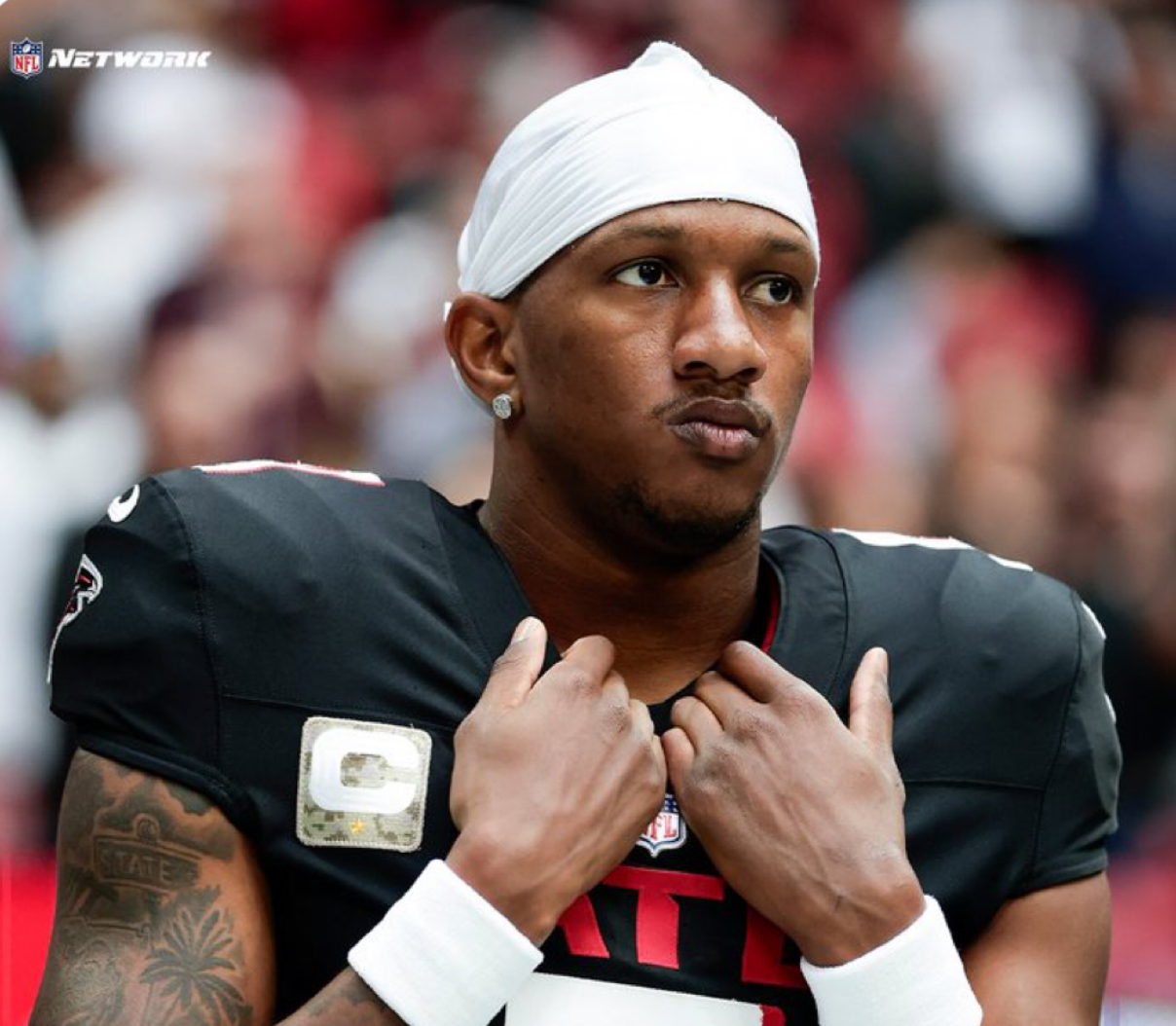
Luther Davis, who played for the Crimson Tide, is accused of dressing in wigs and makeup to pose as Atlanta Falcons quarterback Michael Penix Jr., Cleveland Browns tight end David Njoku, and New York Giants safety Xavier McKinney.
Former Alabama Defensive Tackle Luther Davis Accused in $20 Million Loan Fraud Scheme Involving NFL Player Impersonations
Along with an accomplice, Davis reportedly created fictitious companies, bank accounts, and identification documents tied to the players to secure fraudulent loans.
According to court documents and law enforcement statements, the scheme spanned 17 months and involved at least 13 separate loans totaling nearly $20 million. The pair allegedly attended virtual loan closings while disguised, using the fake personas to convince lenders to disburse the funds.
Authorities say the operation relied on sophisticated elements of identity theft and financial deception.
Fake IDs, forged documents, and impersonations allowed the suspects to bypass standard verification processes during the remote loan applications and closings, which became more common after the COVID-19 pandemic.
Davis now faces serious federal charges, including bank fraud and identity theft, carrying potential penalties of up to 20 years in prison if convicted.
The case has drawn significant attention due to the high-profile nature of the impersonated athletes and the scale of the alleged fraud.
Penix, Njoku, and McKinney have not been accused of any wrongdoing and are considered victims in the scheme.
This is not the first time Davis has made headlines; as a standout defensive lineman at Alabama, he contributed to the team’s championship culture before transitioning to professional opportunities.
The charges mark a dramatic fall from his days wearing the crimson and white.
Federal investigators continue to examine the full scope of the operation, including where the allegedly fraudulently obtained funds were directed.
As the case proceeds through the courts, it highlights ongoing vulnerabilities in virtual lending processes and the growing sophistication of financial crimes involving identity theft.
Further details are expected to emerge as the case against Davis and his alleged accomplice moves forward.