-
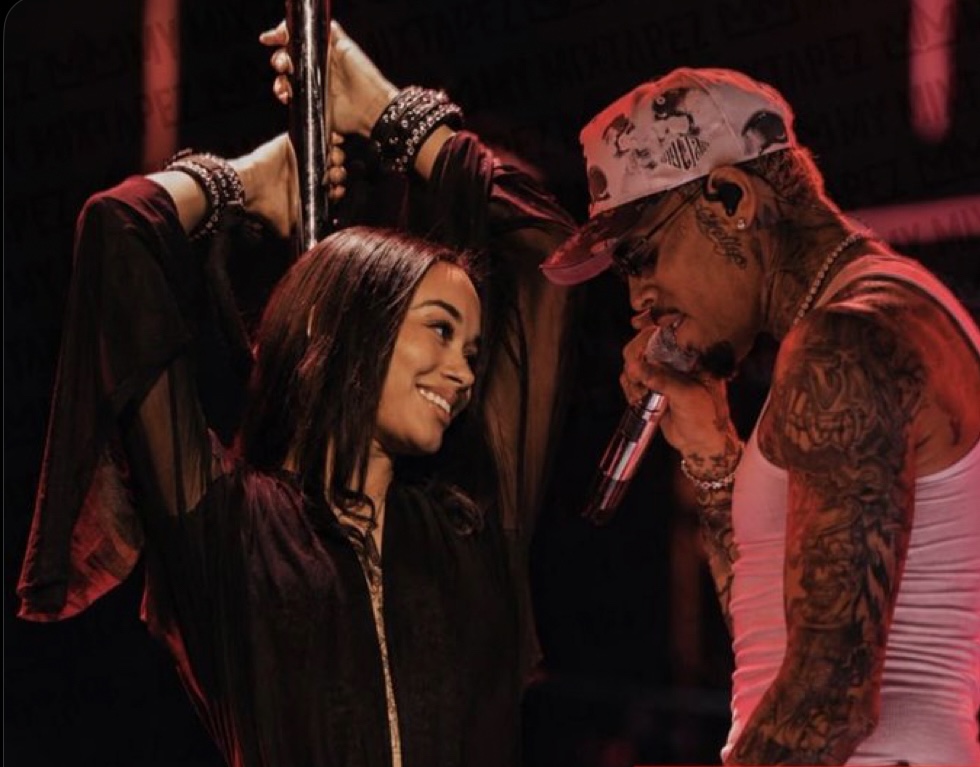
During the multi-night Atlanta stop of their joint R&B Tour at Mercedes-Benz Stadium, Chris Brown brought fan Gabrielle Cheyenne onstage for a seductive performance of his 2007 hit “Take You Down.” She stood handcuffed to a dance pole while he serenaded her—marking a stark contrast to her earlier viral encounter with Usher.
Chris Brown Brings Viral ‘Stiff’ Usher Fan Onstage in Atlanta,
Cheyenne had gone viral in July 2026 during a Nashville date on the same tour. Usher pulled her onstage for “Can U Handle It?,” but she appeared stiff and disinterested. He remarked, “I don’t think she want to be on the stage,” and sent her off. She later clarified on social media that she had wanted Chris Brown all along: “Baby, I wasn’t going up there for Usher, I wanted CHRIS and CHRIS only.”
Footage from the November 8 Atlanta show (night three of a record five-night run) shows Cheyenne smiling and engaged as Brown performed. Both shared moments from the night on Instagram, with Cheyenne captioning one “Love a good encore.” The appearance quickly circulated online amid ongoing speculation about tension between the two co-headliners.
Backstage Reports and the Atlanta Run
The Atlanta residency got off to a rocky start on November 5. The show was delayed roughly two-and-a-half to three hours (reportedly starting near 10 p.m. instead of the advertised 7:30–8:30 p.m. window) due to heavy traffic. According to TMZ sources, Brown and Usher argued backstage over whether to delay further for late-arriving fans. Brown reportedly preferred starting closer to schedule; Usher favored waiting. No joint performances occurred that night, and Usher greeted the crowd with “Welcome to my show.” Sets were reportedly shortened to meet the midnight curfew.
Brown pushed back on the rumors the next day via Instagram Stories, posting “Internet 🧢. Don’t fall for it.” Subsequent nights saw the pair share the stage again, including a performance of “Back to Sleep.” Sources described the two as “extremely competitive” throughout the tour, though many reports indicated the overall run was not in jeopardy. The five-night Atlanta stand set a venue record, surpassing Beyoncé’s previous four-show mark.
“It Was a Setup” Claims
Entertainment commentator @heavenhollywood (who has promoted Patreon content on celeb scoops) shared concert footage of the Cheyenne moment and claimed advance knowledge that it was orchestrated. In a November 9 post, the account stated: “It was a setup. Usher found out it was a setup, and that may be what the fight was about… but I already told you Chris knew this chick.” A follow-up suggested it could simply be Brown “being petty, bringing her out in Usher’s city after she already played him in his face in his hometown,” while noting ongoing friction even if the pair had worked things out enough to continue the tour. The poster urged followers to check Patreon for earlier commentary.
These claims remain unverified speculation from a content creator. Mainstream coverage has focused on the viral contrast between the two stage moments and the broader tour logistics/drama reports without confirming any pre-planned “setup” or direct link between Cheyenne and the backstage disagreement. Cheyenne has not publicly detailed how she ended up onstage with Brown.
Context and Ongoing Tour
The R&B Tour (also referred to in some reports as the Raymond & Brown Tour) has been a major commercial success, with high grosses earlier in the run. Past reported friction between Brown and Usher includes a 2023 incident at Brown’s birthday party involving Teyana Taylor. With additional Atlanta dates still on the schedule at the time of the November 8 show (plus further cities afterward), fans and observers have watched closely for more joint performances—or further shade.
Whether Brown’s choice to feature the fan was playful fan service, pointed shade, coincidence, or something more calculated, the moment amplified existing chatter around the co-headliners’ dynamic. The tour continues, with the onstage chemistry (or lack thereof) remaining a point of interest for remaining dates.
-

November brings crisp air, lingering fall colors, and a slightly slower pace that makes the Atlanta Beltline especially inviting. With roughly 16.7 continuous miles of the 22-mile mainline loop open (plus connector trails), the Beltline links neighborhoods, parks, art, and food in one of the city’s most dynamic outdoor spaces. Full loop completion is targeted for 2030, but the existing stretches already offer plenty to explore.
Catch Live Art and Culture
The ATL StyleWriters Jam runs November 6–8, a free three-day celebration of Atlanta’s graffiti and style-writing tradition. Watch dozens of local and visiting artists create live installations at multiple sites, including underpasses on the Southeast, Westside Connector, Southside, and Eastside trails (roughly noon to 8 p.m.). Finished works often join the permanent Beltline Art collection.
Street art is a constant draw year-round. The Beltline functions as Atlanta’s largest outdoor cultural destination, with murals, installations, and rotating pieces along nearly every segment.
On November 8, catch the free outdoor screening of American Pachuco: The Legend of Luis Valdez at dusk as part of the South Arts Southern Circuit Tour, typically at D.H. Stanton Park along the Southside Trail (or nearby Terminal South). It’s family-friendly programming under the stars.
For a guided experience, BiteLines’ Atlanta Beltline Insider’s Walking Tour continues on multiple dates through mid-November (including November 11–13 and 18–19). These roughly 1.2-mile, 90-minute walks start near Ponce City Market on the Eastside Trail, cover street art, Tiny Doors ATL, history, and end with food-hall tips. Adult tickets are around $39.
Join a Neighborhood Festival
Cabbagetown’s Chomp & Stomp on Saturday, November 7, is a classic Beltline-adjacent fall tradition near the Southeast Trail. Expect 100+ chili entries (from mild to wild), live bluegrass and roots music on multiple stages, an artist market, food vendors, and the morning Romp 5K. Admission is free (chili tasting requires an official spoon); the event typically runs about 11 a.m. to 7 p.m. and draws tens of thousands while supporting local parks and green spaces. Arrive by foot, bike, scooter, or transit—parking is scarce.
Other nearby connections include Westside Stride (November 8) and earlier Dia de los Muertos programming at Oakland Cemetery (a short walk from the Southeast Trail).
Stay Active: Walk, Bike, Run, and More
Cooler temperatures are ideal for outdoor movement. Rent a bike or scooter, or simply stroll. The Eastside Trail (Piedmont Park to Krog Street Market area) remains one of the most popular stretches for people-watching, skyline views, and easy access to food and shops.
Regular programming includes the Atlanta Beltline Thursday Run Club, various fitness classes (yoga, conditioning, cardio tennis, Zumba, and more), and occasional guided bike tours. A Northwest BeltLine Bike Tour was listed for November 7. The annual Race the Loop Series wraps up with the Eastside Beltline 12K/3K on December 5, 2026—part of a multi-event challenge that awards a special medal to those who complete all four races.
The Beltline is also home to the world’s longest linear arboretum, with hundreds of tree and plant species planted by Trees Atlanta. November is a strong time for foliage walks or tree tours that highlight the corridor’s ecology and history.
Eat, Drink, and Explore New Spots
Patio season continues in the mild weather. Popular hubs include Ponce City Market, Krog Street Market, Lee + White, and Atlanta Dairies. Recent openings along or near the corridor (as of early November 2026) include Taqueria Lobito (Eastside), Saint Nobody’s Cafe & Vinyl at Atlanta Dairies (Southeast—song-named drinks and vinyl), Meeples Board Game Cafe at The Beacon in Grant Park (Southside), Trap Wingz (Northeast), and several others ranging from wings and pizza to comedy and board games.
Grab a fall-inspired coffee, browse local shops, or settle in for happy hour with skyline or trail views.
Practical Tips
- Check beltline.org/events for the latest schedule of fitness classes, tours, art activations, and community events.
- Weekday or early morning visits often mean lighter crowds.
- The trail is multi-use—share space with walkers, runners, cyclists, and strollers.
- Combine segments with nearby parks (Historic Fourth Ward, Piedmont, Washington Park, etc.) for a fuller outing.
Whether you’re watching artists transform a wall in real time, sampling chili in Cabbagetown, biking through fall color, or simply enjoying a patio meal along the path, the Atlanta Beltline in November delivers a mix of culture, movement, and neighborhood energy that feels distinctly Atlanta.
-

R&B singer Tank recently spoke out about the troubled first night of Usher and Chris Brown’s co-headlining R&B Tour at Atlanta’s Mercedes-Benz Stadium. In a conversation on Atlanta’s V-103 (shared widely via Blackish Press), Tank discussed the problems that plagued the November 5 opener and noted that the production team worked through them, resulting in a much smoother second night.
Tank Addresses Rocky Opening Night of Usher and Chris Brown’s Atlanta R&B Tour, Says Issues Were Fixed for Night Two
The highly anticipated show—the first of a historic five-night run at the stadium—drew sharp criticism from fans. Attendees reported waiting roughly two-and-a-half to three hours after the advertised start time (around 7:30 p.m.), with the headliners not taking the stage until approximately 10 p.m.
The performance was shortened, reportedly wrapping near midnight to comply with a local curfew or ordinance, and Usher and Chris Brown did not share the stage for any joint performances or their known collaborative songs. Fans also cited poor sound quality, a rushed feel, and the absence of signature tour moments such as Usher’s usual crowd interactions. Some described the night as “an absolute mess” and called for refunds.
Speculation quickly turned to backstage tension. TMZ reported that the two artists argued over whether to delay the show further because of heavy Atlanta traffic that left some ticket holders arriving late—one reportedly wanted to wait, while the other preferred starting closer to schedule. Sources described them as having been “extremely competitive” throughout the tour.
Chris Brown responded on Instagram Stories by calling the online chatter “Internet cap” and telling fans not to “fall for it.” Usher’s camp did not issue a detailed public statement. The Atlanta Journal-Constitution and other outlets described the night as underwhelming and confounding, with the artists largely performing separate sets (Usher with guests including T.I. and Young Dro; Chris Brown closing solo with aerial elements).
Tank’s comments, coming from someone closely associated with the production (he has appeared as a guest/supporting artist on the tour and previously discussed joining related dates), framed the issues as solvable production and logistical challenges rather than an irreparable rift. According to the account of the interview, he said the team addressed the problems after night one, and night two ran much more smoothly.
Subsequent nights bore this out. On November 6 (night two), Usher and Chris Brown performed joint material including a “Back to Sleep” remix (from opposite ends of the stage, consistent with some prior staging) and an “It Depends” remix. Guests expanded significantly to include names such as Bow Wow, Muni Long, Jermaine Dupri, Tyrese, Mario, and Tank himself.
Later dates in the Atlanta stand featured further collaboration, including closers like “New Flame,” and the overall run continued as scheduled. The tour, which launched earlier in 2026 and has been a major commercial success with strong ticket sales and high grosses, had previously been praised for the chemistry between the two headliners on other stops.
The Atlanta opener highlighted the challenges of scaling a dual-superstar stadium production—traffic logistics, curfew constraints, sound in a large venue, and the high expectations for joint moments that define the co-headlining concept. While night-one fans expressed legitimate disappointment, Tank’s remarks and the improvements on later nights suggest the production adapted quickly. With remaining Atlanta dates and the tour continuing elsewhere, the focus for many attendees has shifted from the rocky start to whether the full intended experience is delivered going forward.
-
 Art
André 3000 Scores Original Music and Stars in Moncler’s ‘Pioneers in Moncler’ Re/Icons 2026 Campaign
 November 9, 2026
3 Min Read
André 3000 has stepped into a new role as both the face and composer for Moncler’s latest Re/Icons campaign. The Outkast icon appears in the “Pioneers in Moncler” chapter, delivering fresh original music while helping shape the visuals around mountain exploration as a metaphor for forging one’s own path.
The news broke via a post from the NFR Podcast on X, which shared a clip of the campaign film and noted that André 3000 scored new original music for the Moncler Re/Icons 2026 effort, quoting him: “Okay, we are beyond turning back.” The roughly 60-second visual shows him in layered Moncler outerwear—thermal layers, vests, and stacked puffer jackets secured with ropes and gear—against a stark black backdrop, smiling and interacting with the set in characteristically freeform fashion.
Photographed and filmed by Gabriel Moses, the campaign presents André 3000 as a modern pioneer. He is pictured carrying and wearing a substantial portion of the Re/Icons 2026 collection at once, creating a sculptural, expedition-ready silhouette that nods to early alpine climbers who hauled their full kits up peaks. The collection reimagines archive Moncler styles (including the Karakorum, Verone, Himalaya, and Tibb) and expands them into a broader ready-to-wear offering with updated fabrics, proportions, and archival details.
André was deeply involved beyond modeling. On set, faced with a plain black backdrop, he asked for chalk and hand-sketched a mountain landscape across the wall. That spontaneous drawing became central to the campaign’s visual identity and messaging: “Don’t just follow a path. Create your own mountains.” Moncler has framed the collaboration around his history of rewriting rules—from Outkast’s boundary-pushing hip-hop to his instrumental work on the Grammy-nominated New Blue Sun and the 2025 7 Piano Sketches EP, as well as his fashion ventures like Benjamin Bixby (revived as Benji Bixby at the 2025 Met Gala, where he carried a grand piano).
The soundtrack is a major draw. The film features an exclusive snippet of previously unreleased music scored by André 3000 himself—his first new musical output in over a year. No title or standalone release has been announced; for now, the piece lives within the campaign film. This continues his recent focus on instrumental and exploratory composition rather than traditional rap verses.
This installment follows the October 15 Re/Icons launch that featured Cher, Grace Jones, and BLACKPINK’s Jennie. Moncler positions André as a natural fit for the “icons” concept: an artist who has moved fluidly across music, fashion, and art while consistently choosing the less-traveled route. The brand has described the pairing as uniting his lifetime of cultural reinvention with Moncler’s mountaineering heritage and pioneering spirit.
The Re/Icons 2026 collection is available now at select Moncler stores and on moncler.com. For fans of André 3000, the campaign offers a rare glimpse of new music alongside imagery that feels true to his restless creative energy—stacking the gear, drawing the mountains, and scoring the ascent himself. As he put it in the film, “Okay, we are beyond turning back.”
-
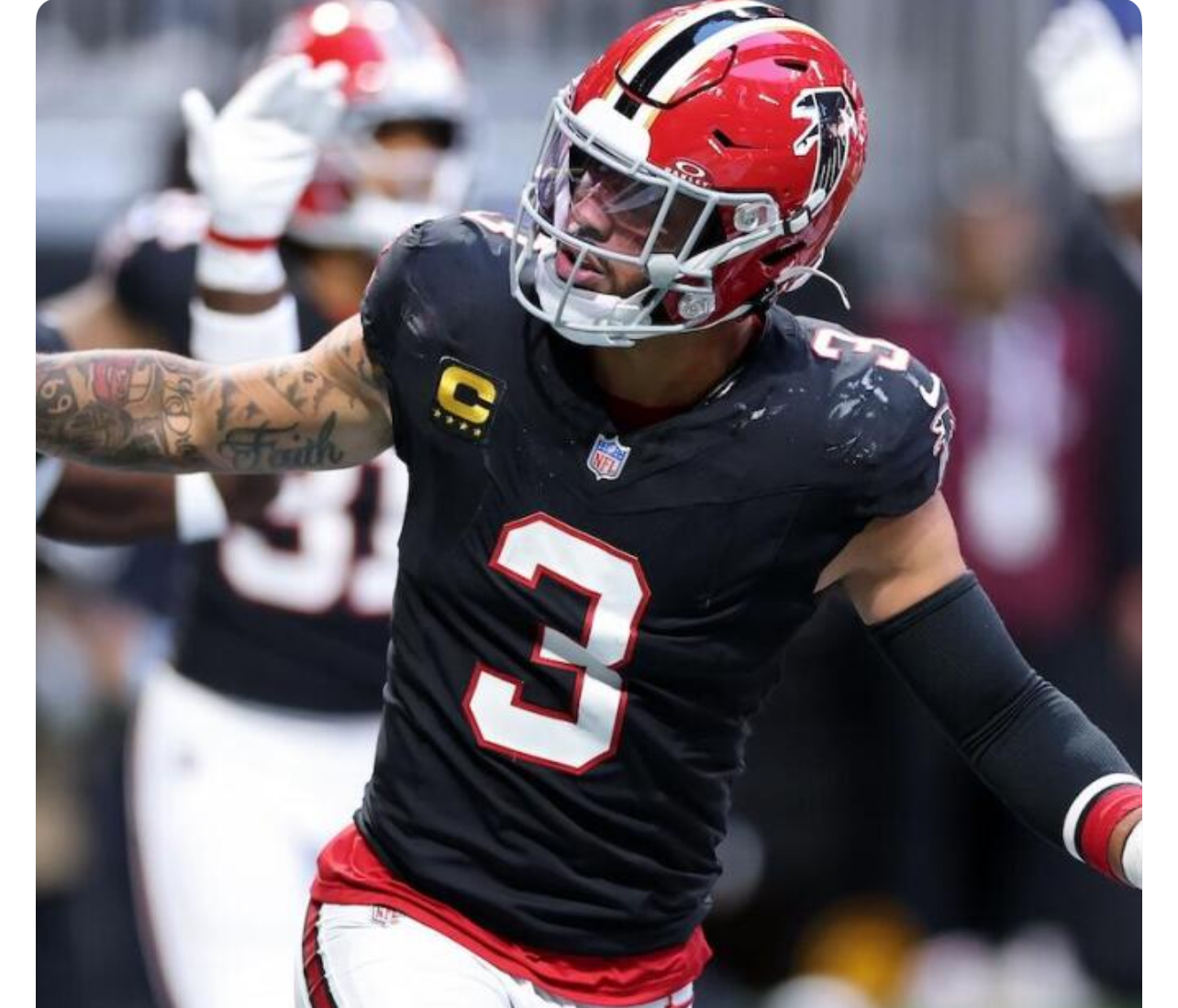
The Jacksonville Jaguars have acquired veteran safety Jessie Bates III from the Atlanta Falcons in exchange for a 2027 second-round draft pick and a 2028 fifth-round pick, according to multiple reports citing ESPN’s Adam Schefter.
Falcons Trade All-Pro Safety Jessie Bates III To Jaguars
The trade, completed one day before the NFL trade deadline, sends the 29-year-old Bates—currently in the final year of the four-year, roughly $64 million contract he signed with Atlanta in 2023—to a Jaguars team sitting at 6-2 with a three-game lead in the AFC South.1 Atlanta is expected to retain most of Bates’ remaining 2026 salary (reported in the $6.5 million range for the rest of the season) to facilitate the move.
Why Jacksonville Made the Move
The Jaguars needed help in the secondary after placing starting safety Eric Murray on injured reserve earlier in November with a season-ending elbow injury. Bates provides an immediate upgrade in experience, ball skills, and leadership for a defense that ranks near the top of the league in points allowed but has been more vulnerable through the air.Bates has recorded 28 career interceptions (with at least one in every season), along with 14 forced fumbles and four defensive touchdowns across nine NFL seasons. He is a three-time second-team All-Pro (including 2025) and made the Pro Bowl in 2023, his first year with the Falcons. Through nine games this season he has 60 total tackles, one interception, three forced fumbles, and a fumble return for a touchdown.
Drafted by the Cincinnati Bengals in the second round (54th overall) out of Wake Forest in 2018, Bates spent his first five seasons in Cincinnati before joining Atlanta. He has started nearly every game of his career and is known for his durability and playmaking range.
Atlanta’s Perspective
For the Falcons (3-6 after a 34-17 loss to the Bengals in Madrid), the deal represents a calculated sell of a player unlikely to be re-signed in free agency. Under first-year general manager Ian Cunningham, president of football operations Matt Ryan, and head coach Kevin Stefanski, Atlanta is prioritizing long-term roster building, draft capital, and cap flexibility. The team is projected to have significant salary-cap space next offseason and has emphasized building through the draft and the trenches.Bates started all 60 possible games in his Falcons tenure and produced 14 interceptions and 11 forced fumbles during that span. Younger players such as Xavier Watts, DeMarcco Hellams, and Sydney Brown are now expected to see increased snaps at safety.
Looking Ahead
Jacksonville, which has also dealt with other defensive injuries (including the loss of defensive tackle DaVon Hamilton), may not be done dealing before the deadline as it looks to solidify a Super Bowl-contending roster. Bates can stabilize the back end immediately and could be a candidate for an extension if the fit is strong.The Jaguars next play at the Tennessee Titans; the Falcons host the Kansas City Chiefs. Bates’ arrival marks one of the more significant defensive moves of the 2026 trade deadline cycle and pairs a proven All-Pro with a team already among the AFC’s top contenders.
-
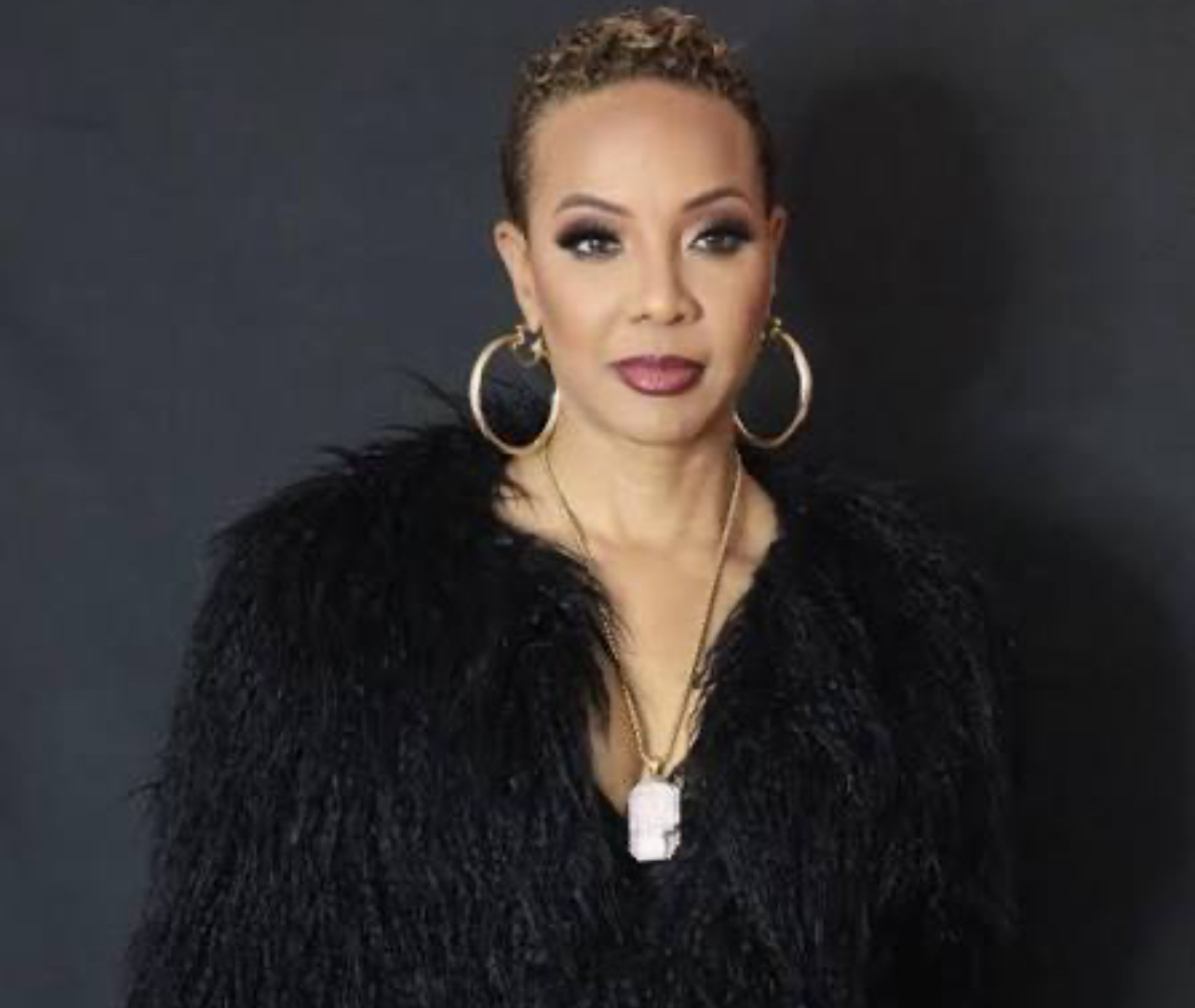
It’s a Ladies First Monday in ATL! Hip-hop pioneer MC Lyte takes the stage on November 9, 2026, at City Winery Atlanta for one of the final stops on her “Road to the Rock & Roll Hall of Fame” tour.
The 8:00 p.m. show (with a second date the following night) marks an intimate celebration of her induction into the Rock & Roll Hall of Fame as part of the 2026 class, in the Musical Influence category. The formal induction ceremony takes place days later, on November 14 at the Peacock Theater in Los Angeles.
MC Lyte Celebrates Her Path to the Rock & Roll Hall of Fame with Intimate Shows at City Winery Atlanta
Lana Michele Moorer, known professionally as MC Lyte, has spent nearly four decades redefining what it means to be a woman in hip-hop. Born and raised in Brooklyn, she began writing rhymes at age 12.
By 17 she had released “I Cram to Understand U (Sam),” a sharp commentary on the crack epidemic, and in 1988 she delivered Lyte as a Rock—the first full-length solo album by a female rapper. That debut helped establish her as a master lyricist who blended braggadocio with emotional depth and social consciousness.
Her list of firsts is historic: the first female rapper to earn a gold single (“Ruffneck,” 1993), the first solo female rapper nominated for a Grammy, the first rap artist to perform at Carnegie Hall, and the first woman to bring hip-hop to the White House. Albums such as Eyes on This (1989) further broke barriers, becoming the first by a solo female rapper to chart on the Billboard 200. Hits like “Paper Thin,” “Cha Cha Cha,” “Cold Rock a Party,” and “Ruffneck” became genre-defining anthems.
Beyond music, Lyte has built a multifaceted career as an entrepreneur (through Sunni Gyrl Inc.), actress, DJ, author, speaker, and advocate. She has worked on anti-violence initiatives (including the Stop the Violence Movement’s “Self Destruction”), women’s rights, HIV/AIDS awareness, voter education, and positive representation through the Hip Hop Sisters Network she co-founded. Collaborations span Public Enemy, Janet Jackson, Aerosmith, Beyoncé, Mary J. Blige, and others. In 2024 she released 1 of 1, her first album in nearly a decade, reaffirming that MCs do not have an expiration date.
The Atlanta shows are part of a deliberate 12-city “Road to the Hall of Fame” tour that began earlier in the fall. Rather than a standard greatest-hits package, the evenings mix live performance with storytelling and conversation—essentially a living archive of her catalog and the history surrounding it.
Lyte has described the format as giving her rare time (roughly 90 minutes) to go “back in the crates,” share the journey, and connect directly with the fans who supported her from the beginning. “When people show up, to me, that’s my Walk of Fame,” she has said. The tour treats the Hall of Fame not as a finish line but as another stop on a continuing path.
City Winery Atlanta, located in Ponce City Market at 650 North Avenue NE, provides the ideal setting: an intimate room known for strong acoustics, cabaret-style seating, and full dining and wine service. The event is 21+, allowing audiences to experience legendary hip-hop in a relaxed, upscale atmosphere that pairs well with reflection on a four-decade career.
For longtime fans, the night is a chance to hear classics alongside deeper cuts and personal stories. For newer listeners, it offers direct access to one of the architects of modern female rap—someone who expanded the genre’s voice, vision, and possibilities for generations that followed, from Queen Latifah and Missy Elliott onward. Sharing the 2026 class with fellow hip-hop figures such as Queen Latifah (also receiving a special award) and Wu-Tang Clan (in the Performer category) underscores how far the culture has come while highlighting Lyte’s foundational role.
As MC Lyte stands just days away from officially joining the Rock & Roll Hall of Fame, her Atlanta performances serve as both a victory lap and a thank-you. They honor the music, the moments, and the people who helped turn a Brooklyn teenager with a notebook of rhymes into an enduring icon. In a career defined by breaking barriers, this “Road to the Hall” stop feels like the natural next chapter—one delivered live, up close, and with the full weight of history behind it.
-
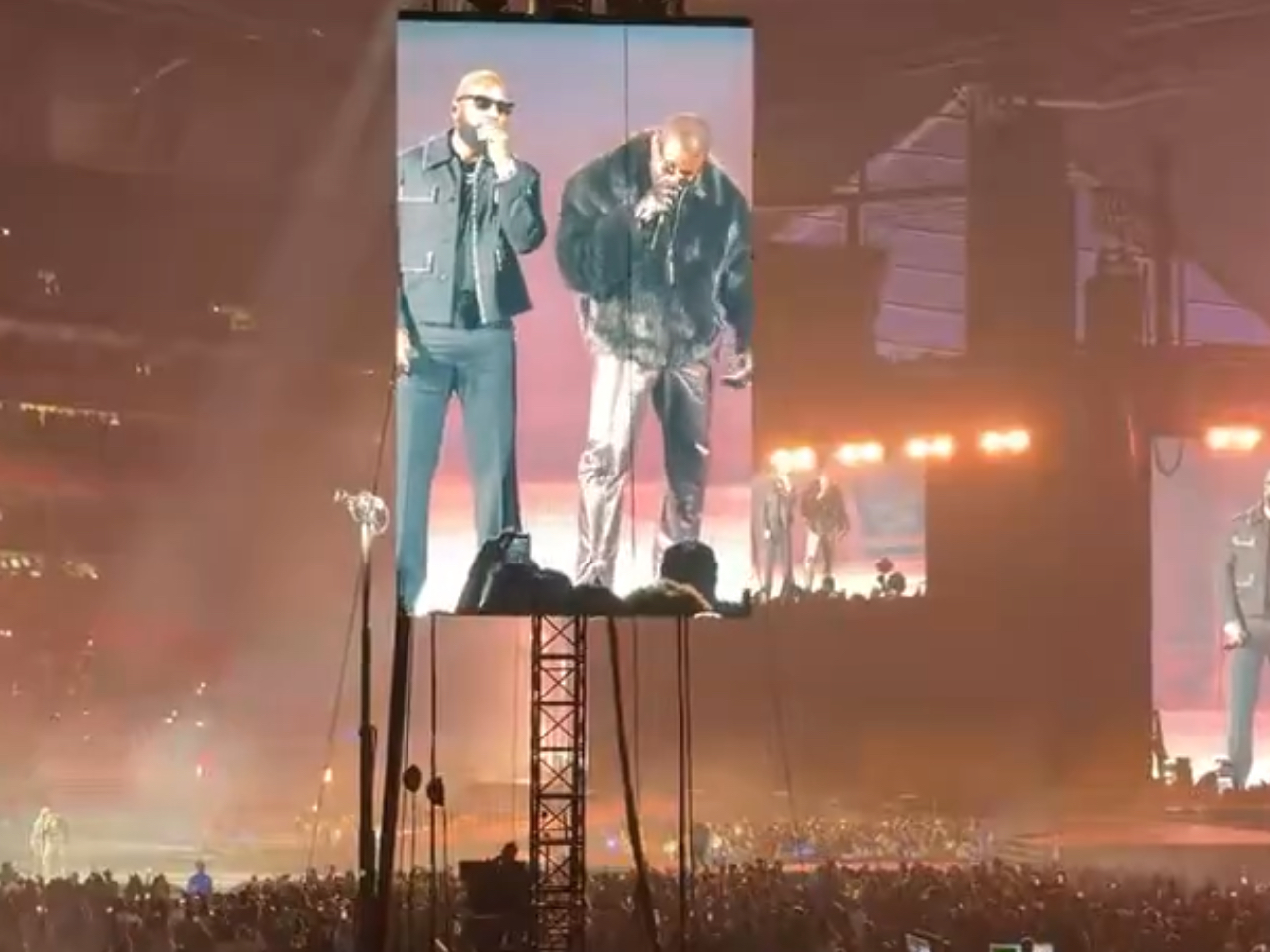
Usher honors Georgia Governor-elect Keisha Lance Bottoms at Atlanta concert, spotlighting her historic win as the first Black woman elected governor in U.S. history.1
During the opening stretch of his multi-night hometown run with Chris Brown at Mercedes-Benz Stadium, R&B superstar Usher paused to celebrate Bottoms, who was in attendance, showing stage performances by Usher (and collaborator Jeezy) alongside large screens displaying Bottoms and her group in a suite, where they stood, clapped, and acknowledged the recognition.
Bottoms, a Democrat and former Atlanta mayor (2018–2022), won the November 3, 2026, gubernatorial election, defeating Republican Rick Jackson.
Usher honors Georgia Governor-elect Keisha Lance Bottoms at Atlanta concert
Her victory made her the first Black woman elected to the governorship of any U.S. state and Georgia’s first Black and first female governor. She is scheduled to take office after a career that also included service on the Atlanta City Council, work as a prosecutor and magistrate judge, and roles in the Biden administration.
The concert tribute fits a long pattern in Atlanta, where hip-hop and R&B artists have frequently engaged with local politics. Bottoms received support from figures in the scene during her earlier mayoral campaigns, and artists including Jeezy have had public ties to her. Usher (along with Jeezy) delivered a shoutout that highlighted her historic achievement while she watched from the stands.
The stadium run itself has drawn large crowds across multiple nights, with the artists delivering high-production R&B sets. Fans and local coverage noted the political interlude as a standout moment on a night that otherwise focused on hits and guest appearances. Bottoms has spoken publicly about her roots in Atlanta, her family (including husband Derek Bottoms and their four adopted children), and her path from daughter of R&B singer Major Lance to statewide office.
The gesture underscores the intersection of Atlanta’s music culture and its evolving political landscape as Bottoms prepares to lead the state.
-
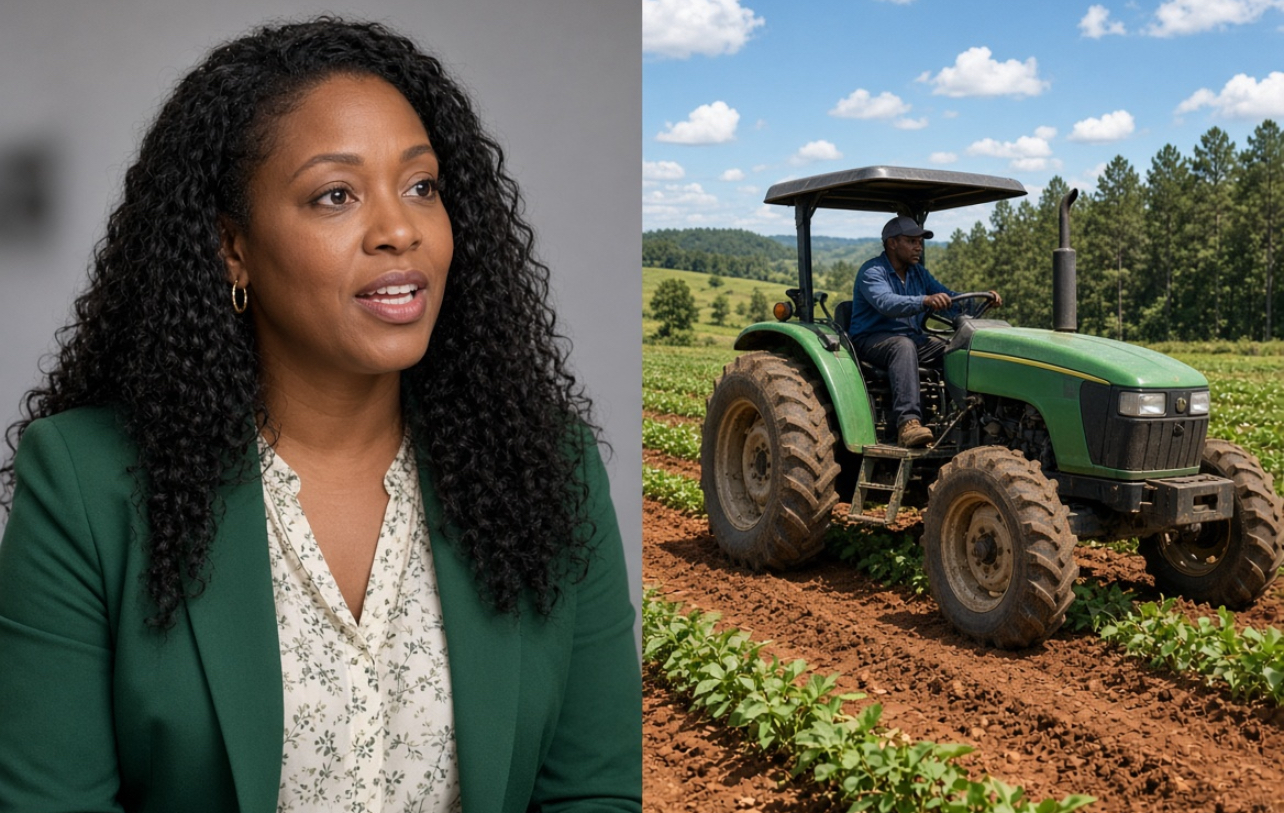
Georgia’s incoming Agriculture Commissioner Katherine Juhan-Arnold has stated plans to allocate state budget resources toward Black farmers (alongside beginning farmers and those disconnected from assistance), drawing attention to longstanding disparities while raising questions about race-based policy.
Recently elected to her post in Georgia alongside a slew of Black women executives, Juhan-Arnold noted: “We have the budget to allocate funds for our black farmers, for our beginning farmers, for people who have a disconnect.”
She linked the idea to personal family history involving heirs’ property in Richland, Georgia, and the need for re-education on protecting land and navigating agricultural systems. She is the first woman and first Black person elected to the post, defeating incumbent Republican Tyler Harper in the November 2026 election after founding a nonprofit focused on fresh food and gardening in low-income communities.
Georgia has roughly 67,000 farm producers, of whom about 2,700 (around 4%) are Black or African American according to 2022 USDA Census of Agriculture data; they operate a fraction of the state’s farmland.
Land Loss, Disparities in the South and the Plight of the Black Farmer
Black farmers’ challenges in Georgia and the broader South stem from a long trajectory of land acquisition followed by steep decline. After emancipation, many formerly enslaved people sought land ownership as a foundation for economic independence. Peak ownership occurred around 1910–1920, when Black farmers operated roughly 925,000 farms nationwide (about 14% of all U.S. farms) and held an estimated 16–20 million acres, concentrated in the South.
That position eroded dramatically. Between 1910/1920 and the late 20th century, Black-owned farmland fell by roughly 90%, with the number of Black farm operators dropping by 90–98% in various measures.
White farmland ownership remained far more stable over comparable periods. Estimates of the wealth and income lost from this land range into the hundreds of billions of dollars (one analysis put the figure around $326 billion in present value for losses from 1920–1997). In Georgia and neighboring states, factors included discriminatory lending and credit practices by the USDA and local institutions, denial or delay of loans and disaster assistance, sharecropping and tenancy systems that limited accumulation of equity, and heirs’ property issues.
Heirs’ property—land passed down without clear title or wills—has been a persistent barrier.
We interviewed a woman who owns land in Houston County that was passed down to her and her siblings through heirs property.
“Biggest mess you ever saw,” Tina Rollins, who stays with her daughter in Acworth, says. “Dividing the land up like that is basically like dividing the family,” she said.Rollins said a developer was eventually able to wrestle the property from the family. It’s a strip mall now.
Wirh heirs property, multiple heirs hold undivided interests, complicating loans, sales, or improvements and making the land vulnerable to partition sales or loss. Juhan-Arnold referenced this in her own family’s experience. Economic pressures, mechanization, the Great Migration, and broader farm consolidation amplified losses. By recent censuses, Black farmers constitute roughly 1–2% of U.S. producers nationally and a small share in Georgia, often on smaller operations with less access to capital, markets, and technical support.
Read up on how to buy land in Georgia.
Federal recognition of discrimination came via the Pigford v. Glickman class-action litigation (and the subsequent Pigford II process). Black farmers alleged USDA denied or delayed loans, benefits, and credit on the basis of race from the 1980s into the 1990s, while also failing to properly process discrimination complaints.
Settlements ultimately provided more than $2 billion in payments, debt relief, and related assistance to tens of thousands of claimants (original Track A awards were commonly $50,000 plus potential debt forgiveness; later rounds addressed late filers). Critics and participants have noted administrative complexities, incomplete reach, and ongoing challenges with debt and access.
In the South, these patterns interacted with Jim Crow-era restrictions, local power structures controlling USDA county committees, and unequal enforcement of New Deal and later farm programs that sometimes favored larger, white-owned operations. Black farmers today continue to report hurdles in credit, information access, and scaling operations, though outcomes vary widely by individual circumstances, crop type, and location.
Current Landscape and Policy Debate
Georgia’s agricultural sector remains the state’s largest industry, encompassing row crops, poultry, timber, specialty crops, and more. Black farmers contribute within this economy but face the same structural pressures as many smaller producers—rising input costs, weather risks (including recovery from events like Hurricane Helene), market concentration, and competition—plus the residual effects of historical disparities.
Outreach programs, technical assistance, and recognition efforts (such as Georgia’s prior designation of Black Farmers Month) already exist.
Juhan-Arnold’s emphasis on “underserved producers,” regional support, education on heirs’ property and systems navigation, and targeting resources toward Black farmers and beginning farmers reflects one approach: race-conscious or equity-focused interventions to close gaps. Supporters argue this addresses documented historical discrimination and current underrepresentation.
Critics contend that allocating taxpayer funds explicitly by race constitutes discrimination, risks legal challenges under equal-protection standards (strict scrutiny applies to racial classifications), and is better replaced by need-based, race-neutral criteria focused on hardship, farm size, credit access, or property issues. Federal courts and prior USDA efforts have navigated similar tensions; race-exclusive programs face higher constitutional hurdles than those using race as one factor among many or targeting socio-economic disadvantage.
Practical realities include limited state agriculture department budgets relative to federal programs, the small absolute number of Black farmers in Georgia, and the need for clear eligibility rules, transparency, and measurable outcomes. Broader Southern trends show ongoing farm consolidation, rural demographic shifts, and debates over how best to sustain family and minority operations amid technological and global market changes.
The historical record of land loss, documented USDA discrimination addressed through major settlements, and persistent gaps in numbers and scale for Black farmers in Georgia and the South are clear. How policymakers respond—through targeted outreach, education on title and credit issues, expanded general access programs, or race-specific funding—remains contested, with legal, practical, and political constraints shaping what is feasible.
Effective support for struggling farmers of any background ultimately depends on addressing credit, markets, knowledge, and land tenure barriers with evidence-based tools rather than symbolism alone.
-
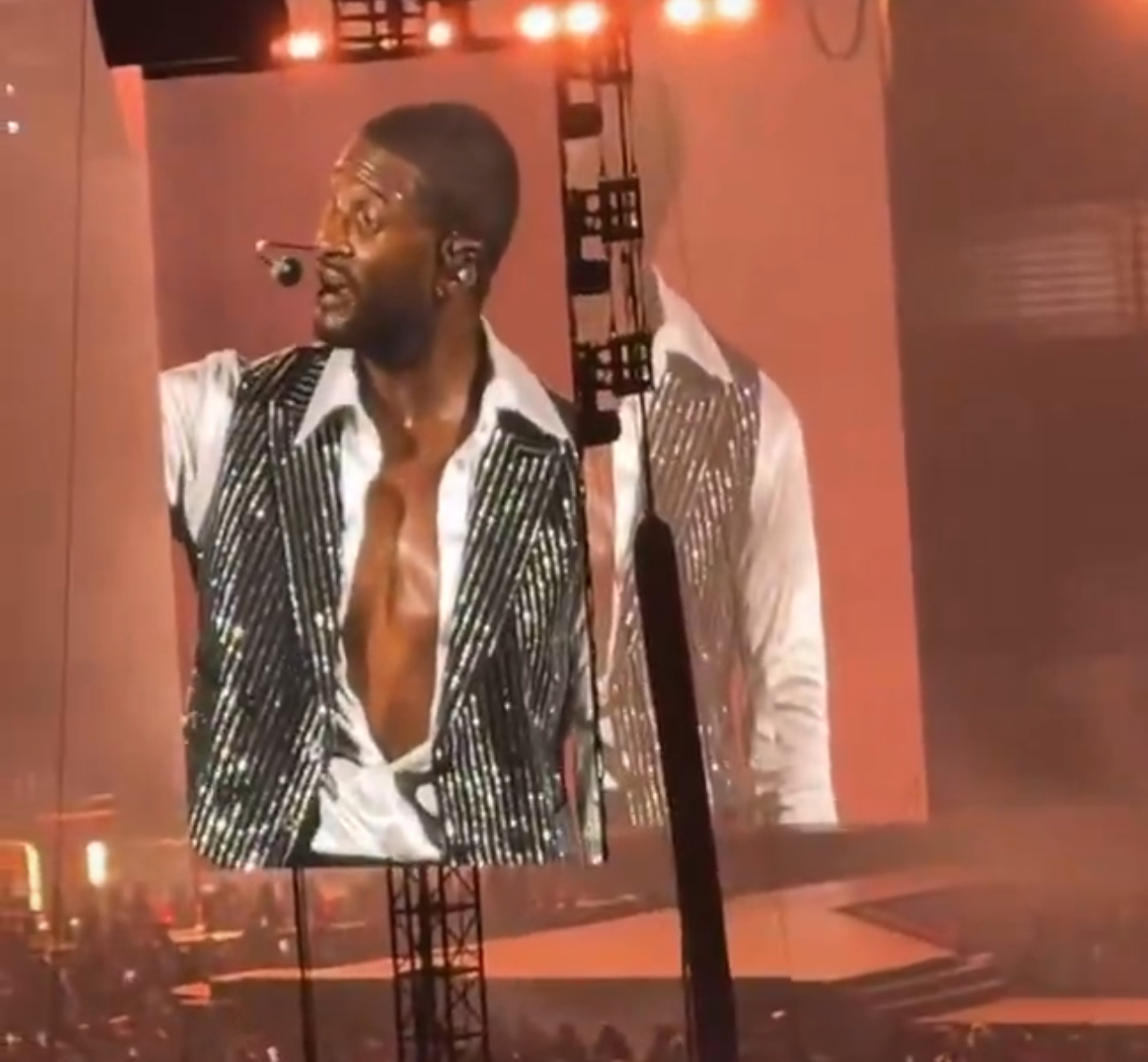
During the second night of his co-headlining R&B Tour with Chris Brown at Mercedes-Benz Stadium, Usher paused for a pointed, heartfelt speech about his roots, Atlanta’s role in his life, and his commitment to the city. The moment, captured in a fan video that quickly circulated, came amid lingering questions from a troubled opening night.
Usher reflected on his journey: he noted his origins in Chattanooga, Tennessee, before making his way to Atlanta.
Usher Addresses Atlanta Concert Lateness
He credited the city with offering “nothing but growth, love, prosperity, beauty, entrepreneurship” and everything that shows “we as black people, we as minorities, we as the majority can have and be anything we want to be.” He then addressed the room more directly: for anyone who “might have thought something, said something,” he affirmed, “I would never not show up for my city. I love you, ATL.”
The speech carried extra weight because of what had unfolded the night before. On November 5, the first of the tour’s historic five-night stand at Mercedes-Benz Stadium started roughly two-and-a-half to three hours late.
Reports described shortened sets, no joint performances between Usher and Chris Brown, and an overall underwhelming experience that frustrated fans. Anonymous sources told TMZ the delay stemmed from a backstage disagreement over whether to wait for more attendees delayed by traffic; Usher reportedly preferred to hold for a fuller crowd while Brown wanted to begin closer to schedule. Usher’s onstage greeting of “Atlanta, welcome to my show” further fueled speculation about tension. Chris Brown later dismissed the rumors on Instagram Stories as “Internet [cap]. Don’t fall for it.”
Night two on November 6 looked markedly different. The show ran closer to schedule. Usher and Brown shared the stage for the “Back to Sleep” and “It Depends” remixes (though observers noted they stayed on opposite sides with limited interaction).
A deep roster of guests—including Bow Wow, Monica, Tyrese, Dru Hill, Xscape, Da Brat, Jermaine Dupri, and others—turned the evening into a celebration of Atlanta’s R&B and hip-hop legacy. Usher’s speech fit the evening’s theme of reaffirming his bond with the city that shaped him.
That bond is longstanding. Born Usher Raymond IV in Dallas, Texas, on October 14, 1978, he was raised primarily in Chattanooga, where he sang in church and began performing. Around age 12, he and his family moved to Atlanta.
There, he was discovered, signed to LaFace Records, and built the career that produced hits such as “Yeah!,” “Confessions,” and multiple chart-topping albums. Atlanta has long been the place he claims as home; the multi-night stadium run is the first time any artist has played five dates at Mercedes-Benz Stadium during a single tour stop, surpassing Beyoncé’s previous record of four shows on her Cowboy Carter tour.
Usher’s remarks blended personal history with a broader message about possibility and presence. They also served as a quiet rebuttal to the idea that he might shortchange his hometown after the previous night’s problems. With three more Atlanta dates still ahead (November 8, 10, and 11), the speech framed the remainder of the run as a chance to deliver the full experience fans expected from an artist who has repeatedly called the city foundational to who he became.
The viral moment captures both the immediate drama of the tour and a longer story: an R&B star returning to the place that made his career and insisting he would not fail to show up for it.
-
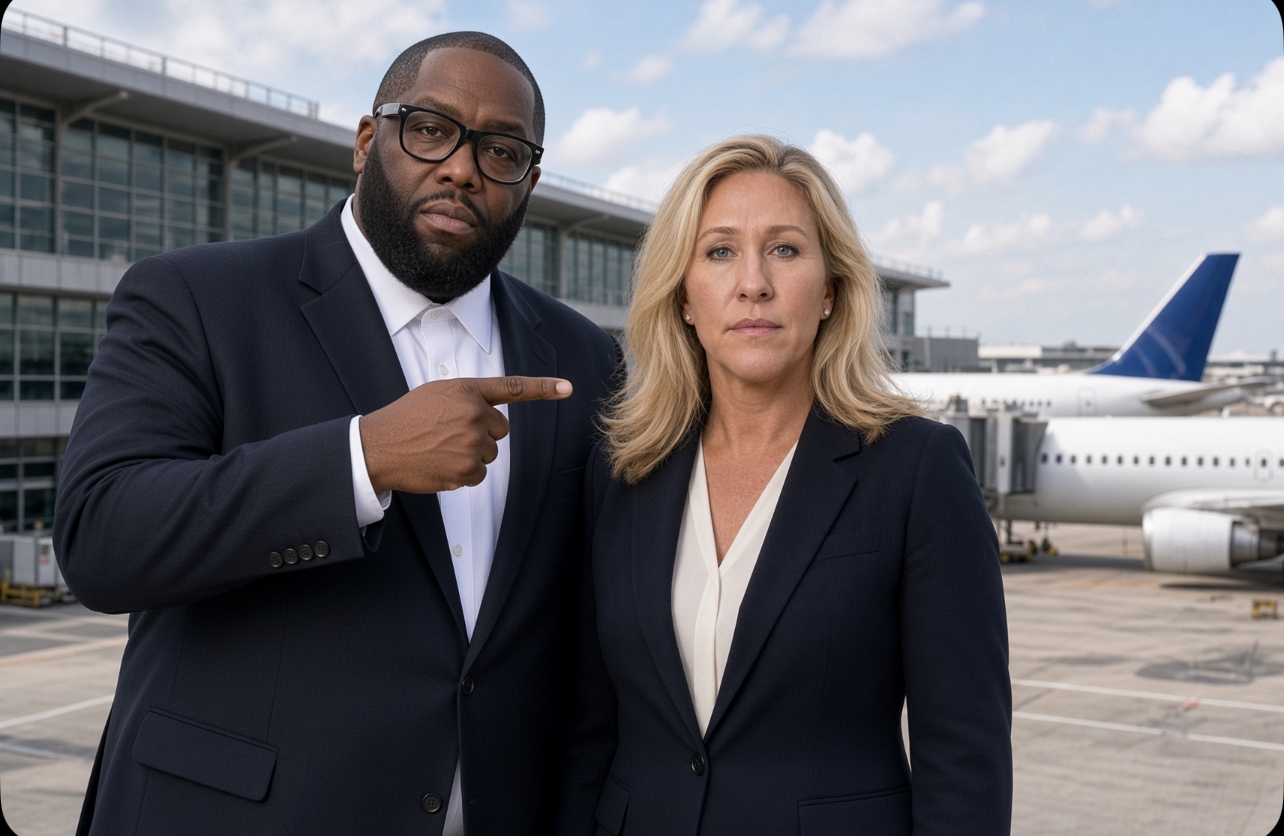
Killer Mike told Marjorie Taylor Greene to “chill” on a second Atlanta airport, pointing instead to existing general aviation fields and calling Hartsfield-Jackson “the world’s busiest super dope.”
On November 7, 2026, Greene (former U.S. Representative for Georgia’s 14th District) posted that Atlanta needs a second airport “somewhere north of the city.”
She noted that major cities typically have at least two airports, described Hartsfield-Jackson Atlanta International Airport (ATL) as gigantic with full parking, long security lines, crowded terminal trains (up to 40 minutes walking to the farthest terminal), and highlighted the “never-ending terrible traffic” for drivers coming from the north side via Interstates 75, 400, or 85.
Does Atlanta Need a 2nd Big Airport? Marjorie Taylor Greene Thinks So
Killer Mike (Michael Render), the Atlanta rapper from Run the Jewels and a prominent local voice, replied: “Marjorie Chill. We got Peachtree North DeKalb and Charlie Brown if you really rich otherwise chill MTG. The worlds busiest super dope.”
What the airports Killer Mike mentioned actually are
DeKalb-Peachtree Airport (PDK) in Chamblee (northeast metro Atlanta) is a county-owned public-use general aviation airport and Georgia’s second-busiest by aircraft operations (behind only ATL). It serves business jets, turboprops, training aircraft, helicopters, and charters—not scheduled commercial airline service.
It has multiple runways (longest about 6,000 feet), a control tower, and fixed-base operators. Recent county approvals have advanced private hangar expansions (such as a Sky Harbour project for additional corporate jets), amid ongoing neighbor concerns about noise.
Fulton County Airport-Brown Field (FTY), widely known as Charlie Brown Field or Fulton County Executive Airport, sits west of downtown Atlanta near the I-20/I-285 interchange.
It is another public general aviation/reliever airport focused on corporate and private jets, charters, and related operations. Named for a mid-20th-century local official, it has a control tower, roughly 5,800-foot primary runway, and significant economic activity from business aviation. It functions as a reliever for ATL’s general aviation traffic.
Neither offers regular public airline flights comparable to those at ATL. Killer Mike’s “if you really rich” line accurately points to private/charter options for those who can afford them, rather than mass commercial service.
Hartsfield-Jackson’s status and the capacity debate
ATL remains the world’s busiest airport by passenger volume, handling about 106.3 million passengers in 2025 (a slight dip from the prior year but still far ahead of rivals like Dallas-Fort Worth or Dubai).
It has held or shared the global passenger-volume crown for most years since the late 1990s, powered by its role as Delta Air Lines’ massive hub, efficient multi-runway/concourse layout, and central U.S. geography. It processes enormous connection traffic; Chicago O’Hare has at times led in total aircraft movements (takeoffs and landings).
Greene’s complaints about size, internal movement (the Plane Train and walking distances), parking, security, and especially north-side ground access are familiar to many travelers. Metro Atlanta’s north-south traffic patterns and limited high-capacity transit options have long complicated airport access from places like Cobb, Gwinnett, or north Fulton.
However, building a second major commercial airport is a far more complex proposition than the post implies. Past FAA-supported studies (around 2007–2011) identified future capacity needs and examined sites, including Dobbins Air Reserve Base (stronger market potential but airspace and environmental hurdles) and other options in the metro area.
Atlanta officials and Delta expressed skepticism over cost and the risk of diluting the existing hub’s efficiency and economic impact. No second commercial airport advanced; instead, the city and airport have pursued large-scale expansions under the ATLNext master plan—terminal and concourse modernization (including Concourse D widening), parking upgrades, taxiway/runway improvements, cargo expansion, and potential further runway capacity as demand requires. The program’s price tag has grown into the multi-billions (earlier figures in the $6–11+ billion range depending on the phase and timeline).51
General aviation airports like PDK and FTY already handle substantial private and corporate traffic that would otherwise burden ATL, functioning as designated relievers.
Context and implications
Greene’s suggestion taps into real frustrations for northern suburban residents facing long drives or rideshares into south-side ATL amid heavy traffic. Killer Mike’s reply, rooted in Atlanta’s local knowledge and pride in the airport’s global status, underscores that the region already has multiple aviation facilities tailored to different users. Private aviation options exist for those who can pay; the mass public market remains concentrated at the world’s busiest hub, which continues expanding rather than being duplicated.
Proposals for a true second commercial airport would face enormous hurdles: land acquisition, environmental review, airspace integration with the existing Class B system, airline economics (Delta’s fortress hub model thrives on concentration), and cost. Past studies and the focus on ATL’s master plan suggest policymakers have preferred expanding the incumbent over splitting traffic. Ground access improvements (transit, road projects) and internal airport upgrades address some of the pain points Greene raised more directly than a distant new commercial field would.
The exchange reflects broader Atlanta dynamics—urban pride in its signature infrastructure versus suburban access complaints—in a state whose politics often split along city-suburb lines. ATL’s scale is both its greatest asset and the source of its operational challenges; the smaller airports Killer Mike named serve a different, more exclusive slice of the market.