-
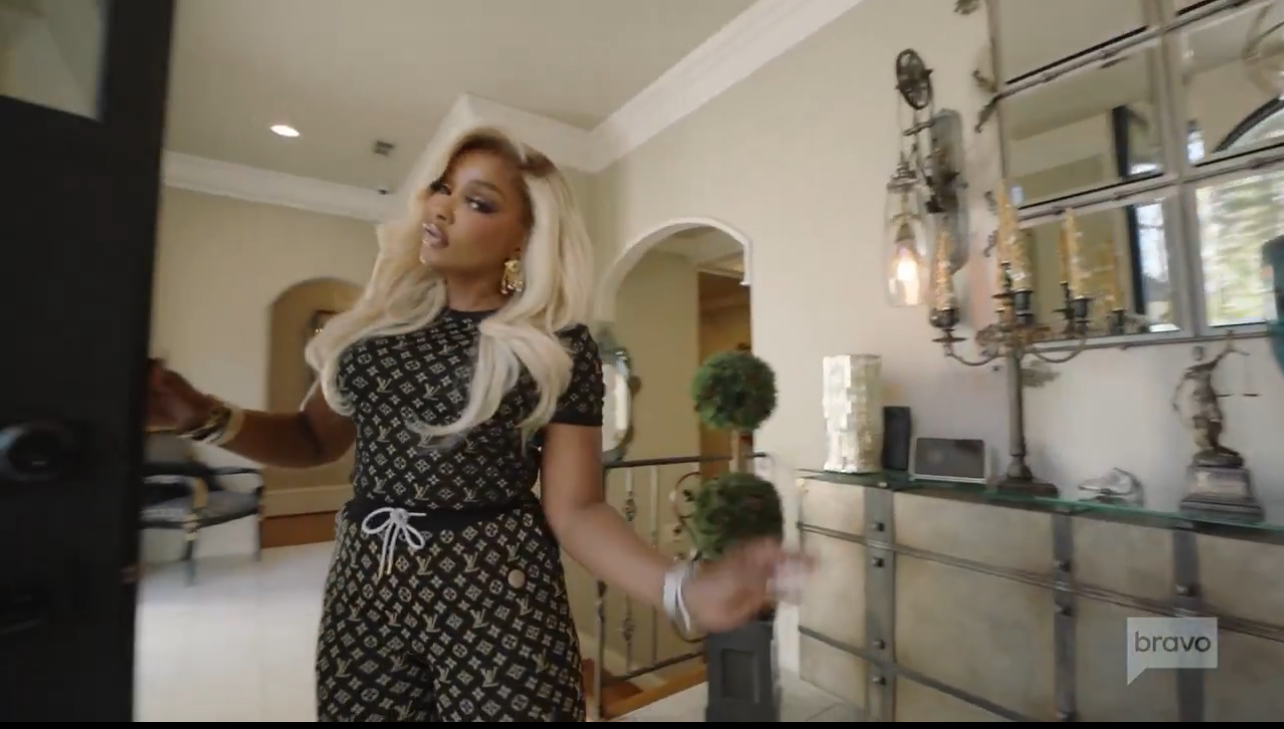
Phaedra Parks, the sharp-witted attorney, television personality, and entrepreneur best known for The Real Housewives of Atlanta (RHOA), resides in one of Atlanta’s most prestigious neighborhoods. Her Buckhead mansion stands as a testament to her success, blending Southern elegance with bold personal style. Purchased in 2016, this sprawling estate has appreciated significantly and serves as the perfect backdrop for her multifaceted life.
The Story Behind Phaedra Parks’ Buckhead Mansion
Phaedra bought the gated property in Buckhead, Atlanta, for approximately $1.9 million in late 2016. Spanning nearly 9,000 to 10,000 square feet, the home features six bedrooms and nine to ten bathrooms, plus a separate carriage house/guest house. It sits on about two acres of lush, manicured grounds.

Originally built with classic French-inspired architecture, Phaedra has transformed it into her personal “fortress.” Current estimates place its value between $3 million and $3.7 million, reflecting both market growth in Buckhead and her renovations.
Key exterior highlights include:
- A grand, welcoming driveway and entrance
- Expansive outdoor living spaces with patios, courtyards, and a gazebo
- A spacious backyard perfect for entertaining, complete with a swimming pool and greenery
- The signature “Versace patio” — an opulent outdoor area with lavish accents
Inside the Mansion: Luxury Meets Personality

Phaedra describes her home as far from a sterile “white refrigerator” design — it’s bold, intentional, and filled with character. Visitors are greeted by a dramatic two-story foyer with original artwork, rich details, and a steampunk-inspired flair in some areas.
Standout interior features:
- Custom kitchen: Inspired by an Italian villa, it boasts white marble countertops, stainless steel appliances, cream cabinets, and cheerful yellow accents. It’s a chef’s dream and entertainer’s hub.
- Multiple master suites and luxurious bathrooms with spa-like finishes.
- Elegant living spaces featuring marble, lavish accents, stone fireplaces, and a mix of classic and eclectic decor.
- A carriage house for guests, adding extra flexibility for her busy lifestyle.
The home perfectly reflects Phaedra’s Southern belle charm combined with her love for dramatic, personalized touches.
Who Is Phaedra Parks? Her Career and What She Does for a Living
Beyond the mansion, Phaedra Parks is a highly accomplished professional with a diverse portfolio that has built her an estimated net worth of $6 million or more.
Her main pursuits include:
- Entertainment Attorney: As managing partner of The Parks Group, an Atlanta-based law firm, she specializes in intellectual property, entertainment law, contract negotiations, and litigation. She has represented high-profile clients including Bobby Brown, Jermaine Dupri, and others in the music and entertainment industry.
- Mortuary Science & Funeral Business: A licensed mortician, Phaedra has owned and worked in funeral homes. She has spoken openly about this passion stemming from personal loss and sees it as both a business and creative outlet.
- Television Personality & Media: A longtime RHOA star (returning in recent seasons), author, and actress. Her reality TV fame has amplified her brand while she maintains substantial income streams outside of it.
- Entrepreneur: She has launched fitness DVDs, a skincare line, a book, and various wellness ventures. She’s also involved in real estate and activism.
Phaedra balances her demanding career while raising her two sons, Ayden and Dylan, in this Buckhead home. Her success story highlights smart investments, diverse income streams, and resilience.
Why Buckhead? Prestige and Privacy
Buckhead is often called Atlanta’s Beverly Hills — known for luxury homes, upscale shopping, and exclusivity. Phaedra’s choice reflects her status as a prominent Atlanta figure who values both family life and a sophisticated address.17
Whether hosting lavish gatherings or enjoying quiet family time, her mansion embodies the Southern elegance and bold confidence that fans love about Phaedra Parks.
If you’re fascinated by celebrity homes, luxury real estate in Atlanta, or Phaedra’s inspiring journey from attorney to reality TV icon and business mogul, her Buckhead mansion is the ultimate example of living life on her own terms.
-
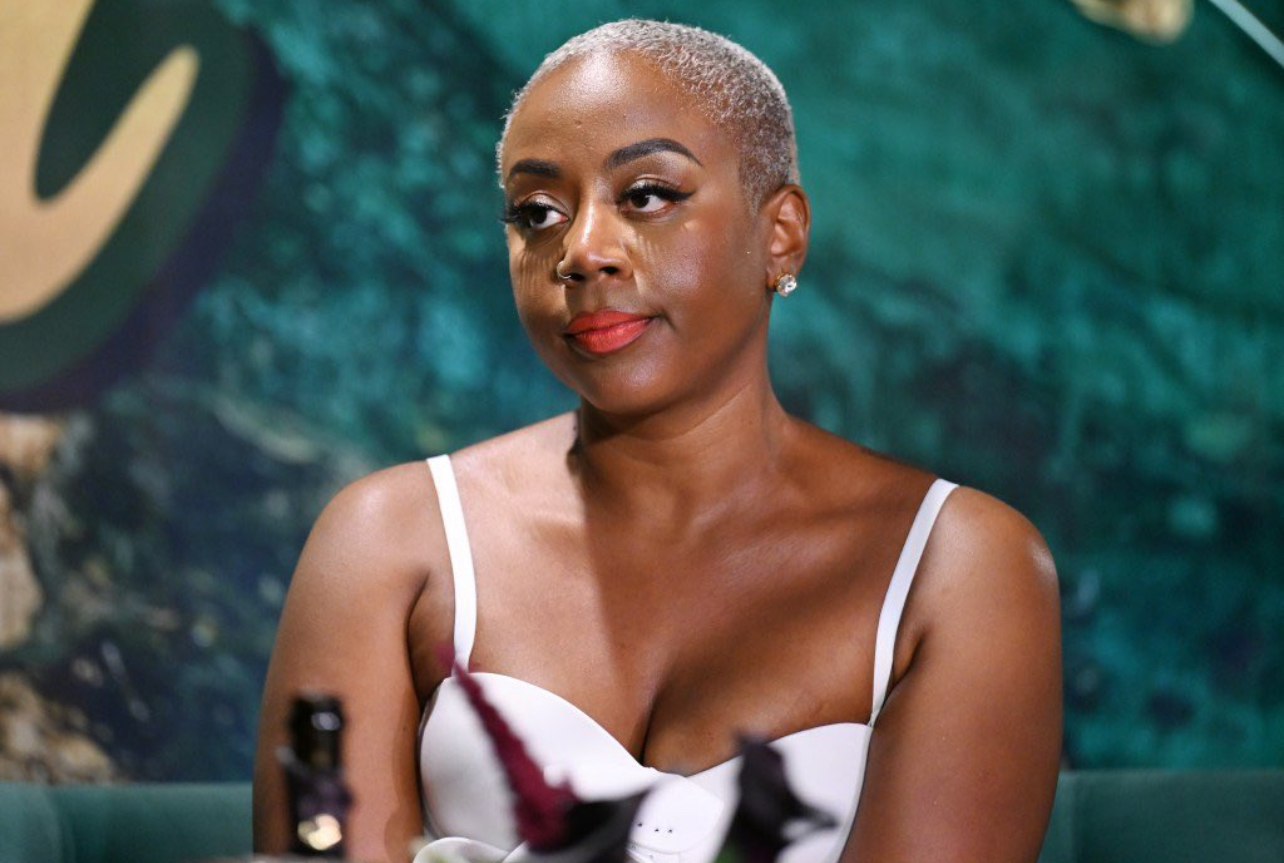
Amended court documents filed May 19 expand the picture of creditors as the Atlanta entrepreneur and Real Housewives of Atlanta star continues Chapter 11 reorganization.
Pinky Cole, founder of the popular plant-based burger chain Slutty Vegan and a cast member on Bravo’s The Real Housewives of Atlanta, has updated her personal bankruptcy filings to show nearly $4 million in total debt — an increase from the approximately $3.6 million reported in earlier documents.
Pinky Cole’s Debt Rises to $4 Million
The amended filings, submitted to the U.S. Bankruptcy Court, provide a more detailed breakdown of Cole’s creditors across credit cards, business suppliers, real estate, legal claims, and other obligations. The updates come several months after her initial Chapter 11 filing in February 2026.
Expanded Debt Breakdown
According to the updated documents:
- Credit cards: More than $70,000 owed across two American Express cards, plus an additional $12,000 on an Apple Card.
- Restaurant supplier: $107,625 owed to Edward Don & Company. The supplier is currently suing Cole in Henry County State Court and has also claimed $12,312 in attorney’s fees and $15,498 in interest on unpaid invoices.
- Real estate: $363,399 owed to JLL Realty for unpaid rent.
- Other significant obligations: $250,000 to CIH Group, an Atlanta-based investment management firm.
- Additional debts: Obligations to Children’s Healthcare of Atlanta, Dentistry for Children, Henry County EMS, and various roadway toll authorities in Georgia and Ohio.
Earlier filings had already listed major liabilities including approximately $1.2 million in Small Business Administration (SBA) Economic Injury Disaster Loan (EIDL) debt and $192,000 in Georgia state tax obligations.
Rapid Rise and Financial Strain
Cole founded Slutty Vegan in 2018, starting with a food truck in Atlanta before rapidly expanding into a multi-location chain known for its bold branding and plant-based menu. At its peak, the brand was valued in the range of $100 million and operated or franchised numerous locations across the Southeast and beyond.
Cole has previously attributed the company’s financial challenges to the costs of rapid expansion, operational scaling, and shifts in the post-pandemic restaurant landscape. In 2024–2025, the business underwent a major restructuring; Cole temporarily lost ownership before buying the company back and repositioning it under a franchising model.
The Chapter 11 filing in February was framed as a reorganization effort rather than liquidation, allowing Cole to continue operating while working toward a repayment plan (due by mid-June in the initial timeline).
Spotlight on Real Housewives of Atlanta
Cole’s financial situation has unfolded publicly as she joins the cast of The Real Housewives of Atlanta for Season 17. Her appearances have highlighted both her entrepreneurial journey and the personal and business pressures she has faced, including the bankruptcy proceedings and efforts to stabilize Slutty Vegan.
What’s Next?
The bankruptcy case remains ongoing. Amended filings like these are common as debtors and trustees gather a fuller picture of assets and liabilities. Cole continues to be listed with significant assets alongside the growing list of creditors, and the focus remains on reorganization rather than closure of the business.
Slutty Vegan locations continue to operate, though the brand has faced closures and changes in some concepts (such as its short-lived Voagies hoagie spinoff) amid the broader financial restructuring.
This story underscores the challenges many entrepreneurs face when scaling quickly — even those who build beloved, high-profile brands. Pinky Cole’s next moves, both in the courtroom and on-screen, will be closely watched.
-
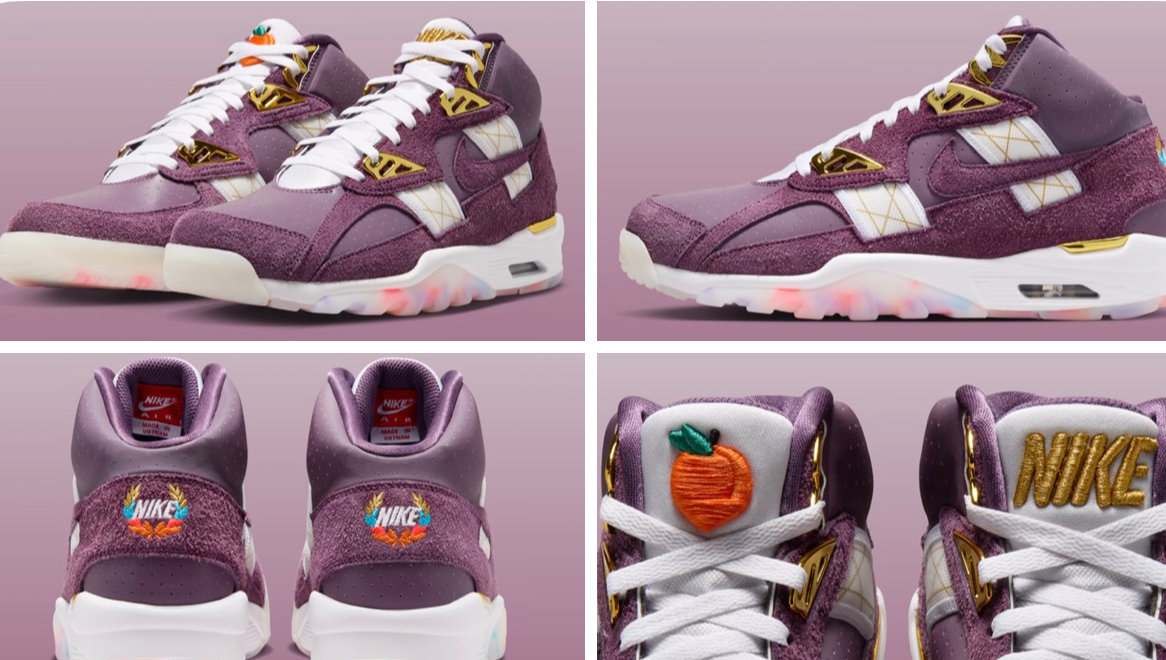
Nike is paying tribute to one of the most memorable moments in American sports history by re-releasing the iconic Air Trainer SC High in a new colorway. This drop honors the 30th anniversary of the 1996 Summer Olympics held in Atlanta, Georgia.
A Nod to Olympic Legacy
The original Air Trainer SC “Atlanta” launched in 2016 to celebrate the 20th anniversary of the Games. That version featured a vibrant green upper with luxurious gold accents, hairy suede overlays, perforated leather, 3M reflective detailing, and a translucent outsole with a graphic print. It quickly became a favorite among sneaker collectors and Atlanta natives for its strong local pride and premium build.
Now, for the 30th anniversary, Nike is introducing an alternate colorway that swaps the signature green for a rich Pro Purple base. This choice draws inspiration from vintage 1996 Olympics T-shirts. The shoe retains key thematic elements from the original, including:
- Peach embroidery on the left tongue (a classic nod to Georgia’s state symbol).
- Olympic branding on the insoles.
- Metallic gold accents.
- White and Sail accents for contrast.
The high-top silhouette maintains its cross-trainer roots, originally popularized by athletes like Bo Jackson, with a supportive design that blends performance heritage and lifestyle appeal.
Design Highlights of the New Colorway
- Upper: Pro Purple with premium materials, including suede and perforated leather.
- Details: 3M reflective elements for visibility and a premium feel.
- Sole: Likely features a graphic print visible through the translucent outsole, echoing the celebratory spirit of the 1996 Games.
- Style Code: IQ5796-500.
- Price: $140.
This purple iteration offers a fresh take while staying true to the original’s celebratory vibe. Sneaker enthusiasts are already debating whether it matches the beloved status of the green 2016 pair.
Release Information
The Nike Air Trainer SC High “Atlanta” 30th Anniversary edition is scheduled to release in June 2026. Pairs will be available on Nike.com, the SNKRS app, and select retailers.47
Why It Matters
The 1996 Atlanta Olympics were a landmark event for the city and for Nike. Though the brand wasn’t the official sponsor, its cultural impact during the Games—through athletes like Michael Johnson and memorable designs—cemented its place in Olympic lore. Re-releasing the Air Trainer SC keeps that nostalgia alive for a new generation while giving longtime fans a chance to cop (or re-cop) a piece of sneaker history.
Whether you’re a collector, an Atlanta sports fan, or simply appreciate well-crafted retro trainers, this drop is worth watching. Will the purple version become the new grail, or will the original green still reign supreme? Let the debates begin.
-

The City of Atlanta Department of Watershed Management (DWM) has issued a boil water advisory for residents and businesses in the downtown corridor and areas east of downtown. The advisory comes after an internal power failure at the Hemphill Water Treatment Plant.
Officials emphasize that the measure is precautionary, in accordance with guidance from the Georgia Environmental Protection Division (EPD). Power has since been restored, but the advisory remains in effect until water quality sampling confirms the system is safe.
Updated: Atlanta Boil Water Advisory
An internal power failure at the historic Hemphill Water Treatment Plant led to temporary low water pressure in parts of the distribution system. Low pressure can potentially allow contaminants to enter the lines, prompting the advisory as a standard public health precaution. No contamination has been reported, and the issue appears isolated to affected areas experiencing outages or low pressure. atlantanewsfirst.com
The Hemphill plant, which dates back to the late 19th century, serves a significant portion of Atlanta’s water needs. Recent maintenance work on electrical systems at the facility was noted in prior communications
Find out if your address is affected
The advisory primarily impacts the downtown Atlanta area and eastern sections. Residents and businesses who experienced water outages or noticeably low pressure should follow the boil water guidelines. Maps of the affected zones have been shared by the City of Atlanta and DWM on social media and official websites. @cityofatlanta
Areas outside the specified downtown corridor are not currently under the advisory.
What Residents Should Do- Boil water for at least one minute before using it for drinking, cooking, preparing baby formula or food, brushing teeth, or washing fruits and vegetables.
- Alternatively, use bottled water for these purposes.
- Showering, bathing, and doing laundry are generally considered safe without boiling, as the risk is primarily ingestion-related.
- Continue boiling or using bottled water until the advisory is officially lifted. instagram.com
DWM is actively monitoring system pressures and conducting sampling. The advisory will be lifted once testing protocols are completed and the Georgia EPD clears the water system.
Additional Resources - Check the City of Atlanta Department of Watershed Management website (atlantawatershed.org) for maps and updates.
- Follow official accounts: @ATLWatershed, @CityofAtlanta, and @ATL311 on X (formerly Twitter).
- Call 311 for non-emergency questions about water service in Atlanta.
- For health concerns, contact the Fulton County Board of Health or your local provider. fultoncountyboh.com
This event marks another reminder of the vulnerabilities in aging infrastructure, even as Atlanta continues efforts to modernize its water systems. Officials urge the public to stay informed through verified city channels and prepare accordingly until the advisory is resolved. Updates will be provided as sampling results become available.
At 7 p.m., on Saturday, the City of Atlanta announced that the water main break repair was complete.
“Crews have completed multiple rounds of repairs on the aging pipe at the junction of Joseph E. Boone Blvd. and J.P. Brawley Dr.,” the city posted. “The system is gradually being brought back online to allow for the rebuilding of system pressures.”
In this article, you’ll find a boil water advisory map, Atlanta fire stations who have cases of free water available and what the City is doing to get the water back to normal.
When Will the Atlanta Boil Water Advisory Be Lifted?
As for the boil water advisory, the City said that the Georgia Environmental Protection Division would advise the Department of Watershed Management when to lift i
The first water main break happened around 10 a.m. on Friday, but the city didn’t tell residents about it until around 5 p.m.
The City announced fire stations that had free cases of water on Saturday at 4:30 p.m.
“Attention Residents: Station 10 is currently out of water,” the city said. “Affected residents can still pick up water at the following fire stations. One case per resident, the City said.
- Station 1: 71 Elliot St
- Station 2: 1568 Jonesboro Rd
- Station 16: 1048 Joseph E Boone Blvd
Boil Water Advisory Issued Across Atlanta
As a result of the water issues, the city issued a boil water advisory, which means that residents are cautioned that they should use bottled water or boil tap water. This is because a boil water advisory means your community’s water has, or could have, germs that can make you sick.
Advisories may include information about preparing food, drinks, or ice; dishwashing; and hygiene, such as brushing teeth and bathing. Boil water advisories usually include this advice:
- Use bottled or boiled water for drinking, and to prepare and cook food.
- If bottled water is not available, bring water to a full rolling boil for 1 minute (at elevations above 6,500 feet, boil for 3 minutes). After boiling, allow the water to cool before use.
- Boil tap water even if it is filtered (for example, by a home water filter or a pitcher that filters water).
- Do not use water from any appliance connected to your water line, such as ice and water from a refrigerator.
- Breastfeeding is the best infant feeding option. If you formula feed your child, provide ready-to-use formula, if possible.
Atlanta Boil Water Advisory Map
Here is the boil water advisory map as of Saturday, 4 p.m.

Atlanta Events Postponed
Explore Your Atlanta
Atlanta has just what you need, not just today but every weekend. From exploring the city’s diverse restaurant scene to taking in a beautiful park greenspace or even checking out the hidden gems, Atlanta has some of everything.
First, to find all the good things happening in the city this week, all you have to do is take a look at downtown Atlanta. That’s where some of the best restaurants are as well as where the visitors, namely tourists, are. CNN Center often has something cool going on! Check out these events in Atlanta today and this week and this weekend:
Here are more articles from AtlantaFi.com:
- Here are the REALLY FUN things to do in Atlanta
- Read our Atlanta Weekend Guide
- Where To Eat in West Midtown Atlanta
- Feeling adventurous? Here are some outdoorsy things to do in ATL
Stay with AtlantaFi.com as we give you up-to-date coverage of the Atlanta water boil advisory.
-
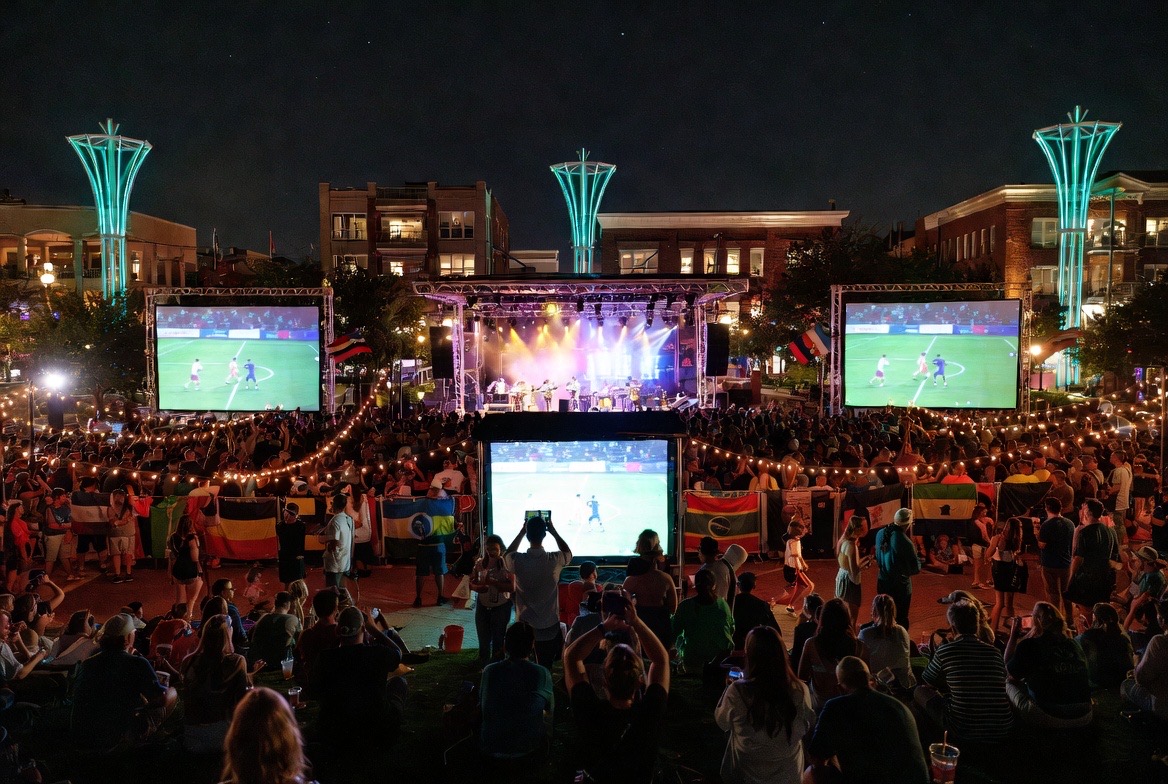
Decatur, GA — Decatur WatchFest ‘26 announced today that it has received official approval from FIFA World Cup 2026™ to broadcast more than 60 matches on three big screens in the newly renovated Decatur Square throughout the tournament, running from June 11 to July 19, 2026.
“The stage is set, the screens are ready, and now it is time for the beautiful game to electrify fans on Decatur’s newly renovated downtown Square,” said Decatur City Manager Andrea Arnold. “Bring your friends and come watch the World Cup matches in Decatur with some of the area’s biggest soccer fans.”
While all 104 matches of the tournament will be available at Decatur’s WatchSpot pubs and restaurants, the public Square will feature at least one match per day, including all U.S. Men’s National Team (USMNT) matches in the group stage and any subsequent knockout rounds. A full schedule of Square broadcasts is available at decaturwatchfest26.com/schedule.
Key Matches on the Square Include:
- June 11 (Opening Day) – Mexico v. South Africa, 3 p.m.
- June 12 – USA v. Paraguay, 9 p.m.
- June 13 – Brazil v. Morocco, 6 p.m.
- June 16 – France v. Senegal, 3 p.m. and Argentina v. Algeria, 9 p.m.
- June 17 – England v. Croatia, 4 p.m.
- June 19 – USA v. Australia, 3 p.m.
- June 24 – Canada v. Switzerland, 3 p.m.
- June 25 – USA v. Turkey, 10 p.m.
- June 26 – France v. Norway, 3 p.m. and Spain v. Uruguay, 10 p.m.
- June 27 – Portugal v. Colombia, 7:30 p.m. and Argentina v. Jordan, 10 p.m.
All single-elimination (knockout) matches are also designated as Square highlights, culminating with the World Cup Final on July 19 at 3 p.m.
The FIFA World Cup 2026™ will see eight matches hosted at Mercedes-Benz Stadium in Atlanta. Decatur’s central location and direct MARTA connectivity to downtown Atlanta position it as a prime destination for fans looking to enjoy the tournament atmosphere without navigating downtown traffic.
Daily Concerts and Festive Atmosphere
Decatur WatchFest ‘26 promises to be more than a viewing destination — it will serve as a full-scale fan festival. Organizers will host a concert every single day of the World Cup.
- Three ticketed concerts will feature headliners Big Boi, The War And Treaty, and Indigo Girls. The Big Boi and Indigo Girls shows are sold out, but limited tickets remain for The War And Treaty.
- Thirty-one additional concerts will be completely free and open to the public with no tickets required.
A complete concert calendar is available on the official WatchFest website.
Visitors can enjoy Decatur’s vibrant dining scene, with a wide array of local food and beverage options available throughout the Square during match days and concerts.
With its mix of world-class soccer on giant screens, daily live music, and community atmosphere, Decatur WatchFest ‘26 offers Atlanta-area fans and international visitors an exciting, accessible way to celebrate the world’s biggest sporting event this summer.
-
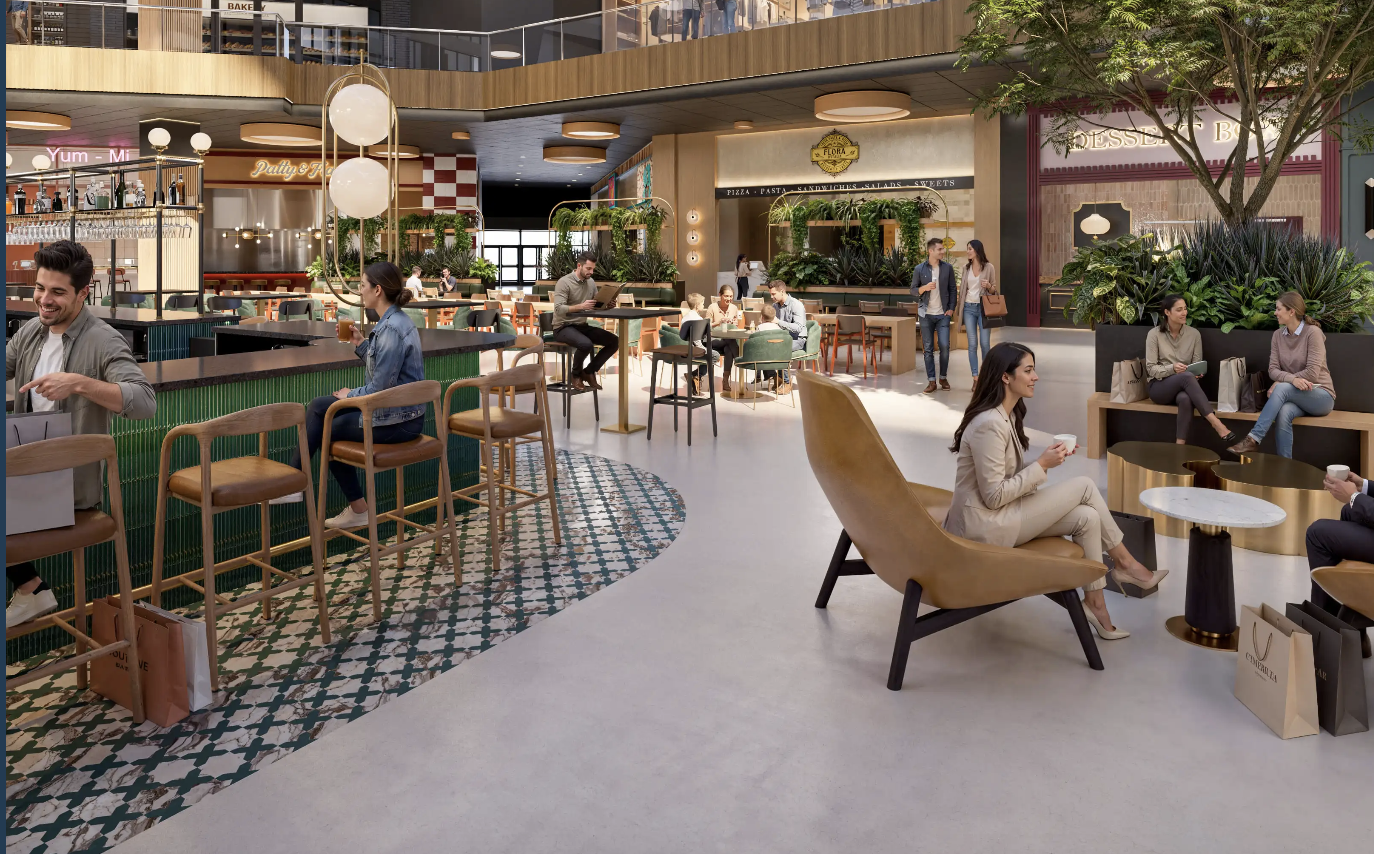
Downtown Atlanta is poised for a major culinary revival with the opening of CTR Food Works, a vibrant 24,000-square-foot food hall in the reimagined former CNN Center, now known as The Center (or The CTR).
Developed by CP Group in partnership with hospitality veteran Robert Montwaid—founder of Chattahoochee Food Works and creator of New York’s Gansevoort Market—the hall features 11 chef-driven concepts surrounding one of the city’s largest bars.
A Landmark Reborn
The former CNN Center, a downtown landmark built in 1976 as part of the Omni International Complex, served as the global headquarters for the network from 1988 until its relocation in 2024. The redevelopment preserves the dramatic multi-story atrium while transforming it into a welcoming, communal space with nearly 500 seats, varied seating options (lounge areas, high-tops, and dining clusters), public art, and year-round programming.
CTR Food Works is strategically located at 190 Marietta St. NW, adjacent to State Farm Arena, Mercedes-Benz Stadium, the Georgia World Congress Center, and the Omni Hotel. With easy MARTA access and connections to multiple streets, it’s designed to serve office workers, event attendees, tourists, and locals alike—especially with the 2026 FIFA World Cup matches coming to Atlanta this summer.
Soft openings are expected around mid-to-late May 2026 (with reports of operations starting as early as May 21), followed by a full public launch timed for World Cup festivities.
Diverse Culinary Lineup
The hall emphasizes complementary, high-quality concepts rather than competition, blending local Atlanta talent with exciting guest operators. Confirmed tenants include:
- Southern Belle Chicken Co. — Michelin-recommended chef Joey Ward (of Southern Belle and Georgia Boy) brings Southern comfort with a focus on fried chicken. diningout.com
- Flora d’Italia — Michelin-starred Chef Steven Ferdinand offers wood-fired Italian pizzas, pastas, and more. He’s also behind Dessert Box, a pastry and coffee concept. nbcpalmsprings.com
- Patty & Frank’s — Burgers and hot dogs from Montwaid in collaboration with chef Andrew Zimmern and Pat LaFrieda. roughdraftatlanta.com
- La Tropical — Puerto Rican, Cuban, and broader Latin American flavors. diningout.com
- Fuzzy’s — Seafood-focused, including lobster rolls. diningout.com
- Mimi Taqueria — Mexican street-inspired eats. atlanta.urbanize.city
- Morelli’s Ice Cream — Creative small-batch flavors. diningout.com
- The Sparrow Group — Szechuan-inspired dishes. diningout.com
Additional concepts (including a cheesesteak spot and others) will round out the 11 stalls. Mastro’s Ocean Club serves as a full-service anchor restaurant in the atrium with steaks, seafood, and cocktails.
The Bar and Beyond
At the heart of it all is a massive ~2,800-square-foot central bar with 11 bartender stations and seating for about 60. Led by Tiffany Howell, it will feature seasonal cocktails, event-themed menus, wines, beers, and non-alcoholic options—billed as one of Atlanta’s largest.
The space doubles as an event venue with a stage for live music, DJs, flower shows, holiday activations, and more. A dedicated event planner and catering services will support everything from intimate gatherings to large corporate functions.
A New Downtown Gathering Place
Developers envision CTR Food Works and The Center as “Downtown’s living room”—a dynamic hub that evolves with seasons, events, and the city’s energy. It aims to smooth out the area’s “spiky” foot traffic patterns by attracting daily visitors beyond big events.
As Atlanta prepares to welcome the world for the FIFA World Cup, CTR Food Works stands as a tasty symbol of downtown’s resurgence: a place for great food, connection, and community in a revitalized landmark.
Details:
CTR Food Works at The Center
190 Marietta St. NW, Atlanta, GA 30303
ctrfoodworks.com | thectratlanta.com Expect hours starting around 10am–10pm daily once fully open. Follow for updates on exact soft opening dates and menus as the launch approaches. Downtown Atlanta’s dining scene just got a major upgrade—don’t miss it!More Food Coverage:
Here Are The Best New Restaurants In Atlanta
-
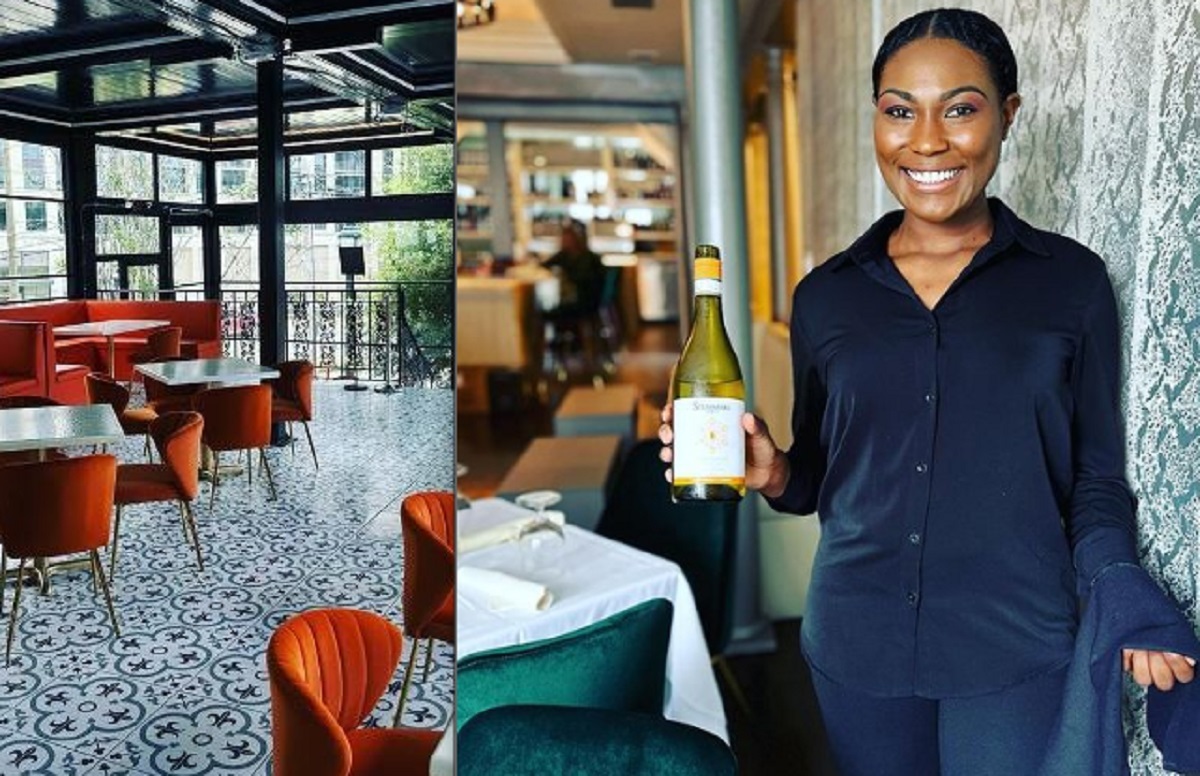
Italian cuisine remains one of Atlanta’s most beloved imports, blending classic techniques with Southern influences and fresh local ingredients. From long-standing Buckhead institutions to neighborhood gems in Inman Park, Decatur, and beyond, the scene continues to thrive with handmade pastas, wood-fired pizzas, and exceptional wine lists. Here’s a refreshed guide to some of the top spots as of 2026.
Where Can I Find Some Good Italian Food In Atlanta?
Some of the best Italian food in Atlanta can be found in Midtown and Buckhead, two of the city’s premier places to eat.
Check out these Atlanta restaurants.
Alma Cocina Buckhead
3280 Peachtree Rd, Atlanta, GA 30305

Photo credit: Alma Cocina / Facebook Alma Cocina’s Buckhead location is a ready spot for delicious Italian!
“We’re serving delicious weekday lunch and weekend brunch menus — both featuring our much-loved mushroom & hominy veggie burger with bacon jam and a side of craveworthy masa fries,” the restaurant recently posted on Facebook.
Tre Vele
6017 Sandy Springs Cir, Sandy Springs, GA 30328

Tre Vele, an upscale Italian restaurant n Sandy Springs, is a spacious concept that opened in 2021. The eatery allows diners to spread out when they eat. At Tre Vele, you’ll find a 3,500-square-foot dining room, 1,500-square-foot rooftop terrace and a 600-square-foot market and café.
Want to know what’s on the Tre Vele menu?
We get a glimpse from Tre Vele’s IG page:
- Margherita Pizza
- Basil Panna Cotta drizzled with Saba
- Pasta and Antipasta
- Salads
- Warm Plum Crostada.
- And more
Grana
1835 Piedmont Ave NE, Atlanta, GA 30324 | (404) 231-9000

Grana features traditional Southern Italian cuisine served in an industrial-chic restaurant that has a rooftop bar.
Here’s what one customer says about Grana. “Pretty fun and tasty place! We happened to go early enough to grab a spot on the roof which was awesome!! The server was nice, and we had happy hour!! I ordered the aperol spritz, which was a great summer drink!! We split the mommy’s and Nonna’s meatballs, which was super tasty!! I also ordered the New Yorker pizza and cavatelli! I thought the restaurant was tasty but thought their options were overpriced!”Atalian
60 Andrew Young International Blvd NE Suite B, Atlanta, GA 30303 | (404) 577-8788
Here’s what one customer says about Atalian. “Yusif was thee best server we have ever had dining out. The food was excellent and I couldn’t have asked for anything to be better. Meatballs was a great appetizer, the filet Marsala and shrimp scampi entrees was the best.”
Storico Fresco Ristorante
3167 Peachtree Rd NE Suite S, Atlanta, GA 30305 | (404) 500-2181

Here’s what one diner says about Storico Fresco Ristorante. “This is my Cheers! The best team with the the best food at the best establishment. Anytime I want a guaranteed enjoyable meal with great people I come to Storico. I bring my friends, clients, and family(even my Italian grandma is obsessed with it) here and have created a lot of Storico converts. Thank you for a fantastic experience today and everyday!”
Pricci
500 Pharr Rd NE, Atlanta, GA 30305 | (404) 237-2941

Here’s what one guest says about Pricci. “They have the best food in ATL. The owners really know how to pick the best of the best workers to make the best customer service. If it had more then 5 stars. It would get over 5.”
Amore e Amore
467 North Highland Ave. NE, Atlanta, GA 30307 | (404) 600-2176

Here’s what one reviewer says about Amore e Amore. “OMG, the best restaurants, waiters, location, food, drink, dessert, decoration, and the proprietary is lovely, kind, affectional, and a Lord. I had the best experience. Five stars are not enough for me every star in the sky.”
Antica Posta Tuscan Restaurant & Bar
519 East Paces Ferry Rd NE, Atlanta, GA 30305 | (404) 262-7112

Here’s what one customer says about Antica Posta Tuscan Restaurant & Bar. “Easily the best Italian restaurant in the city. Try the spicy chicken and the octopus! Best Panna Cotta I’ve ever had, even in Italy.”
Pasto Vino
2391 Peachtree Rd, Atlanta, GA 30305 | (404) 231-4946

“Best Italian around Buckhead area,” says one reviewer. Another one says, “Service was outstanding! The waiter was very witty and personable. My family enjoyed the dinner and atmosphere! We will be coming back.”
Maggiano’s Little Italy
3368 Peachtree Rd, Atlanta, GA 30326 | (404) 816-9650

One reviewer of Maggiano’s Little Italy says. “Best Italian in town. Just had lunch at Maggiano’s little Italy. I’ve been coming here for years and have never been disappointed. I usually come for dinner but came for lunch this time. It was just as good. The beef medallions are out of this world.”
Bar Ti Amo

Photo credit: Bar Ti Amo Here’s what one reviewer says about Bar Ti Amo. “The menu is completely a la carte. The food is expensive for the amount of food you get and the flavor is underwhelming. For two people, we spend $70. We didn’t purchase any alcohol, no beverage, and no dessert. It’s Italian food but they do not offer any bread or anything while you wait. The starter bread is $5, the lamb chops were $30 alone, the broccoli was $9, and the lasagna was $19. It costs to valet park but there is plenty of parking at the establishment.”
Capolinea
159 Northside Dr NW, Atlanta, GA 30313

Photo credit: Capolinea Using high-quality ingredients in Georgia, Capolinea offers diners an inspired taste of Italy in downtown Atlanta. Check out the menu.
Final Word
Italian fare is easy to love and in Atlanta, it’s easy to find. Interested in dining outside? Here are the best Atlanta restaurants for outdoor eating and here are those with great patios.
If you want to take your dog to the park, here are the best Atlanta parks for Fido.
More From AtlantaFi.com:
-
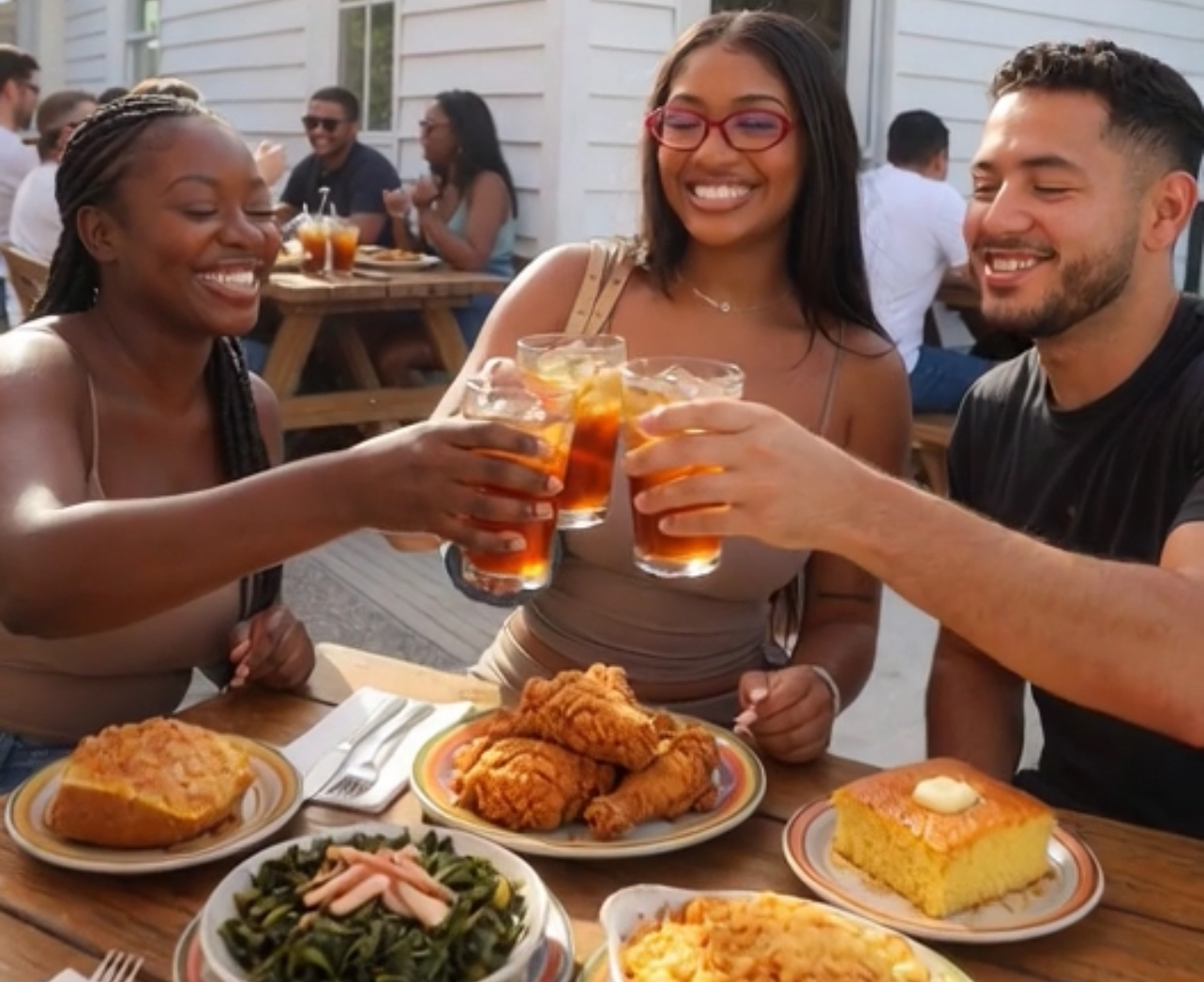
If you didn’t know, South Fulton, Georgia, is booming with a vibrant dining scene that blends soulful Southern classics, fresh seafood, creative brunch spots, and international flavors. Among the southside restaurant diaspora, it punches above its weight.
Best Restaurants in South Fulton
Whether you’re a local craving comfort food after a long day or a visitor exploring the area near the Atlanta Airport and Campbellton Road, this part of metro Atlanta delivers standout eats. From Black-owned gems to tapas bars and barbecue joints, here are the top places to eat in South Fulton right now.
1. Gocha’s Tapas Bar & Gocha’s Breakfast Bar

Gocha Hawkins (a celebrity hairstylist turned restaurateur) has made a big mark in South Fulton with multiple concepts. Gocha’s Tapas Bar at Sandtown Crossing (5829 Campbellton Rd SW) offers shareable plates like grilled lamb chops, shrimp ceviche, mini salmon cakes, fried green tomatoes with crab salad, and cast-iron shrimp scampi in a stylish space with a large patio. It’s perfect for date nights or small plates with cocktails.

Nearby, Gocha’s Breakfast Bar (3695 Cascade Rd) draws crowds for generous portions of jerk chicken and waffles, seafood omelets, salmon croquettes, and creative drinks like pineapple mimosas. Arrive early—it gets busy fast. Both spots highlight bold flavors and welcoming energy.
2. The Standard Kitchen by GH – Modern Soul Food Done Right

This cafeteria-style spot (also at 5829 Campbellton Rd SW, next to Gocha’s) stands out with its build-your-own salad bar featuring proteins like herby salmon or vegan meatloaf, plus classics such as oxtails in gravy, baked chicken, honeyed yams, and collards. It’s ideal for quick, hearty lunches or family dinners with generous portions and fresh twists on Southern soul food.
3. Bella: A Baltimore Crab & Seafood Company – Elevated Seafood in a Chic Setting

For seafood lovers, Bella (3220 Butner Rd Suite 250) brings Baltimore-style crab cakes, lobster and shrimp fried rice, honey jerk salmon bites, and fresh catches in an intimate, upscale bistro atmosphere. Expect craft cocktails and dishes like crab cakes with Old Bay butter or lamb chops. It’s a go-to for special occasions or a luxe night out in South Fulton.
4. Mustard Seed BBQ – Authentic Southern Barbecue

This Fairburn staple (6000 Lynmark Way) has been smoking ribs, chicken, turkey, and pulled pork since 2005. Go for rib tips or a smoked turkey sandwich with mustard-based sauce, paired with mac and cheese, collard greens, and banana pudding. It delivers true neighborhood barbecue done right.
5. Big Daddy’s Kitchen – Classic Soul Food Cafeteria

A longtime favorite on Campbellton Road, Big Daddy’s serves generous platters of fried chicken, yams, collards, shredded turkey over rice, and black-eyed peas in a no-frills, cafeteria-style setup. It’s reliable, affordable, and packed with locals—perfect for hearty, comforting meals.
More Standout Spots in South Fulton
- Oreatha’s At The Point (Cascade Heights): Jazzy atmosphere with creative soul food like smoked duck pot pie, fried Thai catfish and grits, or cornbread panzanella salad. Great for brunch or date nights.
- Freshest Salad Bar & Grill (5829 Campbellton Rd): Build-your-own healthy bowls, wraps, and tacos with proteins like jerk chicken or salmon—plus Caribbean maple wings.
- Rahim’s Seafood: Longtime spot for seasoned fried fish (trout, perch, flounder) and sweet hush puppies.
- Scotch Bonnet: Takeout Jamaican favorites like jerk chicken, oxtails, and brown stew in big portions.
Tips for Dining in South Fulton
South Fulton’s food scene shines with Black-owned businesses and a mix of quick bites and sit-down experiences, especially along Campbellton Road and in areas like Cascade and Sandtown. Many spots offer catering or food trucks for events. Check for weekend brunch crowds and live music at lounges like Stanley’s Cigar Lounge or St. James Live for a full night out.
Pro tip: Pair your meal with a drive through the growing South Fulton area—plenty of shopping centers and new developments make it easy to explore multiple spots in one trip.Whether you’re hunting for the best soul food, seafood, or something shareable and upscale, South Fulton has it. What’s your favorite spot? Drop a comment below or tag us on social with your South Fulton eats. For more Atlanta food and drink news, stay tuned to our local guides.
Final Word
The best restaurants in South Fulton all have something in common: great food and downhome hospitality.
Menus and hours can change—call ahead.
Got an event or know of something opening in and around Atlanta? Holla: CJ@AtlantaFi.com. See what’s poppin’ in the ATL! Subscribe to our news alerts here, follow us on Twitter and like us on Facebook.
Here Are The Best New Restaurants In Atlanta
-

In a dramatic turn of events on Wednesday, May 20, 2026, heavy thunderstorms unleashed sudden flash flooding across downtown Atlanta, transforming major roadways into rivers and stranding motorists during the evening commute. The most severe impacts centered on the I-75/I-85 Downtown Connector, where rapid accumulation of water forced the shutdown of all northbound lanes.
Rapid Onset and Major DisruptionsSlow-moving thunderstorms dumped intense rainfall—reports indicate 2 to 3 inches falling in as little as one hour in some spots—overwhelming drainage systems in the urban core. Flooding was particularly acute near key exits including Baker Street, Freedom Parkway, Peachtree Street, and Pine Street.
I-75/I-85 Connector Shut Down Amid Atlanta Flooding, Torrential Rains
Georgia Department of Transportation (GDOT) cameras captured vehicles navigating waist-deep water, with multiple reports of cars stalled and at least one driver rescued from atop their vehicle near Baker Street.
fox5atlanta.comThe National Weather Service (NWS) in Peachtree City issued and later upgraded flash flood warnings for Fulton and DeKalb counties, including a “Considerable” threat level. Warnings highlighted dangers along the connector and surrounding areas like Druid Hills and Emory. Northbound lanes of the connector were fully closed at points, causing widespread traffic backups that rippled onto I-20 and surface streets. Some lanes began reopening as waters receded later in the evening, but delays persisted into the night.
x.comSocial media and local news outlets filled with videos and photos showing submerged roads, stranded vehicles, and emergency responses. Commuters described chaotic scenes as heavy downpours struck around mid-to-late afternoon, catching many off guard during rush hour.
@911NewsBreaksCauses and ContextMeteorologists attributed the flooding to a combination of slow-moving thunderstorms with high moisture content, typical of patterns that can produce localized “training” rains where storms repeatedly affect the same areas. Atlanta’s urban infrastructure, with its mix of impervious surfaces and older drainage in some downtown sections, exacerbates such events, turning even moderate-to-heavy rain into flash flood risks.
No widespread reports of major structural damage or injuries emerged immediately, but officials urged residents to avoid flooded areas and stay informed via local alerts. The event echoes past flash flooding incidents in the city, underscoring ongoing vulnerabilities in the metro area’s transportation network.
Ongoing Situation and Advice
As of late Wednesday evening, flash flood warnings remained in effect in parts of the metro area until around 11:15 PM EDT. Additional rainfall was possible, keeping risks elevated for low-lying spots.
Authorities recommended:
- Avoiding travel through flooded roadways—”Turn Around, Don’t Drown.”
- Checking GDOT and local traffic apps for real-time updates.
- Heeding NWS alerts for Fulton, DeKalb, and surrounding counties.
This sudden deluge served as a reminder of the power of spring and early summer thunderstorms in the Southeast. Residents and commuters are advised to monitor forecasts closely as unstable weather patterns continue. Stay safe, Atlanta—drive cautiously and stay dry. Updates will continue as cleanup and recovery efforts proceed.
-
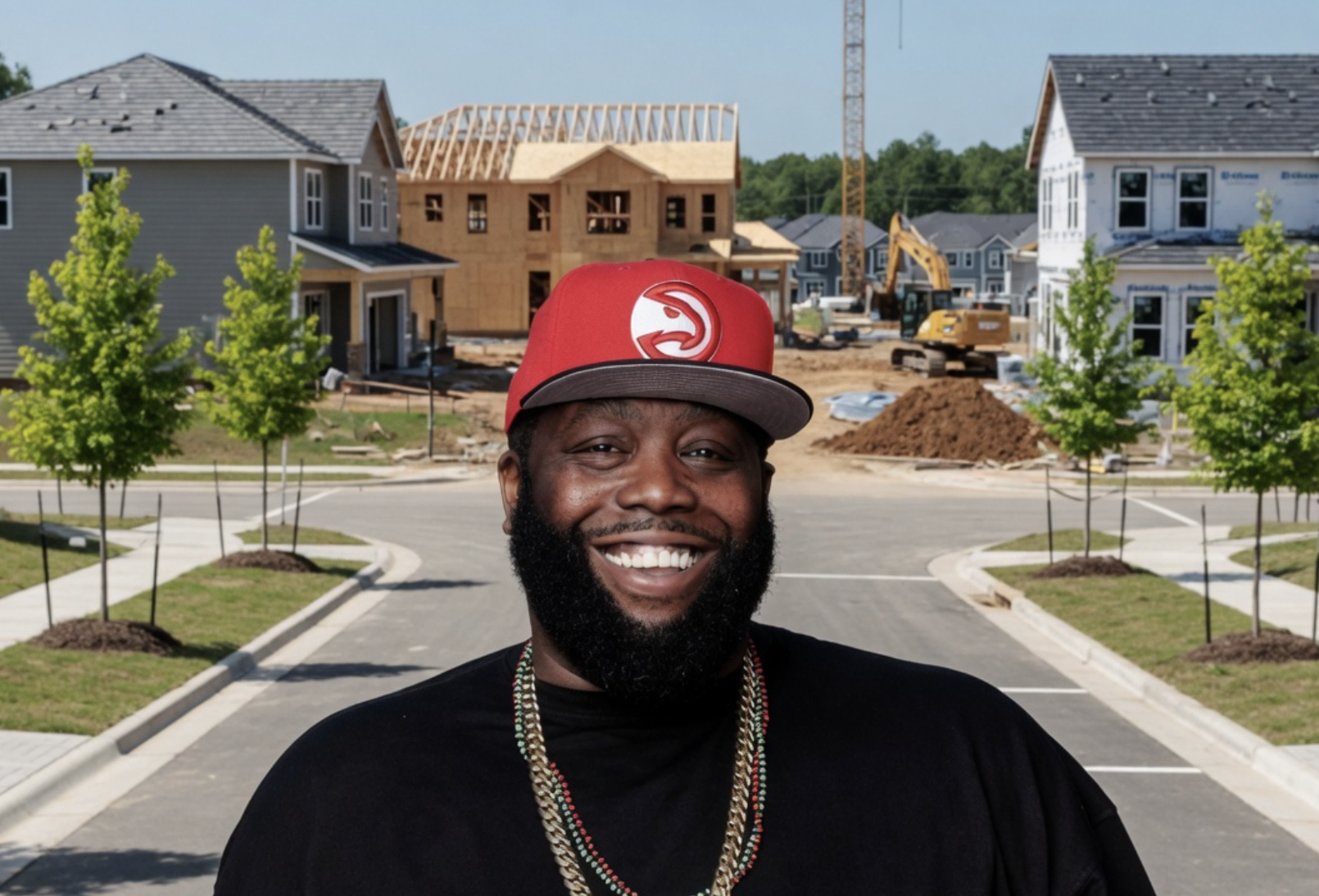
Atlanta rapper, activist, and entrepreneur Killer Mike (born Michael Render) is taking direct aim at one of the city’s most pressing challenges: making homeownership accessible for working families. Through a new joint venture called Build-to-Ownership (B2O), he is rolling out a rent-to-own (or lease-to-own) program designed to help Atlantans move from renting to owning their own homes.
Killer Mike’s Build-to-Ownership Plan: A Structured Path to Ownership
The program partners Render’s Atlanta-based Blackmon Real Estate with Bridge Tower, a Dallas-based real estate development and investment firm specializing in single-family and build-to-rent properties. Under B2O, families will lease newly constructed single-family homes with a clear, structured option to purchase them after a set period.
Rent payments contribute toward building equity, and the program includes flexible payment options to support the transition to full ownership.
aol.comRender emphasized the initiative’s focus on creating “an attainable pathway” for families who have traditionally faced barriers to buying a home. “Building wealth starts with ownership,” supporters have echoed in response to the announcement. The program targets first-time homebuyers and aims to address systemic hurdles such as high down payments, credit challenges, and rising housing costs—issues that have disproportionately affected Black and lower-to-middle-income families in Atlanta.
thegrio.comDevelopment sites are already being scouted across metro Atlanta, with the first property acquisitions expected soon. The venture plans to expand beyond Atlanta to other U.S. markets over time.
fox5atlanta.comKiller Mike’s Broader Commitment to Housing and Wealth BuildingThis latest effort aligns with Render’s long-standing work as a community advocate and entrepreneur. He has previously partnered on over $60 million in affordable micro-home developments in Atlanta and co-founded Greenwood, a financial platform aimed at closing the racial wealth gap. His real estate endeavors reflect a hands-on approach to tackling economic inequality in his hometown.
wabe.orgAtlanta faces a significant affordable housing shortage, with the city pursuing a goal of delivering or preserving 20,000 affordable units by 2030. B2O complements these efforts by focusing on new construction and ownership rather than solely rental solutions, giving residents a stake in their future and the local economy.
How Rent-to-Own Works and Potential Impact
Traditional rent-to-own programs allow tenants to lease a property while working toward purchase, often with a portion of rent credited toward a down payment. B2O builds on this model with professionally managed, new-build homes and homeownership support resources. By providing a defined purchase path, it reduces some of the uncertainty and financial risks that deter many potential buyers.Community reactions have been largely positive, with many viewing it as a practical step toward generational wealth. As one observer noted online, it could “open doors for families who’ve been locked out for years.”
Looking Ahead
Killer Mike’s move underscores a growing trend of artists and cultural figures leveraging their platforms and resources for tangible community impact. While details like specific pricing, eligibility criteria, and timelines will emerge as sites are secured, the announcement signals hope for Atlanta families eager to achieve the dream of homeownership.
For updates on Build-to-Ownership opportunities, residents are encouraged to follow developments through Blackmon Real Estate or Bridge Tower announcements. In a city known for its vibrant culture and economic growth, this program could help ensure that prosperity includes a pathway to owning a piece of it.
This initiative is still in its early stages, but it represents a creative, community-rooted response to Atlanta’s housing needs—one home, and one family, at a time.
See The Latest Atlanta Real Estate News At AtlantaFi.com.
More Articles From AtlantaFi.com: