-
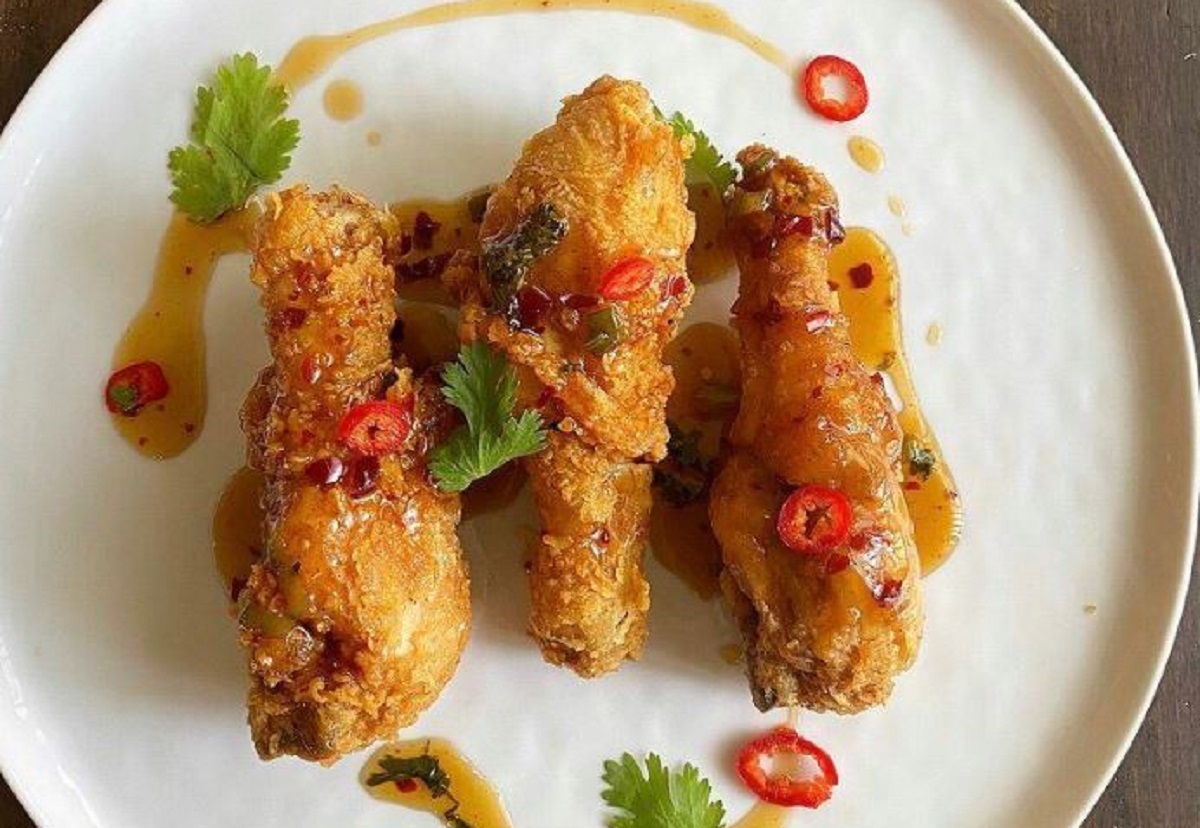
Easter Sunday falls on April 5, 2026, offering the perfect excuse to gather with family and friends at Atlanta’s vibrant dining scene, including its new Atlanta restaurants.
Whether you crave a lavish hotel brunch with the Easter Bunny, a Southern soul-food twist, Mediterranean flavors, or a relaxed neighborhood tavern meal, the city delivers diverse options across cuisines and price points.
Many spots feature spring-inspired dishes like herb-crusted lamb, honey-glazed ham, fresh seafood, and seasonal desserts. Reservations are strongly recommended — book early!
Where To Eat On Easter Sunday in Atlanta
Ready for the “Hunt”? Here’s what to eat for Easter Sunday in Atlanta:
Brasserie Margot at Four Seasons Hotel Atlanta

This elegant spot transforms into a vibrant spring celebration, spanning Brasserie Margot, Bar Margot, the atrium bridge, and Savannah Hall. Expect live culinary stations with herb-crusted lamb, smoked prime rib, Georgia-inspired favorites, abundant seafood and sushi, breakfast classics, and stunning pastries by the executive pastry chef. The Easter Bunny makes appearances for family photos.
- Price: $168++ per adult, $84++ for children (ages 5–11).
- Time: Seatings starting at 11 a.m. on Sunday, April 5.
- Bonus: Saturday afternoon tea on April 4 ($65++).
- Location: 75 14th Street NE, Atlanta, GA 30309.
- Reservations: Available via the Four Seasons website or Brasserie Margot site.
Boone’s

Overlooking the Bobby Jones Golf Course, Boone’s offers breezy patio brunch with kid-friendly touches. Families can meet the Easter Bunny (noon–2 p.m.) and enjoy an Easter egg hunt, followed by activities at the Yates Putting Course.
- Highlights: Classic brunch fare with golf-course views.
- Location: 2205 Northside Dr. NW, Atlanta.
- Reservations: Via Resy.
5Church (Midtown & Buckhead)

Both locations host an annual Easter Sunday buffet (11 a.m.–6 p.m., last seating) with chef-attended stations, carving options (prime rib, honey-glazed ham, lamb in Midtown; porchetta, hot honey chicken & waffles, smoked brisket hash in Buckhead), seafood, salads, pastries, and more.
- Price: $65 per adult, $20 per child.
- Reservations: Check k5hospitality.com/5church-easter-sunday.
Tesserae
415 East Paces Ferry Rd NE, Atlanta, GA 30305 | (470) 600-3500

Easter brunch and dinner reservations at Tesserae are open now for Sunday, April 20. Guests can enjoy a rooftop brunch from 8 a.m. to 2 p.m. featuring a mix-and-match selection of chef-created small plates or signature entrées like Southern eggs benedict, buttermilk fried chicken and waffles, and hanger steak, plus spring-inspired cocktails.
Reservations can be made here.
A special three-course Easter dinner will also be available from 5 p.m. to 9 p.m., offering elevated dishes such as filet mignon, miso-glazed salmon, and seasonal desserts like chocolate pot de crème or lemon raspberry & pistachio cheesecake at a prix fixe price of $65. Reservations can be made here.
HOBNOB Neighborhood Tavern

Visit any metro-area location of HOBNOB Neighborhood Tavern on Easter Sunday, where you’ll get to munch on their famous Strawberry Cheesecake Stuffed Waffle topped with whipped cream and strawberry compote or Peach Dijon Glazed Salmon served atop brussels sprout-sweet potato hash.
The Southern Gentleman

At The Southern Gentleman, you can get $75 buffet menu ($30 for children) featuring lollipop lamb chops, crab fritters, fried green tomatoes, Southern fried chicken with skillet cake, and Creole redfish with crab-stuffed potato purée. A kid’s menu is also available.Twisted Soul Cookhouse & Pours
Gypsy Kitchen
3035 Piedmont Rd, Ste A209, Atlanta, Ga. 30305

Photo credit: Gypsy Kitchen Join us for a bohemian-inspired celebration and a culinary journey unlike any other: signature Pan-Mediterranean brunch and dinner menus, supplemented by special holiday chef features. Guests can expect elevated seasonal dishes alongside favorites like Moroccan Spiced Chicken & Waffles, available from 11 AM to 3 PM for brunch and into the evening. We’ll be serving our signature brunch and dinner menus, elevated with seasonal chef features crafted just for the holiday.
Your 3rd Spot

At Your 3rd Spot in West Midtown, diners can enjoy Easter brunch on Saturday and Sunday, with an Egg Hunt set for 3 p.m. on Sunday.
Your 3rd Spot’s operating hours for Easter weekend:
- Friday, April 18: 2 pm to 12:30 am
- Saturday, April 19: 1 pm to 1:30 am
- Sunday, April 20: 12 to 10:30 pm
Final Bite
You don’t have to wait until Easter to get your grub on in the ATL. The largest city in the Southeast – Atlanta – has a few things to do as well. An Atlanta weekend is one to remember.
More Articles from AtlantaFi.com:
-

Spring break season is heating up again! With warmer weather on the horizon, many Atlantans—especially college students and families—are eyeing affordable getaways from Hartsfield-Jackson Atlanta International Airport (ATL), the world’s busiest airport.
In 2026, spring break for many Georgia schools and universities (like Georgia State, UGA, and others) typically falls in early to mid-April (depending on the institution).
Book early for the best rates, as domestic fares average $160–$330 round-trip from ATL during peak spring break weeks—often 6% cheaper year-over-year thanks to strong competition.
We’ve updated this list with popular, budget-friendly destinations popular among 18–24-year-olds and families, focusing on beach escapes, city vibes, and warm-weather spots.
Prices reflect typical cheap fares for March travel (one-way where noted; round-trips are often double plus taxes/fees). Budget airlines like Spirit, Frontier, and Southwest frequently offer the lowest rates, sometimes under $50 one-way to Florida.
Top Cheap Spring Break Flights From Atlanta
- Miami / Fort Lauderdale, Florida — Flights from ~$33–$60 one-way
Classic beach vibes, nightlife, and South Beach energy. Ultra-cheap on Spirit or Frontier. - Tampa / Orlando, Florida — Flights from ~$45–$60 one-way (Tampa often cheapest)
Beaches, theme parks (Disney/Universal for families), or Ybor City nightlife. Southwest and Frontier shine here. - Fort Myers / Southwest Florida — Flights from ~$50–$100 one-way
Quieter Gulf Coast beaches, great for relaxation or shelling. - Chicago, Illinois — Flights from ~$100–$150 round-trip
Urban energy, deep-dish pizza, and spring events—cooler but often a solid deal. - Houston, Texas — Flights from ~$110–$160 round-trip
Foodie paradise, Space Center, and proximity to Galveston beaches. - Las Vegas, Nevada — Flights from ~$95–$175 round-trip
Non-stop party central with shows, pools, and casinos. Great value even in spring.1 - New York, New York — Flights from ~$150–$200 round-trip
City that never sleeps—museums, Broadway, and spring vibes (bundle with budget hotels). - San Juan, Puerto Rico — Flights from ~$140–$250 round-trip (no passport needed for U.S. citizens)
Caribbean beaches, old town charm, and bioluminescent bays. Fares have improved with more competition. - Phoenix, Arizona — Flights from ~$200–$350 round-trip
Still rising in popularity for nightlife, hiking, and affordable desert fun. Great food scene. - Los Angeles, California — Flights from ~$180–$300 round-trip
Beaches, Hollywood, and year-round sunshine. Longer flight but worth it for West Coast energy.
Bonus emerging picks for 2026: New Orleans (easy Southwest deals), Cancún, Mexico (round-trip ~$190–$320, down year-over-year), or Punta Cana for all-inclusive Caribbean packages if you want tropical without breaking the bank.506
Note: International spots like Mexico or the Caribbean may require a passport and can include all-inclusive deals that bundle flights + resorts.
When Are the Best Days to Travel for Cheap Flights?
To score the lowest fares:
- Fly mid-week (Tuesday or Thursday) to avoid weekend surges.
- Consider shoulder days just before/after peak spring break weeks.
- Use tools like Google Flights’ “Explore” map or set price alerts.
- Fly into secondary airports (e.g., Fort Lauderdale instead of Miami, or Orlando for Tampa-area trips) for bigger savings.
Other money-saving tips:
- Bundle flights with hotels or cars on sites like Expedia or Southwest Vacations.
- Check for free events, happy hours, or student discounts at your destination.
- Be flexible with dates—prices can drop significantly with small shifts.
Pro Tips for Flying Out of Atlanta in 2026
Hartsfield-Jackson (ATL) remains incredibly convenient with tons of non-stop options and fierce competition among carriers. Delta is the dominant hub airline, but Frontier, Spirit, and Southwest drive the cheapest fares on domestic routes.18
- Arrive early—security can be busy during spring break.
- Download the ATL airport app for real-time gate and security wait info.
- Consider clear or TSA PreCheck if you fly often.
Whether you’re chasing beaches in Florida, nightlife in Vegas or Miami, or a quick cultural hit in Chicago or New York, Atlanta’s central location and airport make it one of the easiest U.S. cities for affordable spring getaways. Book soon for 2026 deals, and safe travels!
- Miami / Fort Lauderdale, Florida — Flights from ~$33–$60 one-way
-

Buckhead, Atlanta’s upscale enclave, is famous for luxury shopping at Lenox Square and Phipps Plaza, high-end steakhouses, and buzzing nightlife.
But beyond the tourist crowds and glossy facades lies a quieter side beloved by locals—intimate speakeasies tucked behind unmarked doors, serene nature escapes amid the city, and cozy spots for elevated yet unpretentious meals and drinks.
Buckhead: Quiet Bars, Secret Parks + Local Favorites
This 2026 edition spotlights seven hidden gems that rarely appear on mainstream visitor lists. These are the places where Buckhead residents unwind, away from the flash.
1. Red Phone Booth Buckhead

Dial the secret code at the iconic red phone booth to enter this Prohibition-era speakeasy and cigar lounge.
Expect craft cocktails with house syrups, hand-cut ice, rare whiskeys (over 180 varieties), a humidor, and Neapolitan-style pizza from a brick oven. Members-only touches make it feel exclusive yet welcoming for those in on the secret.
2. Blue Heron Nature Preserve

A 30-acre urban sanctuary off Roswell Road, this hidden preserve offers about 3 miles of trails through wetlands, forests, and meadows along Nancy Creek. It’s ideal for birdwatching (herons, songbirds), peacefu
walks, and escaping city noise. Locals treasure it as a quiet wildlife retreat right in Buckhead.
3. Chattahoochee River National Recreation Area – Whitewater Creek/Palisades Unit

Accessed down a quiet residential street in the Whitewater Creek neighborhood, this section feels like a secret riverside wilderness. Expec
dramatic views, bamboo forests, sandy beaches for dog splashing, swinging bridges over creeks, and trails (up to 4.9 miles) with steep grades overlooking the rushing Chattahoochee. It’s Buckhead’s best hike for feeling far from the city.
4. The Chastain
4320 Powers Ferry Rd Atlanta GA 30342

Nestled across from Chastain Park in leafy North Buckhead, this neighborhood treasure serves as a relaxed all-day spot.
Start with morning coffee and an almond croissant on the sun-dappled terrace, or linger for lunch/dinner with garden-fresh dishes.
Its high-society-yet-approachable vibe and Michelin recognition make it a local favorite for unwinding outdoors.
5. Cafe Sunflower
2140 Peachtree Rd NW Atlanta, GA 30309

A quiet, plant-based haven offering refined vegetarian and vegan cuisine in a serene setting. Locals recommend it for peaceful meals—think creative dishes in a calm atmosphere ideal for conversation.
It’s a go-to for those wanting elevated, health-conscious dining without the bustle.
6. Kyma
3085 Piedmont Rd, Atlanta GA 30305

This Greek seafood spot stands out for its tranquil ambiance and fresh Mediterranean flavors. Often praised as one of Buckhead’s quieter fine-dining options, it’s perfect for intimate dinners featuring grilled octopus, whole fish, and coastal wines—away from the typical steakhouse noise.
7. The Bureau
349 Peachtree Hills Atlanta GA 30305

Hidden behind the kitchen at KR SteakBar in Peachtree Hills, this dimly lit lounge opens Friday and Saturday nights for post- or pre-dinner cocktails, beer, and wine.
Intimate booths and bar seating create a secretive, cozy escape. It’s a true locals-only vibe for sophisticated sipping.
These spots capture Buckhead’s dual personality: polished yet private, urban yet natural. Skip the obvious tourist paths and discover why locals guard these favorites so closely. Whether you’re after a concealed cocktail, a trail to yourself, or a peaceful plate, Buckhead’s under-the-radar side delivers in 2026.
-

Midtown Atlanta remains one of the city’s most vibrant neighborhoods — packed with new restaurants, cultural spots, green spaces, and walkable energy. But you don’t need deep pockets to enjoy it. From sprawling parks to free museum days and the ever-popular BeltLine, here are the best affordable (or completely free) ways to experience Midtown
But where should you start? In this article, we’ll walk you through several top things to do in Midtown Atlanta for the cheap.
Things To Do In Midtown Atlanta For Cheap
Here are some really cool things to do in Midtown Atlanta that won’t cost you a lot of money:
Atlantic Station Creators Market

Photo credit: Maria Lindsey Content Creator / Pexels There’s no better way to support a maker than to check out their wares at Atlantic Station’s Creators Market. The market is open at the following times:
- Every Saturday from 11 a.m. to 9 p.m.
- Every Sunday from 12 to 7 p.m.
- Christmas Eve, Dec. 24, 11 a.m. to 4 p.m.
Check out what’s on sale in Atlanta.
High Museum of Art

Midtown’s premier art museum boasts diverse collections and rotating exhibitions. General admission is typically $15–20, but take advantage of UPS Second Sundays (the second Sunday of each month, e.g., March 8, 2026) for free admission for all visitors, plus family-friendly programming and activities.
Military personnel and their families often get free entry with ID. Check the website for any additional free or discounted days, such as Access for All (third Wednesdays in some periods).
Location: 1280 Peachtree St NE, Atlanta, GA 30309
Cost: Free on select days; otherwise low-costPiedmont Park

Atlanta’s iconic 200+ acre green oasis is still the top free attraction in Midtown. Perfect for picnics, jogging, people-watching, or simply relaxing under dogwoods and azaleas. The park features walking paths, sports courts, a pond, dog parks, and the restored Noguchi Playscape for kids.I
t’s a hub for free and low-cost events year-round, including weekly yoga, walking clubs, and the popular Piedmont Park Green Market (Saturdays, typically April–December).
In 2026, look for the Atlanta Dogwood Festival (April 10–12), free fitness programs, and the Piedmont Park Summer Arts & Crafts Festival (August 15–16, free admission with 250+ artists, live music, and family fun).Location: 400 Park Dr NE, Atlanta, GA 30306
Cost: Free (some special events may have small fees)Krog Street Market

Photo credit: Youtube.com Conveniently situated just feet from the Beltline in Inman Park, Krog Street Market is the city’s second-most successful project. The market sits on nine acres and features 12,000 square feet of anchor restaurants like Superica, a renown beer and wine store and all kinds of cool restaurants and pop-up shops.Atlantic Station

Photo credit: youtube.com This mixed-use development features open greenspaces, shops, restaurants, a movie theater, and a lively atmosphere. Strolling around is completely free, and it’s a great spot for window-shopping or grabbing a cheap bite.
Don’t miss the Creators Market for supporting local makers — open Saturdays (11 a.m.–9 p.m.) and Sundays (12–7 p.m.), with special holiday hours.
Location: Atlantic Station area, Midtown Atlanta
Rent An Electric Scooter

Photo credit: Youtube If you’ve traveled through Midtown Atlanta at all this year, you can’t miss someone on one of those electric scooters whizzing pass you. Atlantans can rent Birds in several locations around Midtown as well as at Tech Square, downtown, and even in the West End. You must download the Bird app to ride and it costs $1 to start, then 15 cents per minute afterward. Here’s how to do it safely.Additionally, Lime scooters are also available around the city’s core. Lime scooters cost just $1 to unlock plus a small fee (usually 15 cents per minute) in most areas.Visit Central Park

Photo credit: youtube.com Often overshadowed by Piedmont Park, this Midtown green space between Ralph McGill Boulevard and North Avenue offers open fields, tennis and basketball courts, and running trails. It’s a quiet, budget-friendly spot for relaxation or casual sports.
Hit The Beltline (Eastside Trail)

One of the world’s largest urban redevelopment projects, the BeltLine offers miles of car-free trails perfect for walking, jogging, biking, or rollerblading. The Eastside Trail segment connects directly to Piedmont Park and passes stunning street art, public parks, and skyline views.
Free fitness classes run regularly along the trail. Stop for people-watching or affordable eats at nearby spots. It’s an unbeatable way to explore the city on a budget while getting exercise.
Tip: Access points include Piedmont Park and Ponce City Market. Bike rentals are available affordably via apps or local spots.
Hungry for some outdoors food? Check out the best restaurants on the Beltline.
Ponce City Market

Photo credit: youtube.com A BeltLine-adjacent food hall and gathering spot with free entry. Browse shops, enjoy street-level vibes, and grab affordable eats (or just people-watch). It’s a social hub year-round.
Cost: Free entry.675 Ponce De Leon Ave NE, Atlanta, GA 30308.
The Plaza Theatre

Photo by Demetrius Washington on Unsplash The Plaza Theatre is an Atlanta landmark and the city’s longest continuously operating movie theatre. In the 1970s, the Plaza became an X-rated adult cinema and live burlesque theatre, screening such risqué fare as Teeny Buns and Swinging Sorority, until the entire shopping center was renovated
Piedmont Park

photo credit: youtube.com The city’s preeminent park, Piedmont Park in Midtown Atlanta is the perfect place to job, walk or just chill on the green grass. The park has a pristine pond, a huge running track, sprawling jogging paths, basketball courts, dog parks and more. The real treat is spending the day strolling through this bucolic oasis in the middle of Atlanta and admiring the many dogwood trees, crepe murtles and azaleas planted throughout. Not only is it refreshing for the mind, but it continues to be one of many fun things to do in the city’s largest greenspace. 400 Park Dr NE, Atlanta, GA 30306.Eat At The Varsity

Photo credit: Youtube.com “Whaddyahave, Whaddyahave, Whaddyahave!?” Either you know about that, or you don’t. The Varsity is arguably the most famous restaurant in Atlanta. It all started about a century ago in Midtown Atlanta and gradually branched out to a handful of locations around metro Atlanta. And no wonder. Where else can you get iconic chilli dogs, hamburgers and onion rings that have made their way into pop culture and the fabric of the area’s dining scene? Come check out the largest drive-in fast food restaurant in the world. : 61 North Avenue NW Atlanta, GA. 30318.
Fox Theatre

The Fox Theatre is a jewel of a landmark located on Peachtree Street in Midtown Atlanta. Got some time on your hands? Catch a show!
The Fox, located at 660 Peachtree St NE, Atlanta, GA 30308, always has a highly acclaimed lineup. Check the show schedule.
Final Word
Midtown Atlanta is a perfect place to explore the city. Don’t be afraid to take MARTA to several high-profile spots. You’ll save time.
Midtown has some of the best restaurants in the city, places where visitors, namely tourists, and others can enjoy a meal. Downtown Atlanta or Midtown often has something cool going on! Check out these events in Atlanta today and this week and this weekend:
Here are more articles from AtlantaFi.com:
-

Atlanta, Ga. — March 27, 2026 — Georgia is enduring its most severe drought in nearly 10 years, with the latest U.S. Drought Monitor showing approximately 80% of the state locked in at least severe drought (D2 or worse).
According to the map released Thursday by the National Drought Mitigation Center and partners, data valid as of March 24, 2026, reveals stark conditions: roughly 96% of Georgia is experiencing some level of drought or abnormally dry conditions.
Georgia Drought Hits Severe Conditions
Severe drought covers about 38% of the state, extreme drought (D3) affects another 35–42%, and exceptional drought (D4) — the highest category — grips nearly 8%, particularly in southern counties.

The National Weather Service in Atlanta has highlighted the historic nature of the situation.
In a recent drought information statement, forecasters noted that “Coverage of D2-D4 drought is at its highest in Georgia since 2011,” with hydrologic and fire weather impacts increasing statewide despite occasional light rains.
This marks the worst statewide drought coverage in over a decade, surpassing recent dry spells and echoing the intensity last seen in the fall of 2011.
In south Georgia, conditions have deteriorated further. Lowndes County and several southeastern counties are now in exceptional (D4) drought — the worst possible category on the U.S. Drought Monitor scale.
Is Georgia in a Drought?
The official definition describes D4 as involving “Exceptional and widespread crop/pasture losses; shortages of water in reservoirs, streams, and wells creating water emergencies.”
Local officials are already seeing the effects. Lowndes County fire crews have responded to multiple grass fires and wildfires since February, prompting ongoing burn restrictions.
EMA Lowndes Public Information Officer Megan Barwick urged residents: “Please hold off on any outdoor burning until the restriction is officially lifted. These conditions create a high risk of fires spreading quickly, putting our community and first responders in danger.”
Across north and central Georgia, rivers, streams, and lakes remain at critically low levels, while fire danger stays elevated.
The National Weather Service has warned that without a sustained active weather pattern bringing meaningful rainfall, the drought is likely to persist through the spring months.
Agricultural impacts are currently limited as the growing season is just beginning, but experts caution that continued dryness could soon stress crops, pastures, and water supplies for farms and communities.
Streamflows are below normal in many areas, and long-term hydrologic drought effects are already evident.
The broader Southeast region is feeling similar strain, with abnormally dry conditions and drought covering nearly all of the area as of mid-January updates, though some localized improvements have occurred in parts of Alabama, Georgia, and the Carolinas in recent weeks.
Residents and officials are being advised to conserve water, monitor local burn bans, and stay informed through county emergency management alerts.
The seasonal drought outlook from the Climate Prediction Center suggests that while some coastal improvement is possible later in spring, much of Georgia’s interior faces continued elevated drought risk into April and beyond.
As Georgia enters what could be a challenging spring, the message from forecasters remains clear: significant, widespread rain is needed to ease the grip of this record-setting dry spell.
More From AtlantaFi.com:
-

In the chaotic symphony of modern air travel—endless security lines, shoes in bins, laptops half-zipped, and the perpetual dread of missing a flight—TSA PreCheck stands as a quiet revolution.
For a one-time fee that breaks down to roughly $15–17 per year, this trusted traveler program promises a smoother, less invasive screening experience at over 200 U.S. airports.
TSA PreCheck: What You Need To Know
But in 2026, with more than 20 million members, evolving policies (like the end of mandatory shoe removal in some lanes), and competing options like CLEAR, is it still the smart upgrade it once was?
We’ve crunched the numbers, polled the realities, and flown the friendly (and not-so-friendly) skies to deliver the verdict.
What Exactly Is TSA PreCheck?
Launched by the Transportation Security Administration, TSA PreCheck is a voluntary program that vets low-risk travelers through a background check.
Once approved, you receive a Known Traveler Number (KTN) to add to your airline reservations. At participating checkpoints, you enjoy dedicated lanes where you can typically:
- Keep your shoes, belt, and light jacket on.
- Leave laptops and compliant liquids (3-1-1 bag) in your carry-on.
- Breeze through without the full-body pat-down drama or bin-juggling ballet.
It’s available for domestic departures on dozens of airlines, including major carriers like American, Delta, United, Southwest, Alaska, and international partners.
Read: How to avoid airport delays
Newer enhancements like TSA PreCheck Touchless ID—using facial recognition for even quicker identity verification—are rolling out to 65 airports by spring 2026, with airlines like Delta, American, United, Southwest, and Alaska participating.47
The Cost: Surprisingly Affordable
New enrollments run $76.75 to $85 for a full five-year membership, depending on the provider (IDEMIA is often the cheapest at $76.75; CLEAR and Telos are slightly higher). Renewals are even better: as low as $58.75 online or up to $79.95 in person.
That works out to less than $17 annually—or about the price of two airport coffees.2
Pro tip: Dozens of premium credit cards (including many from American Express, Chase, Capital One, and others) offer statement credits that can make TSA PreCheck effectively free.
If you hold one, the math tilts heavily in your favor. Global Entry ($100–120 for five years) automatically includes PreCheck benefits, making it a no-brainer for international travelers.
The Real-World Benefits: Time, Stress, and Sanity
Data from the TSA shows that 99% of PreCheck passengers wait 10 minutes or less at security.
Independent analyses and traveler surveys paint a similar picture: average standard lines hover around 40+ minutes during peaks, while PreCheck often shaves off 5–15 minutes—or more at busy hubs like JFK, LGA, or ORD. One New York-area study found PreCheck faster 82% of the time, with average savings of 5–10 minutes.25
But the true value isn’t just minutes—it’s the reduced hassle. No more frantic shoe removal. Fewer chances of your laptop getting dinged. Less stress, especially when traveling with kids or during holiday rushes.
Frequent flyers consistently rate PreCheck experiences as far less stressful (3.3/10 vs. 7.3/10 for standard lines).
Families love the family benefit: children 12 and under can often join a PreCheck parent in the expedited lane without their own membership.
In 2026, even with program growth, PreCheck remains a reliable edge.
While some critics note that lines have lengthened as membership swells and certain shoe-removal rules have relaxed in regular lanes, the dedicated PreCheck experience still delivers predictability and dignity—qualities increasingly rare in air travel.
Who Should Get It? (And Who Can Skip It)
Yes, absolutely worth it if:
- You fly twice or more per year domestically (it pays for itself in 2–3 roundtrips when factoring time and stress).
- You value consistency over occasional lottery wins in regular lines.
- You travel with family—kids under 12 (and sometimes teens) can tag along.
- You have a credit card that reimburses the fee.
Maybe not if:
- You fly once a year or less from small regional airports with short lines.
- You’re primarily an international traveler (consider Global Entry instead for customs perks).
- You’re okay gambling on CLEAR lanes at your home airport (though CLEAR is pricier at ~$200/year and focuses more on ID verification upfront).
Travelers at major hubs during peak seasons report the biggest wins. At quieter airports, the difference can be marginal—but the peace of mind remains.
How to Apply: Easier Than You Think
- Visit tsa.gov/precheck and choose a provider (IDEMIA, CLEAR, or Telos).
- Complete the online application with basic info and pay the fee.
- Schedule a 10-minute in-person appointment for fingerprints and ID verification (hundreds of enrollment centers nationwide, plus pop-up events).
- Approval often comes in days or weeks; add your KTN to profiles immediately.
Renewals are mostly online now, with conditional approvals sometimes skipping in-person visits. Background checks are thorough but rarely disqualify low-risk applicants.
The Verdict: Yes, It’s Worth It in 2026
In an era where air travel can feel like a contact sport, TSA PreCheck is one of the few upgrades that delivers tangible, repeatable value without breaking the bank.
It’s not a magic carpet, but it’s close: less chaos, more composure, and the quiet satisfaction of knowing you’ve outsmarted the system just a little.
For most domestic flyers—especially those with even moderate frequency—it’s a no-regrets investment. Pair it with Global Entry for international trips or CLEAR for ultra-busy mornings, and you’ve built a formidable travel armor.
Ready to reclaim your airport mornings? Head to the TSA site, check your credit card benefits, and join the millions who swear by it. Your future self—laptop still in its bag, shoes firmly on—will thank you.
Safe travels, and may your PreCheck lane always be the shortest one.
What are your PreCheck stories? Share in the comments—we’re always collecting tales from the terminal.
Check Out Our Atlanta Travel Guide
-

Nestled in the heart of Atlanta’s historic West End, Clark Atlanta University (CAU) stands as a beacon of higher education for African Americans, blending a rich history of resilience and innovation with a roster of influential alumni who have shaped civil rights, arts, entertainment, and more
As one of the city’s premier Historically Black Colleges and Universities (HBCUs), CAU continues to empower students through its commitment to academic excellence, social justice, and entrepreneurship.
Here’s what you need to know about this iconic institution.
A Storied History Rooted in Empowerment
CAU’s origins trace back to the post-Civil War era, emerging from two pioneering institutions dedicated to educating freed African Americans.
Atlanta University was founded in 1865 by the American Missionary Association, with support from the Freedmen’s Bureau, making it the nation’s oldest graduate institution primarily serving African American students.
Meanwhile, Clark College was established in 1869 by the Methodist Episcopal Church in Atlanta’s Summerhill community, named after Bishop Davis Wasgatt Clark, and aimed at creating a university for educating freedmen.

These foundations laid the groundwork for what would become a powerhouse of Black education in the South.
Key milestones marked the evolution of both schools. Atlanta University began granting bachelor’s degrees in 1870 and focused on training Black teachers and librarians for Southern public schools.
Clark College was officially chartered in 1877, conferred its first degrees in 1880, and relocated to a 450-acre property in South Atlanta in 1883.
In 1897, renowned scholar W.E.B. Du Bois joined Atlanta University’s faculty as a professor of history and economics, where he conducted groundbreaking sociological research, hosted national conferences on African American issues, and popularized the concept of the “talented tenth” to describe an elite class of Black intellectuals.

Another pivotal figure, Hale Aspacio Woodruff, joined in 1931 and established the first art department at an HBCU, launching the University’s Art Annuals from 1942 to 1970 as national exhibitions for Black artists.
The paths of Atlanta University and Clark College converged in the 1930s and 1940s through shared affiliations and proximity, culminating in their historic merger on July 1, 1988, to form Clark Atlanta University—the first HBCU in the southern United States established by African Americans for African Americans.
This consolidation was part of the broader Atlanta University Center Consortium (AUC), formed in 1957 with institutions like Morehouse College, Spelman College, and others, fostering collaboration among HBCUs.
CAU played a crucial role in the Civil Rights Movement.
In 1960, AUC students, including those from Atlanta University and Clark College, formed the Atlanta Student Movement, issuing an “Appeal for Human Rights” and leading sit-ins that were integral to desegregation efforts.
Student leader Carolyn Long Banks later became the first African American woman to serve on the Atlanta City Council.
Post-merger, CAU achieved numerous accolades, including hosting field hockey events during the 1996 Atlanta Olympics, launching WCLK-91.9 FM as Georgia’s first Black federally licensed educational FM radio station in 1974, and receiving major grants for research centers like the Center for Functional Nanoscale Materials.
In 2025, CAU was renewed as an R2 “High Research Activity” institution, one of only two private HBCUs with that status.
Today, with enrollment exceeding 4,000 students, CAU upholds its motto: “I’ll Find a Way or Make One,” emphasizing innovation and perseverance.
Famous Alumni Who Have Made Their Mark

CAU’s alumni network is a testament to its impact, boasting trailblazers across various fields. Here are some notable figures:
- Ralph David Abernathy: A civil rights activist and close collaborator with Dr. Martin Luther King Jr., Abernathy served as president of the Southern Christian Leadership Conference and was instrumental in the Montgomery Bus Boycott and other pivotal movements (Class of 1951).
- James Weldon Johnson: Poet, diplomat, lawyer, and civil rights activist who authored “Lift Ev’ry Voice and Sing,” known as the Black National Anthem (Class of 1894).
- Kenny Leon: Tony Award-winning director known for Broadway productions like “A Raisin in the Sun” and former artistic director of Atlanta’s Alliance Theatre.
- Kenya Barris: Writer, producer, and director behind hit shows like “Black-ish” and “Grown-ish,” who has pledged significant donations to CAU.
- Pinky Cole: Entrepreneur and founder of the popular vegan restaurant chain Slutty Vegan, embodying CAU’s spirit of innovation. 5 19
- Hosea Williams: Civil rights leader, activist, and politician who founded Hosea Feed the Hungry and Homeless (Class of 1951).
- Eva Marcille: Model, actress, and winner of “America’s Next Top Model,” known for roles in TV and film.
- Hank Johnson: U.S. Congressman representing Georgia’s 4th District since 2007.
- Pearl Cleage: Acclaimed playwright and author of works like “Flyin’ West.”
- Jermaine Dupri: Grammy-winning music producer and founder of So So Def Recordings.
- David Satcher: Former U.S. Surgeon General and director of the CDC.
- Carolyn Long Banks: Trailblazing politician and first Black woman on the Atlanta City Council (Class of 1962).
Other distinguished alumni include singer Bobby V, voting rights activist Melanie L. Campbell, and physicist Shirley Ann Jackson, former head of the U.S. Nuclear Regulatory Commission.
Looking Ahead
As CAU celebrates its legacy—recently marking its 35th anniversary as a consolidated institution in 2024—it continues to drive progress with initiatives like the PROPEL Center for HBCU innovation and a $250 million capital campaign.
For Atlantans, CAU isn’t just a university; it’s a vital part of the city’s cultural and educational fabric, inspiring the next generation to find a way or make one.
Whether you’re a prospective student, alumni, or local resident, CAU’s story reminds us of the power of education in building a brighter future.
-

In a major step forward for women’s professional soccer in the region, the National Women’s Soccer League (NWSL) Atlanta has finalized an agreement with the City of Marietta to acquire land for a dedicated, world-class training facility.
The announcement marks an exciting milestone for the expansion franchise, owned by Arthur Blank’s AMB Sports and Entertainment (AMBSE), as it builds toward its debut season in 2028.
The deal involves AMBSE purchasing a nearly 33-acre property along Franklin Gateway in Marietta.
This strategic site, located just half a mile from the Children’s Healthcare of Atlanta Training Ground (home to MLS side Atlanta United), positions the new NWSL club to benefit from proximity to established elite soccer infrastructure while establishing its own independent headquarters.
As part of the agreement, the City of Marietta will acquire a separate 10-acre parcel currently owned by AMBSE, creating a mutually beneficial land exchange.
Marietta city leaders unanimously approved the transaction, valued at approximately $21 million, during a recent council session.
Construction on the state-of-the-art facility is set to begin immediately, with completion targeted ahead of the club’s inaugural 2028 campaign. Plans include an approximately 38,000-square-foot headquarters building, four full-size soccer fields, and two half-size pitches.
The overall investment in the project is expected to exceed $100 million, delivering significant economic benefits to the Marietta area through jobs, development, and community impact.
Arthur Blank, owner and chairman of AMBSE, emphasized the importance of this development in creating a top-tier organization.
“When we announced NWSL Atlanta 2028, we made a commitment to provide the necessary resources to create a world-class organization on and off the pitch, including the development of a training ground dedicated to our newest club and staff,” Blank stated. “Securing this property in Marietta is a critical first step as we begin building the foundation of NWSL Atlanta 2028.”
The training ground will complement the team’s primary home matches at Mercedes-Benz Stadium, where capacity will be adjusted to around 28,000 for NWSL games.
The facility underscores Atlanta’s growing investment in women’s soccer, joining the Falcons (NFL) and Atlanta United (MLS) under the AMBSE umbrella.
Local officials expressed enthusiasm about the partnership and its potential to elevate the community.
This agreement follows Marietta’s proactive efforts to attract the franchise, including the city’s earlier purchase of the Franklin Gateway land (previously eyed for an IKEA development) to position itself as an ideal location.
With groundbreaking work now on the horizon, NWSL Atlanta 2028 continues to take shape as a flagship addition to the National Women’s Soccer League, promising high-caliber facilities and a strong foundation for success on and off the field. Fans can look forward to more updates as the club progresses toward its 2028 launch.
Metro Downtown Atlanta’s development landscape has undergone significant transformation in recent years, driven by large-scale mixed-use projects, infrastructure upgrades, and a focus on revitalizing the city’s historic core. These changes reflect a broader effort to make Downtown more vibrant, walkable, and economically robust, particularly in preparation for events like the 2026 FIFA World Cup.
More Content From AtlantaFi.com:
The Most Fun Things To Do in Centennial Park
-

🚨 ATL TEA ALERT: Peachtree Shade Files 🚨
March 20, 2026Tyler Perry + Marlo Hampton? Honey, the A is BUZZING and we are HERE for this plot twist!
Y’all, grab your mimosas and pull up a chair because the city’s most powerful mogul and our favorite RHOA firecracker might just be writing their own love story — and it’s giving full-on billionaire romance novel!
Sources close to the scene are whispering that Tyler Perry and Marlo Hampton have been getting very cozy lately, and last night’s viral pics have the entire timeline in a chokehold.
The photo circulating (you know the one — Tyler in that denim button-up looking dapper, Marlo glowing in leather pants with a bouquet that could pay somebody’s rent) shows the two locked in what can only be described as a moment.
One frame has him lifting her like she’s the prize at the end of a Madea movie, lips locked and everything. Atlanta, we see you! 👀✨
Word on the curb (and from that gospel brunch that had Kirk Franklin, T.I., Tiny, and half the Black elite in the building) is these two have been running in the same circles for years. Mutual friends, same events, same “I see you, king/queen” energy.
But are the pics real? There’s a lot of buzz that the photos are AI. One source says that FreddyO, the photographer, snapped the innocent pics but some fake ones surfaced hours later.
Here’s the tea:
One thing for sure is that Marlo, never one to bite her tongue, has joked on camera before about how she’d “absolutely” bag a billionaire like Tyler Perry. Well sis, the universe heard you loud and clear! Insiders tell AtlantaFi.com the two have been in the same circles more than once.
Tyler, who’s been notoriously private since his split with Gelila, hasn’t been this publicly smiley with anyone in years. And Marlo? She’s glowing different.
The woman who’s been serving looks, shade, and business on RHOA is suddenly out here looking like she’s got a secret — and honey, we think his name is Tyler.
The internet is already divided:
- Team “Go Marlo!” cheering the bag and the Black love
- Team “AI or PR stunt?” side-eyeing the pics harder than a shady reunion
- And the real ones just screaming “ATL power couple loading…”
Whether it’s a full-blown romance, a soft launch, or the most expensive friendship in Georgia history… one thing’s for sure: if Tyler Perry and Marlo Hampton are indeed turning up the heat, the weddings, the cameos, the joint empire, and the future RHOA storylines write themselves.
We’re camping outside the studio and the mansion gates, y’all.
Drop your hottest takes below — are we shipping #TyLo or is this just Sunday brunch tea that boiled over?
Stay locked on Peachtree Shade… because in the A, when two legends link up? We don’t spill the tea.
We serve the whole damn pitcher. -

East Atlanta Village (EAV) remains one of Atlanta’s most vibrant and eclectic neighborhoods for food and drink. Where to eat in East Atlanta depends on what you have a taste for.
With its mix of divey charm, chef-driven spots, late-night energy, and diverse global flavors, EAV delivers everything from elevated comfort food to killer cocktails and casual bites.
Here Are the Best Places To Eat in East Atlanta
As we head deeper into the year, the area continues to shine with standout establishments that draw locals and visitors alike.
Here are some of the best restaurants in East Atlanta right now, based on consistent buzz, critical acclaim, and neighborhood love.
1. Banshee
1271 Glenwood Rd SE,Atlanta, GA 30316

When it comes to places to eat in East Atlanta, Banshee stands out as the neighborhood’s most sophisticated spot, filling a long-missing gap in EAV’s dining scene with refined yet approachable fare.
Expect creative, seasonal dishes in a stylish setting that’s perfect for date nights or special occasions. It’s frequently highlighted as a top pick for its execution and vibe.
2. Argosy
470 Flat Shoals Rd, Atlanta Ga. 30316

A longtime favorite, Argosy brings laid-back pub energy with excellent craft beer, hearty bar food, and a welcoming patio.
It’s ideal for casual hangs, watching games, or grabbing elevated pub grub like burgers and wings. The consistent quality keeps it packed.
3. Gaja Korean Bar (or Gaja Restaurant & Bar)
491 Flat Shoals Rd, Atlanta Ga 30316

For bold, craveable Korean flavors, Gaja delivers standout beef bulgogi, banchan spreads, and lively bar vibes. It’s one of the go-to spots for Korean in this part of town, with a fun atmosphere that’s great for groups or late-night eats.
4. So So Fed
714 Moreland Ave. Ste D (Inside OK Yaki) Atlanta, GA 30316

This casual gem excels at comforting, flavorful dishes perfect for outdoor seating or walk-in dinners.
It’s praised for its relaxed feel and reliable execution, making it a solid choice for everyday meals with a bit of flair.
5. Octopus Bar
560 Gresham Ave SE Atlanta GA 30316

A true late-night legend in EAV, Octopus Bar keeps the chef-driven spirit alive with creative small plates, cocktails, and a menu that kicks off around 10 p.m. and runs until the early hours (last call often around 2:15 a.m
). It’s a must for anyone craving inventive food after dark.
6. Ok Yaki
714 Moreland Ave. Ste D, Atlanta, GA 30316

Specializing in Japanese-inspired eats like okonomiyaki and yakitori, this spot adds global variety to the neighborhood. It’s gaining traction for fresh, flavorful options in a casual format.
7. Trattoria Lucia
925 Garret St, Suite 1, Atlanta, GA 30316

Bringing Italian comfort to East Atlanta, Trattoria Lucia serves house-made pastas, pizzas, and classics in a cozy setting
It’s a newer standout that’s quickly become a neighborhood go-to for red-sauce Italian done right.
Love fritti? Check out Atlanta’s best Italian restaurants.
8. Birdcage
519 Memorial Dr. SE Atlanta GA 30312

No EAV roundup is complete without Birdcage — and don’t forget its sister eatery, Firepit Pizza Tavern — delivers Latin fusion with a funky twist — perfect for lunch, brunch, or a dinner.
Other notable mentions include The Earl for live music and solid bar bites, Emerald City Bagels for its unique vibe, and spots like Poor Hendrix (nearby in East Lake) for stellar cocktails and elevated bar food if you’re willing to venture just a bit outside the village core.
East Atlanta Village thrives on its independent spirit—places here feel authentic, unpretentious, and full of character.
Whether you’re in the mood for late-night chef plates, Korean BBQ, or a refined dinner, EAV has you covered. Head out, explore Flat Shoals Avenue, and discover your new favorite spot. The neighborhood’s food scene only gets better with time.
Atlanta’s massive airport (ATL) allows for daily air shipments of incredibly fresh fish from global markets, making high-quality seafood and exceptional Ramen accessible year-round. A burgeoning Asian population and dedicated food enthusiasts have fueled demand for authentic and diverse Japanese cuisine. To dig into these wonderful delights, check out the best Asian restaurants in Atlanta.
Here Are The Best New Restaurants In Atlanta