-
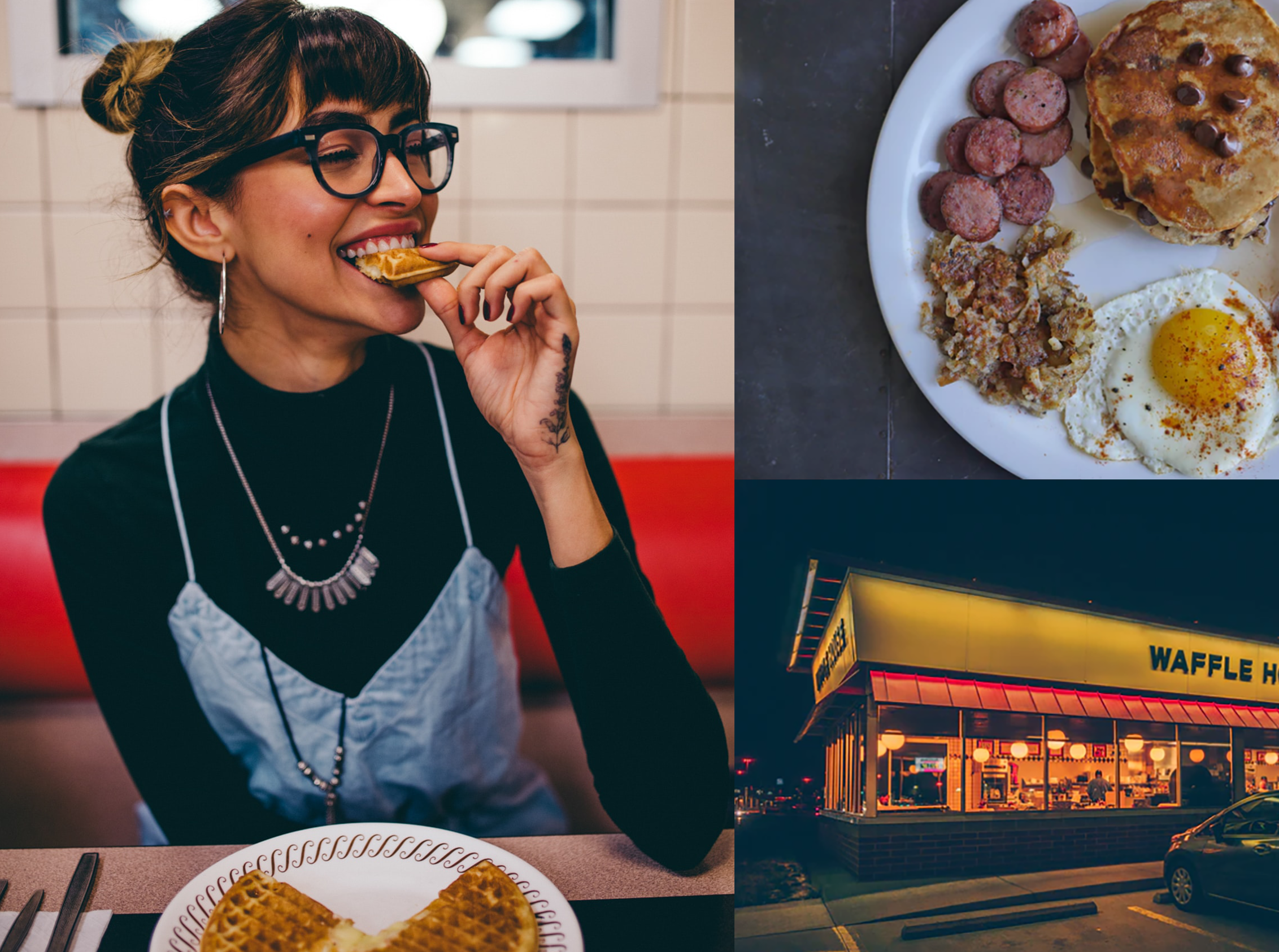
Waffle House is not only the top place for waffles in the Peach State, but it’s an American institution. One thing about Atlanta, is that it has a lot of Waffle Houses. But there is much more to know about the downhome eatery.
Unless you’re on the keto diet or something, Waffle House is a staple in Atlanta. The Atlanta restaurant first opened on Labor Day 1955. That’s when Joe Rogers and Tom Forkner turned an Avondale Estates home into a restaurant.
Waffle House: Everything You Need To Know
Waffle House back then was called Toddle House, and it quickly became a national restaurant chain.
Today, Waffle Houses can be found across the nation in about half the states in the Union. There are more than 2,100 locations. You can see the whole list here.
1. How Many Waffle House Locations Are In Atlanta?
View this post on Instagram
Atlanta has 162 Waffle Houses, according to Google Maps data compiled by MapsByNik.Most Waffle Houses are in the South, with places like Tennessee, North and South Carolina leading the way.
2. How Many Waffle Houses Are In Georgia?
View this post on InstagramGeorgia has nearly 400 Waffle Houses scattered, covered and smothered across the Peach State.
3. What’s The Best Thing To Order At Waffle House?
View this post on Instagram
Waffle House is known for some great all-American breakfast staples. Here are just some of their best dishes:- Waffles (of course)
- The All Star (their signature breakfast)
- Biscuits and gravy
- Papa Joe’s pork chop and eggs
- Grits (cheese or without)
- Grilled chicken biscuit
- Cheesesteak omelet
- Coffee
- Sausage and eggs
See the Waffle House menu here.
4. Does Waffle House Close On Christmas?
View this post on Instagram
Contrary to popular belief, Waffle House doesn’t close on Christmas or New Year’s. In addition, each restaurant is open 24 hours a day, 365 days of the year.5. Does FEMA Use Waffle House?
View this post on InstagramThe Federal Emergency Management Agency does indeed use Waffle House to gauge how bad a natural disaster has affected the area.
It’s been called the “Waffle House Index.”
A FEMA official was quoted in the Wall Street Journal as saying that if the local Waffle House is closed, you know “it’s bad.”
6. Where Is The Waffle House Museum?

The Waffle House Museum sits on the spot of the original restaurant in Avondale Estates.
The museum is available for tours by appointment only on Wednesdays at 11am or 1pm. To check for availability and schedule your tour, please call: 770-326-7086.
7. How Much Bacon Does Waffle House Serve A Minute?
View this post on Instagram
The Waffle House kitchen is one of the most productive places on Earth. Every minute, Waffle House serves more than 341 strips of bacon, the company says.8. What Brands Of Food Does Waffle House Serve?
View this post on InstagramWaffle House prides itself on serving only the best brands to its customers. Here are the following brands for the major things on the menu:
Coca-Cola Soft Drinks
• Heinz line of Sauces
• Sara Lee Desserts
• Jimmy Dean Sausage
• Smithfield Bacon, City Ham & Pork Chops
• Minute Maid Orange Juice
• Waffle House Classic Blend Coffee
• Springer Mountain Farms Chicken9. What’s On The Menu At Waffle House?
Here is a real-life Waffle House menu so you can order what you like (Try the All Star).

10. How Much Does a Waffle Cost At Waffle House?
A waffle at Waffle House costs about $3 and some change. Here is what you’ll pay exactly.
Waffle (Single) $3.05 Waffle (Double) $4.05 Pecan Waffle $3.55 Add Chocolate Chips or Peanut Butter Waffle $0.25 Looking to shop? Check out the best malls in Atlanta
Along with the wonderful things to eat and do in Atlanta, there are also so awesome places to shop.
In addition to malls, many Atlanta boutiques and consignment shops have daily deals so that you can save money.
Atlanta’s retail scene continues to be a bright spot for the local economy — and that means more sales for everyone!
- Here are more articles from AtlantaFi.com you might like:
- Like Rihanna? Here’s where to buy FENTY products in Atlanta
- Here are the best lace front wig shops in Atlanta
- Looking for human hair on sale? Buy lace fronts online here
Photo image: Kal Visual / Simon Daoudi
-

New findings show that more young and are living with their parents in Atlanta and around the nation.
Realtor.com’s analysis of U.S. Census data reveals that a record 25.2 million U.S. adults under 35 lived with their parents in 2025—nearly 1 in 3 young adults nationwide.
This trend holds steady near pandemic highs and marks a significant rise from early-2000s patterns. In metro Atlanta, the story mirrors the national picture but carries its own local flavor, driven by the region’s dynamic job market, suburban family homes, and persistent affordability challenges.
Atlanta’s Housing Reality
Median home prices in Atlanta hover around $385,000–$429,000 depending on the data source and timeframe, with recent figures showing some softening but still far above pre-pandemic levels. Rents average roughly $1,800–$2,100 monthly for typical units, creating a tough environment for first-time independence.
Mortgage rates above 6% compound the issue, pushing many young professionals—especially in high-cost intown areas like Midtown, Buckhead, and Sandy Springs—to delay moving out.
Local data suggests Atlanta ranks among mid-sized cities with notable shares of young adults at home (around 16% in some metrics for certain age groups), though Georgia as a whole aligns closer to southern and national averages.
Suburbs like Johns Creek and areas in Gwinnett and North Fulton often see multigenerational setups in larger homes, allowing adult children more space while contributing to household costs.
Why It’s Happening in Atlanta
- Affordability Gap: Even with Atlanta’s relatively lower costs compared to coastal cities, soaring prices and rents outpace entry-level salaries for many. Young adults in tech, finance, film, and logistics sectors (key Atlanta industries) often need time to save for down payments or build credit.
- Strong Employment: Nationally, about 70% of young adults living with parents are employed and contribute to bills. The same holds true locally—Atlanta’s robust economy provides jobs, but entry-level wages frequently fall short of covering independent living plus savings.0
- Cultural and Practical Factors: Larger suburban homes, family support networks, and cultural norms in diverse Atlanta communities make multigenerational living practical. Many view it as a smart financial strategy rather than a setback.
Long-Term Impacts
This setup helps young Atlantans save aggressively while delaying first-time homebuying—often into their late 30s or early 40s on average, mirroring the national trend. It strains some parents’ retirement plans but also pools resources in a high-cost environment. Experts note a national housing shortage of millions of units exacerbates the issue, with Atlanta’s growth adding pressure despite new construction.38
For Atlanta specifically, the trend signals strong underlying demand. As the city continues attracting young talent, local policymakers and developers face calls for more attainable starter homes, workforce housing, and rental options tailored to young professionals.
The “boomerang” generation is reshaping households across metro Atlanta—from intown condos to sprawling suburban McMansions. While it challenges traditional milestones, many see it as a pragmatic response to today’s economic realities rather than failure to launch. As housing markets evolve, the hope is that more young adults can eventually fly the nest on their own terms.
Keep up with what’s going on in Atlanta’s real estate scene here with our Apartment Guide.
See The Latest Atlanta Real Estate News At AtlantaFi.com.
More Articles From AtlantaFi:
-
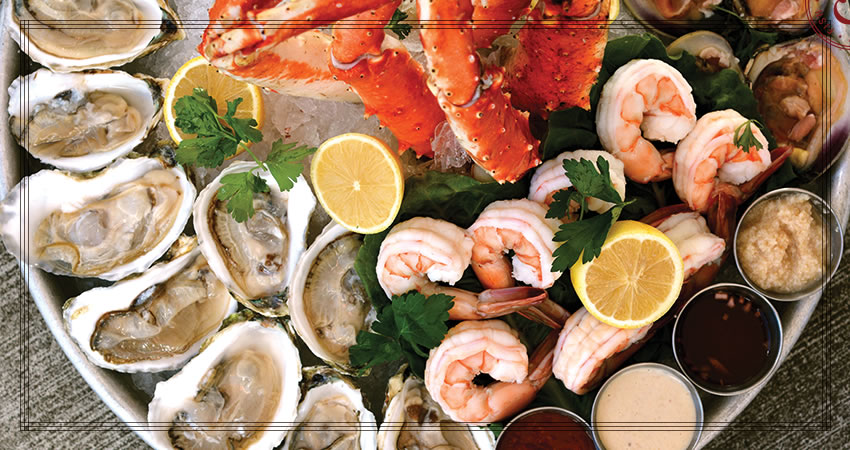
Nothing says Father’s Day like a hearty meal (or a full day of fun) in a great Atlanta setting. With Father’s Day falling on Sunday, June 21, 2026 (the third Sunday in June), many restaurants are rolling out special brunches, prix-fixe menus, steaks, seafood, and family-friendly experiences.
If you’re looking for a place to take dear old dad, here are the restaurants with Father’s Day specials in Atlanta.
When Is Father’s Day 2026?
Father’s Day is Sunday, June 21, which means that in a few days it’s going to be the daddy of all great days. Pops will likely be hungry so you’ll need to take care of that ASAP.
Atlanta Restaurants and Experiences With Father’s Day 2026 Specials
Reservations are strongly recommended, especially at popular spots, and prices typically exclude tax and gratuity unless noted. Many venues will also have FIFA World Cup watch options given Atlanta’s hosting role.
Your 3rd Spot (West Midtown)

Photo credit: Your 3rd Spot Full-day celebration (11 a.m.–9:30 p.m.) with unlimited games, DJ, family activities, and special packages. Enjoy a 7-course “Taste & Connect” menu plus themed family options. Perfect for making memories.
Cattle Shed Wine & Steak Bar

Brunch features a “Steak Lover’s Omelet” ($15) until 4 p.m. Dinner highlights the “King’s Cut” 34-oz bone-in CAB tomahawk ribeye ($125) with loaded baked potato and a “Fatherly Fashioned” cocktail ($14).
Clark’s Steakhouse

Brunch (10 a.m.–3 p.m.): Southern favorites like steak & eggs, French toast, and shrimp & grits. Dinner (4–9 p.m.): Exclusive specials including spinalis and fried lobster tail alongside regular offerings.
The Southern Gentleman (Buckhead)

Three-course prix-fixe brunch ($75/person, 11 a.m.–3:30 p.m.) with blue crab deviled eggs, Southern fried chicken & skillet cake, steak & eggs, and Low Country lobster rice. Full dinner menu available later. Kids’ menu à la carte.
Milton’s Cuisine & Cocktails (Milton)

Three-course prix-fixe menu ($65/adult, $32.50/child) from 10 a.m.–7 p.m., featuring items like sweet corn & crab chowder, crispy pork belly, lobster omelet, wagyu steak, and chocolate tartlet. This is the only menu served that day.
Il Premio / Ill Premio at FORTH (Old Fourth Ward)

Elevated Italian steakhouse specials including veal parmigiana, cacio e pepe, and steak options tailored for Dad. Mediterranean-influenced fare at sister spot Elektra with tuna crudo, za’atar chicken, and mixed grill platters on the terrace.
C&S Oyster Bar (multiple locations: Brookhaven, Sandy Springs, Galleria)

Photo credit: C&S Seafood and Oyster Bar Brunch (10 a.m.–3 p.m.): Shrimp & grits, eggs Benedict, mimosas. Dinner (3:30–9 p.m.): Premium oysters, market fish, and full menu with martinis and classics.
Brasserie Lundi (Midtown)

Open 11 a.m.–10 p.m. for brunch, lunch, and dinner with elevated French classics: oysters, house-made pastas, omelets, steak frites, and seasonal dishes.
TWO Urban Licks

Dads get a free cold beer with any appetizer or entrée purchase. Enjoy live music, skyline views, and wood-fired favorites.
Tio Lucho’s

Massive $55 Kan Kan Pork Chop (June 19–21) with roasted jus, chimichurri, and crunchy pork rinds, plus ceviches and Peruvian coastal dishes.
Sweet Auburn Barbecue

Pre-order the “Dino Bone” massive smoked beef rib: $69 plate (with sides, toast, pickles) or $60 à la carte. Limited quantities.
Additional Strong Options
- Elektra at FORTH: Terrace Mediterranean dinner specials.
- Kona Grill: Weekend brunch (June 20–21) with steak & eggs and specialty cocktails.
- Vesper: Tapas + complimentary cigar for Dad (while supplies last).
- Amore e Amore: Italian pastas/seafood in a fun “Under the Sea” theme.
- Kitty Dare: Mediterranean patio dining with seafood, pastas, and mezze.
- Chains like Perkins, Huddle House, and others have value deals (e.g., BFP meal, free pie for loyalty members).37
Many other restaurants (including those on OpenTable) will be open with regular or enhanced menus—check directly for availability.
Atlanta’s dining scene continues to thrive with options for every taste—steak, Southern comfort, Italian, seafood, and immersive experiences. Whether you’re going upscale, casual, or activity-packed, June 21 is a great day to treat Dad. For the latest Atlanta food news, stay tuned to Atlantafi.com.
Related reads: These restaurants offered Father’s Day deals last year:
Casa Nuova Italian Restaurant (Alpharetta)

- Offering: Father’s Day Take & Bake menu for at-home celebrations. Main courses include lasagna, chicken Francese, sausage and peppers, or meatballs, served with house salad and garlic bread.
- Pricing: Half trays ($75, feeds 4–6); full trays ($150, feeds 8–12). Includes 10% discount at Cork & Glass wine shop.
- Details: Pre-orders due by June 12; pickup on June 14.
Chido & Padre’s (Buckhead)

- Offering: Brunch and dinner specials. Brunch features Nopales Oaxaca omelet ($15) with skillet hash potatoes, Morita chile salsa, and queso Oaxaca. Dinner includes carne asada grilled skirt steak ($26) with ranchero sauce.
- Details: Reservations via OpenTable.
Fogón and Lions (Alpharetta)

- Offering: Father’s Day brunch buffet featuring “Asado” (fire-roasted meats and sausages) and tapas. Dads get bottomless mimosas and beer.
- Pricing: $69/adult, $29/kid.
- Location: 10 Roswell St. Suite 100, Alpharetta, GA 30009.
- Details: Reservations online.
Gypsy Kitchen (Buckhead)

Photo credit: Gypsy Kitchen - Offering: Mediterranean-inspired specials including black-eyed pea falafel ($14) with mint labneh, pickled onions, and chile oil, and braised lamb shank ($38) with pearl couscous, preserved lemon, and mint. Craft cocktails and sangria available.
- Location: 3035 Peachtree Rd NE Ste A209, Atlanta, GA 30305.
- Details: Open all day; reservations recommended.
Il Premio (Forth Hotel, Old Fourth Ward)
- Offering: Italian Father’s Day menu with dishes like grilled veal chop, carbonara, and grilled asparagus, plus a martini flight.
- Timing: 3–9 p.m.
- Location: 800 Rankin St. NE, Atlanta.
- Details: Reservations via 470-470-8020.
Mary Mac’s Tea Room (Midtown)

- Offering: Southern classics like fried chicken and Georgia peach cobbler.
- Timing: Opens early at 10 a.m.
- Details: No specific Father’s Day menu noted, but early opening caters to holiday crowds.
Milton’s Cuisine & Cocktails (Milton)
- Offering: Three-course menu with choices like watermelon gazpacho, candied bacon deviled eggs, shrimp and grits, or wagyu medallions.
- Pricing: $65/person.
- Timing: 10 a.m.–7 p.m.
- Location: 800 Mayfield Road, Milton.
- Details: Reservations via 770-817-0161.
O-Ku (West Midtown)
- Offering: Osusume (chef’s choice) Ribeye five-course experience with signature and seasonal dishes.
- Pricing: $85/person.
- Timing: 11 a.m.–9 p.m.
- Location: 1085 Howell Mill Road, Atlanta.
- Details: Reservations via 404-500-2383.
Serena Pastificio (Midtown)
- Offering: Coastal Northern Italian brunch menu featuring Pollo e Waffle, Ravioli alla Carbonara, and Benedette al Prosciutto.
- Details: Reservations online.
The Big Ketch Saltwater Grill (Buckhead)
- Offering: Specials include shrimp pasta Alfredo ($32), steak frites with garlic butter ($36), and sweet potato-crusted trout.
- Details: No specific reservation details provided.
The Southern Gentleman (Buckhead)
- Offering: Three-course prix-fixe brunch ($65/person) with dishes like steak and eggs or bourbon-glazed salmon. Enhanced dinner menu available.
- Details: Kids’ menu priced à la carte; reservations recommended.
Your 3rd Spot (West Midtown)

- Offering: Full-day celebration with unlimited games, DJ entertainment, six- or eight-course Taste & Explore menu, and themed family packages.
- Details: Special pricing for early bookings
Final Word
Dads are often the neglected parent when it comes to dining. But that doesn’t have to be the case for you.
Atlanta is having a restaurant renaissance. Hot chicken is the rage in Atlanta’s dining scene right now. But so are chicken and waffles.
Fast-casual is also the dining trend du jour around metro Atlanta restaurants. The concept involves mixing the quick accessibility of fast food with the casual dining experience. Food in Atlanta is also adapting to the various tastes of the migrants that come here to live.
Read more: 15+ Essential Soul Food Restaurants In Atlanta
The city has some good restaurants in each quadrant of the city: East, West, North, South. All you need to do is think about what you have a taste for. Italian? Soul food? Tex-Mex? Atlanta has it all.
For the latest in metro Atlanta’s food and drink scene, stay with Atlantafi.com.
Here Are The Best New Restaurants In Atlanta
-
As of mid-2026, Atlanta’s job market remains resilient amid selective hiring.
Despite national fluctuations, the metro area boasts thousands of openings, from entry-level positions to specialized roles.
Updated for June 2026: These Companies Are Hiring Right Now in Atlanta
Unemployment sits low, around 3.2–3.4% in recent months, creating a competitive but opportunity-rich environment—especially in healthcare, tech/AI, logistics/aviation, and trades.
Employers prioritize skills, productivity, and “must-hire” roles over broad headcount expansion. Wages continue rising modestly, with strong demand in AI/data, healthcare, logistics, and film/production.
Here’s an updated list of standout companies actively recruiting in and around Atlanta (as of June 2026). Check career pages or major job boards like Indeed, LinkedIn, or Glassdoor for the latest openings—these are examples based on current trends.
1. Delta Air Lines
Strong demand in aviation, logistics, and customer service roles.
- Sample roles: Flight attendants, mechanics, IT/support, operations.
- Locations: Atlanta (Hartsfield-Jackson hub) and surrounding areas.
- Why now: Ongoing expansion and high turnover in travel sector.
- Apply: Delta Air Lines Careers page.
2. Wellstar Health System or Emory Healthcare
Healthcare leads job growth, with significant gains in health services.
- Sample roles: Registered Nurses (RNs), therapists (PT/OT/speech), medical assistants, behavioral health.
- Locations: Various Atlanta metro hospitals/clinics (e.g., Smyrna, Atlanta proper).
- Pay range: Competitive, often $70K–$120K+ for licensed roles.
- Apply: Wellstar or Emory Healthcare career sites.
3. The Home Depot (or similar retail/logistics giants like UPS)
Headquartered in Atlanta; steady needs in operations, tech, and supply chain.
- Sample roles: Warehouse/logistics associates, IT/data analysts, store associates.
- Locations: Atlanta HQ and distribution centers.
- Apply: Home Depot Careers or UPS Jobs.
4. Data Center / AI-Focused Employers (ServiceNow, Cox, or infrastructure players)
AI and data centers drive specialized demand.
- Sample roles: Data engineers, AI trainers/specialists, facilities technicians, cybersecurity.
- Locations: Atlanta metro (growing data center corridor).
- Pay: Often strong for tech/skilled roles.
- Apply: Check ServiceNow, Cox Enterprises, or major data center operators on LinkedIn/Indeed.
5. Automotive / Skilled Trades (e.g., Jim Ellis, Rick Hendrick, or independents like Citywide Plumbing)
Ongoing needs in maintenance and technicians.
- Sample roles: Automotive technicians/mechanics, plumbing/HVAC techs, porters.
- Locations: Duluth, Atlanta, Smyrna, etc.
- Pay: $15–$50+/hr depending on role/experience.
- Apply: Company career pages or Glassdoor.
6. Government / Public Sector (e.g., Customs and Border Protection or local/state roles)
Security and enforcement positions remain active.
- Sample roles: Border Patrol, administrative, public safety.
- Pay: $60K–$120K+ ranges.
- Apply: USAJobs or agency sites.
7. Manufacturing / Production (e.g., Cenveo or similar)
Roles in printing, packaging, and light manufacturing.
- Sample roles: Machine operators/adjusters.
- Pay: ~$20–$30/hr.
- Apply: Company sites or Indeed.
8. Hospitality / Food Service (e.g., Taco Mac or broader restaurant groups)
Steady entry-level and cook/server needs.
- Sample roles: Cooks, servers, managers.
- Pay: $15–$25+/hr + tips.
- Apply: Restaurant career pages.
9. Sales & Customer Service (e.g., Power Home Remodeling or retail/tech sales)
Entry-level sales and support roles abundant.
- Sample roles: Sales reps, customer service.
- Pay: Variable, often commission-based ($70K+ potential).
- Apply: Company sites.
10. Tech & Professional Services (e.g., PwC, GitLab, or local firms)
Skills in data, engineering, and consulting.
- Sample roles: Data engineers, consultants, software roles.
- Apply: BuiltIn Atlanta or company pages.8
Tips for Job Seekers in June 2026:
- Tailor resumes to highlight skills (many employers use skills-first hiring).
- Leverage Atlanta’s strengths in healthcare, logistics, and tech/AI.
- Use job fairs, WorkSource Atlanta, and Georgia DOL resources.39
- Consider hybrid roles—fully remote remains limited in many sectors.
- The gig economy (rideshare, delivery, etc.) provides flexible options while searching.
Atlanta’s market favors proactive candidates with in-demand skills. Update your applications frequently, as openings move fast. For the absolute latest, visit major boards or the companies’ career portals directly. Good luck!
Here are 10 standout companies that were recruiting just last month:
- Jim Ellis Automotive Group
Looking for support roles in automotive services.- Sample Job: Gate Attendant / Porter – Jim Ellis University
- Location: Atlanta, GA
- Pay: $15.00 per hour
- Apply: Jim Ellis Automotive Group Careers
- Citywide Plumbing
Opportunities for skilled tradespeople in plumbing.- Sample Job: Commercial Plumbing Technician
- Location: Atlanta, GA
- Pay: $60K – $80K
- Apply: Citywide Plumbing Careers
- GOODMAN MCGUFFEY LLP
Legal firm seeking attorneys for their team.- Sample Job: Associate Attorney
- Location: Atlanta, GA
- Pay: $98K – $155K (estimated)
- Apply: GOODMAN MCGUFFEY LLP Careers
- Babel Audio
Tech roles focused on AI and language processing.- Sample Job: AI Trainer – English Dialogue & Speech
- Location: Georgia (remote-friendly)
- Pay: $17.50 per hour
- Apply: Babel Audio Careers
- Behavior Frontiers
Healthcare positions in behavioral analysis.- Sample Job: Board Certified Behavior Analyst (BCBA)
- Location: Smyrna, GA
- Pay: $87K – $95K
- Apply: Behavior Frontiers Careers
- Customs and Border Protection
Government roles in security and enforcement.- Sample Job: Border Patrol Agent – Experienced
- Location: Atlanta, GA
- Pay: $63K – $120K
- Apply: Customs and Border Protection Careers
- Rick Hendrick Chevrolet – Duluth
Automotive technician opportunities.- Sample Job: GM and Diesel Automotive Technician/Mechanic
- Location: Duluth, GA
- Pay: $35.00 – $50.00 per hour
- Apply: Rick Hendrick Chevrolet Careers
- Power Home Remodeling
Entry-level sales positions available.- Sample Job: Entry Level Sales Representative
- Location: Atlanta, GA
- Pay: $72K – $130K
- Apply: Power Home Remodeling Careers
- Cenveo
Manufacturing roles in printing and packaging.- Sample Job: Envelope Machine Adjuster
- Location: Smyrna, GA
- Pay: $24.00 per hour
- Apply: Cenveo Careers
- Taco Mac Restaurant Group
Hospitality jobs in food service.- Sample Job: Cook – Crabapple
- Location: Roswell, GA
- Pay: $18.00 per hour
- Apply: Taco Mac Restaurant Group Careers
These companies offer a range of opportunities across various industries. Visit their career pages for more details on openings
Is It Hard To Get A Job In Atlanta?
The main way to get a job in Atlanta is to know which companies are hiring. Once you know that and your resume is tight, you can submit applications and hopefully get the gig — but one thing at a time.
In addition to a diverse job market, Atlanta has a vibrant gig economy that makes it easy to make money by ridesharing or some other way.
Atlanta, Georgia has a wide-ranging economy, which bodes well for job seekers looking to move to the city, especially in the city’s tech industry.
If you’re looking for a job in Atlanta, make sure you check out our Jobs Page that has employment resources.
Read more: Best Work-From-Home Jobs In Atlanta, Georgia
-
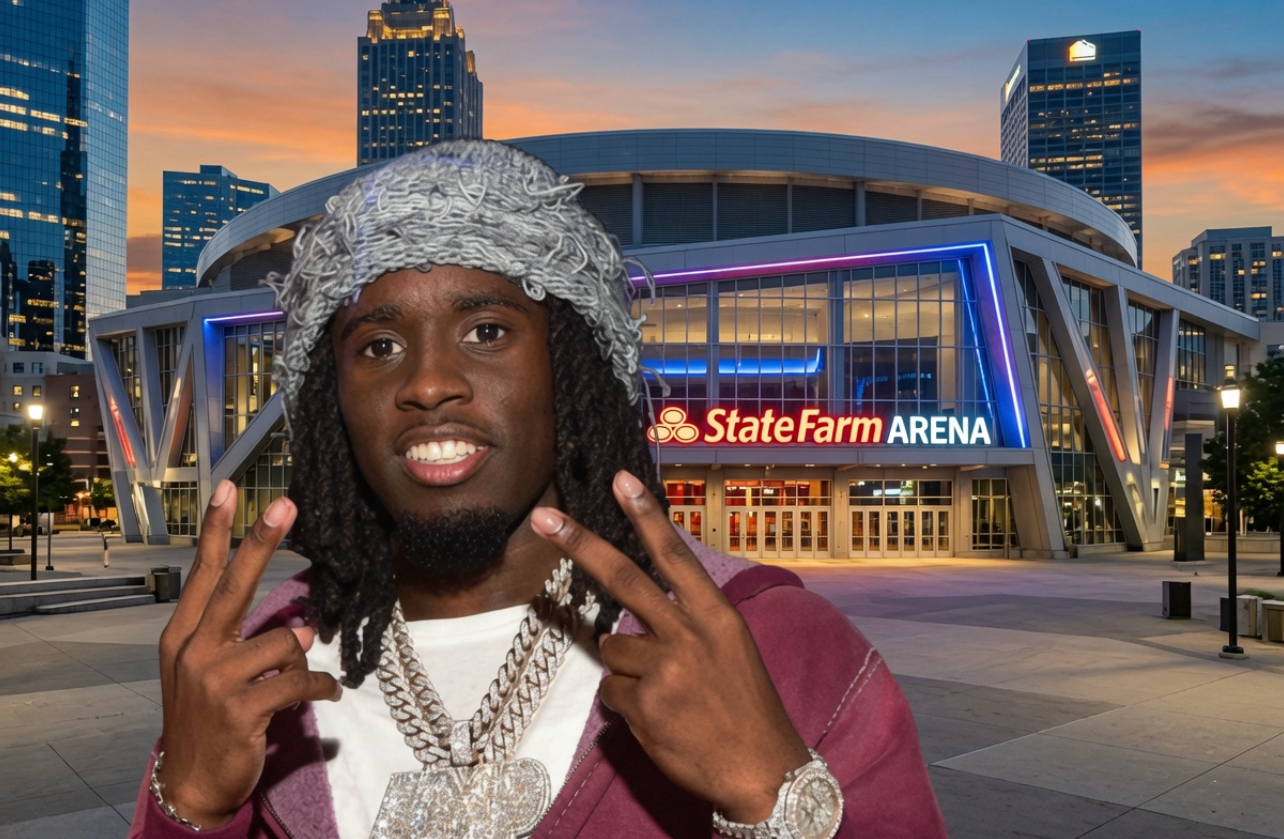
Popular Twitch streamer and content creator Kai Cenat brought his Streamer University 2026 in-person auditions to Atlanta as the final stop on the tour.
Large crowds were seen outside State Farm Arena on Wednesday as the event unfolded in downtown Atlanta. After a couple of hours, the event was shut down by State Farm Arena officials due to “safety concerns.”
Kai Cenat’s Streamer University Atlanta Stop: What To Know
The program offers aspiring creators a free, immersive weekend of classes, collaborations with influencers like DDG and Duke Dennis, and hands-on experience in content creation.
The Planned June 16 Event and Its Postponement
Organizers initially scheduled the Atlanta auditions for Tuesday, June 16, 2026, at Georgia State Stadium (formerly Turner Field) at 450 Hank Aaron Drive, starting around 1:00 PM. Hype built quickly across social media, drawing massive interest from hopeful streamers nationwide.
Venues reportedly backed out due to overwhelming expected turnout and safety/logistics concerns. Atlanta Police Department (APD) issued a public statement confirming the event would not take place at the advertised location, urging people not to show up.
Cenat addressed fans directly, advising them to stay home and confirming the cancellation of in-person applications for that day. Digital applications for the Class of 2026 remained open.
Despite the cancellation, crowds gathered in the Summerhill neighborhood and around the area. This led to chaotic scenes, with police managing large unpermitted gatherings. Atlanta police reported seven arrests over the period (some on Monday and Tuesday), involving charges like disorderly conduct, obstruction, trespassing, simple battery on an officer, and other issues. Incidents included people refusing to disperse from private property.
Local media captured shoving, fainting, and significant police presence as fans showed up anyway.
The Rescheduled June 17 Event at State Farm Arena
Late on June 16, Cenat announced the auditions would move to Wednesday, June 17, with the exact location revealed early that morning to manage crowds. At around 9:00 AM, he confirmed State Farm Arena (Gate 2) as the new venue, with auditions set for 1:00 PM.
Thousands converged on downtown Atlanta. Crowds formed hours early, leading to heavy police crowd control. Local outlets provided live coverage of the surge outside the arena.
Inside, auditions proceeded with Cenat interviewing standout hopefuls (including creators like ExtraEmily). However, the massive turnout created ongoing challenges. By late afternoon, the arena and organizers halted further auditions due to safety concerns and overwhelming numbers. Those still in line were asked to disperse.
Cenat addressed the situation live, noting pressures from the venue to shut things down while emphasizing the event’s success in highlighting streaming dreams.
Context and Impact
Streamer University continues as a major platform for emerging talent, with this Atlanta stop underscoring the intense passion (and logistical hurdles) around creator culture. While the in-person chaos drew criticism and safety concerns, it also spotlighted the draw of Cenat’s community and the aspirations of young creators.
Digital applications remain an option for those unable to attend. As of June 17 evening, further updates on selected participants or future events were expected from Cenat’s channels.
The events highlight both the excitement and challenges of large-scale IRL streamer gatherings in major cities. Atlanta showed out—but venue capacity and public safety set clear limits. Fans and creators will watch closely for how Kai and the team handle the Class of 2026 moving forward.
-
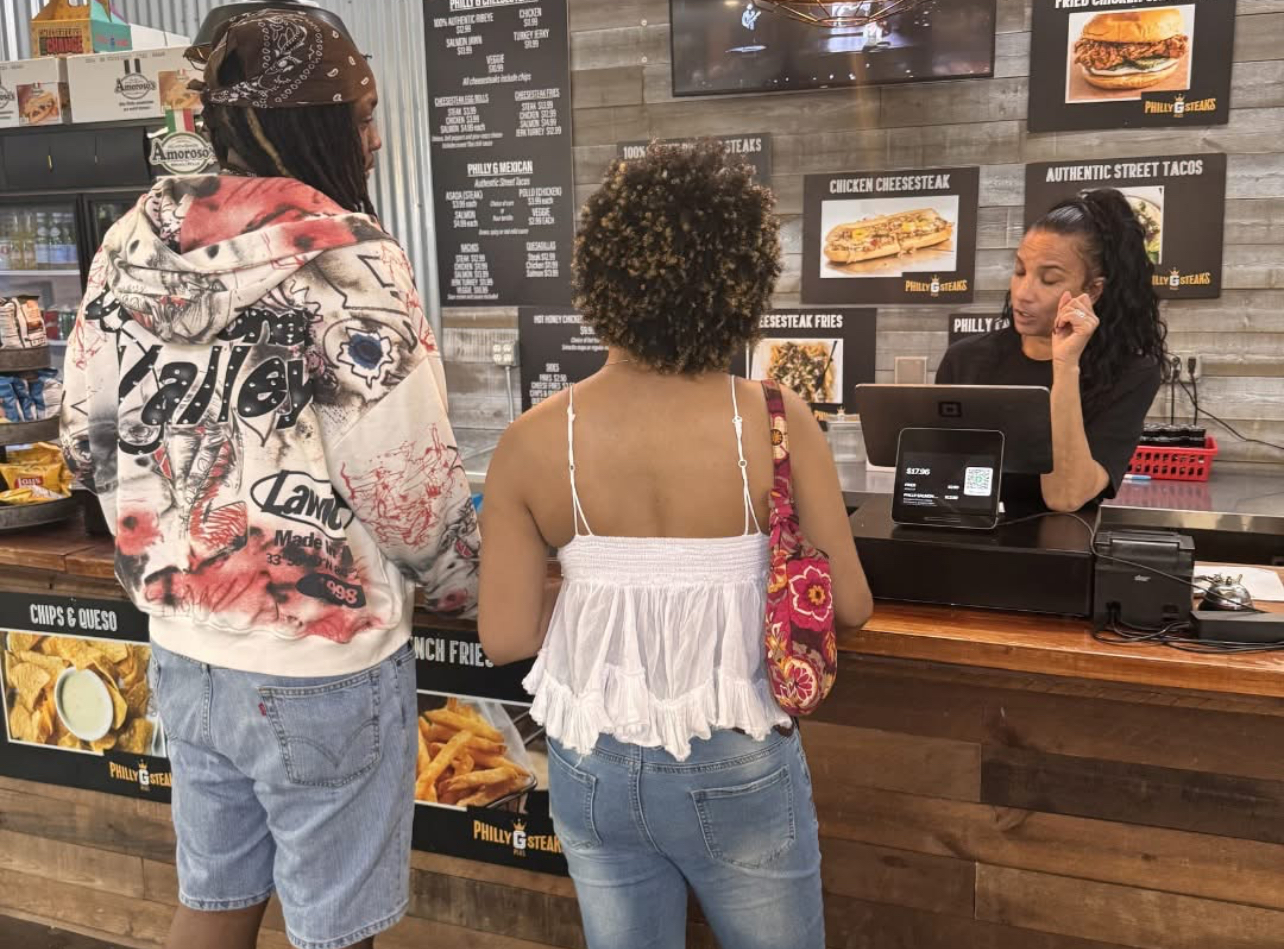
Four new food businesses recently opened at the Atlanta Municipal Market, the city’s oldest public market.
Located just minutes from Mercedes-Benz Stadium in the vibrant Sweet Auburn neighborhood, the market continues to solidify its reputation as a go-to destination for global flavors and affordable pre-game and post-game dining.
4 New Eateries Just Opened at Atlanta Municipal Market
With more than 30 locally owned businesses already in residence, the Municipal Market serves as a vital small business hub, entrepreneurial incubator, and cultural landmark in the heart of Atlanta.
All four new tenants are minority-owned, with several women-owned, underscoring the market’s ongoing commitment to fostering diverse entrepreneurship that reflects the city’s rich cultural tapestry.
New Eateries Joining the Market

Retro Grill Atlanta brings a culture-driven, community-focused dining experience rooted in Chicago’s South Side. The brand offers an elevated take on comfort food, featuring bold flavors, high-quality ingredients, and nostalgic touches in its burgers, sandwiches, and seafood dishes.
The restaurant aims to create memorable meals that bring people together. More information is available at www.theretrogrillatlanta.com.
Dolce Tropical, recently voted #1 Sweet Vendor at Dessert Fest ATL 2025, specializes in vibrant tropical frozen treats, fresh fruit desserts, smoothies, and specialty sweets. From refreshing mangonadas to indulgent sundaes, the business delivers colorful, crowd-pleasing desserts that have quickly become favorites at the market. Visit www.dolcetropical.com.
A Taste of Secrets (A.T.O.S.) represents a unique fusion founded by one Jamaican family and one Puerto Rican family. The restaurant blends Caribbean traditions with globally inspired flavors, offering signature items such as Oxtail Empanadas, Rican Bowls, Wings, Glazed Wedges, and Secrets Glazed Corn on the Cob.
By combining Spanish culinary techniques with traditional Jamaican spices, A.T.O.S. delivers a distinctive dining experience steeped in Caribbean heritage. Learn more at www.atasteofsecrets.net.

Edgewood Pizza is a locally beloved spot known for its generous king-size slices, buttery hand-tossed crust, flavorful wings, and vegetarian-friendly options. Standout menu items include the popular “Meat Wagon” pizza, along with salads and sides. More details are available at www.edgewoodpizzeria.com.
A Hub for Entrepreneurs and Culture
“We are excited to welcome these businesses to the Municipal Market community,” said Municipal Market Executive Director Jeff Delp. “The Market has long been a place where entrepreneurs can launch, grow, and share their stories with Atlanta. These merchants represent the energy, diversity and innovation that continue to shape the future of the Market, Sweet Auburn, and greater Atlanta.”
The Atlanta Municipal Market remains a cornerstone of Sweet Auburn’s renaissance, providing a platform for diverse culinary voices and accessible dining experiences in downtown Atlanta. The addition of these four businesses further strengthens its role as a dynamic destination for locals and visitors alike.
More Food Coverage:
Here Are The Best New Restaurants In Atlanta
-
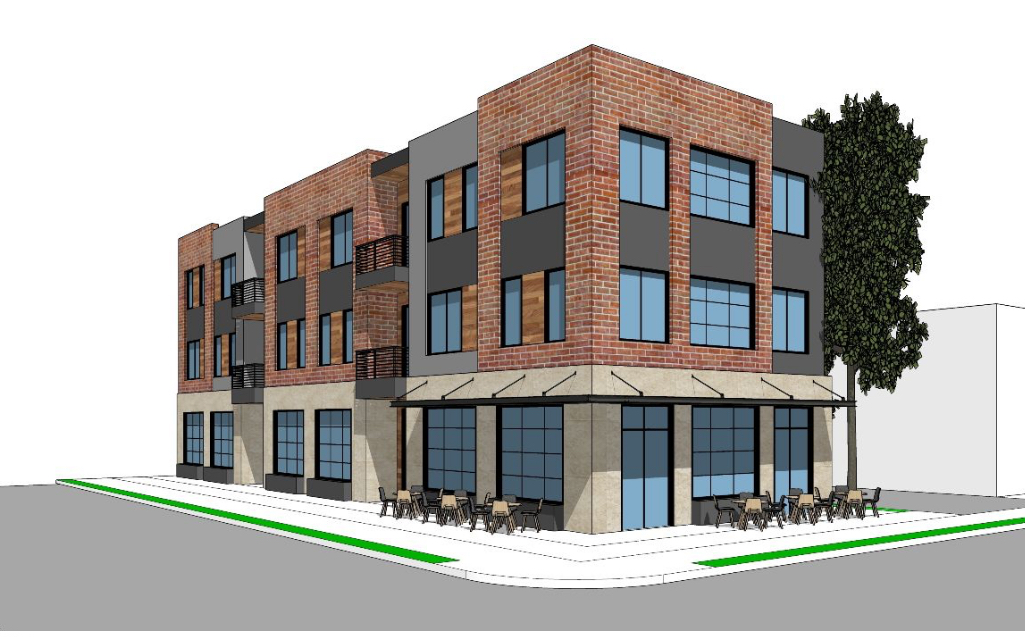
ATLANTA — OaksATL Community Development will host a ribbon-cutting ceremony this week to mark the completion and grand opening of 880 North, a pioneering mixed-use infill project in Atlanta’s historic English Avenue neighborhood.
The development transforms a long-vacant site into six affordable housing units, affordable commercial space for small businesses, and community-serving amenities.
Designed as a first-of-its-kind project for the area, 880 North aims to deliver much-needed housing and economic opportunity while preserving the character of Atlanta’s Historic Westside.
Atlanta’s English Avenue Neighborhood To Celebrate Grand Opening of 880 North, a New Model for Affordable Mixed-Use Development
Community leaders, project partners, elected officials, neighborhood stakeholders, and residents are expected to attend the ceremony. Attendees will commemorate the milestone and highlight the project’s focus on creating affordable housing and supporting local businesses without displacing existing residents.
The initiative underscores a growing emphasis in Atlanta on equitable redevelopment strategies that prioritize long-term community stability. By redeveloping underutilized land into integrated housing and commercial space, 880 North serves as a potential model for similar efforts across the city’s Westside neighborhoods.
Further details about the event, including the exact date and time of the ribbon-cutting, are expected to be released by OaksATL Community Development in the coming days.
Keep up with what’s going on in Atlanta’s real estate scene here with our Apartment Guide.
See The Latest Atlanta Real Estate News At AtlantaFi.com.
More Articles From AtlantaFi:
-
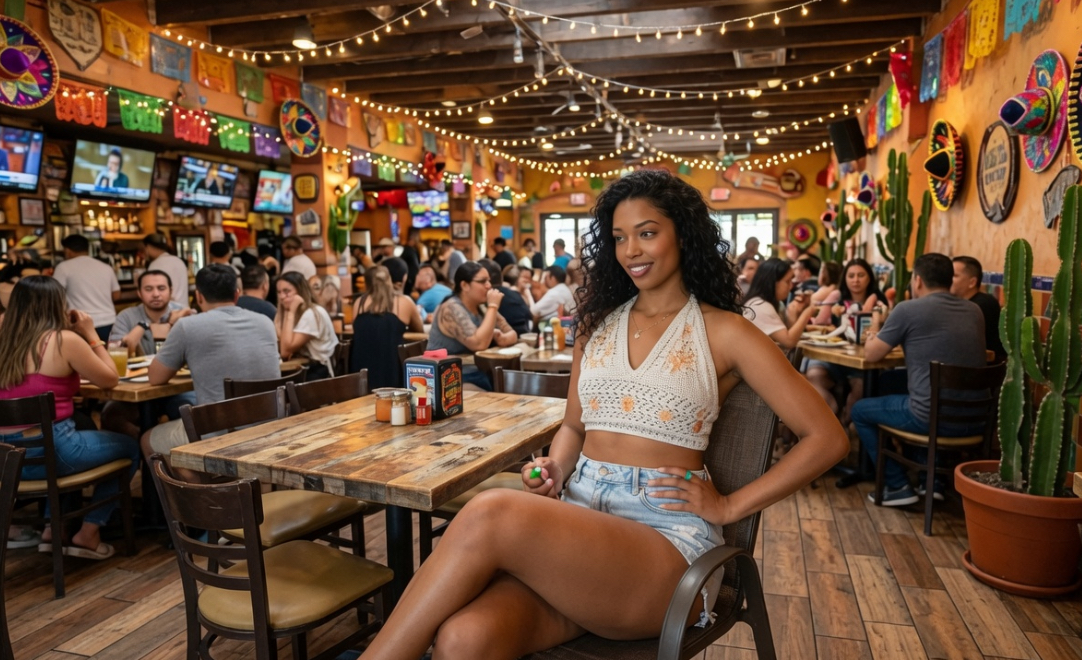
Dunwoody, GA — You can always count on Red Pepper Taqueria Dunwoody to come through with the food specials. Starting Thursday, June 11, Red Pepper Taqueria Dunwoody is transforming into the ultimate fan destination for the World Cup.
The popular taqueria is rolling out an exciting lineup of gameday drink deals, bold Chef’s Summer Specials, and refreshing cocktails perfect for cheering on every match in a lively, flavor-packed atmosphere.
Red Pepper Taqueria Dunwoody World Cup Food Deals
Guests can enjoy all the World Cup action on 29 big-screen TVs while sipping on specially priced drinks designed for the occasion. Gameday features include:
- $12 Casamigos Margaritas (+$2 for Reposado)
- $10 Casamigos Blanco Shots (+$2 for Reposado)
- $4 Stella Artois Pints
- $4 Michelob ULTRA Pints
In addition to the game-day lineup, Red Pepper Taqueria is introducing new Chef’s Summer Specials that highlight craveable, shareable flavors. Standouts include the RPT Sampler Platter, loaded with classic elote, taquitos, Mexi-Mozzarella sticks, and jumbo buffalo wings, and the indulgent Birria Grilled Cheese — featuring tender RPT chicken or beef birria, queso fresco, red onion, cilantro, creamy consommé, and toasted brioche bread.
The summer drink menu brings vibrant, seasonal refreshment with three new signature cocktails:
- “Lime in the Coconut” – El Jimador Blanco, coconut water, fresh lime, and triple sec
- “Tropical Sunset” – El Jimador Reposado, mango, pineapple, fresh lime, triple sec, and agave
- “Peach State Rita” – Aguasol Blanco, peach purée, peach schnapps, fresh lime, and triple sec
“World Cup season is all about energy, excitement, and bringing people together,” said a Red Pepper Taqueria representative. “With 29 big screen TVs, cold drinks, and craveable summer specials, we wanted to create a fun place to cheer on every match.”
The World Cup Gameday features and limited-time summer specials launch on Thursday, June 11, and will be available at Red Pepper Taqueria Dunwoody for a limited time. Whether you’re gathering with friends to watch the games or simply craving bold Mexican-inspired flavors in a vibrant setting, this is the place to be this summer.
For more information and updates, follow Red Pepper Taqueria on social media or visit their location in Dunwoody. ¡Vamos!
For the latest in metro Atlanta’s food and drink scene, stay with Atlantafi.com.
Here Are The Best New Restaurants In Atlanta
-
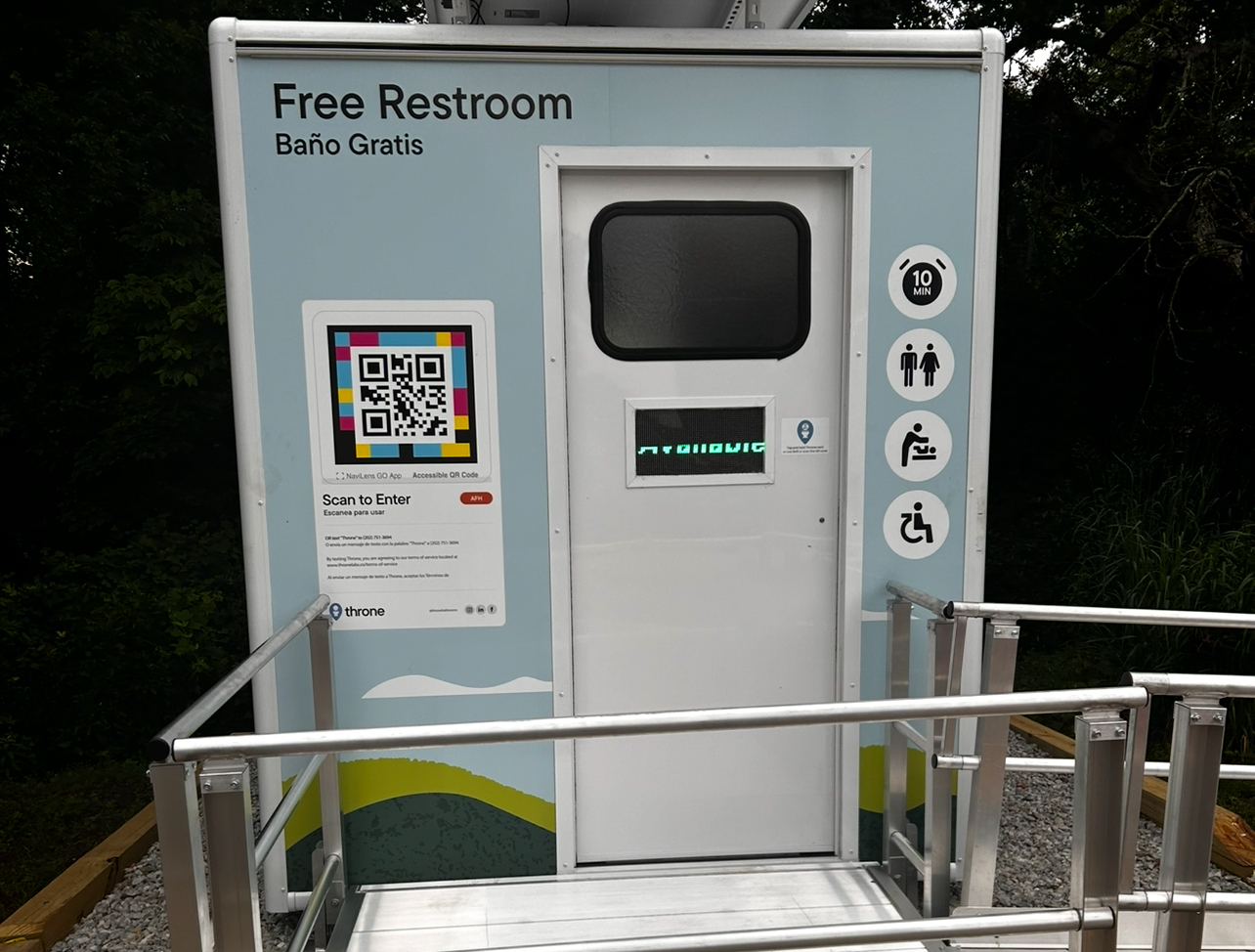
Atlanta, GA – Beltline users, rejoice. The City of Atlanta has begun installing modern, high-tech public restrooms along the popular trail system as part of a broader partnership with Throne Labs to expand bathroom access across the city.
Four of the initial smart restroom units—known as Thrones—have already been placed along the Beltline Trail. Locations include areas near Piedmont Park, Lowery — Bedford Pine, Allene Avenue, and the Historic Ward Skatepark.
New Smart Restrooms Arrive on the Atlanta Beltline, Easing a Long-Standing Need for Public Facilities
City officials plan for additional units in parks and high-traffic areas, with reports indicating up to 10–12 Thrones deployed citywide in this initial rollout.
Innovative, Self-Contained Design

Throne Labs specializes in solar-powered, self-contained public restrooms that require no water or sewage connections, making them ideal for urban trails and parks like the Beltline. Each unit features advanced technology, including more than 21 sensors, running water, real-time cleanliness monitoring, and automatic cleaning systems between uses.
The restrooms emphasize accessibility and inclusivity, with designs welcoming to all users, including transgender and gender nonconforming individuals. Usage is typically limited to about 10 minutes per visit to ensure availability for others.
Throne Bathrooms: Easy Access for Everyone
Accessing a Throne is straightforward and designed with multiple options:
- Scan the QR code on the unit
- Send a text message
- Use the free Throne Bathroom Network app (available for iOS and Android), which shows real-time locations, cleanliness ratings, and allows one-tap door opening
- Tap a phoneless access card for those without a smartphone
The units are free to use, supporting the Beltline’s role as a welcoming public space for walkers, runners, cyclists, and families.
Addressing a Citywide Need
The initiative responds to frequent complaints from residents and visitors about limited public restroom access, particularly during longer outings on the Beltline or in parks. Many have shared stories of cutting workouts short or facing difficulties due to the lack of facilities.
“This is a game-changer for the Beltline,” one local runner told reporters. “We’ve needed this for years.”
City of Atlanta Department of Parks and Recreation officials, along with Throne Labs representatives, celebrated the launch with a ribbon-cutting event in late May 2026. Throne Labs has indicated openness to expanding the network based on usage and community feedback.
The Beltline, already one of Atlanta’s premier attractions drawing millions of visitors annually, stands to benefit significantly from improved infrastructure. These smart restrooms represent a forward-thinking step toward making the city more livable and visitor-friendly.
Have you spotted a Throne on the Beltline yet? Share your experience in the comments below. As more units come online, we’ll continue to update this story with additional locations and user feedback.
Stay connected with Atlanta’s local news for more updates on city improvements and Beltline developments.
Here Are The Best New Restaurants In Atlanta
-
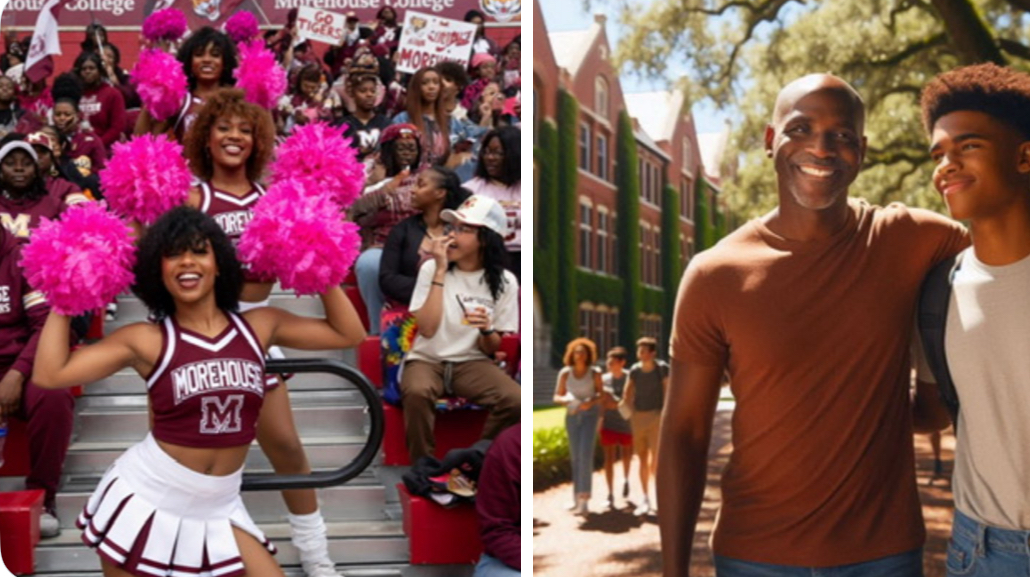
Morehouse College stands as a beacon of excellence among Historically Black Colleges and Universities (HBCUs). As the nation’s only historically Black private liberal arts college for men, it has shaped leaders for over 150 years.
Located in Atlanta, Georgia, near all-girl Spelman College, Morehouse combines rigorous academics, a strong brotherhood, and a commitment to producing “Men of Morehouse” who lead lives of consequence.
Morehouse College: The Ultimate Guide
Parents and students seeking a transformative experience that emphasizes character, scholarship, and service should consider Morehouse. It ranks highly and boasts notable alumni while offering access to the vibrant Atlanta University Center (AUC) consortium.
READ: Where to eat near the AU Center.
Morehouse College: A Rich History of Leadership and Legacy
Morehouse College traces its roots to 1867, when it began as the Augusta Institute in a church basement to educate formerly enslaved men. It moved to Atlanta and became Morehouse College in 1913, honoring a key supporter.
The college has produced extraordinary leaders, including:
- Dr. Martin Luther King Jr. (Class of 1948)
- Filmmaker Spike Lee
- Actor Samuel L. Jackson
- U.S. Senator Raphael Warnock
- Former Atlanta Mayor Maynard Jackson
- Olympic champion Edwin Moses
- And others, including Rhodes Scholars and business titans.
Its legacy includes full accreditation in 1957, partnerships in the AUC (with Spelman College and Clark Atlanta University), and milestones like President Barack Obama’s 2013 commencement address. Today, Morehouse continues to emphasize global leadership through centers like the Andrew Young Center.
Why Choose Morehouse? Rankings, Reputation, and the ‘Morehouse Man’
Morehouse earns consistent national recognition:
- #3 HBCU in the 2026 U.S. News & World Report rankings (up from #5)
- #1 Best Value School among HBCUs
- #96 among National Liberal Arts Colleges
- Top performer on social mobility.
The “Morehouse Man” ideal focuses on scholarship, leadership, character, and service. Small classes (14:1 student-to-faculty ratio) and mentorship foster personal growth in a supportive all-male environment.
AUC Advantage: Students access shared resources, cross-registration, and social opportunities with neighboring institutions, enriching the experience in Atlanta’s dynamic setting.
Academics and Programs
Morehouse offers 30+ majors across divisions in Humanities, Social Sciences, Media & the Arts, and STEM. Popular areas include business, biology, political science, film studies, and public health.
Special programs include:
- Oprah Winfrey Scholars
- Howard Thurman Honors Program
- Dual-degree options (e.g., with Georgia Tech)
- Online bachelor’s programs for transfer students
- Research centers in entrepreneurship, sustainability, and Black men’s studies.
The college emphasizes experiential learning, study abroad, and career preparation through the Frederick Douglass Academic Success Center and robust internship networks.
Admissions: What You Need to Know
Morehouse is selective, with recent acceptance rates around 33-44% and rising applicant quality.
Key Requirements (First-Year Applicants):
- Completed Common Application or Morehouse application
- High school transcript (average GPA ~3.6)
- Two letters of recommendation (one from counselor)
- Essay
- SAT/ACT scores (test-optional in many cycles; ranges typically ACT 18-25)
- Optional resume.
Application Deadlines (Fall 2026 Cycle):
- Early Decision: November 1, 2025 (binding)
- Early Action: December 15, 2025
- Regular Decision: February 1, 2026.
Record applications (over 6,200 recently) reflect growing interest. Visit campus or take a virtual tour to experience the community.
For Transfer, International, and Online Students: Separate pathways exist, with rolling decisions and specific credit/GPA requirements.
Tuition, Costs, and Financial Aid
2025-2026 Tuition & Fees (approximate; check official site for updates):
- Tuition: Around $34,000
- Total cost of attendance (including room, board, etc.): Often $40,000+ before aid.
Morehouse commits to affordability with generous need-based aid, scholarships, and an average first-year aid package supporting ~80% of students. Complete the FAFSA early. Strong value rankings make it accessible for many families.
Campus Life: Brotherhood, Athletics, and Atlanta
Morehouse’s 66-acre Atlanta campus fosters a residential experience (many freshmen live on campus). Students enjoy 80+ clubs, student government, cultural organizations, and the famous Morehouse Glee Club.
Athletics: Maroon Tigers compete in NCAA Division II (SIAC) with strong programs in football, basketball, and track.
Fitness facilities, dining, health services, and 24/7 safety support student well-being. The AUC provides broader social and cultural opportunities.
Notable Alumni Outcomes and Career Support
Morehouse alumni excel in politics, entertainment, business, medicine, and public service. The strong network and career services help graduates secure meaningful roles with high social mobility.
Morehouse College Famous Alumni

Morehouse College, a historically Black men’s liberal arts college in Atlanta, Georgia, has produced many influential leaders in civil rights, politics, entertainment, business, academia, sports, and other fields.
Here is a list of some of its most famous alumni (with graduation years where available), grouped by primary area of prominence:
Civil Rights & Religion
- Martin Luther King Jr. (1948) — Iconic civil rights leader, Nobel Peace Prize laureate, and pastor.
- Martin Luther King Sr. (1931) — Pastor of Ebenezer Baptist Church and father of MLK Jr.
- Julian Bond (attended) — Civil rights activist, NAACP chairman, and Georgia state representative.
- Raphael Warnock (1991) — U.S. Senator (D-GA) and senior pastor of Ebenezer Baptist Church.
Entertainment & Arts
- Samuel L. Jackson (1972) — Acclaimed actor (one of the highest-grossing of all time).
- Spike Lee (1979) — Acclaimed filmmaker, director, and producer.
- John David Washington (2006) — Actor (BlacKkKlansman, Tenet).
- Brian Tyree Henry (2004) — Actor (Atlanta).
- Bill Nunn (1976) — Actor (frequent Spike Lee collaborator).
- Rockmond Dunbar — Actor (Soul Food, Prison Break).
- PJ Morton (2003) — Grammy-winning musician (Maroon 5 keyboardist/solo artist).
- Others: Metro Boomin (producer), Guru (rapper), Fonzworth Bentley, Erik King, Saul Williams.
Politics, Government & Law
- Maynard Jackson (1956) — First Black mayor of Atlanta.
- Jeh Johnson (1979) — Former U.S. Secretary of Homeland Security.
- Louis W. Sullivan (1954) — Former U.S. Secretary of Health and Human Services.25
- David Satcher (1963) — Former U.S. Surgeon General.
- Sanford Bishop (1968) — U.S. Congressman (GA).
- Others: Bakari Sellers, Cedric Richmond, numerous judges, mayors, and state legislators.
Business & Academia
- Herman Cain (1967) — Business executive (Godfather’s Pizza CEO) and 2012 presidential candidate.
- Walter E. Massey (1958) — Physicist, former Morehouse president, and National Science Foundation director.
- Others include college presidents, executives, and scholars like Eddie Glaude and Calvin Mackie.
Sports & Other
- Edwin Moses (1978) — Olympic gold medalist in hurdles and world record holder.
This is not exhaustive—Morehouse has over 20,000 alumni with strong representation in leadership across sectors.
Is Morehouse Right for Your Son?
Morehouse suits ambitious young men seeking:
- A values-driven, brotherhood-focused environment
- Leadership development
- Academic rigor in a supportive HBCU setting
- Lifelong connections and a legacy of impact
Parents appreciate the emphasis on character, safety, and outcomes. Students gain confidence and purpose.
Next Steps:
- Visit morehouse.edu or schedule a tour.
- Prepare a strong application with thoughtful essays highlighting leadership.
- Explore financial aid options early.
- Connect with current students or admissions counselors.
Morehouse College offers more than a degree—it builds men ready to change the world. For families prioritizing excellence, legacy, and purpose, it represents an outstanding choice. Apply today and join a brotherhood that has shaped history for over 150 years.