-

Luxury watch enthusiasts in the city have a new premier destination to explore. Vacheron Constantin, recognized as the world’s oldest watch manufacturer in continuous production since 1755, has officially opened its first boutique in Atlanta at the upscale Phipps Plaza shopping center in Buckhead.
The boutique marks a significant milestone in the Swiss Maison’s enduring ties to the United States, which date back to 1832.
Located at 3500 Peachtree Road Northeast (Suite 1013), the new space blends Vacheron Constantin’s signature refined aesthetic with design elements inspired by Atlanta’s vibrant musical heritage.
“We’re pleased to announce the opening of our new Atlanta boutique in Phipps Plaza, a premier luxury shopping destination,” said Alexander Schmiedt, Brand President of Vacheron Constantin Americas. “Atlanta has long had a discerning pool of watch connoisseurs and, with this opening, we are thrilled to be able to fully share the heritage, craftsmanship and dedication to technical excellence that Vacheron Constantin is known for. We invite all enthusiasts to discover the world of Vacheron Constantin.”
The boutique’s interior has been thoughtfully crafted to embody the Maison’s pursuit of excellence while paying homage to local culture.
Visitors step into an intimate, sophisticated environment with a pared-back yet cozy design that subtly nods to Atlanta’s deep roots in music.
A standout feature is the VIP lounge, inspired by iconic recording studios. It incorporates acoustic wall coverings and raw, inviting materials for a welcoming feel.
Decorative accents draw from Abbey Road Studios—reflecting the Maison’s longstanding artistic partnership with the legendary London studio—while a custom-designed carpet playfully deconstructs sound waves, weaving in the city’s rhythmic soul.
Positioned on the mall’s first level across from Tiffany & Co., the boutique joins Phipps Plaza’s collection of high-end retailers and strengthens the center’s appeal as a go-to spot for luxury goods in Buckhead.
The store is now open with the following hours (subject to mall updates):
- Monday–Tuesday: 11:00 AM – 7:00 PM
- Wednesday: 11:00 AM – 4:00 PM
- Thursday–Saturday: 11:00 AM – 7:00 PM
- Sunday: 12:00 PM – 6:00 PM
Final Word
Watch aficionados and collectors are encouraged to visit and experience Vacheron Constantin’s storied legacy firsthand in a setting that uniquely celebrates both Swiss precision and Atlanta’s creative spirit.
For more details, check the official Vacheron Constantin boutique locator or Phipps Plaza.
Here are more articles from AtlantaFi.com you might like:
-

Atlanta-area food lovers, get ready to turn up the heat this February! Firebirds Wood Fired Grill has just unveiled its new February Features Menu, a seasonally inspired lineup bursting with bold, romantic flavors that’s available for a limited time only starting Monday, February 2.
Whether you’re planning a cozy Galentine’s Day gathering with your besties, a classic Valentine’s Day date night, or just craving an elevated meal with someone special, this menu delivers wood-fired excellence with a touch of love-themed indulgence.
Firebirds Wood Fired Grill Leans into Lovebirds for Limited-Time Menu
The chain, known for its scratch kitchen and open-flame grilling, brings fresh twists on seafood, premium cuts, and decadent desserts to locations in the Atlanta metro, including Peachtree Corners and Alpharetta.
Starters to Set the Mood
Kick things off with shareable bites designed to impress:
- Jumbo Shrimp Cocktail — Fresh poached shrimp served with bright lemon and housemade cocktail sauce for a classic yet elegant start.
- Roasted Herb Goat Cheese Fondue — Creamy goat cheese blended with olive tapenade, blistered tomatoes, and crispy crostini—perfect for dipping and sharing.
Lunch Entrées: Midday Romance
For those sneaking away for a special lunch:
- Chile Rubbed Salmon with Lobster Queso — 6oz wood-grilled salmon topped with rich lobster queso, served over creamy grits with blistered tomatoes and seasonal vegetables.
- Grilled Tenderloin Bowl — Wood-grilled petite tenderloin drizzled in port wine sauce, alongside mushrooms, asparagus, blistered tomatoes, and Parmesan mashed potatoes.
Dinner Entrées: Evening Indulgence
When the night calls for something more substantial:
- Chile Salmon & Shrimp — Wood-grilled chile-rubbed salmon paired with butterflied shrimp, luxurious lobster queso, creamy grits, and seasonal vegetables.
- Garlic-Thyme Filet — Center-cut filet mignon finished with garlic-thyme butter and port wine demi-glace, accompanied by Parmesan mashed potatoes and seasonal vegetables.
Dessert for Two (or Three!)
No love-focused menu is complete without a sweet finale:
- Dark Chocolate Cherry Bread Pudding (Serves 2-3) — Cinnamon bread pudding folded with dark chocolate sauce and cherries, topped with vanilla ice cream. The best part? Warm chocolate sauce poured tableside for that extra dramatic flourish.
Sip on Something Special
Wash it all down with a cocktail that’s equal parts bold and romantic:
- Raspberry Espresso Martini — Wheatley Vodka infused with raspberries, espresso, and white crème de cacao for a caffeinated, fruity kick.
This limited-time menu is all about celebrating connections—romantic, friendly, or simply with great food and company. Firebirds’ Atlanta-area spots, like the Peachtree Corners location in Town Center and the Alpharetta outpost near Avalon, are ready to host your February plans with their signature warm hospitality and wood-fired magic.
Head over starting February 2 before it’s gone! Reservations are recommended, especially around Valentine’s Day. For the latest details or to book, check the Firebirds website or your preferred location.
What’s your go-to for February dining? Drop a comment below—we’d love to hear your plans!
If you want to check out some other romantic restaurants in Atlanta, these are hard to beat. But Atlanta also has trendy restaurants, pop-ups and time-tested landmarks that continue to draw big crowds.
Metro Atlanta’s food and drink scene continues to grow with no stops on the horizon. Ready to try something new?
-
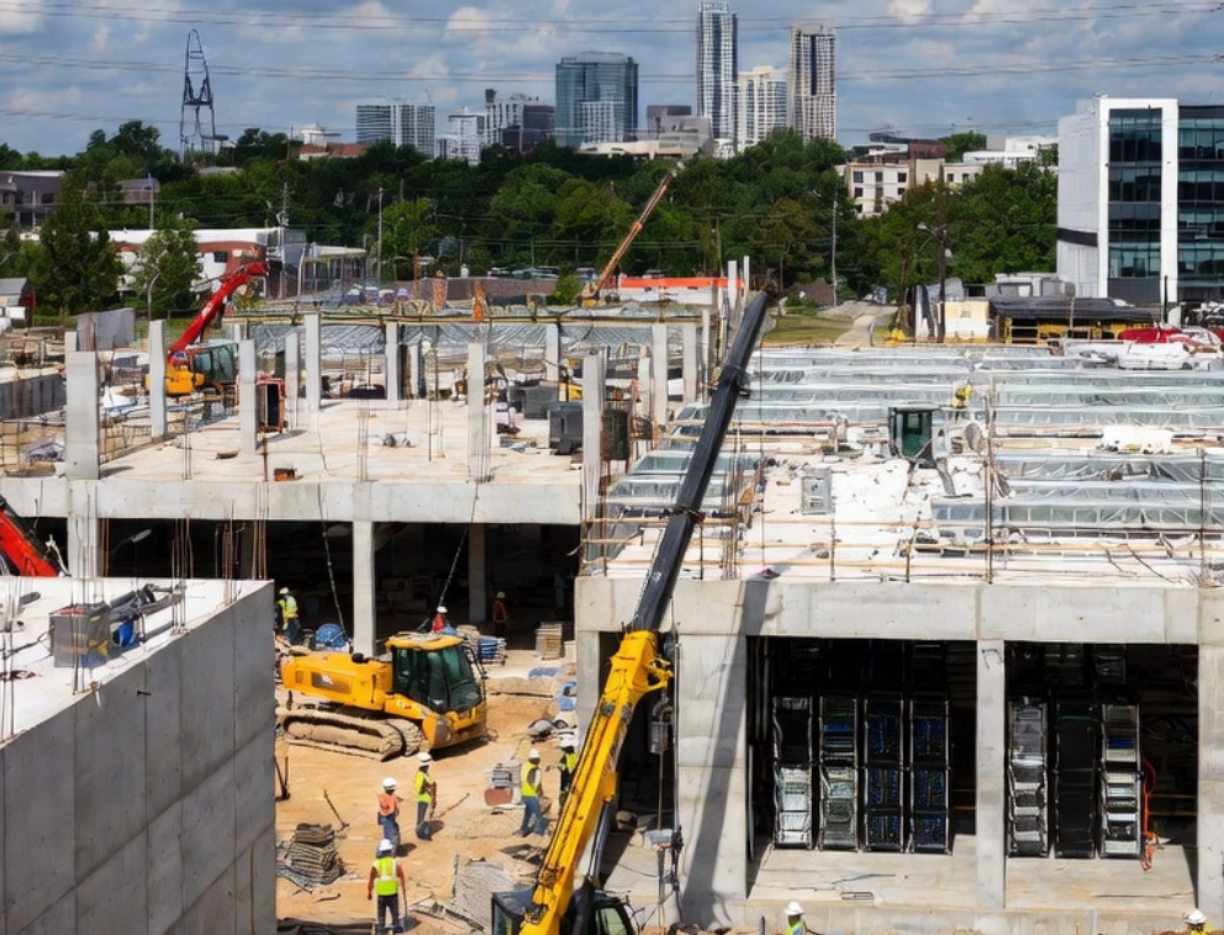
As metro Atlanta kicks off 2026, the region’s construction sector finds itself in a peculiar position: bullish on one massive segment while bracing for broader headwinds.
Data centers, fueled by the relentless demand for artificial intelligence (AI) infrastructure, continue to dominate project pipelines and builder optimism. Yet, lingering concerns over tariffs, labor shortages, energy costs, and overall economic uncertainty are tempering expectations for the rest of the industry.
Inside Metro Atlanta’s Data Center Boom
According to recent surveys from construction industry groups and reports in the Atlanta Journal-Constitution, Georgia’s builders remain highly confident in data center projects heading into the new year. A striking 65% of contractors expect the data center market to expand in 2026, with only a small fraction anticipating any slowdown.
This enthusiasm stems from the explosive growth driven by AI adoption, where hyperscalers and tech giants require vast amounts of computing power, high-density servers, and reliable infrastructure.
Metro Atlanta has solidified its status as one of the fastest-growing—and now second-largest—data center markets globally, trailing only Northern Virginia.
Notable Data Centers in Metro Atlanta
Here are the major existing/operational campuses and significant planned/proposed ones as of early 2026 in metro Atlanta.
Location / County Developer / Operator Status Key Details / Capacity (approx.) Notes / Timeline Atlanta 1 Campus (various sites, e.g., Jefferson St NW) QTS Data Centers Operational 278+ MW, 99 acres, multiple buildings Major established campus in metro Atlanta Lithia Springs / Douglas County STACK Infrastructure (ATL02), others (e.g., T5@ATL III) Operational & Planned Varies; T5 planned 300 MW Key western cluster; ongoing expansions Douglas County (various, e.g., Echo Road, Jason Industrial Pkwy) AWS, Stream Data Centers, others Operational & Planned AWS multi-billion investment; 9-building proposals $11B+ AWS commitment; multiple sites Butts County (various, e.g., River Park area) AWS, others (e.g., planned River Park 250 MW) Planned / Under development Significant AWS portion of $11B investment Southeast of Atlanta; power-intensive Rockdale County (Conyers, Atlanta East campus) DC BLOX Under construction / Planned 144+ MW, 1M+ sq ft, 68 acres; 216 MW planned Hyperscale-ready; broken ground recently Union City / South Fulton (Fulton County) Microsoft (Fairwater 2), Atlas Development (Project Sail), others Planned / Proposed Microsoft 350 MW; Atlas $17B+ multi-building Southwest; heated local debates Spalding County (Griffin area, Wallace Jackson) Wallace Jackson LLC Proposed / Approved $3.7–$3.9B, 10 buildings, ~5M sq ft, 190 acres Massive 2026 proposal; along I-75 south Coweta County (near Newnan) Atlas Development (Project Sail) Proposed $17B+, 13 buildings, large acreage One of the largest pitched; rezoning sought Fayette County QTS (Fayetteville) Planned Expected online 2026 Emerging southern site Various (metro clusters: Alpharetta, Suwanee/Norcross, Downtown) Multiple (e.g., CoreSite AT1/AT2, Digital Realty, others) Operational Hundreds of facilities; colocation & hyperscale Traditional hubs; 1,280+ MW inventory total in market What’s Fueling Metro Atlanta’s Data Center Industrial Complex
The surge began accelerating in 2023 and shows no signs of abating. In early January alone, a mammoth proposal emerged in Spalding County south of Atlanta: the Wallace Jackson Data Center Campus, a $3.7–$3.9 billion project spanning nearly 5 million square feet across 10 buildings on 190 acres—larger than three Lenox Square malls combined.
Similar large-scale developments are in the pipeline across counties like Douglas, Butts, Union City, and Rockdale, with companies like Amazon Web Services, Microsoft, and others committing billions.
The AI boom is the primary catalyst. Facilities designed for AI workloads demand specialized construction, including advanced cooling systems (often liquid-based), massive power allocations (hundreds of megawatts per campus), and rapid build timelines.
Georgia’s advantages—abundant land, favorable business climate, robust fiber connectivity, and proximity to major markets—have made it a magnet for these investments. In 2025 alone, the state attracted over $40 billion in data center commitments in just the first seven months, pushing total announced projects into the tens of billions.
But this dominance comes amid growing caution elsewhere in construction. Builders cite multiple risks: potential tariffs on imported materials, persistent labor shortages (especially skilled trades critical for data center builds), supply chain strains, and uncertainty from federal policy shifts.
Broader economic indicators, including slower job growth projections and mixed signals on inflation, have led to dampened outlooks for non-data-center projects like commercial offices, retail, and traditional industrial developments.
Local debates add another layer of complexity. While data centers promise significant capital investment and short-term construction jobs, revised audits have shown their long-term economic impact—particularly permanent employment—may be overstated.
A recent correction from state analysts slashed earlier estimates of job creation and economic value by more than two-thirds, highlighting that operations jobs often number in the dozens per facility rather than hundreds.
Energy demands are also under scrutiny: Georgia Power’s approved plan for 10 additional gigawatts (largely fossil-fuel-based) is tied directly to data center growth, raising concerns about grid strain, water usage, and ratepayer costs.This has sparked pushback.
At least 10 Georgia municipalities have imposed local moratoriums on new data centers, and bipartisan legislation introduced in the 2026 session aims to rein in incentives.
Bills propose sunsetting or eliminating sales-and-use tax exemptions for data centers earlier than planned (originally set for 2032), requiring more transparency on energy consumption, or even a temporary statewide pause until 2027.
Critics Concerned About Data Center Proliferation
Proponents argue these “mega installations” consume resources disproportionate to their job creation and community benefits, while opponents warn that curbing incentives could drive investment elsewhere.
Daniel Hubbard, a former Georgia Public Service Commission candidate and energy policy advocate, highlighted the economic and community burdens: “Georgia voters see data centers receiving tax breaks as their power bills go up. They see local communities struggle with competition for water supplies and high voltage transmission lines that reduce property values… This is why opposition to data centers is growing in Georgia; because Georgians oppose being treated as collateral damage by the unregulated growth of data centers that will push their power bills even higher.”
Despite these challenges, data centers remain the bright spot in an otherwise cautious construction landscape. Experts note that Atlanta’s market benefits from pre-leased capacity, strong hyperscaler demand, and ongoing infrastructure expansions that could support completions through 2027 and beyond. For now, the AI-driven frenzy continues to propel Georgia’s construction sector forward—even as builders and policymakers grapple with the trade-offs.
Wanda Mosley, founder of Black Voters Matter and a South Fulton resident organizing against data centers, criticized the lack of transparency in development processes: “They’re holding these town halls but they’re only having people who benefit from the data centers speaking at the town halls.”
She further emphasized building resistance: “They don’t understand what they have started. They don’t understand the coalition that we’re about to build, because all of us have high electricity bills.”
Atlanta’s role as a digital infrastructure powerhouse is unlikely to fade soon, but 2026 will test whether the data center boom can sustain momentum amid rising scrutiny and economic pressures. Stay with AtlantaFi.com for the latest developments in this evolving story.
More Articles From AtlantaFi:
-
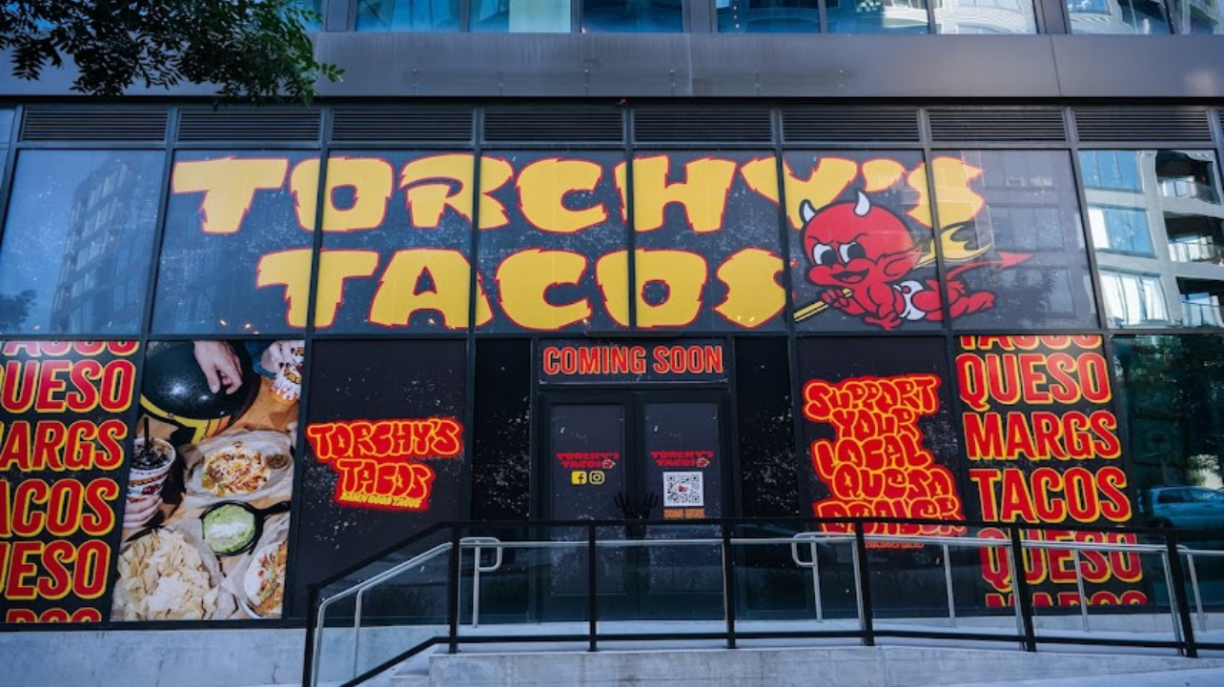
Popular Tex-Mex chain Torchy’s Tacos has announced it will permanently close its West Midtown restaurant at 1055 Howell Mill Road next month, marking the end of its brief presence in the Atlanta market.
The location, which opened in August 2024 as the chain’s first and only outpost in Georgia, will serve its final “Damn Good” tacos on Monday, February 3, 2026.
The closure comes as part of a broader company-wide review of performance and strategic planning.
“After carefully evaluating performance across our portfolio and our long-term plans for the brand, we’ve made the difficult decision to close our Torchy’s Tacos restaurant at 1055 Howell Mill Road in Atlanta, with February 3 being our last day open at this location,” a Torchy’s Tacos spokesperson said in a statement provided to local media.
The West Midtown spot was part of the Star Metals development and offered the chain’s signature menu of creative tacos, including favorites like the Trailer Park (fried chicken with green chiles and lettuce on a flour tortilla) and the Republican (grilled steak with pico de gallo.
Despite the chain’s cult following in its home state of Texas and expansion to multiple markets, the Atlanta location faced stiff competition in an area saturated with taco options, including nearby spots like Velvet Taco, Rreal Tacos, and Taqueria del Sol.
The closure adds to a string of restaurant departures along the Howell Mill corridor in recent years, with more than a dozen eateries shutting down since 2023 amid shifting neighborhood dynamics and economic pressures in the once-booming West Midtown area.
Torchy’s Tacos, founded in Austin in 2006, operates locations across 14 states but has recently announced other closures, including multiple sites in Ohio, as part of similar performance evaluations. Company officials have not indicated plans for future Atlanta-area openings at this time.
Fans of the chain are encouraged to visit the Howell Mill location in the coming days for one last meal before the doors close for good. Torchy’s expressed gratitude to its Atlanta customers and team members in its statement.
Final Word
The good is that you can still get your Taco Tuesday on elsewhere in Atlanta.
If you like barbecue, see our list of the Best Atlanta BBQ Restaurants.
As for eateries below I-20, these Southside Atlanta restaurants have developed quite a following.
More Food Coverage:
Here Are The Best New Restaurants In Atlanta
- Best Restaurants To Try In East Point
- Where To Eat In Atlanta
- Best Restaurants On The Atlanta Beltline Right Now
For the latest updates on dining news in the Atlanta area, stay tuned to AtlantaFi.com.
-

Bagel lovers in the ATL, get ready: One of the country’s hottest bagel concepts is finally making its Georgia debut right here on the Eastside Trail.
PopUp Bagels, the fast-growing chain famous for its “Not Famous, but Known®” mantra, will open its first Peach State location on Friday, February 6, 2026, at 661 Auburn Avenue, NE, in the vibrant SPX Alley development along the Atlanta Beltline.
PopUp Bagels Opening in Atlanta
Operated by local franchisee Janvi Patel of Power Brands Hospitality Group, this marks the brand’s bold entry into the Southeast—and the first of several planned Georgia outposts.
Since launching as a pandemic-era pop-up in Connecticut in 2020, PopUp Bagels has exploded into a national phenomenon.
What started with backyard pickups and pre-orders has grown into brick-and-mortar locations across New York City, Maine, California, North Carolina, Florida, and beyond.
The brand has earned rave reviews for its smaller, fluffier, always-hot bagels and a rotating lineup of creative schmears that change weekly.
The signature experience? Grip, Rip and Dip®—customers tear off pieces of the fresh-baked bagel and dunk them into generous portions of flavored cream cheese.
Think classics like scallion and plain alongside bold, limited-time offerings that keep lines moving and social media buzzing.
“We’re thrilled to bring PopUp Bagels to Atlanta, a city with such a dynamic food culture,” said Adam Goldberg, founder of PopUp Bagels. “Our goal is to share the pure joy of a freshly baked bagel, and we can’t wait to connect with the Atlanta community.” The Beltline location is expected to align with the brand’s strategy of partnering with experienced operators to maintain consistency and quality, as highlighted by CEO Tory Bartlett.
The Auburn Avenue spot sits in a high-traffic stretch of the Eastside Trail, just steps from popular spots and perfectly positioned for Beltline crowds craving a quick, craveable breakfast or midday snack.
While the exact hours and initial menu details are still being finalized, expect the same core focus on quality, freshness, and fun that has turned PopUp into a viral favorite.
This opening is just the beginning for Georgia. PopUp Bagels has plans for additional locations across the metro area, including a future site in Buckhead, signaling a major push into the Southeast market.
Mark your calendars for February 6 and prepare for what’s sure to be a hotly anticipated debut. Whether you’re a lifelong bagel purist or just looking for the next big thing on the Beltline, PopUp Bagels is about to give Atlanta something fresh to talk about.
Stay tuned to local food news and the PopUp Bagels website and social channels (@popupbagels) for opening-day updates, pre-order info, and the first weekly schmear rotation.
Welcome to the neighborhood, PopUp Bagels—Atlanta’s been waiting for you. 🥯
Here Are The Best New Restaurants In Atlanta
-

One of the best things you could ever do with your money is to buy a home. First of all, you have to know the local real estate market. Secondly, you have to have a financial plan.
Some of the things you’ll want to consider will be lifestyle issues: What are the schools like in the area? How close is it from the job? All those are important questions, but one of the main ones is how much money to save for the down payment.
This article will show you some easy steps on how to save money for a home.
How To Save For A House This Year: 5 Steps That Work
Homeownership is an achievement that comes with the American Dream. The problem is that relatively few people ever realize it. But you certainly can. Here are the steps:
1. Set A Realistic Goal
The first thing you need to do is set a realistic goal for the type of home you want to afford. If you think a $900,000 mansion is within your means, then go for it. But for many people, that’s not realistic.
Do some homework on the specific neighborhoods you want to live in. Some are better than others.
- Evaluate Income and Expenses: Create a detailed budget to understand your financial situation.
- Check Your Credit Score: A higher score helps secure better mortgage rates.
- Pay Off Debt: Reduce high-interest debts to free up savings potential.
You’ll only get the home that you can afford to pay for it. As for the dream homes, please stick to the rivers and the lakes that you’re used to.
2. Create A Budget
Once you’ve set a goal, it’s time to create a budget that will allow you to save up for your down payment. The way to do that is to reduce expenses.
You’ll have to look at your monthly expenses and see if you can cut things like subscriptions and gym memberships.
As you know, you’ll traditionally need 20% down payment to buy a home, but this is not always the case. Many lenders an take down payments much lower than that.
3. Get A Government Loan
The way to afford the home you want is to get a government lender to give you the money. No offense, Bank of America or Regions, but government loans are usually way more generous.
There are some great lenders that let borrowers put down way less than 20%. Here are a few:
- FHA loans
- VA loans
- USDA loans, (no down payment required)
Read our guide on how to find lost government money.
4. Get A Side Hustle
Another great way to save up for a home is to get a side job. Don’t think that you need to kill yourself to earn some extra income. All you need is something to add to the pot you already have.
- Set Up a Separate Savings Account: Open a high-yield savings account specifically for your house fund.
- Automate Savings: Set up automatic transfers to ensure consistent contributions.
- Cut Unnecessary Expenses: Trim subscriptions, dine out less, and shop mindfully.
Don’t know where to start? Read how you can turn hobbies into side hustles fast.
5. Save Your Big Money
Chances are you’re going to get big money at least three times in a calendar year. Save it for your down payment.
- Take on Side Gigs: Freelance, gig work, or part-time jobs can supplement your income.
- Seek Promotions or Raises: Ask for a salary increase or explore higher-paying roles.
- Sell Unused Items: Declutter your home and sell valuable items online.
No matter if it’s your holiday bonus, tax refund or even a stimulus payment, you will have an opportunity to save big money. All you have to do is put it away.
How Much Money Should I Save A Month To Buy A House?
Because you’ll need to save money incrementally, it’s good to put together a plan to set cash aside each month. How much should you save? It depends.
If you want to buy a home that costs $250,000, you’ll need to save $250 a month for four years until you come up with 20% down payment. That’s around $50,000.
Here’s how to find out much rent you can afford in Atlanta.
How Much Money Do I Have To Make To Save For A House?
A lot of people don’t think they can save money for a house because they aren’t making big money. You may be wondering what kind of salary you need to pull to save up for a home.
The truth is that it depends on what the prices are in your local real estate market.
If you the homes in your area cost $200,000, then you’ll need to save $60,000 for a 30% down payment. If you save $20,000 a year, you can accumulate $60,000 in three short years.
I know it sounds easier than it is to do, but here are some creative ways you can save money.
Last Words
If you’re considering buying a home, there are many things to think about, including getting a home inspection if it’s not a new build.
If you’re serious about saving for a home, there’s nothing that says you have to only save 20% for your down payment. Why not aim for 30%?
The more you save, the cheaper your home will be over the length of the mortgage. If you can save money on the front end, once you get inside your new home, you’ll sleep much better.
Read more: How To Buy Land In 6 Easy Steps
Once you’ve saved a certain amount of money, it’s time to start looking at cheap homes for sale.
Interested in other ways to save or make money? Check out our Money Section:
-

You think you know the ATL? Think again. From underground cities to chicken-related felonies, here are five absolutely wild facts about our city that will make you look at Atlanta in a whole new light.
1. Atlanta Accidentally Re-Invented Strip Clubs as We Know Them

Cheetah Lounge (opened 1974 on Peachtree) is widely credited as the first club in Atlanta to combine full nudity AND alcohol sales under one roof.
While Atlanta did not invent the concept of strip clubs, it is widely considered to have revolutionized and defined the modern, high-energy, hip-hop-centric strip club culture that is popular today, largely due to the success of clubs like Magic City in the 1980s.
The city’s unique legal, cultural, and musical environment turned Atlanta’s best strip clubs into major economic, social, and entertainment hubs. Here is the breakdown of why Atlanta is considered the “accidental” inventor of modern, influential strip club culture:
- The “Magic City” Shift (Mid-1980s) Before 1985, Atlanta strip clubs were often described as “dusty, old spots” where customer service was poor and safety was a concern.
- Michael “Mr. Magic” Barney: In 1985, he founded Magic City with the goal of changing this, focusing on superior customer service, higher-quality performances, and a more professional environment.
- The Transformation: Barney focused on the “game,” teaching dancers to be professionals, which increased customer loyalty and made the club a premier destination.
2. Atlanta Krogers Are the Centers of Civic Life

People confuse Atlanta’s Waffle House locations with being where the action is but it’s actually the Kroger grocery stores.
Aside from the now defunct landmarks of “Disco Kroger,” now a deluxe Publix shopping center, and “Murder Kroger,” now known as “Beltline Kroger,” the grocer has been distinct in its Atlanta offerings.
And did you know Atlanta residents could renew their driver’s licenses at certain Kroger stores, a program established to reduce long lines at state DDS offices?
Today, this service has evolved into self-service kiosks located inside numerous Kroger locations for convenient license renewals and replacements. Historically, Kroger provided space for official state-run driver’s license renewal centers, with notable locations such as the one on Candler Road.
The Georgia Department of Driver Services (DDS) has installed self-service kiosks at 53+ Kroger locations (and some Publix stores) to renew or replace licenses and ID cards. Convenience: These kiosks allow residents to handle license renewals, tag renewals, and print temporary licenses while shopping.
3. The CDC Keeps the Last Known Samples of Smallpox… 20 Minutes from Downtown

Yep. The only two places on Earth that still have live smallpox virus are the CDC in Atlanta and a lab in Siberia. It’s stored in a freezer in Druid Hills under security tighter than Fort Knox. Sleep tight!
Read about the most mysterious facts about the CDC’s history.
4. There’s a Massive Underground City Most Atlantans Have Never Seen

Beneath downtown lies a sprawling network of abandoned street-level storefronts and sidewalks from the 1920s, sealed off when the city raised the streets after the Great Fire of 1917.
Today, parts of “Atlanta From the Ashes” or Underground Atlanta’s lesser-known tunnels are used for film shoots (think Stranger Things and The Walking Dead), secret parties, and yes… allegedly ghost tours that will straight-up make you question reality.
5. The World’s Busiest Airport Once Lost an Entire Airplane… for Two Weeks

Photo credit: Anugrah Lohiya We all know that Hartsfield-Jackson Atlanta International Airport (ATL) is consistently the world’s busiest airport (sorry, Chicago), famously handling over 100 million passengers annually, but there’s a lot more.
Did you know that Hartsfield was built on an old racetrack? The airport was built on the site of a defunct 1900s auto racetrack known as the Atlanta Speedway, donated by Coca-Cola founder Asa Candler.

- Tallest ATC Tower: ATL features the tallest Air Traffic Control tower in North America, standing at 398 feet.
- A “Mini City”: With over 300 dining and retail spots, a massive art program, and in-terminal amenities, it functions like a self-contained city.
- Two-Hour Radius: Roughly 80% of the United States population lives within a two-hour flight of Atlanta.
It sat unnoticed on a remote ramp for 14 days before anyone realized a 150-foot-long aircraft had vanished in plain sight. Airport officials finally found it after the buyer called asking where his plane was. Peak Atlanta chaos.
6. Atlanta Has More Billionaires Per Capita Than Almost Anywhere Else in America

Photo credit: Tyler Perry / Instagram Think LA or New York have all the money? Nope. When you adjust for population, metro Atlanta quietly ranks near the very top nationally for billionaire density.
From Home Depot founders to Chick-fil-A royalty and a surprising number of quiet tech and logistics titans, the city is low-key one of the richest places in the country. We just don’t flex about it like everybody else.
7. The Varsity Has Sold More Coca-Cola by Volume Than Any Other Single Location on Earth

Photo credit: Youtube.com The iconic North Avenue grease palace has been slinging chili dogs and frosted oranges since 1928, and because it’s practically attached to Georgia Tech’s campus, it moves an absurd amount of Coke.
The Varsity claims (and Coca-Cola corporate apparently backs it up) that more Coca-Cola is sold here than any other single restaurant or venue on the planet. What’ll ya have? Diabetes and a heart attack, apparently.
So next time someone says Atlanta is “just traffic and trees,” hit them with these facts and watch their mind explode. This city is way weirder (and way cooler) than people give it credit for.
Only in the ATL, y’all. Like this content? Read up on crazy, insane facts about Stone Mountain.
More From AtlantaFi.com:
-

One thing to clarify if you’re serious about buying a home in Atlanta in this real estate market is: How much house can I afford?
The question is one that needs to be weighed seriously because all you have to do is visit the steps of the Fulton, DeKalb or Cobb County courthouse to see foreclosure auctions in action.
Here’s How Much House You Can Afford In Atlanta (Calculator)
People buy more house than they need for several reasons:
- Bad advice from Realtors
- Keeping up with the Joneses
- Resale purposes
Let’s talk about each of these a little bit before we move into what homes cost in Atlanta:
Whether you’re a first-time buyer eyeing a cozy condo in Midtown, a growing family looking at suburbs like Alpharetta or Decatur, or an investor scouting opportunities, knowing your budget is the first step.
Current Atlanta Housing Market Snapshot (Early 2026)
- Median home price: Around $420,000–$440,000 (varying by source; metro area sales prices have stabilized after 2025 adjustments, with modest growth expected nationally).
- Average 30-year mortgage rates: Hovering in the low-6% range (forecasts suggest 6.1%–6.3% averages for 2026).
- Market outlook: A more balanced environment with increased inventory, giving buyers better negotiating power compared to the peak frenzy years. Prices are projected to rise modestly (2–4% nationally), but Atlanta’s market is cooling slightly for sustainability.
Buying a home in Atlanta remains achievable for many, especially with rates easing from recent highs. Factors like your income, credit score, down payment, and debts play a huge role.
Quick Affordability Guidelines for 2026
Using standard lending rules (28%–36% debt-to-income ratio):
- On a $80,000 household income, you could afford a home in the $300,000–$350,000 range (with 10–20% down).
- On a $100,000 income, aim for $400,000–$450,000.
- On a $150,000 income, $550,000–$650,000 is realistic.
These are estimates assuming good credit, a 10% down payment, and including property taxes (1.0–1.2% of home value in metro Atlanta), homeowners insurance ($2,000–$3,000/year), and PMI if down payment <20%.Use Our Atlanta Home Affordability CalculatorPlug in your details for a personalized estimate:
- Annual household income: $
- Monthly debts (car loans, student loans, credit cards): $
- Down payment saved: $
- Preferred mortgage rate (current avg ~6.2%): %
- Credit score range: Excellent (740+) / Good (700–739) / Fair (640–699)
Bad advice from Realtors
Real estate agents play a vital role in the homebuying process, but you have to know when they’re in and out of their lane.
A Realtor has no business telling you how much house you can afford. That’s what a lender is for. A Realtor should only advise you on what type of home you want.
Still, many people listen to Realtors who are out to make a buck. Some of them will tell you that you can afford the home by this strategy and that strategy, but the truth is, it may be a bad deal.
Keeping up the Joneses
This is the worse reason to buy a big house: To keep up with your neighbors, friends or other family members.
If you are vain enough to buy a huge home because of someone else’s situation, then you’re the type that will end up with bad credit because you’re paying too much for your home, car and appliances.
Resale Purposes
Some potential home shoppers want to buy a home because they think that appreciation is going to let them double or triple their money (again, bad advice).
That’s not the reason you should buy a home. You should purchase a home because you like it, the way it looks, feels and speaks to your sensibilities.
The resale market is too unpredictable to base such a big purchase on, especially if you’re not a seasoned investor.
So, how much home can you afford? Here’s how to find out:
Multiply Your Annual Income
To find out how much home you can afford, you would multiply your annual income by two or three.
Let’s say you make: $50,000 a year. That means you could afford a home that costs anywhere from $100,000 to $150,000.
Of course, this will be affected by two things:
- Interest rate: The percentage that is paid by borrowers for the money that they borrow.
- Credit score: A three-digit number that indicates to banks and other lenders how likely you are to repay debt.
Here Are 5 Ways To Determine How Much Home You Can Afford
Answer these questions:
- 1. How much is your annual income?
- 2. How much is your downpayment?
- 3. What ZIP code do you want to live in?
- 4. How much are your monthly expenses (food, clothing, mortgage, etc)?
- 5. What is your credit score?
Here’s a mortgage calculator to help you:
How Can I Calculate How Much Home I Can Afford?
https://www.mortgagecalculator.net/embeddable/v2/?size=1
Powered By www.MortgageCalculator.netOther Factors That Determine How Much Home You Can Afford
Another factor that will indicate how much house you can afford is your expense-to-income ratio.
Front-End Ratio
This is how much your monthly expenses are vs. how much income you bring in. Banks like this number, commonly called a “front-end ratio,” to be between 28 and 30%.
Your mortgage lender will look for your mortgage payment and PMI (private mortgage insurance) to all be around 28% of your income.
Debt-To-Income Ratio
You’ll also need to have a relatively low debt-to-income ratio to get the home you want. This means that the amount of debt you’ve borrowed and paying back is not gobbling up most of your income.
Banks like your debt-to-income ratio to be around 36% typically.
Are You A Veteran?
If you have served your country, the Department of Veterans Affairs (VA) offers home loans and grants to help you buy, refinance or renovate your home.
For ex-military and their surviving spouses, the VA guarantees part of the loan, meaning they will cover a portion of the loan if you default. Learn more here.
30-Year-Loan Or 15-Year Fixed?
If you have a choice, you may be wondering which is better: A 30-year mortgage or a 15-year mortgage?
The truth is that both have their advantages. A 30-year mortgage would typically mean a lower monthly bill because the payments are spread out over more years.
The bad part is that you’ll pay a lot more in interest over those years.
For a 15-year fixed, the interest rate is lower and you’ll pay off the principal faster.
The bottom line is if you can afford to do a 15-year mortgage, you should!
Continue Reading… -

Don’t you love when you remember that you have money somewhere? What is that somewhere was the local government? Yes, there’s a chance that the state of Georgia owes you some money.
Unclaimed money from the state is one of the largest areas that people forget to check when they are in need. The fact is that state treasuries have millions of dollars in unclaimed money and people are unaware.
What Types Of Unclaimed Money Could Be Out There?
If you’re curious about what types of unclaimed money could be out there, here are some categories you need to know about.
- Missing Tax Refunds
- Old Checks From Defunct Businesses
- Old Accounts From Shuttered Banks And Other Financial Entities
- Retirement Accounts From Former Employers
How Do I Find Out If I Have Unclaimed Money In Georgia?
An unclaimed money search is something that you have to figure out. There’s no central federal government agency that keeps track of the unclaimed money it has for you or funds that you may be owed.
There are however some websites that allow you to check to see if you have unclaimed money.
The National Association of Unclaimed Property Administrators (NAUPA) facilitates Unclaimed.org, a multistate database for unclaimed money. Here’s the link for Georgia.
- Start your search for unclaimed money with your state’s unclaimed property office.
- Use the missingmoney.com is another site that has a multistate database that lets you do a free search for your name for bank accounts, safe deposit box contents, uncashed checks, insurance policies, CDs, trust funds, utility deposits, stocks and bonds, wages and escrow accounts in Georgia or any state you’ve moved from. (You do have to register).
Another way to get money is by means of an unclaimed check. Let’s talk about that.
What Is An Unclaimed Check?
An unclaimed check can take many forms, but it may most likely be an uncashed payroll check. Think back to all the jobs you formerly had. They may have some unclaimed money for you!
Make sure you check your old employers as well as your maiden name to see if any residual checks are there for you.
Check Your Old Pensions
If you’ve worked a job in the past, you may have some unclaimed money out there in the form of a pension.
The Pension Benefit Guaranty Corp. keeps a database on all unclaimed pensions across the United States.
Go to the PBGC’s website to see if you have an old pension with money in it.
Beware Of Scams
The most important thing about unclaimed money is that crooks are trying to get ahold of it just like you.
There are a lot of sites out there that will ask you to pay a fee to do an unclaimed money search, but that’s a racket. Don’t pay anyone to search for your money. Do it at the sites above FOR FREE.
Final Words
Believe it or not, there are a lot of ways you can come into a windfall of money. One of the easiest ways is to see if the state of Georgia owes you money.
Getting your unclaimed money is a great way to generate much-needed capital in these days and times. The key is that you have to be persistent and leave no rock unturned, as they say.
Don’t let the red tape of the system intimidate you from getting what’s rightfully yours: Your hard-earned money.
Aside from cash, you may have some land you don’t know about. See how to get your unclaimed property.
Got an event or know of something opening in and around Atlanta? Holla: CJ@AtlantaFi.com. See what’s poppin’ in the ATL! Subscribe to our news alerts here, follow us on Twitter and like us on Facebook.
-

With a big winter storm forecast to bring freezing rain, sleet, and potential heavy ice accumulation across metro Atlanta, power outages are a real threat as ice weighs down trees and power lines.
Utility crews are mobilized and ready to respond, but restoration can take time—sometimes days—during widespread winter events.
How To Stay Safe and Warm If You Lose Power During an Ice Storm
If your lights go out during an ice storm, here’s a practical guide to stay safe, warm, and prepared. These tips draw from Georgia Power recommendations, Ready.gov, and local emergency guidelines.
Before or Right When Power Goes Out
- Report the outage immediately — Call Georgia Power at 888-891-0938 or report online at GeorgiaPower.com/Outage. Sign up for free Outage Alerts via text for personalized updates on your neighborhood.
- Stay informed — Use a battery-powered or hand-crank radio for weather updates from NOAA or local stations. Avoid unnecessary travel; ice makes roads extremely hazardous, and downed lines can be hidden under snow or ice.
- Turn off or unplug appliances — Switch off lights and unplug sensitive electronics to prevent damage from power surges when electricity returns. Leave one light on to signal when power is restored.
Staying Warm Safely
Heat is the top priority in freezing temperatures. Never take risks with carbon monoxide (CO)—an invisible, odorless killer.
- Do NOT use ovens, gas stoves, charcoal grills, or propane heaters indoors to heat your home. These produce deadly CO.
- Use generators correctly — Only operate portable generators outdoors, at least 20 feet from windows, doors, and garages. Follow manufacturer instructions exactly, and never refuel while running or hot. Read up on the best generators to buy.
- Conserve body heat — Close off unused rooms and stuff towels under doors to block drafts. Cover windows with blankets, curtains, or shades at night (open during sunny days for passive solar warmth). Dress in layers, wear hats and socks, and gather in one central “warm room” with family members—shared body heat helps.
- Alternative heat sources — If you have a fireplace, use it only if properly vented with dry wood. Battery-powered or approved indoor-safe portable heaters can help, but never leave them unattended.
- Prevent frozen pipes — Let faucets drip slowly (both hot and cold) to keep water moving. Open cabinet doors under sinks to allow warmer air to circulate around pipes. Know your main water shut-off valve in case a pipe bursts. Or call a plumber.
Food and Water Safety
- Keep refrigerator and freezer doors closed as much as possible. A full freezer can stay cold for 24–48 hours; a refrigerator about 4 hours.
- Use coolers with ice blocks if needed, and monitor food temperatures with a thermometer. Discard perishable food that reaches 40°F or higher for 2+ hours, or shows odd odor, color, or texture.
- Stock non-perishable food, bottled water, and manual can openers. Eat balanced meals to maintain body heat; drink warm (non-alcoholic, non-caffeinated) beverages.
Lighting and General Safety
- Use flashlights, battery lanterns, or headlamps instead of candles to reduce fire risk. Keep extra batteries handy.
- Install and test battery-backup CO detectors on every level of your home.
- Never touch downed power lines—assume they’re live, even if covered in ice. Stay far away, warn others, and call Georgia Power immediately.
- Check on neighbors, especially elderly residents or those with medical needs. If anyone relies on electric medical devices, have backup plans or head to a warming center if needed.
After Power Returns
- Wait a few minutes before plugging in appliances to avoid overloading circuits.
- Inspect food carefully—when in doubt, throw it out.
- Check pipes for leaks if temperatures dropped significantly.
Atlanta rarely sees major ice events, but when they hit, they can cause significant, long-lasting outages. Georgia Power prioritizes safety and won’t work in dangerous conditions, so patience is key while crews clear ice and restore lines.
For the latest updates, visit GeorgiaPower.com/Storm or follow local news. Stay safe, Atlanta—hunker down, stay warm, and look out for each other.
If conditions worsen or you have a life-threatening emergency, call 911. For non-emergency outage info, use Georgia Power channels.