-

A dazzling new Disney On Ice production is skating into Duluth, and it’s unlike anything audiences have seen before. Disney On Ice presents Spotlight Magic! invites fans to step into the spotlight and join a glamorous red-carpet celebration packed with never-before-seen performances, chart-topping music, and more than 30 beloved Disney characters.
The show arrives at Gas South Arena from Thursday, September 24 to Sunday, September 27, 2026.
Disney On Ice Presents Spotlight Magic! Skates into Duluth for a Glamorous Red-Carpet Spectacle
Disney On Ice Preferred Customers can purchase advance tickets starting today to secure the best seats before tickets go on sale to the public next Tuesday, May 12. Fans can still sign up to become a Disney On Ice Preferred Customer and receive exclusive access to the pre-sale offer code.
Hosted by Mickey Mouse, Minnie Mouse, Donald Duck, Daisy Duck, and Goofy, Spotlight Magic! celebrates the magic each of us brings to the party. As the spotlight travels through vibrant Disney worlds, heroes, sidekicks, and even villains take center stage for unforgettable moments of music, storytelling, and world-class skating.
Audiences will see fan-favorite characters make their Disney On Ice debuts. From Zootopia 2, pop sensation Gazelle and sly newcomer Gary De’Snake join Judy Hopps and Nick Wilde for an all-new adventure. From Lilo & Stitch, Angel makes her highly anticipated North American debut, soaring high above the arena on a sparkling chandelier before reuniting with Stitch in a heartwarming on-ice moment.
Fans will also experience beloved stories from Beauty and the Beast, Tangled, Toy Story, Moana, and Monsters, Inc., alongside a thrilling, never-before-seen showcase featuring Disney’s iconic villains, including the Evil Queen, Gaston, Maleficent, and Ursula. The celebration is powered by an electrifying soundtrack that blends Disney Channel hits like “Pumpin’ Up the Party” (Hannah Montana), “A Night to Remember” (High School Musical 3: Senior Year), and “Good to Be Bad” (Descendants 3) with timeless classics such as “You’ve Got a Friend in Me” (Toy Story), “Be Our Guest” (Beauty and the Beast), “I’ve Got a Dream” (Tangled), and “I Am Moana” (Moana).
Beyond the music and storytelling, Spotlight Magic! delivers breathtaking production elements, including jaw-dropping aerial acrobatics, a kinetic chandelier made of 64 glowing light bars, cutting-edge LED technology, and dazzling choreography performed by world-class figure skaters. From shimmering lanterns illuminating the arena to performers riding a moving camera boom that sweeps spotlights across the ice, every moment is designed to immerse audiences in Hollywood-inspired magic.
The excitement begins before the show and continues at intermission, as guests are invited to strut the red carpet and showcase their star power. Fans are encouraged to dress to impress and take part in the high-energy atmosphere that sets the stage for an unforgettable night.
———-
Looking for things to do around Atlanta this weekend?
First, to find all the cool things happening in Atlanta this weekend, all you have to do is take a look at downtown area. That’s where some of the best restaurants are as well as where the visitors, namely tourists, are. Downtown Atlanta or Midtown Atlanta often has something cool going on! Check out these events in Atlanta today and this week and this weekend:
Here are more articles from AtlantaFi.com:
-
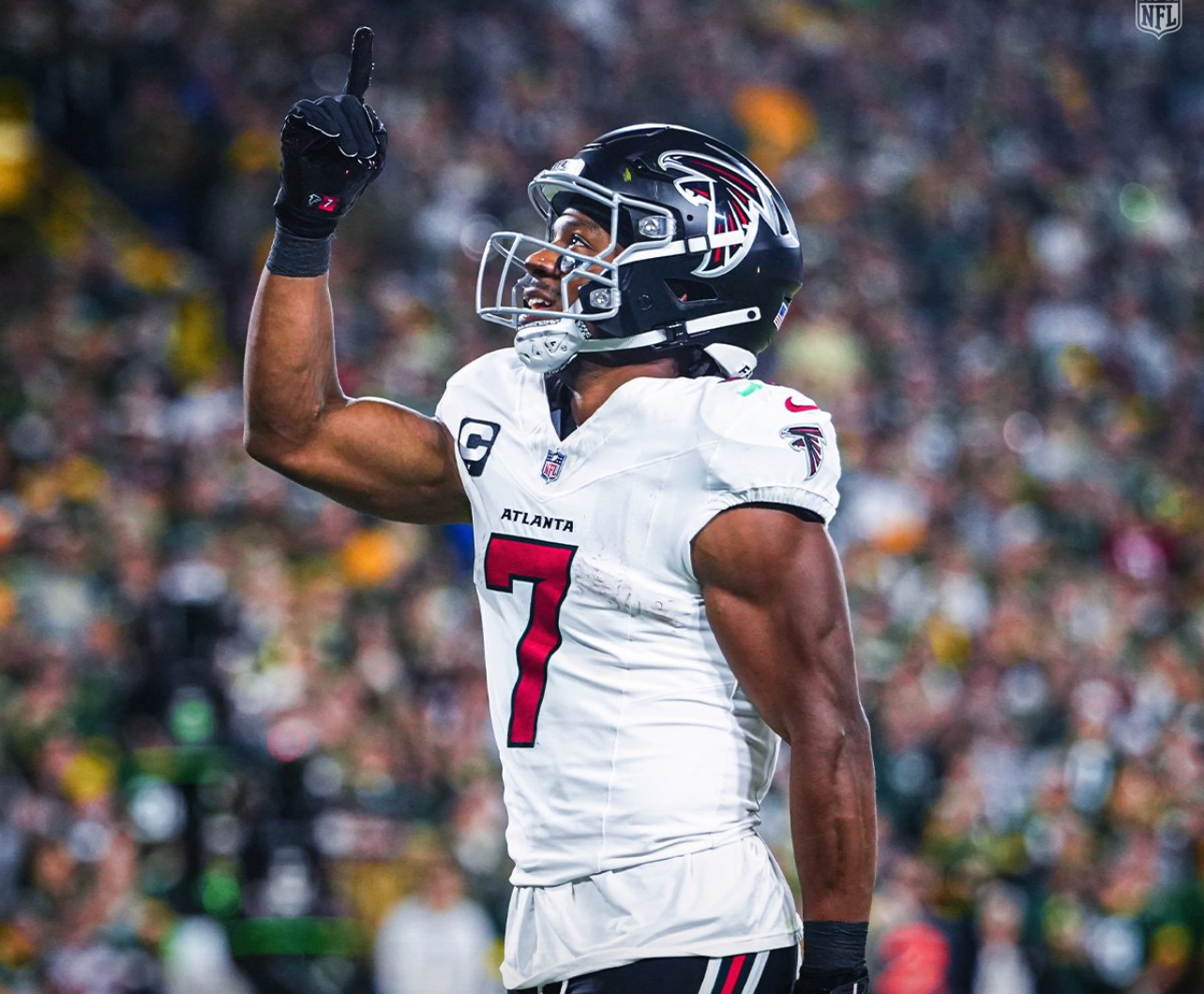
Michael Penix Jr. waited nearly 10 months to get back on an NFL field. On Thursday night in Green Bay, the wait ended with a statement.
Making his first start since tearing his left ACL in Week 11 last season, Penix completed 18 of 25 passes for 256 yards, one touchdown and one interception as the Atlanta Falcons rolled to a 35-14 victory over the Green Bay Packers at Lambeau Field. The win was Atlanta’s first of the season and a sharp contrast to the offense’s struggles in the first two weeks.
Penix Returns From ACL Rehab, Beats Packers
Penix was not ready for the preseason finale in August. Teammates recalled him becoming emotional in the locker room because he knew his body still needed more time. On Thursday, that patience paid off. After an interception on the opening series, he settled in quickly. Over the second and third quarters he went 13-of-15 with a touchdown and converted all five third-down attempts. His scoring pass was a 5-yard toss to tight end Austin Hooper just before halftime.
Drake London was the primary beneficiary, catching nine passes for a career-high 194 yards. Bijan Robinson added 194 rushing yards and two touchdowns on 29 carries. The combination of Penix’s accuracy, London’s production and Robinson’s workload produced the kind of balanced attack the Falcons lacked while Penix recovered.
Atlanta entered the game 0-2 after scoring just 16 points combined in its first two contests. Tua Tagovailoa was slated to start Week 1 but suffered an oblique injury days before the opener; Cooper Rush then dealt with back spasms. The result was an anemic offense that failed to take a red-zone snap for 27 consecutive series to start the season. That drought ended Thursday.
Head coach Kevin Stefanski praised the work Penix put in behind the scenes—extra weight-room sessions, treatments, and field work with only trainers present. Teammates described him as eager to return and important to the locker room. Penix himself pointed to finding a rhythm after the early interception and said the group still has plenty to clean up on film.
The Falcons remain a work in progress at 1-2, but the quarterback who spent the offseason rehabbing an ACL is now back under center. For one night in Green Bay, that was enough to revive the attack.
-
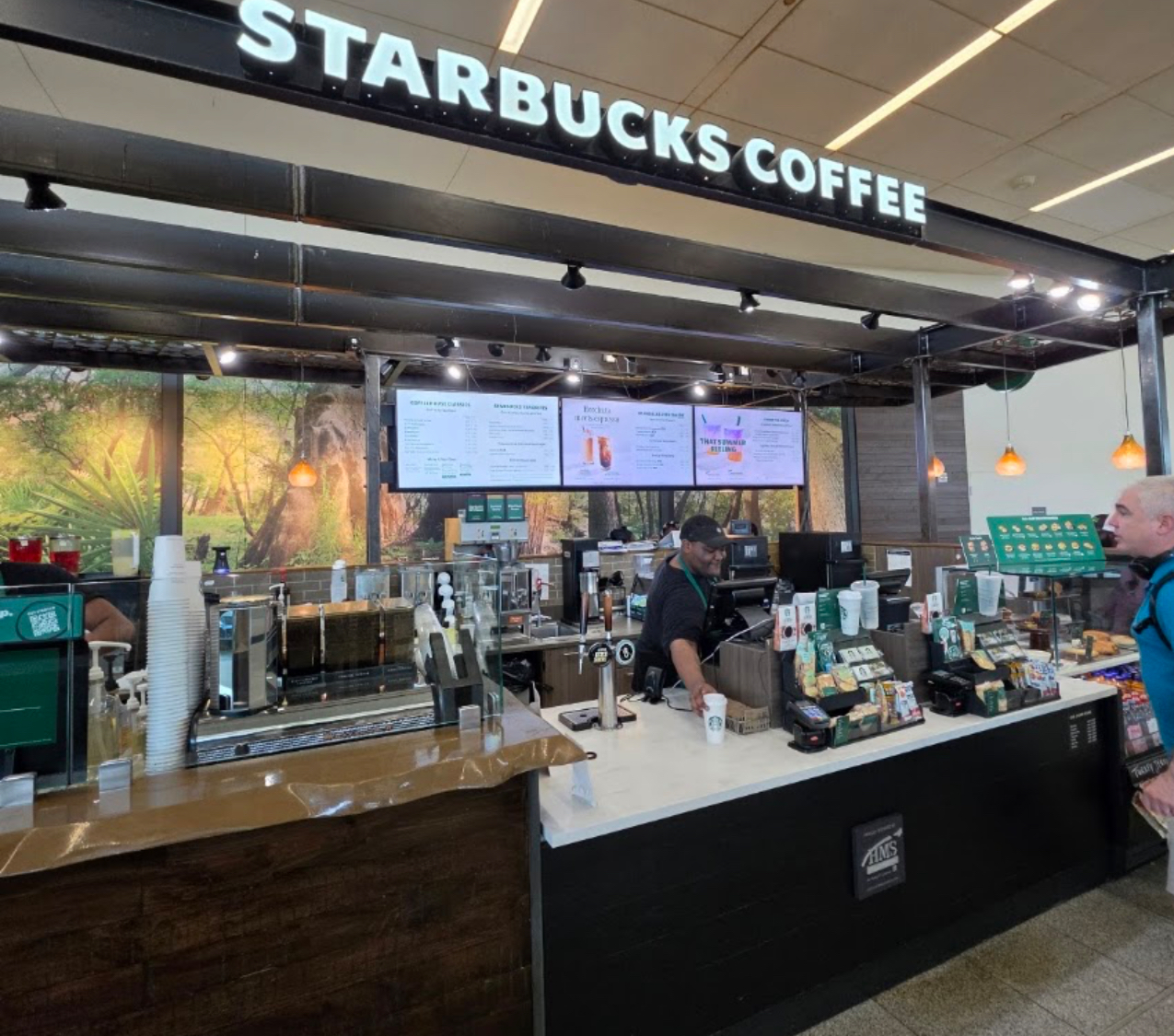
Starbucks announced Thursday it will close about 250 coffeehouses across North America later this week, calling the move a “difficult decision” after reviewing locations that it says cannot consistently deliver the experience it wants or a path to acceptable financial performance.
The closures represent about 1% of the company’s more than 18,000 North American stores. Most locations remain profitable, Chief Operating Officer Mike Grams said in a letter to employees, known internally as partners.
We interviewed Starbucks customer Kimberly Goldberg of Woodstock, who said coffee is her morning go-to. “Oh no,” the San Diego native said. “I hope they don’t close the one I go.”
Starbucks To Close 250 Stores
The company expects about $300 million in related charges and is lowering its fiscal 2026 net new store outlook to roughly 440 from a previous target of 600 to 650.
Grams said the company is speaking directly with affected partners and will offer transfers where possible, plus severance for those who cannot be placed nearby. Customers at closing shops will be directed to nearby stores.
What this means in Atlanta
Starbucks has not released a list of the stores closing this week, so it is not yet clear whether any metro Atlanta locations are included. Local customers should check the Starbucks app or website for sudden hours changes or closures.
The news lands in a market that has already seen several Starbucks changes. In September 2025, three Atlanta stores closed as part of an earlier restructuring: the location on the lower level of the Equitable Building at 100 Peachtree Street downtown, 21 14th Street, and 1870 Piedmont Avenue in Piedmont Heights. An Ansley Mall store at 1544 Piedmont Road also closed earlier after its lease expired.
In May 2026, Starbucks separately closed its Atlanta regional support office and other underused offices in cities including Dallas and Chicago, affecting about 300 corporate roles in marketing, human resources, and similar functions. Coffeehouse staff were not part of that cut.
Metro Atlanta still has a large Starbucks footprint—dozens of cafes across the city and suburbs, with some location trackers listing 50-plus stores in Atlanta proper. Georgia overall has hundreds of locations. Atlanta is also among the markets where Starbucks has been expanding store “uplifts,” the renovations meant to make cafes cozier and more inviting as part of CEO Brian Niccol’s “Back to Starbucks” plan. The company says it is on track to complete 1,500 such upgrades by the end of its fiscal year on Sept. 30.
The bigger picture
This is the second major wave of closures under Niccol, who joined in 2024. Last year the company shuttered hundreds of North American and European stores. The latest review, Grams said, followed improved visibility into which shops are benefiting from faster service, warmer interiors, and the Green Apron Service standard—and which are not.
The original Fox Business report also noted that the announcement came days after Starbucks resolved a Florida DEI lawsuit with a nationwide agreement. That settlement is separate from the store-portfolio decision.
For Atlanta regulars, the practical takeaway is simple: this week’s closures are happening quickly, specific local addresses have not been published, and the company says it still plans to grow in North America even as it prunes underperforming shops. Check nearby locations if your usual stop suddenly goes dark.
LAYOFFS AND STORE CLOSURES
-
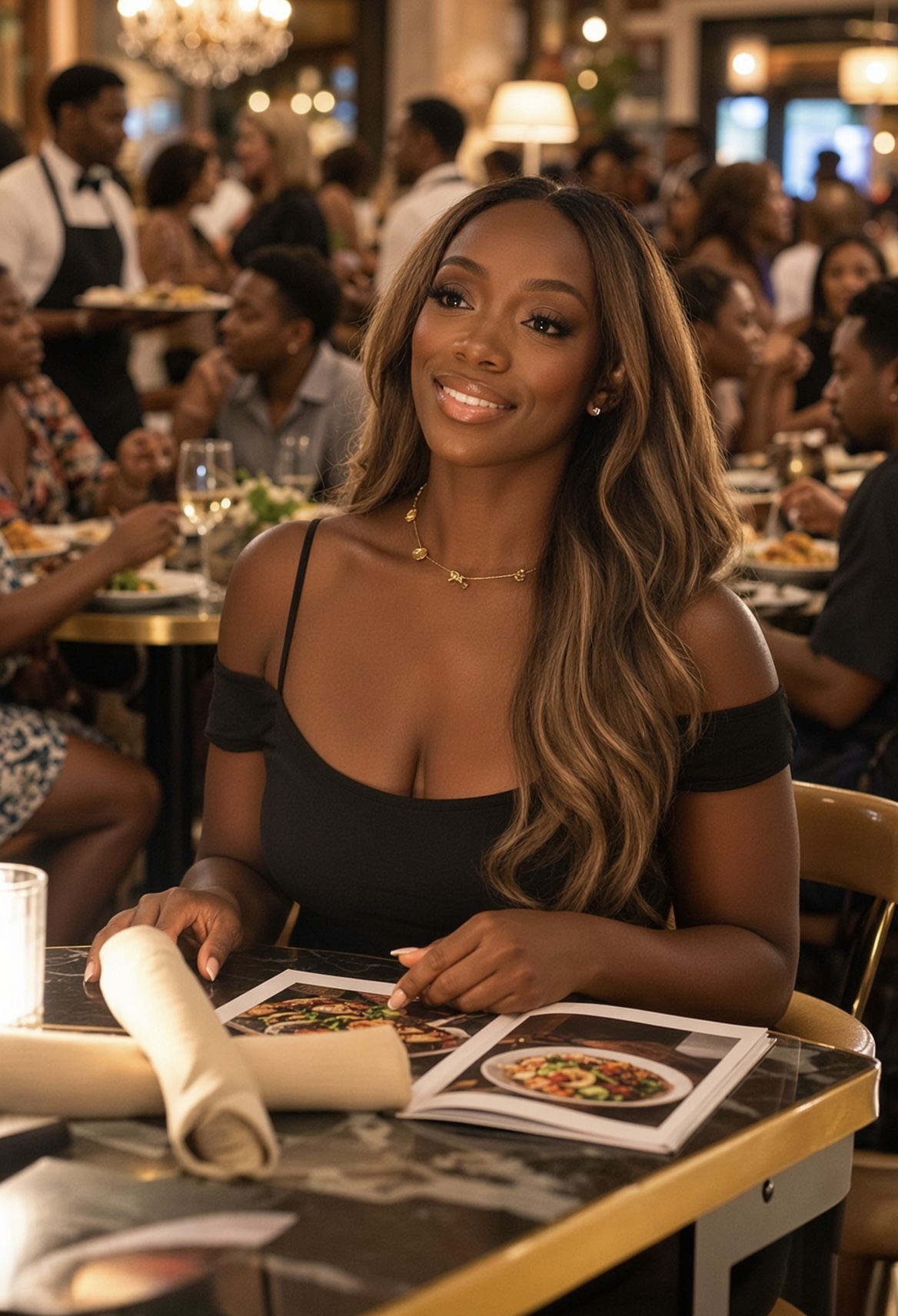
West Midtown Restaurant Week is Atlanta’s newest neighborhood dining celebration, running September 20–26, 2026. The inaugural event brings together more than 30 restaurants across the west side for prix-fixe menus, shareable plates, tasting flights, and special cocktails.
Organized by Livable Buckhead (the group behind Buckhead Restaurant Week) in partnership with the newly formed West Midtown Alliance, the week aims to spotlight one of the city’s most dynamic food districts and drive traffic after a wave of restaurant closures in recent years. The alliance is led by chef-owners Anne Quatrano of Bacchanalia and Summerland and Steven Satterfield of Miller Union.
West Midtown Restaurant Week: Participating Restaurants
West Midtown has long mixed industrial character with high-end dining. The neighborhood now claims a high concentration of James Beard Award winners and Michelin-recognized restaurants, from longtime institutions to newer openings. During Restaurant Week, diners can explore that range in a single stretch—everything from Michelin-starred tasting menus to casual coffee counters, tacos, pizza, and late-night drinks.
Standouts include Bacchanalia, the celebrated fine-dining destination from Quatrano and Clifford Harrison; Miller Union’s seasonal Southern cooking; The Optimist’s seafood-focused fare; Cooks & Soldiers’ Basque pintxos; O-Ku Atlanta’s contemporary Japanese and sushi; and newer or neighborhood-favorite spots such as Summerland, Ladybird Grove & Mess Hall, Twisted Soul Cookhouse & Pours (offering a $50 three-course menu), Muchacho, Lucky Star, and Taqueria del Sol.
Many restaurants are offering multi-course prix-fixe options at various price points, along with brunch, lunch, and dinner specials. Tables book up quickly, so reservations are recommended. The official site, westmidtownrestaurantweek.com, lets visitors search by cuisine, meal type, and price.
sCOZ5“LARGE”
Participating Restaurants
- Avize Modern Alpine
- Bacchanalia
- Barrel Proof
- Cheba Hut
- Chicheria Mexican Kitchen
- Cooks & Soldiers
- Drawbar
- The Daily – West Midtown
- E+ROSE
- Emmy Squared Pizza
- Fox Bros. Bar-B-Q at The Works
- Füm
- Ghee Indian Kitchen
- Grecian Gyro
- Holiday Bar
- Ladybird Grove & Mess Hall
- Little Sparrow
- Lo Kee
- Lucky Star
- Miller Union
- Monday Night Brewing – The Grove
- Muchacho
- O-Ku Atlanta
- The Optimist
- Ormsby’s
- The Painted Duck
- Paya Thai Kitchen
- Pretty Hens Rotisserie
- Summerland
- Taqueria del Sol
- Twisted Soul Cookhouse & Pours
- the Woodall
- Your 3rd Spot
The list reflects the official 2026 lineup announced by organizers. Individual menus and availability can vary, so check the event website or each restaurant directly.
West Midtown Restaurant Week runs through Saturday, September 26. Whether you’re after a special-occasion tasting menu or a casual neighborhood meal, the week is a concentrated chance to eat across one of Atlanta’s most interesting dining corridors. For the latest details and reservations, visit westmidtownrestaurantweek.com.
Final Word
Speaking of dining in Midtown, the best restaurants on the Beltline all have excellent customer service and food. What separates them from many of the other spots is that they’re on the urban playground called the Beltline.
The ATL has other cool eateries as well. If you’re gluten-free, there’s plenty of options. Same goes for keto-friendly restaurants or Asian fare in Atlanta.
-
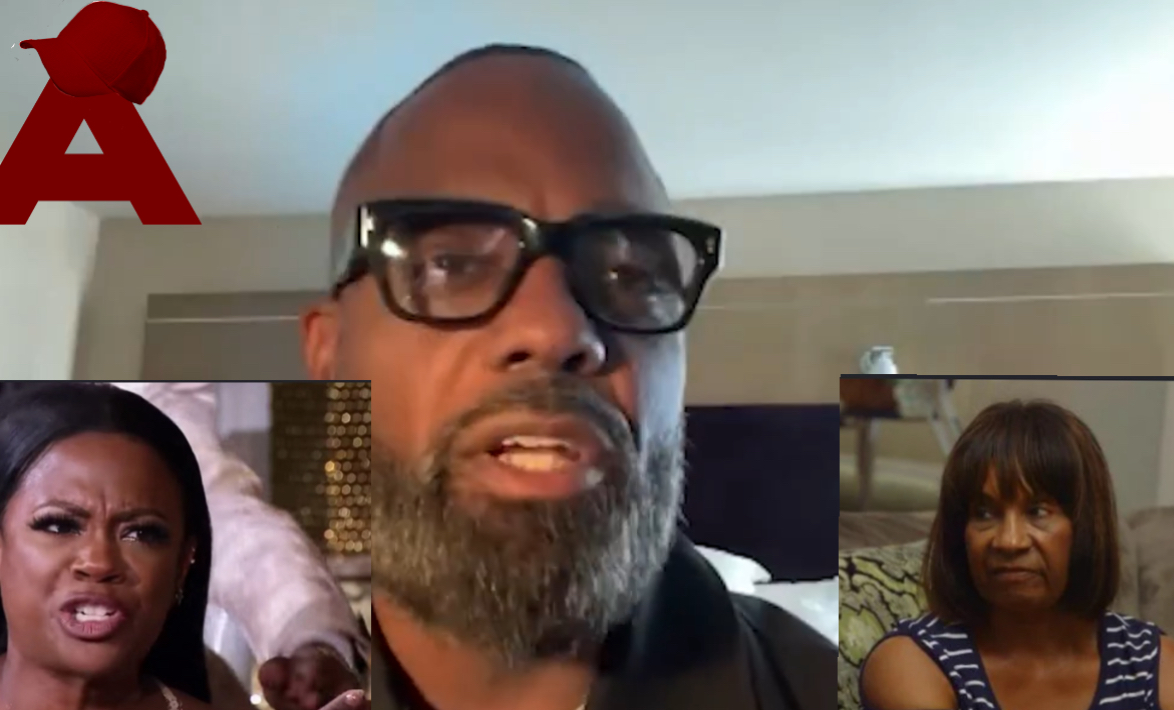
Todd Tucker is telling his side of the story. In a candid interview tied to his forthcoming docuseries Til Divorce Do Us Part, the producer and former Real Housewives of Atlanta fixture detailed the isolation that followed his split from Kandi Burruss, addressed her public frustration over comments about their sex life, and described the relief of no longer having her mother, Mama Joyce Jones, as a daily presence.
The couple married in April 2014 after meeting on Season 4 of RHOA. They share son Ace, 10, and daughter Blaze, 6, and each has an adult daughter from a previous relationship. Burruss announced she was moving forward with divorce in November 2025; they settled in March 2026 with joint legal and physical custody.
Isolation, dark thoughts, and rebuilding
Tucker, 53, said that after the separation he stayed in the guesthouse on the property while his family was next door. The alone time was heavy. “It was a lot of time in my head, thinking, trying to figure out, ‘What did I just do? What just happened? Did I lose my family?’ So I’m gonna be honest, I had nobody really to lean on,” he told Page Six.
Kandi Burruss asks Todd Tucker to stop ‘sensationalizing’ their sex life.
He reiterated a moment he also discusses in the docuseries: during especially painful stretches, he “looked at [his] gun.” He said he snapped out of it by focusing on his children. “No, you have a family. You have kids that you have to see them through.” He has been attending church and plans to start therapy as he works on “rebuilding myself” and being the best co-parent he can.
If you or someone you know is struggling, contact the Suicide and Crisis Lifeline by calling or texting 988.
Tucker framed the project as his counterpart to Burruss’s “I Do. I Did. I’m Done.” tour. He said men often carry stress until it becomes a health crisis, and he wanted to model getting it out without bashing anyone. After this, he said, he plans to fade from the conversation and focus on films and other projects.
The threesome comments
A trailer moment that drew Burruss’s sharp response showed RHOA alum Peter Thomas asking Tucker about threesomes. Tucker replied that they had, “for most of our marriage.” Burruss later said he was “choosing to sensationalize [their] sex life to stretch his five minutes of fame” and that what happens between spouses is private.
Tucker pushed back. He noted that Burruss had spoken about their intimate life on RHOA, on Kandi Koated Nights, and through her Bedroom Kandi line—often without consulting him first. “I’m not throwing out there any new information,” he said. “It was just a conversation.” He asked rhetorically how private their marital sex life could be after years of her own public comments.
What ended the marriage, according to Todd
Tucker was vague about the specific “incident” involving another woman that he says led Burruss to end things; he said he will elaborate in the docuseries. Friends suggested flowers. He said the problems were bigger than that and set up therapy. In his view, she wanted the immediate issue fixed first; he wanted to address the overall relationship. When he felt she was not willing to fight for it with him, he “bowed out.” He added that he had made vows to stay foreverand would have done so.1
He does not fully blame reality television but said it “played a part.” On co-parenting, he said they put anger aside for the kids and that there is “never any tension” when it comes to Ace and Blaze
Mama Joyce and the “weight lifted”
Tucker said he “allowed a lot of disrespect” from Burruss’s mother, Mama Joyce, over the years while trying to prove himself to someone who did not like him. Not having her directly in his life now “feels like a weight lifted off his shoulders.” He still encourages the children to stay connected to their grandmother.
He is not dating. He said he needs time to get himself together before he can be a good partner to someone else.
Tucker is premiering the docuseries alongside his film Don’t Bring Your Man to Atlanta at an AMC Theatres event next month. After years of being labeled on Housewives without speaking much, he said he simply wanted to be heard—then go quiet.
The public back-and-forth continues a very public chapter for two people who built a blended family, businesses, and a long on-camera life together. Tucker’s version emphasizes loneliness, accountability to his kids, and the right to tell his side. Burruss has emphasized privacy, peace, and that his recent comments confirmed her decision to leave. Both say the children come first.
-
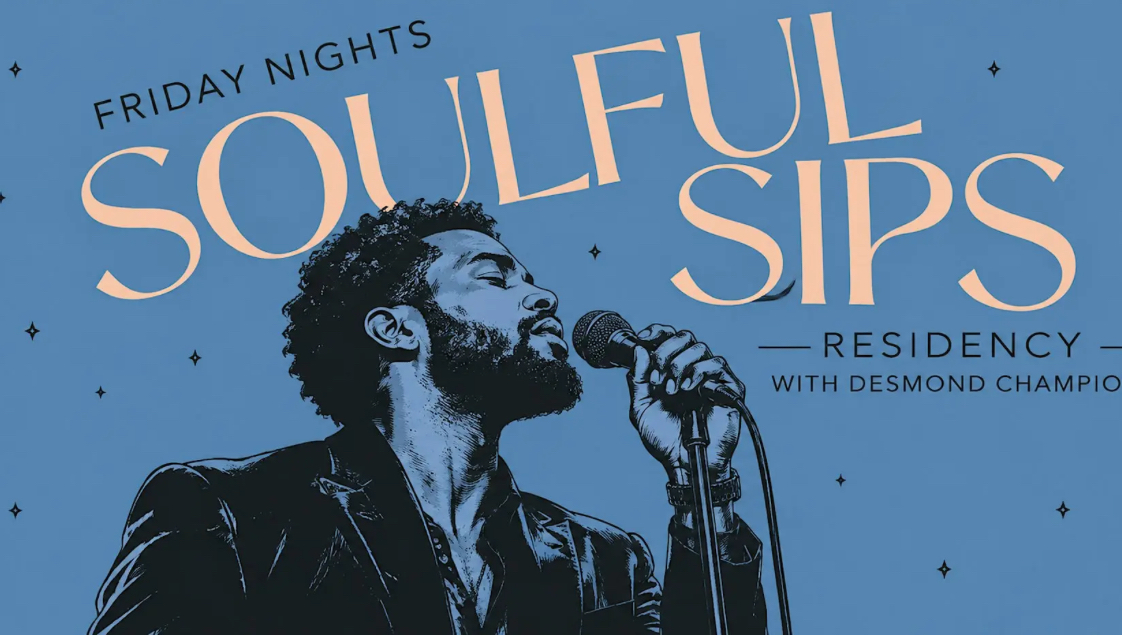
There is a particular kind of Friday that Atlanta does well: the lights go down a little earlier, the first glass of wine arrives before the week has fully left the body, and live music turns dinner into an evening.
That is the idea behind Soulful Sips: Residency with Desmond Champion, a weekly gathering at The Betty, the mid-century-inspired supper club inside Kimpton Sylvan in Buckhead.
Soulful Sips at The Betty: What To Know
Every Friday, The Betty leans into what it does best—warm lighting, a sophisticated but unstuffy room, chef-driven food, and a bar that treats cocktails and wine as part of the night rather than an afterthought. From 7 p.m. to 10 p.m., Atlanta artist Desmond Champion takes the room, filling it with soulful live music that is intimate enough for conversation and rich enough to linger over.
Champion, a singer, songwriter, and multi-instrumentalist, is the kind of performer who makes a restaurant feel like a listening room without turning dinner into a concert. The residency is built for date night, a low-key celebration with friends, or that first exhale of the weekend when you want the city to feel close and glamorous at the same time.
Wine first, then the night unfolds
The evening’s signature pour is a featured wine flight for $30, a three-glass introduction that travels easily from bright to velvety:
- Spy Valley Sauvignon Blanc
- Whispering Angel Rosé
- Charles Woodson Intercept Pinot Noir
It is a flight designed to be shared, compared, and paced with the music—crisp enough to start the night, generous enough to carry it.
Beyond the flight, The Betty’s bar stays in motion with handcrafted signature cocktails and a chef-curated seasonal menu. The restaurant has long framed itself as a modern supper club: hearty, refined plates, shareable dishes, and a dining room that invites people to stay. Fridays now add a soundtrack to that formula.
A room made for lingering
The Betty sits at 374 East Paces Ferry Road NE, with its own presence inside the hotel rather than feeling like a lobby restaurant. That matters on a Friday. The setting is polished without being precious—mood lighting, a proper bar, and the sense that the night can stretch from a first sip to a last song.
Practical details help the romance along. Discounted parking is part of the residency, a small but meaningful courtesy in Buckhead, where the difference between a seamless night out and a logistical hassle often comes down to where you leave the car.
Why it works as a weekly tradition
Plenty of restaurants book a band. Fewer build a Friday identity around one. Soulful Sips works because the pieces fit: Champion’s residency gives the night a familiar pulse, the wine flight gives guests an easy way in, and the seasonal kitchen keeps the evening from feeling like a lounge set with food as an afterthought.
Come for the music. Stay for the Pinot. Leave with the feeling that Friday has a home now.
Make Residency with Desmond Champion your new weekend tradition at The Betty—live soul, fine wine, cocktails, and the kind of night that is meant to be remembered.
Final Word
If you want to check out some other spots in the area, here are the best restaurants in Buckhead. Or you might like to read our Buckhead Steak Guide to find all the best eateries offering mouth-watering prime cuts.
Atlanta has a thriving cultural, food, sports and music scene, with venues like the Tabernacle and the Fox Theatre hosting concerts and shows throughout the year. The city is also home to the Atlanta Symphony Orchestra and the Atlanta Opera, offering world-class performances for music lovers.
Atlanta has a lot of cool things to do and places to eat, including some of the top soul food joints and remarkable Thai food spots. Explore the city.
Here are more articles from AtlantaFi.com you might like:
-
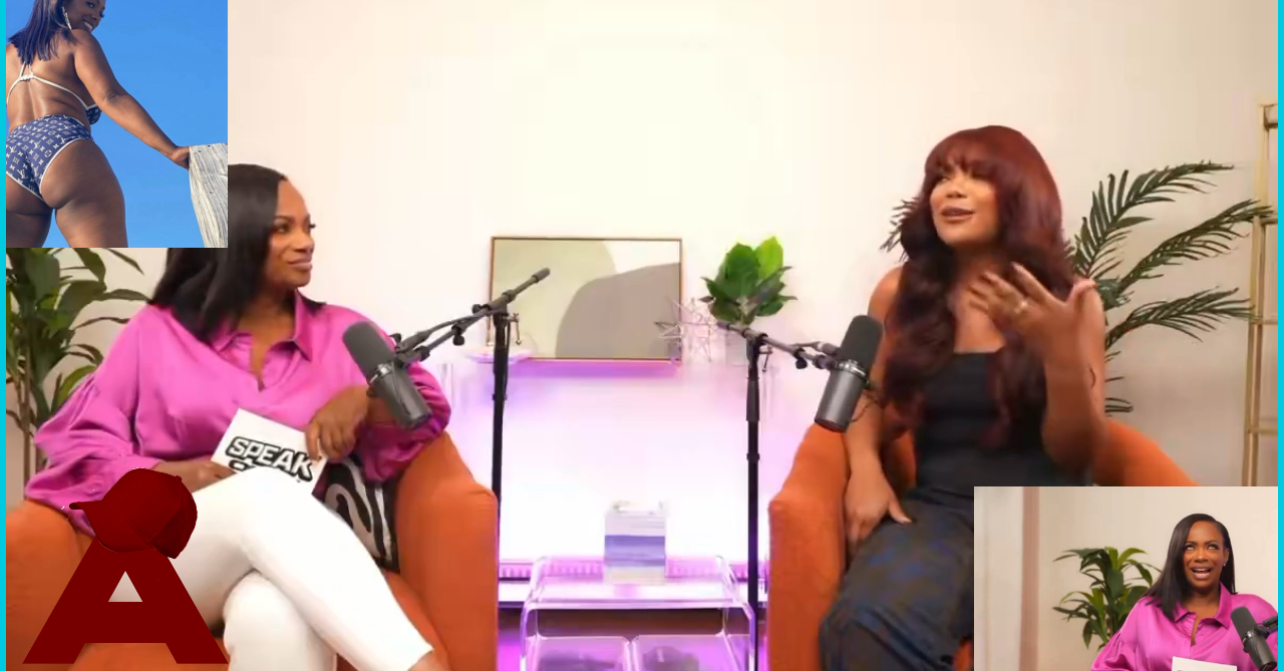
Riley Burruss just put a very specific kind of reality-TV childhood into words.
On her mother’s podcast, Speak On It, Kandi Burruss asked her daughter a question a lot of Bravo kids never get asked on camera: did growing up on The Real Housewives of Atlanta embarrass her? Riley’s answer was not a vague “it was a lot.”
It was school hallways, boy classmates, and a standing request that her famous mom not pull up at the front door.
Riley Burruss: Classmates Would Talk About Mom Kandi’s Craziness’
Riley said classmates who watched the show would talk about Kandi’s “craziness,” her lingerie on TV, and her Freaknik years. The comments from the boys were worse. They would tell her they had seen her mom on television and start talking about Kandi’s body. Riley’s response, she said, was immediate: “No, we’re not doing that. Stop talking about my mom.” Then she would call home and ask Kandi to pick her up down the street so she would not have to hear it at dismissal.
That detail is the heart of the clip. It is not just that a child of a reality star heard gossip. It is that the gossip was sexual, it came from male classmates, and it followed her into the most ordinary part of the school day. Riley framed it as something she tried to manage quietly: keep it cute, shut it down, change the pickup spot.
Kandi pressed her on what “craziness” actually meant. Riley pointed back to the version of her mother that television sold: the lingerie, the party years, the storylines that made Kandi one of RHOA’s most watched cast members. For viewers, those scenes were entertainment. For Riley, they became material other kids could use.
The conversation lands because Riley is no longer a child extra on her mother’s show. She first appeared on RHOA around age seven, later went to NYU, and has since built her own on-camera life, including Next Gen NYC. That makes the clip feel less like a confession extracted from a teenager and more like an adult looking back at the cost of a family brand.
Online, the reaction split in the usual Bravo way. Some people heard a daughter describing how sexualized comments about her mother followed her to school and thought that should have been enough to change what went on television. Others treated it as an inevitable side effect of fame and pointed to Kandi’s long run as proof that the show also paid for the life around it. A few replies were cruder still, turning Riley’s discomfort into a punchline about Kandi’s image.
The more useful reading is narrower. Riley is describing a specific failure of the reality-TV contract: the child does not get to opt out of the audience. She can ask her mother to park down the block. She cannot ask every boy in her class not to watch the show.
That is why the clip traveled. Not because it revealed a secret feud, but because it made the private inconvenience of public sexuality sound ordinary, specific, and still a little raw.
Keep up with Season 17:
-
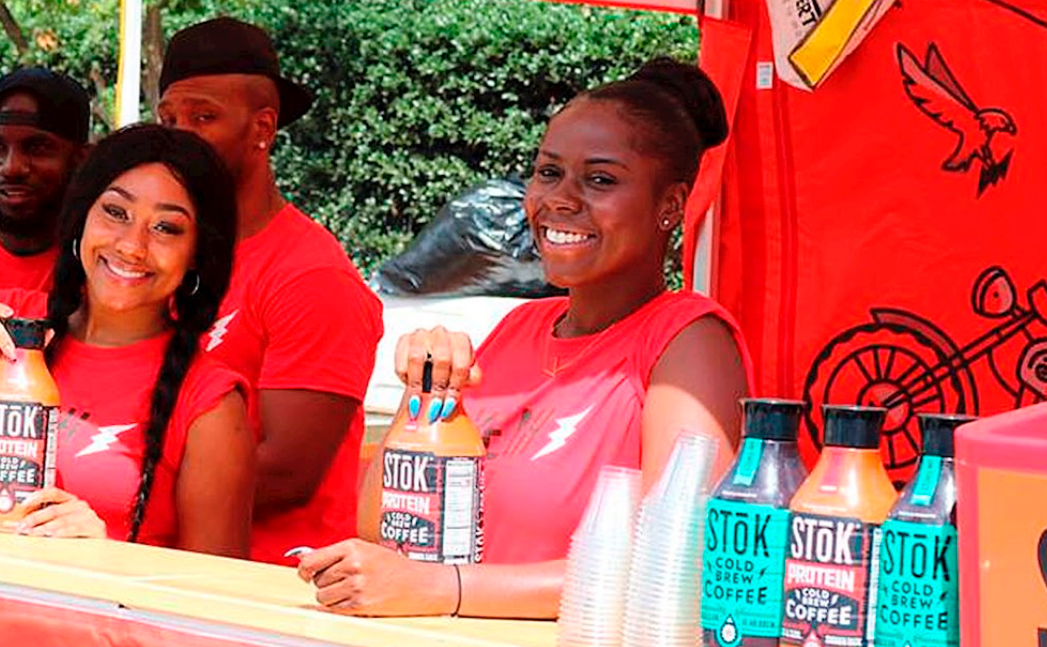
Taste of Soul Atlanta returns October 17–18, 2026, as a free two-day outdoor celebration of soul food, live music, culture, and community in the heart of Vine City.
The festival takes place across from Mercedes-Benz Stadium at the main entrance of Northside Drive and MLK Jr. Drive (Atlanta, GA 30314). Hours run noon to 9 p.m. both days. Festival grounds entry is free with recommended registration; ticketed experiences include the Soul in the City Concert and Sunday’s Cocktails & Wine Festival.
Taste of Soul Atlanta: Dates, Times, Info – What To Know
Note: Official listings and the event website confirm the weekend of October 17–18 rather than October 11–12.
A Festival Rooted in Place and History
Taste of Soul Atlanta (TOSA) is held in Vine City, one of Atlanta’s oldest neighborhoods and the longtime home of Dr. Martin Luther King Jr. Organizers describe the site as the footsteps of where civil-rights leaders gathered over plates of soul food to discuss the issues of their time. The event positions Atlanta as America’s Soul Food Capital and bills itself as the largest festival west of Peachtree Street.
The gathering is designed as a family-friendly, citywide experience that brings people together around Southern and soul cooking, live performances, art, and people-watching. Soul food here is framed as “life, love and family, served on a warm plate.”
Food, Market, and Flavors
The Open Air Taste & Market occupies the grounds both days. Food vendors focus on traditional soul food (fried or baked chicken and catfish, greens, mac and cheese, meatloaf, casseroles), plus soul seafood, Cajun-soul, Caribbean-soul, African-soul, South American-soul, and fusion interpretations. Vendors are required to offer affordable “taste” portions. Arts-and-crafts and market vendors add shopping alongside the food trucks and booths.
Expected attendance is around 25,000 with capacity for roughly 100 vendors. No power is provided on site, and the festival is styrofoam-free.
Music and Stages
Free music plays throughout the day on the Phoenix Sound Stage (1–9 p.m.); lawn chairs are welcome. The 2026 Phoenix Stage lineup is listed as coming soon. A ticketed Soul in the City Concert occupies a private main-stage area (concert area typically opens earlier; check will-call for wristbands). Last year’s programming featured a deep roster of R&B, soul, and local artists across Saturday and Sunday.
On Sunday, October 18, the Taste of Soul Cocktails & Wine Festival runs 4–8 p.m. It highlights African American-owned wines, spirits, and cocktails—positioned as one of the country’s largest tastings of its kind. 2026 participating brands were still to be announced at last check; prior years included names such as Uncle Nearest, Ten to One Rum, Ebony Wine, and others. Tickets are sold separately.
KidZone operates both days from noon to 8 p.m. Additional Sunday programming blocks appear on the events page (12–4 p.m. and 4–8 p.m. ticketed options). BrunchTOSA and a Labor Day 5K have been part of the broader TOSA experience in other years.
Getting There and What to Bring
Organizers strongly recommend MARTA: Vine City station is about a three-minute walk; Ashby station is roughly 15 minutes. Biking is encouraged. Driving is possible but parking is limited and paid in nearby lots; carpooling and respect for Vine City neighbors are requested.
Allowed items include lawn chairs, blankets, one sealed water bottle per person, and small bags subject to search. Pets are not permitted. Coolers, outside food, tents, glass, and weapons are prohibited. The site is wheelchair accessible. ATMs, restrooms, medical services, and lost-and-found are on site.46
Nearby hotel options listed by organizers include the Signia by Hilton, Hard Rock, Glenn Hotel Autograph Collection, DoubleTree, and Clarion.
Planning Ahead
Register for free entry and watch TasteofSoulAtlanta.com for the 2026 artist announcements, exact concert times, and vendor lists. Vendor applications (food, beverage, market) have rolling deadlines with space assigned closer to the event. The festival has run since 2015 and continues to grow as a neighborhood-rooted celebration of Atlanta’s culinary and musical traditions.
Check the official site closer to the weekend for weather updates, final lineup, and any last-minute logistics. Bring an appetite, a chair, and time to wander.
Explore Your Atlanta
Atlanta has just what you need, not just today but every weekend. From exploring the city’s diverse restaurant scene to taking in a beautiful park greenspace or even checking out the hidden gems, Atlanta has some of everything.
First, to find all the good things happening in the city this week, all you have to do is take a look at downtown Atlanta. That’s where some of the best restaurants are as well as where the visitors, namely tourists, are.
Here are more articles from AtlantaFi.com:
-

DDG’s Hit-A-Thon 2 is in full swing in Atlanta, turning a luxury house into a 24/7 studio, party spot, and livestream set as the Michigan-born streamer-rapper builds a new album in real time with his chat and a rotating cast of guests.rdyIwLARGE
The weeklong marathon runs September 14–21, 2026. DDG (Darryl Dwayne Granberry Jr., also known as PontiacMadeDDG) framed it as the biggest music-focused streaming event, relocated to “the biggest city in music” after last year’s inaugural Hit-A-Thon produced the Blame the Chat album.
That project was shaped live—chat voted on beats and cuts, guests dropped in, and the result later fueled a tour that stopped in Atlanta.
This year’s version follows the same core formula but with more scale: a reported $10 million Atlanta house complete with murals, a theater, and a club-style space DDG dubbed “DDG City,” a play on Magic City.
Parties, studio sessions, and late-night hangs happen on stream. Viewers watch on Twitch (twitch.tv/ddg) with clips and official audio snippets hitting the DDG Live YouTube channel.
What’s happened so far
The stream launched with a house tour and immediate technical hiccups that DDG addressed on air. Since then the house has been busy. Notable pull-ups include Kai Cenat crashing the stream, T.I. offering advice after seeing the ATL-movie-inspired trailer, producer Zaytoven working on a track called “Mike Jack,” and sessions with BunnaB (“Scrub The Ground”), OMB Peezy (“Get Up With Me”), Fox BD and Seddy Hendrinx (“AH HA”), Boston Richey and BenDaDonnn (“What You Hiding For”), plus appearances from Pluto, DuB, Deshae Frost, YKNiece, Jayda Wayda, Adrien Broner, DreamDoll, and BJRNCK. Recent clips highlight a DreamDoll/BJRNCK collab titled “Familiar” drawing strong reactions.
Official audio drops already circulating include “5 AM In ATL,” “Get Up With Me,” “AH HA,” and others. DDG has said he’s recording far more than he needs—aiming to select about 15 songs for the final project, which he plans to release roughly two weeks after the stream wraps. In a mid-week interview he described the live, chat-driven process as the future of making music and noted Atlanta’s pull as both a music capital and a place with personal and cultural resonance.
The vibe
It is part recording camp, part reality show, part after-hours hang. Chat still influences beats and decisions. Segments mix serious booth time with gaming, house tours, and parties. The energy is high but uneven by design—a marathon with technical glitches, last-minute guests, and the pressure of creating on camera. Fans and clip pages have been circulating standout verses and studio moments daily.
DDG invited rappers and streamers publicly ahead of the event and continues to leave the door open for drop-ins. The remaining days through September 21 will determine the final tracklist and whether the Atlanta setting produces the “biggest music stream” he teased.
Watch live on Twitch or catch recaps and audio on the DDG Live YouTube channel. The album drop is expected in early October if the post-stream timeline holds.
Got an event or know of something opening in and around Atlanta? Holla: CJ@AtlantaFi.com. See what’s poppin’ in the ATL! Subscribe to our news alerts here, follow us on Twitter and like us on Facebook.
-
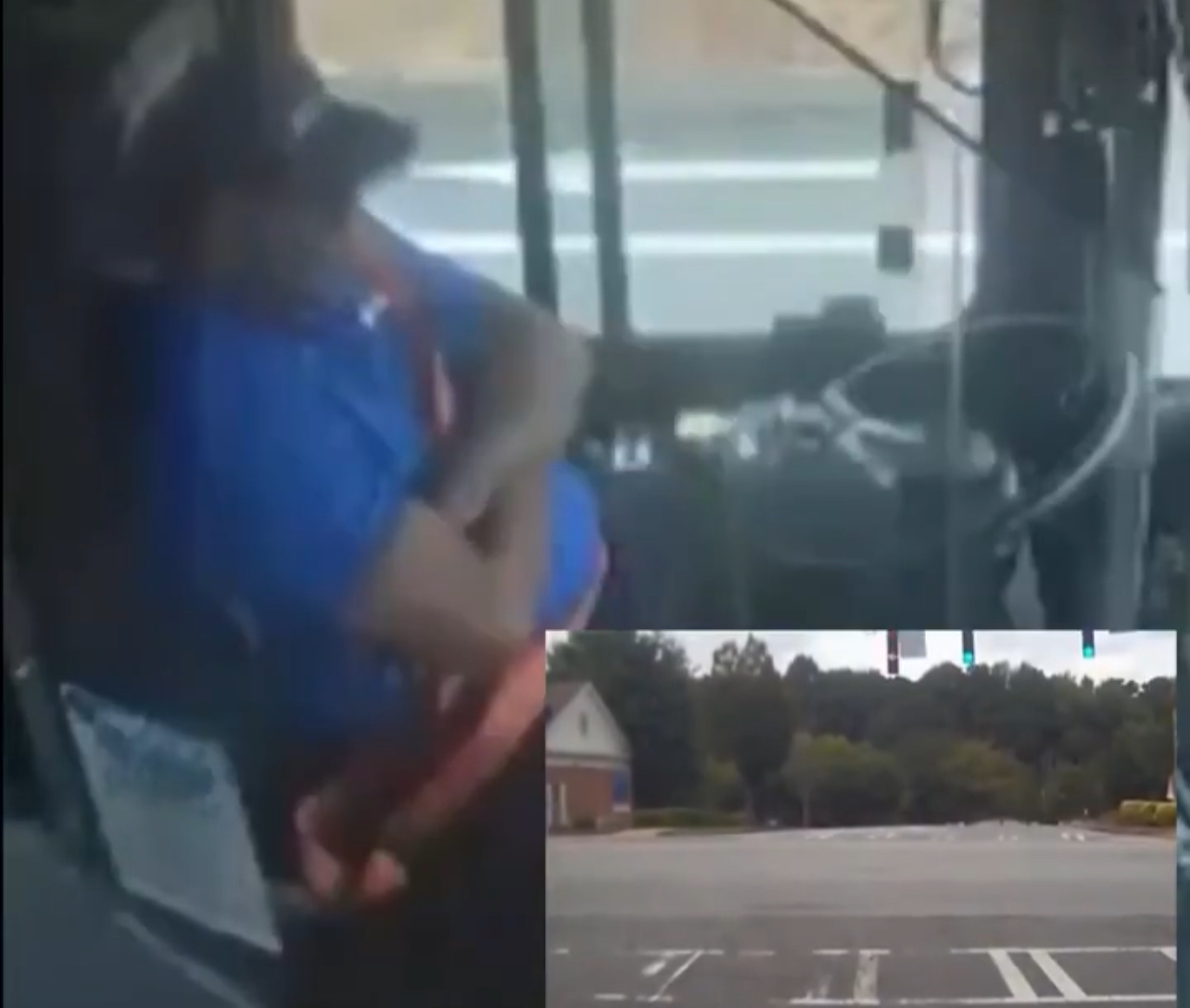
A MARTA bus driver fell asleep at the wheel on Sept. 7, crossed lanes in Dunwoody, and crashed into a tree. He and two passengers were injured. Police later cited him; MARTA pulled him from service.
AtlantaFi.com talked to a woman who saw the crash. “I actually was riding my bike down Peachford and I saw this bus rumbling onto the shoulder of the road and into the trees,” Rebecca Hines said. “It was scary.”
Here’s the video:
The wreck happened at North Shallowford Road and Peachford Road. A crash report and onboard video show the 58-year-old driver stopped at the intersection, folded his hands across his stomach, and tipped his head back.
MARTA Driver Falls Asleep: What Happened
His foot came off the brake. The bus rolled forward, crossed traffic, dropped over a curb and down an embankment, and struck a tree.
The tree smashed through the windshield, then fell onto several empty parked cars. A tow truck later dragged the bus out of the ditch.
Who was hurt
Three people were on the bus.
- The driver had deep cuts on his face and left arm and a possible broken leg and pinkie. He went to a hospital with injuries that were not life-threatening.
- The passenger behind him was found on the floor with back and hip pain.
- A third rider reported knee pain.
Police have not released names. The driver told officers he did not remember the crash and only woke up as the bus left the road. One passenger thought it might have been a medical episode.
Charges and MARTA’s response
Dunwoody police charged the driver with distracted driving and failure to maintain lane. They did not arrest him.
MARTA took him off the road at once and said he will stay off duty until the investigation is done.
“The safety of our riders and employees is our highest priority, and an incident like this is unacceptable,” the agency said. “Following the incident, the operator was immediately pulled from service and will remain so until an exhaustive investigation is complete.”
Video from inside the bus shows him dropping his head and taking his hands off the wheel more than once. An earlier alert after he missed a green turn did not keep him awake.
Still unanswered
Authorities have not named the driver or the two riders. MARTA has not said whether fatigue, a medical issue, or a policy breach caused the crash, or whether the driver will return to work.
The intersection is North Shallowford at Peachford in Dunwoody. Check MARTA alerts if you use that route.
Final Word
As the city lights up with yet another special event this weekend, remember: Safe driving is the real treat. For more tips on navigating safely around the city, read our Atlanta Traffic Guide.
More from AtlantaFi.com: