-

After you’ve saved up enough money to buy some real estate, it’s time to look high and low for cheap homes for sale in Atlanta, Georgia. In and around Georgia’s largest city, there are plenty of deals for the prospective homeowner or investor.
It happens to be a good time to buy homes these days because the market continues to be red hot. In this article, we’ll show you some of the best cheap homes for sale in Atlanta.
Best Cheap Homes for Sale in Atlanta
Below is a curated table of 15 currently available homes under $300,000, based on the latest market data. Prices and availability can change quickly, so click the links to view full details and contact agents.
Address Price Beds Baths Sqft Link 1065 United Ave SE Unit 202, Atlanta, GA 30316 $275,000 1 1 N/A View Listing 4732 Carson Pass SW, Atlanta, GA 30331 $200,000 4 1.5 1,269 View Listing 805 Peachtree St NE Unit 214, Atlanta, GA 30308 $300,000 1 1 990 View Listing 855 Peachtree St NE Unit 2004, Atlanta, GA 30308 $289,850 1 1 702 View Listing 106 Brighton Point, Atlanta, GA 30328 $299,000 3 2 N/A View Listing 190 Judy Ln SW, Atlanta, GA 30315 $250,000 3 2 1,176 View Listing 1227 Kenilworth Dr SW, Atlanta, GA 30310 $295,000 3 2 1,280 View Listing 215 Piedmont Ave NE Unit 1406, Atlanta, GA 30308 $245,000 2 2 1,256 View Listing 3999 Bayside Cir, Atlanta, GA 30340 $235,000 1 1.5 1,584 View Listing 1381 Benteen Way SE, Atlanta, GA 30315 $269,000 3 1 912 View Listing 1468 Briarwood Rd NE Unit 2003, Atlanta, GA 30319 $300,000 2 2.5 1,290 View Listing 5300 Peachtree Rd Unit 3601, Atlanta, GA 30341 $210,000 1 1 627 View Listing 400 17th St NW Unit 1133, Atlanta, GA 30363 $205,000 1 1 884 View Listing 5780 Bearing Way, Atlanta, GA 30349 $240,000 2 1.5 N/A View Listing 3563 Bolfair Dr NW, Atlanta, GA 30331 $215,000 4 2 1,075 View Listing Data sourced from Homes.com as of October 18, 2025.
Ready to find your dream home? Search more on our site or get in touch with a local agent!
One of the best ways to find cheap homes is to look at vacant homes in your area.
How To Find Abandoned Homes For Cheap
The first thing you need to do to identify cheap homes that are abandoned is to:
1. Search for Properties
Take a ride in older neighborhoods in your city to see if you can find homes that are empty. Once you find a vacant property, here’s what you should do:
2. Look It Up On The Tax Assessor’s Website
Depending on where you live, your city clerk’s office or tax assessor’s website will have a search feature that allows you to look up property owners in the vicinity.
If you live in Fulton County, the tax assessor’s website is fultonassessor.org.
Once you locate the name of the homeowner, you can give them a call and see if they are willing to sell.
3. Tap Into Your Network
Ask your friends, family members and church members if they know someone who has a home to sell. Oftentimes, the people you know have inside information on cheap homes for sale.
Plenty of online sites have homes for sale, including Zillow, RedFin and Trulia. We’ve searched these sites to bring you some of the cheapest homes you’ll find in Atlanta.
Bottom Line
If you can’t find a home that fits your budget or style, don’t give up. Oftentimes, you have to wait a while before the right home becomes available. Don’t look now but Atlanta home prices have fallen of late, but that doesn’t mean the local real estate market is still not one of the hottest in the nation. Cheap homes can still be had in Georgia’s largest city.
Due to the weather, the warmer months are the perfect time to go home-shopping. And if you’re interested in renting, here are some cheap Atlanta apartments.
Atlanta is enjoying one of the best real estate markets in America, with affordable housing in every quadrant of the city. Large backyards, manicured parcels and strong neighborhoods with ample dining amenities make it one of the top places for transplants.
Not to mention that the city’s dining scene is the best in the Southeast. Looking for a home? Check out our Real Estate Resource Page.
Keep up with what’s going on in Atlanta’s real estate scene here with our Apartment Guide.
More Articles From AtlantaFi:
-
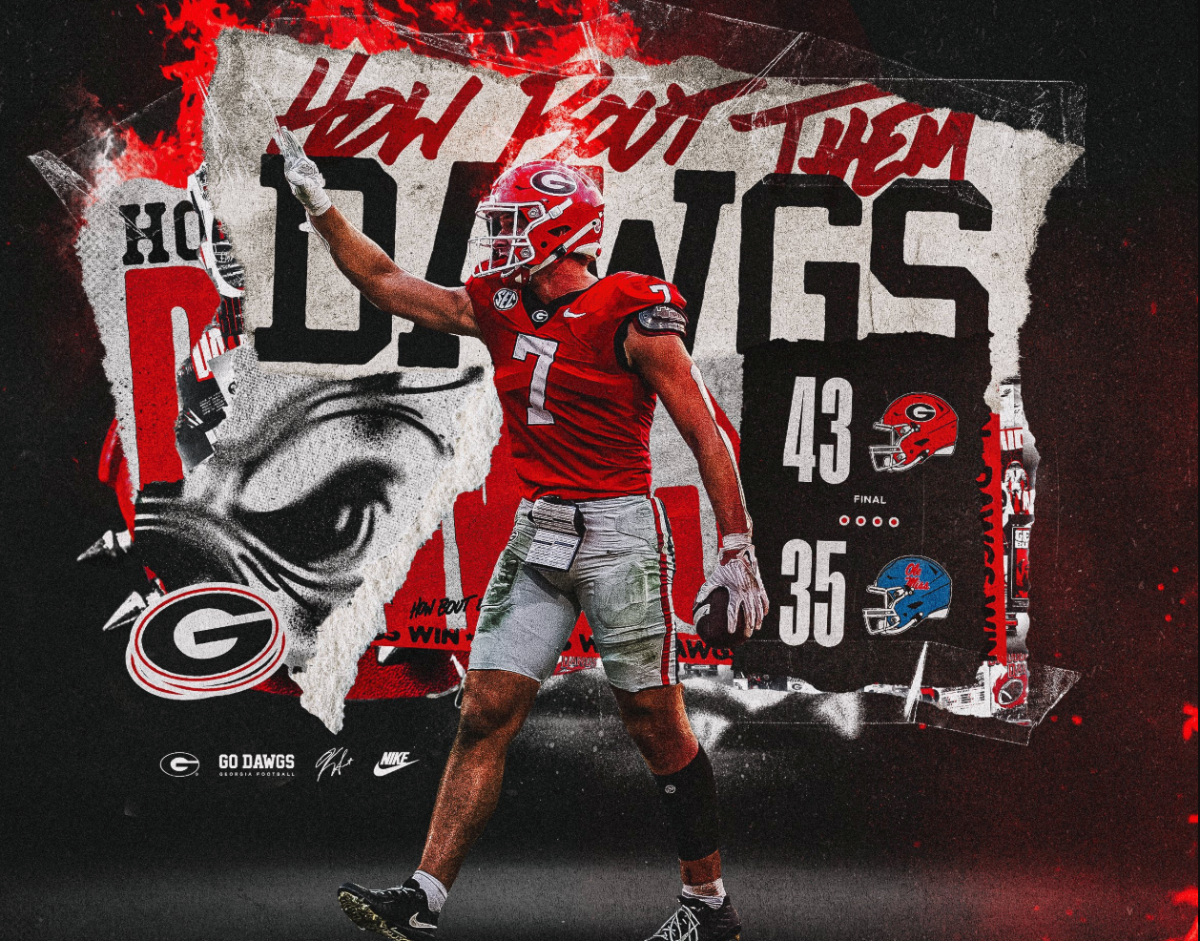
In a gritty SEC showdown that had Sanford Stadium rocking under the October sun, the No. 9 Georgia Bulldogs clawed their way to a hard-fought 43-35 victory over the No. 5 Ole Miss Rebels on Saturday afternoon.
Quarterback Gunner Stockton engineered four touchdown drives, including a 7-yard touchdown pass to tight end Lawson Luckie to take the lead for good.
UGA Comes Back To Win Against Ole Miss
The victory improves Georgia to 6-1 with a tough 2025 schedule and keeps their College Football Playoff aspirations firmly on track, while handing Ole Miss (6-1) their first loss.
It was a tale of resilience for the Bulldogs, who overcame two early turnovers and a raucous road-like atmosphere created by traveling Rebel fans. Atlanta-area tailgates were electric pre-game, with UGA faithful from the metro spilling into Athens for what felt like a home-field edge.
Here are four key takeaways from Georgia’s statement win:
1. Stockton’s Dual-Threat Magic Proves Unstoppable
Gunner Stockton silenced doubters with a masterful performance, throwing for 289 yards and four touchdowns while rushing for 50 yards on 10 carries.
His poise under pressure—evading sacks from Ole Miss’ ferocious front seven—was reminiscent of vintage Carson Beck. Stockon went 12-for-12 in the fourth quarter, willing his team to victory.
The redshirt sophomore’s 12-yard scramble on third-and-9 during the final drive set up the dagger to Lawson, earning him MVP chants from the Dawg Nation crowd. In a season where injuries have tested the depth chart, Stockton’s emergence as a franchise QB bodes well for Georgia’s November gauntlet.
2. Defense Bends But Doesn’t Break in Crucial Red-Zone Stands
Ole Miss QB Trinidad Chambliss carved up the secondary for 269 yards, but much of it came in the first half as Georgia’s defense settled down in the third and fourth quarters.
The Bulldogs held the Rebels to just 351 total yards, although Ole Miss only punted twice the whole game. Ole Miss only gathered 88 yards on the ground as well, which is a testament to Georgia defensive coordinator Glenn Schumann’s aggressive calls. For Atlanta fans weary of last year’s defensive lapses, this unit feels reloaded and ready.
3. Running Game Finds Rhythm Behind Revamped O-Line
After a sluggish start marred by penalties, Georgia’s ground attack exploded for 221 yards on 49 carries, led by Nate Frazier’s 72 yards on 17 carries. Chauncey Bowens ran for 62 yards as well.
Quarterback Gunner Stockton was the maestro of the turnaround, going 26-for-31 through the air for key completions while adding a 22-yard touchdown scamper that ignited the Bulldogs’ momentum. Georgia’s offense committed zero turnovers all game, a clean sheet that allowed Stockton to orchestrate with surgical precision.
“It was a great day,” Stockton said postgame, his voice steady amid the chaos. “We just played for each other, and that’s the best part of our team.”
Ole Miss coach Lane Kiffin had framed the matchup as a litmus test for his Rebels’ ascent in the SEC, telling reporters beforehand that a win in Athens would signal they’d climbed “another step.” Early signs pointed to validation: Rebels signal caller Trinidad Chambliss and the Rebels’ high-octane attack marched methodically downfield, building a 36-24 cushion at one point.
But as suddenly as the magic appeared, it vanished—Georgia’s vaunted defense, led by stops from the front seven, forced Ole Miss into its first punt of the game with 12:44 left on the clock.
Seizing the moment, Stockton answered with a nine-play, 67-yard clinic to hand the Bulldogs their first lead of the half.
The defense, unrelenting, stuffed another Rebels drive, teeing up Stockton for a 10-play march that chewed precious clock.
4 Kirby Smart’s Play-Calling Seals Another Classic
With the game getting away from them early in the fourth quarter, Smart played it smart, relying on his running backs to churn up and down the field. Thanks to some powerful running and great decision-making by Stockton, Kirby’s approach paid off.
Critics who questioned Smart’s conservative play-calling last season were quiet post-game; this win showcases his evolution as a clock wizard in tight spots. As Georgia eyes a top seed in the SEC, Smart’s steady hand keeps the Dawgs in the national title conversation.
Final Word
The victory lifts Georgia to 7-0 (4-0 SEC), while dropping Ole Miss to 6-1 (3-1). In other SEC action, New Mexico State transfer Diego Pavia channeled Heisman vibes with a game-winning scramble as Vanderbilt stunned No. 19 LSU 24-21 in Nashville.
For Georgia, the win underscores a blueprint of resilience: bend-but-don’t-break defense paired with opportunistic offense. As the Bulldogs gear up for Tennessee next week, this gritty escape feels like championship fuel.
The win wasn’t pretty, but in the SEC, ugly victories build champions. Up next for Georgia is a trip to face No. 12 Tennessee in Knoxville on Oct. 25—a revenge game after last year’s thriller.
For now, Athens (and Atlanta) breathes easy. Go Dawgs! Follow Atlanta Local Sports for more UGA coverage, including fan reactions and injury updates.
-

As the leaves turn in the Peach State, Atlanta’s tech scene is heating up like never before. Dubbed the “Silicon Peach” or the “Silicon Valley of the South,” the city is experiencing explosive growth, with tech employment projected to surge 2.9% this year—outpacing national averages.
From global Fortune 500 companies to early-stage startups, Atlanta boasts of a thriving tech ecosystem that spans across software and fintech markets.
What Are The Top Tech Companies In Atlanta?
With a diverse cultural demographic that makes up its tech community, major tech companies are opening offices in Atlanta, making it a tech capital worth paying attention to.
The city is attracting top tech talent from around the world, and its strong educational institutions are producing a steady stream of skilled graduates, fueling the growth of its tech sector. Whether you’re looking for established tech giants or innovative startups, Atlanta’s tech scene has something to offer for everyone.
Here are 10 tech companies in Atlanta you should know:
Mailchimp
- Address: 675 Ponce de Leon Ave NE, Atlanta, GA 30308.
- Number of employees: over 1,000.

An email marketing automation platform that allows businesses to create and send email campaigns, build landing pages, and automate their marketing. Founded in 2001 in Atlanta by Ben Chesnut and Dan Kurzius Mail chimp remains a powerful digital marketing tool in the world today.
NCR Corporation
- Address: 864 Spring St NW, Atlanta, GA 30308
- Number of employees: over 34,000

Leading providers of software, hardware, and services for the financial, retail, and hospitality industries. With global headquarters in Atlanta they have earned an international reputation in running technology platforms.
Calendly
- Address: 271 17th St NW, Atlanta, GA 30363
- Number of employees: over 400

Founded in 2013 in Atlanta the online scheduling platform simplifying the process of scheduling appointments and meetings through its scheduling automation platform.
Google
- Address: 10 10th St NE, Atlanta, GA 30309
- Number of employees: over 500

Google has an office in Atlanta. The multinational technology specializing in internet-related services and products, including search engines, online advertising technologies, cloud computing, and software also has offices in Atlanta.
United States.KMS Technology
- Address: 400 Colony Square, 1201 Peachtree St NE #2220, Atlanta, GA 30361.
- Number of employees: over 1,000.
A software outsourcing company that provides software development and testing services.
SalesLoft
- Address: 1180 West Peachtree Street Northwest #700, Atlanta, GA 30309.
- Number of employees: over 700.
A sales engagement platform that helps sales teams close more deals.
Banyan Software
- Address: 3475 Lenox Rd NE #500, Atlanta, GA 30326.
- Number of employees: over 100.
A company that acquires and grows enterprise software businesses. Banyan Software is headquartered in Atlanta and has a portfolio of companies that provide software solutions to a range of industries, including
healthcare, finance, and manufacturing.Microsoft
- Address: 8000 Avalon Blvd, Alpharetta, GA 30009.
- Number of employees: over 800 (in Georgia, including Atlanta).
Microsoft has an office in Atlanta provides services and support to businesses and customers throughout the South-eastern United States functions across the Southern Eastern region primarily focuses on sales, marketing, and
technical support.Infor
- Address: 1175 Peachtree St NE #1900, Atlanta, GA 30361.
- Number of employees: over 17,000.
A cloud-based software company that provides industry-specific applications for a range of industries, including healthcare, manufacturing, and retail.
Cash App
- Address: 1455 Market St 600, San Francisco, CA 94103 (headquarters), but they
also have an office in Atlanta. - Number of employees: over 3,000.
A mobile payment service that allows users to send and receive money with just a few taps on their smartphone. Cash App also provides a free debit card called Cash Card, which users can use to make purchases and withdraw cash from
ATMs.Mark Your Calendars: Upcoming Atlanta Tech EventsWith the buzz from Venture Atlanta 2025 still fresh (October 15-16), the calendar is packed with opportunities to network, learn, and innovate. Here’s a roundup of must-attend tech happenings starting today:
Atlanta Tech Events Happening This Month
- Talking Tech – Christina Shim, IBM Chief Sustainability Officer (October 18, 2-3 PM at Mimms Museum): Dive into sustainability in tech with IBM’s top exec leading the conversation on green innovations.
- TAG Invest Connect: Meet, Pitch, & Partner (October 21, 12:30-6 PM): Hosted by the Technology Association of Georgia, this event connects investors, startups, and partners for high-stakes pitching.
- Mercedes-Benz Stadium Behind the Scenes Technology Tour and Innovation Showcase (October 21, multiple sessions 3-7 PM): Explore cutting-edge tech powering the iconic stadium, from AI to fan experiences.
- ATL CleanTech Connect (October 22, all day): Georgia Tech’s forum on cleantech opportunities, featuring industry leaders, VCs, and faculty discussions.
- SecureWorld Atlanta (October 23, 7:30 AM-5 PM): Premier cybersecurity conference tackling threats, compliance, and strategies for the digital age.
- WIT Awards 2025 (October 23, 5-8 PM): Celebrate women in tech with awards, networking, and inspiration from trailblazers.
- The AI Challenge: From Idea to Demo in 2 Hours (October 25, 10 AM-3 PM): Hands-on hackathon by Modern Web to prototype AI solutions rapidly.
- Women + Tech Meetup (November 12, time TBD at Atlanta Tech Village): Monthly series for women in tech to learn, network, and build community.
- ATL Startup Village #102 (December 8, time TBD at Atlanta Tech Village): Southeast’s largest quarterly entrepreneur gathering for pitches, demos, and connections.
- Pitch Practice (Recurring Fridays starting November 7 at Atlanta Tech Village): Free sessions to hone investor pitches, perfect for founders at any stage.
Final Word
Move over, Silicon Valley. Atlanta’s tech companies have top-notch talent across all areas of the business, including engineering, design, marketing, and sales. This means that Georgia’s largest city is attracting and retaining the best people, fostering a culture of collaboration and learning, and providing opportunities for professional growth.
-
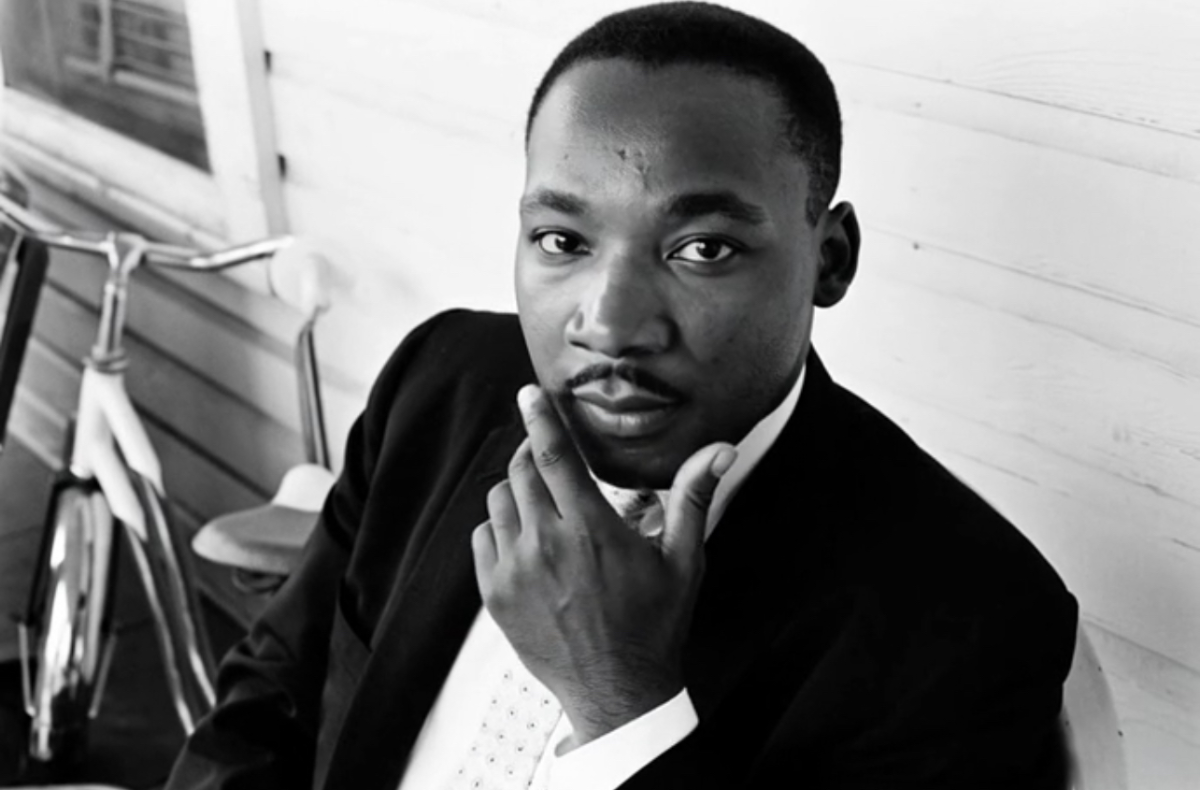
In a move that underscores the growing ethical tensions surrounding artificial intelligence, OpenAI has agreed to block users from generating videos of Dr. Martin Luther King Jr. using its new Sora AI video tool, at the direct request of the civil rights icon’s estate.
The decision, announced in a joint statement Friday, Oct. 17, 2025, comes amid backlash over offensive and vulgar AI-created portrayals of the Nobel Peace Prize winner, whose legacy is deeply intertwined with Atlanta’s history.
The Estate of Martin Luther King, Jr., Inc. (King, Inc.), based in Atlanta, collaborated with OpenAI to implement safeguards ensuring Dr. King’s likeness is “treated with the respect it deserves.”
OpenAI Stops Use of MLK Image After ‘Disrespectful’ Videos
“Some users generated disrespectful depictions of Dr. King’s image,” the statement read, highlighting videos that included the civil rights leader making monkey noises, wrestling with Malcolm X, or even shilling for fast-food chains like Burger King
Dr. Bernice A. King, CEO of The King Center in Atlanta and the youngest daughter of Dr. King, publicly urged Sora users to “please stop” sharing such content on social media earlier this week.
OpenAI, the San Francisco-based company behind ChatGPT and valued at $500 billion, launched Sora 2 — its advanced text-to-video generation model — just weeks ago.
The tool allows users to create hyper-realistic videos from simple prompts, sparking both excitement and alarm over potential misuse. While the company emphasized “strong free speech interests in depicting historical figures,” it affirmed that “public figures and their families should ultimately have control over how their likeness is used.”
Going forward, authorized estate representatives can request opt-outs for cameo appearances in Sora videos, with OpenAI committing to strengthen guardrails for other historical icons.
This agreement arrives as Atlanta’s civil rights landmarks, including the Martin Luther King Jr. National Historical Park and The King Center, continue to draw millions of visitors annually, preserving Dr. King’s message of nonviolence and equality.
Local leaders hailed the pause as a vital step in protecting cultural icons from AI exploitation. “Dr. King’s voice and image are not just intellectual property — they are the heartbeat of our city’s soul,” said Rev. Raphael Warnock, U.S. Senator from Georgia, in a statement to Atlanta Local News. “This collaboration sets a precedent for respecting legacies that shaped our nation.”
The controversy has ignited broader debates on AI ethics, particularly in the entertainment industry. Hollywood studios like Disney have raised alarms about Sora’s training on copyrighted material without consent, relying on “fair use” defenses that remain untested in court
Intellectual property experts note that while lawsuits have targeted smaller AI firms, OpenAI has yet to face major litigation.
“This is OpenAI’s ‘asking forgiveness, not permission’ approach in action,” said Kristelia García, a Georgetown Law professor specializing in IP. “But for estates like King’s, it’s a win in an evolving landscape.”
Critics, however, question the policy’s equity. Generative AI expert Henry Ajder pointed out that many deceased figures lack “well-resourced estates” to advocate on their behalf, raising concerns about selective “synthetic resurrection.”
OpenAI thanked Dr. Bernice King, entrepreneur John Hope Bryant, and the AI Ethics Council for facilitating the dialogue, signaling potential for similar arrangements with other estates.
As Atlanta reflects on Dr. King’s enduring impact — from the Ebenezer Baptist Church where he preached to the streets he marched — this episode highlights the double-edged sword of AI innovation.
While Sora promises creative breakthroughs, it also risks trivializing sacred histories. OpenAI’s swift response offers hope, but experts warn that robust regulations may be needed to prevent future deepfake debacles.
For more on Dr. King’s legacy and ongoing civil rights efforts in Atlanta, visit The King Center at thekingcenter.org. OpenAI users affected by the changes can learn more about Sora’s updated policies on the company’s website.
-

Update: Reports out of New Orleans indicate that a second concert by Baton Rouge rapper NBA YoungBoy scheduled to be held in Atlanta was canceled due to a purported altercation with Atlanta police.
The incident occurred in the VIP section of State Farm Arena on Wednesday, when the artist performed the first of two shows, but the second one didn’t happen.
NBA YoungBoy is supposed to perform in New Orleans on Sunday and Monday, where officers have added 400 on-duty officers to the venue to mitigate any problems.
Original Story:
In a stunning turn of events for hip-hop enthusiasts, rapper NBA YoungBoy’s highly anticipated second Atlanta performance on his MASA Tour has been abruptly canceled, leaving thousands of fans scrambling for answers and refunds.
The show, slated for Saturday, October 18, at State Farm Arena, was part of the Louisiana native’s first-ever headlining tour, which has drawn massive crowds since kicking off in early September.
On Wednesday, the rapper received the key to the city.
But in a puzzling development, State Farm Arena posted on social media that the Saturday night concert would not proceed.
While there has been wild speculation, it has not been confirmed why exactly the concerned canceled.
The cancellation was confirmed late Thursday evening through official channels, including Ticketmaster and the venue’s website.
According to listings on Ticketmaster, the event—billed as “NBA YoungBoy – MASA TOUR” at 7:00 PM—is now marked as “Cancelled,” with no rescheduled date announced.
This comes mere days after YoungBoy successfully headlined a sold-out gig at the same venue on Wednesday, October 15, where he performed hits from his extensive catalog alongside special guests like deebaby and K3.
As of late Thursday, neither YoungBoy’s team, Live Nation, nor State Farm Arena has publicly disclosed a specific reason for the cancellation. Social media buzz suggests it may stem from the event organizer’s decision, but details remain scarce.
Why Was the Show Canceled?
Some users on social media suggested that NBA YoungBoy’s diss song aimed at a prominent local rapper may have caused friction that reached city officials.
Others speculate that State Farm Arena became worried about security in light of the diss song.
We reached out to the City of Atlanta’s Film Office to find out if they knew about the key to the city being awarded.
No matter what the cause was, it’s clear that NBA YoungBoy won’t be performing that song in Atlanta anytime soon.
This isn’t the first hiccup for the 25-year-old artist’s tour; earlier this month, his September 24 stop in Chicago at the United Center was scrapped just a day before showtime for undisclosed reasons, frustrating fans and prompting questions about the tour’s stability.
NBA YoungBoy, born Kentrell DeSean Gaulden, has been a polarizing figure in rap since rising to fame in the mid-2010s with raw, introspective tracks addressing street life, relationships, and personal struggles.
His MASA (Make America Slime Again) Tour was positioned as a triumphant return to the stage after a five-year hiatus from live performances, largely due to legal battles and house arrest stemming from federal gun charges in 2020.
Despite pleading guilty earlier this year and being sentenced to probation, YoungBoy has maintained a prolific output, releasing multiple projects while under restrictions.
The Atlanta doubleheader was meant to capitalize on the city’s vibrant hip-hop scene, with the October 15 show reportedly drawing over 18,000 attendees for an electric night of performances.
Ticket buyers who purchased through official channels like Ticketmaster can expect automatic refunds processed within 14 to 21 business days. Those who bought from third-party resellers, such as Vivid Seats, are advised to contact the seller directly for reimbursement policies.
State Farm Arena has also issued a statement emphasizing the no-bags policy for the now-defunct event, though it’s unclear if similar measures were a factor in the decision.
The MASA Tour is set to continue with stops in Birmingham on October 18 (now potentially unaffected or rescheduled), followed by back-to-back shows in New Orleans on October 19 and 20.
However, the string of cancellations has raised eyebrows among industry insiders, who point to YoungBoy’s ongoing legal entanglements and the logistical challenges of touring under probation as possible contributors
Sources close to the matter, speaking anonymously, suggest production issues or last-minute venue conflicts could be at play, though nothing has been verified.
For devoted “Slimes”—YoungBoy’s loyal fanbase—this latest setback underscores the rapper’s turbulent path to stability.
With over 20 billion streams on Spotify alone and a discography boasting chart-topping albums like Sincerely, Kentrell and The Last Slimeto, his influence remains undeniable.
Fans are encouraged to monitor official tour pages on Ticketmaster and Live Nation for updates on potential rescheduling. In the meantime, the hip-hop world waits—and wonders—what’s next for one of its most enigmatic stars.
So it looks like no NBA YoungBoy this time, but the weekend is not a waste. For real tunes at a venue near you, check out our Atlanta Live Music Guide.
AtlantaFi.com is dedicated to delivering timely, fact-based reporting. Stay with us for the latest local news.
-

Get ready to crank up the heat in East Atlanta, foodies! FNF Hot Burger is set to make its explosive debut this Saturday, October 18, at noon, bringing ATL’s newest obsession in smash burgers right inside the vibrant Halidom Eatery.
If you’re craving bold flavors and can’t-miss deals, this is your spot to be.Nestled at 1341 Moreland Ave SE, Suite 1000, in the heart of the neighborhood’s bustling scene, FNF Hot Burger promises to deliver “ATL’s hottest smash burgers” with a spicy twist that’ll have your taste buds dancing.
FNF Hot Burger Opening in Atlanta’s Halidom Food Hall
The grand opening kicks off at 12 p.m., and organizers are pulling out all the stops to welcome the masses.
Opening Day Perks
To celebrate the launch, the first 30 lucky customers will score a free FNF Hot 2X2 Burger – that’s two patties, two cheeses, and all the fiery fixings – one per person, no questions asked.
Arriving early? Pro tip: Doors open sharp at noon, so line up with your crew to snag this sizzling steal.For everyone else flooding in after (and we expect a crowd), there’s a sweet 30% off any purchase, up to $10, making it the perfect excuse to load up on sides, shakes, or extra heat.
Whether you’re a spice fiend or just here for the classic smash, FNF Hot Burger is designed for sharing – come hungry and leave happy.Why FNF Hot Burger is Poised to Ignite East ATLIn a city already stacked with burger legends, FNF Hot Burger stands out with its focus on smash-style patties – thin, crispy-edged wonders cooked to perfection and topped with house-made sauces that pack a punch.
“We’re all about that bold, unapologetic flavor,” teases the team’s social buzz, hinting at more “spicy surprises” on the horizon. Expect giveaways, pop-up events, and maybe even a secret menu item or two in the weeks ahead.
Halidom Eatery, known for its eclectic mix of global eats and laid-back vibes, is the ideal home for this fiery newcomer. The shared space means you can pair your burger with craft brews, tacos, or whatever else strikes your fancy – turning a quick lunch into a full-on feast.Mark Your Calendars and Follow the HeatDon’t sleep on this one, Atlanta.
The grand opening is Saturday, October 18, starting at 12 p.m., rain or shine (but fingers crossed for patio weather). Swing by 1341 Moreland Ave SE, Suite 1000, and tag your squad for the ultimate burger crawl.Want in on exclusive giveaways and updates?
Final Bite
Follow FNF Hot Burger on social media for the latest drops. Who knows – your next freebie could be just a like away. Stay tuned to Atlanta Fi.com for more on the city’s hottest openings. What’s your go-to smash burger topping? Drop it in the comments!
More From AtlantaFi.com:
-
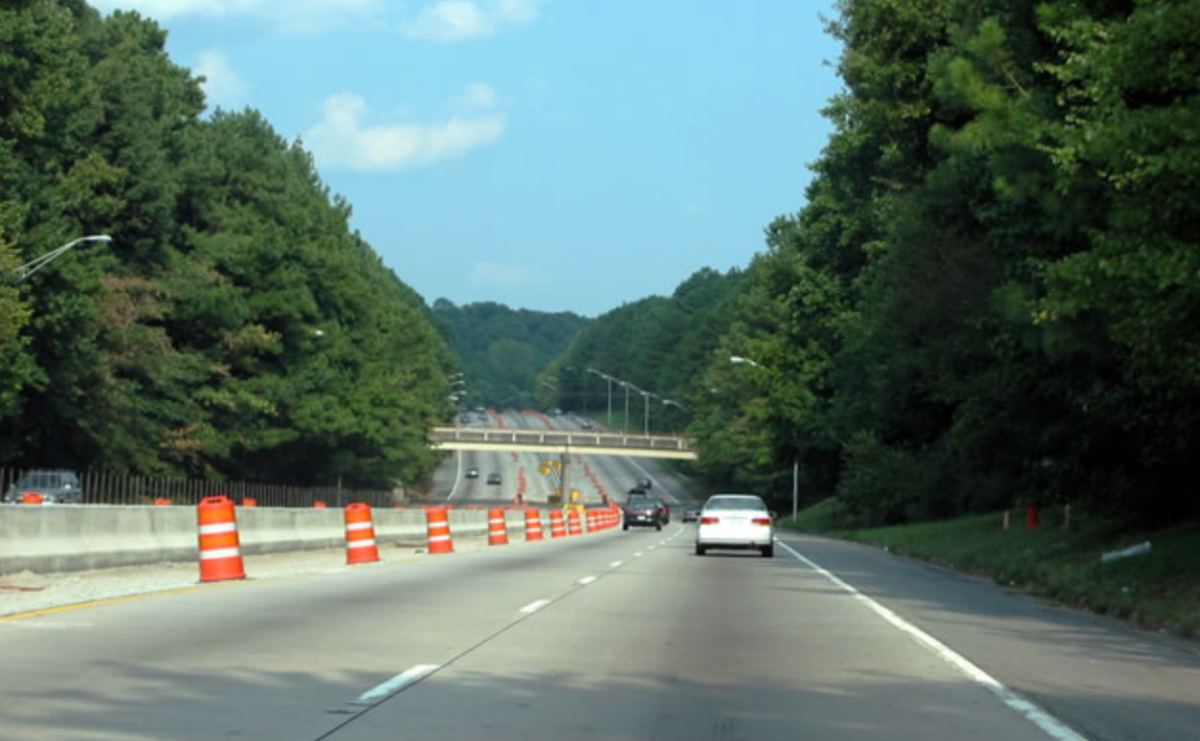
As Atlanta gears up for Halloween festivities with trick-or-treating, costume parties, and neighborhood haunts, local drivers face a stark reminder: A major east-west Atlanta traffic corridor is among the most dangerous roads in America this spooky season.
According to Allstate’s latest Drivewise data, the Arthur Langford Parkway exit onto Lakewood Avenue in southwest Atlanta ranks as the second-riskiest road for collisions nationwide, putting Peach State commuters at heightened risk amid the holiday’s chaos.
The report, which analyzes collision data from Allstate claims and other sources, ranks roads based on the frequency of crashes per mile driven.
Atlanta Street Among U.S. Riskiest Roads
For I-20 in Atlanta, that grim figure stands at approximately 600 collisions per mile annually—a statistic that underscores the perils of heavy traffic, construction zones, and urban congestion on this vital East-West corridor through the city.
While Florida and Texas dominate the top spots with notoriously busy interstates, Atlanta’s inclusion highlights a national trend of urban highways turning treacherous during peak holiday periods.The full top 10 list of America’s riskiest roads for Halloween driving includes:
Rank City Road Riskiest Time ✅ Safest Time 1 San Diego I-8E(Exit 7 to I-15N) Sun–Thu, 7–11 p.m. Mon–Fri, 6–9 a.m. 2 Atlanta SR-166E(Exit to Lakewood Ave) Sat–Sun, 5–11 a.m. Mon–Fri, 3–7 p.m.Sun–Thu, 7–11 p.m. 3 Oklahoma City SH-3S(Exit to I-44E) Sat–Sun, 11 a.m.–5 p.m. Mon–Thu, 11 p.m.–4 a.m.Fri, 12–4 a.m.Sun, 11 p.m.–12 a.m. 4 Memphis I-240E(Exit 12A to Summer Ave) Mon–Fri, 6–9 a.m.Sat–Sun, 5–11 a.m. Sun–Thu, 7–11 p.m. 5 Pittsburgh I-376W(Exit 74 to Beechwood Blvd) Mon–Thu, 11 p.m.–4 a.m.Fri, 12–4 a.m.Sun, 11 p.m.–12 a.m. Sun–Thu, 7–11 p.m. 6 Phoenix I-17N(Exit 223B to SR-74W) Sat–Sun, 11 a.m.–5 p.m. Mon–Fri, 3–7 p.m. 7 Baltimore I-95N(Exit 59 to MD-150) Sat–Sun, 5–7 p.m. Mon–Thu, 11 p.m.–4 a.m.Fri, 12–4 a.m.Sun, 11 p.m.–12 a.m. 8 Las Vegas I-11N/US-95N(Exit 82A to Lake Mead Blvd E) Mon–Fri, 6 a.m.–9 p.m.Sat–Sun, 11 a.m.–5 p.m. Mon–Fri, 9 a.m.–7 p.m. 9 Detroit I-94E(Exit 219 to Gratiot Ave) Sun–Thu, 7–11 p.m.Sat–Sun, 5–7 p.m. Mon–Fri, 3–7 p.m. 10 San Antonio I-10E(Exit 578 to Pecan Valley Dr) Sat–Sun, 11 a.m.–5 p.m. Fri–Sat, 7–11 p.m. These roadways, often plagued by high volumes of vehicles and pedestrian activity, see a spike in accidents around October 31, when costumed kids dart across streets and partygoers hit the roads late into the night.
Allstate’s analysis emphasizes that urban routes like I-20 bear the brunt, with thousands of crashes collectively reported each year.”Halloween is a time for fun and celebration, but it also brings increased risks on the road due to more pedestrians, parties, and traffic,” said Meera Joshi, President of Allstate Protection.
“Our report highlights these danger zones to help drivers stay safe.” An Allstate safety expert echoed the sentiment, adding, “By knowing the riskiest roads, drivers can plan routes accordingly and adopt defensive driving habits to avoid accidents during this spooky season.”
For Atlanta motorists navigating I-20 or other busy arteries like I-75 and I-85 this Halloween, Allstate offers these timely safety tips tailored to keep everyone from ghouls and goblins alike:
- Slow down and scan for pedestrians, especially children in dark costumes crossing unexpectedly.
- Ditch distractions—put the phone away and ensure seatbelts are fastened for all passengers.
- Map out alternate routes via apps to sidestep high-risk stretches like I-20’s downtown corridor.
- Never drive impaired; designate a sober driver or use rideshares after those haunted house bashes.
- Flip on headlights early and use high beams wisely amid foggy nights or festive decorations blocking views.
- Keep extra space between vehicles, ready for abrupt stops in packed suburbs like Midtown or Buckhead.
With Atlanta’s vibrant Halloween scene—from the Fox Theatre’s ghostly galas to family-friendly frights at the Atlanta Botanical Garden—staying vigilant could mean the difference between a sweet night out and a sour trip to the ER.
Final Word
As the city lights up with yet another special event this weekend, remember: Safe driving is the real treat. For more tips on navigating safely around the city, read our Atlanta Traffic Guide.
More from AtlantaFi.com:
-

As the crisp fall foliage settles over North Fulton County, foodies are enjoying Alpharetta Restaurant Week.
Running from Friday, October 11, through Saturday, October 18, this eight-day extravaganza invites locals and visitors to indulge in specially curated multi-course prix fixe menus at an impressive lineup of 45 participating restaurants.
Whether you’re craving upscale steakhouse fare, vibrant international bites, or comforting neighborhood classics, this year’s event promises to showcase the diverse and delectable dining scene that has made Alpharetta a must-visit destination just north of Atlanta.
Now in its latest iteration – and fresh off a partnership boost with Flavors Magazine – Alpharetta Restaurant Week has evolved into a beloved tradition that highlights the city’s status as a culinary powerhouse.
“Alpharetta boasts an unbeatable lineup of top-notch culinary hot spots,” says the event’s official organizers at Awesome Alpharetta. “It’s the perfect time for patrons to try a new restaurant or revisit a favorite.”
With menus priced affordably for lunch and dinner (typically ranging from $25 to $60 per person, excluding tax, gratuity, and beverages), the week offers exceptional value, encouraging diners to explore beyond their usual haunts.
This year’s roster spans a mouthwatering array of cuisines and vibes, from innovative fusion spots to tried-and-true favorites. Highlights include:
- Steak and Seafood Lovers’ Picks: Coalition Steak & Seafood and Connors Steak & Seafood will feature hearty, chef-driven plates, while Cabernet Steakhouse offers a lunch prix fixe with options like Chicken Parmesan over egg linguine for around $30.
- Global Flavors: Dive into Caribbean zest at Chiringa with an all-day $25 menu boasting queso and chips or fried pickle starters, or savor Korean-inspired dishes at Jang Su Jang. For ramen enthusiasts, JINYA Ramen Bar is a standout, blending tradition with modern twists.
- Casual and Cozy: Lazy Dog Restaurant & Bar brings West Coast comfort food, and Jack’s Feed Store delivers Southern soul with farm-fresh ingredients. Wine aficionados can head to Crú Food & Wine Bar for small plates and sips, or Cooper’s Hawk Winery & Restaurant for a Leonard Burger tribute lunch special.
- Fine Dining Gems: Härth at the Westin Alpharetta offers elegant multi-course experiences, and Luci’s Ristorante serves up Italian classics in a romantic setting.
Full list of participants: 19 North, Bao Gogo, Barleygarden Kitchen & Craft Bar, Cabernet Steakhouse, Cactus Cantina, Carrie’s Conservatory, Central City Tavern, Ceviche, Chiringa, Citizen Soul, Coalition Steak & Seafood, Connors Steak & Seafood, Cooper’s Hawk Winery & Restaurant, Crú Food & Wine Bar, Firebirds Wood Fired Grill, Foundation Social Eatery, Härth, Ippolito’s of Alpharetta, Jack’s Feed Store, Jang Su Jang, JINYA Ramen Bar, Kona Grill, Lazy Dog Restaurant & Bar, Lily Sushi Bar, Luci’s Ristorante, and more.
Many menus are available for dine-in or takeout, making it easy to enjoy the festivities whether you’re out on the town or cozying up at home.
For instance, Firebirds Wood Fired Grill’s three-course dinner for $45 kicks off with choices like Firebirds Chili or a Strawberry Arugula Salad, leading into wood-fired entrees.
Taffer’s Genuine Key West Cuisine sets lunch at $34.95 and dinner at $45.95, emphasizing fresh seafood and tropical flair.
Organizers emphasize that no sharing or substitutions are allowed on prix fixe menus to keep things streamlined, but the variety ensures something for every palate and budget. “From beloved neighborhood favorites to award-winning, chef-driven concepts, participating Alpharetta restaurants will offer multi-course prix fixe lunch and dinner menus,” reads the official press release.
As Alpharetta continues to bloom as a dining hub – bolstered by walkable districts like Avalon and Main Street – Restaurant Week serves as more than just a meal deal; it’s a celebration of community, creativity, and the joy of shared plates. With reservations filling up fast, locals are advised to book via restaurant websites or OpenTable to secure their spots.
For the complete list of menus, participating spots, and to make reservations, visit AwesomeAlpharetta.com. Whether you’re a lifelong Atlantan venturing north or a first-time visitor, this is your cue to raise a glass (or a fork) to the flavors of fall.
Final Word
Alpharetta is one of metro Atlanta’s most dynamic foodie towns on the north side. On the southern end of the county you’ll find some of the best places to eat on the southside. The streets are walkable, trendy and enhanced by vibrant murals and restored brick storefronts, draws food enthusiasts and supports a burgeoning dining scene.
More Food Coverage:
Here Are The Best New Restaurants In Atlanta
- Where To Eat In West Midtown
- Where To Eat In Atlanta
- Best Restaurants On The Atlanta Beltline Right Now
AtlantaFi.com is your source for hyper-local stories across the metro area. Have a tip? Email us at CJ@atlantafi.com.
-

The cost of land has increased dramatically over the past several years, no matter if it’s in Atlanta or across Georgia.
If you’re in the market for some Georgia land, you’re making a wise decision. Real estate prices in rural areas are going up, but are still affordable.
With real estate prices continuing to increase, now’s a good time to buy property. Are you uncertain about the process of buying land in Georgia? Read on….
How Do I Buy Land In Georgia?
In this article, we’ll show you step by step how to buy a plot of land in Georgia.
My family owns several plots of real estate around metro Atlanta and because I’m constantly looking for real estate, I’ve also researched the process thoroughly.
Land prices vary wildly. In rural areas like South Georgia, you might find acres for $2,000-$5,000 each. Near Atlanta or Savannah, expect $10,000-$50,000+ per acre, depending on development potential. Factor in taxes, closing costs, and any financing fees.
First things first, you need to get pre-approved for a loan.
1. Get Pre-Approved
Getting pre-approved for a loan to buy land is exactly like getting pre-approved for a mortgage. The reason why this initial step is so important is because Realtors will have an incentive to work with and for you.
Once you’re pre-qualified for a loan, the real estate professionals you’re dealing with will take you more seriously because they want your business.
If you apply and are not approved, take these steps to improve your credit fast.
2. Search For Land
It’s time to begin your search for affordable land for sale.
In a large metropolitan area like Atlanta, parcels of land sell at a premium. If you want several acres, you’ll have to expand your search to cities about an hour’s drive from downtown Atlanta.
How Much Does An Acre Of Land Cost In Georgia?
The price of an acre of land in Georgia depends on where it’s located and whether it is improved or unimproved.Last year, the average price per acre in Georgia increased by 11% to $4,550 per acre. Irrigated land averaged $4,060 per acre while the value of non-irrigated land dropped 5% to $3,010 per acre.
If you’re looking for farmland or just some acreage, if you don’t know a Realtor, then you can begin your search online.
Some websites you can look for parcels of land on are:Know The Zoning Laws
Once you’ve found a piece of land you like, familiarize yourself with the local zoning laws.Some areas won’t let you build wooden structures. Other areas won’t let you build with stone. Others won’t allow livestock. Research what’s allowed where you want to live.The typical zoning regulations govern such things as:- Building specifications of the type of buildings allowed.
- Where utility lines must be located.
- Restrictions on accessory buildings, building setbacks from the streets and other boundaries.
- Size and height of buildings.
- Number of rooms in a structure.
In addition to knowing what type of structures are allowed to be built, you’ll need to know land use rules as well.Here are some common land-use zones that could apply to the area you’re interested in:- Agricultural Zoning
- Commercial Zoning
- Combination Zoning
- Historic Zoning
- Industrial Zoning
- Residential Zoning
- Rural Zoning
You may be saying to yourself, “How do I find out about zoning laws?”The best place to start is with the locality’s department of city planning, or similar office. They’ll tell you all you need to know about the zoning laws in that area.3. Compare Your Land Choices

Photo credit: Observer.globe.gov Once you’ve done all your zoning research, it’s time to whittle down your list of land parcels you like and choose one.
Some things you may want to consider are:
- Access: How far is the property from the interstate or major highway?
- Privacy: How close are you to the neighbors and nearby noise?
- Terrain: Are there hundreds of trees, woods or just undeveloped land, dirt or grass?
- Irrigation: Is there a water source nearby? A lake or creek that runs through the property?
All of these things may increase or decrease the value of the land depending on your intentions for it.
In any event, once you’ve made your decision to buy the land, it’s time to put it in writing.4. Make An Offer On The Land
To make a formal offer on a piece of land you’ll need a real estate agent’s Bid Offer form. You can find samples of a Bid Offer form online.
When making an offer, you don’t want to go too high in price. Let your offer be based not on the property’s asking price, but on the amount you’ve been pre-approved for.
Should You Offer Over The Asking Price?
If you offer over the asking price, you’ll have to go back to your lender to make sure you can get financing to cover it.
You’ll also want to know if the appraisal of the land justifies the asking price.
If you make an offer too low, it may not attract the seller because they may get higher offers from others looking to buy the property.
Bottom line: Your offer will have to be higher than the others if you want the land.
Let’s say the seller accepts your offer. What now?5. Sign The Land Sale Contract And Purchase Agreement
Once the offer is accepted, the buyer and seller typically sign a Land Sale Contract / Purchase Agreement.
This is a legal document that solidifies the intentions of both parties to make a real estate transaction.
Here are some terms typically found in a Land Sale Contract / Purchase Agreement:- Price
- Property size, boundaries and description
- Title
- Seller disclosures
Typically, the buyer’s agent will have the purchase agreement written up by a practicing real estate attorney.
The Land Sale and Purchase Agreement becomes binding when all signatures have been obtained.
6. Prepare For Closing
Unlike a home closing, when you’re buying land you don’t have to worry about such things as an inspection and making some demands for last-minute repairs and replacements.
As a buyer, you will typically be expected to provide for anywhere between 2% to 5% of the closing costs. However, depending on other concessions you make, it’s possible that you may not pay any money at all at closing.
One thing you don’t want to skip is a soil test. A soil test also indicates which elements are missing from your soil and how much to add them if you plan on growing fruits, vegetables and other crops.
A soil test will also tell you:
- The pH level in the soil.
- What nutrients and minerals are in the soil such as nitrogen and phosphorus.
You can buy a soil kit from various retailers such as Lowes and Home Depot. You can also order a soil test kit online. Here’s a comprehensive one that I like:
Once you sign all the appropriate documents at closing, the land will be yours! Some real estate lawyers may break out a bottle of Champagne to celebrate, but that’s optional:)
Final Words
Buying a piece of land is a great investment and something that can stay in your family for generations. If you do it right — following all the steps from zoning laws and getting a soil test, etc. — it can be a smooth process.
Because of the many parts involved in buying land, it’s highly advisable that you use the services of a professional real estate agent. A Realtor can walk you through the land-buying process more easily. Also, many of them have the professionals you need already in their network.
More From AtlantaFi.com:
-

Atlanta’s hip-hop scene is buzzing with excitement as rap powerhouse NBA YoungBoy brings his highly anticipated MASA Tour to the city for one more explosive performance this week at State Farm Arena.
Update: The second Atlanta show has been canceled.
The 27-city trek, produced by Live Nation, marks a major return for the Louisiana-born artist, whose raw lyricism and chart-topping tracks have solidified his status as one of the genre’s most influential voices.
NBA YoungBoy Is Given the Key To the City
NBA YoungBoy Performs in Atlanta
On Wednesday, October 15, fans witnessed YoungBoy perform at 7:00 p.m., joined by rising stars deebaby and K3 for an evening of high-energy anthems and crowd-pleasing sets. Here’s YoungBoy performing one of his fan favorites:
Doors are expected to open around 6:00 p.m., with the show promising to deliver the signature intensity that has drawn millions to his music.
If you haven’t secured your spot yet, tickets are still available through Ticketmaster and secondary markets like Vivid Seats and SeatGeek, with prices starting as low as $274 for upper-level seats.
Due to overwhelming demand, a second show has been added for Saturday, October 18, also at 7:00 p.m., featuring special guest Offset alongside NoCap, DeeBaby, and Mellow Rackz.
This star-studded lineup is set to turn State Farm Arena into a hotspot for Atlanta’s trap and drill enthusiasts, blending YoungBoy’s gritty storytelling with Offset’s melodic flair.
State Farm Arena, located at 1 State Farm Drive, has hosted countless iconic concerts, and this tour stop is no exception. Event organizers remind attendees to arrive early for security checks and to check the venue’s website for any updates on parking or ride-share options.
Final Word
Due to high demand, NBA YoungBoy added a second Atlanta show for his MASA Tour at the State Farm Arena on Saturday, October 18, 2025. The first show is scheduled for Wednesday, October 15, 2025.
- Show 1: Wednesday, October 15, 2025 – Get Tickets
- Show 2: Saturday, October 18, 2025 – Get Tickets
- Venue: State Farm Arena, Atlanta, GA
With YoungBoy’s recent releases continuing to dominate streaming charts, these shows are expected to sell out fast—don’t miss your chance to witness the MASA Tour’s Atlanta takeover.
Atlanta has a lot of cool things to do and places to eat, including some of the top soul food joints and remarkable Thai food spots. Explore the city.
Here are more articles from AtlantaFi.com you might like: