-

ATLANTA — On Wednesday night at State Farm Arena, the Atlanta Dream didn’t just host a basketball game. They threw a full-blown Atlanta block party that doubled as a championship statement, and the Golden State Valkyries never recovered.
The 2026 WNBA Finals Game 3 was originally slated for the Dream’s usual home, the intimate 3,500-seat Gateway Center Arena.
Dream Dominate 2026 WNBA Finals Game 3A late schedule shuffle with the Hawks and the arena moved it (and Game 4) into the 17,000-plus-seat State Farm Arena so more fans could witness the franchise’s first Finals home game in 13 years. The city answered. It was a sellout blue-out—matching sky-blue T-shirts, rally towels, and a roar so loud in the first quarter that a press-row observer couldn’t hear the referee’s whistle.
Fans sang along with the night’s rotating cast of Atlanta hip-hop royalty. Quavo and T.I. headlined halftime with a set that included “Backwards” and “Hotel Lobby” (complete with Hawks mascot Harry the Hawk in a fluffy white coat and iced-out chain). Dem Franchize Boyz brought “Lean Wit It, Rock Wit It.” 2 Chainz, Lil Scrappy, Skooly, and others performed during timeouts and stoppages.
Courtside featured Kerry Washington, Ludacris (with his kids), Cam Newton, and a constellation of local stars. The aroma of chicken and fish mixed with the noise. Late in the game the crowd swag-surfed. When the final buzzer sounded on the 97-71 blowout, DJ Khaled’s “All I Do Is Win” blared and fans sent the visitors off with the city’s unofficial battle cry: “ATL hoe!”
Angel Reese, who finished with 21 points and 12 rebounds (her third consecutive Finals double-double, the youngest player to do so), soaked it in. “When you can have at the end of the quarter a performance, and at the timeout another performance. You smell the chicken, you smell the fish. It’s a blue-out in here,” she said. “I didn’t even get to see Kerry. You don’t know who you gonna see in the A.” She also noted the energy matched the team’s mentality: “Y’all not taking this from us.”
On the floor the Dream matched the spectacle. They held the Valkyries scoreless for the first five minutes and never truly relinquished control. Atlanta shot 49.3 percent, forced 17 turnovers that became 22 points, and dominated inside. Rhyne Howard added 16 points and five steals (continuing a Finals trend of defensive disruption). Naz Hillmon scored 15.
Jordin Canada facilitated with 10 points and eight assists. Five Dream players reached double figures in a balanced attack that overwhelmed a Valkyries team built on depth and defense. Gabby Williams led Golden State with 15 points (on inefficient shooting), and Tiffany Hayes added 14, but the visitors could never sustain a run.
Reese, the Defensive Player of the Year, mixed production with presence—draining threes, finishing inside, and jawing at the Valkyries bench after tough baskets. Her former LSU coach Kim Mulkey watched courtside in a blued-out pantsuit and later told her, in essence, to go get it and not stop. Reese later reflected that winning a title with this group would feel even more special than her college championship.
The Valkyries had built Ballhalla at Chase Center into one of the league’s toughest environments. On this night Atlanta answered with its own version of home-court advantage: louder, more culturally specific, and backed by a team that has now won two straight after dropping Game 1. The Dream lead the best-of-seven series 2-1 and host Game 4 on Saturday back at State Farm Arena. Two more wins and the franchise claims its first title. Golden State faces a must-win on the road in front of a crowd that has already shown it can turn the building into a trap.
The atmosphere wasn’t just noise. It was Atlanta fully present for a team worth believing in—rap, food, celebrities, and a roaring sixth man that helped turn a potential logistical compromise into a championship-series advantage. The Dream protected home court. The city showed up and showed out. The Valkyries left with a 26-point loss and a clear reminder of what they’re up against.
-
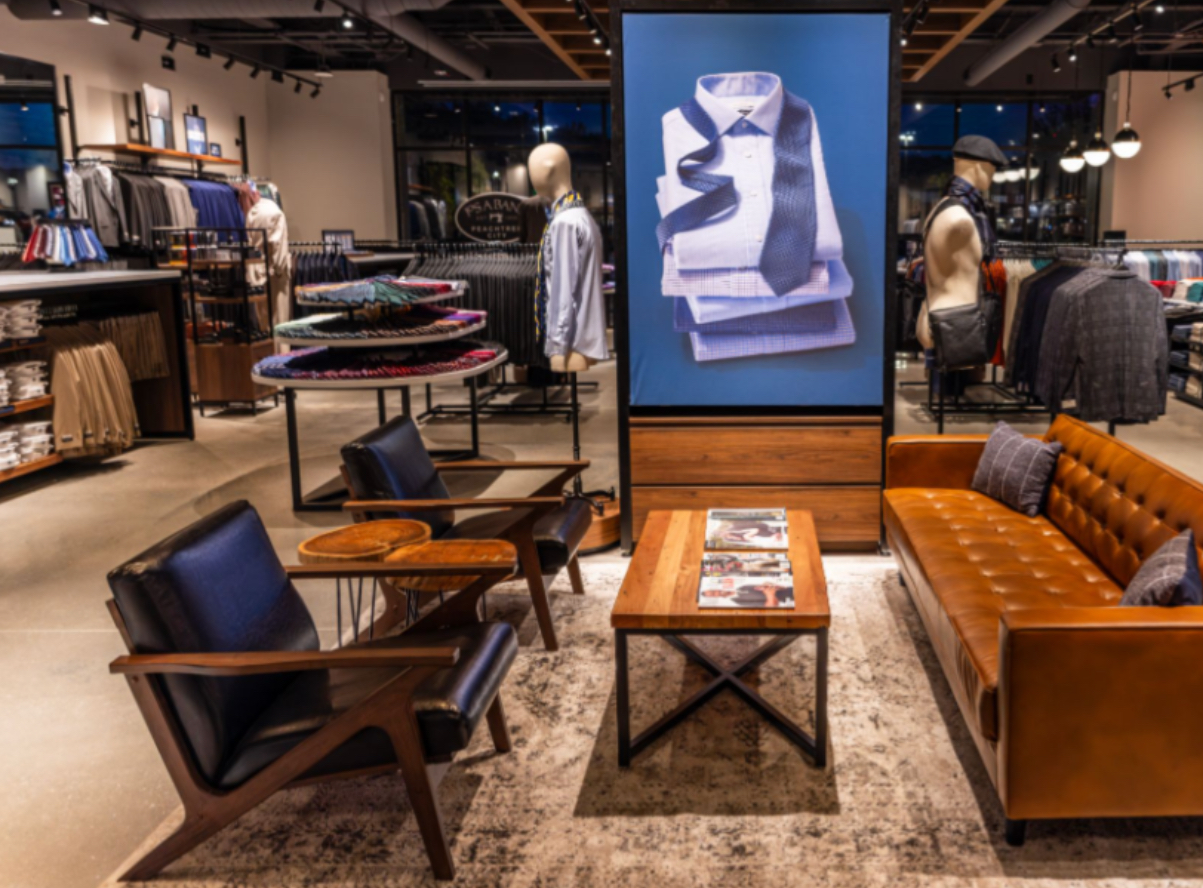
Jos. A. Bank is marking the grand opening of its refreshed location at Kedron Village Shopping Center with a celebration on Friday, October 23, beginning at 10:00 a.m.
The event invites shoppers to experience the brand’s completely reimagined retail space at 1223 N. Peachtree Parkway in Peachtree City, GA 30269.
Jos. A. Bank Opening in Peachtree City: What To Know
The updated store design highlights Jos. A. Bank’s elevated menswear offerings, giving guests the chance to explore the latest fall collections in a modern setting. In-store personalized styling and tailoring expertise will be available to help customers find the right fit and look.
As part of the grand opening festivities, Atlanta Monogram will provide complimentary monogramming with purchase from 10:00 a.m. to 2:00 p.m. The service adds a custom touch to new purchases and is available only during those morning and early afternoon hours.
Whether updating a wardrobe for the season or discovering the brand’s refined selection of suits, dress shirts, and casual pieces, the grand opening offers a first look at the revitalized shopping experience.
Visitors are encouraged to stop by starting at 10:00 a.m. on October 23 to celebrate the opening and take advantage of the limited-time monogramming offer.
-
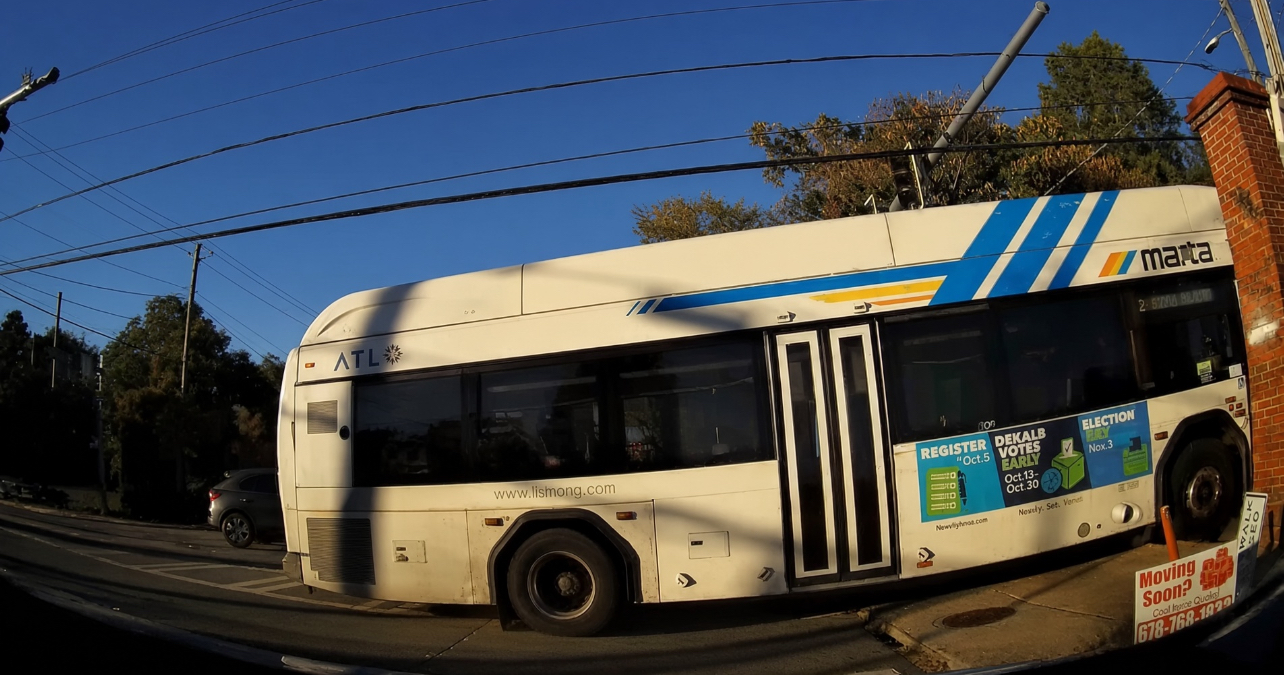
A MARTA bus was involved in a collision with an SUV on Northside Drive in Atlanta on Sunday evening, October 18, 2026, after the SUV ran a red light, according to dashcam video of the incident shared online.
No serious injuries were apparent, and those involved appeared to be physically okay.
MARTA Bus Involved in Collision with SUV That Ran Red Light on Northside Drive in Atlanta
The videocaptures the scene at an intersection along Northside Drive. It shows a white MARTA bus (fleet number 1917) that has come to a stop near the side of the road following the impact. Audio from the recording includes reactions such as “Oh ___” and “Oh my god,” along with mentions of hearing someone scream and references to the car. The poster stated that the footage shows the SUV running the red light and used the clip as a public service announcement about the risks of distracted driving.
As of Monday evening, the incident had not generated widespread coverage from major Atlanta news outlets, and no official statements from Atlanta Police or MARTA detailing the exact intersection, any minor injuries, citations, or the investigation’s status were immediately available in public reports. Social media posts circulating the video described the event as relatively minor in terms of injuries while highlighting how quickly a momentary lapse in attention can escalate.
Northside Drive is a busy corridor running through parts of northwest Atlanta, including areas near Midtown and other neighborhoods, and is served by multiple MARTA bus routes. The bus involved was a standard MARTA transit vehicle with typical branding and side advertisements.
The video serves as a stark reminder of the potential consequences of running red lights and distracted driving. Officials routinely urge drivers to remain attentive, avoid phone use, and obey traffic signals, as collisions involving large vehicles like transit buses can quickly become serious even when outcomes are comparatively fortunate.
Further details may emerge as police complete any investigation or as MARTA reviews the incident involving its bus and operator.
-

Powder Springs, Georgia — Two neighboring gas stations on Marietta Street sparked a brief but chaotic “gas war” this week, repeatedly undercutting each other until regular unleaded fell as low as 97 cents per gallon and triggered hours-long traffic jams that required police intervention.
Metro Atlanta Fuel Stations Duel in Brief ‘Gas War’
The Amoco and Sunoco stations engaged in successive price cuts after one station’s policy of pricing five cents below its neighbor escalated into open competition. Drivers reported prices dropping from the $1.50s into the $1.40s and $1.30s before hitting the sub-dollar range, levels not commonly seen in decades. Video circulating on social media, including posts by Daily Loud and My Mixtapez, showed price signs at 99 cents alongside long lines of vehicles.
Customers described the scene as surreal. Wartanna Haywood, who typically spends about $90 to fill her truck, paid roughly $15 at $1.14 per gallon and told WSB-TV, “Ain’t it a wonderful day for America” and “Look at God.” Another driver called it “Christmas.” People summoned relatives and friends to join the rush.
The sudden demand overwhelmed local roads. Powder Springs police arrived, blocked entrances to the pumps, and ordered waiting drivers to leave, with one officer heard shouting, “Everybody leave, goodbye.” Once congestion eased, access resumed. Officers later said they would ask the stations to coordinate with them before any future price wars to avoid similar disruptions.17
Georgia’s statewide average for regular gas hovered near $3.80 per gallon at the time, with the national average higher, making the local deals a stark outlier amid elevated fuel costs. The price war eventually ended, and signs returned to more typical levels. Managers offered limited explanations, with one telling reporters the duration was unclear and directing questions to the competing station.
The episode quickly went viral on social media, where the Daily Loud post alone drew tens of thousands of views and hundreds of engagements, amplifying images and video of the packed pumps and rock-bottom prices. While drivers celebrated the temporary savings, the event highlighted both the power of aggressive local competition and the practical limits of sudden demand spikes on infrastructure and public safety.
-
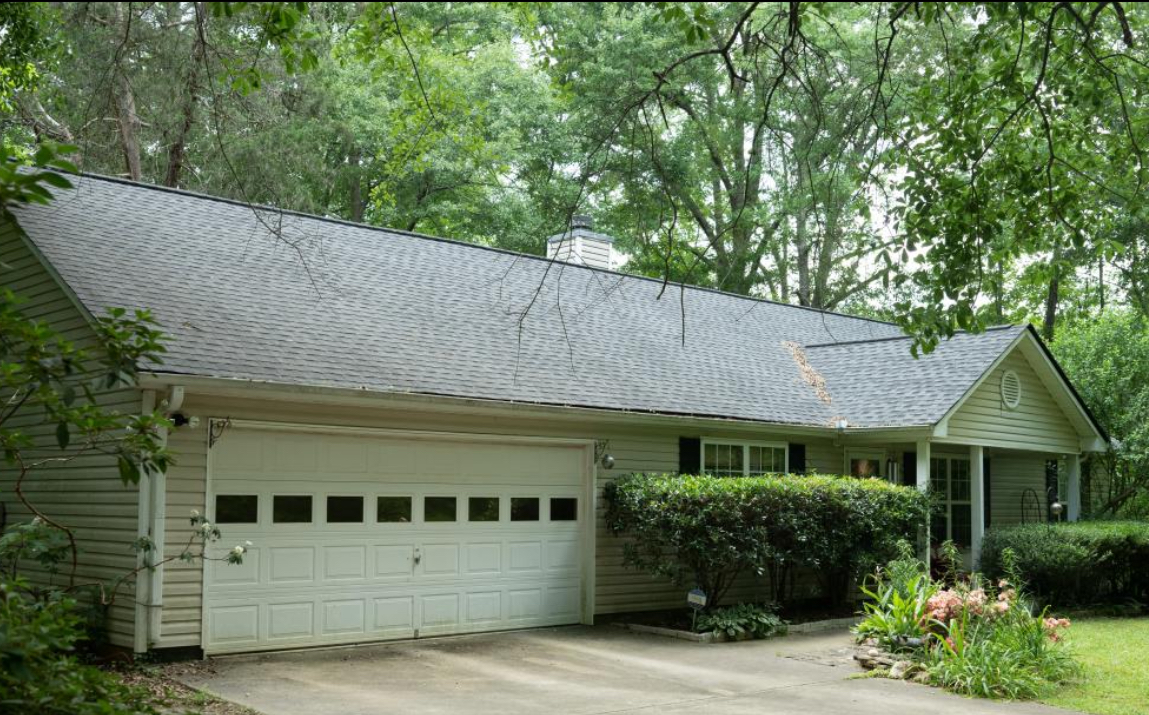
On Saturday, Ansley Brown stood in the driveway of her childhood home in Newnan, a U-Haul parked behind her, and recorded a farewell. “Today is the day we say goodbye to my childhood home,” she wrote. “Soon to be demolished by Georgia Power for the data centers.”
The video spread quickly. Within hours it had tens of thousands of views; by Sunday it was well past 170,000, with thousands of likes and a comment from former Rep. Marjorie Taylor Greene thanking her for fighting for her mother and her community.
Georgia Woman: My Home To Be Demolished for Data Centers
We interviewed a woman who says she doesn’t mind data centers. “As long as the local city and county get something out of the deal, I think it could be a win,” says John Preston of Sharpsburg.
When it comes to Brown’s home, she disagrees.
The house itself is modest: a pale ranch under trees, bought in 2003 by Brown’s mother, Angela Hall, with a USDA loan meant for single mothers in rural areas. Brown has said the place shaped who she is. Georgia Power is taking it anyway, not for a data-center building but for the right-of-way of a 35-mile, 500-kilovolt transmission corridor known as the Ashley Park–Wansley line.
The corridor cuts through Coweta and Fayette counties and is designed to move power from the revived Plant Wansley complex toward the Atlanta suburbs and a cluster of large computing campuses. About 330 properties sit on the route. Between 20 and 30 houses are expected to be demolished. Hundreds more will get permanent easements that put high-voltage towers close to bedrooms and backyards.
After months of negotiation, public videos, and pressure from lawmakers, Hall secured a price Brown’s supporters describe as $205,000 above her own appraisal and $275,000 above a Zillow estimate. Georgia Power says it negotiated in good faith, that eminent domain is a last resort used in less than 1 percent of its land deals, and that the line serves broader load growth—manufacturing and households as well as data centers—not a single customer. Brown’s reply has been consistent: the line exists because Georgia Power is recruiting data-center load, and her county did not vote for this trade.
That argument is no longer confined to one driveway. Georgia has become one of the country’s fastest-growing data-center markets and, at the same time, one of the loudest centers of opposition. Cheap land, available transmission, and a generous sales-tax exemption pulled in Meta, Amazon, Microsoft/QTS, Google, OpenAI, and a long list of smaller developers.
The exemption’s cost to the state ballooned from roughly $10 million in 2020 toward hundreds of millions a year; one audit put the figure near $625 million in a coming fiscal year and found that most of the construction would likely have happened without the break. Georgia Power has planned roughly 10 gigawatts of new generation and billions in grid work, with company and regulatory documents indicating that the large majority of that new power is expected to serve data centers.
Residents’ objections cluster around four things: water, electricity, land, and process.
In Newton, Morgan, and Walton counties, families living across the road from Meta’s Stanton Springs campus have shown jars of brown, silty well water and sued, saying blasting and excavation wrecked a shared aquifer. Meta commissioned a study that found no adverse effect; the families say they now buy bottled water and watch property values fall. Similar well and pressure complaints have surfaced near other sites.
Data centers’ cooling demand varies by design—some use closed loops and far less water than early estimates—but construction itself has already become a flashpoint.
Power is the second fight. Opponents fear residential rates will absorb the cost of new gas plants and transmission even when contracts say large customers pay their share. Supporters and the utility point to Public Service Commission language meant to keep existing residential rates from subsidizing new commercial load, and to the tax base and construction jobs that campuses bring.
The politics have already shifted: discontent over rates and data centers helped Democrats win two Public Service Commission seats, and the issue is now a regular feature of local and statewide campaigns.
Land use is the third. Coweta County’s Project Sail—an 829-acre, nine-building, roughly 900-megawatt campus on land that had been zoned rural conservation—became a statewide symbol. Neighbors organized, sued over the rezoning, and gathered a reported 14,000 petition signatures in an effort to force a home-rule referendum. Commissioners later unanimously denied a separate project, Project Oak.
Similar fights have broken out in DeKalb, Coweta, Effingham, Muscogee, Troup, Lowndes, Bartow, and a dozen other places. By mid-2026, dozens of cities and counties had passed or extended moratoriums or written new ordinances with setbacks, generator rules, and sewer requirements. Atlanta, Palmetto, and Fayetteville have effectively barred new facilities.
Process is what turned many of those fights bitter. Recruitment often happened under nondisclosure agreements. Local officials sometimes learned details only after deals were effectively done.
In Effingham County, OpenAI’s Project Camellia—a $20 billion, 4-million-square-foot campus projected at 3.2 gigawatts, larger than all the Atlanta-area projects then under construction combined—was announced after months of closed talks. Crowds of nearly a thousand packed an open house. Sen. Raphael Warnock showed up. The Southern Environmental Law Center sued, arguing sunshine-law violations.
A development-authority member was quoted saying that if the public had been asked first, they would have said no. OpenAI and local officials have pointed to existing industrial zoning, community-investment pledges, and a closed-loop cooling design. The lawsuit is the latest, not the first.
The pattern is now national, but Georgia is a concentrated case. A 2025 report found opposition blocking or delaying tens of billions of dollars in projects in a single quarter, with Georgia and Indiana leading the wave. The resistance is not neatly partisan. Rural Trump counties and suburban Democratic precincts have used the same toolkit: packed commission meetings, Facebook groups with thousands of members, yard signs, lawsuits, moratoriums, and ballot petitions.
Industry groups argue that the facilities are the physical plant of cloud computing and AI, that they pay more than their incremental cost in many contracts, and that Georgia will lose the investment to other states if it slams the door. Opponents answer that the jobs after construction are few, the water and power draws are large, the tax incentives are a transfer from everyone else, and the secrecy is incompatible with local self-government.
Brown’s house is a small piece of a much larger transmission map. Georgia Power is adding more than a thousand miles of lines. Plant Wansley, once coal, is being rebuilt with combined-cycle gas and batteries, backed in part by a multi-billion-dollar Department of Energy loan to Southern Company. The company says the work is needed for reliability as demand spikes. Brown says the spike was invited.
By Sunday the U-Haul was loaded. The house will come down so towers can go up so servers can stay on. That transaction—private memory exchanged for public-utility infrastructure that mostly serves private computing load—is what the Georgia backlash is about. Whether the next round of projects is slowed by moratoriums, rewritten by ordinances, overturned by voters, or simply built on different parcels will be decided county by county. The goodbye video is only the latest document in a fight that has already changed how Georgia talks about growth.
-

No matter if you’re in the mood for a relaxing glass of wine, a craft cocktail, a local beer, or a lively sports atmosphere, the bars of Sandy Springs have you covered. The Sandy Springs restaurant scene continues to mature like elegant grapes on a vine. But where can you get a drink?!
Best Places To Drink in Sandy Springs
This article will show you some of the best bars in Sandy Springs.
North River Tavern
8879 Roswell Rd, Sandy Springs, GA 30350 (770) 552-8784

Check Visit Sandy Springs for current details (multiple sports-friendly spots along Roswell Rd). For a straightforward spot to catch games or unwind with friends, options like North River Tavern or The Chapter Room provide lively atmospheres, drink specials, multiple screens, and solid bar food. These neighborhood taverns round out the casual side of Sandy Springs nightlife.
The Select Restaurant & Bar
6405 Blue Stone Rd Suite 200, Sandy Springs, GA 30328| (770) 637-2240

The Select is a cozy and intimate wine bar that offers an extensive wine list from around the world, as well as craft beers, cocktails, and light bites. They have a knowledgeable and friendly staff who can help you select the perfect drink for your tastes.
Review: Fantastic selection of wines and spirits, great prices, and friendly staff. Highly recommend!
Hudson Grille Sandy Springs
6317 Roswell Rd NE, Sandy Springs, GA 30328 | (404) 554-8282

Hudson Grille Sandy Springs is a sports bar that offers a casual and lively atmosphere, perfect for catching up with friends or watching the game. They have an extensive menu of pub fare, including burgers, wings, and nachos, as well as a wide selection of beers and cocktails. They also have plenty of TVs to watch
your favorite sports teams.
Review: Great sports bar with a lively atmosphere, delicious food, and excellent drink specials.
Highly recommend for game day!The Ship and Anchor Pub
5975 Roswell Rd, Sandy Springs, GA 30328 | (404) 256-3550)

The Ship and Anchor Pub is a British-style pub that offers a cozy and inviting atmosphere, complete with a fireplace and outdoor patio. They have a selection of beers on tap and in bottles, as well as a variety of cocktails and spirits. They also offer traditional British pub fare, such as fish and chips, shepherd's pie, and
bangers and mash.
Review: Authentic British pub with great food, drinks, and friendly staff. A perfect spot for
a casual night out with friends.Battle and Brew
5920 Roswell Rd, Ste A-120, Sandy Springs, GA 30328| (678) 560-1500)

Battle and Brew is a unique bar and restaurant that combines gaming with drinks and food. They have a large selection of video games, board games, and tabletop games available for patrons to play while enjoying their drinks and food. They also have a menu of pub fare and a wide selection of beers and cocktails.
Review: Awesome gaming bar with a wide selection of games, great food, and drinks.
The staff is super friendly and welcoming, making for a fun and unique experience.Final Sip
Grabbing a drink in Atlanta or its suburbs has never been easier. There are so many cool places to check out, from fine dining in Alpharetta to the best restaurants on the Beltline.
The ATL has other cool eateries as well. If you’re gluten-free, there’s plenty of options. Same goes for keto-friendly restaurants or Asian fare in Atlanta.
More from AtlantaFi.com:
-

As the leaves turn in the Peach State, Atlanta’s tech scene is heating up like never before. Dubbed the “Silicon Peach” or the “Silicon Valley of the South,” the city is experiencing explosive growth, with tech employment projected to surge 2.9% this year—outpacing national averages.
From global Fortune 500 companies to early-stage startups, Atlanta boasts of a thriving tech ecosystem that spans across software and fintech markets.
What Are The Top Tech Companies In Atlanta?
With a diverse cultural demographic that makes up its tech community, major tech companies are opening offices in Atlanta, making it a tech capital worth paying attention to.
The city is attracting top tech talent from around the world, and its strong educational institutions are producing a steady stream of skilled graduates, fueling the growth of its tech sector. Whether you’re looking for established tech giants or innovative startups, Atlanta’s tech scene has something to offer for everyone.
Here are 10 tech companies in Atlanta you should know:
Mailchimp
- Address: 675 Ponce de Leon Ave NE, Atlanta, GA 30308.
- Number of employees: over 1,000.

An email marketing automation platform that allows businesses to create and send email campaigns, build landing pages, and automate their marketing. Founded in 2001 in Atlanta by Ben Chesnut and Dan Kurzius Mail chimp remains a powerful digital marketing tool in the world today.
NCR Corporation
- Address: 864 Spring St NW, Atlanta, GA 30308
- Number of employees: over 34,000

Leading providers of software, hardware, and services for the financial, retail, and hospitality industries. With global headquarters in Atlanta they have earned an international reputation in running technology platforms.
Calendly
- Address: 271 17th St NW, Atlanta, GA 30363
- Number of employees: over 400

Founded in 2013 in Atlanta the online scheduling platform simplifying the process of scheduling appointments and meetings through its scheduling automation platform.
Google
- Address: 10 10th St NE, Atlanta, GA 30309
- Number of employees: over 500

Google has an office in Atlanta. The multinational technology specializing in internet-related services and products, including search engines, online advertising technologies, cloud computing, and software also has offices in Atlanta.
United States.KMS Technology
- Address: 400 Colony Square, 1201 Peachtree St NE #2220, Atlanta, GA 30361.
- Number of employees: over 1,000.
A software outsourcing company that provides software development and testing services.
SalesLoft
- Address: 1180 West Peachtree Street Northwest #700, Atlanta, GA 30309.
- Number of employees: over 700.
A sales engagement platform that helps sales teams close more deals.
Banyan Software
- Address: 3475 Lenox Rd NE #500, Atlanta, GA 30326.
- Number of employees: over 100.
A company that acquires and grows enterprise software businesses. Banyan Software is headquartered in Atlanta and has a portfolio of companies that provide software solutions to a range of industries, including
healthcare, finance, and manufacturing.Microsoft
- Address: 8000 Avalon Blvd, Alpharetta, GA 30009.
- Number of employees: over 800 (in Georgia, including Atlanta).
Microsoft has an office in Atlanta provides services and support to businesses and customers throughout the South-eastern United States functions across the Southern Eastern region primarily focuses on sales, marketing, and
technical support.Infor
- Address: 1175 Peachtree St NE #1900, Atlanta, GA 30361.
- Number of employees: over 17,000.
A cloud-based software company that provides industry-specific applications for a range of industries, including healthcare, manufacturing, and retail.
Cash App
- Address: 1455 Market St 600, San Francisco, CA 94103 (headquarters), but they
also have an office in Atlanta. - Number of employees: over 3,000.
A mobile payment service that allows users to send and receive money with just a few taps on their smartphone. Cash App also provides a free debit card called Cash Card, which users can use to make purchases and withdraw cash from
ATMs.Mark Your Calendars: Upcoming Atlanta Tech EventsWith the buzz from Venture Atlanta 2025 still fresh (October 15-16), the calendar is packed with opportunities to network, learn, and innovate. Here’s a roundup of must-attend tech happenings starting today:
Atlanta Tech Events Happening This Month
- Talking Tech – Christina Shim, IBM Chief Sustainability Officer (October 18, 2-3 PM at Mimms Museum): Dive into sustainability in tech with IBM’s top exec leading the conversation on green innovations.
- TAG Invest Connect: Meet, Pitch, & Partner (October 21, 12:30-6 PM): Hosted by the Technology Association of Georgia, this event connects investors, startups, and partners for high-stakes pitching.
- Mercedes-Benz Stadium Behind the Scenes Technology Tour and Innovation Showcase (October 21, multiple sessions 3-7 PM): Explore cutting-edge tech powering the iconic stadium, from AI to fan experiences.
- ATL CleanTech Connect (October 22, all day): Georgia Tech’s forum on cleantech opportunities, featuring industry leaders, VCs, and faculty discussions.
- SecureWorld Atlanta (October 23, 7:30 AM-5 PM): Premier cybersecurity conference tackling threats, compliance, and strategies for the digital age.
- WIT Awards 2025 (October 23, 5-8 PM): Celebrate women in tech with awards, networking, and inspiration from trailblazers.
- The AI Challenge: From Idea to Demo in 2 Hours (October 25, 10 AM-3 PM): Hands-on hackathon by Modern Web to prototype AI solutions rapidly.
- Women + Tech Meetup (November 12, time TBD at Atlanta Tech Village): Monthly series for women in tech to learn, network, and build community.
- ATL Startup Village #102 (December 8, time TBD at Atlanta Tech Village): Southeast’s largest quarterly entrepreneur gathering for pitches, demos, and connections.
- Pitch Practice (Recurring Fridays starting November 7 at Atlanta Tech Village): Free sessions to hone investor pitches, perfect for founders at any stage.
Final Word
Move over, Silicon Valley. Atlanta’s tech companies have top-notch talent across all areas of the business, including engineering, design, marketing, and sales. This means that Georgia’s largest city is attracting and retaining the best people, fostering a culture of collaboration and learning, and providing opportunities for professional growth.
-

We all love that there are plenty of celebrities from Atlanta, but there are even more who have moved to Atlanta for work. These famous people buy homes in Atlanta. You may wonder where they live.
This article will show you the Atlanta celebrities with mansions in the city.
Tyler Perry’s Estate

This 35,000 square-foot mansion is located on 17 acres of land and includes a 70,000-gallon
swimming pool, a tennis court, a home theater, and a spa. Read about Tyler Perry’s new mansion.- Cost — $25 million
- City – Douglasville, Ga.
Free Bird Estate in Milton

The sprawling North Atlanta estate once owned by Gary Rossington, the legendary founding guitarist of Lynyrd Skynyrd and the band’s longest-serving member, features a 7,500-square-foot traditional-style main house (built in 1990).
The home is equipped with five bedrooms, five and a half bathrooms, a grand great room with fireplace, formal dining room, eat-in kitchen, study, and a spacious deck overlooking the waterfall and pool area added by the Rossingtons.
- Cost — $7 million
- City – Milton, Ga.
Elton John’s Atlanta Penthouse

Elton John’s penthouse has three bedrooms, five bathrooms, a wraparound terrace, and stunning
views of the city.
Cost -$7.2 million , City – AtlantaT.I.’s Mansion

T.I.’s mansion has six bedrooms, ten bathrooms, a swimming pool, a wine cellar, and a home
theatre.
Cost – $3.2 million, City – AtlantaThe Ludacris Mansion

Ludacris’ home features six bedrooms, nine bathrooms, a fitness center, a game room, and a movie
theater.
Cost – $4.8 million, City – AtlantaThe Rick Ross Estate

Ross’ mansion includes 109 rooms, 12 bedrooms, a bowling alley, a movie
theater, and an indoor and outdoor pool
Rick Ross’s estate: Cost – $5.8 million, City – FayettevilleMariah Carey Mansion

Mariah Carey, a Grammy Award-winning singer, possesses a lavish mansion in Atlanta, which sits on
four acres of land and spans over 13,000 square feet. The property has a history of housing several
celebrity residents.
Cost $5.65 million, City – AtlantaSteve Harvey Dream House

Steve Harvey and his wife Marjorie live in a mega-mansion in Atlanta, which has previously been
owned by celebrities such as Tyler Perry and Evander Holyfield. The luxurious house features a home
theater, a golf simulator, a tennis court, and an indoor pool with a waterfall.
Cost $15 million, BuckheadJosh Brolin’s Pad

Josh Brolin and his wife Kathryn’s Atlanta home is a beautiful, modern abode with sleek lines, floor-
to-ceiling windows, and a spacious outdoor area. The house features a gym, a wine cellar, a home
theater, and a pool, making it a luxurious retreat for the couple and their family.
Cost $3.25 millionDwayne ‘The Rock’ Johnson’s Estate

Dwayne “The Rock” Johnson’s French Provincial-style mansion in Atlanta is a luxurious retreat with
stunning mountain views, featuring an indoor gym, home theater, and swimming pool. As one of
Hollywood's biggest stars, the property provides a peaceful oasis for Johnson and his family.
Cost, $9.5 million Powder SpringsJustin Bieber’s Atlanta Home

Justin Bieber’s Atlanta mansion is a modern and private property, featuring luxury amenities such as
a home theater, wine cellar, gym, and outdoor pool area, as well as a guesthouse and spacious
garage for his car collection.
Cost – $10.95 million, City – AtlantaCardi B and Offset Estate

Although they’re divorced, and she spends her time now in Los Angeles, rappers Cardi B and Offset still own a palatial estate in Atlanta’s Buckhead neighborhood. The property sits on six acres and has six bedrooms and bathrooms across 7,000 square feet.
Cost — $1.5 million
City — Atlanta (Buckhead)
Porsha Williams

As Real Housewives of Atlanta fans continue to follow Porsha Williams’ high-profile divorce saga from Simon Guobadia, one question keeps popping up in the comments and DMs: How much did Porsha (or really, Simon) actually pay for that iconic Buckhead-view mansion in Sandy Springs?
The short answer: Simon Guobadia purchased the home for $6.95 million in late 2021 — right around December, according to multiple real estate reports.
Cost — $6.9 million
City — Atlanta (Buckhead)
Final Word
Atlanta’s mansion game is out of control, as you can clearly see. And celebs aren’t the only ones with big homes.
Keep up with what’s going on in Atlanta’s real estate scene here with our Apartment Guide.
See The Latest Atlanta Real Estate News At AtlantaFi.com.
More Articles From AtlantaFi:
-

Atlanta’s position in the canon of American black history needs no qualifications, from it being the cradle of the civil rights movement to its progressive strides across many business sectors, Georgia’s largest city has cemented its place.
Being so rich and influential history in the civil rights movement, Atlanta’s many landmarks and attractions offer a unique look into the city’s black heritage.
This article will cover some amazing facts about Atlanta’s black history.
5 Black History Facts About Atlanta
These five amazing black history facts about Atlanta serve as a testament to the city’s rich and influential role in black history.
Sweet Auburn Neighborhood

Photo credit: Google Maps Sweet Auburn was once known as the “the richest negro city in the world.” and its thriving black-owned businesses played a key role in the Civil Rights Movement by providing economic support and resources to the movement.
Today, these businesses are preserving the area’s connection to the Civil Rights Movement and reigniting the spirit of black enterprise.
See Atlanta’s Green Book Locations.
Center for Civil and Human Rights

The Center for Civil and Human Rights is a museum dedicated to preserving and showcasing the city’s rich history in the Civil Rights Movement.
Through interactive exhibitions and displays, visitors can learn about the people who were killed during the Civil Rights Era, and view original writings by Martin Luther King Jr. The Centre serves as a tribute to Atlanta’s pivotal role in the Civil Rights Movement and provides a window into the city’s past.
Martin Luther King Jr. National Historic Site

Photo credit: MLK Center Martin Luther King Jr. was ordained as a minister and served as a pastor at the historic Baptist church that now serves as the Martin Luther King Jr. National Historic Site. This site offers a unique look into King’s life and legacy, and provides a meaningful tribute to his work in the Civil Rights Movement.
The African American Burial Grounds

Developed during the slave era, the African American Burial Grounds in the Southeast Atlanta neighborhood of Lakewood Heights’ South-View Cemetery offers a glimpse into the lives of enslaved people in Atlanta and their role in the Civil Rights Movement. The guided tours provide a powerful and emotional
look into the city’s past, and serve as a reminder of the sacrifices made by those who fought
for equality and justice.Black Colleges

Photo credit: Spelman College Atlanta’s historically black colleges and universities, including Morehouse, have played a significant role in educating and empowering black leaders and have been at the forefront of the Civil Rights Movement.
These institutions continue to have a major impact on the city’s cultural heritage, and serve as a testament to Atlanta’s commitment to
education and equality.What Schools And Colleges Make Up The AU Center?
The colleges and universities that comprise the AU Center include:
- Clark Atlanta University
- Spelman College
- Morehouse College
- Morehouse School of Medicine
Conclusion
They also provide a powerful reminder of the sacrifices made by those who fought for equality and justice.
As you can see, Atlanta’s history is rich when it comes to African-American excellence. Along with having many cool things to do in Atlanta, the city offers a great history lesson of the progress of U.S. society. If you want to support black businesses in Atlanta in a material way, here are some resources to help you.