-

Gas prices are on the rise across Georgia, according to the latest figures from AAA.
As of Monday, the average price of petrol is now $2.72 per gallon – 6 cents higher than a week ago – although slight variations are possible. In Atlanta, it’s $2.73.
Gas Prices Increasing in Georgia
“Gas prices are creeping up as oil gets more expensive and refineries head into their spring maintenance routine,” said Montrae Waiters, spokeswoman for AAA-The Auto Club Group.
“Even though winter weather has kept demand a bit lower, tighter supplies are still nudging prices higher, and while we don’t know when they’ll ease, they’re still well below where they were at this time last year.”
Even with the price increase, Georgia is still 20 cents cheaper than the national average ($2.92) as crude oil demand adjusts to seasonable pressures.
The most expensive markets in Georgia:
- Savannah ($2.80)
- Hinesville-Fort Stewart ($2.75)
- Macon ($2.74)
The least expensive markets in Georgia:
- Augusta-Aiken ($2.64)
- Rome ($2.63)
- Catoosa-Dade-Walker ($2.62)
Looking for ways to save gas? AAA says shop around for gas prices. Drivers can check area gas prices on the Fuel Price Finder.
How To Save Gas: Steps That Work for Your Wallet
With gas prices fluctuating and every fill-up adding up—especially when you’re out running errands or commuting—saving money at the pump is a smart move. Here are practical, effective ways to cut your gasoline costs without major lifestyle changes.
1. Hunt for the Cheapest Gas
Use apps like GasBuddy, Waze, or similar tools to compare real-time prices in your area. Stations off major highways or in less busy spots often charge less.
Warehouse clubs (Costco, Sam’s Club, BJ’s) frequently offer discounted rates for members—sometimes 5–25 cents per gallon lower.
2. Join Rewards and Loyalty Programs
Sign up for free programs at gas stations, grocery chains (like Kroger Fuel Points or similar at Albertsons/Safeway), or apps from brands like Exxon, Shell, or BP.
Many offer cents-off per gallon after earning points from purchases. Credit cards with gas cash-back rewards or membership perks (Amazon Prime, Walmart+) can add extra savings—often 5–10 cents per gallon.
3. Time Your Fill-Ups Strategically
Fill up early in the week (Mondays or Tuesdays) when demand is lower and prices tend to dip. Avoid weekends.
Some suggest pumping early in the morning or late at night when fuel is cooler (and denser), though the savings are small.
4. Drive Smarter for Better Mileage
Aggressive acceleration, hard braking, and speeding above 50–60 mph burn fuel fast—each 5 mph over 50 can act like adding 25 cents per gallon in extra cost.
Use cruise control on highways, obey speed limits, and avoid idling (turn off the engine if waiting more than 10–30 seconds). Smooth, steady driving can improve efficiency by 5–33%.
5. Maintain Your Vehicle Properly
Keep tires properly inflated (check monthly—low pressure reduces MPG by 1–2%). Remove excess weight from your trunk or roof racks (every 100 lbs can cut efficiency by up to 2%).
Get regular tune-ups, change air filters, and use the recommended grade of gas (usually regular unless your car requires premium). These habits stretch each tank further.
6. Combine Trips and Reduce Driving
Plan errands to minimize short trips—your engine runs more efficiently once warm. Carpool, use public transit, bike, or walk when possible. Even small reductions in miles driven add up quickly.
7. Pay Smart at the Pump
Some stations offer lower prices for cash over credit (often 10–15 cents less). Check for deals or discounts tied to payment methods.
Final Word
Implementing just a few of these tips—like using price apps, joining a rewards program, and easing off the gas pedal—can save hundreds over a year, depending on how much you drive. Small changes lead to big savings at the pump!
-

The footage captures a man on day 127 of “car living,” surveying a dimly lit parking lot in Atlanta’s outskirts. “Atlanta and outskirts is crazy,” he narrates, estimating that around 50 vehicles in the lot alone are serving as makeshift homes for people unable to afford traditional housing.
Parking Lots as Homes: A Glimpse into Atlanta’s Growing Homelessness Crisis
“I imagine the whole country’s like this, but it’s more people in higher populated areas,” he adds, panning across rows of parked cars under the glow of streetlights. Here’s the video:
This personal account underscores a broader crisis in the metro area, where skyrocketing rents and limited affordable housing options are pushing more individuals and families into precarious living situations.
The video, which has garnered over half a million views, shows the man driving through the lot at night, pointing out vehicles with covered windows and occupants “posted up” for the evening.
It’s a scene that’s becoming all too common in Atlanta, where parking lots at shopping centers, fast-food restaurants, and industrial areas are quietly transforming into unofficial overnight shelters.
Inside Atlanta’s Unhoused Situation
Atlanta’s homelessness has been on a troubling upward trajectory in recent years. According to the 2025 Point-in-Time (PIT) Count conducted by Partners for HOME, the city recorded 2,894 individuals experiencing homelessness, marking a 1% increase from the previous year.
This follows sharper rises of 7% in 2024 and 33% in 2023.
While chronic homelessness saw a 9% decline and veteran homelessness dropped by 3%, family homelessness surged by 14%, affecting roughly 400 more people than in prior counts.
Particularly alarming is the rise of the “working homeless” – individuals who hold jobs but still can’t secure stable housing due to high costs.
That situation describes that of June Williams of Cumming, Georgia.
Williams works in Atlanta but lives — in her car — in Cumming. “I lost my apartment last year after a layoff,” she said. “I’m just doing what I got to do for now,” she said.
She showers at a local LA Fitness and is hoping for a better paying job in the near future.
Data from 2025 indicates that only about 4% of Atlanta’s homeless population reported having both employment and benefits, but local advocates estimate the true figure of working homeless could be as high as 50%.
Many of these residents are employed full- or part-time, yet face rents averaging over $2,000 per month in the city, making traditional apartments unattainable.
In metro Atlanta, an additional 4,600 people are living full-time in extended-stay hotels, with families often spending up to 77% of their income on these temporary accommodations.
The video’s creator, who documents his ongoing experience of vehicle-dwelling, highlights how these parking lot communities form out of necessity.
“There’s literally got to be 50 cars up here, and you can tell we all posted up,” he says, emphasizing the shared struggle in a city where the cost of living continues to outpace wages for many.
This phenomenon isn’t isolated; reports from organizations like Atlanta Mission note that around 2,000 people sleep on the streets nightly in Atlanta, with vehicle living becoming a hidden but growing subset of unsheltered homelessness.
City officials have responded with initiatives like the Atlanta Rising program, aiming to house 400 individuals by the end of 2025, and allocating $60 million in 2024 to combat the issue.
However, advocates argue more is needed, including expanded affordable housing development and stronger social safety nets to address root causes like evictions, rental scams, and economic inequality.As Atlanta prepares for the World Cup, stories like the one in this video serve as a poignant reminder of the human cost behind the statistics. For many, parking lots aren’t just a stopover – they’re the new reality of home.
Interested in other ways to save or make money? Check out our Money Section:
More Articles Like This From AtlantaFi.com:
-
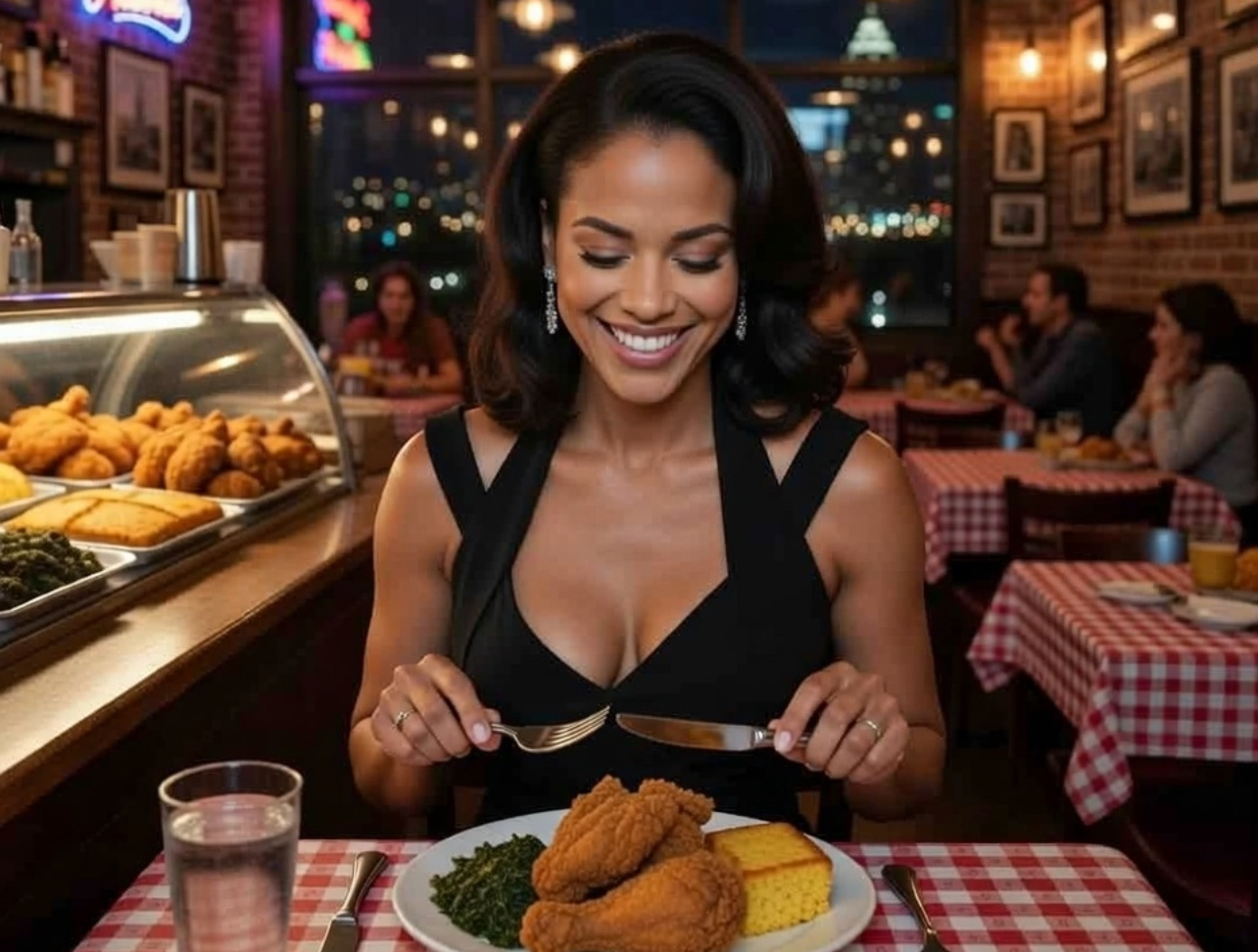
Midtown Atlanta is famous for its gleaming towers, the Fox Theatre, and bustling Piedmont Park. But some of the neighborhood’s best bites hide in plain sight—inside food halls, former food trucks, tucked-under salons, and unassuming storefronts.
These Black-owned spots deliver everything from next-level brunch to elevated sandwiches and modern soul food.
The Best Black-Owned Restaurants in Midtown Atlanta
They’re the kind of places where regulars linger, chefs greet you by name, and every plate tells a story.
Here’s your guide to the hidden gems worth seeking out right now. This article will only cover black restaurants in Midtown. For a larger list, read our Atlanta Black Restaurant Guide.
Flavor Rich Restaurant
549 Peachtree St NE

What started as a popular food truck has blossomed into a sleek all-day brunch destination steps from the Fox.
Chef Chris and team plate comfort food with serious flair—think Cinnamon Toast Crunch French toast, lobster-topped brioche, crab cakes that could make a New Orleans chef jealous, and fried chicken tacos drizzled with house sauces.
The cocktails are just as creative, and the vibe is relaxed but refined. Reservations are smart on weekends; this one fills up fast with locals in the know.
Zaddy’s at Politan Row (Colony Square)
1197 Peachtree St NE

Black woman-owned by Chef Aliah Jefferson, Zaddy’s sits inside the buzzy Politan Row food hall but feels like its own little world.
Expect massive, craveable “sammiches” on fresh-baked bread— the chicken Caesar salad sandwich is legendary, stacked high with crisp greens, shaved Parmesan, and juicy protein.
Salads and soups round out the menu, making it perfect for a quick, satisfying lunch or solo dinner while exploring Colony Square.
LowCountry Steak
1010 W Peachtree St

Celebrity Chef G. Garvin’s sleek Midtown steakhouse brings Southern comfort with big-city polish.
Signature bone-in ribeyes, lobster mac & cheese, and seafood stews fly out of the kitchen, but the real draw is Garvin’s personal touch—he’s often in the house greeting guests.
The space feels upscale yet welcoming, ideal for date night or a celebratory dinner. Pro tip: the donut bread pudding is worth saving room for.
Spice House Midtown
375 14th St. NW

Here’s what one customer says about Spice House Midtown: “This food was AWESOME!!! Everything from the service, the island escape platter, the happy hour appetizer and $5 crab leg (Thursday only) was Phenomenal. Although it was her first night of service Jackie was attentive, patient, and friendly. She went above and beyond to make sure my family had everything we needed without ever feeling rushed.”
T’s Brunch Bar
921 Peachtree St. NW

At T’s Brunch Bar, you’ll get a pleasant experience with great food and lively atmosphere. We only waited about 15 minutes before we were seated. At their College Park restaurant, we usually wait a bit longer. The DJ is live and he’s loud. But it’s good music for sure. Very busy during this time on a Sunday brunch. Midtown breakfast is good make sure you tell them to scramble your eggs hard if you like them that way. Be very specific with the way you want your food cooked. It is good in the presentation is well. Catfish with delicious. Catfish and grits. May was our waitress and she is wonderful, knowledgeable and was very friendly and accommodating.
The Greedy Bunch
420 14th St. NW

This is a halal spot that specializes in fusion Caribbean and Mediterranean cuisine. The jollof rice is amazing.
Twisted Soul Cookhouse & Pours
1133 Huff Rd NW (West Midtown)

Chef Deborah VanTrece’s award-winning spot is worth the short hop from central Midtown. Global soul food shines here: five-spice chicken po’boys, hoisin-glazed oxtails, seafood mac & cheese, and bourbon peach cobbler.
The cozy, modern dining room and thoughtful wine list make it feel special without being stuffy. West Midtown’s growing scene has plenty of options, but this one consistently earns “hidden gem” status from locals.
Bonus Quick Hits
- Urban Grind (962 Marietta St NW) – West Midtown’s cozy Black-owned coffee shop with paninis, strong espresso drinks, and community events like Thursday open-mic poetry.
- Humble Mumble inside The Collective food hall – Generous, flavor-packed sandwiches from a counter-service stall that’s easy to miss if you don’t know it’s there.
Midtown’s dining scene keeps evolving, but these Black-owned gems remind us why supporting local matters. Next time you’re strolling Peachtree or cutting through Colony Square, duck into one of these spots. You’ll leave full, happy, and probably already planning your return visit.
What’s your favorite hidden Black-owned spot in Midtown or West Midtown? Drop it in the comments—we’re always hunting for the next gem to spotlight.
Support Black-owned businesses year-round. Eat local, tip well, and tell your friends.
Final Word
Atlanta continues to be a place with plentiful things to do, see and eat! If you like that part of town, don’t sleep on College Park either.
If you like barbecue, see our list of the Best Atlanta BBQ Restaurants.
As for eateries below I-20, these Southside Atlanta restaurants have developed quite a following.
More Food Coverage:
Here Are The Best New Restaurants In Atlanta
-
Every now and then, eating out with someone you love requires that you lean into the culinary arts. You know, fine China, red wine and succulent plate presentation — all that. Fortunately, Atlanta, Georgia has quite a few places for you to eat that meet the criteria.
In this article, we’re going to show you the most fancy places to eat in Atlanta. These are those “special occasion” restaurants where rings and things can appear.
9 Of Atlanta’s Most Upscale Restaurants
Wan to experience the best in Atlanta fine dining? Here are some of the most fancy restaurants to eat at in Atlanta.
The Ashford
1418 Dresden Dr Suite 170, Brookhaven, GA 30319 | (404) 254-5277

Photo credit: The Ashford The Ashford in Brookhaven is a chef-driven concept from chef and restaurateur Randy Lewis. The restaurant has a quiet ambiance that punctuates its inspired dishes and menu, which leans heavily on Georgia ingredients.
Here’s what one reviewer says about The Ashford. “Very tasty drinks, small plates and entrees. Really enjoyed the unique flavors. Fun bar area, and patio space. You can go for drinks/apps and eat enough to fill you for dinner. A lot of choices on small plates and I enjoy being able to try several different things. I tried the fondue with pears and ricotta olive spread which was amazing, ate it too fast to take a pic. Loved the salad dressing and the meatball – especially the sauce on it!!! The short rib paired so well with onion and mushrooms. Dessert was a rich and delicious dark chocolate pot de crème, perfect for sharing. I’ll be back soon, so many more things to try.”
Atlas
88 W Paces Ferry Rd NW, Atlanta, GA 30305 | (404) 600-6471

One of the most inviting culinary atmosphere in all of Atlanta, Atlas is a place you definitely want to try. Located in the Regis Hotel in Buckhead, Atlas is an elegant choice with excellent service and a top-notch ambiance.
Here’s what one customer says about Atlas. “Beautiful and elegant is the simple way to describe Atlas. I loved the selection of wine and champagne. The service was good. The ambiance was very romantic and relaxing. The food taste and presentation was perfect. There was a slight mix up with the server asking if we wanted another drink from the menu or something, but we bought a bottle of champagne so all the server had to do was replenish our glasses from the champagne bottle. I forgot to get my ticket validated so instead of 15 for valet parking it was 25. Still not bad for Atlanta parking.”
Bones
3130 Piedmont Rd NE, Atlanta, GA 30305 (404) 237-2663

Bones is one of the best steakhouses that Atlanta has ever had. With that being said, I’d be remiss if I didn’t mention the stellar seafood the menu.
Here’s what one reviewer says about Bones. “Great food! Great service! One of my favorite steak houses. I love a good lobster bisque and with Bones you can taste the sherry. The baby octopus salad with sherry was incredible. The sherry vinaigrette was light and flavorful. I am very particular about octopus and I can say the octopus here is one of my favorites. The bone in rib-eye was marbled nicely and had lots of flavor. If you haven’t been you must visit.”
Canoe
4199 Paces Ferry Rd SE, Atlanta, GA 30339 | (770) 432-2663

Sitting right on the Chattahoochee River, Canoe is one of those restaurants that will make you want to make a memory. It’s wine selection is superb and the service is outstanding.
Here’s what one customer says about Canoe: “There’s not enough space to write all the fabulous things I have to say about this place!! Excellent vibe, fantastic food, best Manhattan I’ve ever had, love being by the water and out waitress was very knowledgeable of the menu and products. I rate 5 stars when establishments meet my every day expectations but places like this make me want to rate every days a 3 so my 5’s are super special. Having been to many higher end restaurants, I can tell you this is a top for me country wide.”
Chops Lobster Bar
70 West Paces Ferry Rd NW, Atlanta, GA 30305 (404) 262-2675

Another steakhouse makes our list. Chops is a Buckhead favorite and perfect for an anniversary dinner or even for the bride and groom.
Here’s what one reviewer says about Chops: “Went here on a work dinner and it was really good. The table ordered the cold seafood appetizer which is HUGE, I liked everything on it but the oysters (I won’t touch those things). I was in the mood for chicken so that’s what I ordered and the rest of the table ordered steak. Everyone enjoyed their meals and their drinks. It’s definitely a pricey place so it’s not a place we can frequent often, but if you can, it’s worth it.”
Oceanaire Seafood Room
1100 Peachtree St, Atlanta, GA 30309 | (404) 475-2277

The Oceanaire Seafood Room is located inside and adjacent to Kilpatrick Townsend & Stockton in Midtown Atlanta. Obviously, with a name like Oceanaire the eatery is a big seafood spot.
Here’s what one reviewer says about Oceanaire: “I’ve always loved Oceannaire. It’s an old school, high quality dining establishment with great seafood. The service is always fantastic. I’ve only given it four stars as the prices are very high, so the value just doesn’t equate. That being said, I love the atmosphere and food and it’s one of my go-to splurge places.”
AG (Ritz-Carlton)
181 Peachtree St NE, Atlanta, GA 30303 | (404) 221-6550

The Ritz-Carlton’s AG represents some of the best aspects of upscale dining: remarkable food, exclusive service, impeccable atmosphere. You get it all.
Here’s what one reviewer says about AG: “We have stayed here multiple times, and it was great each time. Full restaurant and Bar with great food and cocktail options. A top notch luxury hotel with top notch staff. Valet Parking is $50. It is pet friendly.”
The Optimist
914 Howell Mill Rd, Atlanta, GA 30318 | (404) 477-6260

The Optimist has made its name by serving some opulent dishes, including some of the best seafod you’ll find in the city.
The Palm
3391 Peachtree Rd NE, Atlanta, GA 30326 | (404) 814-1955

The Palm is located inside the Westin hotel in the Buckhead district of Atlanta. The food continues to get rave reviews for locals and visitors alike.
Here’s what one reviewer says about The Palm: “I Am Shocked That As A Georgia Native, I Am Just Now Discovering The Palm Restaurant. The Atmosphere, The Cuisine, And Most Importantly, The Guest Service Were Remarkably Executed. From The Warm Greeting At The Reservation Podium To The Final Course Of Flourless Chocolate Cake, This Was Truly A Gift Unto Myself. Be Mindful, This Is Upscale Dining So Expect The Prices And Service To Match. I Look Forward To Returning To This Gem Of Buckhead.”
Which Atlanta Restaurants Allow Private Dining?
Banquet rooms are the perfect thing for those who want some privacy when they eat with close friends, family or co-workers.
You can call any of these restaurants below to find out about their banquet room accommodations for private dining.
- 10 Degrees South. Global, International | Buckhead
- Atlanta Fish Market | Buckhead
- Saltwood at Loews Atlanta Hotel | Midtown Atlanta
- 101 Steak. Steakhouse | Vinings
- 10th & Piedmont. Seafood | Midtown
- 1910 Public House. Contemporary American | Lilburn
- 26 Thai Kitchen & Bar – Lindbergh. Thai | Buckhea
- 5Church | Midtown Atlanta
Final Word
Every once in a while, you want to experience the very best in dining. Atlanta, Georgia, has several elite restaurants that are great options.
If you like an upscale restaurant that has perfectly plated food and white glove service, you should know that Atlanta, Georgia has some great options.
Do you have someone you’re trying to impress? A fancy Atlanta restaurant would be just the thing. Not the chain eateries, but the types of restaurants where the customary bottle of wine and crab cake appetizer is a must.
If you want to have a really nice date night, here’s where to go. Remember to call to see if the restaurant you decide to go to accepts reservations at the time you want. Some of them won’t allow you to book a reservation on weekends or after 8 pm.
If you want to check out some other food spots in the area, here are the best restaurants in Buckhead. Or you might like to read our Buckhead Steak Guide to find all the best eateries offering mouth-watering prime cuts.
-
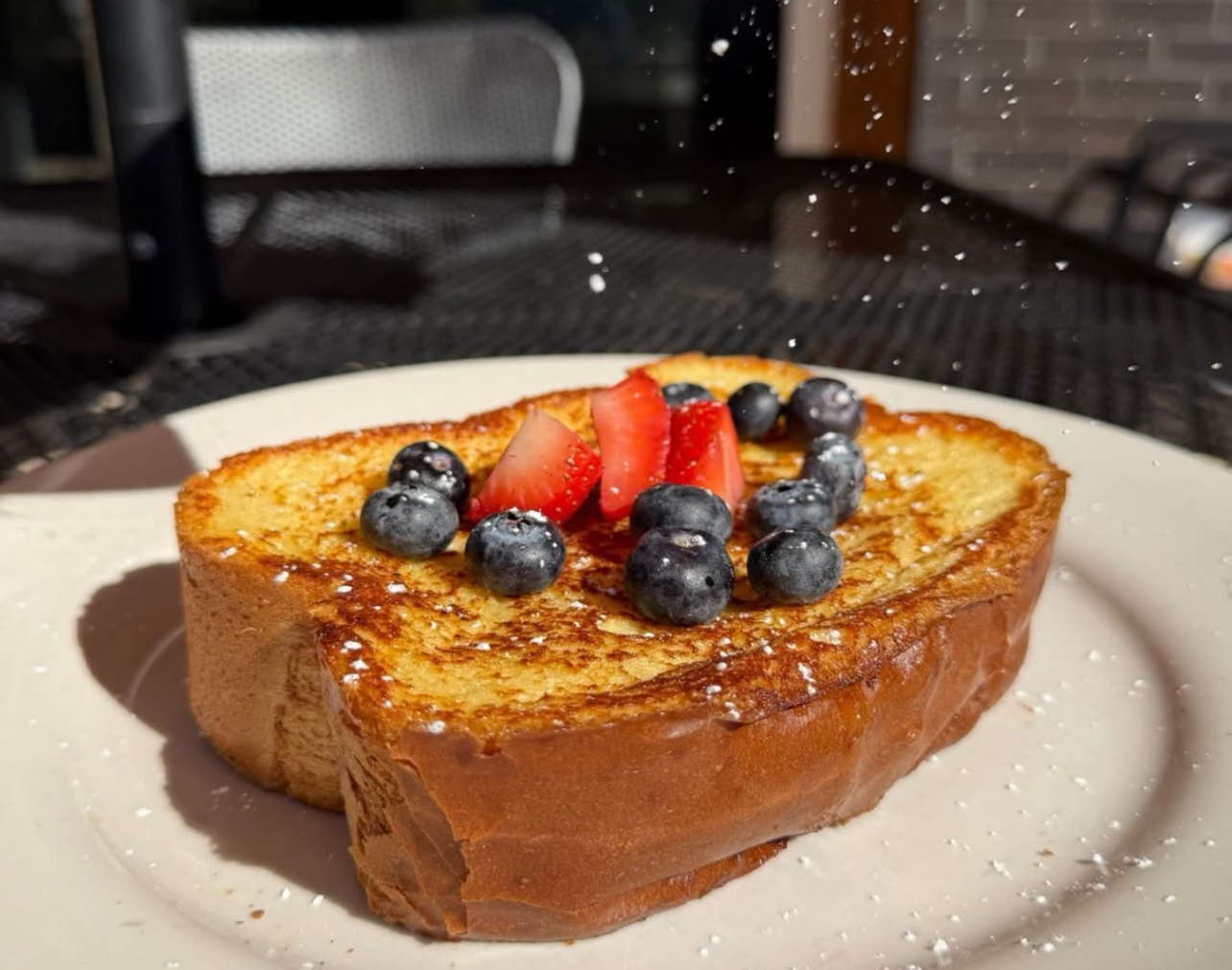
Trilith residents and visitors have fresh reasons to linger in the heart of the community with two exciting updates: the grand opening of The Library Bar at beloved independent bookstore Scholar & Scribe, and the rebranding of a longtime diner favorite now known as Greystone Local Eatery.
Located in the vibrant Town at Trilith in Fayetteville, Scholar & Scribe has long been a go-to spot for book lovers seeking cozy vibes and great reads.
Introducing the Library Bar

Today, the bookstore elevates its community-focused mission with the debut of The Library Bar—an elegant tea and wine café inspired by Europe’s historic literary salons.
The Library Bar blends thoughtful hospitality with the magic of stories, offering a refined yet welcoming space for conversation and connection.
Guests can enjoy carefully crafted teas, wines and bubbles, charcuterie boards, and more, all while surrounded by shelves of books.
Programming promises to keep things lively and literary, with upcoming events including live piano nights, scholar talks, wine tastings, author signings, and seasonal tasting experiences.
“Our vision has always been to create a true community living room — a place where stories, hospitality and relationships intersect,” said Tela Kayne, co-founder of Scholar & Scribe. “The Library Bar allows us to expand that vision in a way that feels both intimate and elevated, giving people a reason to slow down, connect and savor the moment.”
This addition extends Scholar & Scribe’s commitment to fostering fellowship through the love of stories, turning the bookstore into an even more inviting destination for slowing down in a fast-paced world.
Introducing Greystone Local Eatery
Just steps away in the same town centre, another local staple has undergone a fresh transformation. The spot formerly operating as Thumbs Up Diner has rebranded as Greystone Local Eatery, bringing a renewed focus on Southern comfort food with a neighborhood feel.
Expect classic diner favorites—think cheesy grits, homemade biscuits, and hearty breakfast plates—served in a clean, friendly atmosphere that keeps the beloved local vibe alive.
Both updates highlight Trilith’s growing reputation as a place where creativity, community, and great eats come together seamlessly.
Whether you’re in the mood for a quiet wine and a good book, a lively author event, or a no-fuss plate of Southern classics, the town centre has something new to discover.
Where Is Scholar & Scribe Located?
Scholar & Scribe (including The Library Bar) is located at 300 Trilith Parkway, Suite 260, Fayetteville, GA 30214. Stop by to browse books, sip something special, and see what the buzz is about.
Where Is Greystone Local Eatery Located?
Greystone Local Eatery is at 300 Trilith Parkway, Suite 200—perfect for a quick bite or a leisurely meal with friends.
Welcome these additions to the neighborhood—they’re already becoming must-visit spots in Trilith!
More Local Eats
Closer to Atlanta, more food spots abound. We always recommend one of the best places to eat in West Midtown.
The best restaurants on the Beltline all have excellent customer service and food. What separates them from many of the other spots is that they’re on the urban playground called the Beltline.
The ATL has other cool eateries as well. If you’re gluten-free, there’s plenty of options. Same goes for keto-friendly restaurants or Asian fare in Atlanta.
Here are the best new restaurants in Atlanta
-
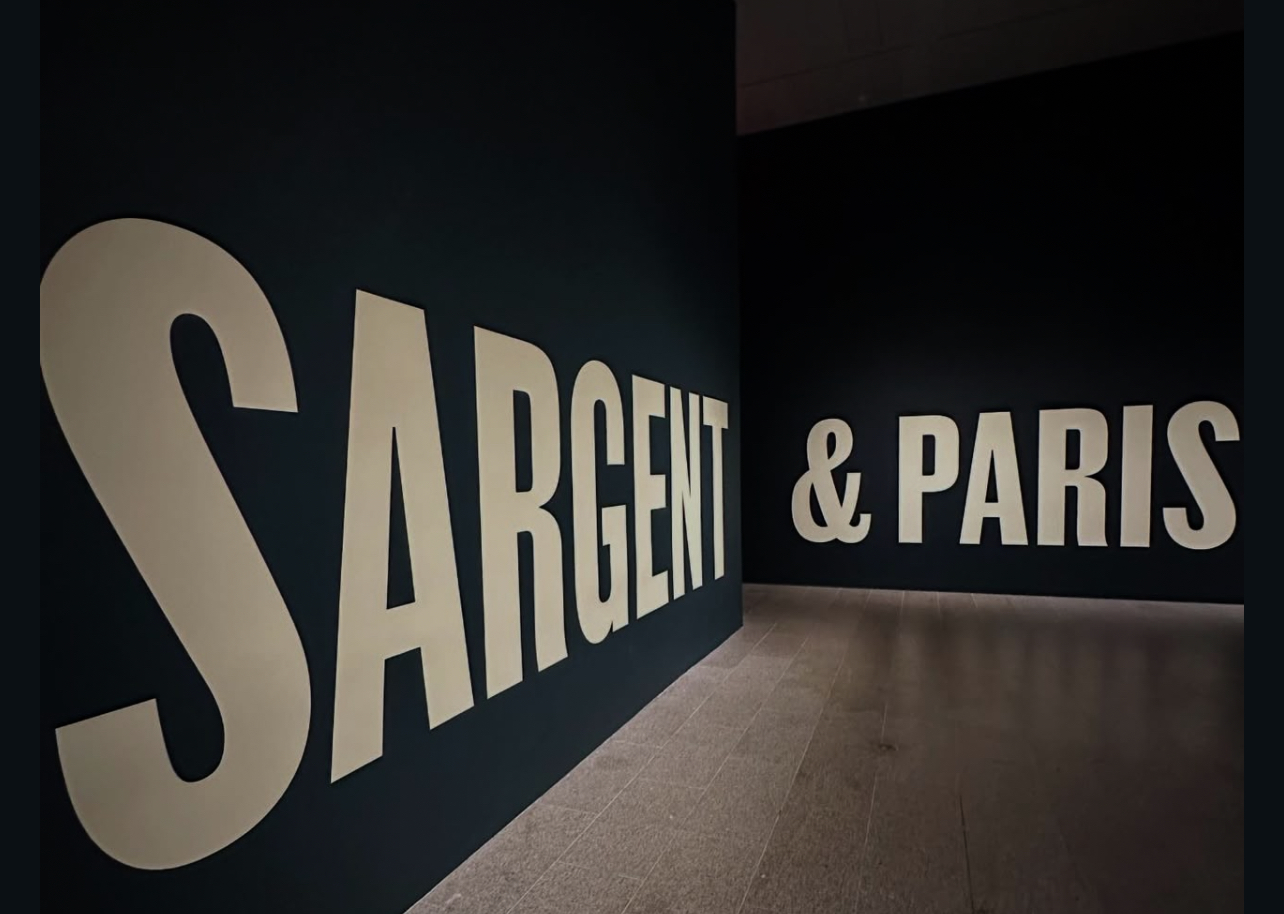
We recently told Atlanta foodies about the best places to eat in Old Fourth Ward, but we’re waiting on one potential entry — or should we say entree.
The highly anticipated Sargent restaurant, a new venture from the acclaimed team behind Lucian Books & Wine, is generating significant buzz in Atlanta’s dining scene as it prepares for its debut this spring in the historic Old Fourth Ward.
New Restaurant Sargent Opening in Atlanta
Owners Katie Barringer and Jordan Smelt announced the project last year, naming the modern American eatery after the renowned American portrait artist John Singer Sargent—a deliberate nod to artistic inspiration, much like their first restaurant’s tribute to British painter Lucian Freud.
Set to open in the vibrant New City development along the Eastside Beltline, Sargent will neighbor the Forth Hotel and its array of dining options, including Il Premio, Elektra, Moonlight, and Bar Premio, as well as nearby spots like 3 Parks Wine Shop.
Executive Chef Jason Paolini, who has helmed the kitchen at Lucian Books & Wine with over 20 years of experience in Atlanta’s culinary landscape, is crafting a menu that emphasizes “elevated approachable” American flavors with French influences.
Highlights include wood-fired cooking techniques for seafood, shellfish, roasted meats, and seasonal produce.
The all-day concept promises lunch options such as sandwiches and salads, transitioning to a more polished dinner service featuring small plates and hearty mains.
Unlike the European-leaning wine program at Lucian, Sargent’s list will spotlight domestic producers alongside New World selections from regions like New Zealand and Australia, complemented by a robust cocktail selection.
Smelt has described the new spot as “a completely new thing” distinct from Lucian, positioning it as a more casual, everyday destination while maintaining the thoughtful elegance diners have come to expect from the team.
The space will also feature an expanded retail component, where Barringer will curate books and magazines focused on art, music, architecture, food, and fashion—continuing the hybrid bookstore-restaurant model that has made Lucian a beloved destination.
As one of the most anticipated openings of 2026, Sargent joins a wave of exciting projects revitalizing Atlanta’s neighborhoods, from expansions of soul food icons to innovative concepts along the BeltLine.
While an exact opening date has not yet been confirmed beyond the spring 2026 timeframe, the restaurant’s Instagram (@sargentatlanta) continues to track progress closely.
Food enthusiasts eager for wood-fired American classics in a dynamic, art-infused setting should keep an eye on updates—the Old Fourth Ward’s dining landscape is about to get even more compelling.
Reservations and further details are expected to roll out closer to launch.
What’s your O4W must-try? Drop me a line at cj@atlantafi.com. Hungry yet? The BeltLine awaits.
-
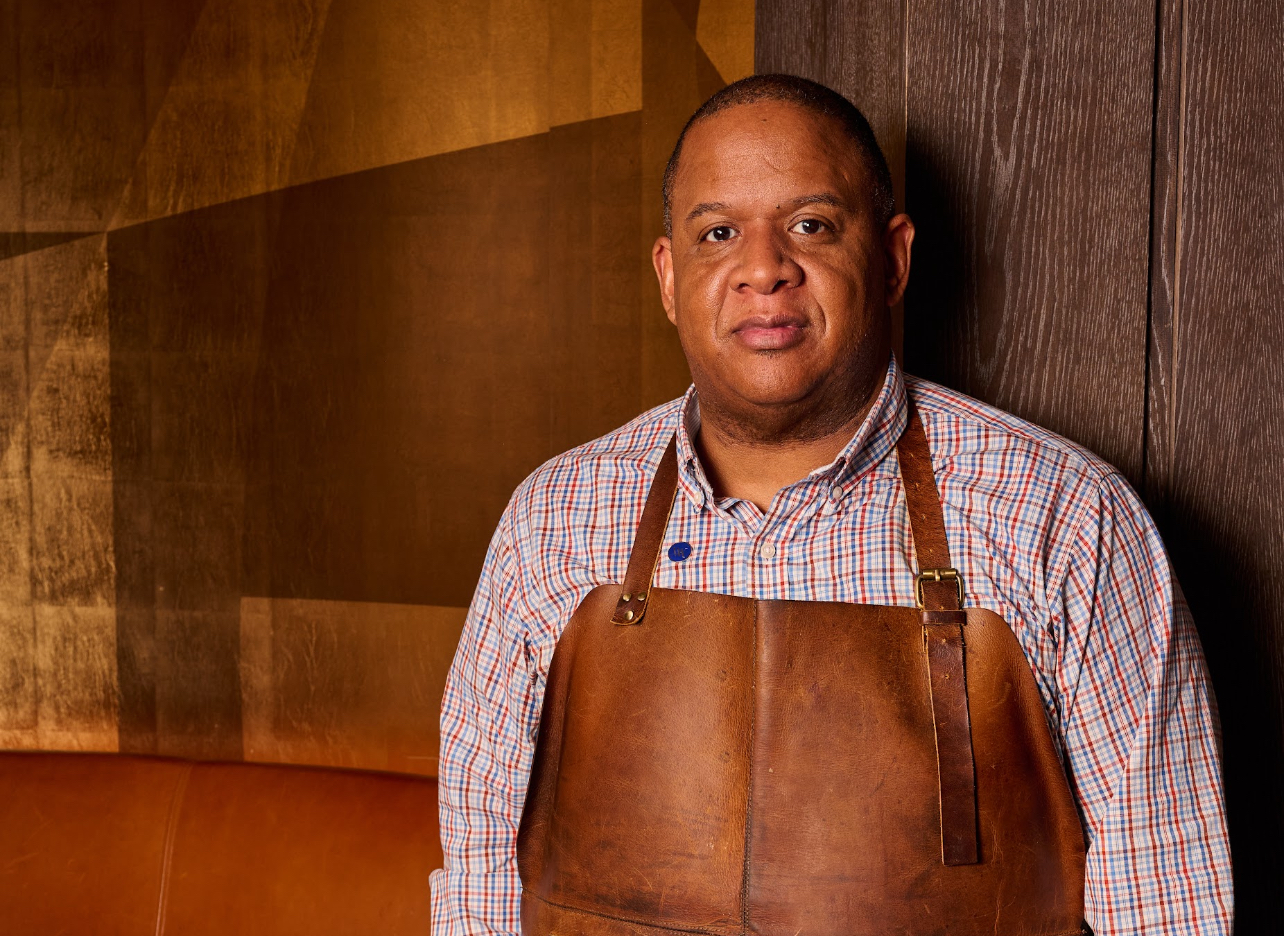
Waldorf Astoria Atlanta Buckhead has named celebrated local chef Todd Richards as its new Executive Chef.
The move brings Richards’ acclaimed Southern perspective and storytelling through food to the Forbes 4-star luxury property in Buckhead.
Chef Todd Richard’s To Helm Kitchen at Waldorf Astoria
Richards will oversee all culinary operations at the hotel, including the signature restaurant Brassica, the renowned afternoon tea service, in-room dining, and banquet offerings.
Known for his innovative take on soul food and Southern cuisine, Richards is a two-time James Beard Award semifinalist, award-winning author, and a fixture in Atlanta’s dining scene.
“I’m thrilled to welcome Chef Todd Richards to the Waldorf Astoria Atlanta Buckhead family,” the hotel announced in a recent statement. “His nationally recognized voice, deep cultural storytelling, and guest-centered approach make him the perfect fit for one of the city’s most distinguished destinations.”
Richards joins the property after a standout career that has significantly influenced Atlanta’s food landscape.
He served as the opening chef for One Flew South at Hartsfield-Jackson Atlanta International Airport, where his team made history as the first airport restaurant to be a James Beard Award contender. He is also chef and part-owner of the popular Soul: Food & Culture at Krog Street Market.
A twice-published author, Richards’ debut cookbook, Soul: A Chef’s Culinary Evolution in 150 Recipes, won the 2019 IACP Award for Best American Cookbook and earned spots on best-of-the-year lists from Grub Street and Food52.
His 2024 release, Roots, Heart, Soul: The Story, Celebration, and Recipes of Afro Cuisine in America, further established him as a leading voice in culinary storytelling and inspired a podcast of the same name.
“After years in restaurants, returning to luxury hospitality felt like an unexpected and exciting next chapter,” Richards said. “What drew me to Waldorf Astoria Atlanta Buckhead was the opportunity to cook with real intention and freedom. The entire team encouraged me to shape a dining experience that reflects both this city and my Southern perspective. The food is seasonal, expressive, and technique-driven, while still delivering the sense of refinement guests expect. It’s exceptional hotel dining with a strong sense of place, seen through my lens of Atlanta.”
A Chicago native, Richards first arrived in Atlanta in the early 1990s to train under Executive Chef Darryl Evans at the Four Seasons Atlanta.
He went on to hold key leadership roles at The Ritz-Carlton properties in Atlanta and Palm Beach, as well as the Seelbach Hotel in Louisville, before returning to Atlanta in 2008.
At Waldorf Astoria Atlanta Buckhead, Richards will take a hands-on approach to menu development, drawing inspiration from Georgia’s seasons and collaborating closely with local farmers and purveyors.
Blending classic French technique with thoughtful sourcing, he plans to reinterpret soul food staples with nuance, precision, and care—creating dishes that feel both deeply rooted in tradition and forward-looking.
His appointment comes at an exciting moment for the hotel, as Brassica approaches its four-year anniversary.
The restaurant’s lively programming includes a weekend-long prix-fixe Valentine’s Day dining experience, along with themed teas such as a Bridgerton-inspired masquerade tea and a Galentine’s tea.
Under Richards’ leadership, guests can expect refreshed interpretations of Brassica’s brasserie-inspired dishes and elevated culinary touches throughout the property.
Final Word
The Waldorf Astoria Atlanta Buckhead, located at 3376 Peachtree Rd NE, continues to position itself as a premier destination for refined dining in Atlanta, now elevated by one of the city’s most respected culinary talents.
If you want to check out some other food spots in the area, here are the best restaurants in Buckhead. Or you might like to read our Buckhead Steak Guide to find all the best eateries offering mouth-watering prime cuts.
-
Atlanta, often hailed as the birthplace of the Civil Rights Movement, weaves its rich history into the very fabric of its urban landscape.
Street names across the city serve as enduring tributes to the individuals who shaped not only Atlanta but the nation through their courage, activism, and leadership.
Atlanta’s Streets: Echoes of History and Heroes
Many of these renamings, particularly in recent decades, have replaced older designations—some tied to Confederate figures—with honors for civil rights pioneers.
This shift reflects Atlanta’s commitment to acknowledging its past while celebrating progress. From lawyers who challenged segregation in courts to activists who marched for equality, these streets remind residents and visitors alike of the ongoing journey toward justice.
Martin Luther King Jr. Drive

No discussion of Atlanta’s historic street names would be complete without Martin Luther King Jr. Drive, a major artery renamed in 1976 from Hunter Street to honor the Nobel Peace Prize-winning leader.
This renaming was part of a broader national trend, with Georgia leading the way in dedicating roads to King—over 75 as of the early 2000s.
Where is MLK JR. Drive in Atlanta?

Running through the heart of the city’s west side, MLK Drive passes by significant sites like the King Center and Ebenezer Baptist Church, where Dr. King preached.
The drive symbolizes nonviolent resistance and the dream of equality that continues to inspire.
Ralph David Abernathy Boulevard

Nearby, Ralph David Abernathy Boulevard pays homage to Reverend Ralph David Abernathy, a close confidant and successor to Dr. King in the Southern Christian Leadership Conference (SCLC).
Often called King’s “right-hand man,” Abernathy’s leadership extended the movement’s reach, making this street a fitting memorial. This boulevard in Atlanta’s West End neighborhood recognizes Abernathy’s role in key events like the Montgomery Bus Boycott and the Selma to Montgomery marches.
Where is Ralph David Abernathy Boulevard in Atlanta?

Ralph David Abernathy Boulevard runs east-west through areas including Westview, West End, Adair Park, and Pittsburgh. It is a major thoroughfare in southwest Atlanta, running through neighborhoods like West End, Westview, Adair Park, and Mechanicsville.
Renamed from Gordon Street in 1991, it stretches toward downtown, eventually turning into Georgia Avenue. It is a key connector for the Atlanta Beltline Westside Trail.
Hosea Williams Drive

Hosea Williams (1926–2000) was a prominent American civil rights leader, minister, and politician, known as a key organizer and lieutenant for Martin Luther King, Jr. within the Southern Christian Leadership Conference (SCLC).
He was a tireless nonviolent activist, famous for leading the “Bloody Sunday” march in Selma, Alabama, and later became a Georgia State Representative, an Atlanta City Council member, and the founder of Hosea Feed the Hungry and Homeless.
Where is Hosea L. Williams Drive in Atlanta?

Hosea L. Williams Drive SE (formerly part of other street names) is a major thoroughfare in Atlanta, particularly in the Kirkwood neighborhood (zip code 30317). It runs through Southeast Atlanta, with notable intersections such as Howard St SE and 2nd Ave.
Donald Lee Hollowell Parkway

Donald Lee Hollowell (1917–2004) was a prominent American civil rights attorney based in Atlanta who served as the chief counsel for civil rights protesters in Georgia during the 1950s and 1960s. He is best known for desegregating the University of Georgia, defending Martin Luther King Jr., and mentoring younger civil rights lawyers. Some other accomplishments:
- Known as Georgia’s chief civil rights attorney during the 1950s and 60s, he defended activists, fought to overturn segregation laws, and defended Black men in a racially biased legal system.
- Landmark Cases: He successfully litigated Holmes v. Danner (1961), which forced the desegregation of the University of Georgia. He also secured the release of Martin Luther King Jr. from Reidsville State Prison in 1960.
- Key Victories: His legal work integrated Atlanta public schools, public transit, and led to the admission of Black doctors at Grady Hospital.
- Public Service: In 1966, he was appointed by President Lyndon B. Johnson as the first Black regional director of the Equal Employment Opportunity Commission (EEOC).
Where is Donald Lee Hollowell Parkway in Atlanta?

The NW parkway (formerly Bankhead Highway) runs through Northwest Atlanta (30318), extending from near the city center out to I-285. It serves as the northern boundary of the English Avenue neighborhood, passing through areas like Collier Heights and near the Marietta Blvd intersection.
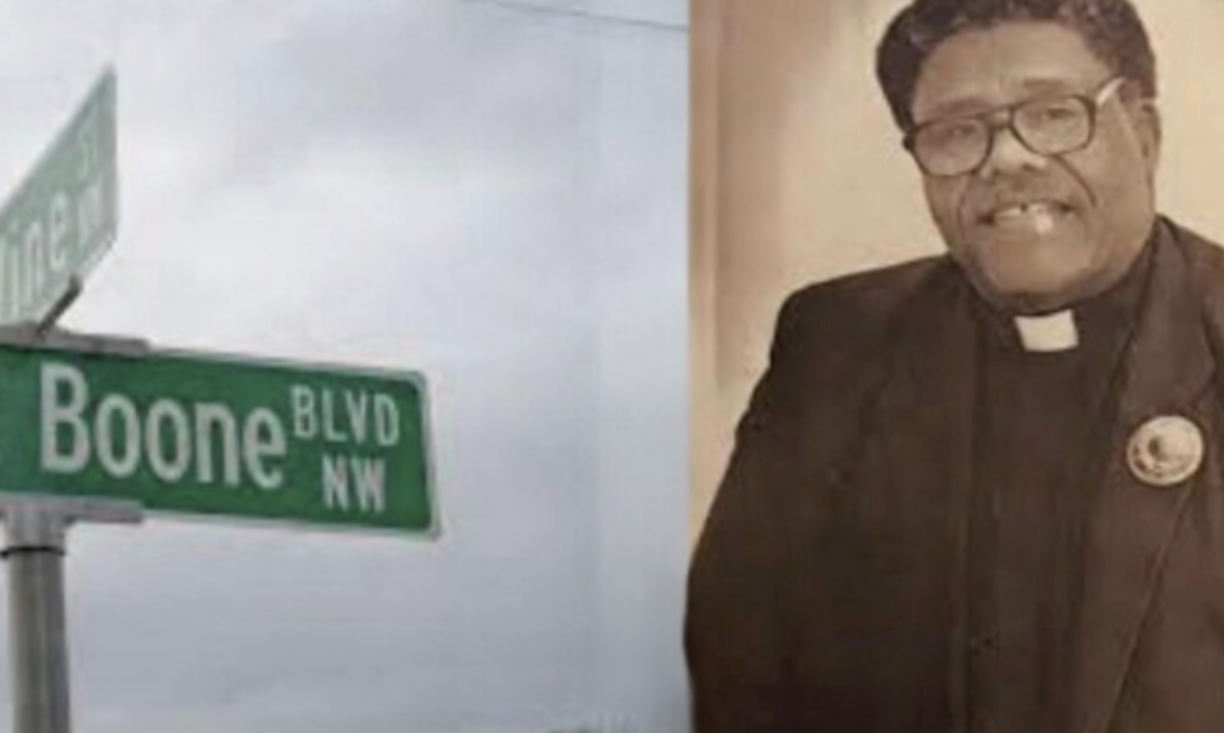
Joseph E. Boone Boulevard

Joseph E. Boone Boulevard, named for the civil rights organizer who led desegregation efforts in Atlanta’s businesses during the 1960s.
Boone was pastor at Rush Memorial Congregational Church in Atlanta. He was also a pivotal member of the Atlanta Movement and chief negotiator for Operation Breadbasket, the economic development area of the Southern Christian Leadership Conference (SCLC).
Where is Joseph E. Boone Boulevard?

Joseph E. Boone Boulevard is located in Northwest (NW) Atlanta, running through the historic Westside neighborhoods of Vine City, English Avenue, and Grove Park. Formerly named Simpson Road, it was renamed in 2008 to honor civil rights leader Reverend Joseph E. Boone.
John Wesley Dobbs Avenue

John Wesley Dobbs Avenue honors the “unofficial Mayor of Auburn Avenue,” a postal worker turned influential civic leader who advocated for Black voter registration and education.
Dobbs died on August 30, 1961, the very day Atlanta’s schools were desegregated, leaving a legacy of fighting for equality through political organization. He was the grandfather of Maynard Jackson Jr., who became Atlanta’s first Black mayor and later renamed Houston Street to John Wesley Dobbs Avenue in his honor.
Key Contributions and Life:
- Voter Empowerment: He strongly believed in the power of the ballot, organizing, and pushing for political change, which led to the hiring of the first eight Black police officers in Atlanta in 1948.
- “Sweet Auburn” Leader: As Grand Master of the Prince Hall Masons of Georgia (1932–1961), he was a central figure on Auburn Avenue, which was the heart of Black business and culture in Atlanta.
- Civil Rights & Influence: He was a, influential leader who advised politicians and helped desegregate public services. He famously coined the term “Sweet Auburn” for the thriving business district.
Where is John Wesley Dobbs Avenue?

John Wesley Dobbs Avenue NE is located in Atlanta, Georgia (ZIP codes 30303 and 30312), running through the downtown and Old Fourth Ward neighborhoods near the Martin Luther King, Jr. National Historical Park. Formerly known as Houston Street, it was renamed in 1994 in honor of the civil rights leader, stretching near landmarks like the Georgia Pacific Building and Auburn Avenue.
Jesse Hill Jr. Drive

Jesse Hill Jr. Drive, named so in 2001, recognizes the insurance executive and activist who helped integrate Atlanta’s hospitals and schools.
Key Contributions and Roles:
- Civil Rights & Political Influence: Hill was a key advisor to Dr. Martin Luther King Jr., Maynard Jackson, and Andrew Young, acting as a bridge builder between the Black community and white business leadership. He helped secure bail money for protesters and organized efforts to desegregate Georgia institutions.
- Business Leadership: As president of Atlanta Life Insurance Company (1973–1992), he managed one of the nation’s largest Black-owned businesses, promoting economic empowerment.
- Civic Impact: He was the first Black president of the Atlanta Chamber of Commerce (1977), a founder of the Atlanta Inquirer, and key to bringing the 1996 Olympic Games to Atlanta.
Where Is Jesse Hill Drive in Atlanta?

Jesse Hill Jr. Drive is located in Downtown Atlanta, Georgia, near the intersection of I-75/85 and just east of the Georgia State Capitol. The road, which runs as both NE and SE, passes key landmarks including Grady Memorial Hospital, the Fulton County Health Department, and the Georgia State University “K” Deck.
Joseph E. Lowery Boulevard

And Joseph E. Lowery Boulevard pays tribute to Reverend Joseph E. Lowery (1921–2020), dubbed the “Dean of the Civil Rights Movement,” for his work with the SCLC and beyond.
Lowery co-founded the Southern Christian Leadership Conference (SCLC) with Dr. Martin Luther King Jr., serving as president from 1977 to 1997.
Where is Joseph E. Lowery Boulevard in Atlanta?
Joseph E. Lowery Boulevard (formerly Ashby Street) is a major north-south connector in West Atlanta, GA (30314, 30310) running between Hollowell Parkway (North) and extending towards the Southwest side. It serves as a connector forSeveral in-town Atlanta neighborhoods.
Arthur Langford Jr.

Arthur Langford Jr. (1949–1994) was a prominent Atlanta city councilor, Georgia State Senator, Baptist minister, and civil rights activist dedicated to uplifting underserved communities.
Elected as one of the youngest city council members at age 23, he established the United Youth Adult Conference to combat violence and, and notably led volunteer efforts during the Atlanta Child Murders crisis.
Where is Arthur B. Langford Jr. Parkway in Atlanta?

Arthur B. Langford Jr. Parkway (State Route 166) is a major east-west freeway located in Southwest Atlanta, Georgia. It runs from I-285 in the west (near Greenbriar Mall) to I-75/I-85 (the Downtown Connector) in the east, connecting areas like Ben, Hill, and East Point.
John Lewis Freedom Parkway

In August 2018, the City of Atlanta officially renamed a major section of Freedom Parkway to John Lewis Freedom Parkway (spanning near Ponce de Leon Ave NE) to honor the late U.S. Congressman and civil rights leader. The thoroughfare serves as a key route to the Carter Center and is marked by significant,,, John Lewis Plaza, where the “The Bridge” sculpture is located.
Where is John Lewis Freedom Parkway in Atlanta?

John Lewis Freedom Parkway is a major east-west, four-lane road in Atlanta, Georgia, running from the Downtown Connector (I-75/I-85) near downtown, through the Old Fourth Ward, and ending near the Carter Center at Ponce de Leon Avenue and Moreland Avenue.
Final Word
These renamings often stem from efforts to erase ties to the Confederacy, with Atlanta’s advisory committees identifying and changing streets like Confederate Avenue to United Avenue in recent years.
More recently, parts of the city honored former Mayor Shirley Franklin by renaming Central Avenue and a park, highlighting ongoing recognition of diverse leaders.
In a city as dynamic as Atlanta, these street names are more than directions—they are lessons in resilience and change. As we navigate them, we honor the historic figures who paved the way, ensuring their stories endure for generations to come.
More from AtlantaFi.com:
-

The Atlanta job market is going through a tough time as layoffs begin to surge. Despite that, if you really want a job and you don’t mind working outside your field, there’s a good chance that you can land one. But that doesn’t mean that it will be easy.
Atlanta can be a job seeker’s paradise for full-time employment, but especially for side gigs. But what are the best side jobs in Atlanta?
Along with some lucrative side hustles, side jobs proliferate the local marketplace, but you have to be a bit creative. You don’t have to wash windows to pull a triple-figure supplementary income every week.
These Side Jobs Pay Well & Are Hiring Right Now In Atlanta
One of the advantages of a side job is that you can set your own schedule and work at a pace you’re most comfortable with. Of course, that will have a major bearing on your earnings.
I’m going to show you some positions that mostly anyone can do here in Atlanta. Here are the best side jobs in Atlanta right now:
Metro RYDC Career Fair
(Department of Juvenile Justice) – February 19, 2026
Time: 10:00 AM – 2:00 PM
Location: Metro Regional Youth Detention Center, 1300 Constitution Rd SE, Atlanta, GA 30316.
Positions like correctional officers (requiring GED/high school diploma).
More details: DJJ Georgia.2026 Metro RESA Statewide Teacher Job Fair
February 28, 2026
Time: 10:00 AM – 2:00 PM
Location: Georgia International Convention Center, Exhibit Hall D, 2000 Convention Center Concourse, College Park, GA 30337.
Largest teacher-focused fair in Georgia, with participating school districts.
More details/registration: Metro RESA.Remote Positions Hiring In Atlanta
If you’re looking to work-from-home, there are several options for stay-at-home moms and others in Atlanta.
Randstad
Randstad is hiring for a Sales Engineer in metro Atlanta. This is a stay at home position that pays up to $100,000+ a year. See more work-from-home jobs here.
Apply Here To Get a Job At Randstad
Aerotek
This global staffing agency has plenty of work from home jobs as well, especially in Atlanta. Positions range from customer service rep to underwriter to designer and more. See more work-from-home jobs here.
Apply Here To Get A Job At Aerotek
CVS Health
CVS Health has announced that it is hiring 50,000 people in response to the coronavirus pandemic.
The company is awarding bonuses to employees who are required to be at CVS facilities to assist patients and customers in this time of unprecedented need. Bonuses will range from $150 to $500 and will be awarded to pharmacists and certain other health care professionals on the frontlines, store associates and managers, and other site-based hourly employees.
KForce
KForce is a staffing agency with jobs in several occupations that are hiring right now. You can find jobs in technology, E-commerce, marketing and more fields. See more work-from-home jobs here.
Apply Here To Get a job at KForce
Warehouse Associate
TRC Staffing is hiring for a Warehouse Associate in Austell right now.
TRC Staffing is currently seeking warehouse/disassembly candidates for our client in metro Atlanta. This company is looking for someone who can lift 50 pounds and it includes shipping and receiving furniture & pulling orders.
The position’s hours would be Monday-Saturday between 6am-8pm (staggered shifts/flexible end time)
See open positions at TRC Staffing.
Amazon Warehouse Shopper

Amazon has a steady number of part-time positions for warehouse / shopper team members. Many of these jobs are seasonal positions that are both part-time and full-time. Amazon pays $15 and $16 an hour for these jobs.
The company also has positions in the following areas of metro Atlanta: Atlanta, Duluth, East Point, Fayetteville, Kennesaw, Lawrenceville and Smyrna.
Get a job at Amazon in Atlanta – Apply here
DoorDash

Doordash is another company that allows you to earn money with your vehicle. Doordash workers typically make at least $10 an hour, which is pretty good for a side job. Also “Dashers,” as they’re called, get to accept tips!
How to work for Doordash – Apply here
Grubhub

Grubhub is another delivery service that pays you to bring food to people and businesses. The pay ranges from around $10 an hour for Driver (Independent Contractor) to about $19. Again, you get a fee for each delivery and you get to keep 100% of your tip.
How to work for Grubhub – Appy here
Instacart

Grocery delivery service Instacart is hiring more than 250,000 people because of increased demand.
The company says it will especially focus on shoppers in the following states: California, Massachusetts, New York, Pennsylvania, Washington, D.C. and Toronto. The company is also hiring in Atlanta.
Apply To Become An Instacart Shopper
Lyft

Lyft lets you earn money by taking passengers to and from around the Atlanta area. Lyft drivers can average around $17.50 an hour. All you need is a car, insurance and the Lyft smartphone app to start earning.
How to work for Lyft in Atlanta – apply here
Uber

Uber is the most prevalent ridesharing company in the Atlanta area. Uber pays its drivers anywhere from $10 – $25. All you need is to be 21 years old and have a valid driver’s license and four-door vehicle.
How to work for Uber – Apply here
UPS

UPS is a number of part-time jobs in metro Atlanta right now. One of them is Package Handler. Part-time employees usually work 3 ½ – 4 hours each day and approximately 17 to 20 hours a week.
Related: Here Are The Best Work-From-Home Jobs In Atlanta
The company also has the Earn and Learn program, which allows student employees to earn paid benefits, plus education assistance of up to $2,625 per semester / $5,250 per year.
- How to get a job at UPS – Apply here
- UPS – Package Handler – Apply here
- Foot Locker – Sales Associate – Apply here
What Are The Major Industries In Atlanta?
Atlanta is home to several different industries, which is why it’s economy is so sturdy.
That diversity is best signified by the following companies with headquarters in the metro area: Arby’s, Chick-fil-A, Earthlink, Equifax, First Data, Foundation Financial Group, Gentiva Health Services, Georgia-Pacific, NCR, Oxford Industries, RaceTracPetroleum, Southern Company, SunTrust Banks, Mirant, and Waffle House.
Looking for more side jobs in Atlanta? Try Google’s Job Search feature.
What Companies Are Hiring In Atlanta Right Now?
Here are the career pages for the major companies hiring in Atlanta right now:
- Chick-Fil-A
- City of Atlanta
- Coca-Cola
- Delta Air Lines
- Emory
- Georgia-Pacific
- Home Depot
- Porsche
- Southern Company
- WarnerMedia (Turner)
Got an event or know of something opening in and around Atlanta? Holla: TJohnson@AtlantaFi.com. See what’s poppin’ in the ATL! Subscribe to our news alerts here, follow us on Twitter and like us on Facebook.
Up next: 6 Steps To Find A Good Job In Atlanta
More Atlanta Jobs from AtlantaFi.com:
-
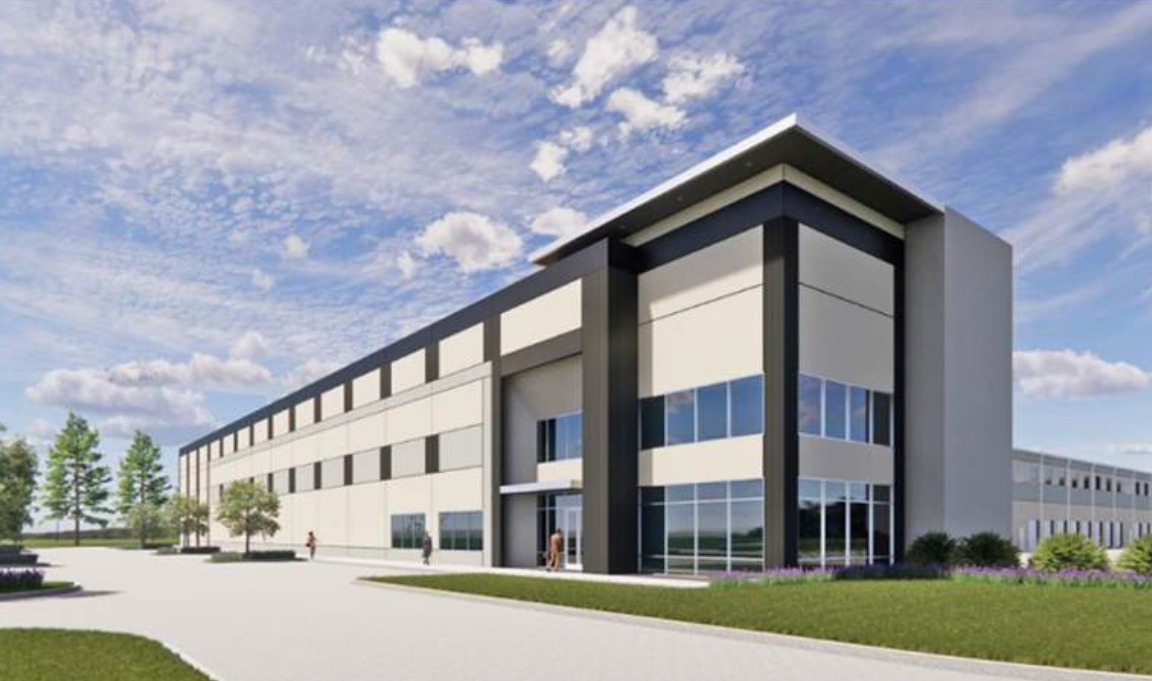
South Fulton is poised for a major economic boost with the upcoming development of the SoFu Commerce Center, a state-of-the-art industrial facility set to bring hundreds of jobs and a significant increase in property tax revenue to the area.
A $28 million private investment will fund the construction of a 213,580-square-foot Class A light industrial building at the site along a key industrial corridor in South Fulton. The modern facility is designed for uses including distribution, cold storage, and light manufacturing.
The Development Authority of Fulton County (Develop Fulton) approved a bond inducement resolution during its January board meeting to support the project.
This incentive helps address infrastructure needs like traffic signals and access improvements, making the development viable while driving private investment.
The project is owned by Roosevelt COSF Owner, LLC and developed in partnership with KMT Partners, LLC, a minority-owned commercial real estate firm.
Currently, the property generates just $6,548 in annual property taxes.
Once complete, it’s projected to contribute about $215,386 in property taxes in the first year of the incentive period — a dramatic jump — and more than $3.1 million in new tax revenue over the full 10-year period.
Job creation is a major highlight: the development is expected to generate 150 permanent positions and 150 temporary construction jobs, for a total of around 300 jobs.
Overall, the $28 million investment is anticipated to deliver an estimated $251.8 million in economic impact for the region.
Construction is slated to start in early 2026, with completion targeted for late 2026.
Greg Boler, Managing Partner at KMT Partners, expressed enthusiasm about the project: “KMT and its partners are excited to deliver this state-of-the-art Infill Light Industrial Facility along an Historic Industrial Corridor, close to a major state route and interstates, and during a time when leasing absorption has removed most of the competition and new construction is down more than 40% from its peak. It was a pleasure working with the city’s leadership and nearby residents to garner support for this unicorn of a project.”
The project has also earned backing from nearby businesses, including operations like Wellspring, signaling strong local confidence in its potential to enhance the area’s industrial strength.
Develop Fulton Chairman Kwanza Hall highlighted the broader benefits: “Projects like SoFu Commerce Center reflect how smart public-private partnerships can deliver immediate returns for communities that include new jobs, expanded tax base, and modern infrastructure while positioning South Fulton for long-term economic competitiveness.”
This development marks an exciting step forward for South Fulton’s growth, blending job opportunities, infrastructure upgrades, and fiscal gains for residents and the city. Stay tuned for updates as construction gets underway!
More From AtlantaFi: