-
Atlanta’s shopping scene remains strong in 2026, with major malls, outlets, and pop-up markets offering frequent discounts on fashion, accessories, home goods, and more. As of mid-July 2026, many retailers are in summer clearance mode, with back-to-school promotions starting to roll out. Promotions change quickly, so always double-check the mall or store websites/apps for the latest details.
This article will tell you what’s on sale and where to find deals in Atlanta right now.
Best Shopping In Atlanta: Here’s What’s On Sale In Atlanta
If you haven’t been to Lenox, Perimeter, Southlake or Northlake or North Point mall lately, this article is going to show you how to find the deals on sale, but there’s more:
You can also find deals at various markets around the city.
The Atlantic Station Creator’s Market returns this month, kicking off with a special Friday Night Market on Friday, Nov. 3, from 4 p.m. to 10 p.m., and recurring every Saturday (11 a.m. to 9 a.m.) and Sunday (12 p.m. to 7 p.m.) in November, with the exception of Nov. 18.
Quick Links
- Best Sales at Walmart
- Sales At The Malls
- Cheap Atlanta Flights On Sale
- Top Electronics Stores In Atlanta
- Grocery Stores In Atlanta
Best Sales At Walmart

Photo credit: Walmart Walmart currently has a lot of great sales on smart TVs. Here are the best ones we’re seeing:
Retailer TV Unit Price Walmart Hisense 50″ Quantum 4K ULED Android U6G Series Smart TV 65U6G $238.00 Walmart TCL 55″ Class 4-Series 4K UHD HDR Smart Roku TV $228.00 Walmart Sony 75” Smart TV BRAVIA XR Full Array LED 4K Ultra HD Smart Google TV $1,598.00 Walmart Philips – 65″ Class 4K Ultra HD Smart TV $398.99 Walmart Vizio – 50″ Class V-Series Smart TV $399.99 Walmart LG 55″ Class 4K UHD OLED Web OS Smart TV with Dolby Vision B2 Series $228.00 Sales At The Malls

One of the best ways to save money in Atlanta is to find sales at the malls. The likes of Lenox Square, the Mall of Georgia and Perimeter Mall all have discounts on the regular. Some of the big days to find sales at the malls in Atlanta are on holidays, anything from Presidents Day to Veterans Day and of course Thanksgiving and Christmas. Here are some of the best sales at the malls:
- Lenox Square: The Buckhead mall has a Deals Page with big sales from Adidas, Mayors, Calrks and more.
- Perimeter Mall: This Dunwoody mall’s Sales Page has reduced items from Bath & Body Works, Kay Jewelers and more.
- Southlake Mall: The Morrow mall has BOGO deals available now on clothing and other products.
- Northpointe Mall: See 20-50% off on stores like PINK, Pacsun and more.
- Arbor Place Mall: The Douglasville mall has sales on active wear, graphic tees and more.
- The Avalon: The Alpharetta outdoor shopping destination has several stores with sales.
- Atlantic Station: Find clearance items at Dillards and other stores at Midtown Atlanta shopping site.
Department Stores
Here’s what’s on sale at some of Atlanta’s top department stores.
- Dillards: They currently have promotions on Uggs and Micheal Kors.
- Macy’s: Don’t miss their VIP sale and more.
- Bloomingdales: Catch their 25% off sale now
H&M Ladies Wear – Perimeter Mall
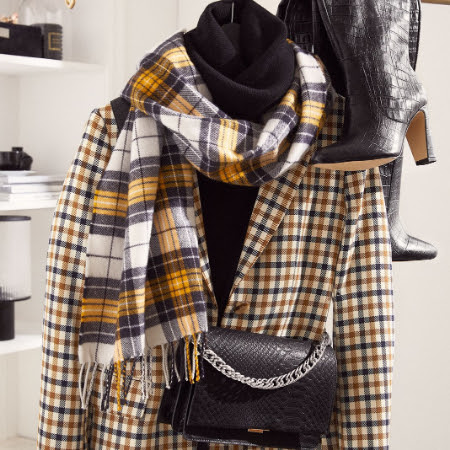
H&M in Atlanta has a program that allows you to drop your bag of unwanted clothing in the recycling box at your local store. All textiles are welcome – any brand, any condition – even odd socks, worn-out T-shirts and old sheets. The textiles are then sent to the nearest recycling plant, where they’re sorted by hand. For every bag of textiles you drop off, you’ll receive a discount card for 15% off your next in-store purchase. Get this deal. Here are some other textiles bags you can buy for cheap:
- 100% Natural Cotton Storage Bag
- Large Textile Sissy Bag
- Eco Friendly Muslin Bag
- Kavu Rope Sling Bag
- Merino Kids Baby Sleep Bag
Temperatures are dropping and new outerwear is on the rise. Top off fall outfits with the season’s It styles: plush pile, sleek puffers and more in-between layers have you covered. Plus, get points on every purchase when you join our loyalty program. Shop now!
Soma
The retailer currently has bras for sale along with other items.
Here some more bras for sale online you might like:
- Easy Does It Wire-Free Bra
- Toasted Almond Bra – 36C
- Playtex 18-Hour Ultimate Lift Bra
- Hands-Free Pumping Bra
- No Side Effects Full Coverage Underwire Bra
Jared
Jared Jewelers in Dunwoody currently has a sale on hand gems. You can save 20% on select jewelry from Le Vian’s famed Chocolate Diamond collection.
This Diamond Ring Is On Sale

Kobelli Antique Style Moissanite Engagement Ring 1 1/2 CTW 14k White Gold for $648.
Buy It
See More Wedding Rings On Sale Online:
Cheap Atlanta Flights Currently On Sale

Photo by Anna Shvets from Pexels One of the things that always goes on sale in Atlanta are airline tickets. These airfare deals go fast, so you have to hurry when they appear.
- Southwest Airlines: Use their Low Fare Calendar to find the latest Southwest deals HERE.
- Delta Airlines: See Delta’s Deals Page for its lowest fares out of Atlanta.
- Frontier Airlines: Save at Frontier by bundling fares and other deals.
- Spirit Airlines: use their Deal Finder for low cost fares around the U.S.
Now let’s explore some of the best electronics stores in Atlanta.
Top Electronics Stores in Atlanta
Store Address Brandsmart I-285 and Peachtree Industrial Blvd, 5000 Motors Industrial Way, Atlanta, GA 30360 Fry’s Electronics 3065 Webb Rd, Milton, GA 30004 Best Buy 1210 Caroline St NE, Atlanta, GA 30307 Microsoft Store 3393 Peachtree Rd NE Suite 3007A, Atlanta, GA 30326 Apple Store 3393 Peachtree Rd NE, Atlanta, GA 30326 If you’re looking to buy an iPhone or Android, here’s why you should choose a refurbished one. Interested in a flat screen TV? Here some other electronics deals we found online:
50-inch Toshiba Smart TV for Low

Buy
Google Pixel 4 – Just Black – 64GB – Unlocked

Buy
Save $50 on Versa 2 – with Alexa Built in

Atlanta has some great places to pick up the latest gadgets. Here are some of the top electronics stores here.
Grocery Stores
Photo credit: Nathália Rosa / Unsplash Atlanta has several of the top grocery store chains with items on sale all the time. The best way to save money at grocery stores is find out what’s on sale. Let’s look at the weekly ads at the following Atlanta grocery stores:
Drug Stores Weekly Ads
Check out the best ways to save on groceries.
Last Words
During this time of year, retailers are having their best sales, including many discounts and clearance deals. If you want to know what’s in store, keep reading.
Are you on the hunt for some great deals in Atlanta, Georgia. If you’re up for some shopping, we’ve got some great resources for you. If you’re serious about finding some deals, Atlanta has a bunch of malls as well as antique shops and consignment stores to find some great sales. Always see if you can comparison shop to find the deals.
Looking to Shop Electronics? Check Out These Deals
Atlanta has things to eat and places to explore, and yes, awesome places to shop. In addition to malls, many Atlanta boutiques and consignment shops have daily deals so that you can save money. When it comes to food here are all the Atlanta food specials. Atlanta’s retail scene continues to be a bright spot for the local economy — and that means more sales for everyone! NO MATTER WHAT YOU DO, take a look at all the top deals on our Retail Page, there are PLENTY of good deals that you don’t want to miss! Subscribe to our #ATLHaps Newsletter HERE and get the deals delivered to your inbox 🙂
- Here are more articles from AtlantaFi.com you might like:
Looking for human hair on sale? Buy lace fronts online here
Like Rihanna? Here’s where to buy FENTY products in Atlanta
Here are the best lace front wig shops in Atlanta
xx
-
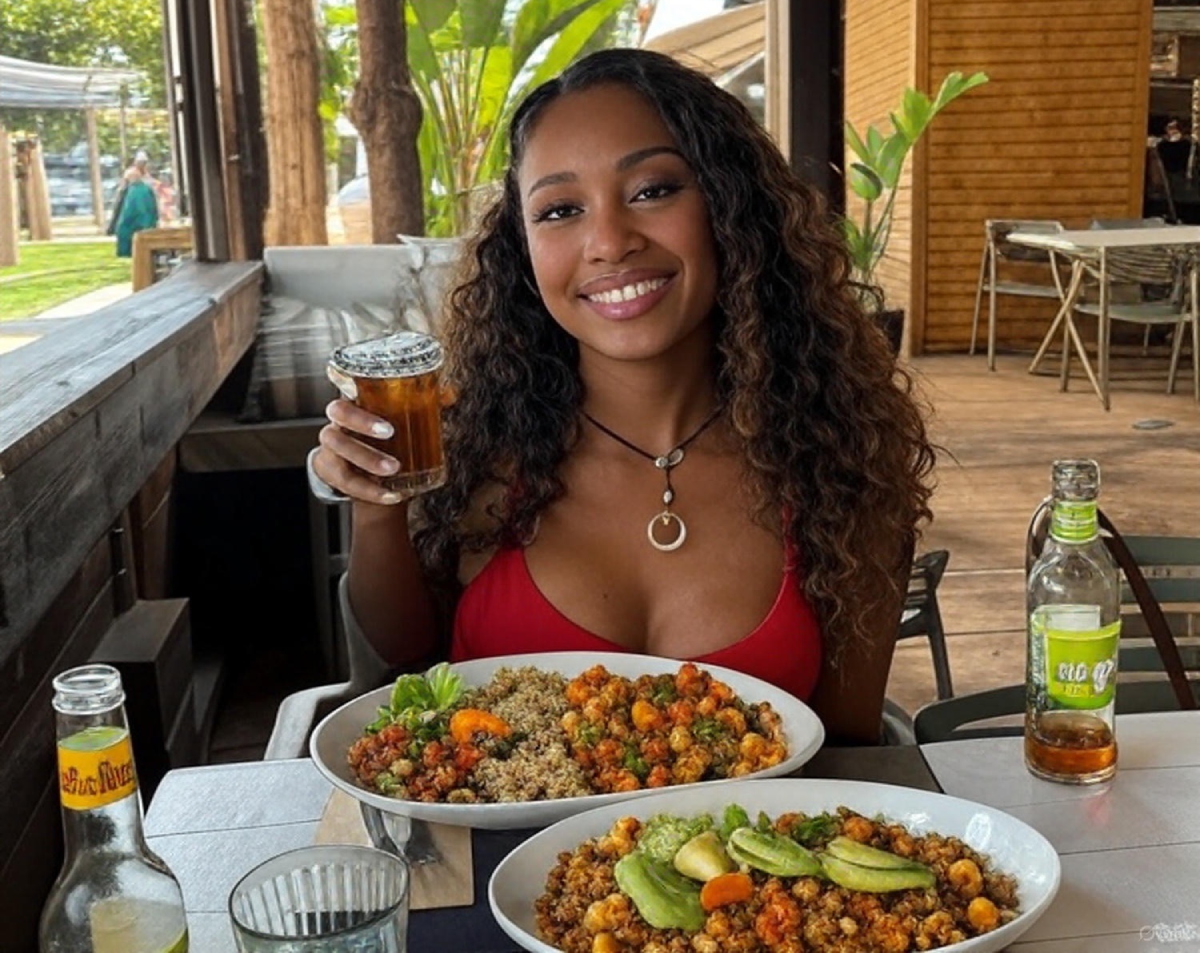
Atlanta, Georgia, continues to shine as a vibrant hub for vegan cuisine in 2026. The city’s plant-based scene blends Southern soul food traditions, global flavors, and innovative comfort eats that appeal to vegans, vegetarians, and omnivores alike. From long-standing institutions to creative newcomers, Atlanta’s vegan restaurants reflect the city’s diversity and culinary creativity.
From innovative fast-casual spots to upscale tasting menus, the city’s vegan restaurant scene reflects its cultural diversity and culinary creativity. Here’s a roundup of some of the best vegan restaurants in Atlanta, showcasing the city’s commitment to delicious, sustainable, and inclusive dining.
1. Slutty Vegan: A Plant-Based Powerhouse

Pinky Cole Hayes’ Slutty Vegan has become a cultural phenomenon since its debut as a food truck in 2018. With multiple locations across Metro Atlanta, including West End, Edgewood, Jonesboro, and Duluth, this Black-owned, woman-led restaurant is known for its cheeky menu names and indulgent vegan comfort food.
Signature dishes like the One Night Stand—a plant-based patty loaded with vegan bacon, cheese, caramelized onions, and “slut sauce” on a Hawaiian bun—and the Dancehall Queen, stuffed with jerk-spiced plantains, draw crowds willing to wait in line for hours. Slutty Vegan’s success, including $25 million in series A funding and a valuation over $100 million, underscores its impact on Atlanta’s dining landscape and beyond.
2. La Semilla
780 Memorial Dr SE Unit 4A, Atlanta, GA 30316 | (404) 228-3090

Located in Reynoldstown, La Semilla elevates plant-based dining with its Latin-inspired menu, highlighting seasonal ingredients and vibrant flavors. Diners rave about the Cubarrito (a fusion of Cuban and burrito elements with picadillo, maduros, avocado, and mojo crema) and jackfruit lechón Cuban sandwiches.
The restaurant’s beachy decor, plant-filled dining room, and craft cocktails like the ancho chili-lime pisco make it a standout for both casual meals and special occasions.
La Semilla’s commitment to Latin American culinary traditions has earned it a spot as a must-visit for vegan foodies.
3. Cafe Sunflower
2140 Peachtree Rd, Atlanta, GA 30309 | 404) 352-8859

A cornerstone of Atlanta’s vegan scene, Cafe Sunflower has been serving plant-based dishes in Buckhead and Sandy Springs for more than 30 years. Its globally inspired menu draws from Asian, Caribbean, Mediterranean, and Southwestern cuisines, offering everything from sesame soy “chicken” to blueberry pancakes with vegan whipped cream at its Saturday brunch.
The restaurant’s clearly marked soy-free, nut-free, and gluten-free options make it accessible to a wide range of diners. Regulars praise the welcoming atmosphere and dishes like the Buffalo lollipops with vegan blue cheese dressing.
4. Soul Vegetarian
652 N Highland Ave NE, Atlanta, GA 30306

Since 1979, Soul Vegetarian has been a trailblazer in Atlanta’s Black vegan movement, with one remaining location in Virginia-Highland. Known for its “kalebone” (a succulent seitan rib substitute), the restaurant serves hearty soul food dishes like vegan mac and cheese, collard greens, and homestyle lasagna.
Customers describe the food as “nourishing for body and soul,” with standout items like the kale burger and weekly specials such as fully loaded cheesesteaks. Soul Vegetarian’s use of local ingredients and its regenerative cuisine philosophy make it a beloved institution.
5. Tassili’s Raw Reality
1059 Ralph David Abernathy Blvd, Atlanta, GA 30310 | (470) 750-7233

In Atlanta’s historic West End, Tassili’s Raw Reality has been a beacon of vitality since 2011. This Black-owned gem specializes in raw vegan dishes, including the Mandingo Wrap—a massive spinach tortilla filled with marinated kale, avocado, tomato, agave, hemp seeds, and almonds—and the Tassili Original Kale Salad with red onions and sun-dried tomatoes.
Owner Tassili Ma’at emphasizes healthy, filling meals paired with fresh juices, making this spot a favorite for those seeking raw and organic cuisine.
6. Life Bistro
2036 Sylvan Rd SW, Atlanta, GA 30310 | (404) 464-5139

Life Bistro, located in Atlanta’s southside, offers a fine-dining take on vegan soul food with an alkaline-focused menu. Signature dishes include lion’s mane mushrooms disguised as fried catfish nuggets, served with cornbread hushpuppies and vegan tartar sauce, and creamy jerk pasta with konjac shrimp. The restaurant’s from-scratch kitchen and vibrant flavors, like the skewered oyster mushrooms with chimichurri, have made it a weekly destination for locals. Ample parking and proximity to Hartsfield-Jackson Airport add convenience for visitors.
7. Plant Based Zo
940 McDaniel St SW, Atlanta, GA 30310 | (404) 941-9607

For a unique twist, Plant Based Zo in Atlanta’s Pittsburgh neighborhood serves vegan Haitian-Caribbean cuisine. Family-owned and operated, the restaurant offers dishes like jackfruit griyo with diri djon djon (Haitian black rice) and fried plantains with pikliz. The Voudou Burger, infused with traditional Haitian spices, is a fan favorite. Reviewers praise the well-seasoned, authentic flavors, with one calling it “the best Haitian restaurant, period.” Plant Based Zo’s catering services and community vibe make it a standout.
8. Mamak Vegan Kitchen
2390 Chamblee Tucker Rd Ste 101, Chamblee, GA 30341 | (678) 909-8188

Just outside city limits in Chamblee, Mamak Vegan Kitchen brings Malaysian flavors to Atlanta’s vegan scene. Diners can enjoy potato curry hand pies, rendang curry with Beyond Beef, or wok-tossed okra with homemade sambal.
The restaurant’s unassuming strip mall location belies its bold, authentic dishes, making it a hidden gem for those willing to venture OTP (outside the perimeter).
9. Calaveritas Taqueria Vegana
3795 Presidential Pkwy Suite FP-10, Atlanta, GA 30340 | (470) 290-3636

Also in Chamblee, Calaveritas Taqueria Vegana offers 100% vegan tacos, burritos, and quesadillas with authentic Mexican flavors. Standout items include carne asada tacos and nachos made with fresh, plant-based ingredients.
The restaurant’s focus on minimally processed foods and its welcoming staff have earned it high praise from vegan and non-vegan diners alike.
Final Word
Atlanta, Georgia, long celebrated for its soul food and Southern hospitality, has emerged as a vibrant hub for vegan cuisine, offering a diverse array of plant-based dining options that cater to vegans, vegetarians, and omnivores alike.
Atlanta’s vegan restaurants reflect the city’s rich cultural tapestry, blending Southern, Latin, Caribbean, Asian, and African influences into a dynamic plant-based dining scene.
Whether you’re craving a quick vegan burger from a food truck or an upscale tasting menu, Atlanta delivers with flavor and flair. As the city continues to grow as a vegan destination, these restaurants prove that plant-based eating is not just a trend but a delicious, sustainable way of life.
-
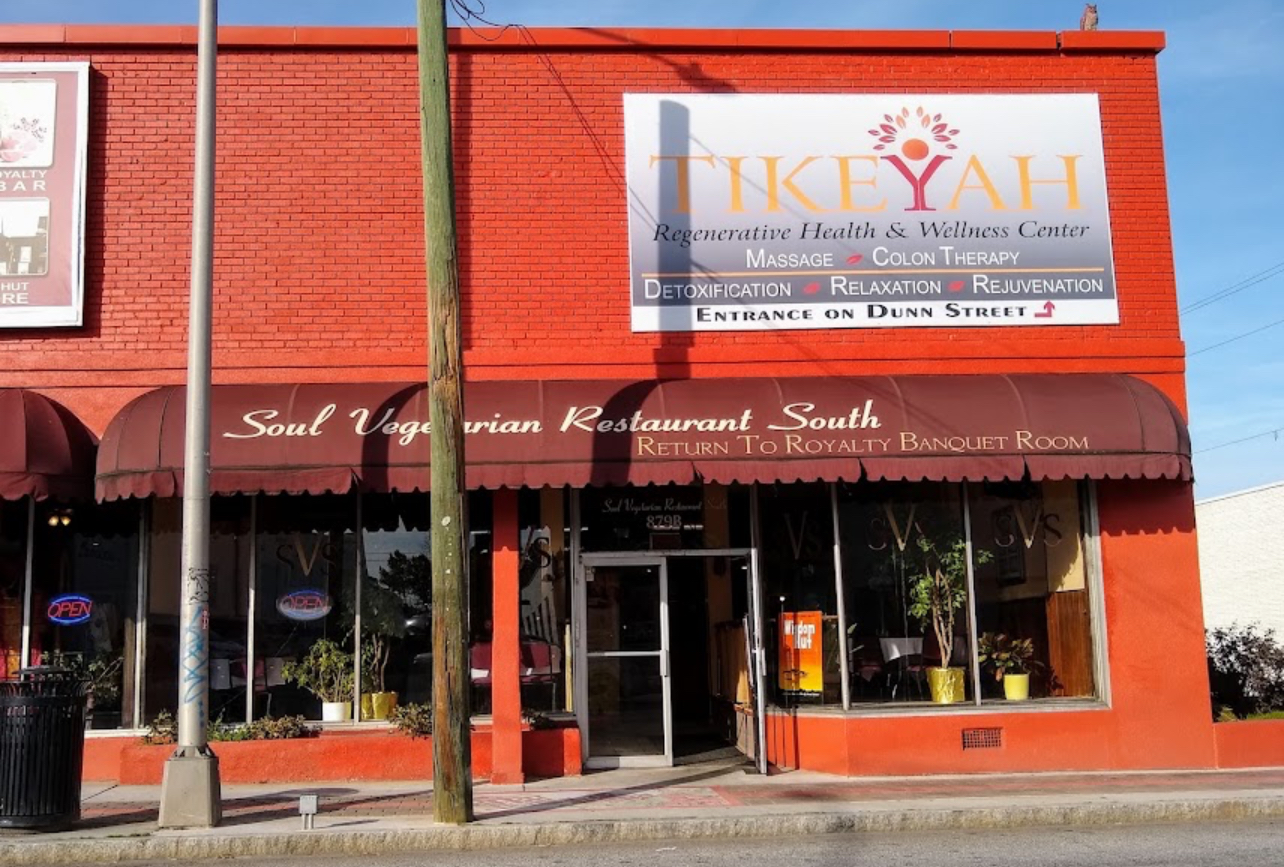
After nearly five decades of nourishing bodies and spirits, Atlanta’s oldest Black-owned vegan restaurant—known as Soul Vegetarian or The New Soul Veg—closed its doors at its historic West End location on July 12, 2026.
The shuttering marks the end of an era for a trailblazing institution that introduced generations of Atlantans to plant-based soul food and helped spark the city’s vibrant vegan scene.
Soul Vegetarian: A 47-Year Legacy of Health, Community, and Vegan Pioneering in Atlanta Comes to a Close
Founded in 1979 by members of the African Hebrew Israelite Nation of Jerusalem, Soul Vegetarian opened its first location at 625 Peachtree Street in downtown Atlanta. The restaurant embodied the community’s commitment to wellness, longevity, and a healthier lifestyle rooted in plant-based eating. It relocated to the West End in 1982, settling at 879 Ralph David Abernathy Boulevard, where it became a cornerstone of the neighborhood.
Roots in Faith, Health, and Service
At a time when the West End corridor had little development and few Black-owned businesses, Soul Vegetarian stood as a pioneer. The restaurant was among the first of its kind along the street and quickly became the backbone of the area.
Its menu offered vegan interpretations of classic soul food staples: macaroni and cheese, candied yams, collard greens, and the signature BBQ kale “bone”—a dish Chef Israel created herself. These comforting, flavorful plates drew in not only locals but also visitors seeking healthier alternatives without sacrificing taste or culture.
A Hub for Community, Culture, and Inspiration

Beyond the food, Soul Vegetarian served as a multifaceted gathering place. It was a site for fellowship, education, faith, and cultural exchange. Longtime customers recalled everything from hearing herbalist Dr. Sebi speak to encountering artists like India.Arie while grabbing a plate. Families passed down the tradition across generations—one woman visited with her teenage son, continuing a habit from her own childhood.
The restaurant’s influence extended far beyond its walls. It inspired countless vegan journeys and helped pave the way for the wave of Black-owned vegan establishments that now thrive in Atlanta, particularly in the West End. Many of today’s plant-based spots trace their origins to customers who were first introduced to vegan eating at Soul Vegetarian.
The city’s reputation as a vegan powerhouse in the South owes a significant debt to this foundational eatery and the broader Black communities that embraced plant-based living decades before it became mainstream.8
Founding member Saint Mica’el, who helped build the restaurant from its early days, reflected on its journey. Many original members, including himself, eventually moved to Israel, but the Atlanta outpost carried forward the mission of service and giving.
The Decision to Close and Its Broader Meaning
The closure stemmed primarily from the building’s aging infrastructure and rising operating costs—challenges faced by many longstanding restaurants. Management described the decision as difficult and emotional but necessary after 47 years. “We’ve held on for 47 years, and we take that with pride. We did a good job,” Chef Israel said.
While the West End location has closed, the second Atlanta spot (Soul Vegetarian No. 2 at 652 North Highland Ave. NW) remains open, and Israel hinted at potential future smaller ventures.
The outpouring of memories on social media and in person during the final weeks underscored the restaurant’s profound impact. Customers mourned the loss of a neighborhood staple while celebrating its role in fostering health, community pride, and cultural resilience. In a city undergoing rapid change, Soul Vegetarian represented continuity—a place where “soil to soul” nourishment nourished more than just the body.
As Atlanta’s vegan landscape continues to flourish with dozens of plant-based options, Soul Vegetarian’s legacy endures. It proved that vegan soul food could be both deeply rooted in Black culinary traditions and forward-looking in its emphasis on wellness and empowerment. The restaurant’s closing is not just the end of a business; it is the completion of a remarkable chapter in Atlanta’s history—one that transformed how the city eats, connects, and thinks about health.
Want to venture out from the West End? This is one of the best places to eat in West Midtown.
The best restaurants on the Beltline all have excellent customer service and food. What separates them from many of the other spots is that they’re on the urban playground called the Beltline.
The ATL has other cool eateries as well. If you’re gluten-free, there’s plenty of options. Same goes for keto-friendly restaurants or Asian fare in Atlanta
-

A group including a mother, her son, and friends was escorted out of a Waffle House by police after paying for their meal and leaving a tip, according to a video that has gone viral.
Viral Video Shows Police Removing Mother, Son from Atlanta-Area Waffle House Over To-Go Containers
The incident, captured in a roughly three-minute video posted on July 16, 2026, has raised questions about discrimination, visitors to Atlanta and hospitality.
While the video doesn’t show the beginning of the encounter, the post describes the group ordering their food to go but choosing to eat it inside the restaurant using the plastic to-go containers instead of the chain’s standard dishes and utensils.
“Mother, son and friends were put out of a Waffle House by police after paying and tipping. They wanted to eat out of plastic containers as opposed to Waffle House dishes, so they ordered to go but ate inside,” the caption states.
What’s REALLY Happening in the Video?
The family notes that they had traveled to Atlanta for a show but missed it due to the incident.
The video is a compilation of clips from inside and outside the restaurant in the Atlanta area. Key moments include:
- A young person in a white T-shirt, camo cap, and white sunglasses holding a black plastic to-go container with food while standing near police officers inside the brightly lit Waffle House.
- Multiple police officers — including one with visible tattoos — standing in the dining area and outside in the parking lot at night.
- After being escorted out, the family is shown gathered near the entrance, with police vehicles and officers present.
- The clip also references past lawsuits against Waffle House alleging racial discrimination in service.
The video does not show the initial interaction with staff or the moment police were called, but it depicts the group being asked to leave after their meal was paid for.
Context and Atlanta Reactions
Waffle House locations are known for 24-hour service and have a long history of customer disputes, some of which have escalated to involve law enforcement. Restaurant policies on dine-in versus to-go orders, use of plasticware, and table occupancy can vary by location and manager, though the chain has faced previous scrutiny over service practices.
Online reactions to the post have been mixed. Some commenters expressed surprise that police were involved over what appeared to be a preference for plastic containers. Others questioned whether the group violated standard to-go policies by remaining seated inside after ordering takeout.
The video continues to circulate widely, adding to ongoing public conversations about customer treatment, restaurant policies, and police involvement in minor disputes at popular chains like Waffle House.
As of now, no official statement has been released by Waffle House or local law enforcement regarding this specific incident. The original footage appears to have originated on Instagram.
-

Atlanta, GA – July 15, 2026 – Developments on July 14, 2026, have brought Georgia one significant step closer to permanently observing Daylight Saving Time (DST), eliminating the biannual clock changes that have long frustrated residents and businesses across the state.
The U.S. House of Representatives passed the Sunshine Protection Act on July 14, a bill that would make Daylight Saving Time the permanent standard time nationwide, with provisions allowing states to opt out for standard time if they choose.
This federal legislation, which has received backing from President Donald Trump, now heads to the Senate.
Georgia Poised for Year-Round Daylight Saving Time as Federal Momentum Builds Following House Passage of Sunshine Protection Act
If enacted, it would enable states like Georgia— which have already laid the groundwork through state legislation—to lock in later sunsets year-round without needing further congressional approval for time zone adjustments.
Georgia’s Long-Standing Push for Permanent DST
Georgia has been at the forefront of efforts to end the clock-changing ritual. Earlier in 2026, the Georgia Senate advanced House Bill 154, known as the “Georgia Sunshine Protection Act.” This measure directs the Governor to request that the U.S. Secretary of Transportation shift the state into the Atlantic Time Zone, effectively implementing year-round DST by aligning clocks permanently with the advanced time.
The bill passed the Senate in March 2026 and reflects broad bipartisan support in the state legislature. Proponents argue that permanent DST would boost public safety by providing more evening daylight for after-work activities, reduce energy consumption related to lighting, and benefit key sectors such as agriculture, retail, and tourism. Supporters, including many in the business community, highlight how darker winter mornings under standard time contribute to morning traffic accidents and lower productivity.
“Extra evening light means families can enjoy more time outdoors, kids playing safely after school, and businesses staying open later,” said one advocate familiar with the state legislation.
The Federal Context and Potential Impacts
The House’s action on July 14 revives a long-debated national conversation. Similar versions of the Sunshine Protection Act passed the Senate in prior years but stalled in the House. With federal passage now a real possibility, Georgia’s preemptive legislation positions the state to implement changes swiftly.
If both the federal bill and Georgia’s efforts succeed:
- Sunsets in winter months like December would shift later (e.g., around 6:30 p.m. instead of 5:30 p.m. in parts of the state).
- Sunrises would also be delayed, potentially pushing winter sunrises to 8:00 a.m. or later in some areas.
This trade-off has drawn criticism from health experts and parents. Opponents cite studies linking later winter mornings to increased risks of heart issues, obesity, sleep disruption (especially for schoolchildren), and workplace fatigue. Some rural areas and eastern parts of Georgia, already on the edge of time zones, worry about misalignment with neighboring states like Alabama and Tennessee.
Broader National Picture
Georgia joins roughly 19 other states that have passed resolutions or laws supporting permanent DST, contingent on federal approval. Public opinion remains divided: most Americans dislike the twice-yearly time changes, but polls often show a preference for permanent standard time (with earlier sunsets) over permanent DST when forced to choose.
The Senate’s upcoming debate on the Sunshine Protection Act will be closely watched in Georgia. Governor Brian Kemp and state lawmakers have signaled readiness to move forward once federal hurdles are cleared.
As the debate continues, Georgians may soon bid farewell to “falling back” and “springing forward,” ushering in a new era of consistent timekeeping—if the stars (and clocks) align in Washington and Atlanta.
Whether this brings more evening recreation or darker school mornings remains to be seen, but one thing is certain: the conversation about time in Georgia is far from over.
-
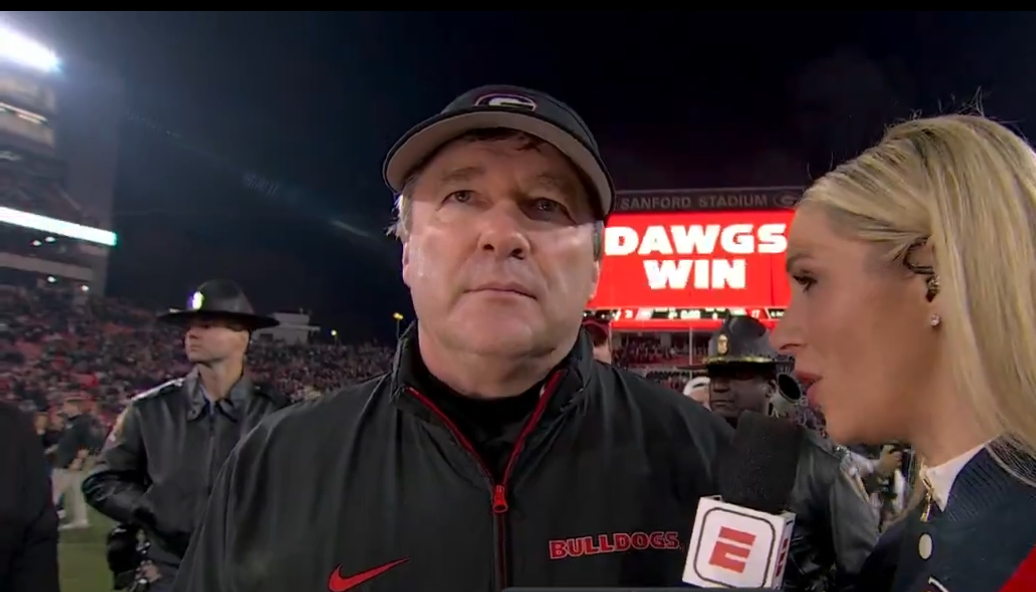
As a die-hard Georgia Bulldog fan, here’s my take on that USA Today coaches rankings list — with some serious Dawg pride injected.
Look, I’ll admit it: seeing Curt Cignetti slotted at No. 1 stings a little. The guy just won a national title with Indiana after turning around James Madison. Fair play — that’s an incredible run, 27-2 in two years at IU with a dominant playoff run. He’s playing Nick Saban realness right now.
NCAA Top 25 Head Coaches
But let’s be real: Kirby Smart built what he has over years at a blue-blood program, not jumping ship for flashier gigs. Cignetti earned the top spot this offseason, but we’ll see how long that lasts when the real games start.
Our guy Kirby Smart comes in at No. 2 (down from 1), and honestly, that’s still elite company. The article nails it: he doesn’t “rule with the same authority” as a few years ago, but he’s still head and shoulders above almost everyone. Three of the last four SEC titles? Check. Elite recruiting, player development, and retention even in the wild west of the transfer portal? Check. Georgia remains a perennial contender built to last. That’s not luck — that’s Smart’s program. We’ve got the talent, the scheme, and the culture to compete for it all again this year. No. 2? We’ll take it as motivation. Kirby’s got that Dawg in him.0
The rest of the list has some head-scratchers, but from Athens, a few stand out:
- Ryan Day at No. 3 (Ohio State): Solid, but we know how that rivalry goes. He finally got over some humps, but we’ll see him in the SEC/Big Ten crossover soon enough.
- Marcus Freeman (Notre Dame), Dan Lanning (Oregon), etc.: Young guns on the rise. Respect, but none have Kirby’s sustained excellence at this level.
- Lane Kiffin at No. 6 (now at LSU): Always entertaining, master recruiter and QB whisperer. Good luck in Baton Rouge — we’ll enjoy facing that chaos in the SEC.
- Lower down: Sark, DeBoer, Dabo — all talented, but Georgia’s been stacking SEC hardware while some of them chase consistency.
Overall, the list reflects a sport in flux with portal madness, coaching carousel drama, and new conference alignments. But for us Georgia fans? This just fires us up more. Kirby Smart is the gold standard — two-time national champ, SEC powerhouse architect, and the guy who keeps delivering. Cignetti had his moment, but the Dawgs are loaded and hungry for more rings.
Go Dawgs — 2026 is going to be fun. Sic ’em!
-
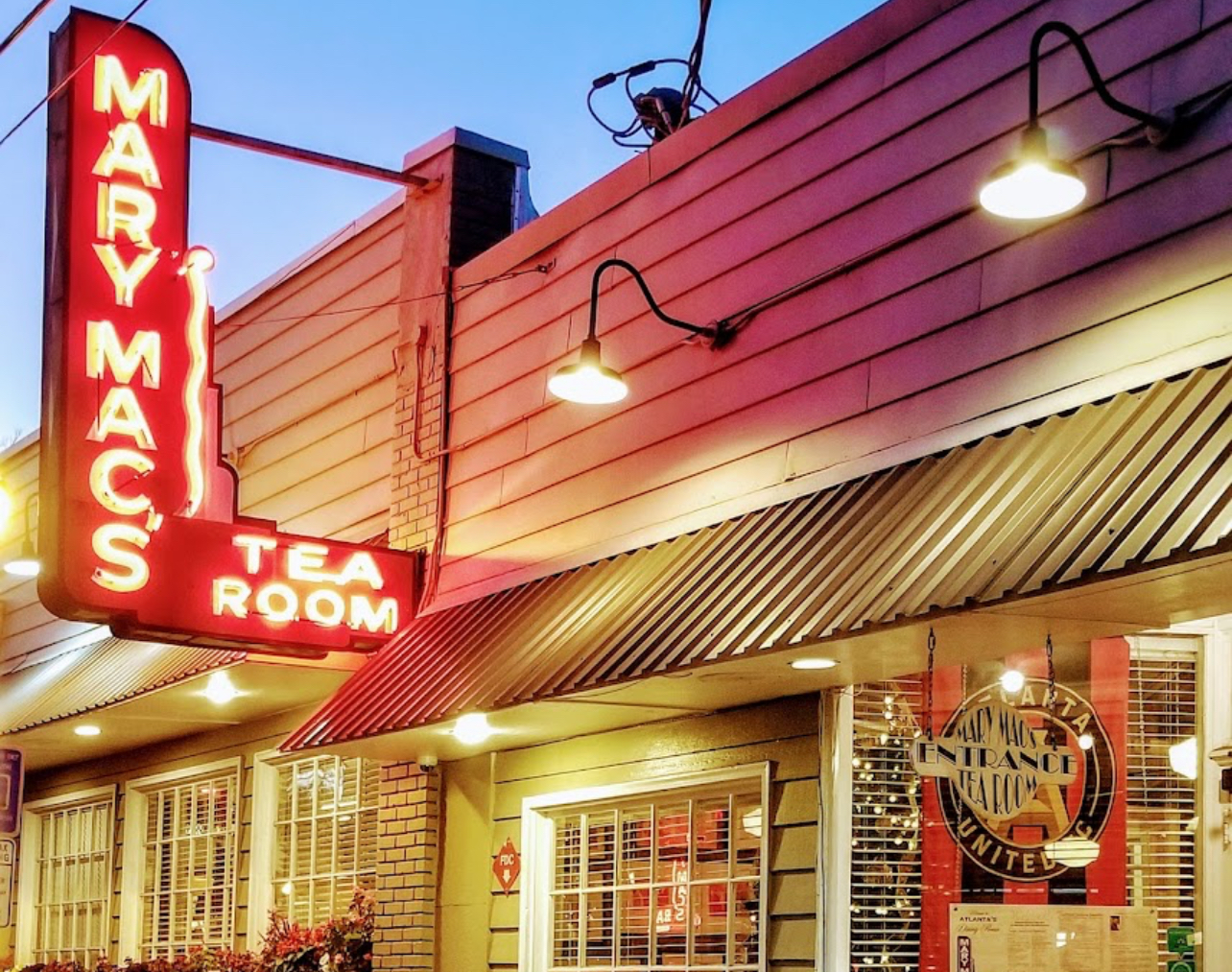
The beloved Midtown Southern institution, located at 224 Ponce de Leon Ave. NE, opened in 1945 by Mary MacKenzie.
It has expanded into a 13,000-square-foot space serving classic comfort food favorites. Until now, it operated on a walk-in-only basis, but strong demand has prompted this change while preserving its welcoming vibe.
Mary Mac’s Tea Room Now Taking Reservations for the First Time in its History
The restaurant will reserve only about 20% of its capacity across its six dining rooms, keeping most tables available for walk-ins. As the restaurant noted: “While we always welcome walk-in guests, this new option gives diners the confidence of having a reserved table while preserving the warm Southern hospitality that has made Mary Mac’s Tea Room ‘Atlanta’s Dining Room’ a beloved Atlanta institution for generations.”
You can now book tables via the restaurant’s website: marymacs.com/reservation.
Other Midtown Atlanta Restaurants That Accept Reservations
Midtown offers many options that take reservations, often through platforms like OpenTable or Resy (or directly on their sites). Here are some popular ones based on recent recommendations:
- Lyla Lila (693 Peachtree St NE) — Casual-elegant spot known for excellent pasta (like crispy duck lasagna), crudo, and wood-grilled fish. Reservations encouraged.16
- El Valle (800 Peachtree St NE) — Fine-dining Mexican with standout dishes like halibut ceviche, octopus quesadilla, and a strong wine/cocktail list. Reservations encouraged.
- Ecco Midtown (40 7th St NE) — Longtime favorite for Italian-inspired dishes, happy hour, and date nights (also has locations elsewhere). Reservations encouraged.16
- South City Kitchen Midtown (Crescent Avenue) — Refined Southern cuisine in a charming bungalow setting, great for brunch, lunch, or dinner.
- 5Church Midtown (1197 Peachtree Street NE) — New American with rooftop bar vibes; book via Resy for smaller parties.
- Saints + Council (Colony Square, 1221 Peachtree Street) — Fine dining spot in Colony Square; reservations available (cashless).
- Midtown Social Restaurant & Bar (West Midtown area) — Elevated dining with brunch, lunch, and dinner options; book online or by phone.
Other strong mentions from Midtown guides include Nan Thai Fine Dining, spots in Colony Square’s Politan Row food hall, and Brasserie Margot at Four Seasons for French-inspired fare.
For the latest availability, check OpenTable or Resy and search “Midtown Atlanta,” as options rotate with seasons and popularity. Many places recommend booking ahead, especially for weekends or events near Piedmont Park, the Fox Theatre, or the Arts Center. Enjoy your meal in one of Atlanta’s most vibrant neighborhoods!
Metro Atlanta’s food and drink scene continues to grow with no stops on the horizon. Ready to try something new?
-

ATLANTA — Local children’s educational toy company Brown Toy Box is set to become a vibrant new addition to the South Downtown Atlanta community, the company’s founder announced this week. The move highlights how location can be just as critical as innovation for a business focused on serving families.
Terri-Nichelle Bradley, founder and CEO of Brown Toy Box, shared the news on LinkedIn, noting that safety, strong community ties, and accessibility are essential for the company’s long-term growth and its mission to spark curiosity in young minds.
AtlantaFi.com interviewed Bradley in 2021 when her company first debuted Brown Toy Box.
Brown Toy Box Expands to South Downtown Atlanta, Emphasizing Community and Curiosity
“Sometimes, just as important as the ‘what’ you’re building, is the ‘where’ you build,” Bradley wrote.
Brown Toy Box, which launched in 2017, creates inclusive STEAM (Science, Technology, Engineering, Arts, and Math) toys, kits, books, puzzles, and experiences designed to celebrate culture and representation — particularly for Black children. The company has served thousands of families through partnerships, award-winning products, and its existing downtown Atlanta flagship store at 61 Forsyth Street NW, which opened in 2025.
The upcoming relocation to South Downtown represents a significant next step. Bradley described the new space as more than a retail store — envisioning it as a “fun-filled educational experience and community third space” where families can discover, build, create, and imagine. “We’re designing a place where every corner invites exploration, every product starts a conversation, and every visit feels like stepping into a new Discovery World,” she said.
The company aims to scale this model as a blueprint for future locations, with an emphasis on solving the challenge of inspiring more children to see themselves as future engineers, artists, scientists, and inventors. “We believe the future belongs to the curious,” Bradley added. “And we’re building a place worthy of them.”
South Downtown Atlanta leaders and community members have welcomed the announcement warmly, with early reactions praising the addition as a boost for family-friendly vibrancy in the area. The new store is expected to open later this year.
Brown Toy Box has earned recognition for its impact, including features in Inc. Magazine and partnerships that have placed its products in major retailers. The company continues to advocate for equity in play and education while growing its footprint in its hometown.
Atlanta families can look forward to a welcoming destination that turns shopping trips into lasting memories of discovery and joy. Keep an eye on Brown Toy Box for updates on the grand opening and upcoming community events in South Downtown.
For more information, visit browntoybox.com.
More From AtlantaFi.com:
-
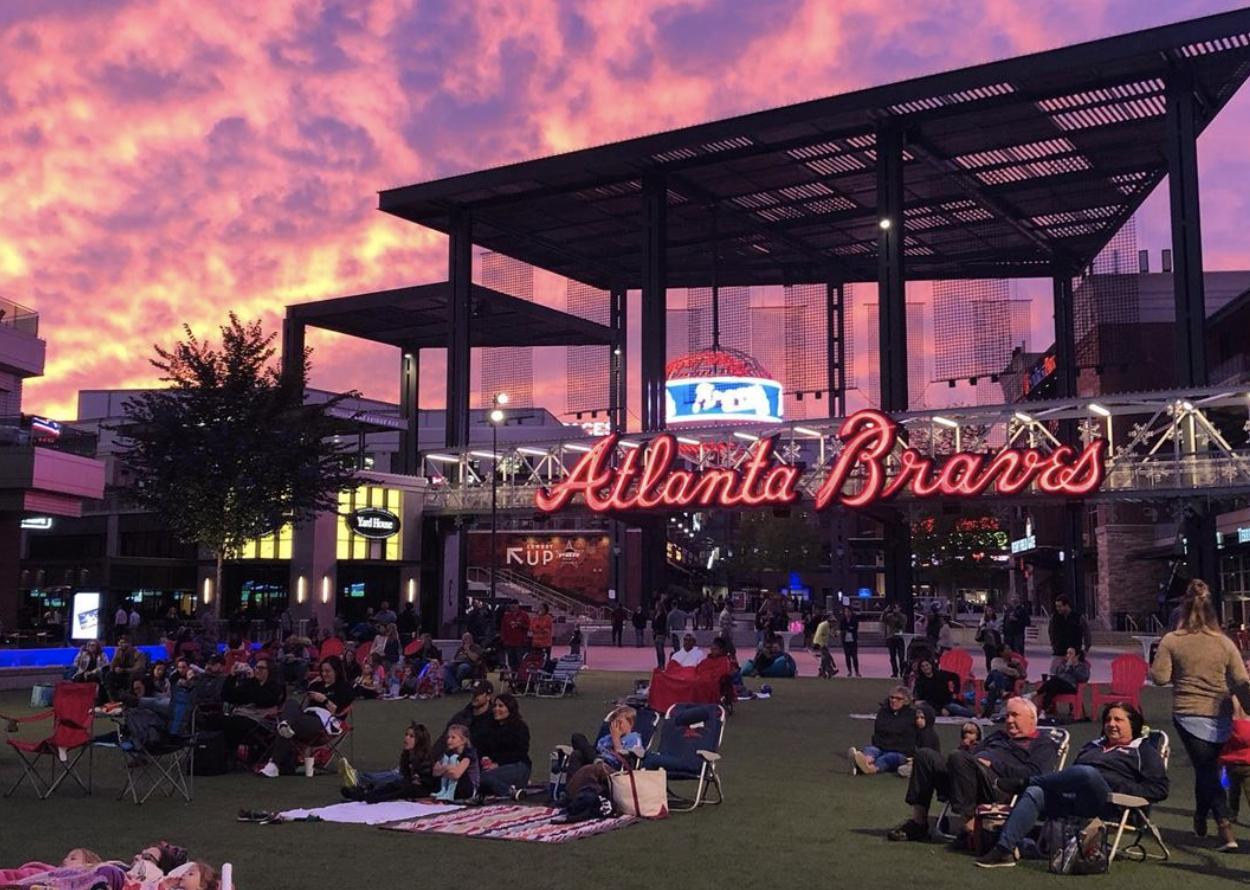
Atlanta, GA – Pokémon GO fans across the metro area have something exciting to look forward to this weekend. On Saturday, July 11, 2026, from 10 a.m. to 7 p.m., The Battery Atlanta will host a free Pokémon GO Fest celebration open to trainers of all experience levels.
The event promises a full day of community, competition, and classic Pokémon GO fun right in the heart of the city. Organizers invite players to connect with fellow trainers, explore the venue, and dive into special in-game activities designed for everyone from casual walkers to dedicated raiders.
What to Expect at Pokémon GO Fest 2026
- Interactive Activities & Community Vibes: Trainers can participate in hands-on experiences, join group challenges, and mingle with the local Pokémon GO community. The Battery Atlanta’s vibrant outdoor setting provides the perfect backdrop for catching Pokémon while socializing.
- Special Giveaways: Attendees will have chances to win exclusive merchandise, in-game items, and other Pokémon-themed prizes throughout the day.
- Epic Raid Battles: A highlight of the event will be Mega Mewtwo Raid Battles. Trainers are encouraged to team up and take on this powerful Mega Pokémon.
- Featured Pokémon Encounters: Throughout the day, players can look forward to increased spawns and special encounters with featured Pokémon, making every spin of a PokéStop and every step around the venue potentially rewarding.
Whether you’re a longtime player hunting for rare shinies or a newcomer just getting started, the free event offers an accessible and welcoming atmosphere to enjoy the game in person with others who share the same passion.
Event Details
- Date: Saturday, July 11, 2026
- Time: 10:00 a.m. – 7:00 p.m.
- Location: The Battery Atlanta
- Cost: Free and open to the public
No ticket is required, but trainers should come prepared with charged phones, comfortable shoes, and plenty of Poké Balls. Staying hydrated and wearing sunscreen is also recommended for a full day outdoors in mid-July Atlanta weather.
This local celebration is part of the broader excitement surrounding Pokémon GO’s ongoing events in 2026, giving Atlanta-area players a chance to experience the game’s social side while enjoying one of the city’s premier entertainment districts.
Got questions or planning to attend? Drop a comment below or tag your fellow trainers on social media with #POGOFest2026ATL. See you out there, Trainers!
-

ATLANTA — Organizers of the FIFA Fan Festival Atlanta have announced extended operating hours for the event’s final two days in response to overwhelming fan demand during the FIFA World Cup 2026™. More than 453,000 fans from around the world have already visited Centennial Olympic Park over the first 16 days, turning the historic site into one of the tournament’s most vibrant gathering spots.
FIFA Fan Festival Atlanta Extends Hours for Final Two Days
The festival, hosted by the City of Atlanta and the Georgia World Congress Center Authority (GWCCA), will remain open later than usual on Tuesday, July 14, and Wednesday, July 15, to celebrate the World Cup semifinals and provide a memorable send-off.
Extended Schedule and Highlights
- Tuesday, July 14 (Semifinal Eve Celebration): Open from 1 p.m. to 10:30 p.m.
Fans can enjoy live match programming, entertainment, food, and cultural activities throughout the afternoon and evening. Atlanta native Ludacris will perform ahead of the first semifinal, followed by post-match celebrations with additional live entertainment and special guests. - Wednesday, July 15 (Closing Celebration): Open from noon to 10:30 p.m.
The day will feature viewing of the second semifinal on the park’s massive screens. At 6 p.m., the festival will transition into its official closing celebration, complete with entertainment, special guests, tributes to Atlanta’s role as a FIFA World Cup 2026™ host city, and a spectacular finale honoring the fans and the city’s journey.
Performance lineups and detailed event timings for both days will be announced on Monday, July 13.
Ticket Information
Daytime general admission tickets are sold out, but GA+ and VIP options remain available. A limited number of free evening-only tickets (entry beginning at 6 p.m.) for both July 14 and 15 will be released on Friday, July 11, on a first-come, first-served basis. These tickets do not guarantee entry.
For the latest updates, ticket information, and premium options, visit the official FIFA Fan Festival Atlanta site or the Atlanta World Cup 2026 pages.
A Lasting Legacy in Centennial Olympic Park
Located at 265 Park Ave SW in downtown Atlanta, the FIFA Fan Festival has transformed Centennial Olympic Park—already iconic for hosting the 1996 Summer Olympics—into a global hub of soccer, culture, and Southern hospitality. The extension reflects the event’s “remarkable success” and the strong community response, allowing even more fans to experience live match broadcasts, interactive activations, family-friendly activities, and unforgettable performances in the heart of the city.
As the World Cup semifinals approach, Atlanta is once again proving why it shines on the world stage. Whether you’re catching the action on the biggest screen in the city or soaking in the closing festivities, these final days promise to deliver high-energy celebrations worthy of the tournament’s climax.
Don’t miss your chance to be part of history—head to Centennial Olympic Park and join the global party!
More from AtlantaFi.com:
- Tuesday, July 14 (Semifinal Eve Celebration): Open from 1 p.m. to 10:30 p.m.