-
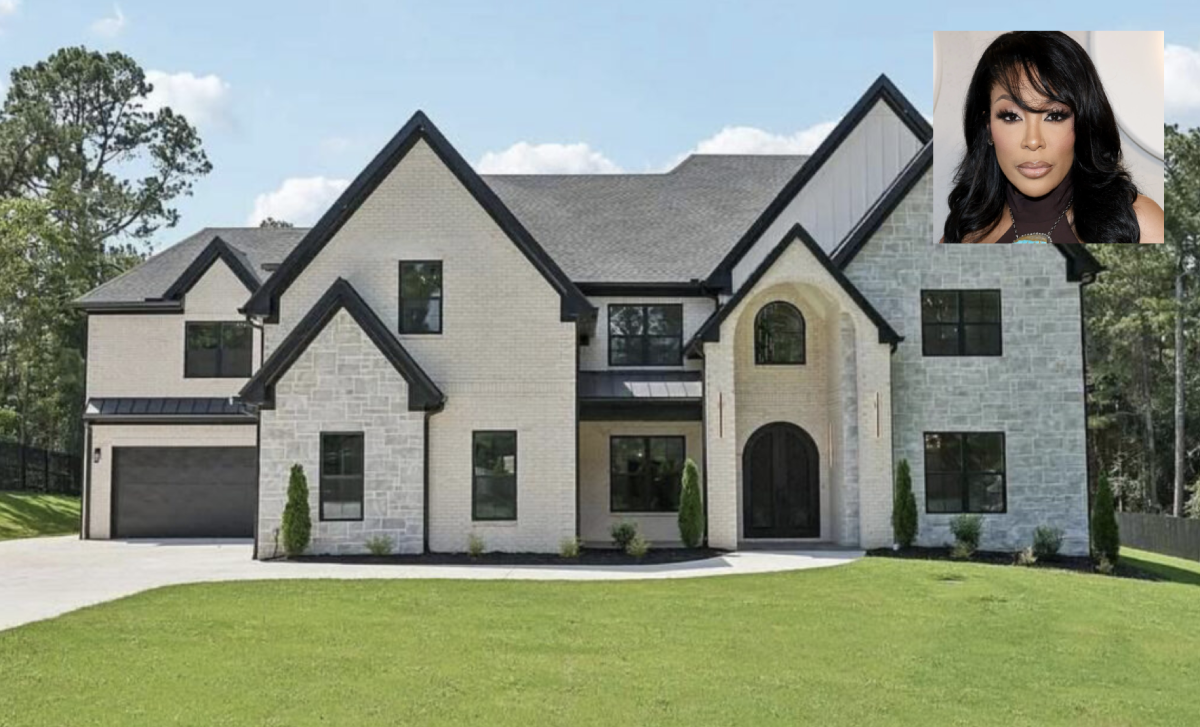
Singer and reality TV star K. Michelle is making big moves in the ATL, both on and off screen.
The Love Em All hitmaker recently shared glimpses of her stunning new 6,000-square-foot Buckhead estate, purchased for $1.5 million alongside her husband, Dr. Kastan Sims.
With 5 bedrooms and 6 bathrooms, the sprawling property offers plenty of space for the couple as they gear up for exciting new chapters and add to the celebrity homes in Atlanta.
K. Michelle Buys $1.5 Million Home in Atlanta
K. Michelle, known for her powerhouse vocals and unfiltered personality from stints on Love & Hip Hop: Atlanta, has been spotted filming with the Real Housewives of Atlanta cast, fueling confirmation that she’ll be joining season 17.
Fans are buzzing about how her bold energy will mix with the current peaches, especially as she settles into this upscale home perfect for hosting dramatic dinners and confessional-worthy moments.
The modern estate boasts elegant interiors and ample luxury, reflecting K. Michelle’s elevated lifestyle as she transitions into country music and reality royalty.
Inside K. Michelle’s Mansion
Here are exclusive glimpses into the singer’s new Atlanta haven:

Elegant living spaces in K. Michelle new Atlanta estate.
Modern kitchen perfect for entertaining.

Spacious bedrooms with luxurious finishes.

Stunning exterior of the $1.5M property.

Cozy and chic interiors reflecting K. Michelle vibe.

Has K. Michelle Been Confirmed To Be on RHOA?
Bravo executive and show host Andy Cohen seemingly made an accidental confirmation during an event in November 2025, which was then widely reported by multiple sources as an official announcement.
Additionally, K. Michelle has been spotted filming with other cast members, providing further visual confirmation.
Final Word
K. Michelle recently purchased a lush estate in Atlanta, something big enough to entertain in — and film in.
- The Home: A luxurious 6,000 sq ft estate with 5 bedrooms, 6 bathrooms, marble floors, and a bold decor, reflecting her vibrant personality.
- The Timing: The purchase and move-in happened just before her official debut on RHOA, aligning with her new life chapter.
- Her Role on RHOA: K. Michelle is set to bring her authentic, unfiltered energy and drama to the series, with fans excited to see her and her husband’s storyline unfold.
With her RHOA debut on the horizon and this dreamy new home, K. Michelle is poised to dominate Atlanta’s scene. Stay tuned for more updates as the season unfolds!
AtlantaFi.com – Your source for celebrity real estate and Bravo buzz in the city.
More From AtlantaFi.com:
-

Georgia is a beautiful place with rivers, gorges and hidden mountain ranges that relatively few know about. It’s been called the “Little Grand Canyon.” That’s what observers have said about beautiful nature preserve called Providence Canyon in Middle Georgia.
In this article, we’ll explore the many features of Providence Canyon and show you how to get there.
Why Do They Call Providence Canyon The ‘Little Grand Canyon’?
Providence Canyon earned its nickname and moniker because of its breathtaking views. The park spans over 1,000 acres and has 10 hiking trails.
The steep heels and terrain is a result of poor farming practices in the 1800s, when farmers used to dig massive trenches.
If you visit Providence Canyon State Park and perhaps want to hike, make sure you stay behind the fences and off the canyon edge.
Providence Canyon State Park, often called Georgia’s “Little Grand Canyon”, features stunning eroded gullies with vibrant pink, orange, red, and purple soil layers—formed by poor farming practices in the 1800s rather than natural forces.
Here are some essential tips to make your visit safe and enjoyable:
Planning and Arrival
- Pay the fee: $5 daily parking per vehicle (or get a $50 annual Georgia State Parks pass for multiple visits). Pay at the entrance or visitor center.
- Stop at the Visitor Center first: Located at the main parking lot, it has maps, exhibits, restrooms, water fountains, and a small gift shop. All trails start and end here—grab a trail map for guidance.
- Remote location: The park is in rural southwest Georgia near Lumpkin. Limited services nearby (gas, food, etc.), so stock up in advance, especially if coming from Columbus (about 40 minutes away).
- No pets restrictions noted, but leashed dogs are generally allowed on trails.
Best Time to Visit
- Fall (October-November) or spring for mild temperatures, fewer crowds, and great scenery (fall foliage enhances the colors).
- Winter offers clear views with less vegetation obscuring the canyons.
- Late summer (July-August) to see the rare plumleaf azalea blooming in bright red/orange.
- Avoid peak summer (May-September) if possible—the canyon floor can be extremely hot and humid. If visiting then, go early in the day.
Hiking and Safety Tips
- Wear sturdy, waterproof shoes: Trails (especially canyon floors) are often muddy, sandy, or wet with shallow water from the water table. Good traction is essential to avoid slips.
- Bring plenty of water, sunscreen, and snacks: No facilities on trails; summer heat is intense, and afternoon thunderstorms are common (pack a rain poncho).
- Stay on designated trails: Canyon walls are fragile and erodible—no climbing, carving, or going off-trail (fines apply). Stay behind fences on the rim for safety.
- Main trail recommendation: The 2.5-mile White Blaze Canyon Loop is popular—hike down to the floor for close-up views of canyons 1-9 (turn left at creek beds as marked). The rim offers easier overlooks. Backcountry trails (7 miles) are more strenuous with primitive camping.
- Expect some steep sections descending/ascending the canyon.
Other Notes
- The park is great for photography, picnicking (near parking), and stargazing (dark skies).
- Nearby options: Florence Marina State Park (15 minutes away) for more camping/cottages if needed.
- Check the official site (gastateparks.org/ProvidenceCanyon) for current conditions, as erosion continues to shape the landscape.
These tips will help you appreciate this unique Georgia gem safely!
Where Is Providence Canyon Located?
Providence Canyon is located in Stewart County in southwest Georgia. It’s a little ways from Atlanta, so make sure you fuel up your vehicle before you head south for the trip.
What Are Some Things To Do At Providence Canyon Park?
If you’re looking for some things to do at Providence Canyon Park, here are several activities:
- Astronomy Programs
- Canyon Climbers Club
- Hiking
- Picnicking
- Photography
Hiking
Providence Canyon, perhaps more than anything else, is known as a hiker’s paradise. The many trails throughout the state park take you several miles around the perimeter.
Picnicking
Who doesn’t enjoy a nice picnic outside in the breeze? There are several spots to picnic around Providence Canyon. Remember to bring a table cloth.
Serene and away from the trails, Providence Canyon reminds us of the many picnic areas of Atlanta.
Photography
If you’re a photographer, perhaps you have a nice Canon or Nikon to take pictures with, but of course. You don’t need any major gadgets. A smartphone will do just fine.
Walk around the perimeter to catch different angles of Providence Canyon. Got the perfect shot? Upload it to the Gram.
How Far is Providence Canyon From Atlanta?
Atlanta is 121 miles from Providence Canyon State Park. Traveling from Atlanta to Providence Canyon by car, it will take you approximately two hours to get there.
Driving Direction: Atlanta To Providence Canyon State Park
What Hours Is Providence Canyon Open?
As you may be aware, Georgia parks are open for vehicles for most of the day. If you want to park, you can enter Providence Canyon Park from 7 a.m. to 6 p.m.
The visitor center is open Monday-Thursday 9 a.m.-5 p.m. and Friday-Sunday 8 a.m.-5 p.m.
Final Thought
Is it time for a road trip outside of Atlanta? One of the best places to go to enjoy the state’s natural beauty is Providence Canyon, known as Georgia’s “Little Grand Canyon.”
If you want to enjoy Providence Canyon Park and other Georgia state parks on a regular basis, consider buying annual passes which cost $50. If you’re 62 or up, they cost half that.
Here are some helpful links:
-
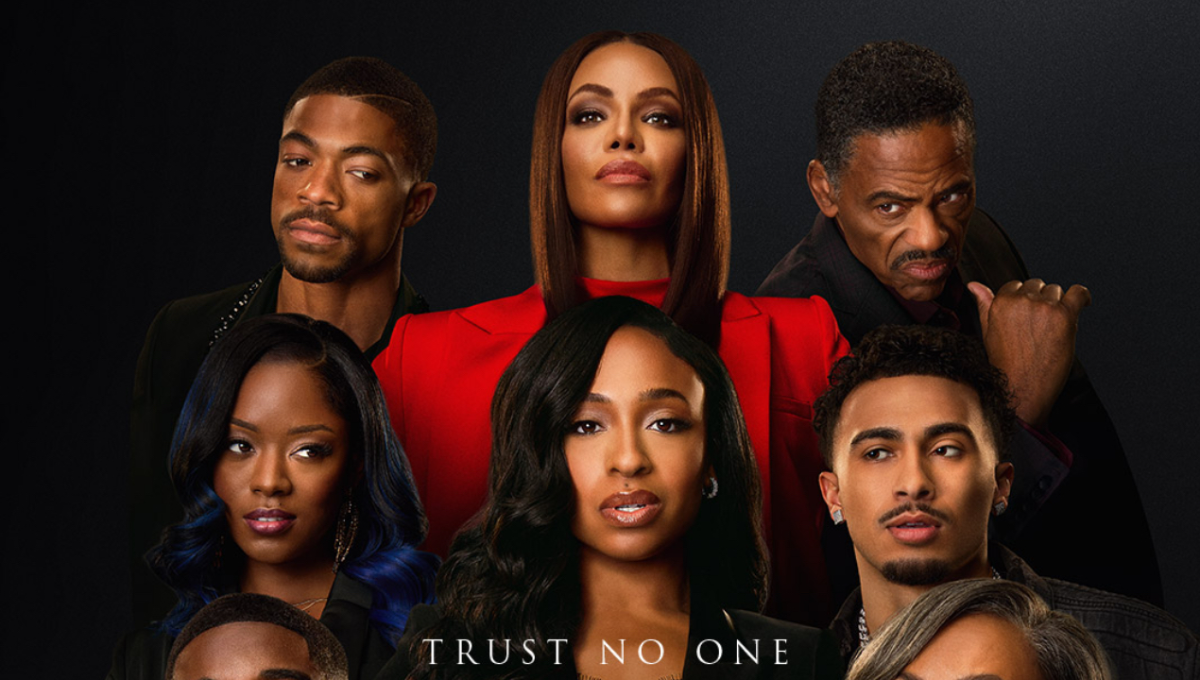
In a move that’s got the ATL buzzing from Tyler Perry Studios all the way to streaming screens worldwide, Netflix has officially renewed Tyler Perry’s hit drama Beauty in Black for a third and final season.
The announcement, dropped on Thursday , comes hot on the heels of Season 2’s explosive rollout and underscores Perry’s unbreakable grip on the city’s thriving TV production scene.
As the mastermind behind some of Atlanta’s most prolific content factories, Perry continues to put our city on the map as a hub for bold, unapologetic storytelling that resonates with Black audiences everywhere.
For those just tuning in—or binge-watching late into the night—Beauty in Black follows the high-stakes worlds of two women whose lives collide in unexpected and often treacherous ways.
At its core is Kimmie (played by breakout star Taylor Polidore Williams), a resilient stripper in Chicago scraping by in the adult entertainment industry while dreaming of a better life for herself and her family.
What Is Beauty in Black About?
Desperate to break free from her controlling boss Jules and the grind of the club, Kimmie lands a scholarship to the elite Beauty in Black hair school, run by the opulent Bellarie family—a cosmetics empire dripping in wealth, secrets, and cutthroat family feuds.
On the flip side, we meet Mallory Bellarie (Crystle Stewart), the poised beauty mogul whose picture-perfect life unravels amid betrayals, power grabs, and hidden scandals.
What starts as a tale of aspiration quickly spirals into a web of drama, where ambition clashes with loyalty, and survival means navigating a world as glamorous as it is vicious.
Is Beauty in Black Based on a True Story?
And no, for all the raw emotion and ripped-from-the-headlines vibes, Beauty in Black isn’t based on a true story—it’s pure Tyler Perry fiction, though he has cited inspirations from the real-world underbelly of the adult entertainment business.
That signature Perry blend of soapy twists, empowerment anthems, and Atlanta-sized heart is what keeps viewers hooked, episode after episode.
Fans eager for more won’t have to wait long to dive back in: Season 2 is already underway, with Part 1’s eight episodes having dropped earlier this fall to massive acclaim.
The full season clocks in at 16 episodes total, split into two pulse-pounding parts for that classic binge-and-build suspense.
When Will Beauty in Black Part 2, Season 2 Stream?
Part 2 of Season 2 is slated to premiere on March 19, 2026, promising even more chaos as Kimmie’s rise shakes the Bellarie dynasty to its core and alliances fracture like cheap hair extensions.
With Season 3 locked in as the series’ grand finale, expect Perry to pull out all the stops—rumors are swirling of deeper dives into family legacies, redemption arcs, and maybe even a Perry cameo or two.
This renewal isn’t just good news for Beauty in Black devotees; it’s a boon for Atlanta’s film and TV ecosystem.
Filmed largely at Perry’s sprawling 330-acre Tyler Perry Studios in southwest Atlanta, the series pumps jobs into local crews, from grips and gaffers to makeup artists channeling that Bellarie glamour.
How To Get Cast on Beauty in Black
Perry is currently casting for differs roles for the Netflix show. Read our Tyler Perry Casting Guide to fine roles for Beauty in Black and more.
Perry, who inked a multi-year deal with Netflix back in 2022, has already greenlit his second series for the platform, She the People—proving once again why the Peach State is the undisputed king of Black-led content creation.
“Atlanta is the heartbeat of this story,” Perry said in a statement released via Netflix Tudum. “From the studios where we build these worlds to the communities that inspire them, Beauty in Black is for the dreamers fighting their way up. Season 3 will wrap it all up with the fire it deserves.”
As we count down to more Beauty in Black drama, one thing’s clear: Tyler Perry isn’t just making TV—he’s building an empire, one season at a time.
Stream Season 1 and Season 2, Part 1 now on Netflix, and keep your eyes peeled for those Season 3 teases. What’s your take on the renewal? Hit us up in the comments—ATL, we’re all in this plot twist together.
AtlantaFi.com is your go-to source for the latest in local entertainment news, spotlighting the stars, studios, and stories shaping Georgia’s screen industry.
More Articles From AtlantaFi.com:
-

As the Peach State capital gears up for another electric weekend of gridiron glory, all eyes in the South – and beyond – are turning to downtown Atlanta.
On Saturday, December 13, the 10th annual Cricket Celebration Bowl takes center stage at the state-of-the-art Mercedes-Benz Stadium, pitting two powerhouse Historically Black Colleges and Universities (HBCUs) against each other in a battle for the HBCU National Championship.
2025 Celebration Bowl Pits Prairie View vs. South Carolina State
For locals, it’s more than a game; it’s a homecoming that celebrates culture, community, and the unyielding spirit of HBCU football.
This marquee matchup features the South Carolina State Bulldogs, fresh off a dominant MEAC regular-season title, clashing with the Prairie View A&M Panthers, who punched their ticket by claiming the 2025 SWAC Football Championship – their first conference crown since 2009.
Kickoff is set for noon ET, with the action airing live on ABC, ensuring a nationwide audience tunes in to witness history unfold.
For the eighth time in as many years, Mercedes-Benz Stadium will host this festive showdown, marking the 10th Celebration Bowl overall in the heart of Atlanta.
A Decade of Legacy and Excitement
Since its inception in 2015, the Celebration Bowl has become the pinnacle of HBCU football, crowning a champion from the champions of the Mid-Eastern Athletic Conference (MEAC) and the Southwestern Athletic Conference (SWAC).
Organized by ESPN Events in partnership with the Atlanta Falcons and 100 Black Men of Atlanta, the event isn’t just about the scoreboard – it’s a vibrant tapestry of traditions, marching bands, and communal upliftment that generates millions in economic impact for our city.
South Carolina State returns to familiar turf, having last appeared in the Bowl in 2024, where they fell just short in a heartbreaker.
Led by head coach Chennis Berry, named the MEAC Coach of the Year, the Bulldogs boast a high-powered offense that’s been the talk of the conference all season.
Their efficiency on special teams and flawless execution in the kicking game could prove decisive against a Prairie View squad that’s all about balance.
Meanwhile, the Panthers are making their Bowl debut, bringing a fresh underdog energy that’s electrified SWAC fans. Under the guidance of their coaching staff, Prairie View’s explosive plays and stout punting game have turned heads, setting the stage for what promises to be a classic clash of styles: efficiency versus explosiveness.
As one HBCU analyst put it, “It’s experience meets history in the Dome – and Atlanta gets to host the party.”Game-Day Vibes: Bands, Tailgates, and MoreNo Celebration Bowl would be complete without the symphony of HBCU marching bands, and 2025 amps up the spectacle.
The third annual Band of the Year National Championship fires up tonight, Friday, December 12, at Mercedes-Benz Stadium, pitting the top two Division I and Division II HBCU bands against each other starting at 7 p.m.
Expect thunderous drumlines, intricate step routines, and enough school spirit to shake the Georgia Dome’s foundations (if it were still standing).
For Atlanta faithful, the pre-game festivities kick into high gear early. South Carolina State alumni are hosting a Bulldog Meet & Greet tonight from 6-11 p.m., complete with food, music, and networking – a perfect warm-up for out-of-towners flooding into town.
Tailgating zones around the stadium will buzz with barbecue, bounce houses, and fan zones courtesy of 100 Black Men of Atlanta, who continue their tradition of community enrichment through youth mentorship events tied to the Bowl.
Tickets are still available via Ticketmaster, with prices starting around $50 for upper-level seats – a steal for the energy inside these walls.
Pro tip for locals: Arrive early via MARTA to beat the traffic snarl on Northside Drive and Martin Luther King Jr. Drive. Stadium policies are standard: Clear bags only, no outside food, and plenty of family-friendly options inside.
Atlanta’s Weather? Mild and Merry
Mother Nature looks to be smiling on game day, with forecasts calling for a crisp but comfortable December afternoon in the A.
Highs should hover around 54°F (12°C) under partly cloudy skies, with lows dipping to the mid-40s°F overnight – ideal for layering up in your team colors without bundling like it’s a Falcons playoff game in January. Rain chances are low (under 20%), so those band performances and post-game street parties should stay dry. Just in case, keep that Falcons poncho handy from last season’s opener.
Why Atlanta Owns This Moment
In a city that’s hosted Super Bowls, Final Fours, and endless SEC showdowns, the Celebration Bowl stands out as uniquely ours – a beacon for Black excellence that draws 30,000-plus fans annually and spotlights the HBCU legacy that shaped legends like James “Shack” Harris and Doug Williams.
Looking for places to eat in Atlanta? Check out our Downtown Atlanta Dining Guide.
As the Panthers and Bulldogs take the field, they’ll do so under the glow of a stadium that embodies Atlanta’s bold vision, right in the shadow of our bustling downtown skyline.
Tune in, show up, or stream it – but don’t miss the magic. The 2025 Celebration Bowl isn’t just football; it’s family, it’s fire, and it’s forever Atlanta. Who ya got? Sound off in the comments below, and we’ll see you at the Dome.
-

From being crowned the most educated city in the U.S. to leading in side-hustle enthusiasm and topping charts as the best spot for singles, Atlanta continues to make headlines for its vibrant and multifaceted lifestyle.
Now, the Peach State’s capital is grabbing attention for yet another unexpected accolade: it’s the world’s top city for OnlyFans spending on a per capita basis.
Atlanta No. 1 for OnlyFans Spending
OnlyFans, the popular subscription platform where users pay creators directly for exclusive content—often adult-oriented—has become a cultural phenomenon.
A fresh analysis by OnlyGuider, a leading search engine for the platform, reveals that Atlanta residents are shelling out more than anywhere else when adjusted for population size.
In 2025 alone, the city clocked in at $525,475.69 spent per 10,000 people, translating to a whopping total of about $26.17 million across the metro area. That puts Atlanta at No. 14 globally for overall spending volume, but dead first when it comes to per-person passion.
The rankings highlight a surge in digital content consumption, with Atlanta edging out competitors by a notable margin.
Here’s a snapshot of the top five cities worldwide for OnlyFans spending per 10,000 residents:
Rank City Spending Per 10,000 People Year-Over-Year Change 1 Atlanta, GA $525,475.69 +1.94% 2 Orlando, FL $466,430.19 +5.16% 3 Milan, Italy $423,256.20 +19.11% 4 Miami, FL $374,921.38 +3.01% 5 Washington, D.C. $352,885.86 -6.64% OnlyGuider’s report attributes these trends to urban hubs that blend high population density, robust job markets, and affluent demographics—places where streaming and subscribing to online creators fits seamlessly into everyday routines.
“Atlanta, Orlando, and Miami aren’t just big; they are culturally aligned with the creator economy,” the analysis notes, pointing to the South’s growing embrace of digital entrepreneurship and entertainment.
On a broader scale, OnlyFans raked in $7.2 billion in global revenue this year, marking a 9% jump from 2024. The U.S. dominated as the biggest market, contributing over $2.6 billion, though Finland snagged the crown for national per capita spending.
As Atlanta’s digital footprint expands—from hip-hop heritage to booming tech scenes—this latest stat adds another layer to the city’s reputation as a trendsetter.
Whether it’s a sign of economic vitality or just good old Southern hospitality extending online, one thing’s clear: in the world of content creators, ATL is all in.
AtlantaFi.com is your source for the stories shaping our community. Got a tip? Email us at news@atlantafi.com.
-
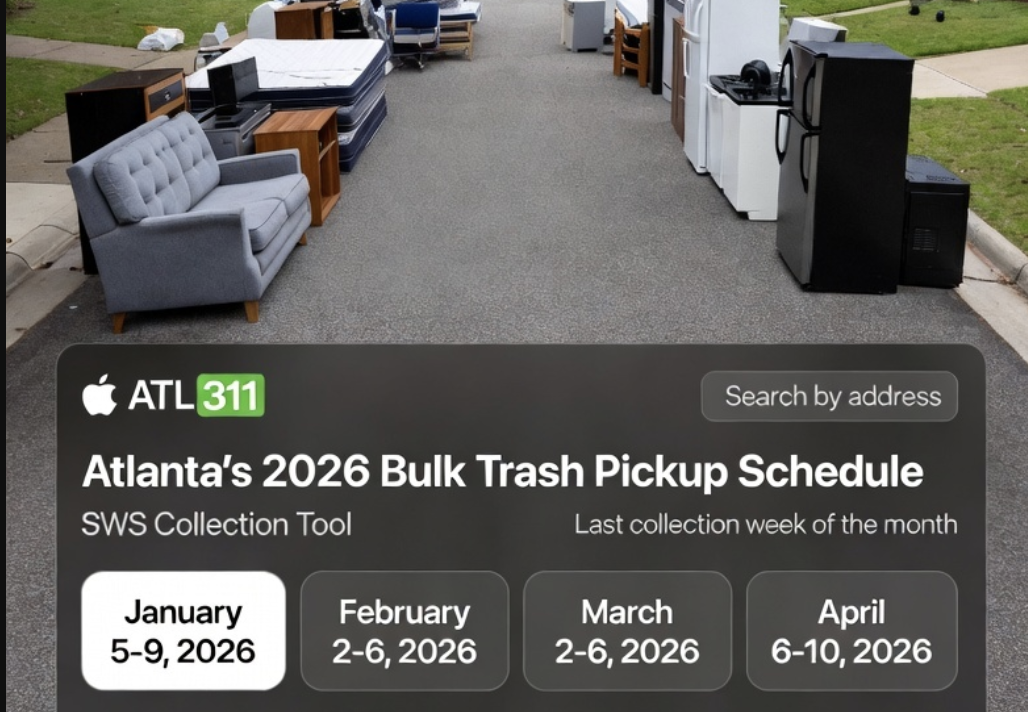
As we wrap up 2025 and gear up for a fresh start in the new year, many Atlanta homeowners are already planning their spring cleanouts, home renovations, and yard overhauls.
One essential service that helps keep our neighborhoods tidy is the City of Atlanta’s bulk trash pickup program, managed by the Department of Public Works Office of Solid Waste Services (SWS).
For 2026, the process remains straightforward and resident-friendly, offering up to 12 free scheduled collections per year for single-family homes.
Whether you’re ditching an old sofa or hauling away storm debris, here’s everything you need to know to stay on schedule and avoid common pitfalls.
How Bulk Trash Pickup Works in Atlanta
Unlike regular weekly garbage and recycling routes, bulk trash collection isn’t tied to a fixed calendar day—it’s an on-demand service that residents must schedule in advance. This flexibility allows you to plan around your needs, but it also means proactive booking is key.
- Scheduling Your Pickup: Residents can request a bulk collection at least one business day ahead of their desired date. Use the official SWS Collection Tool online or call ATL311 at (404) 546-0311 (or dial 311 from within city limits). atlantaga.gov The tool not only lets you book but also helps identify your regular trash and recycling days based on your address.
- Placement Rules: Once scheduled, place your bulk items at the curb by 7 p.m. the night before your pickup day. Items should be neatly piled and accessible, but keep them at least 3 feet from any carts or vehicles to ensure safe collection.
- Frequency Limit: Single-family households qualify for 12 free bulk pickups annually. Overages may incur fees, so track your requests through the ATL311 app or website. Multi-family properties or businesses have separate commercial guidelines—check with SWS for details.
For the most up-to-date availability, visit the Office of Solid Waste Services page.
What Qualifies as Bulk Trash?
Bulk items are defined as anything too large, heavy, or voluminous for standard garbage trucks. Common examples include:
- Furniture (sofas, mattresses, tables)
- Appliances (refrigerators, washers—freon-containing units must have certification tags)
- Large yard waste piles (over 20 bags of leaves or trimmings count as bulk)
- Construction debris like wooden playground sets or metal scraps
- Electronics (TVs, computers—e-waste recycling encouraged)
Pro Tip: Not everything goes in bulk. Tires, hazardous materials (paint, chemicals), and medical waste require special drop-off or services. For a full list, refer to the SWS guidelines.
Holiday Impacts on 2026 Collections
Holidays can shift your regular trash, recycling, and bulk schedules, but bulk pickups—being scheduled—may need rescheduling if they fall on a delayed day.
While the official 2026 holiday schedule hasn’t been released yet (as of December 2025), it’s expected to mirror 2025’s pattern: most federal holidays trigger a one-day delay for collections, with exceptions for Presidents’ Day, Indigenous Peoples’ Day, and Veterans’ Day, which follow normal routes.
Key 2026 dates to watch:
- Martin Luther King Jr. Day: Monday, January 19 (likely one-day delay)
- Presidents’ Day: Monday, February 15 (regular schedule)
- Memorial Day: Monday, May 25 (one-day delay)
- Juneteenth: Thursday, June 19 (one-day delay)
- Independence Day: Friday, July 3 (observed; one-day delay)
- Labor Day: Monday, September 7 (one-day delay)
- Indigenous Peoples’ Day: Monday, October 12 (regular)
- Veterans Day: Tuesday, November 11 (regular)
- Thanksgiving: Thursday, November 26 (one-day delay)
- Christmas: Thursday, December 25 (one-day delay)
Stay tuned to the SWS Holiday Schedule page for the official 2026 update, typically posted in late fall.
atlantaga.gov In the meantime, the 2025 schedule provides a reliable preview.Tips for a Smooth 2026 Cleanup
- Download the App: The free ATL311 app (available on iOS and Android) sends reminders, tracks requests, and reports issues like missed pickups.
- Eco-Friendly Alternatives: For large hauls, consider the city’s free drop-off events or partner with local recyclers to reduce landfill waste.
- Report Problems: If your bulk pickup is missed, log it via ATL311 within 24 hours.
Atlanta’s bulk trash program is a vital tool for maintaining our city’s cleanliness and sustainability goals. By scheduling early and following guidelines, residents can keep 2026 off to a clutter-free start.
For personalized assistance, head to the SWS Collection Tool today.
Final Word
As the city lights up with yet another special event this weekend, remember: Safe driving is the real treat. For more tips on navigating safely around the city, read our Atlanta Traffic Guide.
More from AtlantaFi.com:
-
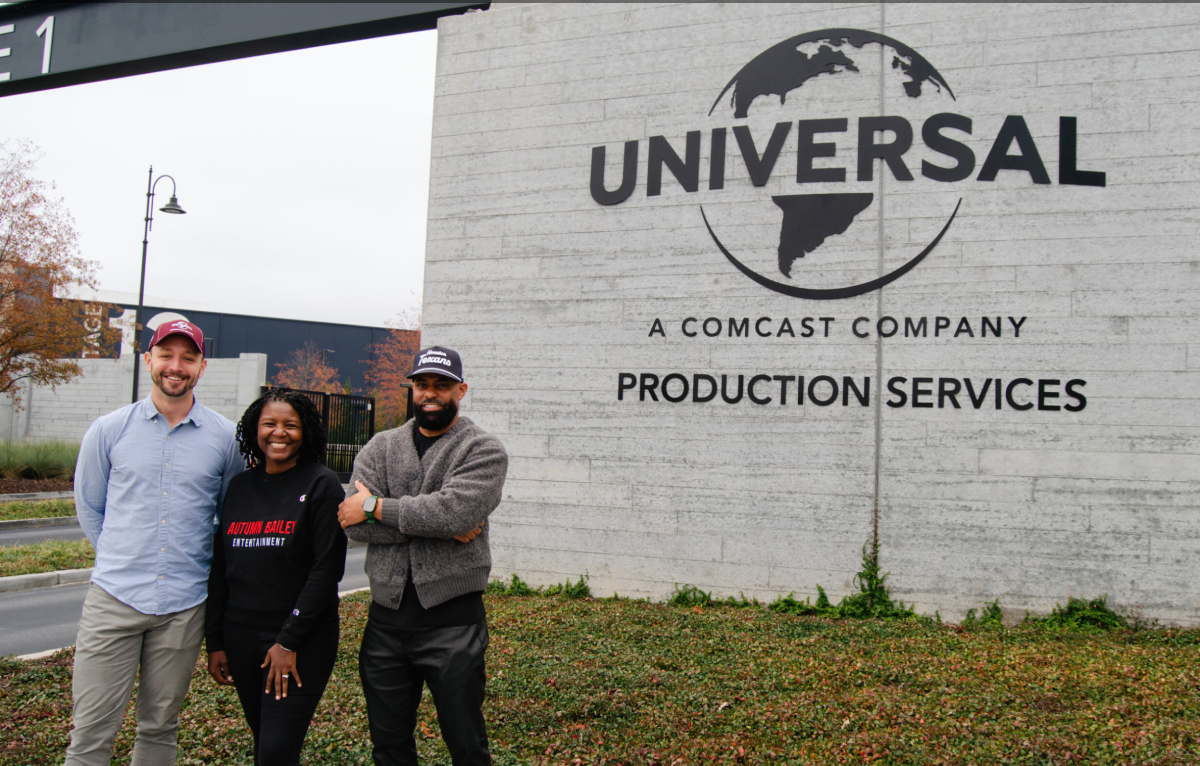
Two of Atlanta’s most respected independent production companies are joining forces with one of the state’s largest studio campuses in a move that leaders say will supercharge Georgia’s TV and film industry.
Autumn Bailey Entertainment (ABE) and Ty Walker’s Braveheart Entertainment announced Wednesday a long-term production partnership with Assembly Studios, the 135-acre film campus in Doraville managed by Universal Production Services and owned by Gray Media.
New Venture Positions Assembly Studios for Future Film Projects
Film and TV production facility Assembly Studios in Doraville, Georgia was built on the site of the former General Motors Doraville Assembly Plant (built in 1947 and closed in 2008).
Construction of the studio started in May 2022, and Phase I—with 19 sound stages across 43 acres—opened on this date, as announced in Gray Television’s official press release and covered by ARTS ATL.
The project was fully completed in the second half of 2023, with NBCUniversal as the anchor tenant.
The alliance with ABE and Braveheart brings together producers behind acclaimed projects like the Dennis Quaid-starred On a Wing and a Prayer and the award-winning documentary The First Noelle: The Maynard Jackson Documentary with a facility that boasts 22 soundstages, on-site mills, lighting & grip, costume shops, and more — all just 15 minutes from downtown Atlanta and 30 minutes from the world’s busiest airport.
“Both of our companies have always focused on stories that feel real,” said Autumn Bailey-Ford, founder of Autumn Bailey Entertainment. “Independent filmmaking is about truth, emotion, and community—building stories that matter and giving them space to thrive.
Ty Walker, founder of Braveheart Entertainment, called the partnership “a creative and strategic evolution” for the local industry.
“Braveheart was founded on a commitment to bold, elevated storytelling — work that challenges convention while remaining deeply human at its core,” Walker said. “Assembly Studios offers not only the infrastructure but the creative synergy to expand that vision on a larger scale, without ever compromising the authenticity that defines our films. This partnership represents a meaningful evolution in how stories are told, how opportunities are created for the next generation of filmmakers, and how the independent film movement continues to redefine itself. We’re proud to help lead that transformation together.”
Dan Biersdorf, Vice President of Universal Production Services at Assembly, said the deal reflects the campus’s original mission.
“Autumn Bailey Entertainment and Ty Walker’s Braveheart Entertainment partnership with Assembly leverages the Southeast’s most advanced production ecosystem — combining world-class stages, cutting-edge technology, and a full-service infrastructure that supports everything from large-scale tent-poles to independent filmmakers,” said Biersdorf. “Together, we’re building opportunity, amplifying new voices, and redefining what TV and filmmaking can achieve in the South.”
Justin Campbell, Vice President of Studio Operations at Assembly Atlanta, added that the partnership will focus on mentorship, emerging technology, and expanding opportunities for underrepresented voices.Key elements of the collaboration include:
- Multiple new film and television projects greenlit annually
- Integration of virtual production and other cutting-edge tools
- Mentorship and training programs for Georgia crew and creatives
- Streamlined costs and logistics for independent budgets
Operations under the new partnership officially begin January 1, 2026, with the first slate of productions scheduled to roll cameras in the second quarter of 2026.A public kickoff celebration introducing the partnership to Atlanta’s creative community is planned for later this month.With Georgia’s film industry already generating billions in economic impact each year, industry watchers say partnerships like this one could help independent producers compete on a global stage while keeping more dollars and decision-making in the Peach State.
Final Word
For Autumn Bailey-Ford and Ty Walker, the goal is simple: prove that big dreams and big stages can coexist — and that Atlanta remains the best place on earth to make them real stories real.
Because of the steady flow of movie and TV productions, Atlanta has been called the Hollywood of the South and it’s not just a label.. If you want to be an actor, the city has classes you can take as well as places that provide headshots and more. You can also audition at numerous casting calls to build your movie and TV reel.
More Articles From AtlantaFi.com:
-
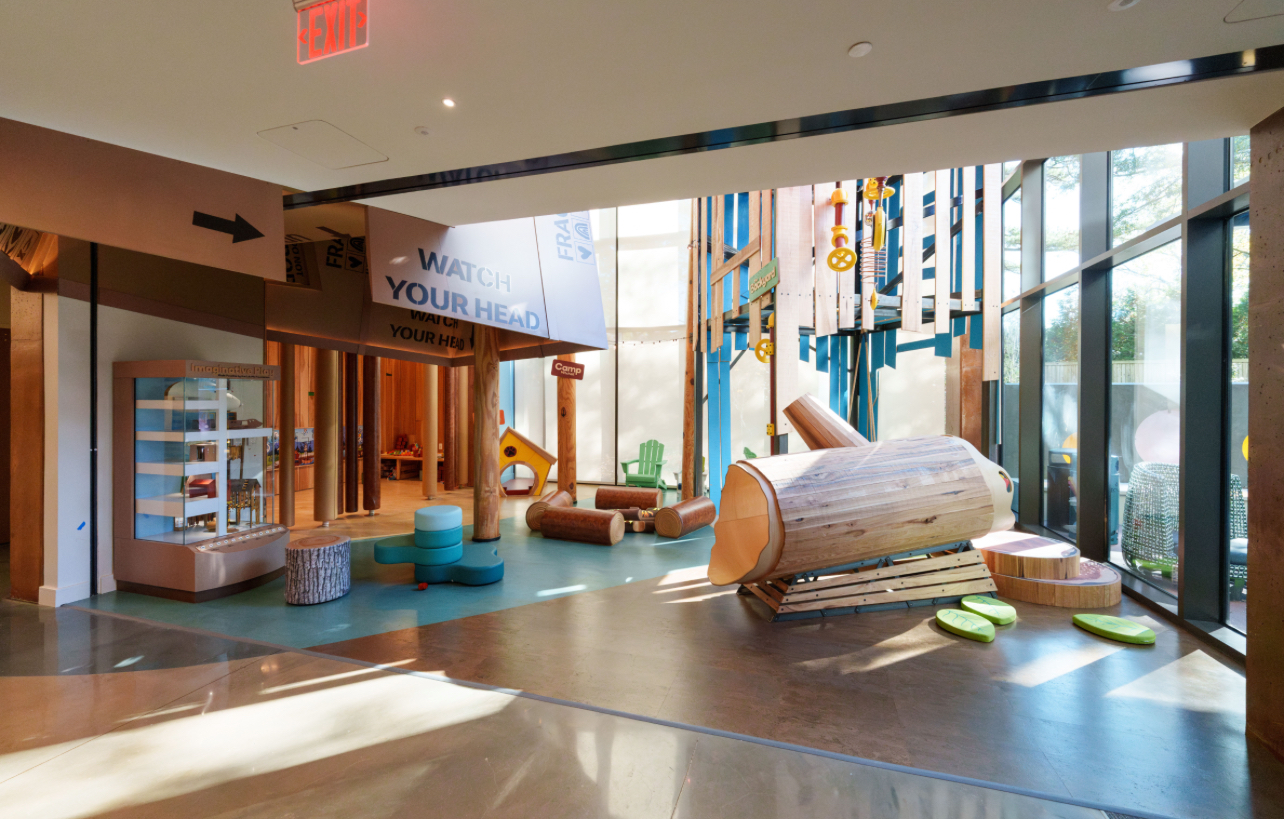
Ronald McDonald House Charities Atlanta celebrated the grand opening Tuesday of its new 126,000-square-foot facility, located directly on the campus of Children’s Healthcare of Atlanta’s Arthur M. Blank Hospital in north Atlanta.
The state-of-the-art House is the first in the Southeast to be built on the same grounds as the hospital it serve. The proximity allows families to walk just steps from their child’s bedside to a comforting “home away from home.”
Ronald McDonald’s House Opens Near Children’s Healthcare of Atlanta
The 110-room expansion increases the organization’s total capacity by 75% and comes at a critical time.
Since 2022, demand for the charity’s services has surged, with family stays rising 69%.
In 2024 alone, Ronald McDonald House Atlanta served more than 3,600 families, providing nearly 27,000 nights of lodging—an increase of more than 1,600 nights over 2023—and saving those families almost $10 million in hotel, transportation, and meal expenses.
“The opening of our new House marks a significant milestone in our efforts to establish a ‘home away from home’ for even more families across the Southeast and beyond that travel to Atlanta for critical pediatric care,” said Tracey Atwater, President and CEO of Ronald McDonald House Charities Atlanta. “Providing a facility that is steps away from the hospital offers our families the comfort and convenience they need to focus on what matters most – their child’s healing.”
Designed with input from families, medical staff, and child-life experts, the new House includes:
- 18 dedicated transplant suites
- Multiple dining areas and a private dining room in partnership with the Marcus Autism Center
- A five-story indoor playscape
- A community gathering floor
- An interactive discovery garden
- Numerous quiet spaces, laundry facilities, and family kitchens
“This House sets a new standard for Ronald McDonald House Atlanta’s ability to serve more families and serve them better,” said Brian Fuller, board chair of Ronald McDonald House Charities Atlanta. “We are thankful for every member of our team and community who has played a part in the journey to open this facility and to deliver unprecedented care to the next generation.”
The $76 million project was funded entirely through private donations, including major gifts from the Arthur M. Blank Family Foundation, the Marcus Foundation, and thousands of individual and corporate supporters throughout metro Atlanta and the Southeast.
With the new facility now open, Ronald McDonald House Atlanta can accommodate even more families facing childhood illness or injury, ensuring parents and siblings never have to choose between staying close to their hospitalized child and the financial burden of extended hotel stays.
For more information about volunteering, donating, or how to refer a family, visit rmhcatlanta.org.
Final Word
Downtown Atlanta’s development landscape has undergone significant transformation in recent years, driven by large-scale mixed-use projects, infrastructure upgrades, and a focus on revitalizing the city’s historic core. These changes reflect a broader effort to make Downtown more vibrant, walkable, and economically robust, particularly in preparation for events like the 2026 FIFA World Cup.
More Content From AtlantaFi.com:
-
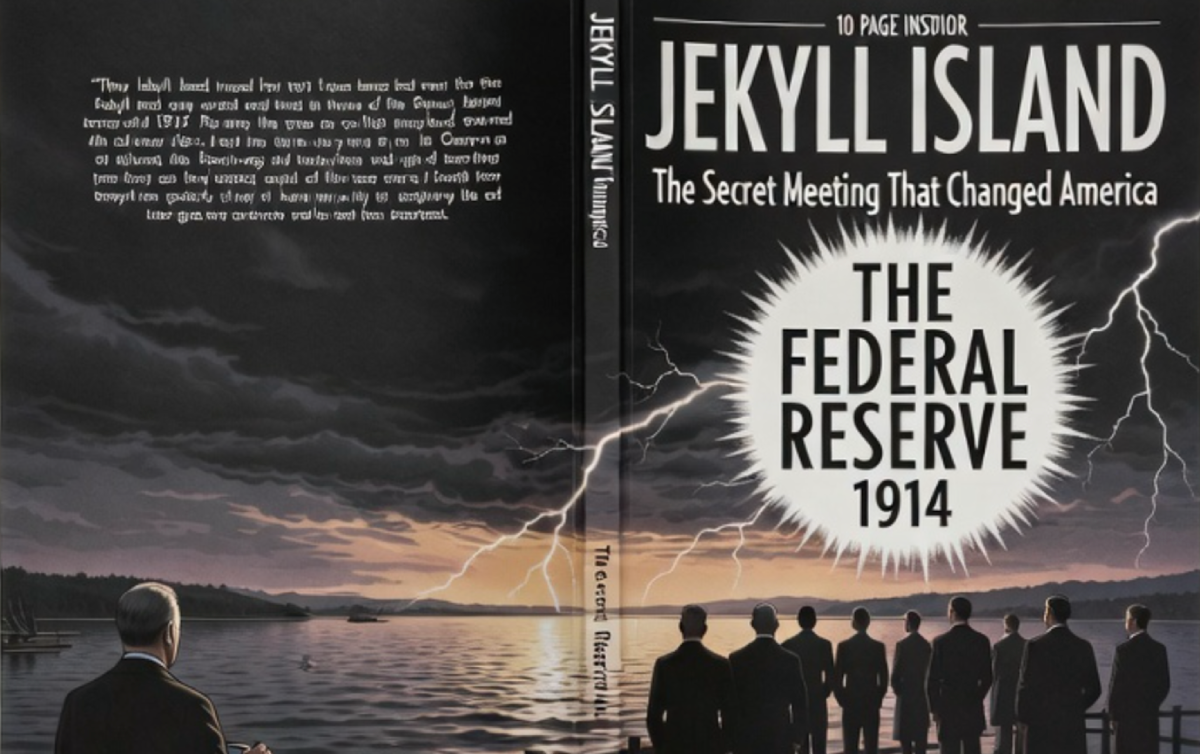
In the annals of American financial history, few institutions loom as large—or as controversial—as the Federal Reserve System. Often simply called “the Fed,” this central banking powerhouse was born not in the marble halls of Washington, D.C., but amid the misty shores of Georgia’s Jekyll Island.
As Atlantans, we take a certain local pride in this pivotal chapter, even as it raises uncomfortable questions about secrecy, power, and economic control.
This article delves into the turbulent conditions that preceded the Fed’s creation, the shadowy origins right here in our state, and the far-reaching ramifications that continue to shape our economy today.
The Precarious Financial Landscape Before the Fed
To understand why the Federal Reserve was deemed necessary, we must rewind to the late 19th and early 20th centuries, a time when America’s banking system was a patchwork of instability.
Without a central bank, the U.S. relied on a decentralized network of national and state banks, backed by the gold standard but plagued by frequent panics and runs on deposits.
America on the Brink: A Nation Held Hostage by Bank Panics
Before 1913, America’s money system was a ticking time bomb. Bank runs weren’t rare – they were routine. One rumor, one bad harvest, one Wall Street gamble gone wrong, and entire towns watched their life savings vanish overnight.The Panic of 1907 was the final straw.
Stock market crashed 50%. Banks boarded up their doors. Grown men fought in the streets to withdraw cash that no longer existed. The entire system teetered on the edge of total collapse.
The message was clear: the United States of America had no control over its own money.
The Panic of 1907 — the first global financial crisis of the 19th century — stands out as the catalyst. Triggered by a failed speculative bid to corner the market on United Copper Company stock, it led to widespread bank failures, stock market crashes, and economic turmoil.
“The immediate trigger of the panic was a failed effort by a group of speculators to corner the stock of the United Copper Company,” former Fed Chairman Ben Bernanke said in a speech on the subject. “The main perpetrators of the failed scheme, F. Augustus Heinze and C.F. Morse, had extensive connections with a number of leading financial institutions in New York City. When the news of the failed speculation broke, depositor fears about the health of those institutions led to a series of runs on banks, including a bank at which Heinze served as president.”
In New York, trust companies—unregulated entities similar to banks—faced massive withdrawals, forcing closures and sparking contagion across the country. J.P. Morgan, the era’s most powerful financier, personally intervened by pooling funds from wealthy bankers to bail out failing institutions, averting total collapse.
But this ad-hoc rescue highlighted a glaring vulnerability: the U.S. had no formal mechanism to provide liquidity during crises, no lender of last resort.
Prior panics in 1873, 1893, and others had exposed similar flaws.
Currency was inelastic, meaning it couldn’t expand or contract with economic needs—farmers in the agrarian South, including Georgia, often suffered from tight money supplies during harvest seasons, leading to deflation and debt burdens.
Regional disparities were stark; Southern banks, still recovering from the Civil War, were particularly underserved. Calls for reform grew louder, with populists like William Jennings Bryan advocating for “free silver” to inflate the currency, while bankers pushed for a more stable, centralized system.
By 1910, the stage was set for change. The Aldrich-Vreeland Act of 1908 provided temporary emergency currency, but it was a stopgap. Influential figures, including Senator Nelson Aldrich of Rhode Island—chairman of the National Monetary Commission—recognized the need for a permanent solution. Yet, public distrust of “money trusts” and big banks made open reform politically risky.

The Secret Birth on Jekyll Island
Enter Georgia’s Jekyll Island, a secluded barrier island off the coast near Brunswick, once a winter retreat for America’s elite like the Rockefellers and Vanderbilts. In November 1910, under the cover of a fabricated “duck hunting trip,” a group of six powerful men convened at the Jekyll Island Club to draft what would become the blueprint for the Federal Reserve.

Led by Senator Aldrich, the attendees included Paul Warburg (a German-born banker from Kuhn, Loeb & Co.), Frank Vanderlip (president of National City Bank), Henry Davison (a J.P. Morgan partner), Charles Norton (president of First National Bank of New York), and Benjamin Strong (another Morgan associate). Abraham Piatt Andrew, assistant secretary of the Treasury, rounded out the group.
They arrived incognito, using first names only to avoid detection, as any whiff of a “bankers’ conspiracy” could derail their efforts. Over 10 days, they hammered out the “Aldrich Plan,” proposing a central bank controlled by private bankers with regional branches to manage currency and credit.

This was no altruistic endeavor; the men represented institutions holding about one-fourth of the world’s wealth. Their goal: Stabilize banking while preserving private influence, countering populist demands for government control.
The plan faced opposition. Progressives like Congressman Charles Lindbergh Sr. decried it as a “money trust” scheme. After revisions to appease Democrats—renaming it the Federal Reserve Act, adding presidential appointments, and creating 12 regional banks—it passed Congress in 1913.
President Woodrow Wilson signed it on December 23, 1913, and the system became operational in 1914, with Atlanta hosting one of the regional Federal Reserve Banks (District 6), a nod to Southern economic needs.
Why Georgia? Jekyll Island’s isolation ensured secrecy, allowing frank discussions away from prying eyes. As Warburg later wrote, “The results of the conference were entirely confidential. Even the fact that there had been a meeting was not permitted to become public.” This Georgia genesis underscores how Southern geography inadvertently cradled a national transformation.
Ramifications: Stability, Power, and Enduring Controversies
The Federal Reserve’s creation marked a seismic shift. Initially, it achieved its core aims: providing elastic currency through open market operations, discount lending, and reserve requirements. The Fed helped finance World War I by buying government bonds, stabilizing the economy during the 1920s boom.
Post-1929 Crash, however, its tight money policies exacerbated the Great Depression, leading to reforms like the Banking Act of 1935, which centralized power in the Board of Governors.
Long-term effects have been profound. The Fed’s dual mandate—maximizing employment and stabilizing prices—has guided monetary policy through crises like the 2008 financial meltdown and the COVID-19 pandemic, where it injected trillions in liquidity.
Economically, it ended recurrent panics, fostered growth, and enabled fiat currency after Nixon’s 1971 gold standard abandonment. Atlanta’s Fed branch, for instance, oversees payments and research for the Southeast, contributing to regional stability.
Yet, ramifications include sharp criticisms. Detractors argue the Fed enables inflation—eroding purchasing power since 1913, with the dollar losing over 96% of its value. Conspiracy theories abound, from G. Edward Griffin’s The Creature from Jekyll Island portraying it as a cartel enriching elites, to claims it perpetuates debt-based money.
Since that secret Georgia meeting:
- The dollar has lost 97% of its purchasing power. A 1913 dollar is worth less than 3 cents today.
- The Fed has financed every major war – and every major bubble – of the last 100 years.
- It has the unchecked power to print trillions out of thin air, making the rich richer while your paycheck buys less every year.
- It operates in near-total secrecy. Even Congress is forbidden from auditing its most critical decisions.
Politically, it has fueled debates over independence; Presidents like Trump have pressured it for lower rates, while audits (like Ron Paul’s “Audit the Fed” push) seek transparency.
In Georgia, the Fed’s legacy is tangible. Our state’s economy, from agriculture to fintech hubs in Atlanta, benefits from stable credit, but rural areas still grapple with unequal access.
Final Word
As we mark over a century since that fateful meeting, the Fed remains a double-edged sword: a guardian against chaos or an unchecked behemoth?
This unflinching look reminds us that history’s turning points often hide in plain sight—or, in this case, behind Georgia’s coastal dunes. For better or worse, the Federal Reserve’s roots run deep in our soil, influencing every dollar we earn and spend.
More From AtlantaFi.com:
-
It’s been a banner year for college football and if you’re a Georgia Bulldogs fan, it’s been great: packed stadiums, national ranking, double-digit wins. But you have to wonder, what teams are other fans watching?
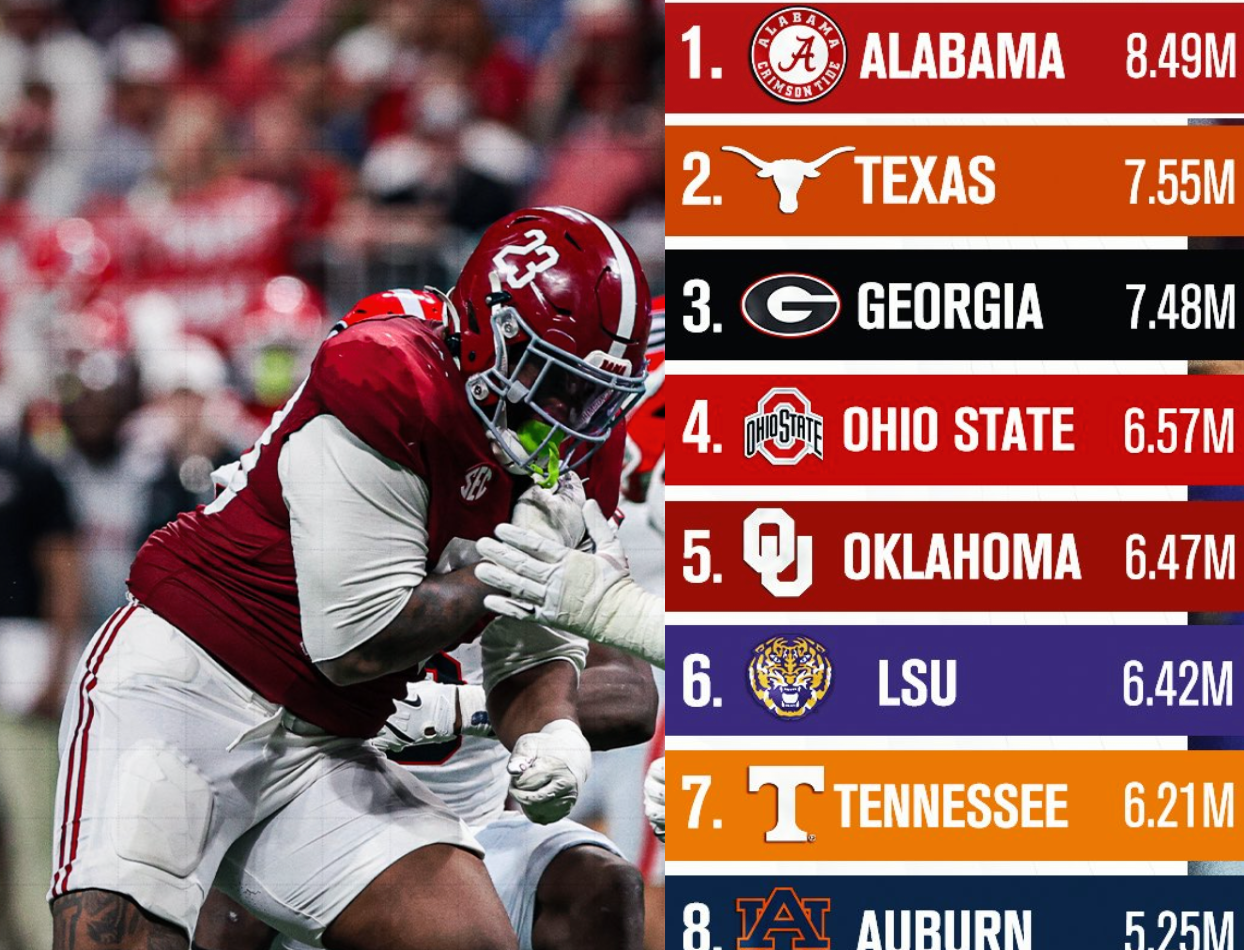
To find out, we’ve compiled the top 10 most-watched teams based on Nielsen’s Big Data + Panel ratings through the end of the 2025 regular season (the most recent comprehensive update available as of late December 2025).
What College Football Teams Are the Most Watched?
These rankings reflect average viewership per game across Nielsen-measured broadcasts (e.g., ABC, FOX, NBC, ESPN, CBS).
Note that games on networks like SEC Network, ACC Network, and CBS Sports Network are not included in Nielsen’s data, which may slightly understate totals for some SEC and ACC teams. Overall college football viewership is up 2% year-over-year using this methodology.
The SEC owned eight of the top 10 spots, underscoring the conference’s unrivaled draw amid a season of thrilling matchups and playoff implications. Here’s the list, ranked by average viewers per game:
Rank Team Conference Average Viewers (Millions) 1 Alabama SEC 8.49 2 Texas SEC 7.55 3 Georgia SEC 7.48 4 Ohio State Big Ten 6.57 5 Oklahoma SEC 6.47 6 LSU SEC 6.42 7 Tennessee SEC 6.21 8 Auburn SEC 5.26 9 Michigan Big Ten 5.08 10 Texa A&M SEC 4.99 Key Insights:
- Alabama’s Lead: The Crimson Tide topped the charts thanks to marquee games like their Week 1 loss to Florida State (10.66M viewers) and a Week 5 win over Georgia (10.4M), both on ABC.
- SEC Surge: The conference’s seven entries align with ABC airing nine of the season’s 10 most-watched games, including the record Week 1 Texas-Ohio State clash (16.62M).
- Non-SEC Standouts: Ohio State benefited from the season’s biggest game, while Notre Dame and Miami drew from high-stakes ACC/Independent matchups like Miami-Notre Dame (10.81M).
- Caveats: These averages are from measured games only; Tennessee’s figure excludes six SEC Network broadcasts, potentially boosting their true average.
These rankings may shift slightly with postseason data, but they capture the regular season’s viewer trends. If you’d like breakdowns by specific games or conference comparisons, let me know!
Final Word
As we wrap up the 2025 college football regular season here in Athens, Georgia—home of the Bulldogs, who clocked in at a strong No. 3 with massive SEC-fueled viewership—Nielsen’s latest data highlights the teams that dominated TV screens across the nation.
More from AtlantaFi.com: