-

One of the best things you could ever do with your money is to buy a home. First of all, you have to know the local real estate market. Secondly, you have to have a financial plan.
Some of the things you’ll want to consider will be lifestyle issues: What are the schools like in the area? How close is it from the job? All those are important questions, but one of the main ones is how much money to save for the down payment.
This article will show you some easy steps on how to save money for a home.
How To Save For A House This Year: 5 Steps That Work
Homeownership is an achievement that comes with the American Dream. The problem is that relatively few people ever realize it. But you certainly can. Here are the steps:
1. Set A Realistic Goal
The first thing you need to do is set a realistic goal for the type of home you want to afford. If you think a $900,000 mansion is within your means, then go for it. But for many people, that’s not realistic.
Do some homework on the specific neighborhoods you want to live in. Some are better than others.
- Evaluate Income and Expenses: Create a detailed budget to understand your financial situation.
- Check Your Credit Score: A higher score helps secure better mortgage rates.
- Pay Off Debt: Reduce high-interest debts to free up savings potential.
You’ll only get the home that you can afford to pay for it. As for the dream homes, please stick to the rivers and the lakes that you’re used to.
2. Create A Budget
Once you’ve set a goal, it’s time to create a budget that will allow you to save up for your down payment. The way to do that is to reduce expenses.
You’ll have to look at your monthly expenses and see if you can cut things like subscriptions and gym memberships.
As you know, you’ll traditionally need 20% down payment to buy a home, but this is not always the case. Many lenders an take down payments much lower than that.
3. Get A Government Loan
The way to afford the home you want is to get a government lender to give you the money. No offense, Bank of America or Regions, but government loans are usually way more generous.
There are some great lenders that let borrowers put down way less than 20%. Here are a few:
- FHA loans
- VA loans
- USDA loans, (no down payment required)
Read our guide on how to find lost government money.
4. Get A Side Hustle
Another great way to save up for a home is to get a side job. Don’t think that you need to kill yourself to earn some extra income. All you need is something to add to the pot you already have.
- Set Up a Separate Savings Account: Open a high-yield savings account specifically for your house fund.
- Automate Savings: Set up automatic transfers to ensure consistent contributions.
- Cut Unnecessary Expenses: Trim subscriptions, dine out less, and shop mindfully.
Don’t know where to start? Read how you can turn hobbies into side hustles fast.
5. Save Your Big Money
Chances are you’re going to get big money at least three times in a calendar year. Save it for your down payment.
- Take on Side Gigs: Freelance, gig work, or part-time jobs can supplement your income.
- Seek Promotions or Raises: Ask for a salary increase or explore higher-paying roles.
- Sell Unused Items: Declutter your home and sell valuable items online.
No matter if it’s your holiday bonus, tax refund or even a stimulus payment, you will have an opportunity to save big money. All you have to do is put it away.
How Much Money Should I Save A Month To Buy A House?
Because you’ll need to save money incrementally, it’s good to put together a plan to set cash aside each month. How much should you save? It depends.
If you want to buy a home that costs $250,000, you’ll need to save $250 a month for four years until you come up with 20% down payment. That’s around $50,000.
Here’s how to find out much rent you can afford in Atlanta.
How Much Money Do I Have To Make To Save For A House?
A lot of people don’t think they can save money for a house because they aren’t making big money. You may be wondering what kind of salary you need to pull to save up for a home.
The truth is that it depends on what the prices are in your local real estate market.
If you the homes in your area cost $200,000, then you’ll need to save $60,000 for a 30% down payment. If you save $20,000 a year, you can accumulate $60,000 in three short years.
I know it sounds easier than it is to do, but here are some creative ways you can save money.
Last Words
If you’re considering buying a home, there are many things to think about, including getting a home inspection if it’s not a new build.
If you’re serious about saving for a home, there’s nothing that says you have to only save 20% for your down payment. Why not aim for 30%?
The more you save, the cheaper your home will be over the length of the mortgage. If you can save money on the front end, once you get inside your new home, you’ll sleep much better.
Read more: How To Buy Land In 6 Easy Steps
Once you’ve saved a certain amount of money, it’s time to start looking at cheap homes for sale.
Interested in other ways to save or make money? Check out our Money Section:
-

You think you know the ATL? Think again. From underground cities to chicken-related felonies, here are five absolutely wild facts about our city that will make you look at Atlanta in a whole new light.
1. Atlanta Accidentally Re-Invented Strip Clubs as We Know Them

Cheetah Lounge (opened 1974 on Peachtree) is widely credited as the first club in Atlanta to combine full nudity AND alcohol sales under one roof.
While Atlanta did not invent the concept of strip clubs, it is widely considered to have revolutionized and defined the modern, high-energy, hip-hop-centric strip club culture that is popular today, largely due to the success of clubs like Magic City in the 1980s.
The city’s unique legal, cultural, and musical environment turned Atlanta’s best strip clubs into major economic, social, and entertainment hubs. Here is the breakdown of why Atlanta is considered the “accidental” inventor of modern, influential strip club culture:
- The “Magic City” Shift (Mid-1980s) Before 1985, Atlanta strip clubs were often described as “dusty, old spots” where customer service was poor and safety was a concern.
- Michael “Mr. Magic” Barney: In 1985, he founded Magic City with the goal of changing this, focusing on superior customer service, higher-quality performances, and a more professional environment.
- The Transformation: Barney focused on the “game,” teaching dancers to be professionals, which increased customer loyalty and made the club a premier destination.
2. Atlanta Krogers Are the Centers of Civic Life

People confuse Atlanta’s Waffle House locations with being where the action is but it’s actually the Kroger grocery stores.
Aside from the now defunct landmarks of “Disco Kroger,” now a deluxe Publix shopping center, and “Murder Kroger,” now known as “Beltline Kroger,” the grocer has been distinct in its Atlanta offerings.
And did you know Atlanta residents could renew their driver’s licenses at certain Kroger stores, a program established to reduce long lines at state DDS offices?
Today, this service has evolved into self-service kiosks located inside numerous Kroger locations for convenient license renewals and replacements. Historically, Kroger provided space for official state-run driver’s license renewal centers, with notable locations such as the one on Candler Road.
The Georgia Department of Driver Services (DDS) has installed self-service kiosks at 53+ Kroger locations (and some Publix stores) to renew or replace licenses and ID cards. Convenience: These kiosks allow residents to handle license renewals, tag renewals, and print temporary licenses while shopping.
3. The CDC Keeps the Last Known Samples of Smallpox… 20 Minutes from Downtown

Yep. The only two places on Earth that still have live smallpox virus are the CDC in Atlanta and a lab in Siberia. It’s stored in a freezer in Druid Hills under security tighter than Fort Knox. Sleep tight!
Read about the most mysterious facts about the CDC’s history.
4. There’s a Massive Underground City Most Atlantans Have Never Seen

Beneath downtown lies a sprawling network of abandoned street-level storefronts and sidewalks from the 1920s, sealed off when the city raised the streets after the Great Fire of 1917.
Today, parts of “Atlanta From the Ashes” or Underground Atlanta’s lesser-known tunnels are used for film shoots (think Stranger Things and The Walking Dead), secret parties, and yes… allegedly ghost tours that will straight-up make you question reality.
5. The World’s Busiest Airport Once Lost an Entire Airplane… for Two Weeks

Photo credit: Anugrah Lohiya We all know that Hartsfield-Jackson Atlanta International Airport (ATL) is consistently the world’s busiest airport (sorry, Chicago), famously handling over 100 million passengers annually, but there’s a lot more.
Did you know that Hartsfield was built on an old racetrack? The airport was built on the site of a defunct 1900s auto racetrack known as the Atlanta Speedway, donated by Coca-Cola founder Asa Candler.

- Tallest ATC Tower: ATL features the tallest Air Traffic Control tower in North America, standing at 398 feet.
- A “Mini City”: With over 300 dining and retail spots, a massive art program, and in-terminal amenities, it functions like a self-contained city.
- Two-Hour Radius: Roughly 80% of the United States population lives within a two-hour flight of Atlanta.
It sat unnoticed on a remote ramp for 14 days before anyone realized a 150-foot-long aircraft had vanished in plain sight. Airport officials finally found it after the buyer called asking where his plane was. Peak Atlanta chaos.
6. Atlanta Has More Billionaires Per Capita Than Almost Anywhere Else in America

Photo credit: Tyler Perry / Instagram Think LA or New York have all the money? Nope. When you adjust for population, metro Atlanta quietly ranks near the very top nationally for billionaire density.
From Home Depot founders to Chick-fil-A royalty and a surprising number of quiet tech and logistics titans, the city is low-key one of the richest places in the country. We just don’t flex about it like everybody else.
7. The Varsity Has Sold More Coca-Cola by Volume Than Any Other Single Location on Earth

Photo credit: Youtube.com The iconic North Avenue grease palace has been slinging chili dogs and frosted oranges since 1928, and because it’s practically attached to Georgia Tech’s campus, it moves an absurd amount of Coke.
The Varsity claims (and Coca-Cola corporate apparently backs it up) that more Coca-Cola is sold here than any other single restaurant or venue on the planet. What’ll ya have? Diabetes and a heart attack, apparently.
So next time someone says Atlanta is “just traffic and trees,” hit them with these facts and watch their mind explode. This city is way weirder (and way cooler) than people give it credit for.
Only in the ATL, y’all. Like this content? Read up on crazy, insane facts about Stone Mountain.
More From AtlantaFi.com:
-

Hey Atlanta sports fans! There are some big games going on this weekend in the NFL — and we’re fans of it all. While our Falcons aren’t in the mix this year (we’ll get ’em next season!), the NFL playoffs are heating up with the AFC and NFC Championship Games set for this weekend.
Note: There’s no action on Saturday, January 24—all the excitement is packed into Sunday, January 25. These games will determine who heads to Super Bowl LX in New Orleans on February 8.
Whether you’re chilling at home or hitting up a local spot, we’ve got you covered with schedules, viewing options, and the best places in town to catch the games with fellow fans. Let’s dive in.
The Matchups and Schedule
Both championship games are on Sunday, January 25, and promise high-stakes drama as teams battle for conference supremacy.
- AFC Championship: New England Patriots at Denver Broncos
Kickoff: 3:00 p.m. ET
Location: Empower Field at Mile High, Denver, CO
TV: CBS (local affiliate: WGCL-TV)
This one’s a classic showdown between Tom Brady’s successor-led Pats and the high-altitude Broncos defense. Expect snowy conditions and plenty of passing fireworks. - NFC Championship: Los Angeles Rams at Seattle Seahawks
Kickoff: 6:30 p.m. ET
Location: Lumen Field, Seattle, WA
TV: FOX (local affiliate: WAGA-TV)
The Rams’ star-studded offense faces off against the Seahawks’ raucous 12th Man crowd in what could be a rainy, defensive slugfest. nbc.com
How to Watch at Home or On the GoIf you’re staying in (maybe avoiding that Atlanta traffic), here’s how to tune in:
- TV Channels: As mentioned, CBS for the AFC game and FOX for the NFC. Both are available over-the-air with an antenna or through most cable/satellite providers like Xfinity, AT&T U-verse, or Dish Network.
- Streaming Options:
- CBS game: Stream live on Paramount+ (free trial available for new users), the CBS Sports app, or NFL+ (premium subscription required for out-of-market games).
- FOX game: Available on the Fox Sports app, YouTube TV, Hulu + Live TV, or FuboTV. NFL+ also covers this if you’re mobile.
- Pro tip: If you have an antenna and smart TV, apps like Locast or similar free services might work for local broadcasts, but check for blackouts.
- Radio: Listen locally on 92.9 The Game (WZGC-FM) for play-by-play, or nationally on Westwood One affiliates.
Weather in Atlanta looks mild this weekend—highs in the 50s—so if you’re hosting a watch party, fire up the grill for some wings and brews.
Best Spots in Atlanta to Watch the Games
Nothing beats the energy of watching with a crowd, especially during playoffs. Atlanta’s got a killer scene for sports bars with massive screens, cold drinks, and game-day specials.
We’ve rounded up some top picks based on fan reviews—arrive early to snag a seat, as these spots fill up fast for big games. Here are our recommendations:
Spot Location Why It’s Great Game-Day Deals STATS Brewpub Downtown (Centennial Olympic Park) Over 70 HD screens, in-house brews, and a rooftop vibe. Perfect for groups. $5 drafts during games, wing specials. Hudson Grille Midtown (Multiple locations, including Midtown and Brookhaven) Wall-to-wall TVs, extensive menu with burgers and apps. Falcons-friendly spot year-round. Half-price apps after 9 p.m., beer buckets. Big Game Sports Bar & Grill Old Fourth Ward Elevated viewing areas with 35+ screens, grill menu featuring seasonal dishes. Great for immersive watching. $20 bucket specials, happy hour extended for playoffs. Dave’s Sports Bar & Grill Buckhead Cozy neighborhood feel with multiple screens and solid pub grub. $3 domestics, free popcorn during games. The Beverly Grant Park Trendy spot with craft cocktails and outdoor seating—ideal if you want a mix of sports and socializing. Specialty playoff cocktails, $10 nacho platters. If you’re a Falcons die-hard, check out the official Atlanta Falcons Bar Network for spots like Tin Roof or Wicked Wolf, which often have team-themed events even when we’re not playing.
Read our guide on top sports bars in Atlanta.
For a more low-key vibe, neighborhood pubs like The Albert in Inman Park or Monday Night Garage in West End offer good food without the massive crowds.
Tips for an Epic Playoff Weekend
- Arrive Early: Popular bars like STATS can hit capacity by kickoff. Aim for 1-2 hours before the first game.
- Transportation: Use MARTA (Gold/Red lines for downtown/midtown spots) or rideshares to avoid parking hassles—especially if you’re indulging in those game-day brews.
- Family-Friendly Options: If kids are tagging along, places like Park Tavern in Piedmont Park show games and have outdoor space.
- Betting and Fantasy: Georgia’s sports betting is legal via apps like DraftKings or FanDuel—wager responsibly if that’s your thing.
- Stay Updated: Follow us on X (@ATLHAPS) for live updates, scores, and any last-minute changes.
That’s your playbook for the NFL Conference Championships from an Atlanta perspective. Who ya got advancing to the Super Bowl? Drop your predictions in the comments below. Go sports—and go Falcons forever!
- AFC Championship: New England Patriots at Denver Broncos
-

One thing to clarify if you’re serious about buying a home in Atlanta in this real estate market is: How much house can I afford?
The question is one that needs to be weighed seriously because all you have to do is visit the steps of the Fulton, DeKalb or Cobb County courthouse to see foreclosure auctions in action.
Here’s How Much House You Can Afford In Atlanta (Calculator)
People buy more house than they need for several reasons:
- Bad advice from Realtors
- Keeping up with the Joneses
- Resale purposes
Let’s talk about each of these a little bit before we move into what homes cost in Atlanta:
Whether you’re a first-time buyer eyeing a cozy condo in Midtown, a growing family looking at suburbs like Alpharetta or Decatur, or an investor scouting opportunities, knowing your budget is the first step.
Current Atlanta Housing Market Snapshot (Early 2026)
- Median home price: Around $420,000–$440,000 (varying by source; metro area sales prices have stabilized after 2025 adjustments, with modest growth expected nationally).
- Average 30-year mortgage rates: Hovering in the low-6% range (forecasts suggest 6.1%–6.3% averages for 2026).
- Market outlook: A more balanced environment with increased inventory, giving buyers better negotiating power compared to the peak frenzy years. Prices are projected to rise modestly (2–4% nationally), but Atlanta’s market is cooling slightly for sustainability.
Buying a home in Atlanta remains achievable for many, especially with rates easing from recent highs. Factors like your income, credit score, down payment, and debts play a huge role.
Quick Affordability Guidelines for 2026
Using standard lending rules (28%–36% debt-to-income ratio):
- On a $80,000 household income, you could afford a home in the $300,000–$350,000 range (with 10–20% down).
- On a $100,000 income, aim for $400,000–$450,000.
- On a $150,000 income, $550,000–$650,000 is realistic.
These are estimates assuming good credit, a 10% down payment, and including property taxes (1.0–1.2% of home value in metro Atlanta), homeowners insurance ($2,000–$3,000/year), and PMI if down payment <20%.Use Our Atlanta Home Affordability CalculatorPlug in your details for a personalized estimate:
- Annual household income: $
- Monthly debts (car loans, student loans, credit cards): $
- Down payment saved: $
- Preferred mortgage rate (current avg ~6.2%): %
- Credit score range: Excellent (740+) / Good (700–739) / Fair (640–699)
Bad advice from Realtors
Real estate agents play a vital role in the homebuying process, but you have to know when they’re in and out of their lane.
A Realtor has no business telling you how much house you can afford. That’s what a lender is for. A Realtor should only advise you on what type of home you want.
Still, many people listen to Realtors who are out to make a buck. Some of them will tell you that you can afford the home by this strategy and that strategy, but the truth is, it may be a bad deal.
Keeping up the Joneses
This is the worse reason to buy a big house: To keep up with your neighbors, friends or other family members.
If you are vain enough to buy a huge home because of someone else’s situation, then you’re the type that will end up with bad credit because you’re paying too much for your home, car and appliances.
Resale Purposes
Some potential home shoppers want to buy a home because they think that appreciation is going to let them double or triple their money (again, bad advice).
That’s not the reason you should buy a home. You should purchase a home because you like it, the way it looks, feels and speaks to your sensibilities.
The resale market is too unpredictable to base such a big purchase on, especially if you’re not a seasoned investor.
So, how much home can you afford? Here’s how to find out:
Multiply Your Annual Income
To find out how much home you can afford, you would multiply your annual income by two or three.
Let’s say you make: $50,000 a year. That means you could afford a home that costs anywhere from $100,000 to $150,000.
Of course, this will be affected by two things:
- Interest rate: The percentage that is paid by borrowers for the money that they borrow.
- Credit score: A three-digit number that indicates to banks and other lenders how likely you are to repay debt.
Here Are 5 Ways To Determine How Much Home You Can Afford
Answer these questions:
- 1. How much is your annual income?
- 2. How much is your downpayment?
- 3. What ZIP code do you want to live in?
- 4. How much are your monthly expenses (food, clothing, mortgage, etc)?
- 5. What is your credit score?
Here’s a mortgage calculator to help you:
How Can I Calculate How Much Home I Can Afford?
https://www.mortgagecalculator.net/embeddable/v2/?size=1
Powered By www.MortgageCalculator.netOther Factors That Determine How Much Home You Can Afford
Another factor that will indicate how much house you can afford is your expense-to-income ratio.
Front-End Ratio
This is how much your monthly expenses are vs. how much income you bring in. Banks like this number, commonly called a “front-end ratio,” to be between 28 and 30%.
Your mortgage lender will look for your mortgage payment and PMI (private mortgage insurance) to all be around 28% of your income.
Debt-To-Income Ratio
You’ll also need to have a relatively low debt-to-income ratio to get the home you want. This means that the amount of debt you’ve borrowed and paying back is not gobbling up most of your income.
Banks like your debt-to-income ratio to be around 36% typically.
Are You A Veteran?
If you have served your country, the Department of Veterans Affairs (VA) offers home loans and grants to help you buy, refinance or renovate your home.
For ex-military and their surviving spouses, the VA guarantees part of the loan, meaning they will cover a portion of the loan if you default. Learn more here.
30-Year-Loan Or 15-Year Fixed?
If you have a choice, you may be wondering which is better: A 30-year mortgage or a 15-year mortgage?
The truth is that both have their advantages. A 30-year mortgage would typically mean a lower monthly bill because the payments are spread out over more years.
The bad part is that you’ll pay a lot more in interest over those years.
For a 15-year fixed, the interest rate is lower and you’ll pay off the principal faster.
The bottom line is if you can afford to do a 15-year mortgage, you should!
Continue Reading… -

Don’t you love when you remember that you have money somewhere? What is that somewhere was the local government? Yes, there’s a chance that the state of Georgia owes you some money.
Unclaimed money from the state is one of the largest areas that people forget to check when they are in need. The fact is that state treasuries have millions of dollars in unclaimed money and people are unaware.
What Types Of Unclaimed Money Could Be Out There?
If you’re curious about what types of unclaimed money could be out there, here are some categories you need to know about.
- Missing Tax Refunds
- Old Checks From Defunct Businesses
- Old Accounts From Shuttered Banks And Other Financial Entities
- Retirement Accounts From Former Employers
How Do I Find Out If I Have Unclaimed Money In Georgia?
An unclaimed money search is something that you have to figure out. There’s no central federal government agency that keeps track of the unclaimed money it has for you or funds that you may be owed.
There are however some websites that allow you to check to see if you have unclaimed money.
The National Association of Unclaimed Property Administrators (NAUPA) facilitates Unclaimed.org, a multistate database for unclaimed money. Here’s the link for Georgia.
- Start your search for unclaimed money with your state’s unclaimed property office.
- Use the missingmoney.com is another site that has a multistate database that lets you do a free search for your name for bank accounts, safe deposit box contents, uncashed checks, insurance policies, CDs, trust funds, utility deposits, stocks and bonds, wages and escrow accounts in Georgia or any state you’ve moved from. (You do have to register).
Another way to get money is by means of an unclaimed check. Let’s talk about that.
What Is An Unclaimed Check?
An unclaimed check can take many forms, but it may most likely be an uncashed payroll check. Think back to all the jobs you formerly had. They may have some unclaimed money for you!
Make sure you check your old employers as well as your maiden name to see if any residual checks are there for you.
Check Your Old Pensions
If you’ve worked a job in the past, you may have some unclaimed money out there in the form of a pension.
The Pension Benefit Guaranty Corp. keeps a database on all unclaimed pensions across the United States.
Go to the PBGC’s website to see if you have an old pension with money in it.
Beware Of Scams
The most important thing about unclaimed money is that crooks are trying to get ahold of it just like you.
There are a lot of sites out there that will ask you to pay a fee to do an unclaimed money search, but that’s a racket. Don’t pay anyone to search for your money. Do it at the sites above FOR FREE.
Final Words
Believe it or not, there are a lot of ways you can come into a windfall of money. One of the easiest ways is to see if the state of Georgia owes you money.
Getting your unclaimed money is a great way to generate much-needed capital in these days and times. The key is that you have to be persistent and leave no rock unturned, as they say.
Don’t let the red tape of the system intimidate you from getting what’s rightfully yours: Your hard-earned money.
Aside from cash, you may have some land you don’t know about. See how to get your unclaimed property.
Got an event or know of something opening in and around Atlanta? Holla: CJ@AtlantaFi.com. See what’s poppin’ in the ATL! Subscribe to our news alerts here, follow us on Twitter and like us on Facebook.
-
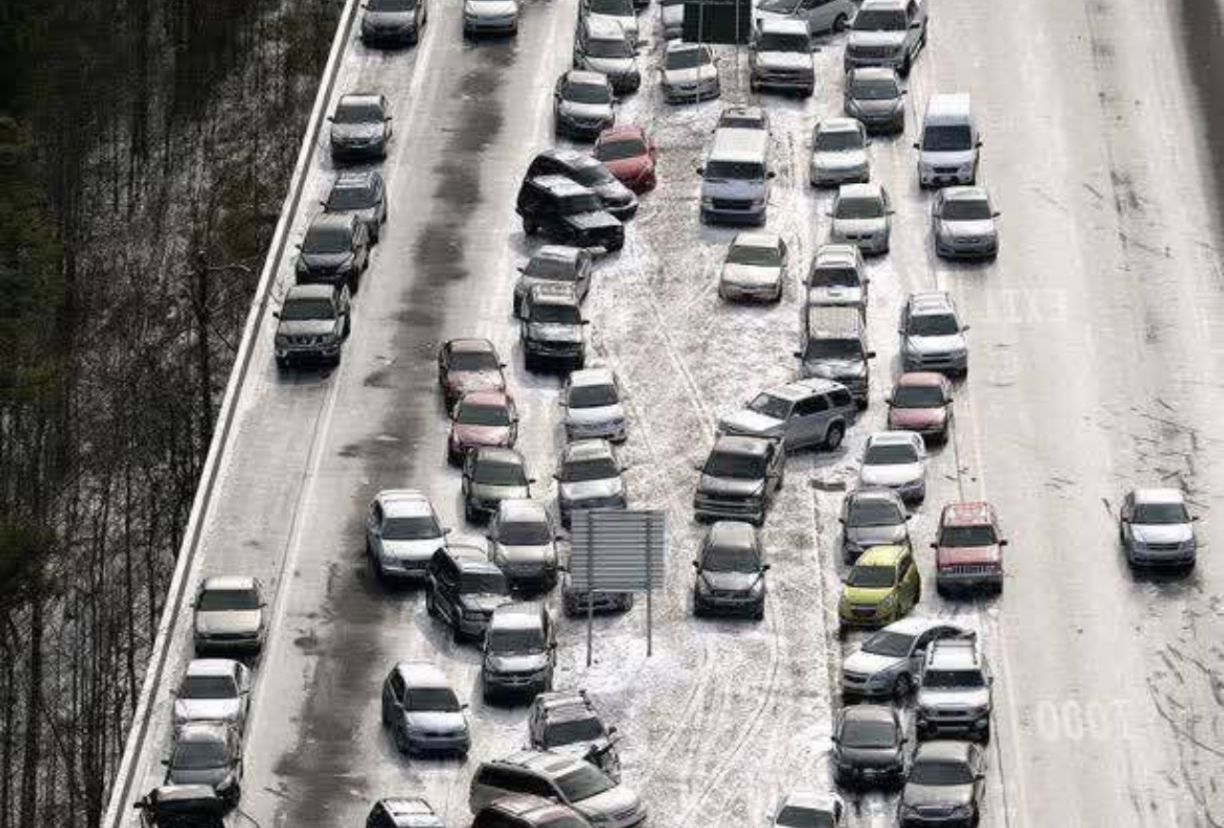
It’s not often, but when snow or ice forms in Atlanta, it often brings chaos, stranding drivers, knocking out power, and reminding us all why we cherish our mild climate.
To be sure, winter storms have hit metro Atlanta before. The one in 2018 left snow everywhere — but we’re talking about the worst ice storms in recent memory.
With a winter storm making its way to metro Atlanta once again, a possibility, let’s revisit the five most impactful winter storms in Atlanta’s history, based on their disruption to daily life, economic toll, and sheer memorability.
5 Biggest Winter Storms in Atlanta History
These events, drawn from local records, highlight how even modest accumulations can paralyze the Peach State’s capital.
1. Snow Jam ’82 (1982)

The infamous Snow Jam of 1982 kicked off Atlanta’s modern era of winter woes. Striking in mid-January, this storm dumped about 4 inches of snow across the metro area, catching the city off guard.
What started as a typical workday quickly devolved into gridlock, with thousands of commuters stranded on major highways like I-285 and I-75.
Many abandoned their vehicles altogether, trekking home on foot or hunkering down in nearby buildings. The city ground to a halt for days, with schools and businesses shuttered, marking one of the first times Atlantans truly grappled with snow-induced mayhem.
Georgia Governor George Busbee declared a state of emergency and mobilized the National Guard to assist stranded motorists and clear roadways, marking one of the first major state-level interventions for a winter event in Atlanta.
In the aftermath, Atlanta Mayor Maynard Jackson directed the city’s public works department to install snow plow mounts on garbage trucks to better prepare for future storms.
2. Blizzard of ’93 – The Storm of the Century (March 1993)

Often called the “Storm of the Century,” this massive blizzard slammed into Atlanta on March 13, 1993, after unusually warm temperatures in the preceding days lulled residents into complacency.
The National Weather Service (NWS) Atlanta office reported: “Total snowfall by late evening averaged 18 to 24 inches from Rome to Clayton with near 30 inches from Fannin to Union Counties.”
The city saw over 4 inches of snow, but the real devastation came from high winds, heavy accumulations in North Georgia (up to 3 feet), and widespread power outages affecting more than half a million Georgia Power customers—some without electricity for up to two weeks.
Here’s how the 1993 blizzard looked and felt via video footage:
Atlanta Journal-Constitution staff writers Scott Marshall and Dennis McCafferty described it as: “A snowstorm for the ages crippled much of the state.”
Tragically, the storm claimed 15 lives in Georgia alone, with hundreds more nationwide, and left thousands of motorists stranded on I-75 into the following week. Economic losses in North Georgia topped $48 million, making this one of the deadliest and costliest winter events in state history.
3. Super Bowl Ice Storm (January 2000)

Just as Atlanta was gearing up to host Super Bowl XXXIV at the Georgia Dome, Mother Nature delivered a one-two punch with an ice storm in late January 2000.
David Ratcliffe, CEO of Georgia Power (1993–2003), stated: “It was one of the worst ice storms we ever had.”
The initial wave hit on January 22, followed by more during the big game weekend.
While snowfall was minimal, the ice coating roads and power lines led to catastrophic conditions: over half a million people in North Georgia lost power, some for more than a week, and metro Atlanta reported hundreds of wrecks, including a massive 47-car pileup on I-20 westbound.
Ratcliffe further noted: “We had close to 500,000 people without power, some for over a week.”
Fortunately, the Super Bowl itself went off without a hitch, but the storm’s $48 million in damages underscored the vulnerability of the region’s infrastructure to freezing rain.
4. The 2011 Blizzard (January 2011)

On January 9, 2011, another blizzard blanketed Atlanta with nearly 4 inches of snow, transforming the city into a slippery nightmare.
A day later, Atlanta Mayor Kasim Reed was vocal about the response. He stated: “Last night, the City of Atlanta experienced a significant snowstorm with rapid accumulation and freezing rain, and we continue to experience below-freezing temperatures.
Police departments were overwhelmed, eventually stopping responses to non-injury accidents amid countless crashes.
A 15-mile stretch of I-285 was shut down, stranding truckers who slept in their cabs, while thousands of flights were canceled at Hartsfield-Jackson Atlanta International Airport—leading many passengers to camp out overnight rather than brave the roads.
The storm’s timing on a Sunday evening amplified the disruption, keeping schools closed and workers homebound for days.
Fulton County Commission Chairman John Eaves defended limited investments in equipment: “You’ve got to weigh the cost versus the need… The reality is, this kind of snowstorm happens every 10 or 15 years.”
5. Snowpacalypse 2014 – Snowmageddon (January 2014)

Echoing the chaos of 1982, Snow Jam 2014—dubbed “Snowmageddon”—struck on January 28 with just 2.6 inches of snow, but its timing was disastrous.
Atlanta Mayor Kasim Reed tweeted pre-storm: “Atlanta, we are ready for the snow.”
This event elicited strong accountability from officials. Georgia Governor Nathan Deal admitted: “We don’t want to be accused of crying wolf,” explaining hesitation in early declarations.
“We are certainly ahead of the game this time, and that’s important,” Deal said. “We are trying to be ready, prepared and react as quickly as possible.”
As flurries began midday, schools, businesses, and government offices released everyone simultaneously, jamming over a million people onto the highways. Cars were abandoned en masse on I-75, I-85, and I-285, with some commuters stuck for up to 24 hours.
Ninety-nine Fulton County school buses were trapped until midnight, forcing 2,000 students to spend the night at school, while others sought refuge in stores like Kroger and Home Depot.
Charley English, head of the Georgia Emergency Management Agency, confessed: “I got this one wrong,” regarding delayed activation of the emergency center.
Amid the turmoil, one heartwarming story emerged: a father delivered his baby girl in his car on I-285. The event prompted statewide reviews of emergency preparedness.
Reflecting later, Reed said: “We made an error in the way that we released our citizens.”
These storms serve as stark reminders that in Atlanta, it’s not always the depth of the snow but the unpreparedness that amplifies the impact.
Final Word
As we navigate the 2026 winter season, local officials urge residents to stock up on essentials, avoid unnecessary travel during forecasts, and heed warnings from the National Weather Service.
Stay safe out there, Atlanta—better to be overprepared than snowed under. For more local weather updates, check back with us regularly.
As the city lights up with yet another special event this weekend, remember: Safe driving is the real treat. For more tips on navigating safely around the city, read our Atlanta Traffic Guide.
More from AtlantaFi.com:
-

With a big winter storm forecast to bring freezing rain, sleet, and potential heavy ice accumulation across metro Atlanta, power outages are a real threat as ice weighs down trees and power lines.
Utility crews are mobilized and ready to respond, but restoration can take time—sometimes days—during widespread winter events.
How To Stay Safe and Warm If You Lose Power During an Ice Storm
If your lights go out during an ice storm, here’s a practical guide to stay safe, warm, and prepared. These tips draw from Georgia Power recommendations, Ready.gov, and local emergency guidelines.
Before or Right When Power Goes Out
- Report the outage immediately — Call Georgia Power at 888-891-0938 or report online at GeorgiaPower.com/Outage. Sign up for free Outage Alerts via text for personalized updates on your neighborhood.
- Stay informed — Use a battery-powered or hand-crank radio for weather updates from NOAA or local stations. Avoid unnecessary travel; ice makes roads extremely hazardous, and downed lines can be hidden under snow or ice.
- Turn off or unplug appliances — Switch off lights and unplug sensitive electronics to prevent damage from power surges when electricity returns. Leave one light on to signal when power is restored.
Staying Warm Safely
Heat is the top priority in freezing temperatures. Never take risks with carbon monoxide (CO)—an invisible, odorless killer.
- Do NOT use ovens, gas stoves, charcoal grills, or propane heaters indoors to heat your home. These produce deadly CO.
- Use generators correctly — Only operate portable generators outdoors, at least 20 feet from windows, doors, and garages. Follow manufacturer instructions exactly, and never refuel while running or hot. Read up on the best generators to buy.
- Conserve body heat — Close off unused rooms and stuff towels under doors to block drafts. Cover windows with blankets, curtains, or shades at night (open during sunny days for passive solar warmth). Dress in layers, wear hats and socks, and gather in one central “warm room” with family members—shared body heat helps.
- Alternative heat sources — If you have a fireplace, use it only if properly vented with dry wood. Battery-powered or approved indoor-safe portable heaters can help, but never leave them unattended.
- Prevent frozen pipes — Let faucets drip slowly (both hot and cold) to keep water moving. Open cabinet doors under sinks to allow warmer air to circulate around pipes. Know your main water shut-off valve in case a pipe bursts. Or call a plumber.
Food and Water Safety
- Keep refrigerator and freezer doors closed as much as possible. A full freezer can stay cold for 24–48 hours; a refrigerator about 4 hours.
- Use coolers with ice blocks if needed, and monitor food temperatures with a thermometer. Discard perishable food that reaches 40°F or higher for 2+ hours, or shows odd odor, color, or texture.
- Stock non-perishable food, bottled water, and manual can openers. Eat balanced meals to maintain body heat; drink warm (non-alcoholic, non-caffeinated) beverages.
Lighting and General Safety
- Use flashlights, battery lanterns, or headlamps instead of candles to reduce fire risk. Keep extra batteries handy.
- Install and test battery-backup CO detectors on every level of your home.
- Never touch downed power lines—assume they’re live, even if covered in ice. Stay far away, warn others, and call Georgia Power immediately.
- Check on neighbors, especially elderly residents or those with medical needs. If anyone relies on electric medical devices, have backup plans or head to a warming center if needed.
After Power Returns
- Wait a few minutes before plugging in appliances to avoid overloading circuits.
- Inspect food carefully—when in doubt, throw it out.
- Check pipes for leaks if temperatures dropped significantly.
Atlanta rarely sees major ice events, but when they hit, they can cause significant, long-lasting outages. Georgia Power prioritizes safety and won’t work in dangerous conditions, so patience is key while crews clear ice and restore lines.
For the latest updates, visit GeorgiaPower.com/Storm or follow local news. Stay safe, Atlanta—hunker down, stay warm, and look out for each other.
If conditions worsen or you have a life-threatening emergency, call 911. For non-emergency outage info, use Georgia Power channels.
-

How do you look as a first responder? That’s the question one local casting company wants to know in Atlanta.
CAB Castings LLC, an Atlanta-based casting company specializing in extras for television series, films, and other productions, is currently seeking experienced paid extras to portray EMTs (Emergency Medical Technicians) in an upcoming scene for a popular hit TV series filming in the Atlanta area.
Casting Details: Experienced EMT Roles
The production requires authentic portrayals of EMTs during an emergency sequence, with producers emphasizing the need for individuals who have real-world experience in the field. This ensures accurate movements, procedures, and skills on camera.Key Requirements:
- Age: 21 years or older
- Experience: Must have prior EMT experience (critical for authenticity in the scene)
- Diversity: Open to any race, gender, or ethnicity
- Availability: Full-day commitment required on both filming dates
- Thursday, January 29, 2026
- Friday, January 30, 2026
- Call Time: 8:00 AM (plan for all-day availability)
- Mandatory Fitting: If selected, attendance is required on Monday, January 26, 2026, at 10:00 AM
The role offers paid work at the standard rate of $180 for 12 hours (total potential $360 across both days if booked for the full period). Payment will be issued via check mailed 2–3 weeks after filming.Due to the high popularity of the series, only those officially confirmed by the producers and placed on the confirmed list will be permitted on set—no exceptions.How to SubmitIf you’re available and meet the criteria (especially the EMT experience requirement), email your submission to INFO@cabcastings.com (mailto:INFO@cabcastings.com).Subject Line: EMT w/ EXPERIENCE (2 DAYS)Include all of the following in your email:
- Full name
- Phone number
- Email address
- Age
- Date of birth
- Height
- Weight
- 3 recent photos: 1 headshot + 2 full-body shots
A representative from CAB Castings, LLC will contact you directly if interested to confirm details and book you for the scene.This is a great opportunity for qualified EMTs in the Atlanta region to appear in a major television production while earning paid compensation.
Final Word
Submissions are being accepted now—act quickly, as spots are limited and confirmation is competitive! For more information on CAB Castings’ ongoing projects, check their official social media channels or related casting sites.
Are you interested in becoming an actorin Atlanta? You’re in the right place!
With more than 900 movie and TV projects just in the last few years, the film industry has generated more than $9 billion for the state of Georgia.
There are so many movies filmed in Atlanta these days that it’s hard to keep up with it all. That’s why I suggest you subscribe to AtlantaFi.com to get all the freshest movie casting calls, celeb sightings and Atlanta happenings delivered to your inbox.
See Atlanta Casting Calls And Auditions Available Right Now
Want to work in Georgia film & TV? Here are the latest Atlanta casting calls
Read More From AtlantaFi.com:
-
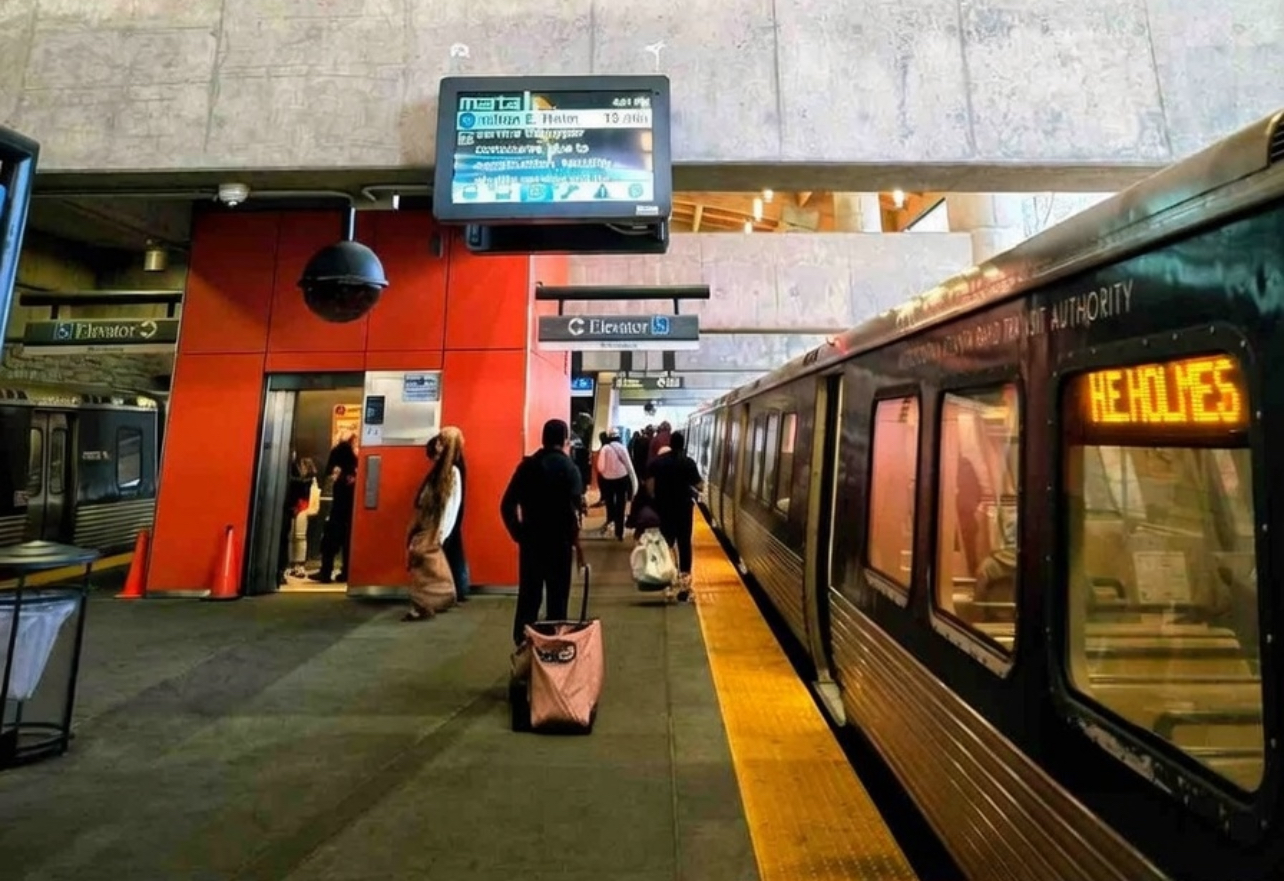
Atlanta’s Metropolitan Atlanta Rapid Transit Authority (MARTA) has announced that it is in the midst of a major overhaul of its Breeze fare collection system, introducing modern equipment and payment methods designed to make transit more secure, convenient, and user-friendly.
The upgrade, often referred to as the “Better Breeze” system, includes installing new faregates, fareboxes, validators, and touchscreen ticket vending machines across the entire rail and bus network.
MARTA Upgrades Breeze Fare System
Installation is proceeding in phases, with new equipment already appearing at rail stations. Riders are currently unaffected and should continue using existing Breeze cards or the current mobile app as normal—no changes to bus or rail service are occurring.
Looking into public transit in Atlanta? Read our guide to riding MARTA.
For any station-specific construction impacts, such as entrance detours, MARTA advises checking its website or signage.
The current Breeze fare media—including physical Breeze cards and the existing Breeze Mobile app—will become incompatible with the upgraded system and will be discontinued after May 2, 2026. After that date, riders will need to use the new fare options to board trains or buses.
Key features of the new system include:
- New fare equipment — More secure faregates that can be remotely monitored and adjusted, helping to reduce fare evasion and enhance overall safety.
- Open payment options — Riders can tap contactless bank cards or mobile wallets (such as Apple Pay or Google Pay) directly at faregates or fareboxes to pay for fares.
- New Breeze app — The current Breeze Mobile 2.0 will be replaced. Users will need to download a new Breeze app and set up a virtual Breeze card to purchase and manage fares digitally.
- New Breeze cards — These will be account-based, meaning stored value and passes live in the customer’s online account rather than on the physical card itself. Options for multi-day and monthly passes will continue to be available.
Important transition details:
A dual-system period will run from March 28 to May 2, 2026, allowing both old and new equipment to operate side-by-side. This gives riders time to use up remaining balances on current media, purchase new fare products, and get comfortable with the changes.
However, any unused fare balances on current Breeze cards or accounts will not transfer to the new system and will be lost if not spent by May 2, 2026. MARTA strongly encourages riders to “spend down” existing value during this window.
Sale of current Breeze products will end in phases starting in March 2026:
- 30-day passes: Last day to buy — March 1, 2026
- 20- and 10-trip passes: Last day — March 15, 2026
- 1-, 2-, 3-, 4-, and 7-day passes: Last day — March 22, 2026
- 1- and 2-trip passes: Last day — March 28, 2026
New Breeze cards, along with multi-day and monthly passes, will go on sale starting March 28, 2026. They will be available at the new touchscreen vending machines, RideStores, Reduced Fare offices, and various pop-up locations around the system (details on pop-ups to be announced in March).
For riders eligible for reduced fare or MARTA Mobility services, options include obtaining a new physical card or using the new mobile app. They can visit a Reduced Fare office, email reducedfare@itsmarta.com, or call 404-848-5112 for assistance.
The upgrade aligns with MARTA’s broader efforts to modernize transit in metro Atlanta, including preparations for major events like the 2026 FIFA World Cup, which is expected to bring increased ridership to the region.
Final Word
These changes are underway as MARTA preps for the FIFA World Cup this summer.
For the latest updates, station-specific information, and resources on the transition, visit MARTA’s official website at itsmarta.com or the dedicated Better Breeze page. Riders are encouraged to plan ahead to avoid any disruptions after the May 2 cutoff.
More from AtlantaFi.com:
-
For the first time since 2019, Chicago O’Hare International Airport (ORD) has reclaimed the title of the nation’s busiest airfield by aircraft movements, edging out Hartsfield-Jackson Atlanta International Airport (ATL) in 2025, according to preliminary data from the Federal Aviation Administration (FAA).
New figures show O’Hare recorded 857,392 takeoffs and landings last year — a significant 10.5% increase from 776,036 movements in 2024. In comparison, Atlanta’s airport handled 807,625 operations in 2025, marking only modest growth from the previous year.
Chicago O’Hare Surpasses Atlanta’s Hartsfield-Jackson as Busiest U.S. Airfield by Aircraft Movements in 2025
This shift ends Atlanta’s recent streak at the top of this metric, though Hartsfield-Jackson — the longtime home base and primary hub for Delta Air Lines — has held the crown as the world’s busiest airport by passenger traffic for decades (with the exception of the 2020 pandemic year).
Key distinction: Movements vs. Passengers
While Chicago leads in the number of flights (aircraft movements), Atlanta continues to dominate in total passenger volume due to its use of larger aircraft and Delta’s efficient hub operations.
Industry data from sources like OAG indicate Atlanta offered around 63.1 million departing seats in 2025, compared to roughly 50.6 million at O’Hare — a gap of about 25%.
Passenger counts from the Bureau of Transportation Statistics and other reports consistently show Atlanta ahead in enplaned/deplaned travelers.
The difference stems from airline networks: O’Hare serves as a major hub for both United Airlines and American Airlines, which rely heavily on smaller regional jets for shorter, high-frequency routes across the Midwest and beyond.
This drives more takeoffs and landings per passenger. Atlanta, by contrast, features Delta’s strategy of larger mainline jets carrying more people per flight.
Aviation analysts point to competitive dynamics at O’Hare as a driving force. The airport’s dual-hub status for United Airlines and American Airlines has fueled a “capacity war,” leading to higher flight frequencies and more regional jet operations compared to Delta’s larger-plane strategy at ATL.
Chicago Mayor Brandon Johnson celebrated the milestone, stating: “This is more than a statistic, it’s a statement about Chicago’s momentum. From the runways of O’Hare to the neighborhoods across our city, Chicago is building, growing, and leading. We are open for business, open to the world, and once again setting the pace for the nation.”
For Atlanta travelers and the local economy, Hartsfield-Jackson remains the undisputed leader in passenger throughput and global connectivity.
The airport has consistently ranked No. 1 worldwide in passenger traffic in recent Airports Council International (ACI) reports, including for 2024, and continues to serve as a critical engine for Georgia’s aviation sector.
Looking ahead, intense competition between American and United at O’Hare could keep movements elevated, but experts note it’s unlikely Chicago will overtake Atlanta in passenger numbers anytime soon given Delta’s stronghold and Atlanta’s higher average aircraft size.
Final Word
Hartsfield-Jackson Atlanta International Airport remains the heart of global air travel — moving more people than any other airport on Earth — even as Chicago celebrates a win in flight activity. Stay tuned for final 2025 passenger rankings and full ACI World data later this year.
Check Out Our Atlanta Travel Guide