
Tyreek Hill’s path from rural South Georgia to the NFL is inseparable from both the hardship that shaped him and the domestic-violence case that nearly ended his career before it began. The only criminal domestic charge that produced a guilty plea came in 2014, while he was at Oklahoma State. Later investigations and civil allegations have not resulted in new criminal convictions.
South Georgia upbringing
Hill was born March 1, 1994, in Douglas, Georgia, to teenage parents Anesha Sanchez and Derrick Shaw, both athletes. He was raised mainly by his maternal grandparents, Virginia and Herman Hill, in Pearson, a small town in Atkinson County about 15 miles south of Douglas.
In a 2020 interview he said he still claimed Pearson: “I was raised in Pearson, Georgia. I moved to Coffee High around ninth grade. My grandparents thought I needed a change. They wanted me to be something in life.” He was reluctant to leave friends for the larger school in neighboring Coffee County. Coaches and family later described the move as a deliberate push toward structure and opportunity.
The household was poor. Hill has said that during his senior year he and his grandparents went a full year without electricity. On his podcast he recalled that football was “my moneymaker” and that he knew it would have to take care of him and his family.
Herman Hill spent time in prison. Speed showed early; family stories include a young Hill outrunning cousins and stray dogs on a dirt road. At Coffee High he became a state champion in the 100 and 200 meters in 2012, running 10.19 and 20.14, and played football as a running back and returner. Those times made him one of the fastest high-school sprinters in the country.
He went to Garden City Community College in Kansas, then Oklahoma State in 2014, where as a freshman he produced more than 1,800 all-purpose yards and ranked among the nation’s leaders in return yards.
The 2014 case
On the night of December 11–12, 2014, Stillwater police arrested Hill after his girlfriend, Crystal Espinal, then about eight weeks pregnant, reported an assault at his home. According to the police account summarized in contemporaneous reporting, she said he grabbed her by the neck, pinned her against a wall, threw her to the ground, put her in a headlock, and punched her in the stomach and face after she said she could not breathe. Officers documented cuts, bruises, a busted lip, a mark under her eye, and a torn shirt.
Oklahoma State dismissed him from the football and track teams the next day, stating the university does not tolerate domestic abuse. He was charged with domestic assault and battery by strangulation, a felony. He initially pleaded not guilty. In August 2015 he changed his plea to guilty. In court he told the judge, “I did something I shouldn’t have done. I let my feelings take control of me.”
Under the plea agreement he received three years of probation, two years of supervision, fines, a 52-week batterer-intervention program, and anger-management requirements. He transferred to the University of West Alabama, played the 2015 season, and was drafted by the Kansas City Chiefs in the fifth round in 2016. After he completed the court-ordered terms, an Oklahoma court dismissed the case and ordered the record expunged in August 2018.
Years later, in a recorded argument that surfaced in 2019, Hill told Espinal he had not hit her in 2014 and had only put her out the door. She asked where the bruises had come from and said he had put his hand around her neck; he denied it. That recording contradicted the guilty plea he had entered in open court.
Later investigations and allegations
In 2019, Kansas authorities investigated possible child abuse involving Hill and Espinal’s young son after the boy was found with a broken arm. No charges were filed. A leaked recording of an argument between Hill and Espinal included Hill saying she and the child should be terrified of him. The NFL investigated; prosecutors closed the case without charges, and Hill was not suspended.
Other disputes have included a 2023 settlement with a marina employee who alleged Hill struck him, and a 2024 civil suit by influencer Sophie Hall alleging he broke her leg during a private workout. Those matters are separate from the domestic cases.
In November 2023 Hill married Lakeeta “Keeta” Vaccaro, sister of former NFL safety Kenny Vaccaro, in Texas. She later alleged in divorce filings that he was violent with her on eight occasions between early 2024 and April 2025, including while she was pregnant with their daughter.
Court documents unsealed in 2025 described claims that he spat on her, shoved her, threw her down, ripped out hair, tore off a necklace, twisted intimate body parts, and tried to strike her stomach. Police responded to their Sunny Isles Beach, Florida, home on April 7, 2025, after a domestic-disturbance call; officers closed the case without criminal charges after both parties said the argument had not been physical. Vaccaro filed for divorce the next day.
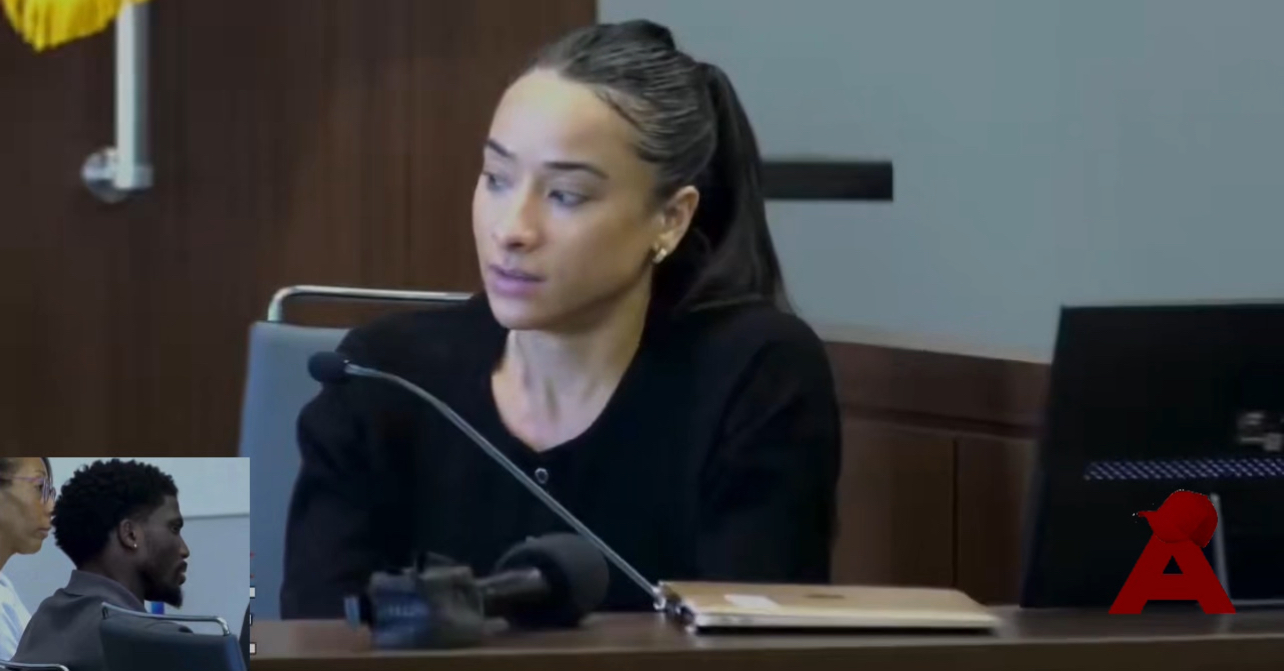
Hill has denied the abuse allegations. The NFL said in September 2025 that the matter remained under review under the personal-conduct policy. In October 2026 Vaccaro testified in a Miami civil trial seeking damages, repeating claims of assaults during the marriage; Hill has not been criminally charged in that case. The civil proceedings were ongoing as of early October 2026.
The only domestic case that produced a criminal conviction—later dismissed after probation—was the 2014 Stillwater incident. Everything after that has been investigation, civil allegation, or both, without a new guilty plea or criminal conviction.