Giant pandas incoming! Zoo Atlanta announced on Thursday, April 23, that it has initiated a new International Cooperative Research Agreement on Giant Panda Conservation with the China Wildlife Conservation Association.
This partnership paves the way for the arrival of two new giant pandas: male Ping Ping and female Fu Shuang.
Two New Giant Pandas Coming to Zoo Atlanta
Both pandas were born at the renowned Chengdu Research Base of Giant Panda Breeding in China. Ping Ping was born on March 17, 2020, and Fu Shuang on October 18, 2020.
A New Chapter After a Successful Legacy
This exciting development follows the conclusion of Zoo Atlanta’s original giant panda agreement with China, which ran from 1999 to 2024.
During that 25-year partnership, the zoo’s beloved pair, Lun Lun and Yang Yang, welcomed seven offspring between 2006 and 2016—including two sets of twins.
In October 2024, Lun Lun, Yang Yang, and their two youngest offspring, Ya Lun and Xi Lun, returned to the Chengdu Research Base. Their five older offspring also reside there.
The program produced significant advancements in panda care, breeding, and research, strengthening global conservation efforts.
“Zoo Atlanta is delighted and honored to yet again be trusted as stewards of this treasured species and to partner with the China Wildlife Conservation Association on the continued conservation and research efforts that are the most important outcomes of this cooperation,” said Raymond B. King, President and CEO of Zoo Atlanta. “We can’t wait to meet Ping Ping and Fu Shuang and to welcome our Members, guests, city, and community back to the wonder and joy of giant pandas.”
Broader Conservation Impact
The new agreement underscores ongoing international collaboration. China has made substantial investments in giant panda conservation, establishing 67 reserves and creating the Giant Panda National Park in 2021 to enhance habitat connectivity.
As a result, 72% of wild giant pandas—classified as Vulnerable by the IUCN—receive strict protection.
Zoo Atlanta’s past contributions have supported habitat restoration, reserve management, and ranger programs, reflecting a shared commitment to the species’ long-term survival.
What’s Next?
Zoo Atlanta will share additional details about Ping Ping and Fu Shuang’s arrival timeline, their acclimation process, and public debut in the coming months.
Panda enthusiasts in Atlanta can look forward to welcoming these new ambassadors of conservation to the zoo.
This return marks a joyful milestone for Zoo Atlanta and the broader community, reigniting excitement around one of the world’s most beloved animals while advancing critical conservation work. Stay tuned for updates as preparations unfold!
Comments Off on Two New Giant Pandas, Ping Ping and Fu Shuang, Are Headed to Zoo Atlanta
We heard you were a movie lover. That’s good news. The 2025 Atlanta Film Festival (ATLFF) has begun throughout the city. The multi-weekend event is one of the best festivals in Atlanta.
2026 Atlanta Film Festival: Everything You Need To Know
Atlanta Film Festival Celebrates 50th Anniversary with Star-Studded Programming and Cultural Milestones
ATLANTA, GA — The Atlanta Film Festival (ATLFF), Georgia’s premier celebration of independent filmmaking, kicks off its landmark 50th anniversary edition today, running in-person from April 23 to May 3, 2026, at the historic Plaza Theatre and Tara Theatre. Virtual screenings of selected films continue through May 11.
This milestone event underscores ATLFF’s role as a cornerstone of independent cinema in the Southeast and an Oscar-qualifying festival that has launched and supported countless careers over five decades. Selected from more than 5,500 submissions, the 2026 lineup features approximately 154 films—including narrative features, documentaries, shorts, and episodic content—representing diverse voices from around the world, with strong representation from Georgia filmmakers.
A Golden Anniversary of Legacy and Innovation
To mark 50 years, ATLFF presents special Legacy Screenings honoring films that shaped Atlanta’s film landscape and the careers of returning talent. Highlights include:
Daughters of the Dust (1991) with special guest Julie Dash
The Spectacular Now (2013) with James Ponsoldt
Great World of Sound (2007) with Craig Zobel
Additional special presentations feature classics like eXistenZ (with Violet Lucca) and Clint Eastwood’s Richard Jewell, alongside marquee titles such as Rose of Nevada, Power Ballad (Paul Rudd, Nick Jonas), I Want Your Sex, Late Fame (Willem Dafoe), and more.40
The festival also spotlights local ties with films shot in Atlanta or created by connected filmmakers, reinforcing ATLFF’s deep roots in the city’s booming creative community.
Creative Conference and Multidisciplinary Events
Now in its 16th year, the ATLFF Creative Conference (presented by CineFi) runs April 28–May 1 with 50 panels, workshops, and presentations. Themes include creative development tools, film finance, and micro-budget filmmaking—tailored to empower emerging and established creators.
A standout event is SOUND + VISION at The Goat Farm Arts Center, an immersive evening blending film, live music, visual arts, VR, and music videos—celebrating the intersection of sonic and visual storytelling.
Star Power and Honors
The festival features high-profile appearances and awards. Hip-hop legend RZA (Wu-Tang Clan founder, 2026 Rock & Roll Hall of Fame inductee, and director) attends a screening of his film One Spoon of Chocolate at the Tara Theatre on April 24. He walks the red carpet, participates in a Q&A, and receives the Originator Award for his groundbreaking contributions to music, film, and culture.
Other honorees include actress Mckenna Grace and additional talents recognized at events like the IMAGE Awards Gala.
Commitment to Diversity and Discovery
ATLFF continues its strong track record of inclusivity: nearly half the programmed films from submissions were directed by women or gender-nonconforming filmmakers, over half by BIPOC directors, and a significant portion by Georgia talent. The festival remains a vital platform for bold, underrepresented stories.37
Festival badges, individual tickets, and virtual passes are available now via the official ATLFF site and Eventive platform. Merchandise and membership options offer additional ways to support the Atlanta Film Society’s year-round work.
As Executive Director Christopher Escobar noted, the 50th anniversary honors the community that has grown alongside ATLFF while championing the next generation of storytellers. Whether you’re a cinephile, filmmaker, or culture enthusiast, this year’s festival promises an unforgettable blend of nostalgia, innovation, and cinematic excellence in the heart of Atlanta.
For the full schedule, film guide, and tickets, visit atlantafilmfestival.com or the ATLFF 2026 app.
Submission Process: Films are submitted via FilmFreeway, with deadlines ranging from early (June) to extended (November). Feature films must not be publicly released online or on VOD before the festival, while short films available online are considered case-by-case. Georgia premieres are preferred.
Ticketing and Membership: General tickets are available online via Eventive, and Atlanta Film Society memberships offer festival access, exclusive screenings, and discounts. For ticketing inquiries, contact boxoffice@atlantafilmfestival.com or call (470) 296-
There are some good things happening in the city this week, all you have to do is take a look at downtown Atlanta. That’s where some of the best restaurants are as well as where the visitors, namely tourists, are. Downtown Atlanta or Midtown often has something cool going on!
Atlanta’s breakfast scene remains one of the strongest in the Southeast, blending Southern classics like fluffy biscuits, creamy grits, chicken and waffles, and shrimp and grits with innovative twists, deli-style favorites, and new openings.
Whether you crave a quick counter-service bite or a leisurely brunch with cocktails, the city delivers. Many spots have lines on weekends, so arrive early or check reservations via Resy, Yelp, or OpenTable. Waffle House is still a 24/7 Atlanta staple for late-night or no-frills options.
If you’re not a Waffle House fan, you may enjoy a good, full meal from an Atlanta restaurant that serves a full breakfast.
These Restaurants Have The Best Breakfast In Atlanta
Here is where you can get the best breakfast in Atlanta:
Here are some great brunch restaurants in Atlanta:
The Breakfast Boys
3387 Main St, College Park, GA 30337 | (470) 517-6981
Here’s what one customer says about The Breakfast Boys. “My first time here, and it was good. We didn’t have to wait and ate downstairs. We liked our food overall. Wait staff was good and attentive. I had the Veggie Omelet with Grits. The Omelet was excellent; the grits were good but not creamy enough to my liking. The croissant that came with the meal had a horrible spoil taste. My friend enjoyed her Jerk Chicken and Waffles. I would definitely come back.”
The Flying Biscuit
1530 DeKalb Ave, SE Atlanta, Ga.
The O.G. of breakfast, The Flying Biscuit, checks all the boxes when it comes to pancakes, coffee, sausage and more importantly, customer service.
Buttermilk Biscuits
1634 Virginia Ave, Atlanta, GA 30337
Tucked inside quaint shopping center Virginia Station off in College Park, Buttermilk Biscuit packs a big breakfast punch. Here’s what one reviewer says about Buttermilk Biscuits.
“The Belgian waffles were melt-in-your-mouth wonderful. Fried chicken breast was seasoned and cooked to crisp and juicy perfection, and the grits… I am a grits snob. There are literally only 3 or 4 restaurants in Atlanta that I refer others to when asked where one can find good grits. Buttermilk Biscuit has been added to my Best of Grits List! Their grits are out-of-this-world creamy, smooth and perfectly salted.Will definitely be returning soon!”
Murphy’s at 997 Virginia Ave. NE, Atlanta, 30306 MAP 404-872-0904 Brunch menu faves: Grilled sourdough, Eggs Santa Fe, Hazelnut Crusted French Toast, Eggs Virginia Highland
Table & Main
1028 Canton St, Roswell, GA 30075 | (678) 869-5178
Table & Main is at 1028 Canton St., Roswell Ga. 20075. Brunch menu faves: BBQ Pork Omelet, Fried Green Tomato Eggs Benny, and, of course, Fried Chicken ‘n Waffles.
Bread & Butterfly
290 Elizabeth St NE F, Atlanta, GA 30307 | (678) 515-4536
Bread & Butterfly is located at 290 Elizabeth St. NE Atlanta, Ga. 30307. Brunch menu faves: Soft Scrambled Eggs & Cold Smoked Trout, Omelette Du Jour.
Aprés Dìem
31 Monroe Dr NE St C103, Atlanta, GA 30308 | (404) 872-3333
Aprés Dìem is located in the heart of Midtown’s Poncey-Highland area at 931 Monroe Drive St C-103 Atlanta, GA. 30308. (404) 872-3333. Menu faves: SALAD NIÇOISE: grilled tuna steak, kalamata olive, hard-boiled egg, tomato, french green bean, red pepper, rice, anchovy (optional), mixed greens, white-balsamic vinaigrette.
Buttermilk Kitchen is also one of the spots for the best breakfast in Atlanta. It’s located in Buckhead at 4225 Roswell Road Northeast, Atlanta, GA 30342. Brunch menu faves: Ray’s Waffle Burger, B.Y.O.B. Breakfast Plate, Market Scrambled.
Cafe Circa, located at 646 Edgewood Ave. SE Atlanta, is a well-known spot for live entertainment as well as hookah. Brunch menu faves: shrimp and grits, wings, pasta and other tasty dishes.
Pancake Social
675 Ponce De Leon Ave NE, Atlanta, GA 30308 | (678) 609-8696
The Ponce City Market eatery is helmed by Chef Anne Quatrano of Star Provisions, Bacchanalia and other top eateries. From personal experience, the pancakes are amazing!
Final Word
Atlanta is having a restaurant renaissance. Hot chicken is the rage in Atlanta’s dining scene right now. But so are chicken and waffles.
The essential meal that you don’t want to miss on a daily basis is breakfast, and you won’t find better options in the Southeast than what’s on the plate at Atlanta’s best breakfast restaurants.
Atlanta is a foodie paradise, and its festivals are no exception. Each event boasts a distinct culinary identity, from the authentic Mexican cuisine and birria tacos to delicacies you’ll find only along the Buford Highway corridor. Every bite is an explosion of flavor that complements the festive atmosphere.
We invite you to indulge in our Best of Atlanta’s New Restaurants Food E-Book to explore your personal food preferences without having to compromise with others, whether it’s choosing your favorite cuisine or treating yourself to a special meal.
Solo dining can also save you big money as you don’t have to splurge on another person.
BUCKHEAD — A relaxing pedicure just got a whole lot more luxurious — and a whole lot more viral.
A promotional video from Buckhead Nail and Toe Spa at 3210 Roswell Road NW has exploded across social media, racking up hundreds of thousands of views in less than 24 hours.
Buckhead Nail and Toe Spa’s Viral ‘Women’s Spa Day’ : Hookah, Mimosas, and Massages Included
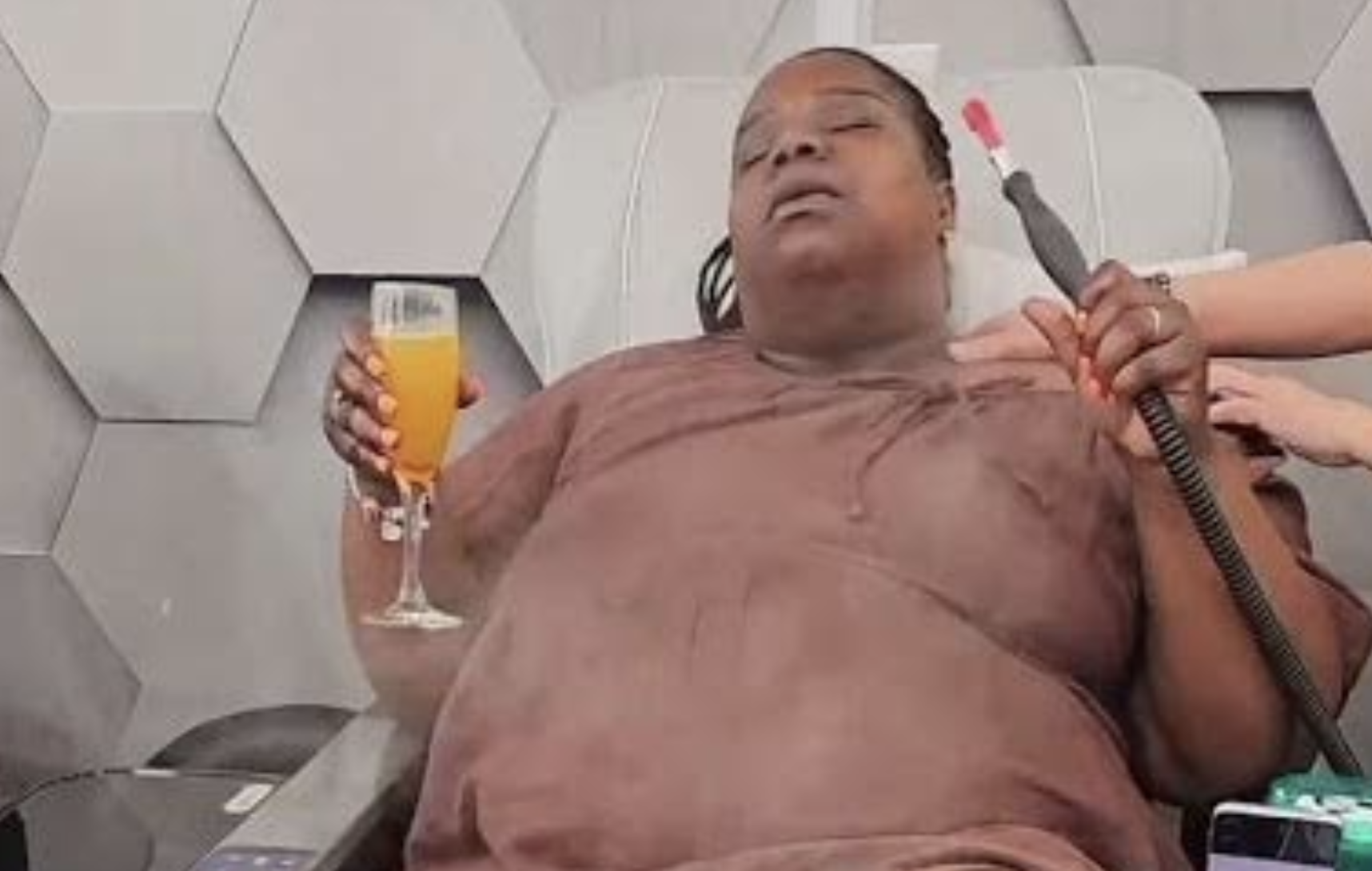
The clip shows a client reclining in a plush spa chair, simultaneously enjoying a full-body massage, a hookah session, and a glass of orange mimosa while technicians pamper her feet with oils, honey, and fresh orange slices.
The caption says it all: “They say Atlanta ain’t a real and I be trying to defend it but uhhh.”
In the video, steam rises around the client’s legs as gloved hands work a luxurious foot treatment. One technician holds the hookah hose while another rubs her shoulders and neck.
A picture-in-picture overlay captures her blissful, eyes-closed expression. The clip ends with close-ups of intricate, long acrylic nail designs — the salon’s signature specialty.
Buckhead Nail and Toe Spa, which bills itself as “Atlanta’s Best Beauty Salon & Day Spa,” offers a full menu of services including nail art, spa pedicures, facials, full-body massages, eyelash extensions, threading, waxing, and more.
According to the salon’s social media and website, complimentary hookah and wine are part of the upscale experience at the Roswell Road location.
The post quickly drew thousands of reactions. Some commenters called the treatment “royalty vibes,” while others joked it was “ghetto fabulous” or “too much in the best way.” One user wrote, “This place is for the hood rats… They also offer a Hennessey pedicure.” Another simply said, “I’m saving the address.”
Located in the heart of Buckhead near high-end shops and offices, the salon has built a loyal following for its over-the-top pampering packages. Its Instagram and TikTok pages regularly feature similar spa-day videos, but this latest one clearly struck a chord.
The business has other videos as well showing off their hookah services:
Salon hours are Monday–Saturday 9:30 a.m.–8 p.m. and Sunday noon–7 p.m. Walk-ins are welcome, but appointments are recommended for signature treatments. Phone: (404) 869-8999. Website: buckheadnailandtoespa.com.
Whether you’re looking for a quick manicure or a full “treat yourself” escape complete with hookah and honey-infused foot therapy, Buckhead Nail and Toe Spa is proving that Atlanta knows how to do self-care — with a side of extra.
Have you tried the viral spa day yet? Drop your thoughts in the comments below, Atlanta. Just don’t forget to book ahead — it looks like the secret is out.
Henry County, Georgia — Residents and visitors in metro Atlanta will soon have a new aquatic destination to enjoy, as the Henry County Aquatic Center prepares to open its doors this summer.
When Will the Henry County Water Park Open?
The Henry County water park will open in June.
County Commissioner Kevin Lewis recently provided an exclusive behind-the-scenes tour of the facility, highlighting its impressive array of features designed for all ages and interests.
The county government shared video footage of the ongoing construction and final preparations.
Thrilling Attractions for Adventure Seekers
The centerpiece of the new water park is a towering 30-foot slide structure offering four distinct slide experiences:
An open-body tube slide
A closed-body tube slide
A high-speed slide
A mat racer that can accommodate up to four riders at once
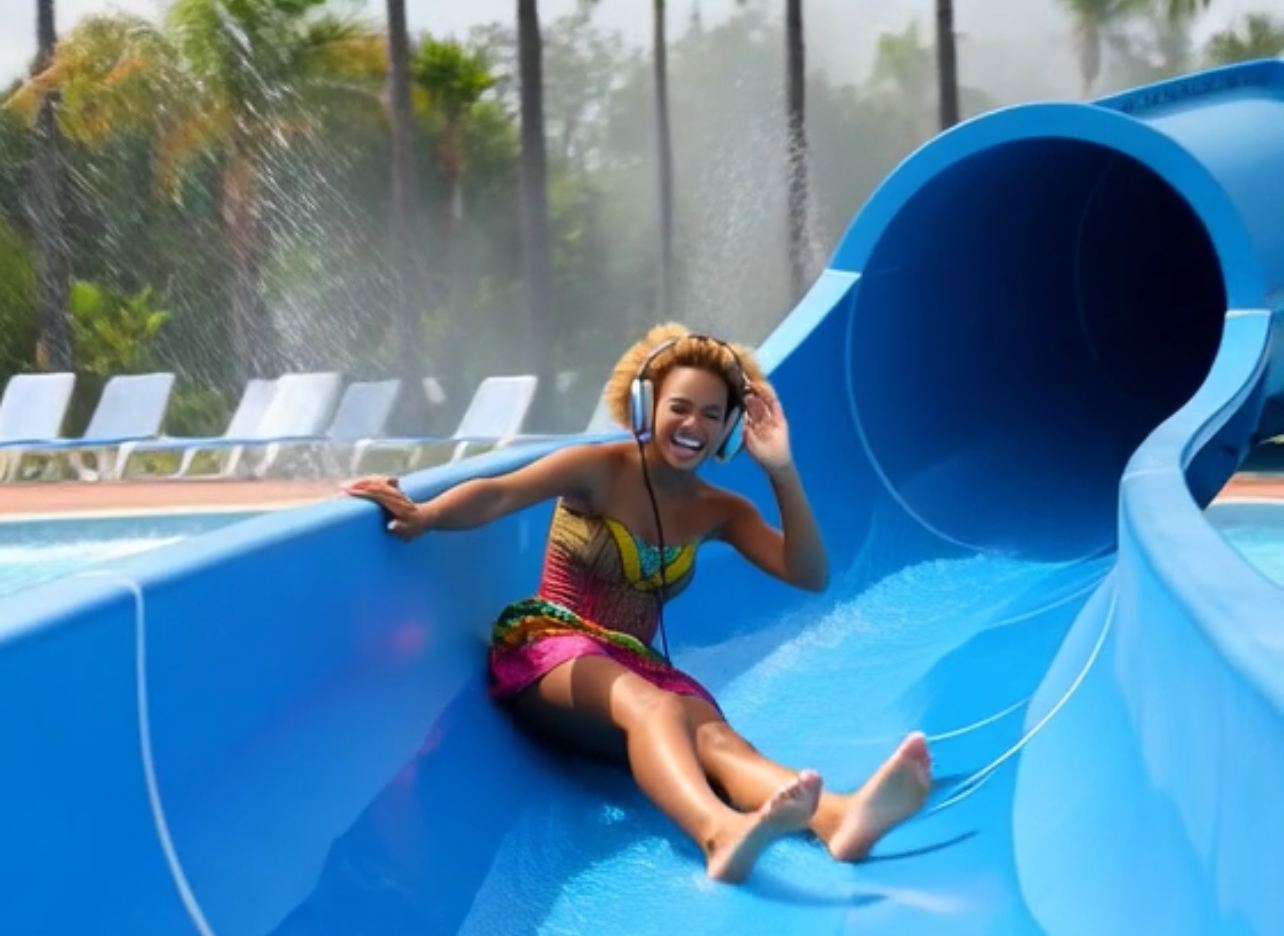
Additional attractions include a relaxing lazy river, a wave rider, a zero-depth kiddie pool for younger visitors, an outdoor lap pool, and an indoor competition pool with stadium seating perfect for hosting swim meets.
The facility also features temperature-controlled indoor pools for year-round enjoyment, along with an ADA-compliant therapeutic multi-purpose area equipped for water aerobics, aquatic yoga, and other low-impact fitness activities.
Amenities and Community Spaces
Beyond the water features, the aquatic center will include a food truck concession area and a scenic rooftop bar with panoramic views of Henry County.
The rooftop space will be available for private rentals, and cabanas will also be offered for rent, providing comfortable spots for families and groups to relax.
Construction crews were busy plastering the pools this week, with water expected to begin filling the attractions by the end of March 2026, putting the project on track for its early June opening.
A Year-Round Community Asset
Henry County officials are positioning the new aquatic center as a major recreational hub that will serve both local families and attract visitors from across the region.
The combination of thrill rides, family-friendly areas, competitive facilities, and wellness spaces aims to make it a versatile destination for fun, fitness, and community events throughout the year.
More details and updates are available through Henry County Government’s official channels. As the opening approaches, excitement continues to build for what promises to be one of metro Atlanta’s most anticipated new recreational facilities of 2026.
Station 11, a fresh addition to Atlanta’s dining scene, officially opened its doors in Midtown a few days ago, breathing new life into one of the city’s historic fire stations.
Located at 30 North Avenue NE, the restaurant and café pays homage to its roots as Atlanta Fire Station No. 11 while delivering a vibrant Caribbean-Asian fusion menu in a space that blends early-1900s charm with contemporary energy.51
A Historic Firehouse Reimagined
The 3,300-square-foot building, dating back to the early 1900s, once housed fire engines and a tiller-style ladder truck.
Local restaurateur Asim Walker—known for concepts like Buckhead’s APT 4B and the former Negril Village—saw potential in the preserved millwork and architectural details.
The renovation retained much of the original character while adding modern touches, creating a welcoming environment that feels both nostalgic and forward-looking.
Walker described the project as more than just a restaurant: “I just want to provide great food of my culture and experience to Greater Atlanta. This Caribbean-Asian fusion takes two familiar foods and two comfort foods and presents them in a new and exciting way.”
He envisions Station 11 as a “third space” for the community—one centered on food, music, guidance, and culture.
All-Day Concept with Fusion Flair
Station 11 operates as an all-day café, restaurant, and social house. Breakfast and lunch service run from 7 a.m. to 3 p.m., with plans for dinner and extended hours once fully ramped up.
The menu fuses bold Caribbean flavors (think jerk, oxtail, and tropical influences) with Asian techniques and ingredients (wok-searing, bao buns, and umami-rich elements).
Standout items include:
Oxtail & Grits ($21): Rich thyme- and scallion-infused gravy over warm Gouda grits.
Stir Fry Shrimp & Grits ($19): Wok-seared with garlic, scallion, sweet peppers, soy, and butter.
Oxtail Sandwich ($16): Braised oxtail with melted Gouda on coco bread.
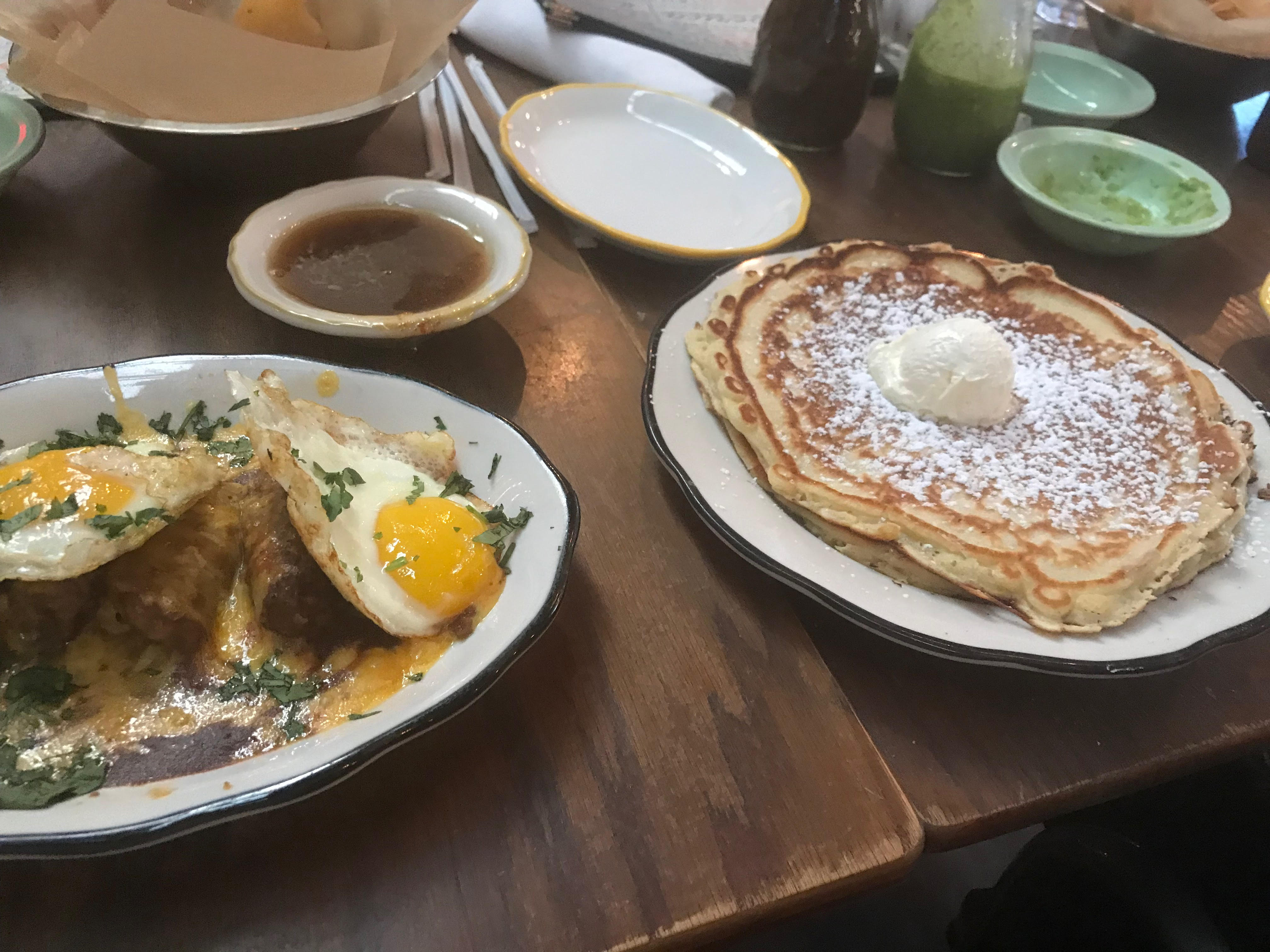
Station 11 Pancakes ($14): Served with whipped butter and warm maple caramel.
Fireman’s Breakfast ($15): Scrambled eggs, cheesy grits, and bacon or sausage.
Avocado toast, egg & cheese sandwiches, and breakfast bagels round out the morning offerings.
The café features a robust coffee program in partnership with Stone Mountain’s Gilly Brew Bar, offering espresso drinks, cold brew, signature lattes like the D’Angelo aka Brown Sugar (Jamaican vanilla) and Lavender Matcha, plus Caribbean Chai milk tea and other creative options.
Appetizers and small plates on the broader menu include Coconut Shrimp and Jerk Pork Bao Buns, while heartier options feature a Station 11 Smash Burger and Fried Chicken Sandwich—comfort classics reimagined through the fusion lens.
Vibe and Future Plans
Early buzz positions Station 11 as a spot where you can linger—from morning coffee and laptop work to longer meals with friends.
The historic setting adds character, while the fusion menu brings something fresh to Midtown’s dining options.
A speakeasy-style basement bar is in the works once the liquor license is secured, promising to extend the “social house” experience into the evening with drinks and vibes.
Asim Walker has expressed a commitment to making Station 11 a long-term fixture in the neighborhood, feeding locals and visitors alike with approachable yet exciting flavors.
Visit Station 11
Address: 30 North Avenue NE, Atlanta, GA 30308 (Midtown, near North Avenue MARTA station)
Reservations: Available via Resy for larger parties or peak times
Website/IG: station11atl.com | @stn11atl
Station 11 joins a wave of thoughtful new openings in Atlanta, transforming a piece of the city’s firefighting history into a destination for bold, cross-cultural comfort food.
Whether you’re stopping in for a Jamaican vanilla latte and pancakes or planning a full meal with oxtail creations, it’s a welcome addition that honors the past while looking squarely toward Atlanta’s flavorful future.
If you’ve visited, what’s your favorite dish so far? The scene is still fresh—perfect time to check it out.
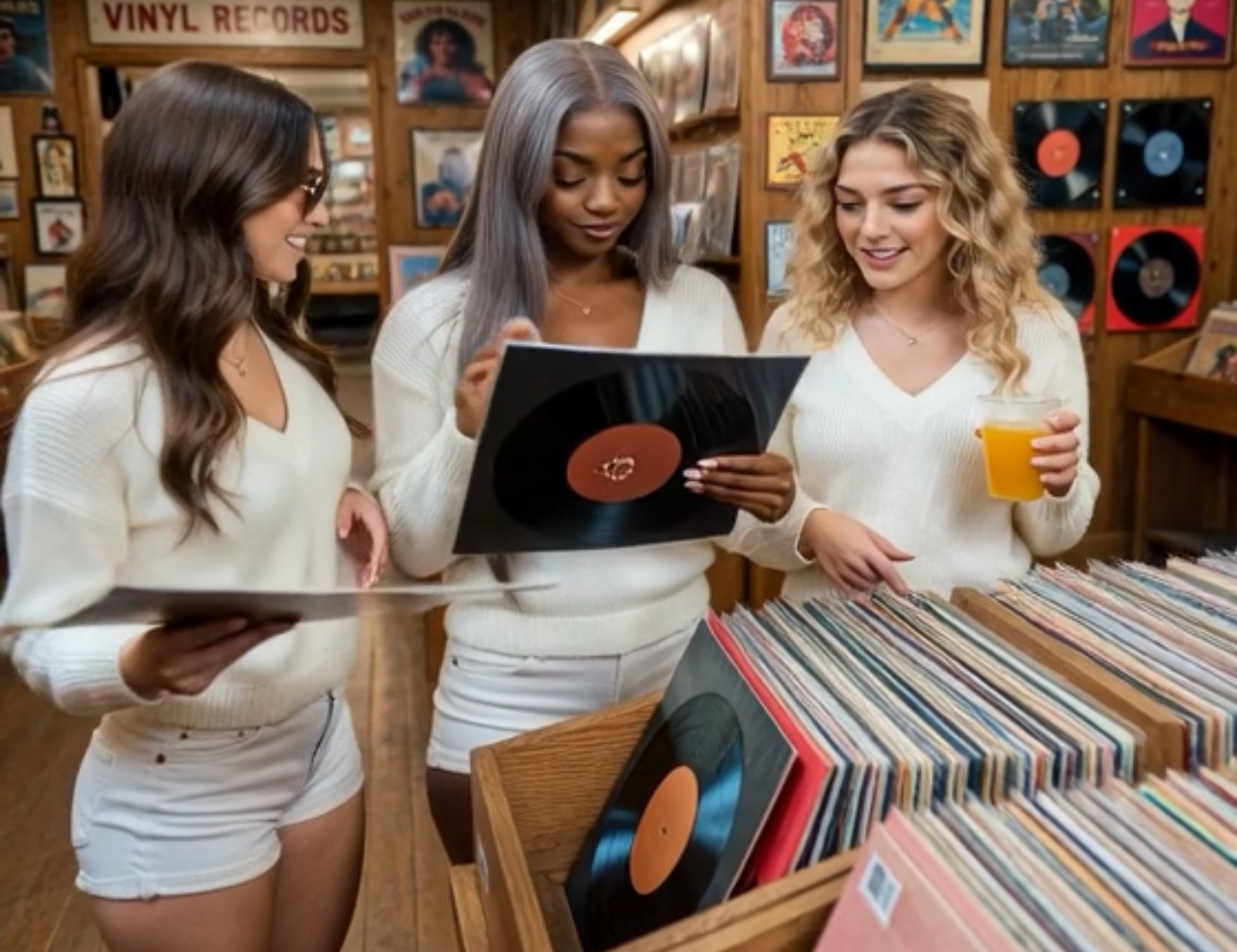
Atlanta’s vinyl scene remains vibrant today (who remembers EarWax?), with independent record stores serving as cultural hubs for music lovers, collectors, and casual browsers alike.
From iconic spots in Little Five Points to hidden gems across the city, these shops offer everything from rare finds and used bargains to new releases, merch, and community events.
Here are some of the best record stores in Atlanta worth visiting right now:
1. Criminal Records (Little Five Points)
Widely regarded as Atlanta’s premier record store, Criminal Records has long been a cornerstone of the local music scene. Located at 1154 Euclid Ave NE, this spot combines an excellent selection of new and used vinyl across genres—especially indie, alternative, rock, and underground—with comics, merch, and in-store events like signings and performances.
It’s a go-to for both serious collectors hunting obscurities and fans grabbing the latest drops. The knowledgeable staff and lively atmosphere make it a must-visit.
2. Fantasyland Records (Buckhead)
A true Atlanta institution since 1976, Fantasyland Records at 360 Pharr Rd NE boasts one of the city’s finest selections of used and new vinyl, including LPs, 45s, plus CDs, cassettes, DVDs, posters, and even vintage concert shirts from legends like The Rolling Stones, Bob Dylan, and Bruce Springsteen.
Buy, sell, or trade here—it’s a treasure trove for diggers seeking classic rock, soul, and more. Perfect for those who appreciate a well-curated, nostalgic inventory.
3. Disorder Vinyl (Edgewood Avenue)
This vibrant shop has become a favorite for punk, hardcore, indie, and alternative fans. With a focus on quality over quantity (no endless filler bins), Disorder Vinyl offers buy/sell/trade options, cool merch like trucker hats and logo tees, and a welcoming vibe.
Its high-profile location near Martin Luther King Jr. National Historical Park makes it easy to pair with other downtown explorations. Follow their Instagram for giveaways and updates.
4. Wax ‘N’ Facts (Little Five Points)
Just steps from Criminal Records at 432 Moreland Ave NE, this eclectic shop is a classic for used vinyl across rock, rap, country, and beyond.
It’s known for affordable finds, posters, and a laid-back, treasure-hunt feel. While some say the bins get picked over quickly, dedicated diggers still uncover gems here regularly. A perfect complement to a Little Five Points crawl.
5. Wuxtry Records
(Various Locations, including Athens ties)
An Atlanta staple with strong selections in jazz, blues, indie, alt-rock, and hip-hop, Wuxtry offers both new and used LPs. The staff’s expertise and the shop’s tight organization (plus the resident shop dog!) keep regulars coming back. It’s especially praised for rare and high-quality used finds.Honorable Mentions
Moods Music (Little Five Points) — Specializes in neo-soul, acid jazz, imports, and hip-hop vibes, with a mood-matching approach that’s unique.
Vinyl Fiends (Ponce City Market) — Great for hip-hop, R&B, soul, and jazz, plus CDs, turntables, and DJ gear in a modern, accessible spot.
CratesATL (Downtown/South Downtown) — A newer addition breathing fresh life into the area with new releases, top sellers, and a welcoming setup.
Ella Guru Records — Often highlighted for top-tier used indie, classic, and alternative rock selections—rare gems frequently appear here.
Whether you’re building a collection, hunting for a specific pressing, or just soaking in Atlanta’s music culture, these independent shops keep the spirit of vinyl alive. Many participate in events like Record Store Day, so check their websites or social media for hours, special releases, and in-store happenings. Happy hunting!
Atlanta, GA (March 10, 2026) — One of Atlanta’s most anticipated and impactful philanthropic events is getting a fresh, expansive setting this spring.
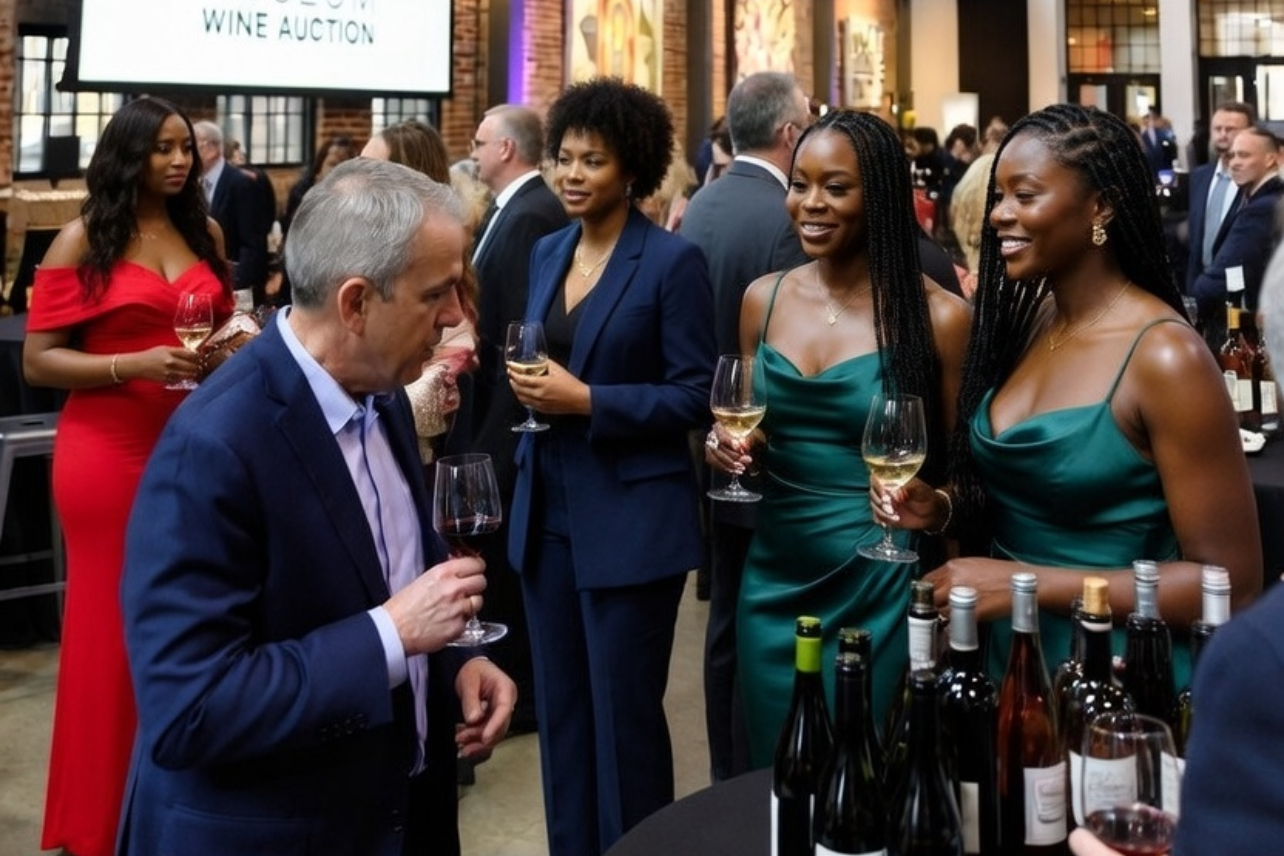
The High Museum Atlanta Wine Auction, a time-honored tradition supporting the High Museum of Art since 1993, will move to Pullman Yards in Kirkwood for its 34th annual celebration from March 26–28, 2026.
High Museum Wine Auction: A ‘Party with a Purpose’ at Atlanta’s Historic Cultural Hub
This shift marks an exciting evolution for the nation’s largest wine auction benefiting the arts. Pullman Yards, the revitalized historic rail yard turned premier cultural and creative destination, provides the ideal backdrop with its industrial charm, spacious layout, and commitment to community and innovation.
The venue change aligns two Atlanta institutions dedicated to arts, education, and enriching the city’s cultural landscape.
Over its more than three-decade history, the High Museum Atlanta Wine Auction has raised over $37 million (with recent updates noting figures approaching $40 million) to fund the High Museum’s exhibitions, education programs, and initiatives reaching approximately 35,000 schoolchildren annually.
The event’s growth in scale and ambition finds a perfect match in Pullman Yards’ flexible spaces, allowing the signature experiences—beloved by longtime attendees—to continue while introducing refreshed elements.
“As Pullman Yards continues to evolve as a creative and cultural focal point for Atlanta, hosting the High Museum Atlanta Wine Auction underscores its commitment to partnering with institutions that shape the city’s artistic and educational future,” said Adam Rosenfelt, Co-owner of Pullman Yards. “The High Museum Atlanta Wine Auction coming to Pullman Yards is more than a change of venue.
It is a shared investment in Atlanta’s next chapter, one that honors legacy, embraces innovation, and brings the community together in a space defined by history and reinvention.”
The three-day weekend promises a lineup of elevated events:
Thursday, March 26: Exclusive Winemaker Dinners, pairing acclaimed chefs with top vintners for intimate evenings across Atlanta (reserved for higher-level benefactors).
Friday, March 27: The Palette & Pour reception from 7–10 p.m., the weekend’s high-energy tasting party, now open to individual ticket holders. Guests can mingle, sample wines from a curated selection of Napa, Sonoma, and international standouts, and enjoy bites from Atlanta’s favorite restaurants—plus the silent auction.
Saturday, March 28: The Reserve Pour & Live Wine Auction Luncheon, featuring the beloved Dick Denny Paddle Raise (established in 2006 and having generated more than $2.1 million for the High’s Art Access student field trip program).
This year’s Winery of Honor is ZD Wines, the family-owned Napa Valley producer founded in 1969 and a longtime supporter since the auction’s inaugural year. The 2026 event is co-chaired by Elizabeth Ralls and Erica A. Thomas.
Tickets and benefactor packages are on sale now at high.org/wineauction. For more details or inquiries, contact wineauctioninfo@high.org or call 404-733-5335.
The High Museum Atlanta Wine Auction remains a cornerstone of Atlanta’s philanthropic scene, blending world-class wines, culinary excellence, and community spirit—all in support of making art accessible and inspiring the next generation. This year’s move to Pullman Yards promises to elevate the experience while staying true to its mission: a true “party with a purpose.”
There’s an appropriate response to why Atlanta’s highways are so gridlocked all the time: A lot of people are passing through. That makes when your guests come in from out of town, they’re looking for something to do in Atlanta.
Here are some of the best spots to take out-of-town guests (so that they say good things about Atlanta).
Where Can I Take Friends and Family in Atlanta?
Atlanta is full of unique and exciting spots to take your guests, whether they’re visiting for the first time or are familiar with the city.
Perhaps they don’t want to be all touristy, and see all the monuments and what not, where can you take them? Well, there are actually several spots that out-of-towners seem to love.
Here are the best Atlanta attractions to see:
Painted Pickle
279 Ottley Dr NE, Atlanta, GA 30324 (404) 253-1115
Have a (pickle) ball by going to the Painted Pickle, a bar/restaurant with indoor pickleball courts. Wanna dance? They’ve also got live music.
Atlanta Ferris Wheel
In downtown Atlanta, there’s a ferris wheel that lights up the sky at night. Skyview has been up and running for a few years now and it’s a wonderful spot to go with a friend or significant other.
The Starlite drive-in movie theater on Moreland Avenue on the east side continues to be one of the best Atlanta attractions for many visitors and transplants that have made the city their home.
Of course, Atlanta’s best-kept secrets and obscure attractions can’t all be solitary places — we’ve gotta eat. So let’s talk about some “why don’t more people know about these”-type restaurants.
While this is not technically a soul food joint, you couldn’t tell that to James Brown, who used to frequent the place upon his stops to Atlanta (his picture among other celebs, hangs on the wall). With one of the most expansive menus in the city, Mary Mac’s is soul food translated through a wholly Southern lens. People from Tennessee, Mississippi, Louisiana and other parts of the South can find what they need right here on Ponce. Faves include the cookie-colored fried green tomatoes and Chicken Fried Chicken with white pepper gravy.
You’ve never seen Coke like this. Taste more than 100 international and domestic Coca-Cola beverages as you explore Atlanta’s World of Coca-Cola with captivating movies and photo ops with the iconic Coca-Cola Polar Bear. Get tickets.
The Beautiful Restaurant
2260 Cascade Rd SW, Atlanta, GA 30311
Legendary in the West End, the Beautiful restaurant is known for its faithful breakfast and no-frills Southern food. If you need a dependable spot to eat, it’s The Beautiful. Faves include the fried catfish and beef oxtails over rice.
Intl Airport, Concourse B, Hartsfield-Jackson Atlanta, N Terminal Rd Suite T120, Atlanta, GA 30320
Known as the kitchen of the civil rights movement, Paschals has had the most continuous success of any soul food joint in the city. The Rev. Martin Luther King Jr., Ralph David Abernathy and Hosea Williams all planned protests in the back room while collard greens and corn bread baked only feet away from them. Today, Paschal’s has morphed into a mid-upscale eatery with a cosmopolitan clientele. But it still has some of the meanest soul food in the ATL. Best dishes include Gulf shrimp, chicken and Andouille as well as the Caribbean Fish Tacos.
Perhaps the most entertaining cemetery in the nation, Oakland Cemetery is more than a memorial place, it’s a who’s who of Atlanta and Georgia’s dearly departed. It’s also one of the best Atlanta attractions. Who knew that being in a graveyard could be so fun and exciting? The 1850s-era site has voice-recorded tours of Atlanta’s most notable people as well as Confederate veterans and famous African-Americans. 248 Oakland Ave SE, Atlanta, GA 30312.
Piedmont Park
The city’s preeminent park, Piedmont Park in Midtown Atlanta is the perfect place to job, walk or just chill on the green grass. The park is one of the main Atlanta attractions because it has a pristine pond, a huge running track, sprawling jogging paths, basketball courts, dog parks and more. 400 Park Dr NE, Atlanta, GA 30306.
Fernbank Museum of Natural History
Photo credit: Youtube.com
If you or a family member is a science geek, the Fernbank Museum of Natural History in Druid Hills has it all: dinosaurs, skeletal models and a comprehensive exhibit spread our over a three-story, sky-lit great hall. Talk about fun things to do: Every third Friday, there’s a dance party you don’t want to miss. 767 Clifton Rd, Atlanta, GA 30307.
Georgia Aquarium
Photo credit: Youtube.com
Come to downtown Atlanta to see more than 120,000 animals of the sea. The Georgia Aquarium is one of the world’s largest aquariums, with tons of seasonal and permanent exhibits, interactive galleries & fun activities for kids and adults alike. 225 Baker St NW, Atlanta, GA 30313.
Explore Atlanta at your own pace
Cool events are year-round in the city. Every Atlanta weekend has something cool to do. The city has a thriving cultural, food, sports and music scene, with venues like the Tabernacle and the Fox Theatre hosting concerts and shows throughout the year.
Atlantas’s abundance of outdoor festivals makes it a perennial tourist magnet with diverse culture celebrating everything from music (hip-hop, rock, jazz) to arts (Atlanta Jazz Festival, Atlanta Food & Wine Festival, National Black Arts Festival) and food, thriving local arts scene nurturing artists, and abundant green spaces like Piedmont Park for large gatherings, making it a natural hub for community celebrations year-round.
Do you want to know which Atlanta festivals are happening soon? Read on.
This guide highlights when and where you can catch all the major Atlanta festivals happening throughout the year.
At AtlantaFi.com, we keep this guide updated with all the top Atlanta festivals you won’t want to miss!
Best Atlanta Festivals For 2026
To make it easier than ever, we’ve categories the festivals by month so you’ll know see what’s in store.
Don’t look now, but festival season kicks off early in Atlanta. Look for the Atlanta Winter Wine Festival, the first festival for the new year in late January.
February Festivals
Oysterfest
Photo credit: Rene Asmussen / Pexels
Oysterfest typically happens the first or second Saturday in February at Park Tavern. Last year, there Twas an abundance of deliciously raw, grilled and fried oysters, with plenty of beer to wash it all down. Tickets here.
Sip & Swine BBQ Festival
The Sip & Swine BBQ Festival, now in its 11th year, is scheduled for Friday and Saturday, March 6-7, 2026, with the main public day on Saturday, March 7, running from 10 a.m. to 6 p.m.
Atlanta Hemp World Festival
The Atlanta Hemp World Festival III 2025 is set for Saturday, February 21, 2026 at Westside Cultural Arts Center, 760 10th St NW, Atlanta, GA. Doors at 11:30am.
Atlanta Jewish Life Festival
The 2026 Atlanta Jewish Festival includes the Atlanta Jewish Life Festival and the Atlanta Jewish Film Festival:
Atlanta Jewish Life Festival
This annual event will take place on Sunday, February 22, 2026 from 11 AM–3 PM at the Georgia Aquarium’s Oceans Ballroom. The festival will include live performances, a costume contest, casino games, and more. Tickets include access to the aquarium during and after the festival.
Atlanta Jewish Film Festival
This festival will take place from February 18–March 3 and Streaming March 6–15. The festival also accepts film submissions. Here’s a rundown of events.
Steamhouse Lounge Oysterfest
On Saturday, February 21 and Sunday, February 22, you do not want to miss the Steamhouse Lounge Oysterfest in Midtown Atlanta. The two-day event benefits the Atlanta Leadership Club and Shells to Shore. Weekend and Sunday tickets are on sale now for the annual event that promises to be a shucking good time. The event will take place on 1093 Peachtree Street NE, Atlanta, GA 30309.
Uncorked Wine Festival
Come out to the Uncorked Wine Festival takes place on Saturday, March 1, 2025 at Guardian Works on Atlanta’s Westside.
Beer, Bourbon & BBQ Festival
The Atlanta Beer, BBQ & Bourbon Festival takes place Saturday, February 28, 2026, from 12 to 6 p.m. at 20th St. NW Atlanta 30363 just behind Atlantic Station. Learn more.
March Festivals
Atlanta Brunch Festival
The Atlanta Brunch Festival takes place on March 7 and 8, in Atlanta. Here’s what to know.
Atlanta Science Festival
If you like to nerd out on the scientific things in life, then you’ll love the Atlanta Science Festival. The event, presented by Delta Air Lines, takes place in March this year and promises to be a science-filled adventure.
Oyster Crawfish Festival
Are you a fan of crawfish? You can find it in abundance at the Oyster Crawfish Festival happening at Park Tavern in Midtown Atlanta.
Time:
Saturday, March 7, 2026, from 2:00 p.m. to 11:00 p.m.
Location:
500 10th St NE, Atlanta, GA 30309
Georgia Food + Wine Festival
The Georgia Food & Wine Festival is set to take place on March 27–29, 2026. The event is happening at the Jim R. Miller Park & Event Center in Atlanta. Learn more.
Atlanta Mushroom Festival in West End
Date: Sunday, March 23, 2025
Time: 12:00 PM – 9:00 PM
Location: West End, Atlanta
Details: This unique event focuses on mushrooms with chef demos, mushroom-themed vendors, an artist market, speakers, workshops, live music, food, and beer. Offering free entry and parking, it’s a niche food celebration expected to attract enthusiasts and curious foodies alike.
Brookhaven Cherry Blossom Festival
The Brookhaven Cherry Blossom Festival is slated for Saturday, March 29, and Sunday, March 30. The time of the festival runs from 10 a.m to 6 p.m.
April Festivals
Dogwood Festival
Come to Piedmont Park April 10-12, 2026, to experience the Dogwood Festival. After 80 years, the Dogwood Festival still aims to inspire as thousands of people continue to converge to see artisans, eat authentic foods and have a good time. This year will be no different.
Atlanta Spring Wine Festival
Photo credit: Youtube
The Atlanta Spring Wine Festival returns to historic Fourth Ward Park on April 11, 2026, with wine, beer, music and more.
Westside Outside
In April, the West End transforms into the great outdoors as REI presents Westside Outside! From 11am–5pm, the free festival and hangout will have activities for all ages including live music, local vendors, and more.
Atlanta Persian Festival
The Atlanta Persian Festival is set for Saturday, April 6, 2025. The location will be Piedmont Park. See you there!
Big Shanty Festival
The Big Shanty Festivalis back! The free two-day event takes place Saturday, April 18 and Sunday, April 19, 2026 in downtown Kennesaw.
Atlanta Film Festival
Photo credit: Atlanta Film Festival
if you’re a fan of movies, you’re loving Atlanta right now. The 50th #ATLFF & Creative Conference takes place April 23rd-May 3, 2026. Learn more.
Atlanta RnB Mimosa Festival
The Atlanta RnB Mimosa Festival is set for Saturday, March 14 from 12 to 4 p.m. at Piedmont Park.
Big Shanty Festival
The Big Shanty Festival, officially known as the Superior Plumbing Kennesaw/Big Shanty Festival, is an annual event held in downtown Kennesaw, Georgia, that’s been running for nearly five decades. It will be held April 18 and 19.
Atlanta Haiku Festival
Celebrate the art of haiku with readings and workshops at the Atlanta Botanical Garden on April 18, 2026. It’s a serene, creative way to spend a spring day, surrounded by blooming tulips and daffodils from the ongoing Atlanta Blooms!
Urban Forest Festival
The Urban Forest Festival happens April 24 and 25, 2026 and explores the area’s bucolic beauty along with some of the lesser-known natural treasures like the Lionel Hampton Beech Nature Preserve in West Atlanta for a morning immersed in nature.
Next, join us at the Outdoor Activity Center to mark its 50th Anniversary with a lively Forest Disco Party, featuring a ribbon cutting, mushroom workshops, screen-printing, and more.
Inman Park Festival & Tour of Homes
One of the best festivals in Midtown is the Inman Park Festival and Tour of Homes. The Inman Park Tour of Homes is Fri-Sun, April April 24-26 and runs from noon to 4 p.m. The Inman Park Spring Festival is planned for Sat & Sun, April 25 & 26. It starts at 11 a.m.
Sweetwater 420 Fest
Photo credit: SweetWater 420 Fest
The Sweetwater 420 Fest is happening Sat, Apr 17 through Sun, Apr 18, 2026 at Shirley Franklin Park in Atlanta. Learn more.
Amplify Decatur Music Festival
The Amplify Decatur Music Festival is happening June 4 through Sunday, June 7, 2026. Check out the Amplify Decatur performers and more.
May Festivals
The Taste of Alpharetta
The Taste of Alpharetta, happening on May 14, is a major annual festival in downtown Alpharetta, featuring dishes from over 60 local restaurants, cooking demonstrations, and tasting events.
Marietta Greek Festival
Another highlight is the Marietta Greek Festival, from May 15-17 at the Holy Transfiguration Greek Orthodox Church in Marietta, offering traditional Greek dishes, cultural performances, and church tours.
Frühlingsfest
From April 17 to 10 May 2026, Frühlingsfest at the Westside Provisions District celebrates German culture with authentic German foods, drinks, music, and exhibitions.
Atlanta OMG Food Fest
Additionally, the Atlanta OMG Food Fest on Sunday, April 12, 2026 at Shirley Franklin Park promises a diverse culinary experience with a hip-hop theme, running from 2 PM to 10 PM.
Sweet Auburn Springfest
The Sweet Auburn Springfest comes back to Atlanta this year on May 9 & 10, 2026. Come to one of Atlanta’s oldest continually thriving districts and support artists and vendors.
Location:
250 John Wesley Dobbs Atlanta, GA 30303
Chastain Spring Arts Festival
The Chastain Park Arts Festival is happening May 9 & 10, 2026 and it’s going to be fun! The festival takes place in Atlanta’s Buckhead neighborhood. Learn more.
The event is a major touring festival for EDM acts, will debut in Atlanta this spring with headliners Zedd, Illenium and Chris Lake.
Momocon
MomoCon is happening May 20-24, 2026 in Atlanta. It’s a massive all-ages convention celebrating anime, comics, gaming, and cosplay. With over 50,000 attendees expected, it features costuming, esports, tabletop gaming, and voice acting panels.
Why It’s Cool: Perfect for pop culture enthusiasts, with opportunities to dress up, play games, and meet industry stars. A great draw for younger audiences and families.
Atlanta Jazz Festival
Photo credit: Atlanta Jazz Festival
The Atlanta Jazz Festival is May 23-25 in Midtown’s Piedmont Park. The Memorial Day weekend event, once again looks to bring the city together to enjoy the sweet sounds of music.
R&B Block Party
The R&B Block Party celebrates the very best of America’s coastal cuisine. The date is Sun, May 24, 12 – 4 PM. It’s happening at Underground Atlanta 50 Upper Alabama St, Atlanta, GA.
Atlanta Caribbean Carnival
Atlanta’s largest carnival celebration kicks off Thursday, May 22, 2 PM – Monday, May 24, in downtown Atlanta and various locations. Learn more.
June Festivals
Virginia-Highland Summerfest
The Virginia-Highland Summerfest is happening on the following days in Atlanta:
June 6: Saturday Festival: 10am – 10pm
June 7: Sunday Festival: 11am-5pm
The festival and feature fine artists, live music, a KidsFest, and lots of food festival vendors to Virginia Highland, plus a Peachtree Road Race qualifying 5K run! Read more.
FIFA Fan Festival Atlanta
The FIFA Fan Festival is happening over nearly 20 days in Atlanta in June and July. Get tickets here.
Atlanta Fringe Festival
The Atlanta Fringe Festival is an annual two-week celebration wraps up this May 27-June 7, 2026 featuring non-mainstream performing arts with live theater, dance, puppetry, storytelling, and more.
Taco & Tequila Crawl
Photo credit: Playhouse Media
Kick off Saturday, June 6, 2026 with the 8th annual Taco & Tequila Crawl, sampling tacos and tequila at various Midtown venues. Expect a lively crowd, great drinks, and tasty bites.
Midnight Market Atlanta
Where: Atlantic Station, 1380 Atlantic Dr NW, Atlanta, GA 30363 When: April 17 & 18 What: Kick off the weekend with live music and a vibrant night market featuring local vendors, food, and drinks. The Midnight Market ATL continues on Saturday, June 21, for more late-night fun. Cost: Free entry; bring cash for vendors.
Atlanta R&B Wine & Food Festival
Who doesn’t like to enjoy a good meal while they listen to live music outdoors? The Atlanta R&B Wine Food & Music Festival is happening on Saturday, June 27, 2026.
Juneteenth Festival
The Juneteenth Atlanta Parade & Music Festival is set to take place on June 19-21, 2026, 12 – 10 PM in downtown Atlanta. Get the details.
July Festivals
Summer Halal Food Festival
Photo credit: Playhouse Media
Date: July 20 & 21, 2026
Location: 221 20th St., Atlantic Station
Atlanta’s inaugural halal food festival is set to ignite the city’s summer vibe on Saturday, July 19 at Atlantic Station. Details: Hosted by the Atlanta Muslim Festival Collective, the Atlanta Summer Halal Food Festivalfeatures over 50 vendors offering halal food, including kabobs, burgers, and desserts. Expect live entertainment, a petting zoo, a kids’ area, and an artisan market. Tickets are $25 per person, free for children 7 and under.
Why Attend: A vibrant showcase of diverse halal cuisines with a festive atmosphere, ideal for foodies seeking global flavors.
Atlanta Doughnut Festival
Date: July 25, 2026
Location: 1320 Monroe Drive NE, Atlanta
Details: A sweet celebration featuring over 30 doughnut makers, music, food trucks, and a doughnut-eating contest from 11 a.m. to 5 p.m. Admission is free, with food purchases available on-site.
Why Attend: A must for doughnut enthusiasts looking to sample creative takes on this classic treat.
Atlanta Dessert Festival
The ATL Dessert Festival is set for July 25, at Grant Park, 840 Cherokee Ave., from 11 a.m. to 5 p.m.
Buckhead Restaurant Week
Date: July 21-26, 2025
Location: Multiple locations in Buckhead
Details: This annual event features special menu items and deals at top Buckhead restaurants like Le Bilboquet, Bistro Niko, the Iberian Pig, and Carmel. It’s a great opportunity to explore upscale dining at various price points.
Why Attend: Ideal for those wanting to experience Buckhead’s diverse and high-end culinary scene with exclusive offerings.
Atlanta Ice Cream Festival
Photo by KAL VISUALS on Unsplash
The Atlanta Ice Cream Festival returns to the city on Saturday, July 26, 2025. This year’s Atlanta Ice Cream Festival is once again slated to take place at Piedmont Park in Midtown. We’ll update you with the latest details as they come in. See more details.
August Festivals
Piedmont Park Arts Festival
The Piedmont Park Arts Festival happens on Saturday, Nov. 1 and Sunday, Nov. 2 this year in Midtown Atlanta. Bring the whole family out for a good time! There will be more than 250 artisans and craftsmen showing off a wide variety of arts and crafts.
ATL Passport to the World – International Food Festival
Held at Historic Fourth Ward Park, the International Food Fest features cuisine from all around the world. This is a food fave you don’t want to miss.
Invest Fest
Photo credit: Invest Fest
Invest Vest kicks off August 7-9, 2026 this year at the Georgia World Congress Center.
Atlanta Underground Film Festival
Photo credit: Keagan Henman / Unsplash
The Atlanta Underground Film Festival is a great place to meet and greet other cinema buffs. The event will be held August 6-9, 2026. There will be a mix of live indoor & outdoor screenings, as well as online screenings.
Peachfest
Photo credit: Peachfest
This year, Peachfest runs from August 6-10 in Midtown Atlanta. You don’t want to miss this.
Black Writers Weekend
Black Writers Weekend, scheduled for July 31-August 2, 2026, is an annual retreat in Atlanta for those who love to read and write the written word.
Atlanta Summer Wine Fest
The Atlanta Summer Wine Fest is set for August 10 from 12 noon to 10 p.m. The event is taking place at Guardian Works in Midtown Atlanta.
Atlanta Quilt Fest
The Atlanta Quilt Fest runs from July 31-Sept 5, 2026. The event takes place at 915 New Hope Road at the Southwest Arts Center, South Fulton, Ga.
BronzeLens Film Festival
The BronzeLens Festival will take place in Atlanta, Georgia from August 21-30, 2026. Here are some of the top events you can expect to experience:
The Piedmont Park Summer Arts Festivalwill be held in August, is a two-day outdoor family-oriented event that will have something for all ages.
A boon for the city’s thriving arts community, the event is one of the Southeast’s largest arts and craft festivals.
Atlanta Wine & Jazz Festival
The Atlanta Wine and Jazz Festival is scheduled for August 30, 2025 at 840 Cherokee Ave, SW Atlanta.
September Festivals
Atlanta Food & Wine Festival
Photo credit: Twitter/@ATLFoodAndWine
The Atlanta Food & Wine Festival will be held in September 2026. The Atlanta Food & Wine Festival will feature scores of the best chefs, mixologists and culinary experts in the Southeast. Buy tickets here.
Reynoldstown Wheelbarrow Festival
Launched in 1996 by the Reynoldstown Civic Improvement League (RCIL), the wheelbarrow festival celebrates the neighborhood’s working-class roots and community spirit. It’s now Reynoldstown’s biggest annual fundraiser and gathering.
When: Saturday, September 13, 2025, 12:00 PM–7:00 PM Where: Lang-Carson Park, Reynoldstown, Atlanta This lively, family-friendly festival brings the neighborhood together with live music, a local artisan market, yard games, and an expanded Kids Zone. Compete in cornhole, pickleball, or volleyball tournaments for added fun. The highlight is the .5K race—a playful 0.31-mile loop through Reynoldstown, poking fun at traditional 5Ks with its inclusive, lighthearted vibe.
Sandy Springs Fall Arts & Crafts Festival
Art enthusiasts, families, and community members are gearing up for a vibrant weekend of creativity and culture as the Sandy Springs Fall Arts and Craft Festival returns to the tree-lined streets of Sandy Springs on September 13 and 14, 2025.
North Georgia State Fair
Mark your calendars for September 18-28, 2025, which is when the North Georgia State Fair comes to town in Atlanta. Get ready to make some unforgettable memories under the fall stars. For tickets and the full schedule, visit northgeorgiastatefair.com.
Shaky Knees
Shaky Knees returns to Atlanta this year with a crazy lineup of musical artists. The dates are Fri, Sept. 19 – Sun, Sept. 21, 2025, in Atlanta, Georgia.
With the theme “Taste of Japan,” JapanFest is a two-day extravaganza that promises a feast for the senses, marking 50 years of Japanese presence in Georgia and the city’s enduring sister-city bond with Fukuoka, Japan.
Westside Wings Festival
The Westside Wing Festival at Grove Park is Atlanta’s most winging-est festival to date. Attendees will be able to find all types of chicken wings to feast on. Check out the Westside Wings Festival.
Porches & Pies Fall Festival
The Porches and Pies Fall Festival takes place in September. The event typically features a pie bake-off for professionals and hobby bakers, pie tasting, music, kids activities and an artists market. See more.
Imagine Festival
The Imagine Music Festival comes to Atlanta each fall. We will update you when the dates have been set for this year.
Atlanta Greek Festival
The Atlanta Greek Festival usually takes place in September. Learn more here.
Sweet Auburn Music Fest
The Sweet Auburn Music Fest returns this fall in September. A full lineup of musical guests are in the works.
Fall Festival on Ponce
One of the major arts and crafts festival in Decatur is coming up this fall. The Festival On Ponce offers two days for Atlantans to come out and support local artists, craftspersons and more.
Old Fourth Ward Arts Festival
The Old Fourth Ward Arts Festival is happening in October. Hours: Saturday 10 AM – 5 PM in Midtown Atlanta. The two-day festival featuring arts, crafts and more is set for Historic Fourth Ward Park. Read more.
Candler Park Fall Festival
The leaves are turning colors and the weather is getting cool, which means it’s that time of year. The Candler Park Fall Festivalis set for October in Atlanta at Candler Park and Mclendon Ave NE.
Atlanta Mimosa Festival
Photo credit: Atlanta Mimosa Festival
Food and drink have never looked more fun than at the Atlanta Mimosa Festival, which takes place the third weekend in October in Georgia’s biggest city.
Atlanta Hip Hop Day Festival
The ninth annual Atlanta Hip Hop Day Festival is set for the last weekend in September, but typically runs into October.
Oktoberfest
Photo credit: Pixabay
When the weather starts to get a bit cool, throngs of people are going to flock to Old Fourth Ward Park for Oktoberfest, Atlanta’s largest German-themed party.
OYE Fest
Atlanta is gearing up for an electrifying experience as OYE Fest, the Southeast’s leading Latin music and arts festival, returns this October with unprecedented energy.
One MusicFest
One MusicFest is returning to the city. One MusicFest is schedule for October at Centennial Olympic Park in downtown Atlanta, although no dates have been announced yet.
2-day general admission
2-day VIP admission
2-day Platinum admission
Taste & Brews Fall Fest
Taste & Brews Fall Fest comes to Canton, Ga., the second weekend in October. It features live music, and of course, brews and BBQ.
Location:
Etowah River Park 600 Brown Industrial Parkway Canton, GA 30114
Black Film Festival Atlanta
The Black Film Festival Atlanta is set to take over the city each October. The event will screen scores of films and will include workshops, panels and more.
Each day of the Black Film Festival Atlanta is loaded with film screenings, filmmaker workshops and fun.
Taste of Soul Cocktails and Wine Fest
Do you love live R&B and soul music? Come and get lifted at Atlanta’s best live show, the Taste of Soul festival concert is a line up of 10 amazing live performance | www.tasteofsoulatlanta.com.
Chastain Fall Arts Festival
The Chastain Park Arts Festival is happening in Buckhead on Nov. 1 and 2. The Chastain Park Arts Festival is one of Atlanta’s best festivals.
Diwali Festival
Photo credit: Playhouse Media
The Diwali Festival this year is set for October 19-23, with the main day on Tuesday, October 21. The BAPS Shri Swaminarayan Mandir in Atlanta is hosting a Diwali and Chopda Pujan on Monday, October 20, 2025.
Attention, gamers! DreamHack Atlanta takes place from Oct. 30-Nov. 2, 2025 in Atlanta.
November Festivals
Atlanta Fall Wine Festival
Photo credit: Atlanta Wine Festivals
The Atlanta Fall Wine Festival is happening in Old Fourth Ward just across the street from Ponce City Market (whoohoo!) and it runs from 1 pm-5 pm on the second weekend of November.
When the weather breaks in Atlanta, Georgia, it’s time to take it outside and have a good time. Festival season is just about in full swing and you need to get ready to attend the best Atlanta events.
When you’re heading outdoors for a festival or other activity, remember to take:
Your bug spray
Blankets and foldable chairs (where applicable)
Bottled water (if you can)
Looking for more things to do in Atlanta? To discover some good things happening in the city this week, all you have to do is take a look at downtown Atlanta. That’s where some of the best restaurants are as well as where the visitors, namely tourists, are. Downtown Atlanta or Midtown often has something cool going on!
Check out these events in Atlanta today and this week and this weekend:








 The city’s preeminent park, Piedmont Park in Midtown Atlanta is the perfect place to job, walk or just chill on the green grass. The park is one of the main Atlanta attractions because it has a pristine pond, a huge running track, sprawling jogging paths, basketball courts, dog parks and more. 400 Park Dr NE, Atlanta, GA 30306.