In 1959, Paschal’s Restaurant & Coffee Shop opened at 830 Hunter Street. The new facilities were financed with a $75,000 loan from Citizens Trust Bank in conjunction with Atlanta Life Insurance Company. This was one of the largest loans made by the bank at that time, according to the restaurant’s website.
-

Many communities across Georgia, especially suburbs around the Atlanta metro area, continue to stand out as exceptionally safe places to live, work, and raise a family.
According to the newly released 2026 report from SafeWise, a leading home safety and security research group, several familiar names and one newcomer top the list of the state’s safest cities based on the latest FBI crime data.
Atlanta Metro Areas Among Georgia’s Safest Cities for 2026
SafeWise’s annual ranking, updated as of January 29, 2026, analyzes violent crime rates (murder, rape, robbery, aggravated assault) and property crime rates (burglary, larceny, motor vehicle theft) per 1,000 residents.
The study draws from the most recent complete FBI reports—primarily 2023 city-level data and 2024 statewide figures—and includes only cities that submitted full crime statistics and met population reporting thresholds. A total of 94 Georgia cities qualified this year.
All of the top-ranked communities reported violent crime rates well under 1 per 1,000 residents, and notably, no murders occurred in any of Georgia’s safest cities. Many are suburbs tied to major metros like Atlanta, Augusta, and Savannah, highlighting how planned communities and strong local policing contribute to low crime environments.
Here are the Top 10 Safest Cities in Georgia for 2026, per SafeWise:
- Senoia (Population: 6,263)
Violent Crime Rate: 0.2 per 1,000 | Property Crime Rate: 2.1 per 1,000
Senoia holds strong as Georgia’s safest city for the second consecutive year. This charming Coweta County town, famous for its “Fried Green Tomatoes” history and film locations, maintains remarkably low crime across the board. - Auburn (NEW to the list; Population: 10,527)
Violent Crime Rate: 0.0 per 1,000 | Property Crime Rate: 4.0 per 1,000
A newcomer to the top rankings, Auburn earns a spot with zero reported violent crimes, making an impressive debut. - Grovetown (+7 spots; Population: 18,169)
Violent Crime Rate: 0.6 per 1,000 | Property Crime Rate: 2.0 per 1,000
Near Augusta, Grovetown saw dramatic improvements—a 62.5% drop in violent crime and 51% reduction in property crime year-over-year—jumping significantly in the rankings. - Holly Springs (-1; Population: 20,625)
Violent Crime Rate: 0.0 per 1,000 | Property Crime Rate: 4.8 per 1,000
Another community with zero violent crimes reported, Holly Springs (Cherokee County, northwest of Atlanta) remains a consistent performer. - Jefferson (+3; Population: 16,643)
Violent Crime Rate: 0.3 per 1,000 | Property Crime Rate: 4.6 per 1,000
This Jackson County city continues to show steady declines in crime. - Tyrone (-2; Population: 8,025)
Violent Crime Rate: 0.5 per 1,000 | Property Crime Rate: 4.7 per 1,000
A Fayette County suburb south of Atlanta, Tyrone offers small-town safety with easy metro access. - Johns Creek (-2; Population: 81,056)
Violent Crime Rate: 0.3 per 1,000 | Property Crime Rate: 5.5 per 1,000
The largest city on the list (and a key Atlanta suburb in Fulton County), Johns Creek impresses with its low rates despite a sizable population. - Rincon (-2; Population: 11,833)
Violent Crime Rate: 0.5 per 1,000 | Property Crime Rate: 5.3 per 1,000
Located near Savannah, Rincon maintains solid safety numbers. - Milton (-2; Population: 41,603)
Violent Crime Rate: 0.9 per 1,000 | Property Crime Rate: 4.7 per 1,000
Another north Fulton County gem, Milton is known for its equestrian culture and family-friendly vibe. - Peachtree City (+1; Population: 40,820)
Violent Crime Rate: 0.2 per 1,000 | Property Crime Rate: 8.0 per 1,000
Famous for its golf cart paths, this Fayette County planned community saw improvements and edged back up the list.
SafeWise notes that several top cities, including Grovetown, Jefferson, and Peachtree City, achieved year-over-year reductions in both violent and property crime categories.
These rankings reflect ongoing community efforts, effective law enforcement, and resident vigilance in keeping neighborhoods secure.
While Atlanta itself faces higher urban crime challenges, many surrounding suburbs demonstrate that safety remains a hallmark of Georgia living in 2026.
Residents in these areas enjoy peace of mind alongside proximity to big-city amenities.
For the full report, including methodology details and more cities, visit the SafeWise website. Stay safe, Atlanta!
Final Word
The Atlanta real estate market has its share of nice neighborhoods — and all of them deal with rising pricetags, crime and gentrification.
For example, Buckhead is not only a great place to eat and to see and do things, but the affluent enclave is a great place to live as well, among other parts of the city.
- Senoia (Population: 6,263)
-
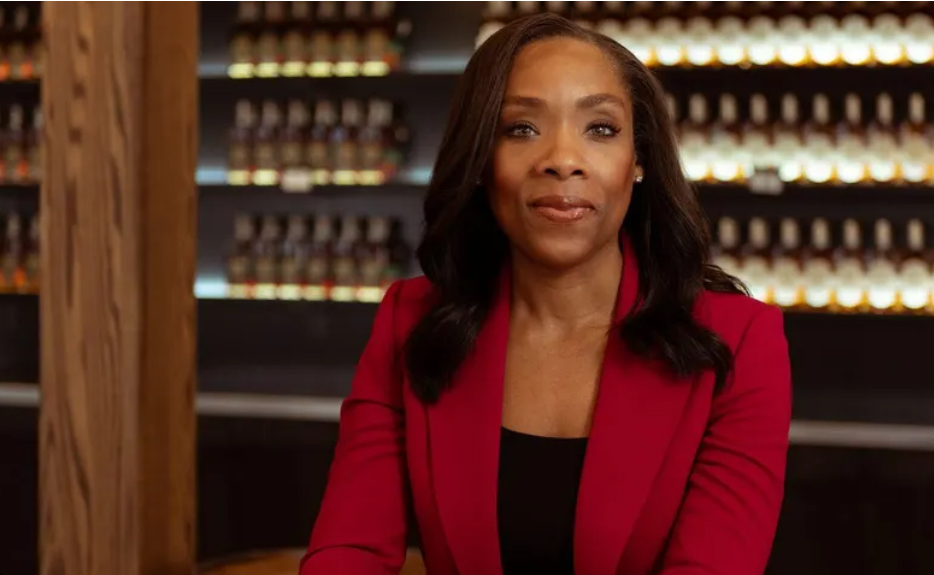
Troubled premium whiskey brand Uncle Nearest will stay under court-appointed receivership for at least another month following a lengthy federal court hearing.
The Nearest Green Distillery, home of the Uncle Nearest whiskey brand in Tennessee, has been managed by a court-appointed receiver since last fall.
Uncle Nearest Hearing: Judge Sets Briefing Schedule
On February 9, 2026, U.S. District Judge Charles E. Atchley Jr. heard five hours of testimony in the ongoing dispute between Uncle Nearest founder Fawn Weaver, her husband Keith Weaver, Kentucky-based lender Farm Credit, and receiver Phillip Young.
Atchley admonished Fawn Weaver early in her testimony, instructing her not to address the court directly. He told her to wait for questions and respond only through her counsel.
In a ruling issued February 10, Judge Atchley extended deadlines for supplemental briefs: all parties have until February 26, 2026, to file additional arguments supporting either termination of the receivership or its expansion to cover more entities controlled by the Weavers. Responses are then due by March 5, 2026.
The judge stressed that the current status quo remains in place. He wrote: “Finally, and as noted at the February 9th hearing, the status quo shall remain unchanged until such time as the Court rules on the Motion to Reconsider and the Motion for Clarification.
In other words (and for the avoidance of any doubt), the Receiver continues to possess all the powers granted to him … and the receivership retains its original scope.”
He instructed the parties to limit new filings to evidence presented at the February 9 hearing, avoiding reargument of earlier points.
Fawn Weaver sought to regain full control of the company she founded.
Weaver, as the final witness for Uncle Nearest, testified in support of ending the receivership. She argued the company could pay its bills, highlighted its asset value (over $500 million per her claims), and pushed back against insolvency allegations, attributing issues to prior mismanagement or other factors.
Uncle Nearest has operated under receivership since late last year, and recently unsealed court documents have indicated the brand is insolvent.
Farm Credit initiated legal action against the Weavers after Uncle Nearest defaulted on loans exceeding $100 million.
While Weaver contended that the company remains current on obligations and that its assets exceed $500 million in value, filings from the lender and the receiver strongly contested those claims.
Receiver Phillip Young, who also testified, has previously asked the court to broaden the receivership’s scope. His review of the company’s finances reportedly revealed significant commingling of assets between Uncle Nearest and other businesses controlled by the Weavers.
Key witnesses at the February 9 hearing
The hearing centered primarily on the Weavers’ motion to terminate the receivership due to time limitations, with the receiver’s request for clarification (regarding expansion) to be addressed through post-hearing briefs.
Testimony and evidence came from:
- Receiver Phillip Young (who testified first; his affidavit was admitted)
- Katharine Jerkens, Chief Business Officer of Uncle Nearest
- Daniel Romano, Romano Beverage
- Anthony Severini, Genesis Global (Uncle Nearest’s payroll provider)
- David M. Ozgo, former chief economist at the Distilled Spirits Council of the United States (added to the witness list late)
- Kevin Larin, Riveron (consulting firm retained by Farm Credit; his declaration stating insolvency was admitted)
- Fawn Weaver
Other admitted materials included various documents and a February 2025 restructuring analysis prepared by Keystone Group in collaboration with Farm Credit.
The case continues to highlight financial pressures facing the fast-growing but now troubled Uncle Nearest brand, which rose to prominence celebrating the legacy of Nearest Green, the formerly enslaved man widely recognized as teaching Jack Daniel the art of distilling.
-
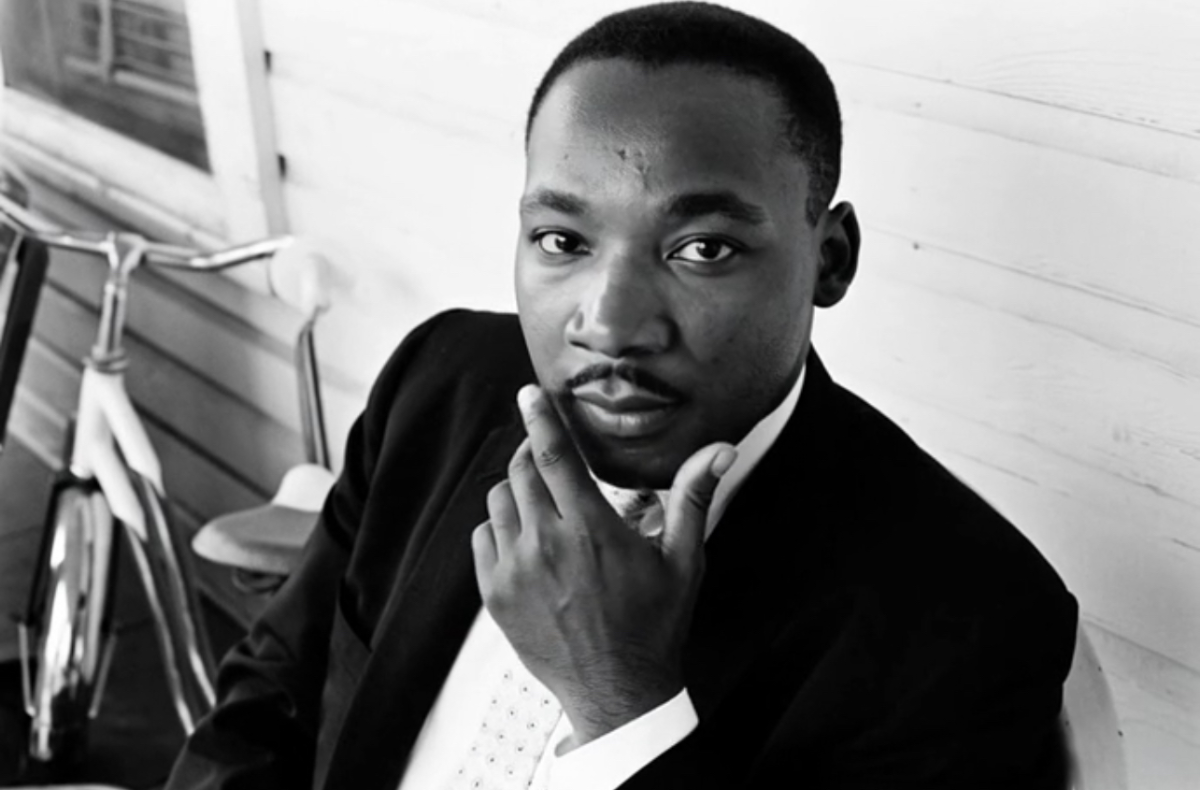
Dr. Martin Luther King Jr. is one of the most studied and celebrated figures in American history. This Black History Month, we’re digging into the life of MLK Jr. a little deeper.
His leadership in the Civil Rights Movement, his commitment to nonviolent resistance, and his iconic “I Have a Dream” speech are widely known. Yet beyond the familiar highlights lies a more complex and nuanced story.
Lesser-Known Facts About MLK Jr.
Here are seven lesser-known facts that shed additional light on King’s life, intellect, and legacy.
1. His Birth Name Was Not Martin

Martin Luther King Jr. was born Michael King Jr. on January 15, 1929, in Atlanta, Georgia. His father, Michael King Sr., was a Baptist minister at Ebenezer Baptist Church.
In 1934, after traveling to Germany and becoming inspired by the Protestant Reformation leader Martin Luther, King’s father changed both his own name and his son’s name to Martin Luther King. The change symbolized a spiritual and theological commitment to reform-minded Christianity.
2. He Entered College at Just 15 Years Old

King was academically gifted and skipped both the ninth and twelfth grades. At the age of 15, he enrolled at Morehouse College in Atlanta, a historically Black institution where his father and grandfather had also studied.
He later attended Crozer Theological Seminary in Pennsylvania and earned a Ph.D. in systematic theology from Boston University in 1955. His intellectual foundation—rooted in theology, philosophy, and ethics—shaped his approach to social justice.
3. He Nearly Died in a 1958 Assassination Attempt

Ten years before his assassination in 1968, King survived a near-fatal stabbing.
On September 20, 1958, while signing copies of his book Stride Toward Freedom at a Harlem department store, King was stabbed in the chest by Izola Ware Curry. The blade came so close to his aorta that doctors later said a sneeze could have killed him.
King publicly forgave his attacker—an act that reflected his unwavering commitment to nonviolence.
When it was learned that Curry suffered from mental problems, King said, “I am deeply sorry that a deranged woman should have injured herself in seeking to injure me. I can say, in all sincerity, that I bear no bitterness toward her and I have felt no resentment from the sad moment that the experience occurred. I know that we want her to receive the necessary treatment so that she may become a constructive citizen in an integrated society where a disorganized personality need not become a menace to any man.”
4. ‘I Have a Dream’ Was Partly Improvised

The March on Washington speech delivered on August 28, 1963, is among the most famous speeches in American history. But the “I Have a Dream” section was not originally part of the prepared text.
As King spoke, gospel singer Mahalia Jackson reportedly called out, “Tell them about the dream, Martin!”
King then set aside his notes and began delivering a version of themes he had used before, speaking extemporaneously. The improvised section became the defining moment of the speech—and of his public legacy.
5. He Spent Time in Jail Nearly 30 Times

Between 1955 and 1968, King was arrested approximately 29 times for acts of civil disobedience and protest.
His 1963 imprisonment in Birmingham, Alabama, resulted in one of his most important writings: “Letter from Birmingham Jail.” Written in the margins of newspapers and scraps of paper, the letter articulated the moral case for direct action and became a foundational document of the Civil Rights Movement.
An excerpt: “We have waited for more than 340 years for our constitutional and God given rights. The nations of Asia and Africa are moving with jetlike speed toward gaining political independence, but we still creep at horse and buggy pace toward gaining a cup of coffee at a lunch counter.”
6. He Was Awarded the Nobel Peace Prize at Age 35

In 1964, Martin Luther King Jr. became the youngest person at the time to receive the Nobel Peace Prize. He was awarded the honor for leading a nonviolent struggle against racial injustice in the United States.
King donated the entire prize money—$54,123 at the time—to the Civil Rights Movement, underscoring his belief that the award belonged not to him personally but to the broader struggle for equality.
7. His Advocacy Extended Beyond Civil Rights

While King is most closely associated with racial equality, his later activism addressed broader structural issues:
- Economic inequality
- Poverty
- Labor rights
- Opposition to the Vietnam War
In 1968, he was organizing the Poor People’s Campaign, a multiracial effort to demand economic justice, when he was assassinated in Memphis, Tennessee, on April 4.
King’s expanding focus on economic reform and anti-war activism was controversial at the time and complicated his public image. It also demonstrated his evolving vision of justice as interconnected—racial, economic, and global.
The Legacy Beyond the Monument
Martin Luther King Jr. is often memorialized through monuments, holidays, and quotations. Yet understanding the full arc of his life reveals a thinker, strategist, theologian, and activist who constantly refined his philosophy and expanded his mission.
He was not only a dreamer but also a disciplined organizer and intellectual—one who believed that moral courage, collective action, and nonviolent resistance could reshape a nation.
More than half a century after his death, his questions about justice, equality, and democracy remain central to American life.
More from AtlantaFi.com:
-
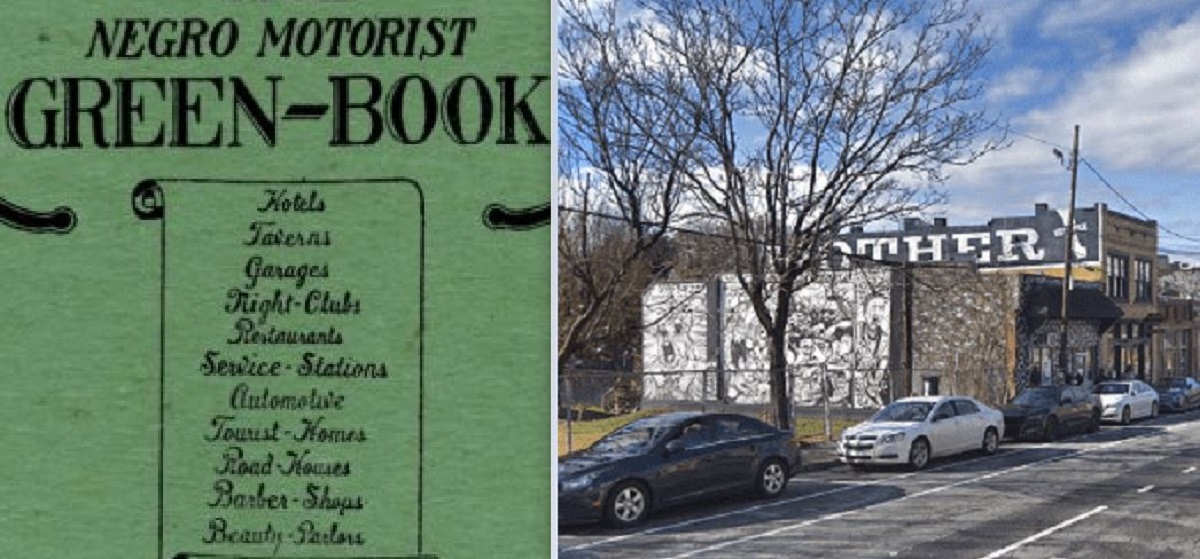
Atlanta’s history is a microcosm of America’s past, for better or worse. One of the more astonishing relics from the Jim Crow era is The Negro Travelers’ Green Book: The Guide to Travel and Vacations.
The Green Book was an important part of American-American safety during a period of oppression, racism and discrimination.
The book was first published in 1954 by New York City’s Victor Hugo Green, an African-American who was a mailman and travel writer based in Harlem.
In this article we’re going to look at the most famous Atlanta locations mentioned in The Green Book.
Here Are All The Green Book Locations In Atlanta
Atlanta played a pivotal role in Green Book locations for hotels, restaurants, beauty salons and barber shops.
This list is not an exhaustive one showing all of the Atlanta locations. For that, we recommend you buy the literal Green Book to benefit its publisher. Here it is below:
Not unsurprisingly, many of these sites were located in the Sweet Auburn district. This area was a black section of the city just east of downtown that thrived amid Jim Crow.
Hotel Royal
214 Auburn Ave NE Atlanta, Ga This hotel located in the Citizens Trust Bank building was originally called the McKay Hotel, but was changed in 1949 to Hotel Royal.One year later, Carrie Cunningham, a former circus performer, bought the Top Hat Club and renamed it Royal Peacock. Under the control of “Mama” Cunningham, it became a top-tier music venue on the “Chitlin Circuit.”Cunningham’s daughter Delois Scott said this about the famed Auburn Avenue institution: ““In some of the articles that have been written about the Royal Peacock, it has been likened to the Apollo, but the Peacock was the Peacock, and the Apollo was the Apollo, in my estimation. Everybody calls the Royal Peacock the ‘incubator’ for artists. When Little Richard first started playing here, he was an unknown. When Ray Charles was first starting out and unknown, he played here. James Brown, unknown. Gladys Knight and Pips, unknown. Nat King Cole played here before he even started singing. He was just playing piano in the Nat King Cole Trio — I have the picture, from those days before he sang.”The Royal Peacock would become a top venue for live performances in the South. The likes of Etta James and more would stop by to hone their skills on their rise to stardom.
‘Mack Hotel’
548 Bedford Place, Atlanta, Ga. 30312
 Bedford Place no longer exists. It is now Central Park Place and lofts and apartment complexes dot the landscape. This street is in the heart of Midtown Atlanta’s Old Fourth Ward.Bedford Place used to be a longtime residential area for blacks under the poverty line. Nearby, there are still some pockets of disenfranchisement that exist.
‘Shaw Hotel’
245 Auburn Avenue, Atlanta, Ga.
Photo credit: Google Maps From its address, this building appears to be part of a block of buildings constructed by black millionaire entrepreneur and former slave Alonzo Herndon, the founder of the Atlanta Life Insurance Company.In the Green Book, the listing says “Shaw” for reasons not apparent. I have not been able to find a “Shaw Hotel” in any historical information.Butler Street YMCA
22 Jesse Hill Jr Dr NE, Atlanta, GA 30303
Photo credit: aaregistry.com The Butler Street YMCA was known as the “Black City Hall” for much of its existence. In addition to being a meeting place for the city’s black leaders, The Y had some mean basketball going on inside.So much so that a Butler Street YMCA team often scheduled against collegians, according to the Black Fives Foundation, a historical group.Butler Street was later renamed in honor of civil rights activist and businessman Jesse Hill, who actually lived at the YMCA for a time.Waluhaje Hotel Apartments

Photo credit: Google Maps The Waluhaje Hotel Apartments were constructed by Atlanta developer Walter H. “Chief” Aiken in the early 1950s.
The name Waluhaje originated came from combining the first two letters of the names of Aikens (Walter), his wife (Lucy), and two of her siblings (Hazel and Jefferson), according to AtlantaTimeMachine.com.This building now serves as home offices for the Atlanta Job Corps.Suttons restaurant

Photo credit: Google Maps Suttons was a restaurant known across the country as a place African-Americans could get a good home-cooked meal.It was owned by one Scottie Sutton, who was affectionately called “Ma” Sutton.Here’s an account from the book, “Living Atlanta: An Oral History of the City, 1914-1948” by Clifford M. Kuhn on Ma Sutton told by one Horace Sinclair:“They called her Ma Sutton,” recalls Sinclair. “Everybody all over the country would come to Atlanta and go get a decent meal at Ma Sutton’s. She would really set the table. You’d get everything on the table just like you would be at home, serve yourself. You’d have meats and vegetables of all kinds, light rolls, cornbread, coffee, milk or tea. She’d even put preserves on the table, all that stuff.”Paschals Bros restaurant
180 Northside Dr SW #B, Atlanta, GA 3031
837 Hunter St. Atlanta, Ga.
Photo credit: Google Maps The most famous black restaurant in Atlanta, Paschals traces its roots back to 1947. That’s when brothers James and Robert Paschal opened their first location at 831 West Hunter Street.Paschals became an unofficial meeting place for the civil rights movement.Today Paschals is located on Northside Drive in Castleberry Hill section of downtown Atlanta. The famed eatery is one of the best black-owned restaurants in Atlanta.‘The Blackeret’
848 Mayson Turner Rd, Atlanta Ga. 30314
The Blackeret was a tavern located on Mayson Turner Road not far from black Atlanta’s educational center of colleges and universities.
Poro Beauty Parlor
250 Auburn Avenue, Atlanta, Ga. 30303

Photo credit: Google Maps The Poro Beauty Parlor sprang up at 250 Auburn Avenue when Ella Martin moved o Atlanta in 1930.
Martin was a representative of the Poro Beauty College founded by black cosmetics pioneer Annie Malone out of St. Louis, according to the book “Historical Roots of the Urban Crisis: Blacks in the Industrial City 1900-1950.”
None other than Madame C.J. Walker began her career in beauty products as a selling agent for Malone’s Poro business. Walker would go on to build her own hair care empire within the African-American community and the world.

Walker’s impact on the U.S. hair care industry is undebatable. Right off Auburn Avenue, the Madam CJ Walker Museum sits at 54 Hilliard St NE, Atlanta, GA 30312.
Atlanta Daily World
145 Auburn Ave NE, Atlanta, GA 30303

Photo credit: Google Maps The Atlanta Daily World, the city’s oldest black newspaper, has a long and rich history of documenting the plight of African-Americans and the world around them. This was also a place of unrequited truth for blacks traveling through town looking for some news.
The newspaper was founded August 5, 1928 by William Alexander Scott II, a 26-year-old wonderkid with keen business sense.
Headquartered on Auburn Avenue, Scott would go on to circulate The Chattanooga Tribune, The Memphis World, and The Chattanooga Tribune, establishing the first chain of African American newspapers.
Final Thought
Auburn Avenue has been overshadowed lately by other streets with headline-grabbing development, but it holds a special place in the hearts of native Atlantans.
If you have a chance to visit, patronize one of the businesses on Auburn Avenue. Stop in and take a look at The Apex Museum or other historical places there.
And don’t forget to read the book below.
In the 1950s, Auburn Avenue was once known as “the richest Negro street in the world.” The moniker “Sweet Auburn” was purportedly coined by John Wesley Dobbs, the grandfather of the city’s first black mayor Maynard Jackson.
The rest, as they say, is history.
Read More From AtlantaFi.com
-
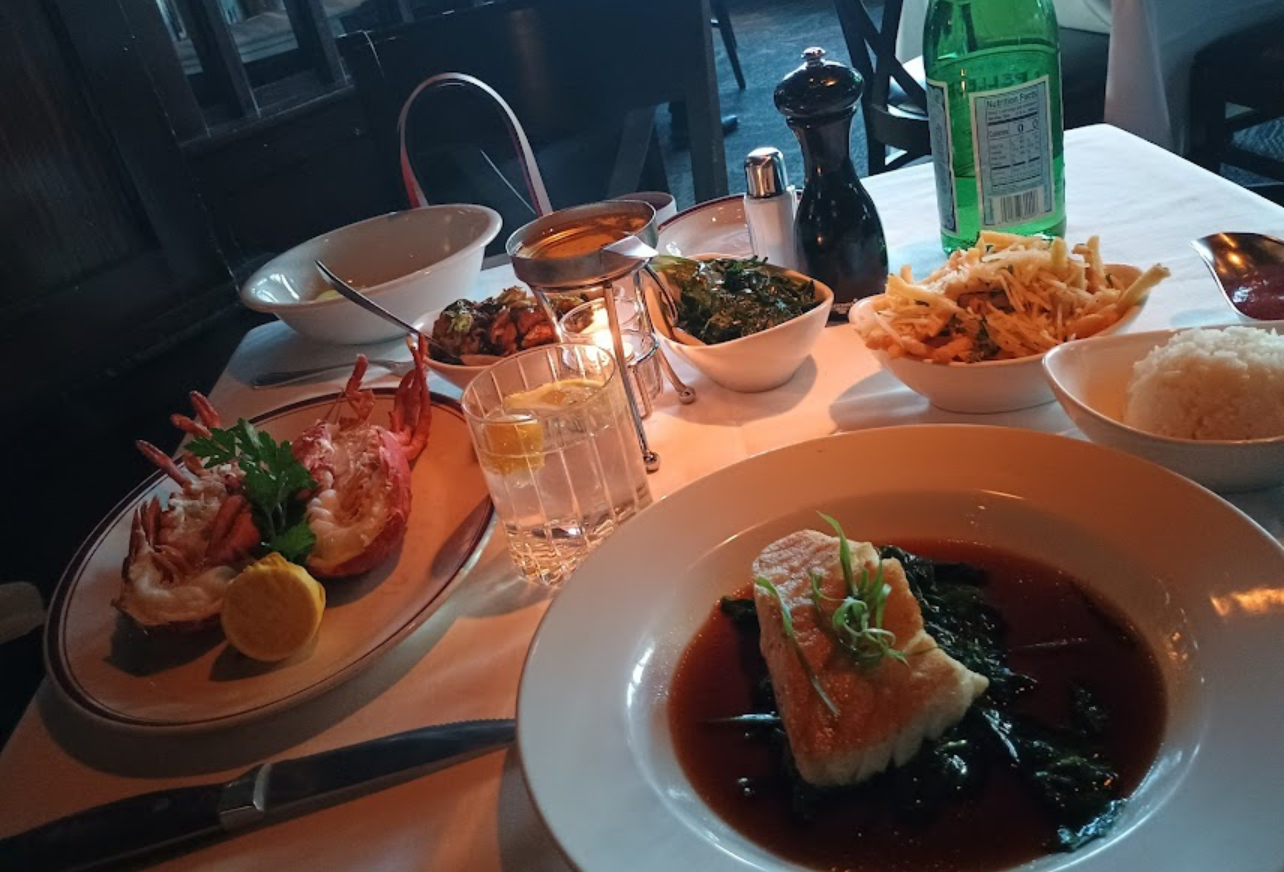
Atlanta’s dining scene is getting a major boost downtown! Chops Lobster Bar, one of the city’s most beloved and best steakhouses, is expanding with a second location at Centennial Yards, the massive $5 billion mixed-use redevelopment transforming the Gulch area into a vibrant sports and entertainment district.
This move marks Chops Lobster Bar’s second location in Georgia (and third overall), giving more Atlantans—and visitors—easy access to one of the city’s most celebrated dining experiences amid the energy of downtown events, games, and redevelopment.
Chops Is Opening Downtown
The original Chops Lobster Bar, a Buckhead staple since opening in 1989 under the Buckhead Life Restaurant Group, has long been a go-to for Atlanta diners craving top-tier steaks and ultra-fresh seafood.
Here’s how a recent diner described the experience at the Buckhead location: “The steaks and lobster tails were cooked and seasoned wonderfully. Having the warm butter to dip just elevated the entire meal.”

“The Grilled Jumbo Asparagus was good. It was cooked perfectly to al dente, but had no grill marks, char or seasoning just lacked flavor,” the customer said. “The Hashed Potato Tots were as expected AMAZING, and the Brussels Sprouts and Mushrooms were so full of flavor you did not need to overeat.”
Consistently ranked among the nation’s best steakhouses, it delivers USDA Prime aged beef, seafood flown in fresh (often 18–36 hours out of the water), and standout dishes like Champion Breed Miyazaki Prefecture A5 Wagyu, Nova Scotia lobster, Spanish octopus, and Genuine Holland Dover Sole—all served in a warm, elegant atmosphere perfect for business dinners or special occasions.
The new spot will bring that same signature excellence to downtown.
When Will Chops Lobster Bar Open in Downtown Atlanta?
Slated for a late 2026 opening in the Entertainment District (at 85 Centennial Olympic Park Drive NW), the restaurant will occupy a spacious 13,000-square-foot space on the ground floor of a new hotel, overlooking Mercedes-Benz Stadium.
It will mirror the look, feel, and high standards of the Buckhead original while adding fine-dining prestige to the growing Centennial Yards lineup.
“Chops is more than a restaurant – it’s an Atlanta institution,” said Brian McGowan, president at Centennial Yards, in a recent statement highlighting the excitement around bringing this local legend to the heart of the city.
Stay tuned for more updates as we get closer to the opening—we’ll be there for the ribbon-cutting (and probably the first bites)! What are your favorite dishes at the Buckhead Chops? Drop them in the comments below.
Here Are The Best New Restaurants In Atlanta
-

When you think of your local library, it may conjure up analog memories of funny-smelling books with brown pages and quiet spaces of stillness.
Well, a lot of that is still true, but the library is also filled with free resources, including the latest streaming options and fresh educational content.
Want Free Stuff? Visit Your Local Library
In this article, we’ll highlight the incredible array of free resources available through the Fulton County Library System (commonly known as the Atlanta-Fulton Public Library System). We’ll also show you all the Atlanta library locations.
With a valid library card, residents across Atlanta and Fulton County can access an impressive suite of educational, entertainment, and practical tools at no additional cost.
Take Advantage of These Free Resources at Your Atlanta Library
Whether you’re a student, job seeker, family, or lifelong learner, your local library branch has something for you.
1. Getting Started: Your Free Library Card

A library card from the Fulton County Library System is completely free for residents, workers, or students in the area.
Apply online or visit any of the system’s 34 branches, including the iconic Central Library in downtown Atlanta. Once you have your card, a world of resources opens up—both in-person and digitally.
2. Digital Library: E-Books, Audiobooks, and More

The system’s Digital Library provides free access to thousands of e-books, audiobooks, magazines, and streaming media through platforms like Libby/OverDrive and others.
No waiting lists for many popular titles with “instantly available” collections. Residents can download bestsellers, classics, and series directly to phones, tablets, or e-readers—all at no charge.
Need to learn a new skill? The library offers free online learning tools, language courses, test prep materials, and research databases for homework, genealogy, or professional development.
3. Academic Support for Students

For K-12 students, the library partners with Paper.co to provide unlimited, on-demand free online tutoring. Available 24/7, this service connects students with live tutors for homework help, essay review, test prep, and more—perfect for busy families in Atlanta’s schools.
4. Computers, Wi-Fi, and Tech Access

Photo credit:
JÉSHOOTS / PexelsAll branches offer free public computers with internet access, productivity software (ideal for resumes, job applications, and school projects), printing, and scanning.
High-speed Wi-Fi is available throughout libraries for those bringing their own devices. Digital literacy classes help patrons build confidence with technology.
5. Partnership Passes and Take-Home Kits

Photo credit: Playhouse Media One of the most popular perks: free admission passes to local attractions through partnerships with the Georgia Public Library Service and other organizations. Check out passes for places like:
- Breman Jewish Heritage Museum (free admission for up to 4 people) and other museums
- Georgia State Parks & Historic Sites (free parking and admissions)
- Zoo Atlanta, cultural sites and other places to show visitors around the Atlanta metro area
Additional take-home kits include radon detectors and energy-monitoring tools like the Kill-A-Watt meter—great for home improvement and sustainability efforts.
Community and In-Person Programs

Dr. Sean Arthurs, senior manager of education initiatives for the National PTA, talks to kids Monday, April 23 at the Google workshop. Beyond materials, branches host free events such as storytimes for children, author talks, job search workshops, computer classes, and community resource sessions.
The Central Library and other locations regularly feature programming for all ages, including summer reading challenges and special exhibits.
More Ways to Explore
- Access to premium resources like the Atlanta Journal-Constitution newspaper archives (free online with your card).
- Community service information, including referrals for IDs, housing assistance, and more.
- Meeting rooms and study spaces available at many branches.
Where Are the Fulton County Libraries Located in Atlanta?
The Fulton County Library System branches located in Atlanta number approximately 21 branches within Atlanta city limits as part of the total 34 in the system. Here are their locations:
Branch Name Address Phone Number Central Library One Margaret Mitchell Square NW, Atlanta, GA 30303 404-612-8700 Auburn Avenue Research Library 101 Auburn Ave NE, Atlanta, GA 30303 404-613-4001 Adams Park Branch 2231 Campbellton Rd SW, Atlanta, GA 30311 404-612-9200 Adamsville-Collier Heights Branch 3424 Martin Luther King Jr. Drive SW, Atlanta, GA 30331 404-613-7330 Buckhead Branch 269 Buckhead Ave NE, Atlanta, GA 30305 404-613-7350 Cleveland Avenue Branch 47 Cleveland Avenue SW, Atlanta, GA 30315 404-613-6850 Dogwood Branch 1838 Donald Lee Hollowell Pkwy NW, Atlanta, GA 30318 404-612-3900 East Atlanta Branch 400 Flat Shoals Ave SE, Atlanta, GA 30316 404-613-7320 Evelyn G. Lowery Library at Cascade (formerly Southwest) 3665 Cascade Road SW, Atlanta, GA 30331 404-613-7000 Kirkwood Branch 11 Kirkwood Road NE, Atlanta, GA 30317 404-613-7200 Louise Watley Library at Southeast Atlanta 1463 Pryor Road, Atlanta, GA 30315 404-613-5771 Martin Luther King Jr. Branch 409 John Wesley Dobbs Ave, Atlanta, GA 30312 404-613-9890 or 404-730-1185 Mechanicsville Branch 400 Formwalt St SW, Atlanta, GA 30312 404-613-6820 Metropolitan Branch 1332 Metropolitan Parkway, Atlanta, GA 30310 404-613-5722 Northside Branch 3295 Northside Parkway NW, Atlanta, GA 30327 404-613-6870 Northwest Branch (at Scotts Crossing) 2489 Perry Boulevard NW, Atlanta, GA 30318 404-613-4364 Peachtree Branch 1315 Peachtree Street NE, Atlanta, GA 30309 404-613-9990 or 404-885-7830 Joan P. Garner Library at Ponce de Leon 980 Ponce de Leon Avenue NE, Atlanta, GA 30306 404-613-7310 Washington Park Branch 1116 Martin Luther King Jr. Drive, Atlanta, GA 30314 404-612-0110 West End Branch 525 Peeples Street SW, Atlanta, GA 30310 404-613-8000 Wolf Creek Branch 3100 Enon Road, Atlanta, GA 30331 404-613-4255 The Fulton County Library System continues to serve as a vital community hub in Atlanta, bridging access to information, education, and culture.
With branches conveniently located throughout the city and county—from Buckhead to East Point—there’s a library near you ready to help.
Final Word
Visit fulcolibrary.org to get started, explore the full A-Z list of resources, or find your nearest branch. Your library card is truly one of the most valuable (and free!) assets in Atlanta—don’t miss out!
To take advantage of this great city, stay tapped in on all the cool things happening in Atlanta this weekend. Downtown Atlanta or Midtown Atlanta always offer something cool to see and do! Check out these events in Atlanta today and this week and this weekend:
Here are more articles from AtlantaFi.com:
-
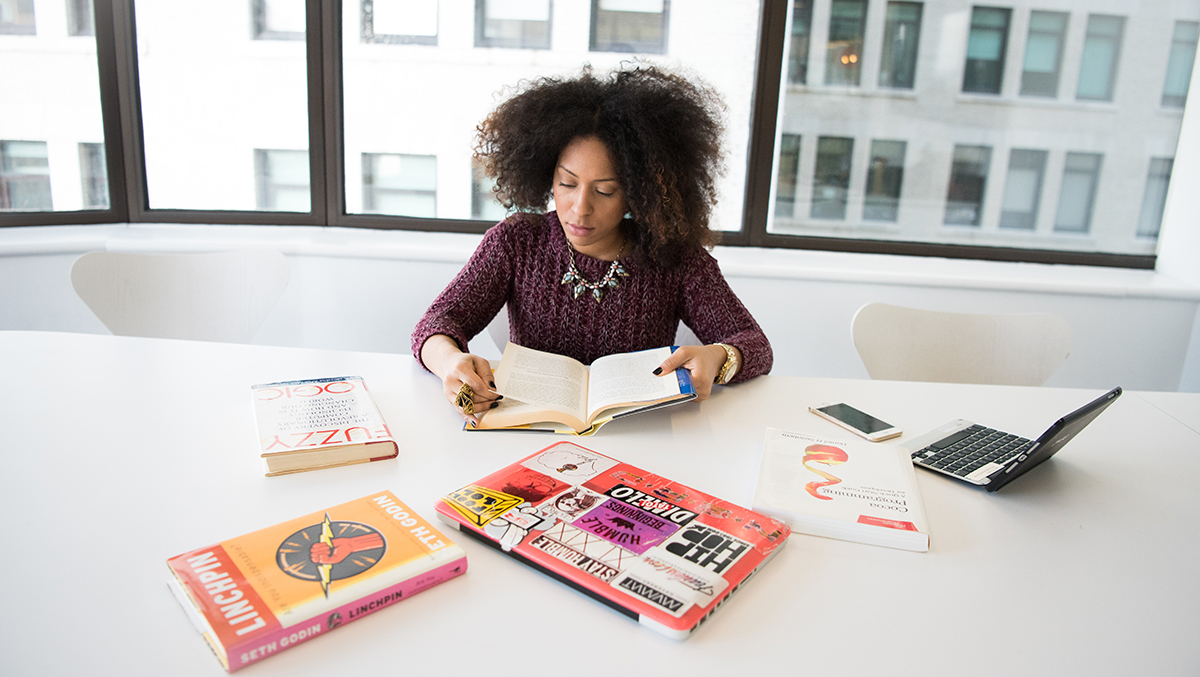
In 2026, becoming a virtual assistant (VA) is one of the most accessible, flexible, and in-demand remote career paths. Being a virtual assistant is one of the best work-from-home jobs there is.
The global VA market has exploded—valued at billions and growing at over 20% annually—driven by AI integration, specialized niches, subscription models, and businesses treating VAs as essential team members rather than temporary help.
Table of Contents:
- Should You Be A Virtual Assistant?
- Pros And Cons
- Is Virtual Assistant A Good Job?
- Should I Become A Virtual Assistant?
- What Skills Do Virtual Assistants Need?
- How Much Do Virtual Assistants Make?
- How Do I Find Virtual Assistant Jobs?
What started as basic admin support has evolved into high-value roles where human VAs augmented by AI handle strategy, workflows, client relationships, and complex execution.
Whether you’re starting from zero, shifting careers, or scaling a side hustle, 2026 offers unprecedented opportunities for location-independent work, solid earnings, and real career growth.
This updated guide walks you through everything you need to get hired today: deciding if it’s right for you, building skills, positioning yourself, finding clients, and thriving in the modern VA landscape.
Should You Become a Virtual Assistant in 2026?

Photo by Anna Shvets from Pexels When deciding whether becoming a virtual assistant is the job for you, you need to review the benefits. What are you trying to achieve in your career by being a virtual assistant?
Becoming a virtual assistant and controlling your own schedule, being your own boss can be one of the most rewarding jobs you’ll ever have.
Ask yourself: Do you thrive on flexibility, organization, and helping others scale their businesses? VAs enjoy freedom to set schedules, work from anywhere, and often build long-term partnerships.
Virtual Assistant: Pros And Cons
Pros to Consider:
- Fully remote / location-independent (digital nomad friendly)
- Set your own hours and rates (especially as a freelancer or specialist)
- High demand across niches—many businesses outsource 1+ tasks
- AI tools multiply your output → higher rates & less burnout
- Potential for stable retainers or full-time agency roles
- Scalable income: top specialists earn $50K–$100K+ annually
Cons to Consider:
- Income can start inconsistent (gig-based at first)
- Requires self-discipline and strong client communication
- Competition is high on generalist platforms—specialization wins
- Managing multiple clients or tools can feel overwhelming without systems
Believe it or not, there are some pros and cons to becoming a virtual assistant. Let’s talk about some of them.
Pros Cons Typically work from home Work can be sporadic You can set your own hours You may not like what you’re doing You can pick and choose your assignments Get along with various clients If you value autonomy and are ready to treat it as a professional business (not just a side gig), VA work is excellent.
Is Virtual Assistant A Good Job?

Yes—especially now. Over 40% of VAs integrate AI for massive efficiency gains, and subscription-based models provide predictable income.
Most virtual assistants will tell you that they enjoy their jobs, but what you should understand is that it’s essentially a contract position. As a freelancer, you have a lot of freedom, but there may be work lulls you’re not comfortable with.
Many transition from freelance gigs to full-time “Executive Assistant” roles or nearshore team positions with career paths. It’s rewarding for organized, proactive people who enjoy variety and building relationships.
Should You Be A Virtual Assistant?
You’ll also need to consider what you’ll charge, but we’ll talk more about that later.
Being a virtual assistant is a good job for those with either a steady and consistent client base or a plan to space out their work equally. With that said, you may be thinking if becoming a virtual assistant makes sense for you.
You can become a virtual assistant by marketing yourself on the web and on social media. Here are some things you’ll need to get your business going:
Once you’ve positioned yourself to become a virtual assistant, you’ll need to attract clients.
The key to being a successful virtual assistant is by building business relationships. Remember, when you start off, your prices may need to be low to attract business. As your clientele grows, so will your budget.
Read more on what clients look for in How To Hire A Virtual Assistant.

What Skills Do Virtual Assistants Need?
When it comes to expertise, virtual assistants need to have a basic skillset to be successful. At the top of the list is a collaborative spirit. After all, you’re going to be working in tandem with a founder, owner or support staff.
You’ll also need to be communicative. Some who start their virtual assistant businesses have found it beneficial to overcommunicate with their clients. That way, there’s no ambiguity about what’s needed or expected.
Here are some of the skills that a virtual assistant should be familiar with:
- Great Listening Ability
- Basic Computer Skills (Data entry / Typing)
- Microsoft 365 (Word, Excel, Powerpoint, etc.)
- Google Services (Gmail, Google Doc, Sheets, etc.)
- Ability to schedule meetings
- Book travel and accommodations
- Create presentations
How Much Does A Virtual Assistant Make?
When it comes to making money, a virtual assistant has a wide range of profitability. Because you can work full- or part-time, the rate of pay can vary greatly.
As an example, if you’re tasked with creating a Powerpoint presentation for a client, if the going rate for a graphic designer is $35 an hour, then you could bill them for how much time it takes based on that.
There really is no ceiling when it comes to how much a virtual assistant can make. For that reason, many business owners choose to partner with them or make them equity partners to cut down on the loss of capital.
How Do I Find Virtual Assistant Jobs?
In addition to networking on social media sites and asking your circle of friends and family, you need to take advantage of technology.
Search for job posts that specify the kind of help they want. Go to sites like Craigslist and NextDoor and offer your services to business owners. You’d be surprised how many of them could use some help with their endeavors.
Need client leads? Read our guide on where to find virtual assistant jobs.
What To Know Before Becoming a Virtual Assistant (Step-by-Step)
1. Decide Your Services & Niche
General admin is saturated—specialize to stand out and charge more.
High-demand 2026 niches:- Social media / content management
- E-commerce ops (Shopify, Amazon)
- Executive / CEO support
- AI workflow automation & no-code tools
- Marketing (email, SEO, funnels)
- Real estate / property management
- HR/recruitment admin
- Bookkeeping or light finance
Research demand on Upwork/Indeed and match to your strengths/interests.
- Build Essential (and Modern) Skills
Core foundations remain, but AI changes everything:- Excellent communication & over-communication
- Organization & time management
- Proficiency in: Google Workspace, Microsoft 365, Asana/Trello/Notion, Slack/Teams
- AI tools: ChatGPT/Claude for drafting, Zapier for automation, Canva AI for visuals
- Niche tools (e.g., CRM like HubSpot, project tools)
Bonus: Prompt engineering, basic data analysis, Loom for SOPs
No formal degree needed—online courses (Coursera, LinkedIn Learning, VA-specific programs) accelerate progress.
- Create Your Professional Presence
- Build a simple website/portfolio (Carrd, Notion, or WordPress) showcasing services, testimonials, tools
- Strong LinkedIn profile—optimize headline/bio with keywords (“AI-Augmented Virtual Assistant | E-commerce Specialist”)
- Professional branding: logo, consistent visuals across platforms
- Gather testimonials—even from small early gigs or volunteer work
- Set Your Rates & Structure
- Entry-level/generalist: $15–$30/hour
- Experienced/specialized: $30–$75+/hour (or monthly retainers $2K–$8K+)
- Use value-based pricing or packages (e.g., “10-hour social media package”)
- Start lower to build reviews, then raise as you specialize
- Find & Land VA Jobs
Top platforms & strategies:- Upwork & Fiverr — Great for building portfolio/reviews; propose tailored offers
- LinkedIn — Network, join VA groups, post value content, direct outreach
- Indeed / Remote.co / FlexJobs — Filter for remote VA roles
- Managed agencies — MyOutDesk, BELAY, Wishup, Prialto (stable pay, vetted clients)
- Niche sites — OnlineJobs.ph, Virtual Latinos (global talent pools)
- Direct outreach: Cold email/DM businesses on LinkedIn or via referrals
Pro tip: Apply strategically—tailor proposals, show AI/tool proficiency, offer a free audit or trial task.
Common Tips to Stand Out & Get Hired Fast
- Specialize early—clients pay more for experts
- Master AI to 2–5× your efficiency (clients love this)
- Build systems: SOPs via Loom, contracts/templates
- Network relentlessly—referrals beat applications
- Start small: Take gigs to gain reviews/testimonials
- Stay ethical: Always verify AI outputs for accuracy
- Prepare for interviews: Highlight reliability, tools, and client results
Final Words
Getting hired as a VA in 2026 isn’t about luck—it’s about positioning yourself as an indispensable, AI-savvy partner in a remote-first world.
The market rewards specialists who deliver results, communicate clearly, and embrace tools that make clients’ lives easier.
Start today: Pick your niche, update your profiles, learn one new AI tool, and send your first proposal or outreach message. The opportunities are massive—flexibility, income potential, and impact await those who take action.
Getting a job is not necessarily easy right now, but it doesn’t have to be excruciatingly difficult either. The big thing now is teleworking and work-from-home jobs.
If you need help finding a job in Atlanta, here is a great resource.
We currently have job articles that show you high-paying jobs, those close to downtown and even side hustles you might like.
If you’re looking to get hired in Atlanta right now, there’s a very real possibility that you can land your dream job.
Read more: Best Work From Home Jobs In Atlanta, Georgia
-
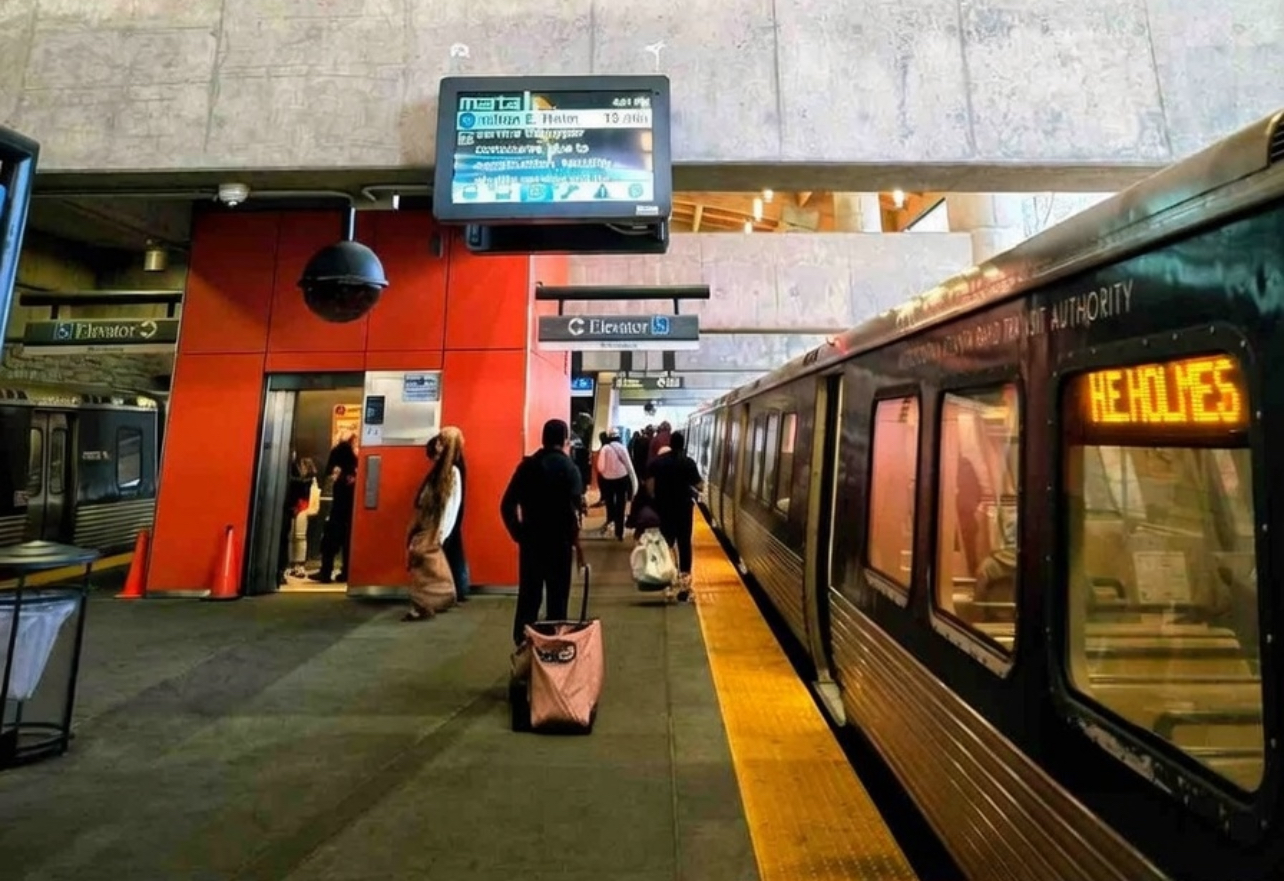
Atlanta’s Metropolitan Atlanta Rapid Transit Authority (MARTA) has announced that it is in the midst of a major overhaul of its Breeze fare collection system, introducing modern equipment and payment methods designed to make transit more secure, convenient, and user-friendly.
The upgrade, often referred to as the “Better Breeze” system, includes installing new faregates, fareboxes, validators, and touchscreen ticket vending machines across the entire rail and bus network.
MARTA Upgrades Breeze Fare System
Installation is proceeding in phases, with new equipment already appearing at rail stations. Riders are currently unaffected and should continue using existing Breeze cards or the current mobile app as normal—no changes to bus or rail service are occurring.
Looking into public transit in Atlanta? Read our guide to riding MARTA.
For any station-specific construction impacts, such as entrance detours, MARTA advises checking its website or signage.
The current Breeze fare media—including physical Breeze cards and the existing Breeze Mobile app—will become incompatible with the upgraded system and will be discontinued after May 2, 2026. After that date, riders will need to use the new fare options to board trains or buses.
Key features of the new system include:
- New fare equipment — More secure faregates that can be remotely monitored and adjusted, helping to reduce fare evasion and enhance overall safety.
- Open payment options — Riders can tap contactless bank cards or mobile wallets (such as Apple Pay or Google Pay) directly at faregates or fareboxes to pay for fares.
- New Breeze app — The current Breeze Mobile 2.0 will be replaced. Users will need to download a new Breeze app and set up a virtual Breeze card to purchase and manage fares digitally.
- New Breeze cards — These will be account-based, meaning stored value and passes live in the customer’s online account rather than on the physical card itself. Options for multi-day and monthly passes will continue to be available.
Important transition details:
A dual-system period will run from March 28 to May 2, 2026, allowing both old and new equipment to operate side-by-side. This gives riders time to use up remaining balances on current media, purchase new fare products, and get comfortable with the changes.
However, any unused fare balances on current Breeze cards or accounts will not transfer to the new system and will be lost if not spent by May 2, 2026. MARTA strongly encourages riders to “spend down” existing value during this window.
Sale of current Breeze products will end in phases starting in March 2026:
- 30-day passes: Last day to buy — March 1, 2026
- 20- and 10-trip passes: Last day — March 15, 2026
- 1-, 2-, 3-, 4-, and 7-day passes: Last day — March 22, 2026
- 1- and 2-trip passes: Last day — March 28, 2026
New Breeze cards, along with multi-day and monthly passes, will go on sale starting March 28, 2026. They will be available at the new touchscreen vending machines, RideStores, Reduced Fare offices, and various pop-up locations around the system (details on pop-ups to be announced in March).
For riders eligible for reduced fare or MARTA Mobility services, options include obtaining a new physical card or using the new mobile app. They can visit a Reduced Fare office, email reducedfare@itsmarta.com, or call 404-848-5112 for assistance.
The upgrade aligns with MARTA’s broader efforts to modernize transit in metro Atlanta, including preparations for major events like the 2026 FIFA World Cup, which is expected to bring increased ridership to the region.
Final Word
These changes are underway as MARTA preps for the FIFA World Cup this summer.
For the latest updates, station-specific information, and resources on the transition, visit MARTA’s official website at itsmarta.com or the dedicated Better Breeze page. Riders are encouraged to plan ahead to avoid any disruptions after the May 2 cutoff.
More from AtlantaFi.com:
-

Atlanta entrepreneurs have exciting opportunities to secure small business grants in 2026, especially with major events like the FIFA World Cup on the horizon.
These non-repayable funds can help cover startup costs, renovations, marketing, or expansions—giving local businesses a competitive edge in one of the fastest-growing metro areas in the U.S.
Guide: Small Grants Available for Atlanta Businesses
While the federal government (through the SBA) rarely offers direct grants for starting or expanding general businesses—focusing instead on research, exporting, or community organizations—Atlanta and Georgia provide targeted local and regional programs.
Many prioritize minority-owned, women-owned, veteran-owned, or neighborhood revitalization efforts.
Here are some of the top small business grants for Atlanta entrepreneurs available or relevant in 2026:
1. Small Business Improvement Grants (Invest Atlanta)
Administered by Invest Atlanta, this program offers grants of up to $50,000 for interior and exterior improvements, such as signage, lighting, storefront upgrades, and code compliance repairs.
Eligibility focuses on small businesses and property owners in seven specific Tax Allocation Districts (TADs): Campbellton Road, Hollowell-ML King, Metropolitan Parkway, Perry Bolton, Eastside, Westside, and Stadium Neighborhoods.
Priority goes to locally owned businesses that create jobs and support equitable economic development.
Recent approvals have distributed hundreds of thousands in funding to businesses like restaurants and retail shops.Applications are typically ongoing or cycle-based—check Invest Atlanta’s website for current deadlines and requirements.
2. Downtown Pop-Up Opportunity Fund (Central Atlanta Progress / Invest Atlanta)
This initiative, tied to preparations for the 2026 FIFA World Cup, provides micro-grants ranging from $5,000 to $50,000 to help independent, locally owned retail and restaurant businesses activate vacant or underutilized storefronts in Downtown Atlanta (Eastside and Westside TAD areas).
Funds cover tenant improvement costs to accelerate leasing ahead of the World Cup and other mega-events.The application opened in early January 2026 and is reviewed on a rolling basis—strong encouragement to apply by March 6, 2026, for timely completion. Required documents include a business W-9, budget, and timeline.
3. Atlanta Beltline Façade pARTnership Grant
This creative program pairs small businesses along the Beltline corridor with artists for façade enhancements, offering up to $50,000 (with a small match required).
The 2025-2026 cycle includes a call for businesses to outline improvement needs, followed by artist matching.It aims to stimulate growth, boost visibility, and enhance the corridor’s appeal—ideal for entrepreneurs in Beltline-adjacent neighborhoods looking to stand out.
4. Other Atlanta-Area and Georgia Opportunities
- Comcast RISE Fund — Provides $10,000 grants plus consulting and tech makeovers to eligible small businesses (often with a focus on underrepresented owners). Applications open periodically.
- Community Foundation for Greater Atlanta — Offers competitive grants, though many target nonprofits; monitor for business-adjacent opportunities in economic development or community impact.
- State-level options like Go Global Georgia (for exporters) or regional revolving loan funds through Georgia’s Department of Economic Development can include grant-like elements or low-interest support.
Tips for Atlanta Entrepreneurs Applying for Grants
- Research eligibility carefully — Many programs target specific neighborhoods, business types, or demographics (e.g., minority-owned).
- Prepare strong applications — Include a solid business plan, budget details, and proof of impact (job creation, community benefit).
- Act fast on time-sensitive programs — World Cup-related funds have rolling or early 2026 deadlines to allow completion before events.
- Combine funding sources — Pair grants with SBA loans (like 7(a) or 504 programs available through local partners) for maximum support.
- Stay updated — Visit official sites like Invest Atlanta, AtlantaGa.gov, Georgia.org, and Beltline.org regularly, as programs evolve.
Atlanta’s entrepreneurial scene is thriving, and these grants—especially those boosting businesses for 2026’s global spotlight—offer real pathways to growth without debt.
If you’re a local entrepreneur, explore these options today and position your business for success in the ATL. For the latest details, always verify directly with program administrators, as availability and requirements can change. Good luck building your Atlanta dream!
Got an event or know of something opening in and around Atlanta? Holla: CJ@AtlantaFi.com. See what’s poppin’ in the ATL! Subscribe to our news alerts here, follow us on Twitter and like us on Facebook.
-
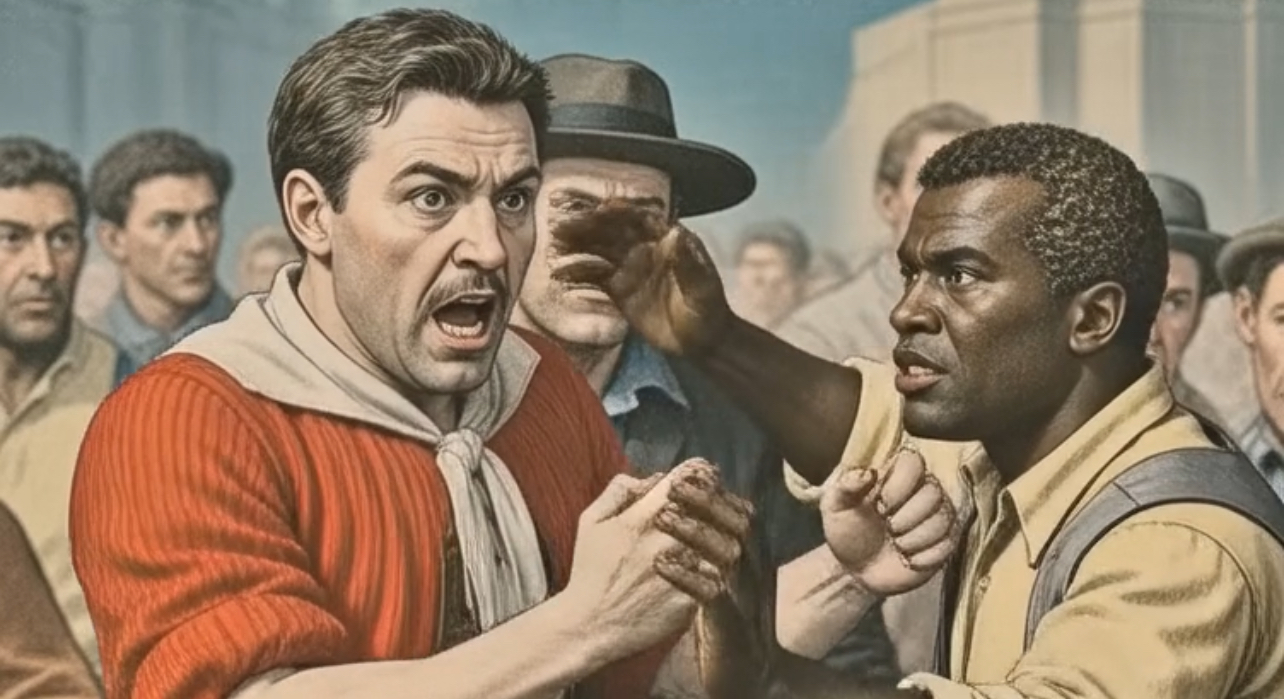
The “Atlanta Race Riots”—more accurately termed the Atlanta Race Massacre—occurred from September 22 to 26, 1906, and stand as a brutal manifestation of the lingering wounds of a divided America.
Relatively few people realize that America’s freedoms are not birthright privileges, but rather hard-fought pacts forged from strife — and war, America’s civil war.
The Confederacy’s defeat in 1865 unleashed a torrent of unresolved racial animosities that festered through Reconstruction and into the Jim Crow South.
What Were the Atlanta Race Riots?
The riots were not a spontaneous clash but a targeted pogrom by white mobs against Atlanta’s Black community, resulting in at least 25 confirmed Black deaths (with estimates up to 100), over 100 injuries, and widespread destruction of Black-owned property.
In his 1948 memoir A Man Called White, civil rights activist and NAACP executive director Walter White recounts his personal experience as a 13-year-old during the riot, defending his home alongside his father.
He describes the mob’s approach: “There was a crash as Negroes smashed the street lamp at the corner of Houston and Piedmont Avenue down the street. In a very few minutes the vanguard of the mob, some of them bearing torches, appeared. A voice which we recognized as that of the son of the grocer with whom we had traded for many years yelled, ‘That’s where that nigger mail carrier lives! Let’s burn it down! It’s too nice for a nigger to live in!'”
It exemplified the South’s descent into institutionalized white supremacy, where the emancipatory promises of the Union victory were systematically dismantled.
Immediate Triggers: Sensationalism and Election-Year Politics
The spark ignited on September 22, 1906, when Atlanta’s white-owned newspapers—the Atlanta Journal, Atlanta Constitution, Atlanta Georgian, and Atlanta News—published lurid, unverified stories alleging that four white women had been sexually assaulted by Black men over the previous weekend.
Yellow Journalism
These reports, rife with racial stereotypes portraying Black men as predatory threats to white womanhood, were amplified by the era’s yellow journalism.
One particularly inflammatory account described the brutal beating of 16-year-old Mabel Lawrence and her aunt, which left Mabel hospitalized and blinded in one eye.
Such stories were not isolated; they echoed a broader pattern of fabricated “outrages” used to justify violence across the South.
This media frenzy about black violence fueled by yellow journalism coincided with Georgia’s heated 1906 gubernatorial election between Democrat Hoke Smith and Clark Howell.

Both candidates, owners of competing newspapers (Journal for Smith, Constitution for Howell), vied for white supremacist votes by promising to disenfranchise Black Georgians.
Smith explicitly campaigned on barring Black voters from the polls, framing them as a criminal underclass unfit for citizenship.
Historian Mark Bauerlein in his 2001 book Negrophobia: A Race Riot in Atlanta, 1906, traces the buildup: “Riots don’t occur spontaneously—they take time to build up, sometimes years. You have years of social tensions, community conflicts, and political manipulations.”
Cultural provocations, like the touring stage production of Thomas Dixon Jr.’s The Clansman (which romanticized the Ku Klux Klan and inspired the later film The Birth of a Nation), further inflamed white audiences in Atlanta theaters.

Underlying Causes: Economic Competition and Racial Resentment
Beneath the headlines lay deeper fissures rooted in Atlanta’s explosive growth and the South’s uneven recovery from the Civil War.
Atlanta, rebuilt as a railroad hub after General Sherman’s 1864 March to the Sea devastated it, ballooned from 89,000 residents in 1900 to over 150,000 by 1910, with the Black population surging from 9,000 in 1880 to 35,000 in 1900.
This urbanization drew rural Black migrants seeking factory jobs in cotton mills, railroads, and emerging industries, but whites viewed them as threats to their economic dominance.
Black entrepreneurs, like barber Alonzo Herndon (who built a fortune serving white clients), symbolized unwelcome Black advancement, fostering resentment over jobs, housing, and political influence.

Public spaces became flashpoints: Streetcars, operated by the Georgia Railway and Power Company, were sites of enforced segregation, where Black riders faced harassment and violence for perceived violations of racial etiquette.
Black saloons on Decatur Street, hubs of community life, were demonized as dens of vice, despite whites frequenting similar establishments.
These tensions reflected a zero-sum worldview: As Blacks gained ground post-emancipation, whites clung to supremacy through violence.
The Broader Conditions of the South in 1906
By 1906, the South was a powder keg of poverty, segregation, and terror, scarred by the Civil War’s legacy and Reconstruction’s betrayal.
The Confederacy’s collapse had freed 4 million enslaved people, but federal troops’ withdrawal in 1877 ushered in the “Redemption” era, where white Democrats reclaimed power through fraud, intimidation, and paramilitary groups like the KKK.
Jim Crow laws—codified segregation in schools, trains, restaurants, and beyond—solidified by the 1890s Supreme Court ruling in Plessy v. Ferguson (1896), turned the region into an apartheid state.
Economically, the South languished in agrarian stagnation. Sharecropping trapped most Black (and many poor white) families in cycles of debt peonage, where cotton yields barely covered advances from white landowners, yielding per capita incomes half those of the North.
Industrialization in cities like Atlanta created jobs but exacerbated racial divides: Whites monopolized skilled trades and government posts (e.g., Atlanta’s police and fire departments were all-white), while Blacks were relegated to menial labor.
Literacy rates among Southern Blacks hovered around 50%, hampered by underfunded segregated schools, compared to near-universal white education.
Politically, Black disenfranchisement was rampant. Georgia’s 1877 constitution imposed poll taxes and residency requirements, but as the 1906 election showed, whites pushed for harsher measures like literacy tests and grandfather clauses (exempting illiterate whites whose grandfathers voted pre-1867).
Nationally, lynchings peaked in the 1890s–1900s, with over 3,000 documented between 1882 and 1968, often for alleged sexual crimes—mirroring Atlanta’s trigger.
The “Lost Cause” mythology romanticized the Confederacy as a noble defense of states’ rights (veiling slavery), justifying Black subjugation as natural order.
Governor Joseph Terrell, a Confederate veteran, embodied this: His National Guard quelled the riots but targeted Black self-defense groups, raiding Brownsville and arresting 250 residents, including educators from Clark University.
Socially, the South was a cauldron of fear and fatalism.
Journalist and author Ray Stannard Baker, in his 1908 book Following the Color Line, analyzes the riot’s causes and aftermath, noting the inflammatory role of media and politics: “Such a wave was the Atlanta riot. Its ominous size, greater by far than the ordinary race disturbances which express themselves in lynchings, alarmed the entire country.”
He quotes Atlanta lawyer Charles T. Hopkins on the economic fallout: “Atlanta’s credit was good for millions before the riot but unable to borrow 50 cents afterward.”
Baker also critiques the broader racial dynamics, observing streetcar segregation: “The very first time I was on a car in Atlanta, I saw the conductor—all conductors are white—ask a Negro woman to get up and take a seat farther back in order to make a place for a white man.”
White elites preached accommodation (à la Booker T. Washington), but events like Atlanta’s massacre radicalized Black leaders—W.E.B. Du Bois, teaching at Atlanta University, armed himself and later channeled outrage into The Crisis magazine.
After the Atlanta Race Riots, academic W.E.B. Du Bois bought a shotgun and said, “If a white mob would step on the campus where I lived, without hesitation I would put their guts on the grass.”

Du Bois, a professor at Atlanta University at the time, responded to the riot with his poem “A Litany of Atlanta,” published in The Independent on October 11, 1906.
In it, he laments the violence: “A city lay in travail, God our Lord, and from her loins sprang twin Murder and Black Hate. Red was the midnight; clang, crack and cry of death and fury filled the air and trembled underneath the stars when church spires pointed silently to Thee. And all this was to sate the greed of greedy men who hide behind the veil of vengeance!”
For whites, the riots reinforced complacency; Mayor James G. Woodward blamed Black “criminality,” ignoring mob savagery.
Aftermath and Legacy
The massacre ended with rain and militia intervention, but its scars endured. Hoke Smith won the governorship and enacted Black disenfranchisement in 1908, slashing Black voters from 30,000 to under 500 in Atlanta by 1910.
Black businesses relocated to enclaves like Sweet Auburn, birthing a vibrant middle class but under constant threat.
The event was whitewashed in local histories until its 2006 centennial commemoration, when Atlanta finally reckoned with this chapter of its past.
In the Southeast’s Confederate heartland, 1906 underscored a grim truth: The Civil War’s end birthed not equality but a redeployed war on Black freedom—one fought with ballots, bullets, and bylines.
It prefigured later atrocities like the 1919 Red Summer and Tulsa Massacre, reminding us how unhealed wounds ignite anew. For deeper reading, I recommend Gregory Mixon’s The Atlanta Riot or the New Georgia Encyclopedia’s entry.
More From AtlantaFi.com: