-

Atlanta, GA – March 22, 2026 – ICE is at the Atlanta airport on Monday.
Amid ongoing travel chaos at the world’s busiest airport, federal Immigration and Customs Enforcement (ICE) agents began arriving at Hartsfield-Jackson Atlanta International Airport (ATL) on Sunday, March 22 to assist Transportation Security Administration (TSA) personnel.
ICE in Atlanta’s Airport: What To Know
The deployment comes as a partial government shutdown continues to impact Department of Homeland Security (DHS) funding, leading to widespread TSA staffing shortages, high call-out rates, and security lines stretching for hours.
Travelers reported wait times exceeding three hours in some cases over the weekend, with many passengers missing flights due to the backups.
Atlanta Mayor Andre Dickens confirmed the arrival of ICE personnel in a statement Sunday evening, noting that the agents would focus on supporting TSA’s operational needs.
“According to federal officials, these personnel will be assigned to support operational needs directed by the Transportation Security Administration (TSA), including line management and crowd control within the domestic terminals,” Dickens said.
- Delta Basic Economy Guide: What the Fare Entails
- How To Get a Job at Delta Air Lines
- What To Know Before You Fly Out of Hartsfield-Jackson Airport
The move follows an announcement from President Donald Trump, who directed ICE agents to U.S. airports starting Monday to help relieve pressure on TSA workers who have continued reporting to duty without pay.
White House Border Czar Tom Homan, overseeing the effort, described ICE officers as a “force multiplier” capable of handling tasks such as guarding exit lanes, assisting with crowd flow, and checking identification at certain points—freeing up TSA screeners to focus on core checkpoint duties like X-ray monitoring and passenger screening.
Homan emphasized that ICE agents would not perform specialized TSA functions they are not trained for, such as operating screening equipment. “I don’t see an ICE agent looking at an X-ray machine, because we’re not trained in that,” Homan said in recent interviews. Officials stressed the deployment is not intended for immigration enforcement activities at the airport.
The assistance arrives as Hartsfield-Jackson has faced severe disruptions in recent weeks. TSA call-out rates at ATL have hovered between 30-40% on many days, exacerbated by missed paychecks and frustration among federal workers.
Airport officials have urged travelers to arrive at least three hours early for domestic flights and have provided support measures for TSA staff, including meal vouchers, free parking, and MARTA passes.
Local reactions have been mixed. Some travelers welcomed any help to shorten lines, while TSA union representatives and critics expressed concerns about whether ICE personnel—primarily trained in immigration and enforcement—could effectively substitute for experienced screeners. Other
viewed the move as a political response to the funding impasse rather than a long-term solution.
As of Monday afternoon, early reports indicated some improvement in crowd management in domestic terminals, though wait times remained elevated during peak hours. Airport authorities continue to monitor the situation closely and coordinate with federal partners.
Hartsfield-Jackson remains the nation’s top airport for passenger volume, and officials are urging Congress to resolve the DHS funding standoff to restore normal operations and ensure reliable pay for essential workers.
Travelers can check real-time wait times via the airport’s website or app. ATL officials recommend checking flight status before heading to the airport and preparing for potential delays.
This is a developing story. Updates will be provided as more information becomes available.
Check Out Our Atlanta Travel Guide
-

In a major announcement Thursday, Rivian and Uber revealed a new collaboration with Uber.
The two companies are teaming up to accelerate autonomous vehicle development, with Uber committing up to $1.25 billion in investment and plans to deploy as many as 50,000 fully autonomous Rivian R2 robotaxis exclusively on its platform.
The deal, championed by Rivian founder and CEO RJ Scaringe, marks a significant step forward for both companies in the race toward safe, scalable Level 4 autonomy.
Uber or its fleet partners will initially purchase 10,000 R2 robotaxis, with an option for an additional 40,000 vehicles beginning in 2030. Funding from Uber is milestone-based and tied to autonomy performance targets, with an initial $300 million committed upon signing (subject to regulatory approval).
Deployments will begin in San Francisco and Miami in 2028 before expanding to a total of 25 cities across the United States, Canada, and Europe by the end of 2031.
The robotaxis will be available exclusively through the Uber app, bringing adventure-ready electric vehicles to shared mobility on a massive scale.
Advanced Technology Powers the Vision
The R2 robotaxis will feature Rivian’s third-generation autonomy platform, which includes a powerful multi-modal sensor suite: 11 cameras delivering 65 megapixels total resolution, five radars, and one LiDAR. Computation comes from dual in-house RAP1 chips (providing up to 1,600 TOPS of AI performance), enabling rapid processing of real-world data.
Rivian’s growing consumer fleet creates a robust “data flywheel” that will continuously improve the system. Scaringe emphasized this in his X post: “The combination of Rivian’s rapidly growing data flywheel, our in-house RAP1 inference platform (800 TOPS), and our multi-modal perception stack provides a powerful foundation to scale autonomy quickly and responsibly over the next couple of years.”
This partnership accelerates Rivian’s path to Level 4 autonomy not just for shared fleets but also for personally owned vehicles, aligning with the company’s goal of building one of the safest autonomous platforms in the world.
Executive Voices on the Deal
Scaringe expressed clear enthusiasm: “I’m excited to announce a partnership with Uber. As part of this, Uber plans to invest up to $1.25 billion in Rivian and deploy up to 50,000 R2 robotaxis.
This partnership accelerates our path to Level 4 autonomy and supports our goal of building one of the safest autonomous platforms in the world—across both shared and personally owned vehicles.”
Uber CEO Dara Khosrowshahi highlighted the strategic fit: “We’re big believers in Rivian’s approach—designing the vehicle, compute platform, and software stack together, while maintaining end-to-end control of scaled manufacturing and supply in the U.S.
That vertical integration, combined with data from their growing consumer vehicle base and experience managing the complexities of commercial fleets, gives us conviction to set these ambitious but achievable targets.
What It Means for the Future of Mobility
The R2—Rivian’s more accessible electric adventure SUV, slated for customer deliveries starting late 2026—brings the brand’s signature capability, performance, and sustainability to a broader audience.
With competitive pricing and strong range estimates, the platform is well-suited for both personal ownership and high-volume robotaxi operations.
For Rivian, the deal delivers critical capital and commercial validation as it ramps production. For Uber, it secures a dedicated fleet of purpose-built electric autonomous vehicles to expand its mobility network amid rising competition in the robotaxi space.
The announcement, accompanied by striking promotional imagery of an illuminated R2 robotaxi against a vibrant nighttime city skyline branded “Uber × RIVIAN,” has already sparked positive market reaction, with Rivian shares rising sharply in trading.
This partnership represents more than just vehicles and investment—it’s a shared commitment to responsible, data-driven autonomy that keeps the spirit of adventure alive while making transportation safer, greener, and more accessible for millions
As Scaringe and the Rivian team often say, it’s another step toward keeping the world adventurous forever.
Stay tuned as the two companies work toward these 2028 milestones and beyond. The future of robotaxis is arriving faster than ever—and it’s coming with Rivian’s signature rugged style.
-

In a major milestone for urban green space and ecological innovation, the Atlanta BeltLine Arboretum has been officially recognized as the world’s longest linear arboretum.
Spanning 12.44 miles of completed trail, this living botanical collection transforms the city’s historic rail corridors into a vibrant, accessible showcase of nature right in the heart of Atlanta.
Beltline Has the World’s Longest Arboretum
The announcement from Atlanta BeltLine, Inc. highlights how the arboretum redefines urban redevelopment by seamlessly blending infrastructure, public trails, and biodiversity.
Accredited at Level II by ArbNet—an international network of over 900 arboreta—the designation celebrates two decades of dedicated work planting and stewarding trees, shrubs, grasses, and wildflowers along the BeltLine corridor.What sets this apart as the longest linear arboretum is its continuous, linear design along the multi-use trails, featuring more than 647 unique tree and woody shrub species and cultivars across 106 genera.
Thanks to a long-standing partnership with Trees Atlanta, over 700,000 native plants have been installed, creating an ecological corridor that supports local wildlife, improves air quality, and provides essential shade for the millions of people who use the BeltLine each year.
“This achievement reflects 20 years of intentional design and collaboration,” said Clyde Higgs, President & CEO of Atlanta BeltLine, Inc. “The trees along our trails offer shade, clean our air, and create an urban oasis where people can connect with nature—spotting birds, butterflies, and other species drawn to this habitat. As we mark our 20th anniversary and gear up to welcome visitors for the FIFA World Cup 2026™, we’re proud to connect more than 45 neighborhoods not just with paths, but with a thriving ecological corridor of native Georgia plants.”
Greg Levine, Executive Director of Trees Atlanta, added: “Trees are iconic to Atlanta’s identity, and Georgia boasts incredible plant diversity. The BeltLine Arboretum is a vital part of our urban forest, demonstrating how greenspaces enhance health, wildlife, and the environment for everyone.”
Currently covering about 60 acres along nearly 13 miles of trail (with 12.44 miles officially counted for the designation), the arboretum is set to expand significantly. By summer 2026—just in time for Atlanta’s role hosting FIFA World Cup 26™ matches—more than 16.7 miles of mainline trail will be open.
The full 22-mile loop is targeted for completion by 2030, linking to over 400 acres of parks and 33 miles of connected greenways.This free, gateless public garden adds another world-class distinction to Atlanta’s resume, alongside the world’s busiest airport and the largest aquarium in the United States. It further cements the city’s reputation as a forward-thinking destination that prioritizes sustainability and quality of life.
Residents and visitors can explore the arboretum anytime along the BeltLine trails. For a deeper experience, Trees Atlanta offers free guided walking tours highlighting the botanical features, city views, and ecological benefits.
Final Word
As Atlanta continues to grow greener and more connected, the BeltLine Arboretum stands as a shining example of how thoughtful urban planning can create lasting environmental and community impact. Stay tuned for more openings and plantings in the months ahead!
-

ATLANTA, GA – March 13, 2026 – Metropolitan Atlanta Rapid Transit Authority (MARTA) riders can look forward to riding in modern, state-of-the-art trains this summer, with the first of the agency’s long-awaited CQ400 series railcars scheduled to begin revenue service “on or before” June 5, according to Interim General Manager and CEO Jonathan Hunt.
The announcement comes as MARTA ramps up preparations for the 2026 FIFA World Cup, which will bring eight matches to Mercedes-Benz Stadium (referred to in some planning as Atlanta Stadium) starting in mid-June.
New MARTA Train to Enter Passenger Service by June 5 Ahead of FIFA World Cup
The new trains are seen as a key part of ensuring smoother, more reliable service during what is expected to be one of the busiest periods in the system’s history.
Hunt shared the updated timeline during recent discussions with state legislators and in agency updates, emphasizing MARTA’s focus on delivering tangible improvements for daily commuters and major-event visitors alike.
The CQ400 cars, manufactured as part of a $700 million+ investment to replace aging fleet vehicles, feature open gangways for easier movement between cars, forward-facing seating, USB charging stations, real-time information displays, enhanced safety monitoring, and a noticeably quieter, smoother ride compared to current trains.
Testing of the new railcars has been progressing steadily, with multiple units already undergoing rigorous on-track evaluations, including high-speed runs under their own power.
Four train sets are currently in testing phases, and agency leaders have expressed confidence in meeting the aggressive rollout schedule.
“We are laser-focused on project delivery,” Hunt has stated in recent interviews and briefings. The goal is to have 5 to 7 of the new train sets in regular service by the time World Cup crowds arrive, helping accommodate the anticipated surge in ridership for matches and related events.
MARTA’s broader 2026 transformation plan—branded as “New Year, New MARTA”—includes additional upgrades timed for the global soccer tournament, such as the rollout of contactless “Better Breeze” fare payment (allowing taps with credit cards, smartphones, or smartwatches), station enhancements for cleanliness and multilingual signage, increased security presence, and expanded bus and rail operations around key venues like Five Points, GWCC, Vine City, and SEC District stations.
While the World Cup has accelerated timelines for several projects, Hunt has stressed that these investments represent long-term commitments to modernizing transit in metro Atlanta, not just event-specific fixes.
The CQ400 series rollout will continue over the coming years, with a total of 56 new train sets planned to gradually replace older models and boost overall capacity and reliability.
MARTA encourages riders to stay tuned to its official channels for more details on the exact launch date and initial routes for the new trains.
As Atlanta prepares to welcome the world this summer, the agency says these improvements will help ensure that transit remains a safe, convenient, and welcoming option for getting to the action.
For the latest updates, visit itsmarta.com or follow @MARTAtransit on social media.
-
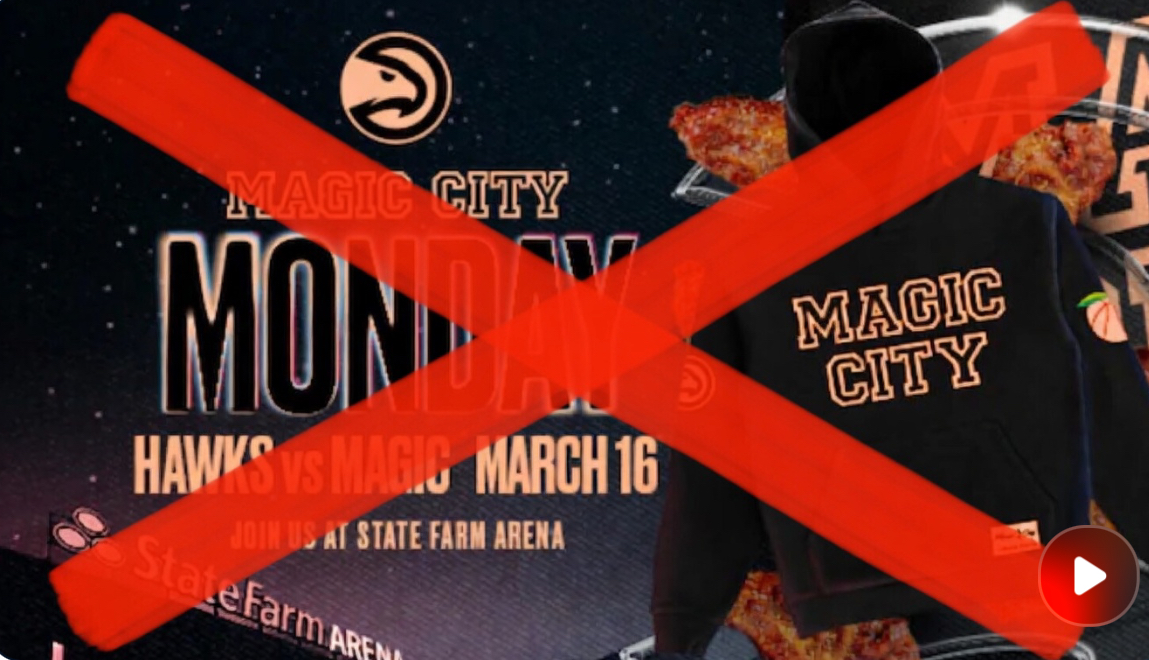
The NBA has officially canceled the Atlanta Hawks’ planned “Magic City Monday” promotional event scheduled for March 16, 2026, at State Farm Arena.
The decision came after NBA Commissioner Adam Silver reviewed the team’s plans and received widespread concerns from fans, league partners, employees, and other stakeholders regarding the promotion’s association with Magic City, a well-known Atlanta strip club.
The Hawks had framed the event as a celebration of an “iconic cultural institution” in the city, highlighting elements like exclusive lemon pepper wings inspired by the club’s famous menu, limited-edition merchandise including hoodies, and a live performance by Atlanta rapper T.I. The team positioned it as a tribute to Atlanta’s unique culture and history.
However, the promotion drew significant backlash, including public calls from NBA players such as San Antonio Spurs center Luke Kornet, who urged the Hawks to cancel it, arguing that it failed to acknowledge the venue’s nature as a strip club and could reflect poorly on the league by appearing complicit in the objectification of women.
In a response, the Hawks said they “fully respect the decision.”
Other voices across the NBA community echoed similar concerns about family-friendly environments and respect for women in the league.
In a statement released today via the NBA’s public relations channels, Commissioner Silver addressed the decision directly:
“When we became aware of the Atlanta Hawks’ scheduled promotion, we reached out to Hawks leadership to better understand their plans and intentions. After careful review and hearing significant concerns from a broad array of league stakeholders—including fans, partners, employees, and others—about promoting an adult entertainment venue, we have determined that canceling the event is the right call for the broader NBA community.”
The March 16 home game against the Orlando Magic will proceed as scheduled but without the themed promotion. No replacement theme has been announced at this time.
The Hawks organization has not yet issued a separate public comment on the cancellation, but sources indicate the team is aligning with the league’s directive.
Final Word
If you still want that hoodie, watch this:
This marks a notable intervention by the NBA in team-level marketing decisions, underscoring the league’s emphasis on maintaining an inclusive and appropriate environment for its diverse fan base. Fans with tickets to the March 16 game should monitor Hawks communications for any updates on in-arena experiences.
-
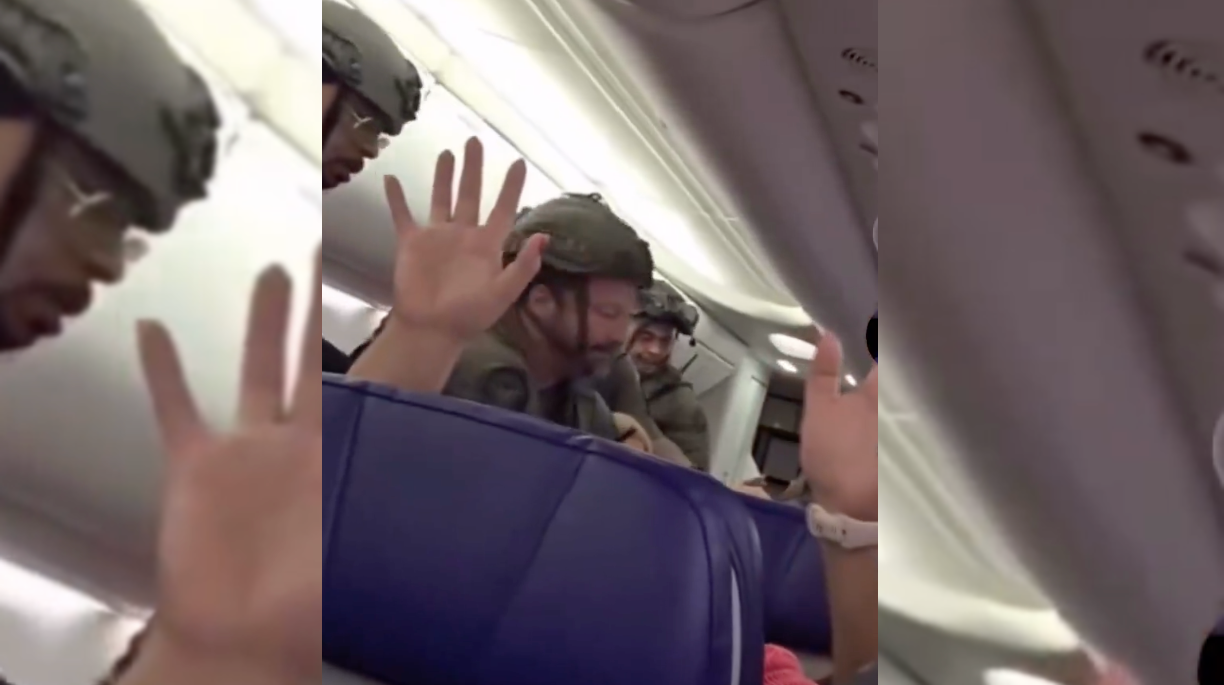
Atlanta, GA – March 7, 2026 – A Southwest Airlines flight en route from Nashville to Fort Lauderdale was diverted to Hartsfield-Jackson Atlanta International Airport last night following a reported bomb threat, prompting a swift response from law enforcement and airport officials.
The incident involved Southwest Flight 2094, which was forced to change course and land safely at Atlanta’s busy hub around 9:06 p.m. on Friday, March 6. According to sources familiar with the matter and passenger accounts circulating online, the diversion stemmed from a bomb threat made onboard or reported to authorities.
Suspicious Passenger Detained in Atlanta After Flight Scare
Upon landing, Atlanta Police Department officers boarded the aircraft. Passengers were instructed to raise their hands as a precautionary measure while authorities assessed the situation.
One passenger was detained and removed from the plane for further questioning. No explosive devices or other dangerous items were reported to have been found, and there were no injuries among the passengers or crew.Southwest Airlines issued a statement confirming the diversion was made “out of an abundance of caution” in response to a “possible security matter.”
The airline commended the flight crew for their professionalism throughout the event.
Hartsfield-Jackson Atlanta International Airport, the world’s busiest by passenger traffic, activated standard security protocols during the incident. The plane was met on the tarmac by emergency vehicles and law enforcement personnel.
The FBI and other federal agencies are now involved in the ongoing investigation, as is standard for aviation security threats. Authorities have not yet released details about the individual detained, including their identity or the exact nature of the threat. It remains unclear whether the threat was deemed credible or if charges will be filed.
Passengers on the flight were reportedly re-accommodated on later flights or provided alternative travel arrangements by Southwest. The airline has not commented further on potential disruptions to other operations.
This incident serves as a reminder of the heightened vigilance maintained in air travel, particularly at major hubs like Atlanta. Airport officials and law enforcement urge anyone with information related to the event to contact authorities.
More updates will be provided as details emerge from the investigation.
Check Out Our Atlanta Travel Guide
-
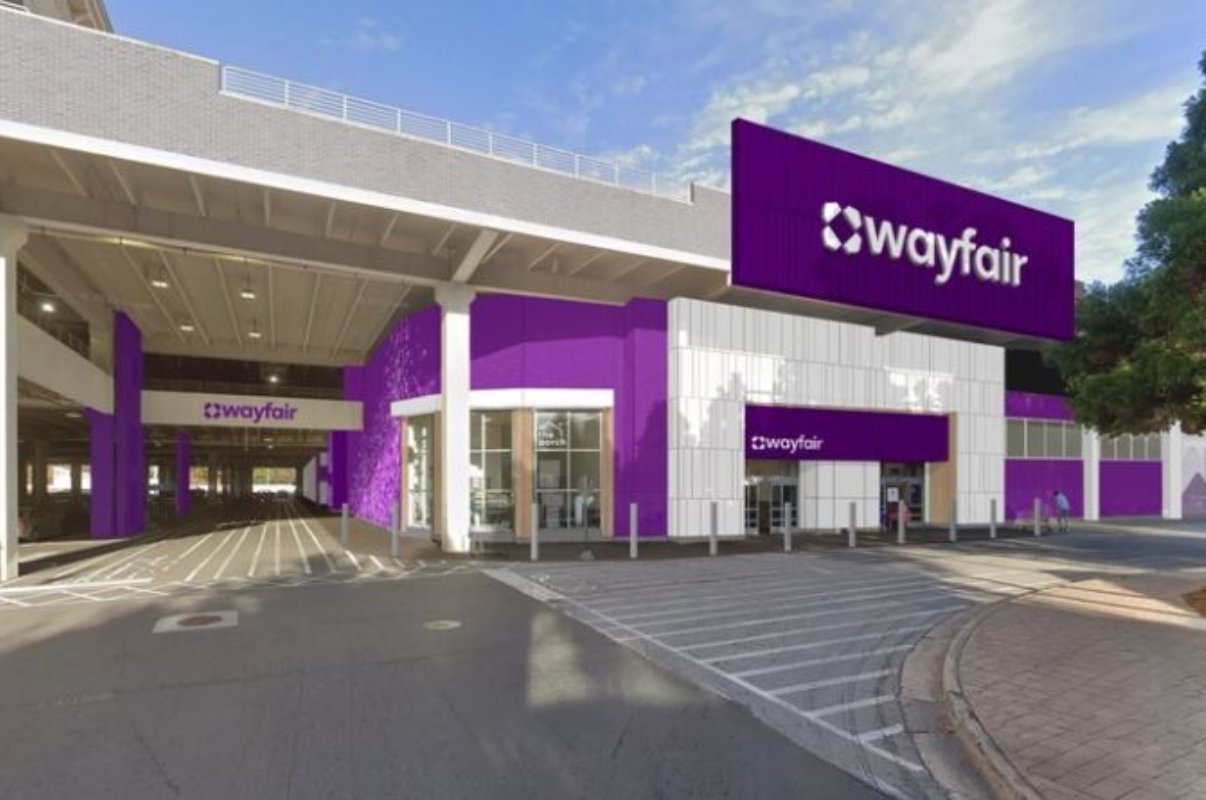
Wayfair is set to bring its signature large-format shopping experience to Atlanta with the grand opening of its second physical store location later this month.
The online home furnishings giant announced today that the new Wayfair store at The District at Howell Mill (1801 Howell Mill Rd NW, Atlanta, GA 30318) will officially open its doors on March 31, 2026, at 10 a.m. ET. A full weekend of grand opening celebrations will follow from April 17–19, 2026, promising special events, giveaways, and family-friendly entertainment to welcome local shoppers.
Spanning approximately 150,000 square feet, the Atlanta store will serve as a comprehensive one-stop destination for home goods. Shoppers can browse an extensive selection of furniture, home décor, outdoor living products, housewares, appliances, and home improvement essentials—covering every style and budget.
Highlights include The Porch, Wayfair’s popular all-day café, along with features like the Dream Center mattress shop and on-site design services, similar to the retailer’s first large-format location in Wilmette, Illinois, which opened in 2024.
Regular store hours will be Monday–Saturday from 10 a.m.–8 p.m. and Sunday from 11 a.m.–7 p.m.
During the grand opening weekend (April 17–19), the first 100 customers each day will receive a $50 Wayfair gift card, with additional activities and surprises planned—more details to be shared closer to the event.
The Upper Westside location at The District at Howell Mill, a well-established shopping center, was first revealed last year as part of Wayfair’s ongoing push into brick-and-mortar retail. The move brings the company’s immersive, hands-on shopping format directly to Atlanta residents after years of dominance in e-commerce.
Local shoppers eager to see (and sit on) Wayfair’s vast inventory in person won’t have to wait much longer.
Mark your calendars for March 31, and plan to join the festivities in mid-April for what promises to be a major home-shopping event in the city.
-

Atlanta, GA – February 23, 2026 – Georgia’s rich agricultural heritage continues to thrive, and family farms across the state—including those in the metro Atlanta region and surrounding counties—are invited to apply for recognition through the Georgia Centennial Farm Program.
Applications are now open for qualifying farms, with a deadline of May 1, 2026.
Farms have long served as the foundation of Georgia’s economy, culture, and family traditions, passing down legacies from one generation to the next. Many properties have remained active for over a century, preserving the state’s farming history amid changing times.
The Georgia Centennial Farm Program highlights these enduring operations and promotes their ongoing preservation.
Launched in 1993, the program has honored more than 630 farms statewide over the past three decades. It celebrates properties that maintain active agricultural production while meeting strict historical criteria.
To qualify, farms must:
- Be working farms with at least 10 acres retained from the original purchase.
- Actively engage in agricultural production.
- Generate a minimum of $1,000 in annual farm-generated income.
- Have been continuously farmed for at least 100 years by members of the same family, or be listed on the National Register of Historic Places.
Recognized farms receive one of several award categories, including the Centennial Heritage Farm Award (for family-owned properties listed on the National Register), the Centennial Farm Award (for century-old farms on the Register without requiring continuous family ownership), or the Centennial Family Farm Award (for century-old family-owned operations not on the Register).
Each fall, qualifying farms are celebrated during a special awards ceremony at the Georgia National Fairgrounds and Agricenter in Perry, where owners receive a certificate of honor signed by the governor.
The program is a collaborative effort administered by the Historic Preservation Division of the Georgia Department of Community Affairs, in partnership with the Georgia Farm Bureau Federation, Georgia Department of Agriculture, Georgia EMC, Georgia National Fair and Agricenter, and University of Georgia Cooperative Extension.
Local farmers and landowners in Fulton, DeKalb, Gwinnett, Cobb, and other nearby counties who believe their property meets these standards are encouraged to apply.
This recognition not only honors family legacies but also helps document Georgia’s agricultural history for future generations.
For application details, eligibility requirements, and forms, visit the official program page at the Georgia Department of Community Affairs website or contact the Historic Preservation Division. Don’t miss the May 1, 2026, deadline—your family’s farm could be the next to join this prestigious list of Georgia treasures.
Interested in dining outside? Here are the best Atlanta restaurants for outdoor eating and here are those with great patios.
If you want to take your dog to the park, here are the best Atlanta parks for Fido.
More From AtlantaFi.com:
-

Stonecrest, GA – February 19, 2026 – Get ready to feel the beat! The City of Stonecrest is set to deliver an afternoon packed with high-energy performances as the second annual Battle of the Drumlines takes over Miller Grove High School Gymnasium on Saturday, February 28, 2026, from 2 to 5 p.m.
This crowd-pleasing event, which debuted in 2025, brings together the precision and power of drumlines from Historically Black Colleges and Universities (HBCUs) alongside talented high school programs.
At Stonecrest: A Celebration of Rhythm, Talent, and Black History Month Pride
It’s more than just a showcase—it’s a vibrant celebration of youth excellence, school spirit, cultural heritage, and community unity, perfectly timed to close out Black History Month.
The event aims to highlight the discipline, creativity, and teamwork of young performers while forging stronger ties between Stonecrest, local schools, HBCUs, and residents across the region. Following a successful inaugural year, organizers promise an even more electrifying experience this time around.
“This is such a dynamic showcase of extraordinary talent from our young people — their discipline, precision, and teamwork,” said Stonecrest Mayor Jazzmin Cobble. “When our high school students share the floor with HBCU band members who once stood in their shoes, it makes college aspirations feel tangible and within reach. It is moments like this second annual Battle of the Drumlines that make us truly Stonecrest PROUD!”
The lineup features powerhouse drumlines from several respected HBCUs, including:
- Albany State University
- Clark Atlanta University
- Fort Valley State University
- Talladega College
They’ll go head-to-head with standout high school drumlines from DeKalb County and neighboring areas, promising intense competition and unforgettable routines.
The Battle of the Drumlines is free and open to the public, making it an accessible way for families, students, alumni, and community members to come together and support local talent.
Mark your calendars and bring your energy—Stonecrest is about to get loud! For more details, visit the City of Stonecrest website or check official event pages on social media.
Event details: Saturday, February 28, 2026 | 2–5 p.m. | Miller Grove High School Gymnasium, Lithonia (Stonecrest area)
Stay tuned to your local source for Atlanta-area news, events, and community highlights.
More from AtlantaFi.com:
-

The Sip & Swine BBQ Festival is set to make its mouthwatering return to Coolray Field in Lawrenceville, bringing Georgia’s top BBQ competition vibes right to Gwinnett County.
This is one of the best metro Atlanta festivals of 2026.
This beloved annual event, now in its 11th year, is scheduled for Friday and Saturday, March 6-7, 2026, with the main public day on Saturday, March 7, running from 10 a.m. to 6 p.m. (Note: The original invitation referenced March 7 as the Saturday focus—full details confirm the two-day format.)
Sip & Swine Fest: What To Know
Admission and parking are both completely free, making it an easy, family-friendly outing for Atlanta-area residents.
Attendees can look forward to fierce competition BBQ action—featuring pro and backyard teams battling it out in categories like chicken, pork, ribs, brisket, and more—plus a popular People’s Choice BBQ Tasting (Saturday 11:30 a.m.–1:30 p.m., with taster kits available for attendee judging), a Kid’s Q Competition for young pitmasters ages 6-15, nonstop live music throughout both days, food vendors, craft booths, and plenty of fun for all ages.
At its core, Sip & Swine is a major fundraiser benefiting Home of Hope at Gwinnett Children’s Shelter, which supports homeless children and their mothers on the path to independence. The event has already raised over $1 million to date for this vital cause, with all proceeds continuing to go directly to the shelter.
Past festivals have delivered that perfect mix of smoky aromas, lively crowds, great tunes, and community spirit—captured in the photos shared from previous years.
Whether you’re a BBQ fanatic, looking for a fun weekend outing, or want to support a great local charity, mark your calendar and head to Coolray Field. For more details, ticket options (if any special tastings or add-ons apply), or updates, visit sipandswine.com.
Questions? Reach out to event organizer Chrissy Keheley (contact info available on the site or in official releases). We’d love to see you there—come hungry and ready to enjoy one of metro Atlanta’s tastiest traditions!
Final Word
There are so many Atlanta events popping off every week it’s hard to keep up with it all. That’s why I suggest you subscribe to AtlantaFi.com to get all the freshest gatherings, Atlanta happenings, parties and more delivered to your inbox.
Here are more articles from AtlantaFi.com: