-
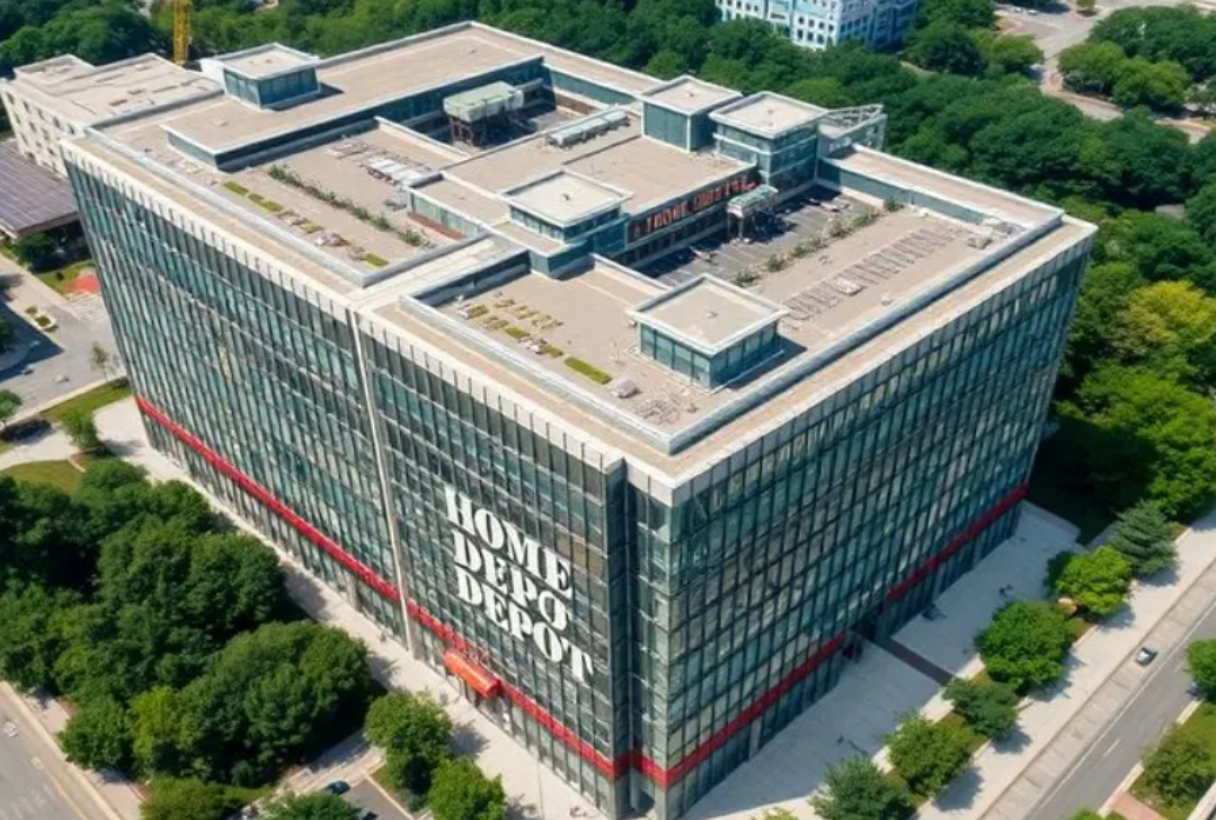
The Home Depot, one of Atlanta’s largest employers, confirmed Wednesday, Jan. 28 that it is eliminating approximately 800 corporate positions tied to its Vinings headquarters.
The announcement came in a company-wide message from Chair, President, and CEO Ted Decker, who informed employees of the workforce reduction on Wednesday.
Home Depot To Shed 800 Jobs at Atlanta Area Support Center
The cuts primarily affect roles within the company’s technology organization and other corporate teams at the Atlanta-based store support center.
According to reports, roughly 150 of the affected employees were based at the Vinings location, with the remainder working in remote or hybrid arrangements.
In the same communication, Home Depot revealed a significant shift in its work policy: all corporate employees will now be required to return to the office five days a week, effective the week of April 6. This ends the company’s previous hybrid work model for corporate staff.
Decker described the changes as necessary to enhance the company’s operational efficiency. “We are announcing changes designed to increase our speed and agility,” he wrote in a letter to employees. “To extend our industry-leading position, we must position the company to move faster and stay even more closely connected to our customers and frontline associates.”
Read up on how to navigate a layoff.
A company spokesperson emphasized that the moves are intended to ensure the right structure for future growth, amid ongoing challenges in the home improvement sector, including a slowdown tied to the housing market.
The Vinings headquarters, located just northwest of downtown Atlanta in Cobb County, serves as the central hub for Home Depot’s corporate operations.
The retailer has been investing in its local campuses, including a $140 million expansion project announced last year for the Vinings site and renovations at other nearby facilities.
This announcement follows a broader trend of corporate restructuring across major companies, though Home Depot has not detailed severance packages or other support for affected employees in public statements.
The Home Depot employs hundreds of thousands globally, with a significant presence in the Atlanta metro area. The company has not indicated any impact on store-level or frontline positions.
For more details on the announcement, visit the official Home Depot corporate site or local business coverage.
More From AtlantaFi.com:
-
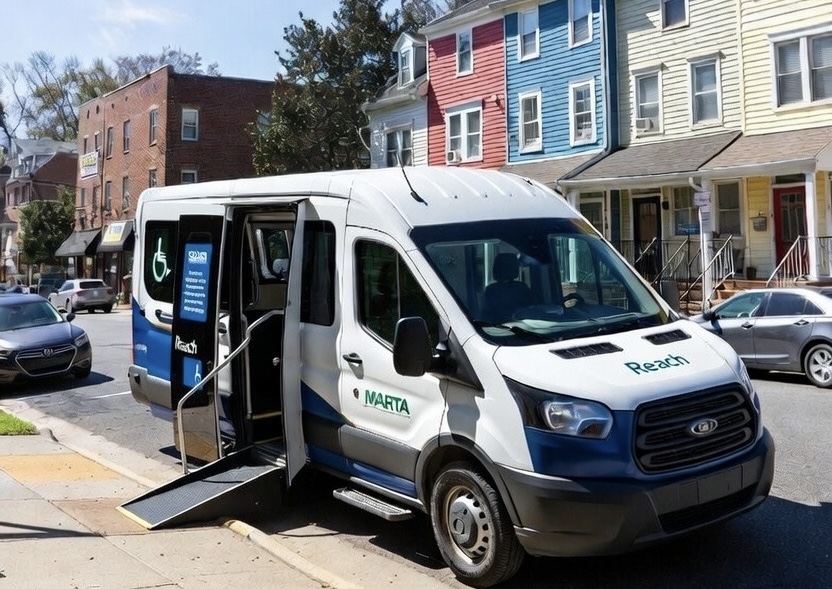
Move over, Uber. The Metropolitan Atlanta Rapid Transit Authority (MARTA) is set to transform local mobility with the upcoming launch of MARTA Reach, an innovative on-demand transit service rolling out on March 7, 2026.
As a key component of MARTA’s broader NextGen Bus Network redesign—the most significant update to the region’s bus system in decades—Reach introduces flexible, user-requested rides that bridge gaps in traditional fixed-route service.
MARTA Reach to Mobilize Vans Like Uber
MARTA Reach delivers point-to-point shared rides using modern vans, providing quick and convenient transportation at riders’ request.
The service operates in 12 designated zones spread across MARTA’s service area, allowing passengers to travel seamlessly within each zone or connect to the larger transit network.
Key Features of MARTA Reach
- Curb-to-Curb Service: Within a designated zone, vehicles pick up and drop off passengers directly from their starting point (A) to their destination (B). This makes it ideal for neighborhood travel, errands, or short trips where traditional bus stops might not align perfectly with your needs.
- First- and Last-Mile Connections: Reach excels at linking riders to fixed bus routes and rail stations. It serves as a vital bridge, enabling seamless continuation of journeys beyond the zone boundaries to access MARTA’s extensive rail and bus system.
- Extended Availability: Service runs 18 hours per day, seven days a week across all 12 zones, offering reliable options from early morning through late evening.
- Easy Booking: Requesting a ride is straightforward—simply use the dedicated MARTA app or place a phone call. No need to wait at fixed stops or follow rigid schedules.
- Accessible for Everyone: All vans are ADA-compliant and fully equipped to accommodate wheelchairs, scooters, and other mobility devices, ensuring inclusive service for riders of all abilities.
How the Zones Work
MARTA Reach functions within 12 clearly defined geographic zones throughout the MARTA transit footprint. Riders can request trips anywhere within their current zone for direct, shared transportation.
In select zones, the service also supports connections to and from other MARTA bus routes or rail lines outside the zone, enhancing overall connectivity.
These zones target areas where traditional fixed-route service may be less frequent, providing a more responsive option for lower-density neighborhoods and improving access to jobs, healthcare, shopping, and other essential destinations.
Part of a Bigger Transformation
MARTA Reach launches ahead of the full NextGen Bus Network rollout (scheduled for April 18, 2026), giving riders an early taste of the agency’s “smarter, faster, better” vision.
By combining on-demand flexibility with high-frequency fixed routes, the initiative aims to make public transit more efficient, accessible, and appealing across metro Atlanta.
For more details, including zone maps, zone profiles (such as West Atlanta, Kirkwood/Candler Park, and others), trip planning tools, and updates, visit the official MARTA Reach page at itsmarta.com/reach or explore the NextGen resources at itsmarta.com/nextgen.
With MARTA Reach, getting around metro Atlanta is about to become more convenient and connected than ever before. Stay tuned for the March 7 launch—your next ride could be just a tap or call away!
Check Out Our Atlanta Travel Guide
-
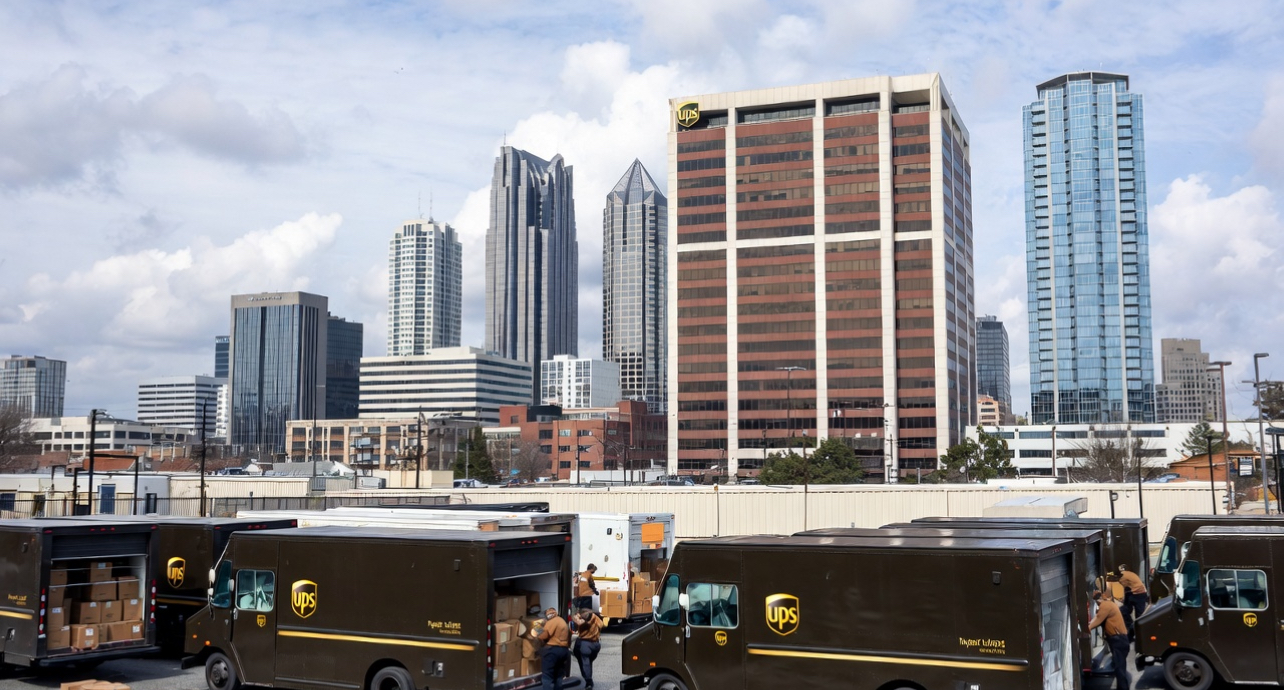
United Parcel Service (UPS), the global shipping giant headquartered in the Atlanta metro area, revealed plans Tuesday to eliminate up to 30,000 operational jobs this year as part of its ongoing turnaround strategy.
The announcement came during the company’s fourth-quarter earnings call, where executives also disclosed intentions to close 24 facilities in the first half of 2026, with potential for additional closures later in the year.
UPS To Cut 30K Jobs
The cuts primarily target operational roles, including delivery drivers and warehouse workers, and will be achieved largely through attrition and a second voluntary separation program for full-time drivers, according to Chief Financial Officer Brian Dykes.
Dykes described the reductions as a “tactical move” to align staffing and network infrastructure with current volume levels and delivery demands.
This latest round follows significant workforce reductions in 2025, when UPS eliminated approximately 48,000 positions—including 34,000 operational jobs and 14,000 management roles—and closed operations at 93 facilities.
The company’s multi-year plan has focused on reducing its reliance on low-margin deliveries for Amazon, its former largest customer, while shifting toward higher-profit business segments such as healthcare logistics.
CEO Carol Tomé emphasized during the call that UPS is in the final stages of an accelerated “glide down” in Amazon volume, having already reduced daily Amazon packages by about 1 million pieces in 2025.
The company plans to cut another million pieces per day in 2026 while continuing network reconfiguration and deploying more automation to improve efficiency.
Despite the job cuts, UPS reported stronger-than-expected results for the critical holiday quarter, with fourth-quarter revenue reaching $24.5 billion. The company projected full-year 2026 revenue of approximately $89.7 billion, signaling confidence in its strategic pivot away from unprofitable volumes.
As Atlanta’s largest private employer and a cornerstone of the regional economy, the announcement carries significant implications for the metro area.
UPS’s headquarters in Sandy Springs and its extensive network of facilities across Georgia mean that local workers could feel the effects of the operational reductions, though the company has not specified how many positions or facilities in the state will be impacted.
Previous rounds of cuts have already affected Georgia operations, and union representatives have expressed concerns about the pace of workforce changes.
UPS has described the overall plan as essential for long-term profitability and competitiveness in a changing parcel delivery landscape, including the winding down of low-value e-commerce shipments and the end of certain duty-free import rules.
The company’s stock rose following the announcement, reflecting investor approval of the cost-saving measures and revenue outlook.
Atlanta residents and workers affected by the changes are encouraged to monitor UPS communications and local union updates for more details on voluntary programs and potential support resources. This story will be updated as additional information becomes available.
More Atlanta Jobs from AtlantaFi.com:
-
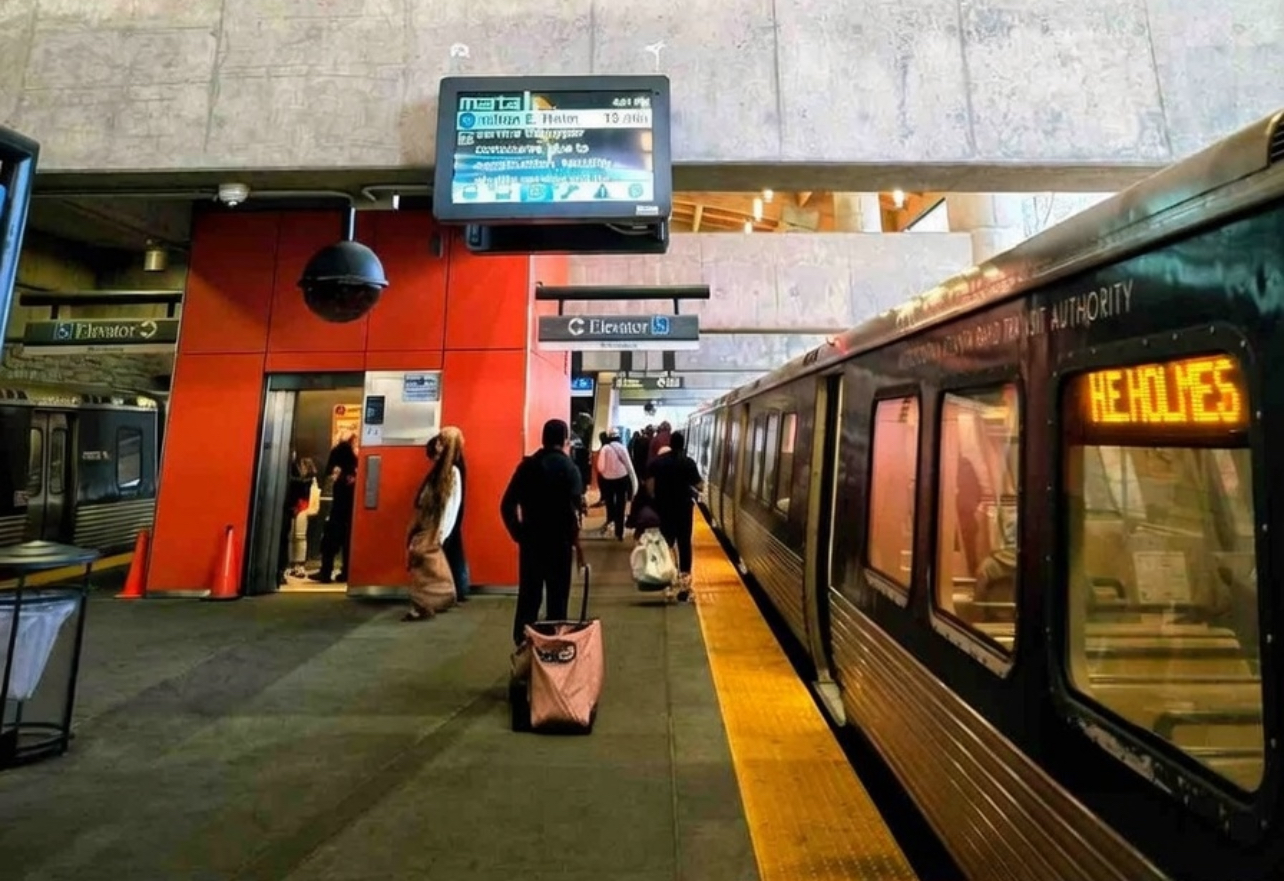
Atlanta’s Metropolitan Atlanta Rapid Transit Authority (MARTA) has announced that it is in the midst of a major overhaul of its Breeze fare collection system, introducing modern equipment and payment methods designed to make transit more secure, convenient, and user-friendly.
The upgrade, often referred to as the “Better Breeze” system, includes installing new faregates, fareboxes, validators, and touchscreen ticket vending machines across the entire rail and bus network.
MARTA Upgrades Breeze Fare System
Installation is proceeding in phases, with new equipment already appearing at rail stations. Riders are currently unaffected and should continue using existing Breeze cards or the current mobile app as normal—no changes to bus or rail service are occurring.
Looking into public transit in Atlanta? Read our guide to riding MARTA.
For any station-specific construction impacts, such as entrance detours, MARTA advises checking its website or signage.
The current Breeze fare media—including physical Breeze cards and the existing Breeze Mobile app—will become incompatible with the upgraded system and will be discontinued after May 2, 2026. After that date, riders will need to use the new fare options to board trains or buses.
Key features of the new system include:
- New fare equipment — More secure faregates that can be remotely monitored and adjusted, helping to reduce fare evasion and enhance overall safety.
- Open payment options — Riders can tap contactless bank cards or mobile wallets (such as Apple Pay or Google Pay) directly at faregates or fareboxes to pay for fares.
- New Breeze app — The current Breeze Mobile 2.0 will be replaced. Users will need to download a new Breeze app and set up a virtual Breeze card to purchase and manage fares digitally.
- New Breeze cards — These will be account-based, meaning stored value and passes live in the customer’s online account rather than on the physical card itself. Options for multi-day and monthly passes will continue to be available.
Important transition details:
A dual-system period will run from March 28 to May 2, 2026, allowing both old and new equipment to operate side-by-side. This gives riders time to use up remaining balances on current media, purchase new fare products, and get comfortable with the changes.
However, any unused fare balances on current Breeze cards or accounts will not transfer to the new system and will be lost if not spent by May 2, 2026. MARTA strongly encourages riders to “spend down” existing value during this window.
Sale of current Breeze products will end in phases starting in March 2026:
- 30-day passes: Last day to buy — March 1, 2026
- 20- and 10-trip passes: Last day — March 15, 2026
- 1-, 2-, 3-, 4-, and 7-day passes: Last day — March 22, 2026
- 1- and 2-trip passes: Last day — March 28, 2026
New Breeze cards, along with multi-day and monthly passes, will go on sale starting March 28, 2026. They will be available at the new touchscreen vending machines, RideStores, Reduced Fare offices, and various pop-up locations around the system (details on pop-ups to be announced in March).
For riders eligible for reduced fare or MARTA Mobility services, options include obtaining a new physical card or using the new mobile app. They can visit a Reduced Fare office, email reducedfare@itsmarta.com, or call 404-848-5112 for assistance.
The upgrade aligns with MARTA’s broader efforts to modernize transit in metro Atlanta, including preparations for major events like the 2026 FIFA World Cup, which is expected to bring increased ridership to the region.
Final Word
These changes are underway as MARTA preps for the FIFA World Cup this summer.
For the latest updates, station-specific information, and resources on the transition, visit MARTA’s official website at itsmarta.com or the dedicated Better Breeze page. Riders are encouraged to plan ahead to avoid any disruptions after the May 2 cutoff.
More from AtlantaFi.com:
-

It’s a fact that big winter storms often cause power outages and other headaches. When that happens, having a portable generator can keep essential appliances running, such as refrigerators, medical equipment, and heating or cooling systems.
When preparing for a storm, having a reliable generator can be crucial.
In this article, we’ll show you some of the best portable generators on the market. Here are some of the best types of generators to consider:
Portable Generators

- Honda EU2200i: Known for its reliability and quiet operation, it’s great for powering essential appliances.
- Yamaha EF2000iSv2: Lightweight and fuel-efficient, this model is ideal for small power needs.
Inverter Generators

- Champion 4000-Watt Ultralight: Offers quiet operation and is easy to transport, suitable for camping and emergency use.
- Westinghouse iGen4500: Provides a higher wattage output and features a remote start, making it user-friendly.
Standby Generators

- Generac Guardian Series: These are permanently installed and automatically turn on during power outages, providing peace of mind.
- Briggs & Stratton 40445: Another reliable standby option with a good reputation for performance.
Dual Fuel Generators

- DuroMax XP12000EH: Runs on both gasoline and propane, offering flexibility and extended run time.
- Champion 100263: Features a powerful output and can also use both fuel types, making it versatile for emergencies.
Solar Generators

- Jackery Explorer 1000: A portable solar generator that’s eco-friendly and perfect for small electronics and appliances.
- Goal Zero Yeti 500X: A robust solar generator that provides reliable power and can be charged with solar panels.
Where to Buy:
- Home Improvement Stores: Home Depot and Lowe’s often have a variety of generators in stock.
- Outdoor and Sporting Goods Stores: Retailers like Cabela’s and REI may carry portable and inverter generators.
- Online Retailers: Amazon, Walmart, and specialty websites often have a wide selection, sometimes with competitive prices.
Tips for Buying:
- Check Wattage Needs: Determine how much power you’ll need for essential appliances.
- Read Reviews: Look for customer feedback on reliability and ease of use.
- Consider Fuel Type: Think about what’s most accessible for you (gasoline, propane, solar).
- Look for Warranty and Support: A good warranty can offer additional peace of mind.
Buying a generator before a storm can help ensure you have the power you need when you need it most.
Here are more articles from AtlantaFi.com:
-
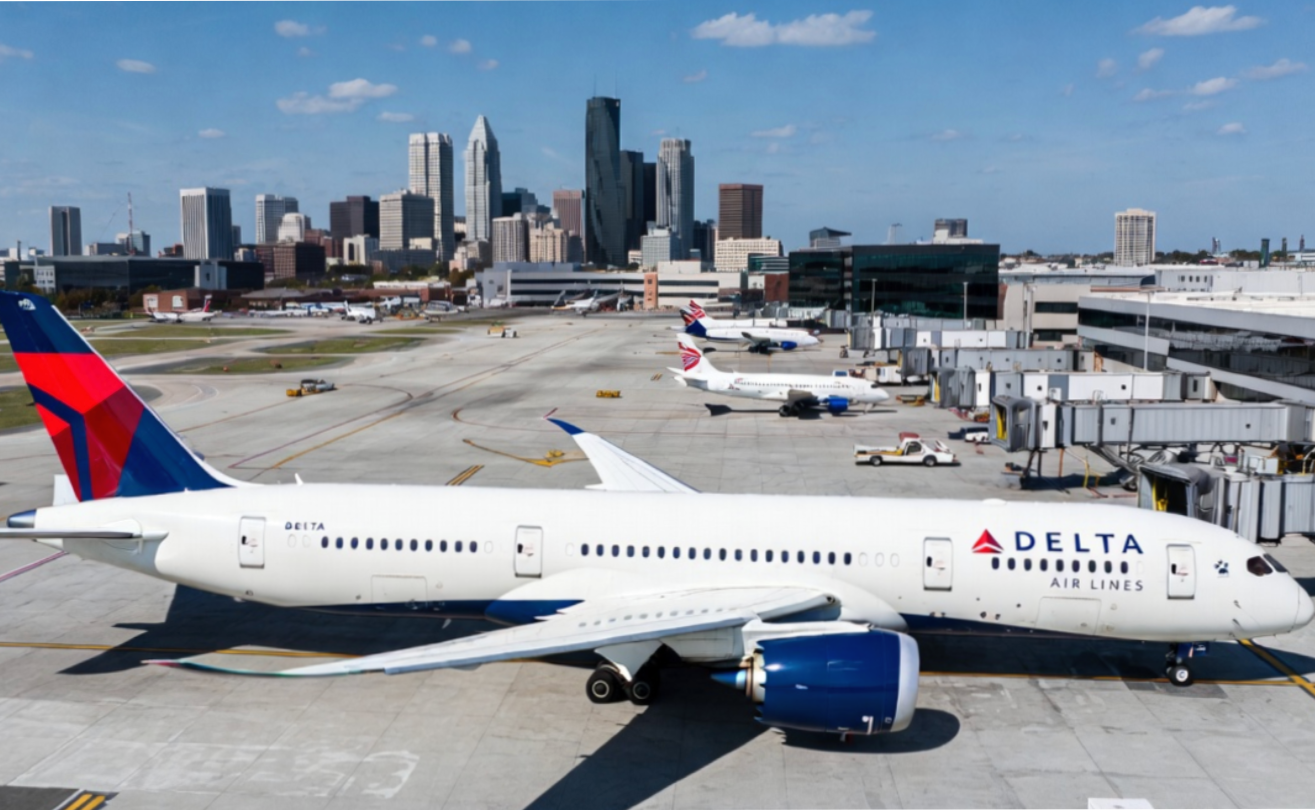
Delta Air Lines, headquartered in Atlanta and the dominant carrier at Hartsfield-Jackson International Airport (ATL), announced a significant aircraft purchase that could reshape the city’s role as a premier global aviation gateway.
On January 13, as part of its full-year 2025 financial results release, Delta revealed a firm order for 30 Boeing 787-10 Dreamliner widebody aircraft, with options for an additional 30 more. Deliveries are scheduled to begin in 2031, marking Delta’s first direct order for the Boeing 787 family and its return to Boeing for widebody aircraft after nearly two decades.
What Delta’s Major Boeing 787-10 Order Means for Atlanta
The 787-10, the largest variant in the efficient Dreamliner series, promises 25% better fuel efficiency per seat compared to the older widebody jets it will replace.
It also offers increased capacity, larger premium cabins, enhanced passenger comfort, and greater cargo capabilities—key advantages for long-haul operations.
Delta executives emphasized the strategic fit.
CEO Ed Bastian described the move as part of “building the fleet for the future,” enhancing customer experience, driving operational improvements, and replacing less efficient aircraft. The order supports Delta’s international expansion, particularly on high-demand transatlantic and South American routes.
“These aircraft will be operated by the best aviation professionals in the industry, providing Delta’s welcoming, elevated and caring service to travelers worldwide,” Bastian said.
For Atlanta, the implications are substantial. As Delta’s primary hub, Hartsfield-Jackson stands to gain from increased long-haul international flights.
The new jets could enable more nonstop services to Europe, South America, and potentially emerging markets in Asia and Africa, boosting connectivity for Georgia businesses, tourists, and residents.
The order also strengthens cargo operations at ATL, one of the world’s busiest airports for air freight. Delta reported a 9% increase in cargo revenue for full-year 2025, and the 787-10’s enhanced belly cargo capacity could further grow this high-margin segment, supporting local logistics jobs and economic activity.
The announcement came amid strong financial performance. Delta reported record full-year 2025 revenue of $63.4 billion (GAAP) and net income of $5.0 billion, with diverse high-margin streams—including premium products and international routes—growing 7% and representing 60% of total revenue. The airline projected 20% earnings growth in 2026 and expects to operate its largest international schedule ever this year.
While the new aircraft won’t arrive until the next decade, the commitment underscores Delta’s confidence in sustained demand for premium and international travel. It also highlights benefits for the U.S. aerospace sector, with the 787-10 and its GE Aerospace GEnx engines designed and manufactured domestically.
Industry observers note this as a step in Delta’s broader fleet modernization, complementing prior orders like 100 Boeing 737-10 narrowbodies.
For Atlanta, it reinforces the city’s position as the heart of Delta’s global network, potentially driving job growth in aviation, hospitality, and related industries over the long term.
Final Word
As Delta continues to leverage its Atlanta base for expansion, local leaders and airport officials will watch closely how these future additions translate into more international gates, flights, and economic impact at the world’s busiest airport.
Check Out Our Atlanta Travel Guide
-
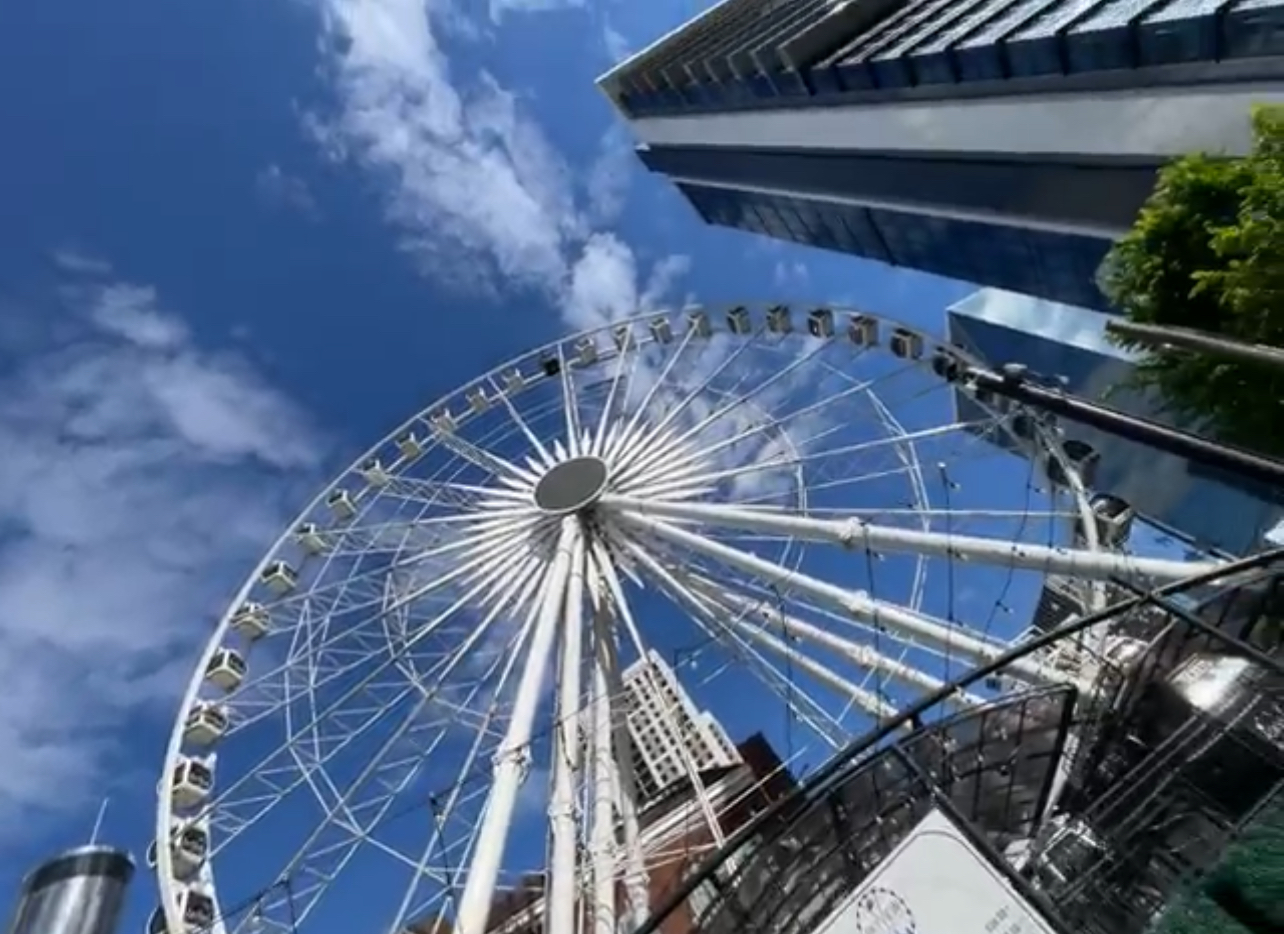
One of downtown Atlanta’s most recognizable attractions, the SkyView Atlanta observation wheel, is currently closed for major maintenance and repairs following a suspected lightning strike to its main axle.
The iconic 200-foot-tall wheel, located near Centennial Olympic Park at 168 Luckie Street NW, began dismantling on Monday, January 12, according to an official announcement from SkyView Atlanta.
Why Did SkyView Atlanta Close?
The operators of SkyView Atlanta say that a suspected light strike caused damage to the Ferris wheel. As a result, repairs are needed. Technicians will also use the time to perform some regular maintenance.
Suspected Lightning Strike Closes SkyView
The extensive work is required to safely remove and repair the damaged axle, which involves completely taking apart the wheel—including the ring beams and spokes—for transport to specialized repair facilities in Warrenton, Missouri.
Key Timeline for Repairs:
- January 12, 2026: Dismantling begins
- January 26, 2026: Main axle repair/rebuild completed
- February 2, 2026: Reinstallation starts
- February 12, 2026: Grand reopening to the public
SkyView Atlanta officials describe the process as a proactive and routine safety measure to maintain the highest standards of reliability, performance, and guest safety.
When Will the Atlanta Ferris Wheel Reopen?
SkyView is set to open fully on February 12, according to a press release.
While the closure is significant, it ensures the long-term integrity of the attraction that has delighted locals and visitors with its climate-controlled gondolas and stunning 360-degree panoramic views of the Atlanta skyline since opening in 2013.
“We appreciate the patience and understanding of our guests during this temporary closure,” a SkyView Atlanta representative said in the announcement. “While this repair is extensive, it is essential to ensure the long-term safety and quality experience our guests expect. We look forward to welcoming everyone back very soon.”
The attraction will share regular updates on progress via its official website (skyviewatlanta.com) and social media channels. Once back in operation on February 12, SkyView Atlanta will once again offer breathtaking views from the heart of the city—perfect for tourists, date nights, or family outings.
In the meantime, nearby attractions around Centennial Olympic Park, the Georgia Aquarium, World of Coca-Cola, and State Farm Arena remain open for visitors exploring downtown Atlanta.
Stay tuned to local news for any further updates on this popular landmark’s return.
Here are more articles from AtlantaFi.com:
-
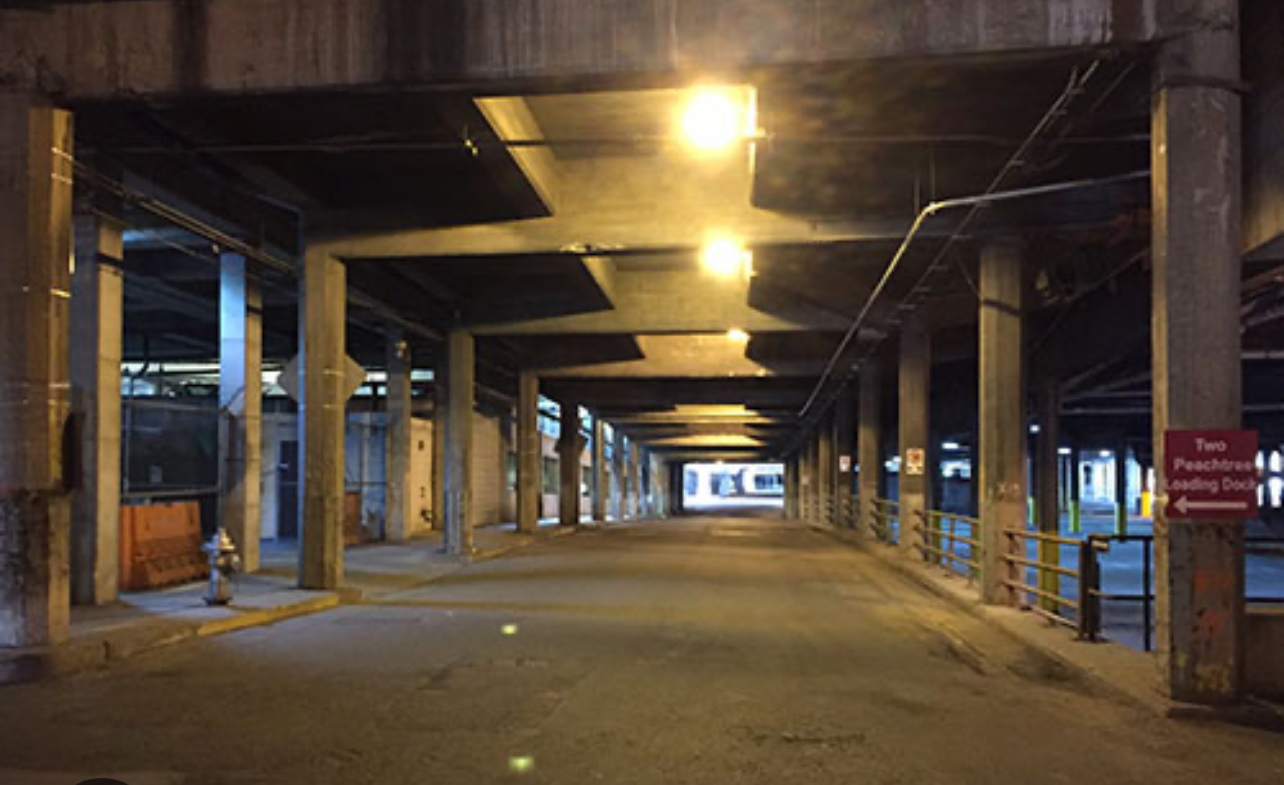
Kim Williams braved the chilly air one morning to walk underneath a parking lot connecting to swaths of downtown Atlanta.
An avid runner from Savannah, Williams says she was fascinated by the infrastructure underneath the parking lot, leading her to believe there used to be much more.
”I was just struck by how well developed the spaces were under this old, dingy parking lot,” the 33-year-old architect said. “That’s when I realized this used to be something, like, there’s an underground city here.
Williams is right on the money. Remnants of that city have most recently been called “Underground Atlanta.”
Underground Atlanta: What It Was and Is Now
For most people, Underground Atlanta conjures up memories of shopping at Sam Goody’s record store, eating at the food court or listening to live music at Kenny’s Alley or Dante’s Down the Hatch. Those heydays of the 1980s and 1990s are long gone.

Despite recent efforts to revitalize the area, Underground Atlanta is largely a ghost town right now compared to how it was.
“So many huge development proposals struggle: Newport’s for South Downtown, WRS’s for Underground Atlanta, Microsoft’s at Bankhead, the Midtown interstate cap, the previous plans for West End Mall & Civic Center that fizzled…and now Murphy Crossing,” said Darin Givens, cofounder of ThreadATL and urbanism advocate, pointing to Underground Atlanta as an example of stalled projects amid Atlanta’s construction and growth challenges.
Underground Atlanta’s Past

Underground Atlanta contains remnants of original 1920s street-level storefronts and sidewalks, sealed off when Atlanta raised its streets with viaducts to combat traffic and railroad congestion, creating a “city beneath the streets” that was later rediscovered and revitalized as a unique district.
The city elevated streets like Pryor and Alabama, effectively burying the original ground level, which became forgotten for decades before being reimagined as a nightlife spot in the late 1960s.
Key Details:
- The Project: The “twin viaducts” project in the late 1920s (around 1927-1929) raised major downtown streets by one to one-and-a-half stories.
- The Result: The original street level, with its businesses and sidewalks, was covered over, becoming basements and tunnels.
- The “Underground”: Merchants moved upstairs, and the lower levels became storage, service areas, and even speakeasies during Prohibition.
- Abandonment: For about 40 years, this area was largely forgotten until its rediscovery and revival as Underground Atlanta starting in the late 1960s.
What Was Atlanta’s ‘Twin Viaducts’ Project?
In the late 1920s, as Atlanta boomed into a major Southern hub, its downtown core faced a growing crisis: deadly and chaotic railroad crossings.
With multiple major rail lines converging in the heart of the city—creating constant gridlock for pedestrians, streetcars, automobiles, and freight trains—city leaders turned to an ambitious solution. The result was the so-called “twin viaducts” project, a major infrastructure initiative constructed between 1927 and 1929 that dramatically reshaped downtown Atlanta and gave birth to what we now know as Underground Atlanta.
The Purpose: Solving Railroad Congestion in a Growing City
Atlanta’s identity as a railroad terminus dates back to its founding in the 1830s, but by the early 20th century, the rapid rise of automobiles and urban population made at-grade rail crossings increasingly dangerous and inefficient.
Pedestrians and vehicles risked their lives daily at intersections near Union Station (the main depot at the time), where trains frequently blocked streets like Pryor and Central Avenue.
The twin viaducts project aimed to separate traffic levels entirely. By elevating key streets above the rail lines, the city could create a seamless grid for modern transportation while keeping trains moving below.
This was part of a broader wave of viaduct construction in Atlanta during the 1920s, driven by the Chamber of Commerce and city engineers to accommodate the automobile era without halting rail commerce.
What the Project Entailed
The “twin viaducts” specifically referred to the parallel elevated structures built along Pryor Street and Central Avenue (running north-south), connected by raised “laterals” on Alabama Street and Wall Street (running east-west). Completed around 1928–1929, these reinforced concrete viaducts raised the street level by approximately one to one-and-a-half stories (about 15–20 feet in places).
- Construction involved massive excavation to lower rail tracks for clearance, upgrades to utilities (sewers, gas mains, electric cabling), and the building of sturdy concrete spans with Neoclassical detailing.
- A five-block area around the historic commercial district near Union Station was effectively “covered over,” entombing the original ground-level streets, brick-paved sidewalks, and 19th-century storefronts beneath the new elevated plane.
- Merchants adapted quickly: many relocated their shops to the second floor (now the new street level), turning the original ground floors into basements for storage, service areas—and, during Prohibition, even speakeasies and hidden juke joints.
The project was hailed as a triumph of engineering, alleviating congestion in the commercial heart of downtown and creating a multi-level cityscape that still defines Atlanta today.

The Lasting Legacy: From Forgotten Streets to Underground Atlanta
While the viaducts solved immediate traffic woes, they had an unintended consequence: the burial of an entire historic street level.
For decades, the original 1860s–1870s storefronts, cobblestone alleys (like Kenny’s Alley and Ponder’s Alley), and gas-lit sidewalks lay abandoned and largely forgotten below.
It wasn’t until the late 1960s that this “city beneath the streets” was rediscovered and revitalized as Underground Atlanta, transforming the subterranean space into a vibrant nightlife and entertainment district with preserved Victorian-era architecture, bars, shops, and cultural venues.
Today, as projects like Centennial Yards continue to build over Atlanta’s historic rail gulch, the twin viaducts remain a powerful symbol of the city’s resilience and ingenuity.
They remind us how Atlanta has repeatedly elevated itself—literally—to overcome growth challenges, turning potential obstacles into unique urban features that blend past and present.
In a city built on rails, the twin viaducts of 1927–1929 proved that sometimes the best way forward is to build upward… and leave a fascinating layer of history below.
-
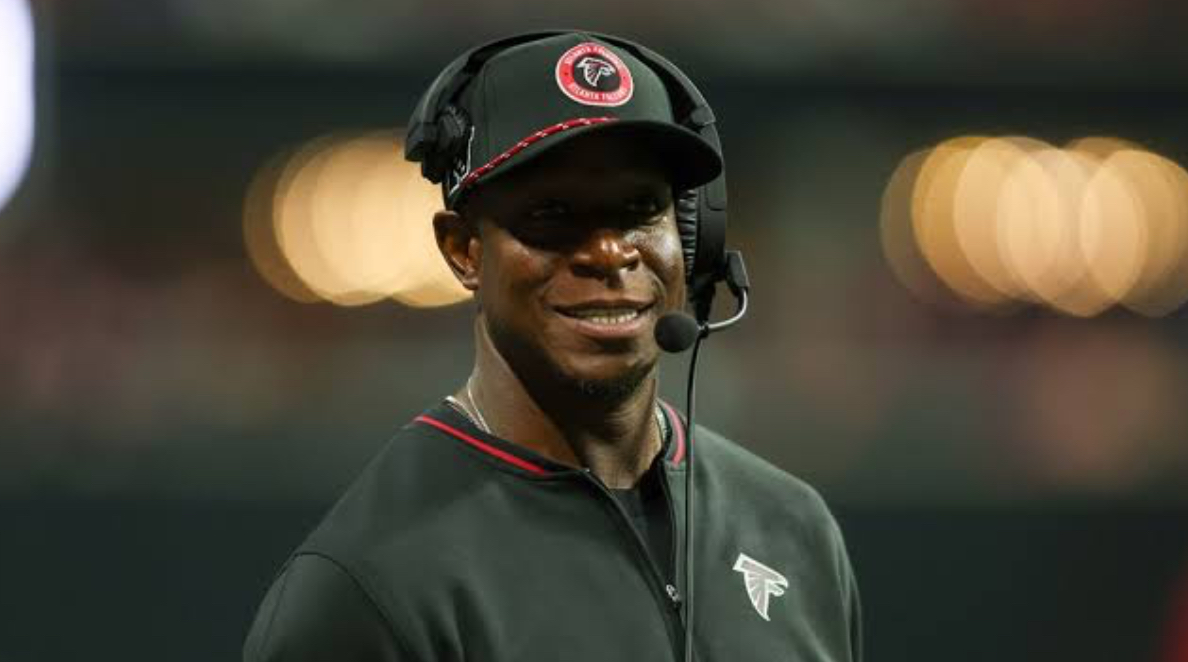
Just days after the Atlanta Falcons parted ways with head coach Raheem Morris, the veteran NFL coach is already generating buzz around the league as a top candidate for multiple head coaching vacancies.
According to NFL Network’s Tom Pelissero, Morris is scheduled to interview for the head coaching positions with the Arizona Cardinals, New York Giants, and Tennessee Titans.
The report indicates that Morris will conduct in-person meetings with all three teams over the next eight days, marking a quick rebound for the 49-year-old coach following his dismissal in Atlanta.
The Falcons finished the 2025 campaign with an 8-9 record, missing the playoffs for the fifth consecutive season under the current regime. Morris, who was hired in 2024, compiled a 16-18 record over two seasons in Atlanta.
The move came as a surprise to some fans but was seen as necessary by team owner Arthur Blank, who cited the need for “new leadership” after repeated disappointing finishes despite high expectations surrounding the team.
Despite the short tenure in Atlanta, Morris remains highly regarded league-wide for his defensive expertise and leadership. He previously served as head coach of the Tampa Bay Buccaneers from 2009 to 2011 and as interim head coach for the Falcons in 2020.
More recently, he has been praised for his work as a defensive coordinator and assistant coach with several teams.
Morris was let go by the Falcons on Sunday night alongside general manager Terry Fontenot, hours after the team’s season-ending 19-17 victory over the New Orleans Saints.
The Cardinals, Giants, and Titans are all in the market for new head coaches following their own disappointing 2025 seasons.
The Giants and Titans made midseason changes earlier in the year, while the Cardinals are seeking fresh direction as well.
Morris’s quick pivot to these interviews underscores his strong reputation among NFL decision-makers.
With a packed schedule ahead, the former Falcons coach could be one of the first major hires of the 2026 coaching carousel.
Falcons fans will be watching closely as Morris looks to land his next opportunity, while the search for Atlanta’s next head coach continues with several names already emerging as potential candidates.
Stay tuned to AtlantaFi.com for the latest updates on the Falcons’ coaching search and the ongoing NFL hiring cycle.
-

Want that head-turning, confident physique without waiting forever? Getting a bangin’ body is totally achievable quickly—if you do it smart and safe. “Fast” means noticeable changes in weeks to months, like dropping fat, building muscle tone, and boosting energy.
This article is going to show you some easy steps you can put in place to get in shape right now and get that hot body.
How To Get Back In Shape Fast: 7 Easy Steps
When it comes to fitness, the key is to start making better choices for your well being.
1. Challenge Yourself
The way to begin to make better choices is to challenge yourself that you can. Nobody knows you like you know yourself.
Make a pact with yourself that you’re going to change your habits and keep your word… to yourself if no one else.
2. Start Exercising
You don’t have to do crazy with it, but see if you can carve out 15-30 minutes a day. Working up a sweat is the #1 way you can lose weight by being active.
Start off working out twice a week, then ramp it up to three times a week in the second way. By the third week see if you can exercise five times a week.
Tip: Schedule your workouts in our Google calendar so they can pop up on your phone or laptop. That way, you’ll be more likely to see it as a priority you need to stick to.
3. Nail Your Nutrition
The Fat-Loss Foundation)Diet drives body composition. Create a moderate calorie deficit while prioritizing protein to preserve (and build) muscle.
- High-Protein Foods: Aim for 1.6-2.2g per kg of body weight daily. Think chicken, fish, eggs, Greek yogurt, tofu, and legumes. Protein keeps you full and supports muscle repair.
- Veggies and Fiber: Fill half your plate with greens, broccoli, spinach, etc. They add volume without calories.
- Smart Carbs and Fats: Choose whole grains, sweet potatoes, avocados, nuts. Cut processed junk and sugary drinks.
- Meal Prep for Success: Batch-cook to avoid temptations.
Now that you have an exercise regimen, you’ll need to change the way you eat. Consuming fewer calories is a great way to drop some pounds.
You’ll need some nutritional guidance on this one:
- Remember to eat vegetables (green ones, if possible)
- Limit your meats to lean pieces with very little fat.
- Stay away from sugar and processed foods altogether (I know, I know)
4. Get Some Sleep
Experts say healthy humans need around eight hours of sleep to properly function. Not only is this a sweet spot for clear thinking, but you’ll find that this gives you optimal metabolism.
If you get less than seven hours of sleep, consider going to bed earlier so that your body can have more time to heal itself when you finally do fall asleep.
5. Stay Motivated
One of the main things that stops people from transforming their lives is that they eventually lose interest. It could be because of an unexpected life event that sets them back, or just an inability to stay focused.
Whatever it may be, remember that you can stay motivated by joining groups of like-minded people. Go to the gym with friends, family or co-workers. Join Facebook groups with your same goals.
6. Track Your Progress
There’s no shortage of fitness apps and trackers to keep tabs on your weight loss. While these can be a good thing, it’s important to remember you don’t want to get too caught up in numbers.
No matter what the scale says, your main judge will be how you feel in the morning, noon and night. Your body will be the first to let you know if something’s not right — not the meter.
7. Splurge Once In A While
Because you’re not a robot, it’s OK to splurge once in a while. A scoop of ice cream is not going to destroy your life if you are determined to remain on track.
Treating yourself every now and then (I stress, every now and then) is actually healthy for your well being. It not only encourages you, but reinforces that rewards are part of your journey.
How Long Does It Take To Get In Shape?
If you’re watching your clock, you’re going to be disappointed. The length of time it takes to get in shape depends on several factors.
This time course is changeable but only if the person increases in either of three main areas, according to experts.
“The ‘time course’ of fitness changes depends on the training stimulus: intensity, duration and frequency,” Friederike Scharhag-Rosenberger, a researcher at the University of Potsdam in Germany who published a study on the topic, told the Globe & Mail.
Further research also indicates that as little as a single workout can trigger proteins in your muscles that can begin to effectively change your tissue for the better, but it takes more than that to “get in shape.”
Some people think six weeks is enough to see changes, but that’s not true for everybody. Each person is different. Each person’s body is even more different.
Final Word
The truth is that you shouldn’t focus on a time course. The reason why you begin working out or pick up weights is because you’re serious about a lifestyle change.
When it comes to time, after about two months of strength-training, eating healthy and getting plenty of rest, your body should look different from Day One. But again, it’s a process.
The shape your body’s in at the two-month mark may be a pit stop to where it will be in four months or six months. The bottom line is to keep going!
If you’re serious about your well being and nutrition, you might want to read up on the keto diet. It is a no-sugar regimen to help you live a healthy life.
Here Some Related Articles From Atlantafi.com: