-
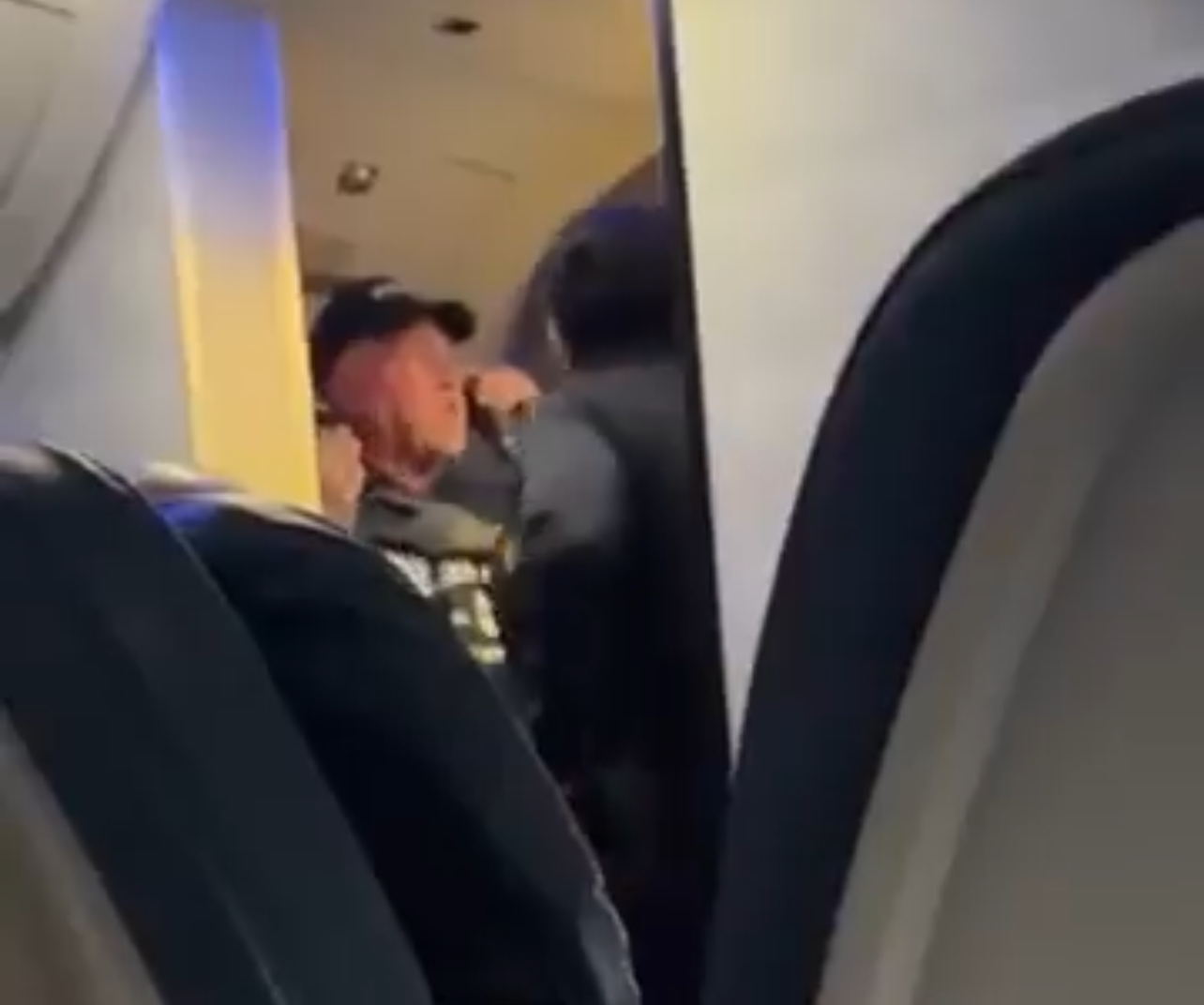
A tense moment was captured on video aboard a Delta Air Lines flight at Hartsfield-Jackson Atlanta International Airport, showing an irate passenger yanking open an emergency exit door after hours of delays caused by severe thunderstorms.
The incident, which occurred on April 29, 2026, highlights growing passenger frustration with prolonged tarmac waits and has sparked debate about airline policies during weather-related disruptions.
Passenger Opens Door on Delta Flight
The flight, Delta 2879 bound for Chicago’s O’Hare International Airport (ORD), was carrying 168 passengers when it was held on the ground due to a ground stop at O’Hare triggered by severe thunderstorms.
According to accounts and video footage, the plane had already been delayed for three to four hours when tensions escalated.
In the shaky, handheld video filmed from a passenger’s seat, an older man with a gray goatee and wearing a hat can be seen standing near the emergency exit row, shouting at crew members.
“Hey, how long has it been delayed already? Three or four hours and now you’re talking another… Get me to the gate. I want off! Or I’ll take myself off!” he yells. When someone intervenes, he retorts defiantly, “You know who matters? Me. Yeah, I told you idiots.”
Moments later, the man grabs the emergency exit door handle and pulls it open. Flight attendants react with alarm—“Oh my god!”—as the door swings partially ajar. No evacuation slide deployed, avoiding what could have been a far more dangerous situation.
The captain’s voice then comes over the intercom: “Sir, this is the captain speaking… We are going to go back to the gate.” The passenger responds sarcastically, “Yeah, good idea.”
The aircraft taxied back to the gate, where the man was removed by security personnel. Delta confirmed the customer became “unruly” and attempted to open a cabin door while the plane was still on the ground.
The airline stated there were no injuries and that the flight eventually departed hours later, arriving in Chicago early the next morning.
Atlanta Airport Delays and Passenger Rights
The incident unfolded against a backdrop of widespread aviation chaos at Atlanta’s Hartsfield-Jackson, one of the world’s busiest airports.
Severe thunderstorms across the Midwest and Southeast on April 29 led to hundreds of delays and cancellations, with Delta alone reporting over 1,000 disruptions at its Atlanta hub. Chicago’s O’Hare was similarly hammered, forcing ground stops that stranded dozens of flights.
U.S. Department of Transportation (DOT) rules require airlines to return planes to the gate for deplaning after three hours of tarmac delays on domestic flights (four hours for international), with limited exceptions for safety or air traffic control issues.
Many passengers and online commenters argued that the extended wait—described by some as feeling like being “held captive”—pushed the man to his breaking point, though most condemned the method as reckless and illegal.
Legal and Safety Implications
Opening an emergency exit on the ground, even without slide deployment, can result in federal charges for interfering with a flight crew, potential fines, and placement on the no-fly list.
While Delta has not publicly confirmed charges against this passenger as of April 30, similar past incidents have led to arrests and prosecution.
Aviation experts note that such actions create unnecessary security risks and can delay flights even further for everyone onboard.
Social media reactions were sharply divided. Some users called the man a “hero” or “boomer getting shit done” for refusing to tolerate what they saw as poor treatment by airlines.
Others labeled it dangerous and selfish, pointing out that it endangered crew and passengers while guaranteeing longer delays. One commenter noted the irony: “He wanted off faster and ended up making everyone wait longer.”
Broader Airline Passenger Frustrations
This event is the latest in a string of high-profile unruly passenger incidents on Delta and other carriers.
Airlines have faced criticism for opaque delay communications, cramped seating, and policies that keep passengers boarded during extended holds
Delta emphasized in its statement that “the safety of our customers and crew is paramount,” but many travelers argue carriers need better contingency plans for weather events—such as allowing voluntary deplaning sooner or providing clearer updates.
As air travel demand continues to surge, incidents like this underscore the fragile balance between operational realities and passenger patience.
While no one is defending the man’s extreme reaction, the video serves as a stark reminder: when delays stretch for hours in a metal tube on the tarmac, emotions can run high—and sometimes, the breaking point arrives faster than the plane does.
Check Out Our Atlanta Travel Guide
-
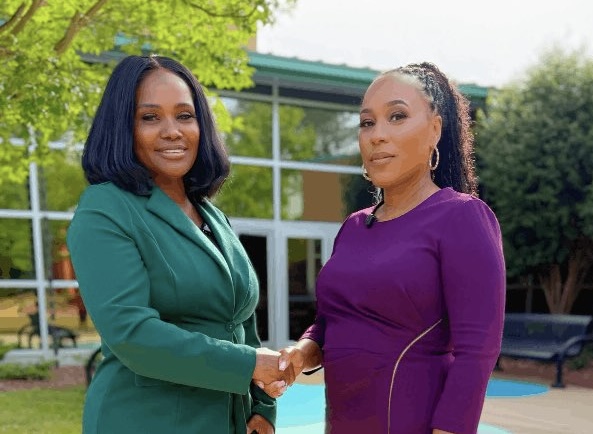
In a strategic move just days into early voting for Georgia’s 2026 Democratic primary, reality television star, dentist, and congressional candidate Dr. Heavenly Kimes unveiled a powerful new campaign video highlighting a major endorsement from Fulton County District Attorney Fani Willis.
The 48-second clip shows Kimes standing side-by-side with Willis in an outdoor setting in front of a modern building with glass doors, trees, and landscaped grounds—symbolizing unity and strength.
Fulton County DA Fani Willis Endorses Heavenly Kimes in Georgia’s 13th District Race
The video opens with bold on-screen text declaring: “Fani Willis, Esq. Fulton County District Atty Endorses Dr Heavenly Kimes For Congress District 13.”
Dr. Kimes, dressed in a purple top with braided hair and large hoop earrings, speaks directly to the camera with conviction while Willis, in a green blazer and bob haircut, stands supportively beside her, nodding and listening attentively. The clip ends with Instagram branding and the same endorsement graphic fading out.
In the accompanying post and video narration, Kimes expresses gratitude for the endorsement: “I am truly honored to have the endorsement of Fani Willis, District Attorney of Fulton County. That means something—because she fights for justice, and she knows a fighter when she sees one.” She then pivots to her platform, vowing to “fight for healthcare… affordability… criminal justice and environmental justice.” Kimes pledges to build on the legacy of longtime Democratic Rep. David Scott by supporting HBCUs and expanding on prior investments.
She also calls for increasing SNAP benefits, making the Affordable Care Act permanent, and expanding Medicare and Medicaid, framing the race around everyday struggles: “Gas is high. Groceries are high. Families are struggling. People are hungry—not just for food, but for leadership.”
Kimes closes with a direct appeal to voters: “I’m Dr. Heavenly Kimes—and I’m not just asking for your vote… I’m ready to be your voice in Washington.” She urges supporters to vote early, linking to her campaign site.
Who Is Dr. Heavenly Kimes?
Dr. Heavenly Kimes is best known as a cast member on Bravo’s Married to Medicine, where her no-nonsense personality, entrepreneurial spirit, and dental practice have made her a fan favorite for over a decade.
A licensed dentist and small business owner, she positions herself as a “mother, wife, doctor, leader” bringing real-world experience to Washington.
She launched her bid for Georgia’s 13th Congressional District in September 2025 and has centered her campaign on healthcare access, economic relief, and “unbought, unbossed” representation for working families in the Atlanta-area district.
Watch Dr. Heavenly Kimes hold her own in debate.
The primary election is set for May 19, 2026, with early voting already underway.
Kimes is one of several Democratic contenders in what has become a competitive race following Rep. David Scott’s decision not to seek re-election. Other candidates include state Sen. Jasmine Clark and former state Rep. Emanuel Jones.
The Significance of the Fani Willis Endorsement
Fani Willis, who gained national prominence as the prosecutor in the Georgia election interference case involving former President Donald Trump, is a polarizing yet influential figure among Democrats in Fulton County—one of the district’s key population centers.
Her public appearance alongside Kimes signals strong backing from progressive and justice-focused voters. In the video, Willis’s silent but visible support reinforces Kimes’s message of bold, fearless leadership.
The endorsement comes at a pivotal moment. With early voting active and the primary less than three weeks away, Kimes is using the high-profile moment to energize her base and differentiate herself in a crowded field. Her campaign website emphasizes building “a healthier, wealthier, stronger Georgia District 13.”
Voters React—and the Race Heats Up
The endorsement has already begun generating buzz across the spectrum. While some reactions are enthusiastic, others reflect the partisan divide surrounding both Kimes and Willis.
Regardless, the video marks a clear escalation in Kimes’s visibility as she positions herself as the fighter ready to carry forward progressive priorities in Congress.
As Georgians head to the polls, this endorsement video underscores a central theme of Kimes’s campaign: leadership that is unafraid to stand up, speak out, and deliver results for everyday people. Whether it propels her to victory remains to be seen—but one thing is certain: Dr. Heavenly is in the fight.
-
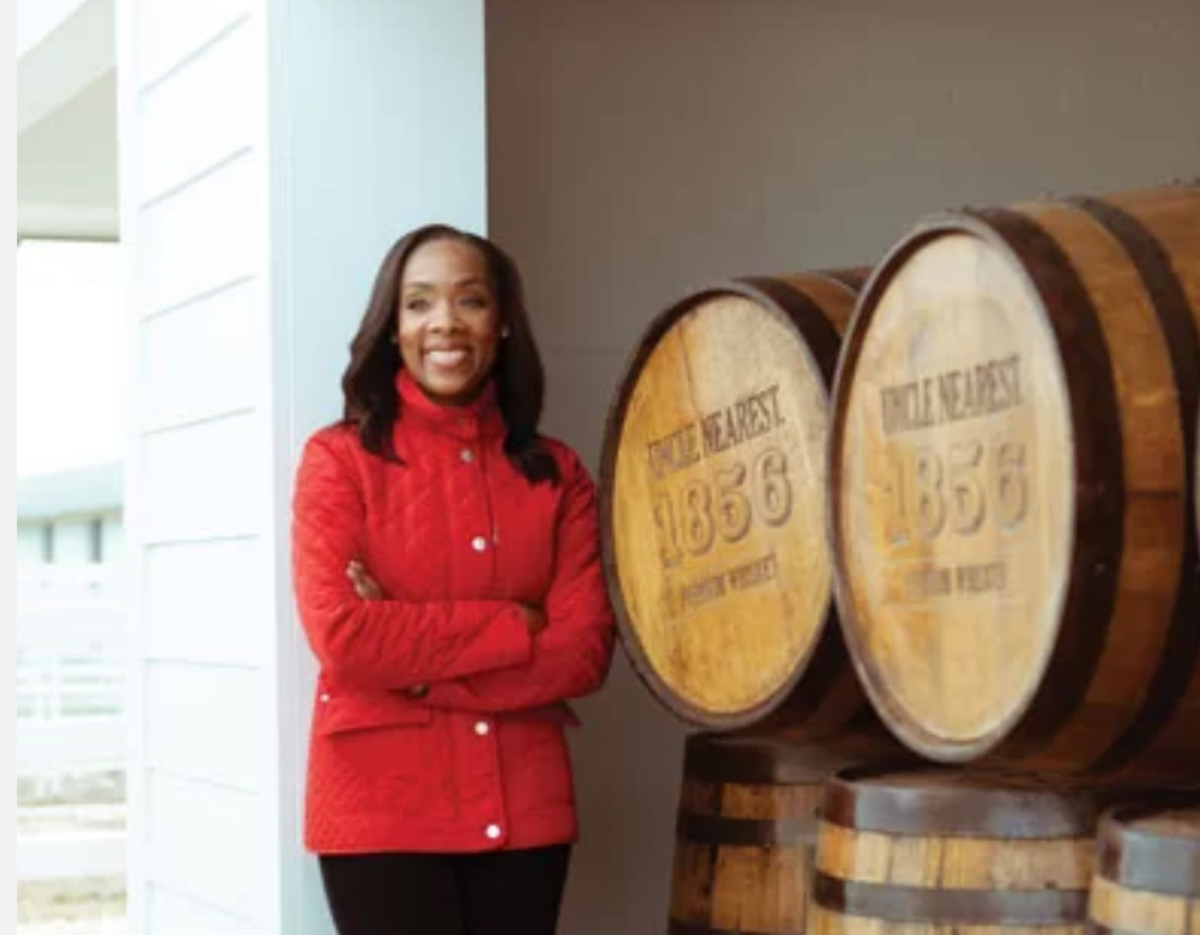
April 10, 2026 — The company behind the popular Uncle Nearest whiskey brand would likely shut down within 30 days without ongoing court protection, cash support from its secured lender, and strict cost-cutting measures, according to a new quarterly report filed in federal court.
Uncle Nearest Premium Whiskey, based in Bedford County, Tennessee, with strong connections to nearby Lynchburg, honors Nathan “Nearest” Green — the formerly enslaved Black man credited with teaching Jack Daniel the art of whiskey-making. Fawn Weaver founded the company in 2017 to celebrate Green’s legacy.
Uncle Nearest Collapse Certain Without Help, Court Told
Court-appointed receiver Phillip G. Young, Jr., submitted his third quarterly report to U.S. District Judge Atchley on April 10, 2026.
The document describes the spirits company as insolvent and operationally vulnerable, relying heavily on external support to stay afloat while racing to complete an asset sale.
Young warned that the business would cease operations without continued funding from secured lender Farm Credit Mid-America, the court’s litigation stay that shields it from creditor claims, and oversight from the receivership team.
“The cessation of business would cause the loss of nearly 70 jobs and the disappearance of a brand with significant social and cultural value,” Young stated in the report.
Progress Toward a Sale
Despite the financial strain, the receiver reported meaningful buyer interest in the company’s assets. Working with investment firm Arlington Capital Advisors, the team has marketed substantially all assets for several months.
Young expressed hope of securing a “stalking horse” bidder — an initial offer that sets the minimum for a competitive auction — by the end of April 2026.
No parties showed interest in refinancing the debt, but buyer demand for the assets themselves has been described as robust.
Young also identified a buyer for the company’s real estate on Martha’s Vineyard and is in active talks regarding assets in Cognac, France, with calls scheduled in the coming weeks.
To preserve maximum value, the receiver emphasized that a sale of the company as a going concern must close no later than the second quarter of 2026.
Litigation and Brand Impact
Young attributed part of the company’s difficulties to legal actions by founder Fawn Weaver and her husband, Keith Weaver.
These include unauthorized bankruptcy filings (dismissed by a federal bankruptcy court in March 2026) and additional lawsuits in Tennessee and New York state courts.
According to the report, these actions — along with public statements by the Weavers — have harmed the Uncle Nearest brand and contributed to declining sales. Young based this assessment on discussions with creditors, vendors, employees, shareholders, consultants, and potential investors.
A pending motion filed by the receiver seeks a gag order on Fawn Weaver, Keith Weaver, and their entity Grant Sidney, citing confusion caused by their public comments, including social media posts and a video suggesting the receivership had ended.
Legal fees for the receiver’s counsel, Thompson Burton PLLC, exceeded budget this quarter due to the volume of filings requiring responses from the Weavers.
Financial Record Concerns and Cost-Cutting
The report highlighted serious issues with the company’s records. A significant portion of financial documents from before 2024 was reportedly erased from company systems, though some have been recovered. The receiver is continuing efforts to retrieve the rest.
Young also noted irregularities in related-party transactions involving Grant Sidney and another Weaver-linked entity, Quill and Cask Owner LLC. These are under review using external documentation as part of an ongoing forensic investigation.
The company has not filed federal income tax returns since 2018. A tax professional has been engaged to address this in the coming quarter. However, state tax issues in Tennessee and New Jersey have been resolved, bringing the company into good standing in both states.
To stabilize operations, the workforce was reduced by 34 employees — representing about 38% of total headcount — including cuts in management. Combined with tighter spending controls, these measures achieved cash-flow neutrality for the quarter (excluding debt payments and pre-receivership obligations, which the company cannot currently meet).
On a positive note, accounts receivable collections improved by more than $800,000, a 22% increase over the quarter.
Pending Court Matters
Two key motions remain before Judge Atchley: one from the receiver seeking to expand the receivership to additional Weaver-affiliated entities, and another from the Weavers asking to dissolve the receivership entirely.
Rulings on these could come soon in light of the updated financial information.
The receivership continues as the company pushes forward with asset sales amid ongoing legal and financial challenges.
-
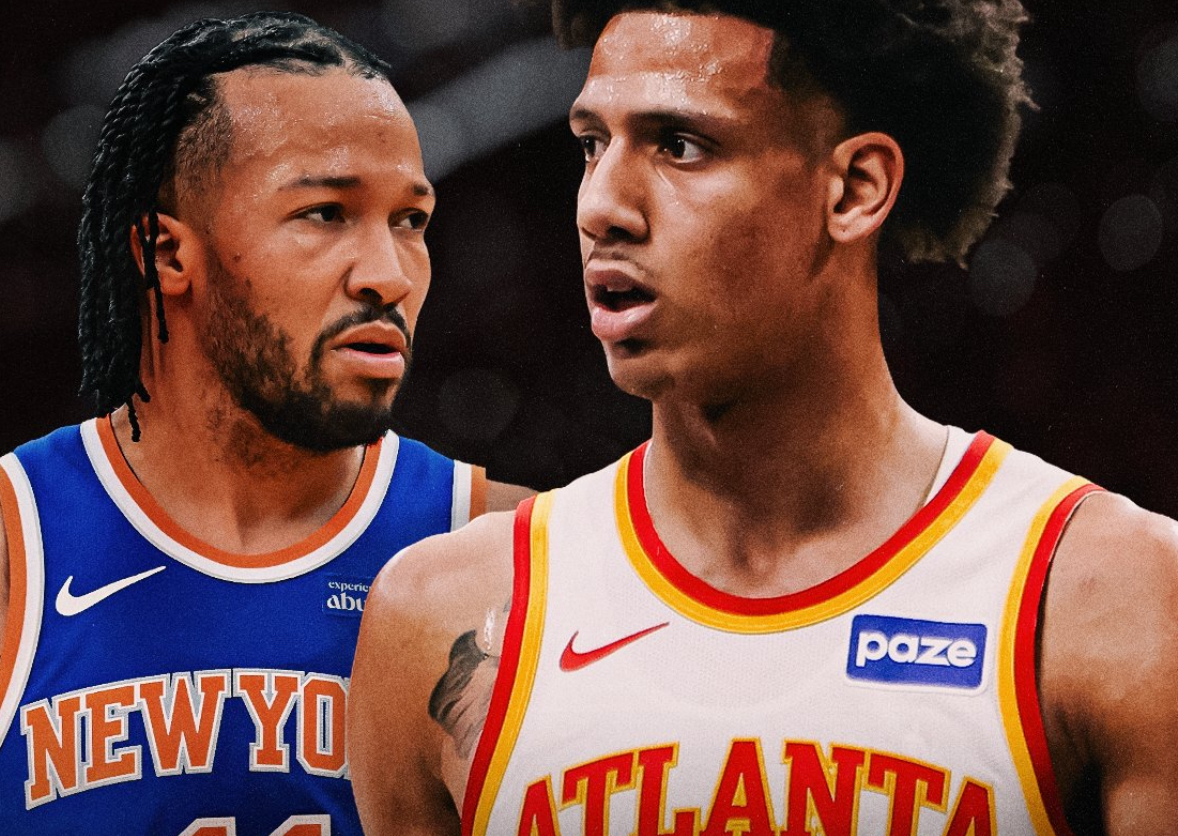
Atlanta, GA – The Atlanta Hawks have the New York Knicks on the ropes, and State Farm Arena is ready to erupt as the teams face off in Game 4 of their Eastern Conference First Round playoff series tonight.
Hawks Look to Take 3-1 Lead Over Knicks in Game 4 at State Farm Arena
Tip-off is set for 6:00 PM ET, with the Hawks leading the series 2-1 after two nail-biting home victories.
Series So Far: Heart-Stoppers in Atlanta
- Game 1 (at MSG): Knicks 113, Hawks 102 – New York jumped out strong behind Jalen Brunson and Karl-Anthony Towns.
- Game 2 (at MSG): Hawks 107, Knicks 106 – CJ McCollum went off for 32 points in a road stunner to even the series.
- Game 3 (at State Farm Arena): Hawks 109, Knicks 108 – McCollum delivered again with a clutch fadeaway jumper with 12.5 seconds left, capping a thrilling comeback win.
The Hawks have won two straight games by a single point each.
This series has been pure playoff intensity—close games, big shots, and momentum swings.
Hawks Keys to Victory: Ride the Home Crowd & Clutch Heroes
Quin Snyder’s squad has found its rhythm at home. The energy at State Farm Arena has been electric, and with a sold-out crowd expected (plus plenty of noise), the Hawks will lean on:
- CJ McCollum – The veteran guard has been unstoppable in crunch time, averaging big numbers and making game-winning plays. He’s the heartbeat of this offense right now.
- Jalen Johnson – Explosive scoring and rebounding. His versatility on both ends gives Atlanta a huge edge.
- Onyeka Okongwu & Frontcourt – Controlling the paint and glass while limiting Karl-Anthony Towns.
- Perimeter Defense (Dyson Daniels, Nickeil Alexander-Walker) – Forcing turnovers and creating transition buckets, which has fueled Atlanta’s recent success.
Injury Note: Jock Landale (high ankle sprain) remains out, but the Hawks have managed well without him so far.
The message from the locker room is clear: Protect home court, push the pace, and make it a long night for the Knicks.
Knicks Outlook: Must-Win on the Road
New York comes in needing a victory to avoid falling into a 3-1 hole. Jalen Brunson remains their engine (expect another big scoring night), supported by Karl-Anthony Towns, OG Anunoby, and Josh Hart.
The Knicks have been strong in the paint but have struggled with turnovers and consistency from their supporting cast.
Head coach Mike Brown may tinker with the starting lineup (possibly inserting Miles McBride for more offense). The Knicks will try to slow the game, dominate the boards, and hope Brunson can engineer a road win.
Betting Odds Snapshot (as of Saturday)
- Spread: Knicks -1.5 (slight road favorite)
- Moneyline: Knicks -130 | Hawks +110
- Total: Around 214.5 points
Vegas sees a tight one, but the home crowd and Atlanta’s momentum could flip that script.
Prediction
The Hawks have the momentum, the home advantage, and the clutch performers.
Expect a fired-up State Farm Arena to push Atlanta over the top in another close battle. Hawks 112, Knicks 107 – and suddenly, it’s 3-1 with a chance to close it out in New York.
Let’s go Hawks! Rise up, Atlanta. Game 4 is here—time to make some more playoff memories. Tune in on NBC/Peacock and be loud tonight!
-
ATLANTA — State Farm Arena was rocking Thursday night as the Atlanta Hawks pulled out a heart-stopping 109-108 win over the New York Knicks in Game 3 of their Eastern Conference first-round playoff series.
With the victory, the sixth-seeded Hawks seized a 2-1 lead over the higher-seeded Knicks and sent a clear message: this series is far from over.
Hawks Vs. Knicks Game 3: Atlanta Does it Again
The game lived up to the playoff hype, featuring big leads, momentum swings, and a dramatic finish worthy of a Game 7.
Atlanta jumped out strong, building a double-digit advantage that they largely maintained until a late Knicks surge. But clutch execution and defense carried the day for the Hawks.
Taylor Rooks gives back to hometown with medical debt relief
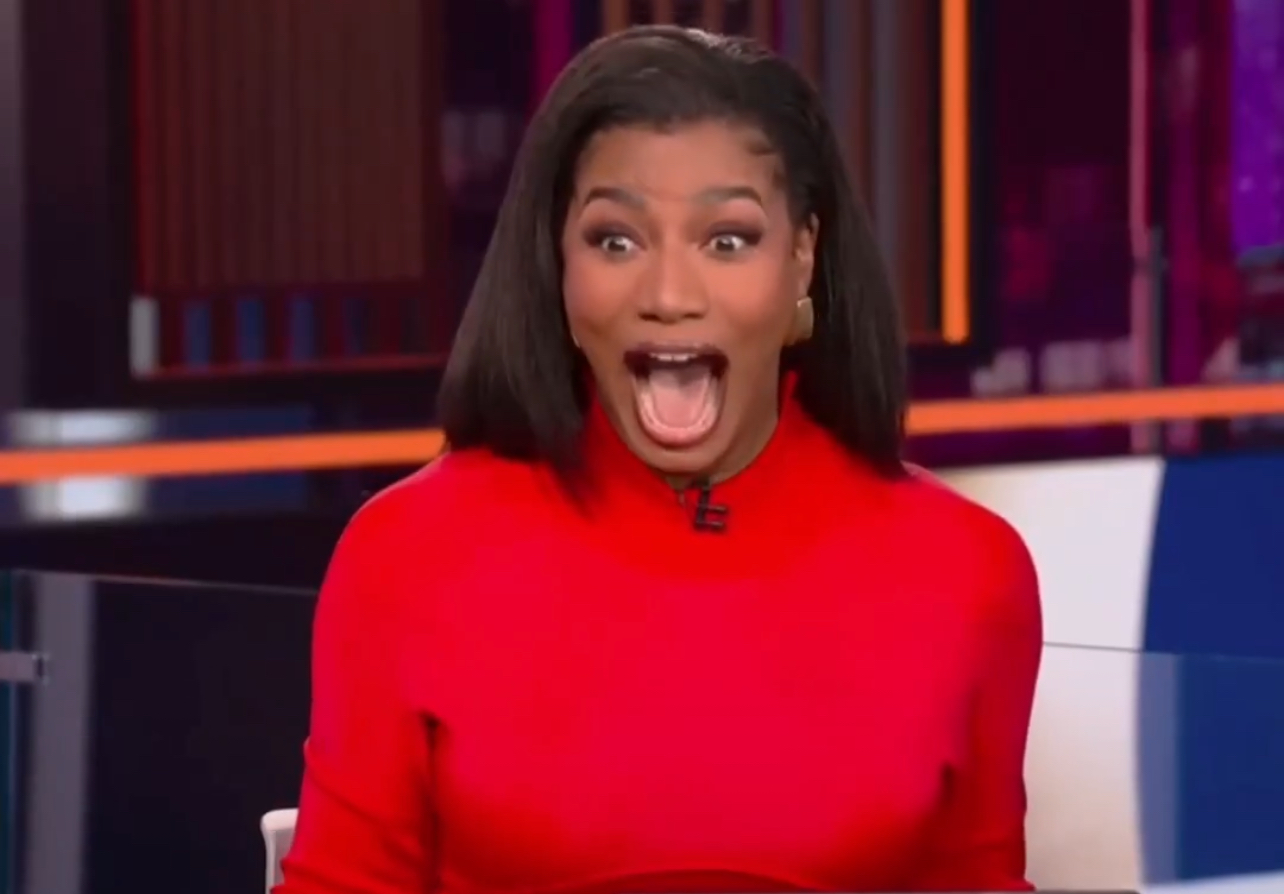
Metro Atlanta native Taylor Rooks couldn’t hide her excitement after the win.
Playoff CJ McCollum Delivers Again
Veteran guard CJ McCollum, aka, “Playoff CJ,” acquired at the trade deadline, once again proved why he’s a nightmare for New York.
He finished with 23 points, including the go-ahead midrange jumper with 12.5 seconds left that gave Atlanta a 109-108 lead. McCollum shook his defender with crisp dribbles and stepped back for his signature shot over Josh Hart.
It was déjà vu from Game 2, where McCollum also starred in a comeback win.
The 34-year-old showed poise under pressure, bouncing back from a blocked layup moments earlier that helped set up Jalen Brunson’s three-point play.
Kuminga and Johnson Shine Bright
Jonathan Kuminga, another key trade acquisition from the Warriors, exploded for 21 points off the bench, adding crucial energy and a game-sealing steal in the final seconds. He went 4-for-4 early and provided the lift the
Hawks needed to stretch their lead.
Jalen Johnson delivered a near triple-double with 24 points, 10 rebounds, and 8 assists, controlling the flow and making key plays late. His all-around dominance helped Atlanta weather the Knicks’ rally.
Defensive Masterclass Seals It
The Hawks’ perimeter defense, led by Dyson Daniels and Nickeil Alexander-Walker, harassed the Knicks all night, holding them to 43% shooting overall.On the final possession, with New York trailing by one, the Hawks swarmed Jalen Brunson. Onyeka Okongwu and Kuminga converged, forcing a turnover as the ball bounced loose. Kuminga poked it away, and the clock ran out on a stunned Knicks squad.
Knicks’ Perspective
Jalen Brunson led New York with 26 points, while Karl-Anthony Towns added 21 and OG Anunoby contributed 29. Miles McBride provided a spark off the bench with 15 points, including several threes. However, New York struggled with turnovers and couldn’t convert in crunch time despite a late push that briefly gave them the lead.Coach Mike Brown acknowledged the Hawks’ resilience: “It’s a seven-game series for a reason. Stuff’s gonna happen.”
What’s Next?
The series shifts to Game 4 on Saturday, April 25, back at State Farm Arena (6 p.m. ET). The Hawks will look to build on their home dominance and push the favored Knicks to the brink, while New York must find answers to Atlanta’s balanced attack and stingy defense.Hawks fans, this team is playing with heart and belief. Let’s keep the State Farm energy electric — Atlanta is buzzing!
Stay tuned to AtlantaFi.com for full box scores, highlights, and postgame reaction.
-
ATLANTA — Grocery shoppers in the Atlanta area can now sink their teeth into a smoky new favorite: Publix new brisket subs.
The popular grocery chain has rolled out a lineup of brisket-inspired deli items, including three new Pub Subs and one stacked sandwich, marking what the company calls “a new era of flavor” at the deli counter.
Publix New Brisket Subs Absolutely Slap
Announced earlier this month, the brisket options feature tender, hickory-smoked beef brisket seasoned with Texas-inspired spices and smoked low and slow over real hardwood.
Each item includes a signature Sweet & Spicy BBQ sauce that adds a perfect balance of tangy sweetness and mild heat.
Publix New Brisket Subs: Here’s what Atlanta customers can order:
- Publix Southern-Style Brisket Sub: Described as the ultimate comfort food, this sub piles eight ounces of smoked brisket on a fresh sub roll with Publix cheddar cheese, dill pickles, crispy fried onions, and that Sweet & Spicy BBQ sauce. It’s a Southern twist perfect for fans of classic barbecue flavors.35
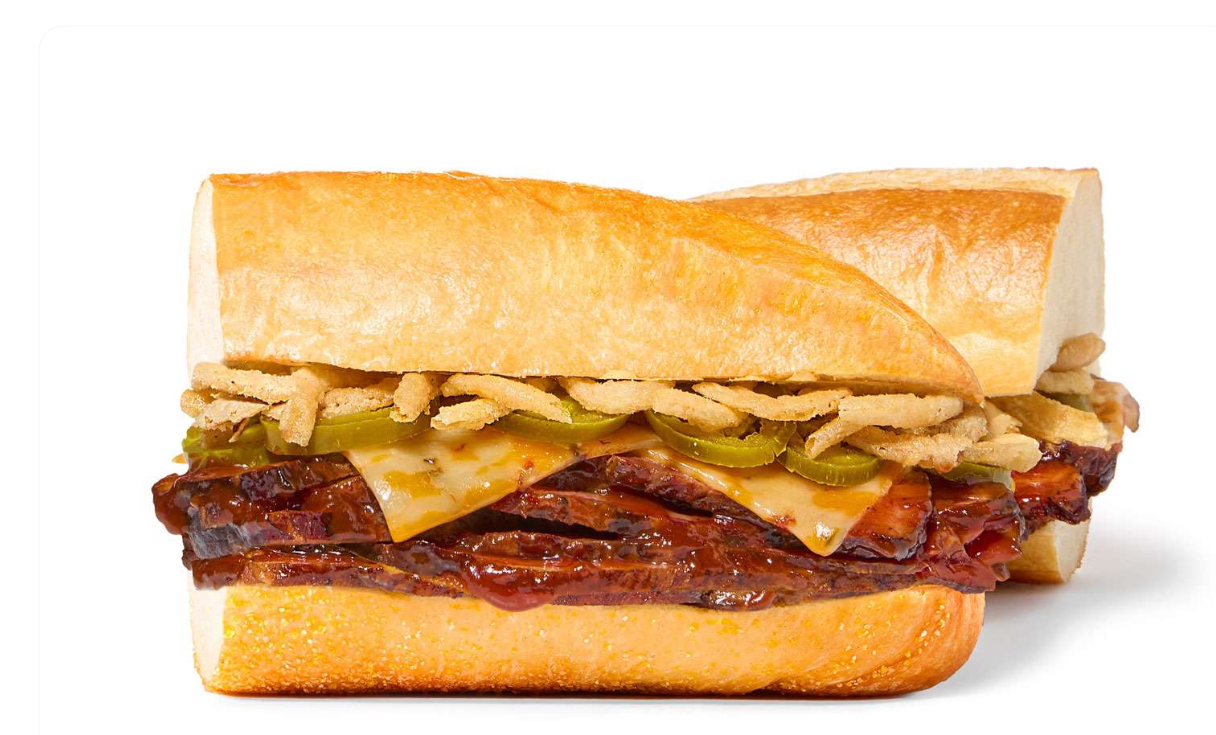
- Publix Spicy Brisket Sub: For those who like a kick, this one layers the brisket with Boar’s Head Bold 3-Pepper Colby Jack cheese, sliced jalapeños, crispy Publix fried onions, and the Sweet & Spicy BBQ sauce on a sub roll. Expect bold heat and satisfying crunch.
- Publix Brisket, Lettuce and Tomato Sub: A fresher, more classic take that pairs the smoky brisket with crisp lettuce, ripe tomatoes, and the Sweet & Spicy BBQ sauce. It’s a lighter option that still delivers on barbecue satisfaction.
- Publix Stacked Brisket and Brioche Sandwich: This hearty sandwich features a full half-pound of tender smoked brisket stacked high on a soft, buttery brioche roll and drizzled with Sweet & Spicy BBQ sauce. It’s the richest, most indulgent option in the new lineup.
The brisket itself comes from a Texas-based supplier and is pre-cooked, thawed, and finished in-store.
Whole subs typically run around $15–16 (prices vary slightly by location and any current promotions), while the sandwich starts a bit higher. Half subs are also available, and customers can order online via the Publix app or website for quick in-store pickup at Atlanta-area locations.Local reaction has been mixed but excited, with some Atlanta barbecue lovers eager to try grocery-store brisket done Publix-style, while others are curious to see how it stacks up against traditional smoked meats from the city’s renowned pitmasters.
Early online chatter suggests the Southern-Style and Spicy versions are generating the most buzz.
Publix, which operates dozens of stores across metro Atlanta, says the new items are available now at participating deli counters.
Whether you’re grabbing a quick lunch after work, feeding the family, or tailgating on a weekend, these brisket creations offer a hearty, flavorful addition to the chain’s famous Pub Sub lineup.
Have you tried the new brisket subs yet? Head to your nearest Publix deli and let us know which one is your favorite in the comments. For the latest Atlanta food news and grocery updates, stay tuned to AtlantaFi.com.
Prices and availability may vary by store. Check your local Publix for details and current promotions.
-

ATLANTA — Mellow Mushroom, the beloved Atlanta-based stone-baked pizza chain, is stepping beyond its signature pies with a fresh pilot menu of eight creative sandwiches and wraps now available for a limited time at select spots in Georgia, North Carolina, and Tennessee.
The new handheld offerings were designed to broaden the brand’s flavor lineup while keeping the same inventive spirit that has made its pizzas legendary — think layered ingredients, unexpected combinations, and craveable sauces reimagined in portable form.
Mellow Mushroom’s New Sandwiches: What To Know
If the pilot proves popular, the sandwiches could become a permanent addition to menus across the chain.
“Expanding our menu with more sandwiches gave us a new canvas to play with bold flavors in a handheld format,” said Dave Woolley, Head of Culinary at Mellow Mushroom. “We took the same creative spirit behind our pizzas with layered ingredients, unexpected combinations and craveable sauces, and reimagined them into sandwiches and wraps that feel both familiar and totally new.”
Mellow Mushroom’s New Sandwich Lineup
Here’s what’s on the pilot menu:
• Beer Cheese Philly — Steak or chicken with bell peppers, caramelized onions, garlic aioli, topped with beer cheese and tangy peppers.
• Meatball Parmesan — Meatballs smothered in vodka sauce, provolone, topped with mozzarella, pesto, and grated Parmesan.
• Chicken Pesto — Pesto chicken topped with melty mozzarella, roasted tomatoes, shredded romaine, creamy pesto, and grated Parmesan. (Available as a sub or wrap.)
• Buffalo Bang Chicken — Crispy chicken tossed in Buffalo sauce, topped with applewood-smoked bacon, provolone, shredded romaine, pickled onions, Grillo’s® pickles, and bleu cheese. (Available as a sub or wrap.)
• Italian Deluxe — Salami, honey ham, pepperoni, fresh mozzarella, roasted tomatoes, banana peppers, creamy pesto, topped with shredded romaine and a balsamic vinaigrette drizzle. (Available as a sub or wrap.)
• Sweet Heat Jerk Chick — Jerk chicken, pineapple, mushrooms, banana peppers, topped with provolone and creamy pesto.
• The Greek — Cucumbers, kalamata olives, banana peppers, roasted tomatoes, shredded romaine, topped with sheep’s milk feta, lemon pepper seasoning, and garlic aioli. (Available as a sub or wrap.)
• Chicken Caesar Wrap — Melty mozzarella with chicken, shredded romaine, grated Parmesan, and pickled red onions tossed in Caesar dressing.
Mellow Mushroom’s New Sandwiches: Where to Find Them
These sandwiches are available exclusively at the following Mellow Mushroom locations through Tuesday, July 7 (with a possible extension based on demand):
• Hickory, NC
• Athens, GA
• Decatur, GA
• Cartersville, GA
• Peachtree City, GA
• Hiram, GA
• Warner Robins, GA
• Dunwoody, GA
• Gatlinburg, TN
The lineup will also launch at the Grant Park (Atlanta) location on Tuesday, May 12.
Guests are encouraged to try the new items and share their thoughts. Feedback can be submitted via a QR code provided with to-go orders or tableside at the test locations.
That input will directly influence whether — and how — these sandwiches make their way onto more menus in the future.
“This new, piloted sandwich lineup is all about listening to our guests and evolving the menu while staying true to what our guests love about Mellow,” said Elizabeth Brasch, EVP of Marketing at Mellow Mushroom. “We intentionally chose a mix of markets with highly engaged fans to help us test, learn and refine. Guest feedback will directly shape what comes next, making this a truly collaborative step in growing the Mellow menu and expanding into a competitive lunch-forward option.”
Mellow Mushroom fans in metro Atlanta and beyond now have even more reasons to visit their local spot this spring and summer.
Whether you’re craving something familiar with a twist or ready to explore bold new flavors in handheld form, these limited-time sandwiches offer a fresh way to enjoy the Mellow experience.
Head to one of the participating locations, scan the QR code after your meal, and help shape the future of the menu. The ‘Shroom is listening.
-
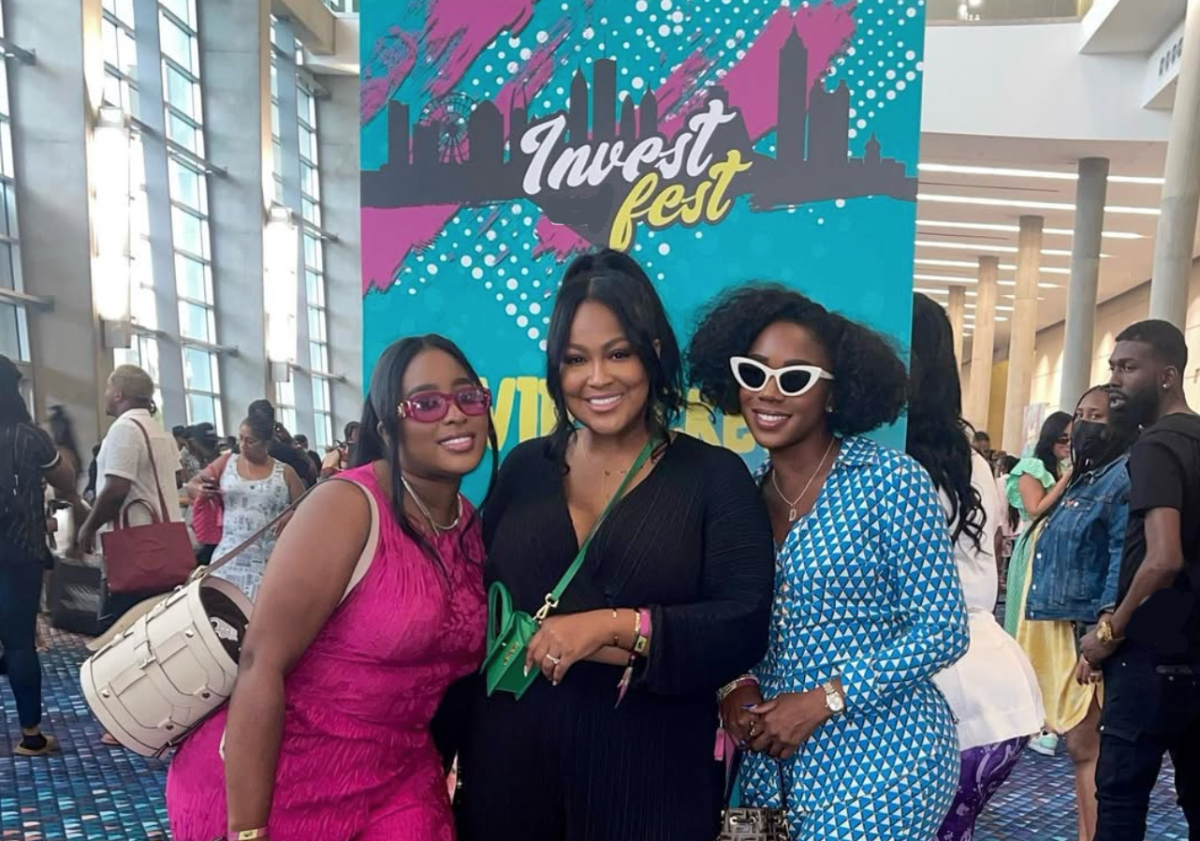
Invest Fest, the financial education and entrepreneurship conference that combines investing, business, pop culture, and entertainment, is once again being held in downtown Atlanta this year.
The Invest Fest 2026 financial event Atlanta is one of the best festivals in the city time and time again.
Organized by Earn Your Leisure, it aims to empower attendees with tools for wealth-building and saving money through keynote speeches, ppanels, live interviews, vendor activations, pitch competitions, and networking events.
Invest Fest 2026: What To Know
The event features prominent speakers like Magic Johnson, Jack Dorsey, Issa Rae, Steve Harvey, and others, focusing on topics like AI, crypto, real estate, and estate planning.
It’s known for its vibrant atmosphere, including musical performances and a marketplace with over 400 vendors.
When Is Invest Fest This Year?
Invest Fest 2026 will take place from August 7-9, 2026, at the Georgia World Congress Center, 285 Andrew Young International Blvd NW, Atlanta, GA 30313.
Additional Details:
- Attendance: Expected to draw over 40,000 attendees across three days.
- Highlights: Includes a $125,000 tech pitch competition, Operation HOPE Business Scholarships ($25,000 each for five entrepreneurs), and a VIP-only Deal Room for investor-entrepreneur connections.
- Tickets: General admission starts at $250, VIP tickets at $1,500. Presale is ongoing, with group discounts available.
- Theme: Focus on AI and future economic trends, with panels on financial empowerment and innovation.
- Related Events: A comedy show on August 21, 2025, and a kickoff party at Embr Lounge on August 21–22, 2025.
Open Pitch is the high-energy startup competition built to discover and support the most promising early-stage companies. With hundreds of applicants, five finalists, and one ultimate winner, the competition delivers more than exposure—it connects founders directly with active investors and business leaders who know what it takes to scale.
Finalists will pitch live on stage at Invest Fest at the Georgia World Congress Center. The top five startups will be selected from 25 semi-finalists and evaluated by a panel of guest investor judges. Finalists receive real-time feedback, strategic connections, and a shot at national visibility—and one will walk away with a $125,000 investment from Open Opportunity Fund.
“Invest Fest has become one of the most powerful platforms for economic empowerment in our culture,” said Paul Judge, Managing Partner at Open Opportunity Fund. “Bringing Open Pitch to this audience is about spotlighting world-class founders who are building the future. We’re proud to back them with capital and community.”
Final Word
“At Earn Your Leisure, our mission is rooted in ownership, access, and opportunity,” said Rashad Bilal, Co-founder of Earn Your Leisure & Invest Fest. “Partnering with Paul and Open Opportunity Fund to launch Open Pitch is a natural evolution of that mission. This is more than a pitch competition—it’s a movement to fund the future.”
Atlanta has a lot of inspirational people and AtlantaFi.com is going to introduce you to many of them as well as cool places to go, great restaurants and other ATL happenings.
Got an event or know of something opening in and around Atlanta? Holla: CJ@AtlantaFi.com. See what’s poppin’ in the ATL! Subscribe to our news alerts here, follow us on Twitter and like us on Facebook.
-

In the latest twist of what has become one of the messiest divorces in Real Housewives of Atlanta history, court documents have revealed a stark income disparity between Drew Sidora and her estranged husband, Ralph Pittman.
The filings, first highlighted in a widely shared social media post, show Sidora earning an average of $12,066 per month in gross income — while Pittman pulls in $71,524 monthly from his technology career.
RHOA Star Drew Sidora’s $12K Monthly Income Exposed in Bitter Divorce Battle — While Husband Ralph Pittman Earns Nearly $72K a Month in Tech
The revelation comes at a critical juncture in the couple’s ongoing split.
Just days earlier, Sidora had filed court papers arguing she lacks the “financial resources” to secure new housing and could face homelessness if forced to move out of the marital home by the court-ordered May 31 deadline.
She also claimed the custody arrangement had shifted against her during proceedings, with a final ruling still pending.
According to the documents obtained by TMZ, Ralph was recently awarded temporary primary custody of the couple’s two children. The decision followed testimony that the kids had been excessively absent from school while in Drew’s care.
Sidora was simultaneously ordered to vacate the family residence by the end of next month — a ruling she says leaves her and at least one child at risk of being without a home.
A High-Stakes Reality TV Divorce
Drew Sidora, known for her roles on RHOA, as well as acting and music projects (including appearances in films frequently streamed on platforms like Tubi), has been open about the personal toll of the divorce on the show.
Pittman, who works in the tech sector, has largely stayed out of the spotlight but has been vocal in court about the children’s schooling and household stability.
The income figures have ignited heated debate online. Many pointed out that $12,066 a month — roughly $145,000 annually before taxes — is a substantial salary by most standards, especially in Atlanta.
Read explosive text messages between Drew Sidora and her husband
Critics questioned how Sidora could claim inability to secure housing, while others noted the couple’s high-cost lifestyle, including the marital home’s mortgage and the expenses of raising children in an affluent area.
Supporters of Sidora countered that her Bravo salary is episodic and supplemented by variable entertainment income, and that Ralph’s nearly six-figure monthly earnings (approximately $858,000 annually) give him far greater financial flexibility.
Social media reactions ranged from shock (“He makes what in tech?!”) to skepticism (“Those Housewives checks are way more than $12K”) and even memes comparing the former couple’s appearances.
Some users recalled earlier claims in the divorce that Ralph had sought spousal support, adding another layer of irony to the newly public numbers.
What Happens Next?
The May 31 move-out deadline remains in place unless overturned.
A final custody determination is still pending, and the divorce proceedings continue to play out publicly — both in court and across RHOA episodes. Sidora has not yet commented publicly on the income documents beyond the filings themselves.
This latest chapter underscores a common reality in high-profile divorces: what looks like substantial income on paper can quickly become strained when split between two households, legal fees, and maintaining a certain lifestyle.
For now, Drew Sidora finds herself fighting on two fronts — in court and in the court of public opinion — while the numbers tell a story of vastly different financial realities.
As the saga unfolds, fans of the franchise will no doubt be watching closely to see how this high-earning tech husband and his reality-star wife navigate the next courtroom battle. One thing is clear: in the world of Real Housewives, the drama is rarely just for the cameras.
-

Atlanta Beltline and city leaders are celebrating the grand opening of the final 1.2-mile segment of the Southeast Trail (formerly known as Southside Trail Segments 4 and 5).
The ribbon-cutting ceremony takes place at 3:30 p.m. at 905 Glenwood Ave SE, marking a significant step toward completing the ambitious 22-mile Beltline loop.
Atlanta Beltline Opens Southeast Trail, Adding 1.2 Miles of Connectivity to Southside Neighborhoods
This new paved multi-use trail runs from Boulevard to Glenwood Avenue, completing the full 2.5-mile Southeast Trail from the iconic Krog Street Tunnel to Boulevard Southeast.
It brings the total paved Beltline trail network to 14.8 miles, with more expansions on the horizon.
Connecting Communities and Enhancing Access
The Southeast Trail directly serves four vibrant Southside neighborhoods: Glenwood Park, Grant Park, Ormewood Park, and Boulevard Heights
It provides safer, more accessible routes for walking, biking, and commuting, including improved paths to Parkside Elementary and Maynard Jackson High School—the second Atlanta public high school located directly on the Beltline.
By improving connectivity between these areas and linking to the broader Eastside Trail network, the project promotes active transportation, recreation, and economic activity in historically underserved communities.
When did the Southeast Trail Open?
The Southeast trail opened Thursday, April 16, 2026.
What to Expect on the New Trail
Visitors can enjoy a scenic, well-designed path featuring:
- Vibrant public art, including colorful murals along Wylie Street.
- Proximity to attractions like the Stumpery Garden at the Atlanta Botanical Garden’s Arboretum.
- Easy access to retail, dining, and entertainment in Glenwood Park and along Memorial Drive.
- Nearby highlights such as Zoo Atlanta and Grant Park.
The trail is designed for all users—walkers, runners, cyclists, and families—offering a safe, multi-use corridor that reflects the Beltline’s vision of transforming old rail lines into vibrant public spaces.
Broader Impact and Future Plans
This opening advances the Beltline’s goal of creating a 22-mile loop of trails, parks, and future transit that will connect 45 neighborhoods. Construction was handled by Reeves Young, with design by Kimley-Horn.
Looking ahead, the completion of the remaining Southside Trail (expected by June 2026) will add even more continuous paved trail, pushing the network toward 17.9 miles total.
Additional projects, including lighting, cameras, and connections like the Westside Trail expansions, continue to progress.
A Milestone for Atlanta
Atlanta Beltline President and CEO Clyde Higgs, along with local officials including City Councilmember Jason Winston and representatives from Grant Park Neighborhood Association, highlighted the project’s role in fostering equity, health, and community pride.45
Whether you’re a longtime resident exploring new routes or a visitor discovering Atlanta’s urban renaissance, the Southeast Trail offers fresh opportunities to experience the city’s dynamic mix of nature, art, and culture.
Lace up your shoes, hop on a bike, or grab the family—the Beltline’s latest chapter is open and ready for adventure. For maps, directions, and updates, visit beltline.org.
More Content From AtlantaFi.com: