-

Aaron Mattison, who served as chief financial officer for Pinky Cole’s now-shuttered Atlanta restaurant Bar Vegan from 2021 to 2022, has been indicted on multiple felony charges including theft by taking, first-degree forgery, and money laundering.
According to court documents, Mattison allegedly orchestrated several unauthorized financial moves while overseeing the restaurant’s books. Prosecutors say he fabricated documents that appeared to have Bar Vegan’s approval, then wired $87,000 to accounts he controlled for his personal benefit.
Pinky Cole’s Ex-Bar Vegan CFO Indicted on Theft, Forgery, and Money Laundering Charges
He is also accused of making repeated $600 withdrawals between September 2021 and June 2022 that totaled more than $24,999, followed by transfers across multiple bank accounts in what authorities describe as a money-laundering scheme.
Bar Vegan, an extension of Cole’s popular Slutty Vegan brand, was located in Ponce City Market and has since closed. Cole herself has not been charged in the case.
The indictment comes more than four years after a former Bar Vegan employee filed a 2022 lawsuit alleging unpaid wages, withheld tips and overtime, and violations of federal minimum-wage laws. Cole, Mattison, and co-owner Jason Crain were named as defendants in that civil case. The parties eventually reached a settlement in which $62,172 was paid to the plaintiffs.
At the time of the lawsuit, Cole’s representatives emphasized that she had no personal ownership stake in Bar Vegan LLC. The restaurant was owned by Slutty Vegan Inc., and any liabilities fell under the corporate entity rather than Cole individually. Cole has publicly stated she served only as CEO of the parent company and did not hold a direct financial interest in the restaurant.
The criminal case against Mattison is moving forward independently of the earlier wage dispute. Court records were first obtained and reported by The Neighborhood Talk.
Cole has not commented publicly on the latest charges against her former executive.
-
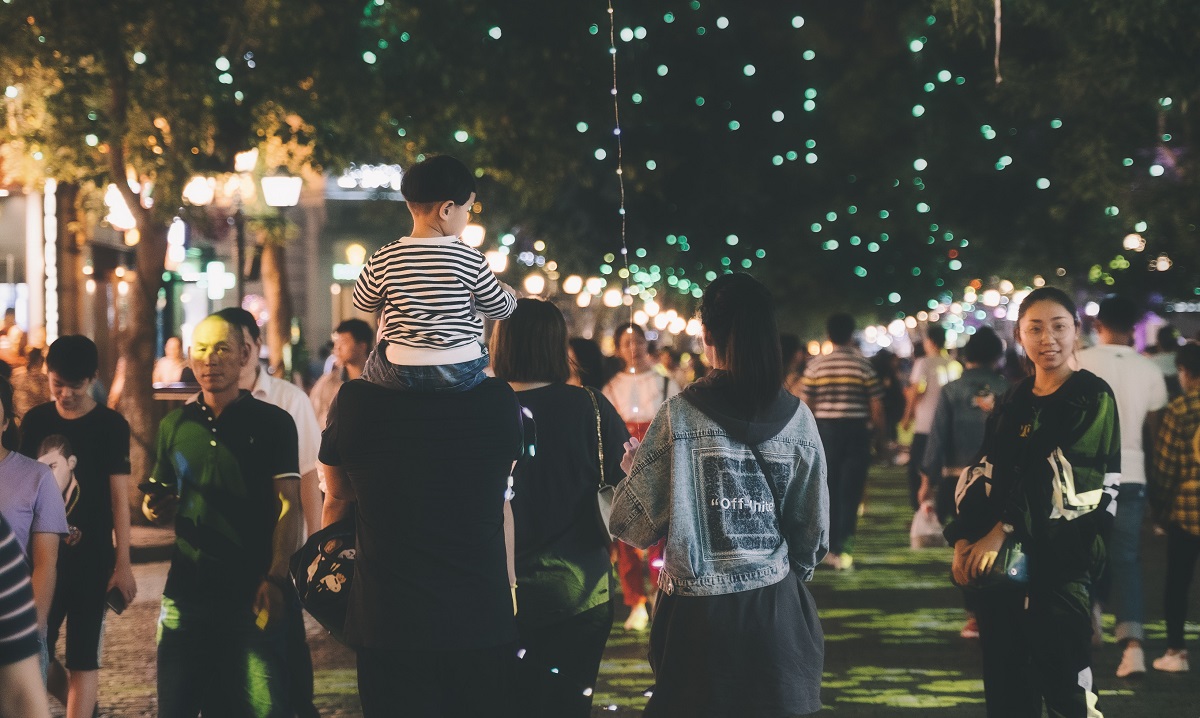
You might be surprised to know it but the latest figures indicate that more people have moved to Atlanta than previously thought.
As of 2026, Atlanta continues to grow rapidly. According to the latest U.S. Census Bureau estimates:
- City of Atlanta proper: Approximately 529,000–530,000 residents (July 2025 estimate was 529,110, with 2026 projections around 530,106).
- Atlanta Metro Area (MSA): Roughly 6.3–6.5 million people, making it one of the top 6 largest metropolitan areas in the United States.
Is Atlanta Full?
I can assure you that this has not always been the case. But you may be wondering how Atlanta’s population exploded through the last few decades.
Key takeaway: While the city limits hold over half a million people, the greater Atlanta metropolitan area is a powerhouse with millions more in the surrounding suburbs and counties like Fulton, DeKalb, Cobb, Gwinnett, and beyond.
Atlanta’s population boom accelerated after it hosted the 1996 Olympic Games. What was once a mid-sized Southern city transformed into a major economic and cultural hub. Millions have moved in over the decades for jobs, lifestyle, and opportunity.Growth remains strong in 2026, driven by:
- Strong job market in tech, film, finance, and logistics.
- Relative affordability compared to other major U.S. cities.
- Diverse economy and quality of life.
Metro Atlanta added tens of thousands of new residents annually in recent years, with outer suburbs and the city core seeing notable gains.
Demographics: Atlanta’s Black Population and Diversity
Atlanta has historically been a center of Black culture and opportunity in the South.
- City of Atlanta: Black or African American residents make up around 46% of the population (recent estimates range 46–47%). It is no longer a majority-Black city as of the 2020 Census but remains highly diverse. census.gov
- Metro Area: The broader region has a significant Black population (around 30–37% in different estimates), making Atlanta a key hub for Black Americans. pewresearch.org
Gentrification continues to reshape neighborhoods, particularly along the BeltLine and in areas like the Old Fourth Ward, Westview, and parts of Southwest Atlanta. This has led to rising home values, new development, and displacement concerns for longtime residents.
11alive.comMany neighborhoods in the city’s six zones retain strong Black cultural identity, while areas like Buckhead and North Fulton remain more affluent and demographically different.Should You Move to Atlanta in 2026?Atlanta remains attractive for young professionals, families, and remote workers. Top benefits:
- Robust housing market with ongoing new construction.
- Strong job opportunities, including tech, entertainment, and hybrid/remote roles.
- World-class dining scene — Southern, international, and innovative.
- Abundant green spaces, parks, and the BeltLine for outdoor living.
- Cultural vibrancy with music, arts, sports (Falcons, Hawks, United, Braves), and events.
Challenges:
- Traffic congestion (though improvements continue).
- Seasonal pollen and allergies.
- Rapid growth leading to infrastructure strain in some areas.
Overall, Atlanta offers a high quality of life with Southern charm and big-city energy.
What Is There to Do in Atlanta?
Plenty! Atlanta has something for everyone:
- Iconic attractions: Georgia Aquarium, World of Coca-Cola, Atlanta Botanical Garden, Centennial Olympic Park, and the Martin Luther King Jr. National Historical Park.
- Outdoor fun: Piedmont Park, the BeltLine, Stone Mountain, and Chattahoochee River trails.
- Sports & Entertainment: Catch games at Mercedes-Benz Stadium or State Farm Arena. Major concerts and festivals happen year-round.
- Food & Culture: Explore Sweet Auburn, Midtown, and diverse neighborhoods for incredible eats.
- 2026 Highlights: Preparations for the FIFA World Cup and ongoing urban improvements.
Pro tip: Whether you have 24 hours or a full week, prioritize a mix of history, food, and outdoor experiences
Most of Atlanta’s neighborhoods in the six zones are majority black, although there are pockets of predominantly white neighborhoods, especially in Buckhead and the suburbs of north Fulton County.
One major factor that continues to skew the demographic figures in Atlanta is gentrification, which has sped up over the past 10 years.
Here are the most gentrified areas of Atlanta.
Should You Move To Atlanta?
Atlanta is a place that has much to offer if you’re a young professional or even if you’re part of a middle-age family with children.
Here are some benefits to moving to Atlanta:
- The housing market continues to be one of the strongest in the nation.
- The job market is strong and has many work-from-home opportunities.
- The dining scene is the best in the Southeast.
- The city has plenty of green space that is pleasing to look at and explore.
There are some not-so-great things about living in a major metropolitan city as well. I’d say #1 is that the traffic can be a nightmare. Also, the spring pollen count can be quite high and cause your allergies to act up.
But overall, there’s a lot to love about Atlanta.
What Is There To Do In Atlanta?
One of the primary questions visitors often ask is whether there is anything to do in Atlanta. Of course, there is!
If you’ve got just 24 hours in Atlanta, here are things to pack in one day. If you’ve got more time to spend in the city, consider checking out this list of great things to see and do in Atlanta.
Final Word
If you’re thinking about moving to Atlanta or perhaps you’ve been here for a while, you are aware how the metro area’s population numbers continue to increase.
First, to find all the good things happening in the city this week, all you have to do is take a look at downtown Atlanta. That’s where some of the best restaurants are as well as where the visitors, namely tourists, are. Downtown Atlanta or Midtown often has something cool going on!
The fun is just starting. Are you a beer drinker? You also may want to visit a craft brewery in the city.
Here are more articles from AtlantaFi.com:
-

Downtown Atlanta is poised for a major culinary revival with the opening of CTR Food Works, a vibrant 24,000-square-foot food hall in the reimagined former CNN Center, now known as The Center (or The CTR).
Developed by CP Group in partnership with hospitality veteran Robert Montwaid—founder of Chattahoochee Food Works and creator of New York’s Gansevoort Market—the hall features 11 chef-driven concepts surrounding one of the city’s largest bars.
A Landmark Reborn
The former CNN Center, a downtown landmark built in 1976 as part of the Omni International Complex, served as the global headquarters for the network from 1988 until its relocation in 2024. The redevelopment preserves the dramatic multi-story atrium while transforming it into a welcoming, communal space with nearly 500 seats, varied seating options (lounge areas, high-tops, and dining clusters), public art, and year-round programming.
CTR Food Works is strategically located at 190 Marietta St. NW, adjacent to State Farm Arena, Mercedes-Benz Stadium, the Georgia World Congress Center, and the Omni Hotel. With easy MARTA access and connections to multiple streets, it’s designed to serve office workers, event attendees, tourists, and locals alike—especially with the 2026 FIFA World Cup matches coming to Atlanta this summer.
Soft openings are expected around mid-to-late May 2026 (with reports of operations starting as early as May 21), followed by a full public launch timed for World Cup festivities.
Diverse Culinary Lineup
The hall emphasizes complementary, high-quality concepts rather than competition, blending local Atlanta talent with exciting guest operators. Confirmed tenants include:
- Southern Belle Chicken Co. — Michelin-recommended chef Joey Ward (of Southern Belle and Georgia Boy) brings Southern comfort with a focus on fried chicken. diningout.com
- Flora d’Italia — Michelin-starred Chef Steven Ferdinand offers wood-fired Italian pizzas, pastas, and more. He’s also behind Dessert Box, a pastry and coffee concept. nbcpalmsprings.com
- Patty & Frank’s — Burgers and hot dogs from Montwaid in collaboration with chef Andrew Zimmern and Pat LaFrieda. roughdraftatlanta.com
- La Tropical — Puerto Rican, Cuban, and broader Latin American flavors. diningout.com
- Fuzzy’s — Seafood-focused, including lobster rolls. diningout.com
- Mimi Taqueria — Mexican street-inspired eats. atlanta.urbanize.city
- Morelli’s Ice Cream — Creative small-batch flavors. diningout.com
- The Sparrow Group — Szechuan-inspired dishes. diningout.com
Additional concepts (including a cheesesteak spot and others) will round out the 11 stalls. Mastro’s Ocean Club serves as a full-service anchor restaurant in the atrium with steaks, seafood, and cocktails.
The Bar and Beyond
At the heart of it all is a massive ~2,800-square-foot central bar with 11 bartender stations and seating for about 60. Led by Tiffany Howell, it will feature seasonal cocktails, event-themed menus, wines, beers, and non-alcoholic options—billed as one of Atlanta’s largest.
The space doubles as an event venue with a stage for live music, DJs, flower shows, holiday activations, and more. A dedicated event planner and catering services will support everything from intimate gatherings to large corporate functions.
A New Downtown Gathering Place
Developers envision CTR Food Works and The Center as “Downtown’s living room”—a dynamic hub that evolves with seasons, events, and the city’s energy. It aims to smooth out the area’s “spiky” foot traffic patterns by attracting daily visitors beyond big events.
As Atlanta prepares to welcome the world for the FIFA World Cup, CTR Food Works stands as a tasty symbol of downtown’s resurgence: a place for great food, connection, and community in a revitalized landmark.
Details:
CTR Food Works at The Center
190 Marietta St. NW, Atlanta, GA 30303
ctrfoodworks.com | thectratlanta.com Expect hours starting around 10am–10pm daily once fully open. Follow for updates on exact soft opening dates and menus as the launch approaches. Downtown Atlanta’s dining scene just got a major upgrade—don’t miss it!More Food Coverage:
Here Are The Best New Restaurants In Atlanta
-
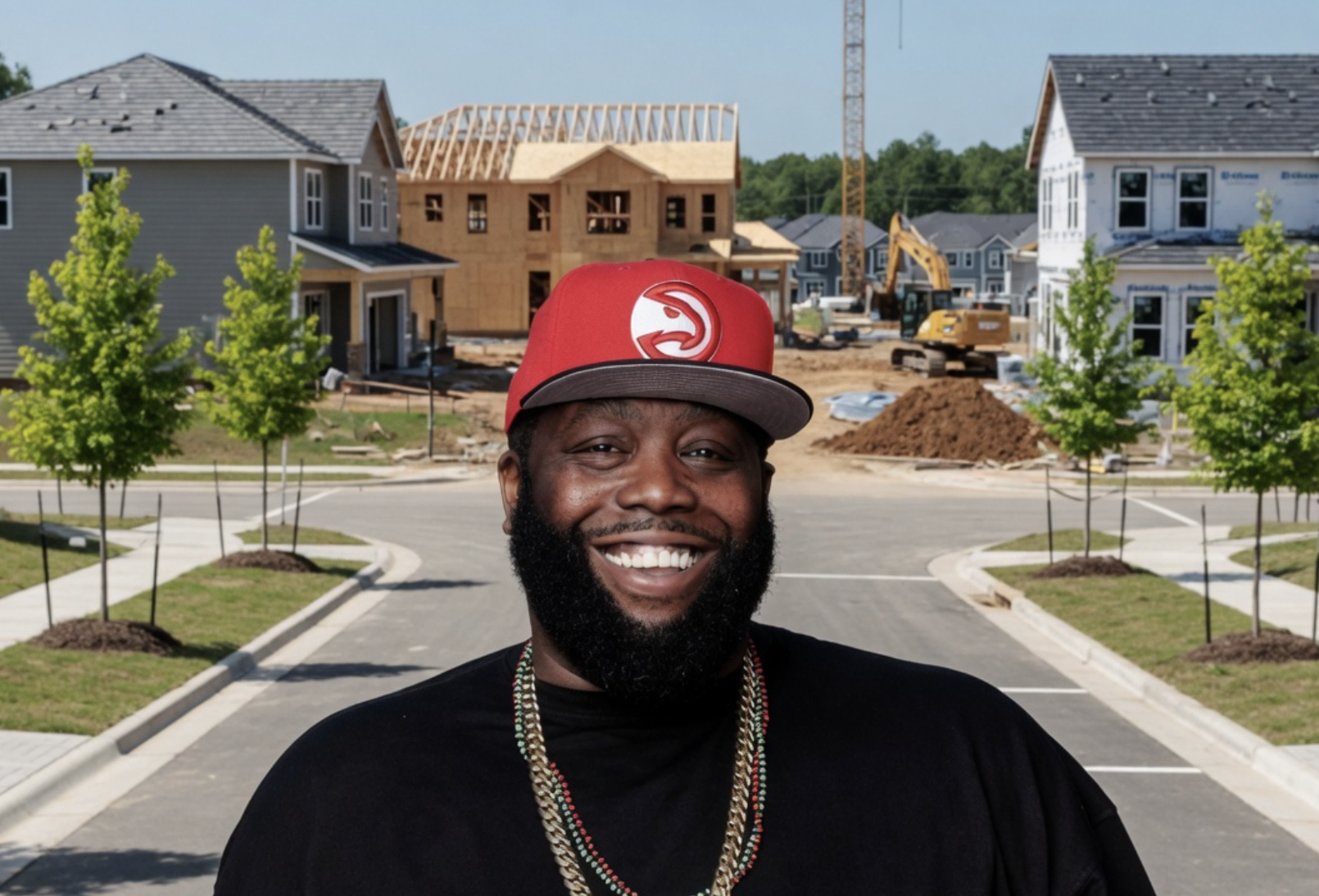
Atlanta rapper, activist, and entrepreneur Killer Mike (born Michael Render) is taking direct aim at one of the city’s most pressing challenges: making homeownership accessible for working families. Through a new joint venture called Build-to-Ownership (B2O), he is rolling out a rent-to-own (or lease-to-own) program designed to help Atlantans move from renting to owning their own homes.
Killer Mike’s Build-to-Ownership Plan: A Structured Path to Ownership
The program partners Render’s Atlanta-based Blackmon Real Estate with Bridge Tower, a Dallas-based real estate development and investment firm specializing in single-family and build-to-rent properties. Under B2O, families will lease newly constructed single-family homes with a clear, structured option to purchase them after a set period.
Rent payments contribute toward building equity, and the program includes flexible payment options to support the transition to full ownership.
aol.comRender emphasized the initiative’s focus on creating “an attainable pathway” for families who have traditionally faced barriers to buying a home. “Building wealth starts with ownership,” supporters have echoed in response to the announcement. The program targets first-time homebuyers and aims to address systemic hurdles such as high down payments, credit challenges, and rising housing costs—issues that have disproportionately affected Black and lower-to-middle-income families in Atlanta.
thegrio.comDevelopment sites are already being scouted across metro Atlanta, with the first property acquisitions expected soon. The venture plans to expand beyond Atlanta to other U.S. markets over time.
fox5atlanta.comKiller Mike’s Broader Commitment to Housing and Wealth BuildingThis latest effort aligns with Render’s long-standing work as a community advocate and entrepreneur. He has previously partnered on over $60 million in affordable micro-home developments in Atlanta and co-founded Greenwood, a financial platform aimed at closing the racial wealth gap. His real estate endeavors reflect a hands-on approach to tackling economic inequality in his hometown.
wabe.orgAtlanta faces a significant affordable housing shortage, with the city pursuing a goal of delivering or preserving 20,000 affordable units by 2030. B2O complements these efforts by focusing on new construction and ownership rather than solely rental solutions, giving residents a stake in their future and the local economy.
How Rent-to-Own Works and Potential Impact
Traditional rent-to-own programs allow tenants to lease a property while working toward purchase, often with a portion of rent credited toward a down payment. B2O builds on this model with professionally managed, new-build homes and homeownership support resources. By providing a defined purchase path, it reduces some of the uncertainty and financial risks that deter many potential buyers.Community reactions have been largely positive, with many viewing it as a practical step toward generational wealth. As one observer noted online, it could “open doors for families who’ve been locked out for years.”
Looking Ahead
Killer Mike’s move underscores a growing trend of artists and cultural figures leveraging their platforms and resources for tangible community impact. While details like specific pricing, eligibility criteria, and timelines will emerge as sites are secured, the announcement signals hope for Atlanta families eager to achieve the dream of homeownership.
For updates on Build-to-Ownership opportunities, residents are encouraged to follow developments through Blackmon Real Estate or Bridge Tower announcements. In a city known for its vibrant culture and economic growth, this program could help ensure that prosperity includes a pathway to owning a piece of it.
This initiative is still in its early stages, but it represents a creative, community-rooted response to Atlanta’s housing needs—one home, and one family, at a time.
See The Latest Atlanta Real Estate News At AtlantaFi.com.
More Articles From AtlantaFi.com:
-
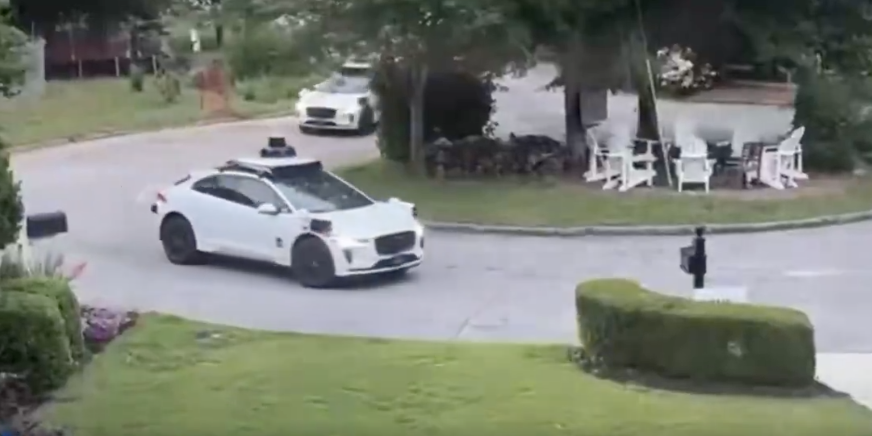
Frustrated residents take action against driverless vehicles endlessly circling residential streets during morning rush.
ATLANTA — Early morning peace on Battleview Drive has been shattered for the past two months by a fleet of empty autonomous vehicles aimlessly looping through the quiet neighborhood.
Residents reported seeing Jaguar I-Pace and Hyundai Ioniq 5 vehicles, equipped with Waymo’s distinctive rooftop sensor pods, driving in repetitive circles between 6 and 7 a.m. Waymos have been a big help to the city, but this is overboard, neighbors say.
Waymos in Buckhead Neighborhood Have Residents Concerned
The pattern, which began sporadically two months ago, has intensified in recent weeks, raising safety concerns among families with children waiting for school buses and pet owners worried about loose animals.In response, neighbors took matters into their own hands. They blocked the road using inflatable toys, lawn chairs, and other household items. At one point, the makeshift barricade successfully trapped eight of the driverless cars.
Waymo, Alphabet’s self-driving subsidiary, launched its commercial robotaxi service in Atlanta last summer. The company acknowledged the issue and said it has since deployed a fix to its routing software to prevent the vehicles from lingering in residential areas.“No crashes or injuries have been reported,” a Waymo spokesperson confirmed. “We take community feedback seriously and have adjusted our systems to better respect neighborhood streets and avoid unnecessary circulation in low-traffic residential zones.”
The incident highlights growing pains for autonomous vehicle deployment in suburban settings. While robotaxis have been praised for offering convenient, 24/7 transportation in approved areas, critics point to problems such as “deadheading” (empty vehicles traveling to reposition) and occasional odd routing behavior that can disrupt daily life.
Battleview Drive residents described the looping cars as eerie and potentially hazardous during the busy morning window when children are outside.
One neighbor, who asked not to be named, told local reporters the vehicles would sometimes pause for extended periods before continuing their loops, creating an unsettling presence on the narrow street.
Waymo has emphasized that its vehicles are programmed to operate safely and yield to obstacles, including temporary roadblocks.
The company said the updated routing logic now prioritizes major roads and avoids treating residential streets as shortcuts or holding patterns.As autonomous technology expands across U.S. cities, similar friction between operators and local communities has surfaced in other markets. Regulators and companies continue to refine geofencing and operational design domains to balance innovation with neighborhood livability.
For now, Battleview Drive appears to have returned to relative calm following the software update, though residents say they’ll keep a close eye on the robotaxis — and their lawn chairs at the ready.
More News Articles From AtlantaFi.com:
-
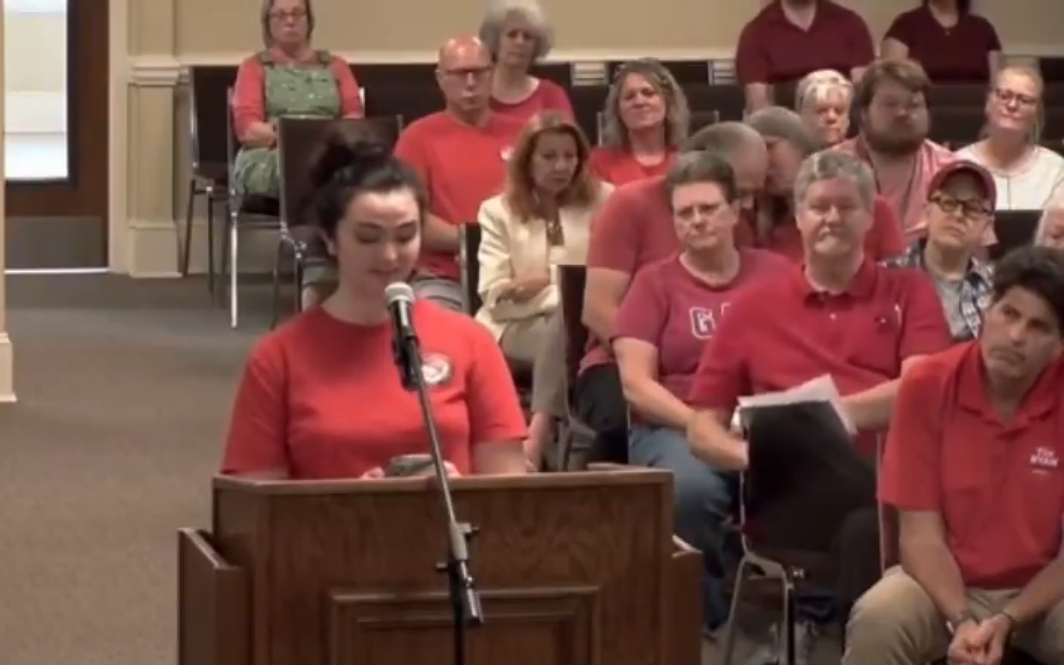
In a packed county meeting, 28-year-old Brianna Rice stood at the podium in a red shirt, her voice steady but urgent, as she fought for the survival of her family’s cattle farm in Coweta County, Georgia. The moment, captured in a video that exploded across social media, has ignited widespread outrage over the use of eminent domain to clear the way for power infrastructure supporting a $17 billion hyperscale data center project.
“I’m 28 years old. While most people my age are planning vacations… I’m fighting for survival of my cattle farm because a massive data center was approved just miles from my land — and I’m being hounded by Georgia Power to build transmission lines through my property for the data center,” Rice said of the Coweta County imminent domain case.
Coweta County imminent Domain Case: Farmer Speaks Out
She continued: “I’m a local farmer, not an industrial developer. These 500-kV lines aren’t for me. They are for the data centers that the boards and surrounding counties continue to approve. I have mail from lawyers stacking up on my kitchen table wanting to take my case because they know my land is being targeted for eminent domain. These easements are permanent. They affect my ability to graze my cattle, they lower my property value, and they destroy the rural character of this county forever.”
Why data centers are popping up throughout Georgia.
Rice emphasized the human cost: “This board makes decisions to approve these massive projects, but it’s residents like me — young people trying to build a life here — who pay the price.
You’re voting to turn our farms into a network of high-voltage wires and noisy industrial buildings. Every time you say yes to a data center, you’re saying no to a local farmer. We aren’t just numbers on a map. We are the future of the county, and right now you’re making that future impossible.”
The controversy centers on Project Sail, a sprawling data center campus developed by Prologis (in partnership with Atlas Development) on 829 acres of former rural conservation land southwest of Atlanta, near Newnan.
Approved by the Coweta County Board of Commissioners in a narrow 3-2 vote in April 2026, the $17 billion project calls for up to nine buildings totaling 4.34 million square feet and up to 900 MW of power capacity — enough to rival the energy needs of a small city.
To feed the explosive growth in data centers driven by artificial intelligence and cloud computing, Georgia Power is planning a 35-mile, 500-kilovolt transmission line project. It will impact more than 330 private properties across Coweta and Fayette counties, including full acquisitions and demolitions of roughly 20-30 homes.
The utility says it will first negotiate purchases and easements but will resort to eminent domain if necessary to “strengthen the grid” amid surging electricity demand from data centers.
Critics, including Rice and dozens of other residents, argue the project prioritizes corporate tech interests over generational family farms and rural communities. Nearly 20 residents have already filed lawsuits challenging the county’s rezoning decision, claiming the land — designated as a “Most Significant Groundwater Recharge Area” — should remain protected.
State Senator Greg Dolezal has visited affected properties and publicly called eminent domain for data centers “absurd,” especially given the tax incentives Georgia offers to attract such developments.
Public opposition has grown rapidly, with residents organizing under slogans like “No Farms, No Food” and highlighting how permanent easements could forever alter the landscape.
Rice’s comments underscore a broader national tension. As AI demand skyrockets, utilities and developers are racing to build massive infrastructure, often in rural areas where land is cheaper and less regulated. Georgia has become a hotspot for data centers, but locals warn the hidden costs — lost farmland, disrupted communities, and strained power grids — are too high.
Rice closed her remarks with a pointed message to the board: “Respectfully, take that cow off the logo.”
Her words, now amplified across social media, have become a rallying cry for those who believe America’s heartland should not be sacrificed for silicon valleys of servers.
As lawsuits proceed and more families face the threat of losing their land, the debate in Coweta County is far from over. It raises urgent questions: In the rush to power the AI revolution, who truly pays the price — and at what cost to America’s rural way of life?
-

Atlanta, GA – May 11, 2026 – The peaches took their drama on the road in Sunday night’s episode of The Real Housewives of Atlanta, and Day 2 of Cynthia Bailey’s Dallas trip turned up the heat in classic RHOA fashion.
Titled “Saddle Up and Settle Scores,” the episode featured lingering room beef, pointed shade at lunch, horse-related hijinks, and a van ride home that ended in screams and a “To Be Continued” cliffhanger.
Room Drama Lingers as Cynthia Channels ‘50 Cynt’
The morning after the heated Angela Oakley vs. Pinky Cole confrontation, tensions over the pool house accommodations refused to die down. Shamea Morton and Kelli Ferrell continued complaining about the conditions, but Cynthia Bailey—hosting to celebrate her tequila brand—had enough. She firmly told the ladies it wasn’t a “hostage situation” and they could either enjoy the trip or pack up.
Cynthia’s no-nonsense approach, complete with a durag-worthy wig moment, earned her “50 Cynt” comparisons from fans and castmates alike. She rounded up the group for activities, determined to reset the energy after the previous night’s fireworks.46
Lunch Shade, BBQ Beef, and Pinky Pushback
The group split for excursions, with Cynthia leading a faction—including Pinky, Shamea, Kelli, and Drew Sidora—to a barbecue spot. The choice wasn’t lost on anyone, especially with vegan Pinky Cole in tow. Cynthia tried offering genuine Housewife advice to Pinky about her delivery and “curt” tone during conflicts, but Pinky pushed back, talking over the veteran and taking offense to being called aggressive.
The conversation highlighted ongoing challenges for newer cast members navigating the group’s established dynamics. Drew, meanwhile, kept the shade flowing with quick comebacks, including firing back at Kelli’s “alien” jab with a “Misproportions” read that had viewers cheering.
Horses, Shade, and Sprinter Van Chaos
On the lighter side, Phaedra Parks, Porsha Williams, Angela Oakley, and K. Michelle brought laughs during a dressage outing. Phaedra declined to ride, joking she wasn’t “adhesive” (a shady nod to wigs), while Angela quipped about the horses sensing “pony tails” stolen from their asses. Porsha kept it real: “I’m not dressed to ride a cow today.”
The real explosion came on the sprinter van ride back. Cynthia opened the floor for friendship check-ins, leading to Kelli calling out Porsha for not attending her restaurant event (despite flowers being sent).
Things escalated quickly into accusations, with Kelli bringing up past rumors and Porsha hitting back hard. The van erupted with screams, including Porsha yelling about scissoring attempts, before Phaedra stepped in to shut things down in protection of an alleged wife. It all ended on a massive cliffhanger.
Fan Reactions and What’s Next for RHOA
Social media lit up with praise for the veterans carrying the episode—Porsha, Cynthia, and Phaedra delivering Housewives masterclass energy—while newer dynamics (especially Pinky and K. Michelle) continue to evolve. Many called it a “reset” episode that reminded fans why RHOA remains must-watch TV in its 17th season.
Drew’s calculated shade, Angela doubling down on her reads, and the probationary peaches clocking back in kept the momentum high. Viewers are already buzzing about next week’s fallout.
Catch up on Bravo or stream on Peacock to see the full Dallas drama. What was your favorite moment from RHOA Season 17 Episode 6? Sound off in the comments—will the group recover from the van blowup, or is more Atlanta beef heading our way?
Stay tuned to AtlantaFI.com for more RHOA recaps, cast updates, and local ties as the season heats up.
-
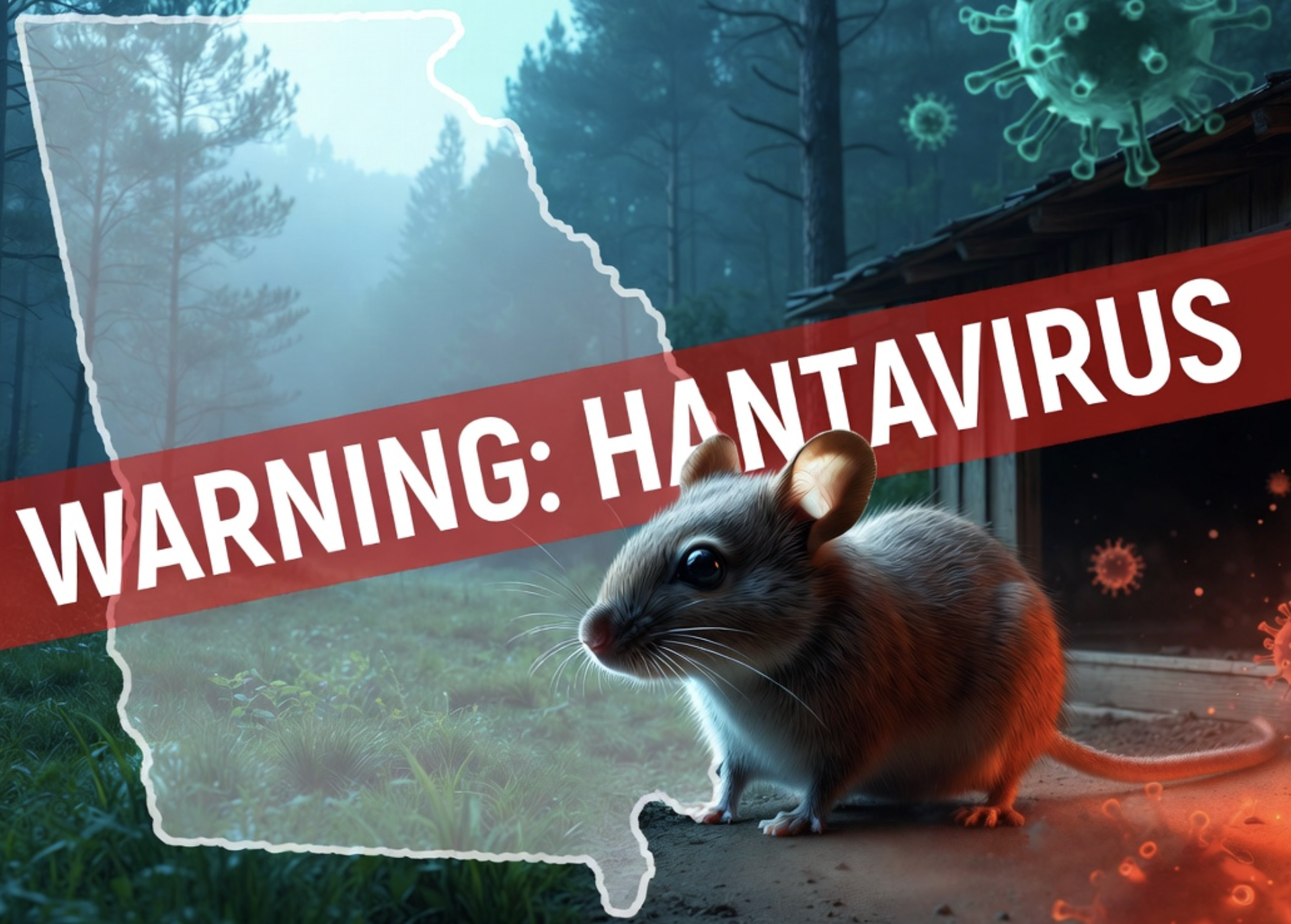
A new virus has emerged in Georgia and it’s causing concern. Hantavirus refers to a family of viruses primarily transmitted by rodents, capable of causing serious, sometimes fatal illnesses in humans. In the Americas, it often leads to hantavirus pulmonary syndrome (HPS), a severe respiratory condition.
While rare in the southeastern U.S., recent events have drawn attention to hantavirus in Georgia (the U.S. state).
Recent Developments: Monitoring in Georgia
As of early May 2026, the Georgia Department of Public Health (DPH) is monitoring two Georgia residents who returned from the MV Hondius cruise ship, linked to a hantavirus outbreak. The ship, on an Atlantic Odyssey voyage, reported at least three deaths and several confirmed or suspected cases, involving the Andes virus strain (the only known hantavirus with documented person-to-person transmission, though usually limited to close contacts).
- The two Georgians (one reported in the Brunswick area) are healthy and show no symptoms.
- They are under monitoring per CDC guidelines, with no immediate public risk.
- Health officials in other states (e.g., California, Arizona, Virginia) are similarly watching returned passengers.
This outbreak likely originated from rodent exposure during a pre-boarding excursion in Argentina (possibly Ushuaia), not widespread community spread.
Background on Hantavirus in Georgia and the U.S.

Hantavirus is not endemic in Georgia. Most U.S. cases occur west of the Mississippi River, often tied to deer mice. From 1993 through 2023, the CDC reported about 890 laboratory-confirmed U.S. cases of hantavirus disease (including HPS), with a case fatality rate around 35-38% for HPS. Georgia has seen very few, if any, locally acquired cases historically.
A separate 2009 report noted a lab-confirmed case in the Republic of Georgia (the country), but that is unrelated to the current U.S. context.
How It Spreads
Humans typically contract hantavirus by inhaling aerosolized particles from infected rodent urine, droppings, or saliva. Less common routes include direct contact with contaminated materials (then touching the face) or rodent bites. It does not spread easily between people, except in rare cases with the Andes strain.
Rodents like deer mice carry it without getting sick, shedding the virus in their waste. Cleaning infested areas without precautions (e.g., dry sweeping) can aerosolize particles.
Symptoms
HPS symptoms appear 1–8 weeks after exposure and progress in phases:
- Early phase (flu-like): Fatigue, fever, muscle aches (especially large muscles like thighs, hips, back), headaches, dizziness, chills, nausea, vomiting, diarrhea, abdominal pain.
- Later phase (4–10 days after early symptoms): Coughing, shortness of breath, chest tightness as lungs fill with fluid, leading to respiratory distress and potential shock.
Seek immediate medical care if you have flu-like symptoms after possible rodent exposure—early intervention improves outcomes.Treatment and PrognosisNo specific antiviral cure exists for HPS. Treatment is supportive, often in an ICU, and may include oxygen therapy, mechanical ventilation, fluid management, or ECMO (extracorporeal membrane oxygenation) in severe cases. Recovery can be slow, with lingering fatigue. Prompt care significantly boosts survival chances.
Prevention Tips
Prevention focuses on rodent control—key in homes, cabins, or campsites:
- Seal entry points in buildings.
- Store food in rodent-proof containers and maintain cleanliness.
- Use traps; avoid live rodents.
- When cleaning droppings: Ventilate the area, wear gloves and an N95 mask, wet-clean with disinfectant (e.g., bleach solution), and avoid vacuuming or sweeping dry material.
- For campers or hikers: Use tents with floors, elevate food, and check for rodent signs.
Outlook for Georgia
The risk remains very low for most Georgians. The current monitoring reflects standard public health vigilance rather than local transmission. Stay informed via the Georgia DPH or CDC websites, especially if traveling to rodent-prone areas or on international trips.
Hantavirus serves as a reminder of the importance of rodent control and awareness of zoonotic diseases. If you suspect exposure or symptoms, contact a healthcare provider and mention any rodent contact. For questions, reach Georgia DPH Epidemiology at (404) 657-2588 or the 24/7 line at 1-866-PUB-HLTH.
More From AtlantaFi.com:
-

Reality TV icon Nene Leakes is back in familiar territory when it comes to her love life. According to a new report from TMZ, the Real Housewives of Atlanta star has ended her brief romance with Memphis attorney Arthur Horne III and has rekindled her relationship with longtime love interest Nyonisela Sioh.
Nene Leakes’ On-Again, Off-Again Romance Heats Up Again — Memphis Lawyer Fling Officially Over
The news comes just weeks after Nene was spotted out with the attorney, sparking headlines and fan speculation about a new chapter. That sighting — which included a now-viral video of the pair looking cozy — appears to have been short-lived.
Nene Leakes and Nyonisela Sioh Are Back
Sources close to the situation told TMZ that Nene and Arthur only went on a handful of dates over a two- to three-week period. Arthur himself confirmed the fling was casual, describing Nene as “a phenomenal, fantastic woman” and “a lot of fun to be around,” but stressing they were never in a serious relationship.
Meanwhile, insiders say Nene has quietly circled back to Nyonisela Sioh — the man she has dated on and off since 2021. The pair were last publicly linked in fall 2025, and according to TMZ’s sources, they never fully broke up in the first place. Their relationship has reportedly remained complicated, with no exclusive label ever placed on it.
The rekindling shouldn’t come as a total surprise to longtime RHOA fans. Nene and Nyonisela’s romance has been a roller coaster for years, filled with public ups and downs that often played out both on and off the show. Now, it seems the spring season has brought them back together once more.
TMZ reached out to representatives for both Nene and Nyonisela but had not received comment at the time of publication.
The update was first highlighted by reality TV commentator @JaysRealityBlog, who shared the TMZ story alongside a photo and a callback to the earlier sighting of Nene with her short-term flame. The post quickly drew reactions from fans, with many commenting on the “exhausting” back-and-forth and joking that Nyonisela must be tired of the cycle.
For now, it looks like Nene is choosing the path she knows best — returning to the man who’s been part of her story for half a decade. Whether this round sticks or becomes another chapter in their long-running saga remains to be seen.
Stay tuned — with RHOA always lurking in the background, this love story could be headed for the small screen next.
Fans will be watching closely to see if Bravo makes space for the queen who helped put Atlanta on the reality TV map.
-
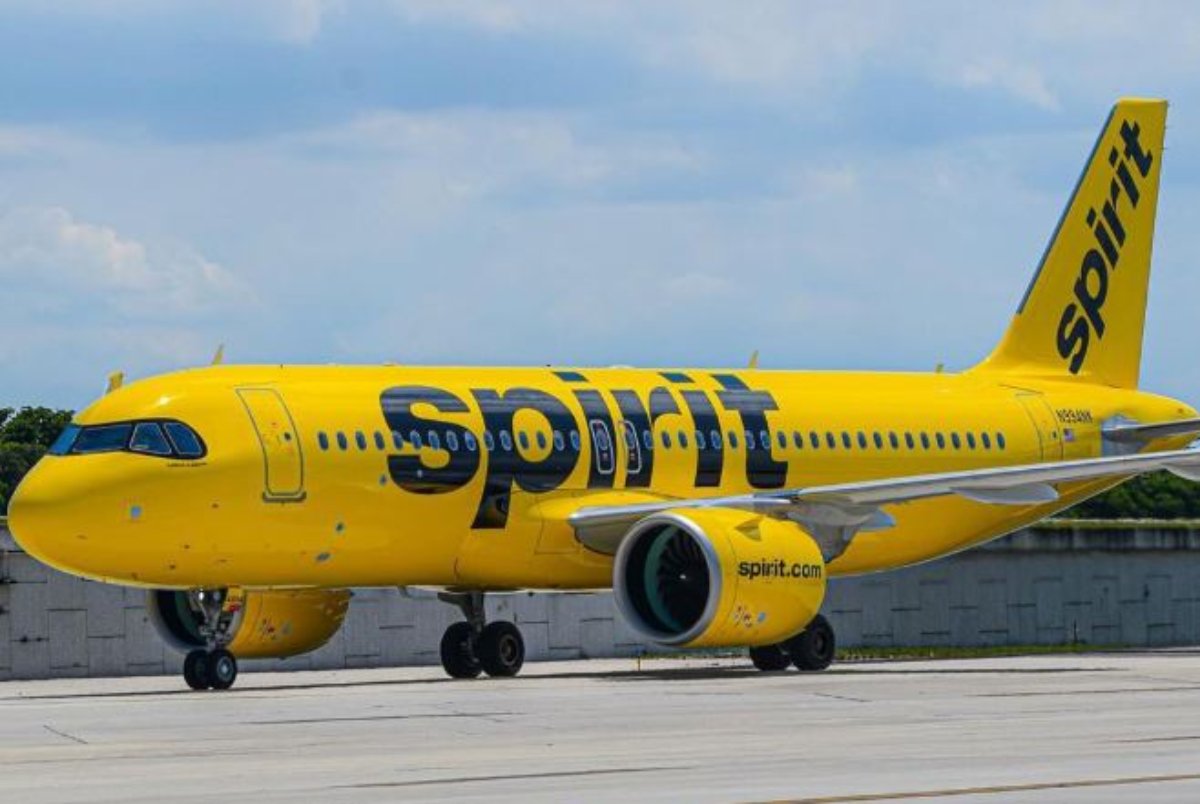
In a dramatic turn for one of America’s most recognizable ultra-low-cost carriers, Spirit Airlines remains in operation today but faces mounting pressure that could force a full liquidation within weeks.
The Florida-based airline, often jokingly misremembered or autocorrected as “Sprite Airlines” in casual online chatter, has been fighting for survival after two Chapter 11 bankruptcy filings in less than a year.
With a potential government-backed rescue package now stalled and an interest payment missed, the carrier’s future hangs in the balance.8
Spirit Airlines: Teeters: A Long Road of Financial Turbulence
Spirit Airlines launched in 1992 (originally as Charter One) and grew into the largest ultra-low-cost carrier in North America, known for rock-bottom fares, a young Airbus fleet, and a no-frills model that charged extra for nearly everything.
By 2023 it was the seventh-largest U.S. passenger airline. But aggressive expansion, the failed 2024 merger attempt with Frontier, and repeated economic headwinds proved too much.
The airline filed for Chapter 11 bankruptcy protection in November 2024, restructured, and briefly emerged in March 2025—only to file again in August 2025.
restructuring support agreement signed in late February 2026 had aimed for an “early summer” exit from bankruptcy by shrinking the fleet, focusing on high-performing routes, and adding some premium options. That plan is now in serious jeopardy.
Spirit Airlines Liquidation: Fuel Shock, Creditor Gridlock, and a Stalled Bailout
Skyrocketing jet fuel prices—fueled by geopolitical tensions including the ongoing conflict involving Iran—have accelerated Spirit’s cash burn. In mid-April, multiple outlets reported the airline could liquidate assets “as early as this week.” Spirit quietly reached out to the Trump administration for emergency aid, including a proposed $500 million loan or bailout package that would have included government equity participation.
As of April 29–30, a critical bankruptcy court hearing was postponed after lenders (including major creditors such as Citadel, Ares Management, and Cyrus Capital) blocked key terms.
Spirit has not filed the necessary motion to access new financing, and the airline recently missed an interest payment that could trigger further defaults. Liquidity is reportedly down to days or weeks, with roughly $250 million in cash currently inaccessible due to creditor liens.
A May 1 update confirms: Spirit planes are still flying, new bookings are being accepted, and no immediate shutdown has been announced. However, industry analysts warn that without a last-minute creditor deal or court intervention, liquidation remains a distinct possibility by late May.
What Shutdown Would Mean
A full liquidation would be rare for a major U.S. airline but not unprecedented. It would eliminate more than 17,000 jobs (including pilots, flight attendants, and ground staff) and trigger billions in creditor claims
Dozens of airports—especially secondary hubs in the U.S., Caribbean, and Latin America—would lose low-fare service, forcing passengers onto higher-priced competitors.
Travel experts urge anyone with Spirit tickets to have a backup plan. If the airline ceases operations:
- Tickets may become worthless, though the U.S. Department of Transportation typically requires refunds or rebooking assistance in such cases.
- Passengers are advised to rebook on other carriers now while seats remain available at reasonable rates.
- Credit-card travel insurance or trip-protection plans may offer reimbursement.
Spirit itself has not issued a public statement confirming imminent closure and continues to operate its full schedule as of this writing.
The Bigger Picture for Ultra-Low-Cost Travel
Spirit’s potential exit would shrink capacity in the ultra-low-cost segment, likely driving up fares industry-wide in the short term. Competitors such as Frontier, Allegiant, and Breeze could absorb some routes, but the loss of Spirit’s aggressive pricing model would be felt by budget travelers nationwide.
Whether Spirit receives a last-minute lifeline, finds new private financing, or ultimately liquidates, the coming days will be decisive. For now, the yellow-and-black planes keep flying—but the runway ahead is shorter than ever. Traveler
and employees alike are watching closely as negotiations continue behind closed doors.
Check Out Our Atlanta Travel Guide