-

There’s an exciting opportunity for students and young adults across the U.S., including right here in Atlanta.
The U.S. Artificial Intelligence Institute (USAII) is offering free, nationally recognized AI certifications through the AI NextGen Challenge 2026, a program aimed at equipping the next generation with essential skills in artificial intelligence.
Program Offers Free AI Certifications to Atlanta Youth and Adults
The program includes tailored certifications based on grade level:
- 9th and 10th graders are eligible for the Certified Artificial Intelligence Professional (CAIP) certification, a foundational track focusing on AI fundamentals, self-paced learning, and hands-on projects.
- 11th and 12th graders can pursue the CAIP Advanced certification, which dives deeper into topics like machine learning and neural networks.
- College STEM students qualify for the Certified Artificial Intelligence Engineer (CAIE) certification, an advanced program covering applied machine learning, LLMs, ML Ops, and more.
These certifications are designed to be self-paced and flexible, with no upfront costs thanks to the scholarships. To apply, participants must register by January 31, 2026, for the upcoming online scholarship test in February.
The program culminates in the National AI Hackathon, set to take place in Atlanta, Georgia, on June 20-21, 2026. Over 2,000 schools and colleges are expected to participate, with cash prizes up to $25,000 per team ($100,000 total prize pool) and opportunities for national recognition.
That program isn’t the only one available in Atlanta.
Here Are Some Free AI Programs in Atlanta
- TECH360 (America On Tech & Inspiredu): A recent free program for Metro Atlanta high school students, offering 10 weeks of AI basics, hands-on projects, and stipends, with applications closing early January 2026.
- Westside Works & AI Innovation: Offered free, hands-on training for 18-24 year olds in summer 2025, covering tools like ChatGPT and Copilot, with job opportunities post-certification.
- Emory University’s Center for AI Learning: Provides free AI literacy workshops and help desk services to the broader community for skill-building.
- Georgia Tech: Offers youth and educator programs to introduce AI, particularly in underserved communities.
- USAII’s AI NextGen Challenge: A national program offering 100% AI certification scholarships for high school and college students, with a national hackathon in Atlanta.
For Atlanta residents, this initiative hits close to home as the city prepares to host the hackathon, potentially drawing young innovators from across the country to our local tech scene.
Final Word
Atlanta has a vibrant ecosystem for free AI education, with opportunities for different age groups, from introductory courses for teens to more advanced training for young adults, often partnered with local tech companies, universities, and non-profits. Check websites like AmericaOnTech.org, Emory’s AI Center, and Georgia Tech’s AI Hub for current offerings.
With Atlanta’s growing reputation as a hub for innovation and startups, programs like this could provide a boost to local talent in fields like AI and machine learning.
Interested students and parents can visit usaii.org to create an account and apply for the scholarships. For more local education and tech news, stay tuned to Atlantafi.com.
More Content From AtlantaFi.com:
-

The Coca-Cola Company, a staple of Atlanta’s corporate landscape, has announced plans for a permanent reduction in force that will impact 75 employees at its Midtown headquarters.
According to a Worker Adjustment and Retraining Notification (WARN) filed with the state, the layoffs are set to begin on February 28, 2025, with additional dates expected throughout the process.
Coke To Slash Jobs in Early 2026
The affected site is located at One Coca-Cola Plaza NW in Fulton County, where the company employs a total of 3,098 workers.
No union representation is involved, and details on specific job titles are being maintained on-site.
This move comes as the Atlanta area experiences mass layoffs across sectors and as Coca-Cola navigates operational efficiencies in a post-pandemic economy, though the company has not publicly detailed the reasons behind the cuts.
The layoffs represent a small fraction of the beverage giant’s local workforce but highlight ongoing adjustments in the corporate sector amid broader economic shifts.
Job Outlook for 2026
Looking ahead, the corporate job market outlook for 2026 appears stable, with economists forecasting moderate growth and low unemployment by historical standards.
Unemployment is projected to peak at around 4.5% nationally, with wage growth remaining above pre-pandemic levels and potential improvements in the second half of the year.
Experts predict a steadier labor market rhythm, emphasizing skills over traditional degrees, the integration of AI in hiring processes without fully replacing human roles, and a continued focus on hybrid work models.
However, challenges persist, including economic uncertainty leading to fewer job openings and increased competition from AI-assisted applications.
Goldman Sachs anticipates stronger GDP growth at 2.6% for 2026, but warns of a potentially stagnant job market with elevated unemployment lingering at 4.5% due to business hesitations.
Other forecasts suggest solid economic expansion, slightly lower inflation, and a dip in unemployment compared to recent years, painting a picture of resilience rather than rapid expansion.
Final Word
Looking for work? We currently have job articles that show you high-paying jobs, those close to downtown and even side hustles you might like.
If you’re looking to get hired in Atlanta right now, there’s a very real possibility that you can land your dream job.
Read more: Best Work From Home Jobs In Atlanta, Georgia
-

The best work-from-home positions are usually remote customer service roles. The flexible job opportunities are lessening right now, but they are still there for the determined job seeker.
Although some employers are trying to get workers back into the office, many others have embraced the work-from-home trend. That’s why there are so many vacant remote.
How To Get A Remote Customer Service Job
Customer service positions aren’t for everyone, but if you have what it takes, you can certainly land one.
In this article, we’ve vetted the best work-from-home customer service jobs. All these companies are currently hiring. This roles are all 100% remote.
All of these job opportunities have been vetted and are legit. But first, let’s understand what a remote customer service job entails.
What Is A Remote Customer Service Job?
A remote customer service job is a position that is typically done over the phone, although you may also be responsible to responding to customers via live chat.
Because more jobs are going online, the role of a work-from-home customer service agent continues to change a bit.
As you know, many remote customer service jobs require that you have the following equipment:
- High-speed internet
- Landline phone and headset
- Quiet, secluded work station
If you have the electronic equipment you need for a customer service work-from-home job, you’re ready to go.
How Much Do Remote Customer Service Jobs Pay?
Remote customer service jobs pay between $10 and $18 on average, according to an analysis of work-from-home positions on Indeed.com.
Some customer service jobs may include bonuses and raises after you reach the one-year mark, but it depends on the company and position.
Now let’s take a look at the jobs available:
Current Remote Customer Service Jobs in Atlanta, GA
As Atlanta’s go-to local news site for the remote job sector, we’re tracking the latest opportunities in customer service. Based on recent listings, here are some active remote positions available to Georgia residents or with Atlanta ties as of January 2026. These focus on customer support roles that can be performed remotely, often with flexible hours. We’ve included direct links for applications where available.
- HR Call Center Representative (Remote) at Lensa: This role involves supporting HR live customer queries in a remote setting, ideal for those with strong communication skills. Salary not specified. Apply here:
- Customer Support Specialist – Remote at TalentWorldGroup Plc.: A technical-focused position requiring native English and bilingual Spanish, with training starting January 30, 2026. Emphasizes customer assistance in a remote environment. Salary not specified. Apply here:
- Remote Call Center Customer Service Representative at Conduent: Entry-level call center role starting January 20, 2026, handling customer inquiries remotely. Equipment provided. Salary not specified. Apply here:
- Customer Service Representative – Remote at Lensa: General customer service support, promoted for remote workers in Atlanta. No direct hiring, but connects to opportunities. Salary not specified. Apply here:
- Remote Call Center Representative at Lensa: Focuses on call center duties from home, suitable for Atlanta-based remote workers. Published January 3, 2026. Salary not specified. Apply here:
- Fully Remote Customer Service – Booking Hotels at The Destination Knot: Handles hotel booking inquiries remotely, starting around mid-January 2026. Great for travel enthusiasts. Salary not specified. Apply here:
- Customer Service Travel Representative (Remote) at The Destination Knot: Remote role assisting with travel customer service, flexible for Georgia residents. Published December 25, 2025, but active into 2026. Salary not specified. Apply here:
- Remote Customer Service Agent (Auto Dealer Support) at Morley: Provides support to auto dealers remotely, with a focus on customer interactions. Published December 25, 2025. Salary not specified. Apply here:
- Contact Center Customer Experience Specialist – Cardmember Services at U.S. Bank: Remote contact center role for card services, with training starting January 28, 2026. Involves enhancing customer experiences. Salary not specified. Apply here:
- Customer Service Representative at TEKsystems: Remote support for residential services, empathetic customer handling in a high-volume environment. Published December 13, 2025, but ongoing. Salary not specified. Apply here:
Job markets fluctuate, so verify availability directly on the platforms.
- Customer Support Analyst — Cority
- Business Analyst Coordinator — UnitedHealth
- Content Marketing Associate — DTC
- Senior Customer Success Manager — Trellix
- LiveOps is hiring customer service representatives. Pay is 15.00 per hour for Agent to $30.33 per hour for Receptionist/Administrative Assistant.
- Fiber Customer Support Manager | Verizon
- Customer Service Rep | Verizon
- Customer Care Rep with TransAmerica.
- Customer Development Manager at Colgate-Palmolive.
- Account Manager at Colgate-Palmolive.
- Bairesdev is also hiring for a Customer Care Representative.
1. Senior Customer Engagement Representative
SurveyMonkey is hiring for a Senior Customer Success Manager that can work from home to help customers with their needs.
Apply for other remote jobs at SurveyMonkey.
2. Informa Group Customer Service Rep
The Informa Group is hiring Customer Service Reps to answer phone calls and emails promptly. You can work from anywhere.
Apply for other remote positions at Informa Group.
3. Allied Solutions Customer Specialist
Allied Solutions is hiring a Customer Specialist to handle borrower, agent, and lender calls. The company is offering up to a $1,500 sign-on bonus.
Apply for other remote positions at Allied Solutions.
4. Call Center Jobs
Rebel Horizen marketing is hiring Customer Support workers for their U.S. operations. Pay is between $25 to $35 an hour.
Global Response Corporation is hiring tons of Remote Customer Service Reps to man the phones and connect with customers.
Apply for a customer service job at Global Response Corp.
5. Colony Customer Service Rep
Colony Brands is looking for Remote Customer Service Rep to handle calls from homeowners, resolve their issues and process mortgage payments. Spanish fluency would be a plus.
Apply for jobs at Colony Brands.
6. Customer Service & Safety Representative
Gaggle is looking for a Customer Service/Safety Rep for the company.
See other open positions at Gaggle.
6. Customer Service Representative Jobs
Service 800 is hiring for multiple remote jobs for customer service. Those with computer knowledge and telephone experience are preferred.
See work-from-home jobs at Service 800.
7. Adecco Customer Service Jobs
Adecco is hiring for a Remote Call Center Rep to work in its virtual call centers. These are full-time remote roles.
Apply for Adecco customer service positions.
8. Randstand Customer Service Jobs
Randstand is hiring for several remote jobs, including some customer service roles that are full-time positions.
See Randstand remote customer service jobs.
9. Kelly Customer Service Jobs
Kelly is hiring remote workers for its operations around the United States. If you want a work-from-home job from Kelly, now’s the time. Pay is $13.50/hour.
See work-from-home jobs at Kelly.
10. Care Coordinator
CVS is hiring a Remote Care Coordinator and more to help customers with their medical needs. This is a full-time work-from-home job that pays well.
11. Distribution And Call Center Jobs
PSF is hiring for multiple customer service jobs to help with their distribution and call centers These work-from-home jobs typically pay $12 an hour.
Blue Triton is hiring for call center jobs now.
Apply for PSF jobs customer service jobs here.
12. Client Support Tech
QVC is hiring a Customer Experience Analyst who will shop with customers by supporting them through their purchases and educating them about various products.
Final Words
Good customer service is the backbone of any business. Companies know this and so they’re apt to hire customer service associates who have the skills. Fortunately, companies are allowing employees to work remotely.
All these positions are remote for now, but please be aware that when the pandemic is over, the company may reserve the right to transition the job into an in-office role.
It’s a good idea to have that conversation in the interview phase, if you make it that far. If you have get a chance to meet the hiring manager via Zoom, here’s how to ace that video interview.
Read more:
-

As the tech industry hurtles toward unprecedented change, professionals are scrambling to upskill amid surging demand for expertise in cloud computing, cybersecurity, artificial intelligence (AI), and data analytics.
Industry reports from sources like MeasureUp, Robert Half, and Coursera highlight a clear trend: certifications in these areas are not just resume boosters—they’re essential for landing high-paying roles in a market projected to reward certified talent with salaries often exceeding $120,000.
With many certifications fully online and completable in months, they’re accessible for IT pros seeking quick career advancement or pivots.
Online certifications are increasingly valuable for job seekers because they provide a flexible, cost-effective, and credible way to enhance skills, demonstrate expertise, and stay competitive in the job market.
Many employers value certifications as a standardized measure of competency, especially in technical fields like IT, project management, or digital marketing.
What Are the Most Valuable Online Certifications?
Certifications serve as tangible proof that you possess specific skills or knowledge required for a job.
Here are some of the top certifications you can earn online to boost your career, skills, and qualifications across various industries:
Technology and IT
- Google IT Support Professional Certificate
- Platform: Coursera
- Covers foundational IT skills, networking, and troubleshooting.
- AWS Certified Solutions Architect
- Platform: AWS Training/Certification Platforms
- Focuses on cloud computing and architecture on Amazon Web Services.
- CompTIA IT Fundamentals (ITF+), A+, or Security+
- Platform: CompTIA or third-party training sites (e.g., Udemy, LinkedIn Learning).
- Broad certifications for IT professionals at beginner, intermediate, and security levels.
- Cisco Certified Network Associate (CCNA)
- Platform: Cisco Networking Academy
- Ideal for networking and infrastructure professionals.
- Certified Ethical Hacker (CEH)
- Platform: EC-Council
- A must for cybersecurity and penetration testing professionals.
Business and Management
- PMP (Project Management Professional)
- Platform: PMI or training sites like Simplilearn and Coursera
- Recognized worldwide for project managers.
- Certified ScrumMaster (CSM)
- Platform: Scrum Alliance
- Focused on Agile project management methodologies.
- Google Analytics Certification
- Platform: Google Skillshop
- A valuable certification for marketers and data analysts.
- HubSpot Content Marketing Certification
- Platform: HubSpot Academy
- Ideal for content marketing and inbound marketing professionals.
- Hootsuite Social Marketing Certification
- Platform: Hootsuite Academy
- Perfect for social media managers and marketers.
Healthcare and Medical
- Certified Medical Billing and Coding Specialist
- Platform: AAPC, AHIMA, or online learning platforms.
- Focused on health information management.
- CPR, First Aid, and Basic Life Support (BLS)
- Platform: American Red Cross or AHA
- Essential for healthcare professionals and caregivers.
Design and Creative Fields
- Adobe Certified Professional
- Platform: Adobe or Certiport
- Certification in Photoshop, Illustrator, Premiere Pro, and more.
- UX Design Professional Certificate
- Platform: Google via Coursera
- Focused on user experience design.
- Canva Design Certification
- Platform: Canva Design School
- Great for aspiring graphic designers and marketers.
Finance and Accounting
- Certified Financial Planner (CFP)
- Platform: Kaplan, Coursera, or CFP Board-approved programs.
- Suitable for finance professionals offering financial planning.
- Chartered Financial Analyst (CFA)
- Platform: CFA Institute
- A top-tier qualification for investment professionals.
- QuickBooks Certified User
- Platform: Intuit or Certiport
- A must for bookkeepers and accountants.
Personal and Professional Development
- Coursera Career Certificates
- Platform: Coursera
- Offers certifications from companies like Google, Meta, and IBM in fields like data analysis, digital marketing, and IT support.
- LinkedIn Learning Certifications
- Platform: LinkedIn Learning
- Broad range of certifications across industries with a focus on skill-building.
- Udemy Skill Certifications
- Platform: Udemy
- Affordable and diverse certifications for fields like coding, marketing, and personal development.
Other High-Demand Certifications
- TEFL (Teaching English as a Foreign Language)
- Platform: TEFL.org, Coursera, or Udemy
- Required for teaching English abroad or online.
- Six Sigma Green Belt Certification
- Platform: ASQ, Coursera, or third-party sites.
- Focused on process improvement and quality management.
- Blockchain and Cryptocurrency Certification
- Platform: Blockchain Council or Coursera
- Covers blockchain technology and digital assets.
- Cybersecurity Certifications (e.g., CISSP, CompTIA CySA+)
- Platforms: ISC2 or other cybersecurity training providers.
Final Word
These certifications are widely recognized and can help you stand out in your career. Many of them allow you to study at your own pace and work toward accreditation from anywhere in the world.
Online certifications are often more affordable than traditional degrees, making them accessible to a wider audience.
Experts attribute this boom to accelerating cloud adoption, escalating cyber threats, and the integration of AI into enterprise operations. “Cloud remains the backbone of modern IT, while cybersecurity addresses massive talent shortages,” notes a recent analysis from SECITHUB.
Certifications can help job seekers transition into new industries or roles by providing foundational knowledge and skills in areas where they lack formal education or experience.
- Google IT Support Professional Certificate
-

If you’re looking for a job, it may be time to go high-tech to get results.
In today’s competitive job market, artificial intelligence (AI) tools like ChatGPT, Grok, and others are revolutionizing the way people search for and land jobs.
Many job seekers are still relying on traditional methods, but leveraging AI can accelerate the process dramatically—tailoring resumes, crafting applications, identifying gaps, and even strategizing outreach.
It’s official: There are proven AI techniques that have helped users secure interviews and offers faster. In this article, we’ll show you how to leverage AI for your job search.
Why AI is a Game-Changer for Job Hunting
AI can analyze job descriptions, compare them to your experience, generate personalized materials, and provide honest feedback that mimics a hiring manager’s perspective.
Users report getting multiple interview calls in days by using targeted prompts. The key is using AI thoughtfully to enhance your authentic skills, not replace them.
Step-by-Step Guide to Using AI Effectively
1. Get Brutally Honest Feedback on Your Fit for a Role
One of the most powerful uses of AI is simulating a hiring manager’s review. Paste the job description and your resume/CV into an AI tool with a prompt like:
“Act as a hiring manager for this role. Here is the job description and here is my CV. Tell me honestly why you would not interview me, and what I should change to look like a safe, strong hire.”
This identifies red flags, gaps in experience, or weak phrasing before you apply. It helps you refine your materials to appear as a low-risk, high-value candidate.
2. Tailor Your Resume and Cover Letter
AI excels at customizing documents. Provide your base resume and the job posting, then prompt:
“Rewrite my resume to better match this job description, highlighting relevant skills and experiences. Use quantifiable achievements where possible.”
For cover letters:
“Write a compelling cover letter for this position based on my resume and the job requirements. Make it concise, enthusiastic, and tailored.”
Always review and personalize the output to ensure it sounds like you—recruiters can spot generic AI-generated text.
3. Prepare for Interviews
Use AI to anticipate questions:
“Based on this job description, generate 10 common interview questions and suggested answers using my experience from my resume.”
Or practice behavioral questions:
“Role-play an interview for this role. You ask questions as the interviewer, and I’ll respond.”
This builds confidence and refines your responses.
4. Boost Visibility and Networking
AI isn’t just for applications—use it to stand out on platforms like LinkedIn:
- Choose ideal employers.
- Find decision-makers.
- Generate short, insightful comments on industry posts to appear daily in their feeds. Prompt example:
“Suggest 5 concise, value-adding comments on recent posts about [industry topic] to build visibility with hiring managers.”
5. Strategize Your Overall Job Search
Turn AI into a “recruiter” with broader prompts, such as:
- Listing hidden job opportunities.
- Suggesting companies that match your skills.
- Outlining a weekly job search plan. Advanced users have reported 5+ interview calls in a week by systematically applying these.
Tips for Success and Avoiding Pitfalls
- Be Authentic: Edit AI outputs to reflect your voice. Over-reliance on generic text can backfire if detected by AI-screening tools or recruiters.
- Combine with Human Effort: AI speeds things up, but networking, follow-ups, and genuine enthusiasm win jobs.
- Tools to Try: ChatGPT, Grok (accessible on x.com or grok.com), Claude, or Gemini—all free or low-cost for basic use.
- Ethical Use: Use AI as an ally to highlight your real strengths, not fabricate experience.
By integrating AI into your job hunt, you can apply smarter, stand out more, and land opportunities faster. Start with one prompt today and build from there—your dream job might be just a few refined applications away!
Read more: Best Work From Home Jobs In Atlanta, Georgia
-

While giants like LinkedIn, Indeed, FlexJobs, RemoteOK, and We Work Remotely dominate the remote job search landscape, plenty of high-quality, lesser-known platforms offer curated opportunities with less competition.
These sites are reputable, often featuring hand-screened listings to minimize scams, and cater to professionals in tech, marketing, design, customer support, and more.
Check Out These Lesser-Known Remote Work Websites
In the coming year, as remote work continues to evolve, these under-the-radar boards can give you an edge in landing your next role.
Here are seven standout, not-as-well-known remote job websites worth bookmarking:
1. Remotive (remotive.com)
Remotive has been a reliable player since 2014, offering curated remote jobs in software development, marketing, design, and customer support.
What sets it apart is its active community features, including a Slack group for networking and job alerts. Listings are high-quality, with a focus on fully remote positions from established companies.
It’s especially strong for tech and digital roles, making it a go-to for professionals seeking meaningful connections beyond just applications.
2. Jobspresso (jobspresso.co)
Jobspresso stands out for its rigorous manual review process—every listing is vetted for legitimacy, checking employer reputations and details.
It emphasizes U.S.-based opportunities but includes global roles in tech, marketing, and support.
With a network of over 100,000 professionals, it’s ideal for those tired of sifting through unverified posts. The platform prioritizes quality over quantity, often featuring roles from reputable remote-first companies.
3. Working Nomads (workingnomads.com)
Tailored for digital nomads and location-independent workers, Working Nomads curates fully remote jobs across fields like development, marketing, design, management, and healthcare. Daily email alerts keep you updated without overwhelming your inbox.
It’s known for reliable listings from well-known employers, making it a solid choice for creative and tech professionals seeking flexibility.
4. NoDesk (nodesk.co)
NoDesk focuses on hand-picked remote jobs from leading startups and remote-first companies, with no sign-up required to browse or apply.
Categories include design, development, marketing, and operations. Its clean interface and weekly newsletter highlight fresh opportunities, often exclusive to the platform.
It’s particularly reputable for avoiding spam and connecting users directly with innovative employers.
5. Dynamite Jobs (dynamitejobs.com)
Dynamite Jobs specializes in 100% remote positions from remote-first companies, covering roles in marketing, support, development, and operations.
Listings are curated for quality, and the platform emphasizes easy applications.
Users praise its straightforward process and legitimate opportunities, making it a hidden gem for those building long-term remote careers.
6. JustRemote (justremote.co)
JustRemote uncovers “hidden” jobs not widely advertised, with strong filters for international and partially remote roles in tech, marketing, and business development.
It features positions from companies like GoDaddy and Splunk, focusing on power searches to match skills quickly.
Reputable for its emphasis on global opportunities, it’s great for non-U.S. applicants.
7. Remote.co (remote.co)
Founded by the team behind FlexJobs, Remote.co offers verified remote jobs across categories like technology, marketing, design, and customer service. Jobs are carefully reviewed, with new listings added weekly.
It also provides valuable resources on remote work best practices, making it more than just a board—it’s a supportive hub for legitimate opportunities.
These platforms prove that you don’t need to stick to the most crowded sites to find great remote work.
Final Word
By diversifying your search to these reputable alternatives, you’ll face fewer applicants per role and access more targeted, scam-free listings.
Check out our Atlanta Remote Work Guide.
Pro tip: Set up alerts on multiple sites and tailor your applications to stand out.
Happy job hunting—your ideal remote role might be waiting on one of these underrated boards!
If you’re looking to get hired in Atlanta right now, there’s a very real possibility that you can land your dream job.
Read more: Best Work From Home Jobs In Atlanta, Georgia
-

Atlanta, GA – December 16, 2025 – The U.S. Bureau of Labor Statistics released its long-delayed Employment Situation report for November today, revealing sluggish job growth and a rise in the national unemployment rate to 4.6%, the highest in four years.
The data, impacted by the recent federal government shutdown, showed employers added just 64,000 jobs in November after a loss of 105,000 in October – a month with no household survey data collected.
Atlanta Area Remains Resilient with Lower Unemployment
While the national labor market shows signs of cooling, metro Atlanta and Georgia continue to outperform the country as a whole.
Georgia’s most recent state-level data (through September) held the unemployment rate steady at around 3.4-3.9%, well below the national figure, thanks to strength in sectors like health care, construction, and hospitality that are key employers in the Atlanta region.
“The Atlanta economy has been a bright spot amid national headwinds,” said local economist Maria Thompson of the Atlanta Regional Commission. “Our diverse industries – from logistics and film production to tech and health services – have helped buffer against the slowdown seen elsewhere.
However, persistent disparities in unemployment, particularly affecting Black residents, remain a concern as the job market tightens.”
Unemployment Highest Among Black Job Seekers
Nationally, the report highlighted uneven impacts across demographics. Unemployment rates by race showed little change over the month but underscored ongoing gaps:
Race/Ethnicity Unemployment Rate (November 2025) Change from September White 3.9% Little change Black or African American 8.3% Little change Asian 3.6% Little change Hispanic or Latino 5.0% Little change Source: U.S. Bureau of Labor Statistics (seasonally adjusted). Overall U.S. rate: 4.6%.
In metro Atlanta, where Black residents make up a significant portion of the workforce, higher national Black unemployment rates often translate to local challenges in communities across Fulton, DeKalb, and Clayton counties.
Advocacy groups like the Urban League of Greater Atlanta have called for targeted job training programs in growing fields like renewable energy and logistics to address these disparities.
The shutdown’s effects – including a plunge in reported federal government employment – likely inflated the national unemployment figure temporarily, economists noted.
Gains were concentrated in health care and construction, both strong in Georgia.
Local job seekers in Atlanta are advised to monitor openings at Hartsfield-Jackson Atlanta International Airport, major hospitals like Emory and Grady, and the booming film industry.
Georgia Department of Labor resources remain available for unemployment claims and career services.
Final Word
As the Federal Reserve monitors these trends, many experts predict the December report (due in January) will provide a clearer picture without shutdown distortions.
For now, Atlanta’s labor market appears poised to weather the national slowdown better than most.
If you’re looking to get hired in Atlanta right now, there’s a very real possibility that you can land your dream job.
Read more: Best Work From Home Jobs In Atlanta, Georgia
-

As the year draws to a close, Atlanta’s business landscape has felt the sting of a national layoff wave, with at least 11 companies announcing significant workforce reductions in the metro area.
These cuts, totaling more than 1,800 jobs, reflect broader trends in cost-cutting, AI integration, and restructuring driven by economic uncertainty, including tariffs and shifting consumer spending.
Layoffs Growing in Atlanta
While Georgia as a whole saw 28,668 layoffs through WARN notices this year, Atlanta bore a disproportionate share, underscoring vulnerabilities in key sectors like tech, manufacturing, and media.
The Worker Adjustment and Retraining Notification (WARN) Act requires companies with 100 or more employees to report major layoffs or closures, providing a window into the scale of job losses.
Drawing from state filings and local reports, here’s a breakdown of the major announcements affecting Atlanta workers in 2025:Key Layoff Announcements in Atlanta
- CNN (Warner Bros. Discovery): The cable news giant, headquartered in Midtown Atlanta, eliminated about 200 roles in January as part of a pivot to digital platforms. The cuts represented roughly 6% of its workforce and were aimed at reallocating resources to audience-shifting products.
- Block Inc. (Cash App parent): In March, the fintech firm laid off 49 employees from its North Avenue office, about 10% of its local staff of 474. This was part of a companywide reduction of 931 jobs, or 8% globally, amid operational streamlining.
- Americold Logistics: A July WARN notice signaled 12 layoffs at its Atlanta facility, effective in August, though details on the reason were sparse.
- Country Home Bakers LLC: The bakery supplier cut 164 positions in Atlanta in late August, contributing to ongoing consolidation in the food sector.
- General Motors: The automaker shuttered its Georgia IT Innovation Center in Roswell (metro Atlanta) in October, affecting all 325 employees there as part of a corporate restructuring.
- The William Carter Company (Carter’s Inc.): The children’s apparel brand reduced its Atlanta headquarters staff by 189 in October — about 19% of its 998-person workforce — via a WARN notice tied to operational efficiencies.
- Integrated Health Resources, LLC: October filings revealed 107 layoffs at its Peachtree Street office, set for December, impacting healthcare services.
- Cardlytics Inc.: The Atlanta-based marketing tech company slashed 120 jobs (30% of its workforce) in October to curb costs and bolster financial stability, with 90 full-time roles affected.
- Rivian Automotive: The electric vehicle maker announced 600 layoffs in Georgia in October, primarily at its metro-area operations, as part of supply chain adjustments.
- Smurfit Westrock: The packaging giant closed a South Fulton plant in November, leading to 55 job losses effective January 2026.
- CoStar Group: A minor cut of 3 employees was filed in November for its Peachtree Road office, starting January 2026, due to internal reorganization.
These figures represent only reported WARN-eligible layoffs; smaller cuts and non-WARN events may push the total higher.
Nationally, U.S. employers announced over 1.1 million job cuts in 2025 — the highest since the 2020 pandemic — with tech (153,536 cuts) and services sectors leading the charge.
Atlanta-based giants like UPS, which trimmed 48,000 positions globally through September, and Newell Brands, which announced 900 worldwide reductions in December (citing AI efficiencies), likely amplified local impacts, though exact Atlanta numbers remain undisclosed.
Trends Shaping Atlanta’s Job Market
Atlanta’s economy, a hub for logistics, tech, and media, has weathered these storms unevenly. Tech and fintech firms like Block and Cardlytics cited rising costs and AI-driven automation as culprits, while manufacturing outfits such as Smurfit Westrock and Country Home Bakers grappled with supply chain woes and plant closures.
Media’s turbulence, exemplified by CNN’s pivot, highlights the sector’s adaptation to streaming and digital ad shifts.Despite the gloom, experts note silver linings: Georgia’s unemployment rate hovered around 3.5% through November, buoyed by growth in healthcare and renewable energy.
Local workforce programs, administered by the Technical College System of Georgia, have ramped up rapid response services for displaced workers, offering retraining in high-demand fields like cybersecurity and advanced manufacturing.
Final Word
As 2026 looms, Atlanta business leaders urge vigilance. “These layoffs signal a recalibration, not a collapse,” said Metro Atlanta Chamber economist Dr. Maria Lopez in a recent panel. “Investments in upskilling will be key to turning this tide.
“For those affected, resources are available via WorkSource Georgia’s Rapid Response portal. Atlanta Business Pulse will continue tracking these trends — stay tuned for updates on hiring rebounds and policy responses.
Want more job resources? Read our guide on how to navigate a job layoff.
If you’re looking to get hired in Atlanta right now, there’s a very real possibility that you can land your dream job.
Read more: Best Work From Home Jobs In Atlanta, Georgia
- How To Write A Resume That Works ForYou In Atlanta (Or Any City)
- The Best Side Jobs In Atlanta Right Now
- 6 Steps To Find A Good Job In Atlanta
AtlantaFi.com is your source for metro business news, trends, and insights. Have a tip? Email us at news@atlantafi.com.
-

In a move that could send shockwaves through the Southeast’s telecommunications workforce, Verizon Communications Inc., the nation’s largest wireless provider, is poised to slash approximately 15,000 jobs nationwide as early as next week.
The sweeping cuts, representing about 15% of the company’s U.S. workforce, mark the biggest layoffs in Verizon’s history and come amid intensifying competition in the wireless and home internet markets.
Massive Layoffs Ahead for Verizon
The announcement, first reported by The Wall Street Journal, underscores the pressures facing legacy telecom giants as they grapple with subscriber losses and rising operational costs.
Verizon, which employed around 100,000 people as of February, has already trimmed nearly 20,000 positions over the past three years through voluntary programs and restructuring efforts.
This latest round targets non-union management roles primarily, with additional plans to convert about 200 retail stores into franchised operations—effectively shifting those employees off the company’s payroll.
For Atlanta, a burgeoning hub for tech and telecom innovation, the news hits particularly close to home.
Verizon maintains a significant presence in the Peach State, including its Southeast regional headquarters in Midtown Atlanta and numerous retail locations across the metro area, from Alpharetta to Buckhead to Decatur.
The company employs hundreds—if not thousands—in Georgia, supporting roles in network engineering, customer service, and sales. Local labor experts warn that even a fraction of these cuts could exacerbate unemployment in the city’s competitive job market.
Layoff Cause? Verizon’s Financial Troubles
Verizon’s challenges stem from a brutal industry landscape. The company has hemorrhaged postpaid phone subscribers for three straight quarters, losing 289,000 monthly wireless customers in the first quarter alone—more than double the prior year’s figure.
A bold price-hike strategy earlier this year backfired, alienating price-sensitive consumers who flocked to rivals like T-Mobile and AT&T offering aggressive discounts.
Meanwhile, in the home internet arena, Verizon’s fixed wireless and Fios offerings face stiff competition from cable providers and emerging 5G alternatives.
The layoffs coincide with the recent appointment of Daniel Schulman, former PayPal CEO, as Verizon’s new chief executive.
Schulman, named last month as the company’s lead independent director, has signaled an aggressive overhaul to “fundamentally restructure our expense base.
Despite the turbulence, Verizon reported mixed third-quarter results last month, with revenue up 1.5% to $33.8 billion and adjusted earnings per share of $1.21—beating Wall Street expectations. The firm added 306,000 broadband subscribers, reaffirming its 2025 guidance for 2% to 2.8% wireless service revenue growth.
In Atlanta, reactions are pouring in from affected workers and advocates.
“I’ve given 12 years to Verizon, climbing from retail to operations,” said Marcus Hale, a 38-year-old father of two from Smyrna, who fears for his job at a local store slated for potential franchising. “We’re not just numbers; we’re the ones keeping families connected. This feels like betrayal after all the 5G promises.”
As the cuts loom, investors appear unfazed: Verizon shares rose modestly in afternoon trading. Yet for everyday Atlantans, the human cost is stark.
Corporate Moves, Real Consequences
With Georgia’s unemployment rate hovering at 3.8% and inflation pinching household budgets, the telecom titan’s belt-tightening serves as a stark reminder of corporate priorities in an era of digital disruption.
This story is developing. AtlantaFi.com will provide updates on local impacts, including affected store locations and support resources for workers.
Final Word
We currently have job articles that show you high-paying jobs, those close to downtown and even side hustles you might like.
If you’re looking to get hired in Atlanta right now, there’s a very real possibility that you can land your dream job.
Read more: Best Work From Home Jobs In Atlanta, Georgia
- How To Write A Resume That Works ForYou In Atlanta (Or Any City)
- The Best Side Jobs In Atlanta Right Now
- 6 Steps To Find A Good Job In Atlanta
AtlantaFi.com is your source for hyper-local coverage of the stories shaping our city. Stay informed, stay connected.
-
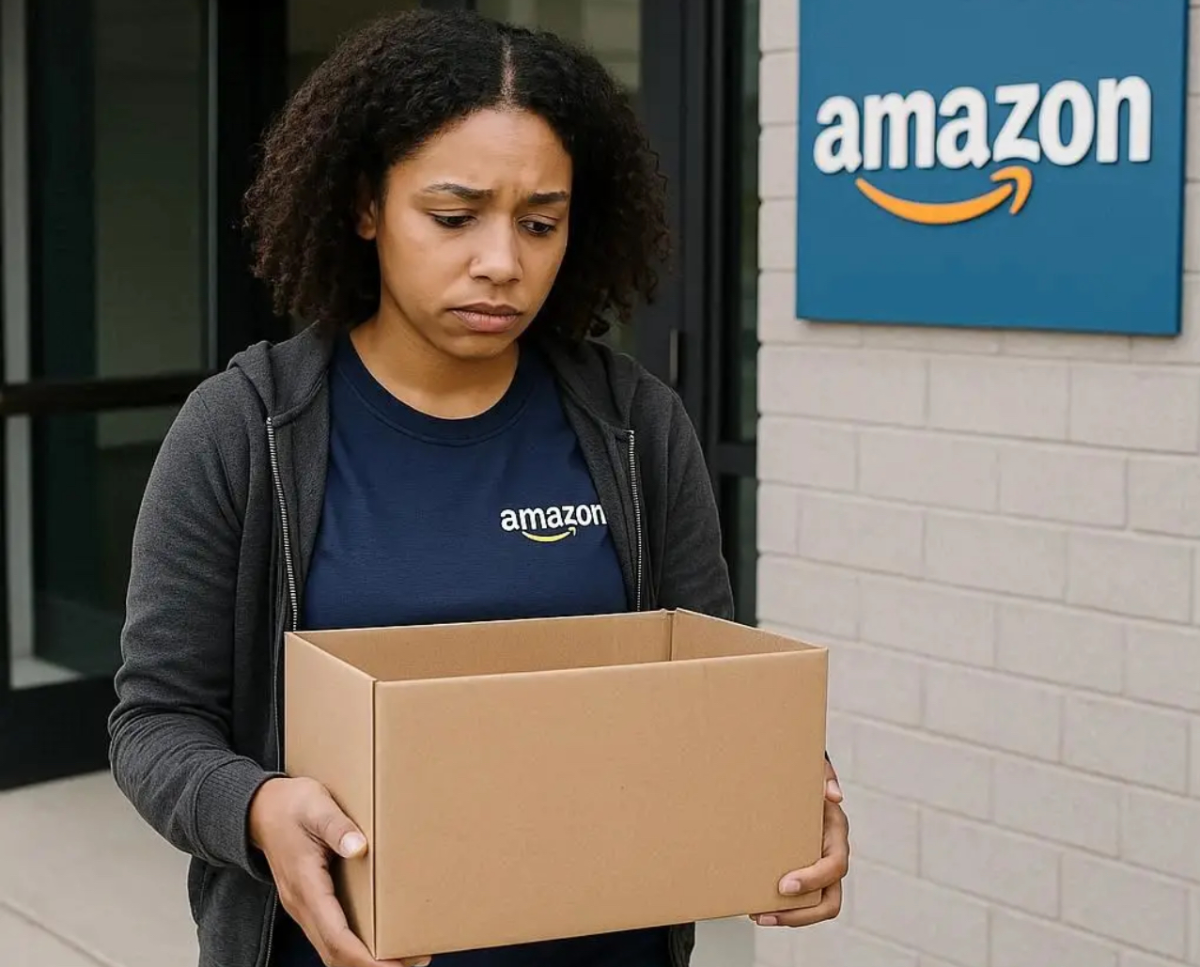
In a seismic shift for the tech and logistics sectors, Amazon.com Inc. laid off 14,000 workers early Tuesday, Oct. 28. The commerce giant is poised to slash up to 30,000 corporate positions across its sprawling empire.
The cuts, targeting key departments including logistics, payments, gaming, and the powerhouse cloud-computing arm AWS, mark the e-commerce behemoth’s largest workforce reduction since the post-pandemic downsizing frenzy of 2022-2023, when over 27,000 jobs were eliminated.
Amazon Begins Massive Layoffs of Corporate Employees
This bombshell development, first reported by Reuters and corroborated by sources across Bloomberg, Forbes, and GeekWire, comes amid Amazon’s aggressive pivot toward artificial intelligence (AI) and automation.
CEO Andy Jassy has long signaled a leaner future for the company’s 350,000-strong corporate workforce, emphasizing that AI would supplant human roles in routine tasks.
Internal strategy documents leaked last week projected the replacement of up to 600,000 workers with robots and AI tools by 2033, a vision now accelerating into harsh reality.
A Pandemic Hangover and AI’s Double-Edged Sword
Amazon’s rapid expansion during the COVID-19 boom saw its corporate headcount triple from 2017 to 2022, fueling unprecedented growth in online retail and cloud services.
But as demand normalized, the Seattle-based giant has been on a cost-cutting crusade.
This year’s layoffs already tally around 20,000 roles tied to technological shifts, with another 17,000 explicitly linked to AI implementations, per Forbes analysis.
The impending cuts represent roughly 10% of Amazon’s non-warehouse staff and could rival historic benchmarks, nearly matching Boeing’s 31,000 job eliminations in the wake of the 2001 terrorist attacks.
In the broader tech landscape, Layoffs.fyi reports over 98,000 positions lost across 216 companies in 2025 alone, with Amazon’s move poised to eclipse the sector’s annual total.
For Atlanta’s jobs market, the ripple effects could be profound.
Amazon’s regional footprint includes a major fulfillment center in Forest Park and a burgeoning AWS office in Midtown, employing thousands in logistics and tech roles.
While the layoffs are primarily corporate and Seattle-centric—impacting about 50,000 workers in the Puget Sound area—the Southeast’s logistics hubs may face secondary pressures as supply chain efficiencies ramp up via automation.
Local economists warn that displaced white-collar talent could flood Atlanta’s competitive job market, straining sectors like IT and operations.
“Atlanta has been a magnet for tech jobs, but waves like this remind us of the sector’s volatility,” said Dr. Elena Vasquez, labor economist at Georgia State University’s Andrew Young School of Policy Studies. “We’re talking high-skill roles—data analysts, project managers—that don’t always pivot easily to warehouse gigs, even with Amazon’s seasonal hiring push.”
Holiday Hiring vs. Corporate Carnage
In a stark juxtaposition, Amazon announced earlier this month plans to onboard 250,000 seasonal warehouse workers nationwide for the holiday rush, including opportunities in Georgia facilities. Yet, corporate staffers face an uncertain Black Friday: Emails detailing terminations are expected to drop Tuesday morning, per CNBC sources
The company’s People Experience and Technology (PXT) division, which encompasses HR and recruiting, is already bracing for a 15% trim—about 1,500 roles from its 10,000-employee roster.
Amazon has declined immediate comment, but Jassy’s prior memos underscore the strategy: “Unregretted attrition” targets—where managers aim for a set percentage of voluntary or forced exits—have become a staple, ensuring the firm sheds “non-essential” overhead.
With capital expenditures surging to over $100 billion in 2025—mostly for AI infrastructure—the message is clear: Efficiency trumps headcount.
Broader Implications for Georgia’s Workforce
Georgia’s tech ecosystem, bolstered by Amazon’s $1.2 billion investment in a cloud region here since 2019, now grapples with the flip side of Big Tech’s innovation drive.
The state added 12,000 logistics and IT jobs last year, per the Georgia Department of Labor, but AI disruptions could temper that growth.
Displaced Amazonians might eye opportunities at rivals like Delta Air Lines’ tech hub or Microsoft’s expanding Atlanta presence, but competition will be fierce.
Labor advocates are mobilizing: The Atlanta-based Jobs with Justice coalition plans virtual town halls this week to support affected workers, offering resume workshops and severance navigation.
“These aren’t just numbers—they’re families, mortgages, and futures,” said organizer Malik Thompson. “Amazon’s profits soared 50% last quarter; workers deserve a safety net, not a pink slip.”
As notifications roll out, Atlanta job seekers are urged to monitor platforms like LinkedIn and Indeed for emerging roles in AI-adjacent fields, where demand remains hot.
Final Word
Amazon’s cuts, while painful, underscore a national pivot: Upskilling in machine learning and data science could be the ticket to weathering the storm.
If you’re been let for from your job, read our guide on how to navigate a layoff.
AtlantaFi.com is your go-to source for employment trends, career advice, and economic insights in the Peach State. Stay tuned for updates as this story develops.
If you’re looking to get hired in Atlanta right now, there’s a very real possibility that you can land your dream job.
Read more: Best Work From Home Jobs In Atlanta, Georgia