-
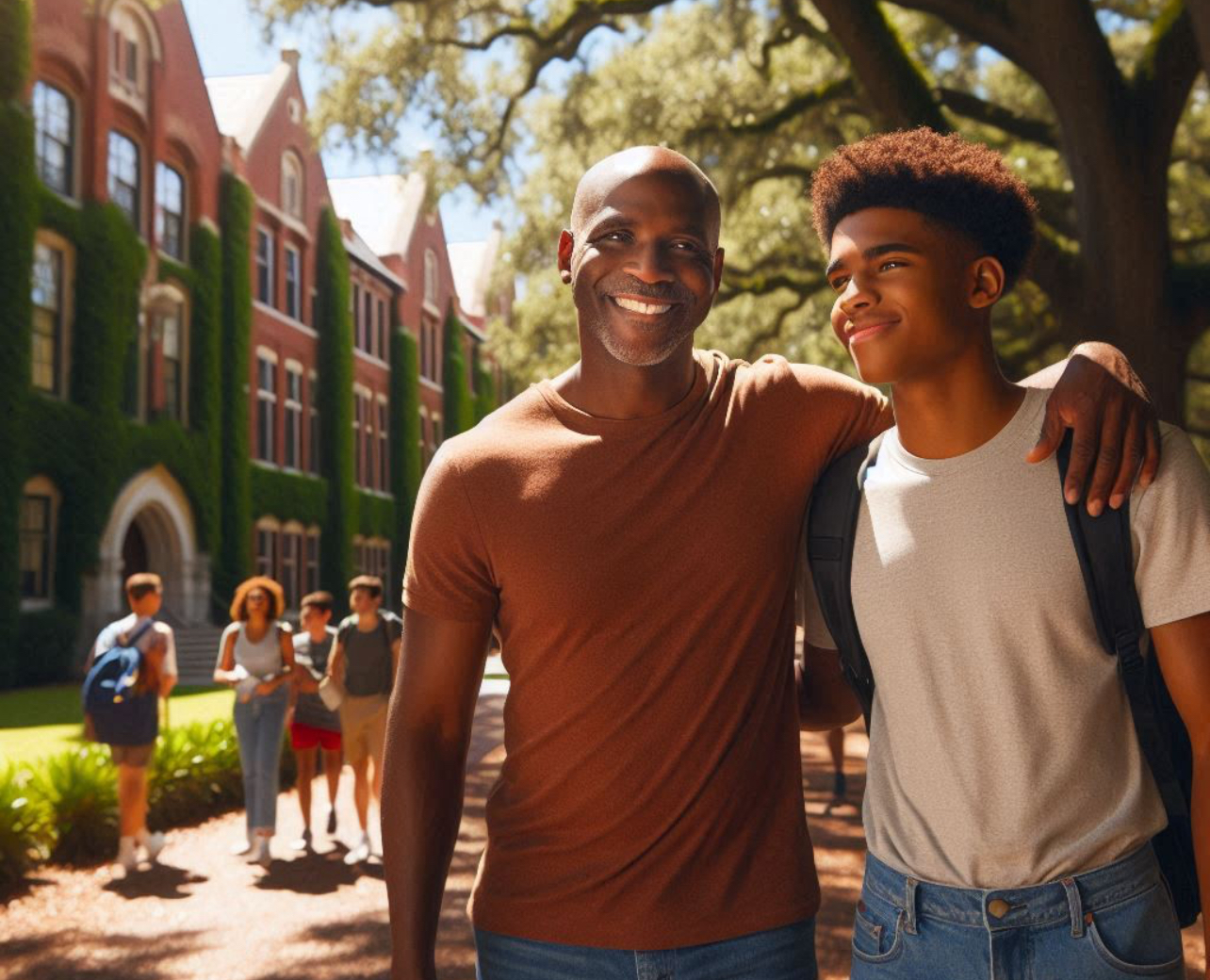
Nestled in the heart of Atlanta’s historic Vine City neighborhood, Morris Brown College stands as a beacon of resilience and educational empowerment for the African American community.
As one of the city’s cherished historically Black colleges and universities (HBCUs), along with Spelman College, it has weathered storms of financial hardship and institutional challenges while producing leaders who have shaped civil rights, arts, sports, and more.
Whether you’re a local resident, a prospective student, or just curious about Atlanta’s rich Black heritage, here are key things to know about this iconic institution, including its storied history and notable alumni.
1. A Brief History of Triumph and Tenacity
Morris Brown College traces its roots back to January 5, 1881, when it was founded in the basement of Big Bethel African Methodist Episcopal (AME) Church in Atlanta by African Americans affiliated with the AME Church—the first independent Black denomination in the United States.
Named after Bishop Morris Brown, a key figure in the church’s establishment, the college was originally called Morris Brown Colored College.

It was chartered and officially opened on October 15, 1885, with 107 students and nine teachers in a modest wooden structure at Boulevard and Houston Streets (now John Wesley Dobbs Avenue).
2. Morris Brown Was First in Georgia To Be Owned by Blacks
This marked a groundbreaking milestone: Morris Brown became the first educational institution in Georgia to be owned and operated entirely by African Americans, emphasizing moral, spiritual, and intellectual growth for Black youth in the post-Emancipation era.
The college grew rapidly, boasting 14 faculty members, 422 students, and 18 graduates by 1898.
It focused on enrolling students from humble backgrounds, many of whom went on to become teachers in their hometowns, aligning with the AME Church’s mission of education as a tool for upliftment.
3. Morris Brown Relocated
In 1932, facing financial pressures, Morris Brown relocated to its current campus on the Atlanta University Center (AUC) grounds, leasing property for $1 a year and joining the AUC consortium in 1957.
The campus includes historic sites like Fountain Hall, a National Historic Landmark where W.E.B. Du Bois penned “The Souls of Black Folk” in 1903, and Herndon Stadium, which hosted events during the 1996 Summer Olympics.
The mid-20th century saw expansions in programs like business, teacher education, nursing, and hospitality, transitioning Morris Brown into a full four-year liberal arts college.
However, the early 2000s brought severe challenges.
4. Morris Brown Weathered Financial Troubles
A financial aid fraud scandal involving former president Dolores Cross and financial aid director Parvesh Singh led to falsified enrollment data, resulting in the loss of accreditation from the Southern Association of Colleges and Schools in 2002.
This triggered a cascade of issues: enrollment plummeted from over 2,500 to fewer than 50 students by 2018, a $13 million debt default, bankruptcy in 2012, and the sale of much of the campus to the City of Atlanta in 2014.
Buildings deteriorated, and the college faced vandalism and arson.
Yet, Morris Brown’s story is one of resurgence. Under President Kevin E. James, appointed in 2020, the institution launched a “Hard Reset” initiative.
5. Administration Righted the Ship
In 2021, it partnered with Hilton for a $30 million investment to build a hotel and revive its hospitality program.
A pivotal moment came on April 26, 2022, when the Transnational Association of Christian Colleges and Schools (TRACS) granted full accreditation after nearly two decades without it—restoring access to federal aid and boosting enrollment to over 300 students by 2024.
Recent drama included James’s brief firing in January 2026, followed by his reinstatement, underscoring ongoing governance efforts.
Today, Morris Brown offers degrees in business, leadership, and more, remaining a “haven for all hungry souls” in Atlanta’s educational landscape.
How Much Is Tuition at Morris Brown College?
Tuition is $4,250 per semester for full-time students (often highlighted as one of the most affordable rates for a four-year private college). This is consistent across recent references on their site, including the FAQ and announcements.
From detailed breakdowns (e.g., for the 2025-2026 period):
- Tuition Per Semester: $4,250 (full-time student) or $354.17 per credit hour (half-time/part-time student).
- This equates to an annual tuition of around $8,500 (for two semesters, assuming full-time enrollment).
- Additional costs include:
- Mandatory fees: Approximately $1,058 (varies slightly by category or enrollment status).
- Books & supplies: $400–$1,000 per semester.
- Other potential fees: e.g., parking, etc. (specifics listed on their tuition page).
- Total estimated cost of attendance can vary based on housing, course load, and other factors, but tuition itself remains at the per-semester rate noted.
Note that some third-party sites (like College Tuition Compare or Scholarships.com) list annual tuition/fees around $9,558–$9,718 (likely including fees or averaged), with minor projected increases estimated for 2026 (e.g., ~$9,881). However, the college’s own sources emphasize the $4,250 per semester figure and promote it as highly affordable, with robust financial aid options available (including Title IV federal aid eligibility).
For the most precise and personalized details—especially for Spring 2026 enrollment or any updates—visit the official page at https://morrisbrown.edu/tuition-fees or contact their financial aid office. Costs can vary based on individual circumstances, credits, and aid.
Famous Alumni Who’ve Made Their Mark
Morris Brown College has produced a remarkable array of trailblazers across fields like civil rights, entertainment, sports, and public service. Here’s a spotlight on some of its most notable graduates:

- Hosea Williams: A prominent civil rights activist, minister, and businessman who worked alongside Dr. Martin Luther King Jr. in the Southern Christian Leadership Conference (SCLC) and led marches for voting rights.
- James Alan McPherson: The first African American to win the Pulitzer Prize for Fiction in 1978 for his short story collection “Elbow Room”; also a MacArthur “genius grant” recipient.
- Sommore (Lori Ann Rambough): Renowned comedian and member of the “Queens of Comedy” tour; known for her stand-up specials and roles in films like “Soul Plane.”
- Beverly Harvard: Atlanta’s first Black female police chief (1994-2002) and later a U.S. Marshal; a pioneer in law enforcement.
- Alberta Williams King: Mother of civil rights icon Dr. Martin Luther King Jr.; an educator and musical director who influenced Atlanta’s Black community (though her attendance is noted in some historical records).
- Donte Curry: Former NFL linebacker who played for the Carolina Panthers and Detroit Lions.
- Solomon Brannan: Former NFL and AFL defensive back for teams like the Kansas City Chiefs and New York Jets.
- Thomas Jefferson Byrd: Acclaimed theater and film actor known for roles in Spike Lee films like “Chi-Raq” and “Clockers.”
- Melody Maddox: DeKalb County’s first African American female sheriff and a leader in Georgia law enforcement.
- Jean Carn: Influential jazz and R&B singer famous for hits like “Don’t Let It Go to Your Head.”
- NeNe Leakes (Linnethia Leakes): Reality TV star from “The Real Housewives of Atlanta” and entrepreneur; attended for two years.
- Rosa Slade Gragg: Educator, school founder, and advisor to U.S. presidents including Roosevelt, Kennedy, and Johnson.
- Charles W. Chappelle: Aviation pioneer, international businessman, electrical engineer, and architect who headed the African-American Union.
- Ezra Johnson: Former NFL defensive end for the Green Bay Packers and Indianapolis Colts.
These alumni exemplify Morris Brown’s legacy of fostering talent and leadership, contributing to Atlanta’s cultural and social fabric.
As Morris Brown continues its revival, it remains a vital part of Atlanta’s HBCU ecosystem, offering opportunities for the next generation. For more on local education and history, stay tuned to AtlantaFi.com.
Here Are The Best New Restaurants In Atlanta
-

ATLANTA – In a city synonymous with Tyler Perry’s iconic Madea character, a new viral sensation is turning heads and eliciting double-takes online.
A video featuring a 65-year-old woman bearing an uncanny resemblance to the sassy, no-nonsense matriarch has exploded on social media, amassing millions of views and sparking a wave of comedic comparisons.
Madea Doppleganger Gets Reactions Online
The clip, which first gained traction on X (formerly Twitter), shows the woman confidently posing in front of a kitchen mirror, dressed in a form-fitting gray athleisure set.
With her silver hair styled in soft waves, oversized glasses, and a bright smile, she turns to showcase her impressively toned physique from various angles.
The surprise element? Her age, which has left viewers stunned and questioning if this could be Madea herself stepping out of character.
Posted by user @Raindropsmedia1, the video caption reads, “Woman goes viral after fans claim she looks like Madea 👀,” and has racked up over 300,000 views, thousands of likes, and hundreds of reposts.
Similar posts from other accounts, echoed the sentiment, with one user noting, “She def looks like Madea with the hair and eyewear.”
Reactions poured in quickly, blending humor with admiration. “Omg…she looks like Madea with a 360 mommy makeover 💀,” quipped @NeuroDataDefrag, referencing the popular cosmetic procedure.
Another user, @Gyvettem, shared, “I went past this post, and I saw what I thought was Madea, so I scroll back down to take another look. This person definitely looks like Madea.”
Even international audiences chimed in, with a Spanish-language post from @iamsinnombre translating to “Woman goes viral after fans claim she looks like Madea 👀.”
The video’s origin remains somewhat mysterious, but its timing couldn’t be more fitting for Atlanta residents. Tyler Perry, the creator and portrayer of Madea (Mabel “Madea” Simmons), has deep roots in the city.
His Tyler Perry Studios, located in southwest Atlanta, has become a hub for film and television production, bringing the larger-than-life character to screens worldwide through movies like Madea’s Family Reunion and Madea Goes to Jail.
Fans speculate whether this doppelganger could inspire a new Perry project or if she’s simply a testament to timeless style and fitness.
While the woman’s identity hasn’t been publicly confirmed, her confident display has inspired conversations about aging gracefully and body positivity. In a world often focused on youth, this 65-year-old’s poise serves as a reminder that vitality knows no age limit.
As the video continues to circulate, Atlanta locals are buzzing about the possibility of spotting more Madea lookalikes in the Peach State. Could this be the start of a new trend? Only time—and perhaps Tyler Perry himself—will tell.
For more local entertainment news and viral stories, stay tuned to AtlantaFi.com.
-

Flexcar Atlanta is expanding its presence in the greater metro area with new hubs in Morrow and Marietta, making its innovative month-to-month car lease service more convenient for drivers across the region.
The flexible car lease company, which positions itself as the first and only true month-to-month option, announced the openings to meet surging demand in one of its fastest-growing markets.
Flexcar Grows in Metro Atlanta
The new locations add more than 25,000 square feet of retail and lot space combined, boosting capacity for hundreds of additional vehicles and improving access for pickup, swaps, and returns.
This growth is expected to create approximately 45 new local jobs in operations, service, and customer support roles, with potential for more hiring as the company continues to scale.
Flexcar offers a modern alternative to traditional car ownership or long-term leases: zero down payment, all-inclusive monthly payments covering the vehicle, insurance, maintenance, repairs, roadside assistance, and registration.
Members can choose from a diverse fleet of over 200 makes and models—including popular options like the Jeep Grand Cherokee, Nissan Altima, Volvo XC60, and Chevy Equinox—browse and select via the website or app, drive as long as desired, and swap or cancel anytime without penalties.
Atlanta customers have already driven more than 150 million miles with Flexcar, reflecting strong adoption in the metro area.
The new Morrow and Marietta locations join existing hubs (such as in Stone Mountain/Lilburn) to provide broader coverage north and south of the city, helping reduce wait times and enhance service for the rapidly expanding membership base.
“Atlanta is one of Flexcar’s fastest-growing markets, with demand for our flexible, all-inclusive car leases growing exponentially,” said Ryan Quinlan, CEO of Flexcar. “Opening hubs in Morrow and Marietta will allow us to deliver best-in-class service to our rapidly expanding customer base.”
As more Atlanta-area residents rethink traditional car buying amid rising costs and lifestyle changes, Flexcar’s model appeals to those seeking simplicity and flexibility—whether for short-term needs, testing different vehicles, or avoiding long-term commitments.
Cars start as low as $199 per month (plus any protection/insurance add-ons), with no hidden fees or dealership hassles.
For more details on available vehicles, pricing, or to get started, visit www.flexcar.com or check the Flexcar support site for specific hub addresses and hours.
Atlanta drivers can now experience this hassle-free option closer to home in more parts of the metro region.
Check Out Our Atlanta Travel Guide
-
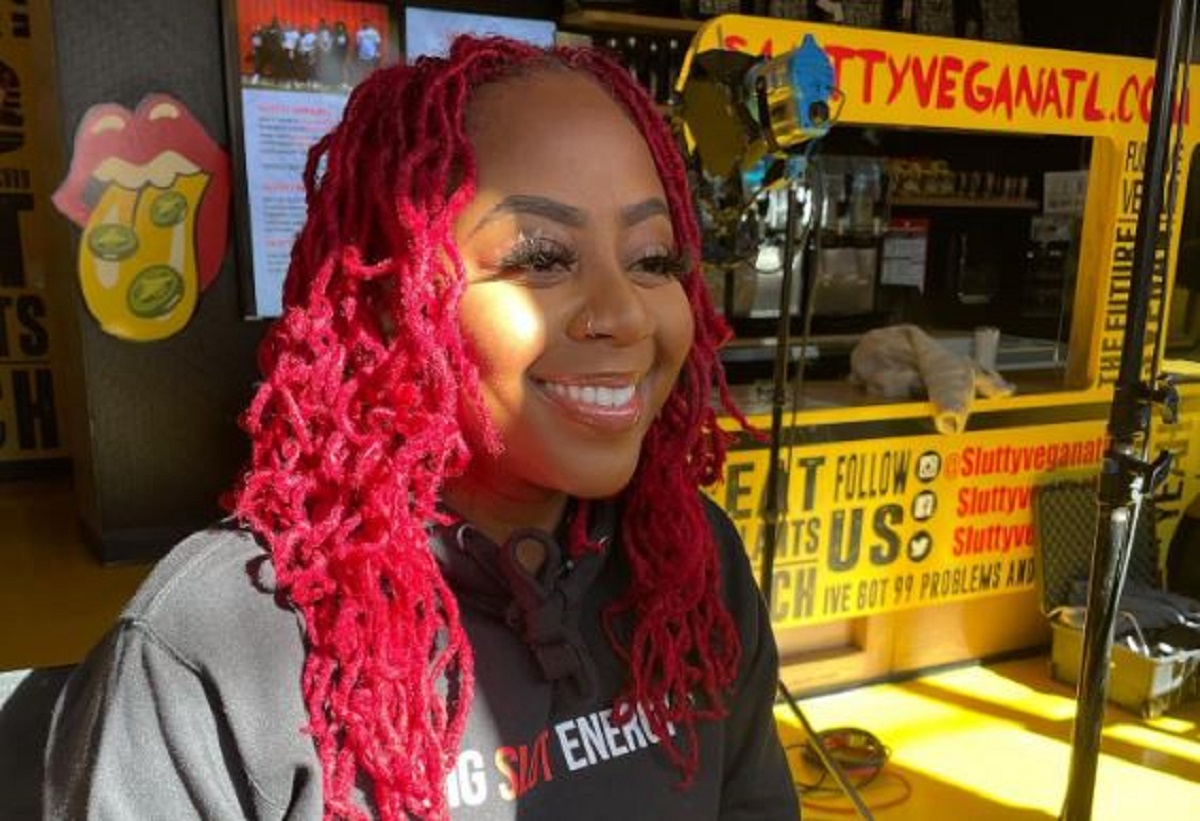
Pinky Cole, the dynamic entrepreneur behind the viral vegan fast-food chain Slutty Vegan and a fresh face on Bravo’s The Real Housewives of Atlanta, has filed for Chapter 11 bankruptcy protection.
The filing, submitted on February 12, 2026, in the U.S. Bankruptcy Court for the Northern District of Georgia, addresses approximately $1.4 million in personal debt, primarily consisting of $1.2 million owed to the U.S. Small Business Administration (SBA) and $192,000 in state taxes to the Georgia Department of Revenue.
This move comes as Cole navigates ongoing financial challenges while expanding her brand and stepping into the reality TV spotlight.
The Rise of Slutty Vegan
Cole launched Slutty Vegan in 2018 as a humble food truck in Atlanta, quickly gaining a cult following for its cheeky branding and plant-based twists on classic comfort foods like burgers and fries.
The chain’s provocative name and menu items—think “One Night Stand” or “Hollywood Hooker”—drew long lines and celebrity endorsements, propelling it to expand to 14 locations across the U.S., including spots in New York, Dallas, and Birmingham.

However, rapid growth brought its own hurdles, leading to the closure of several outposts in recent years.
In 2025, Cole faced a major setback when she lost control of Slutty Vegan due to mounting debt.
She filed for a state-level restructuring on February 13, 2025, and by March 28, successfully bought back the company under a new parent entity named “Ain’t Nobody Coming to See You, Otis.”
Cole, who owns 85% of the chain, has since shifted focus to franchising as a strategy for sustainable growth.
Bankruptcy Filing: A Strategic Reset
The Chapter 11 filing is described by Cole as a “proactive measure to restructure and move forward.”
Unlike Chapter 7, which involves liquidation, Chapter 11 allows for reorganization while continuing operations. Court documents indicate a teleconference scheduled for March 12, 2026, with a full bankruptcy plan due by June 12.
Cole’s assets are listed modestly at around $14,007, underscoring the personal nature of the filing rather than a corporate one for Slutty Vegan itself.
This isn’t Cole’s first brush with financial adversity. Last year, reports surfaced of nearly $90,000 in unpaid rent tied to her businesses, highlighting the pressures of scaling in a competitive restaurant industry.
Blog Experts note that vegan concepts like Slutty Vegan face unique challenges in appealing to a broad audience, especially amid economic headwinds affecting the fast-food sector.
Reality TV Debut and Future Prospects
Amid these financial maneuvers, Cole is making waves in entertainment. She recently joined The Real Housewives of Atlanta as a new cast member, alongside returning stars and singer K. Michelle. Her storyline is expected to blend her entrepreneurial grit with personal life, including her marriage and family.
Public reaction on social media has been mixed, with some viewing bankruptcy as a savvy business tool rather than a failure.
Comments emphasize that high-profile figures often use Chapter 11 for asset protection and fresh starts, particularly in challenging economic times.
Cole remains optimistic, stating in interviews that this is “not the end; it’s a new beginning.”
As Slutty Vegan eyes franchising and Cole steps into the Bravo limelight, her story serves as a reminder of the highs and lows of building a brand in today’s economy. Whether this restructuring paves the way for renewed success or signals deeper issues remains to be seen, but Cole’s resilience has been a hallmark of her career thus far.
-
Atlanta’s restaurant scene has been tested fo late like never before. Some very well-known restaurants have gone by the wayside.
From hole-in-the-wall gems to upscale staples, our restaurants have hosted first dates, family reunions, and late-night celebrations. But over the past 25 years, economic shifts, pandemics, rising rents, and the relentless march of urban development have claimed dozens of beloved spots.
This article will show you the iconic Atlanta restaurants and bars that have closed their doors from 1999 to 2025. As we reflect, we honor the eateries that shaped our culinary identity—and left us craving one last bite.
These losses aren’t just about empty storefronts; they’re chapters in Atlanta’s story. Many succumbed to the 2008 recession’s aftershocks, the COVID-19 fallout, or the post-pandemic squeeze of inflation and labor shortages. Others bowed out gracefully after decades of service, their owners ready for retirement.
Here’s a look at some of the top casualties, drawn from the memories of longtime locals and the archives of our evolving food landscape.
Bahama Breeze (February 2026)

Popular Caribbean-themed chain Bahama Breeze announced that is is closing all of its U.S. locations, including two metro Atlanta restaurants. The stunning news was announced by Bahama Breeze’s parent company, Darden Restaurants, on February 3, 2026.
Agave (December 2025)

Photo credit: Agave Atlanta Agave, an established neighborhood restaurant just off Memorial Drive, announced in December 2025 that it will close after 25 years in business.
The Original Taco Mac (Closed 2025)

What began as a humble sports bar in Virginia-Highland in 1979 evolved into an Atlanta institution, slinging buffalo wings and endless drafts to generations of Braves fans. The flagship location on North Highland Avenue shuttered in May 2025 after 46 years, following the closure of other outposts. 27 “It was more than a bar—it was where we watched our first Falcons game,” recalls one former patron. The chain’s expansion couldn’t save the original from rising costs and changing tastes.
Eats (Oct. 18, 2025)

Perched on Ponce de Leon Avenue since 1992, this Midtown mainstay was a beacon of affordable comfort: jerk chicken plates, Southern veggies, and $10 specials that drew everyone from artists to office workers. Owners Bob Hatcher and Charlie Kerns transformed a former swingers club into a neighborhood anchor, but after 33 years, Eats announced its final service for October 18, 2025. 4 Recent vandalism added to the woes, but Hatcher cites the evolving Eastside Beltline scene as the tipping point. “It was a place to gather,” he said. Loyalists are already planning farewell feasts.
West Egg Cafe (Closed 2024)
For 20 years, this West Midtown brunch haven at Westside Provisions dished out award-winning shrimp and grits, sour cream pancakes, and chicken-and-waffles stacks that made weekends legendary. 39 Owners Jennifer and Ben Johnson closed on December 29, 2024, blaming a post-pandemic drop in in-person dining. “Our hearts are breaking, but it is time,” they shared. The spot’s dog-friendly patio and bottomless mimosas will be sorely missed amid the area’s restaurant exodus.
The General Muir (Closed 2024)

This Sandy Springs deli, a 2014 James Beard semifinalist, channeled Jewish deli nostalgia with towering pastrami sandwiches and matzo ball soup. It closed in late 2024 as pandemic scars lingered, marking a quiet end to a decade of acclaim. 24 Chef/owner Jenny Ung praised her team’s resilience but noted the industry’s brutal economics. For many, it was Atlanta’s answer to New York’s classics—gone too soon.
Floataway Cafe (Closed 2022)

Tucked away on Zonolite Road for 25 years, Anne Quatrano’s Westside gem offered intimate, farm-to-table magic: think wood-fired pizzas and seasonal tasting menus in a converted warehouse. 52 The James Beard-winning chef closed it days before Christmas 2022, opting for retirement after a storied career. Patrons mourned the loss of its dog-friendly patio and anniversary-worthy ambiance, a casualty of rising rents in the booming neighborhood.
Ann’s Snack Bar (Closed 2022)

In Kirkwood since 1971, this no-frills dive was the birthplace of the “World Famous Ghetto Burger”—a double-patty masterpiece slathered in chili, slaw, and hot sauce for under $5. 50 Owner Ann Price shut it down in April 2022 at age 92, ending 51 years of greasy-spoon glory. Featured in Esquire and Anthony Bourdain’s travels, it embodied Atlanta’s unpretentious soul. The building’s sale sealed its fate, but copycats keep the spirit alive.
10 Degrees South (Closed 2024)

Buckhead’s go-to for South African braai (barbecue) since 1999, this family-run spot grilled boerewors sausages and bobotie for 25 years. 49 Justin Anthony’s eatery closed in 2024 when the space sold to new owners. It introduced Atlantans to peri-peri prawns and bunny chow, filling a niche in our diverse scene.
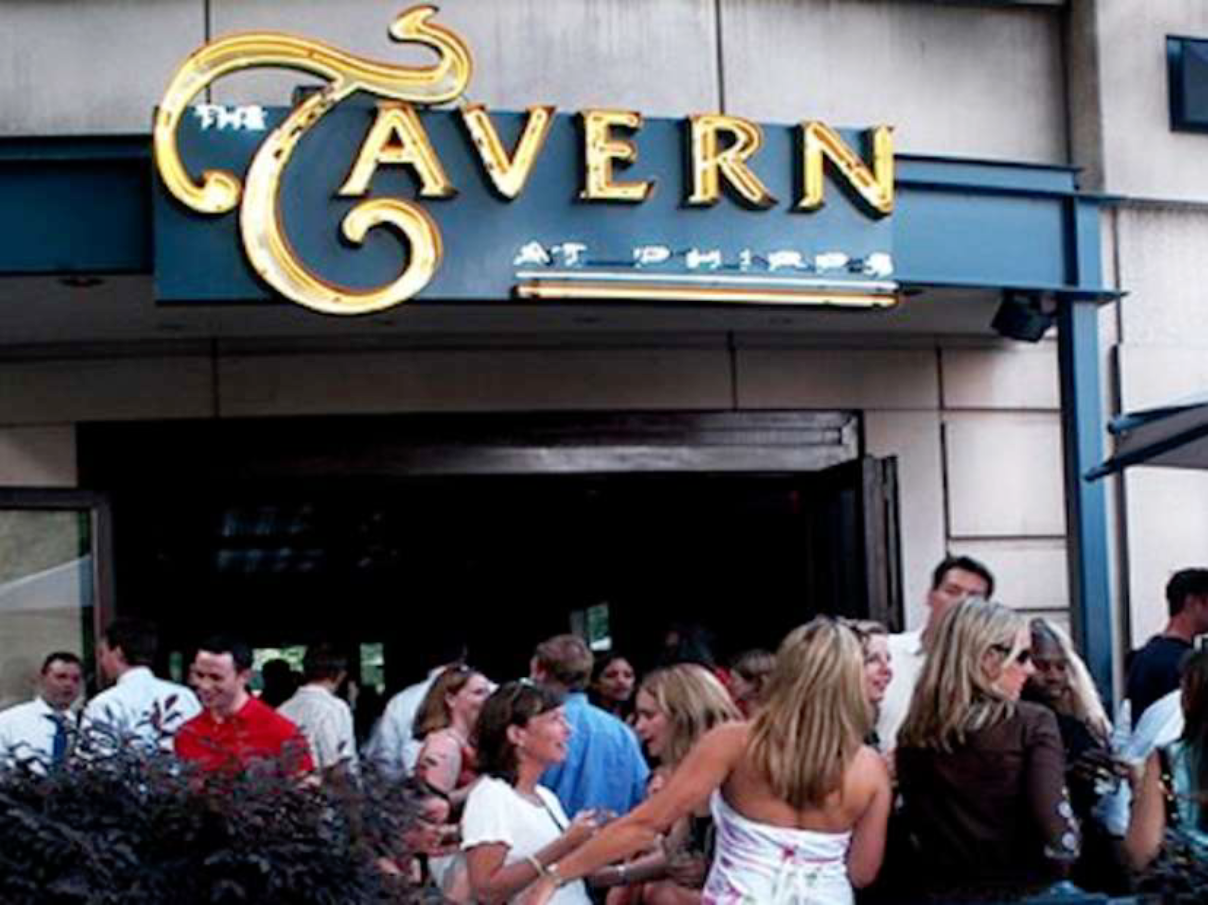
The Tavern at Phipps (Closed 2020)

This Buckhead fixture inside Phipps Plaza dished upscale pub fare—fish and chips, shepherd’s pie—for over a decade. 13 COVID-19 forced its permanent shutdown in 2020, part of the pandemic’s toll on mall dining. CentraArchy Hospitality eyed a relocation, but the original’s cozy vibe remains irreplaceable.
A Wave of Recent Losses: West Midtown’s Woes
Atlanta’s restaurant roulette peaked in West Midtown, where over 20 spots shuttered since 2023, including Snooze A.M. Eatery (2025), Humble Pie (2025), and Culinary Dropout (2025). 17 Blame high rents, parking woes, and oversaturation—taco joints and pizzerias couldn’t sustain the boom. “It’s going backwards,” lamented one resident.
Looking Ahead: Resilience in the Rubble
As we bid adieu to these icons, Atlanta’s scene rebounds with fresh faces like El Super Pan and Pink Lotus. 38 But the pain lingers. “These places weren’t just about food—they were our history,” says local food historian Beth McKibben. Support your neighborhood spots; they might be tomorrow’s memories.
Favorite Atlanta Restaurants Gone But Not Forgotten
These span various eras and neighborhoods, capturing that nostalgic vibe you described—perfect for crossing off your “what might have been” list while building new memories.
- 88 Tofu House (Buford Highway area)
- Aunt Fanny’s Cabin
- BBQ Corner
- Bien Thuy
- Bobby and June’s Country Kitchen
- BoBo Garden
- Boston Sea Party (on Roswell Rd.)
- Bridgetown Grill
- Cafe 101 (Buford Highway area)
- Cafe Tu Tu Tango
- Cantina la Casita
- Caruso’s
- Carver’s
- Chateau Fleur de Lis
- Chef’s Cafe
- China Delight (Buford Highway area)
- Cleve’s
- Coach and Six
- Cross Roads
- Dante’s
- Delicious Kabob (Buford Highway area)
- Dreamland (in Norcross)
- Elite ’25
- Everybody’s Pizza
- Famous Dave’s
- Fratelli Di Napoli
- Fuoco di Napoli
- Garlic Thai & Sushi
- Geisha House
- Go Hyang House (Buford Highway area)
- Gumbo-a-go-go
- HD1
- Hashiguchi Jr.
- Houck’s (in East Cobb)
- Houston’s (in Dunwoody)
- Hudson North
- Iris (East Atlanta)
- J’s Country Cafe (in Ormewood Park)
- Jilly’s
- Junior’s (on Tech campus)
- Kitsch’n 155
- Korea House
- Kool Korners
- La Madeleine (in Buckhead)
- Le Papillon
- LOLA at Terminus
- Mammy’s Shanty
- Mick’s
- Oh Maria
- Old Country Buffet
- Owens (on Old National)
- Pho 96 (Buford Highway area)
- Pleasant Peasant
- Pura Vida
- Ray’s NY Pizza (on Ptree)
- Ribs Etc
- RiceSticks
- Rio Vista
- Royal Gourmet (in Marietta)
- Sambucas Jazz restaurant (on Piedmont Rd.)
- Shaun’s
- STG Trattoria
- Steady Hand
- Super Pan
- Sylvia’s Soul food (downtown)
- Tartufo
- The Abbey
- The Ambassador
- The Magic Pan (at Lenox)
- The Sandpiper
- Tortilla’s
- Veggieland
- Vickery’s (Midtown)
- Victory Sandwich (in Inman Park)
- Waffle House (at N. Peachtree and 285)
Have a favorite that’s faded? Share in the comments. Atlanta eats on, but let’s savor the flavors we’ve lost.
Final Word
As many restaurants close down, Atlanta restaurant openings are on the rise at the same time. In Midtown, the best restaurants are on the Beltline and they all have excellent customer service and food. What separaes them from many of the other spots is that they’re on the urban playground called the Beltline.
The ATL has other cool eateries as well. If you’re gluten-free, there’s plenty of options. Same goes for keto-friendly restaurants or Asian fare in Atlanta.
Here are the best new restaurants in Atlanta
AtlantaFi.com is your source for the stories shaping our city. Follow us for more on the people, places, and plates that define the A-T-L.
-
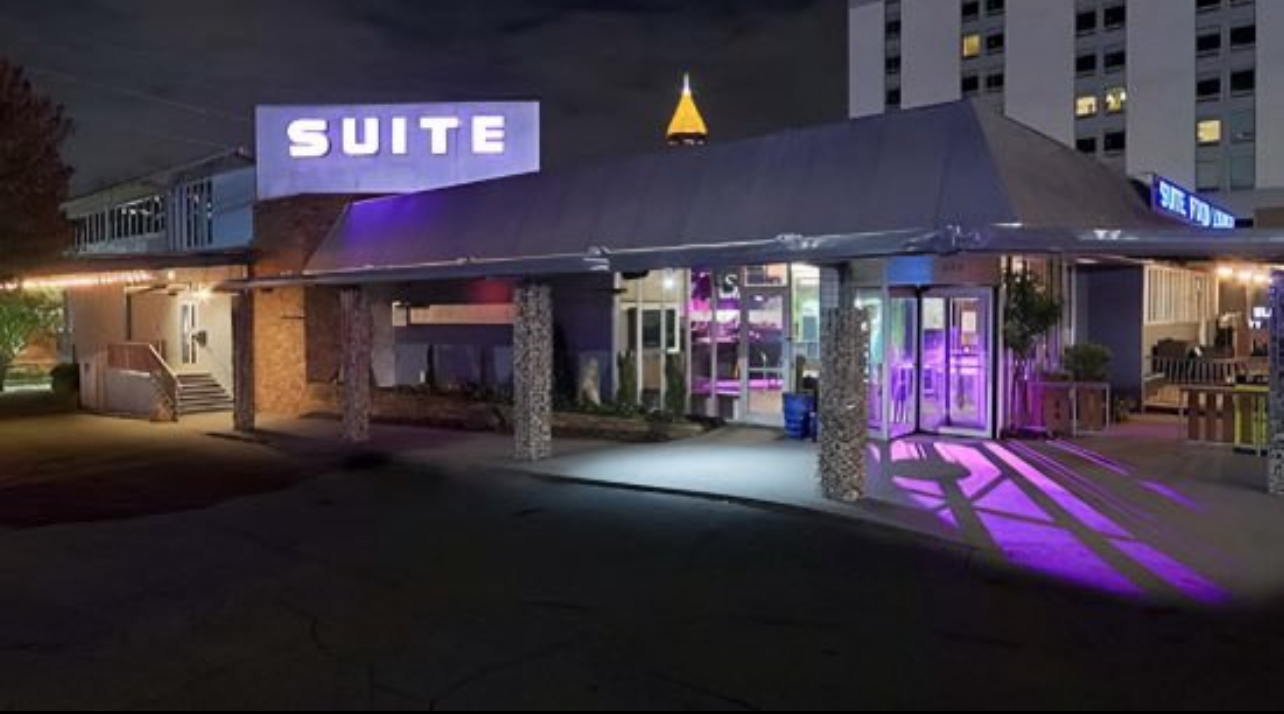
A beloved fixture of downtown Atlanta’s nightlife scene for over a decade, Suite Food Lounge at 375 Luckie Street NW, has announced that it prepares to close its doors for good.
The venue will be remembered as one of the best clubs in the city, with its eye-catching exterior bathed in vibrant purple and blue lighting, distinctive peaked roofline accented by a golden triangular element.
Iconic Downtown Atlanta Nightspot Suite Food Lounge Announces Closure
The modern, inviting entrance features automatic glass doors framed by textured stone pillars, outdoor seating areas, and colorful ground projections that create a dynamic, almost futuristic ambiance against the dark night sky.
Nearby high-rise buildings loom in the background, highlighting the spot’s prime location in the bustling Luckie Street entertainment district.
Suite Food Lounge – often simply called “Suite” by locals – has long been known as more than just a restaurant.
It combined upscale dining with a lively nightclub atmosphere, featuring multiple bars, a dance floor, live entertainment including the popular Suite Jazz Series, and a rooftop area known as Greenhaus.
The venue offered a fusion of classic American cuisine with Southern-inspired twists, from shrimp and grits to creative cocktails, drawing crowds for everything from dinner dates to late-night partying and special events.
After 13 years of operation, owners announced on Feb. 3 the permanent closure with heavy hearts. In a social media post, they expressed deep gratitude to loyal patrons, noting the countless memories created within its walls.
The news has sparked an outpouring of nostalgia online, with hundreds of commenters sharing stories of milestone celebrations, first dates, and unforgettable nights out in Atlanta’s downtown scene.
“Atlanta’s nightlife landscape is changing, but spots like Suite have left an indelible mark on our city’s culture,” said one longtime patron in response to the announcement.
Many are reflecting on how the venue helped define evenings in the area near Centennial Olympic Park and the Georgia Aquarium.
While the exact reason for the closure was not detailed beyond the owners’ emotional statement, the decision comes at a time when several longstanding entertainment venues in Atlanta have faced similar challenges. Suite’s final days are expected to draw large crowds eager for one last visit.
For those looking to reminisce or say goodbye, the venue’s website (suiteatl.com) and social media channels (@suiteloungeatl) remain active with updates.
As one era ends, Atlanta’s vibrant dining and entertainment community continues to evolve – but the glowing purple lights of Suite will linger in many memories.
Have your own Suite story? Share it in the comments below – we’d love to hear how this downtown gem impacted your Atlanta nights.
More from AtlantaFi.com:
-

Dropped your phone and now staring at a spiderweb of cracks? A cracked phone screen in Atlanta is one of the most common repairs we see every day. The good news? Atlanta has tons of reliable options for iPhone screen repair, Samsung screen repair, Android fixes, and more—often same-day service at competitive prices.
Whether you’re searching for “phone screen repair near me in Atlanta” or want to know average costs to fix a cracked phone screen, this guide covers everything: top-rated shops, what to expect on pricing, when it’s worth repairing vs. upgrading, and tips to get your device back fast.
How Much Does It Cost To Repair A Phone Crack?
Screen replacement costs vary by phone model, brand, and shop, but here’s a realistic 2026 breakdown for popular devices:
- iPhone models — Entry-level (like iPhone SE or older) often $100–$200; flagship iPhone 14/15/16 series typically $250–$350 (authorized repairs using genuine parts can be higher).
- Samsung Galaxy — Mid-range models around $150–$250; premium like S23/S24 Ultra closer to $300+.
- Other Android/Google Pixel — Usually $100–$250 depending on parts availability.
Many independent shops offer lower prices than official Apple/Samsung stores, with quality aftermarket or OEM-equivalent parts. Same-day repairs are common if parts are in stock. Always ask for a free quote—most places diagnose for free.
Pro tip: If your phone is older or under $300 value, compare repair cost vs. buying refurbished. But for newer flagships, fixing the screen almost always saves money.
Is It Worth Fixing A Phone Screen?
Absolutely, it is worth it to fix your cell phone, in most cases—especially if:
- You plan to keep the phone 1+ years.
- The damage is just the screen (no major internal issues).
- You have no AppleCare+ or insurance coverage.
Skip the repair if you’re upgrading soon or the phone has other damage (water, battery swelling). A quick diagnostic at a local shop can help decide.
Where To Fix A Phone In Atlanta
Here is where to take your device in Atlanta after you’ve cracked the screen.
uBreakiFix by Asurion
(Multiple locations across Atlanta)
Samsung Authorized Service Provider and Apple Independent Repair Provider. They specialize in cracked screen replacements for iPhone, Samsung Galaxy, Google, and more. Same-day service often available, lifetime warranty on many repairs. Great for genuine parts options. Call or check UBreakiFix for the nearest spot.Batteries Plus
4418 Roswell Road NE, Atlanta
Handles iPhone and Samsung repairs with genuine parts via official programs. Strong on screen fixes, batteries, ports. 6-month warranty. Convenient for north Atlanta folks.CPR Cell Phone Repair
Druid Hills: 2566 Briarcliff Rd NE, Suite 108, Atlanta, GA 30329
Affordable, fast fixes for phones, tablets, laptops. Highly rated for quick turnarounds on cracked screens.Best Buy Geek Squad
(Various Atlanta-area stores)
Apple Authorized Service Provider for iPhone screen repair. Same-day possible if parts in stock. Price match guarantee—good for official Apple parts.TechMates / Phone Tech
Multiple mentions in reviews, including Toco Hills area)
Praised for quick, on-site or shop repairs. Mobile service options available—great if you can’t drive with a shattered screen.Other solid mentions from locals:
- Cellairis (mall locations, affordable screen replacements).
- ScreenFixing (East Atlanta area, strong customer service for various brands).
- Cellaxs (Lenox Square Mall—convenient for iPhone/Samsung).
Search “phone screen repair Atlanta” on Google Maps for real-time hours, directions, and updated reviews. Many offer free diagnostics—walk in or schedule online.
Final Word
Once you crack the screen on your phone, it’s very hard to focus, but that’s exactly what you need to do. Thankfully, there are several places in Atlanta where you can fix your phone.
Obviously, you don’t want to go a long time with a cracked screen, so you’ll want to know where to take your device for cell phone repair. Speaking of electronics, if you want to know where to take your cracked phone, here are some handy resources.
Shopping for Gadgets? Scan Our Electronics Page
More Articles For You:
-

As Atlanta prepares to honor one of its most iconic native sons in the days ahead, a national report highlights that two Southern states—Mississippi and Alabama—still combine the observance of Martin Luther King Jr. Day with Robert E. Lee Day on the same date.
Here in Georgia, state offices, schools, and many businesses across metro Atlanta will close on Monday, January 19, 2026, solely in recognition of Martin Luther King Jr. Day.
Georgia long ago moved away from linking any commemoration of the Confederate general to the federal holiday celebrating Dr. King, who was born in Atlanta on January 15, 1929, and whose legacy of nonviolent civil rights activism continues to shape the city and nation.
The practice of combining the two observances dates back to the 1980s in certain states, when lawmakers added the new federal MLK holiday (first observed in 1986) to an existing state holiday marking Lee’s birth on January 19, 1807.
Efforts in Mississippi and Alabama to separate the holidays or remove the Lee designation have repeatedly failed in recent legislative sessions. Har tip to the Jackson Clarion-Ledger for wring about this.
MLK Day in Georgia
By contrast, Georgia reformed its holiday calendar years ago. What was once listed in some contexts as a day tied to Lee is now simply observed as an unnamed state holiday on the day after Thanksgiving (a date shared with Black Friday shopping in 2026).
The state no longer ties any Confederate figure to the January MLK observance.
In Atlanta, the focus this week remains firmly on Dr. King’s life and work.
The King Center for Nonviolent Social Change has announced a full schedule of events for the 2026 King Holiday Observance, running from January 12 through January 19. Highlights include:
- The annual Martin Luther King Jr. Holiday March and Rally on Monday, January 19, assembling at 1:00 PM at the corner of Baker and Peachtree streets in downtown Atlanta.
- Special recognitions for honorees such as Viola Davis (Coretta Scott King Soul of the Nation Award), Billie Eilish (Environmental Justice Award), philanthropist Robert F. Smith (Salute to Greatness Humanitarian Award), and others.
- Community services, vesper services, forums, and more at locations including Ebenezer Baptist Church, Morehouse College, and the Martin Luther King Jr. National Historical Park.
Federal offices, banks, and many private employers in the Atlanta area will also observe the third Monday in January as Martin Luther King Jr. Day, with no official recognition of Robert E. Lee attached.
Final Words
While some Southern states maintain other Confederate-related observances on different dates (such as Confederate Memorial Day in April in several states), Georgia’s approach emphasizes Dr. King’s birthday as a standalone day of reflection, service, and unity.
Residents are encouraged to check local event listings and participate in volunteer opportunities across metro Atlanta to mark the occasion in the spirit of Dr. King’s teachings.
-
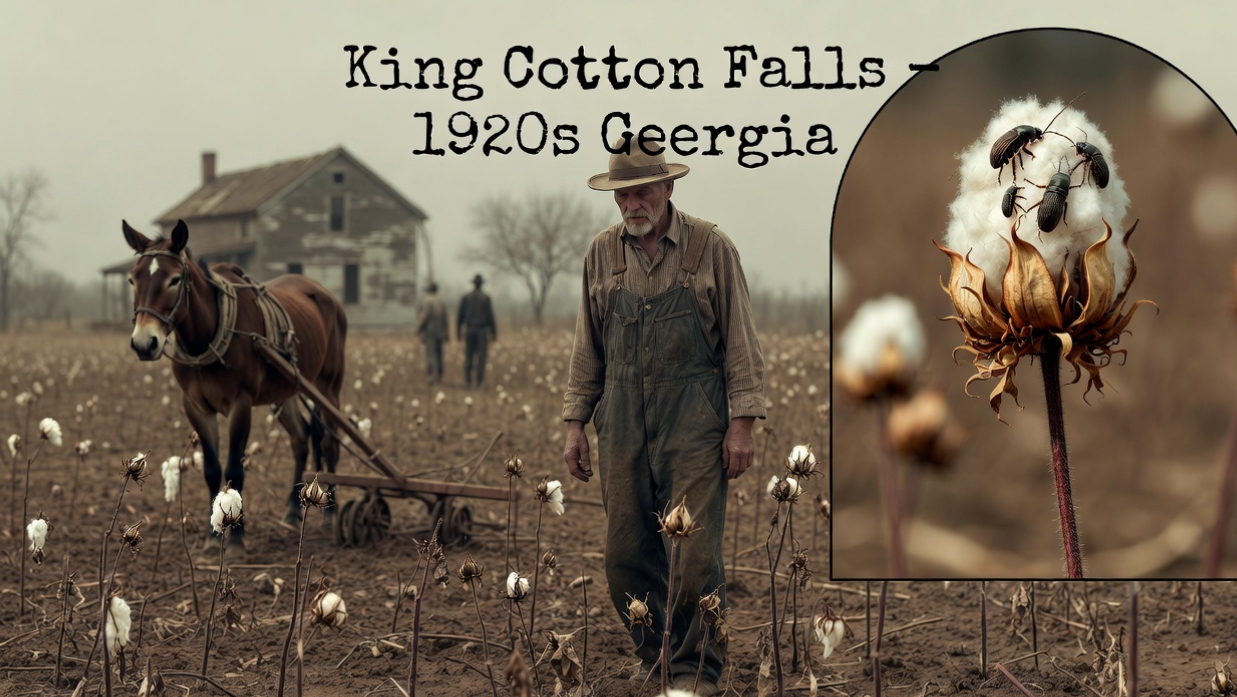
In the early 20th century, Georgia’s economy was deeply tied to cotton farming, a legacy of the state’s agrarian roots.
But the arrival of a tiny insect known as the boll weevil, combined with plummeting cotton prices and a severe drought, triggered a catastrophic agricultural collapse in the 1920s.
Historian Carolyn Merchant (2002) noted: “the entire economy of the South was at risk,” adding that “Although the new methods were helpful, they were also expensive, and the combination of declining yields and higher costs drove many farmers out of business.”
This period of devastation reshaped Georgia’s landscape, forcing farmers to adapt and diversify. Here’s a breakdown of what happened, why it mattered, and its lasting impact on the Peach State.
What is the Boll Weevil?
The boll weevil (Anthonomus grandis) is a small beetle native to Mexico that feeds on cotton plants. It bores into cotton bolls – the seed pods where cotton fiber grows – laying eggs and destroying the crop from the inside.
By the 1920s, this pest had become the most economically damaging agricultural insect in U.S. history.
Economist S. W. Bilsing (1935) commented: “The forced change in the production of cotton due to the advent of the boll weevil resulted in the reorganization of our system of agriculture; indirectly to diversified farming, and in a well organized system of imparting scientific information to a large part of the agricultural population of the South.”
First detected in Texas in the late 1800s, it spread eastward across the Cotton Belt, reaching Georgia by 1915.
Arrival and Spread in Georgia

The boll weevil crossed into Georgia around 1915, quickly infesting cotton fields statewide. At the time, Georgia was the nation’s leading cotton producer, with a record 5.2 million acres planted in 1914.
The pest’s arrival couldn’t have come at a worse time, as World War I had initially boosted cotton demand, but postwar surpluses led to a sharp price drop. By 1923, yield losses from the weevil had halved cotton acreage to just 2.6 million acres.
The infestation was so severe that by the 1930s, annual damage across the Cotton Belt exceeded $200 million, with Georgia’s cotton production dropping to only 45% of pre-infestation levels.
Economists Roger Ransom and Richard Sutch (1977) observed: “It required a shock nearly equal to emancipation to jolt the agrarian South out of the routine it followed for the four post-emancipation decades. That shock was the coming of the boll weevil.”
In Georgia during the 1930s, this manifested in farmers abandoning old practices, with corn acreage rising 20% post-infestation, though on less fertile land, and real land values declining 10-40% in cotton-heavy counties.
The Perfect Storm: Boll Weevil, Drought, and Economic Pressures
The boll weevil alone was devastating, but it coincided with other crises that amplified the collapse. Cotton prices plunged in the early 1920s due to overproduction and reduced global demand after World War I.
Then, in 1925, Georgia endured one of the worst droughts of the century, scorching fields and further decimating yields.
This “perfect storm” hit tenant farmers and sharecroppers hardest – many of whom were already in debt and reliant on cotton as a cash crop.
Agricultural expert J. H. Soule (1921) warned: “The boll weevil has disturbed our economic situation more than any other single factor since the conclusion of the Civil War; it is a pest of as great a magnitude as any which afflicted the Egyptians in the olden days.”
This sentiment echoed into the 1930s, as Georgia’s cotton production hit lows, exacerbating the Great Depression’s effects with poor harvests devastating wages for pickers and the rural poor.
The economic fallout was profound. The weevil reduced the number of tenant farms, lowered farm wages, and decreased female labor force participation, especially in heavily infested counties.
Countless families faced destitution, contributing to the Great Migration of African Americans and poor whites from rural Georgia to northern cities in search of work.
In Atlanta, the influx of rural migrants strained urban resources, but it also diversified the city’s workforce and culture.
Statewide, the agricultural sector – which employed a majority of Georgians – crumbled, foreshadowing the national Great Depression that began in 1929.
Responses to the Crisis
Farmers and scientists fought back with a mix of strategies. Early efforts included applying toxic pesticides like calcium arsenate, though these often led to environmental issues and secondary pest problems.
Cultural practices, such as planting early-maturing varieties, destroying stalks after harvest, and improving soil fertility, helped mitigate damage.
In some areas, like southwest Georgia, the crisis spurred diversification into peanuts and other crops, thanks to innovators like George Washington Carver.
Long-term, the Boll Weevil Eradication Program, launched in the 1980s, used pheromones, traps, and integrated pest management to eliminate the pest from Georgia by the early 1990s.
This not only revived cotton production – with acreage rebounding to over 1 million by the 2010s – but also reduced insecticide use by 75% and promoted sustainable farming.Legacy in Georgia Today
The 1920s agricultural collapse taught Georgia a hard lesson about overreliance on a single crop, leading to greater diversification in farming and industry.
While cotton remains important, the state’s economy now includes peanuts, poultry, and manufacturing.
The boll weevil even became a cultural symbol – immortalized in songs and stories as both a villain and a catalyst for change.
Final Word
In Atlanta, echoes of this era can be seen in our vibrant migrant-descended communities and ongoing efforts to support rural economies.
For more on Georgia’s history, check out our archives or visit the New Georgia Encyclopedia. If you have family stories from this time, share them in the comments below!
-

Atlanta’s R&B scene is buzzing today after hometown hero Young Thug proposed to singer Mariah the Scientist during his sold-out Hometown Hero benefit concert last night.
The romantic moment, which unfolded onstage in front of thousands of fans, has the city celebrating one of its favorite power couples.
Mariah the Scientist Gets Engaged To Young Thug
Mariah the Scientist, born Mariah Amani Buckles on October 27, 1997, is a true Atlanta native. Raised in southwest Atlanta, she grew up immersed in the city’s rich R&B culture before moving to New York to pursue higher education.
The 28-year-old artist, known for her soulful voice and introspective lyrics, has become one of the most distinctive voices in contemporary R&B.
Her journey to stardom began in 2018 with the release of her debut project To Die For, which showcased her emotional depth and melodic talent. At the time, Mariah was a pre-med biology student at St. John’s University in Queens, New York, on track to become an anesthesiologist.
But after her early songs gained traction online, she made the bold decision to leave school and focus on music full-time.
Since then, Mariah has released acclaimed albums like RY RY World (2021) and built a dedicated fanbase with hits blending vulnerability and strength. Her 2025 singles “Burning Blue” and “Is It a Crime?” (featuring Kali Uchis) marked her first Billboard Hot 100 entries as a lead artist, solidifying her rise in the industry.
Mariah’s relationship with fellow Atlanta rapper Young Thug (Jeffery Lamar Williams) has been in the spotlight for years.
The couple went public around 2021 and have navigated highs and lows together, including Young Thug’s high-profile legal battles. He was released in October 2024 after accepting a plea deal, marking a new chapter for the artist.
Last night’s proposal came as a surprise during Young Thug’s first major hometown show since his release. Midway through the performance, he got down on one knee and presented Mariah with a stunning pink diamond ring.
An emotional Mariah accepted, later sharing with the crowd, “Guess I’m getting married!” Photos and videos from the event quickly went viral, showing Mariah holding back tears as she admired her new bling.
Final Word
As two of Atlanta’s brightest stars tie the knot, the city couldn’t be prouder. Congratulations to Mariah the Scientist and Young Thug on their engagement – here’s to more music, love, and Atlanta magic from this dynamic duo!
More from AtlantaFi.com: