-

Fresh off a disappointing season that ended with him getting benched, Atlanta Falcons quarterback Kirk Cousins has requested a meeting with owner Arthur Blank.
According to news reports, Cousins has a desire to start for, potentially, another team this season.
Of course, we still don’t know if Blank will agree to the meeting or whether the Falcons have a desire to part with the veteran signal caller.
If the Falcons are willing to trade Cousins, what teams would make sense?
NFL Trade Scenarios: Where Could Kirk Cousins End Up?
If Kirk Cousins were to be traded from the Atlanta Falcons, there are several NFL teams where he could potentially land, based on current team needs and quarterback situations. Here are five possible destinations:
Cleveland Browns
With uncertainty around their quarterback situation, the Browns could look for a veteran presence like Cousins to stabilize their offense.
Tennessee Titans
As they seek to rejuvenate their roster, the Titans might consider Cousins as an upgrade to their quarterback position, especially if they are looking towards a more balanced offensive strategy.
Indianapolis Colts
With their current struggles at the quarterback position, the Colts could view Cousins as a reliable option who can help them compete in the division.
New York Jets
The Jets have been searching for consistent quarterback play, and bringing in a seasoned player like Cousins could provide them with the experience and leadership they need.
Pittsburgh Steelers
The Steelers might be interested in Cousins if they decide to move on from their current quarterback situation, looking for a player who can create a more effective and stable offense.
These potential landing spots are based on each team’s current roster needs and future ambitions, with Cousins recognized as a capable quarterback who could contribute positively to a new team’s success.
-

The Georgia General Assembly is in the midst of its 2025 legislative session, which began in January and is expected to conclude by late March or early April.
As of this writing, a slew of bills have already passed both legislative bodies in Georgia and have been signed into law by Gov. Brian Kemp.
What Bills Are Due To Take Effect in Georgia This Year?
Bills passed during this session that are signed will typically take effect on July 1, 2025, unless specified otherwise in the legislation.
However, since the session is ongoing and the governor has 40 days after the session ends to sign or veto bills, it’s not yet fully determined which bills will officially become law in 2025.
Below is an overview of notable bills that have either already taken effect on January 1, 2025, or are currently advancing through the legislative process with a strong chance of becoming law by July 1, 2025, based on available information and legislative progress.
Bills Already in Effect as of January 1, 2025
Several laws passed in previous sessions took effect at the start of 2025, such as these:
- Amendment 1 (HB 581): Approved by 62.92% of voters in November 2024, this constitutional amendment limits property tax increases by adjusting the statewide homestead exemption. Local governments can opt out via a specific process. It includes broader property tax changes outlined in HB 581.
- Amendment 2: Passed with 51.89% voter approval, this establishes the Georgia Tax Court to handle tax disputes, moving jurisdiction from the Department of Revenue to the judicial branch. Administrative setup begins January 1, 2025, with the court fully operational by August 1, 2026.
- HB 1072: Provides tax exemptions for donating drugs to a state drug repository program, effective January 1, 2025.
- SB 19: Requires superior court clerks and probate judges to disclose passport fee collections quarterly to county governments, addressing past concerns about clerks retaining these fees.
- SB 232: Updates probate court fees for various filings, including legal documents, weapons carry licenses, and marriage licenses.
- HB 1339: Includes a tax credit provision for rural hospital organizations, effective January 1, 2025.
- HB 880: Allows spouses of military servicemembers stationed in Georgia to practice their occupations without a state-specific license.
- SB 341: Amends legislative privilege rules for General Assembly staff communications with the Office of Legislative Counsel, aligning them with existing member privileges.
- SB 366: Reforms the process for introducing and formalizing the state budget (general appropriations bill).
Bills Advancing in the 2025 Legislative Session
The following bills are currently under consideration in the 2025 session and have either passed one chamber or are gaining traction. Their fate depends on passage by both the House and Senate and the governor’s approval:
- Tort Reform Package (Announced January 29, 2025): Governor Kemp unveiled a package to stabilize insurance costs and reform litigation. Key provisions include:
- Limiting premises liability to what property owners directly control.
- Requiring medical damages in personal injury cases to reflect actual costs paid, not inflated amounts.
- Allowing bifurcated trials (separating liability and damages phases).
- Permitting evidence of seatbelt non-use in auto accident cases.
- Banning double recovery of attorney fees and reforming third-party litigation funding to exclude hostile foreign entities.
- SB 65: Mandates kindergarten attendance, under consideration in the Senate.
- HB 566 and HB 556: Address AI and deepfakes—HB 566 protects artists’ likenesses, while HB 556 curbs AI misuse. Both are being reviewed in the House.
- SB 303 and HB 215: Aim to protect voter roll integrity and election processes, highlighted as critical by some observers on X.
- Transgender Athletes Ban: A bill to prohibit transgender athletes from participating in girls’ school sports has been advancing, per StateAffairsGA.
- Gun Safety and Death Penalty Reforms: Bills on gun safety and banning the death penalty for intellectually disabled individuals are moving forward, as noted by GeorgiaRecorder.
- SB 233 (School Voucher Law): Already passed in a prior session, this law expands in 2025, offering $6,000 vouchers to students in the bottom 25% of schools under Georgia’s academic ratings.
- SB 189: Changes voting registration for homeless individuals, requiring them to use county election offices for mail, effective in 2025.
The Georgia Assembly 2025 Legislative Session
- Crossover Day: March 6, 2025, is Crossover Day, the deadline for bills to pass one chamber to remain viable this session. Bills not passing by this date may still be revived via attachment to other legislation.
- Budget: Lawmakers are crafting a $40.5 billion state budget, the largest in Georgia history, which must be finalized and signed into law.
- Past Session Insight: In 2024, Kemp signed over 700 bills, suggesting a high volume of legislation could again become law in 2025.
Kemp Signs Amended Budget
Georgia Gov. Brian Kemp recently signed an amended budget that includes some key initiatives for the state. Here’s what they entail:
n addition to investments in healthcare, public safety, education, and returning $1 billion to taxpayers through a third one-time special tax refund, the amended budget includes investments and allocations for:
- Hurricane Helene Relief: More then $867 million for response costs and relief, including but not limited to, one-time grants to public rural and critical access hospitals included in the major disaster declaration area to assist in financial stabilization and recovery efforts, disaster relief assistance to impacted farmers and timber producers, and grants to non-profits for Hurricane Helene rebuilding and recovery efforts.
- Education and Workforce Development: $140 million in additional allocations to fully fund QBE and support our local school systems to help us build an unrivaled workforce as we work to make Georgia the Top State for Talent.
- Public Safety and Corrections: More than $434 million in new funding for the Department of Corrections to fortify state facilities, invest in Corrections Officers, and equip them with the tools they need to be effective and efficient.
- Fighting Human Trafficking: $3.5 million to design a recovery center for victims of human trafficking – an effort championed by First Lady Marty Kemp – and over $187,000 to expand the Human Trafficking Prosecution Unit to the Macon and Augusta regions.
- School Security: An additional $50 million in one-time funds for another round of security grants to all K-12 public schools.
- Coastal Water Infrastructure: $501.7 million in funding for the development and construction of water infrastructure in Georgia’s coastal region to meet the growing demand due to historic economic development.
- Local Water and Sewer Infrastructure: Over $266 million in funding for the Georgia Environmental Finance Authority to support water and sewer infrastructure development projects across Georgia.
- Local Road Infrastructure: $265 million into the local maintenance and improvement grant program and $46 million to the Georgia Transportation Infrastructure Bank’s grant and loan program.
- Combating Wildfires: $4.7 million for the Forestry Commission to purchase a new fire suppression helicopter
Since the legislative session is ongoing, the final list of laws effective July 1, 2025, will only be confirmed after the session ends (likely late March) and the governor acts by mid-May.
Final Word
Atlanta is filled with things to do, including dining options, from fine dining to trendy cafes, and some of the city’s best rooftop bars with skyline views.Boutique shops, unique galleries, and retail options add to Midtown Atlanta’s charm for those looking to shop local or find unique items.Downtown Atlanta is a hub for tech companies, startups, and corporate offices, giving it an energetic, innovative vibe.
-

One of the funniest comedians in America is headed to Atlanta this weekend on his tour stop. Comedian Martin Lawrence’s You Know What It Is tour is pulling up at State Farm Arena.
Opening acts on the tour include such topnotch comedians as Deon Cole, Ms. Pat, Chico Bean, Adele Givens, Benji Brown, Jess Hilarious, Benji Brown and Mojo Brookzz, Desi Banks, Rickey Smiley and Loni Love.
For those who don’t know Lawrence, he’s the one who brought the world the hit show Martin and such lovable and funny characters as Jerome the “playa from the Himalayas,” Shinah-nah, Otis the Police Officer and more. He’s also the reason why people say, “Talk to the hand!” and “Get Ta Steppin’!”
When Is Martin Lawrence Coming To Atlanta?
Martin Lawrence’s tour is slated to stop in Atlanta on Friday, March 7, 2025.
Get tickets to see Martin Lawrence in Atlanta.
Here re the remaining dates of the tour:
- Atlanta, GA | Fri, Mar 7, 2025 — Special Guests: Chico Bean and Ms. Pat with Benji Brown
- Savannah, GA | Sat, Mar 8, 2025 — Special Guests: Chico Bean and Ms. Pat with Benji Brown
- Milwaukee, WI | Fri, Mar 14, 2025 — Special Guests: Jess Hilarious with Benji Brown and Mojo Brookzz
- Chicago, IL | Sat, Mar 15, 2025 — Special Guests: Jess Hilarious with Benji Brown and Mojo Brookzz
- Norfolk, VA | Fri, Mar 28, 2025 — Special Guests: Jess Hilarious with Benji Brown
- Bossier City, LA | Fri, Apr 4, 2025 — Special Guests: Deon Cole with Benji Brown
- North Little Rock, AR | Sat, Apr 5, 2025 — Special Guests: Deon Cole with Benji Brown
Final Word
Martin Lawrence is a legend, but Atlanta has some funny comedians as well. Check out the best Atlanta comedy clubs. And don’t miss Dave Chappelle’s special filmed in Atlanta.
Metro Atlanta’s food and drink scene continues to grow with no stops on the horizon. Ready to try something new?
-

It’s a dog eat dog world out there, but in Atlanta, it’s a Lab’s world, as in Labrador Retriever! The breed once again took Atlanta’s top woof in the American Kennel Club’s (AKC) 2024 ranking of the most popular dog breeds in the country.
The Cavalier King Charles Spaniel was knocked out of the city’s top five, but joined the Yorkshire Terriers, Boxers and Rottweilers in the top 10.“The Labrador Retriever held strongly to the number one spot in Atlanta,” AKC Executive Secretary Gina DiNardo said in a statement. “But the Bulldog is certainly pawing its way up the ranks, landing only one place behind its cousin, the French Bulldog.”
For 2023 (the latest full AKC city-specific ranking available, released in March 2024), Atlanta’s top breeds mirrored the national shift where the French Bulldog overtook the Labrador Retriever. In Atlanta specifically:-
French Bulldog – This compact, playful breed has surged to #1, reflecting its appeal in urban settings like Atlanta’s bustling neighborhoods.
-
Labrador Retriever – A longtime favorite, Labs slid to #2 but remain beloved for their friendly, family-oriented nature.
-
Golden Retriever – Steady at #3, Goldens thrive in Atlanta’s suburban and park-rich areas like Piedmont Park.
-
Poodle – Ranking high (around #4 in Atlanta), Poodles (all sizes) are prized for their intelligence and low-shedding coats.
-
German Shepherd Dog – Often #5 locally, these loyal, versatile dogs are popular beyond the city’s urban core.
Looking ahead to 2025, the AKC hasn’t released the official 2024 data yet (expected later this month), but early indicators suggest the French Bulldog will likely hold its lead in Atlanta, given its 98,500 registrations nationally in 2023 and continued urban popularity.Labs and Goldens are expected to stay strong contenders, while breeds like the Dachshund (up nationally to #6 in 2023) and Rottweiler (down to #8) might shift Atlanta’s lower top-10 ranks.Locally, Atlanta’s pet-friendly culture—think BeltLine trails and spots like Skiptown—boosts breeds suited to city life or outdoor fun.A 2019 Rover report once pegged the American Pit Bull Terrier as Atlanta’s top pick, but AKC data focuses on purebred registrations, where pits rank lower (e.g., #16 nationally then). Today, mixes like Goldendoodles also pop up in Atlanta conversations, though they don’t crack AKC’s purebred list.Last Woof
Don’t just watch TV or read about the city, get out and explore Atlanta. Buckhead offers diverse things to do, including dining options, from fine dining to trendy cafes, and some of the city’s best rooftop bars with skyline views.
Boutique shops, unique galleries, and retail options add to Midtown Atlanta’s charm for those looking to shop local or find unique items.
Downtown Atlanta is a hub for tech companies, startups, and corporate offices, giving it an energetic, innovative vibe.
-
-

We don’t have to tell you that things are getting more expensive in metro Atlanta and Georgia in general.
If you’re an older adult in Atlanta looking for senior food assistance, there are several programs you can tap into depending on your needs and eligibility.
Here’s how to apply for some key options available as of March 2025:
Georgia Senior SNAP (Supplemental Nutrition Assistance Program)
This program simplifies the SNAP application process for seniors aged 60+ with low income, helping you buy groceries with an EBT card.
- How to Apply:
- Online: Visit Georgia Gateway at gateway.ga.gov. Create an account or log in, then fill out the application. It’s available Monday-Friday, 5 a.m. to midnight, except holidays.
- By Phone: Call the DFCS Customer Contact Center at (877) 423-4746 to apply over the phone. You’ll need to provide your name, address, and household details.
- By Mail: Download Form 508 (Food Stamp/Medicaid/TANF Renewal Form) from dfcs.georgia.gov, complete it, and mail it to Georgia Senior SNAP, P.O. Box 450149, Atlanta, GA 31145-0149, or fax it to (678) 717-5585.
- In Person: Take your completed application to your local Division of Family and Children Services (DFCS) office. Find the nearest one at dfcs.georgia.gov/locations.
- What You’ll Need: Proof of income (like Social Security or retirement benefits), resources, rent/mortgage costs, and utility bills. After applying, expect a phone or in-person interview with a DFCS case manager.
- Eligibility Tip: You qualify if your household is all 60+, not working, on a fixed income, and meets income limits (generally below 165% of the poverty line).
Atlanta Community Food Bank Assistance
The Atlanta Community Food Bank partners with Georgia DFCS to help seniors apply for SNAP and find local food pantries.
- How to Apply:
- SNAP Help: Call (678) 553-5917 for English/Spanish assistance or schedule an appointment at acfb.org to apply in person at 3400 N Desert Dr, East Point, GA 30344. A Benefits Coordinator will guide you through the Georgia Gateway process.
- Find a Pantry: Use their online tool at acfb.org/find-help or text “FINDFOOD” (or “COMIDA” for Spanish) to (888) 976-2232 for pantry locations—no application needed for immediate food aid.
- What You’ll Need: For SNAP, bring income and expense docs; for pantries, just show up (some may ask for ID or proof of residency).
Commodity Supplemental Food Program (CSFP)
This federal program provides monthly food boxes to low-income seniors 60+ via local agencies like the Atlanta Community Food Bank.
- How to Apply: Contact the Atlanta Community Food Bank at (404) 892-9822 or visit acfb.org to connect with CSFP distribution sites in counties like Fulton, DeKalb, or Gwinnett.
- What You’ll Need: Proof of age (60+), income, and residency. Availability varies by county, so call to confirm.
How To Get Food Assistance: Tips
- Start Early: Processing times vary—SNAP can take 30 days (or 7 for expedited cases), so apply ASAP.
- Need Help?: The Latin American Association offers bilingual support at (404) 638-1839.
- Check Status: For SNAP, log into Georgia Gateway or call (877) 423-4746.
Which program sounds like the best fit for you? I can walk you through any of these in more detail!
- How to Apply:
-
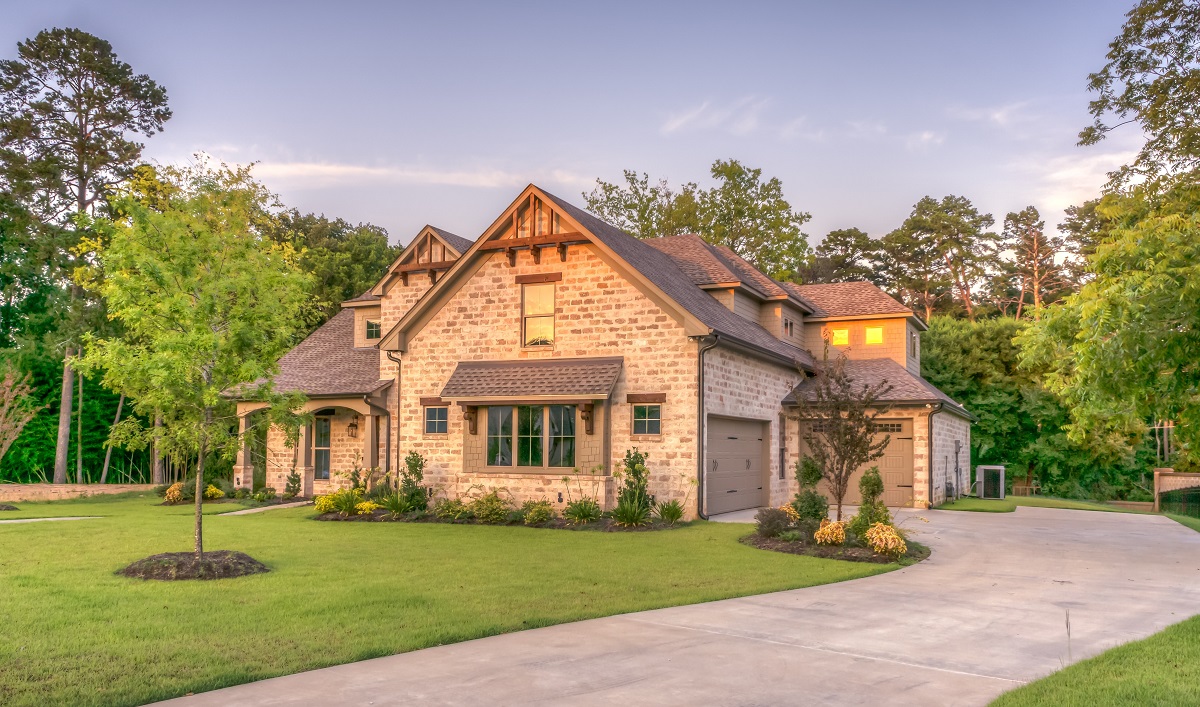
The average cost of an Atlanta home has edged upward over the past year, putting even more strain on local affordable housing. Is the trend expected to continue in the short term? Keep reading.
How Much Does A Home Cost In Atlanta?
The median price for a home in Atlanta sold for $404,000, an increase of 1.0% from last January. The average sales price was $500,500, up 4.1% from the previous year.
Are Houses Expensive In Atlanta?
The median sales price continues to increase for single-family residential properties in Atlanta as well as other major cities across the country. That means homes in Georgia’s largest city are considered expensive.Here are some more Atlanta housing statistics from Rocket Homes from January 2025, the latest available at this writing:
What Is The Price Of An Atlanta Home By Bedroom Count?
Beds Jan 2024 Jan 2025 Change YoY 1 Bedroom $254.9K $256.3K +0.6%2 Bedrooms $333.2K $345K +3.6%3 Bedrooms $381.6K $399.2K +4.6%4 Bedrooms $575K $586.8K +2.0%5+ Bedrooms $899.2K $955.5K +6.3%Atlanta Housing Market: A Refresher
Atlanta’s leaders in the late 1990s took on the challenge of breaking up the city’s concentrated poverty. This meant that housing projects had to be demolished. That’s exactly what happened.
The large-scale demolition helped spread low-income families throughout metro Atlanta, especially in Clayton and Fayette counties.
Due to the rising costs of inflation, affordable housing began to dwindle in Atlanta. This has increased due to the growth of the Beltline.
Since 2005, more than 2,600 affordable workforce units have been created within walking distance of the Atlanta Beltline. But more must be done.
The city is committed to building 5,600 housing units that are affordable.
Final Word
Purchasing a home may not be as affordable as it used to, but as long as you take the proper steps, including getting an inspection, it can work out.
When it comes to buying land your risk is not as great, but it still takes strategy. On the other hand, you may want to explore the rental market if it makes more dollars and sense for your wallet.
If a home is what you need for you or your family, it may be time to make some money moves to come up with a mortgage.
-
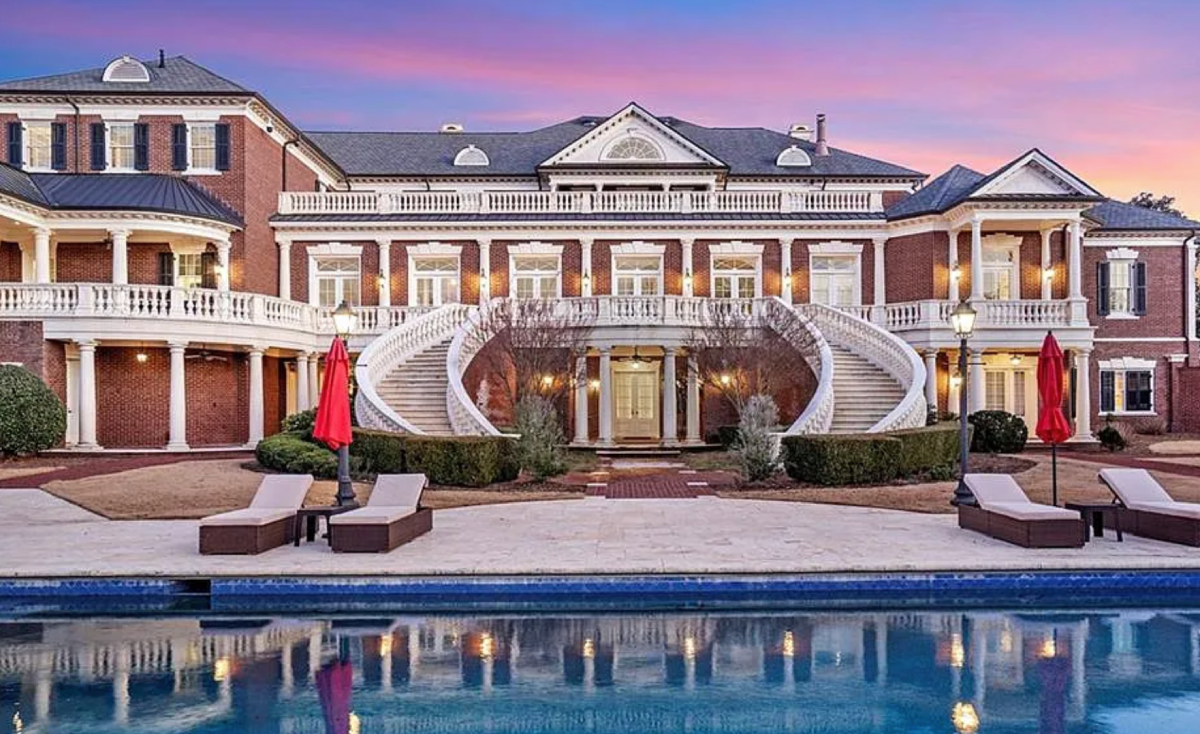
Former NBA star Dwight Howard listed his expansive 32,000-square-foot Rose Hill Estate in Suwanee, just outside Atlanta, for $11.25 million on January 31, 2025.
The property, known as Rose Hill Estate, is located at 5200 Moore Road, approximately 35 miles northeast of Atlanta.
Dwight Howard Lists Atlanta-Area Mansion
Built in 2010 at a reported cost of $40 million, the mansion features 10 bedrooms, 12 full baths, 9 half-baths, and six full kitchens. Amenities include a home theater, game room, gym, heated saltwater pool, half-court basketball court, and a private lake with a dock.

Photo credit: Zillow
Howard’s Rose Hill Estate in Suwanee, Georgia, is a luxurious 32,000-square-foot mansion situated on 14 gated acres. Built in 2010 at a reported cost of $40 million, the property blends European-style architecture with modern amenities. Howard purchased the estate in 2016 for $8.8 million, and as of January 2025, it is listed for sale at $11.25 million.
Key Features:
- Bedrooms and Bathrooms: 10 bedrooms, 12 full baths, and 9 half-baths.
- Kitchens: Six full kitchens equipped with high-end appliances.
- Primary Suite: Includes a private balcony, two fireplaces, and separate baths and closets.
- Entertainment Spaces: Home theater, game room, gym, and a unique custom-built snake room featured on Animal Planet’s “Tanked.” Online Athens
- Outdoor Amenities: Heated saltwater pool, half-court basketball court, private lake with a dock, and landscaped grounds.
- Additional Features: Elevator, multiple living and dining areas, and a garage accommodating over 10 vehicles.
Dwight Howard’s mansion in Suwanee, Georgia, is a 32,000-square-foot estate with luxury amenities, including:
- 10 bedrooms
- 12 full bathrooms & 9 half-baths
- 6 full kitchens
- Home theater
- Game room
- Gym
- Indoor basketball half-court
- Heated saltwater pool
- Private lake with a dock
- Aquarium & snake room
- Outdoor kitchen & entertainment area
- Multiple living and dining spaces
Howard purchased the estate in 2016 while playing for the Atlanta Hawks. Given the recent listing, his current residence is not publicly disclosed.

Photo credit: Zillow
Final Word
This high-profile listing highlights the luxury real estate market in the Atlanta metro area, showcasing a property with significant size and amenities drawing attention to the region’s upscale housing trends. It also is a symbol of the many celebrities with Atlanta-area mansions.
Atlanta has one of the best real estate markets in the country, with affordable housing in every quadrant of the city. Large backyards, manicured parcels and strong neighborhoods with ample dining amenities make it one of the top places for transplants.
Not to mention that the city’s dining scene is the best in the Southeast. Looking for a home? Check out our Real Estate Resource Page.
Keep up with what’s going on in Atlanta’s real estate scene here with our Apartment Guide.
See The Latest Atlanta Real Estate News At AtlantaFi.com.
More Articles From AtlantaFi:
-

A man’s body was recovered from Lake Lanier on Thursday evening, according to the Forsyth County Sheriff’s Office. The incident makes for the first death at Lake Lanier this in 2025.
A spokesperson for the Georgia Department of Natural Resources confirmed the recovery, though the man’s identity has not been released.
Forsyth County deputies reported a heavy police presence at the Six Mile Creek boat ramp in a Facebook post. Authorities stated that no foul play is suspected. Additional details have not yet been disclosed.
How Many Deaths Occurred at Lake Lanier Last Year?
In 2024, there were at least three reported drownings at Lake Lanier:
- May 29, 2024: Matthew Mayo, 73, drowned after falling from his fishing boat when a seat became unbolted.
- June 5, 2024: Jim Hansard, 76, was found deceased in 13 feet of water near his dock.
- September 2024: Hasani Kamau Widemond, 46, drowned while attempting to swim to his boat from the shore, in view of his family.
While these incidents highlight the ongoing concerns about safety at Lake Lanier, comprehensive statistics for the total number of deaths in 2024 have not been publicly released. Historically, the lake has averaged about 10 deaths per year, though recent trends indicate a slight decrease.
Given the lake’s popularity, with over 11 million visitors annually, it’s crucial for visitors to exercise caution, wear life jackets, and be aware of potential hazards to ensure a safe experience.
Lake Lanier has gained a reputation for frequent drownings and boating accidents, leading to speculation about its dangers. Several key factors contribute to the high number of deaths:
1. Underwater Hazards
- Uneven Lake Bottom: The lake was created by flooding valleys, which left behind submerged structures, trees, and debris. This makes swimming and boating riskier.
- Strong Currents: Water releases from Buford Dam can create unpredictable currents.
- Poor Visibility: Murky water makes it hard for swimmers to see underwater obstacles.
2. Heavy Boat Traffic
- Popularity: Lake Lanier is one of the busiest lakes in the U.S., with millions of visitors annually. High traffic increases the risk of collisions and accidents.
- Inexperienced Boaters: Many visitors lack proper boating knowledge, leading to reckless or unsafe behavior.
3. Alcohol and Reckless Behavior
- Drinking and Boating: Alcohol is a common factor in accidents, impairing judgment and reaction times.
- Not Wearing Life Jackets: Many drownings involve individuals who were not wearing life vests, even in deep water.
4. Rapid Depth Changes
- Swimmers can easily go from shallow areas to deep water unexpectedly, increasing the risk of drowning.
5. Urban Legends and Myths
- Some believe the lake is “cursed” due to its history. It was built over communities, including the predominantly Black town of Oscarville, and cemeteries. While no supernatural evidence exists, the eerie history fuels speculation.
Despite its dangers, safety precautions—such as wearing life jackets, avoiding alcohol while boating, and being aware of underwater hazards—can reduce risks.
Would you like to know more about specific incidents or safety measures?
-
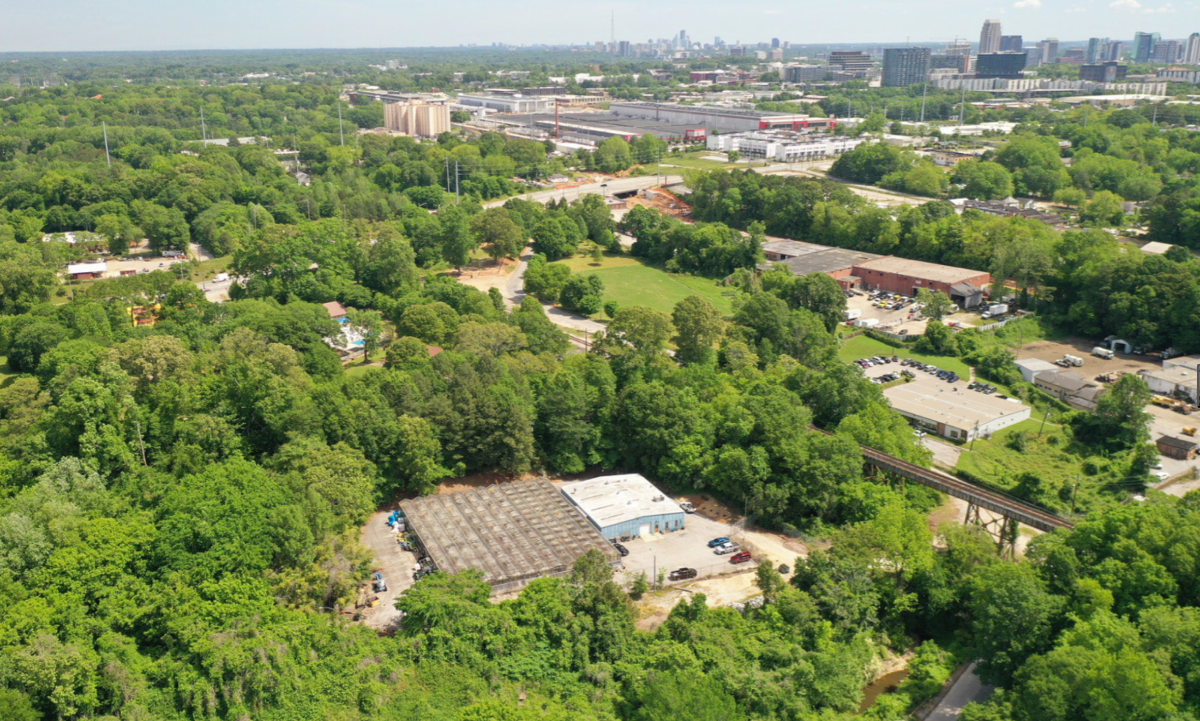
Atlanta, Georgia is higher than most other cities in the southern and eastern United States when it comes to elevation. What to know how high? Keep reading.
What is Atlanta’s Elevation?
Atlanta’s elevation is approximately 1,050 feet (320 meters) above sea level. Some areas, like Buckhead and Sandy Springs, reach elevations of 1,200 feet (366 meters) or more, while lower areas, such as parts of downtown, are closer to 800 feet (244 meters).
Atlanta’s relatively high elevation compared to much of the Southeastern U.S. contributes to its slightly cooler climate and lower humidity than coastal cities like Savannah or New Orleans.
Atlanta’s Elevation: Key Factors
- Atlanta is located in the foothills of the Appalachian Mountains.
- The elevation of Atlanta contributes to its more temperate climate.
- The highest point in Atlanta is Kennesaw Mountain at 1,808 feet. Kennesaw Mountain is a popular destination for hiking and cycling.
- Hartsfield-Jackson International Airport is at 1,026 feet.
- The summit of Stone Mountain is at 1,686 feet.
- Brasstown Bald is the highest point in Georgia at 4,784 feet above sea level. Here’s a breakdown of Atlanta neighborhoods based on elevation, price range, and flood risks, so you can find the best fit depending on your priorities. 1. High-Elevation, Expensive, Low Flood Risk
Best for: Luxury homes, great views, lower insurance costs
Buckhead (North Atlanta) – Some of the city’s highest elevations (1,200+ ft), featuring multi-million-dollar homes, estates, and upscale condos.
Sandy Springs – Hilly terrain, luxury homes, and a mix of suburban and urban lifestyles.
Midtown (Peachtree Ridge area) – High-rise condos, pricey townhomes, and walkable areas.
💰 Price Range: $600K – $5M+
🌊 Flood Risk: Low
📈 Real Estate Trend: Strong appreciation due to demand for city views and central location.
2. Moderate Elevation, Mid-Priced, Some Flood Risk
Best for: More affordable homes, diverse architecture, decent elevation
Decatur – Historic bungalows, strong schools, and elevation around 1,000 ft.
East Atlanta (Ormewood Park, East Atlanta Village) – Affordable homes with some rolling hills, good investment potential.
Kirkwood & Edgewood – More affordable than Midtown but growing in value, some flood-prone areas near creeks.
💰 Price Range: $350K – $900K
🌊 Flood Risk: Moderate (depends on proximity to creeks)
📈 Real Estate Trend: Rising, due to demand for more affordable city homes.
3. Low Elevation, More Affordable, Higher Flood Risk
Best for: Budget-conscious buyers, fixer-uppers, investment properties
South Atlanta (Lakewood, East Point, College Park) – Lower elevations (~800 ft), older homes, and more affordable prices.
Westside (Proctor Creek areas) – Lower-cost homes, but some flood risks.
Chattahoochee River Areas (Vinings, parts of Smyrna, Roswell) – Great for nature lovers, but homes near the river require flood insurance.
💰 Price Range: $150K – $500K
🌊 Flood Risk: Higher in low-lying areas
📈 Real Estate Trend: Improving, with redevelopment projects increasing property values.
Best Picks Based on Your Priorities
Best for Investment & Growth: Westside (near BeltLine expansion), East Atlanta, Edgewood
Best for Luxury & Views: Buckhead, Sandy Springs, Midtown high-rises
Best for Nature & Green Space: Vinings, Roswell (near the river), Decatur
Best for Affordability: South Atlanta (Lakewood, East Point), Westside (Proctor Creek area)
Would you like recommendations based on a specific budget or home type?Is Atlanta Hilly?
Yes, Atlanta is hilly, though not as steep as cities like San Francisco. The city’s terrain features rolling hills, ridges, and valleys, especially in neighborhoods like Buckhead, Midtown, and parts of East Atlanta.
Some key points about Atlanta’s topography:
- Peachtree Ridge runs through the city, creating elevated areas.
- Downtown and Midtown have noticeable elevation changes, especially around Centennial Olympic Park and Georgia Tech.
- Stone Mountain, just east of Atlanta, is a massive granite outcrop offering panoramic views.
While the hills aren’t extreme, they can make walking and biking more challenging in certain areas. If you’re planning to explore the city on foot, you’ll definitely feel the inclines in some spots!
What Is Atlanta’s Topography?
tlanta’s topography is characterized by rolling hills, ridges, and valleys, making it distinct from the flatter terrain found in much of the southeastern U.S. Here are some key aspects:
1. Elevation & Terrain
- The city sits at an average elevation of 1,050 feet (320 meters) above sea level, making it one of the highest major cities east of the Mississippi River.
- Higher elevations are found in neighborhoods like Buckhead, Midtown, and Sandy Springs, reaching 1,200+ feet in some areas.
- Lower areas, such as parts of downtown and along the Chattahoochee River, dip to around 800 feet.
2. Hills & Ridges
- Atlanta is built on rolling hills and ridges, which is why some streets have steep inclines.
- Notable ridges include Peachtree Ridge, which follows Peachtree Street through Midtown and Buckhead.
- The city’s elevation changes give it more variation than many other southeastern cities.
3. Waterways & Valleys
- The Chattahoochee River runs along the western edge of the city and provides a natural boundary.
- The city has multiple creeks, including Peachtree Creek, Nancy Creek, and Proctor Creek, which contribute to local valleys and floodplains.
- Some areas, especially along these waterways, are prone to flooding.
4. Stone Mountain & the Piedmont Region
- Atlanta is part of the Piedmont region, a transitional zone between the Appalachian Mountains to the north and the Coastal Plain to the south.
- Stone Mountain, located just east of the city, is a massive granite monadnock rising 1,686 feet (514 meters) above sea level and is one of the most prominent natural landmarks in the region.
5. Red Clay Soil
- Atlanta’s soil is known for its red clay, which is rich in iron and gives the ground its distinctive color.
- This type of soil affects drainage, erosion, and construction in the area.
Overall, Atlanta’s topography adds to its unique character, influencing its roads, neighborhoods, and even the local climate.
Things To Do in Atlanta
No matter if you want to catch a comedy club, go out for a night of cocktails and hookah, or go to the club, Atlanta has it all. And if you want to eat in a special place, Atlanta new restaurants continue to pop up every week!
Atlanta has so much to do that you need a curated guide to help you sort through it all. Make sure you subscribe to our #ATLHaps newsletter that gives you a weekly tab of Atlanta events you don’t want to miss.
Here are more articles from AtlantaFi.com:
-
When you think of the Atlanta Beltline, your mind may immediately think of large-scale developments and live, work, play complexes, but the there’s something else the development entity would like to be known for: affordable housing.
The Beltline recently outlined how it has tackled the city’s affordable housing crunch and signaled some much-needed wins in that regard.
The Beltline Adds 569 Affordable Housing Units
To date, the Beltline expects to surpass its housing goals in 2025 and is on course to exceed 2030 housing targets, according to a news release. In 2024, the Beltline delivered 569 affordable housing units, nearly 90% above its annual goal of 300 units.
With this achievement, the Beltline has reached 74% of its target to create or preserve 5,600 affordable housing units by 2030 in the Beltline Tax Allocation District (TAD). This is a key milestone that also contributes to helping Atlanta Mayor Andre Dickens achieve his citywide goal of building or preserving 20,000 affordable housing units by 2030.
“We’re hitting our stride in making equitable development a reality,” said Clyde Higgs, President & CEO at Atlanta Beltline, Inc. “By leveraging strong partnerships, long-term land planning and innovative funding strategies, we’re on track not only to meet but likely exceed our 2030 goals. This work goes beyond numbers; it’s about creating opportunities for Atlantans to live, thrive and build generational wealth within Beltline communities.”
Key Milestones in 2024
This year’s housing wins were driven by the Beltline’s collaborative approach with partners such as Invest Atlanta, the City of Atlanta, Atlanta Housing, the Georgia Department of Community Affairs, the Development Authority of Fulton County, the Atlanta Urban Development Corporation, and others, comprehensive planning and diversified funding. Notable projects include:- Englewood Senior Housing: The Beltline provided $2 million from the TAD Increment Fund to support 160 units of affordable rental senior housing.
- Englewood Multifamily Housing: The Beltline supported 160 affordable multifamily units, with a $3 million grant from the TAD Increment Fund.
- Residences at Chosewood Park: Construction began on 90 affordable housing units with a $2 million TAD Increment Fund Grant.
- Stanton Park Apartments: Fifty-six affordable units opened in Peoplestown with $2 million from the Atlanta Beltline Affordable Housing Trust Fund.
- 579 Garson Drive Development: This project won competitive Low-Income Housing Tax Credits (LIHTC) for a new affordable housing project to enable a 130-unit, mixed-use project in the South Buckhead/Lindbergh community on Beltline-owned land.
- 350 Chappell Road: The 6.30-acre site received LIHTC approval, allowing the 218-unit affordable housing project (30-80% AMI) to break ground in 2026.
- Oakland City Neighborhood: The Beltline provided $2 million via the TAD Increment Fund for the development of 41 permanently affordable homeownership opportunities in the Oakland City neighborhood.
- Mall West End Acquisition: The Beltline helped fund the acquisition of the 12-acre parcel – slated for a mixed-use affordable community – with $5 million in Beltline TAD Funds.
Land Planning and Preservation
The Beltline’s land acquisition strategy continues to ensure the long-term affordability and equitable development of housing and commercial spaces. Noteworthy updates include:- 356 University Avenue: Adjacent to Pittsburgh Yards, community engagement and master planning efforts are underway for this 14-acre site. With these efforts, the Beltline is currently in the planning phase and incorporating community feedback to shape the future of the site. The Beltline will rezone this site to I-Mix in 2025, allowing a mixed-use project to take shape.
- Murphy Crossing: The 20+ acre site adjacent to the Westside Trail continues to move forward with a community-driven process to continue master planning and entitling this site along with other pre-development activities. The Murphy Crossing site will be rezoned to I-Mix in 2025.
- 579 Garson Drive: Rezoning has been approved by the Atlanta City Council, paving the way for mixed-use affordable projects. It will bring 130-units of affordable housing and approximately 10,000 square feet of affordable commercial space to the South Buckhead/Lindbergh neighborhood. The project is currently in the design phase and is expected to break ground in the fourth quarter of 2025.
- 425 Chappell: This 30+ acre site completed a Development of Regional Impact submission to the Georgia Department of Community Affairs, required for large-scale developments that are likely to have regional effects beyond the local government jurisdiction in which they are located. This site has received rezoning approval from Atlanta City Council. Predevelopment activities for the first five blocks of development are underway, which will include approximately 150-units of for-sale housing and approximately 5,000 square feet of affordable commercial space.
The Beltline now has acquired 87 acres of land for development, solidifying its capacity to deliver transformative projects tailored to community needs by controlling land around the trail. With Beltline-owned land, the Beltline is guiding equitable, inclusive and sustainable development to ensure affordable housing goals are met and exceeded for Atlanta’s residents and small businesses.
Property Tax Relief for Long-time Homeowners
The Beltline also remains committed to preserving housing affordability for long-time Atlantans. The Legacy Resident Retention Program (LRRP) has provided property tax relief to 250 homeowners in the Beltline’s neighborhood stabilization areas along the western and southern Beltline corridor. It empowers low-income residents to stay in the communities they love, build generational wealth, and enjoy financial stability by covering the increase in property taxes above 2019 levels.Final Word
Over the past year, the number of homes for sale in Atlanta rose significantly, with 6,085 homes listed in February 2024—a 21.1% increase from January 2024. This trend likely continued into early 2025, as noted in market updates, providing buyers with more options and potentially stabilizing prices after years of low inventory, a key story for residential real estate in the region.
Atlanta has one of the best real estate markets in the country, with affordable housing in every quadrant of the city. Large backyards, manicured parcels and strong neighborhoods with ample dining amenities make it one of the top places for transplants.
Not to mention that the city’s dining scene is the best in the Southeast. Looking for a home? Check out our Real Estate Resource Page.
Keep up with what’s going on in Atlanta’s real estate scene here with our Apartment Guide.
See The Latest Atlanta Real Estate News At AtlantaFi.com.
More Articles From AtlantaFi: