-
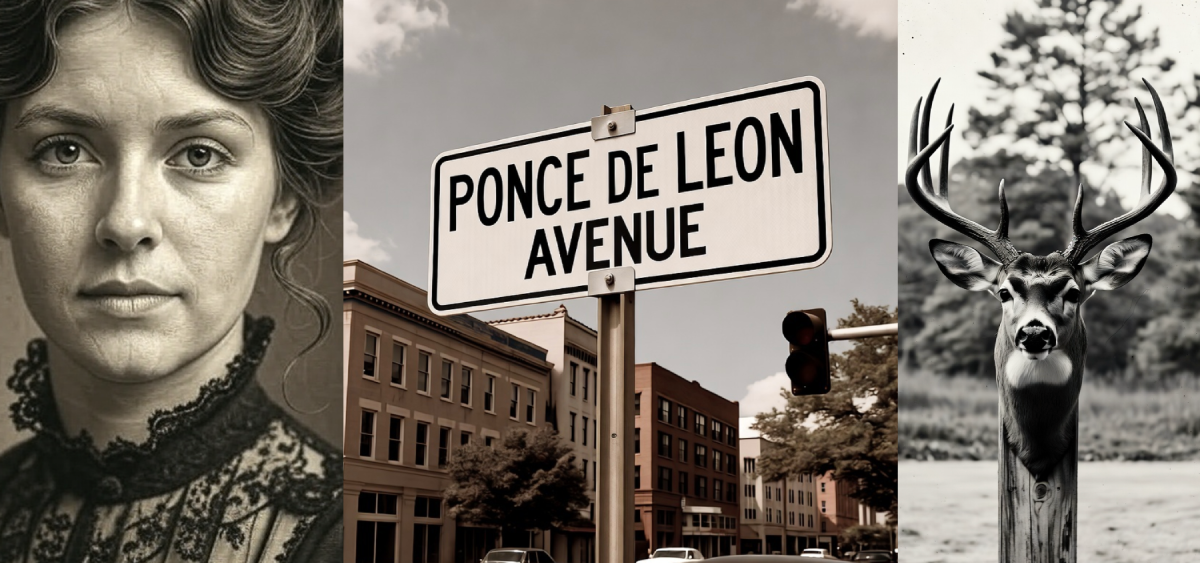
It’s been said that Atlanta is not a real place. One reason is due to the many true-or-not-true claims associated with the city.
Is Buckhead really named after a buck’s head? Who knows. Some things about Atlanta’s history are known facts while others are kind of dubious.
6 Dubious Claims About Atlanta: Are They True Or Not?
Dubious facts are those that seem questionable, lack clear evidence, or are often repeated without verification.
Here are some dubious facts or claims about Atlanta, Georgia, that have circulated but are either unproven, exaggerated, or based on shaky grounds, along with a critical look at each:
1. Atlanta Has 71 Streets Named Peachtree

Claim: It’s often said that Atlanta has over 70 streets with “Peachtree” in their name, with numbers like 71 or 55 frequently cited.
Why It’s Dubious: While Atlanta does have many streets with “Peachtree” in their names (e.g., Peachtree Street, Peachtree Road, Peachtree Lane), the exact count varies across sources, with no definitive list verified by city records.Some sources, like Discover Atlanta, claim around 70, while others, like Mental Floss, say 55. The lack of a precise, authoritative count suggests exaggeration or sloppy reporting.
Additionally, the idea that these streets are all named after peach trees is dubious—historians argue the name likely comes from “Standing Pitch Tree,” a Native American term for pine trees, as peach trees aren’t native to the area.
Reality: There are many Peachtree-named streets, but the exact number is unconfirmed, and the peach tree origin story is likely a myth.2. There’s a Burial Plot Between Runways at Hartsfield-Jackson Airport

Claim: A small cemetery, sometimes called Flat Rock Cemetery, exists between two runways at Hartsfield-Jackson Atlanta International Airport.
Why It’s Dubious: This claim, mentioned in Reddit discussions, lacks concrete documentation from official airport or city records.While it’s plausible that old burial sites could exist near the airport due to its large footprint and historical land use, no verified evidence confirms a cemetery between runways.
The story may stem from confusion with nearby historical cemeteries or urban legends about displaced graves during airport expansion. Without primary sources, it remains speculative.
Reality: No confirmed cemetery exists between the runways, though the airport’s vast area may include undocumented historical sites.3. It’s Illegal to Tie a Giraffe to a Telephone Pole in Atlanta

Claim: Atlanta has an outdated law banning tying a giraffe to a telephone pole or street lamp.
Why It’s Dubious: This is often cited as a quirky, antiquated law, but there’s no evidence in Atlanta’s municipal code to support it.Such claims typically arise from lists of “weird laws” that circulate online, often without citing original ordinances.
It’s possible this stems from misinterpretations of old animal control laws, but the specificity of “giraffe” suggests it’s more likely a fabricated or exaggerated tale.
Reality: No such law is documented in Atlanta’s legal code, making it a likely urban legend.4. It’s Illegal to Keep a Donkey in Your Bathtub in Atlanta

Claim: An old Atlanta law supposedly prohibits keeping a donkey in a bathtub.
Why It’s Dubious: Like the giraffe law, this appears in lists of strange laws but lacks any verifiable source in Atlanta’s ordinances.These stories often emerge from early 20th-century regulations taken out of context or entirely made up for entertainment. Without a specific citation, it’s dubious at best.
Reality: No evidence supports this as an actual law, likely another myth from “weird laws” collections.5. Atlanta Was Named After the Governor’s Daughter’s Middle Name, Atalanta

Claim: Atlanta’s name comes from Marthasville, which was renamed after Governor Wilson Lumpkin’s daughter’s middle name, Atalanta.
Why It’s Dubious: This story competes with another claim that Atlanta is a shortened form of “Atlantica-Pacifica,” tied to the Western and Atlantic Railroad.Both origins are cited in various sources, but neither is definitively proven.
The Atalanta story relies on anecdotal history, and no primary documents, like city charters, confirm it. The railroad explanation is more widely accepted, as Atlanta was founded as a rail terminus, but the lack of consensus keeps this claim questionable.
Reality: The railroad origin is more likely, but the Atalanta story persists without solid evidence.6. Street Names Changed at Ponce de Leon to Separate White and Black Neighborhoods

Claim: Streets like Briarcliff and Moreland change names at Ponce de Leon Avenue because white residents didn’t want to share street names with Black neighborhoods to the south.
Why It’s Dubious: This claim, mentioned in Atlanta Magazine, lacks primary sources like city council records or firsthand accounts to confirm racial intent.Street name changes in Atlanta often result from historical quirks, like separate towns merging or inconsistent naming conventions.
While segregation was rampant historically, attributing specific street name changes to it without evidence is speculative. It’s plausible but unproven.
Reality: Street name changes are common in Atlanta, but no hard evidence ties this specific practice to racial segregation.These claims float around as “fun facts” but crumble under scrutiny due to lack of primary sources, reliance on anecdotal reports, or outright fabrication.
Final Word
Always cross-check such tales with official records or reputable histories to separate fact from folklore. If you want me to dig deeper into any of these or search for more dubious Atlanta claims, let me know!
Atlanta has a lot of cool things to do and places to eat, including some of the top soul food joints and remarkable Thai food spots. Explore the city.
Here are more articles from AtlantaFi.com you might like:
-

Comedian and viral sensation Druski is set to bring his high-energy blend of laughs and hip-hop back to his hometown roots with a stop on his international “Coulda Fest Tour” at State Farm Arena on Saturday, November 22, 2025.
Coulda Fest Tour Hits Atlanta Thanksgiving Week
The arena show, kicking off at 8 p.m. with doors opening at 7 p.m., promises an unforgettable night of comedy sketches, live music performances, and surprise celebrity drop-ins that have become the hallmark of Druski’s live events.
What started as a sold-out inaugural “Coulda Fest” comedy and music festival right here in Atlanta at the same venue last September has evolved into a global tour.
That 2024 event drew massive crowds with appearances from local legends like 21 Savage, GloRilla, Meek Mill, and Waka Flocka Flame, celebrating the city’s rich hip-hop heritage alongside Druski’s signature humor.
Now, nearly 14 months later, Druski is expanding the concept into a full-fledged arena tour that spans continents, starting in London this September before hitting North American hotspots like Toronto, New York, and of course, ATL.
“This won’t be your typical comedy or music tour—it’s going to be a cultural movement full of laughs, great music, and surprise guests,” Druski said in announcing the tour earlier this year.
Fans can expect a dynamic lineup featuring fellow comedian Caleb Pressley, rising rapper BigXthaPlug, hip-hop pioneer Soulja Boy, Brooklyn’s Young M.A., and newcomer Navv Greene, with additional unannounced guests teased to include heavy-hitters from music, sports, and entertainment.Select markets on the tour will even feature appearances from icons like Snoop Dogg and Lil Yachty, adding an extra layer of unpredictability to each show.
Born Drew Desbordes in Columbia, South Carolina, but raised in Atlanta’s vibrant scene, the 30-year-old Druski has skyrocketed to fame through his hilarious Instagram and TikTok sketches that poke fun at everyday Black culture, relationships, and celebrity life.
Named one of Rolling Stone’s “50 People Defining the Next 50 Years of Hip-Hop” and Forbes’ Top Creators Under 30, he’s no stranger to the stage—having opened for Chris Brown and Lil Baby in 2022, hosted J. Cole’s tour in 2021, and sold out his “Coulda, Woulda, Shoulda” comedy run in 2023. 21
Beyond the mic, Druski’s entrepreneurial spirit shines through his Coulda Been Records label and hit reality series “Coulda Been House,” where aspiring artists compete for a shot at stardom.
His recent cameo as Justin Bieber’s “therapist” on the pop star’s surprise album SWAG and a viral ESPYs sketch with Shane Gillis have kept him in the headlines, proving his knack for blending comedy with pop culture.
For Atlanta fans, this homecoming feels especially electric
“Druski’s unapologetic ATL energy turned Coulda Fest into a must-attend last year, and bringing it back as a tour stop is like the ultimate victory lap,” said local promoter Keisha Rollins, who worked on the original festival. “Expect the arena to be popping with that same family reunion vibe—folks from Bankhead to Buckhead all vibing together.”
How To Get Tickets
Tickets for the November 22 show are on sale now through Ticketmaster and the State Farm Arena website, starting at around $50 for upper-level seats, with premium options available for VIP experiences.
Parking and ride-share options are recommended given the downtown location at 1 State Farm Drive, and the arena’s clear bag policy will be in effect.
As Atlanta continues to solidify its status as the heartbeat of Southern entertainment, Druski’s Coulda Fest Tour stop is poised to be one of the fall’s hottest tickets.
Whether you’re here for the gut-busting sketches or the surprise bars, one thing’s for sure: in Druski’s world, anything coulda happen.
More Content From AtlantaFi.com:
-
The U.S. federal government has been in a partial shutdown for nearly four weeks, after Congress failed to pass appropriations bills.
This crisis is severely disrupting federal nutrition programs, which are critical for addressing food insecurity in Georgia—a state where about 1 in 8 residents (roughly 1.4 million people) rely on federal food assistance.
In this article, I’ve listed food resources in Georgia as well as tips for accessing the aid. Also, you’ll find the status of the major federal food programs.
The shutdown halts new funding for many mandatory programs, leading to potential benefit suspensions starting November 1.
However, October benefits remain available for redemption, and state agencies like the Georgia Department of Human Services (DHS) are continuing administrative functions where possible using prior-year funds.
What to Know About Federal Food Programs
Check your EBT balance via the Connect
EBT app or website (connectebt.com). Do not reapply for SNAP unnecessarily—focus on local aid.
For WIC, contact your local clinic to confirm appointments. Updates from USDA and DHS are posted at dhs.georgia.gov and usda.gov.
Alternative and Emergency Food Resources in Georgia
With federal aid at risk, Georgia’s 197 food banks and pantries (serving millions annually) are mobilizing drives and distributions.
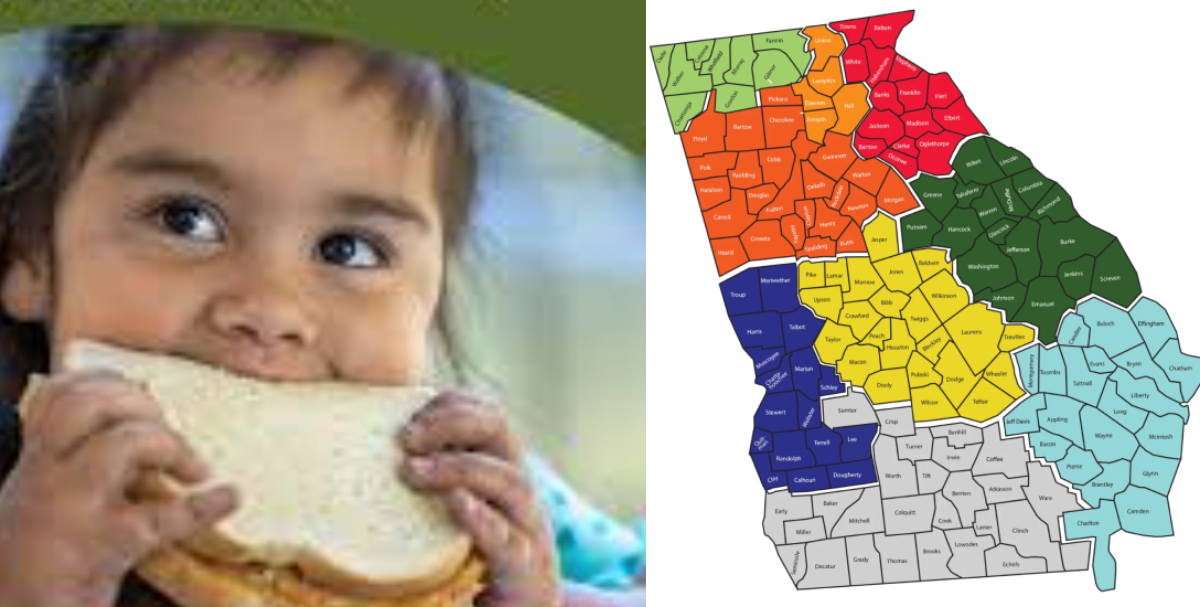
Nonprofits like Feeding Georgia coordinate seven regional food banks covering the state, providing free groceries, meals, and holiday boxes. Many accept walk-ins with ID; some require proof of residency.
Dial 211 (Georgia’s 24/7 helpline) for immediate referrals to nearby pantries, or use online tools like Food Finder (foodfinder.us) by entering your ZIP code.
Regional Food Banks (Feeding Georgia Network): These hubs partner with 2,000+ pantries and mobile distributions. Visit feedinggeorgia.org for locations and schedules.
Where To Find Food Resources in Georgia
Region/Food Bank Coverage Areas Services & Contact Atlanta Community Food Bank Metro Atlanta (Fulton, DeKalb, etc.) Groceries, mobile pantries, kids’ programs. (404) 584-3333; acfb.org/get-help/food-map. Food Bank of Northeast Georgia 15 NE counties (e.g., Athens, Gainesville) Emergency boxes, mobile pantries (e.g., Oct. 28 at Spirit of Sharing, Winder). Dial 211; foodbanknega.org/find-food. Chattanooga Area Food Bank NW Georgia (e.g., Dalton, Rome) Perishable/non-perishable distributions. (706) 226-4654; chattfoodbank.org. Georgia Mountain Food Bank North GA mountains (e.g., Clarkesville) Drive-thru pantries. (706) 754-0014; gamountainfoodbank.org. Feeding the Valley Food Bank NW GA valleys (e.g., Dalton, Rome) Thanksgiving meal drives (Big Gobble, Nov. 1–27). (706) 226-4654; feedingthevalley.org. Middle Georgia Community Food Bank Central GA (e.g., Macon, Warner Robins) Monthly pantries (e.g., Oct. at Ash St. Church, Macon). (478) 744-2356; mgcfb.org/find-healthy-food. Golden Harvest Food Bank East GA (e.g., Augusta, Statesboro) Weekly distributions. (706) 736-5641; goldenharvest.org. Second Harvest of Coastal Georgia Coastal/South GA (e.g., Savannah, Brunswick) Senior boxes, kids’ meals. (912) 748-2021; helpendhunger.org. Additional Local & Seasonal Resources
- Salvation Army: Statewide pantries and hot meals; request aid at salvationarmyusa.org (e.g., Columbus: southernusa.salvationarmy.org/columbus).
- Hosea Helps (Atlanta): Holiday festivals with meals, clothing, and health services (Nov. events at 2545 Forest Hills Dr. SW). 4hosea.org.
- Thanksgiving-Specific Drives (ongoing into Nov.): Harvest Movement deliveries (Nov. 12, takethecity.com); Annual Mobile Pantry (Nov. 22, Atlanta Technical College, choicesforkids.org); Feeding GA Families boxes (Nov. 22, Atlanta, feedinggafamilies.org).
- YMCA & Community Drives: Local chapters hosting food collections; check ymcaga.org for metro-area events. wrdw.com
- Urban League of Greater Atlanta: Food access for families; (404) 523-4152; ulga.org.
Pro Tips for Accessing Aid
- Bring ID, proof of address, and household size—many sites serve first-come, first-served.
- Prioritize nutritious donations if contributing: canned goods, peanut butter, whole grains (avoid perishables).
- For seniors/veterans: Contact Georgia’s Area Agencies on Aging at elderinfo.gacg.org or VA at va.gov.
- Monitor for updates: DHS (dhs.georgia.gov, 1-877-423-4746); Feeding America (feedingamerica.org, ZIP search).
Families are urged to use existing benefits wisely, apply for aid promptly, and connect with local resources immediately. Below, I’ll outline affected programs and available alternatives.
Status of Major Federal Food Assistance Programs
Program Current Status (as of Oct. 28, 2025) Timeline & Details Who It Affects in Georgia SNAP (Supplemental Nutrition Assistance Program, aka Food Stamps) October benefits issued and usable; November issuance suspended. Suspension starts Nov. 1 until federal funding resumes. Existing EBT balances can be spent at authorized retailers. Applications accepted, but no new deposits until resolved. Contingency funds may cover partial November benefits if shutdown persists. dhs.georgia.gov +1 ~1.4 million low-income households; reduces food insecurity by 30% statewide, injecting $3B+ into local economies. gbpi.org WIC (Women, Infants, and Children) Operational through October with emergency funds; at risk for November. Temporary federal stabilization through Oct. 31; potential disruptions (e.g., clinic closures or benefit delays) if shutdown continues. Georgia’s Department of Public Health (DPH) is evaluating state options to avoid breaks. ~200,000 pregnant women, new mothers, and young children; provides nutritious foods, education, and health referrals. National School Lunch & Breakfast Programs Reimbursements funded through October; reimbursements for November uncertain. Schools can serve meals using October funds, but prolonged shutdown may halt federal reimbursements, forcing some districts to self-fund or reduce services. Georgia already opted out of 2025 Summer EBT for kids. ~1.5 million students eligible; ~400,000 at risk without subsidies. Head Start & Early Head Start At high risk of closures starting Nov. 3 without funding. Federal grants cover meals and operations; shutdown could shutter dozens of sites, cutting access to free meals for low-income families. ~15,000 young children in Georgia; focuses on nutrition alongside education. Final Word
Food insecurity exacerbates health disparities in Georgia, where 13% of households face hunger.
While federal programs face immediate risks, Georgia’s robust network of local food banks, pantries, and nonprofits is ramping up efforts to fill gaps.
Calls from state Democrats for Governor Brian Kemp to use surplus funds (Georgia’s rainy day fund exceeds $5 billion) to temporarily cover SNAP shortfalls are ongoing, but no action has been announced yet.
This shutdown is a manufactured crisis, but community resilience can bridge the gap—reach out today to protect vulnerable families. If you need personalized guidance, provide your county for tailored referrals.
If saving money is something you’re serious about, AtlantaFi.com has a lot of resources to help you.
Read more:
-
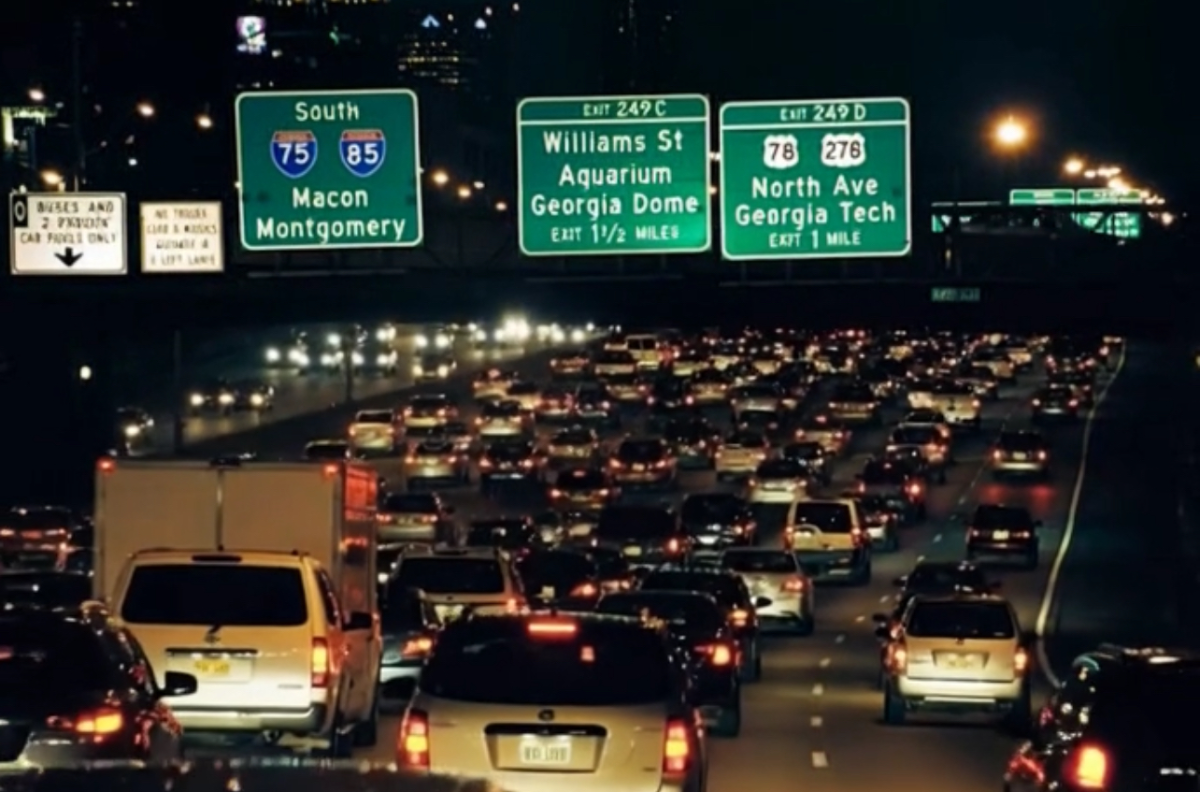
If you’ve ever found yourself inching along I-85 or the Downtown Connector during what feels like an eternal crawl, you’re not alone.
A fresh analysis from the Texas A&M Transportation Institute’s 2025 Urban Mobility Report reveals that Atlanta drivers are wasting a staggering 87 hours annually stuck in traffic — up from previous years as post-pandemic travel patterns refuse to normalize.
Yes, Atlanta Traffic Is Getting Worse
The report highlights a dramatic shift: congestion now stretches across six hours each day, with the absolute worst snarl-ups hitting between 4 p.m. and 5 p.m., when delays can balloon travel times by up to 50% or more.
But it’s not just the evening exodus that’s choking the city’s arteries. Mornings remain a battleground, particularly from 7 a.m. to 8 a.m., where a heat map of peak periods shows gridlock rivaling the afternoon rush.
And in a twist that might surprise long-suffering commuters, Thursdays have dethroned Fridays as Atlanta’s most congested day of the week.
Researchers attribute this to “compressed travel times” — with more people squeezing errands and outings into fewer days — leading to heavier loads and less predictable flows on what used to be a relatively milder midweek slog.
“Travel patterns have evolved,” noted Dr. Tim Lomax, a co-author of the Texas A&M report. “We’re seeing delays bleed into non-traditional hours, turning what was once a predictable rush into an all-day affair.”
The study, which crunched data from 101 U.S. urban areas, ranks Atlanta among the top 10 for overall congestion, with drivers collectively losing over 261 million hours on the road last year alone.
Complementing the Texas A&M findings, the latest TomTom Traffic Index for 2024 (with early 2025 indicators mirroring trends) provides granular hourly insights into average one-way commute speeds across the metro area.
When Is the Best Time To Travel Through Atlanta?
Based on billions of kilometers of anonymized GPS data, it paints a clearer picture of when to hit the brakes — or avoid them altogether.
On a typical weekday, the sweet spot for smooth sailing is the wee hours before dawn, while late afternoons spell doom for anyone not already hunkered down with a podcast.
To help you plan your next drive, we’ve compiled average weekday travel times for a standard 10-kilometer (about 6-mile) trip through Atlanta, ranked from best (fastest, least congested) to worst (slowest, most gridlocked)
These figures average data across Monday through Friday, showing how even a short jaunt can stretch into frustration.
Average Atlanta Commuter Times
Time of Day Average Travel Time (10 km) 5:00 AM 7 min 24 s 4:00 AM 7 min 32 s 3:00 AM 8 min 36 s 6:00 AM 8 min 47 s 2:00 AM 9 min 21 s 1:00 AM 9 min 35 s 12:00 AM 9 min 47 s 11:00 PM 10 min 20 s 10:00 PM 10 min 37 s 9:00 PM 11 min 2 s 8:00 PM 11 min 43 s 10:00 AM 12 min 9 s 11:00 AM 12 min 22 s 7:00 AM 12 min 28 s 12:00 PM 13 min 16 s 7:00 PM 13 min 29 s 9:00 AM 13 min 35 s 1:00 PM 13 min 41 s 2:00 PM 14 min 20 s 8:00 AM 15 min 16 s 3:00 PM 16 min 2 s 6:00 PM 16 min 46 s 4:00 PM 18 min 1 s 5:00 PM 19 min 26 s As the table illustrates, zipping through town at 5 a.m. clocks in under 7.5 minutes for that 10 km stretch — a commuter’s dream.
But dare to depart at 5 p.m., and you’re looking at nearly 20 minutes of brake lights and frustration, a 160% increase over free-flow conditions.
Experts warn that without major interventions — like expanded MARTA rail lines or smarter traffic signaling — these trends could worsen.
The Atlanta Regional Commission echoes this, noting Atlanta’s average one-way commute already hovers at 32 minutes, fifth-highest in the nation.
For now, savvy drivers are turning to apps like Waze for real-time detours or opting for hybrid work schedules to dodge the peaks.
If you’re tired of the crawl, consider carpooling via the region’s Xpress buses or timing your trips for those golden pre-dawn windows.
Need more tips? Read our guide on how to beat Atlanta traffic.
Final Word
Atlanta’s roads may not get any wider, but a little foresight could save your sanity — and your schedule. Stay tuned for updates as the holiday rush threatens to turn these bottlenecks into full-blown parking lots.
-
In a move that has sent ripples through Hollywood and straight to the heart of Atlanta’s media ecosystem, Warner Bros. Discovery (WBD) recently confirmed that it is actively exploring a sale of the company—or parts of it—following interest from multiple suitors.
The announcement, which propelled WBD shares up 10% in a single day, underscores the volatile state of the legacy media industry amid cord-cutting and streaming wars.
But for the thousands of Atlantans who call WBD a employer, the news evokes a mix of cautious optimism and deep-seated anxiety.
With CNN’s global headquarters anchoring the city’s Midtown skyline, any ownership change could reshape local jobs, from on-air talent to behind-the-scenes technicians.
Atlanta’s Stake in the Warner Empire
WBD’s roots in Atlanta run deep, tracing back to the Turner Broadcasting empire that once employed over 10,000 in the Peach State. Today, while global headcount stands at 35,000, the company’s Atlanta footprint remains substantial, particularly through CNN.
The network, a cornerstone of WBD’s news division, employs roughly 1,000 workers in the city out of its total workforce of about 3,300 worldwide.
These roles span journalists, producers, engineers, and support staff, many based at the newly consolidated Midtown campus after a 2023 relocation from the iconic CNN Center downtown.
The economic ripple extends beyond payroll.
WBD’s presence bolsters Atlanta’s reputation as a media hub, supporting local vendors, real estate, and even tourism tied to CNN tours (pre-pandemic peaks drew 500,000 visitors annually).
Recent challenges, however, have already trimmed the local workforce: In January, CNN announced 210 layoffs globally—about 6% of staff—as part of a pivot to digital.
Atlanta bore a portion of those cuts, fueling morale concerns that persist amid the sale buzz.
What a Sale Could Mean for Peachtree Paychecks
A full or partial acquisition of WBD carries profound implications for Atlanta employees. On the upside, fresh capital could stabilize operations and fund tech upgrades, potentially safeguarding or even expanding roles in high-growth areas like streaming and AI-driven content.
CNN, already experimenting with digital-first strategies, might see investment in local bureaus or interactive news formats that leverage Atlanta’s diverse talent pool.Yet, the downside looms larger for many.
Legacy media deals often trigger cost synergies—read: layoffs—to appease shareholders and manage WBD’s staggering $35 billion debt load.
CNN staffers, already grappling with “grim” morale from earlier restructurings, now face added uncertainty: Will a new owner view the cable news flagship as a crown jewel or a legacy drag? Network insiders whisper of fears over editorial shifts, especially if political alignments influence bids (more on that below).
For Atlanta’s rank-and-file, the specter of remote work mandates or consolidated operations could erode the city’s role as a physical media nerve center.
Local economists echo these concerns. “Atlanta’s media sector contributes over $7 billion annually to the metro economy,” notes Dr. Maria Lopez, an urban studies professor at Georgia State University. “A WBD sale gone awry could idle talent that’s hard to replace, pushing creatives to competitors like Netflix’s local productions or even out of state.”
The Shortlist: Who Might Scoop Up Atlanta’s Media Giant?
As WBD’s board weighs “strategic alternatives,” a roster of heavyweights has emerged. Leading the pack is David Ellison’s Paramount Skydance, the tech-infused media outfit that recently sealed a $8 billion merger with Paramount Global.
Ellison, son of Oracle billionaire Larry Ellison, has lobbed three bids in quick succession, escalating from $19 to $23.50 per share—valuing WBD at around $56 billion before debt. Though rebuffed, sources say Skydance is undeterred, negotiating with private equity titan Apollo Global for a potential $60 billion war chest.
Analysts peg them as the front-runner, citing synergies in film (Paramount Pictures + Warner Bros.) and streaming (a beefed-up Paramount+ with HBO Max assets).
For Atlanta, a Skydance buyout might blend opportunity with risk.
Ellison’s Silicon Valley bent could accelerate CNN’s digital evolution, perhaps integrating AI tools for local reporting. But whispers of Trump-era ties—David Ellison’s reported “Trump card” in dealmaking—raise eyebrows about CNN’s vaunted independence, potentially alienating talent or viewers.
Tech titans lurk as wild cards. Netflix, Amazon, and Apple are circling, drawn to WBD’s IP trove (think The Lord of the Rings and DC Comics) and linear assets like CNN for bundled streaming deals.
Comcast, owner of NBCUniversal, could consolidate news powerhouses, though antitrust hurdles loom large.
A tech acquisition might supercharge Atlanta’s tech-media crossover—Amazon’s AWS already powers much of WBD’s cloud ops—but could also accelerate cable TV’s demise, hitting ad sales teams hardest.Private equity or a Sony-led consortium rounds out the speculation, though less Atlanta-specific.
Looking Ahead: Atlanta’s Media Resilience
As bids sharpen, Atlanta watches warily. WBD’s summer plan to split into streaming/studios and linear TV entities adds another layer, potentially ring-fencing CNN in a standalone company.
bizjournals.com City leaders, including Mayor Andre Dickens’ economic development team, are already courting displaced talent with incentives for startups in Ponce City Market’s tech incubator.
For now, employees like one veteran CNN producer (speaking anonymously) sum it up: “We’ve survived mergers, pandemics, and pivots. But this feels like the big one. Atlanta’s too gritty to fade—we adapt or we build our own tables.
Final Word
We currently have job articles that show you high-paying jobs, those close to downtown and even side hustles you might like.
If you’re looking to get hired in Atlanta right now, there’s a very real possibility that you can land your dream job.
Read more: Best Work From Home Jobs In Atlanta, Georgia
-
As Metro Atlanta continues its rapid growth, painting a picture of economic vitality with new high-rises dotting the skyline and tech jobs booming in Midtown, a quieter crisis simmers beneath the surface: food insecurity.
New analysis of federal data shows that in the region’s five core counties—Fulton, DeKalb, Gwinnett, Cobb, and Clayton—tens of thousands of residents rely on the Supplemental Nutrition Assistance Program (SNAP), formerly known as food stamps, to put meals on the table.
How Many Metro Atlanta Residents May Lose SNAP Benefits if Shutdown Persists?
Approximately 700,000 metro Atlanta residents could face the loss of their SNAP benefits if the federal government shutdown persists beyond October 2025.
This estimate is based on the region’s 29-county population of roughly 6.35 million and a SNAP participation rate of 11% in Georgia’s metro areas, which aligns with recent state data showing lower urban reliance compared to rural counties (17%).
For context, Georgia’s statewide total stands at about 1.4 million recipients, or 12.6% of the population, with metro Atlanta accounting for over half due to its size.
These counties, home to more than 3.9 million people, represent the beating heart of the Atlanta metro area, yet SNAP participation rates vary starkly, from under 8% in affluent Cobb County to a staggering 24% in Clayton County.
The figures, drawn from the U.S. Census Bureau’s 2022 Small Area Income and Poverty Estimates (the most recent comprehensive county-level data available), underscore persistent inequities in access to nutritious food.
In Fulton County, which encompasses most of the city of Atlanta, 160,940 residents—about 14.8% of the population—received SNAP benefits that year.
DeKalb County, just east of the city, saw even higher usage at 16.4%, with 127,335 participants amid a population of 775,022.
Gwinnett County’s rate stood at 9.6% (94,116 recipients out of 983,702 residents), reflecting its diverse immigrant communities and suburban sprawl.
Further north, Cobb County’s lower 8.0% participation (62,007 out of 779,249) highlights relative economic stability in areas like Marietta and Smyrna.
But in Clayton County, south of the city, the story is dire: 24.3% of its 302,285 residents—73,512 people—depended on SNAP, a rate more than double the state average of 12.6% for fiscal year 2024.
How Many Metro Atlanta Residents Receive SNAP Benefits?
Across these five counties, an estimated 518,000 residents turned to the program in 2022, a lifeline amid rising grocery prices and stagnant wages.
County 2022 Population SNAP Recipients (2022) Participation Rate Fulton 1,087,170 160,940 14.8% DeKalb 775,022 127,335 16.4% Gwinnett 983,702 94,116 9.6% Cobb 779,249 62,007 8.0% Clayton 302,285 73,512 24.3% These numbers — compiled from the U.S. Census Bureau via Federal Reserve Bank of St. Louis (FRED — aren’t just statistics, they’re families skipping meals, children facing hunger in school cafeterias, and seniors choosing between medicine and groceries.
Georgia’s overall food insecurity rate hovers at 14.9%, affecting 1 in 7 residents, but in the Atlanta Community Food Bank’s 29-county service area, it’s slightly lower at 12.8%—or 1 in 8 people.
Yet recent reports paint a worsening picture. Feeding America’s 2025 “Map the Meal Gap” study reveals food insecurity rising statewide, with 1 in 5 children and 1 in 10 seniors now at risk.
The Atlanta Food Bank has seen a 60% surge in demand for emergency meals over the past three years, driven by inflation, housing costs, and the end of pandemic-era expansions to SNAP and other aid programs.
Looking ahead, experts project a troubling trajectory for the Atlanta area. If current trends hold—marked by persistent inflation in food prices (up 25% since 2019) and uneven job recovery—food insecurity could climb to 15-17% across the metro region by 2027.
In high-participation counties like Clayton and DeKalb, rates might approach 25-30%, exacerbating health disparities such as higher rates of diabetes and obesity already prevalent in underserved Black and Brown communities.
When Will SNAP Benefits Stop Nationwide?
The ongoing federal government shutdown, now in its second week, threatens to halt SNAP benefit issuance starting November 1, potentially leaving 1.4 million Georgians—including 640,000 children—without support for weeks.
This could spike emergency food pantry visits by another 20-30%, straining local resources.But amid the challenges, solutions are within reach. Local leaders and organizations are rallying with a mix of immediate relief and long-term strategies.
Expanding access to SNAP through streamlined enrollment and outreach—particularly in linguistically diverse Gwinnett—could reach thousands more eligible families, as only about 80% of those who qualify currently participate statewide.
Community-driven initiatives, like the Atlanta Community Food Bank’s partnerships with urban farms and mobile pantries, have already distributed millions of meals, but scaling these with corporate donations and volunteer drives is key.
Atlanta’s recent $2.5 million investment in fresh food access projects, including new markets in food deserts, shows promise for sustainable change.
Programs like Wholesome Wave’s incentives for buying Georgia-grown produce at farmers’ markets empower low-income shoppers to afford healthier options, while food rescue groups such as Second Helpings Atlanta and Rescuing Leftover Cuisine redistribute surplus from restaurants and grocers, cutting waste and hunger in one stroke.
On the policy front, advocates call for a living wage ordinance in Atlanta and state-level expansions to the Emergency Food Assistance Program (TEFAP), which supplements diets for the elderly and low-income families.
“SNAP is a critical lifeline for 1.4 million Georgians, including more than 640,000 children,” said Ife Finch Floyd, director of economic justice at the Georgia Budget and Policy Institute.”
As the shutdown drags on and winter approaches, Metro Atlanta’s leaders must act swiftly. Residents can support by volunteering with Hands On Atlanta’s “Hands on Hunger” program or donating to local pantries.
Final Word
For those in need, SNAP applications remain open via Georgia’s Division of Family & Children Services at dfcs.georgia.gov/snap.
In a city known for its resilience, turning the tide on hunger starts with collective will. The data demands it; our neighbors deserve it. Tips? Contact us at tjohnson@atlantafi.com.
More groceries stores are pivoting to curbside pickup, but many still haven’t made the switch (Looking at you, Trader Joe’s). AtlantaFi.com will keep you up to date on other stores at offer curbside pickup and more ways to keep you safe.
Want to save money on groceries and cut your bill in half? Of course, you do.
-

Get ready to shake the Square, Atlanta: Legendary rapper Big Boi is bringing his signature Southern swagger to Decatur with a free headline concert on June 11, 2026, perfectly timed to ignite the kickoff of the 2026 FIFA World Cup.
As part of the newly announced Decatur WatchFest ’26, this outdoor bash promises to blend hip-hop heat with soccer fever, drawing fans from across the metro area to the heart of DeKalb County’s vibrant music scene.
Big Boi to Kick Off FIFA World Cup Festivities in Atlanta
The performance, set for Decatur Square on the tournament’s opening day, marks the explosive start to a month-long festival celebrating the global spectacle.
The World Cup, co-hosted across North America from June 11 to July 19, 2026, will bring eight high-stakes matches to Atlanta’s Mercedes-Benz Stadium – but Decatur is stealing the pre-game spotlight with Big Boi’s set, expected to feature hits from his OutKast glory days to his solo anthems like “Shutterbugg” and “The Way You Move.”
“As an Atlantan and huge soccer fan, performing for Decatur WatchFest ‘26 to kick off our World Cup festivities is a great honor,” Big Boi shared in a statement. “I’ve seen the energy the World Cup creates and I’m excited to get the party started for music and soccer fans in my backyard!”
Organizers of Decatur WatchFest ’26, a collaborative effort spotlighting the city’s walkable charm and live music legacy, envision the event as more than just a one-night stand.
Running parallel to the tournament, the festival will offer free daily outdoor screenings of World Cup matches (pending FIFA approval), nightly pre- and post-game live music lineups, interactive games, and pop-up activities at local spots.
Think food trucks slinging Georgia peach-infused bites, craft brews from nearby distilleries, and family-friendly zones where kids can kick around a ball before the grown-ups groove to the beats.Decatur Square, already a hub for indie gigs and block parties, couldn’t be a more fitting stage. Just a quick MARTA ride from downtown Atlanta, the venue’s historic gazebo and tree-lined lawns have hosted everyone from folk troubadours to rising R&B stars.
Big Boi’s addition – the Dungeon Family co-founder and Grammy-winning icon who’s called Atlanta home for decades – elevates it to must-attend status for music lovers eyeing the summer’s cultural crossover.
“Decatur has always punched above its weight in the music world,” said festival co-founder Elena Vasquez. “Pairing Big Boi’s ATL pride with the world’s biggest sporting event? It’s the ultimate vibe check for our community.”
While details on opening acts and exact set times are still unfolding, the concert is open to all ages and completely free – no tickets required, though organizers recommend arriving early for prime viewing spots.
Updates, including lineup announcements and volunteer opportunities, will roll out via the festival’s social channels: follow @DecaturWatchFest26 on Instagram and Facebook, or sign up for email alerts at decaturwatchfest26.com.
As Atlanta gears up for its World Cup moment, this Decatur debut feels like a homecoming. Big Boi, who first rose to fame with OutKast’s genre-bending fusion of funk, soul, and hip-hop, continues to champion Southern sounds through his solo work and ventures like Daddy’s House Social House.
Final Word
Fans can catch a taste of what’s coming by streaming his latest projects or revisiting classics ahead of the big night.Mark your calendars, ATLiens – when the whistle blows on June 11, Decatur Square will be the place to be, where soccer roars meet rap flows in pure, unfiltered celebration.
Stay tuned to AtlantaFi.com for more on the Metro’s hottest events leading into 2026.
More from AtlantaFi.com:
-
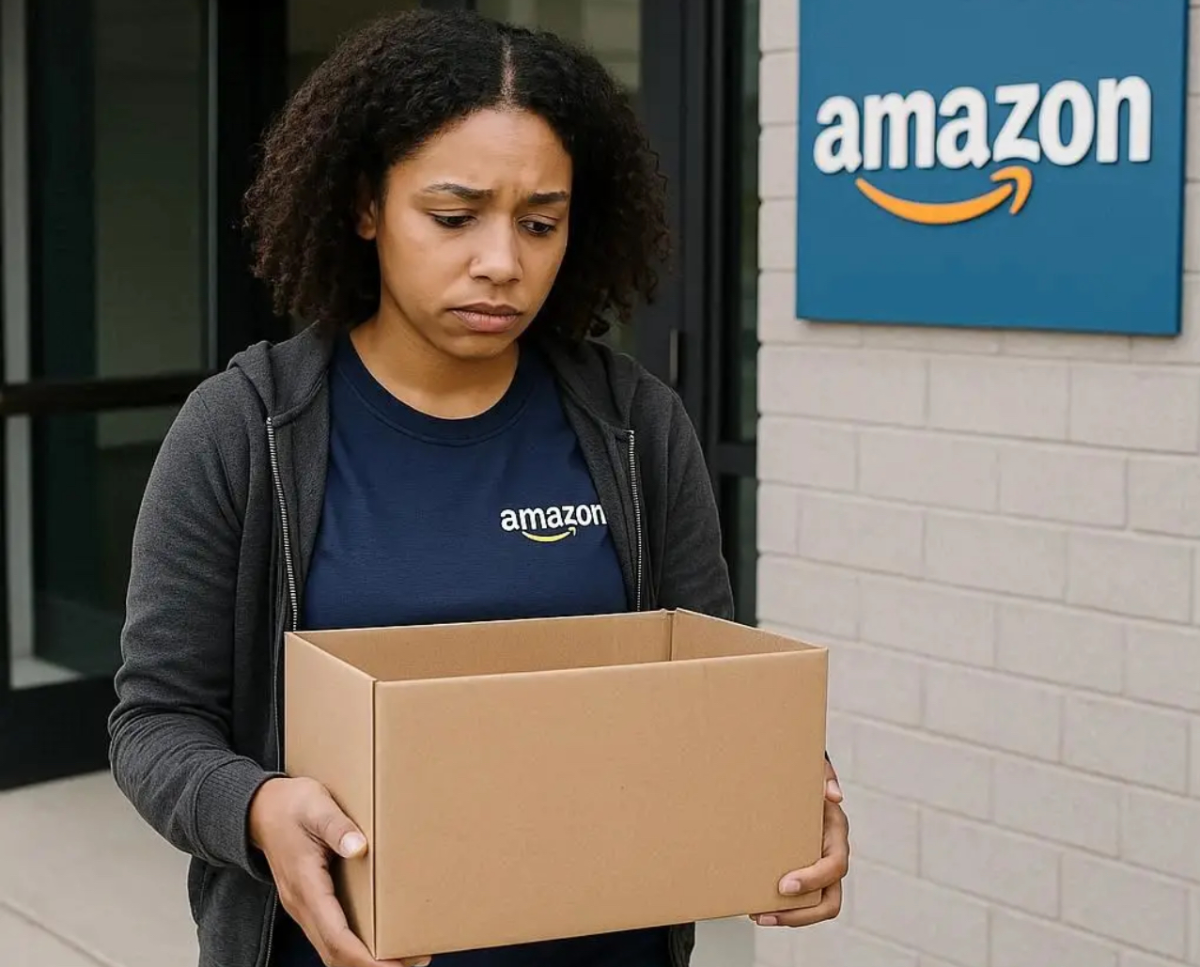
In a seismic shift for the tech and logistics sectors, Amazon.com Inc. laid off 14,000 workers early Tuesday, Oct. 28. The commerce giant is poised to slash up to 30,000 corporate positions across its sprawling empire.
The cuts, targeting key departments including logistics, payments, gaming, and the powerhouse cloud-computing arm AWS, mark the e-commerce behemoth’s largest workforce reduction since the post-pandemic downsizing frenzy of 2022-2023, when over 27,000 jobs were eliminated.
Amazon Begins Massive Layoffs of Corporate Employees
This bombshell development, first reported by Reuters and corroborated by sources across Bloomberg, Forbes, and GeekWire, comes amid Amazon’s aggressive pivot toward artificial intelligence (AI) and automation.
CEO Andy Jassy has long signaled a leaner future for the company’s 350,000-strong corporate workforce, emphasizing that AI would supplant human roles in routine tasks.
Internal strategy documents leaked last week projected the replacement of up to 600,000 workers with robots and AI tools by 2033, a vision now accelerating into harsh reality.
A Pandemic Hangover and AI’s Double-Edged Sword
Amazon’s rapid expansion during the COVID-19 boom saw its corporate headcount triple from 2017 to 2022, fueling unprecedented growth in online retail and cloud services.
But as demand normalized, the Seattle-based giant has been on a cost-cutting crusade.
This year’s layoffs already tally around 20,000 roles tied to technological shifts, with another 17,000 explicitly linked to AI implementations, per Forbes analysis.
The impending cuts represent roughly 10% of Amazon’s non-warehouse staff and could rival historic benchmarks, nearly matching Boeing’s 31,000 job eliminations in the wake of the 2001 terrorist attacks.
In the broader tech landscape, Layoffs.fyi reports over 98,000 positions lost across 216 companies in 2025 alone, with Amazon’s move poised to eclipse the sector’s annual total.
For Atlanta’s jobs market, the ripple effects could be profound.
Amazon’s regional footprint includes a major fulfillment center in Forest Park and a burgeoning AWS office in Midtown, employing thousands in logistics and tech roles.
While the layoffs are primarily corporate and Seattle-centric—impacting about 50,000 workers in the Puget Sound area—the Southeast’s logistics hubs may face secondary pressures as supply chain efficiencies ramp up via automation.
Local economists warn that displaced white-collar talent could flood Atlanta’s competitive job market, straining sectors like IT and operations.
“Atlanta has been a magnet for tech jobs, but waves like this remind us of the sector’s volatility,” said Dr. Elena Vasquez, labor economist at Georgia State University’s Andrew Young School of Policy Studies. “We’re talking high-skill roles—data analysts, project managers—that don’t always pivot easily to warehouse gigs, even with Amazon’s seasonal hiring push.”
Holiday Hiring vs. Corporate Carnage
In a stark juxtaposition, Amazon announced earlier this month plans to onboard 250,000 seasonal warehouse workers nationwide for the holiday rush, including opportunities in Georgia facilities. Yet, corporate staffers face an uncertain Black Friday: Emails detailing terminations are expected to drop Tuesday morning, per CNBC sources
The company’s People Experience and Technology (PXT) division, which encompasses HR and recruiting, is already bracing for a 15% trim—about 1,500 roles from its 10,000-employee roster.
Amazon has declined immediate comment, but Jassy’s prior memos underscore the strategy: “Unregretted attrition” targets—where managers aim for a set percentage of voluntary or forced exits—have become a staple, ensuring the firm sheds “non-essential” overhead.
With capital expenditures surging to over $100 billion in 2025—mostly for AI infrastructure—the message is clear: Efficiency trumps headcount.
Broader Implications for Georgia’s Workforce
Georgia’s tech ecosystem, bolstered by Amazon’s $1.2 billion investment in a cloud region here since 2019, now grapples with the flip side of Big Tech’s innovation drive.
The state added 12,000 logistics and IT jobs last year, per the Georgia Department of Labor, but AI disruptions could temper that growth.
Displaced Amazonians might eye opportunities at rivals like Delta Air Lines’ tech hub or Microsoft’s expanding Atlanta presence, but competition will be fierce.
Labor advocates are mobilizing: The Atlanta-based Jobs with Justice coalition plans virtual town halls this week to support affected workers, offering resume workshops and severance navigation.
“These aren’t just numbers—they’re families, mortgages, and futures,” said organizer Malik Thompson. “Amazon’s profits soared 50% last quarter; workers deserve a safety net, not a pink slip.”
As notifications roll out, Atlanta job seekers are urged to monitor platforms like LinkedIn and Indeed for emerging roles in AI-adjacent fields, where demand remains hot.
Final Word
Amazon’s cuts, while painful, underscore a national pivot: Upskilling in machine learning and data science could be the ticket to weathering the storm.
If you’re been let for from your job, read our guide on how to navigate a layoff.
AtlantaFi.com is your go-to source for employment trends, career advice, and economic insights in the Peach State. Stay tuned for updates as this story develops.
If you’re looking to get hired in Atlanta right now, there’s a very real possibility that you can land your dream job.
Read more: Best Work From Home Jobs In Atlanta, Georgia
-
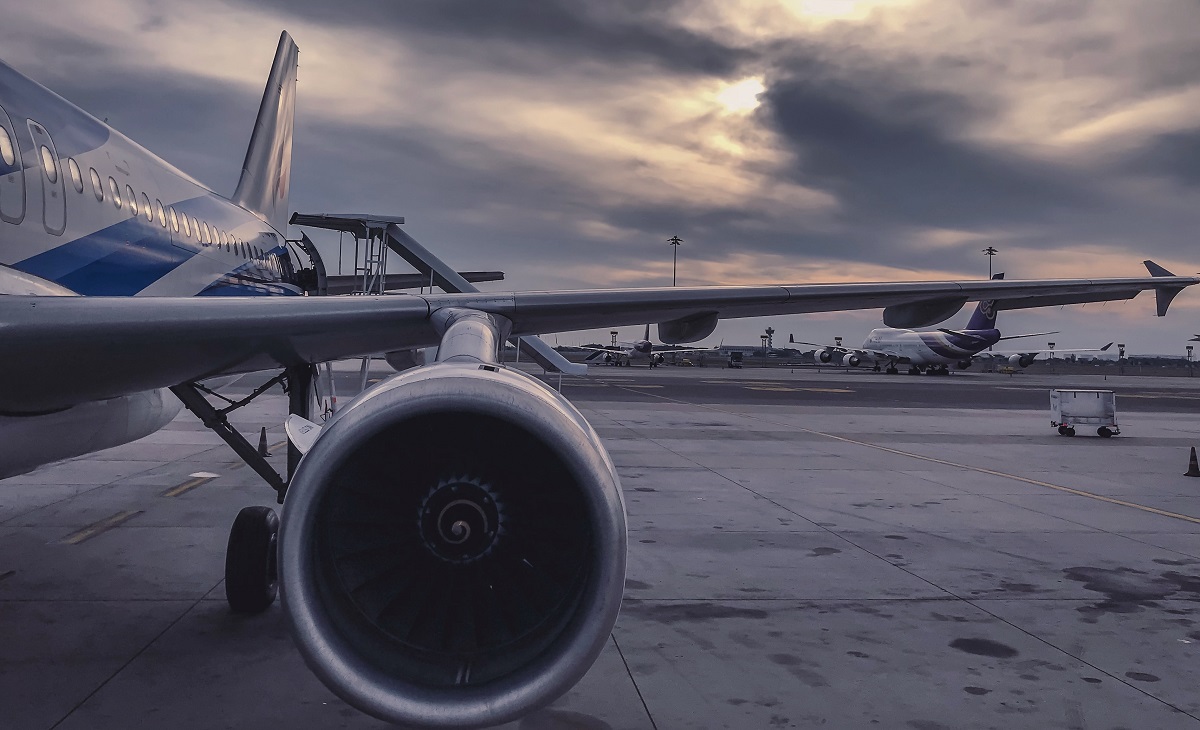
In a mishap that’s drawing national attention to the airline headquartered right here in the Peach State, a veteran Delta Air Lines flight attendant accidentally deployed an emergency evacuation slide on a parked aircraft at Pittsburgh International Airport, causing a nearly four-hour delay and an estimated $70,000 to $100,000 in damages.
The incident, which occurred Saturday evening, October 25, has sparked discussions about crew training and the high stakes of even minor errors in aviation.
Delta Flight Attendant Deploys Slide, Strands Pittsburgh Passengers
The blunder unfolded aboard Delta Flight 3248, an Airbus A220 bound for Salt Lake City, Utah, as the crew prepared for departure around 5 p.m. local time.
While arming the main boarding door—a standard procedure to secure the aircraft for takeoff—the flight attendant, who has 26 years of experience with the carrier, inadvertently raised the door handle.
This triggered the slide’s power-assist system, causing the door to swing open and the bright yellow inflatable slide to burst forth into the jet bridge.
The deployment blocked access to the aircraft, trapping passengers on board and halting operations at the gate. Engineers were called in to carefully deflate and detach the slide before it could be removed, a process that took several hours.
No injuries were reported among the roughly 100 passengers or crew, but the delay pushed the flight’s departure back to 9:11 p.m., forcing many travelers to miss connecting flights and spend the night in hotels arranged by Delta.
For Atlanta-based Delta, the financial hit is significant. Repacking or replacing an emergency slide on an Airbus A220 can run between $50,000 and $100,000, according to industry sources, due to the specialized equipment and FAA-mandated inspections required after deployment.
The airline, which operates out of its massive hub at Hartsfield-Jackson Atlanta International Airport—the world’s busiest—confirmed the incident in a statement to media outlets.
“Safety is Delta’s top priority, and our aircraft was thoroughly inspected before returning to service,” a spokesperson said.
The flight attendant has reportedly apologized to passengers and is slated for retraining, though Delta has not indicated any disciplinary action.
Social media lit up over the weekend with passenger accounts and photos of the inflated slide spilling into the terminal, turning what should have been a routine cross-country hop into an unexpected adventure.
“We were stuck on the plane for what felt like forever—thank goodness no one was hurt, but Delta owes us big time,” one traveler posted on social media.
Others shared memes about the “slide of shame,” highlighting the human element in an otherwise high-tech industry. Experts note that inadvertent slide deployments, while rare, are a known risk during the “arming” phase of boarding.
“It’s a delicate balance—doors must be secured to prevent slides from firing mid-flight, but one wrong move at the gate can lead to this,” said aviation safety consultant Maria Gonzalez in a recent analysis.
For Delta, which has faced scrutiny over recent operational hiccups, including summer IT outages, this serves as a reminder of the precision required in every procedure.
The Federal Aviation Administration (FAA) is aware of the incident but has not launched a formal investigation, as no safety violations were evident.
Passengers affected by the delay are eligible for compensation under Delta’s policies, including meal vouchers and rebooking assistance. As the story continues to trend online, Atlantans traveling with Delta this week might double-check their gate times—just in case.
Final Word
To save money, look for the cheapest flights from Atlanta that are on sale. To keep costs down, use these travel hacks to save money and time.
To Atlanta is one of the most convenient places to travel to and from. A large part of that is because Hartsfield-Jackson International Airport is so accessible.
Not only is it the world’s busiest airport, but it’s state-of-the-art in every way. If you’re interested in traveling around Atlanta via car or even on scooter, here’s what to know.
More Articles Like This:
Traveling Soon? Check Out Our International Checklist
-

As the crisp autumn leaves swirl through Atlanta’s streets, the city turns its gaze toward a vibrant celebration of Native American heritage.
The Native American Festival & Pow Wow, a cornerstone event in the metro area’s cultural calendar, is set to unfold during the third week of October 2025. This is one of metro Atlanta’s best festivals.
Native American Festival & Pow Wow: What To Know
Hosted in the heart of Stone Mountain just 20 minutes from downtown Atlanta, this four-day gathering honors the enduring spirit of Indigenous peoples while fostering community connections in a region rich with Native history.
Taking place on Thursday, October 30, and Friday, October 31, from 9:00 a.m. to 3:00 p.m., and Saturday, November 1 and Sunday, November 2 from 10:00 a.m. to 5:00, the festival transforms the open space in front of Stone Mountain into a living tapestry of tradition and innovation.
Bring a chair or blanket, and prepare for a weekend filled with the heartbeat of drums, the swirl of colorful regalia, and the aroma of frybread wafting through the air.
A Pow Wow Rooted in Atlanta’s Indigenous Legacy
Atlanta’s story is inseparable from the lands of the Muscogee (Creek) Nation, whose ancestors once called this region home long before European settlers arrived.
Another festival that just occurred — the Standing Peachtree Native American Festival— took place in East Point.
The name “Standing Peachtree” pays homage to the historic village of Standing Peachtree, a Muscogee settlement that stood at the confluence of the Chattahoochee River and Peachtree Creek—roughly where modern-day Atlanta now thrives.
This site was a vital trading hub and diplomatic center for the Creek Confederacy, fostering alliances among tribes and early colonists until the forced removals of the 1830s under the Trail of Tears uprooted thousands from their ancestral grounds.
In that vein, the Standing Peachtree Festival isn’t just an event; it’s a reclamation of space and story. “This pow wow is our way of standing tall in the city that bears the echoes of our forebears,” says event facilitator Kelli Gowder of Georgia Indigenous Diversity Consulting. “It’s about educating, healing, and celebrating the resilience of Native communities in Georgia today.”
Drawing participants from local tribes like the Georgia Tribe of Eastern Cherokee and beyond, the festival bridges past and present, reminding attendees that Indigenous voices continue to shape the South.
What to Expect: Dance, Drums, and Cultural Immersion
At its core, the pow wow is a symphony of movement and sound.
Grand entries on both days will kick off with processionals of dancers in stunning regalia—feathers, beads, and jingles catching the sunlight as they honor the four directions.
Intertribal dances welcome all to join the circle, embodying the pow wow’s spirit of unity and inclusivity.
Competitive categories shine a spotlight on traditional, fancy, jingle, and grass dances, with cash prizes for 1st, 2nd, and 3rd place in adult, teen, and junior divisions, celebrating skill passed down through generations.
Music pulses from award-winning flute players and drum groups, evoking the sacred songs that have guided Native ceremonies for centuries.
Visitors can expect storytelling sessions that weave tales of Creek folklore and Cherokee legends, alongside hands-on “touch and feel” booths where kids (and adults) can explore artifacts like woven baskets, pottery, and tools crafted in the styles of Southeastern tribes.
Food vendors will tantalize with authentic flavors: think Indian tacos piled high with savory fillings on fluffy frybread, roasted corn slathered in butter, and sweet treats like wojapi berry pudding.
Native arts take center stage too, with vendors showcasing handmade jewelry, paintings, and crafts—perfect for holiday shopping with a meaningful twist.
Why This Matters in 2025
The festival amplifies calls for reflection and reconciliation.
In a year marked by national conversations on land back and cultural sovereignty, events like this one underscore Atlanta’s role as a modern hub for Native resurgence.
With over 20,000 Indigenous residents in the metro area, according to recent census data, pow wows like Standing Peachtree build visibility and support for urban Native communities facing everything from housing challenges to cultural preservation efforts.
For locals, it’s a low-key alternative to the bigger spectacles, like the Native American Festival & Pow Wow at Stone Mountain Park (slated for October 30–November 2).
“We’re intimate, accessible, and right in the city,” Gowder adds. “No admission fees mean everyone can participate in this healing circle.”
Plan Your Visit
The event is family-friendly, pet-accommodating (leashed, of course), and rain-or-shine, with shaded areas for comfort.
In a city that pulses with progress, the Native American Festival & Pow Wow reminds us to pause, listen, and honor the original stewards of these red hills.
Mark your calendars—this October, Atlanta dances with its roots.
Final Word
As the city lights up with yet another special event this weekend, remember: Safe driving is the real treat. For more tips on navigating safely around the city, read our Atlanta Traffic Guide.
More from AtlantaFi.com: