-

One of the largeest arts and crafts festival in Decatur is coming up soon: On Saturday, April 11 and Sunday, April 12, head to Olmsted Linear Park for this free arts and crafts festival.
The Festival On Ponce offers over 125 displays of fine arts, crafts, and folk art, plus local food and a children’s area. It’s a great outdoor option if the weather cooperates.
Saturday’s Spring Festival On Ponce schedule begins at 10 a.m. and ends at 5 p.m. Attendance is Free.
Spring Festival On Ponce 2026: Everything You Need To Know
The Festival on Ponce will be held in historic Olmsted Linear Park, along Ponce de Leon Avenue in NW Atlanta.
There will be scores of displays of fine arts and crafts, folk and “outsider art”. There will also be food, music and a children’s area there.
Additional parking for festival visitors will also be available at Atlanta Primitive Baptist Church located at 1367 Ponce de Leon Ave., Atlanta, GA 30306.
Where Is The Festival On Ponce Being Held?
The Festival on Ponce is taking place at Olmstead Linear Park at 1451 Ponce de Leon Ave, NW Atlanta, Ga. 30307.. Here is a map to help you find it.
There are so many Atlanta events popping off every week it’s hard to keep up with it all. That’s why I suggest you subscribe to AtlantaFi.com to get all the freshest gatherings, Atlanta happenings, parties and more delivered to your inbox.
Things to do in Atlanta on a weekly basis can range from going golfing mid-week to checking out the latest restaurant openings. At AtlantaFi.com, we curate the city for you!
While it’s warm, take advantage of the outdoors. Don’t miss these awesome festivals.
More From AtlantaFi.com:
-
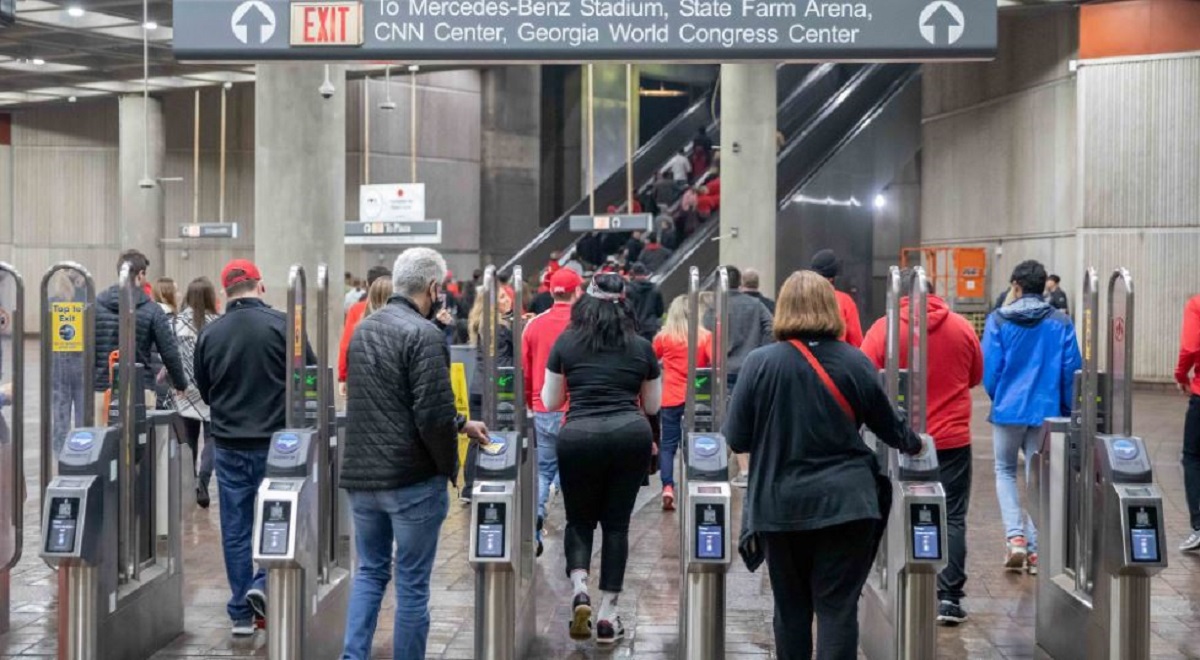
If you love to travel via public transit, or even eat at local restaurants in Atlanta, then MARTA is a valuable resource at best and just a cool backup transit option at the very worst.
From a regional perspective, the MARTA rail system remains a cornerstone of transportation in Atlanta, offering reliable access across the city and into key suburbs. The core rail network consists of the same four color-coded lines that have defined MARTA for decades:
- Red Line and Gold Line: These run primarily north-south, connecting downtown Atlanta to northern suburbs (such as Sandy Springs and Doraville) and southern areas. They share tracks through the central corridor but branch in the north.
- Blue Line and Green Line: These operate east-west, linking downtown to eastern neighborhoods (like Decatur) and western parts of the city.
The system covers all quadrants of Atlanta within the city limits, with extensions into areas like Sandy Springs, Doraville, and Decatur. Trains do not extend far beyond the I-285 perimeter—MARTA’s bus network handles broader regional coverage.
For the most up-to-date interactive view of rail routes, stations, and real-time details, check MARTA’s official Interactive System Map.
As a key component of MARTA’s broader NextGen Bus Network redesign—the most significant update to the region’s bus system in decades—the system will soon debut MARTA Reach, user-requested rides that bridge gaps in traditional fixed-route service.
Want to learn more? All aboard!
This article will tell you everything you need to know about the MARTA train, including how to board and where it runs.
MARTA: Everything You Need To Know
No major new rail stations or line extensions have opened yet on the heavy rail system. However, MARTA is undergoing significant enhancements:
- New railcars (CQ400 series) are rolling out progressively, bringing more advanced, reliable trains.
- Station rehabilitations continue, including major work at Five Points Station (targeting safer, cleaner platforms by spring 2026 as part of a broader $1 billion program).
- The Rapid A-Line (MARTA’s first bus rapid transit line in decades) launches phase one service on April 18, 2026, connecting downtown to Summerhill, Peoplestown, Capitol Gateway, and the Atlanta BeltLine Southside Trail.
Safety remains strong — MARTA consistently ranks among the safer large-city transit systems in the U.S. Blue emergency phones connect directly to MARTA Police, white phones for general assistance, and uniformed officers patrol stations, trains, buses, and parking areas.
For disturbances, ignore minor issues but report threats to MARTA Police at 404-848-4911 or text 1-877-371-8477 (or call 911 for immediate emergencies).Operations basics:
- Trains run from around 6:00 a.m. to as late as 2:00 a.m. (most nights), with no true 24-hour service.
- Frequency: Roughly 15 minutes during peak daytime hours (6 a.m.–7 p.m.), 20 minutes early morning or late evening.
Fares and payment: How Much Does MARTA Cost?
A major upgrade is live as of late March 2026 with the Better Breeze system:
- Standard one-way fare: $2.50 (includes up to four free transfers within three hours; not valid for round trips).
- Reduced fares: $1.00 for seniors, disabled, or Medicare cardholders; MARTA Mobility paratransit at $4.00.
- Children 46 inches and under ride free (up to two per paying adult).
- Passes: 1-Day $9.00 | 2-Day $14.00 | 3-Day $16.00 | 4-Day $19.00 | 7-Day $23.75 | 10-Trip $25 | 20-Trip $42.50 | 30-Day $95.
- Atlanta Streetcar remains $1.00.
Breeze Card Changes
he current Breeze fare media—including physical Breeze cards and the existing Breeze Mobile app—will become incompatible with the upgraded system and will be discontinued after May 2, 2026. After that date, riders will need to use the new fare options to board trains or buses.
Fares are loaded onto a Breeze Card/Ticket and can be paid with cash or debit/credit cards at Breeze Vending Machines or RideStores. If you pay with cash on a bus you will still need a Breeze Card/Ticket to receive your transfer.
Riders now use updated Better Breeze options: tap-to-pay with credit/debit cards or mobile wallets (Apple Pay/Google Pay) at gates, new vending machines for cards/tickets, or the refreshed Breeze app. Cash payments on buses require a ticket or card for transfers.
Bus network evolution — The biggest 2026 change is the NextGen Bus Network redesign (launched April 18, 2026), the most comprehensive overhaul since the 1970s.
It delivers faster, more frequent service (15-minute headways on many routes) and introduces MARTA Reach on-demand rideshare-style service in 12 zones (launched March 7, 2026) to fill coverage gaps.
Tips for riders:
- MARTA is ideal for reaching Atlanta’s neighborhoods, restaurants, attractions, events, and stadiums—especially avoiding traffic.
- Exercise normal urban caution at stations like Five Points after dark (nearby options like Georgia State, GWCC/CNN Center, or Peachtree Center often feel safer).
- Plan trips via the MARTA On the Go app or official site for real-time arrivals and alerts.
- For World Cup 2026 events later this year, MARTA encourages fans to “Let MARTA Drive” to venues.
Whether you’re a local commuter or exploring Atlanta, MARTA offers an affordable, straightforward way to get around. Stay updated via itsmarta.com or follow
Does MARTA Run 24 Hours A Day?
MARTA does not run 24 hours a day, but it runs throughout most of the day. Depending on whether it’s a weekday or weekend, MARTA may run up to 2 a.m. on most nights. The train typically begins service at 6 a.m.
How Frequent Does MARTA Run?
- 5-6am — Approx. 20 mins
- 6am-7pm — Approx. 15 mins
- 7pm and later — Approx. 20 mins
What To Do If I Have a Disturbance on MARTA
From time to time, you may come across a person on MARTA who is intent on causing a disturbance. What should you do?
If it’s someone who’s more of a nuisance than a threat, ignore him or her. If you feel that your life is threatened, that’s another matter.
Feel free to connect to a MARTA Police dispatcher directly by calling 404-848-4911 or texting 1-877-371-8477 In cases where it’s not an emergency, feel free to ask a nearby MARTA employee for assistance. Dialing 911 on your phone will connect you directly to a local jurisdiction’s dispatch, not MARTA Police.
Final Word
MARTA is a great way to go to and fro around Atlanta. If you’re using it after dark, be careful around Five Points MARTA station, which is a bit for sketchy than some of the neighboring stations (Georgia State, GWCC/CNN and Peachtree Center).
Check out our Atlanta Travel Guide for more ways to get around Georgia’s biggest city.
Keep up with what’s going on in Atlanta’s real estate scene here with our Apartment Guide.
See The Latest Atlanta Real Estate News At AtlantaFi.com.
More Articles From AtlantaFi:
-

There are few things as fun and important as enjoying a nice meal in Atlanta. If you can check out a significant food event here and there, all the better.
Whether you’re craving unlimited tastings, themed brunches, or holiday prep dinners, this month offers a feast for every palate and a good many food deals. We’ve rounded up some highlights—grab your tickets before they’re gone!
Check Out the Best Atlanta Food Events for March 2026
Atlanta is a melting pot of cultures, with a rich diversity of people from all over the world. This diversity creates a dynamic food scene, where chefs can experiment with global flavors and cuisines.
Food & Street Art Tour on the Atlanta Beltline
Saturday, March 21 (11:30 AM – 2:00 PM) and Saturday, March 28 (same times).
Join a guided tour along the Eastside Trail, sampling bites from 5 popular restaurants while checking out vibrant street art. A delicious way to explore the Beltline! (Recurring in March.)Wing & Rock Fest
March 21-22.
A high-energy festival combining killer chicken wings with live rock music—perfect for foodies who love bold flavors and good vibes.Pizza-Making Class at Bella Cucina
Saturday, March 21.
Hands-on class in Buckhead where you’ll learn to make fresh pizza dough, customize toppings, and enjoy light bites plus bubbly. Great for date night or a fun group outing!Georgia Food + Wine Festival
March 27-29.
One of the biggest food festivals of the season at Jim R. Miller Park in Marietta (metro Atlanta area). Celebrate Southern cuisine with top Georgia chefs, wine tastings, local artisans, live music, and a family-friendly Sunday Funday with a kids’ zone.Inman Park Restaurant Week
March 23-29
Neighborhood restaurants in Inman Park offer special prix-fixe menus and deals. A fantastic opportunity to try new spots or revisit favorites at great prices.
Atlanta Fair Food Court Experiences
Ongoing through April 12 (including March 20-30).
At Center Parc Stadium, dive into classic fair eats like fried treats, BBQ, sweets, and more from a variety of vendors. The fair is in full swing this period!Smorgasburg Atlanta

Photo credit: Smorgasborg Atlanta Weekly Saturdays (e.g., March 21, 28).
Open-air food market in South Downtown with diverse vendors, live music, and craft goods. A weekend staple for street food lovers.Vegetarian Food Festival & Rare Plant Market (if aligning with late March timing).
Check exact date, but noted in spring calendars around this window.
Plant-based eats meet unique vendors—ideal for veggie-forward foodies.Ongoing Atlanta Fair & Related Pop-Ups
Various dates March 20-30.
Beyond the main fair, expect food trucks, international options, and seasonal specials at venues across the city tied to spring events.Girl Scout Cookie & Wine Pairing Events (follow-up sessions).
Select dates, including potential March 28 at Epicurean Atlanta.
Unique tastings pairing Thin Mints, Samoas, and more with wines— a sweet and sophisticated evening treat.Atlanta Brunch Festival

Photo credit: Atlanta Brunch Festival The Atlanta Brunch Festival kicks off on March 1 and 2 and once again on March 8. Brunch lovers unite at Atlantic Station for multi-day indulgence featuring bottomless mimosas, creative dishes from top restaurants, live music, and a festive atmosphere. It’s a go-to for daytime sipping and eating with friends.
Atlanta Crawfish Kickoff Festival

Happening Sunday, March 15, the Atlanta Kickoff Crawfish Festival gets us into crawfish season Atlanta-style with all-you-can-eat boils, seafood, music, and good times at 1660 Johnson Rd NW. Great for spicy, hands-on feasting and welcoming warmer weather.
Pro tip: Many deals require apps, loyalty programs, or reservations—check restaurant websites, apps, or call ahead as promotions can change or sell out quickly. Atlanta’s food scene is heating up this winter—enjoy the savings and stay hungry, ATL!
Team Hidi

Happening Sunday, March 15 at Truist Park, Team Hidi is a standout charity event benefiting food service workers, featuring tastings from nearly 100 top Atlanta restaurants (including James Beard winners and neighborhood favorites), cocktails, and more. It’s a delicious way to support the industry while sampling elite bites.
Gwinnett Burger Week

Photo by Obi Onyeador on Unsplash Love burgers? Check out Gwinnett Burger Week, which takes place March 16-22. Local spots across Gwinnett County offer specialty $12 burgers with creative styles and flavors. A budget-friendly chance to explore suburban eats and find your new favorite patty.
Georgia Food + Wine Festival

Taking place March 27-29, the Georgia Food + Wine Festival will happen at Jim R. Miller Park in Marietta.
One of the premier events in the region, spotlighting top Georgia chefs, Southern-inspired cuisine, wine and spirits tastings, live cooking demos, artisan markets, and music. Highlights include themed days like Fired Up (Friday), Savor (Saturday), and family-friendly Sunday Funday.- Ongoing Daily Specials (Always a Win in ATL):
- Tin Lizzy’s: Taco Tuesdays with $2 tacos and cheap shots.
- El Super Pan (The Battery): $6 margaritas on Mondays.
- Many spots like Bulla Gastrobar, O-Ku, and The Optimist have discounted tapas, sushi, or oysters during early evening hours.
- Pi Day (March 14): Many spots roll out pie deals or discounted slices—watch for bakery and restaurant promos. St. Patrick’s Day (March 17): Expect green beer, corned beef specials, Irish pub discounts, and food deals at places citywide.
Best New Restaurants in Atlanta
Mirae (Brookhaven)

This modern Asian-fusion spot (with Korean influences) fully opened its doors with an expanded menu on January 8 after a soft launch in late 2025. Expect dishes like pork belly wraps, bone marrow, pork katsu, and crab bisque. It’s from the team behind Fudo. Read up on Mirae.
Grindhouse Killer Burgers (Upper Westside/Underwood Hills)

Opened January 14 (or around mid-January) at Chattahoochee Avenue and Ellsworth Industrial Boulevard, near The Works and Topgolf.
This is their sixth location, known for creative burger mashups.
Rosetta Bakery (High Street development)

Opened January 19, with a grand opening celebration on January 24. A welcome addition for fresh baked goods in the area.
Best Happy Hour / Social Hour Spots
Atlanta’s “happy hours” focus on food discounts – here are standout ones:
- Chattahoochee Food Works: Tuesdays 4-6pm – Georgia’s largest! $2.50 tacos, BOGO hand rolls, cheap loaded tots.
- Bulla Gastrobar: Daily discounted tapas ($4–$9.50).
- The Optimist: Oyster happy hour M-F 5-6pm (weekends vary).
- Culinary Dropout & Bastone: Great app deals 3-6pm most days.
- Battery Atlanta Spots: Half-off apps at places like Blue Moon or Yard House.
Grocery & Essentials Deals
January is prime for stocking up on pantry staples:
- Kroger & Publix: Promotions on coffee, olive oil, bulk produce, and essentials. Check weekly ads for BOGOs – Publix often has killer buy-one-get-one on snacks, meats, and drinks.
- Whole Foods & Trader Joe’s: In-store sales on similar items – great for healthy New Year resets.
Pera Dorata at Yeppa & Co.

Buckhead’s lively Yeppa & Co. infuses Italian coastal energy into Atlanta’s dining scene, and their latest seasonal offering, Pera Dorata, captures that vibrant spirit in a refreshing winter spritz.
Bombay Sapphire mingles with fresh lemon, Bosc pear, lemon balm tea, and a lively splash of club soda, delivering a bright, nuanced profile that’s cheerfully festive without weighing you down.
For those seeking a holiday drink that’s light, uplifting, and free from rich spices or sugary overload, this golden pear-inspired sipper is an absolute gem.
Ms B’s Kitchen To Open in Smyrna

In a city that’s no stranger to soulful bites and Southern hospitality, Ms. B’s Kitchen, which recently opened, is set to become Smyrna’s newest culinary gem. The restaurant, tucked into the heart of the Village Green shopping center at 4924 S. Cobb Drive, Ga 30080, opened in late December.
Event Name Dates Description Location Why It’s a Must Buckhead Village Hot Chocolate Crawl Select weekends in December (exact dates TBD, typically Saturdays) Sip your way through a self-guided tour of premium hot chocolates from local spots like bakeries, cafes, and pop-ups, paired with holiday treats and live music. Tickets include a map, stamps for prizes, and festive swag. Expect boozy options for adults. Buckhead Village District, 2965 Peachtree Rd NE The ultimate cozy kickoff to winter—perfect for families or date nights, with over 20 tasting stations highlighting Atlanta’s chocolate artisans. Atlanta Christkindl Market November 28 – December 24, daily (hours vary: typically 11 a.m.–9 p.m. weekdays, later on weekends) Dive into a Bavarian-style wonderland with authentic German eats like bratwurst, pretzels, schnitzel, gingerbread, and glühwein (mulled wine). Live music and artisan stalls add to the vibe, but the food hall steals the show. Free entry; food/drink pay-as-you-go. Lawrenceville Lawn (new 2025 location), 210 Luckie St, Lawrenceville (metro Atlanta) A holiday staple blending European comfort food with Atlanta flair—ideal for grazing and soaking up the season’s magic. Holiday High Tea at Thompson Atlanta Buckhead December 14, starting at noon (seatings throughout the afternoon) An elegant afternoon of premium loose-leaf teas, finger sandwiches, scones, and seasonal pastries, led by a tea sommelier. Dress festive; reservations required. Thompson Atlanta Buckhead, 35th & Lenox Hotel, 3376 Peachtree Rd NE Sophisticated yet festive, this intimate event spotlights refined Southern hospitality with a holiday twist—great for a girls’ outing or family tradition. Sips with Santa at The Candler Hotel December 12 & 19, starting at 6 p.m. (ongoing until 10 p.m.) Meet Santa over craft cocktails like the Christmas Cosmopolitan (vodka, cranberry-cinnamon syrup) or family-friendly mocktails, plus light bites and photo ops. Holiday decor and carolers set the mood. The Candler Hotel, 127 Peachtree St NE Whimsical bar-hop vibes with Santa—combines adult sips and kid-friendly fun for a lively, boozy holiday gathering. Atlanta International Night Market: Passport to the Holidays December 12–13, 5 p.m.–10 p.m. A global street food extravaganza with “passport” stamps for tastings from diverse vendors—think empanadas, dumplings, falafel, and fusion sweets. Live performances and multicultural markets round it out. Tickets ~$20–$30. Lillian Webb Park, 1075 White St SW Celebrates Atlanta’s diversity with bold, shareable bites— a top pick for adventurous eaters seeking non-traditional holiday flavors. Igloo Dining & Holiday Pop-Ups at Epicurean Atlanta Select dates throughout December (reservations open now) Cozy up in heated igloos on the patio for multi-course holiday menus featuring seasonal dishes like roasted chestnuts and spiced cocktails. Pair with live jazz. Epicurean Atlanta, 111 High St NW (Midtown) Intimate, weatherproof feasting with skyline views—elevates holiday dining into a magical, Instagram-worthy experience. Ugly Sweater Holiday Parties & Masquerade Dinners Various dates (e.g., Dec. 7, 14, 21 at spots like Lagarde American Eatery) Themed nights with ugly sweater contests, cocktail classes, and masquerade balls offering festive small plates (think charcuterie boards and spiked eggnog). Check venues for specifics. Multiple locations, e.g., Lagarde in Chamblee (5370 Peachtree Industrial Blvd) Playful, interactive fun with comfort foods—Atlanta’s bar scene shines here for casual, laugh-filled holiday cheer. These events capture the spirit of Atlanta’s food culture: warm, inclusive, and full of surprises. For more pop-ups like the Holiday Belle Bar at Southern Belle (Sundays in December) or igloo skating with bites at Ponce City Market, follow our calendar.
Pro tip: Book early—holiday heat draws crowds! What’s your must-try this month?
And don’t forget Smorgasburg Atlanta’s weekly outdoor market every Saturday at 140 Forsyth St. SW for casual street food vibes all month long.
Blind Spot for Food? Read This

Get a Dining in the Dark gift card that allows you to have an exciting evening on the town in Atlanta. This is the weekend to explore.
Check out Atlanta’s Ultimate Festival Guide for more outdoor events like this.
Park Cemetery and Food Tour

Embark on a mouthwatering journey through time in the heart of Atlanta with our Grant Park Food and Cemetery Tour! Get ready to savor the future of Southern flavors and dive into the city’s rich history. In just 2.5 hours. Book now.
Full Day Wine Country Wine Tastings From Atlanta

Embark on an unforgettable journey from Downtown Atlanta to the heart-stirring landscapes of North Georgia Wine Country. Let the scenic rolling hills and lush vineyards sweep you off your feet. Dive into the essence of Georgia’s top wine region with visits to three renowned wineries, where about 12 exquisite wine tastings await to delight your palate. After a day soaked in flavor, we’ll whisk you back to Atlanta. Get your tickets for Full-Day Wine Country Wine Tastings From Atlanta. Book this adventure.
More Atlanta Food Events
These events reflect a mix of large-scale festivals, specialized food celebrations, and ongoing dining experiences, capturing Atlanta’s vibrant food scene. Here’s more events for the foodies out there:
Karaoke Brunch At The Boiler

You can check out Karaoke Brunch at The Boiler this weekend, where you can get free mimosas from 12 to 1 p.m. 2425 Piedmont Road Northeast Atlanta, GA 30324.
Wine Down Wednesday at Citizens Market Food
Unwind at Wine Down Wednesday at Citizens Market Food Hall! Every Wednesday from 6 p.m. to 9 p.m., enjoy great tunes from our live DJ and sip on fantastic wine specials from our market bar. Be one of the first 25 guests to receive a FREE glass of rosé and a “rosé all day” wine glass. Cheers to making Wednesdays a little brighter!
Cafe Cafe Bartique

Coffee and wine bar Cafe Bartique recently opened at 2315 Cascade Road. Tantalizing cakes and good sips as well! Bonus: Live music on Fridays starting at 6:30 p.m.
Seafood Karaoke Happy Hour

Check out Cafe Circa at 464 Edgewood Ave. SE for the very best in seafood — and karaoke! Thursday, July 11 · 5 – 10pm EDT.
Where To Brunch In Atlanta This Month

- Mimosa Me, Please | Escobar South — 1140 Mount Zion Rd, Morrow, GA 30260
- Rooftop Brunch Party | Vision Restaurant & Lounge — 2520 Piedmont Road NE Atlanta, GA 30324
- Trap House Brunch Day Party | REVEL ATLANTA — 1778 Ellsworth Industrial Boulevard NW Atlanta, GA 30318
- Sunday Brunch & Day Party | Atlantis –1937 Piedmont Circle Northeast, Atlanta, GA 30324
- Free Mimosas & More | Views Bar and Grill Atlanta — 200 Peachtree Street NE Atlanta, GA 30303.
Here are the best Atlanta restaurants serving Cajun/Creole dishes.
Taco Tuesdays
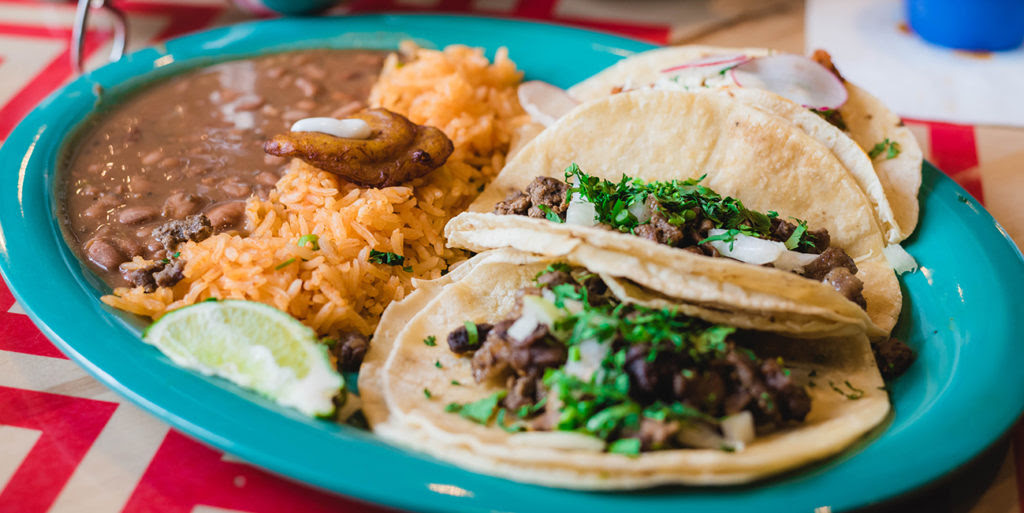
Photo by Chitokan from Pexels
If you’re a fan of Tex-Mex, these Atlanta restaurants go crazy with Taco Tuesdays.
Where Do The Locals Eat In Atlanta?
Atlanta is a large metropolitan city, so it stands to reason that its dining scene would cater to different cultures, influences and visitors. But you may be wondering where do the locals eat?
Atlanta natives eat at the same places that tourists dine, but they also know where the great neighborhood bars, taverns and restaurants are.
If you want to eat like a local, some great neighborhood spots are:
Pizza
- Oz Pizza in East Point
- Savage Pizza in Little 5 Points
- Grant Central Pizza in Grant Park
Best pizza restaurants in Atlanta.
Barbecue
BBQ in Atlanta is more than food—it’s a social experience. BBQ joints are gathering spots for families, friends, and events, with communal tables, live music (e.g., at Fat Matt’s), and a laid-back vibe. Festivals like the Atlanta BBQ Festival and events at breweries amplify this, where smoked meats pair with craft beer, drawing crowds. At AtlantaFi.com, we not only show you the eateries, we often highlight the convivial atmosphere, with photos of piled-high plates and smoky aromas.
Here are the best BBQ joints in Atlanta.
Soul Food
- Busy Bee Cafe
- Paschal’s
- Walter’s Soul Food
Here are the best soul food restaurants in Atlanta.
What Type Of Food Is Atlanta Known For?
Atlanta is know for its many new Atlanta restaurants opening that it’s easy to miss the latest and greatest. AtlantaFi.com has a finely curated list of the best food events in Atlanta and where to eat in Atlanta each week for grub.
Atlanta is for foodies of all kinds. If you want to explore the palate of Georgia’s largest city, do it on your terms and check out the fun, cool and new places to eat in Atlanta this weekend and even on the weekday. You can start downtown, and get it crackin’ in Buckhead. Check out the newest Atlanta restaurants, beautiful parks and unexplored spots you’ve only heard about. AtlantaFi your experience!
- Ongoing Daily Specials (Always a Win in ATL):
-
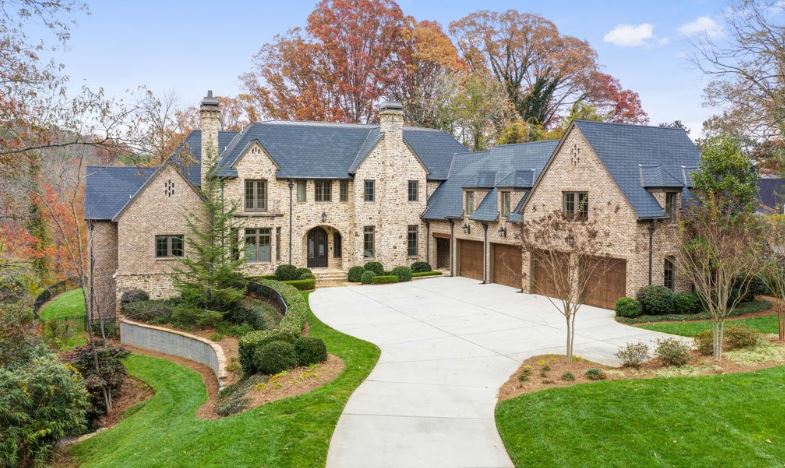
The Atlanta luxury housing market remains robust, particularly in upscale neighborhoods like Buckhead, Chastain Park, and surrounding areas.
Listings fluctuate frequently, but current data from major platforms like Zillow, Redfin, and Sotheby’s International Realty shows the ultra-luxury segment featuring even more ambitious properties.
The market has seen continued interest in expansive estates with privacy, large lots, and high-end amenities, though overall median home prices in Atlanta hover around $360,000–$370,000, making these top-tier homes exceptional outliers.
Here are the most expensive homes currently listed for sale in Atlanta (as of mid-March 2026, based on aggregated real-time listings from Zillow, Redfin, and luxury brokers).
Note that real estate is highly dynamic—prices and availability can change quickly, and some ultra-high-end sales occur off-market.
Always verify directly via listing agents or sites like Zillow or Redfin for the latest details.
Atlanta’s White House
3687 Briarcliff Rd NE, Atlanta, GA 30345

- Price: $35,000,000
- Key Features: 6 bedrooms, 9 bathrooms, approximately 16,500 sq ft.
- Highlights: This standout property, often described as a White House-inspired estate, sits on a generous lot and offers palatial scale with luxury finishes. It’s currently the highest-priced active listing in the Atlanta area. Listed by Serhant Georgia, LLC.
881 W Conway Dr NW, Atlanta, GA 30327 (Buckhead)

- Price: $25,000,000
- Key Features: 6 bedrooms, 9.5 bathrooms (8 full + 3 partial), around 15,000 sq ft on nearly 17 acres.
- Highlights: A gated, private compound known as “Woodbine,” this epic estate emphasizes seclusion and luxury in one of Atlanta’s most prestigious neighborhoods. It hit the market in late 2025 and remains a top contender. Listed by Atlanta Fine Homes Sotheby’s International Realty.
4615 Northside Dr NW, Atlanta, GA 30327

- Price: $22,500,000
- Key Features: 6 bedrooms, 10.5 bathrooms, about 13,000 sq ft.
- Highlights: Another Buckhead-area gem with expansive grounds and high-end design, appealing to buyers seeking classic Atlanta luxury.
Additional notable high-end listings in the $10M+ range include properties on Moores Mill Rd NW ($10.9M, 7 beds/10 baths) and others in Buckhead/Sandy Springs corridors.
The luxury market in 2026 shows steady demand for turnkey, move-in-ready estates with privacy and amenities, driven by high-net-worth buyers (often cash transactions).
Inventory in the ultra-luxury segment remains limited, but Atlanta continues to attract interest for its value relative to cities like New York or Los Angeles.
For the absolute latest and most accurate information, check sources like Zillow’s luxury homes in Atlanta, Redfin’s most expensive listings, or consult a local luxury realtor. The market
Final Word
You may be asking yourself how you can afford a mansion like the ones you see in Buckhead and surrounding areas. Check out these cheap properties for sale.
If you’re looking for a temporary home, Atlanta has some affordable apartments for rent.
Aside from the most expensive homes in Atlanta, the larger market is going through usual ebbs and flows. The city’s upscale home market continues to expand as developers see value in areas other than Buckhead such as Midtown’s Old Fourth Ward and along the Northside corridor into Vinings.
Meanwhile, the median home market has experienced a slight dip, according to prognasticators.
Got an event or know of something opening in and around Atlanta? Holla: CJ@AtlantaFi.com. See what’s poppin’ in the ATL! Subscribe to our news alerts here, follow us on Twitter and like us on Facebook.
See The Latest Atlanta Real Estate News At AtlantaFi.com.
More Articles From AtlantaFi.com:
-
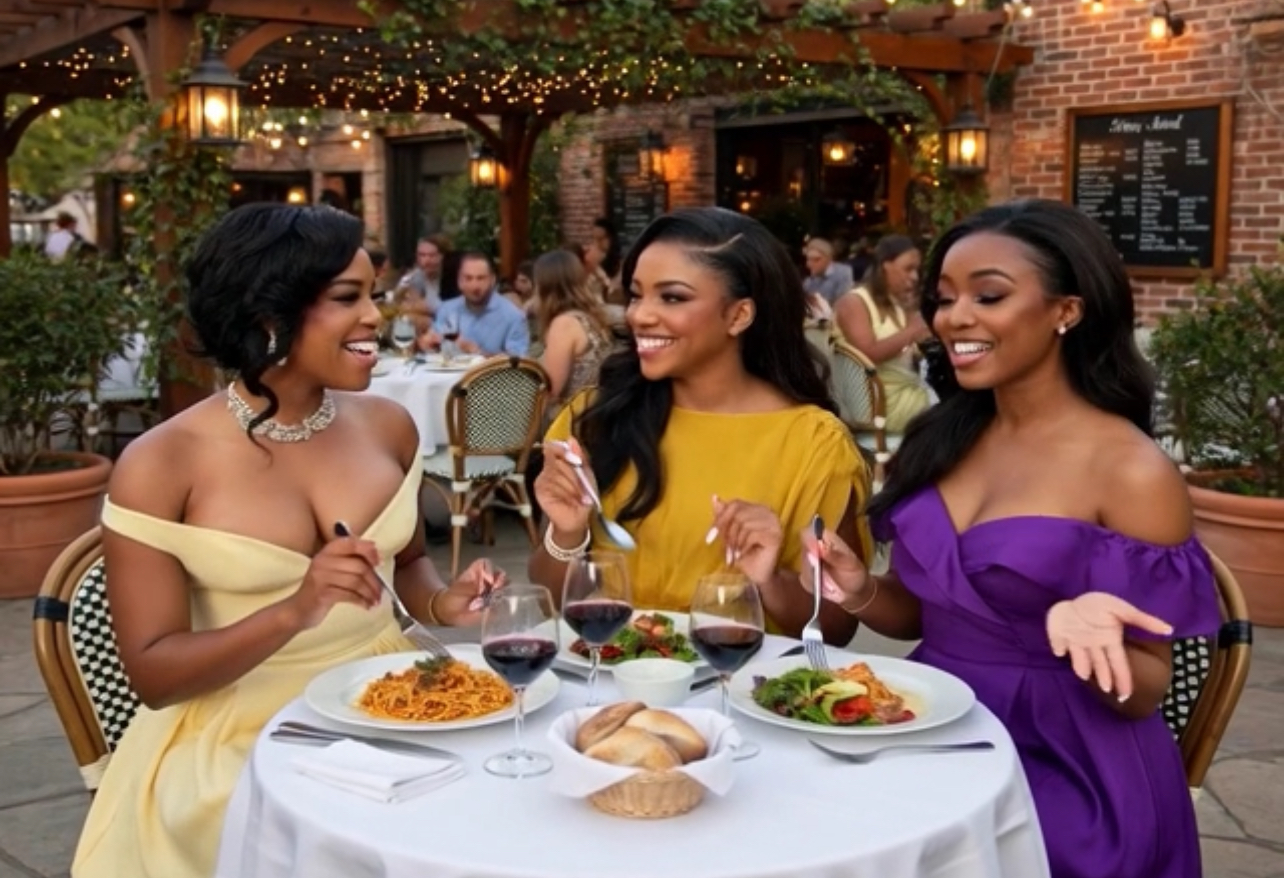
East Atlanta Village (EAV) remains one of Atlanta’s most vibrant and eclectic neighborhoods for food and drink. Where to eat in East Atlanta depends on what you have a taste for.
With its mix of divey charm, chef-driven spots, late-night energy, and diverse global flavors, EAV delivers everything from elevated comfort food to killer cocktails and casual bites.
Here Are the Best Places To Eat in East Atlanta
As we head deeper into the year, the area continues to shine with standout establishments that draw locals and visitors alike.
Here are some of the best restaurants in East Atlanta right now, based on consistent buzz, critical acclaim, and neighborhood love.
1. Banshee
1271 Glenwood Rd SE,Atlanta, GA 30316

When it comes to places to eat in East Atlanta, Banshee stands out as the neighborhood’s most sophisticated spot, filling a long-missing gap in EAV’s dining scene with refined yet approachable fare.
Expect creative, seasonal dishes in a stylish setting that’s perfect for date nights or special occasions. It’s frequently highlighted as a top pick for its execution and vibe.
2. Argosy
470 Flat Shoals Rd, Atlanta Ga. 30316

A longtime favorite, Argosy brings laid-back pub energy with excellent craft beer, hearty bar food, and a welcoming patio.
It’s ideal for casual hangs, watching games, or grabbing elevated pub grub like burgers and wings. The consistent quality keeps it packed.
3. Gaja Korean Bar (or Gaja Restaurant & Bar)
491 Flat Shoals Rd, Atlanta Ga 30316

For bold, craveable Korean flavors, Gaja delivers standout beef bulgogi, banchan spreads, and lively bar vibes. It’s one of the go-to spots for Korean in this part of town, with a fun atmosphere that’s great for groups or late-night eats.
4. So So Fed
714 Moreland Ave. Ste D (Inside OK Yaki) Atlanta, GA 30316

This casual gem excels at comforting, flavorful dishes perfect for outdoor seating or walk-in dinners.
It’s praised for its relaxed feel and reliable execution, making it a solid choice for everyday meals with a bit of flair.
5. Octopus Bar
560 Gresham Ave SE Atlanta GA 30316

A true late-night legend in EAV, Octopus Bar keeps the chef-driven spirit alive with creative small plates, cocktails, and a menu that kicks off around 10 p.m. and runs until the early hours (last call often around 2:15 a.m
). It’s a must for anyone craving inventive food after dark.
6. Ok Yaki
714 Moreland Ave. Ste D, Atlanta, GA 30316

Specializing in Japanese-inspired eats like okonomiyaki and yakitori, this spot adds global variety to the neighborhood. It’s gaining traction for fresh, flavorful options in a casual format.
7. Trattoria Lucia
925 Garret St, Suite 1, Atlanta, GA 30316

Bringing Italian comfort to East Atlanta, Trattoria Lucia serves house-made pastas, pizzas, and classics in a cozy setting
It’s a newer standout that’s quickly become a neighborhood go-to for red-sauce Italian done right.
Love fritti? Check out Atlanta’s best Italian restaurants.
8. Birdcage
519 Memorial Dr. SE Atlanta GA 30312

No EAV roundup is complete without Birdcage — and don’t forget its sister eatery, Firepit Pizza Tavern — delivers Latin fusion with a funky twist — perfect for lunch, brunch, or a dinner.
Other notable mentions include The Earl for live music and solid bar bites, Emerald City Bagels for its unique vibe, and spots like Poor Hendrix (nearby in East Lake) for stellar cocktails and elevated bar food if you’re willing to venture just a bit outside the village core.
East Atlanta Village thrives on its independent spirit—places here feel authentic, unpretentious, and full of character.
Whether you’re in the mood for late-night chef plates, Korean BBQ, or a refined dinner, EAV has you covered. Head out, explore Flat Shoals Avenue, and discover your new favorite spot. The neighborhood’s food scene only gets better with time.
Atlanta’s massive airport (ATL) allows for daily air shipments of incredibly fresh fish from global markets, making high-quality seafood and exceptional Ramen accessible year-round. A burgeoning Asian population and dedicated food enthusiasts have fueled demand for authentic and diverse Japanese cuisine. To dig into these wonderful delights, check out the best Asian restaurants in Atlanta.
Here Are The Best New Restaurants In Atlanta
-
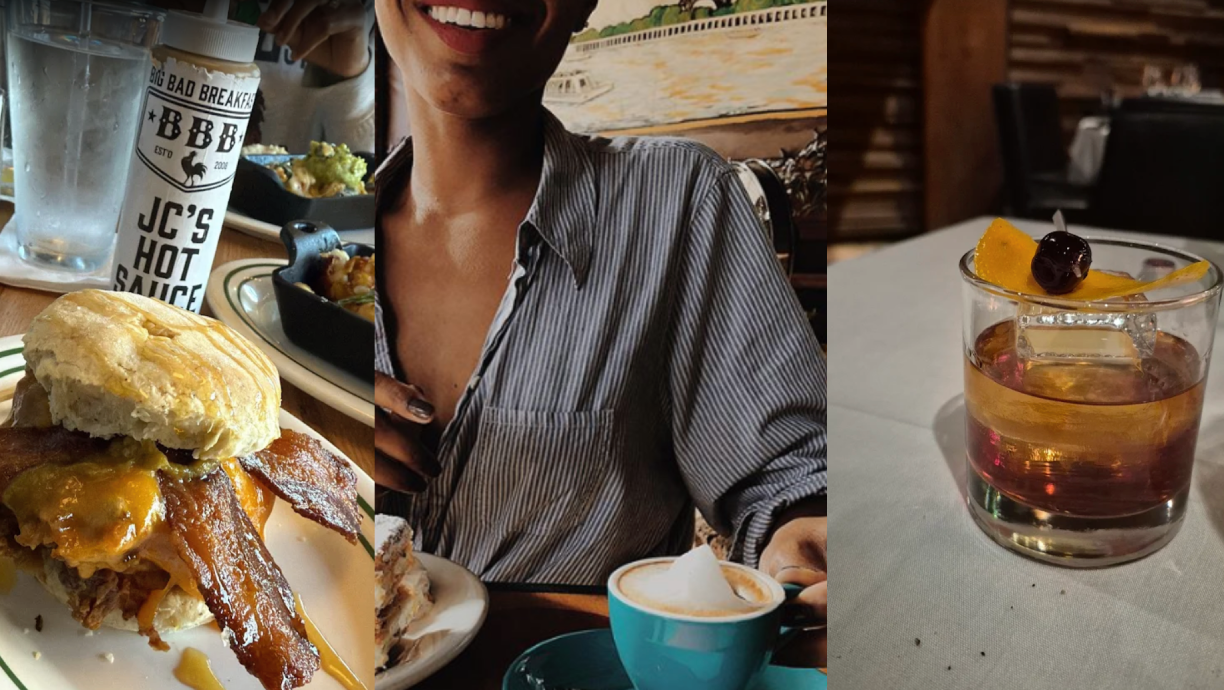
Atlanta’s restaurant scene has something for everyone from classic Southern cuisine to Italian, seafood and more. There are several highly anticipated restaurants that have slated to open in early 2026.
I’ve compiled a list of the best new Atlanta restaurants that grows regularly and you should send me ones I miss.
Check out these new food spots that have opened or are planning to open in Georgia’s largest city.
What New Atlanta Restaurants Are Opening in Early 2026?
This article will explore some of the best new eateries that have opened recently and what’s on the menu, including any favorites you should order.
Heritage
Summerhill, at 63 Georgia Avenue

From chef Demetrius Brown (of Bread & Butterfly and the Heritage Supper Club pop-up). This will be a permanent brick-and-mortar spot focusing on African, Caribbean, and Afro-American diaspora cuisine, with elements like a cocktail lounge, multi-course tasting menu (e.g., jerk chicken yakitori, braised oxtail, cassava cake), and dessert area. Read up on Heritage Supper Club’s opening.
Multiple reports describe it as a “full-body experience” tied to cultural storytelling. The team has expressed hope for an April opening.
Some Luck

Some Luck (Poncey-Highland, in the former Highland Ballroom Lounge space adjacent to Madeira Park)
From chefs Parnass Savang and Rod Lassiter (of Talat Market).A Thai-focused bar with street-stall-inspired snacks, noodle soups, wings, grilled items, quick-fired cocktails using Thai ingredients, Singha beer pitchers, and late-night bites.
It aims for a dive-bar vibe with post-midnight hours. Targeted for spring 2026, with some national previews noting an April window.
Que Delicia

Que Delicia, a vibrant new Puerto Rican restaurant, is officially openied its doors March 17, 2026, in Peachtree City—bringing authentic island flavors to the southern suburbs just outside Atlanta.
Que-Riosity
1931 Jonesboro Rd, McDonough

Atlanta’s culinary scene just got a whole lot smokier—and more sophisticated—with the grand opening of Que-Riosity, the latest venture from acclaimed chef and Atlanta icon Todd Richards.
The highly anticipated restaurant debuted on March 13, bringing Richards’ signature blend of Southern tradition, modern flair, and legendary hospitality to the fast-growing suburb just south of Atlanta.
The Busy Bee (Third Location)

Owner Tracy Gates inked a deal to expand The Busy Bee at The Mitchell residential development at Centennial Yards. The eatery is set to open later this year. Read about the third Busy Bee opening.
Norifish and Okiboru (Ponce City Market)

Photo credit: JETPVCK Media Ponce City Market says two Japanese eateries will open in spring 2026: NoriFish, a premium sushi concept, and Okiboru, a beloved ramen spot. Read about Norifish and Okiboru.
Babygirl (East Lake)

An all-day café and bistro from chef Hudson Rouse (Whoopsie’s, Rising Son), Babygirl in East Lake will focus on lighter breakfast and lunch items like smoothies, salads, and limited biscuits.
Sugar Loaf (Reynoldstown)

Southern-inspired with global influences (Ethiopian and Albanian heritage), featuring biscuits, granola, yogurt bowls, and toasts.
Sammy’s Boba & Coffee

Sammy’s boba shop is targeting mid-January to late January, with the buildout in final stages and awaiting final inspections.
Busy Bee Cafe (second location)

Photo credit: Busy Bee Cafe The iconic soul food spot known for its fried chicken is expanding to Atlantic Station. Read up on when Busy Bee is opening.
Koshu Club

From Castellucci Hospitality Group and chef J. Trent Harris (of Mujo), this Japanese supper club featuring slow-grilled meats and seasonal dishes is coming to Buckhead.
Broad Street BBQ

A new barbecue concept from the team behind Sammy’s sandwich shop, opening in South Downtown.
Sozou

A Japanese restaurant from the chef behind Umi, completing a trio of concepts in Midtown’s Ten Twenty building.
Bellwood Coffee (relocated location)

The coffee shop is moving its East Atlanta Village spot to a new home in Grant Park, taking over the former Bennett’s Market space.
Mule Train

A Southern restaurant emphasizing local, seasonal ingredients, from Michael and Shyretha Sheats , the creators of The Plate Sale pop-up, in South Downtown.
Seahorse Advisors

A potential members-only sushi spot from the team behind Muss & Turner’s and Roshambo, in the Borghese building.
The Jagger Suite

A rooftop lounge atop the new Moxy Hotel in Downtown Atlanta.
Other spots like Shake Shack in South Downtown and various concepts in Ponce City Market (e.g., Terminal 26 Thai seafood) are also eyed for 2026 openings, though some may lean later in the year.
Final Bite
If you’re a fan of crab cakes or even fried fish, Atlanta’s diverse dining scene has just what you need and more. And you can find a new food spot just about every weekend in Atlanta.

New Atlanta restaurants continue to pop up around Atlanta. The good news is that this has been a banner month for buzzworthy debuts, with a mix of Michelin-caliber spots, casual gems, and neighborhood glow-ups.
Aside from dining at the best new Atlanta restaurants, there are so many Atlanta events popping off every week it’s hard to keep up with it all. That’s why I suggest you subscribe to AtlantaFi.com to get all the freshest gatherings, Atlanta happenings, parties and more delivered to your inbox.
Metro Atlanta’s food and drink scene continues to grow with no stops on the horizon. Ready to try something new?
Ultimate Guide: Where To Eat In Atlanta
Midtown’s pedestrian-friendly streets, centered around Peachtree Street and 10th Street, make it easy to hop between eateries, bars, and cafes. It’s a social hub where locals and visitors mingle, enhanced by proximity to cultural spots like the Fox Theatre and High Museum of Art.
-
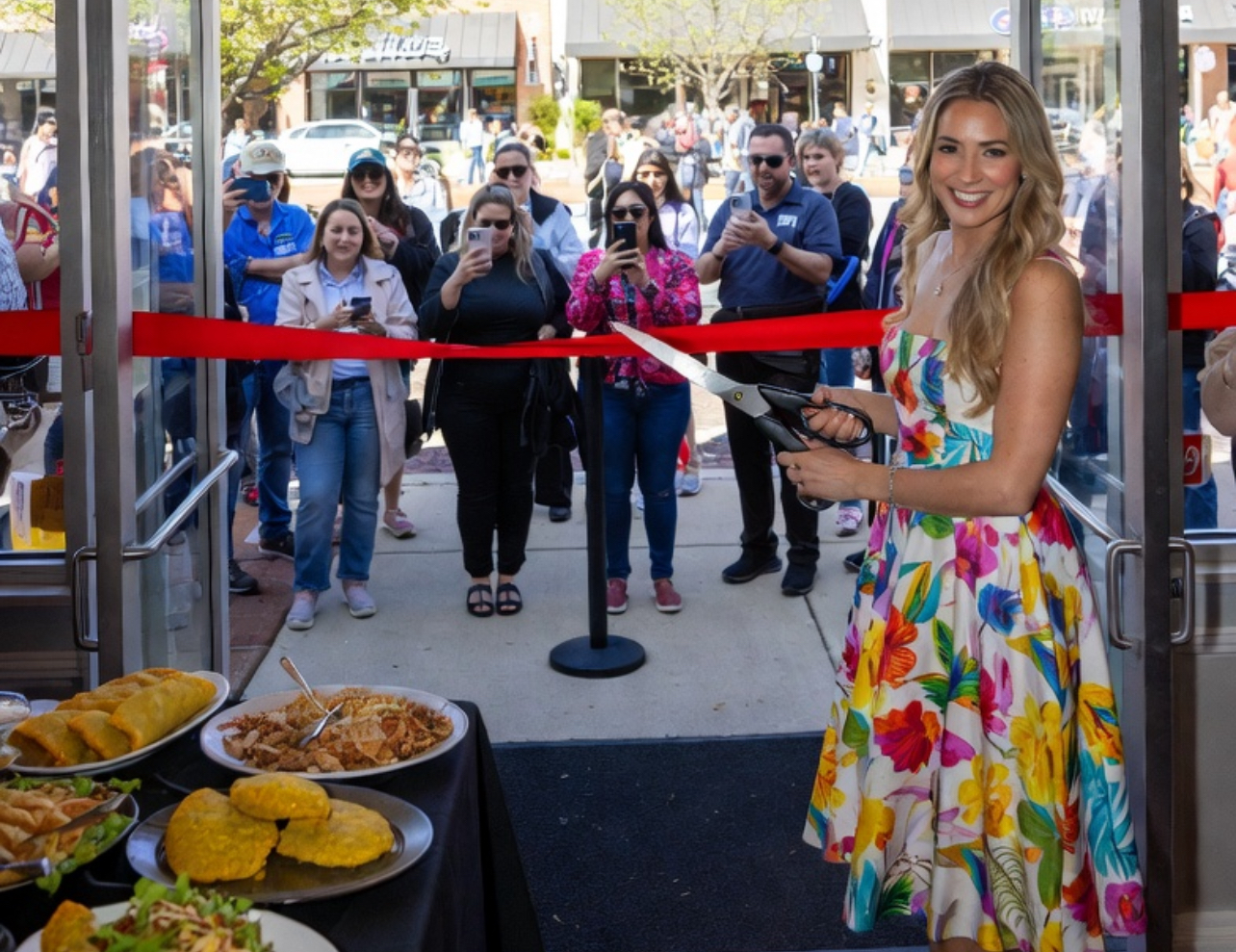
There’s rarely a chance I don’t look to take advantage of bueno new food when it presents itself. And right on “Que,” a delicious addition has joined metro area’s growing Latin cuisine scene when it comes to new Atlanta area restaurants.
Que Delicia, a vibrant new Puerto Rican restaurant, is officially opening its doors today, March 17, 2026, in Peachtree City—bringing authentic island flavors to the southern suburbs just outside Atlanta.
Que Delicia Opens in Peachtree City
Owned and led by Alexandra Mendoza, Que Delicia promises to transport diners straight to the streets of San Juan with a menu rooted in traditional Puerto Rican comfort food. Expect classics like:
- Mofongo (mashed plantains stuffed with garlic, pork cracklings, and your choice of protein)
- Arroz con gandules (rice with pigeon peas and sofrito)
- Pasteles and alcapurrias (savory fritters)
- Lechón or pernil (slow-roasted pork)
- Fresh empanadas, tostones, and tropical desserts like tembleque or flan
The spot earned a perfect 100 on its initial health inspection earlier this month (March 3, 2026), signaling a clean, welcoming kitchen ready to serve the community.
Located at 1980 Hwy 54 W E, Peachtree City, GA 30269 (in the Governors Walk shopping center), Que Delicia is targeting a soft or grand opening vibe today.
While the exact ribbon-cutting time wasn’t finalized in advance reports, the team has been gearing up for this launch, and early buzz suggests walk-ins and takeout will be available starting today.
Peachtree City and Fayette County residents have been waiting for more diverse dining options, and this family-focused eatery fills a gap for authentic Puerto Rican cuisine in the area.
Mendoza shared with local business outlets that the restaurant aims to feel like “de vuelta a casa” (back home), emphasizing hearty portions, bold flavors, and warm hospitality.
If you’re in the south metro today, head over to check it out—whether for lunch, dinner, or to grab some empanadas to go. With spring weather arriving, outdoor seating (if available) could make it even more inviting!
Have you tried Puerto Rican food in the ATL area before? Drop your thoughts or tag us if you visit Que Delicia—we’d love to hear (and see!) your first bites. ¡Buen provecho, Atlanta!
Stay tuned for more metro openings as the city heats up toward summer and the 2026 FIFA World Cup festivities. What’s next on your dining list?
A burgeoning Latin population and dedicated food enthusiasts have fueled demand for authentic and diverse Spanish cuisine. To dig into these wonderful delights, check out the best Mexican restaurants in Atlanta.
Here Are The Best New Restaurants In Atlanta
-

Atlanta’s culinary scene just got a whole lot smokier—and more sophisticated—with the grand opening of Que-Riosity, the latest venture from acclaimed chef and Atlanta icon Todd Richards.
The highly anticipated restaurant debuted last Thursday at 1931 Jonesboro Rd. in McDonough, bringing Richards’ signature blend of Southern tradition, modern flair, and legendary hospitality to the fast-growing suburb just south of Atlanta.
James Beard-Winning Chef Opens New Restaurant in McDonough
Founded by Chef Richards and his wife Gloria under their Richards Hospitality group, Que-Riosity elevates authentic Southern-inspired barbecue to an upscale experience while paying deep respect to the Black pitmasters who shaped the region’s ‘cue culture.
The name “Que-Riosity” (a playful nod to curiosity and barbecue) reflects the restaurant’s mission: to reimagine Southern dining with intention, quality ingredients, and a refined touch.
What’s On the Cue-Riosity Menu?

Diners can expect marble tables, linen napkins, and gracious service paired with soulful, smoke-kissed flavors.
The menu honors tradition while pushing boundaries. Standout dishes include Hot Honey & Pineapple Glazed Baby Back Ribs served with Sea Island Red Peas, Smoked Half Chicken, and Smoked Chicken Wings accompanied by a “true” red velvet waffle.
Everything emphasizes fresh, locally sourced ingredients—from free-range chicken and line-caught fish to ethically raised meats.
“For us, keeping true Southern barbecue traditions alive means giving them the same care and attention you’d see in a fine-dining kitchen,” Chef Richards said. “We’re blending barbecue, soul food, and all the flavors that make this region’s cooking special to create something really fresh and exciting for the city.”
The dinner menu, available Thursday through Monday from 3:00 p.m. to 10:00 p.m., kicks off with shareable starters like Fried Heirloom Okra, Moulard Duck ‘n Waffle, and Richards’ now-signature build-your-own Deviled Eggs.
Sides shine too, with options such as Sugar Cane & Soy Sauce Glazed Heirloom Carrots & Peas and Baked Mac ‘n Cheese. Weekend specials feature limited-quantity coffee-rubbed Smoked Bone-In Short Rib perfect for sharing.
Beverage Director Ramsey Kashlan curates a dynamic cocktail program to match any vibe.
Highlights include classics like martinis, creative sips such as Death in the Afternoon (with St. George Absinthe), You Said You Are a Baller? (Belvedere 10 and fresh Meyer lemon), Tipsy Garden Gnome (gin, St. Germain, prosecco), and Upper Manhattan spotlighting Uncle Nearest Whiskey.
Sparkling options like the Seelbach Cocktail and Dior Dior add elegance, while zero-proof choices (Taking the Keys, No L’s Here) ensure inclusivity. A curated wine list and indulgent desserts—Green Tea Crème Brûlée and Banana Foster Cheesecake—complete the experience.
Chef Todd Richards brings an impressive pedigree to the project.
A self-taught talent and four-time James Beard Foundation Best Chef: Southeast semifinalist, he has over 25 years in the industry. He recently took on the role of Executive Chef at the Waldorf Astoria Atlanta Buckhead, where he fuses Southern roots with refined technique.
Previously, as Culinary Director for Jackmont Hospitality, he oversaw acclaimed airport concepts One Flew South and Chicken + Beer (with Chris “Ludacris” Bridges) at Hartsfield-Jackson Atlanta International Airport—both perennial top-ranked airport restaurants nationwide. His résumé also includes high-profile kitchens at The Ritz-Carlton properties and other Atlanta staples.
Beyond the plate, Richards is a celebrated author. His cookbook SOUL: A Chef’s Culinary Evolution in 150 Recipes earned a James Beard nomination, the IACP Award for American Cookbook, and praise from Garden & Gun, Food52, The Atlantic, and more.
His 2024 release, Roots, Heart, Soul: The Story, Celebration, and Recipes of Afro Cuisine in America, inspired a namesake podcast exploring the Pan-African Diaspora through food. His work has appeared in The New York Times, Bon Appétit, Food & Wine, People, Esquire, and Garden & Gun.
Located just 25 minutes south of the airport, Que-Riosity is perfectly positioned as an “OTP” (Outside the Perimeter) destination for Atlantans craving a modern, elevated take on barbecue and Southern soul food.
With Chef Richards’ vision, top-tier ingredients, and warm hospitality at its core, Que-Riosity is already generating buzz as McDonough’s—and greater Atlanta’s—must-visit spot for ‘cue done right.
For more details and reservations, visit the restaurant’s website or OpenTable.
Atlanta has a lot of cool things to do and places to eat, including some of the top soul food joints and remarkable Thai food spots. Explore the city.
Here are more articles from AtlantaFi.com you might like:
-
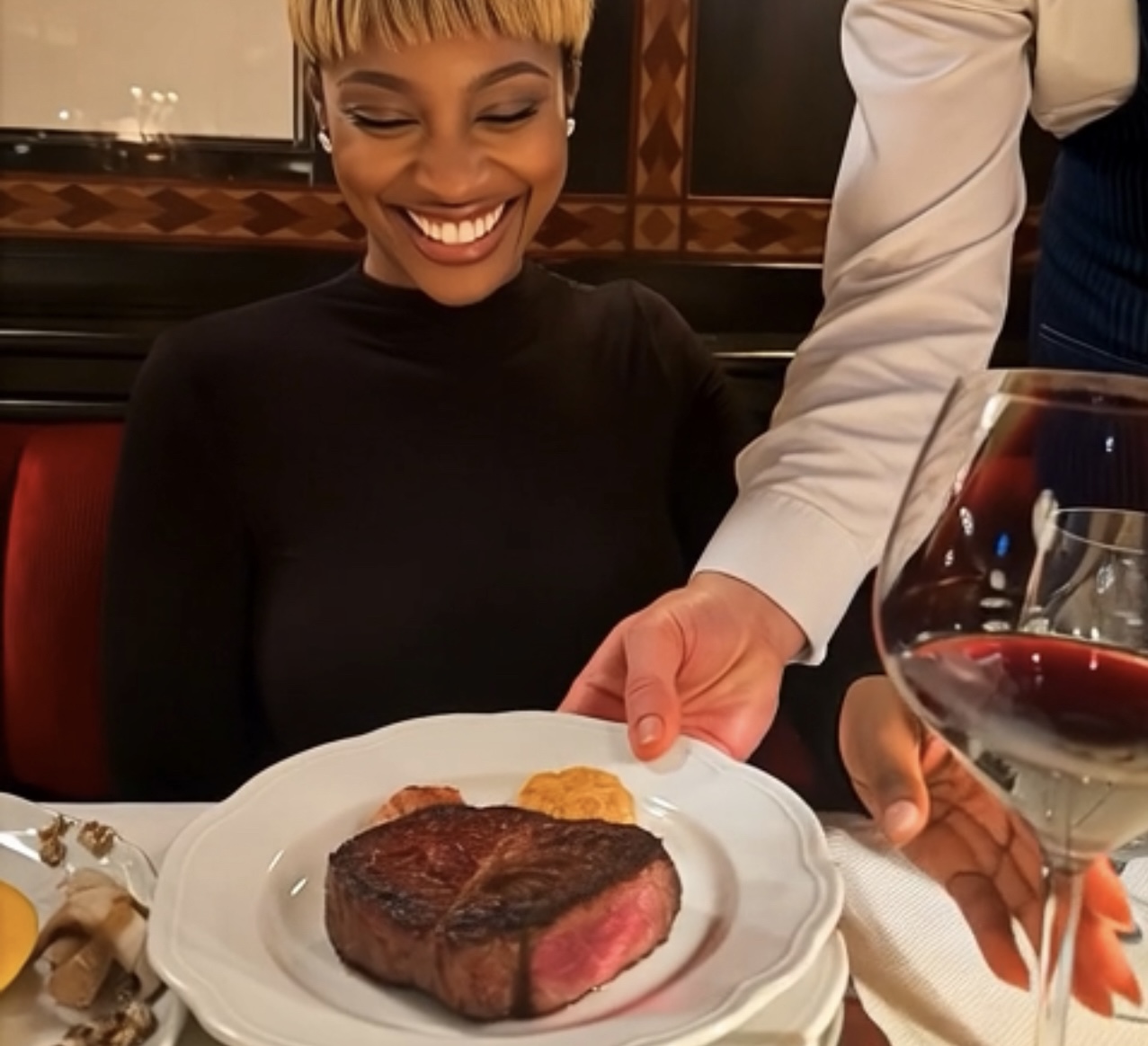
Atlanta is a foodie paradise that offers cultural diversity, strong urban vibes, and a dynamic culinary scene. Oh yeah, and mouth-watering steaks.
In Atlanta, there are some very good steakhouses, with many of them enjoying anywhere from neighborhood acclaim to James Beard-level success. Don’t believe us? Keep reading.
Who Has The Best Steak In Atlanta?
Before we show you the very best steakhouses in Atlanta, let’s go over some Basic Steak 101: If you’re ordering a steak, here’s your quick glossary:
- Ribeye: This cut is taken from the rib primal portion
- Porterhouse: This tenderloin premium cut comes from the short loin.
- Center cut: This steak is cut from the upper shoulder of the cow
- Sirloin: A very lean cut
Here is a visual presentation of some choice beef cuts provided by Otto Grill:

Good Steak Near Me: Check Out These Steakhouses In Atlanta
Of course, how you like your steak is your business. From medium rare, well done to blood-soaked, these Atlanta restaurants know how to serve it.
Marcel
1170 Howell Mill Road, NE Atlanta, Ga. 30318

Here’s what one reviewer says about Marcel: “Spectacular all around. Great service, incredible steaks, very cool venue. Highly recommended. The beef Wellington has to be ordered in advance, so he sure to do that.”
Bone’s Restaurant
3130 Piedmont Rd NE, Atlanta, GA 30305 (404) 237-2663

If you come for the king, you best not miss. This Buckhead institution is the defacto king of the city. With its succulent prime beef and seafood, it’s hard to beat. But you’d better get a reservation.
A Yelper says: Bones Salad will change how you feel about salads, and it’s a crime to not try either the French onion soup or the lobster bisque.” Address: 3130 Piedmont Rd NE, Atlanta, GA 30305
Blue Ridge Grill
1261 West Paces Ferry Rd NW, Atlanta, GA 30327 | (404) 233-5030

Here’s what one Google reviewer says about Blue Ridge Grill: “Absolutely love this place. Busy, bustling, friendly – awesome food, equally awesome staff and service (thank you Angelica, our wonderful server). Everything is great, including a wonderful wine list.”
Make a reservation at Blue Ridge Grill
Chops Lobster Bar
70 West Paces Ferry Rd NW, Atlanta, GA 30305 (404) 262-2675

If Bones is the king, then Chops is the president: confident, immaculate and sure in its power. Don’t be surprised to see a who’s who of old-school Atlanta in this classic chophouse.
A Yelper says: “We had the calamari as our appetizer and for the meal I had the prim rib dip with au jus on the side along with a variety salad.”
Cuts Steakhouse
60 Andrew Young International Blvd NE, Atlanta, GA 30303 (404) 525-3399

Cuts Steakhouse caters to a lot of visitors to the city, cultivating a foreign following that brings patrons back for more.

Here’s what one Google reviewer says about Cuts Steakhouse: “An elegant display of quality food and service as one. By far the best steakhouse I have been to in Atlanta, or anywhere for that matter. The service was wonderful and the steak and dishes were absolutely delicious!”
Hal’s Steakhouse
30 Old Ivy Rd NE, Atlanta, GA 30342 (404) 261-0025

This place is built for entertaining: Open-design lounge, live music, rooftop patio — oh did we mention how good the steaks are?
Make a reservation at Hal’s Steakhouse
A Yelper says: “”Oh and if you get there before 6 they have free appetizers during their happy hours.” Address: 30 Old Ivy Rd Atlanta, GA 30342.
Kevin Rathbun Steak
154 Krog St NE #200, Atlanta, GA 30307 (404) 524-5600

Kevin Rathbun Steak located in Krog Street Market is one of the best-kept secrets in all of Midtown. Not only the steak but also the seafood continues to get rave reviews.
Here’s what one Google reviewer says about Kevin Rathbun Steak: “I live next door. Tonight was the first time I ate there. I don’t usually eat steak only cause I’m really picky about the way it’s cooked. Rathbuns… amazing! Best steak ever. Our server…Victoria, so sweet and awesome.”
Marcel
1170 Howell Mill Rd, Atlanta, GA 30318 (404) 665-4555

Marcel is a Ford Fry restaurant of the first order. Located in Westside Provisions District, the restaurant prides itself on presentation, as one can quickly ascertain from the decor.
Come with an appetite: Marcel has a mean steak, and you would expect no less from Fry.
Here’s what one Google reviewer says about Marcel: “Marcel is a first class dining experience from food to service. The moment you step inside the staff will greet you like an old friend. The food is amazing and delightful. Steak flavored, cooked and finished to perfection. Cap the night with a baked Alaska and wine pairing. Pamela, Clayton and Bob were the best. Thank you, Ford Fry, for another concept perfectly executed.”
Oceanaire Seafood Room
1100 Peachtree St, Atlanta, GA 30309 | (404) 475-2277

Here’s what one customer says about Oceanaire’s steaks: “The service was exceptional. Very classy. The steak is so well cooked. The food was seasoned so good. Besides what I cook at home I can tell they have a cook that use more then salt and pepper. Quality indeed.”
Sear
265 Peachtree Center Ave NE, Atlanta, GA 30303 (404) 586-6134

Sear, located inside the Marriott Marquis in downtown Atlanta, offers the opulence and style to help you impress that special someone.
After a fresh redesign and menu remake, Sear gives its guests reimagined dishes and an artsy atmosphere tailor made for couples. Yes, every single time.
New York Prime
3424 Peachtree Rd NE #100, Atlanta, GA 30326 (404) 846-0644

This is the place you take your out-of-town guests to impress them. The steak is awesome, but the sides are out of this world.
Make a reservation at New York Prime
A Yelper says: “”The bar area is cigar friendly- which I love, but they have great ventilation if you don’t. The steaks have a great char.” Address: Monarch Tower 3424 Peachtree Rd NE Atlanta, GA 30326.
Fogo de Chão Brazilian Steakhouse
3101 Piedmont Rd NE, Atlanta, GA 30305 (404) 266-9988

If you want to gorge on flavorful meat, this venerable spot has an all-you-can-eat option that makes it a city favorite. A Yelper says: “”Averages around $60 per person but none disagrees that the experience is well worth the higher cost.” Address: 3101 Piedmont Rd NE, Atlanta, GA 30305.
Atlanta is having a restaurant renaissance. Hot chicken is the rage in Atlanta’s dining scene right now. But so are chicken and waffles.
Ruth’s Chris Steakhouse
Embassy Suites Hotel, 267 Marietta St NW, Atlanta, GA 30313 (404) 223-6500

Ruth’s Chris Steakhouse is a fine dining institution around Atlanta. There are several Ruth’s Chris restaurants in the metro area, but the one downtown adds the scenery one would expect in a major city.
Ah, but the steaks. Ruth’s Chris is known to cook a delectable steak.
What To Know Before You Order Your Steak In Atlanta
Before you order your porterhouse or strip steak in Atlanta, you should know some things about it. Here are some facts about steaks that you probably didn’t know.
- The best steaks are USDA prime steaks. USDA prime steak is the highest grade of meat sanctioned by the U.S. Department of Agriculture (USDA).
- Ask Them if they freeze their steaks: The choicest cuts of meat should be fresh, never frozen. This creates a tenderness that you’ll love and savor with each bite.
- Ask them if they ‘age’ their steaks: The best quality steaks are wet-aged (sealed in a vacumm-tight bag for weeks) or dry-aged (stored in air-controlled coolers for weeks) for texture and flavor solvency.
Last Word
Who doesn’t enjoy a nice, well-cooked steak? Thankfully, Atlanta restaurants have some great options.
A nice steak is one of the most tasty, juicy and satisfying meals you can enjoy. Thankfully, Atlanta’s restaurants have plenty of steaks on the menu.
What ever steakhouse you choose to dine at, remember to tip your waiter generously. They’ve had a hard time in the COVID pandemic.
Atlanta has one of the best restaurant scenes in the Southeast, and with state of Southern cooking and an emphasis on the culinary arts at an all-time high, that’s saying something.
When Atlanta’s food is mentioned on a national level, it somehow always reverts back to sweet tea and fried chicken, although the city’s eateries certainly represent those dishes well, there’s so much more.
European-inspired restaurants, Mediterranean fare and Asian fusion all can be found in a 2-mile area of Midtown Atlanta, if we’re being honest. Venture up north a bit into Buckhead and you’ll have some of the best steakhouses as well as fast-casual spots in the city.
Here are the best new restaurants in Atlanta
-

ATLANTA – Good news for fans of classic Atlanta eats: the beloved restaurant Eats is officially back in business after a brief hiatus.
Eats reopened its doors on Thursday inside the Wild Heaven Beer taproom in the city’s vibrant West End neighborhood.
Eats Reopens at Lee + White
The move comes just months after the original location on Ponce de Leon Avenue shut down last fall following more than 30 years serving up affordable, no-frills comfort food.
Wild Heaven Beer stepped in to acquire the Eats brand, preserving much of the original memorabilia and bringing back the longtime manager to maintain the same authentic, wallet-friendly vibe that made the spot a local favorite.
Known for favorites like jerk chicken, meat-and-three plates, and its popular pasta offerings, the restaurant is picking up right where it left off.
In a recent Instagram post, the Eats team celebrated the return, writing: “Eats family, we got it done. 145 days our city was without jerk chicken, but all that’s behind us.” They added, “We hope you love it as much as we do.”
The menu remains largely unchanged, with prices seeing only minimal adjustments.
The full pasta bar is still in the “not quite yet” phase but expected to make its epic return soon. The new spot opens daily at 11 a.m., welcoming diners seven days a week.
Located within the Wild Heaven taproom (part of the Lee + White complex along the Westside BeltLine trail), the revamped Eats offers the perfect pairing of hearty comfort food and craft brews in one of Atlanta’s up-and-coming areas.
This revival keeps a true Atlanta institution alive, blending nostalgia with a fresh West End setting. Whether you’re craving that signature jerk chicken or just want to support a local comeback story, Eats is ready to serve.
Stop by and see what the buzz is about—Atlanta’s comfort food scene just got a little more complete!
Here Are The Best New Restaurants In Atlanta