-

The demand for virtual assistant (VA) roles continues to surge in 2026, fueled by the enduring shift toward remote and hybrid work models, the rise of AI-augmented workflows, and businesses seeking cost-effective, scalable support.
If you’re looking to learn more about the occupation, read our Ultimate Guide on How To Become A Virtual Assistant.
What began as a flexible side gig has evolved into a professional career path with specialized niches, higher earning potential, and global opportunities. Whether you’re a beginner or experienced professional, finding VA jobs is easier than ever through dedicated platforms, job boards, and agencies.
This updated guide (originally focused on earlier trends) highlights the best ways to land virtual assistant positions in 2026, including top platforms, in-demand skills, salary insights, and emerging trends.
Why Virtual Assistant Jobs Are Booming in 2026
The global virtual assistant market is experiencing explosive growth, projected to reach around $44 billion by 2027 with a compound annual growth rate (CAGR) exceeding 20%.
Demand for remote talent has risen sharply—up 29% year-over-year in recent reports—driven by small and medium businesses (SMBs) that now view VAs as essential infrastructure rather than optional help.Key drivers include:
- AI integration: Human VAs augmented by tools like ChatGPT, Zapier, and automation platforms handle higher-level strategy while AI manages repetitive tasks.
- Specialization: Niches like e-commerce, social media, executive support, AI/automation, healthcare (HIPAA-compliant), and tech/SaaS onboarding command premium rates.
- Flexibility and cost savings: Businesses save 60-70% on labor costs compared to in-office hires, while VAs enjoy location independence and often better work-life balance.
Remote work remains dominant, with many roles fully remote and subscription-based models gaining traction.(Imagine a vibrant illustration here of a person working remotely on a laptop with digital tools and global connections floating around—symbolizing the modern VA workspace.)
Essential Skills for Virtual Assistants
Employers still prioritize core competencies, but 2026 adds a tech-forward twist:
- Strong communication and prompt responsiveness (emails, calls, Slack/Teams)
- High-speed internet and reliable tech setup
- Deadline management and organizational prowess
- Excellent writing and attention to detail
- Proficiency with tools like Google Workspace, Microsoft 365, Asana, Trello, Notion, Canva, and AI platforms (ChatGPT, Jasper)
- Bonus: Niche expertise (e.g., social media algorithms, e-commerce platforms like Shopify, CRM systems, or basic data analysis)
With so many people working from home it’s easier than ever to become a virtual assistant to another person or company. The position pays well and comes with plenty of flexibility — if that’s what you want.
Specialized VAs who integrate AI into workflows stand out and earn more.
Top Platforms and Websites to Find Virtual Assistant Jobs
The landscape has matured since earlier lists. While some classic sites persist, new agencies and specialized boards dominate for quality matches. Here are the most effective options today:
- Upwork — Ideal for freelancers and one-off projects. Post gigs or browse thousands of VA listings; great for building a portfolio. Rates often start at $15–$45/hour, with specialists earning more.
- Indeed.com — Features a dedicated virtual assistant category with easy filters for remote roles. High volume of postings from small businesses and startups.
- MyOutDesk — Ranked among the best overall VA companies; focuses on dedicated, long-term support for businesses.
- BELAY — Excellent for specialized, U.S.-based support; managed service with experienced VAs.
- Fancy Hands — Perfect for on-demand, task-based work; quick gigs for beginners.
- Prialto — Strong for small businesses needing consistent administrative help.
- Virtual Latinos or similar region-focused platforms — Great for Latin American talent connecting with U.S. companies.
- OnlineJobs.ph — Popular for Filipino VAs; large pool and affordable rates for employers.
- Remote.co, FlexJobs, and We Work Remotely — Curated remote job boards with VA-specific filters; fewer scams and vetted listings.
- LinkedIn — Network directly, join VA groups, and search for “virtual assistant remote” postings.
Other rising options include agencies like Wishup, Wing Assistant, and Athena for managed, subscription-based hires
Salary Expectations for Virtual Assistants in 2026
Pay varies widely by experience, location, specialization, and whether freelance or agency-based:
- Average U.S. hourly rate: $24–$26 (annual equivalent ~$50,000–$53,000 for full-time)
- Entry-level/generalist: $15–$25/hour
- Experienced/specialized (e.g., executive, e-commerce, AI-savvy): $30–$75+/hour
- Top earners: $65,000–$100,000+ annually, especially in niches like healthcare admin or tech support
Freelancers on platforms like Upwork often set their own rates, while agency VAs may have more stable monthly retainers. Global talent (e.g., from the Philippines or Latin America) can access U.S.-level pay while enjoying lower living costs.Tips to Land VA Jobs in 2026
- Build a strong profile: Highlight tools, niches, and AI experience on platforms.
- Specialize early: Focus on high-demand areas like social media, e-commerce, or AI automation for better pay and stability.
- Network: Use LinkedIn and VA communities; many jobs come through referrals.
- Start small: Take on gigs to build reviews and testimonials.
- Stay current: Learn emerging tools—AI proficiency separates top VAs.
Who Hires A Virtual Assistant?
You may be wondering what type of business can benefit from a virtual assistant. Actually the question is what kind of business can’t use one?
A client that needs clerical work done, such as bookkeeping, payroll and even HR can use a virtual assistant. Not only can the business save money by hiring a virtual assistant on a project-by-project basis, but they can also use them to perform different tasks for the business.
Do Virtual Assistants Work From Home?
You may be surprised to know that the term “virtual” in virtual assistant is relative. You may find a client that requires you to make occasional appearances in the office while some businesses are 100% remote.
The truth is that virtual assistants have a flexibility that many jobs simply don’t have. Best of all, you typically are able to work from home and pick a schedule that works for you.
There’s so much more to know about the role of virtual assistants and how to hire one.

Ultimate Guide on How To Become A Virtual Assistant.
Final Word
In 2026, virtual assistant roles offer unprecedented opportunity: flexibility, solid income, and growth potential in a remote-first world.
The industry isn’t just surviving—it’s thriving with AI as a collaborator, not a competitor. Whether you’re seeking part-time gigs or a full career, start exploring the platforms above today.
For more on becoming a VA or related remote careers, check resources like industry reports from Wishup or There is Talent. The future of work is virtual—get in position now!
If you’re a virtual assistant, this is the perfect time to find a local entrepreneur or small business to help out.
More Atlanta Jobs from AtlantaFi.com:
-
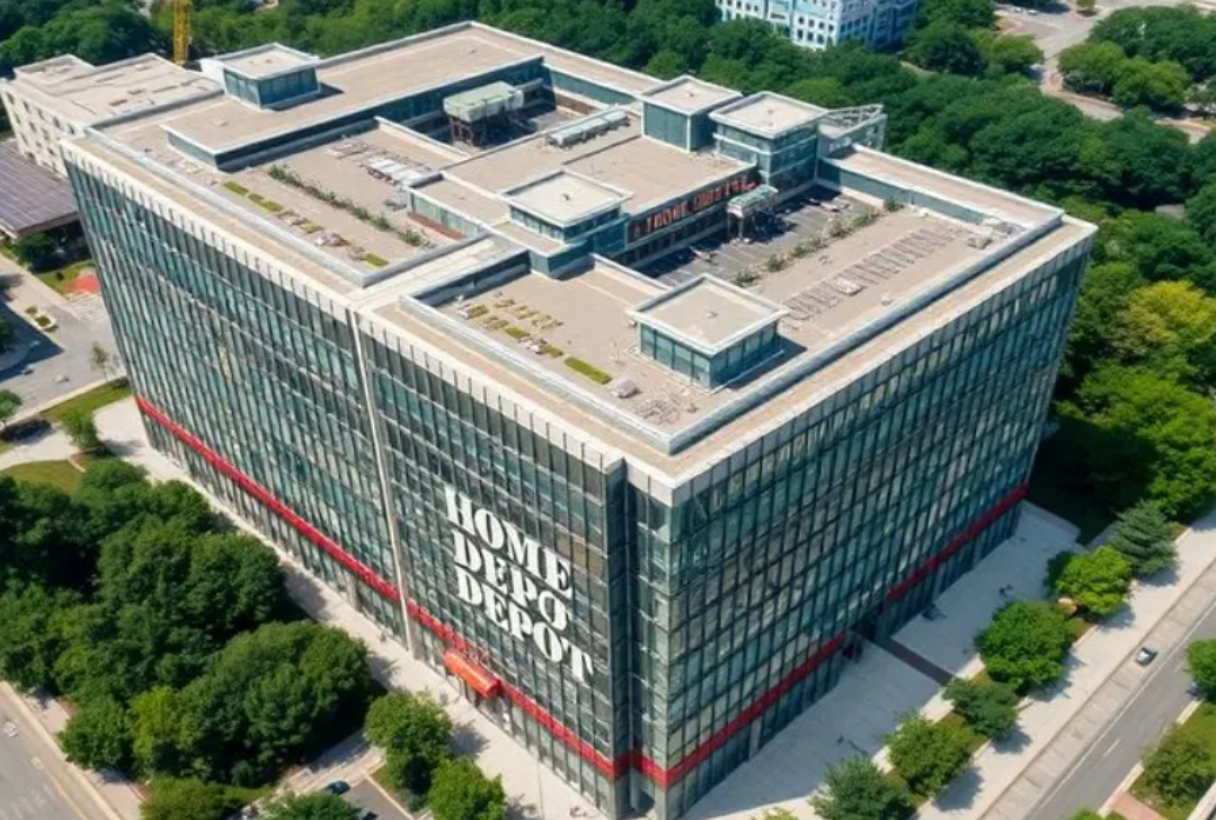
The Home Depot, one of Atlanta’s largest employers, confirmed Wednesday, Jan. 28 that it is eliminating approximately 800 corporate positions tied to its Vinings headquarters.
The announcement came in a company-wide message from Chair, President, and CEO Ted Decker, who informed employees of the workforce reduction on Wednesday.
Home Depot To Shed 800 Jobs at Atlanta Area Support Center
The cuts primarily affect roles within the company’s technology organization and other corporate teams at the Atlanta-based store support center.
According to reports, roughly 150 of the affected employees were based at the Vinings location, with the remainder working in remote or hybrid arrangements.
In the same communication, Home Depot revealed a significant shift in its work policy: all corporate employees will now be required to return to the office five days a week, effective the week of April 6. This ends the company’s previous hybrid work model for corporate staff.
Decker described the changes as necessary to enhance the company’s operational efficiency. “We are announcing changes designed to increase our speed and agility,” he wrote in a letter to employees. “To extend our industry-leading position, we must position the company to move faster and stay even more closely connected to our customers and frontline associates.”
Read up on how to navigate a layoff.
A company spokesperson emphasized that the moves are intended to ensure the right structure for future growth, amid ongoing challenges in the home improvement sector, including a slowdown tied to the housing market.
The Vinings headquarters, located just northwest of downtown Atlanta in Cobb County, serves as the central hub for Home Depot’s corporate operations.
The retailer has been investing in its local campuses, including a $140 million expansion project announced last year for the Vinings site and renovations at other nearby facilities.
This announcement follows a broader trend of corporate restructuring across major companies, though Home Depot has not detailed severance packages or other support for affected employees in public statements.
The Home Depot employs hundreds of thousands globally, with a significant presence in the Atlanta metro area. The company has not indicated any impact on store-level or frontline positions.
For more details on the announcement, visit the official Home Depot corporate site or local business coverage.
More From AtlantaFi.com:
-
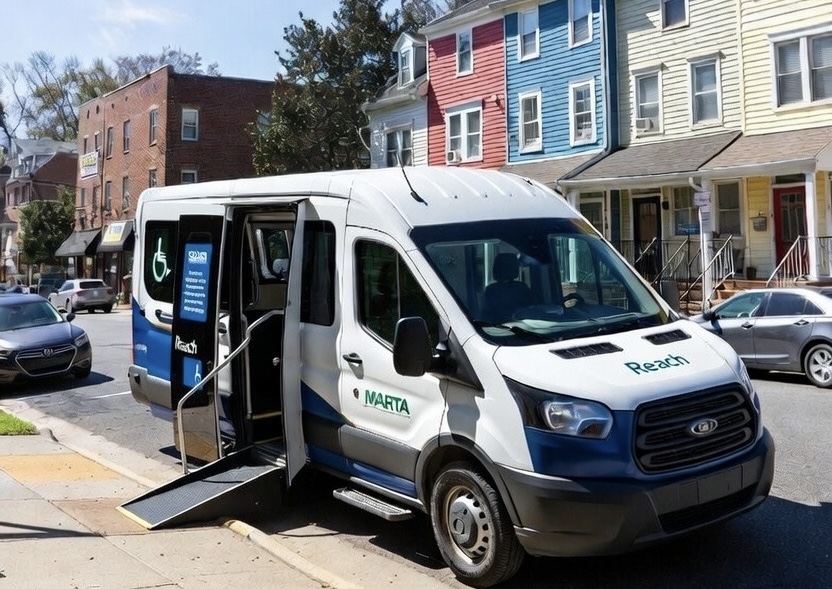
Move over, Uber. The Metropolitan Atlanta Rapid Transit Authority (MARTA) is set to transform local mobility with the upcoming launch of MARTA Reach, an innovative on-demand transit service rolling out on March 7, 2026.
As a key component of MARTA’s broader NextGen Bus Network redesign—the most significant update to the region’s bus system in decades—Reach introduces flexible, user-requested rides that bridge gaps in traditional fixed-route service.
MARTA Reach to Mobilize Vans Like Uber
MARTA Reach delivers point-to-point shared rides using modern vans, providing quick and convenient transportation at riders’ request.
The service operates in 12 designated zones spread across MARTA’s service area, allowing passengers to travel seamlessly within each zone or connect to the larger transit network.
Key Features of MARTA Reach
- Curb-to-Curb Service: Within a designated zone, vehicles pick up and drop off passengers directly from their starting point (A) to their destination (B). This makes it ideal for neighborhood travel, errands, or short trips where traditional bus stops might not align perfectly with your needs.
- First- and Last-Mile Connections: Reach excels at linking riders to fixed bus routes and rail stations. It serves as a vital bridge, enabling seamless continuation of journeys beyond the zone boundaries to access MARTA’s extensive rail and bus system.
- Extended Availability: Service runs 18 hours per day, seven days a week across all 12 zones, offering reliable options from early morning through late evening.
- Easy Booking: Requesting a ride is straightforward—simply use the dedicated MARTA app or place a phone call. No need to wait at fixed stops or follow rigid schedules.
- Accessible for Everyone: All vans are ADA-compliant and fully equipped to accommodate wheelchairs, scooters, and other mobility devices, ensuring inclusive service for riders of all abilities.
How the Zones Work
MARTA Reach functions within 12 clearly defined geographic zones throughout the MARTA transit footprint. Riders can request trips anywhere within their current zone for direct, shared transportation.
In select zones, the service also supports connections to and from other MARTA bus routes or rail lines outside the zone, enhancing overall connectivity.
These zones target areas where traditional fixed-route service may be less frequent, providing a more responsive option for lower-density neighborhoods and improving access to jobs, healthcare, shopping, and other essential destinations.
Part of a Bigger Transformation
MARTA Reach launches ahead of the full NextGen Bus Network rollout (scheduled for April 18, 2026), giving riders an early taste of the agency’s “smarter, faster, better” vision.
By combining on-demand flexibility with high-frequency fixed routes, the initiative aims to make public transit more efficient, accessible, and appealing across metro Atlanta.
For more details, including zone maps, zone profiles (such as West Atlanta, Kirkwood/Candler Park, and others), trip planning tools, and updates, visit the official MARTA Reach page at itsmarta.com/reach or explore the NextGen resources at itsmarta.com/nextgen.
With MARTA Reach, getting around metro Atlanta is about to become more convenient and connected than ever before. Stay tuned for the March 7 launch—your next ride could be just a tap or call away!
Check Out Our Atlanta Travel Guide
-

Roswell, Georgia, blends historic charm with a vibrant dining scene that’s perfect for families.
Whether you’re strolling downtown Canton Street with kids in tow or looking for a spot with outdoor space where little ones can play, Roswell offers plenty of welcoming restaurants.
These places feature kids’ menus, casual vibes, spacious patios, and accommodating service that make dining out with children enjoyable rather than stressful.
Here are some of the top family-friendly restaurants in Roswell that locals and visitors love in 2026.
1. Lucky’s Burgers & Brew

Located in the heart of downtown Roswell, Lucky’s is a go-to for families seeking classic American fare. This burger joint stands out with its outdoor area where kids can run around safely while parents relax with a meal or craft beer.
The menu includes juicy burgers, fries, shakes, and a dedicated kids’ selection. It’s casual, fun, and consistently praised for being kid-tolerant—even on busy evenings.
Why it’s great for families: Outdoor play space, hearty portions, and a laid-back atmosphere.
Location: 1144 Alpharetta St, Roswell, GA 30075 (near Canton Street area)
2. The Mill Kitchen and Bar

A downtown favorite, The Mill offers modern Southern cuisine with a dedicated kids’ menu for diners 12 and under.
Think creamy mac & cheese, chicken tenders, and other crowd-pleasers alongside adult options like farm-to-table dishes. The big terrace provides extra room for families, and the service is known for being warm and efficient.
Why it’s great for families: Kid-specific menu, spacious outdoor seating, and Southern comfort food everyone enjoys.
Location: Downtown Roswell (check their site for exact address)
3. Brookwood Grill

For over three decades, Brookwood Grill has been a reliable spot for American classics in Roswell. It handles large groups well—including family gatherings—and offers banquet options if you’re planning something bigger.
The menu features grilled favorites, salads, and kid-approved items in a comfortable setting.
Why it’s great for families: Long-standing reputation, group-friendly setup, and consistent quality.
Location: 880 Holcomb Bridge Road, Roswell, GA 30076
4. Table & Main

This Michelin-recognized Southern restaurant in a restored historic homestead brings elevated yet approachable dining to Roswell.
Famous for its fried chicken and seasonal dishes, it welcomes families with a garden patio and a welcoming vibe. While more upscale, it’s family-friendly with options that appeal to all ages.
Why it’s great for families: Beautiful outdoor patio, high-quality Southern food, and a special prix fixe on Mondays.
Location: Downtown Roswell
5. Roswell Junction

A newer standout, this massive 12,000 sq. ft. venue south of historic Roswell Square combines seven unique food concepts, multiple bars, outdoor patios, live entertainment, an arcade, and family-centric games.
It’s designed as a one-stop spot where kids can play while adults eat and relax—perfect for varying tastes and energy levels.
Why it’s great for families: Arcade and games, multiple dining options under one roof, and plenty of space.
Location: 340 S. Atlanta St, Roswell, GA 30075
6. The Fickle Pickle

A casual eatery often topping “kid-friendly” lists on Yelp, The Fickle Pickle serves up comfort food in a relaxed environment. It’s popular for lunch or dinner with families, offering straightforward dishes that picky eaters love.
Why it’s great for families: Easygoing atmosphere and menu variety.
Location: Downtown Roswell area
Bonus Mentions
- Lola’s Burger & Tequila Bar — Fun burgers and a lively yet family-accommodating vibe on Canton Street.
- Pizzeria Lucca — Relaxed pizza spot that’s great for casual family meals.
- Benihana (nearby) — Entertaining teppanyaki shows that kids adore.
Roswell’s dining scene shines when it comes to family outings, especially along Canton Street and in historic downtown.
Many spots feature patios for nice weather, and the area’s walkability makes it easy to combine dinner with a stroll or park visit.
Final Word
Whether you’re craving burgers, Southern classics, or something adventurous, these restaurants ensure everyone leaves happy.
Next time you’re in Roswell with the family, give one (or a few) a try—your kids might just find their new favorite spot! For the latest hours, menus, or reservations, check each restaurant’s website or call ahead. Happy dining!
Here Are The Best New Restaurants In Atlanta
-
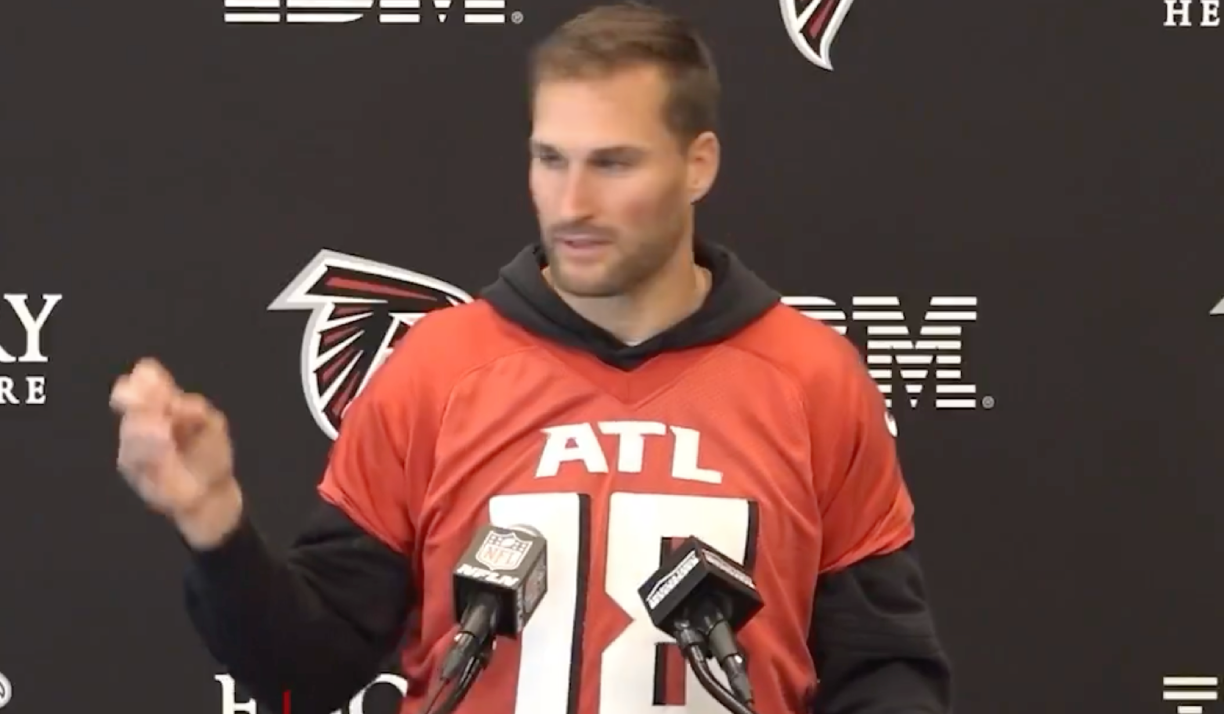
The Atlanta Falcons are poised to part ways with veteran quarterback Kirk Cousins this offseason, according to multiple reports emerging today.
Sources close to the situation, including reporting from The Athletic’s Josh Kendall and Jeff Howe, indicate the team expects to release the 37-year-old signal-caller in early March.
Falcons, Cousins To Part Ways
This move comes after the Falcons and Cousins agreed to restructure his contract earlier this month, shifting most of his 2026 base salary to 2027 and creating a $67.9 million vesting guarantee that would kick in on March 13 if he remains on the roster.
The restructure lowered Cousins’ 2026 base pay from $35 million to $2.1 million, providing Atlanta with immediate cap relief while setting the stage for a clean break before that massive guarantee locks in.
A post-June 1 designation remains possible in some scenarios, but the prevailing expectation points to an outright release by mid-March to avoid the financial hit.
Cousins joined the Falcons on a four-year, $180 million deal in the 2024 offseason, arriving as a proven starter fresh off an Achilles injury from his final season in Minnesota.
The plan was for him to mentor and bridge to first-round pick Michael Penix Jr., selected eighth overall in 2024. However, the transition never fully materialized as envisioned.
Cousins started 14 games in 2024, delivering solid production in his return from injury. In 2025, after Penix suffered a knee injury that sidelined him for much of the second half, Cousins stepped back in and led the team to a 5-3 record in his starts, including a late-season four-game winning streak.
He finished the year with 1,721 passing yards, 10 touchdowns, and five interceptions over those eight appearances, showing he could still move the ball effectively.
Despite that late surge, the Falcons’ front office—now under new leadership with head coach Kevin Stefanski and ongoing general manager search—appears ready to turn the page.
Stefanski, who previously worked with Cousins as offensive coordinator in Minnesota, acknowledged their history but stopped short of committing to the veteran when asked about the quarterback situation.
The decision reflects Atlanta’s commitment to Penix as the long-term starter, even as the young left-hander continues recovering from his knee issue.
Releasing Cousins frees up significant cap space for the team to address other needs or explore veteran additions if Penix isn’t fully ready for Week 1 of the 2026 season.
Cousins, who will turn 38 before the 2026 campaign, remains a respected veteran with a strong track record of accuracy and decision-making.
Reports suggest the Falcons could be open to re-signing him on a more team-friendly deal if he doesn’t land a starting opportunity elsewhere, but the expectation is that he’ll hit free agency and pursue a role where he can compete for QB1 snaps.
For Falcons fans, this marks the end of a brief but eventful chapter.
Final Word
Cousins brought professionalism and production during his time in Atlanta, but the organization’s future is now firmly tied to Penix and whatever direction the new regime charts.
Stay tuned to AtlantaFi.com for updates as the offseason unfolds, including any potential landing spots for Cousins and how the Falcons plan to build around their young quarterback. Rise up.
-

Luxury watch enthusiasts in the city have a new premier destination to explore. Vacheron Constantin, recognized as the world’s oldest watch manufacturer in continuous production since 1755, has officially opened its first boutique in Atlanta at the upscale Phipps Plaza shopping center in Buckhead.
The boutique marks a significant milestone in the Swiss Maison’s enduring ties to the United States, which date back to 1832.
Located at 3500 Peachtree Road Northeast (Suite 1013), the new space blends Vacheron Constantin’s signature refined aesthetic with design elements inspired by Atlanta’s vibrant musical heritage.
“We’re pleased to announce the opening of our new Atlanta boutique in Phipps Plaza, a premier luxury shopping destination,” said Alexander Schmiedt, Brand President of Vacheron Constantin Americas. “Atlanta has long had a discerning pool of watch connoisseurs and, with this opening, we are thrilled to be able to fully share the heritage, craftsmanship and dedication to technical excellence that Vacheron Constantin is known for. We invite all enthusiasts to discover the world of Vacheron Constantin.”
The boutique’s interior has been thoughtfully crafted to embody the Maison’s pursuit of excellence while paying homage to local culture.
Visitors step into an intimate, sophisticated environment with a pared-back yet cozy design that subtly nods to Atlanta’s deep roots in music.
A standout feature is the VIP lounge, inspired by iconic recording studios. It incorporates acoustic wall coverings and raw, inviting materials for a welcoming feel.
Decorative accents draw from Abbey Road Studios—reflecting the Maison’s longstanding artistic partnership with the legendary London studio—while a custom-designed carpet playfully deconstructs sound waves, weaving in the city’s rhythmic soul.
Positioned on the mall’s first level across from Tiffany & Co., the boutique joins Phipps Plaza’s collection of high-end retailers and strengthens the center’s appeal as a go-to spot for luxury goods in Buckhead.
The store is now open with the following hours (subject to mall updates):
- Monday–Tuesday: 11:00 AM – 7:00 PM
- Wednesday: 11:00 AM – 4:00 PM
- Thursday–Saturday: 11:00 AM – 7:00 PM
- Sunday: 12:00 PM – 6:00 PM
Final Word
Watch aficionados and collectors are encouraged to visit and experience Vacheron Constantin’s storied legacy firsthand in a setting that uniquely celebrates both Swiss precision and Atlanta’s creative spirit.
For more details, check the official Vacheron Constantin boutique locator or Phipps Plaza.
Here are more articles from AtlantaFi.com you might like:
-

Tyler Perry Studios stands as one of the most iconic landmarks in Atlanta’s booming film industry.
Perry became a billionaire movie mogul by making movies out of his plays. He honed his craft until he became a household name. Now Tyler Perry Studios is one of the largest movie studios in the world.
If you’ve ever wanted to see inside it, here’s your chance to grab a glimpse of cinematic genius up close.
Here’s A Look Inside Tyler Perry Studios In Atlanta
With more than 700 movie and TV projects just in the last few years, the film industry has generated more than $9 billion for the state of Georgia. Tyler Perry Studios is set up to lead the way for Atlanta as well as the state.
[ngg src=”galleries” ids=”3″ display=”basic_slideshow”]Perry prides himself on making films that relate to his audience despite the qualms from Hollywood producers to appeal to a wider demographic.
Early Days: Founding in 2006 and First Atlanta Location
Tyler Perry founded Tyler Perry Studios in 2006 after rebranding his production company. Before establishing a permanent home, Perry utilized temporary spaces, including a facility at 99 Krog Street in Inman Park along the BeltLine.
The studio officially opened in fall 2008 at a former Delta Air Lines headquarters in the Greenbriar area of southwest Atlanta.
This 200,000-square-foot facility featured soundstages, including one named after Georgia natives Ossie Davis and Ruby Dee. The grand opening drew legends like Oprah Winfrey, Will Smith, Sidney Poitier, Cicely Tyson, Patti LaBelle, and Hank Aaron.
This initial campus, spanning about 60 acres with five sound stages, served as the production hub for Perry’s early films and TV projects from 2008 until around 2016. It allowed Perry full creative control, a cornerstone of his empire.
The Historic Leap: Purchasing Fort McPherson in 2015

A pivotal moment in Tyler Perry Studios history came in June 2015 when Perry purchased 330 acres of the former Fort McPherson military complex for $30 million from the city of Atlanta. He has since invested over $250 million in its transformation.
Fort McPherson, established in 1885 and named after Union Major General James B. McPherson, has deep roots dating back to 1835. The site served as a Confederate Army base during the Civil War and later as a U.S. Army post until its closure.
Perry’s acquisition turned a former symbol of military history into a beacon of modern creativity, preserving 40 historic buildings on the National Register of Historic Places.
Grand Opening in 2019: A Milestone for Black-Owned Studios

Photo credit: Tyler Perry / Instagram Tyler Perry celebrated the grand opening of the new Tyler Perry Studios campus in October 2019. At over 330 acres, it became one of the largest film studios in the United States — larger in acreage than many major Hollywood lots — and the largest entertainment complex owned by an African American.
It features 12 state-of-the-art soundstages (the largest at 60,000 square feet), a 75,000-square-foot water tank, 200 acres of greenspace, diverse backlots, and permanent standing sets including a White House replica, luxury hotel lobby, mansion, trailer park, suburban homes, and more.
Soundstages are named after entertainment trailblazers like Oprah Winfrey, Spike Lee, Sidney Poitier, and Denzel Washington, honoring those who paved the way.
This made Tyler Perry the first African American to solely own a major film studio outright, a groundbreaking achievement.
How Big Is Tyler Perry Studios?
Tyler Perry Studios sits on 350 acres, including 200 acres of greenspace. The property houses a movie studio, 40 buildings on the National Register of Historic Places.
In addition, the property has 12 sound stages, all of which are named after cinema icons.
What Films Have Been Made At Tyler Perry Studios?
A short list of the productions he’s doing with BET Plus include:- Sistas,
- The Oval
- Bruh
- Ruthless
Movies like Black Panther, Dolemite is My Name, Bad Boys For Life and Coming 2 America have also filmed at Tyler Perry Studios.
Is Tyler Perry Studios Open To The Public?
Save for the occasional private tour, COVID-19 pandemic has shut down any plans for a public tour at Tyler Perry Studios. Visitors are able to enter the grounds and drive around the roundabout to see a glimpse of the property beyond the front gates.
Aside from a visitor’s center, there’s nothing else an ordinary citizen can see at Tyler Perry Studios, but hopefully he will open it up for tours soon.
Here’s a video tour of Tyler Perry Studios given by the man himself:
Final Word
One thing is for certain: Perry is always hiring. Are you interested in becoming an actor in Atlanta? You’re in the right place!
Coming 2 America is just one of many films filmed in Atlanta. See our Movies Page for more.With more than 900 movie and TV projects just in the last few years, the film industry has generated more than $9 billion for the state of Georgia.There are so many movies filmed in Atlanta these days that it’s hard to keep up with it all. That’s why I suggest you subscribe to AtlantaFi.com to get all the freshest movie casting calls, celeb sightings and Atlanta happenings delivered to your inbox.Want to work in Georgia film & TV? Here are the latest Atlanta casting calls
Read More From AtlantaFi.com: -

Atlanta-area food lovers, get ready to turn up the heat this February! Firebirds Wood Fired Grill has just unveiled its new February Features Menu, a seasonally inspired lineup bursting with bold, romantic flavors that’s available for a limited time only starting Monday, February 2.
Whether you’re planning a cozy Galentine’s Day gathering with your besties, a classic Valentine’s Day date night, or just craving an elevated meal with someone special, this menu delivers wood-fired excellence with a touch of love-themed indulgence.
Firebirds Wood Fired Grill Leans into Lovebirds for Limited-Time Menu
The chain, known for its scratch kitchen and open-flame grilling, brings fresh twists on seafood, premium cuts, and decadent desserts to locations in the Atlanta metro, including Peachtree Corners and Alpharetta.
Starters to Set the Mood
Kick things off with shareable bites designed to impress:
- Jumbo Shrimp Cocktail — Fresh poached shrimp served with bright lemon and housemade cocktail sauce for a classic yet elegant start.
- Roasted Herb Goat Cheese Fondue — Creamy goat cheese blended with olive tapenade, blistered tomatoes, and crispy crostini—perfect for dipping and sharing.
Lunch Entrées: Midday Romance
For those sneaking away for a special lunch:
- Chile Rubbed Salmon with Lobster Queso — 6oz wood-grilled salmon topped with rich lobster queso, served over creamy grits with blistered tomatoes and seasonal vegetables.
- Grilled Tenderloin Bowl — Wood-grilled petite tenderloin drizzled in port wine sauce, alongside mushrooms, asparagus, blistered tomatoes, and Parmesan mashed potatoes.
Dinner Entrées: Evening Indulgence
When the night calls for something more substantial:
- Chile Salmon & Shrimp — Wood-grilled chile-rubbed salmon paired with butterflied shrimp, luxurious lobster queso, creamy grits, and seasonal vegetables.
- Garlic-Thyme Filet — Center-cut filet mignon finished with garlic-thyme butter and port wine demi-glace, accompanied by Parmesan mashed potatoes and seasonal vegetables.
Dessert for Two (or Three!)
No love-focused menu is complete without a sweet finale:
- Dark Chocolate Cherry Bread Pudding (Serves 2-3) — Cinnamon bread pudding folded with dark chocolate sauce and cherries, topped with vanilla ice cream. The best part? Warm chocolate sauce poured tableside for that extra dramatic flourish.
Sip on Something Special
Wash it all down with a cocktail that’s equal parts bold and romantic:
- Raspberry Espresso Martini — Wheatley Vodka infused with raspberries, espresso, and white crème de cacao for a caffeinated, fruity kick.
This limited-time menu is all about celebrating connections—romantic, friendly, or simply with great food and company. Firebirds’ Atlanta-area spots, like the Peachtree Corners location in Town Center and the Alpharetta outpost near Avalon, are ready to host your February plans with their signature warm hospitality and wood-fired magic.
Head over starting February 2 before it’s gone! Reservations are recommended, especially around Valentine’s Day. For the latest details or to book, check the Firebirds website or your preferred location.
What’s your go-to for February dining? Drop a comment below—we’d love to hear your plans!
If you want to check out some other romantic restaurants in Atlanta, these are hard to beat. But Atlanta also has trendy restaurants, pop-ups and time-tested landmarks that continue to draw big crowds.
Metro Atlanta’s food and drink scene continues to grow with no stops on the horizon. Ready to try something new?
-
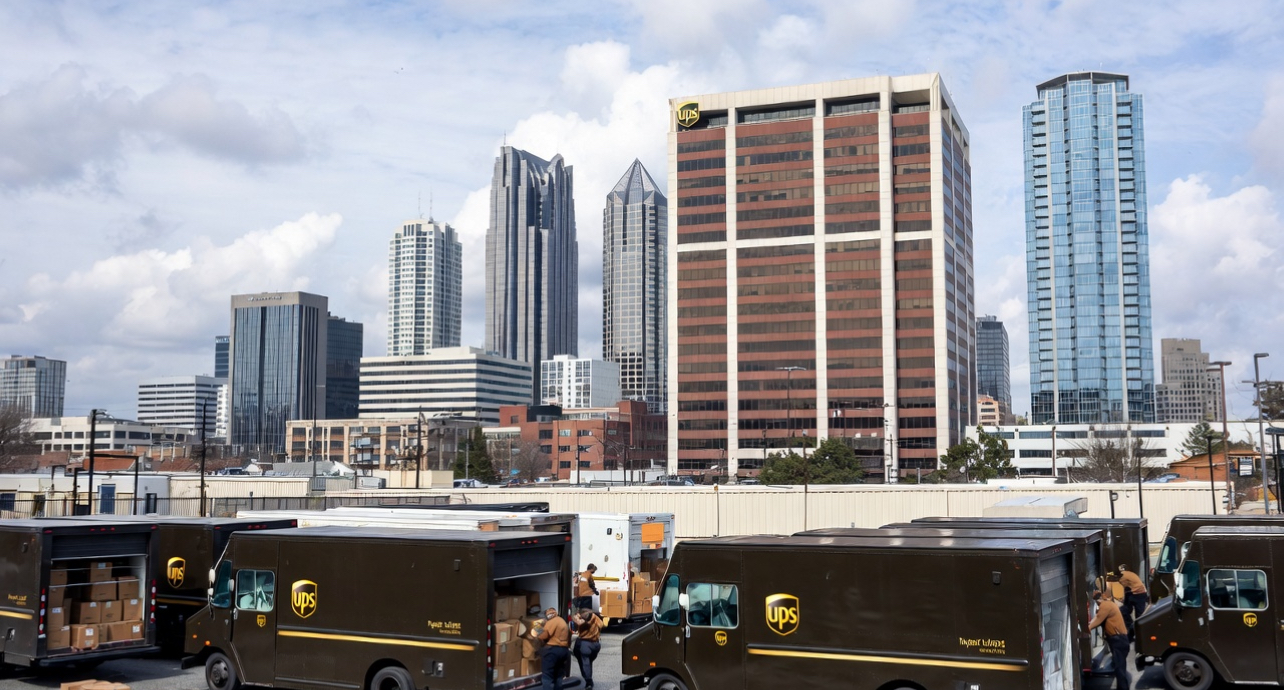
United Parcel Service (UPS), the global shipping giant headquartered in the Atlanta metro area, revealed plans Tuesday to eliminate up to 30,000 operational jobs this year as part of its ongoing turnaround strategy.
The announcement came during the company’s fourth-quarter earnings call, where executives also disclosed intentions to close 24 facilities in the first half of 2026, with potential for additional closures later in the year.
UPS To Cut 30K Jobs
The cuts primarily target operational roles, including delivery drivers and warehouse workers, and will be achieved largely through attrition and a second voluntary separation program for full-time drivers, according to Chief Financial Officer Brian Dykes.
Dykes described the reductions as a “tactical move” to align staffing and network infrastructure with current volume levels and delivery demands.
This latest round follows significant workforce reductions in 2025, when UPS eliminated approximately 48,000 positions—including 34,000 operational jobs and 14,000 management roles—and closed operations at 93 facilities.
The company’s multi-year plan has focused on reducing its reliance on low-margin deliveries for Amazon, its former largest customer, while shifting toward higher-profit business segments such as healthcare logistics.
CEO Carol Tomé emphasized during the call that UPS is in the final stages of an accelerated “glide down” in Amazon volume, having already reduced daily Amazon packages by about 1 million pieces in 2025.
The company plans to cut another million pieces per day in 2026 while continuing network reconfiguration and deploying more automation to improve efficiency.
Despite the job cuts, UPS reported stronger-than-expected results for the critical holiday quarter, with fourth-quarter revenue reaching $24.5 billion. The company projected full-year 2026 revenue of approximately $89.7 billion, signaling confidence in its strategic pivot away from unprofitable volumes.
As Atlanta’s largest private employer and a cornerstone of the regional economy, the announcement carries significant implications for the metro area.
UPS’s headquarters in Sandy Springs and its extensive network of facilities across Georgia mean that local workers could feel the effects of the operational reductions, though the company has not specified how many positions or facilities in the state will be impacted.
Previous rounds of cuts have already affected Georgia operations, and union representatives have expressed concerns about the pace of workforce changes.
UPS has described the overall plan as essential for long-term profitability and competitiveness in a changing parcel delivery landscape, including the winding down of low-value e-commerce shipments and the end of certain duty-free import rules.
The company’s stock rose following the announcement, reflecting investor approval of the cost-saving measures and revenue outlook.
Atlanta residents and workers affected by the changes are encouraged to monitor UPS communications and local union updates for more details on voluntary programs and potential support resources. This story will be updated as additional information becomes available.
More Atlanta Jobs from AtlantaFi.com:
-
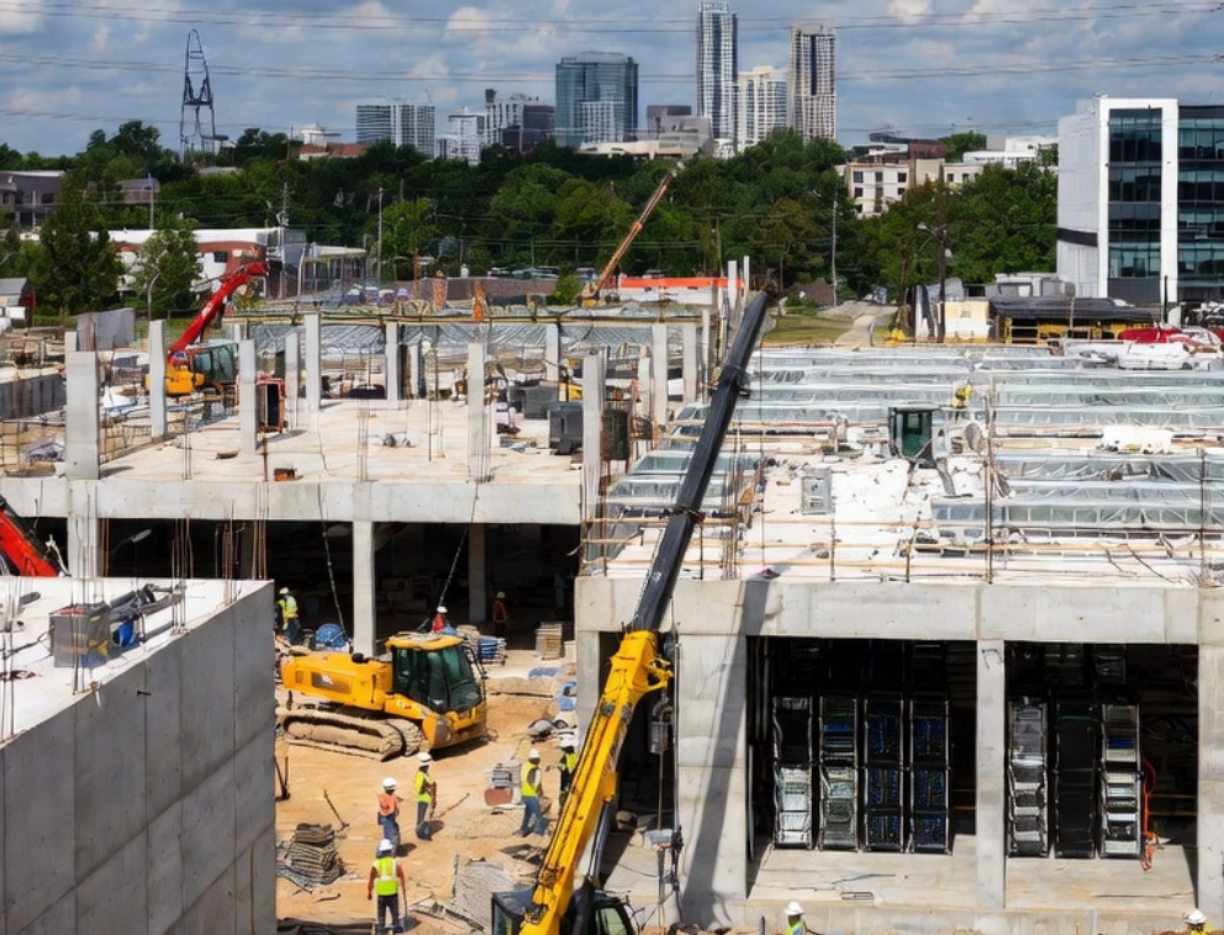
As metro Atlanta kicks off 2026, the region’s construction sector finds itself in a peculiar position: bullish on one massive segment while bracing for broader headwinds.
Data centers, fueled by the relentless demand for artificial intelligence (AI) infrastructure, continue to dominate project pipelines and builder optimism. Yet, lingering concerns over tariffs, labor shortages, energy costs, and overall economic uncertainty are tempering expectations for the rest of the industry.
Inside Metro Atlanta’s Data Center Boom
According to recent surveys from construction industry groups and reports in the Atlanta Journal-Constitution, Georgia’s builders remain highly confident in data center projects heading into the new year. A striking 65% of contractors expect the data center market to expand in 2026, with only a small fraction anticipating any slowdown.
This enthusiasm stems from the explosive growth driven by AI adoption, where hyperscalers and tech giants require vast amounts of computing power, high-density servers, and reliable infrastructure.
Metro Atlanta has solidified its status as one of the fastest-growing—and now second-largest—data center markets globally, trailing only Northern Virginia.
Notable Data Centers in Metro Atlanta
Here are the major existing/operational campuses and significant planned/proposed ones as of early 2026 in metro Atlanta.
Location / County Developer / Operator Status Key Details / Capacity (approx.) Notes / Timeline Atlanta 1 Campus (various sites, e.g., Jefferson St NW) QTS Data Centers Operational 278+ MW, 99 acres, multiple buildings Major established campus in metro Atlanta Lithia Springs / Douglas County STACK Infrastructure (ATL02), others (e.g., T5@ATL III) Operational & Planned Varies; T5 planned 300 MW Key western cluster; ongoing expansions Douglas County (various, e.g., Echo Road, Jason Industrial Pkwy) AWS, Stream Data Centers, others Operational & Planned AWS multi-billion investment; 9-building proposals $11B+ AWS commitment; multiple sites Butts County (various, e.g., River Park area) AWS, others (e.g., planned River Park 250 MW) Planned / Under development Significant AWS portion of $11B investment Southeast of Atlanta; power-intensive Rockdale County (Conyers, Atlanta East campus) DC BLOX Under construction / Planned 144+ MW, 1M+ sq ft, 68 acres; 216 MW planned Hyperscale-ready; broken ground recently Union City / South Fulton (Fulton County) Microsoft (Fairwater 2), Atlas Development (Project Sail), others Planned / Proposed Microsoft 350 MW; Atlas $17B+ multi-building Southwest; heated local debates Spalding County (Griffin area, Wallace Jackson) Wallace Jackson LLC Proposed / Approved $3.7–$3.9B, 10 buildings, ~5M sq ft, 190 acres Massive 2026 proposal; along I-75 south Coweta County (near Newnan) Atlas Development (Project Sail) Proposed $17B+, 13 buildings, large acreage One of the largest pitched; rezoning sought Fayette County QTS (Fayetteville) Planned Expected online 2026 Emerging southern site Various (metro clusters: Alpharetta, Suwanee/Norcross, Downtown) Multiple (e.g., CoreSite AT1/AT2, Digital Realty, others) Operational Hundreds of facilities; colocation & hyperscale Traditional hubs; 1,280+ MW inventory total in market What’s Fueling Metro Atlanta’s Data Center Industrial Complex
The surge began accelerating in 2023 and shows no signs of abating. In early January alone, a mammoth proposal emerged in Spalding County south of Atlanta: the Wallace Jackson Data Center Campus, a $3.7–$3.9 billion project spanning nearly 5 million square feet across 10 buildings on 190 acres—larger than three Lenox Square malls combined.
Similar large-scale developments are in the pipeline across counties like Douglas, Butts, Union City, and Rockdale, with companies like Amazon Web Services, Microsoft, and others committing billions.
The AI boom is the primary catalyst. Facilities designed for AI workloads demand specialized construction, including advanced cooling systems (often liquid-based), massive power allocations (hundreds of megawatts per campus), and rapid build timelines.
Georgia’s advantages—abundant land, favorable business climate, robust fiber connectivity, and proximity to major markets—have made it a magnet for these investments. In 2025 alone, the state attracted over $40 billion in data center commitments in just the first seven months, pushing total announced projects into the tens of billions.
But this dominance comes amid growing caution elsewhere in construction. Builders cite multiple risks: potential tariffs on imported materials, persistent labor shortages (especially skilled trades critical for data center builds), supply chain strains, and uncertainty from federal policy shifts.
Broader economic indicators, including slower job growth projections and mixed signals on inflation, have led to dampened outlooks for non-data-center projects like commercial offices, retail, and traditional industrial developments.
Local debates add another layer of complexity. While data centers promise significant capital investment and short-term construction jobs, revised audits have shown their long-term economic impact—particularly permanent employment—may be overstated.
A recent correction from state analysts slashed earlier estimates of job creation and economic value by more than two-thirds, highlighting that operations jobs often number in the dozens per facility rather than hundreds.
Energy demands are also under scrutiny: Georgia Power’s approved plan for 10 additional gigawatts (largely fossil-fuel-based) is tied directly to data center growth, raising concerns about grid strain, water usage, and ratepayer costs.This has sparked pushback.
At least 10 Georgia municipalities have imposed local moratoriums on new data centers, and bipartisan legislation introduced in the 2026 session aims to rein in incentives.
Bills propose sunsetting or eliminating sales-and-use tax exemptions for data centers earlier than planned (originally set for 2032), requiring more transparency on energy consumption, or even a temporary statewide pause until 2027.
Critics Concerned About Data Center Proliferation
Proponents argue these “mega installations” consume resources disproportionate to their job creation and community benefits, while opponents warn that curbing incentives could drive investment elsewhere.
Daniel Hubbard, a former Georgia Public Service Commission candidate and energy policy advocate, highlighted the economic and community burdens: “Georgia voters see data centers receiving tax breaks as their power bills go up. They see local communities struggle with competition for water supplies and high voltage transmission lines that reduce property values… This is why opposition to data centers is growing in Georgia; because Georgians oppose being treated as collateral damage by the unregulated growth of data centers that will push their power bills even higher.”
Despite these challenges, data centers remain the bright spot in an otherwise cautious construction landscape. Experts note that Atlanta’s market benefits from pre-leased capacity, strong hyperscaler demand, and ongoing infrastructure expansions that could support completions through 2027 and beyond. For now, the AI-driven frenzy continues to propel Georgia’s construction sector forward—even as builders and policymakers grapple with the trade-offs.
Wanda Mosley, founder of Black Voters Matter and a South Fulton resident organizing against data centers, criticized the lack of transparency in development processes: “They’re holding these town halls but they’re only having people who benefit from the data centers speaking at the town halls.”
She further emphasized building resistance: “They don’t understand what they have started. They don’t understand the coalition that we’re about to build, because all of us have high electricity bills.”
Atlanta’s role as a digital infrastructure powerhouse is unlikely to fade soon, but 2026 will test whether the data center boom can sustain momentum amid rising scrutiny and economic pressures. Stay with AtlantaFi.com for the latest developments in this evolving story.
More Articles From AtlantaFi: