-

With the new year upon us, we’re tracking the key laws passed during the 2025 Georgia General Assembly session that take effect on January 1, 2026 or later in the year.
These changes, signed into law by Governor Brian Kemp, impact areas like taxes, homeownership, insurance, vehicles, courts, health services, and more.
They generally focus on consumer protections, government efficiency, and professional standards.
New Georgia Laws for 2026
Here are some of the most notable ones affecting Georgians:
Tax and Financial Changes
- State income tax rate reduction — Georgia’s flat individual income tax rate continues its phased decrease (as part of multi-year reform), dropping further toward a target of 4.99% by January 2027. This applies to taxable years beginning on or after January 1, 2026.
- Catastrophe savings accounts — All Georgia taxpayers can now open a single designated “catastrophe savings account” for disaster-related expenses, with contributions and interest deductible from state taxable income.
Homeownership and Consumer Protections
- Automatic HVAC warranty transfer (Georgia Act 285) — Manufacturer warranties on certain HVAC systems will automatically transfer to new homeowners when a house is sold. This applies to units sold or installed starting January 2, 2026, and manufacturers cannot require registration for validity.
- Extended insurance notice period — Homeowners receive stronger protections: insurers must provide 60 days’ notice (up from 30 days) before canceling or non-renewing a policy.
Vehicles and Transportation
- “America First” specialty license plate — A new tag featuring the U.S. flag and phrase “America First” becomes available, with proceeds benefiting the state’s general fund.
- Updated temporary operating permits and vehicle booting rules — Private property owners gain authority to boot trespassing vehicles (if local rules allow), with required warning signs posted. Businesses also get streamlined digital access to Department of Revenue vehicle data for faster temporary plates and reduced fraud.
Courts and Legal Processes
- Digital recording in courts — Certain court proceedings can now use digital recordings instead of live court reporters for transcripts, aiming to improve efficiency.
- Litigation financing regulations (Georgia Courts Access and Consumer Protection Act) — Third-party litigation funders must register with the state, with prohibitions on involvement from foreign adversaries and new consumer protections (full requirements effective January 1, 2026).
Health, Professional Services, and Other Updates
- Teledentistry authorization — Dentists can provide care via telemedicine, with dental benefit plans required to cover it (regulated by the Georgia Board of Dentistry).
- Public Accountancy Act of 2025 — New pathways created for becoming a Certified Public Accountant (CPA), including easier transfers for out-of-state professionals.
- Solid waste facility rules (Georgia Act 259) — Outdated definitions removed, and applicants for new or modified waste facilities (e.g., landfills) must prove compliance with local zoning/land-use rules.
- Behavioral health oversight shift — Responsibility for substance abuse and behavioral health programs transfers from the Department of Community Health to the Department of Behavioral Health and Developmental Disabilities.
Additionally, updated building codes (including the 2024 International Building Code, Residential Code, and others with Georgia amendments) take effect January 1, 2026, impacting construction and permitting statewide.
Many other changes streamline state systems or update professional licensing, but these stand out for their broad impact on everyday Georgians. Note that several major updates (e.g., school device restrictions, further tax tweaks) take effect later in 2026, often July 1.
For the full list of enacted bills, check the Georgia General Assembly website or the Governor’s Office signed legislation page. If you’re affected by any of these (e.g., buying a home, filing taxes, or dealing with insurance), consult a professional for personalized advice.
Stay tuned for more Atlanta-focused coverage as these laws roll out! What change are you most curious about? Let us know in the comments.
More From AtlantaFi.com:
-
With the new year upon us, Georgia drivers – especially those in metro Atlanta – are being urged to take extra precautions after a new report identified the state’s most stolen vehicles.
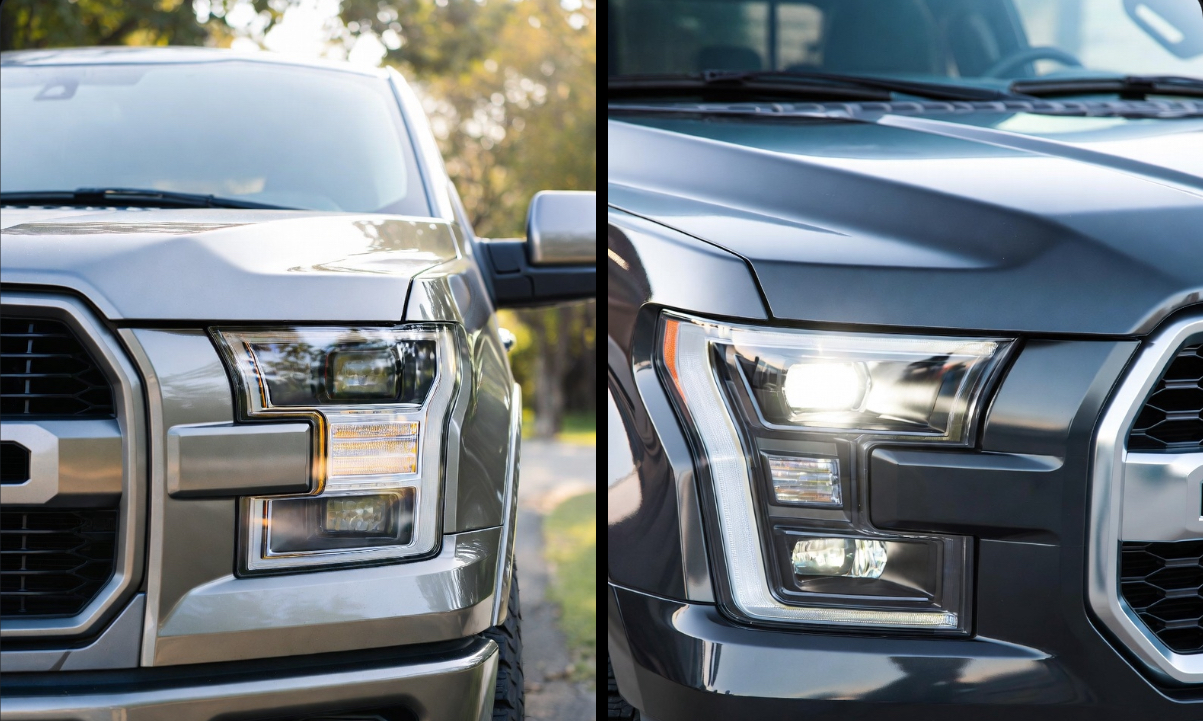
According to data compiled by USInsuranceAgents.com and released on December 23, Ford F-Series pickups (including popular F-150 and Super Duty models) lead the list as the most stolen vehicle in the state for 2025.
Ford Pickup Trucks Top List as Georgia’s Most Stolen Vehicle in 2025
Thieves are drawn to these trucks due to their widespread popularity, high demand for parts, ease of resale, and the potential for valuable tools often left inside by contractors.
The report highlights the following as among the most stolen vehicles in Georgia this year:
- Ford F-Series pickup trucks
- Honda Accord
- Honda Civic
- Toyota Camry
- Chevrolet pickup trucks (such as Silverado)
- Dodge RAM
While national trends show vehicle thefts declining overall in 2025 – with the National Insurance Crime Bureau (NICB) reporting a drop toward pre-pandemic levels – certain models remain prime targets, particularly in urban areas like Atlanta and Savannah where theft rates are higher than in rural parts of the state.
Melanie Musson, a car insurance expert with USInsuranceAgents.com, noted that holidays like New Year’s Eve pose special risks. “With parties and late nights, vehicle owners are more likely to be distracted, and thieves take advantage of the decreased vigilance,” she said.
How To Prevent Vehicle Theft
Local authorities and experts recommend these practical steps to protect your vehicle, especially during the holiday season and year-round:
- Park in a garage whenever possible – this is one of the most effective deterrents.
- Always lock your doors and close all windows, even for short stops.
- Store key fobs in an RFID-blocking pouch or box to prevent relay attacks on keyless entry systems.
- Choose well-lit, high-traffic areas for parking to increase visibility and reduce opportunity for thieves.
- Never leave your vehicle running unattended (a common issue in Atlanta, especially during cold weather or delivery stops).
- Remove valuables from plain sight – don’t leave electronics, bags, or tools visible inside.
- Consider additional deterrents like steering wheel locks, alarms, or GPS tracking devices.
Comprehensive insurance coverage is also recommended for newer vehicles (under 10 years old) to provide financial protection in case of theft, though owners are typically responsible for the deductible.
Final Word
Atlanta police and Georgia law enforcement continue to emphasize that vehicle theft is often a crime of opportunity. Simple habits like locking up and staying vigilant can make a big difference.
Drivers with information about vehicle theft or suspicious activity are encouraged to contact local authorities or the NICB at 1-800-TEL-NICB. Stay safe on the roads this holiday season!
Check Out Our Atlanta Travel Guide
-

Buying your first home in Atlanta can feel overwhelming, but the city’s vibrant neighborhoods, growing job market, and relatively balanced housing market make it an exciting time for beginners.
In this article, we’ll go over how to buy a house in Atlanta.
How Much Do You Need To Make To Buy A House In Atlanta?
According to recent data, the median home price in Atlanta is around $440,000. However, home prices can vary widely depending on the neighborhood and type of property you’re interested. If you’re a novice homeowner (or not), it’s best to do your homework on the front end.
Read our guide on how much home to afford.
Atlanta’s real estate market features the best of the Southeast, which means you’ll likely get plenty of land, but the prices continue to encroach upon what you’d find in the Northeast.
Thinking about buying a home this year? Here are a few factors you might want to consider:
Get Pre-Approved for a Mortgage
Shop lenders early. Get pre-approved (not just pre-qualified) to show sellers you’re serious. This involves a hard credit pull and providing documents like pay stubs, tax returns, and bank statements.
Popular loan options in Georgia:
- Conventional — Good credit needed.
- FHA — Low down payment (3.5%), flexible credit.
- VA/USDA — Zero down for eligible buyers.
Current mortgage rates are stabilizing around 6-7%, so lock in when it feels right.
There’s nothing like falling in love with a home you know you can’t afford. Places like Buckhead, Dunwoody, Fayetteville and Locus Grove have big homes but so are the mortgages.
Before you start looking for a house, it’s important to understand your financial situation. This includes knowing your credit score, saving for a down payment, and getting pre-approved for a mortgage.
Read our guide on how to get pre-approved for a mortgage.
Understand the Atlanta Market
The Atlanta real estate market is a volatile one in that it can trend in different directions throughout the year. It’s your job to stay on top of the changes.
Real estate markets can vary widely depending on location and economic conditions. Research the housing market in the area where you want to buy to understand pricing trends, inventory levels, and competition.
Research Neighborhoods and Start House Hunting
Atlanta’s diversity means options for every budget:
- Affordable starter areas — East Atlanta Village (EAV), Kirkwood, Capitol View, Sylvan Hills, or West End for charm under $400K–$500K with BeltLine access.
- Emerging value spots — Grove Park, Venetian Hills, or South Fulton for lower entry points and growth potential.
- Family-friendly suburbs — Areas like Douglasville, Jonesboro, or Stone Mountain for more space and lower prices.
Use sites like Zillow, Redfin, or Realtor.com, but drive neighborhoods to feel the vibe — walkability, schools, parks, and commute times matter in traffic-heavy ATL.
Make a Wish List
It’s important to get what you want out of your home. Some people need privacy; others need entertainment space.
Make a list of what you’re looking for in a home, including must-haves and nice-to-haves. This will help you narrow down your search and focus on properties that meet your criteria.
Attend open houses and private showings. Bring your agent to spot issues. When you find “the one,” your agent will help craft a competitive offer — include earnest money (1-2%), contingencies (inspection, appraisal, financing), and ask for seller concessions like closing costs.
In 2026’s market, you might negotiate repairs or price reductions, especially with longer days on market.
Hire a Real Estate Agent
A good real estate agent can be invaluable in helping you find the right home, negotiate a fair price, and navigate the buying process.
The best real estate companies take their time with you and provide excellent customer service all while making you feel heard and seen.
Get a Home Inspection
Once you’ve found a home you like, it’s important to have it inspected by a professional. This can uncover any potential issues with the property that could affect its value or your decision to buy.
A home inspection can provide peace of mind knowing that you’re making an informed decision about the condition of the property.
Overall, a home inspection is an important part of the home buying process that can help you make a more informed decision and avoid potential issues down the road.
Make an Offer
When you’re ready to make an offer on a home, your real estate agent can help you determine a fair price based on comparable sales in the area and other factors. They can also guide you through the negotiation process.
Secure Financing
Once your offer has been accepted, you’ll need to finalize your mortgage. This involves providing documentation to your lender, getting an appraisal, and completing the underwriting process.
Close on the House
The final step in buying a house is the closing process, where all the necessary paperwork is signed, and the ownership of the property is transferred to you. This usually involves paying closing costs and fees, so be prepared for these expenses.
Closing takes 30-45 days. Bring a cashier’s check for down payment/closing costs. You’ll sign mountains of paperwork, get the keys, and celebrate!
Final Atlanta Tips for Beginners:
- The market is more balanced than last year — inventory is up, and homes sell closer to list price.
- Factor in Atlanta-specifics like traffic, MARTA access, and flood zones in some areas.
- Work with professionals — agent, lender, inspector — to avoid costly surprises.
Final Thought
Buying a home is a wonderful experience when you think about the dream of homeownership and its many benefits.
The process of buying a house can vary depending on your individual circumstances, so it’s important to do your research and work with professionals who can help guide you through the process.
Atlanta has one of the best real estate markets in the country, with affordable housing in every quadrant of the city. Large backyards, manicured parcels and strong neighborhoods with ample dining amenities make it one of the top places for transplants.
Not to mention that the city’s dining scene is the best in the Southeast. Looking for a home? Check out our Real Estate Resource Page.
Keep up with what’s going on in Atlanta’s real estate scene here with our Apartment Guide.
-

Tyler Perry, the powerhouse filmmaker and founder of Tyler Perry Studios here in Atlanta, has been hit with a new lawsuit accusing him of sexual assault and battery.
The complaint, filed Thursday in Los Angeles Superior Court by actor Mario Rodriguez, who had a small role in Perry’s 2016 comedy Boo! A Madea Halloween, seeks at least $7.7 million in damages.
Actor in ‘Boo! A Madea Halloween’ Sues Tyler Perry
According to the lawsuit, Rodriguez first connected with Perry in 2015 after a trainer at an Equinox gym in Los Angeles passed along his phone number, saying Perry wanted to discuss acting opportunities.
Perry allegedly encouraged Rodriguez to audition for Boo! A Madea Halloween, telling him, “I’m not a bad person to know and have in your corner.” Rodriguez landed a minor part as “Frat Guy #10” in the Lionsgate-distributed film.
The suit claims that after filming began, Perry made repeated unwanted sexual advances over several years, including at his Los Angeles home. Specific allegations include inappropriate touching while watching a movie, attempting to unbuckle Rodriguez’s pants, and placing the actor’s hand on Perry’s genitals.
The complaint also states that Perry provided Rodriguez with $5,000 on multiple occasions following these encounters.
Rodriguez alleges he resisted the advances and eventually cut contact in 2019, though Perry periodically reached out afterward.
Rodriguez is pursuing claims of sexual assault, sexual battery, and intentional infliction of emotional distress.
The lawsuit also names Lionsgate, accusing the studio of ignoring Perry’s alleged misconduct during the production and distribution of the film.
This marks the second recent legal challenge for Perry involving similar accusations. In June 2025, actor Derek Dixon, who appeared in Perry’s BET series The Oval, filed a separate lawsuit claiming sexual harassment, assault, and retaliation, seeking over $260 million.
That case, originally filed in California, has since moved to federal court in Georgia, where Perry’s massive Atlanta studio complex is located. Both Rodriguez and Dixon are represented by the same attorney, Jonathan Delshad.
A representative for Perry strongly denied the allegations in a statement, calling the new lawsuit a “failed money grab” and noting the shared legal counsel with the prior case.
Lionsgate did not immediately respond to requests for comment.
Perry, one of Atlanta’s most prominent entertainment figures, has built an empire with his studio in the city, creating thousands of jobs and boosting Georgia’s film industry for years.
Final Word
No criminal charges have been filed in either matter, and both cases remain ongoing.
This story is developing, and we’ll continue to follow updates as they become available.
-

Foreclosures can offer significant discounts, often 20-40% below market value, making them a powerful tool for building wealth through rentals, flips, or personal residences. However, they’re not for beginners. The process involves unique risks, competition, and Georgia-specific rules. In this guide, I’ll walk you through the steps.
Buying a foreclosure in Atlanta, Georgia, can pay off with a little persistence.
With the local real estate market teetering on unaffordability you can be sure to find several foreclosed properties in the area for sale right now.
What makes a foreclosure so attractive? Well, the primary draw is that these homes are cheaper than market value, so they are very attractive to people looking to get into home investing.
How To Buy A Foreclosure: Everything You Need To Know
This article will tell you everything you need to know about buying a foreclosure.
What Is A Foreclosure?
A foreclosure is a process in which the deed holder of a property seeks to take ownership of it, usually due to unpaid debt.
Here’s how a foreclosure typically works: For one reason or another, a distressed homeowner finds himself or herself in danger of defaulting on their mortgage. When a mortgage payment or perhaps several payments is missed, the bank sends the homeowner a notice of trustee’s sale.
Because the debtor loses possession — and rights — to the home, the lender will look to sell the home under its value.
This makes the home especially attractive to investors. Meanwhile it is an understandably emotional transaction for the previous owner.
Pros and Cons of Buying Foreclosed Homes
Pros:
– Deep discounts in hot Atlanta markets.
– Potential for high equity gains, especially in revitalizing areas.
– Less competition than traditional sales in some cases.Cons:
– Sold “as-is”—major repairs common (e.g., mold, plumbing issues from neglect).
– Limited inspections, especially at auctions.
– Title risks (liens, back taxes).
– Cash often required for auctions; financing trickier for distressed properties.Is It Smart To Buy A Foreclosed Home?
Buying a foreclosed home is a great way to get a property for less money than it’s worth. Buying a home in pre-foreclosure — meaning, before it enters the foreclosure phase — may be when the owner is at their most motivated state.
That being said, the wisdom in buying a foreclosure rests entirely with your plans to profit from it. If you don’t have a plan, then buying a foreclosure may be a terrible idea, especially if you don’t get a home inspection done.
Now let’s go over some steps you need to buy a foreclosure. There are three ways you can buy one:
But first, you need to know where the foreclosures are U.S. foreclosure filings are down across most of the U.S., but they’re up double digits in these cities:
- Baton Rouge, Louisiana (43%)
- Atlanta, Georgia (up 25%)
- Salt Lake City, Utah (up 17%)
- Orlando, Florida (up 16%)
- Portland, Oregon (up 16%)
Now, if you live in one of these cities, all you need to do is get a foreclosure filings list to see the properties. Let’s go over the three ways you can buy a foreclosure:
In Pre-Foreclosure
If you learn that a home is in pre-foreclosure, that means that the bank or lender has notified the homeowner that they plan to foreclose on the property.
This creates a motivated seller. If you happen to approach the homeowner about selling the property, you can get it for a good price.
The key to buying a pre-foreclosure home is to get while the owner still has control. Once the property goes into foreclosure, the owner loses all rights and you have to deal with the bank.
What’s different about buying a home in pre-foreclosure is that, you typically have to pay the following:
- Loan balance
- Any liens on the property
- homeowners insurance
After that, you take over possession of the home from the seller. Again, remember to handle the transaction with all due care, dignity and respect.
Where To Find Pre-Foreclosure Homes
You can find real estate listings that will show you plenty of pre-foreclosure homes.
You may also try to get the a distressed property at foreclosure. Let’s talk about it:
At Foreclosure Auction
A foreclosure auction often takes place on the courthouse steps. The Sheriff conducts the auction and ensures that order takes place.
A bailiff or another official may preside over proceedings, reading out properties from a foreclosure list. All you have to do is be present and bid on the properties to participate.
Be wary of some foreclosures if you haven’t done your research or driven by the properties. Many of them are uninhabitable and may required extensive repairs.
If you end up buying a money pit, you’d better have a plan. That’s because once you buy a foreclosure, you’re liable for all expenses related to the home.
Bank-Owned Property
You may choose to buy a property straight from the lender. This is typically considered a bank-owned property.
The bank has a right to hold onto a property as long as possible, so be aware that sales often take months and maybe even years.
Where To Find REO Properties
- Familiarize yourself with the Multiple Listing Service (MLS), which has a list of REO properties.
- Contact Realtors: Real estate agents know where all the REOs are in any given area.
- Go online and Google search “REOs near me” to find listings in your area.
With any real estate transaction, make sure you get in touch with a real estate attorney so that you’re protected legally.
Final Thoughts
When you buy a foreclosure, you have to purchase it with cash, so you should make sure that your money is right.
Ether you have to put together a plan to save or take out a loan. Either way, you need to have cash money. So here’s my closing advice: Count the cost.
Atlanta has one of the best real estate markets in the country, with affordable housing in every quadrant of the city. Large backyards, manicured parcels and strong neighborhoods with ample dining amenities make it one of the top places for transplants.
Keep up with what’s going on in Atlanta’s real estate scene here.More Articles From AtlantaFi:
-

In a season that has seen more struggles than successes for the Atlanta Falcons, two standout performers have brought some much-needed positive news to the locker room and the fanbase.
Running back Bijan Robinson and right guard Chris Lindstrom have been officially selected to the 2026 Pro Bowl Games, the NFL announced today.
Falcons Make 2026 Pro Bowl
The honors highlight the elite-level play from two of the team’s cornerstone talents, even as the Falcons sit at 6-9 and out of playoff contention with two games remaining in the 2025 regular season.
Robinson, the dynamic third-year back out of Texas, earned his second consecutive Pro Bowl nod with a historic campaign.
He currently leads the NFL in yards from scrimmage with over 2,000, including 1,250 rushing yards on 250 carries (averaging a solid 5.0 yards per carry) and 71 receptions for 776 yards.
Just this past Sunday in a 26-19 road win over the Arizona Cardinals, Robinson surpassed the 2,000-yard mark from scrimmage, becoming only the third player in franchise history to achieve the feat — joining legends Jamal Anderson (1998) and William Andrews (1981 and 1983).
“Bijan has been the real deal all year,” said Falcons quarterback Kirk Cousins. “When you put up 2,000 yards from scrimmage, you’re in elite company. He’s the heartbeat of this offense.”
Lindstrom, meanwhile, continues to anchor the right side of the Falcons’ offensive line with his trademark consistency and dominance
The veteran earned his fourth straight Pro Bowl selection, starting all 15 games this season and posting top-tier Pro Football Focus (PFF) grades in both pass protection and run blocking.
His stellar play has been instrumental in opening lanes for Robinson’s explosive ground game, while allowing just one sack in pass protection — a testament to his elite technique and toughness.
As a first-round pick in 2019, Lindstrom has established himself as one of the league’s premier guards, and this latest honor solidifies his status as a perennial All-Pro caliber player.
While the Falcons’ overall record has been disappointing, with the team eliminated from postseason contention earlier this month, the selections of Robinson and Lindstrom provide bright spots and reasons for optimism heading into the offseason. Tight end Kyle Pitts was named an alternate for the tight end position, amid some fan discussion about other potential snubs across the roster.
The 2026 Pro Bowl Games are set to take place in early February, offering fans a chance to see these two Falcons stars showcase their skills on a national stage.
For Robinson and Lindstrom, the Pro Bowl nods are well-deserved recognition of individual excellence in what has otherwise been a challenging year for Atlanta. As the team looks to build momentum in the final two games — including a Monday Night Football matchup against the Los Angeles Rams — these honors serve as a reminder of the talent already in place for future success.
-
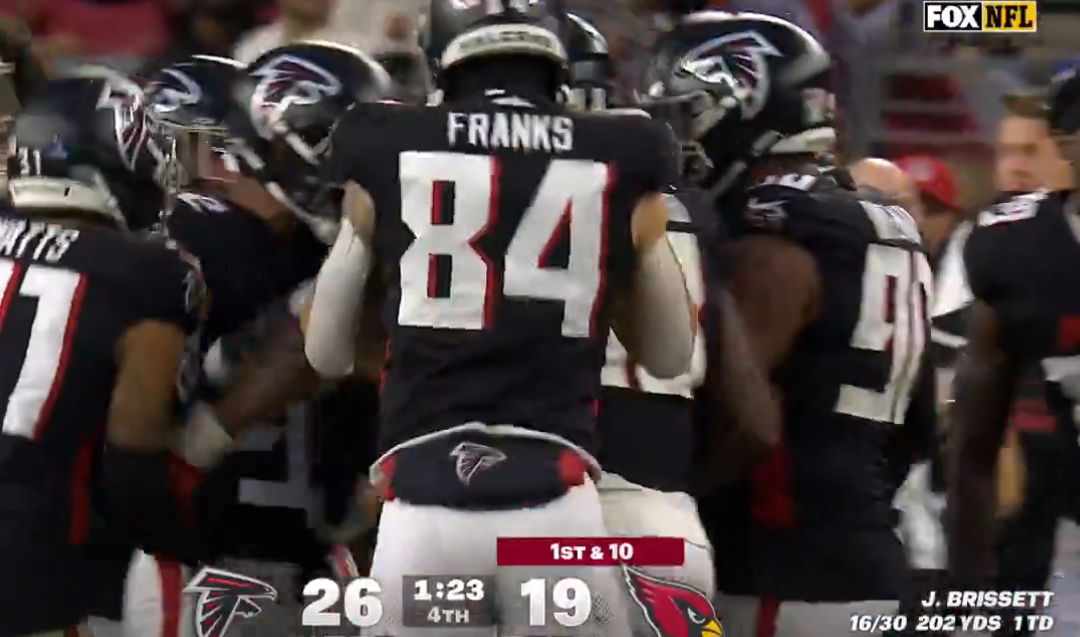
GLENDALE, Ariz. — The Atlanta Falcons (6-9) picked up their second consecutive victory on Sunday, holding off the Arizona Cardinals (3-12) for a hard-fought 26-19 road win at State Farm Stadium.
Despite falling behind 10-0 early, Atlanta rallied behind strong performances from Kirk Cousins, Bijan Robinson, and Kyle Pitts to improve to 6-9 on the season.
Falcons Come Back To Beat Arizona
While playoff hopes are long gone, the Falcons showed resilience and flashed potential heading into the final weeks. Here are five key takeaways from the victory over the Cards.
1. Bijan Robinson Makes Franchise History in His Home State
Bijan Robinson put on a show in Arizona, his home state, racking up over 170 yards from scrimmage (including a touchdown reception) to surpass 2,000 yards from scrimmage for the season. This milestone makes him just the third Falcon ever to hit that mark, joining legends William Andrews (1981 and 1983) and Jamal Anderson (1998).
Robinson’s explosive plays, including big runs and catches, were the engine of the offense. He’s proving week after week why he’s one of the most dynamic backs in the league — and a building block for the future.
2. Kirk Cousins Bounces Back with Multi-TD Performance
After some uneven stretches this season, Kirk Cousins delivered when it mattered most, throwing for two touchdowns and adding a rushing score on a QB sneak. He went 21-of-35 despite an early interception that put Atlanta in a hole.
Cousins spread the ball effectively, connecting with his playmakers and managing the game in the second half. This kind of veteran poise is exactly what the Falcons need as they evaluate the quarterback position moving forward.
3. Kyle Pitts Is Heating Up at the Perfect Time
Tight end Kyle Pitts continued his recent surge, hauling in key catches — including a touchdown — and converting multiple third downs. Pitts was a matchup nightmare for the Cardinals, and his chemistry with Cousins is clicking.
With four TD catches in the last two games, Pitts is reminding everyone of his elite potential. If he finishes the season strong, it could silence some of the trade rumors and solidify him as a core piece.
4. Defense Steps Up in Crunch Time
The Falcons’ defense bent but didn’t break, limiting Arizona’s high-powered tight end Trey McBride to just a handful of catches and forcing missed field goals from the Cardinals. Rookie Brandon Dorlus notched a big sack, and the unit as a whole pressured backup QB Jacoby Brissett.
The game-sealer came from cornerback C.J. Henderson, who picked off Brissett late in the fourth quarter to ice the win — his first interception since 2022. In a season full of defensive struggles, these opportunistic plays are encouraging signs.
5. Third-Down Efficiency and Red-Zone Execution Win Games
Atlanta entered the game ranked near the bottom in third-down conversions but flipped the script, going 7-of-14 (a season-high 50%). Much of that success came through Pitts and the passing game.
The Falcons also went 3-for-3 in the red zone, while Arizona struggled mightily inside the 20. Small details like these turned a potential loss into a victory, showing growth under head coach Raheem Morris even in a lost season.
The Falcons return home for a Monday night matchup against the surging Los Angeles Rams in Week 17. With pride on the line, Atlanta will look to build on this momentum and spoil some playoff hopes. Rise Up!
More from AtlantaFi.com:
-

As families across the city gather to celebrate Christmas Eve, a dedicated group of volunteers will be out spreading cheer in a unique way: Delivering hot meals to every police precinct and fire station in Atlanta.
The sixth annual Holiday Ham Haul, a heartwarming tradition that began during the COVID-19 pandemic, continues to honor the city’s first responders for their tireless service and the personal sacrifices they make – including spending holidays away from their own loved ones.
Holiday Ham Haul Comes To Buckhead
“This event is our way of saying thank you to the men and women who keep our community safe year-round, especially when they’re working through the holidays,” said a spokesperson for the organizing groups.
For many participants, the Holiday Ham Haul has become a cherished family tradition.
One mother-son duo has volunteered every year, and the experience left such a lasting impression on the son that he centered his college application essay around the vital role first responders play in the community and the importance of giving back.
The event is organized by the Buckhead Rotary Club, Livable Buckhead, and the Atlanta Fire Rescue Foundation.
It receives generous support from local sponsors, including the Buckhead Community Improvement District (CID), Buckhead Council of Neighborhoods, Buckhead Coalition, Georgia Primary Bank, Southern Baked Pie, and HoneyBaked Ham.
Volunteers will fan out across the city on December 24 to ensure no shift goes without a warm holiday meal, continuing a tradition that reminds Atlantans of the everyday heroes in their midst.
-

FIFA announced Tuesday that it will offer a limited number of deeply discounted tickets for the 2026 World Cup, capping prices at $60 for loyal supporters of participating teams — including for the final — in response to widespread criticism over high costs that had seen some seats priced as much as $4,185.
The new “Supporter Entry Tier” applies to tickets allocated to national federations, which handle distribution to their most dedicated fans.
FIFA Introduces $60 ‘Supporter Entry Tier’ Tickets for 2026 World Cup
Previously, supporters purchasing through their teams’ allotments faced significantly higher prices, with the cheapest options for the July 19 final at MetLife Stadium in New Jersey reaching thousands of dollars.
FIFA’s move comes amid intense global fan outrage after ticket prices were revealed last week, prompting accusations of pricing out everyday supporters and favoring corporate interests.
Groups like Football Supporters Europe called the original pricing “extortionate” and a “monumental betrayal.”
The discounted tier will cover about 10% of each team’s 8% ticket allocation per match — roughly 1,000 $60 tickets per game across both teams in most stadiums, including Mercedes-Benz Stadium here in Atlanta, which is set to host eight matches, from group stage games to a semifinal.
“This dedicated ticket pricing tier has been designed to make following their teams on football’s greatest stage more affordable,” FIFA said in a statement, noting that national associations will set eligibility criteria to prioritize loyal, traveling fans.
While the change has been welcomed by some as a step toward accessibility, critics argue it’s a limited concession.
The $60 tickets represent just 1.6% of total seats per match, and distribution will vary by federation. Fan organizations have described it as an “appeasement tactic” amid backlash.
For Atlanta soccer enthusiasts, the news adds excitement ahead of the expanded 48-team tournament co-hosted by the U.S., Canada, and Mexico. Mercedes-Benz Stadium will feature high-profile matches, and these supporter tickets could provide an affordable entry point for die-hard fans of qualifying nations.
Ticket sales continue through FIFA’s random selection draw, open until January 13, 2026, with over 20 million requests already logged.
Local officials and Atlanta United supporters are hopeful the adjustments will help fill the stands with passionate crowds.
As the World Cup approaches, Atlanta remains poised to shine on the global stage — and now, perhaps, with more accessible options for fans to be part of the action.
-

When people thing about “Atlanta mall,” they more times than not imagine Lenox Square. From timeless luxury brands to trendy contemporary labels, Lenox Square combines luxury with budget.
Located in the heart of Buckhead, Lenox Square is one of the best malls in Atlanta. It also offers a look at some of Atlanta’s priciest retail shops and department stores.
Aside from being a happening place, have you ever wondered what’s recently opened at Lenox Square and more? This article explores Lenox Square, it’s history, present and future.
What To Know About Atlanta’s Lenox Square

Lenox Square, Atlanta’s iconic upscale shopping destination in the heart of Buckhead, continues to thrive as a premier spot for luxury retail and diverse dining.
Opened in 1959, this 1.5 million-square-foot mall features nearly 250 stores, anchored by Bloomingdale’s, Macy’s, and Neiman Marcus. In 2025, the mall welcomed 18 new and expanded retailers and restaurants, including several Atlanta debuts, keeping the energy fresh for fashionistas, families, and foodies alike.
Whether you’re hunting for high-end designer pieces or a quick bite, Lenox Square delivers a pretty cool experience.
What’s The History Of Lenox Square?
The earliest recollections of the acreage that would become Lenox Square is that it was owned by Mary Gromet, who acquired it in the 1820s through one of the land lotteries that the state administered by taking it from the Native Americans and distributing it to the area’s white citizens.
The land was then bought by John Simpkins, a farmer who grew corn and cotton.. He passed away in 1912, according to Buckhead.net.
After that, John Ottley, the president of Atlanta’s First National Bank,, turned the parcel into his country estate and family home. It was the Ottley family that popularized Buckhead as an abode for the rich.
Soon, the Ottley family sold “Joyeuse,” the name of their country estate, and it fell into the hands of city developers.
Businessman Edward Noble was tasked with building a suburban mall several miles from downtown, which was unheard of then.
Lenox Square opened its doors on August 3, 1959 during the era when going to the local department store was an event. Anchored by Rich’s and Davison’s, Lenox Square was the largest mall in the Southeast at the time.
What’s New At Lenox Square?
From timeless luxury brands to trendy contemporary labels, Lenox Square caters to every style and budget. The mall’s mix includes exclusive boutiques unique to the Southeast.Luxury Highlights:
- Louis Vuitton, Prada, Burberry, Fendi, Salvatore Ferragamo, Bvlgari, Tiffany & Co., David Yurman
- Neiman Marcus (anchor for high-end fashion and beauty)
- Recent expansions: Rolex, Burberry, and Ferragamo have upgraded storefronts
New in 2025 (Atlanta Debuts and Additions):
- Good American (inclusive sizing by Khloé Kardashian)
- Panerai (luxury Swiss watches)
- AllSaints (British fashion)
- Mejuri (modern jewelry)
- Cole Haan, Claire’s, and more mass-market favorites
Everyday and Trendy Favorites:
- Apple Store, Zara, J.Crew, Banana Republic, Nike
- Diesel, True Religion for edgy denim
Where to Eat at Lenox Square
Lenox Square offers everything from quick food court grabs to sit-down upscale meals, and it’s just one of the great things to do in Buckhead. The Dining Pavilion (formerly Lenox Fashion Café) on the lower level is perfect for casual bites, while full-service spots line the exterior.Full-Service Restaurants:
- The Cheesecake Factory (classic American with massive menu and cheesecakes)
- True Food Kitchen (health-focused, seasonal dishes)
- North Italia (handmade pasta, wood-fired pizzas)
- California Pizza Kitchen (innovative pies and salads)
- New in 2025: Kelly’s Cajun Grill (Atlanta debut for bold flavors)
Food Court Quick Bites:
- Sweetgreen (fresh salads and bowls)
- Farm Basket (Southern food, choice of meat and three vegetables)
- Chick-fil-A, Panda Express, and diverse international options
Pro tip: Grab a table in the food court for people-watching, or head outside for a more relaxed vibe.
Where Is Lenox Square Located?
Lenox Square is located at the intersection of Peachtree and Lenox roads at 3393 Peachtree Road Atlanta, GA 30326. Here’s a map to help you find it.
Tips for Visiting Lenox Square
- Parking: Free in decks; valet available for convenience.
- Hours: Typically 10 AM–8 PM (Mon–Sat), noon–7 PM (Sun); check simon.com for holidays.
- Access: MARTA-accessible via Lenox Station; across from Phipps Plaza for double the shopping.
- Events: Holiday tree lighting, fashion shows, and more throughout the year.
Lenox Square remains Buckhead’s go-to for luxury shopping and satisfying eats—perfect for a solo splurge or group outing. With ongoing updates in 2026, there’s always something new to discover.
Lenox Square is an oasis and has been for many decades now.
If you’re looking to take in Buckhead at night, here are some cool suggestions.
Along with the wonderful things to eat and do in Atlanta, there are also so awesome places to shop.
In addition to malls, many Atlanta boutiques and consignment shops have daily deals so that you can save money.
Atlanta’s retail scene continues to be a bright spot for the local economy — and that means more sales for everyone!
Here are more articles from AtlantaFi.com you might like: