-
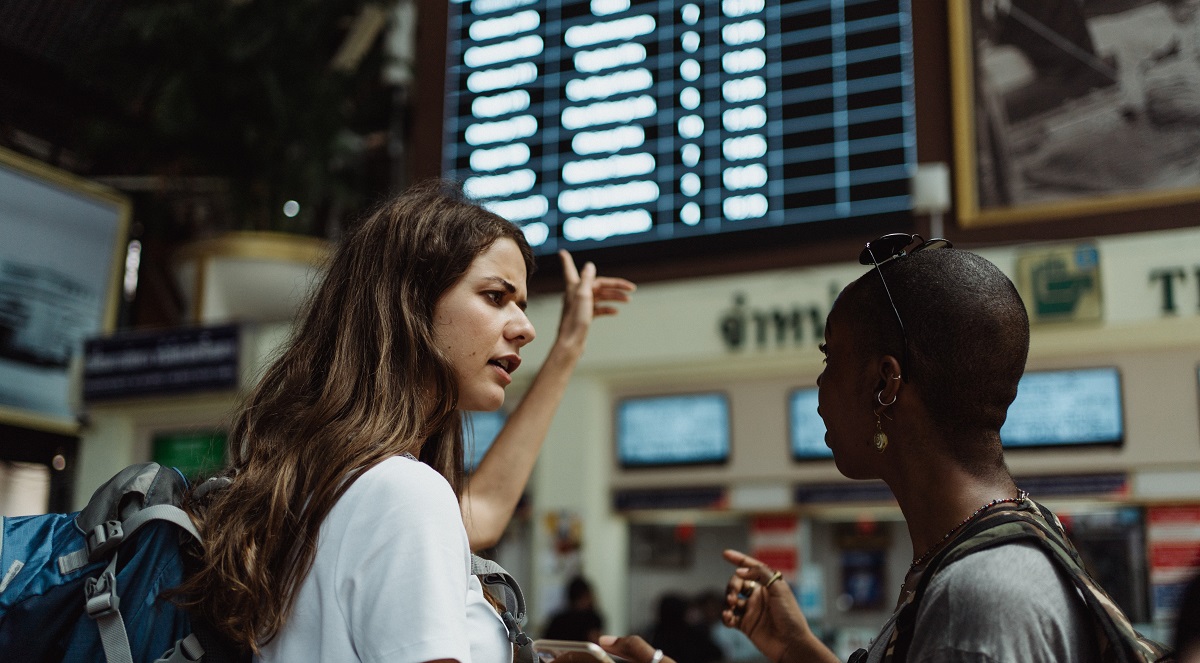
For the first time since 2019, Chicago O’Hare International Airport (ORD) has reclaimed the title of the nation’s busiest airfield by aircraft movements, edging out Hartsfield-Jackson Atlanta International Airport (ATL) in 2025, according to preliminary data from the Federal Aviation Administration (FAA).
New figures show O’Hare recorded 857,392 takeoffs and landings last year — a significant 10.5% increase from 776,036 movements in 2024. In comparison, Atlanta’s airport handled 807,625 operations in 2025, marking only modest growth from the previous year.
Chicago O’Hare Surpasses Atlanta’s Hartsfield-Jackson as Busiest U.S. Airfield by Aircraft Movements in 2025
This shift ends Atlanta’s recent streak at the top of this metric, though Hartsfield-Jackson — the longtime home base and primary hub for Delta Air Lines — has held the crown as the world’s busiest airport by passenger traffic for decades (with the exception of the 2020 pandemic year).
Key distinction: Movements vs. Passengers
While Chicago leads in the number of flights (aircraft movements), Atlanta continues to dominate in total passenger volume due to its use of larger aircraft and Delta’s efficient hub operations.
Industry data from sources like OAG indicate Atlanta offered around 63.1 million departing seats in 2025, compared to roughly 50.6 million at O’Hare — a gap of about 25%.
Passenger counts from the Bureau of Transportation Statistics and other reports consistently show Atlanta ahead in enplaned/deplaned travelers.
The difference stems from airline networks: O’Hare serves as a major hub for both United Airlines and American Airlines, which rely heavily on smaller regional jets for shorter, high-frequency routes across the Midwest and beyond.
This drives more takeoffs and landings per passenger. Atlanta, by contrast, features Delta’s strategy of larger mainline jets carrying more people per flight.
Aviation analysts point to competitive dynamics at O’Hare as a driving force. The airport’s dual-hub status for United Airlines and American Airlines has fueled a “capacity war,” leading to higher flight frequencies and more regional jet operations compared to Delta’s larger-plane strategy at ATL.
Chicago Mayor Brandon Johnson celebrated the milestone, stating: “This is more than a statistic, it’s a statement about Chicago’s momentum. From the runways of O’Hare to the neighborhoods across our city, Chicago is building, growing, and leading. We are open for business, open to the world, and once again setting the pace for the nation.”
For Atlanta travelers and the local economy, Hartsfield-Jackson remains the undisputed leader in passenger throughput and global connectivity.
The airport has consistently ranked No. 1 worldwide in passenger traffic in recent Airports Council International (ACI) reports, including for 2024, and continues to serve as a critical engine for Georgia’s aviation sector.
Looking ahead, intense competition between American and United at O’Hare could keep movements elevated, but experts note it’s unlikely Chicago will overtake Atlanta in passenger numbers anytime soon given Delta’s stronghold and Atlanta’s higher average aircraft size.
Final Word
Hartsfield-Jackson Atlanta International Airport remains the heart of global air travel — moving more people than any other airport on Earth — even as Chicago celebrates a win in flight activity. Stay tuned for final 2025 passenger rankings and full ACI World data later this year.
Check Out Our Atlanta Travel Guide
-

Quality Asian food such as blue fin soup and sushi has historically been hard to come across in Atlanta, Georgia. But things have changed in recent years. Now you can try Asian fare in several places around the city. Are you hungry?
This article will show you the best Asian restaurants you can find in Atlanta.
Does Atlanta Have Good Asian Food?
Atlanta’s Asian restaurants have everything from authentic dishes to James Beard-nominated chefs helming the kitchens. Bu more than that, the city’s Buford Highway corridor has global cuisine that has raised Atlanta’s profile across the globe.
The city has some of the best Korean barbecue in the Southeast as well as sushi eateries with fresh fare.
Here Are The Best Asian Restaurants In Atlanta
Don’t forget to try Atlanta’s Best Seafood Eateries as well as our Interactive Map of Top Chinese Restaurants.
In the mood for some chicken chow mein? Here are the best Asian restaurants in Atlanta.
Xi’an Gourmet House
955 SPRING ST NW #C ATLANTA, GA 30309 | (404) 228-4995

Here’s what one customer says abotu Xi’an Gourmet House in Midtown. “If you’re looking for comforting noodle dishes, look no further! Xi’an offers a variety of dry and noodle soup dishes utilizing thick, wide egg noodles. As a first time visitor, I recommend the spicy cumin lamb noodles or beef noodle soup! Both are easy to eat and are loaded with flavor. Parking is behind the back near apartment complexes, and they offer a code for free 1hr parking. Wait times can be longer, but definitely worth the visit!”
Masterpiece
3950 Buford Hwy Ste. B103, Duluth, Ga. 30342 | (770) 622-1191

A Szechuan restaurant with bold, spicy flavors, offering dishes like hot chili oil dumplings, cumin lamb, and spicy fish fillet. Chef Liu is a James Beard-nominated chef, so this spot is especially popular with food enthusiasts.
This is what one foodie says about Masterpiece: “This is, by far, the most authentic Chinese restaurant in the Atlanta area. This ain’t your regular ol’ takeout fare. They have soup dumplings, roasted duck, fish soup, and even kidney and intestine (if you like that sort of thing). If you’re looking for Chinese food, but are tired of takeout, I can’t recommend this place highly enough. It definitely earns its name, “Masterpiece.”
WIN Indonesian Grill & Gastrobar
2285 Peachtree Rd Ste 100, Atlanta, GA 30309 | (404) 352-3838

Tired of the same ol same? Check out WIN Indonesian Grill for some exotic dishes that are flavorful and healthy.
You can’t go wrong with the Pangslit (pork dumplings) or Martabak (curry chicken with fresh veggies).Here’s what one reviewer says about WIN Indonesian Grill: “Really good food. This is a hidden gem. Everything we ordered was outstanding. The restaurant was no where near full. It’s only a matter of time before Atlantans discover this secret.”
Mulan Asian Cuisine
1195 Fairburn Rd SW #100, Atlanta, GA 30331 | (404) 629-0007

Here’s what one Mulan Asian Cuisine: “I have always had great service. The mangers and staff are very friendly and polite. The food is always fresh and well prepared. I highly recommend Mulan.”
Nan Thai Fine Dining
1350 Spring St NW #1, Atlanta, GA 30309 | (404) 870-9933

Here’s what one reviewer says about Nan Thai Fine Dining” I have been here before but each time the experience is even sweeter. If you like authentic Thai food with a great ambiance, this is definitely the place for you. The staff is very attentive and the restaurant is always immaculate.”
Tuk Tuk Thai Food Loft
1745 Peachtree St NW, Atlanta, GA 30309 | (678) 539-6181

Here’s what one reviewer says about Tuk Tuk Thai Food Loft: “Beautiful view with excellent food. We spent Christmas Eve here and weren’t disappointed with anything. The service was beyond great and the cocktails well made (Lychee Martini pictures).”
Doc Chey’s Noodle House
1424 North Highland Avenue Northeast, Atlanta, GA 30306 | (404) 888-0777

Here’s what one reviewer says about Doc Chey’s Noodle House: “Coconut soup is the best I’ve ever had ☺️! Everything we’ve tried over the years has been amazing. Delivery is fast, too!”
Little Bangkok
2225 Cheshire Bridge Rd NE, Atlanta, GA 30324 | (404) 315-1530

Here’s what one reviewer says about Little Bangkok: “Delicious pieces of Chinese and Thai foods. Great place for party and gossip with improved quality foods. They taste also nice and service was impressive. I loved the Thai spicy dish and the Tom Kha soup.”
Pijiu Belly
678 10th St NW, Atlanta, GA 30318 | (404) 343-6828

Here’s what one reviewer says about Pijiu Bellly: “Amazing place. Rotisserie chicken is delicious. The service is quick and the servers are very nice and know their menu very well for first timers. Thinking about it? Just go you will not be disappointed.”
Hsu’s Gourmet
192 Peachtree Center Ave NE, Atlanta, GA 30303 | (404) 659-2788

Here’s what one reviewer says about Hsu’s Gourmet: “Wonderful. More traditional Chinese food. Very high quality. Many pictures of famous people on the wall there. A great spot to stop. You can park in the garage and have your parking validated.”
Pacific Rim Bistro
303 Peachtree Center Ave NE, Atlanta, GA 30303 | (404) 893-0018

Here’s what one reviewer says about Pacific Rim Bistro: “Nice decorated place with great vibe! Food was delicious! Everybody was happy with what they ordered. Definitely come back!”
26 Thai Kitchen & Bar
541 Main St NE F170, Atlanta, GA 30324 | (404) 400-5995

26 Thai Kitchen & Bar is classic upscale thai restaurant located at Lindbergh Station in Buckhead.
Here’s what one reviewer says about 26 Thai Kitchen: “The green curry was superb. This dish was not as spicy as I expected, but I was pleasantly surprised as It had a well balance of flavor. The service was very professional and my server Rika was knowledgeable about the menu. The restaurant had an upscale vibe which was an excellent touch. I would highly recommend dinning here for a tremendous Thai experience.”
Hawkers Asian Street Fare
661 Auburn Ave NE #180, Atlanta, GA 30312 | (470) 809-1586
Hawkers Asian Street Fare is one of the best nighspots on the Atlanta Beltline.
Here’s what one reviewer says about Hawkers. “I’m honestly surprised this place doesn’t get better reviews. I’ve had two dishes here: Tom Yum soup and Curry Laksa soup. Both were very good (and spicy). “
Read more: 15 essential soul food spots in Atlanta
The city has some good restaurants in each quadrant of the city: East, West, North, South. All you need to do is think about what you have a taste for. Italian? Soul food? Tex-Mex? Atlanta has it all.
For the latest in metro Atlanta’s food and drink scene, stay with Atlantafi.com.
-
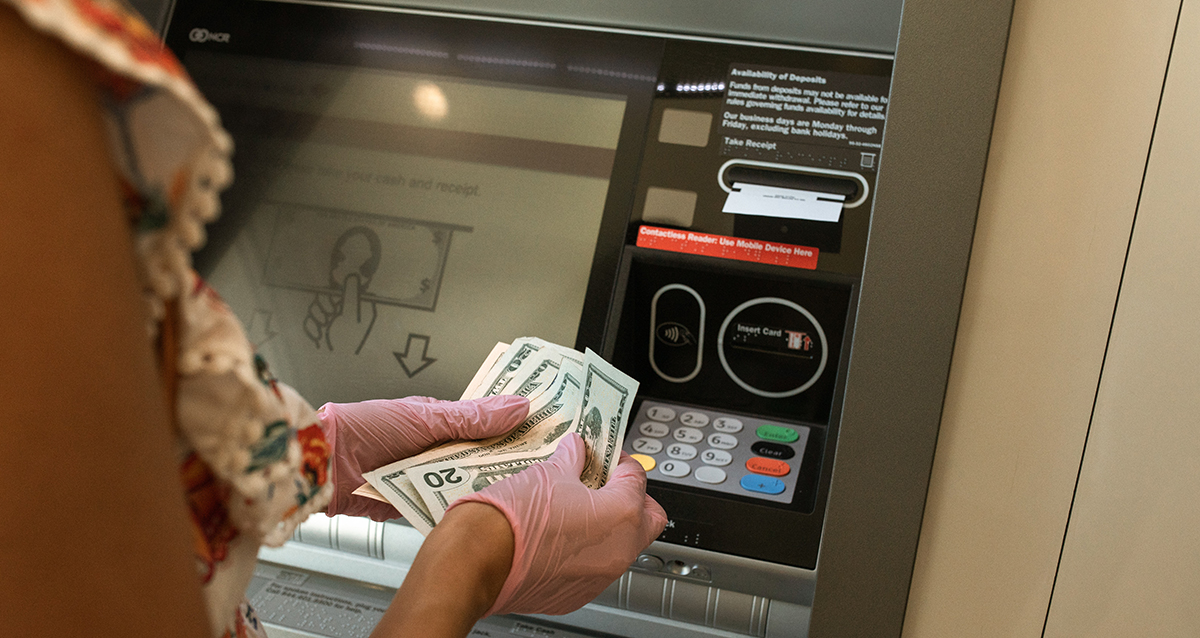
It’s no secret that costs continue to go up, while our wages seem to be stagnate. We’re keeping tabs on how everyday costs hit our wallets here in the metro area. Atlanta continues to top the charts for the highest average ATM fees in the nation, a trend that’s persisted for years and shows no signs of slowing in 2026.
According to the latest data from Bankrate’s 2025 Checking Account and ATM Fee Study (with trends carrying into early 2026), Atlantans face an average combined out-of-network ATM fee of $5.37 per transaction.
That’s well above the national average of $4.86, which itself hit a record high for the third straight year—up from $4.77 in 2024.This combined fee typically breaks down into two parts:
- An average surcharge of around $3.22 charged by the ATM owner (often independent operators or non-network banks).
- A fee of about $1.64 from your own bank or credit union for using an out-of-network machine.
Back in 2020, Atlanta’s average was already a steep $5.60, and while national fees have climbed steadily, our city has consistently ranked #1 among major metro areas surveyed.
High-traffic urban spots like Phoenix and San Diego trail close behind, but Atlanta holds the unwelcome top spot.
Why the persistent high costs here? Dense population, heavy reliance on out-of-network machines in convenience stores, gas stations, and bars, plus fewer free options in some neighborhoods all contribute. With cash still used for tips, small purchases, or events, these fees add up fast—especially if you’re withdrawing multiple times a month.How to Dodge Those Fees in AtlantaThe good news? You don’t have to pay them. Here are practical ways locals are avoiding ATM charges:
- Stick to your bank’s or credit union’s network. Many institutions offer wide access through alliances like Allpoint (over 55,000 fee-free ATMs nationwide) or CO-OP Shared Branch networks.
- Get cash back at checkout. Use your debit card for purchases at grocery stores, pharmacies, or retailers like Kroger, Publix, or Walmart—most don’t charge extra, and your bank usually doesn’t either.
- Switch to fee-friendly local options. Atlanta-area credit unions often shine here:
- Delta Community Credit Union (serving metro Atlanta since 1940) provides access to extensive surcharge-free ATMs via shared networks, plus strong mobile banking.
- Georgia’s Own Credit Union offers fee-free access through large networks and competitive accounts with no hidden charges.
- CDC Federal Credit Union focuses on low-fee checking and easy ATM access for members in DeKalb, Fulton, and Gwinnett.
- Look for reimbursement perks. Some online or national banks (like Ally or others available to Georgians) refund out-of-network fees up to a limit, or provide broad free ATM access.
- Opt for free checking accounts. Nearly half of non-interest checking accounts nationwide are free (or become free with direct deposit), avoiding monthly maintenance that compounds ATM issues.
ATM fees keep rising as operators cover costs and fewer people rely on cash, but smart choices can keep more money in your pocket. Stay informed on local banking options—your next withdrawal could be fee-free.
Are you trying to become more financially literate? Check out Money Mondays at AtlantaFi.com, where we’ll share strategies to save and make cash.
If saving money is something you’re serious about, AtlantaFi.com has a lot of resources to help you. For the latest on Atlanta’s financial scene, check back with us. What’s your go-to strategy for skipping ATM fees? Drop a comment below!
Read more:
-

There’s an exciting opportunity for students and young adults across the U.S., including right here in Atlanta.
The U.S. Artificial Intelligence Institute (USAII) is offering free, nationally recognized AI certifications through the AI NextGen Challenge 2026, a program aimed at equipping the next generation with essential skills in artificial intelligence.
Program Offers Free AI Certifications to Atlanta Youth and Adults
The program includes tailored certifications based on grade level:
- 9th and 10th graders are eligible for the Certified Artificial Intelligence Professional (CAIP) certification, a foundational track focusing on AI fundamentals, self-paced learning, and hands-on projects.
- 11th and 12th graders can pursue the CAIP Advanced certification, which dives deeper into topics like machine learning and neural networks.
- College STEM students qualify for the Certified Artificial Intelligence Engineer (CAIE) certification, an advanced program covering applied machine learning, LLMs, ML Ops, and more.
These certifications are designed to be self-paced and flexible, with no upfront costs thanks to the scholarships. To apply, participants must register by January 31, 2026, for the upcoming online scholarship test in February.
The program culminates in the National AI Hackathon, set to take place in Atlanta, Georgia, on June 20-21, 2026. Over 2,000 schools and colleges are expected to participate, with cash prizes up to $25,000 per team ($100,000 total prize pool) and opportunities for national recognition.
That program isn’t the only one available in Atlanta.
Here Are Some Free AI Programs in Atlanta
- TECH360 (America On Tech & Inspiredu): A recent free program for Metro Atlanta high school students, offering 10 weeks of AI basics, hands-on projects, and stipends, with applications closing early January 2026.
- Westside Works & AI Innovation: Offered free, hands-on training for 18-24 year olds in summer 2025, covering tools like ChatGPT and Copilot, with job opportunities post-certification.
- Emory University’s Center for AI Learning: Provides free AI literacy workshops and help desk services to the broader community for skill-building.
- Georgia Tech: Offers youth and educator programs to introduce AI, particularly in underserved communities.
- USAII’s AI NextGen Challenge: A national program offering 100% AI certification scholarships for high school and college students, with a national hackathon in Atlanta.
For Atlanta residents, this initiative hits close to home as the city prepares to host the hackathon, potentially drawing young innovators from across the country to our local tech scene.
Final Word
Atlanta has a vibrant ecosystem for free AI education, with opportunities for different age groups, from introductory courses for teens to more advanced training for young adults, often partnered with local tech companies, universities, and non-profits. Check websites like AmericaOnTech.org, Emory’s AI Center, and Georgia Tech’s AI Hub for current offerings.
With Atlanta’s growing reputation as a hub for innovation and startups, programs like this could provide a boost to local talent in fields like AI and machine learning.
Interested students and parents can visit usaii.org to create an account and apply for the scholarships. For more local education and tech news, stay tuned to Atlantafi.com.
More Content From AtlantaFi.com:
-

As a writer by day and an Uber driver by night (and sometimes vice versa), I’ve logged thousands of miles navigating Atlanta’s sprawling highways, bustling neighborhoods, and everything in between.
Atlanta’s a city of contrasts—vibrant energy from events like Music Midtown or Falcons games, juxtaposed with gridlock traffic that can test even the most patient soul.
If you’re considering hopping behind the wheel for Uber here, buckle up.
Cruising the Peach State Streets: My Life as an Uber Driver in Atlanta
I’ll share what to expect based on my own rides, chats with fellow drivers, and the realities of the road. It’s flexible work that can pay the bills, but it’s not without its hurdles.
Getting Started: The Basics of Driving in the ATL
First things first: to drive for Uber in Atlanta, you’ll need a valid Georgia driver’s license, a clean background check, and a vehicle that meets their standards—typically a four-door car in good condition.
For airport runs, which are a big draw, your ride must be 2015 or newer, with Uber trade dress displayed and an ATL airport hangtag.
I started with a reliable sedan, but I’ve seen drivers upgrade to SUVs for those premium Black or Comfort requests. Registration is straightforward via the app, but expect a vehicle inspection and some wait time for approval.
Pro tip: Sign up for both Uber and Lyft to maximize opportunities—many of us switch between apps for better surges.
Atlanta’s market is competitive, with thousands of drivers, but the city’s size means there’s always demand. From Buckhead’s upscale fares to Midtown’s quick hops, you’ll encounter a mix of professionals, tourists, and night owls.
Just remember, Georgia law requires hands-free phone use, and Uber’s got strict policies on safety—no shortcuts there.
Best Times to Hit the Road: When the Surge is Strong
Timing is everything in this gig. From my experience, the sweet spots are early mornings and late nights. I often start around 4:30 a.m. to catch the pre-rush crowd—airport commuters, shift workers, and folks heading to early flights.
In those quiet hours, with fewer cars on the road, I can pull in $105 to $150 in just a few hours.
Weekday mornings from 7 to 9 a.m. see surges during rush hour, especially around downtown or the Perimeter (I-285).
Evenings and weekends amp up with events—think Braves games at Truist Park, concerts at State Farm Arena, or festivals like Dragon Con.
Friday and Saturday nights from 10 p.m. to 2 a.m. are gold for bar-hoppers in areas like Edgewood or Virginia-Highland, but expect rowdy passengers. High-demand periods like New Year’s Eve or summer festivals can double fares with bonuses, like $8 to $10 per ride in hot zones.
Avoid midday lulls unless you’re near hotspots like Ponce City Market. And always check the app for promotions—Uber’s quests (e.g., complete 20 rides for a bonus) can boost your take-home.
Airport Runs: The Holy Grail (With a Side of Waiting)
Hartsfield-Jackson Atlanta International Airport (ATL) is the world’s busiest, and it’s a driver magnet.
Pickups here can be lucrative, especially with surges during peak travel times like holidays or business conferences.
A typical airport fare might net $20 to $40, but add a surge multiplier, and it climbs. I’ve had trips from ATL to downtown paying $50-plus, and long-haul rides to suburbs like Alpharetta can hit $100.
The catch? The staging lot at 1586 Sullivan Road is your waiting game headquarters.
Queues can stretch hours during busy periods, so pack snacks and patience. Uber prioritizes drivers based on arrival time, but cancellations hurt your standing.
Early mornings or late nights shorten waits, and pairing with Lyft helps if one queue’s jammed. Overall, airport gigs make up a chunk of my earnings—worth it if you’re strategic, but not for the impatient.
Dangers on the Drive: Staying Safe in a Tough City
Atlanta’s no stranger to risks, and as drivers, we’re frontline. Traffic is brutal—I’ve dodged aggressive lane-weavers on I-85 and near-misses in foggy mornings.
The city’s highways are “do or die,” with entitlement behind the wheel that’s unmatched.
But human threats hit harder: carjackings, assaults, and worse.Just recently, a fellow driver was shot in a Gwinnett County carjacking on New Year’s Day. I’ve heard stories of passengers turning violent over A/C disputes or wrong turns, even macing riders.
Unsafe areas? Avoid picking up in high-crime spots like parts of southwest Atlanta or certain eastside neighborhoods after dark—check Quora threads for driver insights. I always use the app’s safety features: share trip details, emergency button, and dash cams are non-negotiable.
Stick to well-lit areas, trust your gut on sketchy requests, and decline if it feels off.
Uber’s improved background checks, but vigilance is key—I’ve had close calls with erratic passengers, including one who seemed on edge mid-ride.
Earnings and the Grind: What You Can Make
Full-time? Expect $950 to $1,200 weekly driving 9 hours Monday-Friday, or up to $1,700 in peak seasons working 46 hours.
I’ve hit $2,000 in strong weeks blending Uber and Lyft. But fares can dip—Uber takes a cut, and gas/maintenance eats in. Aim for $2 per mile minimum; be selective with rides.
Tips vary—friendly chats help, especially with tourists. Bonuses during events or quests add up, but lowball fares (like $5 for 15 minutes) frustrate.
Many veterans love the flexibility, like one 8-year driver who swears by smart strategies.
Track expenses for taxes—it’s independent contractor life.More Tips from the Trenches
- Vehicle Maintenance: Atlanta’s potholes are ruthless—keep tires and brakes sharp.
- Passenger Etiquette: Most are great, but set boundaries. Clean car, chargers, and snacks score tips.
- Apps and Tools: Use Waze for traffic; join local driver Facebook groups for real-time tips.
- Burnout: Mix in breaks—driving 40+ hours wears you down.
- Premium Options: Try Uber Black for higher payouts with nicer rides.
Wrapping Up the Ride
Driving for Uber in Atlanta’s been a rollercoaster—rewarding freedom mixed with real risks and variable pay. It’s suited me as a writer needing flexible hours, but it’s not passive income.
If you’re strategic about times, selective with rides, and prioritize safety, you can thrive. Just remember: the road reflects the city—full of potential, but demanding respect. Safe travels out there.
-
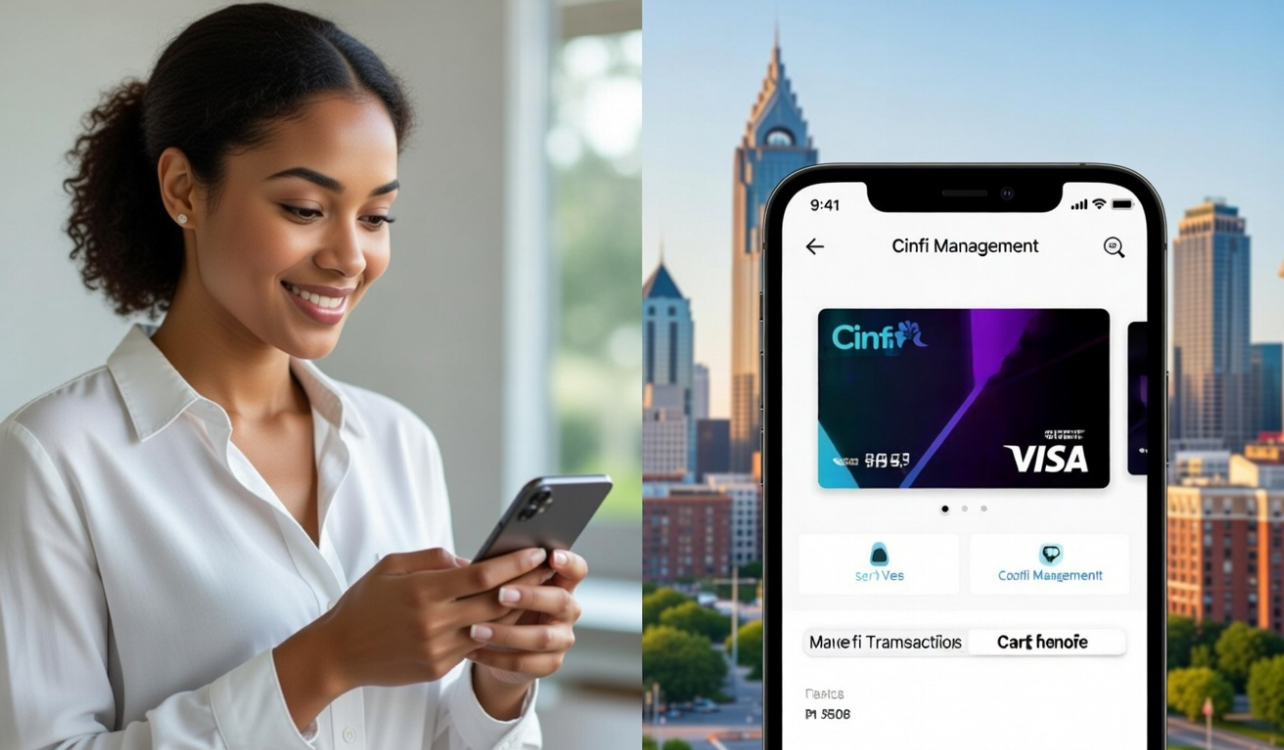
A new financial option has arrived for creatives in the Atlanta area and beyond. CineFi, billed as the first fully digital credit union designed specifically for entertainment industry professionals, officially launched on Wednesday, Jan. 14.
The platform targets workers in television, motion pictures, music, gaming, content creation, and influencing — from established names to up-and-coming talent.
CinFi Digital Credit Union: Tailored for Entertainment Professionals
It also extends to the wider ecosystem, including related nonprofits, schools, organizations, festivals, and companies that support the creative sector.
CineFi is a project of First Entertainment Credit Union, which has more than 50 years of experience serving movie and TV professionals (both above and below the line).
The new digital-only service aims to fill what organizers describe as a longstanding gap in banking options suited to the irregular income, freelance nature, and unique financial challenges many in entertainment face.
Key features include:
- High-yield checking and savings accounts
- Early direct deposit (up to two days sooner)
- Round-up savings on debit card purchases
- No account fees
- Access to over 33,000 surcharge-free ATMs nationwide, plus ATM surcharge rebates
- Tailored financial education resources
- A seamless mobile-first digital banking experience
Services are available nationwide through the app and online platform, though the launch emphasizes support for Atlanta’s growing entertainment community.
“Financial empowerment is essential to creative freedom,” said Stephen Owen, President and CEO of First Entertainment Credit Union and CineFi. “By creating a credit union built exclusively for entertainment professionals, we’re giving both established talent and rising voices the tools they need to thrive—not just financially, but as part of a stronger, more connected creative community.”
For eligibility details or to join, interested individuals can visit cinefi.com. As a credit union, membership is based on qualifying criteria tied to the entertainment field.
This launch arrives as Atlanta continues to solidify its status as a major hub for film, TV production, music, and digital content creation, with increasing numbers of professionals relocating or working in the region.
Final Word
CineFi positions itself as a local-rooted but digitally accessible resource for those navigating the industry’s financial ups and downs.
Speaking of personal finance, if you’re looking to get hired in Atlanta right now, there’s a very real possibility that you can land your dream job.
Read more: Best work from home jobs in Atlanta, Georgia
-
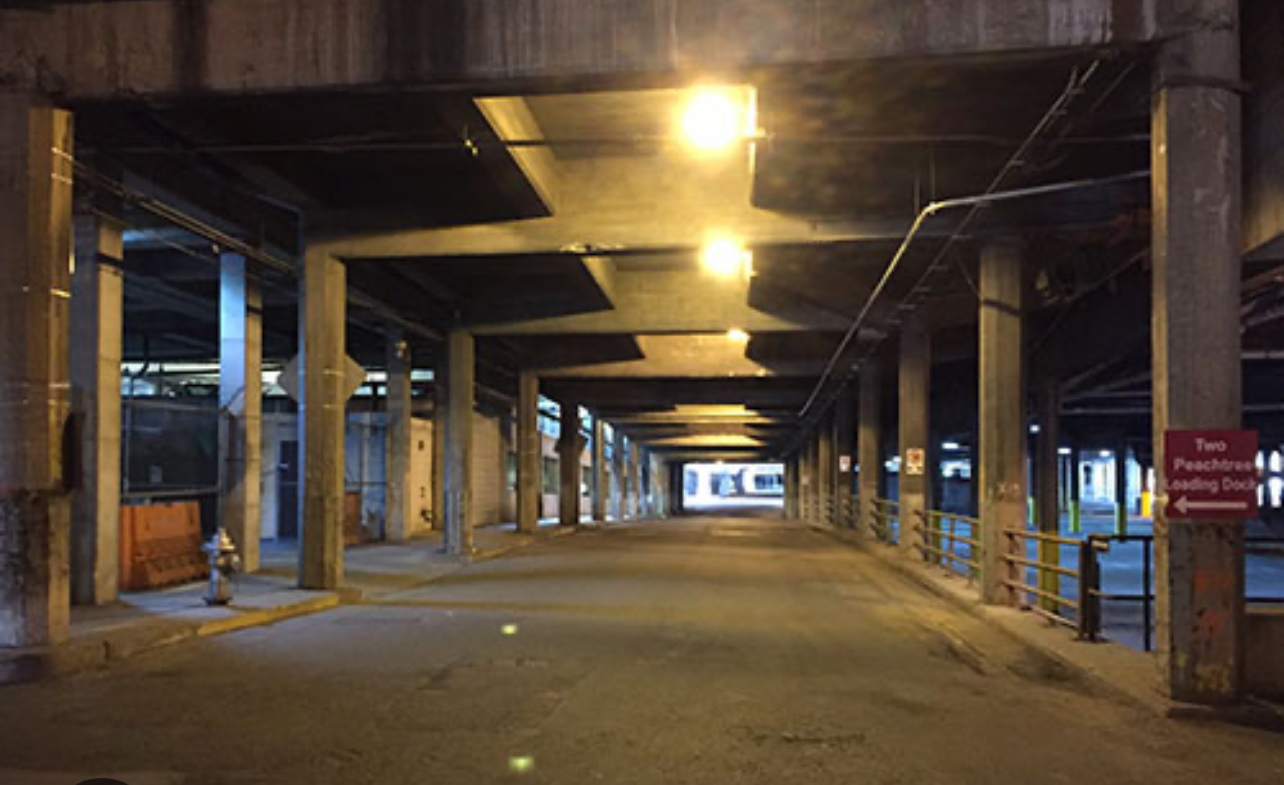
Kim Williams braved the chilly air one morning to walk underneath a parking lot connecting to swaths of downtown Atlanta.
An avid runner from Savannah, Williams says she was fascinated by the infrastructure underneath the parking lot, leading her to believe there used to be much more.
”I was just struck by how well developed the spaces were under this old, dingy parking lot,” the 33-year-old architect said. “That’s when I realized this used to be something, like, there’s an underground city here.
Williams is right on the money. Remnants of that city have most recently been called “Underground Atlanta.”
Underground Atlanta: What It Was and Is Now
For most people, Underground Atlanta conjures up memories of shopping at Sam Goody’s record store, eating at the food court or listening to live music at Kenny’s Alley or Dante’s Down the Hatch. Those heydays of the 1980s and 1990s are long gone.

Despite recent efforts to revitalize the area, Underground Atlanta is largely a ghost town right now compared to how it was.
“So many huge development proposals struggle: Newport’s for South Downtown, WRS’s for Underground Atlanta, Microsoft’s at Bankhead, the Midtown interstate cap, the previous plans for West End Mall & Civic Center that fizzled…and now Murphy Crossing,” said Darin Givens, cofounder of ThreadATL and urbanism advocate, pointing to Underground Atlanta as an example of stalled projects amid Atlanta’s construction and growth challenges.
Underground Atlanta’s Past

Underground Atlanta contains remnants of original 1920s street-level storefronts and sidewalks, sealed off when Atlanta raised its streets with viaducts to combat traffic and railroad congestion, creating a “city beneath the streets” that was later rediscovered and revitalized as a unique district.
The city elevated streets like Pryor and Alabama, effectively burying the original ground level, which became forgotten for decades before being reimagined as a nightlife spot in the late 1960s.
Key Details:
- The Project: The “twin viaducts” project in the late 1920s (around 1927-1929) raised major downtown streets by one to one-and-a-half stories.
- The Result: The original street level, with its businesses and sidewalks, was covered over, becoming basements and tunnels.
- The “Underground”: Merchants moved upstairs, and the lower levels became storage, service areas, and even speakeasies during Prohibition.
- Abandonment: For about 40 years, this area was largely forgotten until its rediscovery and revival as Underground Atlanta starting in the late 1960s.
What Was Atlanta’s ‘Twin Viaducts’ Project?
In the late 1920s, as Atlanta boomed into a major Southern hub, its downtown core faced a growing crisis: deadly and chaotic railroad crossings.
With multiple major rail lines converging in the heart of the city—creating constant gridlock for pedestrians, streetcars, automobiles, and freight trains—city leaders turned to an ambitious solution. The result was the so-called “twin viaducts” project, a major infrastructure initiative constructed between 1927 and 1929 that dramatically reshaped downtown Atlanta and gave birth to what we now know as Underground Atlanta.
The Purpose: Solving Railroad Congestion in a Growing City
Atlanta’s identity as a railroad terminus dates back to its founding in the 1830s, but by the early 20th century, the rapid rise of automobiles and urban population made at-grade rail crossings increasingly dangerous and inefficient.
Pedestrians and vehicles risked their lives daily at intersections near Union Station (the main depot at the time), where trains frequently blocked streets like Pryor and Central Avenue.
The twin viaducts project aimed to separate traffic levels entirely. By elevating key streets above the rail lines, the city could create a seamless grid for modern transportation while keeping trains moving below.
This was part of a broader wave of viaduct construction in Atlanta during the 1920s, driven by the Chamber of Commerce and city engineers to accommodate the automobile era without halting rail commerce.
What the Project Entailed
The “twin viaducts” specifically referred to the parallel elevated structures built along Pryor Street and Central Avenue (running north-south), connected by raised “laterals” on Alabama Street and Wall Street (running east-west). Completed around 1928–1929, these reinforced concrete viaducts raised the street level by approximately one to one-and-a-half stories (about 15–20 feet in places).
- Construction involved massive excavation to lower rail tracks for clearance, upgrades to utilities (sewers, gas mains, electric cabling), and the building of sturdy concrete spans with Neoclassical detailing.
- A five-block area around the historic commercial district near Union Station was effectively “covered over,” entombing the original ground-level streets, brick-paved sidewalks, and 19th-century storefronts beneath the new elevated plane.
- Merchants adapted quickly: many relocated their shops to the second floor (now the new street level), turning the original ground floors into basements for storage, service areas—and, during Prohibition, even speakeasies and hidden juke joints.
The project was hailed as a triumph of engineering, alleviating congestion in the commercial heart of downtown and creating a multi-level cityscape that still defines Atlanta today.

The Lasting Legacy: From Forgotten Streets to Underground Atlanta
While the viaducts solved immediate traffic woes, they had an unintended consequence: the burial of an entire historic street level.
For decades, the original 1860s–1870s storefronts, cobblestone alleys (like Kenny’s Alley and Ponder’s Alley), and gas-lit sidewalks lay abandoned and largely forgotten below.
It wasn’t until the late 1960s that this “city beneath the streets” was rediscovered and revitalized as Underground Atlanta, transforming the subterranean space into a vibrant nightlife and entertainment district with preserved Victorian-era architecture, bars, shops, and cultural venues.
Today, as projects like Centennial Yards continue to build over Atlanta’s historic rail gulch, the twin viaducts remain a powerful symbol of the city’s resilience and ingenuity.
They remind us how Atlanta has repeatedly elevated itself—literally—to overcome growth challenges, turning potential obstacles into unique urban features that blend past and present.
In a city built on rails, the twin viaducts of 1927–1929 proved that sometimes the best way forward is to build upward… and leave a fascinating layer of history below.
-

There’s nothing like chilling with a vintage wine on a cozy Atlanta night. But for far too many of us, we don’t know the story behind the bottle. Enter Dunwoody’s beloved Vino Venue. The establishment is kicking off the new year with an exciting addition to its lineup of wine-focused experiences.
The popular wine bar, retail shop, and education center at 4478 Chamblee Dunwoody Road is introducing a new weekly Friday wine tasting series, responding directly to guest feedback for more wine-forward events.
Vino Venue Launches Wine Tastings
These casual, drop-in tastings are designed to be approachable and social, perfect for wine enthusiasts and newcomers alike.
Each Friday from 6-8 p.m., guests can enjoy four curated wines centered around a rotating theme, paired with light nibbles, all for just $25 per person. No reservations required—just drop in and discover something new.
The series launches tonight, January 9, with the theme “New Year New Wines.” This inaugural event will feature four wines that are brand new to Vino Venue or the market, accompanied by elevated complimentary bites to mark the special occasion.
Looking ahead, the January lineup includes:
- January 16: Cabs Around the World – Exploring Cabernet Sauvignon variations from global regions.
- January 23: Classic French Regions – A journey through iconic French wine areas.
- January 30: Exploring Tannin – Diving into the structure and impact of tannins in wine.
This new series aligns perfectly with Vino Venue’s ongoing evolution toward emphasizing wine education, tastings, and retail—building on its roots as home to the Atlanta Wine School.
Final Word
Whether you’re unwinding after a long week or gathering with friends, these Friday evenings promise a relaxed way to expand your palate and keeps you running to your local liquor store.
For more details or to check the latest events, visit vinovenue.com or call (770) 668-0435. Cheers to new wine discoveries this year.
The ATL has other cool places for food and drink as well. If you’re gluten-free, there’s plenty of options. Same goes for keto-friendly restaurants or Asian fare in Atlanta.
-
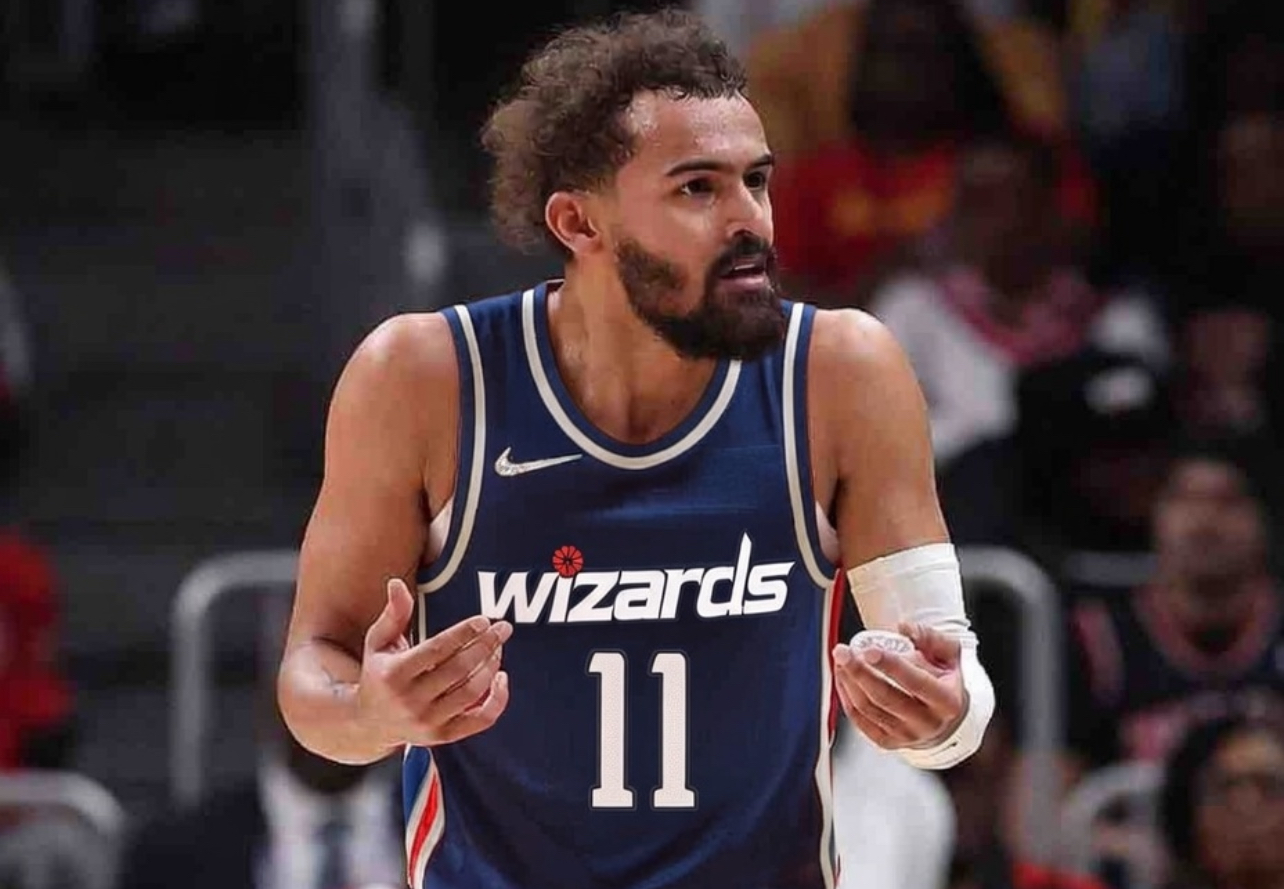
In a stunning development that ends an era in Hawks basketball, the Atlanta Hawks have traded four-time All-Star point guard Trae Young to the Washington Wizards.
In return, Atlanta receives veteran guard CJ McCollum and wing Corey Kispert, with no draft picks involved in the deal, according to multiple reports including ESPN’s Shams Charania.
Hawks Trade Trae Young To Wizards
This move, in the works for days now, marks the close of Young’s remarkable seven-plus-year run with the Hawks, where he became the face of the franchise after being drafted in 2018. The Hawks are reportedly eyeing Dallas big man Anthony Davis.
Former NBA player and ESPN analyst Kendrick Perkins reacted strongly to the deal, praising the Hawks’ pivot while hyping Young’s potential impact in Washington: “The Hawks made the right move. They got a young up-and-coming star in Jalen Johnson who is now their franchise player who is going to be the face of that franchise for a long time.”
Young, who led Atlanta to the Eastern Conference Finals in 2021 and earned four All-Star nods plus All-NBA honors in 2022, has been central to some of the most exciting moments in recent Hawks history.
His elite scoring and playmaking — including leading the league in assists last season — made him a fan favorite and a nightmare for opposing defenses.
However, recent challenges set the stage for this split.
Basketball analyst Ciaran O’Neill gave high marks to both sides: “Wizards Grade: A. The Wizards buy low on 4x All-Star Trae Young, who will be their new franchise player and point guard of the future. He will be a great player to set up their abundance of young wings such as Tre Johnson, Bilal Coulibaly, and Keyshawn George. This deal gives Wizards fans a light at the end of the tunnel that they could potentially be a playoff team next year.”
The Hawks have struggled this season with Young in the lineup, posting a poor record and defensive issues, while the team has shown better pace, ball movement, and defensive intensity in games without him.
With significant front-office changes, a new head coach in Quin Snyder, and Young’s looming $49 million player option for next season limiting Atlanta’s flexibility, both sides saw a fresh start as the best path forward.
The trade reunites Young with Travis Schlenk — the executive who originally brought him to Atlanta and is now the Wizards’ vice president of player personnel.
Washington, deep in a rebuild with young talent and ample cap space, views Young as a high-upside addition who can orchestrate the offense, create for emerging players, and provide a spark to end their playoff drought (last appearance: 2021). The Wizards can absorb his contract without issue and potentially build around him long-term.
For the Hawks, the incoming pieces offer immediate value and future flexibility:
- CJ McCollum brings veteran leadership, reliable scoring (averaging around 18-19 points this season), and an expiring $30.6 million contract that opens up cap room and trade possibilities this summer.
- Corey Kispert adds sharpshooting from the wing on a team-friendly deal, complementing Atlanta’s young core including Jalen Johnson, Zaccharie Risacher, Dyson Daniels, Onyeka Okongwu, and Nickeil Alexander-Walker.
This deal allows the Hawks to pivot toward a more balanced, defense-oriented, and younger identity that has shown promise in stretches this season.
It also positions Atlanta to pursue other moves — potentially even targeting a big name like Anthony Davis — as they aim to climb back into Eastern Conference contention.
Final Word
Hawks fans, it’s the end of the Ice Trae era in Atlanta, but the beginning of something new. We’ll miss the logo threes, the clutch performances, and the energy he brought every night.
Thank you, Trae, for the memories — from that ECF run to countless highlight-reel plays.
Stay tuned to AtlantaFi.com for reactions, analysis, and what’s next for the Hawks. What do you think of the trade? Drop your thoughts in the comments below! #HawksNation #TradeSZN
-

We’re not getting any younger. That means a big part of our personal health and wellness is physical fitness. And the good news is that you don’t have to be bulky to look fit.
Atlanta fitness guru Elle Ross has been helping people take better care of themselves by showing them workout routines and techniques. The Tacoma, Washington native says before she dedicated herself to self-transformation, she was once 40 lbs heavier, depressed and not feeling herself.
4 AWESOME Workout Routines For Beginners
“I took control of my life by making the conscious decision to improve my health holistically,” she tells AtlantaFi.com. “I created a solid routine. Fitness and weight training became my outlet and passion each morning.”
In the videos below, Ross shows us four workout routines that can change your life.
1. Work On Your Core
“Everyday is Abs Day. Get Summer Body Ready with these 10 Moves!

Core training targets the muscles in your abdomen, back, pelvis, and hips, creating a strong foundation for nearly every movement.
- Improved balance and stability: A strong core helps you stay steady, reducing fall risk.
- Better posture and reduced back pain: It supports the spine, alleviating lower back issues common in daily life.
- Enhanced everyday function: Makes bending, twisting, lifting, and standing easier.
- Injury prevention: Protects against strains during sports or activities by promoting efficient movement.
“I love what I do because each day I get to inspire others, specifically women, to improve their strength and self-esteem through fitness,”Ross says. “Body, Mind & Soul. Allowing them to gain greater confidence, develop SELF-LOVE and know that they are beautiful, powerful and strong!”
Buy Some Free Weights
You might want to think about investing in some free weights to build muscle and tone along with your workouts. Here are some free weight options from Amazon:
- Adjustable Dumbbells
- AmazonBasics 20 lb Adjustable Barbells
- Balance From BF 32 lb Barbells
- Adjustable Dumbbells
These tools excel at building serious strength and muscle, often overlapping with general strength training benefits.
- Maximal strength gains: Barbells allow heavier loads for compound lifts (e.g., squats, deadlifts, bench presses), ideal for power and muscle growth.
- Functional improvements: Dumbbells correct imbalances, enhance stability, and allow natural movement patterns.
- Bone and joint health: Builds density and resilience.
2. Cardio & Total Body:
“No Excuses. Get Up. Get Moving & GO ALL IN on YOU.”

Treadmill running delivers cardio benefits with added convenience and control.
- Cardiovascular endurance: Strengthens heart/lungs, lowers disease risk, and burns calories effectively.
- Convenience and consistency: Weather-proof, adjustable speed/incline for precise training (e.g., intervals or hills).Joint-friendly options: Cushioned surface reduces impact compared to pavement; great for beginners or recovery.
- Mental boost: Improves mood and stamina, with easy tracking for progress.
3. Upper Body Strength
“Get in tune with YOUr vision for life and invest in your health.”

This builds muscle, boosts metabolism, and supports long-term health.
- Increased muscle mass and strength: Counters age-related loss, improving daily tasks and independence.
- Stronger bones: Increases density, reducing osteoporosis risk.
- Better metabolic health: Helps manage weight, blood sugar, and chronic conditions like diabetes or heart disease.
- Improved quality of life: Enhances joint protection, balance, and mood while reducing inflammation.
4. Boxing Conditioning
“The Time is N:OW! Impossible is potential. Impossible is temporary. Impossible is nothing!”

Buy A Punching Bag

If you want the convenience of working on your body in your own home, you might want to invest in a punching bag. Here are some good ones from Amazon:
Elle Ross: ‘My Mind, Body And Soul Transformed For The Better’
“What inspired me is my own personal life and self-transformation,” she says. “That transformation led to me writing my book “The Blueprint: The 90-Day Breakthrough to Shift Your Mindset & Transform Your Life.“
She says it also motivated her to start her personal brand and business: The Elle Ross LLC – B-FIT with Elle.
“Now each day I wake up I get to live out my passion and encourage others to SWEAT (Success With Every Action Taken) toward their dreams.”
Bottom Line
If you want to take your health seriously, exercising is a great way to improve your body and mind. You don’t have to be an athlete to lose weight and train your body. There are workout routines for beginners that can help.
Exercising is not about how you look on the outside, it’s about how you feel on the inside and even more importantly, how you view yourself. Never forget that it’s you who can transform you life. If you look better, you’ll feel better.
The sooner you take the necessary steps you need to feel whole, the easier it will be for you in the future. Relax, you got this!
If you need training or branding help with Ross, reach out to her via info@theelleross.com.
And if you’re determined to change your life through exercise and eating right, never give up.
More from AtlantaFi.com: