-
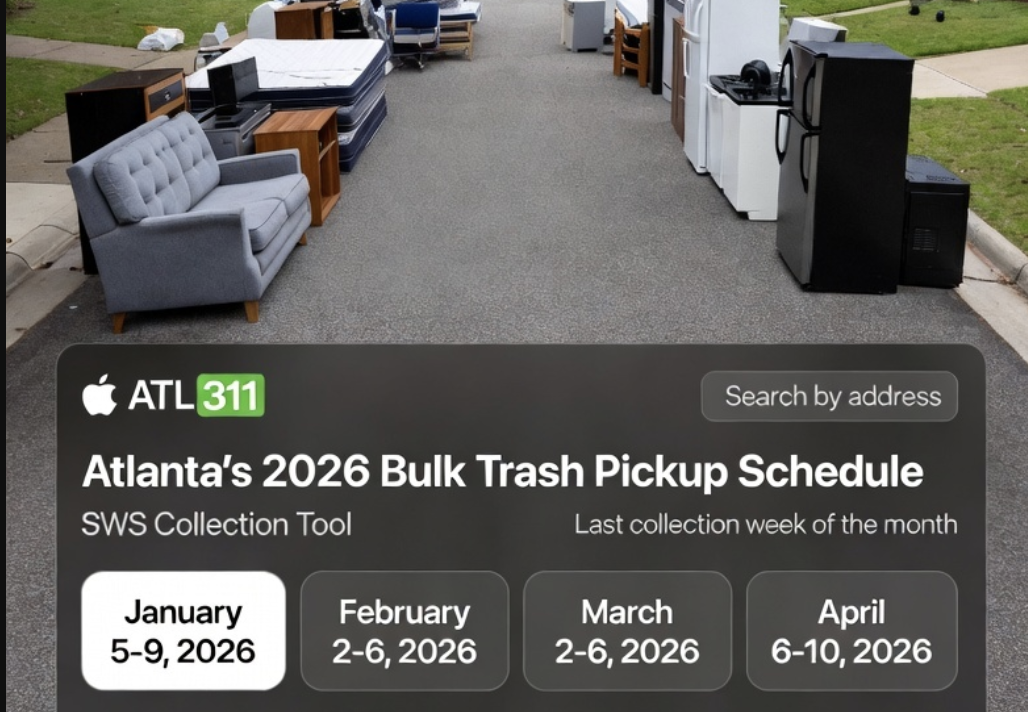
As we wrap up 2025 and gear up for a fresh start in the new year, many Atlanta homeowners are already planning their spring cleanouts, home renovations, and yard overhauls.
One essential service that helps keep our neighborhoods tidy is the City of Atlanta’s bulk trash pickup program, managed by the Department of Public Works Office of Solid Waste Services (SWS).
For 2026, the process remains straightforward and resident-friendly, offering up to 12 free scheduled collections per year for single-family homes.
Whether you’re ditching an old sofa or hauling away storm debris, here’s everything you need to know to stay on schedule and avoid common pitfalls.
How Bulk Trash Pickup Works in Atlanta
Unlike regular weekly garbage and recycling routes, bulk trash collection isn’t tied to a fixed calendar day—it’s an on-demand service that residents must schedule in advance. This flexibility allows you to plan around your needs, but it also means proactive booking is key.
- Scheduling Your Pickup: Residents can request a bulk collection at least one business day ahead of their desired date. Use the official SWS Collection Tool online or call ATL311 at (404) 546-0311 (or dial 311 from within city limits). atlantaga.gov The tool not only lets you book but also helps identify your regular trash and recycling days based on your address.
- Placement Rules: Once scheduled, place your bulk items at the curb by 7 p.m. the night before your pickup day. Items should be neatly piled and accessible, but keep them at least 3 feet from any carts or vehicles to ensure safe collection.
- Frequency Limit: Single-family households qualify for 12 free bulk pickups annually. Overages may incur fees, so track your requests through the ATL311 app or website. Multi-family properties or businesses have separate commercial guidelines—check with SWS for details.
For the most up-to-date availability, visit the Office of Solid Waste Services page.
What Qualifies as Bulk Trash?
Bulk items are defined as anything too large, heavy, or voluminous for standard garbage trucks. Common examples include:
- Furniture (sofas, mattresses, tables)
- Appliances (refrigerators, washers—freon-containing units must have certification tags)
- Large yard waste piles (over 20 bags of leaves or trimmings count as bulk)
- Construction debris like wooden playground sets or metal scraps
- Electronics (TVs, computers—e-waste recycling encouraged)
Pro Tip: Not everything goes in bulk. Tires, hazardous materials (paint, chemicals), and medical waste require special drop-off or services. For a full list, refer to the SWS guidelines.
Holiday Impacts on 2026 Collections
Holidays can shift your regular trash, recycling, and bulk schedules, but bulk pickups—being scheduled—may need rescheduling if they fall on a delayed day.
While the official 2026 holiday schedule hasn’t been released yet (as of December 2025), it’s expected to mirror 2025’s pattern: most federal holidays trigger a one-day delay for collections, with exceptions for Presidents’ Day, Indigenous Peoples’ Day, and Veterans’ Day, which follow normal routes.
Key 2026 dates to watch:
- Martin Luther King Jr. Day: Monday, January 19 (likely one-day delay)
- Presidents’ Day: Monday, February 15 (regular schedule)
- Memorial Day: Monday, May 25 (one-day delay)
- Juneteenth: Thursday, June 19 (one-day delay)
- Independence Day: Friday, July 3 (observed; one-day delay)
- Labor Day: Monday, September 7 (one-day delay)
- Indigenous Peoples’ Day: Monday, October 12 (regular)
- Veterans Day: Tuesday, November 11 (regular)
- Thanksgiving: Thursday, November 26 (one-day delay)
- Christmas: Thursday, December 25 (one-day delay)
Stay tuned to the SWS Holiday Schedule page for the official 2026 update, typically posted in late fall.
atlantaga.gov In the meantime, the 2025 schedule provides a reliable preview.Tips for a Smooth 2026 Cleanup
- Download the App: The free ATL311 app (available on iOS and Android) sends reminders, tracks requests, and reports issues like missed pickups.
- Eco-Friendly Alternatives: For large hauls, consider the city’s free drop-off events or partner with local recyclers to reduce landfill waste.
- Report Problems: If your bulk pickup is missed, log it via ATL311 within 24 hours.
Atlanta’s bulk trash program is a vital tool for maintaining our city’s cleanliness and sustainability goals. By scheduling early and following guidelines, residents can keep 2026 off to a clutter-free start.
For personalized assistance, head to the SWS Collection Tool today.
Final Word
As the city lights up with yet another special event this weekend, remember: Safe driving is the real treat. For more tips on navigating safely around the city, read our Atlanta Traffic Guide.
More from AtlantaFi.com:
-

The Atlanta Falcons are gearing up for more global gridiron glory, as the NFL announced on Wednesday, Dec. 10 that the team will host an international regular-season game as the designated home side during the 2026 campaign.
Details on the location, date, time, and opponent remain under wraps, but Falcons fans can already mark their calendars for another chapter in the franchise’s growing international legacy.
Falcons Get International Game for 2026
This upcoming matchup will mark the fifth time the Falcons have taken their red-and-black show on the road—or in this case, abroad—for a regular-season tilt, building on a history that dates back over a decade and spans two continents.
The team’s overseas odyssey began in 2014, when they stepped onto the hallowed turf of Wembley Stadium in London as the home team, facing off against the Detroit Lions in a 21-20 thriller that showcased American football’s appeal to British audiences. That victory kicked off a mixed but memorable run for Atlanta on foreign soil.
The Falcons returned to London in 2021, again as the home team, but fell short in a 20-0 shutout loss to the New York Jets—a game played amid the lingering shadows of the COVID-19 pandemic, with limited crowds and heightened protocols.
Undeterred, Atlanta made a triumphant return to Wembley in 2023, this time as the visiting squad against the Jacksonville Jaguars, rallying for a 23-7 win that highlighted their resilience and the electric atmosphere of the English capital.
Most recently, in 2025, the Falcons ventured further east to Berlin, Germany, for the NFL’s inaugural regular-season game in the city. Hosting the Indianapolis Colts at the Olympiastadion, they secured a hard-fought 27-23 victory, improving their international record to 3-1 and cementing Germany’s rising status as a hotbed for the sport.
These games represent just the tip of the Falcons’ global footprint. The franchise’s international flirtations trace back even further, to preseason exhibitions like the American Bowl series.
In 2000 and 2005, Atlanta jetted to Tokyo, Japan, for high-energy clashes against the Dallas Cowboys and Indianapolis Colts, respectively, drawing massive crowds and introducing NFL flair to enthusiastic Japanese fans.
While those were exhibition affairs, they laid the groundwork for the regular-season expansions that have since become a staple of the league’s worldwide push.
For loyal supporters stateside, the news comes with a silver lining: Season ticket holders’ 2026 memberships will still deliver the full home slate at Mercedes-Benz Stadium, comprising one preseason contest and eight regular-season games.
Falcons executive vice president of sales and marketing Steve Cannon emphasized the team’s commitment to its core fanbase, noting in a statement, “Our international games are about growing the game globally, but Atlanta remains the heart of our roar.”As anticipation builds, the Falcons promised more intel on the 2026 international showdown—including ticket sales and fan travel packages—once the NFL locks in the specifics.
Final Word
In an era where the league is eyeing new frontiers from Madrid to São Paulo, Atlanta’s repeated role as an international ambassador underscores its front-office savvy and on-field appeal.
For now, Dirty Birds everywhere can dream of another Wembley roar or perhaps a debut in Dublin or Dublin—wherever the gridiron globe takes them next.
-

So Atlanta doesn’t have a beach. That’s no excuse not to indulge in the shores of stress-free relaxation. And the truth? The nearest beach to Atlanta, Georgia, may be closer to you than you think.
Yes, the city is landlocked, but if you get in your vehicle and can endure a 25-50 minute ride, you can enjoy some great Georgia beaches near Atlanta.
Here Are The Best Beaches In Georgia
In this article, we’re going to tell you everything you need to know about Georgia’s beaches.
Quick Links:
- Where Are The Best Beaches In Georgia?
- What Cities In Georgia Have Beaches?
- What Is The Nearest Beach To Atlanta?
- Interactive Map: Beaches Near Atlanta
The closest legitimate beaches may not be within eyesight of the concrete jungle that is Atlanta, but that doesn’t mean we can’t take a road trip to enjoy a quick getaway — and we’ve got a winner on our shores.
With traveling in mind, here are some great Georgia islands to check out:
Tybee Island

Tybee Island aka Savannah Beach, is a rustic getaway spot 18 miles away from Savannah. The beach’s famously preserved history has made it a tourist destination in recent years.
Visitors love to walk the three miles of uninterrupted sand, featuring salt marshes with birds and wildlife unique to the Georgia coast.
Jekyll Island

If you’re enchanted with the natural beauty of undeveloped beachfront, Jekyll Island, the smallest of barrier islands in the state, is a paradise. Visitors can enjoy a host of wildlife-center activities, such as horseback riding and turtle habitat tours. As a bonus, you can visit the historic Jekyll Island Club Hotel, a 19th-century winter retreat for the rich.
St. Simon Island

Fans of historic structures have been flocking her for years because of St. Simon’s historic lighthouse, which began operating six years after the Civil War ended. Other preserved structures include Bloody Marsh and several antebellum buildings.
St. Simons has also become a shopping and dining mecca as new eateries have moved in.
Cumberland National Seashore

Georgia’s largest barrier island features huge swaths of marchland and pristine maritime forests across its nearly 10,000 acres of protected wilderness.
Visitors can tour the very spots where wealthy industrialists vacationed. Cumberland Island is also home to more than 9,800 acres of congressionally designated wilderness.
Little St. Simon Island

This little 10,000-acre island features seven miles of beach and 20 miles of wilderness trails for the explorer types.
If exclusive lodgings are your fancy, check out the the Lodge at Little St. Simon’s Island, a 30-guest gem accessible strictly by 10-minute boat ride from the mainland.
Lake Lanier

Lake Lanier does indeed have a beach. Many people from metro Atlanta like to rent boats and tour Lake Lanier, but people can enjoy a refreshing swim there as well.
Read about the surreal history of Lake Lanier.
Lake Lanier is basically built around parks, picnic pavilions, playgrounds, themed restaurants and designated swimming areas.
Lake Allatoona

Lake Allatoona is a popular tourist spot located in Acworth near Proctor Landing Park.
There’s a swimming beach on site, where people can also park and reserve picnic pavilions. The park is located at 5120 Allatoona Drive, Acworth.
Lake Oconee

Lake Oconee is a relatively new lake in central Georgia. The lake was built in 1979 as a reservoir stemming from the Wallace Dam holding the Oconee River.
Lake Oconee has a small beach area frequented by people from the nearby cities of Eatonton and Greensboro.
What Cities In Georgia Have Beaches?
Here are the cities in Georgia with beaches. For the beaches in Glynn County, New Brunswick, Georgia is the closest city:
- Cumberland Island — Cambden County, Georgia
- East Beach — Glynn County, Georgia
- Glory Beach — Glynn County, Georgia
- Sapelo Island — McIntosh County, Georgia
- Jekyll Island — Glynn County, Georgia
- St. Simons Island — Glynn County, Georgia
What Is The Nearest Beach To Atlanta?
The closest beach to Atlanta is Tybee Island. It is 267 miles away. If you’re interested in driving there, here are the driving directions:
- Get on I-75/I-85 South
- Follow I-75 South to I-16 East to Montgomery St. in Savannah
- Use any lane to take exit 167B for Montgomery Street toward Savannah/Civic Center/Downtown
- Follow E President St, Islands Expy and US-80 E to 10th Terrace in Tybee Island
Interactive Map: Beaches Closest To Atlanta
Final Word
The temperature outside is perfect for a little fun in the Georgia sun, and what better place to have that than at the beach.
The best beaches in Georgia are close to metro Atlanta. And these spots will be packed come Memorial Day, summertime and other holiday periods.
Once you get your passport, you should be ready for your trip. Make sure you have found the cheapest flights from Atlanta that are on sale.To Atlanta is one of the most convenient places to travel to and from. A large part of that is because Hartsfield-Jackson International Airport is so accessible.
Not only is it the world’s busiest airport, but it’s state-of-the-art in every way. If you’re interesting in traveling around Atlanta via car or even on scooter, here’s what to know.
More Articles Like This:
Traveling Soon? Check Out Our International Checklist
-
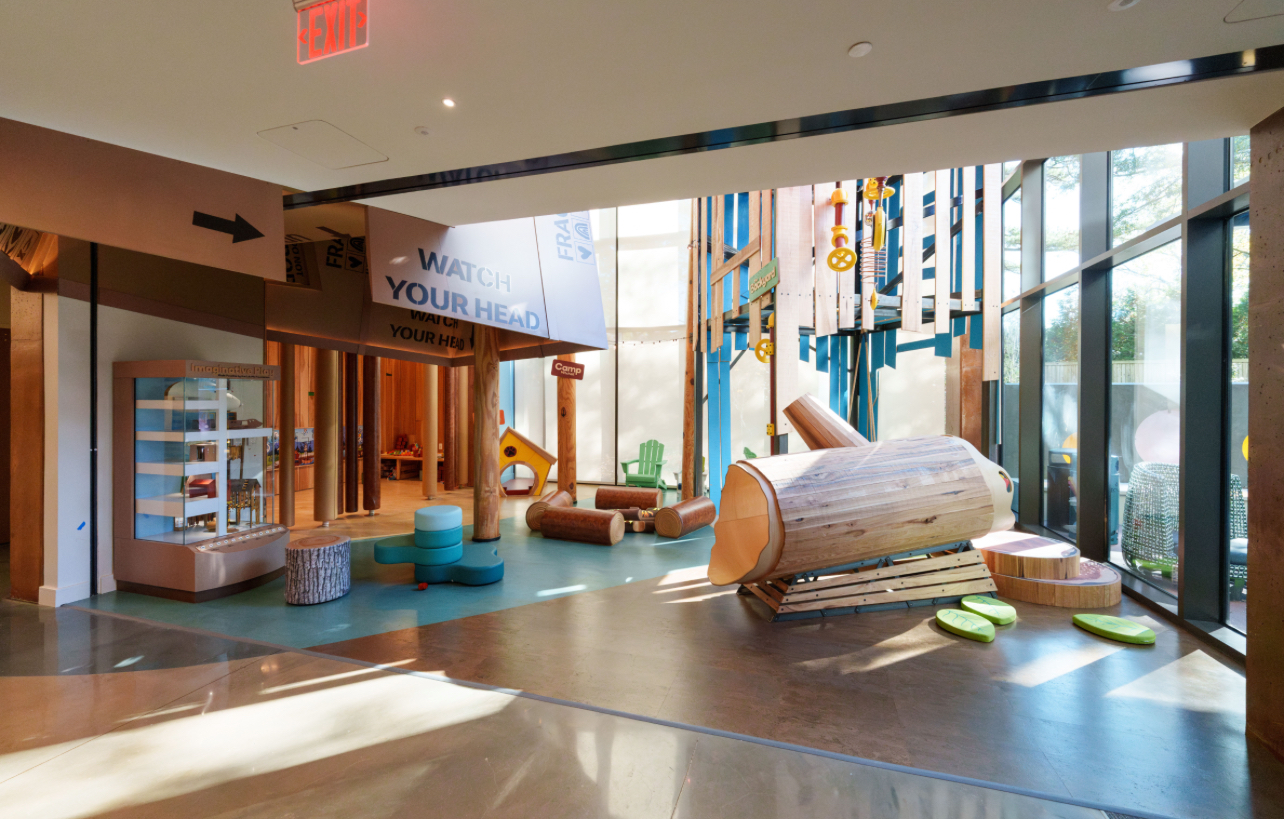
Ronald McDonald House Charities Atlanta celebrated the grand opening Tuesday of its new 126,000-square-foot facility, located directly on the campus of Children’s Healthcare of Atlanta’s Arthur M. Blank Hospital in north Atlanta.
The state-of-the-art House is the first in the Southeast to be built on the same grounds as the hospital it serve. The proximity allows families to walk just steps from their child’s bedside to a comforting “home away from home.”
Ronald McDonald’s House Opens Near Children’s Healthcare of Atlanta
The 110-room expansion increases the organization’s total capacity by 75% and comes at a critical time.
Since 2022, demand for the charity’s services has surged, with family stays rising 69%.
In 2024 alone, Ronald McDonald House Atlanta served more than 3,600 families, providing nearly 27,000 nights of lodging—an increase of more than 1,600 nights over 2023—and saving those families almost $10 million in hotel, transportation, and meal expenses.
“The opening of our new House marks a significant milestone in our efforts to establish a ‘home away from home’ for even more families across the Southeast and beyond that travel to Atlanta for critical pediatric care,” said Tracey Atwater, President and CEO of Ronald McDonald House Charities Atlanta. “Providing a facility that is steps away from the hospital offers our families the comfort and convenience they need to focus on what matters most – their child’s healing.”
Designed with input from families, medical staff, and child-life experts, the new House includes:
- 18 dedicated transplant suites
- Multiple dining areas and a private dining room in partnership with the Marcus Autism Center
- A five-story indoor playscape
- A community gathering floor
- An interactive discovery garden
- Numerous quiet spaces, laundry facilities, and family kitchens
“This House sets a new standard for Ronald McDonald House Atlanta’s ability to serve more families and serve them better,” said Brian Fuller, board chair of Ronald McDonald House Charities Atlanta. “We are thankful for every member of our team and community who has played a part in the journey to open this facility and to deliver unprecedented care to the next generation.”
The $76 million project was funded entirely through private donations, including major gifts from the Arthur M. Blank Family Foundation, the Marcus Foundation, and thousands of individual and corporate supporters throughout metro Atlanta and the Southeast.
With the new facility now open, Ronald McDonald House Atlanta can accommodate even more families facing childhood illness or injury, ensuring parents and siblings never have to choose between staying close to their hospitalized child and the financial burden of extended hotel stays.
For more information about volunteering, donating, or how to refer a family, visit rmhcatlanta.org.
Final Word
Downtown Atlanta’s development landscape has undergone significant transformation in recent years, driven by large-scale mixed-use projects, infrastructure upgrades, and a focus on revitalizing the city’s historic core. These changes reflect a broader effort to make Downtown more vibrant, walkable, and economically robust, particularly in preparation for events like the 2026 FIFA World Cup.
More Content From AtlantaFi.com:
-
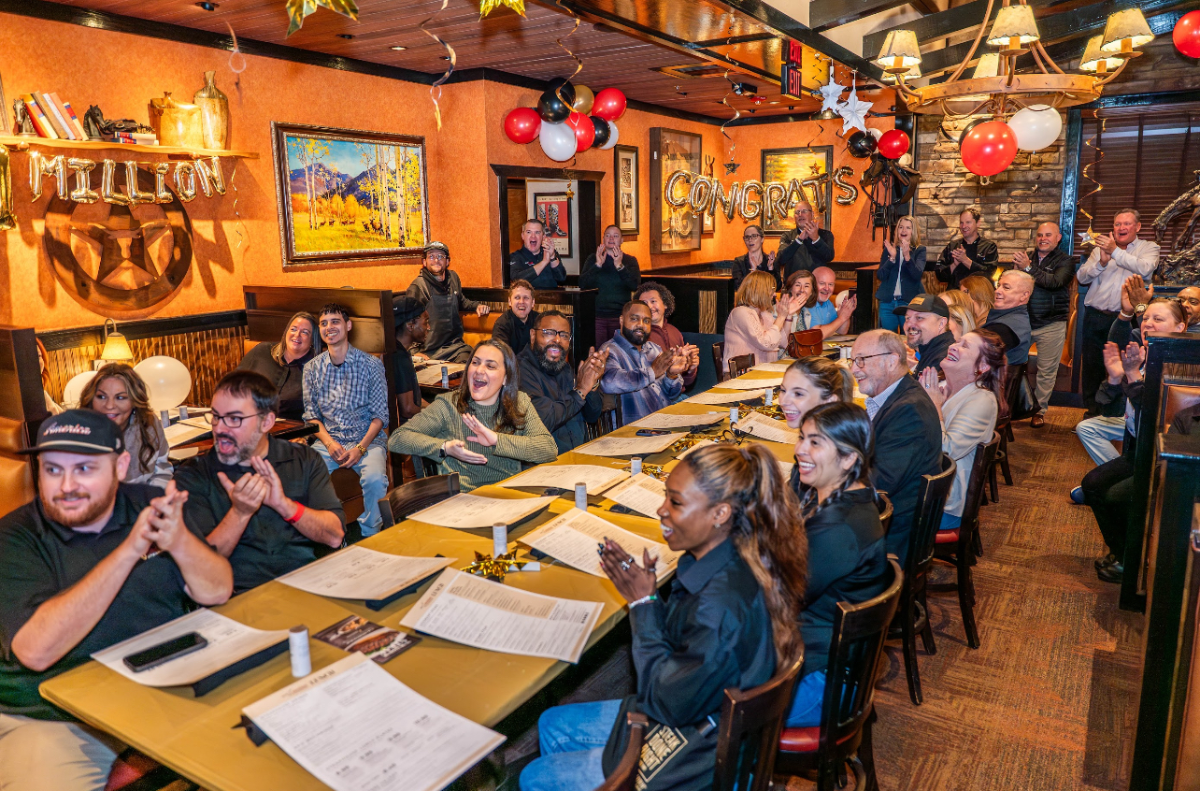
Three longtime LongHorn Steakhouse grill cooks in the metro Atlanta area have officially joined an ultra-exclusive club: they’ve each grilled more than one million steaks over their careers.
Sammy Cisic from the Alpharetta location, Artemio Mendoza in Cornelia, and Rara Segundo at the McDonough restaurant were surprised this week with LongHorn Steakhouse’s highest grill honor — the title of Grill Master Legend. Only 35 cooks across the entire chain have ever reached this million-steak mark.
Sammy Cisic (Alpharetta)

Known for his intense pride in every steak that leaves his grill, Sammy is a fixture at the North Point Parkway LongHorn and a mentor to younger cooks. Alpharetta foodies, take note!
Artemio Mendoza (Cornelia)

The steady “rock” of the Cornelia team, Artemio brings unmatched passion and consistency to every shift in the mountains northeast of Atlanta.
Rara Segundo (McDonough)

Famous among southside regulars for lightning-fast, perfectly cooked steaks, Rara keeps the McDonough location firing on all cylinders even during the busiest rushes.
Each Legend was honored with a surprise celebration that included their families, restaurant teammates, and corporate leaders. They received:
- A custom gold chef coat with “Grill Master Legend” embroidery
- A $5,000 cash award
- $1,000 every year for as long as they stay with LongHorn
- A personal visit and congratulations from president Laura Williamson
LongHorn says its Grill Masters go through rigorous training to master the chain’s signature seasoning blends, never-frozen steaks, and nailing every temperature from rare to well-done.
Only the very best earn the official Grill Master title — and reaching one million steaks cooked is the ultimate proof of mastery.
The newly minted Legends say they plan to keep the grills hot for years to come.
Next time you’re enjoying a perfectly grilled Outlaw Ribeye or Flo’s Filet in Alpharetta, Cornelia, or McDonough, there’s a good chance one of these million-steak masters had a hand in it.
Final Word
When it comes to steakhouses in Atlanta, Longhorn is up there. And I’m glad there are so many of them.
In the metro area, one of the best places to eat in West Midtown.The best restaurants on the Beltline all have excellent customer service and food. What separates them from many of the other spots is that they’re on the urban playground called the Beltline.
The ATL has other cool eateries as well. If you’re gluten-free, there’s plenty of options. Same goes for keto-friendly restaurants or Asian fare in Atlanta.
Here are the best new restaurants in Atlanta
-
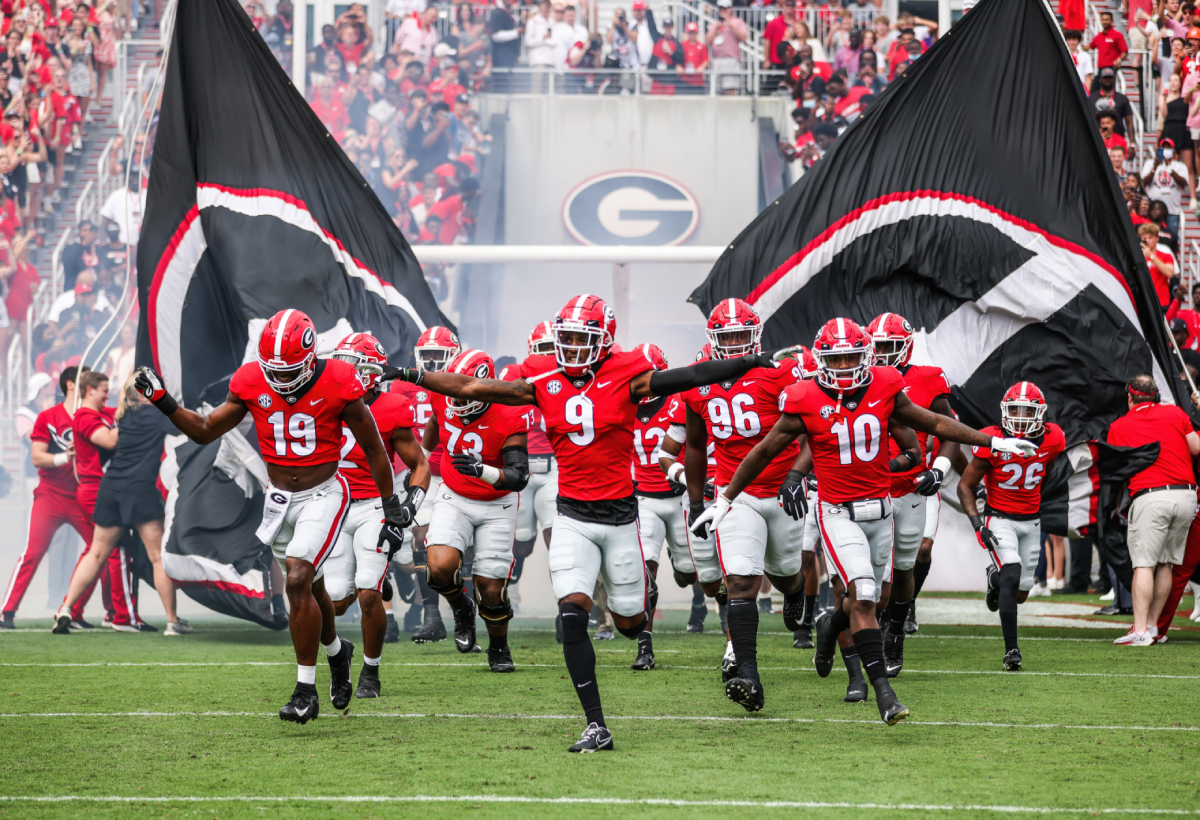
The Bulldogs are once again headed to Bourbon Street as Georgia awaits its College Football Playoff opponents the Crescent City: New Orleans.
The Allstate Sugar Bowl, a New Orleans tradition since 1935, returns to the Caesars Superdome on January 1, 2026, hosting a College Football Playoff quarterfinal clash that pits the powerhouse Georgia Bulldogs against the winner of the first-round matchup between No. 6 Ole Miss and No. 11 Tulane.
It’s a dream (or nightmare) scenario for local fans: The Tulane Green Wave could crash the party against the SEC juggernaut, or we’ll see a classic Southern showdown between the Bulldogs and Rebels.
The bracket was unveiled Dec. 7 during ESPN’s selection show, confirming Georgia’s spot as the No. 3 overall seed after their dominant 28-7 dismantling of No. 9 Alabama in the SEC Championship Game.
The Bulldogs, coached by Kirby Smart, earned a first-round bye with an 11-1 regular-season record, their lone loss a heartbreaker to Alabama earlier this fall.
Now, they’re hungry for redemption after last year’s bitter 23-10 Sugar Bowl defeat to Notre Dame right here in the Dome — a game that still stings for Athens faithful.
The Road to the Dome: How We Got Here
Georgia’s path to New Orleans has been a grind of grit and glory. The Bulldogs started hot with blowout wins over Marshall (45-7) and Austin Peay (28-6), then survived a wild overtime thriller at Tennessee (44-41).
A midseason stumble against Alabama (24-21) tested their mettle, but they roared back with convincing victories over Kentucky (35-14), Auburn (20-10), and a high-octane 43-35 shootout against Ole Miss on October 18.
November brought more dominance: road wins at Florida (24-20) and Mississippi State (41-21), a statement 35-10 thumping of Texas, and a gritty 16-9 rivalry triumph over Georgia Tech.
Quarterback Gunner Stockton has been the steady hand, slinging for over 1,800 yards and 18 touchdowns while keeping turnovers low.
Running back Nate Frazier and wideout Dominic Lovett have been explosive, but it’s the Bulldogs’ suffocating defense — led by All-SEC linebacker CJ Allen — that has opponents averaging just 18 points per game.
Georgia’s +22 turnover margin is the best in the nation, a stat that could prove decisive in the thin New Orleans air (okay, humidity).
On the other side of the bracket, the Ole Miss-Tulane first-rounder on December 20 in Oxford promises fireworks
The Rebels (10-2), coached by Lane Kiffin, boast a high-flying offense with quarterback Jaxson Dart and a stable of playmakers, but their defense has leaked points late in the season.
Tulane (9-3), our local heroes under Jon Sumrall, rides a wave of momentum after an undefeated American Athletic Conference slate, powered by running back Makhi Hughes’ ground-and-pound attack.
A Green Wave upset? The Bayou would erupt louder than Mardi Gras.
What to Watch For in the Sugar Bowl
- Bulldogs’ Ground Game vs. Pass Rush: Georgia’s rushing attack (over 200 yards per game) will test Ole Miss’s shaky front seven or Tulane’s undersized but scrappy line. If Stockton stays clean in the pocket, expect big plays down the field.
- Superdome Magic: The Dome’s roof means no weather excuses, but the noise from 70,000+ fans — many waving red-and-black pom-poms — could rattle the visitors. Local tie: Tulane’s upset bid would make this the ultimate underdog story.
- Path to Glory: A Georgia win sends them to the Peach Bowl semifinal on January 9 against the Fiesta Bowl victor. The national title game awaits January 19 in Miami.
Tickets are already flying off the shelves at Caesars Superdome box offices and online — grab yours now before the scalpers descend like a second-line parade.
Tailgate spots along Poydras Street are prime real estate, and expect Bourbon Street to be a sea of red, navy, and olive green on New Year’s Day.
This Sugar Bowl isn’t just a game; it’s a celebration of Southern football soul, right in the heart of New Orleans.
Whether it’s Georgia’s dynasty quest or a Tulane miracle, one thing’s certain: the Who Dat Nation will show up loud. Stay tuned to Crescent City Sports for pre-game analysis, player profiles, and live coverage. Geaux Tigers? Nah, this year it’s Geaux Dawgs… or Geaux Waves!
-

Ride-sharing remains one of the most popular ways to get around metro Atlanta — especially late at night in areas like Buckhead, Midtown, and Downtown.
Both Uber and Lyft have rolled out refreshed safety reminders for both riders and drivers in the Atlanta market. For the purposes of this article, we’ll focus on Uber.
The push comes after a string of high-profile incidents nationwide and local data showing a 12% increase in reported safety-related complaints in the Atlanta region, according to the Georgia Department of Public Safety.
Key Uber Safety Tips for Atlanta Riders
“Safety is my top priority when I get into an Uber, full stop,” said TinaThompson, a frequent traveler who takes a rideshare to the Atlanta airport when she goes out of town. “One thing I know about Uber is that they’re constantly updating tools and educating our community so everyone can get home safely.”
1. Verify Your Ride

Always check that the license plate, driver photo, and car make/model in the app match the vehicle that pulls up.
Uber’s “Verify Your Ride” PIN feature (available in Atlanta) lets you set a unique 4-digit code that the driver must verbally confirm before you get in.
2. Share Your Trip

Use the “Share Trip” feature to send real-time location updates to trusted friends or family. In Atlanta, many riders also share their trip with roommates when leaving popular nightlife spots like Edgewood Avenue or West Midtown.
3. Use In-App Emergency Button
The prominent red shield icon connects you directly to 911 and shares your live location, vehicle details, and trip info with dispatchers — a feature Atlanta Police Department partner since 2018.
4. Ride in the Back Seat
Especially when riding alone. It gives you easy access to both doors and keeps distance from the driver.
5. Trust Your Instincts
If something feels off, cancel the ride (no fee if the driver is more than 5 minutes away) and report it immediately.
Tips for Atlanta Uber Drivers
- Complete the in-app safety checklist before every trip (seatbelt on, no distractions, etc.).
- Never start the trip until the rider confirms their name.
- Use the anonymized phone numbers provided by Uber instead of sharing personal numbers.
- Pull over safely if a rider makes you uncomfortable and end the trip using the in-app safety toolkit.
New Atlanta-Specific Features
Uber recently expanded its “Audio Recording” pilot (opt-in for both riders and drivers) to the entire Atlanta metro area. If enabled, encrypted recordings are only unlocked if a safety report is filed. The company also increased the number of critical response team members dedicated to Georgia incidents.
Final Word
Atlanta Police report that ride-share related incidents remain relatively rare compared to the millions of trips completed each year, but late-night rides originating from entertainment districts continue to see the highest number of complaints.
Uber says 99.9% of trips in Atlanta end with no safety reports at all.
For the latest safety features, riders and drivers can visit the Safety section in the Uber app or help.uber.com.
Stay safe out there, Atlanta.
-

As the year draws to a close, Atlanta’s business landscape has felt the sting of a national layoff wave, with at least 11 companies announcing significant workforce reductions in the metro area.
These cuts, totaling more than 1,800 jobs, reflect broader trends in cost-cutting, AI integration, and restructuring driven by economic uncertainty, including tariffs and shifting consumer spending.
Layoffs Growing in Atlanta
While Georgia as a whole saw 28,668 layoffs through WARN notices this year, Atlanta bore a disproportionate share, underscoring vulnerabilities in key sectors like tech, manufacturing, and media.
The Worker Adjustment and Retraining Notification (WARN) Act requires companies with 100 or more employees to report major layoffs or closures, providing a window into the scale of job losses.
Drawing from state filings and local reports, here’s a breakdown of the major announcements affecting Atlanta workers in 2025:Key Layoff Announcements in Atlanta
- CNN (Warner Bros. Discovery): The cable news giant, headquartered in Midtown Atlanta, eliminated about 200 roles in January as part of a pivot to digital platforms. The cuts represented roughly 6% of its workforce and were aimed at reallocating resources to audience-shifting products.
- Block Inc. (Cash App parent): In March, the fintech firm laid off 49 employees from its North Avenue office, about 10% of its local staff of 474. This was part of a companywide reduction of 931 jobs, or 8% globally, amid operational streamlining.
- Americold Logistics: A July WARN notice signaled 12 layoffs at its Atlanta facility, effective in August, though details on the reason were sparse.
- Country Home Bakers LLC: The bakery supplier cut 164 positions in Atlanta in late August, contributing to ongoing consolidation in the food sector.
- General Motors: The automaker shuttered its Georgia IT Innovation Center in Roswell (metro Atlanta) in October, affecting all 325 employees there as part of a corporate restructuring.
- The William Carter Company (Carter’s Inc.): The children’s apparel brand reduced its Atlanta headquarters staff by 189 in October — about 19% of its 998-person workforce — via a WARN notice tied to operational efficiencies.
- Integrated Health Resources, LLC: October filings revealed 107 layoffs at its Peachtree Street office, set for December, impacting healthcare services.
- Cardlytics Inc.: The Atlanta-based marketing tech company slashed 120 jobs (30% of its workforce) in October to curb costs and bolster financial stability, with 90 full-time roles affected.
- Rivian Automotive: The electric vehicle maker announced 600 layoffs in Georgia in October, primarily at its metro-area operations, as part of supply chain adjustments.
- Smurfit Westrock: The packaging giant closed a South Fulton plant in November, leading to 55 job losses effective January 2026.
- CoStar Group: A minor cut of 3 employees was filed in November for its Peachtree Road office, starting January 2026, due to internal reorganization.
These figures represent only reported WARN-eligible layoffs; smaller cuts and non-WARN events may push the total higher.
Nationally, U.S. employers announced over 1.1 million job cuts in 2025 — the highest since the 2020 pandemic — with tech (153,536 cuts) and services sectors leading the charge.
Atlanta-based giants like UPS, which trimmed 48,000 positions globally through September, and Newell Brands, which announced 900 worldwide reductions in December (citing AI efficiencies), likely amplified local impacts, though exact Atlanta numbers remain undisclosed.
Trends Shaping Atlanta’s Job Market
Atlanta’s economy, a hub for logistics, tech, and media, has weathered these storms unevenly. Tech and fintech firms like Block and Cardlytics cited rising costs and AI-driven automation as culprits, while manufacturing outfits such as Smurfit Westrock and Country Home Bakers grappled with supply chain woes and plant closures.
Media’s turbulence, exemplified by CNN’s pivot, highlights the sector’s adaptation to streaming and digital ad shifts.Despite the gloom, experts note silver linings: Georgia’s unemployment rate hovered around 3.5% through November, buoyed by growth in healthcare and renewable energy.
Local workforce programs, administered by the Technical College System of Georgia, have ramped up rapid response services for displaced workers, offering retraining in high-demand fields like cybersecurity and advanced manufacturing.
Final Word
As 2026 looms, Atlanta business leaders urge vigilance. “These layoffs signal a recalibration, not a collapse,” said Metro Atlanta Chamber economist Dr. Maria Lopez in a recent panel. “Investments in upskilling will be key to turning this tide.
“For those affected, resources are available via WorkSource Georgia’s Rapid Response portal. Atlanta Business Pulse will continue tracking these trends — stay tuned for updates on hiring rebounds and policy responses.
Want more job resources? Read our guide on how to navigate a job layoff.
If you’re looking to get hired in Atlanta right now, there’s a very real possibility that you can land your dream job.
Read more: Best Work From Home Jobs In Atlanta, Georgia
- How To Write A Resume That Works ForYou In Atlanta (Or Any City)
- The Best Side Jobs In Atlanta Right Now
- 6 Steps To Find A Good Job In Atlanta
AtlantaFi.com is your source for metro business news, trends, and insights. Have a tip? Email us at news@atlantafi.com.
-
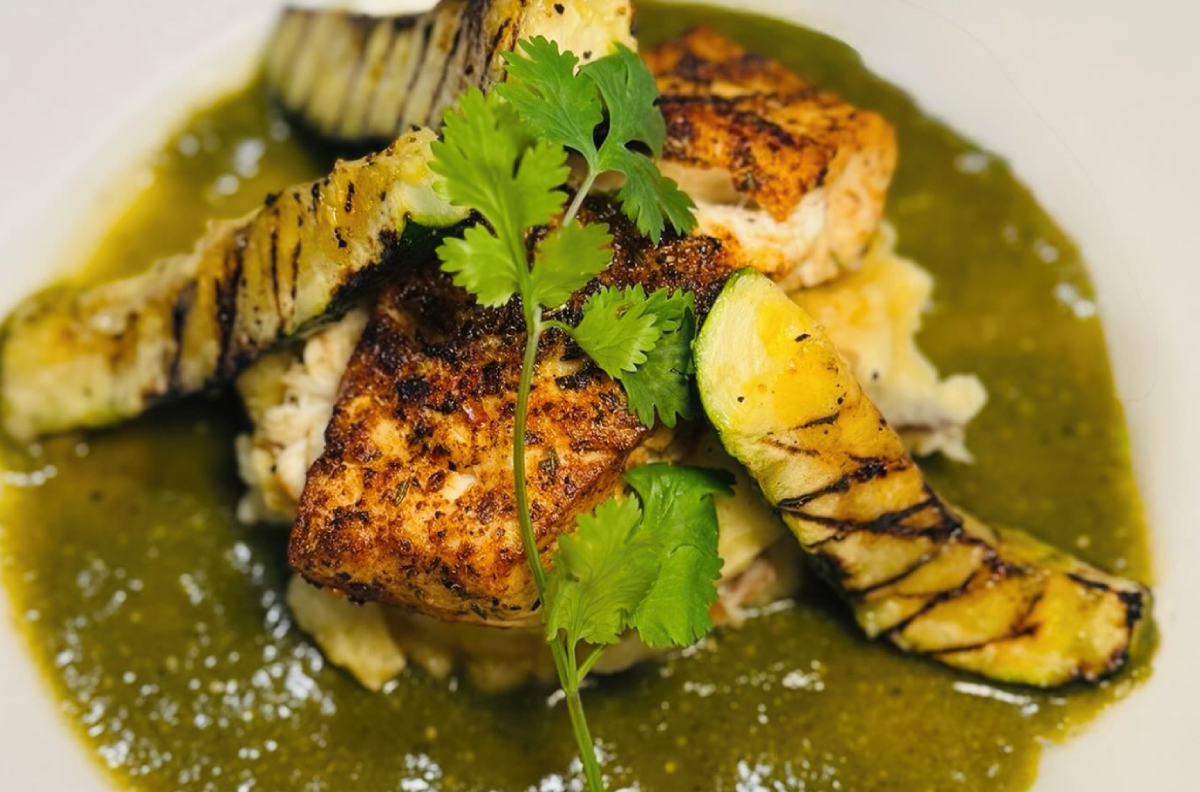
In a bittersweet farewell to a quarter-century of Southwestern flavors and family hospitality, Agave Restaurant—a cherished staple in southeast Atlanta—has announced its permanent closure at the end of January 2026.
The family-owned eatery, known for its vibrant dishes and warm community vibe, cited the challenging economic landscape as the driving force behind the tough decision.
Agave Atlanta Set To Close Doors in Early 2026
The announcement, shared on the restaurant’s Facebook page, comes just months after Agave celebrated its 25th anniversary.
“This decision was not made lightly, but as our family looks toward a new chapter, we find it is time to say goodbye,” the owners wrote. “From the bottom of our hearts, we want to express our deepest gratitude for your unwavering support, laughter-filled dinners, and the privilege of being part of your celebrations and everyday moments for a quarter of a century. Thank you for the honor of serving you at the original and first Agave in the country.”
Nestled in the heart of southeast Atlanta, Agave has been more than just a spot for tacos and margaritas—it’s been a neighborhood anchor since its founding, drawing locals for everything from casual weeknight meals to milestone gatherings.
The closure underscores a broader trend plaguing Atlanta’s restaurant industry in 2025: soaring operational costs, fluctuating customer traffic, and an unforgiving economic climate that has forced dozens of beloved spots to shutter their doors.
As Agave prepares to serve its final plates on January 31, the owners are rallying the community to support their dedicated staff. They’re urging patrons to visit through the end of the month and have launched a GoFundMe campaign to provide financial aid to employees navigating this transition.
Agave’s exit is a poignant reminder of the vulnerabilities facing Atlanta’s independent eateries. From West Midtown’s cluster of closures to heartfelt goodbyes across the metro area, 2025 has been a year of farewells for many.
What Atlanta Restaurants Have Closed in 2025?
Below is a table highlighting some of the most notable restaurant closures in the Atlanta area this year, based on reports from local outlets like Eater Atlanta and the Atlanta Journal-Constitution. These losses reflect a mix of economic pressures, health challenges, and shifting market dynamics.
Restaurant Name Cuisine/Style Location Closure Month Reason/Notable Details Agave Southwestern Southeast Atlanta January Economic climate; 25 years in business Humble Pie Pizza West Midtown January After 2 years; backed by Lazy Betty chefs Culinary Dropout American (bar-focused) West Midtown January After ~1 year; challenges with size and parking Postino Wine bar/small plates West Midtown January Part of neighborhood wave of closures Snooze, An A.M. Eatery Breakfast/Brunch West Midtown January Contributed to 8 West Midtown closures in Jan. West Egg Cafe Breakfast/American West Midtown December 2024 (late impact into 2025 trends) 21 years; declining sales, rising costs Superica Tex-Mex West Midtown October 2024 (early 2025 wave) After 1.5 years; sales slump Mukja Korean Fried Chicken Korean Fried Chicken Midtown July Owner’s health concerns; opened 2020 Bartaco Tacos/Mexican West Midtown May Part of ongoing West Midtown struggles Bastone Italian/American West Midtown May Latest in neighborhood’s closure streak Jekyll Brewing (all locations) Brewery/Casual Various (Alpharetta flagship) May After 12 years; all sites closed Char Korean Bar & Grill Korean BBQ Inman Park May Rising costs (tariffs, rent, labor) J’s Mini Hot Pot Deluxe Chinese Hot Pot Chamblee April After 21 years; no reason specified Dr. Bombay’s Underwater Tea Party Tea House/Whimsical Candler Park March Relocating to Grant Park; temporary close Honey Bubble Boba Tea Boba Tea Virginia-Highland March Long-standing shop; space listed for sale Coastal Bar Grill & Chill Seafood/Bar Roswell January Replaced Houck’s; closed early in month Bruxie Waffle Sandwiches Chamblee January Less than 1 year in business This table captures a snapshot of the year’s toughest hits, with West Midtown emerging as a hotspot for closures—over a dozen in recent months alone, according to Eater Atlanta.
Areas like Midtown and Inman Park have also felt the pinch, as rising rents and ingredient prices squeeze margins for even established spots.While the news is somber, Atlanta’s food scene remains resilient, with new openings like expansions from local favorites offering glimmers of hope.
Final Word
For now, though, let’s raise a glass (or a margarita) to Agave and the countless memories it leaves behind. If you’re a fan, head over before Jan. 31—your support could make all the difference for the team.
Interested in dining outside (under a heat lamp)? Here are the best Atlanta restaurants for outdoor eating and here are those with great patios.
If you want to take your dog to the park, here are the best Atlanta parks for Fido.
More From AtlantaFi.com:
-

In a statement win that silenced doubters and avenged an earlier-season heartbreak, the No. 3 Georgia Bulldogs steamrolled the No. 9 Alabama Crimson Tide 28-7 on Saturday night at Mercedes-Benz Stadium, securing their second consecutive SEC Championship and a likely first-round bye in the expanded College Football Playoff.
The victory, played out before a raucous crowd of 77,247 decked out in red and black, marks the program’s 16th conference title and ends a frustrating four-game skid against Alabama in SEC title tilts.
Dawgs Repeat as SEC Champs
It was a night of pure dominance for Kirby Smart’s squad, who entered the matchup hungry after dropping a razor-thin 24-21 decision to the Tide back on Sept. 28 in Athens as part of a grueling 2025 schedule.
Stockton Rises To the Occasion
Quarterback Gunner Stockton, stepping up with poise under the bright lights, orchestrated four touchdown drives, tossing three scores while adding 39 rushing yards on 13 carries.
His connection with wideout Zion Branch proved lethal, capped by a 13-yard dart in the fourth quarter that sent the Dawg Nation into a frenzy and sealed the deal at 28-7 with 6:51 remaining.
“It’s all about execution,” Stockton said postgame, his voice hoarse from shouting over the roar of the Dawg Walk earlier in the evening. “We knew we had unfinished business with these guys.
Stout Defense Steps Up Yet Again
The defense gave us short fields, and we just had to cash in.
“That defense? A brick wall. Georgia’s unit, ranked among the nation’s elite all season, suffocated Alabama’s offense, limiting them to a measly 103 total yards and just three plays inside Bulldog territory through three quarters.
The Tide managed a late cosmetic touchdown, but it was too little, too late against a front seven that sacked QB Ty Simpson twice and forced three punts in the opening half alone.
Linebacker CJ Allen led the charge with eight tackles and a forced fumble, while the secondary—bolstered by All-SEC cornerback Daylen Everette’s tip-drill interception in the first quarter—blanketed Alabama’s receivers.
No opponent has topped 21 points against Georgia since mid-October, and Saturday’s shutout through three quarters extended that streak of defensive mastery.The game kicked off with Georgia asserting control early.
After Everette’s pick set up shop at midfield, Stockton needed just six plays to find tight end Oscar Delp for a 12-yard strike, putting the Bulldogs up 7-0 at the 8:12 mark of the first. Alabama’s response? A three-and-out, courtesy of a third-down sack on Simpson that pinned the Tide deep.
The second quarter belonged to the run game, as tailback Nate Frazier broke free for a 22-yard scamper to the house, extending the lead to 14-0. Stockton wasn’t done, however, capping a clock-chewing 14-play, 57-yard march with a 5-yard laser to Dillon Bell just before halftime.
The Bulldogs headed to the locker room with a commanding two-score edge, having held Alabama to 71 yards on 3.6 yards per play.
Halftime adjustments? Alabama tried to air it out, but Georgia’s secondary swatted down any hopes. A 34-yard punt return by Everette set up Stockton’s third TD toss—this one a bullet to Bell again—making it 21-0 midway through the third.
The Tide finally cracked the scoreboard with 12:33 left in the fourth on a short Germie Oti run, but Branch’s breakaway response extinguished any flicker of a comeback.
With the win, Georgia improves to 12-1 (8-1 SEC), having beaten every team on their slate—including this rematch redemption. The Bulldogs’ only blemish? That September slip-up to Bama, now firmly in the rearview as they eye a potential No. 2 seed in Sunday’s CFP reveal.
Smart, trophy in hand during the on-field ceremony, didn’t mince words about his squad’s grit. “This group believed from Day 1. We’ve got the horses, and tonight we galloped. Now, it’s playoff time—let’s keep the streak alive.”
As the confetti rained down and Ludacris—yes, the ATL native—led the Dawgs in a postgame chant, Athens faithful could exhale.
Nine straight wins, a gleaming SEC crystal football, and a path to January glory. The national title chase? It’s wide open, and Georgia looks every bit the favorite.For now, though, savor the moment. Go Dawgs.
Follow AtlantaFi.com for live coverage of the CFP selection show Sunday at noon on ESPN, and stay tuned for playoff bracket breakdowns.