-
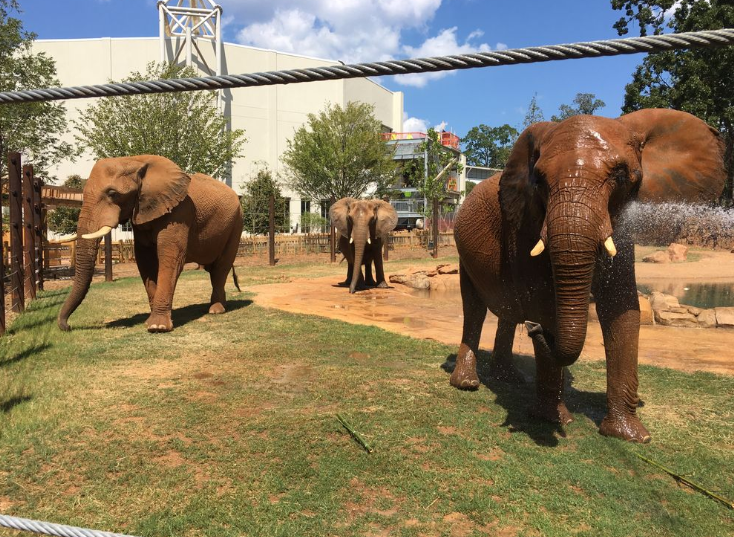
Atlanta, GA – March 24, 2026 — The Association of Zoos and Aquariums (AZA) has announced that Zoo Atlanta has been granted accreditation by its independent Accreditation Commission.
This decision recognizes the zoo’s ongoing commitment to the highest standards in animal care, wellbeing, and management.
Zoo Atlanta Gets Accreditation from the Association of Zoos and Aquariums
“Earning AZA accreditation demonstrates commitment to the global gold standard of animal care and wellbeing,” said Dan Ashe, President and CEO of the Association of Zoos and Aquariums. “We are honored to be able to celebrate Zoo Atlanta’s successful reaccreditation while in their home city during our AZA Mid-Year Meeting.
As one of our host facilities, over 1,200 zoo and aquarium professionals from around the globe will visit Zoo Atlanta today for Zoo Day and see their commitment to excellence firsthand.”
A Rigorous Process
AZA accreditation is widely regarded as the gold standard for zoos and aquariums worldwide.
The process is thorough and demanding: institutions must submit a detailed application, followed by a multi-day on-site inspection conducted by an independent team of zoological professionals.
Inspectors evaluate every facet of operations, including:
- Animal care and wellbeing
- Veterinary care
- Staff training
- Educational programs
- Conservation efforts
- Financial stability
- Risk management
- Governance
- Guest services
Following the inspection, detailed reports from both the inspection team and the facility are reviewed by the Accreditation Commission.
The Commission then conducts formal interviews with the facility’s top officials before rendering a decision: full accreditation, provisional accreditation for one year, or denial.
Accredited facilities must repeat this rigorous process every five years to maintain membership in the AZA.0
Zoo Atlanta’s Commitment
“Zoo Atlanta is honored to be granted AZA accreditation for another five years and to be part of the extraordinary international network that is AZA,” said Raymond B. King, President and CEO of Zoo Atlanta. “As mirrored in the principles of AZA, Zoo Atlanta works tirelessly and daily to ensure superior professional animal care and wellbeing; education programs that reach students and families not just here in Georgia but far beyond the Zoo; and partnership in conservation programs making a difference for wildlife and their habitats worldwide.”
Currently, there are 240 AZA-accredited institutions and 14 AZA-accredited related facilities across 12 countries.
Zoo Atlanta joins this select group in upholding excellence that benefits animals, visitors, and global conservation efforts.
About Zoo Atlanta
Zoo Atlanta is dedicated to saving wildlife and their habitats through conservation, research, education, and engaging visitor experiences. The zoo provides world-class care for its animals while offering transformative educational opportunities for guests of all ages.
For more information or to plan a visit, go to zooatlanta.org.
This reaccreditation underscores Zoo Atlanta’s position as a leader in modern zoological institutions, ensuring that its animals receive the best possible care while advancing education and conservation on a global scale.
More Content From AtlantaFi.com:
-

In the chaotic symphony of modern air travel—endless security lines, shoes in bins, laptops half-zipped, and the perpetual dread of missing a flight—TSA PreCheck stands as a quiet revolution.
For a one-time fee that breaks down to roughly $15–17 per year, this trusted traveler program promises a smoother, less invasive screening experience at over 200 U.S. airports.
TSA PreCheck: What You Need To Know
But in 2026, with more than 20 million members, evolving policies (like the end of mandatory shoe removal in some lanes), and competing options like CLEAR, is it still the smart upgrade it once was?
We’ve crunched the numbers, polled the realities, and flown the friendly (and not-so-friendly) skies to deliver the verdict.
What Exactly Is TSA PreCheck?
Launched by the Transportation Security Administration, TSA PreCheck is a voluntary program that vets low-risk travelers through a background check.
Once approved, you receive a Known Traveler Number (KTN) to add to your airline reservations. At participating checkpoints, you enjoy dedicated lanes where you can typically:
- Keep your shoes, belt, and light jacket on.
- Leave laptops and compliant liquids (3-1-1 bag) in your carry-on.
- Breeze through without the full-body pat-down drama or bin-juggling ballet.
It’s available for domestic departures on dozens of airlines, including major carriers like American, Delta, United, Southwest, Alaska, and international partners.
Read: How to avoid airport delays
Newer enhancements like TSA PreCheck Touchless ID—using facial recognition for even quicker identity verification—are rolling out to 65 airports by spring 2026, with airlines like Delta, American, United, Southwest, and Alaska participating.47
The Cost: Surprisingly Affordable
New enrollments run $76.75 to $85 for a full five-year membership, depending on the provider (IDEMIA is often the cheapest at $76.75; CLEAR and Telos are slightly higher). Renewals are even better: as low as $58.75 online or up to $79.95 in person.
That works out to less than $17 annually—or about the price of two airport coffees.2
Pro tip: Dozens of premium credit cards (including many from American Express, Chase, Capital One, and others) offer statement credits that can make TSA PreCheck effectively free.
If you hold one, the math tilts heavily in your favor. Global Entry ($100–120 for five years) automatically includes PreCheck benefits, making it a no-brainer for international travelers.
The Real-World Benefits: Time, Stress, and Sanity
Data from the TSA shows that 99% of PreCheck passengers wait 10 minutes or less at security.
Independent analyses and traveler surveys paint a similar picture: average standard lines hover around 40+ minutes during peaks, while PreCheck often shaves off 5–15 minutes—or more at busy hubs like JFK, LGA, or ORD. One New York-area study found PreCheck faster 82% of the time, with average savings of 5–10 minutes.25
But the true value isn’t just minutes—it’s the reduced hassle. No more frantic shoe removal. Fewer chances of your laptop getting dinged. Less stress, especially when traveling with kids or during holiday rushes.
Frequent flyers consistently rate PreCheck experiences as far less stressful (3.3/10 vs. 7.3/10 for standard lines).
Families love the family benefit: children 12 and under can often join a PreCheck parent in the expedited lane without their own membership.
In 2026, even with program growth, PreCheck remains a reliable edge.
While some critics note that lines have lengthened as membership swells and certain shoe-removal rules have relaxed in regular lanes, the dedicated PreCheck experience still delivers predictability and dignity—qualities increasingly rare in air travel.
Who Should Get It? (And Who Can Skip It)
Yes, absolutely worth it if:
- You fly twice or more per year domestically (it pays for itself in 2–3 roundtrips when factoring time and stress).
- You value consistency over occasional lottery wins in regular lines.
- You travel with family—kids under 12 (and sometimes teens) can tag along.
- You have a credit card that reimburses the fee.
Maybe not if:
- You fly once a year or less from small regional airports with short lines.
- You’re primarily an international traveler (consider Global Entry instead for customs perks).
- You’re okay gambling on CLEAR lanes at your home airport (though CLEAR is pricier at ~$200/year and focuses more on ID verification upfront).
Travelers at major hubs during peak seasons report the biggest wins. At quieter airports, the difference can be marginal—but the peace of mind remains.
How to Apply: Easier Than You Think
- Visit tsa.gov/precheck and choose a provider (IDEMIA, CLEAR, or Telos).
- Complete the online application with basic info and pay the fee.
- Schedule a 10-minute in-person appointment for fingerprints and ID verification (hundreds of enrollment centers nationwide, plus pop-up events).
- Approval often comes in days or weeks; add your KTN to profiles immediately.
Renewals are mostly online now, with conditional approvals sometimes skipping in-person visits. Background checks are thorough but rarely disqualify low-risk applicants.
The Verdict: Yes, It’s Worth It in 2026
In an era where air travel can feel like a contact sport, TSA PreCheck is one of the few upgrades that delivers tangible, repeatable value without breaking the bank.
It’s not a magic carpet, but it’s close: less chaos, more composure, and the quiet satisfaction of knowing you’ve outsmarted the system just a little.
For most domestic flyers—especially those with even moderate frequency—it’s a no-regrets investment. Pair it with Global Entry for international trips or CLEAR for ultra-busy mornings, and you’ve built a formidable travel armor.
Ready to reclaim your airport mornings? Head to the TSA site, check your credit card benefits, and join the millions who swear by it. Your future self—laptop still in its bag, shoes firmly on—will thank you.
Safe travels, and may your PreCheck lane always be the shortest one.
What are your PreCheck stories? Share in the comments—we’re always collecting tales from the terminal.
Check Out Our Atlanta Travel Guide
-

The long-running reality TV series Love & Hip Hop: Atlanta (LHHATL) appears to be facing the end of its run, with widespread rumors in March 2026 indicating cancellation after 13 seasons.
As of March 21, 2026, no official announcement from MTV (the current network airing the show) or parent company Paramount Global has confirmed the series is definitively canceled.
The End Of LHHATL: What’s Tea?

However, speculation has intensified across social media, entertainment blogs, and cast-adjacent commentary over the past week, pointing to low ratings, the broader decline of the Love & Hip Hop franchise, and behind-the-scenes whispers as key factors.
A Legacy of Drama Since 2012

Launched in June 2012 on VH1, Love & Hip Hop: Atlanta quickly outshone the original New York edition to become the flagship title in the franchise.
Set in the heart of the Southern hip-hop scene, the show blended music industry storylines with personal relationships, family conflicts, business ventures, and—most memorably—explosive confrontations.
Iconic cast members like Joseline Hernandez, Stevie J, Mimi Faust, Scrappy, Erica Mena, Karlie Redd, Rasheeda, Kirk Frost, and Mama Dee delivered viral moments that dominated social media for years.

Storylines involving paternity tests, physical altercations, music collaborations gone wrong, and redemption arcs kept viewers hooked, helping cement Atlanta as a dominant force in unscripted television during the 2010s.
The series moved to MTV in later seasons (around the early 2020s), but maintained its signature chaotic energy.
Read more: LHHATL star Karlie Redd charged with burglary

Season 13 premiered in 2025–2026, with the first half airing previously and the second half kicking off in February 2026 with promos promising “new energy, emotional conversations, and truths coming to the surface.”Episodes were still scheduled weekly on Tuesdays at 8/7c as recently as mid-February 2026.
Why Cancellation Rumors Are Swirling Now
Multiple sources in mid-to-late March 2026 reported that LHHATL would not return for a Season 14:
- Entertainment gossip pages and Instagram accounts described it as “#EndOfAnEra,” noting it would mark the last active city-based edition of the franchise to fall.
- AllHipHop.com published an article (updated March 18, 2026) stating that “rumors are swirling” and sources suggest the show is “quietly heading toward the exit” after 13 seasons of fights, reconciliations, and viral moments.
- Cast member Mama Dee (a longtime staple) reportedly indicated in interviews or social content that the show is “most likely cancelled,” with some fans interpreting her comments as near-confirmation.
- YouTube recaps and commentary videos discussed low ratings as a primary driver, especially after Love & Hip Hop: Miami wrapped its final season on BET, leaving Atlanta as the lone survivor.
- Social posts emphasized that—if true—this would be the first time in 15 years the Love & Hip Hop brand has no active series on air.
Counterpoints exist: some fan fact-check posts and group discussions insist there has been no official cancellation from the network, and Season 13 was still unfolding or recently airing its back half.
The absence of a formal statement from MTV leaves room for renewal, a retool, or a quiet move to another platform/streaming service.
The Bigger Picture: The Decline of the Franchise
The Love & Hip Hop empire has shrunk significantly over the past decade:
- Spinoffs in New York, Hollywood, Miami, and others have ended or concluded final seasons.
- Producer changes, network shifts (from VH1 to MTV/BET), audience fatigue with repetitive drama, and competition from newer reality formats have eroded viewership.
- By 2026, Atlanta remained the last major holdout, but declining ratings reportedly made continued investment difficult.
Fans are divided. Some celebrate the potential end, calling the show “long overdue” for retirement and criticizing recent seasons for lacking the spark of earlier years.
Others lament the loss of a cultural touchstone that spotlighted Atlanta’s music scene, gave platforms to women in hip-hop and entertainment, and created countless meme-worthy moments.
What Comes Next?
If the rumors solidify into an official cancellation, Love & Hip Hop: Atlanta will close with 13 seasons—one of the longest runs in modern reality TV history.
Cast members may pivot to solo projects, podcasts, OnlyFans content, music releases, or other reality appearances.
The franchise could potentially be revived in a rebooted format years later, as many long-running shows have done.
For now, the status remains in rumor territory—but the conversation around its possible end reflects both nostalgia for its peak and acknowledgment that the era of sprawling, multi-city Love & Hip Hop drama may finally be drawing to a close after more than a decade of chaos, hits, and unforgettable Atlanta nights.
More From AtlantaFi.com:
-

Georgia’s film industry is at a crossroads, but the ights are back on, cameras are rolling, and the Peach State’s film and television sector is proving once again why it’s one of America’s premier production powerhouses.
As we head deeper into 2026, the Peach State is experiencing a clear rebound after a challenging post-strike slowdown, with 33 active productions currently filming across the state—the highest number in nearly two years.
Georgia’s Film Industry Rebounds Strong in 2026
According to the Georgia Film Office, direct production spending hit a record $4.4 billion in fiscal year 2022 with 412 projects on the books. But the industry faced a sharp reset in the years that followed.
How big is Georgia’s film industry?
Spending dropped to $2.3 billion in fiscal year 2025, with productions falling to 245, as Hollywood grappled with the lingering effects of the 2023 writers’ and actors’ strikes, studio cost-cutting, and a broader shift in the streaming landscape.
A big part of that dip? Some major players headed overseas.
Marvel Studios wrapped its final Georgia shoot with 2025’s Thunderbolts and relocated big-budget superhero productions to the United Kingdom and other parts of Europe, where labor and overall costs run significantly lower.
Other streamers followed suit for select projects, chasing cheaper international incentives and production savings amid a leaner content slate. Industry insiders noted the move was less about Georgia’s shortcomings and more about global economics—studios simply hunting for the best deal in a tighter market.
Yet even with those high-profile departures, Georgia isn’t just holding its ground—it’s gaining momentum.
Georgia Film Office Director Lee Thomas put it plainly this week: “We are busier now than we have been in some time. 2026 is much better than 2025 was.”
Thomas and other leaders recently briefed state lawmakers on the upswing, highlighting how Georgia’s combination of competitive tax incentives (up to 30% transferable credits with no cap), world-class crews, diverse filming locations, and massive studio infrastructure continues to make the state an “easy button” for producers.
“Georgia’s the easy button,” echoed Rep. Kasey Carpenter. “You pick up the phone, somebody is on the other line. We’re willing to roll up our sleeves and get you to production.”
That attitude is paying off. Recent and upcoming shoots include Tulsa King (filmed recently in Savannah), Judd Apatow and Glen Powell’s Comeback King (set for Savannah this spring), and a steady stream of episodic TV like Sistas, Love is Blind, and Family Feud. Tyler Perry Studios, Trilith, Assembly Atlanta, and new facilities keep expanding, while Savannah’s local rebates add extra appeal for coastal and historic shoots.
Nationally, Georgia remains a top-tier U.S. production hub.
Is Georgia Still #1 in the Film Industry?
While some 2026 rankings place California and New York at the very top thanks to their own beefed-up incentives, Georgia consistently ranks among the elite for overall output, stage space (second-largest in the nation), and long-term stability.
Business Facilities Magazine has called it No. 1 for film production in recent reports, and local leaders point out that the state’s experienced workforce and business-friendly environment give it an edge few others can match.“
Georgia remains one of the most competitive places in the world for film and television production,” Thomas emphasized.
The state’s appeal stretches far beyond Atlanta—crews are lighting up everything from Atlanta’s urban backdrops and rural farmlands to Savannah’s historic streets and coastal vistas.
What’s Ahead for Georgia’s Film Industry
Looking ahead, optimism is high.
Several Georgia-filmed projects are slated for 2026 releases, including Netflix originals and theatrical features, and industry veterans say the pipeline of episodic and mid-budget work provides more consistent jobs than the boom-and-bust of tentpole blockbusters ever did.
Yes, Georgia lost some flashy productions to Europe’s cost advantages. But the numbers, the crews, and the infrastructure tell a different story: The Peach State isn’t fading—it’s evolving into an even stronger, more resilient force in American filmmaking.
The cameras keep rolling in Georgia. And from Atlanta to Savannah and beyond, the industry that helped put our state on the global entertainment map is writing its next act—stronger, smarter, and still very much center stage.
See Atlanta Casting Calls And Auditions Available Right Now
Want to work in Georgia film & TV? Here are the latest Atlanta casting calls
Read More From AtlantaFi.com:
-
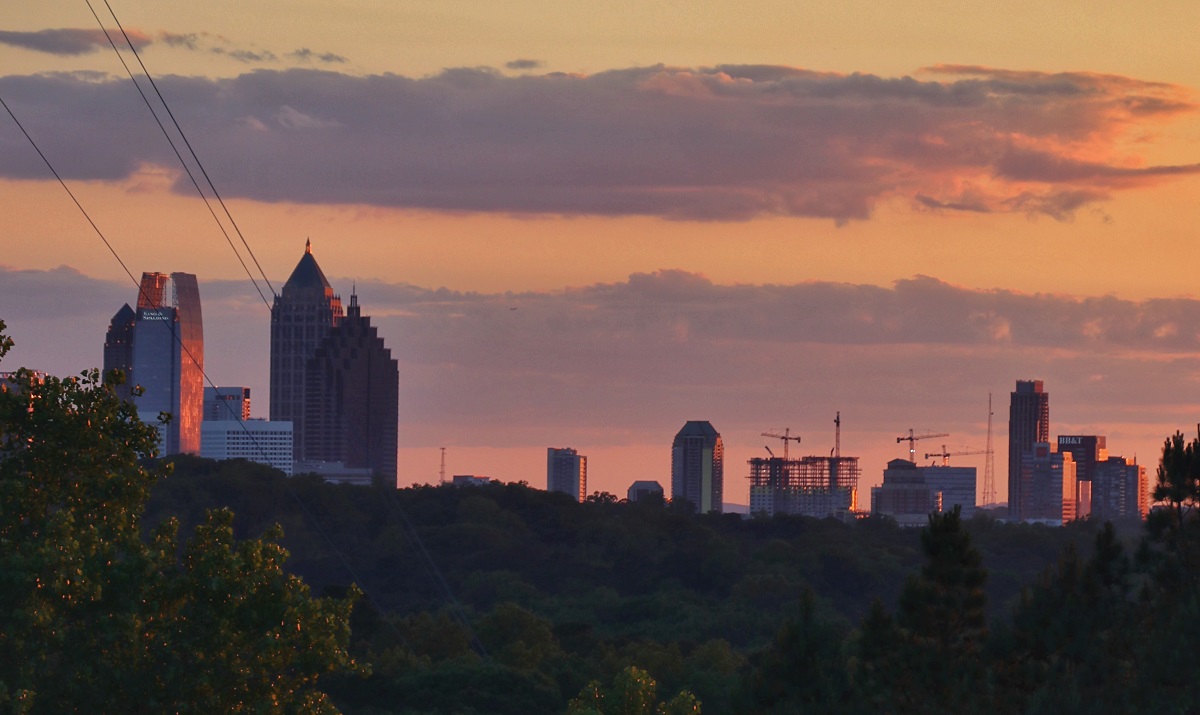
ATLANTA — In a move aimed at eliminating the biannual ritual of adjusting clocks, the Georgia State Senate has passed legislation that would petition the federal government to move the state from the Eastern Time Zone to the Atlantic Time Zone, effectively placing Georgia on permanent daylight saving time.
House Bill 154, known as the Georgia Sunshine Protection Act, passed the Senate on Monday by a vote of 45-5.
Georgia Senate Passes Bill to Shift State to Atlantic Time Zone, Ending Clock Changes
The bill directs the governor to request that the U.S. Department of Transportation reclassify Georgia into the Atlantic Time Zone.
Some Atlanta residents have mixed feelings about a permanent Daylight Savings Time.
”I’m all for more sunlight,” said Tammy Jones of Smyrna. “But how dark is it going to be in the morning when I take my two kids to catch the school bus?”
If approved by Transportation Secretary Sean Duffy, the state would observe Atlantic Standard Time year-round — meaning no more “spring forward” or “fall back” adjustments.
This approach represents a creative workaround to longstanding federal restrictions on permanent daylight saving time.
Current U.S. law under the Uniform Time Act generally prohibits states from observing daylight saving time outside the standard March-to-November period without congressional approval.
Georgia already passed a law in 2021 expressing support for year-round daylight saving time, but it remains contingent on federal action.
By shifting to the Atlantic zone (currently used by parts of Canada and the Caribbean), Georgia could achieve the equivalent of permanent DST while staying within existing federal time zone rules.
Why This Bill?
Supporters argue that ending clock changes would bring health, safety, and economic benefits by avoiding the disruptions linked to sleep schedule shifts, such as increased heart attacks, traffic accidents, and workplace errors in the days following time changes.
The bill builds on years of debate in the Georgia General Assembly, where lawmakers have repeatedly considered both permanent standard time and permanent daylight saving time options.
The amended version of HB 154 now heads back to the House for concurrence on the Senate’s changes. It previously passed the House overwhelmingly in an earlier form.16
Potential Impacts
- Daily Life: Georgians would no longer reset clocks twice a year. In winter months, sunrises would occur later (potentially near 8 a.m. or later in some areas), while evenings would stay lighter longer — a key appeal of extended daylight saving time for many.
- Regional Alignment: Georgia would become the only U.S. state in the Atlantic Time Zone, creating a one-hour difference with neighboring states like Florida (which stays on Eastern Time) and Alabama (Central Time). This could affect business, broadcasting, and travel across state lines.
- Federal Hurdle: The change still requires approval from the U.S. Department of Transportation. Without it, the bill would have no effect.
Critics, including some public health advocates and groups favoring permanent standard time, have raised concerns about later winter sunrises, which could mean darker mornings for school commutes and early workers.
Opponents have urged amendments to keep the state on Eastern Standard Time year-round instead.
Broader Context
Georgia is one of many states exploring ways to end the twice-yearly clock changes. While Congress has considered bills to make daylight saving time permanent nationwide, no such legislation has passed.
In the absence of federal reform, states like Georgia are pursuing creative solutions through time zone adjustments or conditional laws.
The bill reflects ongoing public frustration with daylight saving time transitions.
Polls and legislative debates across the country show divided opinions: many prefer more evening light in winter, while others worry about darker mornings or misalignment with neighboring regions.
As the legislation moves forward in the Georgia House, Georgians will be watching closely to see if the Peach State becomes the first to “spring forward” permanently by changing its time zone altogether. If enacted and approved federally, the days of losing an hour of sleep in March could finally be over.
More From AtlantaFi.com:
Atlanta’s Black-Owned Restaurants in Midtown
-

The Georgia Food + Wine Festival 2026 is gearing up to be one of the biggest culinary celebrations in metro Atlanta this spring! This is one of the best festivals in Atlanta.
Kicking off later this week, the festival returns to Jim R. Miller Park in Marietta from March 27-29, 2026, marking its fifth anniversary with even more flavor-packed experiences, top Georgia talent, and Southern-inspired vibes.
As your hometown Atlanta news source, we’re highlighting everything you need to know about this Georgia food festival which is a can’t-miss event.
Whether you’re a foodie chasing chef-driven bites, a wine enthusiast, or bringing the family for a fun day out, there’s something for every palate over these three delicious days.
Festival Overview and What’s New This Year
Presented with a focus on Georgia Grown producers, the festival spotlights the best of Southern cuisine, local wines, spirits, craft beverages, and artisanal goods.
This year’s edition celebrates five years with a brand-new signature event: The Chef’s Table Experience, an exclusive, intimate chef-driven dining experience debuting on Wednesday, March 25 (pre-festival kickoff).
Expect elevated multi-course meals highlighting regional ingredients and culinary superstars.
The main festival weekend runs Friday through Sunday at Jim R. Miller Park (2245 Callaway Rd SW, Marietta, GA 30008), featuring live cooking demos, unlimited tastings (depending on the day), live music, artisan markets, and a vibrant mix of restaurant vendors, wineries, distilleries, and more.
Daily Breakdown: Which Day Fits Your Vibe?
- Friday, March 27 – Friday Fired Up (21+ event)
Ignite the weekend with live-fire cooking, bold BBQ and grilled flavors, craft cocktails, and an energetic evening atmosphere. All-inclusive unlimited tastings from chefs and beverage pros set the stage for a fiery night of indulgence. - Saturday, March 28 – Saturday Savor (21+ event)
The centerpiece day delivers an elevated tasting experience with premium wines, crafted cocktails, 40+ wineries and liquor brands, chef-driven small bites (via culinary credits), live cooking stages, and demos. Perfect for sipping, savoring, and discovering new favorites.
Friends toast with drinks in the VIP lounge area, enjoying live music and relaxed vibes at the Georgia Food + Wine Festival.
- Sunday, March 29 – Sunday Funday / Family Day
The festival wraps up family-friendly with kid-approved activities, a kids’ zone, artisan markets, food vendors, and lighter beverage options. It’s the ideal day for all ages to enjoy Southern eats, live entertainment, and community fun.
A pre-event highlight includes the Best of Cobb Banquet on Thursday, March 26, honoring local businesses and leaders (separate tickets/info via the festival site).
Why Attend the Georgia Food + Wine Festival?
This event shines a spotlight on Georgia’s thriving food scene—from farm-to-table ingredients and Georgia Grown products to innovative chefs and beverage makers. With live music, outdoor energy at Jim R. Miller Park, and a mix of inclusive and adults-only experiences, it’s a true celebration of Southern hospitality and flavor.
Ticket prices vary by day and type (general admission, VIP for perks like lounge access or extra tastings), and some events are all-inclusive for food and drinks. Secure your spots soon—popular sessions sell out!
Pro tip: Carpool or rideshare to the park, wear comfy shoes for walking the grounds, and come hungry (or thirsty)!For the full schedule, ticket purchases, vendor lists, and updates, visit the official site at georgiafoodandwinefestival.com or check Big Tickets. Follow along on social media for sneak peeks and announcements.
Atlanta, get ready to eat, sip, and celebrate—see you at Jim R. Miller Park this weekend! What’s your plan: Fired Up Friday or family Sunday Funday? Let us know in the comments.
- Friday, March 27 – Friday Fired Up (21+ event)
-

Atlanta, GA – March 22, 2026 – ICE is at the Atlanta airport on Monday.
Amid ongoing travel chaos at the world’s busiest airport, federal Immigration and Customs Enforcement (ICE) agents began arriving at Hartsfield-Jackson Atlanta International Airport (ATL) on Sunday, March 22 to assist Transportation Security Administration (TSA) personnel.
ICE in Atlanta’s Airport: What To Know
The deployment comes as a partial government shutdown continues to impact Department of Homeland Security (DHS) funding, leading to widespread TSA staffing shortages, high call-out rates, and security lines stretching for hours.
Travelers reported wait times exceeding three hours in some cases over the weekend, with many passengers missing flights due to the backups.
Atlanta Mayor Andre Dickens confirmed the arrival of ICE personnel in a statement Sunday evening, noting that the agents would focus on supporting TSA’s operational needs.
“According to federal officials, these personnel will be assigned to support operational needs directed by the Transportation Security Administration (TSA), including line management and crowd control within the domestic terminals,” Dickens said.
- Delta Basic Economy Guide: What the Fare Entails
- How To Get a Job at Delta Air Lines
- What To Know Before You Fly Out of Hartsfield-Jackson Airport
The move follows an announcement from President Donald Trump, who directed ICE agents to U.S. airports starting Monday to help relieve pressure on TSA workers who have continued reporting to duty without pay.
White House Border Czar Tom Homan, overseeing the effort, described ICE officers as a “force multiplier” capable of handling tasks such as guarding exit lanes, assisting with crowd flow, and checking identification at certain points—freeing up TSA screeners to focus on core checkpoint duties like X-ray monitoring and passenger screening.
Homan emphasized that ICE agents would not perform specialized TSA functions they are not trained for, such as operating screening equipment. “I don’t see an ICE agent looking at an X-ray machine, because we’re not trained in that,” Homan said in recent interviews. Officials stressed the deployment is not intended for immigration enforcement activities at the airport.
The assistance arrives as Hartsfield-Jackson has faced severe disruptions in recent weeks. TSA call-out rates at ATL have hovered between 30-40% on many days, exacerbated by missed paychecks and frustration among federal workers.
Airport officials have urged travelers to arrive at least three hours early for domestic flights and have provided support measures for TSA staff, including meal vouchers, free parking, and MARTA passes.
Local reactions have been mixed. Some travelers welcomed any help to shorten lines, while TSA union representatives and critics expressed concerns about whether ICE personnel—primarily trained in immigration and enforcement—could effectively substitute for experienced screeners. Other
viewed the move as a political response to the funding impasse rather than a long-term solution.
As of Monday afternoon, early reports indicated some improvement in crowd management in domestic terminals, though wait times remained elevated during peak hours. Airport authorities continue to monitor the situation closely and coordinate with federal partners.
Hartsfield-Jackson remains the nation’s top airport for passenger volume, and officials are urging Congress to resolve the DHS funding standoff to restore normal operations and ensure reliable pay for essential workers.
Travelers can check real-time wait times via the airport’s website or app. ATL officials recommend checking flight status before heading to the airport and preparing for potential delays.
This is a developing story. Updates will be provided as more information becomes available.
Check Out Our Atlanta Travel Guide
-

Nestled in the heart of Atlanta’s historic West End, Clark Atlanta University (CAU) stands as a beacon of higher education for African Americans, blending a rich history of resilience and innovation with a roster of influential alumni who have shaped civil rights, arts, entertainment, and more
As one of the city’s premier Historically Black Colleges and Universities (HBCUs), CAU continues to empower students through its commitment to academic excellence, social justice, and entrepreneurship.
Here’s what you need to know about this iconic institution.
A Storied History Rooted in Empowerment
CAU’s origins trace back to the post-Civil War era, emerging from two pioneering institutions dedicated to educating freed African Americans.
Atlanta University was founded in 1865 by the American Missionary Association, with support from the Freedmen’s Bureau, making it the nation’s oldest graduate institution primarily serving African American students.
Meanwhile, Clark College was established in 1869 by the Methodist Episcopal Church in Atlanta’s Summerhill community, named after Bishop Davis Wasgatt Clark, and aimed at creating a university for educating freedmen.

These foundations laid the groundwork for what would become a powerhouse of Black education in the South.
Key milestones marked the evolution of both schools. Atlanta University began granting bachelor’s degrees in 1870 and focused on training Black teachers and librarians for Southern public schools.
Clark College was officially chartered in 1877, conferred its first degrees in 1880, and relocated to a 450-acre property in South Atlanta in 1883.
In 1897, renowned scholar W.E.B. Du Bois joined Atlanta University’s faculty as a professor of history and economics, where he conducted groundbreaking sociological research, hosted national conferences on African American issues, and popularized the concept of the “talented tenth” to describe an elite class of Black intellectuals.

Another pivotal figure, Hale Aspacio Woodruff, joined in 1931 and established the first art department at an HBCU, launching the University’s Art Annuals from 1942 to 1970 as national exhibitions for Black artists.
The paths of Atlanta University and Clark College converged in the 1930s and 1940s through shared affiliations and proximity, culminating in their historic merger on July 1, 1988, to form Clark Atlanta University—the first HBCU in the southern United States established by African Americans for African Americans.
This consolidation was part of the broader Atlanta University Center Consortium (AUC), formed in 1957 with institutions like Morehouse College, Spelman College, and others, fostering collaboration among HBCUs.
CAU played a crucial role in the Civil Rights Movement.
In 1960, AUC students, including those from Atlanta University and Clark College, formed the Atlanta Student Movement, issuing an “Appeal for Human Rights” and leading sit-ins that were integral to desegregation efforts.
Student leader Carolyn Long Banks later became the first African American woman to serve on the Atlanta City Council.
Post-merger, CAU achieved numerous accolades, including hosting field hockey events during the 1996 Atlanta Olympics, launching WCLK-91.9 FM as Georgia’s first Black federally licensed educational FM radio station in 1974, and receiving major grants for research centers like the Center for Functional Nanoscale Materials.
In 2025, CAU was renewed as an R2 “High Research Activity” institution, one of only two private HBCUs with that status.
Today, with enrollment exceeding 4,000 students, CAU upholds its motto: “I’ll Find a Way or Make One,” emphasizing innovation and perseverance.
Famous Alumni Who Have Made Their Mark

CAU’s alumni network is a testament to its impact, boasting trailblazers across various fields. Here are some notable figures:
- Ralph David Abernathy: A civil rights activist and close collaborator with Dr. Martin Luther King Jr., Abernathy served as president of the Southern Christian Leadership Conference and was instrumental in the Montgomery Bus Boycott and other pivotal movements (Class of 1951).
- James Weldon Johnson: Poet, diplomat, lawyer, and civil rights activist who authored “Lift Ev’ry Voice and Sing,” known as the Black National Anthem (Class of 1894).
- Kenny Leon: Tony Award-winning director known for Broadway productions like “A Raisin in the Sun” and former artistic director of Atlanta’s Alliance Theatre.
- Kenya Barris: Writer, producer, and director behind hit shows like “Black-ish” and “Grown-ish,” who has pledged significant donations to CAU.
- Pinky Cole: Entrepreneur and founder of the popular vegan restaurant chain Slutty Vegan, embodying CAU’s spirit of innovation. 5 19
- Hosea Williams: Civil rights leader, activist, and politician who founded Hosea Feed the Hungry and Homeless (Class of 1951).
- Eva Marcille: Model, actress, and winner of “America’s Next Top Model,” known for roles in TV and film.
- Hank Johnson: U.S. Congressman representing Georgia’s 4th District since 2007.
- Pearl Cleage: Acclaimed playwright and author of works like “Flyin’ West.”
- Jermaine Dupri: Grammy-winning music producer and founder of So So Def Recordings.
- David Satcher: Former U.S. Surgeon General and director of the CDC.
- Carolyn Long Banks: Trailblazing politician and first Black woman on the Atlanta City Council (Class of 1962).
Other distinguished alumni include singer Bobby V, voting rights activist Melanie L. Campbell, and physicist Shirley Ann Jackson, former head of the U.S. Nuclear Regulatory Commission.
Looking Ahead
As CAU celebrates its legacy—recently marking its 35th anniversary as a consolidated institution in 2024—it continues to drive progress with initiatives like the PROPEL Center for HBCU innovation and a $250 million capital campaign.
For Atlantans, CAU isn’t just a university; it’s a vital part of the city’s cultural and educational fabric, inspiring the next generation to find a way or make one.
Whether you’re a prospective student, alumni, or local resident, CAU’s story reminds us of the power of education in building a brighter future.
-

As airline delays continue to plague travelers at Atlanta’s airport, you may find that opting to stay at home for spring break could be just as fun.
Spring break in Atlanta offers a perfect mix of world-class attractions, blooming outdoor spaces, family-friendly adventures, and vibrant events—ideal for students, families, or anyone seeking a refreshing escape.
With mild spring weather typically featuring daytime highs around 18°C (mid-60s°F) and plenty of sunshine (averaging 7 hours per day), March is a great time to explore the city before summer crowds arrive.
Things To Do in Atlanta for Spring Break
Whether you’re into nature, history, science, thrill rides, or cultural experiences, Atlanta has something for every interest and group size. Here’s a guide to making the most of your spring break in the city.
1. Dive into the Georgia Aquarium

One of the world’s largest aquariums remains a must-visit. See whale sharks, beluga whales, sea lions, and thousands of marine animals up close. Special spring programming, like the Georgia
Aquarium 5K Walk/Run (early March) or behind-the-scenes experiences, often adds extra excitement. It’s especially fun for families or groups looking for an immersive indoor/outdoor activity.
Pro tip: Buy tickets online in advance and consider bundling with other attractions via Atlanta CityPASS for savings.
2. Explore the Atlanta Botanical Garden

Photo credit: Playhouse Media Spring transforms the Atlanta Botanical Garden into a colorful paradise with blooming tulips, daffodils, hyacinths, and orchids in the Fuqua Conservatory.
Stroll the Canopy Walk for elevated views of the gardens, catch seasonal events like Garden Party gatherings, or simply relax amid the flowers. It’s one of the most photogenic spots in the city during March and April.
3. Visit Zoo Atlanta and Catch Spring Break Safari Camp

Home to giant pandas (one of the few places in the U.S. to see them), the zoo also features gorillas, giraffes, and more.
During spring break, look for special camps or family programs like Spring Break Safari Camp that offer hands-on animal encounters and educational fun.
4. Immerse Yourself in History and Culture

Contact Email:
information@atlantahistorycenter.com
Contact URL:
atlantahistorycenter.com
Contact Phone:
404.814.4000
Usage Rights:
All Rights Reserved – Request Media Permission from Atlanta History CenterHead to the Martin Luther King Jr. National Historical Park to explore Dr. King’s birthplace, Ebenezer Baptist Church, and the powerful exhibits.
Pair it with the nearby National Center for Civil and Human Rights for a deeper look at civil rights history—both are moving and educational.
Other cultural highlights include the High Museum of Art for rotating exhibits and family art activities, or the World of Coca-Cola for a fun, fizzy deep dive into the iconic brand.
5. Enjoy Outdoor Adventures and Parks

Spring is prime time for Atlanta’s green spaces:
- Piedmont Park — The city’s backyard, great for picnics, people-watching, or catching free events.
- Centennial Olympic Park — Fountain shows, green lawns, and easy access to downtown attractions.
- Stone Mountain Park — Just outside the city, enjoy hiking trails, the scenic railroad, and seasonal events like Dino Fest (dinosaurs + spring vibes).
For more active fun, try the Chattahoochee River for tubing/kayaking (weather permitting) or trails at nearby nature centers.
6. Thrill-Seek at LEGOLAND Discovery Center, Six Flags, or Other Spots

- LEGOLAND Discovery Center — Build, play, and ride in a LEGO-themed world—perfect for younger visitors.
- Six Flags Over Georgia — Roller coasters, shows, and (seasonal) water park thrills await thrill-seekers.
- Other kid favorites include the Children’s Museum of Atlanta or Fernbank Science Center.
7. Catch Spring Events and Festivals

Photo by Wendy Wei from Pexels Atlanta buzzes with spring energy:
- Atlanta Science Festival (early–mid March) — Over 100 interactive STEM events citywide, including hands-on experiments and expos.
- St. Patrick’s Day Parade & 5K (mid-March) — A lively downtown celebration with music, floats, and green spirit.
- Markets, pop-ups, and smaller neighborhood events (like spring blooms markets or art walks) pop up throughout the month.
Check local calendars for exact dates, as many are family-oriented and free or low-cost.
Practical Tips for Your Trip
- Getting Around — Use MARTA (public transit), rideshares, or walk/bike in downtown/midtown areas. Many attractions cluster near Centennial Olympic Park.
- Save Money — Atlanta CityPASS bundles top spots (Aquarium, World of Coca-Cola, etc.) at a discount.
- Weather Prep — Pack layers—mornings/evenings can be cooler—and comfortable shoes for walking.
- Where to Stay — Downtown or Midtown for easy access; look for family-friendly hotels with pools or near parks.
Atlanta in spring break combines big-city energy with Southern charm and blooming beauty. Whether you’re chasing adventure, relaxation, or learning, you’ll leave with great memories. Have fun exploring!
More From AtlantaFi.com:
-
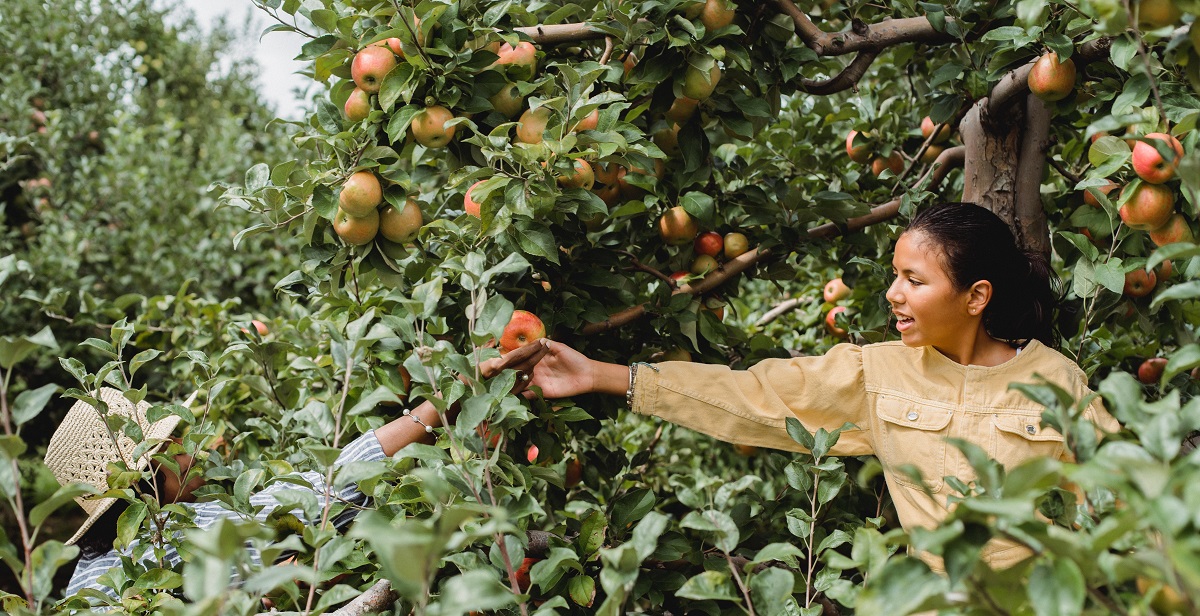
The Atlanta Food Forest (also known as the Urban Food Forest at Browns Mill) remains one of the most notable and successful examples of urban agriculture in the United States.
Located in a historically underserved area of southeast Atlanta, this pioneering project continues to provide free, fresh, organic produce to combat food insecurity in a former food desert.
Do you know where the Atlanta food forest is and what’s in it?This article will tell you everything you need to know about Atlanta’s food forest.
If you’re thinking about visiting the endeavor sometime soon, here’s everything you need to know.
Everything You Need To Know About Atlanta’s Food Forest
The site serves a neighborhood where poverty rates exceed 60% and fresh food access was previously limited (often requiring a 30-minute drive to a grocery store).
The project is widely recognized as the largest public food forest in the country, functioning as a model for integrating edible landscapes into equitable urban park development.
With food insecurity seen as a growing threat to America’s kitchens, a food forest comes at a crucial time. But why now? And why Atlanta?
It all began to grow roots in 2016. That’s when the Atlanta Mayor’s Office requested federal funding to address food deserts in the city’s most vulnerable neighborhoods. A seven-acre plot of land was found in southeast Atlanta.
When Atlanta’s City Council passed a resolution approving the nation’s first food forest, many critics scratched their heads thinking it wouldn’t work. An Atlanta food forest? No way, they said.
Indeed, the city is used to enormous plans shriveling up due to less than stellar community support or political infighting. But this time, it was different.
Atlanta Food Forest: A History
The 7-acre plot used to be owned by the Morgans, a couple who farmed the land. In 2016, the Conservation Fund bought the property.
Vast swaths of Atlanta were deemed “food deserts,” which meant that they were underserved when it came to affordable and sustainable foods. This was not only an economic problem, but a health issue and social dilemma.
What Is A Food Desert?
The government defines a food desert as low-income communities located more than 1 mile from fresh fruits and vegetables. Fast food restaurants don’t count.
What was happening in Atlanta’s Lakewood-Browns Mill community met all the definitions of a food desert. Also, more than 60% of the residents there lived below the poverty line.
The lack of grocery stores in the most needy areas of Atlanta also contributed to the problem. Thus, Atlanta officials were pushed to support a food forest that would continue to grow and feed the city’s impoverished communities.
So basically, the city’s nonstop development has forced the hands of city planners to come up with a way to feed thousands of community residents stuck in food desserts around the city.
Is The Food At The Atlanta Food Forest Free?
One of the biggest questions you may have is whether the food at the Atlanta food forest is free. A more appropriate question is “Is the food ready for harvest?”
The project has come to fruition thanks to a grant from the U.S Forest Service’s Community Forest Program.
Fruit-bearing trees, herbs and other crops have been planted continuously over the last year, much of it by local schoolchildren. Much of the food is available for foraging by Atlanta residents for free.
With that being said, there is an orderly arrangement that you must adhere to in order to take part in the harvest.
Who Can Harvest At Atlanta’s Food Forest?
Anybody can harvest at Atlanta’s food forest, but there is a hierarchy that you must follow. This is how the arrangement operates:
- Participating neighbors get first dibs on harvested crops, You can become a participating neighbor by emailing BrownsMillCommunityGarden@gmail.com.
- Volunteers take part in the harvest every Wednesday and second Saturday
- Finally, Atlanta residents can harvest at the “Community Harvest Table”
Where Is The Atlanta Food Forest Located?
The city’s urban forest is actually situated atop City of Atlanta parkland in the southwest portion of the city. The Atlanta food forest is located at 2217 Browns Mill Road, Atlanta, GA. 30315. Here’s a map to help you find the spot.
What Kinds Of Food Are Available In Atlanta’s Food Forest?
The Atlanta food forest grows a variety of fresh produce, including fruits, nuts, vegetables, herbs, and mushrooms. All of the bounty will be available for public consumption.
How It Works Today (2026)
Produce is free for all, following a respectful community protocol:- Participating neighbors (local residents) have priority — join by emailing BrownsMillCommunityGarden@gmail.com.
- Volunteers help harvest and maintain the site (typically Wednesdays and the second Saturday of each month).
- General Atlanta residents can access remaining produce via the Community Harvest Tableor by foraging responsibly.
- Visitors are welcome to explore trails, the orchard, mushroom areas, and more. The site emphasizes education, sustainability, and community building.

Photo credit:: Atlanta food forest What Do People Say About The Food Forest?
Here are some comments from people who have visited the Atlanta food forest.
— Wonderful the way for the neighborhood to have free food to eat in these trying times where money is not always plentiful in areas such as this. I love my neighborhood. thank God for the hands that have prepared this garden I’m sure those who utilize this farm appreciate it.
— Best kept secret for children who like the great outdoors and have a gift for old fashion gardening and fun with nature. Caring encounters with the people who care for the Park.— This place is so cool! You can learn a lot of things and it’s amazing how they grow the foods and herbs with no pesticides and no chemicals! Honestly it’s a blessing that they have gotten this far in just a few months so I give this place 5 stars!
Final Word
Have you been to Atlanta’s food forest? Filled with tasty organic foods like tomatoes, peaches, plums and more, Atlanta’s food forest is nation’s largest food forest.
If you love sustainable, locally sourced fruits and vegetables, come visit the Atlanta food forest, or better yet, become a volunteer.
If you want to grow your own food or become an urban farmer that’s an option too.
Atlanta has a lot of inspirational people and AtlantaFi.com is going to introduce you to many of them as well as cool places to go, great restaurants and other ATL happenings.
Got an event or know of something opening in and around Atlanta? Holla: CJ@AtlantaFi.com. See what’s poppin’ in the ATL! Subscribe to our news alerts here, follow us on Twitter and like us on Facebook.