-
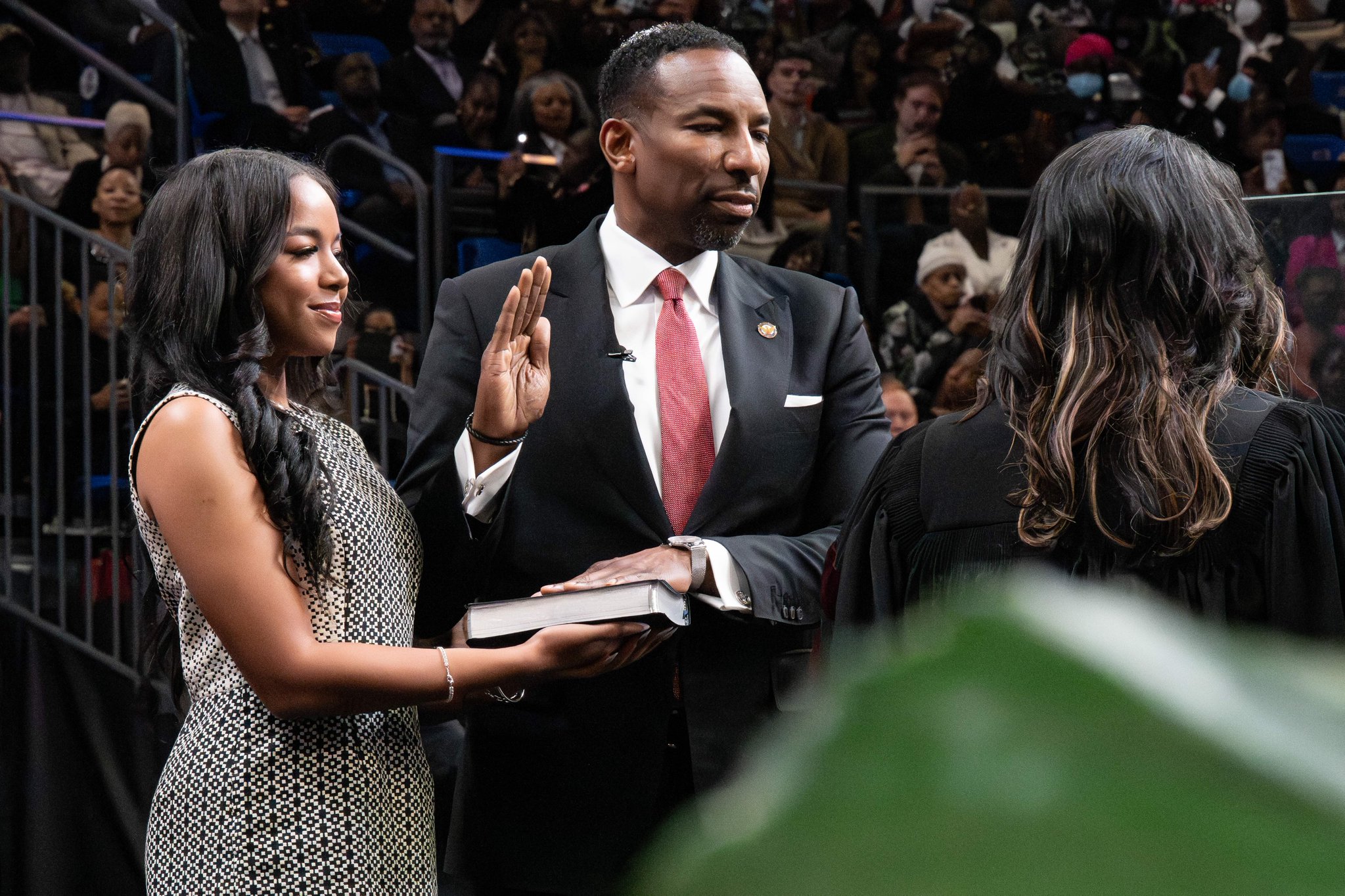
In his inauguration speech on Monday at Georgia State University’s Convocation Center, Mayor Andre Dickens officially began his second term as Atlanta’s 61st mayor.
The event followed a landslide reelection victory with 85% of the vote in November.
Dickens Begins Second Term as Mayor
Addressing thousands of attendees—including former mayors, U.S. Sen. Raphael Warnock, and Ambassador Andrew Young—Dickens reflected on first-term achievements while outlining an ambitious vision for the next four years.
“When you first elected me mayor, I promised that I would set the vision, remove barriers, deliver resources, and work from ‘can’t see morning’ to ‘can’t see night.’ And today, I am proud of how this city responded,” he said.
The mayor emphasized that while Atlanta has made significant progress—such as finishing 2025 with fewer than 100 homicides, record-high graduation rates in Atlanta Public Schools, and strides in affordable housing—he remains unsatisfied as long as inequities persist, particularly in south and west Atlanta neighborhoods.
Mayor Dickens’ 5 Focal Points for Atlanta
Drawing from his remarks and administration priorities, here are 5 key takeaways from Mayor Dickens’ speech and second-term focus:
1. Affordability and Housing
Dickens highlighted expanding affordable housing as a top priority, building on first-term efforts that included over 13,000 units started or completed and a historic $60 million Homeless Opportunity Bond.
He championed proposals to extend tax allocation districts (TADs) to generate billions for affordability initiatives and vowed to address homelessness and rising living costs so every Atlantan can afford to stay in the city they love.
2. Public Safety
The mayor celebrated major reductions in violent crime, including one of the nation’s largest drops in homicides and a 56% decrease in youth-related crime through programs like Midnight Basketball.
He pledged to continue this momentum with community-focused policing, youth development, and initiatives like Light Up the Night to ensure safe neighborhoods for residents and visitors alike.
3. Neighborhood Infrastructure and Equity
Dickens committed to targeted investments in long-overlooked areas, especially south and west Atlanta, through the Moving Atlanta Forward package (with $240 million in active projects for roads, public spaces, and connectivity).
”We expanded access to parks, expanded the BeltLine, and connected to the Chattahoochee river, reclaiming public space for public good,” Dickens said.
He stressed addressing historical inequities to create stronger, more connected communities across the city.
4. Youth Opportunities and Education
Building on successes like the highest-ever APS graduation rates and youth crime reductions, the mayor plans to expand programs that empower young people, including summer employment, early childhood development grants, and positive outlets to foster upward mobility and keep Atlanta’s next generation thriving.
”Atlanta has been named the best city in the nation to live, start a business, start a career—and the most educated city in America,” he said.
5. Ethical, People-Centered Government
Dickens described Atlanta as a “group project” where residents and city employees work together toward one indivisible future.
He thanked the city’s workforce and promised an innovative, dependable administration focused on equity, service, and leaning in amid national challenges to deliver for all Atlantans.
“The group project is working. We are no longer guessing,” he said. “We are not debating whether this approach works. We have seen the results with our own eyes, and we’re ready to face Goliath head-on.”
Final Word
Mayor Dickens concluded by reaffirming his commitment to a brighter, more inclusive Atlanta ahead of major events like the 2026 FIFA World Cup. “We are choosing to remain indivisible, committed to one city, to one future, and most importantly, to one another,” he said.
As the city continues its rise, residents can expect these priorities to shape policy and projects throughout the mayor’s second term. Stay tuned to AtlantaFi.com for ongoing coverage of City Hall developments.
-

Are you trying to get in shape this year? If so, you know that the best way to do that is to join one of the best gyms in the Atlanta area: LA Fitness.
In this article, I’ll list the LA Fitness locations in Atlanta as well as how to cancel your membership.
In Atlanta, LA Fitness has taken over many of the Bally Fitness locations, thus giving it a huge advantage over other fitness centers where people get their exercise on.
Here Are LA Fitness Locations In Atlanta
- Ansley Mall: 1544 Piedmont Ave NE, Suite 115, Atlanta, GA 30324
- Akers Mill: 2995 Cobb Parkway, Atlanta, GA 30339
- Atlanta-Peachtree Road: 3535 Peachtree Road NE, Suite 300, Atlanta, GA 30326
- Atlantic Station: 261 19th St., Suite 1140, Atlanta, GA 30363
- Lenox/Buckhead: 3232 Peachtree Road NW, #A, Atlanta, GA 30305
- Brookhaven: 755 Brookhaven Ave, Atlanta, GA 30319 (Note: This appears to be an alternate or former name for an existing club, but it’s not separately listed in current official results)
- Camp Creek: 3755 Carmia Dr. SW, Suite 700, Atlanta, GA 30331
- College Park: 6385 Old National Highway, Atlanta, GA 30349
- Midtown: 75 Fifth Street NW, Suite E, Atlanta, GA 30308
- Toco Hills: 2880 N. Druid Hills Rd NE, Atlanta, GA 30329
How Much Does It Cost To Join LA Fitness In Atlanta?
The exact cost of membership at LA Fitness varies slightly depending on whether you have signed up under a special or not. I have a Multi-Club and multi-state membership that costs $29.99 a month.
The $29.99 membership allows you to go to multiple LA Fitnesses in your city and across the nation.
For $26.99 a month, you can get membership to a single LA Fitness.
I had to pay a $99 initiation fee for that though. For single club access, you can get a membership for about $25 a month.
History
The reason is because, if you’re like me, you need to know where you can workout, train or just play basketball around the city.
What would become LA Fitness was first named Rainbow Nautilus. It was founded by Chin Yi and Lisa Maria Novins in 1983. In Covina, just outside Los Angeles, California, the name change stuck and LA Fitness took off.
If you’re looking for a gym that has it all, LA Fitness is it!
How To Cancel An LA Fitness Membership
If you want to cancel your LA Fitness membership, it’s not as easy as it could be. There is no button on their website that allows you to cancel.
Instead, you have three ways you can cancel your LA Fitness membership:
- You have to write a cancellation letter to the corporate headquarters at PO Box 54170, Irvine, CA 92619-4170
- You can also call LA Fitness and tell their customer service representative that you would like to cance. The number is
- Finally, you can print a cancellation form online. from the LA Fitness site. Once you log on at My LA Fitness, click on Account Information tab and then click on the “Cancellation Form” option on the right side of the screen. Once you have the form, you can deliver the notice to the operations manager at your local LA Fitness facility between 9 a.m. and 5 p.m. Monday through Friday.
Pro tip: If you mail the notice by certified mail and keep a record for your files. Also, make sure your cancellation is postmarked at least five business days before your next billing date to avoid being billed.
Final Word
If you’re an LA Fitness nut like me, you know that one is never too far away no matter where you are in Atlanta. I wanted to show you where all the LA Fitness locations were in Atlanta.
See more articles from AtlantaFi.com:
-
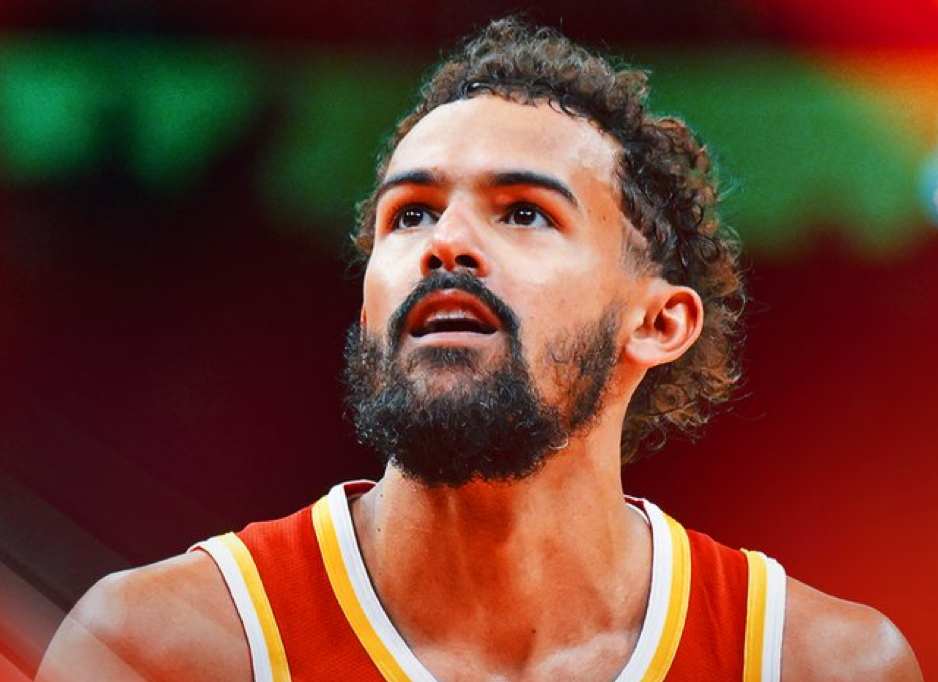
In a development that could signal the end of an era for the Atlanta Hawks, four-time All-Star guard Trae Young and his representatives are actively working with the franchise to explore trade options, sources told ESPN on Monday.
Young’s agents — Aaron Mintz, Drew Morrison, and Austin Brown of CAA — have engaged in positive and collaborative discussions with Hawks general manager Onsi Saleh over the past week, aiming to find a mutually agreeable resolution, according to the report from ESPN’s Shams Charania.
Trae Young, Hawks in Talks Before Trade Deadline
The 27-year-old Young, drafted by Atlanta in 2018 after a draft-night trade with Dallas, has been the cornerstone of the franchise for nearly eight seasons.
He holds the Hawks’ all-time records for 3-pointers made and assists, and led the team to three postseason appearances, including a memorable run to the Eastern Conference Finals in 2021.
However, the relationship appears to have reached a turning point. The Hawks notably declined to offer Young a contract extension last summer, fueling speculation about his long-term future in Atlanta.
This season has added to the uncertainty: Young has been limited to just 10 games due to leg injuries, with the Hawks posting a 2-8 record in those contests compared to 15-12 without him. Opponents have scored nearly 10 fewer points per game when Young sits, per ESPN Research.
Emerging talents like forward Jalen Johnson — who is averaging impressive numbers this season — and recent additions such as Nickeil Alexander-Walker have shifted the team’s dynamics, prompting questions about whether Atlanta is ready to build around a new core.
While no specific trade destinations have been confirmed by the Hawks or Young’s camp, early rumors have linked potential suitors, including discussions involving teams like the Washington Wizards.
The NBA trade deadline is February 5, leaving just a month for negotiations to intensify.
Hawks fans have mixed emotions about the news, with Young’s electrifying playstyle — including his deep range and playmaking wizardry — making him a beloved figure at State Farm Arena.
Yet, the team’s struggles to build sustained contention around him have led many to wonder if a fresh start could benefit both sides.
The Hawks organization has not commented publicly on the report as of Monday evening. Stay tuned to Atlanta Sports Journal for updates as this story develops.
-
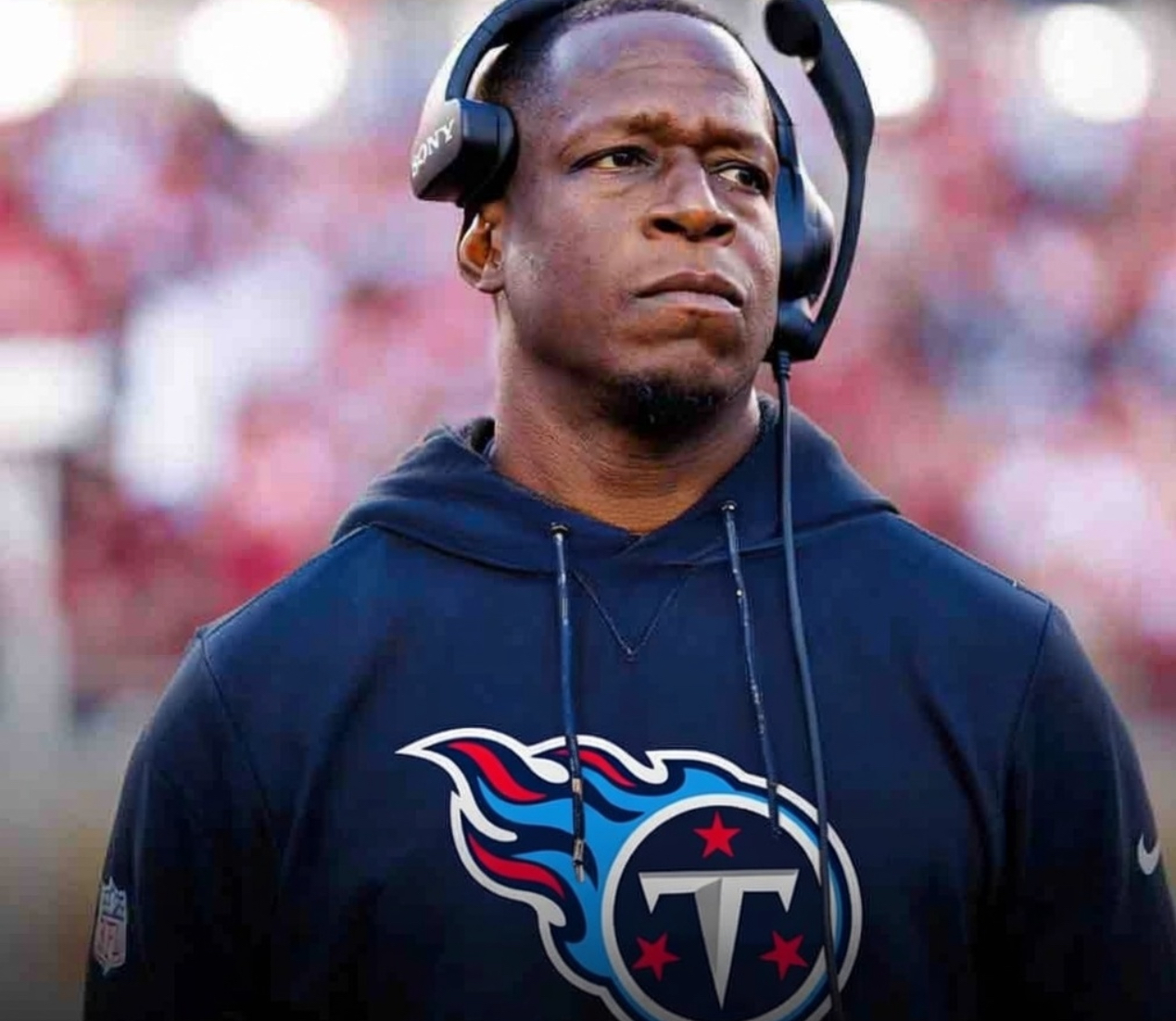
Less than 24 hours after the Atlanta Falcons parted ways with head coach Raheem Morris and general manager Terry Fontenot, Morris is already drawing interest from another NFL team.
According to ESPN’s Peter Schrager, the Tennessee Titans plan to interview the former Falcons coach for their vacant head coaching position later this week.
The news comes as the NFL’s coaching carousel spins into high gear following “Black Monday.”
The Falcons fired Morris on Sunday night despite the team closing the 2025 season with a four-game winning streak and an 8-9 record – matching the mark from his first season in 2024.
Over two years at the helm in Atlanta, Morris compiled a 16-18 record but failed to reach the playoffs, prompting owner Arthur Blank to seek new leadership.
Morris, 49, is no stranger to head coaching opportunities. He previously served as the Tampa Bay Buccaneers’ head coach from 2009-2011 and as the Falcons’ interim coach in 2020 (4-7 record).
His most notable success came as the Los Angeles Rams’ defensive coordinator, where he helped lead the team to a Super Bowl victory in 2021.
For Falcons fans, the quick interest in Morris from Tennessee may come as a mixed bag.
While his tenure here ended without postseason success, Morris was widely respected in the locker room for his player-friendly approach and ability to foster team unity.
Players Voiced Support for Morris
Players like Jessie Bates III and Bijan Robinson publicly supported him late in the season, crediting his leadership for the late surge.
Falcons Owner Sought a Change
On NFL.com, Kevin Patra noted the futility of the hot streak: “A four-game winning streak to end the season couldn’t save the jobs of Atlanta Falcons head coach Raheem Morris and general manager Terry Fontenot.”
The Falcoholic’s Dave Choate cited insiders on the premeditated nature: “Per NFL insiders Ollie Connolly and Josina Anderson… Atlanta has ‘had feelers’ out to potential candidates for weeks now and were going to fire both Morris and Fontenot regardless of the season’s end result.”
The Titans, who fired Brian Callahan earlier in the 2025 season and finished with another disappointing campaign, are casting a wide net in their search.
Reports indicate they are also eyeing recently fired coaches like Kevin Stefanski (Cleveland Browns) and several high-profile coordinators.
Morris is expected to draw interest from multiple teams for both head coaching and defensive coordinator roles, given his track record on defense and reputation as a strong communicator.
As the Falcons turn the page and begin their own search for a new head coach and GM – with names like Kevin Stefanski already linked – it’s clear Morris won’t be out of work for long.
We’ll keep you updated on any further developments involving former Falcons staff as the offseason unfolds.
Stay tuned to AtlantaFi.com for full coverage of the coaching search and all things Dirty Birds. Rise Up!
-

The Atlanta real estate market in 2026 is poised for further stabilization as affordability improves gradually and inventory continues to build. Following a year of cooling prices and increased supply in 2025, the industry is shifting toward a more balanced environment, though challenges like lingering high mortgage rates persist.
That said, buying land in Georgia remains competitive as property values have moderated but not crashed, with experts anticipating a modest rebound in some areas. According to recent forecasts, existing home sales are expected to rise modestly, aligning with national trends.
Metro Atlanta Real Estate Outlook: 2026
The metro Atlanta housing market in 2025 is anticipated to experience stabilization with moderate growth, following a period of rapid appreciation in recent years. Key projections include:
The metro Atlanta housing market in 2026 is expected to see continued moderation, with prices stabilizing or experiencing slight changes after the declines observed in 2025. Key projections include:Home Prices
- Stabilization with Minimal Growth: Analysts predict home prices in Atlanta will either hold steady or dip slightly in the first half of the year, potentially rebounding modestly by year-end, diverging from the rapid growth of prior years. noradarealestate.com
- National Context: Broader U.S. forecasts indicate a 1-2.2% appreciation in home values over the year, though Atlanta may underperform with a projected -1.3% change from mid-2025 to mid-2026 per Zillow data. noradarealestate.com +1
Market Activity
- Rising Inventory: Inventory is forecast to grow by around 9% nationally, providing more options for buyers and reducing intense competition, a trend already evident in Atlanta’s 4.4-month supply as of late 2025.
- Sales Pace: Home sales are anticipated to increase slightly (1.7-3% nationally), with Atlanta seeing deliberate buyer behavior amid a stronger spring season.
Economic Factors
- Mortgage Rates: Rates are expected to ease to an average of 6.1-6.3%, offering some relief but remaining elevated compared to pandemic lows, influenced by Federal Reserve policies.
- Affordability Improvements: With prices growing slower than wages, affordability should see gradual gains, though a full reset to pre-pandemic levels is unlikely in the short term.
Regional Considerations
- Potential for Correction: Southern markets like Atlanta could face ongoing adjustments due to increased new home supply and shifting migration patterns, but no major crash is anticipated.
Atlanta remains a leading housing market to watch, though the explosive growth of recent years has given way to a more measured pace.
Will 2026 Be a Better Time To Buy a Home?
The year 2026 will be one in which homeowners face increased prices for homes. Average home values in the metro Atlanta area will mimic much of the nation, which is forecast to see as much as 6% hikes.
Not every location will have home values that increase though. Depending on the neighborhood, town, village and subdivision, some homes see drops in price.
Still, some ominous signs are starting to appear in the U.S. housing market based on national trends, according to Realtor.com.
- Homes actively for sale have fallen 2% compared to last year.
- Unsold homes have fallen 3.7% compared to last year.
- The median price of homes for sale in October 2023 remained stable compared to the same time last year.
- Homes spent 50 days on the market – one day shorter than last year and more than two weeks shorter than before the COVID-19 pandemic.
Will 2026 Be a Better Time To Buy?
In 2026, buyers may find more opportunities as inventory builds and competition eases. Average home values in metro Atlanta, currently around $385,000 (down 4.4% from last year), are projected to stabilize or see minimal declines.
zillow.com Not all neighborhoods will follow suit—some may even appreciate.National trends show homes spending more time on the market, with inventory accumulation leading to softer demand.
Is Atlanta’s Housing Market Overpriced?
While Atlanta was previously ranked among the most overpriced markets, the cooling in 2025 has helped correct some imbalances. Current median prices sit at about $411,000, with values adjusting downward in many areas
Will Prices Go Up Or Down In 2026 In Atlanta?
Based on Zillow forecasts, Atlanta home values may decrease by about 1.3% through mid-2026, contrasting with national modest gains of 1.2-1.7%. Increased inventory (up 25% year-over-year in core counties) will likely extend days on market.
Affordability challenges persist, but lower rates could encourage more transactions. Rental demand may remain strong in urban areas.
There will be a glut of inventory of homes for sale in the metro area, and they will likely take longer to get offers and sales. How to afford a home will also be more of a challenge this year as economic factors loom, expert data says.
As home shoppers are expected to pre-qualify for a mortgage, there will be more homes for sale, homes will likely take longer to sell, and buyers will not face the extreme competition that was commonplace over the past few year.
If you have a home for rent inside the Perimeter, finding a tenant shouldn’t be a problem as favorable rents will drive strong demand from the north side of the city to the southern end.
Will House Prices Be Cheaper This Year?
With so many people moving to Atlanta annually, rather than become cheaper, leading real estate market experts expect home prices to increase slower than they have over the past two years.
Atlanta, one of the fast-growing cities when it comes to home sales, is not unlike other large Southern cities in that it is expected to continue to be a red-hot market. That means a dip in housing prices is unlikely.
One of the main factors that will influence home prices is the economic landscape of the United States. Namely, the incremental movements by the Federal Reserve to get inflation in check.
While interest rates are ticking upward, the chance that a full-blown recession takes hold in 2023 can’t be entirely discounted. But what such a move will no doubt do is slow down the mortgage industry.
Rising mortgage rates are expected to continue to shed competition among people looking to buy a home. While a buyers market is a possibility in some areas, for metro Atlanta, it is anticipated that real estate prices will hold up just enough that such a market won’t firmly take hold.
Home shoppers priced out of the market will likely create pressures on the rent market, boosting prices once again.
Home Prices On Atlanta’s Southside: Up
One of the most dramatic increases in home prices is happening on Atlanta’s southside, below Interstate 20. Take for instance the Sylvan Hills neighborhood.
Sylvan Hills
Average home prices in Sylvan Hills hover around $300,000, up from prior years but with sales pending longer due to increased options.
The area is only four miles from downtown Atlanta and is a historically economically depressed area, but not anymore. Gentrification is happening there and in similar areas on a large scale.

Like Capitol View just north, Sylvan Hills homes sell for about 4% below list price and pending sales last around 62 days.
Adair Park
Adair Park over the past five years has had some of the hottest real estate parcels in Atlanta. In Adair Park, averages are near $320,000, benefiting from proximity to downtown and the airport, though market-wide declines have tempered growth.

Bordered by the West End on one side and the Pittsburgh community on the other, Adair Park has benefited from its close proximity to downtown Atlanta as well as Hartsfield-Jackson Airport.
The average home price in Adair Park is around $240,000, according to RedFin. Homes there sell for about 4% below list price and sales are pending around 41 days.
Atlanta Beltline

But we can’t talk about Atlanta housing trends and real estate outlook with the “B” word: Beltline.
Nothing has shaped Atlanta real estate prices more than the Atlanta Beltline project, which continues to finish a 22-mile loop around the city’s best neighborhoods.
The Beltline remains a driver of value, with surrounding areas seeing resilient demand. Redevelopment projects continue to support prices in Eastside, Westside, and Southside trails, though overall growth is slower.
Suburban preferences persist in areas like Dawsonville, Cumming, Stockbridge, and Cartersville.Georgia’s real estate market has grown significantly over the past 15 years, concentrated in metro Atlanta.
Redevelopment, such as the opening of Krog Street Market and other projects have skewed home prices in the city’s interior in many cases leading to double digit growth.
As more projects see the light of day, we can only predict that home values around the Eastside, Westside and Southside Trails will continue to rise.
Read more: This People Are Having Too Much Fun On The Atlanta Beltline
Overall, many people, especially those relocating to Atlanta, continue to opt for the suburbs. They also are choosing areas farther out, including Dawsonville, Cumming, Stockbridge and Cartersville.
The Georgia real estate market is up 20% over the decade, with most of that confined to the metro Atlanta area.
Here Is How The Georgia Real Estate Market Has Grown From 2010-2024
- Home Price Growth: Median home prices in Georgia increased by over 150% since 2010.
- Population Growth: Georgia’s population grew by over 1.8 million people, with Atlanta being a key driver.
- Employment Impact: Job growth in tech, film, and logistics fueled demand for housing across the state.
Final Word
Homeownership is becoming attainable for more Americans than ever before. And especially is that the case in Georgia.
The Peach State’s largest city has one of the best real estate markets in the country, with affordable housing in every quadrant of the city. Large backyards, manicured parcels and strong neighborhoods with ample dining amenities make it one of the top places for transplants.
Not to mention that the city’s dining scene is the best in the Southeast. Looking for a home? Check out our Real Estate Resource Page.
Keep up with what’s going on in Atlanta’s real estate scene here with our Apartment Guide.
More Articles From AtlantaFi:
-
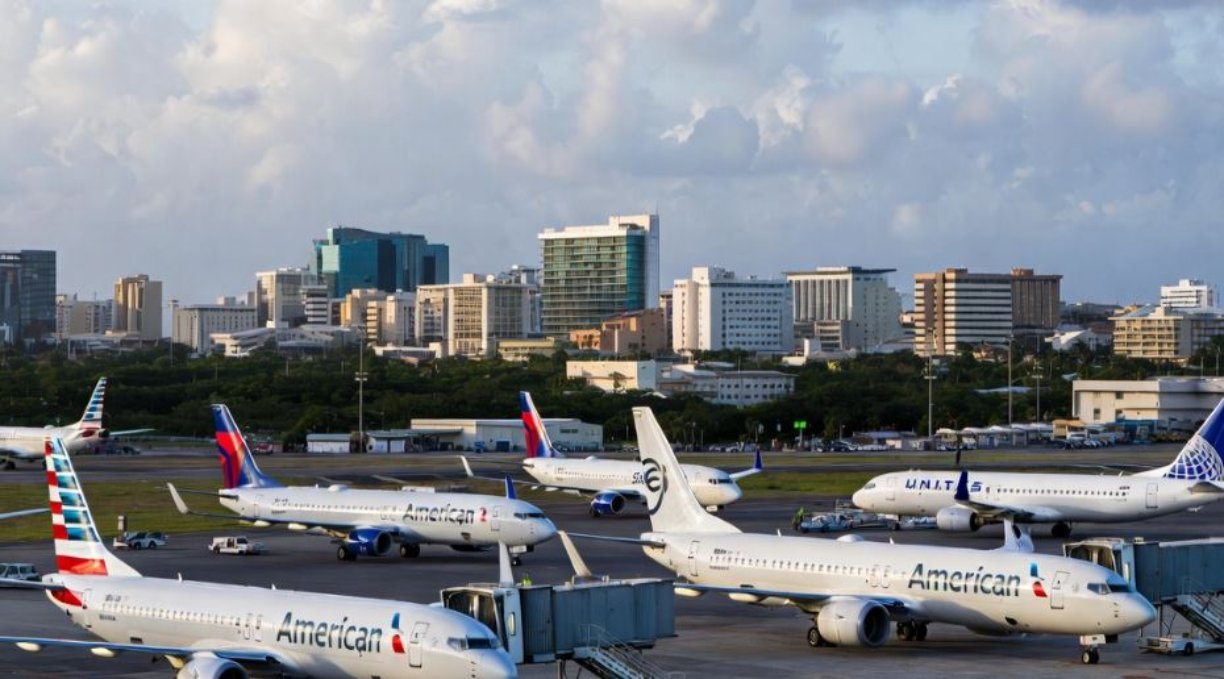
U.S. carriers, including hometown giant Delta Air Lines, moved quickly on Sunday to resume and expand flight operations to the Caribbean following widespread disruptions caused by temporary airspace closures tied to U.S. military actions in Venezuela.
The Federal Aviation Administration lifted restrictions on Eastern Caribbean airspace overnight, allowing airlines to restart service after hundreds of flights were canceled on Saturday, stranding thousands of holiday travelers.
Major U.S. Airlines Rush To Resume Flights Around Venezuela
.American Airlines led the recovery effort, announcing it had added more than 20 extra flights and approximately 5,000 additional seats across the region. The Fort Worth-based carrier deployed larger aircraft, including widebody jets, on key routes to accommodate passengers affected by the previous day’s cancellations.
Atlanta-based Delta Air Lines, along with United Airlines and Southwest Airlines, also signaled plans to bolster capacity by scheduling additional flights and upgauging to bigger planes where possible to meet surging demand from stranded travelers returning home after the New Year’s holiday period.
The most dramatic improvement was seen in San Juan, Puerto Rico, the region’s busiest hub. Cancellations plummeted from around 400 on Saturday to roughly 20 by Sunday evening, according to flight tracking data.
Flight Disruptions Galore After Military Activity in Venezuela
The disruptions stemmed from FAA-mandated airspace restrictions implemented Saturday in response to heightened military activity near Venezuela. While no U.S. carriers fly directly to Venezuela, many Caribbean routes typically overfly or skirt Venezuelan airspace.
Airlines have waived change fees and fare differences for affected passengers, and several have capped fares on remaining seats to prevent price gouging amid high demand
.Industry analysts note that while normal schedules are largely resuming, full recovery could take several days as carriers reposition aircraft and crew displaced by the sudden closures
.Delta, which operates a major Caribbean network from its Atlanta hub, stated it expects to run its full regional schedule today with minor adjustments as needed.
Travelers are advised to check directly with their airline for the latest flight status, as residual delays and sold-out flights may persist into early next week.
Check Out Our Atlanta Travel Guide
-
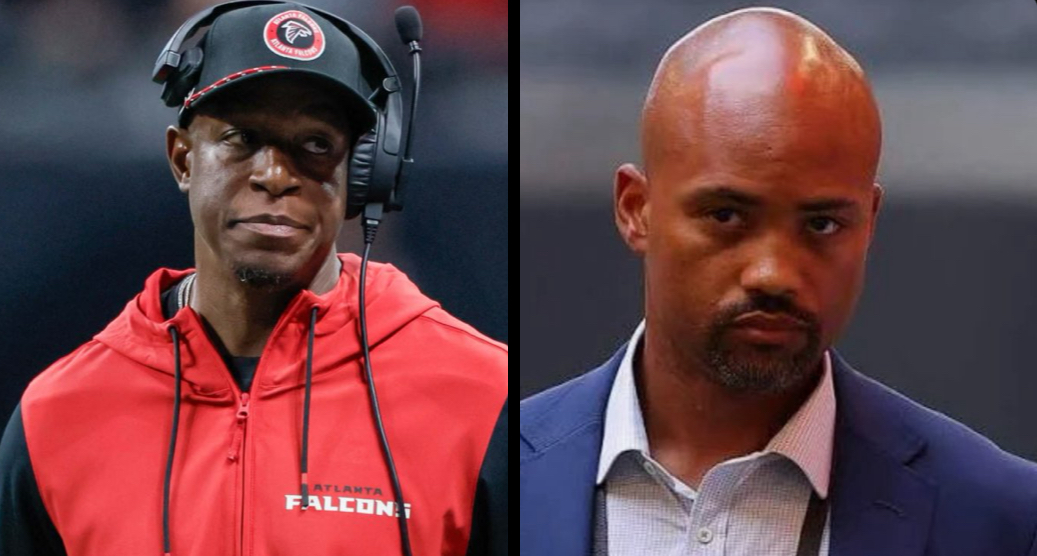
In a stunning move that has sent shockwaves through the Falcons faithful, the Atlanta Falcons announced the dismissal of Head Coach Raheem Morris and General Manager Terry Fontenot on Sunday evening, capping off a tumultuous 2025 season that fell far short of expectations.
The announcement came via a press release from team owner Arthur Blank, who cited the need for a “fresh direction” after the Falcons finished the year with a disappointing 8-9 record, missing the playoffs for the eighth consecutive season.
Falcons Part Ways With Raheem Morris, Terry Fontenot
“I have great personal affinity for both Raheem and Terry and appreciate their hard work and dedication to the Falcons, but I believe we need new leadership in these roles moving forward,” Falcons owner Arthur Blank said in a statement. “The decision to move away from people who represent the organization so well and have a shared commitment to the values that are important to the organization is not an easy one, but the results on the field have not met our expectations or those of our fans and leadership. I wish Raheem and Terry the absolute best in their future pursuits.”
Morris, 49, was hired as the Falcons’ head coach in 2024 following a successful stint as the defensive coordinator for the Los Angeles Rams, where he helped lead them to a Super Bowl victory in 2021.
His tenure in Atlanta began with promise, as the team showed flashes of defensive improvement and offensive creativity in his first year.
However, injuries to key players like quarterback Michael Penix Jr., less-than-stellar play from Kirk Cousins and misused running back Bijan Robinson, combined with inconsistent play-calling, derailed the 2025 campaign. The Falcons ranked 28th in total defense and struggled with late-game collapses, including a mid season stint where they loss seven of eight games.
Fontenot, who joined the Falcons as GM in 2021 after a long career in the New Orleans Saints’ front office, oversaw a roster rebuild that included high-profile draft picks like edge rusher Dallas Turner and wide receiver Rome Odunze.
While his talent evaluation was praised early on—particularly for selecting Robinson in the 2023 draft—the past two seasons exposed flaws in free agency decisions and salary cap management. Critics pointed to overpaid contracts for aging veterans and a lack of depth on the offensive line as key factors in the team’s underperformance.
The firings come on the eve of what is traditionally known as “Black Monday” in the NFL, the day after the regular season when underperforming teams make sweeping changes.
Atlanta’s decision was unexpected by some, given Morris’s defensive background and Fontenot’s track record in player scouting, but fan frustration had been building throughout the year. Social media erupted with calls for change after a string of blowout losses in November and December.
Former Falcons greats weighed in on the news. Hall of Fame quarterback Matt Ryan, now a broadcaster, expressed surprise but understanding: “Raheem brought energy and a player’s coach mentality, but results matter in this league. Terry built a young core, but the wins didn’t come. Atlanta deserves better.”
Looking Ahead
Looking ahead, Blank indicated that the search for new leadership would begin immediately, with an emphasis on candidates who can maximize the team’s young talent and navigate the upcoming draft, where the Falcons hold the No. 8 overall pick.
Potential head coaching candidates rumored to be on the radar include Detroit Lions offensive coordinator Ben Johnson, known for his innovative schemes, and former Seattle Seahawks coach Pete Carroll, who has expressed interest in returning to the NFL.
For the GM role, names like Kansas City Chiefs assistant GM Mike Borgonzi and Baltimore Ravens director of player personnel Joe Hortiz have surfaced in early speculation.
This marks the third head coaching change for the Falcons since their Super Bowl LI appearance in 2017, highlighting the ongoing instability in the front office. Fans, who have endured years of mediocrity, are hopeful that Blank’s latest reset will finally turn the tide.
The Atlanta Sports Gazette will provide updates as the coaching and GM searches unfold. For now, the Dirty Birds are once again at a crossroads, searching for the leaders to soar back into contention.
-
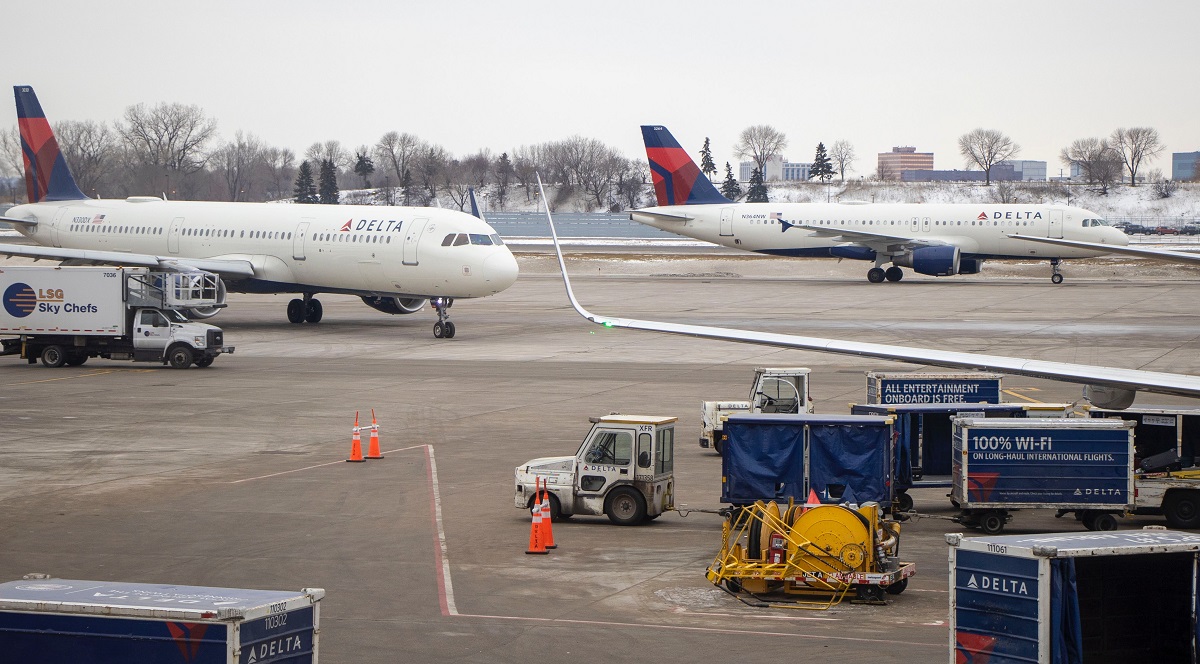
Delta Air Lines, headquartered right here in Atlanta, has started canceling flights to several popular Caribbean destinations as the airline complies with urgent Federal Aviation Administration (FAA) airspace restrictions.
The cancellations come amid a rapidly developing international situation involving U.S. military strikes in Venezuela, which reportedly resulted in the capture of President Nicolás Maduro and his wife, and subsequent FAA actions to close portions of Caribbean airspace for safety reasons.
Delta Cancels Flights That Use Caribbean Airspace
As of midday Saturday, Delta has issued a travel waiver allowing affected passengers flexibility with no change or cancellation fees for flights to or from 13 impacted Caribbean airports between January 3 and January 6, 2026.
The affected airports include:
- Antigua (ANU)
- Aruba (AUA)
- Barbados (BGI)
- Bonaire (BON)
- Curaçao (CUR)
- Grenada (GND)
- San Juan, Puerto Rico (SJU)
- St. Kitts (SKB)
- St. Thomas (STT)
- St. Croix (STX)
- St. Vincent (SVD)
- St. Maarten (SXM)
- St. Lucia (UVF)
Delta began implementing cancellations early Saturday morning in response to the FAA’s directives. The airline emphasized that it is actively monitoring the evolving regional situation.
In an official statement, Delta said:
“Delta’s teams are closely monitoring the situation, emphasizing that the safety and security of customers and employees remains the airline’s top priority.”
What this means for travelers:
Customers with bookings during the affected period should receive direct notifications via the Fly Delta app and/or the contact information on file with their reservation.These notifications will include instructions for rebooking or making changes to itineraries.
Does Delta Fly To Venezuela?
Delta has not operated direct flights to any destinations in Venezuela (such as Caracas/Simón Bolívar International Airport) for several years.
Delta suspended its service to Caracas back in 2017 due to safety, security, and operational concerns, and the airline has not resumed those routes since.
Current Delta international offerings focus on other South American countries like Colombia, Brazil, Argentina, Chile, Peru, and Ecuador—but Venezuela is not included in their active network.
In fact, the ongoing situation today—with FAA airspace restrictions over Venezuela and surrounding areas following U.S. military activity—has led to widespread flight disruptions and cancellations in the nearby Caribbean, but these affect overflight routes and regional connections rather than direct service to Venezuela itself (which Delta doesn’t offer anyway).
Key points for travelers:
- No Delta flights go directly to or from Venezuela at this time.
- U.S. carriers, including Delta, are prohibited from operating in Venezuelan airspace due to current FAA NOTAMs and long-standing safety advisories.
- If you’re seeing references to Delta and Venezuela in news right now, it’s related to indirect impacts like rerouting South American flights or Caribbean cancellations, not direct service.
For the most up-to-date route information, we always recommend checking directly on Delta.com or the Fly Delta app. Safe travels, Atlanta! If you have a specific itinerary or booking in mind, feel free to share more details.
Final Word
Delta recommends that all travelers check their flight status regularly through the Fly Delta app or on Delta.com, where adjustments can be made quickly.
This disruption highlights how quickly global events can impact air travel, especially for routes near areas of heightened military or political activity.
Hartsfield-Jackson Atlanta International Airport, the world’s busiest and Delta’s main hub, may see some ripple effects from these changes.
We’ll continue to follow this story and provide updates as more information becomes available from Delta and federal authorities.
Safe travels, Atlanta! If you’re affected by these cancellations, reach out to Delta directly for the latest on your itinerary.
Check Out Our Atlanta Travel Guide
-
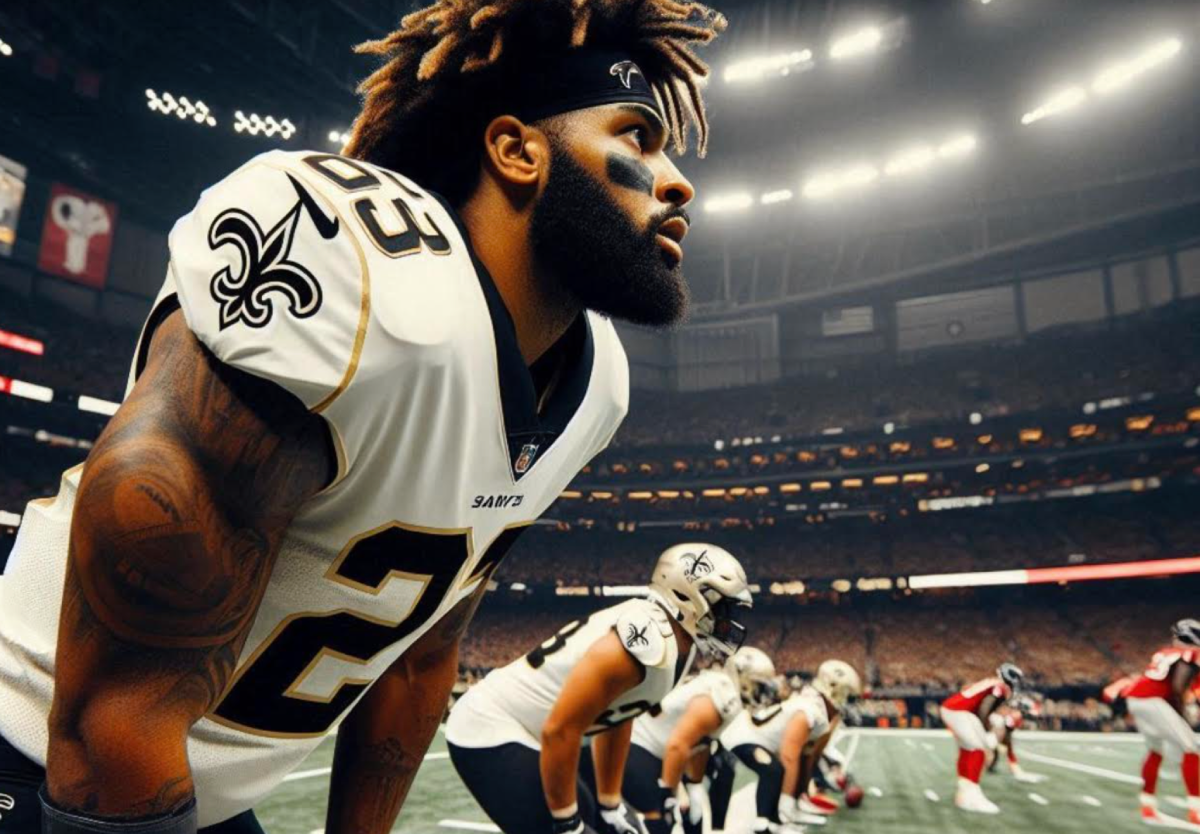
There was a time that we used to label them as “The Aints” and that’s what they’ll forever be. When the teams square off on Sunday, old wounds will be revisited. (You can stream the game for free)
The rivalry between the New Orleans Saints and the Atlanta Falcons is one of the oldest and most intense rivalries in the NFL. It is often referred to as the “Southern Showdown” or “The Battle of the South.” This rivalry has been fueled by regional pride, memorable games, and the fact that both teams often found themselves battling for supremacy in the NFC South.
This article will look back at the rivalry between the Falcons and Saints, which for many years has been mired in mediocrity — but not of late.
Origins of the Rivalry (1960s–1970s)
The Saints and the Falcons first met in 1967, during the Falcons’ second season and the Saints’ inaugural season in the NFL. As two of the NFL’s southernmost teams at the time, geographic proximity naturally bred rivalry, with Atlanta and New Orleans separated by only about 430 miles. Both teams were known for struggling in their early years. From the late 1960s through the 1970s, neither team had much success, often finishing near the bottom of their respective divisions. However, this helped to create an intense rivalry between the two fanbases, as the teams would fight to avoid being the worst in the league.
Escalation in the 1980s
The rivalry gained a higher profile in the 1980s as both teams began to see sporadic success. The Falcons drafted quarterback Steve Bartkowski, while the Saints eventually brought in quarterback Archie Manning, both of whom became faces of their respective franchises. The games between the Saints and Falcons were usually hard-fought and unpredictable, with memorable moments such as the Falcons’ 62-7 rout of the Saints in 1973 and the Saints winning their first-ever game against the Falcons in 1969.
In the 1980s, the competitiveness of the games helped solidify the rivalry. While the Saints remained without a playoff appearance until 1987, the Falcons had some playoff success, but the rivalry continued to be fierce due to the passionate fanbases.
The 1991 NFC Wild Card Game: A Turning Point
One of the most famous moments in the rivalry’s history came during the 1991 NFC Wild Card game. The Falcons and Saints met in the playoffs for the first time, with the Saints hosting their first-ever playoff game after a 12-4 season. The Falcons, under head coach Jerry Glanville and led by quarterback Chris Miller, came into the game as underdogs. In a hard-fought and emotional contest, the Falcons pulled off a stunning 27-20 victory, with Miller throwing a game-winning touchdown to Michael Haynes. This loss for the Saints was devastating, as it marked the end of a historic season. It fueled the hatred between the fanbases even more.
1990s and Early 2000s: The Rivalry Stays Heated
Throughout the 1990s and early 2000s, the rivalry remained intense, even as the teams went through periods of success and struggle. The Saints were led by quarterback Bobby Hebert and later by Aaron Brooks, while the Falcons saw the rise of quarterback Chris Chandler, who helped take them to the Super Bowl in 1998.
Despite the teams’ varying success, the rivalry games were often close and unpredictable. For example, the Saints beat the Falcons in 1999, the same season in which the Falcons had just come off their Super Bowl appearance, showing the “any given Sunday” nature of the rivalry.
The Arrival of Drew Brees and Michael Vick (2000s)
The rivalry took on new life in the mid-2000s with the arrival of two franchise-altering quarterbacks: Michael Vick for the Falcons and Drew Brees for the Saints. Vick, an electrifying playmaker, turned the Falcons into one of the most exciting teams in the NFL during the early 2000s. Meanwhile, Brees helped to revive the Saints’ franchise when he joined in 2006, leading them to their first-ever Super Bowl victory in the 2009 season.
The games between Vick and Brees added a new layer of excitement to the rivalry. One notable game came in 2006, when the Saints returned to the Superdome after Hurricane Katrina in an emotional Monday Night Football matchup against the Falcons. The Saints dominated the game, winning 23-3, with the blocked punt by Steve Gleason becoming one of the most iconic moments in Saints history. This game further solidified the Saints’ resurgence and added emotional depth to the rivalry.
Super Bowl Era: Saints’ Dominance (2010s)
During the 2010s, the Saints, led by Drew Brees and head coach Sean Payton, largely dominated the rivalry, but the Falcons had their moments as well. The Saints consistently made the playoffs, winning several division titles and often beating the Falcons along the way. However, the Falcons had their own success, culminating in a Super Bowl appearance in the 2016 season. Although they infamously lost the game to the New England Patriots after leading 28-3, their rivalry with the Saints only grew stronger.
The games between the Saints and Falcons during this period were often marked by high drama, close finishes, and playoff implications. In 2011, for example, the Saints secured a playoff berth by beating the Falcons in a dramatic overtime victory. In 2018, the Saints beat the Falcons on Thanksgiving in front of a national audience, further fueling the competitive fire between the two teams.
The Post-Brees Era and Continued Rivalry
As both franchises entered the 2020s, the rivalry continued to evolve. Drew Brees retired after the 2020 season, marking the end of an era for the Saints. Meanwhile, the Falcons had already moved on from Matt Ryan, and they began a rebuilding process.
Even in this period of transition, the games between the Saints and Falcons remained fiercely competitive, with each team looking to spoil the other’s season, regardless of records.
The Saints and Falcons rivalry stands out for its passion, unpredictability, and the way it has reflected the ups and downs of both franchises.
It’s not just about wins and losses; it’s about regional pride and the connection between two cities that have had their share of struggles but always rally behind their teams. It is one of the few NFL rivalries where the games matter not only for playoff positioning but for the bragging rights that extend beyond football and into the culture of both cities.
-

In the early 20th century, Georgia’s economy was deeply tied to cotton farming, a legacy of the state’s agrarian roots.
But the arrival of a tiny insect known as the boll weevil, combined with plummeting cotton prices and a severe drought, triggered a catastrophic agricultural collapse in the 1920s.
Historian Carolyn Merchant (2002) noted: “the entire economy of the South was at risk,” adding that “Although the new methods were helpful, they were also expensive, and the combination of declining yields and higher costs drove many farmers out of business.”
This period of devastation reshaped Georgia’s landscape, forcing farmers to adapt and diversify. Here’s a breakdown of what happened, why it mattered, and its lasting impact on the Peach State.
What is the Boll Weevil?
The boll weevil (Anthonomus grandis) is a small beetle native to Mexico that feeds on cotton plants. It bores into cotton bolls – the seed pods where cotton fiber grows – laying eggs and destroying the crop from the inside.
By the 1920s, this pest had become the most economically damaging agricultural insect in U.S. history.
Economist S. W. Bilsing (1935) commented: “The forced change in the production of cotton due to the advent of the boll weevil resulted in the reorganization of our system of agriculture; indirectly to diversified farming, and in a well organized system of imparting scientific information to a large part of the agricultural population of the South.”
First detected in Texas in the late 1800s, it spread eastward across the Cotton Belt, reaching Georgia by 1915.
Arrival and Spread in Georgia

The boll weevil crossed into Georgia around 1915, quickly infesting cotton fields statewide. At the time, Georgia was the nation’s leading cotton producer, with a record 5.2 million acres planted in 1914.
The pest’s arrival couldn’t have come at a worse time, as World War I had initially boosted cotton demand, but postwar surpluses led to a sharp price drop. By 1923, yield losses from the weevil had halved cotton acreage to just 2.6 million acres.
The infestation was so severe that by the 1930s, annual damage across the Cotton Belt exceeded $200 million, with Georgia’s cotton production dropping to only 45% of pre-infestation levels.
Economists Roger Ransom and Richard Sutch (1977) observed: “It required a shock nearly equal to emancipation to jolt the agrarian South out of the routine it followed for the four post-emancipation decades. That shock was the coming of the boll weevil.”
In Georgia during the 1930s, this manifested in farmers abandoning old practices, with corn acreage rising 20% post-infestation, though on less fertile land, and real land values declining 10-40% in cotton-heavy counties.
The Perfect Storm: Boll Weevil, Drought, and Economic Pressures
The boll weevil alone was devastating, but it coincided with other crises that amplified the collapse. Cotton prices plunged in the early 1920s due to overproduction and reduced global demand after World War I.
Then, in 1925, Georgia endured one of the worst droughts of the century, scorching fields and further decimating yields.
This “perfect storm” hit tenant farmers and sharecroppers hardest – many of whom were already in debt and reliant on cotton as a cash crop.
Agricultural expert J. H. Soule (1921) warned: “The boll weevil has disturbed our economic situation more than any other single factor since the conclusion of the Civil War; it is a pest of as great a magnitude as any which afflicted the Egyptians in the olden days.”
This sentiment echoed into the 1930s, as Georgia’s cotton production hit lows, exacerbating the Great Depression’s effects with poor harvests devastating wages for pickers and the rural poor.
The economic fallout was profound. The weevil reduced the number of tenant farms, lowered farm wages, and decreased female labor force participation, especially in heavily infested counties.
Countless families faced destitution, contributing to the Great Migration of African Americans and poor whites from rural Georgia to northern cities in search of work.
In Atlanta, the influx of rural migrants strained urban resources, but it also diversified the city’s workforce and culture.
Statewide, the agricultural sector – which employed a majority of Georgians – crumbled, foreshadowing the national Great Depression that began in 1929.
Responses to the Crisis
Farmers and scientists fought back with a mix of strategies. Early efforts included applying toxic pesticides like calcium arsenate, though these often led to environmental issues and secondary pest problems.
Cultural practices, such as planting early-maturing varieties, destroying stalks after harvest, and improving soil fertility, helped mitigate damage.
In some areas, like southwest Georgia, the crisis spurred diversification into peanuts and other crops, thanks to innovators like George Washington Carver.
Long-term, the Boll Weevil Eradication Program, launched in the 1980s, used pheromones, traps, and integrated pest management to eliminate the pest from Georgia by the early 1990s.
This not only revived cotton production – with acreage rebounding to over 1 million by the 2010s – but also reduced insecticide use by 75% and promoted sustainable farming.Legacy in Georgia Today
The 1920s agricultural collapse taught Georgia a hard lesson about overreliance on a single crop, leading to greater diversification in farming and industry.
While cotton remains important, the state’s economy now includes peanuts, poultry, and manufacturing.
The boll weevil even became a cultural symbol – immortalized in songs and stories as both a villain and a catalyst for change.
Final Word
In Atlanta, echoes of this era can be seen in our vibrant migrant-descended communities and ongoing efforts to support rural economies.
For more on Georgia’s history, check out our archives or visit the New Georgia Encyclopedia. If you have family stories from this time, share them in the comments below!