-
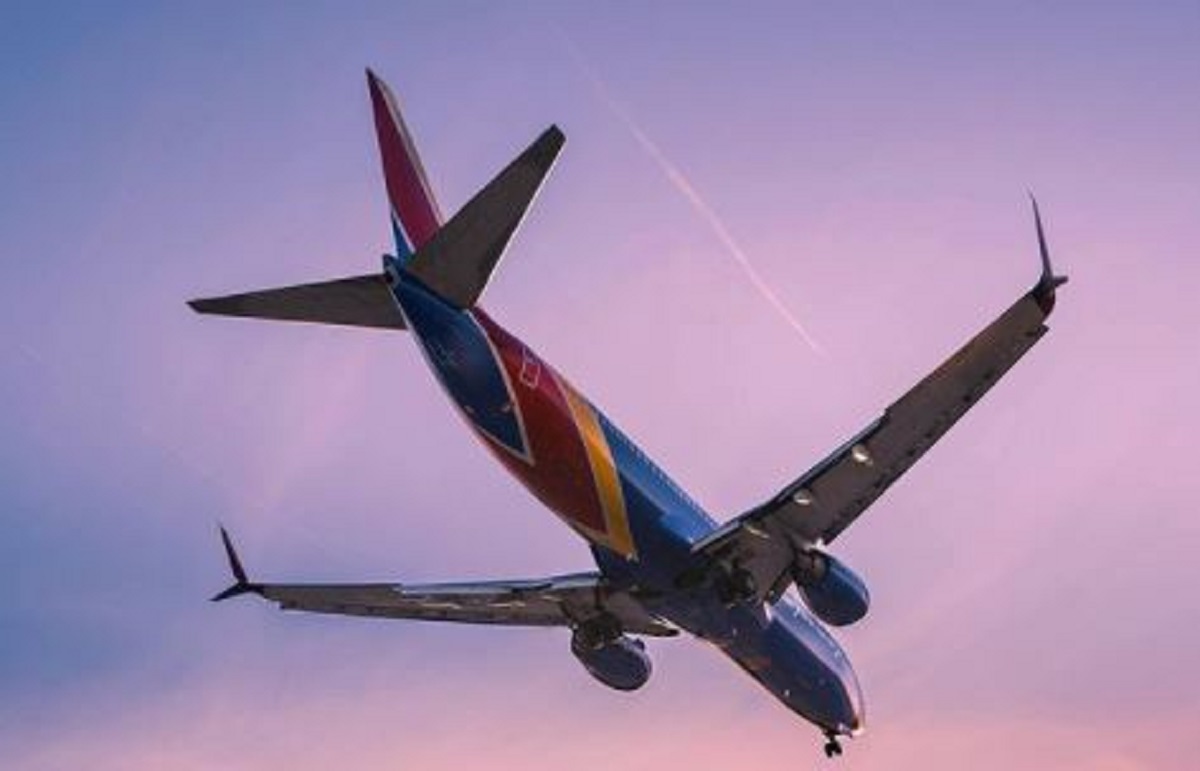
Atlanta, GA – February 27, 2026 – Southwest Airlines is doubling down on its new assigned seating system with a fresh round of customer-focused improvements designed to ease one of the biggest pain points from the transition: overhead bin space.
In a message sent to loyalty members this week, the airline thanked Atlanta-area travelers for their feedback during the shift away from its longtime open-seating policy.
Southwest Unveils New Upgrades
Southwest acknowledged that the change has been a major adjustment but said it has already implemented several enhancements and is now rolling out three targeted upgrades to make flying smoother and more reliable.
What’s New for Southwest Passengers
1. Better-Balanced Boarding Groups
Southwest is tweaking how boarding groups are assigned to ensure more passengers have overhead bin space near their actual seatsThe goal is to reduce the scramble for bin space while still preserving the airline’s famously fast boarding and deplaning process that Atlanta travelers have come to expect.
2. Significantly More Overhead Bin Space
The carrier is installing larger overhead bins across its fleet that can hold up to 50% more bags. According to the announcement, at least 70% of Southwest aircraft will feature the upgraded bins by the end of 2026.The change is expected to dramatically improve availability near assigned seats for passengers flying in and out of Hartsfield-Jackson Atlanta International Airport.
3. Reserved Bin Space for Extra Legroom Seats
Starting immediately and continuing throughout March 2026, Southwest will add clear signage above Extra Legroom rows to designate that bin space exclusively for passengers seated in those rows.It’s a simple but effective way to protect the storage customers paid extra for.
A Direct Response to Atlanta Customer Feedback
The updates come after months of input from flyers across the Southeast, including many from Atlanta who use Southwest for both business trips and vacations to Florida, the Caribbean, and the West Coast.
The airline emphasized that it remains committed to “the industry’s best operational reliability and hospitality” while rewarding loyalty.
“Thank you for your continued loyalty,” the message concluded. “We’ll keep listening to feedback and keep you updated as we roll out additional enhancements.”
What This Means for Atlanta Travelers
With daily flights to dozens of cities from ATL, these changes should make Southwest’s new assigned seating feel more polished by summer travel season.
Passengers who purchase EarlyBird check-in or hold elite status will likely see the biggest benefits from the smarter boarding groups and expanded bin capacity.
Southwest has not yet released exact dates for when specific aircraft flying Atlanta routes will receive the larger bins, but the airline says the upgrades are already underway.
Local frequent flyers can expect to see the new signage in Extra Legroom rows as early as next week.
Stay tuned to AtlantaFi.com for the latest on how these changes affect fares, boarding times, and the overall Southwest experience at Hartsfield-Jackson.
Check Out Our Atlanta Travel Guide
-

Atlanta’s vibrant culture took center stage on national television Friday night, as a lighthearted discussion on NBA on Prime turned to the city’s legendary strip club, Magic City.
The viral moment, featuring sports journalist Taylor Rooks and retired NBA star Blake Griffin, has Atlantans buzzing about the intersection of sports, entertainment, and local flavor.
The exchange occurred during a segment on the streaming service’s NBA coverage, where hosts Rooks, Griffin, Dirk Nowitzki, and Steve Nash reacted to the Atlanta Hawks’ upcoming “Magic City Monday” event.
Scheduled for March 16 during the Hawks’ game against the Orlando Magic at State Farm Arena, the promotion celebrates one of Atlanta’s most famous institutions with a performance by rapper T.I., servings of Magic City’s renowned lemon-pepper wings, and limited-edition merchandise.
Rooks, who grew up in Gwinnett County, Georgia, shared a personal anecdote about the club. “I am from Georgia, that was my first strip club experience. Good times,” she said with a laugh. “You see some things in there that make you say wow.”
Griffin, known for his quick wit both on and off the court, couldn’t resist chiming in. “Let’s do a demo,” he quipped, prompting laughter from the panel and sending social media into a frenzy. Nash, ever the pragmatist, followed up with, “How much are the sweatshirts?”
The clip, posted on X by @BrickCenter_, quickly amassed over 270,000 views, 5,400 likes, and hundreds of reposts.
Fans flooded the comments with reactions, from praising Griffin’s boldness to joking about potential HR calls. One user wrote, “Blake saw the alley-oop and HAD to finish it 😭,” while another noted, “That boy for sure from Oklahoma 😂😂😂.”
Magic City, located in Atlanta’s Old Fourth Ward, has long been a staple of the city’s nightlife and hip-hop scene.
Founded in 1985, it’s famous not just for its entertainment but also for its food—particularly those sticky, flavorful wings that have drawn celebrities, athletes, and locals alike.
The Hawks’ decision to honor it reflects Atlanta’s unique blend of sports and culture, much like previous theme nights celebrating the city’s music and history.
For Rooks, the moment was a nod to her Georgia roots. The 33-year-old journalist, who has interviewed stars like LeBron James and Kevin Durant, often highlights her Southern upbringing.
Griffin, a six-time All-Star who retired in 2024 after stints with the Clippers, Pistons, Nets, and Celtics, has transitioned seamlessly into broadcasting, bringing his humor to Prime Video’s NBA team.
While some viewers raised eyebrows at the risqué banter on a family-friendly sports broadcast, the overall tone was playful, aligning with the unfiltered style that has made NBA on Prime a hit.
As one fan commented on social media, “Blake Griffin just gave Amazon its first inside the NBA moment and Taylor Rooks is fighting for her life.”
The Hawks’ “Magic City Monday” is set to bring that energy to the arena, with tickets already selling briskly. Fans can expect T.I.’s hits, wing tastings, and exclusive gear—perhaps even those sweatshirts Nash inquired about.
In a city where basketball and nightlife collide, this viral clip is a reminder of Atlanta’s outsized influence on pop culture.
Whether you’re cheering for the Hawks or just craving some wings, Magic City continues to make waves far beyond Fulton County.
For more on Atlanta sports and entertainment, stay tuned to AtlantaFi.com.
-
Atlanta, GA – February 27, 2026 – In a boost to Atlanta’s growing tech scene, AI safety and research company Anthropic has posted new job openings in the city, signaling an expansion of its operations into the Southeast.
Known for its cutting-edge AI models like Claude, Anthropic is hiring for specialized roles in Applied AI, offering competitive salaries and opportunities to work on transformative technology. It’s not the only company hiring in Atlanta now.
Anthropic Hiring in Atlanta
The San Francisco-based company, which emphasizes building reliable, interpretable, and steerable AI systems, is seeking talent for positions such as Forward Deployed Engineer and Technical Deployment Lead in Applied AI.
These on-site roles in Atlanta come with salaries ranging from $200,000 to $300,000 annually, highlighting Anthropic’s commitment to attracting top engineers and deployment experts.
“Anthropic’s move into Atlanta underscores the city’s rising status as a hub for innovation and technology,” said local economic development expert Dr. Elena Ramirez from Georgia Tech. “With major players like Microsoft investing in data centers here, Atlanta is poised to become a key player in the AI ecosystem.”
The Forward Deployed Engineer role involves embedding with strategic customers to drive AI adoption, building production applications using Anthropic’s Claude models, and providing hands-on deployment support. Candidates are expected to have experience with large language models (LLMs), strong programming skills, and a passion for safe AI development.
Open Anthropic Jobs in Atlanta
As of February 27, 2026, Anthropic’s official careers page lists the following job openings that include Atlanta, GA as a possible location (these roles support multiple cities, including Atlanta, and are part of the Applied AI team):
- Forward Deployed Engineer, Applied AI
- Locations: Atlanta, GA; Austin, TX; Boston, MA; Chicago, IL; New York City, NY; Seattle, WA; San Francisco, CA; Washington, DC (among others).
- Apply here (or apply via the main jobs page by searching for the title).
- Technical Deployment Lead, Applied AI
- Locations: Atlanta, GA; Austin, TX; Boston, MA; Chicago, IL; San Francisco, CA; New York City, NY; Washington, DC (among others).
- Apply Here (or anthropic.com).
The position requires frequent travel to customer sites, reflecting Anthropic’s customer-centric approach.
Similarly, the Technical Deployment Lead role focuses on enterprise AI deployments, aligning with Anthropic’s mission to create AI that benefits humanity while mitigating risks.
This expansion comes at a time when Anthropic is making headlines nationally. The company recently stood firm in a dispute with the Pentagon over AI safeguards, refusing to remove restrictions on its technology’s use in autonomous weapons or domestic surveillance.
President Trump’s order to phase out federal use of Anthropic’s tools has not deterred the company’s growth trajectory, as it continues to invest in research and commercial applications.
For Atlanta residents, these openings represent high-impact career opportunities in a field that’s reshaping industries from healthcare to finance.
Anthropic’s hybrid policy requires staff to be in offices at least 25% of the time, though specifics on an Atlanta office location were not immediately disclosed in the listings.
Interested applicants can apply through job platforms like ZipRecruiter.
Final Word
As Atlanta continues to attract tech investments— including Microsoft’s new Fairwater 2 data center—Anthropic’s presence could spur further growth in local AI talent and startups.
Stay tuned to Atlanta Local News for more updates on tech developments in the Peach State.
More From AtlantaFi.com:
- Forward Deployed Engineer, Applied AI
-

Atlanta, GA – February 26, 2026 – The Peoplestown neighborhood marked a major milestone this week as Terminal South officially opened its doors following a lively ribbon-cutting ceremony.
The event drew City of Atlanta leadership, including Mayor Andre Dickens alongside Councilmembers Jason Winston and Jason Dozier, community partners, local small business owners, and excited neighbors eager to celebrate this new chapter for the historic Southside community.
Terminal South Opens in Peoplestown
Terminal South, an adaptive reuse project transforming two former warehouse buildings along Hank Aaron Drive and Ridge Avenue SW, introduces approximately 45,625 square feet of mixed-use space.
At its core is Switchman Hall, a vibrant restaurant collective featuring up to 18 unique, locally owned dining concepts.
The development also includes retail shops, creative spaces, and service businesses—many already welcoming customers—along with free parking.
More than just new places to eat and shop, Terminal South represents significant investment in the people and vibrancy of Peoplestown. Positioned steps from the Atlanta BeltLine and set to serve as the final stop on the city’s inaugural MARTA Rapid transit line, the project connects residents to new opportunities while creating over 250 jobs in the area.
“This is about more than buildings—it’s about supporting our neighborhoods, boosting local entrepreneurs, and fueling Atlanta’s continued growth,” said representatives from the development team.
The celebration highlighted the collaborative spirit behind the project, with thanks extended to everyone who attended the ribbon-cutting and continues to champion the incredible businesses now calling Terminal South home.
Now open and ready for visitors, Terminal South invites the community to come experience it firsthand. Grab dinner from one of the new eateries, gather friends on the patio, pick up a sweet treat, browse locally owned shops, or simply soak in the energy of this emerging hub. Whether you’re stopping by after school, hosting out-of-town family, or searching for a fresh weeknight spot, Terminal South is here for it all.
The project team emphasized that this is just the beginning, with more businesses expected to join soon.
Photos from the event courtesy of @exclusiveaccessnet and Sylvia McAfee / City of Atlanta.
Terminal South is located at 1155 Hank Aaron Drive SW and 1161 Ridge Avenue SW, Atlanta, GA 30315. For more details, visit terminalsouth.com or follow @terminalsouthatl on social media.
As a local voice for Atlanta news, we’re proud to spotlight developments that strengthen our Southside neighborhoods. Congratulations to everyone involved in bringing Terminal South to life!
-
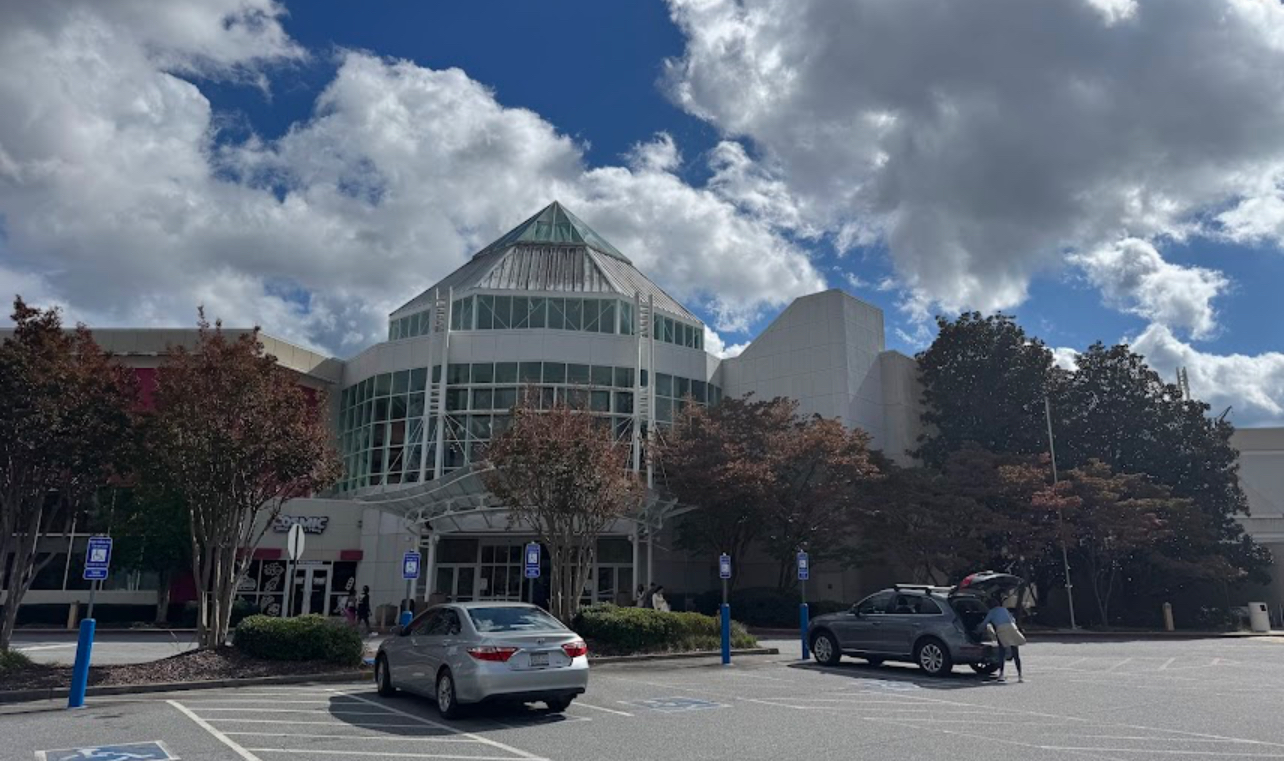
Alpharetta, GA — February 27, 2026 — The team behind one of Atlanta’s most successful urban redevelopment projects is now turning its attention northward, as global real estate firm Jamestown has been tapped to lead the transformation of the aging North Point Mall into a vibrant mixed-use entertainment district — with a potential NHL arena at its core.
Jamestown, renowned for revitalizing the historic Ponce City Market in Atlanta’s Old Fourth Ward into a bustling hub of retail, dining, offices, and public spaces, announced the partnership Thursday with New York Life, the current owner of the 100-acre North Point Mall property in Alpharetta.
PCM Developers Selected to Revamp North Point Mall
The developer will oversee pre-development efforts, including securing necessary entitlements and rezoning approvals from the City of Alpharetta and Fulton County.
The ambitious vision includes a state-of-the-art arena designed to NHL standards, alongside multifamily housing, retail spaces, office areas, hotels, improved public transit access, and other amenities aimed at creating a walkable, sports-anchored destination.
Jamestown is collaborating with Machete Group, a firm experienced in sports venue development across major leagues, to bring the project to life.
Tim Perry, Jamestown’s chief investment officer, expressed optimism about the site’s potential: “We think this is a great location for an NHL team and, hopefully, our efforts will attract an owner who wants to acquire an expansion team and bring hockey back to Atlanta.”
The move intensifies the competition to land a new National Hockey League franchise in the Atlanta metro area. North Point Mall’s redevelopment joins The Gathering at South Forsyth, a separate multi-billion-dollar mixed-use proposal in neighboring Forsyth County.
That project, led by businessman Vernon Krause, centers on an 18,000-seat arena and has already secured significant local government support, including tax incentives contingent on securing an NHL team.
Both sites highlight growing momentum for NHL expansion in the region, which last hosted professional hockey with the Atlanta Thrashers (1999–2011).
Metro Atlanta’s northern suburbs offer strong demographics, existing hockey interest through youth and recreational programs, and proximity to major highways.
No timeline has been set for construction or NHL franchise decisions, as the projects remain in early planning and entitlement phases. Jamestown is scheduled to assume property management of North Point Mall starting March 1.
Local leaders in Alpharetta have previously advanced related efforts, including creating a Tax Allocation District to support mixed-use redevelopment in the broader North Point area.
As discussions continue, the involvement of a proven developer like Jamestown adds significant credibility to the North Point Mall bid in the race to return top-tier hockey to Georgia. Stay tuned to AtlantaFi.com for updates on this evolving story.
More Content From AtlantaFi.com:
-

ATLANTA – Just in time for the unveiling of Season 17 of RHOA, Peter Thomas, the restaurateur and ex-husband of “Real Housewives of Atlanta” star Cynthia Bailey, has been released from federal prison after serving part of his sentence for tax evasion.
Thomas, 64, was freed on Friday and transitioned into community confinement in Miami, according to recent reports.
Peter Thomas Freed from Federal Prison After Tax Evasion Sentence
Thomas began his 18-month sentence at the Federal Correctional Institution in Miami on August 1, 2025, following a guilty plea in U.S. District Court in Charlotte, North Carolina.
The charges stemmed from his failure to pay over trust fund taxes, a federal offense under 26 U.S.C. § 7202.
Prosecutors accused Thomas of withholding employment taxes from his employees’ paychecks at several of his businesses but failing to remit those funds to the IRS over a period of years.
As part of his sentence, he was ordered to pay $2.5 million in restitution to the IRS and will serve two years of supervised release upon completion of his term.
The former reality TV personality, who appeared on multiple seasons of Bravo’s “The Real Housewives of Atlanta” alongside Bailey from 2010 to 2017, has ties to the Atlanta area through his time on the show and previous business ventures.
Thomas owned several nightlife spots, including Bar One in Baltimore, which faced scrutiny during his legal troubles.
His marriage to Bailey, a model and actress, was a central storyline on the series until their divorce in 2017.
Upon release, Thomas is subject to several conditions during his supervised probation, including participation in a substance abuse testing program and restrictions on excessive alcohol consumption.
Details of his community confinement in Miami indicate he will remain under federal oversight while reintegrating into society.
Thomas has not yet issued a public statement regarding his release, but prior to beginning his sentence, he addressed fans on social media, expressing optimism about the future. 6 Fans of “The Real Housewives of Atlanta” have followed his legal saga closely, with many expressing support online.
This case highlights ongoing issues with tax compliance in the entertainment and hospitality industries.
The IRS has emphasized the importance of remitting trust fund taxes, which are withheld from employees for Social Security, Medicare, and income taxes.
For more updates on local celebrities and legal news, stay tuned to Atlanta News.
-

Atlanta locals have a meaningful way to support breast cancer awareness and treat themselves to expert lingerie advice this March.
Dillard’s at The Shops at Buckhead (1371 Market St NW, Atlanta, GA 30363) will host a “Fit for the Cure®” event on Thursday, March 12, 2026, starting at 11:00 AM and running throughout the day.
Presented by lingerie brand Wacoal in partnership with Susan G. Komen®, the event offers free professional bra fittings while raising funds for breast cancer support.
For every guest who receives a fitting and purchases a regular-priced Wacoal or b.tempt’d bra, Wacoal donates $5 to Susan G. Komen®.
All donations go directly toward Komen’s patient services, including the Patient Care Center, which provides breast health resources, financial assistance, clinical trial information, and education.
The initiative, now in its 25th year, emphasizes empowering women through proper fit—something that can boost confidence and comfort—while contributing to the fight against breast cancer.
“Bring your daughters, friends, sisters, and neighbors for a girls’ day with purpose,” event organizers encourage. Participants can expect personalized, expert fittings to help refresh their lingerie wardrobe and make a direct impact on breast cancer support.
The fittings are completely free, with no purchase required to participate. However, purchases of qualifying bras trigger the $5 donation. Appointments are recommended for convenience, but walk-ins are welcome.
To book a fitting or learn more, visit the Dillard’s event page at dillards.com/events/fit-for-the-cure.
This event is part of a broader series of Fit for the Cure® activities across metro Atlanta and beyond in March 2026, highlighting community-focused efforts during Breast Cancer Awareness season extensions and related programming.
Atlanta residents looking for a practical, feel-good way to give back are encouraged to stop by and support this long-standing partnership between Wacoal and Susan G. Komen®.
-
Atlanta, GA — Papa John’s, the major pizza chain headquartered right here in Atlanta, announced Thursday that it plans to shutter approximately 300 underperforming restaurants across North America by the end of 2027.
The move is part of a broader strategy to cut costs, boost profitability, and refocus the brand amid declining sales.
Papa John’s to Close Locations Nationwide, Including Potential Impact in Georgia
Company executives revealed the plan during their fourth-quarter 2025 earnings call. About 200 of these closures are expected by the end of 2026, with the remainder following in 2027.
Check out the best pizza places in Atlanta.
The affected locations are primarily franchise-owned stores that aren’t meeting brand standards, have no clear path to financial sustainability, or could have their customers redirected to nearby Papa John’s outlets.
Papa John’s had roughly 3,500 locations worldwide at the end of 2025, including nearly 200 in Georgia alone.
While the company has not released a specific list of closing stores or broken down numbers by state, the closures are part of a nationwide effort to strengthen the overall system.
The announcement comes as Papa John’s grapples with challenges in the pizza industry, including a 2% drop in North American same-store sales—driven partly by weaker performance at company-owned restaurants—and shifting consumer spending habits.
This follows a similar move by rival Pizza Hut, which earlier this year revealed plans to close around 250 underperforming U.S. locations in the first half of 2026.
Local Impact and Corporate Changes
With its global corporate headquarters in Atlanta, Papa John’s is also planning to lay off about 7% of its roughly 700-person corporate workforce as part of the restructuring.
CEO Todd Penegor emphasized the need for innovation and better local competition.
“We know we have to drive on innovation to recruit new customers,” Penegor said. “We also know we have to compete better at the local level, and we’ve been working hard over the course of the last 18 months.”
To streamline operations, the chain is phasing out items like Papadias (flatbread sandwiches introduced in 2020) and Papa Bites (bite-sized dough balls from 2022).
Recent additions include a new pan pizza launched in January, with tests underway for sandwiches and chicken tenders in select markets.
Papa John’s Chief Financial Officer and North America President Ravi Thanawala noted that the targeted stores are those “not meeting brand expectations or lack a clear path to sustainable financial improvement.”
No individual Georgia locations have been identified for closure yet, and the company has not indicated how many of the nearly 200 Peach State stores might be affected. Residents can check the official Papa John’s location finder for the latest status on their local spots.
This restructuring reflects broader pressures on casual dining and quick-service chains as Americans increasingly opt for value options or cook at home.
Atlanta pizza fans may see fewer Papa John’s outlets in the coming months and years, but the company insists these changes will help it emerge stronger.
Stay tuned to Atlanta Patch for updates as more details emerge on specific store closures in Georgia.
-

The Atlanta Hawks are bringing a unique Atlanta flavor to State Farm Arena this March with a special themed night celebrating one of the city’s most legendary cultural spots: Magic City.
On Monday, March 16, 2026, the Hawks will host the Orlando Magic in what they’re calling “Magic City Monday” — a one-night collaboration honoring the iconic Atlanta strip club and entertainment institution that’s been a staple in local nightlife, hip-hop culture, and music history for decades.
Hawks To Host ‘Magic City’ Night in Atlanta
The announcement, released today by the Hawks organization, highlights the game as a chance to spotlight Magic City’s place in Atlanta’s identity.
While full details on in-arena activations are still rolling out, expect special tributes, possible themed elements, appearances, or nods to the club’s legacy — all tied into the matchup against the Orlando Magic (fittingly named for the occasion).
Game info at a glance:
- Date: Monday, March 16, 2026
- Time: 7:00 PM tip-off (doors open at 6:00 PM)
- Location: State Farm Arena, downtown Atlanta
- Opponent: Orlando Magic
- Additional note: The Hawks will rock their Peachtree City Edition uniforms and court design for this City Edition contest.
This isn’t just basketball — it’s Atlanta recognizing its own cultural institutions in a fun, high-energy way. Whether you’re a lifelong Hawks fan or someone who knows Magic City as a rite of passage in the city’s entertainment scene, this promises to be a memorable night.
Tickets are available now through official channels like Ticketmaster, the Hawks website, and State Farm Arena. General public availability may be limited for this themed matchup, so fans should act fast.
Stay tuned to local Hawks coverage for more specifics on giveaways, performances, and any special guests as we get closer to March 16. Let’s go Hawks — and happy Magic City Monday!
-

Atlanta, known as “Running City USA,” is in the middle of yet another exciting season of marathons, half marathons, 5Ks, 10Ks, and trail runs.
With over 30 events organized by the Atlanta Track Club alone, plus a host of independent races, 2026 promises opportunities for runners of all levels to hit the pavement, trails, and iconic routes like the Beltline and Peachtree Road.
Check Out These Atlanta Races for 2026
Whether you’re training for a full marathon or joining a fun community 5K, here’s a comprehensive guide to the year’s top races in and around the city.
Dates and details are based on current announcements, but always check official sites for updates, registration, and weather-related changes.
January: Kicking Off the Year with Reverse Peachtree Energy
The year starts strong with a unique twist on Atlanta’s most famous race.
- Atlanta Journal-Constitution Polar Opposite Peachtree Road Race (January 3): This 10K reverses the traditional Peachtree course, starting in Piedmont Park and ending at Lenox Square. It’s the second running of this event, limited to a few thousand participants for an intimate vibe. 0 25 Expect chilly temps and high energy to set the tone for 2026.
February: Marathon Weekend and Charitable Runs
February brings the big one: the Publix Atlanta Marathon Weekend, a staple for serious runners.
- Publix Atlanta Marathon Weekend (February 28 – March 1): Includes the full marathon (26.2 miles), half marathon (13.1 miles), 5K, and kids’ events. The marathon and half start on Sunday, March 1, and double as the USATF Half Marathon Championships. Routes showcase downtown, historic neighborhoods, and Olympic sites. This event is an Abbott World Marathon Major qualifier and celebrates its 20th running.
- Atlanta Mission 5K Race to End Homelessness (February 24): A 5K at Pemberton Place Greenspace supporting local homelessness initiatives.
- Westside Beltline 10K/3K (February 7, tentative based on series pattern): Part of the expanded Beltline series, focusing on the west side with options for competitive runners and walkers.
March: Spring Blooms with Trail and Road Options
As temperatures warm, March sees a surge in shorter races and trail events.
- Chattahoochee Road Race 5K/10K (March 7): A scenic run along the river in Sandy Springs, attracting 500-1,000 participants.
- Bree’s Miles of Memories 5K and Fun Run (March 7): Held at Etowah River Park in Canton, honoring a local cause.
- St. Patrick’s Parade 5K (March 14): The 11th annual event in Midtown, perfect for festive runners.
- Marietta Shamrock Shuffle 5K (March 21): 10th annual walk/run starting at Marietta Square.
- Pi Mile 5K Road Race (March 28): A fun, math-themed 5K at Georgia Tech.
- HomeStretch Run the River (March 29): A Sunday race supporting housing initiatives.
April: Beltline Series and Earth Day Vibes
April highlights the Atlanta Beltline’s growing race series.
- Northside Beltline 5K/3K (April 18): Kicks off the warmer months on the north side, open to walkers and families.
- Run Like Hell 5K (April 4): 19th annual at historic Oakland Cemetery.
- Brookhaven Bolt 5K (April 16): A community favorite in Brookhaven.
- Georgia Brain Tumor Walk & Race 5K (April 25): At Zoo Atlanta, combining running with awareness.
May: Trail Focus and Memorial Day Runs
Trail enthusiasts will love May’s offerings.
- Sunrise Marathon 5K/10K/13.1 (May 2): Scenic routes with stunning views for half marathoners and shorter distances.
- All Comers Track & Field Meets (May 5, 12, 19, 26; June 2, 9): Free for members, open to all ages, including the Wingfoot Mile. 7 25
- Georgia Peach Jam 5K Memorial Day Race (May 23): All-asphalt 5K at Little Mulberry Park.
June-August: Summer Sizzlers and Independence Day Classics
Beat the heat with early starts.
- Possum Trot 10K (June 20): 48th annual at Chattahoochee Nature Center in Roswell. 23
- Northside Hospital Peachtree Road Race (July 4): The 57th running of this iconic 10K, starting at Lenox Square and ending in Piedmont Park. Registration opens April 1.
- Southside Beltline 8K/3K (August 1): New addition to the series, exploring the south side.
September-October: Fall Marathons and Festivals
Fall brings cooler weather and longer distances.
- Bound for Boston Marathon & Half Marathon (September 6): Qualifier event in Johns Creek with waves starting from 5:30 a.m.
- The Whiskey Run (September 7): A spirited 5K/10K/half with post-race festivities at El Tesoro.
- I’m Bound for Boston Marathon & Half – Atlanta (September 26): Another qualifier in Decatur.
- The Race Half Marathon & 5K (October 3): In East Point, with virtual options and community impact focus.
- Silver Comet Marathon (October, TBD): Trail marathon in the Atlanta suburbs.
November-December: Holiday Wrap-Ups
End the year with festive runs.
- Invesco QQQ Thanksgiving Day Half Marathon (November, TBD; typically Thanksgiving Day): ATC’s annual holiday classic with 5K and kids’ dash.
- Eastside Beltline 12K/3K (December 5): Longest in the series, winding through the east side.
- Dashing Through the Square 5K (December 19): 11th annual in Marietta.
In addition to these, look for trail series like Dirty Spokes events throughout the year (e.g., March at Harbins Park, April at Iron Hill) and obstacle races like the Spartan Trifecta Weekend (March 14-15) for those seeking variety.
Atlanta’s running community thrives on inclusivity, with many events offering walker-friendly options, youth programs, and charitable ties. Lace up and join the fun—2026 is set to be a record-breaker! For more details, visit organizers like the Atlanta Track Club or local running stores.
More From AtlantaFi.com: