-
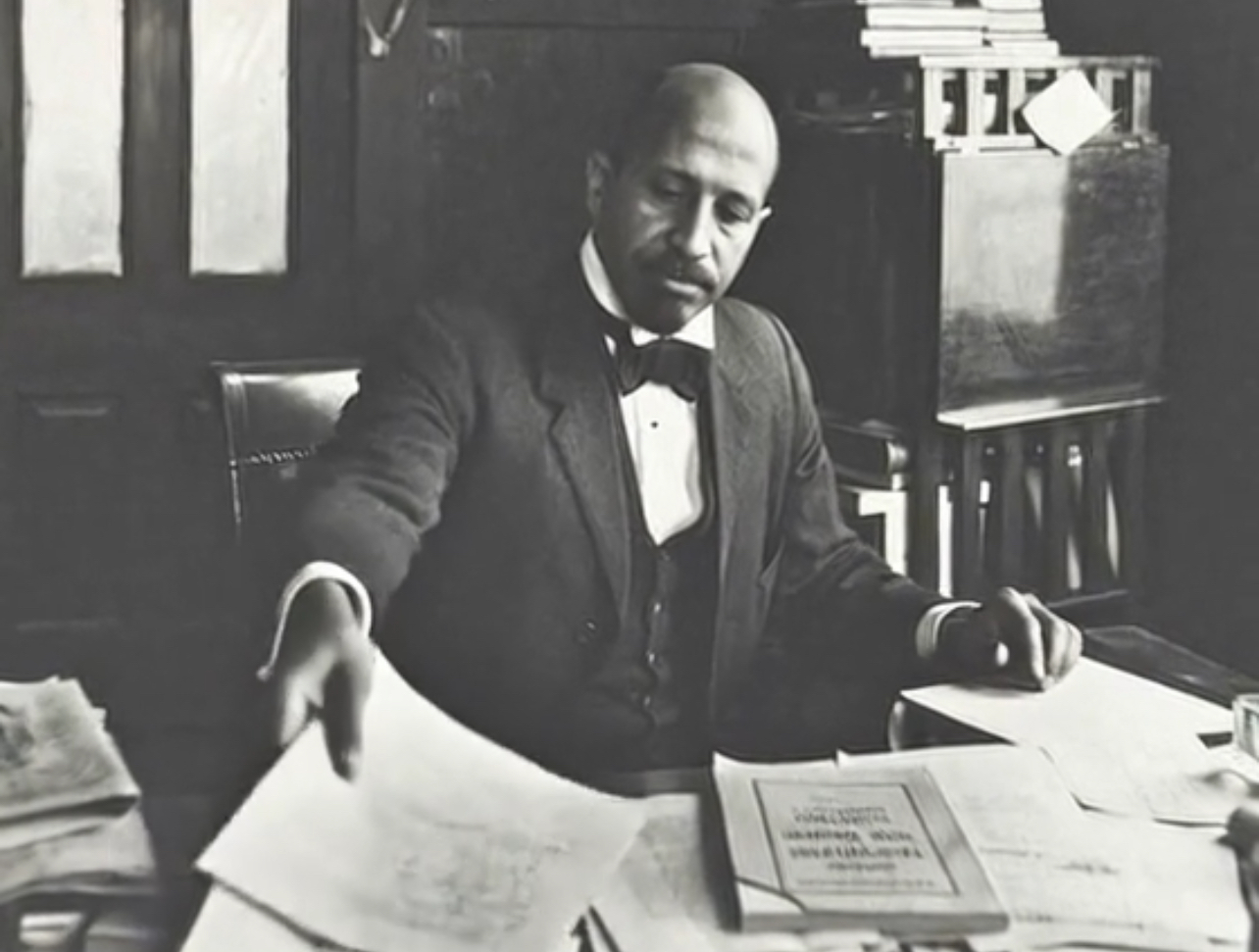
W.E.B. Du Bois remains one of the towering figures in American history: the brilliant scholar who co-founded the NAACP, edited The Crisis magazine for decades, authored the landmark The Souls of Black Folk, and helped define the fight against racial injustice.
In Atlanta, his legacy feels especially close—he spent formative years here as a professor at (Clark) Atlanta University, where he produced some of his most influential sociological work on Black urban life.
But even lifelong students of history might be surprised by these lesser-known facets of Du Bois’s remarkable life:
He Wrote Science Fiction and Speculative Stories

Beyond his essays and histories, Du Bois penned imaginative fiction, including the striking short story “The Comet” (1920), a post-apocalyptic tale set in New York where a Black man and white woman believe they are the last survivors on Earth—until racial terror reemerges.
Scholars have recently uncovered more of his unpublished speculative works, ranging from utopian visions to crime and intrigue plots during the McCarthy era.
This “weird” side of Du Bois reveals a creative mind exploring upheaval, race, and human possibility far beyond his better-known nonfiction.
He Created Pioneering Data Visualizations to Fight Racism

In 1900, Du Bois curated an exhibit for the Paris Exposition Universelle featuring hand-drawn charts (pictured above), graphs, and maps documenting African American life, progress, and economic achievements—particularly in Georgia.
These colorful, proto-modernist infographics were designed to refute racist stereotypes with hard data on literacy, population growth, and business ownership. Today, they’re celebrated as early masterpieces of information design.
He Grew Up in a Surprisingly Integrated Small Town

Born in 1868 in Great Barrington, Massachusetts, where his sculpture resides, Du Bois was raised in a community with relatively little overt segregation compared to the post-Reconstruction South.
He attended school with white children and felt accepted by many neighbors, which shaped his early optimism about racial integration—before he encountered the harsher realities of Jim Crow while studying at Fisk University in Nashville.
He Taught and Conducted Groundbreaking Research in Atlanta

Du Bois joined the faculty of Atlanta University in 1897 and again in the 1930s–40s.
His Atlanta Studies (1896–1914) produced some of the first rigorous sociological surveys of Black urban life, examining housing, family, crime, and education in the city’s Black neighborhoods.
These works laid foundational stones for urban sociology in America—and gave him an intimate, firsthand view of Atlanta’s racial dynamics.
The 1906 Atlanta Race Massacre Deeply Scarred Him

While living in Atlanta, Du Bois witnessed the horrific 1906 race riot (also called the Atlanta Race Massacre), in which white mobs killed dozens of Black residents amid false rumors.
He later described a related earlier lynching—that of Sam Hose in 1899—as a turning point: seeing body parts displayed in a shop window left him profoundly shaken. “Something died in me that day,” he wrote, hardening his resolve against accommodationist approaches to racism.
He became a Citizen of Ghana at Age 93

WEB Du Bois (L) celebrating his 95th birthday with Ghana’s President Kwame Nkrumah in 1963. — Photo credit: WEB DuBois Centre.
In his final years, disillusioned with Cold War-era America and facing passport restrictions, Du Bois moved to Ghana in 1961 at the invitation of President Kwame Nkrumah to work on an Encyclopedia Africana.
He took Ghanaian citizenship that year and died in Accra in 1963—at age 95—the day before the March on Washington. A moment of silence honored him during the event.
He Had a Bitter Public Feud with Marcus Garvey

The rivalry between Du Bois and Jamaican activist Marcus Garvey was intense and personal. Du Bois criticized Garvey’s Back-to-Africa movement and Black Star Line finances in The Crisis, while Garvey attacked Du Bois’s mixed heritage and called him a “mulatto monstrosity.”
The clash highlighted deep ideological divides within Black leadership—integration versus separatism, elite leadership versus mass mobilization—that still echo today.
Du Bois’s life bridged the post-Civil War era to the modern civil rights movement, and his time in Atlanta gave him a front-row seat to both progress and profound injustice.
As we continue reckoning with our city’s—and our nation’s—racial history, his fearless scholarship and unyielding vision remain as relevant as ever.
What’s your favorite Du Bois story or lesson? Share in the comments below—we’d love to hear from our Atlanta readers.
More from AtlantaFi.com:
-
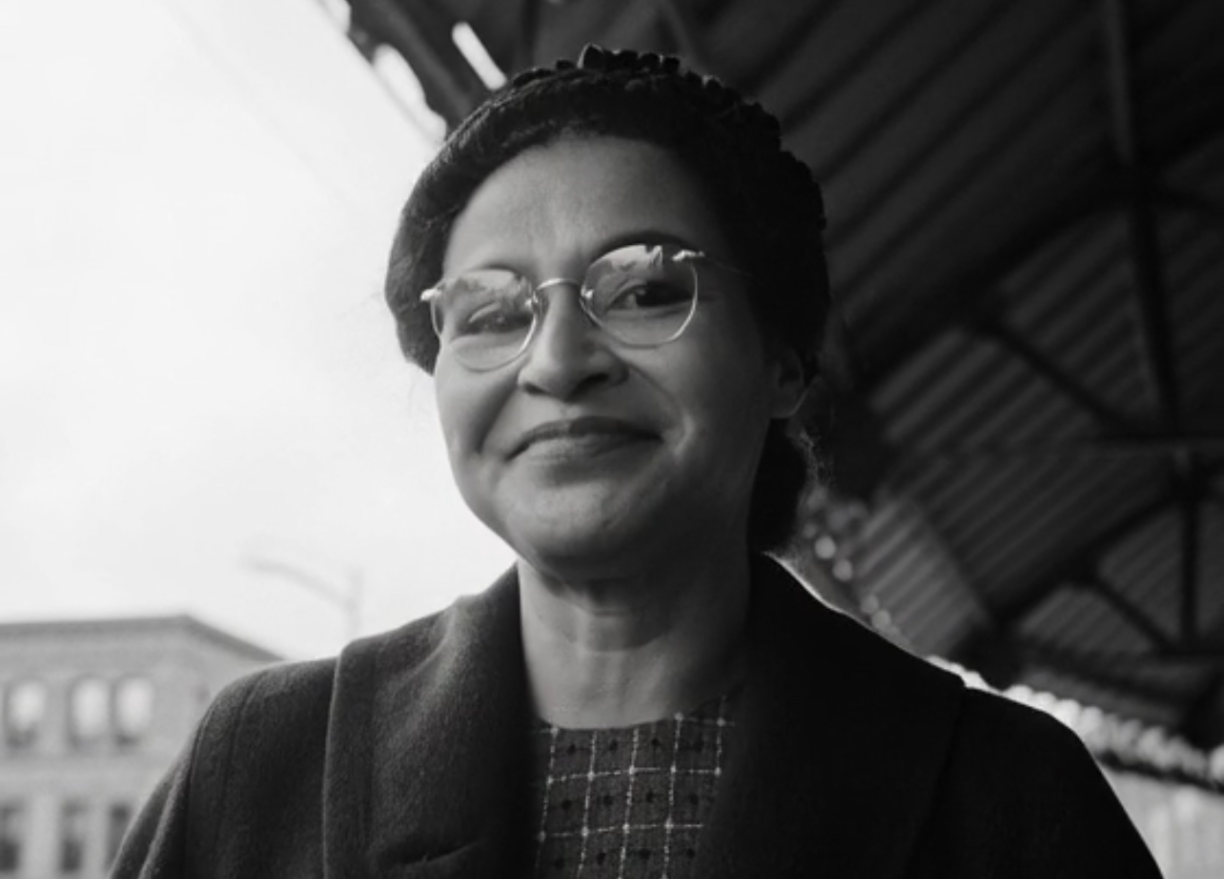
One of the most important figures in American history is Rosa Parks, an Alabama woman whose courageous act against Jim Crow tyranny is credited with starting the civil rights movement across America in the 1960s.
What Did Rosa Parks Do?
Despite facing discrimination and very real physical danger, Parks refused to move. This act of defiance sparked the Montgomery bus boycott, a year-long protest that became a pivotal moment in the Civil Rights Movement.
But she did more than that.
As widely known as Parks’s story is, there are some things you may not know. This article will show you some little-known facts about Parks and her fight for freedom and equality in the South.
1. Parks Faced Intimidation As a Youth

Harassment and intimidation was something that Parks came to endure at a young age. In her book, she recalls when the Ku Klux Klan marched outside her door and her grandfather guardedly stood at the entrance.
At school, she was also bullied. “As far back as I remember, I could never think in terms of accepting physical abuse without some form of retaliation if possible,” said in her memoir.
When Was Rosa Parks Born?
Born on February 4, 1913, Parks faced racial injustice from a young age. Her parents were Leona (née Edwards), a teacher, and James McCauley, a carpenter.
As a child, Parks experienced bullying and witnessed the horrors of segregation firsthand. This shaped her commitment to fighting for equality.
2. Others Resisted Montgomery Bus Segregation Before Parks

Other people, namely Claudette Colvin, stood up to bus segregation in Montgomery before Parks did it, but it didn’t spark a movement.
On March 2, 1955 — nine months before Parks — Colvin and three other young African-Americans refused to give up their seat for white patrons on a Montgomery bus.
“It felt like Sojourner Truth was on one side pushing me down, and Harriet Tubman was on the other side of me pushing me down. I couldn’t get up,” Colvin recalled years later.
While others had resisted bus segregation before, the National Association for the Advancement of Colored People (NAACP) saw Parks as the ideal candidate to legally challenge Alabama’s segregation laws. With Parks as the ember, the fire that would light the civil rights moment and become a guiding light for change ignited into a societal symbol.
3. Parks Was Inspired By Emmett Till

The violent abduction and murder of Emmett Till greatly affected Parks, who was killed just three months before she decided not to give up her seat on the bus.
At that fateful moment on the bus in Montgomery, Parks’s mind flashed to what had happened in rural Mississippi.
“I thought of Emmett Till — a 14-year-old African American who was lynched in Mississippi in 1955, after being accused of offending a white woman in her family’s grocery store, whose killers were tried and acquitted—and I just couldn’t go back,” she recalled in her memoir.
In her own words, Parks said she wanted to use the bus moment to claim her rights as a human being, something that had been denied to young Emmett.
4. Parks Knew the Bus Driver

Montgomery bus driver James F. Blake was known for giving black woman a hard time. He reportedly drove one black female motorist off the road and exchanged epithets with another.
Parks had boarded a Montgomery public transit bus from the front in 1943 and was accosted then by Blake, who scolded her to obey segregation rules and get off and re-enter the bus from the back door, which was a custom.
When Parks got off that bus that time in 1943, Blake drove off. That event became seared in Parks’s mind whenever she rode public transportation.
It was Blake’s bus, who on December 1, 1955, stopped to pick up Parks, who was at first unaware she was facing the same driver who had drove off and left her on the roadside years earlier.
As the situation unfolded anew in 1955, Parks made up her mind then and there that she was not going to capitulate to segregation. She became unwavering in her belief for justice.
Blake said, “Y’all better make it light on yourselves and let me have those seats.” When Parks refused, Blake followed protocol and contacted the bus company. “I called the company first, just like I was supposed to do,” Blake recalled in a later newspaper interview. “I got my supervisor on the line. He said, ‘Did you warn her, Jim?’ I said, ‘I warned her.’ And he said, and I remember it just like I’m standing here, ‘Well then, Jim, you do it, you got to exercise your powers and put her off, hear?’ And that’s just what I did.”
He drove for the bus company until 1999, when he retired.
5. Other Black People Gave Up Their Seat

Parks was not the only African-American on the bus. At least four black people, including Parks, were aboard the public transportation vehicle.
“The driver wanted us to stand up, the four of us. We didn’t move at the beginning, but he says, ‘Let me have these seats.’ And the other three people moved, but I didn’t,” she recalled.
A black man who was seated next to her gave up his seat, she said.
Blake said, “Why don’t you stand up?” Parks replied, “I don’t think I should have to stand up.”
6. Parks Refused To Give Up Her Seat — But Not Because She Was Tired

Parks wanted the world to know that her act of defiance in the face of Jim Crow had nothing to do with physical fatigue on her part.
In her autobiography, Rosa Parks: My Story, Parks said, “People always say that I didn’t give up my seat because I was tired, but that isn’t true. I was not tired physically, or no more tired than I usually was at the end of a working day. I was not old, although some people have an image of me as being old then. I was 42. No, the only tired I was, was tired of giving in.”
7. She Moved — But Not To The ‘Colored’ Section

Instead of moving to the redesignated colored section, Parks moved, but toward the window seat.
Parks said, “When he saw me still sitting, he asked if I was going to stand up, and I said, ‘No, I’m not.’ And he said, ‘Well, if you don’t stand up, I’m going to have to call the police and have you arrested.’ I said, ‘You may do that.'”
When Parks refused to give up her seat again, that’s when Blake contacted the police. When the officers came, Blake then signed the warrant for her arrest, which sparked the Montgomery bus boycott.
8. Parks Not Only Faced Arrest, But Harassment And Lost Her Job

After Parks was arrested and the incident garnered significant press exposure, not only nationally, but internationally, her life changed drastically.
Though hailed as a hero later, Parks’s actions had immediate consequences. She lost her job and endured years of threats and intimidation.
Blacklisted by white employers in Montgomery, Parks and her husband decided to relocate to Detroit, where she worked for in the office of U.S. Congressman John Conyers. In Michigan, Parks became a national figure and gave speeches and published her autobiography.
9. How Did Rosa Parks Die?
On October 24, 2005, Rosa Parks died of natural causes. She was 92 years old. Parks lived in Detroit from 1961 to 1988, staying in a modest flat on the city’s east side.

At her funeral, more than 4,000 people packed Greater Grace Temple in Detroit. Parks’s coffin was draped with an American flag during the seven-hour ceremony.
At the funeral, then-Illinois Senator Barack Obama said, “The woman we honored today held no public office, she wasn’t a wealthy woman, didn’t appear in the society pages. And yet when the history of this country is written, it is this small, quiet woman whose name will be remembered long after the names of senators and presidents have been forgotten.”
Final Word
Rosa Parks’s courage lit a fire in the Black community of Montgomery and caused them to come together to demand equal treatment under the law.
Parks’s individual courage will always be remembered, and the collective action it sparked will go down as the signature moment of a true act of freedom in this country.
More Articles Like this from AtlantaFi.com:
-
As Atlanta’s job market continues to thrive in early 2026, with strong demand across sectors like automotive, healthcare, legal, and tech, numerous employers are actively seeking talent.
Despite national fluctuations, the metro area boasts thousands of openings, from entry-level positions to specialized roles.
Whether you’re in sales, service, or skilled trades, opportunities abound. In this updated guide, we’ve highlighted 10 companies hiring immediately in and around Atlanta, complete with sample jobs, locations, and direct application links. All positions are current as of February 2026.
Here are 10 standout companies currently recruiting:
- Jim Ellis Automotive Group
Looking for support roles in automotive services.- Sample Job: Gate Attendant / Porter – Jim Ellis University
- Location: Atlanta, GA
- Pay: $15.00 per hour
- Apply: Jim Ellis Automotive Group Careers
- Citywide Plumbing
Opportunities for skilled tradespeople in plumbing.- Sample Job: Commercial Plumbing Technician
- Location: Atlanta, GA
- Pay: $60K – $80K
- Apply: Citywide Plumbing Careers
- GOODMAN MCGUFFEY LLP
Legal firm seeking attorneys for their team.- Sample Job: Associate Attorney
- Location: Atlanta, GA
- Pay: $98K – $155K (estimated)
- Apply: GOODMAN MCGUFFEY LLP Careers
- Babel Audio
Tech roles focused on AI and language processing.- Sample Job: AI Trainer – English Dialogue & Speech
- Location: Georgia (remote-friendly)
- Pay: $17.50 per hour
- Apply: Babel Audio Careers
- Behavior Frontiers
Healthcare positions in behavioral analysis.- Sample Job: Board Certified Behavior Analyst (BCBA)
- Location: Smyrna, GA
- Pay: $87K – $95K
- Apply: Behavior Frontiers Careers
- Customs and Border Protection
Government roles in security and enforcement.- Sample Job: Border Patrol Agent – Experienced
- Location: Atlanta, GA
- Pay: $63K – $120K
- Apply: Customs and Border Protection Careers
- Rick Hendrick Chevrolet – Duluth
Automotive technician opportunities.- Sample Job: GM and Diesel Automotive Technician/Mechanic
- Location: Duluth, GA
- Pay: $35.00 – $50.00 per hour
- Apply: Rick Hendrick Chevrolet Careers
- Power Home Remodeling
Entry-level sales positions available.- Sample Job: Entry Level Sales Representative
- Location: Atlanta, GA
- Pay: $72K – $130K
- Apply: Power Home Remodeling Careers
- Cenveo
Manufacturing roles in printing and packaging.- Sample Job: Envelope Machine Adjuster
- Location: Smyrna, GA
- Pay: $24.00 per hour
- Apply: Cenveo Careers
- Taco Mac Restaurant Group
Hospitality jobs in food service.- Sample Job: Cook – Crabapple
- Location: Roswell, GA
- Pay: $18.00 per hour
- Apply: Taco Mac Restaurant Group Careers
These companies offer a range of opportunities across various industries. Visit their career pages for more details on openings
Is It Hard To Get A Job In Atlanta?
The main way to get a job in Atlanta is to know which companies are hiring. Once you know that and your resume is tight, you can submit applications and hopefully get the gig — but one thing at a time.
In addition to a diverse job market, Atlanta has a vibrant gig economy that makes it easy to make money by ridesharing or some other way.
Atlanta, Georgia has a wide-ranging economy, which bodes well for job seekers looking to move to the city, especially in the city’s tech industry.
If you’re looking for a job in Atlanta, make sure you check out our Jobs Page that has employment resources.
Read more: Best Work-From-Home Jobs In Atlanta, Georgia
- Jim Ellis Automotive Group
-
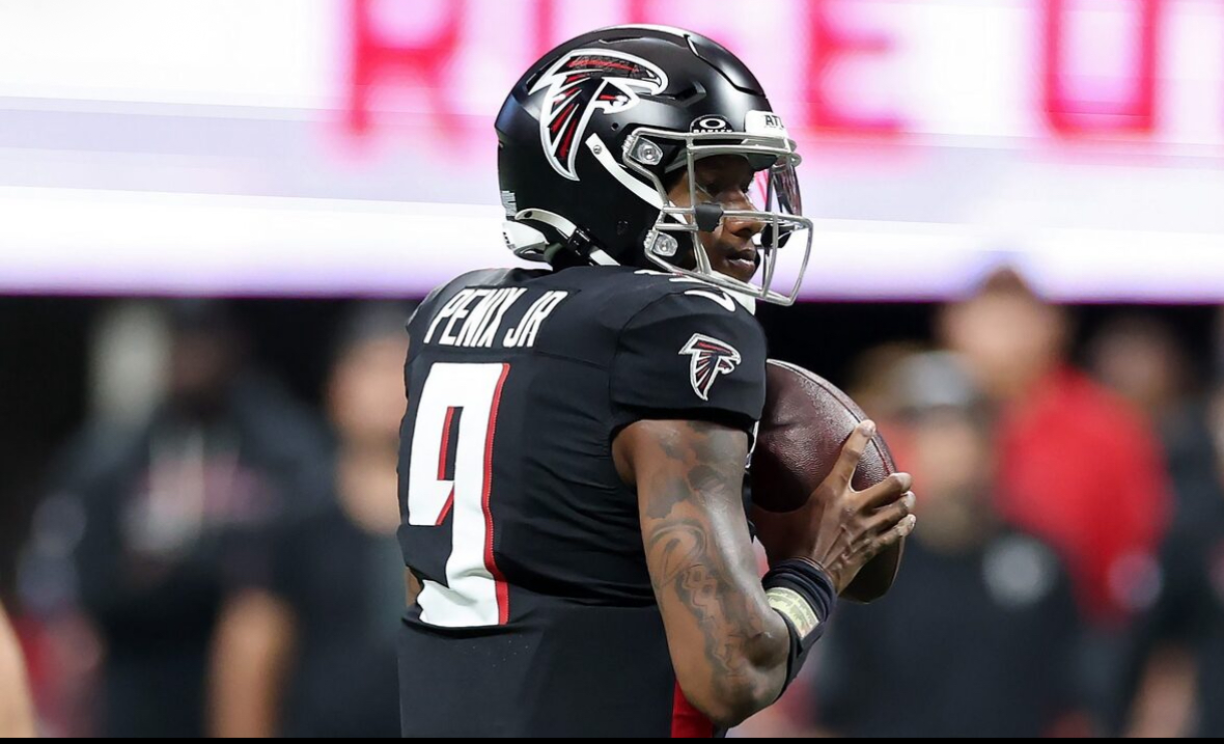
Atlanta Falcons quarterback Michael Penix Jr. recently shared a powerful and deeply personal message on social media that has resonated widely across the Atlanta sports community and beyond.
In the heartfelt post, accompanied by a dramatic image of Penix in his black Falcons jersey standing resolute amid swirling smoke, the 25-year-old signal-caller opened up about the immense pressures he faces as a man, a provider, and a professional athlete.
Penix: I Won’t Fold Under Pressure
“As a man, you carry a lot of ‘pressure’ each and every day,” Penix wrote. “Pressure to provide for your family, pressure to succeed in everything you do in life, pressure of letting everybody around you down. But one thing I never did and never will do is fold in the face of it.”
The lengthy reflection traces Penix’s journey from humble beginnings—”I come from the mud literally”—to his current role as the Falcons’ franchise quarterback.
He emphasized self-reliance, declaring he “never had no handouts” and that his path to success was forged through relentless determination despite pain, uncertainties, and setbacks.
Penix credited his upbringing and faith for his unbreakable mindset: “I’m forever going to stand 10 toes and show why my God is Almighty and will never put me in a situation that I can’t get through.”
The post also served as motivation for others, urging readers to “STAY THERE” wherever they are in their own stories. “The turtle race continues…. 🏁 Year 2 ✓,” he concluded, signaling his ongoing commitment as he enters his second NFL season.
Penix, selected eighth overall by the Falcons in the 2024 NFL Draft after a standout college career at Washington (where he won the Maxwell Award and led the nation in passing yards), has faced his share of challenges.
His rookie year in 2024 included limited action due to competition and development, but he appeared in several games and showed flashes of his strong arm.
In 2025, he took on a larger role, starting nine games and throwing for nearly 2,000 yards with nine touchdowns before a knee injury sidelined him late in the season, landing him on injured reserve.
Now recovering and eyeing a return potentially as early as Week 1 of the upcoming campaign, Penix’s words highlight the mental fortitude required at the NFL level—especially for a young quarterback under the spotlight in a passionate football city like Atlanta.
Fans quickly rallied around the message, praising Penix’s authenticity and resilience.
In a league where vulnerability is rare, his openness about personal struggles while tying it to his faith and drive offers inspiration far beyond the gridiron.
As Penix continues his rehab and preparation for what could be a pivotal year in Atlanta, this post reminds everyone that behind the helmet and the stats is a determined individual refusing to fold—no matter the pressure.
The Falcons and their supporters are standing with him as the “turtle race” marches on.
-
Atlanta’s restaurant scene has been tested fo late like never before. Some very well-known restaurants have gone by the wayside.
From hole-in-the-wall gems to upscale staples, our restaurants have hosted first dates, family reunions, and late-night celebrations. But over the past 25 years, economic shifts, pandemics, rising rents, and the relentless march of urban development have claimed dozens of beloved spots.
This article will show you the iconic Atlanta restaurants and bars that have closed their doors from 1999 to 2025. As we reflect, we honor the eateries that shaped our culinary identity—and left us craving one last bite.
These losses aren’t just about empty storefronts; they’re chapters in Atlanta’s story. Many succumbed to the 2008 recession’s aftershocks, the COVID-19 fallout, or the post-pandemic squeeze of inflation and labor shortages. Others bowed out gracefully after decades of service, their owners ready for retirement.
Here’s a look at some of the top casualties, drawn from the memories of longtime locals and the archives of our evolving food landscape.
Bahama Breeze (February 2026)

Popular Caribbean-themed chain Bahama Breeze announced that is is closing all of its U.S. locations, including two metro Atlanta restaurants. The stunning news was announced by Bahama Breeze’s parent company, Darden Restaurants, on February 3, 2026.
Agave (December 2025)

Photo credit: Agave Atlanta Agave, an established neighborhood restaurant just off Memorial Drive, announced in December 2025 that it will close after 25 years in business.
The Original Taco Mac (Closed 2025)

What began as a humble sports bar in Virginia-Highland in 1979 evolved into an Atlanta institution, slinging buffalo wings and endless drafts to generations of Braves fans. The flagship location on North Highland Avenue shuttered in May 2025 after 46 years, following the closure of other outposts. 27 “It was more than a bar—it was where we watched our first Falcons game,” recalls one former patron. The chain’s expansion couldn’t save the original from rising costs and changing tastes.
Eats (Oct. 18, 2025)

Perched on Ponce de Leon Avenue since 1992, this Midtown mainstay was a beacon of affordable comfort: jerk chicken plates, Southern veggies, and $10 specials that drew everyone from artists to office workers. Owners Bob Hatcher and Charlie Kerns transformed a former swingers club into a neighborhood anchor, but after 33 years, Eats announced its final service for October 18, 2025. 4 Recent vandalism added to the woes, but Hatcher cites the evolving Eastside Beltline scene as the tipping point. “It was a place to gather,” he said. Loyalists are already planning farewell feasts.
West Egg Cafe (Closed 2024)
For 20 years, this West Midtown brunch haven at Westside Provisions dished out award-winning shrimp and grits, sour cream pancakes, and chicken-and-waffles stacks that made weekends legendary. 39 Owners Jennifer and Ben Johnson closed on December 29, 2024, blaming a post-pandemic drop in in-person dining. “Our hearts are breaking, but it is time,” they shared. The spot’s dog-friendly patio and bottomless mimosas will be sorely missed amid the area’s restaurant exodus.
The General Muir (Closed 2024)

This Sandy Springs deli, a 2014 James Beard semifinalist, channeled Jewish deli nostalgia with towering pastrami sandwiches and matzo ball soup. It closed in late 2024 as pandemic scars lingered, marking a quiet end to a decade of acclaim. 24 Chef/owner Jenny Ung praised her team’s resilience but noted the industry’s brutal economics. For many, it was Atlanta’s answer to New York’s classics—gone too soon.
Floataway Cafe (Closed 2022)

Tucked away on Zonolite Road for 25 years, Anne Quatrano’s Westside gem offered intimate, farm-to-table magic: think wood-fired pizzas and seasonal tasting menus in a converted warehouse. 52 The James Beard-winning chef closed it days before Christmas 2022, opting for retirement after a storied career. Patrons mourned the loss of its dog-friendly patio and anniversary-worthy ambiance, a casualty of rising rents in the booming neighborhood.
Ann’s Snack Bar (Closed 2022)

In Kirkwood since 1971, this no-frills dive was the birthplace of the “World Famous Ghetto Burger”—a double-patty masterpiece slathered in chili, slaw, and hot sauce for under $5. 50 Owner Ann Price shut it down in April 2022 at age 92, ending 51 years of greasy-spoon glory. Featured in Esquire and Anthony Bourdain’s travels, it embodied Atlanta’s unpretentious soul. The building’s sale sealed its fate, but copycats keep the spirit alive.
10 Degrees South (Closed 2024)

Buckhead’s go-to for South African braai (barbecue) since 1999, this family-run spot grilled boerewors sausages and bobotie for 25 years. 49 Justin Anthony’s eatery closed in 2024 when the space sold to new owners. It introduced Atlantans to peri-peri prawns and bunny chow, filling a niche in our diverse scene.
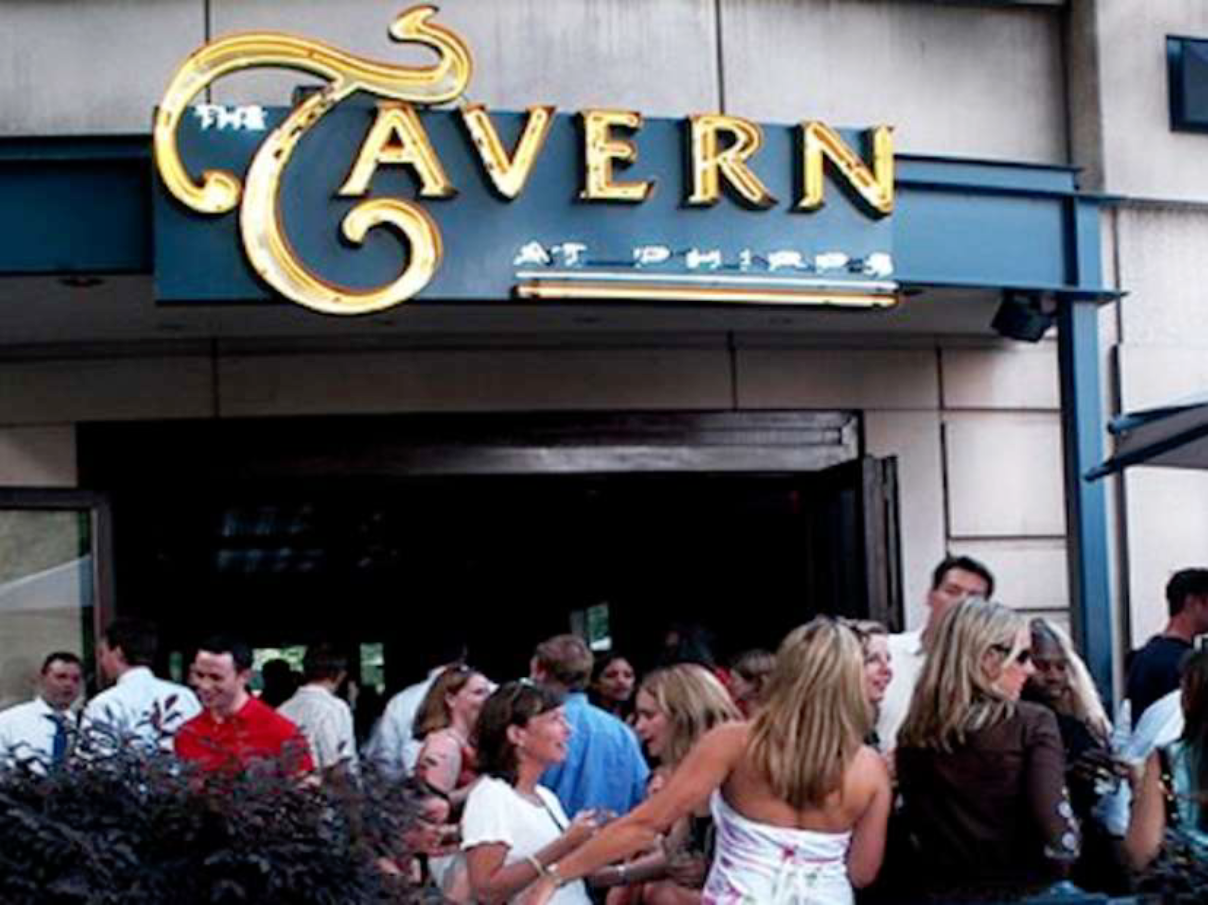
The Tavern at Phipps (Closed 2020)

This Buckhead fixture inside Phipps Plaza dished upscale pub fare—fish and chips, shepherd’s pie—for over a decade. 13 COVID-19 forced its permanent shutdown in 2020, part of the pandemic’s toll on mall dining. CentraArchy Hospitality eyed a relocation, but the original’s cozy vibe remains irreplaceable.
A Wave of Recent Losses: West Midtown’s Woes
Atlanta’s restaurant roulette peaked in West Midtown, where over 20 spots shuttered since 2023, including Snooze A.M. Eatery (2025), Humble Pie (2025), and Culinary Dropout (2025). 17 Blame high rents, parking woes, and oversaturation—taco joints and pizzerias couldn’t sustain the boom. “It’s going backwards,” lamented one resident.
Looking Ahead: Resilience in the Rubble
As we bid adieu to these icons, Atlanta’s scene rebounds with fresh faces like El Super Pan and Pink Lotus. 38 But the pain lingers. “These places weren’t just about food—they were our history,” says local food historian Beth McKibben. Support your neighborhood spots; they might be tomorrow’s memories.
Favorite Atlanta Restaurants Gone But Not Forgotten
These span various eras and neighborhoods, capturing that nostalgic vibe you described—perfect for crossing off your “what might have been” list while building new memories.
- 88 Tofu House (Buford Highway area)
- Aunt Fanny’s Cabin
- BBQ Corner
- Bien Thuy
- Bobby and June’s Country Kitchen
- BoBo Garden
- Boston Sea Party (on Roswell Rd.)
- Bridgetown Grill
- Cafe 101 (Buford Highway area)
- Cafe Tu Tu Tango
- Cantina la Casita
- Caruso’s
- Carver’s
- Chateau Fleur de Lis
- Chef’s Cafe
- China Delight (Buford Highway area)
- Cleve’s
- Coach and Six
- Cross Roads
- Dante’s
- Delicious Kabob (Buford Highway area)
- Dreamland (in Norcross)
- Elite ’25
- Everybody’s Pizza
- Famous Dave’s
- Fratelli Di Napoli
- Fuoco di Napoli
- Garlic Thai & Sushi
- Geisha House
- Go Hyang House (Buford Highway area)
- Gumbo-a-go-go
- HD1
- Hashiguchi Jr.
- Houck’s (in East Cobb)
- Houston’s (in Dunwoody)
- Hudson North
- Iris (East Atlanta)
- J’s Country Cafe (in Ormewood Park)
- Jilly’s
- Junior’s (on Tech campus)
- Kitsch’n 155
- Korea House
- Kool Korners
- La Madeleine (in Buckhead)
- Le Papillon
- LOLA at Terminus
- Mammy’s Shanty
- Mick’s
- Oh Maria
- Old Country Buffet
- Owens (on Old National)
- Pho 96 (Buford Highway area)
- Pleasant Peasant
- Pura Vida
- Ray’s NY Pizza (on Ptree)
- Ribs Etc
- RiceSticks
- Rio Vista
- Royal Gourmet (in Marietta)
- Sambucas Jazz restaurant (on Piedmont Rd.)
- Shaun’s
- STG Trattoria
- Steady Hand
- Super Pan
- Sylvia’s Soul food (downtown)
- Tartufo
- The Abbey
- The Ambassador
- The Magic Pan (at Lenox)
- The Sandpiper
- Tortilla’s
- Veggieland
- Vickery’s (Midtown)
- Victory Sandwich (in Inman Park)
- Waffle House (at N. Peachtree and 285)
Have a favorite that’s faded? Share in the comments. Atlanta eats on, but let’s savor the flavors we’ve lost.
Final Word
As many restaurants close down, Atlanta restaurant openings are on the rise at the same time. In Midtown, the best restaurants are on the Beltline and they all have excellent customer service and food. What separaes them from many of the other spots is that they’re on the urban playground called the Beltline.
The ATL has other cool eateries as well. If you’re gluten-free, there’s plenty of options. Same goes for keto-friendly restaurants or Asian fare in Atlanta.
Here are the best new restaurants in Atlanta
AtlantaFi.com is your source for the stories shaping our city. Follow us for more on the people, places, and plates that define the A-T-L.
-
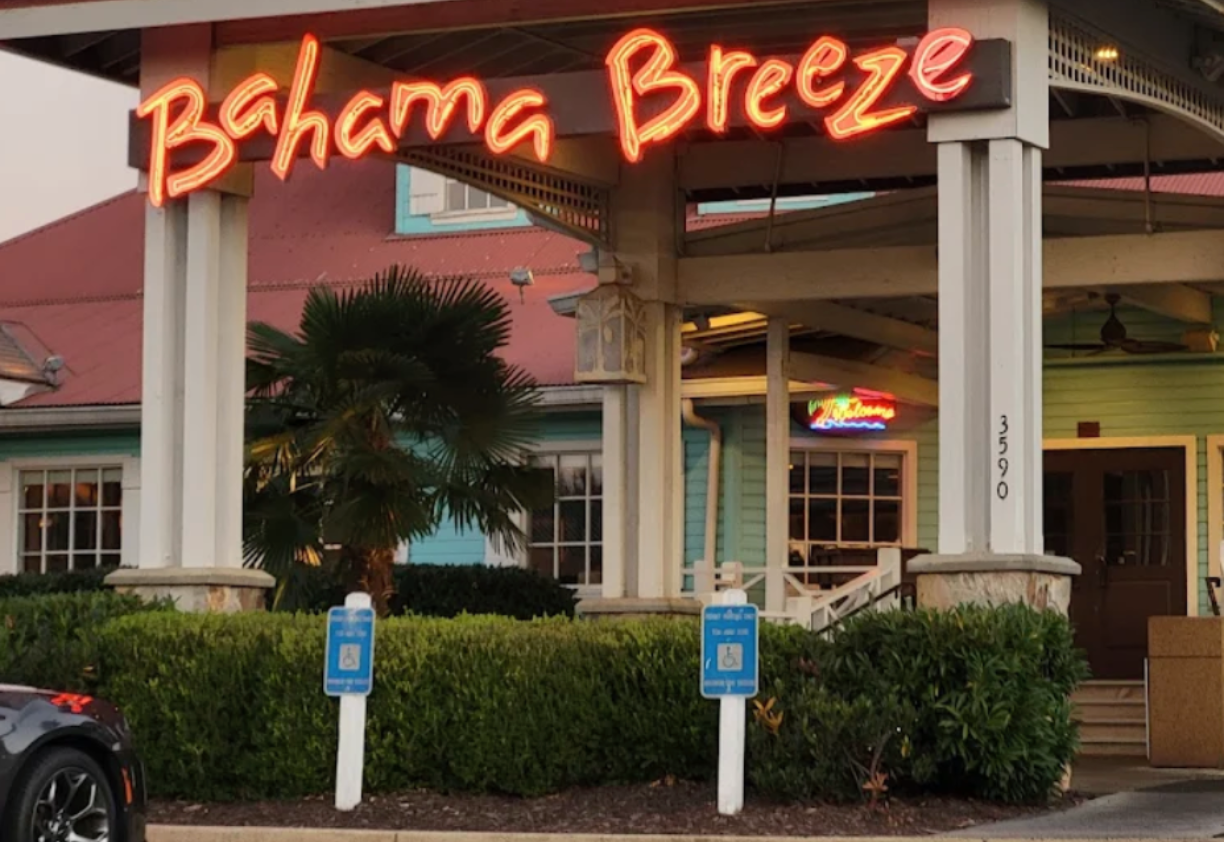
Popular Caribbean-themed chain Bahama Breeze is closing all of its U.S. locations, joining a long list of metro Atlanta restaurants that have shut their doors.
The stunning news was announced by Bahama Breeze’s parent company, Darden Restaurants, on February 3, 2026.
The chain, known for its island-inspired menu of jerk chicken, fresh seafood, tropical cocktails, and vibrant atmosphere, has 28 remaining restaurants across the country.
Bahama Breeze To Close in Metro Atlanta, Elsewhere
Darden cited sagging sales in recent years as a factor in determining the brand is no longer a strategic priority.
Of the 28 locations:
- 14 will close permanently, with operations continuing through April 5, 2026.
- The other 14 will be converted to other Darden brands (such as Olive Garden, LongHorn Steakhouse, or similar concepts) over the next 12 to 18 months. These spots will remain open as Bahama Breeze until any temporary closures needed for the rebranding.
In the metro Atlanta area, the two Bahama Breeze restaurants are affected as follows:
- Duluth location (3590 Breckenridge Blvd, Duluth, GA 30096) – This site is among those set for permanent closure on April 5.
- Kennesaw location (755 Earnest W. Barrett Pkwy NW, Kennesaw, GA 30144) – This restaurant will be converted into another Darden concept in the coming months.
Darden, which also owns popular chains like Olive Garden, LongHorn Steakhouse, Cheddar’s Scratch Kitchen, Yard House, and Ruth’s Chris Steak House, stated that the moves are not expected to materially impact its overall financial results.
The company emphasized support for affected team members, aiming to place as many as possible in other roles within its portfolio.
“Every Bahama Breeze location in the U.S. is closing down, but some of them will get a new life as another restaurant,” a summary of the announcement notes.
The news follows earlier closures in 2025, when about one-third of Bahama Breeze spots shuttered. Fans of the chain’s island vibes and signature drinks like the Bahama Mama have just a couple of months left to visit the Duluth spot before it closes for good.
Final Word
Despite the closings happening all around, the ATL has other cool eateries as well. If you’re gluten-free, there’s plenty of options. Same goes for keto-friendly restaurants or Asian fare in Atlanta.
Here are the best new restaurants in Atlanta
- WhereTo Eat In Atlanta
- The Best Atlanta Restaurants Near Atlanta
- Best Date Night Restaurants You Have To Try Right Now
Have you dined at one of the local Bahama Breeze locations? Share your favorite memories or menu picks in the comments below. We’ll keep you updated if more details emerge about what will replace the Kennesaw location.
-
Tech giant Salesforce is strengthening its roots in the Atlanta area with a significant investment that promises to boost the local economy and create hundreds of high-quality job opportunities.
Salesforce, Inc., the San Francisco-based leader in customer relationship management (CRM) software and cloud-based solutions, will invest $15 million to expand its operations across Georgia.
Salesforce To Bring Jobs, $15 Million Expansion in Atlanta
The project is expected to create more than 250 new jobs in Fulton County by the end of 2028, according to an announcement originally made by Governor Brian P. Kemp in late 2025.
The expansion builds on Salesforce’s already substantial footprint in the state, where the company currently supports over 2,000 jobs.
Salesforce serves a wide range of Georgia customers across key industries, including financial services, healthcare, retail, manufacturing, logistics, and the public sector.
Company leaders have highlighted Atlanta’s talented workforce, global connectivity, and inclusive business environment as major factors driving the decision to grow here.
“This investment underscores Salesforce’s confidence in Metro Atlanta as a hub for innovation and talent,” said Katie Kirkpatrick, President and CEO of the Metro Atlanta Chamber. “These new positions will bring well-paying opportunities in technology and related fields, further solidifying our region’s position in the global tech economy.”
Fulton County officials echoed the enthusiasm. “Salesforce’s expansion is a win for Fulton County,” said Chairman Robb Pitts of the Fulton County Board of Commissioners. “This major investment in jobs demonstrates the confidence that globally premier companies have in our community. We are proud to welcome this growth and look forward to the opportunities it will bring to our residents and local economy.”
The announcement was supported by a collaborative effort involving the Georgia Department of Economic Development’s Global Commerce team, Invest Atlanta, Fulton County, the Metro Atlanta Chamber, and Georgia Power.
While specific details about the types of roles, exact locations within Fulton County (such as potential ties to existing offices in areas like Buckhead or Midtown), and timelines for hiring have not been fully disclosed, the new positions are anticipated to include a mix of software development, sales, customer success, and support functions aligned with Salesforce’s AI-powered platforms and cloud services.
Final Word
As Atlanta continues to attract major corporate expansions in tech and related sectors, this move by Salesforce reinforces the city’s reputation as a growing destination for innovative companies. Residents interested in opportunities with Salesforce can monitor the company’s careers page for upcoming openings related to the Georgia expansion.
For more information on the project, visit the Georgia Department of Economic Development or Invest Atlanta.
-
A beloved fixture of downtown Atlanta’s nightlife scene for over a decade, Suite Food Lounge at 375 Luckie Street NW, has announced that it prepares to close its doors for good.
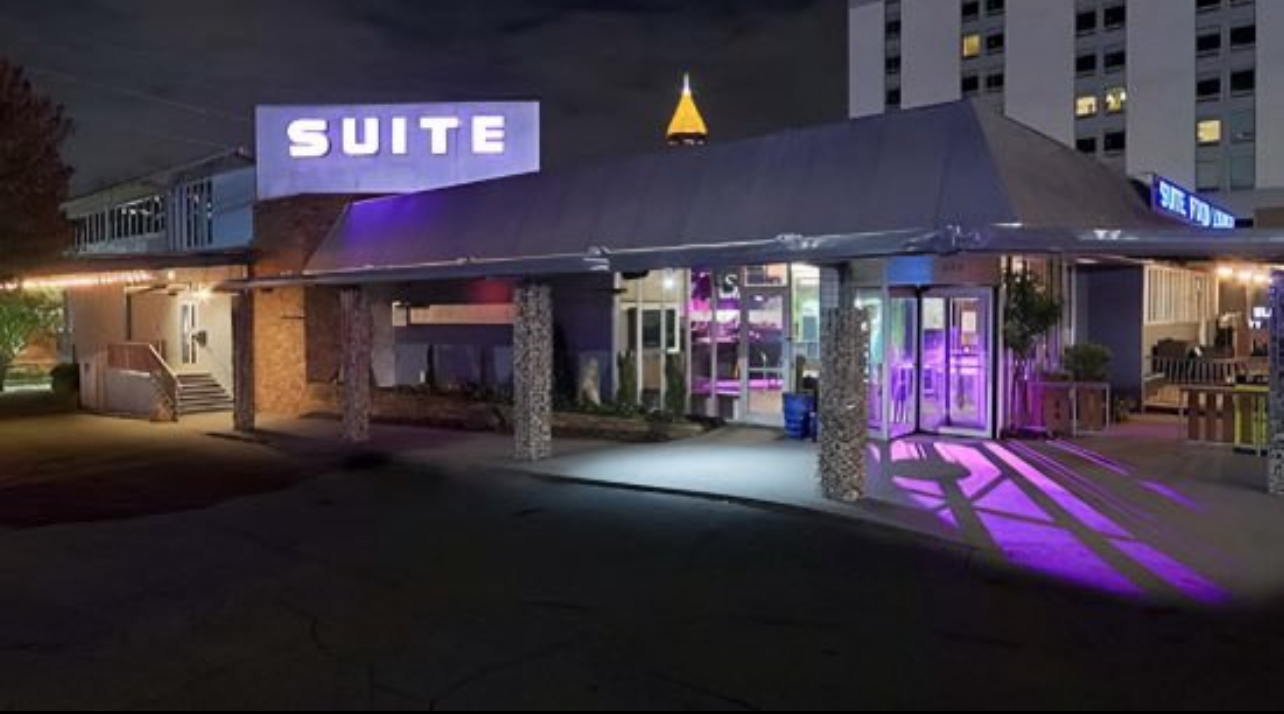
The venue will be remembered as one of the best clubs in the city, with its eye-catching exterior bathed in vibrant purple and blue lighting, distinctive peaked roofline accented by a golden triangular element.
Iconic Downtown Atlanta Nightspot Suite Food Lounge Announces Closure
The modern, inviting entrance features automatic glass doors framed by textured stone pillars, outdoor seating areas, and colorful ground projections that create a dynamic, almost futuristic ambiance against the dark night sky.
Nearby high-rise buildings loom in the background, highlighting the spot’s prime location in the bustling Luckie Street entertainment district.
Suite Food Lounge – often simply called “Suite” by locals – has long been known as more than just a restaurant.
It combined upscale dining with a lively nightclub atmosphere, featuring multiple bars, a dance floor, live entertainment including the popular Suite Jazz Series, and a rooftop area known as Greenhaus.
The venue offered a fusion of classic American cuisine with Southern-inspired twists, from shrimp and grits to creative cocktails, drawing crowds for everything from dinner dates to late-night partying and special events.
After 13 years of operation, owners announced on Feb. 3 the permanent closure with heavy hearts. In a social media post, they expressed deep gratitude to loyal patrons, noting the countless memories created within its walls.
The news has sparked an outpouring of nostalgia online, with hundreds of commenters sharing stories of milestone celebrations, first dates, and unforgettable nights out in Atlanta’s downtown scene.
“Atlanta’s nightlife landscape is changing, but spots like Suite have left an indelible mark on our city’s culture,” said one longtime patron in response to the announcement.
Many are reflecting on how the venue helped define evenings in the area near Centennial Olympic Park and the Georgia Aquarium.
While the exact reason for the closure was not detailed beyond the owners’ emotional statement, the decision comes at a time when several longstanding entertainment venues in Atlanta have faced similar challenges. Suite’s final days are expected to draw large crowds eager for one last visit.
For those looking to reminisce or say goodbye, the venue’s website (suiteatl.com) and social media channels (@suiteloungeatl) remain active with updates.
As one era ends, Atlanta’s vibrant dining and entertainment community continues to evolve – but the glowing purple lights of Suite will linger in many memories.
Have your own Suite story? Share it in the comments below – we’d love to hear how this downtown gem impacted your Atlanta nights.
More from AtlantaFi.com:
-
The iconic outdoor apparel brand Eddie Bauer is reportedly preparing to file for Chapter 11 bankruptcy protection, a move that could lead to the closure of all approximately 200 of its brick-and-mortar stores across North America.
According to multiple sources cited in recent reports from outlets like Women’s Wear Daily (WWD), Business Insider, and others, the impending filing involves the entity operated by Catalyst Brands, which holds the licensing rights to run Eddie Bauer retail locations in the United States and Canada.
Eddie Bauer Bankruptcy: What To Know
Catalyst Brands, a retail holding company formed through partnerships including Simon Property Group, Brookfield Corp., Authentic Brands Group, and others, is said to be gearing up for the restructuring process, with the bankruptcy potentially occurring in February 2026.
It’s not the only retailer shrinking its footprint in retail.
This development follows a January announcement from Authentic Brands Group (ABG), the current owner of the Eddie Bauer intellectual property and brand rights worldwide, that it would transition manufacturing, e-commerce, and wholesale operations in the U.S. and Canada to Outdoor 5, LLC (a global brand development and licensing platform).
That shift began taking effect in early February. A Chapter 11 filing by the Catalyst-operated retail entity would primarily impact physical stores, while online sales, wholesale channels, manufacturing, and international operations (such as stores in Japan) are expected to remain unaffected.
Eddie Bauer, founded in 1920 and known for its durable outerwear, down jackets, and adventure-focused gear, has a long history of navigating financial challenges.
The brand previously filed for Chapter 11 protection in 2009 amid the global financial crisis (after an earlier filing by its then-parent company, Spiegel Inc., in 2003).
It emerged from bankruptcy both times through acquisitions and restructurings, including a sale to private equity firm Golden Gate Capital in 2009 and later integration under Authentic Brands Group in 2021.
The current situation reflects broader pressures facing traditional mall-based retail, including shifting consumer preferences toward online shopping, economic headwinds, and competition in the outdoor apparel sector from brands like Patagonia, The North Face, and Columbia.
Reports indicate that while most—if not all—of the roughly 180–200 North American locations face closure, there may be interest from potential buyers in acquiring rights to operate a limited number of stores post-bankruptcy.
As of early February 2026, no official filing has been confirmed, and plans could still change. However, sources familiar with the matter describe the Chapter 11 preparation as advanced, with legal representation from Kirkland & Ellis already in place for the store-operating entity.
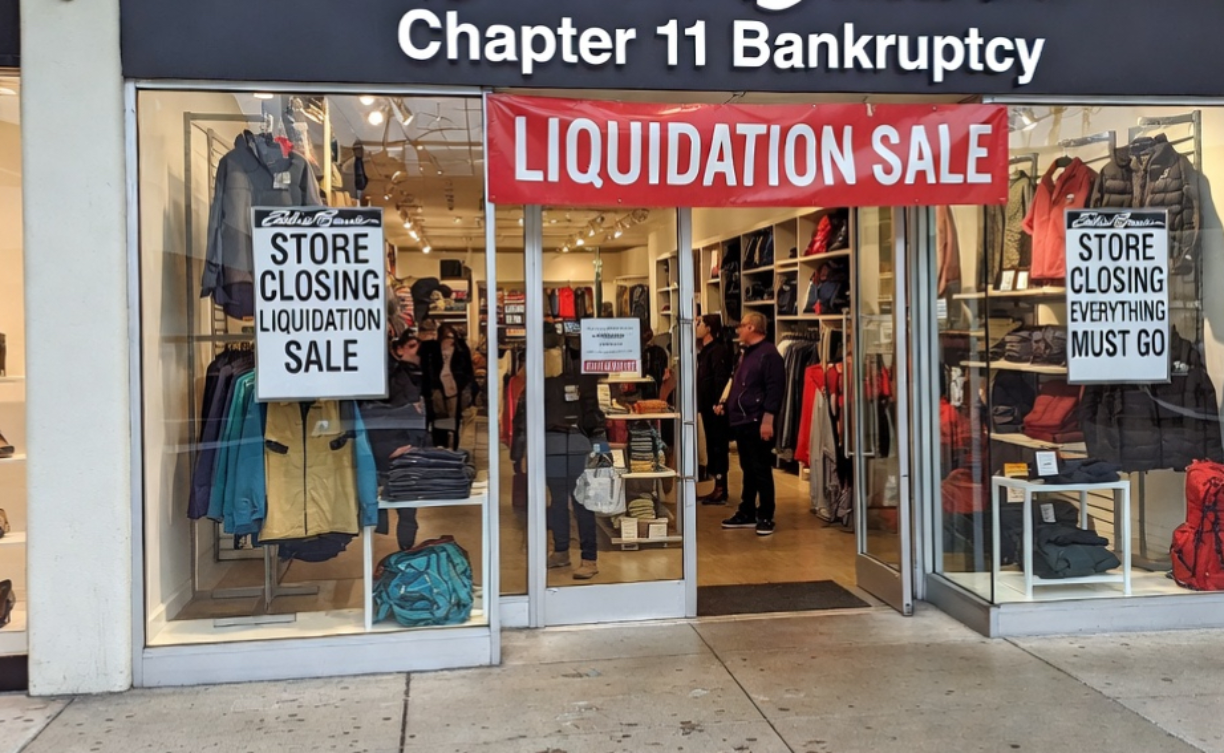
For shoppers, this could mean liquidation sales at many Eddie Bauer locations in the coming weeks or months, as the company seeks to wind down its physical retail footprint in North America while preserving the brand’s legacy through digital and wholesale channels.
Final Word
The development marks yet another chapter in the ongoing transformation of American retail, where heritage brands increasingly pivot away from traditional storefronts to survive in a digital-first era.
Here are more articles from AtlantaFi.com:
-

In the ever-evolving world of sports broadcasting, several Major League Baseball (MLB) teams have taken control of their destinies by establishing or partnering in their own regional sports networks (RSNs).
These team-owned or partially owned channels not only broadcast regular-season games but also provide exclusive content, analysis, and behind-the-scenes access, enhancing fan engagement while securing lucrative revenue streams.
MLB Teams Leave Regional Sports Networks? Braves, Your Play
As a hub for sports in the Southeast, Atlanta has a keen interest in this trend, especially with the Atlanta Braves navigating recent upheavals in the RSN market.
Here’s a breakdown of the MLB teams leading the charge with their own TV channels, along with insights into the Braves’ future.
The Rise of Team-Owned Networks
The shift toward team-controlled broadcasting has accelerated in recent years, driven by the instability of traditional RSN operators like FanDuel Sports Network (formerly Bally Sports).
Financial troubles, including bankruptcies and missed payments, have prompted teams to seek more stable, profitable alternatives. According to industry reports, local media accounts for over 20% of MLB’s overall revenue, making these networks critical for team finances.
Teams with ownership stakes in their RSNs can better control distribution, negotiate carriage deals, and explore direct-to-consumer streaming options. This model was pioneered by powerhouses like the New York Yankees and has been adopted by others seeking independence from third-party broadcasters.
Key MLB Teams with Their Own TV Channels
Here’s a list of prominent MLB teams that own or partially own dedicated RSNs broadcasting their games. These networks often feature pre- and post-game shows, documentaries, and other team-specific programming.
- Boston Red Sox: The Red Sox broadcast on NESN (New England Sports Network), fully owned by Fenway Sports Group, which also owns the team. NESN reaches millions in the New England region and has been a staple since 1984.
- New York Yankees: Games air on the YES Network, majority-owned by Yankee Global Enterprises (the team’s parent company). Launched in 2002, YES has become one of the most valuable RSNs, generating significant revenue through high subscriber fees.
- New York Mets: SNY (SportsNet New York) is majority-owned by the Mets’ ownership group. Since 2006, it has provided comprehensive coverage, including Mets games and related content, serving the tri-state area.
- Toronto Blue Jays: Sportsnet, owned by Rogers Communications (which also owns the Blue Jays), handles national and regional broadcasts. This integrated model allows seamless coverage across Canada.
- Baltimore Orioles: The Orioles control MASN (Mid-Atlantic Sports Network), which they own outright following disputes with the Washington Nationals. MASN broadcasts Orioles games to fans in the mid-Atlantic region.
- Chicago Cubs: Marquee Sports Network, launched in 2020, is 50% owned by the Cubs with the other half held by Sinclair Broadcast Group. It offers exclusive Cubs content and has expanded into streaming.
- Chicago White Sox: The White Sox are part of Chicago Sports Network, a joint venture with the NBA’s Bulls and NHL’s Blackhawks. This collaborative RSN debuted in 2024 and focuses on Chicago-based teams.
- Los Angeles Dodgers: Spectrum SportsNet LA is wholly owned by the Dodgers through American Media Productions. Since 2014, it has been the exclusive home for Dodgers games in Southern California. en.wikipedia.org
- Houston Astros: Space City Home Network is a joint venture between the Astros and the NBA’s Rockets. Launched in 2023, it provides local coverage for both teams in the Houston area.
- Texas Rangers: The Rangers operate Victory+, a streaming-first platform under Rangers Sports Network. Introduced in 2024, it’s a direct-to-consumer service that bypasses traditional cable for greater accessibility.
- Philadelphia Phillies: The Phillies hold a 25% stake in NBC Sports Philadelphia, which broadcasts their games alongside other local teams. This partial ownership gives them influence over content and revenue.
- San Francisco Giants: With a 30% ownership in NBC Sports Bay Area, the Giants have a say in their broadcasts, which share the network with the NBA’s Warriors.
Other teams, like the Pittsburgh Pirates (on SportsNet Pittsburgh, owned by Fenway Sports Group via the Penguins), benefit from shared networks but lack direct ownership.
The Atlanta Braves’ Path Forward
Closer to home, the Atlanta Braves have been caught in the crossfire of FanDuel Sports Network’s financial woes.
On February 2, 2026, six MLB teams—the Milwaukee Brewers, Miami Marlins, Kansas City Royals, St. Louis Cardinals, Cincinnati Reds, and Tampa Bay Rays—announced they would partner with MLB for game production and distribution starting this season, leaving FanDuel after missed rights payments.
The Braves, along with the Detroit Tigers and Los Angeles Angels, terminated their deals but have not joined MLB’s in-house media unit.
Instead, the Braves appear poised to launch their own broadcasting venture. In a statement released on Monday, Feb. 2, the team noted they “have been actively preparing for this outcome and are well on our way towards launching a new era in Braves broadcasting.”
Industry sources suggest this could involve a team-owned RSN or a hybrid streaming model similar to the Rangers’ Victory+, potentially increasing accessibility for fans in Georgia and beyond.
This move aligns with the broader trend: as RSN giants falter, teams like the Braves are seizing opportunities to control their narratives and revenues. For Braves fans, it could mean more innovative viewing options, from enhanced apps to exclusive content, without the blackouts that plagued FanDuel.
The Bigger Picture for MLB and Fans
Team-owned networks represent a double-edged sword. They empower clubs financially but can lead to higher costs for viewers if carriage disputes arise. However, with MLB stepping in for 13 teams this season (including recent additions like the Washington Nationals and Seattle Mariners), the league is pushing toward a more unified, fan-friendly model.
As the 2026 season approaches, Atlanta sports enthusiasts will be watching closely.
If the Braves successfully debut their own channel, it could solidify their status as innovators in the Southeast sports scene. Stay tuned to Atlanta Sports Insider for updates on Braves broadcasting and all things MLB.