-

When it comes to plant-based eats, you’ll have to search Atlanta really hard to find something you love. Not anymore.
Mission Burger Co. just opened in West Midtown Atlanta — and it’s serving delish plant-based burgers.
Mission Burger Co., was founded by Isaac Mogannam and Michael Limongelli, who both see it as a mission to serve ethical, delicious, and satisfying vegan food that benefits both the palate and the planet.
What’s On The Menu At Mission Burger Co.?
Mission Burger’s fully vegan menu reimagines American classics without compromising on flavor, earning them a strong reputation in their startup city— Austin, Texas — where they’ve won “Best of Austin” accolades.
Now, Mission Burger Co. has expanded to Atlanta’s Upper Westside neighborhood, bringing its innovative vegan concept to a new audience.
The restaurant’s grand opening, attended by notable guests, including Mayor Andre Dickens, marked the start of its journey in Atlanta.
Where Is Mission Burger Co. Located?
Mission Burger Co. is located at 2065 Defoors Ferry Rd, Atlanta, Ga. 30318.
Final Bite
Atlanta is much more than great burger joints. If you want to check out some other food spots in the area, here are the best restaurants in Buckhead. Or you might like to read our Buckhead Steak Guide to find all the best eateries offering mouth-watering prime cuts.
Here Are The Best New Restaurants In Atlanta
-
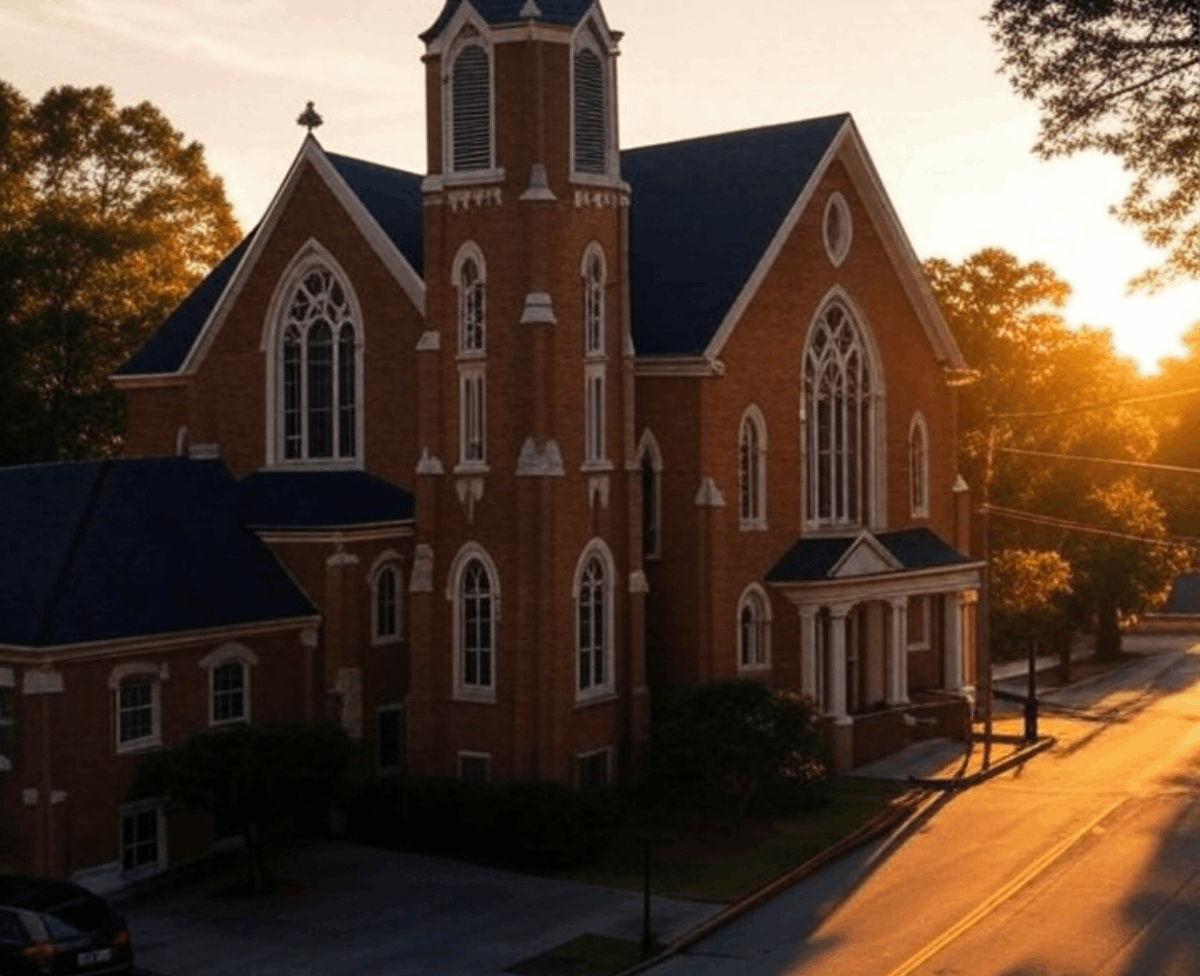
Some of the oldest buildings in Atlanta have ties to the religious movement. After all, we are in the Deep South. But what about the most continuous congregations? What religious flocks have been here the longest?
In this article, I’ll show you Atlanta’s oldest churches, including when the congregations began and who led them.
Here Are Atlanta’s Oldest Churches
Identifying Atlanta’s oldest churches requires acknowledging the city’s history, particularly the devastation caused by Sherman’s March to the Sea in 1864, which destroyed most pre-Civil War structures.
The surviving churches or those rebuilt shortly after are among the oldest, with their founding dates and congregations often predating their current buildings.
1. Catholic Shrine of the Immaculate Conception (Roman Catholic)

- Founded: 1840s (parish records begin 1846; first church built 1848)
- Current Building: 1873
- Location: 48 Martin Luther King Jr. Dr. SW, Downtown Atlanta
- Facts:
- Atlanta’s first Catholic church and the oldest church still standing in its original location within the city limits.
- Initially a mission served by priests from Augusta and Macon, ministering to Irish Catholic immigrants working on the Western and Atlantic Railroad.
- Dedicated in 1849 as the Church of the Immaculate Conception; the current Gothic Revival brick structure, designed by William H. Parkins, was completed in 1873 after the original wooden church was damaged during the Civil War.
- Father Thomas O’Reilly, pastor during the Civil War, convinced Union General Slocum to spare the church and nearby structures from Sherman’s burning of Atlanta, citing potential desertions by Catholic Union soldiers.
- Survived a major fire in 1982 and was restored by 1984; added to the National Register of Historic Places in 1976.
- Notable parishioners included ancestors of Margaret Mitchell and Flannery O’Connor.
2. Big Bethel A.M.E. Church (African Methodist Episcopal)

- Founded: 1847
- Current Building: Late 1880s (rebuilt after earlier structures)
- Location: 220 Auburn Ave. NE, Sweet Auburn District
- Facts:
- Believed to be the oldest predominantly African American congregation in metro Atlanta.
- Formed when enslaved men and women were permitted to worship at the white Union Church; their first building, Bethel Tabernacle, was constructed in 1855.
- Served as a smallpox hospital during the Civil War and joined the A.M.E. Church in 1866.
- Known as “Sweet Auburn’s City Hall” for its central role in the African American community; hosted the Gate City Colored School, Atlanta’s first public school for African Americans, in its basement in 1879.
3. First Presbyterian Church of Atlanta

- Founded: 1848
- Current Building: 1914
- Location: 1328 Peachtree St. NE, Midtown Atlanta
- Facts:
- One of Atlanta’s earliest Protestant congregations, founded before the Civil War.
- The current Greek Revival building, designed by Arthur Neal Robinson, was completed in 1914, located near the Woodruff Arts Center.
- Features Tiffany-crafted stained-glass windows and a red stone Victorian Gothic sanctuary (completed 1906 at a prior site).
- Operates the oldest continuous religious radio broadcast in the world (since 1922) and was the first Atlanta church to broadcast services on television.
4. First Baptist Church of Atlanta (Southern Baptist)

- Founded: 1848
- Current Building: 1903
- Location: Originally downtown; now at 4400 N Peachtree Rd., Dunwoody (relocated)
- Facts:
- One of the first churches affiliated with the Southern Baptist Convention, founded in 1848.
- The 1903 Gothic Revival building, constructed with Stone Mountain granite and designed by Willis Franklin Denny, features the only known church bell to survive the Civil War in Atlanta.
- Relocated to the suburbs in the 20th century, reflecting Atlanta’s sprawling growth.
- Now a megachurch with a congregation of 16,000, led by Dr. Charles Stanley since 1971.
- Added to the National Register of Historic Places in 2010.
- Represents Atlanta’s strong Baptist tradition in the Bible Belt.
5. Atlanta First United Methodist Church

- Founded: 1847
- Current Building: 1903
- Location: 360 Peachtree St. NE, Downtown Atlanta
- Facts:
- Established as Wesley Chapel in 1847, it was Atlanta’s first Methodist congregation, with a bell used since 1850 that survived the Civil War.
- The current building, completed in 1903, is a Gothic Revival structure with the same historic bell.
- Built on land donated by Samuel Mitchell in 1845 for a Methodist school, which alternated as a worship space for various denominations.
- Added to the National Register of Historic Places in 2010.
- Reflects Methodism’s early influence in Georgia, tied to John Wesley’s legacy in Savannah.
Final Word
Atlanta has some of the oldest churches in the South. This list prioritizes churches with continuous congregations since the 1840s, verified by historical records.
Other churches like Ebenezer Baptist (founded 1886) and Friendship Baptist (1862) are historically significant but younger than those listed. Rural churches like Powelton Baptist (1786) are outside Atlanta’s city limits and not included.
More From AtlantaFi.com:
-

A boat caught fire on Lake Lanier on Friday, July 4 as boaters retreated from the area. Five people were injured and taken to area hospitals.
Videos and images on social media shows the boat engulfed in flames.
5 Hurt After Boat Explodes in Flames on Lake Lanier
The boat explosion and fire occurred on Lake Lanier on near Margaritaville at Lanier Islands.
Hall County Fire Rescue responded around 7 p.m., finding the boat engulfed in flames up to five feet high. The cause of the fire has not been disclosed, and the incident is under investigation.
Lake Lanier: Where Something Is Bound To Happen
Lake Lanier, located in Georgia, is controversial due to a combination of historical, social, and safety issues:
Displacement of Communities: Created in the 1950s by damming the Chattahoochee River, the lake’s construction flooded the town of Oscarville and other areas, displacing hundreds of families, primarily Black and poor white residents. The government used eminent domain, often offering minimal compensation, and some allege that homes, cemeteries, and cultural landmarks were submerged without proper relocation or acknowledgment, fueling resentment.
Racial History: Oscarville was the site of a 1912 racial cleansing, where a Black community was violently driven out after accusations against Black residents for crimes. The lake’s creation over this land is seen by some as erasing a painful history, with lingering racial tensions tied to the area’s past.
High Death Toll: Lake Lanier is notorious for a high number of drownings, boating accidents, and fatalities—over 700 deaths since its creation, with 216 drownings between 1994 and 2022 alone. Hazardous underwater hazards like submerged trees, sudden drop-offs, and strong currents contribute, but the frequency of incidents has led to local legends of the lake being “cursed” or “haunted.”
Urban Legends and Hauntings: Folklore attributes the lake’s dangers to supernatural causes, such as restless spirits from flooded cemeteries or the town’s violent history. Stories of ghostly sightings and eerie experiences are widespread, amplified by social media and pop culture, adding to its ominous reputation.
- Environmental and Safety Concerns: The lake has faced issues like pollution, overcrowding during peak seasons, and alcohol-related boating incidents, which exacerbate safety risks. Critics argue that inadequate regulation and oversight contribute to preventable accidents.
These factors combine to create a narrative of Lake Lanier as a place with a troubled past and ongoing dangers, sparking debate about its history, management, and cultural significance.
Final Word
Be safe on Lake Lanier. The great weather is for you to have fun, not risk your life.
Here are more articles from AtlantaFi.com:
-
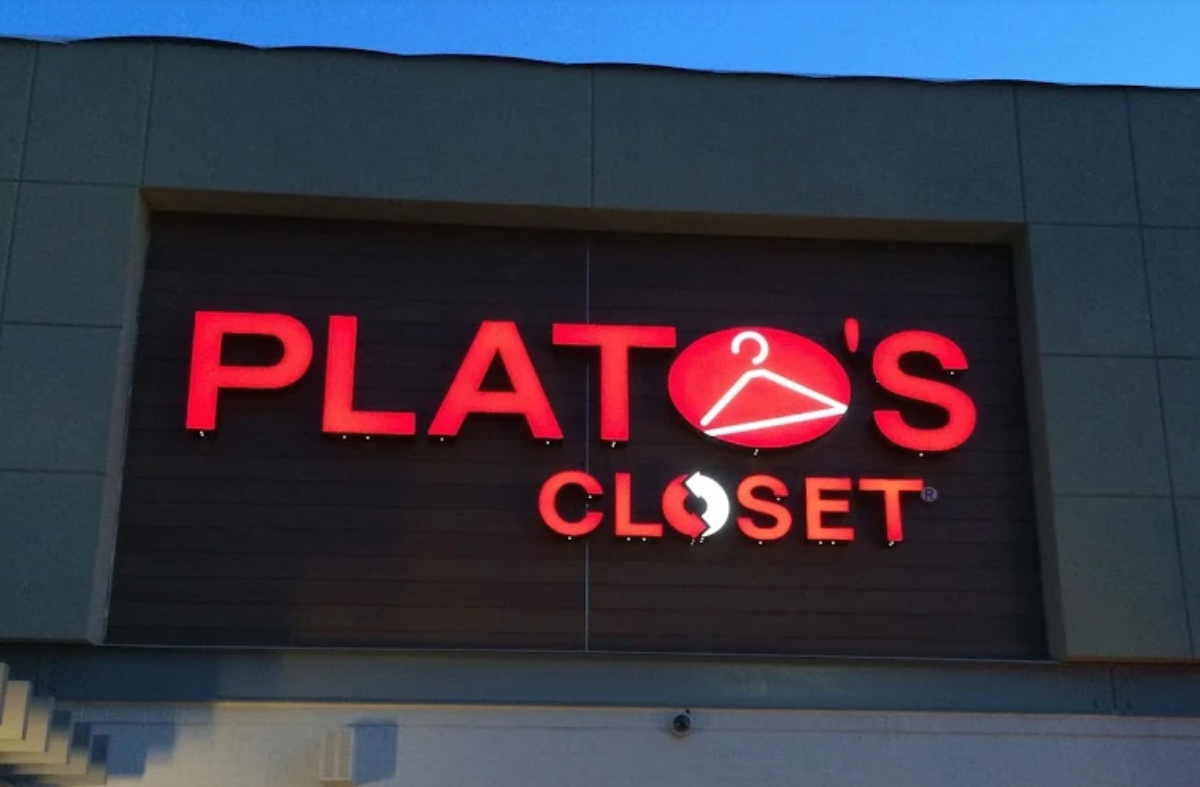
For a quarter of a century, shoppers in the North Druid Hills neighborhood of Atlanta frequented Plato’s Closet for gently-used and brand-name clothing and other wares — but no more. The store was abruptly evicted on July 3, 2025.
Images and video on social media showed thongs of shoppers wading through clothing that had been tossed on the curb off Briarcliff Road in Atlanta.
According to multiple news sources, the eviction took place around 9:30 a.m. at the store off Briarcliff Road. Video footage and social media reports indicate that after the eviction, clothing was left outside, and people were seen taking items, with some describing the scene as chaotic.
Plato’s Closet is just the latest Atlanta retailer to shut its doors.
Plato’s Closet: A History
Founding (1998): Plato’s Closet was founded by Dennis and Lynn Blum in Columbus, Ohio. The concept evolved from their earlier venture, Once Upon a Child, a resale store for children’s clothing.
The Blums recognized a market for a similar model targeting teens and young adults, focusing on trendy, name-brand items at discounted prices (up to 70% off retail). The store’s name was inspired by their son, who was researching the Greek philosopher Plato for a school project. Plato’s ideas of reuse and preservation aligned with the store’s recycling-focused business model.
Franchising by Winmark (1999): In 1998, Winmark Corporation, a Minneapolis-based franchisor specializing in resale retail, acquired Plato’s Closet from the Blums. Winmark began franchising the concept in 1999, leveraging its experience with other resale brands like Play It Again Sports and Once Upon a Child. The franchise model emphasized a “no-appointment” cash-on-the-spot system for sellers and affordable, trendy inventory for buyers.
Growth and Expansion: Plato’s Closet quickly gained traction due to its appeal to budget-conscious, fashion-forward teens and young adults. By 2011, there were over 280 locations across the United States and Canada.
The brand reached a milestone in 2022 with its 500th store opening in Windsor, Ontario. As of 2024, there are over 500 individually owned and operated locations in North America, with new stores opening regularly. The franchise model has a 99% renewal rate, reflecting strong franchisee satisfaction.
Final Word
The Plato’s Closet store in Atlanta, located at 2480 Briarcliff Rd NE in the North Druid Hills area, was established in 2000. Unfortunately, abrupt evictions like this one may be seen more as Atlanta’s business climate weakens.
BEFORE YOU GO, take a look at all the top deals happening on our Retail Page. Don’t pay full price for things when you can get GREAT VALUE on items for low prices. Don’t want to miss a deal? Sign up for our #ATLHaps list HERE🙂
Looking to shop? Check out the best malls in Atlanta
NO MATTER WHAT YOU DO, take a look at all the top deals on our Clothes Page, there are PLENTY of good deals that you don’t want to miss! Subscribe to our #ATLHaps Newsletter HERE and get the deals delivered to your inbox 🙂
Along with the wonderful things to eat and do in Atlanta, there are also so awesome places to shop.
In addition to malls, many Atlanta boutiques and consignment shops have daily deals so that you can save money.
Atlanta’s retail scene continues to be a bright spot for the local economy — and that means more sales for everyone!
Here are more articles from AtlantaFi.com you might like:
-

With the Fourth of July holiday, many local retailers have adjusted their hours to either close early or close altogether, although many haven’t changed their hours of operation at all.
In this article, we’ll show you what the store hours are for popular retailers in Atlanta:
Who’s Open, Closed or Closing Early for July 4th in Atlanta?
- Walmart: Open regular hours, typically 6 a.m. to 11 p.m.
- Target: Open regular hours, generally 8 a.m. to 10 p.m., but some locations may vary.
- Publix: Open regular hours, usually 7 a.m. to 10 p.m.
- Kroger: Open regular hours, typically 6 a.m. to 11 p.m., though some stores may have slight variations.
- ALDI: Open with limited hours, likely 9 a.m. to 4 p.m., but check local store locator for specifics.
- Costco: Closed on July 4.
- Sam’s Club: Open 8 a.m. to 6 p.m. for Plus members, 10 a.m. to 6 p.m. for Club members.
- BJ’s Wholesale Club: Open regular hours, typically 10 a.m. to 7 p.m.
- Whole Foods: Most locations close early at 6 p.m.
- Trader Joe’s: Open but closes early at 5 p.m.
- Home Depot: Open, but closes early at 8 p.m.
- Lowe’s: Open, but closes early at 8 p.m.
- Best Buy: Open regular hours, typically 10 a.m. to 9 p.m.
- Macy’s: Open regular hours, usually 10 a.m. to 9 p.m.
- Nordstrom: Open regular hours, typically 10 a.m. to 9 p.m.
- CVS: Most locations open regular hours, including 24-hour stores, but pharmacy hours may be reduced at some locations.
- Walgreens: Open, but pharmacy hours may vary by location.
- Petco: Open, typically closing at 7 p.m. or 8 p.m.
- PetSmart: Open 9 a.m. to 6 p.m.
- Dollar General: Open, typically 8 a.m. to 9 p.m., but hours may vary.
- Bass Pro Shops/Cabela’s: Open 9 a.m. to 7 p.m.
- Academy Sports + Outdoors: Open regular hours, 9 a.m. to 9 p.m.
- Belk: Open 9 a.m. to 6 p.m.
- Big Lots: Open 9 a.m. to 9 p.m.
- JCPenney: Open 10 a.m. to 6 p.m.
- Kohl’s: Open regular hours, typically 10 a.m. to 9 p.m., but some may close early.
- Office Depot/OfficeMax: Open 10 a.m. to 6 p.m.
- REI: Open 10 a.m. to 6 p.m.
Notes:
- Always verify hours with your local store, as they can differ by location or due to holiday adjustments.
- Liquor stores in Georgia may have varying hours, as some are state-controlled and may align with federal holiday closures. Check locally or buy alcohol in advance.
- For wholesale markets like AmericasMart, note that it is closed on July 4, 2025, and primarily serves trade professionals, not general retail.
Final Word
Speaking of stores, one thing people love to buy are phones. If you want to know where to take your cracked phone, here are some handy resources.
Shopping for Gadgets? Scan Our Electronics Page
More Articles For You:
-
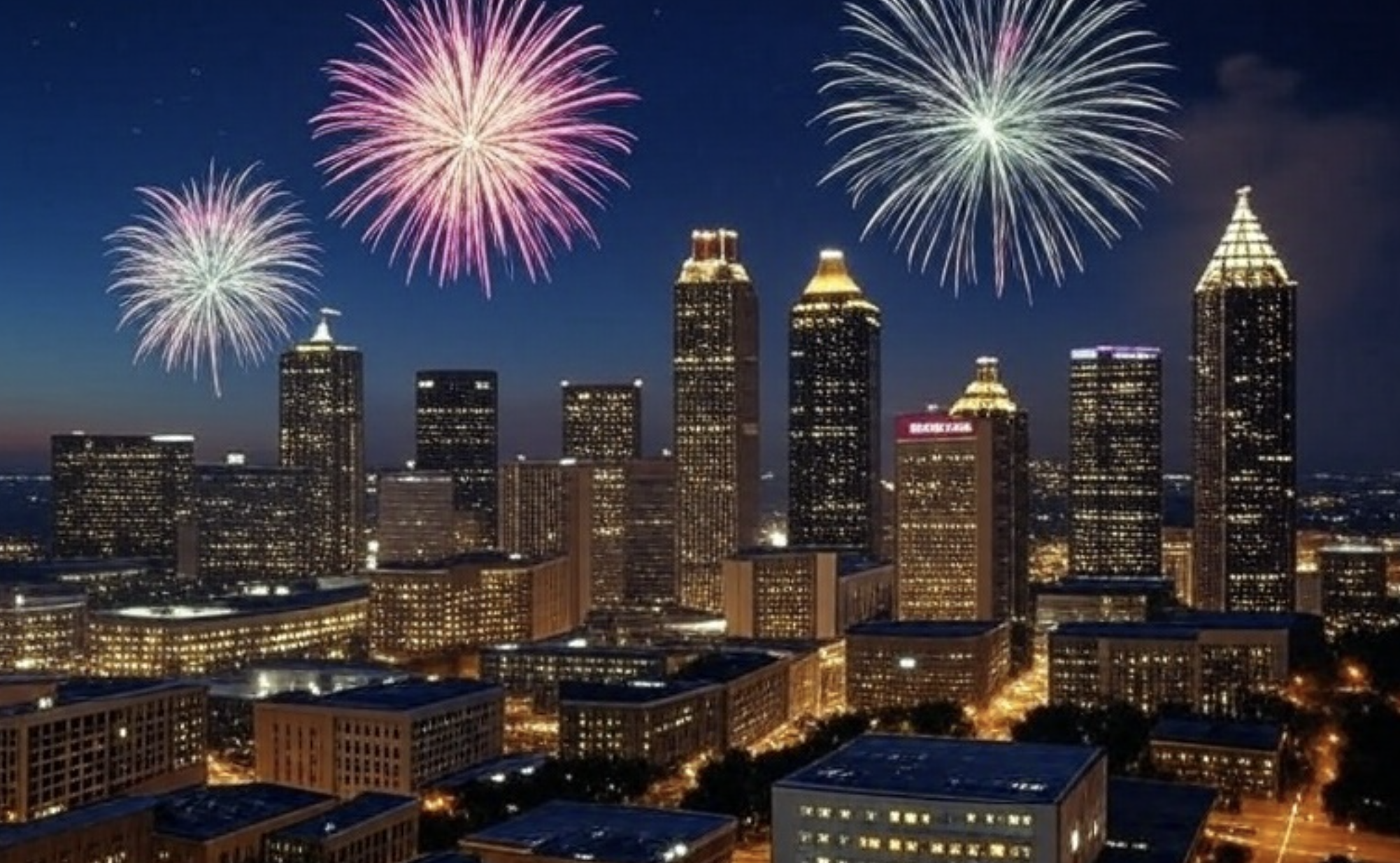
With the Fourth of July and related events here, you might be interested in knowing your rights — and restrictions — as it relates to shooting fireworks in Atlanta and surrounding cities in Georgia.
Can I Shoot Fireworks in the Air in Georgia?
Yes, it is legal to shoot fireworks in the air in Georgia, provided certain conditions are met. Consumer fireworks, including aerial types like bottle rockets, sky rockets, and mortars, classified as DOT 1.4G, are permitted for purchase and use by individuals aged 18 and older, as outlined in Georgia General Assembly House Bill 727.
These can be used on private property any day from 10:00 A.M. to 11:59 P.M., with extended hours until midnight on July 3 and July 4, and until 1:00 A.M. on January 1.However, there are restrictions:
- Prohibited Locations: Fireworks cannot be ignited within 100 yards of hospitals, nursing homes, electric substations, or facilities storing over 500 gallons of flammable liquids or gases. They are also banned in public parks, historic sites, recreational areas, or on city/state property without a special permit.
- Local Ordinances: Local governments may impose stricter rules, such as noise ordinances, which can limit usage times (e.g., to 10:00 P.M. in some areas). Check with your local jurisdiction for specific regulations.
- Safety and Age: Only those 18 or older can purchase fireworks, and it’s illegal to use them while under the influence of alcohol or drugs. Children under 16 should be supervised due to high injury risks.
- Drought Restrictions: The governor may suspend fireworks use during drought conditions for safety reasons.
- Private Communities: HOAs or private communities may have additional rules prohibiting fireworks.
Final Word
As you can see, you can shoot fireworks in the air in Atlanta, but there are restrictions set down by the laws of the state.
For public displays or events, a permit is required from the local fire marshal, as in Marietta, where applications must be filed 10 days in advance.
Final Word
No matter what you do on The Fourth, the priority is to stay safe. Here are some ways to do that:
- Always have adult supervision for children.
- Read and follow all instructions on the fireworks packaging.
- Use fireworks outdoors in a clear, open area away from buildings and flammable materials.
- Keep a bucket of water or a hose nearby to extinguish sparks or fires.
- Light one firework at a time and never try to relight a dud.
- Wear protective eyewear and avoid loose clothing.
Always use fireworks on private property, away from structures, vehicles, and flammable materials, and follow safety guidelines to avoid injuries or property damage. If you’re in a specific city or county, verify local rules, as they can override state allowances in some cases.
Here are more articles from AtlantaFi.com you might like:
-
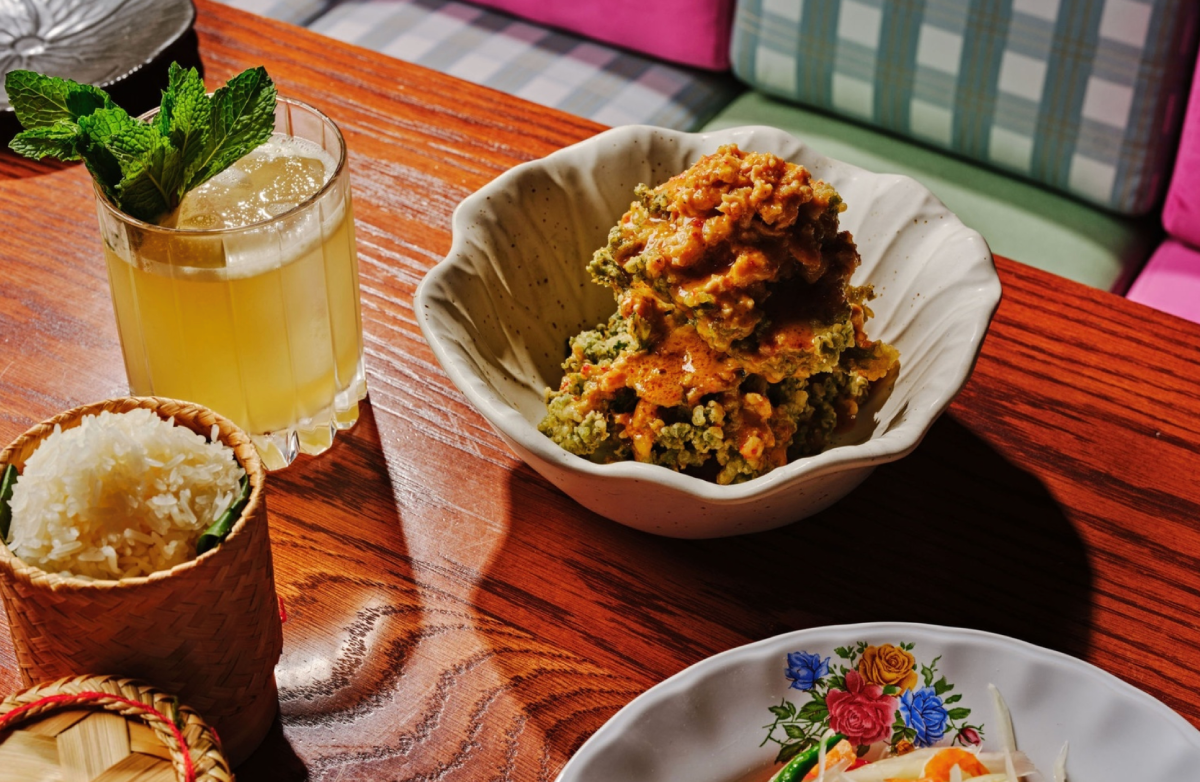
The second week of July will be Thai time in a huge way as a new Atlanta restaurant opens its doors. Pink Lotus, from the owners of 26 Thai Kitchen, is set to open on July 8, 2025.
Pink Lotus Set To Open in West Midtown
The restaurant is located in the former Donetto space at the Stockyards in West Midtown. This eatery will serve a variety of Thai dishes, complemented by cocktails, beer, and wine.
Pink Lotus Thai Restaurant showcases the lesser-known facets of Thai cuisine with a menu highlighting regional specialties rarely found in American Thai restaurants. Judging from its pedigree, it’s already sure to be one of the best Thai restaurants in Atlanta.
What’s On the Menu at Pink Lotus?
Expect dishes like Mieng Kum (Betel leaves stuffed with coconut, peanuts, lime, ginger, and sweet palm sugar sauce from central Thailand), Kaeng Rawan (a bold, coconut-rich southern Thai curry with beef short rib and vibrant spices), and Pla Pao (charcoal-grilled, salt-crusted whole fish).
Presented in a shareable, tapas-style format, Pink Lotus offers Atlanta a traditional yet innovative Thai dining experience.
Where Is Pink Lotus Located?
Pink Lotus is located at 976 Brady Avenue NW STE 110 Atlanta, GA 30318. Here’s a map to help you find it.
Final Word
West Midtown boasts a range of restaurants offering everything from high-end omakase to casual, budget-friendly eats. Establishments like Antico, known for its perfect Neapolitan pizza crust, and Forza Storico, with its Roman-inspired dishes, showcase the area’s ability to blend authenticity with creativity.
Pink Lotus Thai Restaurant adds to this by introducing lesser-known Thai regional specialties like Mieng Kum and Kaeng Rawan in a shareable, tapas-style format, bringing a fresh twist to Atlanta’s Thai dining scene.
Want to know what food is poppin’ right now? Read our West Midtown Eating Guide.
The ATL has other cool eateries as well. If you’re gluten-free, there’s plenty of options. Same goes for keto-friendly restaurants or Asian fare in Atlanta.
Here are the best new restaurants in Atlanta
-
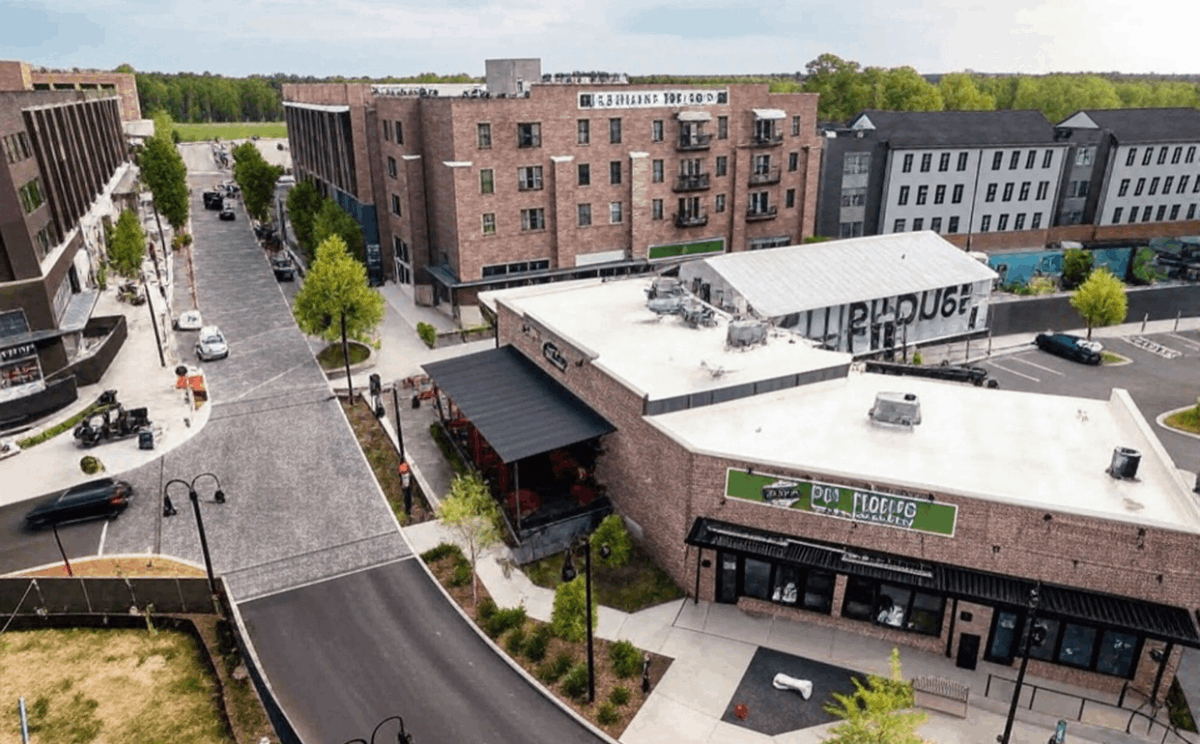
Do you love deals and freebies? The Town at Trilith is hosting its annual Super Sidewalk Sale July 5-6 in the community’s Town Centre.
Visitors can enjoy deep discounts, in-store promotions and giveaways from numerous Trilith retailers and restaurants.
When Is Trilith’s Super Sidewalk Sale?
Trilith’s Super Sidewalk Sale takes place Saturday, July 5 and Sunday, July 6.
Just in time for the holiday weekend, guests are invited to explore discounts, in-store promotions and giveaways from a variety of Trilith’s locally owned businesses.
Throughout the weekend, during regular store hours, visitors can shop exclusive offers at participating retailers including The Funky Shack, 180 Pure Home, SOZO Yoga, Scholar & Scribe, Curator and Native Collective.
From handcrafted goods and wellness experiences to home décor and curated fashion, the Super Sidewalk Sale offers shoppers a chance to discover the charm and creativity of Trilith’s retail community.
Check Out These Freebies
Sweet incentives will add to the fun all weekend long. On Saturday, the first 50 guests to visit Woodstone Bakery & Café between 12–2 p.m. will receive a free cookie, and the first 50 visitors to Honeysuckle Gelato between 2–4 p.m. can enjoy a complimentary cup of gelato.
On Sunday, Hero Doughnuts will treat the first 50 guests arriving between 12–2 p.m. to a free glazed doughnut. Offers are limited to one per person and only available while supplies last.
“We are excited for another year of the Super Sidewalk Sale bringing our community together,” said Elizabeth Moghal, Town at Trilith event manager. “This is a great opportunity to support our local purveyors and the many wonderful boutiques and small businesses Trilith has to offer.”
Final Word
The town of Trilith, Georgia, is located in Fayetteville, Fayette County, just south of Atlanta
It is adjacent to Trilith Studios, a major film and television production facility, and is part of a 235-acre master-planned residential and mixed-use project. It is surrounded by rural Georgia’s wildflowers, forests, and farmlands, offering a blend of urban accessibility and natural scenery. The specific address for key locations in Trilith, such as the Town Stage, is around 125 Shepperton Way, Fayetteville, GA 30214.
Here are more articles from AtlantaFi.com you might like:
-

Back in 2008, a weather phenomenon took place that was so powerful and so rare that it made history: A tornado hit downtown Atlanta.
On March 14, 2008, an EF2 tornado struck Downtown Atlanta, Georgia, causing significant damage and marking the first recorded tornado to hit the city’s core.
The tornado was part of a broader outbreak across the Southeastern United States on March 14–15, 2008. Here are the key details:
2008 Atlanta Tornado: How It Happened
The National Weather Service issued a tornado warning at 9:26 p.m., about eight minutes before the tornado hit, but no tornado watches were in effect due to a low 2% tornado risk forecast. The supercell’s southeast trajectory and the lack of optimal tornado conditions made the event unexpected.
The tornado, spawned by an isolated supercell thunderstorm, touched down around 9:38 p.m. EDT in the Vine City neighborhood, just west of Downtown Atlanta.
It carved a 6.25-mile path, moving southeast, which was unusual as most supercells in the region have a northward component.
The tornado was approximately 200 yards wide with maximum winds estimated at 130 mph.
Many people don’t think tornadoes and Atlanta go together, but that’s no longer the case.
“It is an area that gets more tornadoes than many people think,” Craig Croskery, P.h.D., founder of FindYourTornadoShelterOwner.com, told AtlantaFi.com.
Croskery said evacuating a tornado is not as straightforward as it sounds in a large metropolitan area like Atlanta.
“There are some complications when you’re dealing with a big city,” he said. “One of them is traffic. You don’t want to get caught in a car during a tornado.”
Here is footage of the 2008 tornado from CNN:
Landmarks Affected
The tornado caused widespread damage to iconic Atlanta structures, including the Georgia World Congress Center, CNN Center, Georgia Dome, Philips Arena, and the Westin Peachtree Plaza Hotel.
The Omni
The Omni Hotel lost 476 windows, and the CNN Center had over 1,600 windows shattered. Centennial Olympic Park saw two large light towers toppled, and historic Oakland Cemetery was damaged.
Georgia Dome Incident
The tornado struck during an SEC men’s basketball tournament game between Alabama and Mississippi State at the Georgia Dome.
The game had gone into overtime due to a clutch three-pointer by Alabama’s Mykal Riley, which likely kept thousands of fans inside, potentially saving lives as they avoided being outside during the tornado’s passage.
The storm tore a panel from the Dome’s roof, causing debris to fall and briefly halting play.
Atlanta’s Eastside
The tornado continued east, damaging the Fulton Bag and Cotton Mill Lofts, Cabbagetown, and East Atlanta neighborhoods.
A warehouse near I-20 and the Cotton Mill Lofts saw significant structural damage, with parts of the roof and upper floors collapsing.
Cost and Damage
The Georgia insurance commissioner estimated damages at $250 million statewide, with $100 million at the Georgia World Congress Center alone, making it one of the most expensive tornadoes in U.S. history at the time
In raw U.S. dollars, it was the costliest tornado in Atlanta’s history, totaling about half a billion dollars.
- Casualties: One person was killed near Downtown Atlanta due to a building collapse, and at least 30 others were injured, mostly from flying glass and debris. On March 15, two additional deaths occurred in northwest Georgia (Polk and Floyd Counties) from a second wave of tornadoes.
- Response and Recovery: Atlanta Mayor Shirley Franklin declared a state of emergency on March 15, and Governor Sonny Perdue issued a state emergency declaration, enabling federal aid from FEMA. President Bush declared a major disaster on March 20.
- Emergency assistance: Help came from the Georgia Emergency Management Agency (GEMA), Highway Emergency Response Operators (HEROs), and surrounding counties.
- Events like the Atlanta Home Show and St. Patrick’s Day parade were canceled, and the SEC tournament was relocated to Georgia Tech’s smaller stadium.
- Aftermath and Resilience: Despite the devastation, Atlanta’s recovery was swift. The Georgia Dome reopened within 10 days for an Easter service, and the Georgia World Congress Center was fully operational within 42 days. Centennial Olympic Park and other landmarks have since flourished, with few physical reminders of the tornado remaining.
- Personal Accounts: Residents and meteorologists recalled the storm’s intensity, with some noting ground flashes from power lines as a key indicator of the tornado’s path at night. The event left a lasting impression, with many citing the overtime basketball game as a fortunate factor in reducing potential casualties.
Tornadoes: How To Stay Safe
Croskery, mentioned earlier, did part of a dissertation project on tornadoes after experiencing one in Mississippi during the COVID pandemic. The photo he took went viral.
His website FindYourTornadoShelterOwner.com helps communities stay safe by building tornado shelters in the event of a tornado.
“If you’re trying to build a tornado shelter on your own home, there are some pre-fab ones you can get. If it’s one for your community, or school, you’d have to build a giant dome or box,” he said. “There are materials out there that can withstand even the strongest tornadoes.”
“If a community wants to start a tornado shelter program, a fire station would be a great place to start,” he said.
The tornado was a rare and significant event for Atlanta, highlighting the city’s vulnerability to urban tornadoes and its resilience in rebuilding.
Final Word
All in all, the 2008 Atlanta tornado tore a historic hole in the city. Cleanup involved 1,100 trade workers logging 270,000 hours to repair 370,000 square feet of ceiling tiles, 725,000 square feet of roofing, and 100,000 square feet of building structure at the Georgia World Congress Center.
More recently, Atlanta has been hit by severe weather and the threat of possible tornadoes.
“Tornadoes can happen anytime of year,” Croskery said. “The most common times of year would be in the spring. The next common would be late in the fall, but they do happen pretty much at any time of year.”
-

Waffle House has announced that it has removed the 50-cent surcharge that it enacted last winter.
In a June 2 message on social media, the chain restaurant said, “Egg-cellent news…as of June 2, the egg surcharge is officially off the menu. Thanks for understanding!”
The 50-cent surcharge on all egg items was imposed due to rising egg prices caused by the ongoing bird flu outbreak.
The surcharge took effect on Monday, Feb. 3, 2025, so that means any Waffle House in Atlanta has higher eggs nows. In fact, the surcharge is in effect at all of the company’s more than 2,000 U.S. locations.
In a statement, the restaurant chain attributed the price increase to the highly contagious virus, which has significantly impacted the chicken population and led to an egg shortage. According to the U.S. Department of Agriculture, more than 13 million hens have been lost or culled since December due to the outbreak.
“Consumers and restaurants are being forced to make difficult decisions,” Waffle House Inc. said in its statement.
Over the past year, the average price of a dozen eggs in the U.S. has surged by 50%, with costs rising even more sharply since November, according to data from the U.S. Bureau of Labor Statistics.
“While we hope these price fluctuations will be short-lived, we cannot predict how long this shortage will last,” the statement read.
Final Word
Egg priced have gone up and down over the past year, but there is something you can do about it. You can save money on eggs at these locations.