-

Delta Air Lines is giving a glimpse of a major overhaul of its flagship Delta One product, shifting emphasis from the seat alone to a complete elevated experience of dining, service, and thoughtful details.
In the promo, Delta, asks: “What makes a great flight? It’s not just the seat. It’s what you eat, what you sip, how you’re taken care of and all the details around you. We’ve been working on all of it, and it’s all part of the new Delta One Coming soon.”
This messaging aligns with Delta’s formal announcement of its largest investment and most holistic redesign of Delta One in nearly 30 years, informed by two decades of customer insights and building on more than $1 billion already invested in the fleet.
Delta One Overhaul Being Soft-Launched This Fall from LAX
The refreshed “soft product”—covering food, beverages, service rituals, amenities, and personalization—debuts first on transoceanic Delta One routes departing Los Angeles International Airport this fall, before expanding across the global network in early 2027. Specific early launches include Auckland (from around October 24), Brisbane (October 26), and additional cities such as Sydney, Melbourne, Tokyo, Hong Kong, Shanghai, and Paris starting November 3.19
Delta’s Chief Marketing and Product Officer Ranjan Goswami described the approach as “rooted in solving real customer needs and desires, with intentionality behind every detail,” aiming for the industry’s most premium end-to-end experience.46
Delta One Overhaul: Elevated Dining Focused on Classics

The culinary program, developed with chef Simon Hulstone (associated with Michelin-starred work), prioritizes elevated comfort food rather than overly formal fine dining. Highlights include:
- A Delta One Wagyu burger with caramelized onions, cheddar, and cornichons on a toasted brioche bun.
- Hong Kong-style or regionally inspired sea bass / grilled salmon.
- Braised lamb with red-wine demi-glace, lyonnaise potatoes, and grilled asparagus.
- Beef short rib, seasonally rotating risotto, macaroni and cheese, and a chicken Caesar salad entrée.
- Mid-flight lighter options such as a chicken salad croissant, hummus, and crudité.
Dessert retains the signature sundae cart with upgrades (new chocolate sauce, Amarena cherries, pecan praline), plus a dairy-free sorbet that can be paired with a Champagne Taittinger float and a Napa Valley-inspired fruit-and-cheese plate. Pre-order windows extend to 18 hours before departure—longer than before and the closest among major U.S. carriers—with expanded gluten-free, lighter, and pre-arrival (sleep-maximizing) choices.
New tableware (over 60 pieces with Delta branding) and service touches support the experience, including a “sip and settle” welcome with a hot towel, warm nuts, and a preferred beverage, plus fresh cracked pepper and improved sauce presentation.
Upgraded Beverages and Hospitality
The drinks program adds Blanton’s single-barrel bourbon (93 proof, starting December 1—the first airline to offer it), Dassai 45 sake on Tokyo-Haneda flights (from November 3), and alcoholic/non-alcoholic Hugo Spritz and Paloma cocktails (rolling out in 2027)
The wine list, curated with Master Sommelier Andrea Robinson and SkyMiles input from 1,600 options down to 13 from 11 wineries, features high-end Napa selections such as Silver Oak alongside an expanded Taittinger Champagne partnership and fewer rotations for consistency.
Amenities include a refreshed Missoni Winter Elsewhere collection (with Grown Alchemist skincare, Marvis dental kit, and a reusable wrist strap), a second Missoni Mini pillow on ultra-long-haul flights, enhanced mattress pads, memory-foam pillows, slippers, and eye masks. Limited-edition Delta x Bombas socks return on select flights.
Service design drew heavily from flight attendants, with over 200 team members contributing across testing phases and trial flights.
Next-Generation Suites Coming in 2027
While the soft product arrives first, a next-generation Delta One suite hard product debuts on new Airbus A350-1000 aircraft in 2027 (with retrofits planned for A330-200/300 fleets). These feature longer lie-flat beds (extending to around 83 inches / more than 6.5 feet in some descriptions, angled for better views and space), 24-inch cinema-quality screens, wireless charging, Bluetooth, improved storage, and privacy doors. Broader cabin refreshes will reach more than 800 aircraft over several years, and Delta is expanding its Porsche ground transfers.
The reel’s focus on the full journey—beyond the seat—mirrors passenger comments that mix excitement for the upgrades with ongoing requests for reliable Wi-Fi, consistent seating quality, and service attentiveness. Delta positions the changes as addressing those holistic needs across thousands of touchpoints.
For premium travelers, the initial LAX transoceanic launches this fall offer an early look at the reimagined Delta One, with the full suite of new seats and network-wide rollout following in 2027. Official details are available on Delta’s news hub and Delta One pages.
-
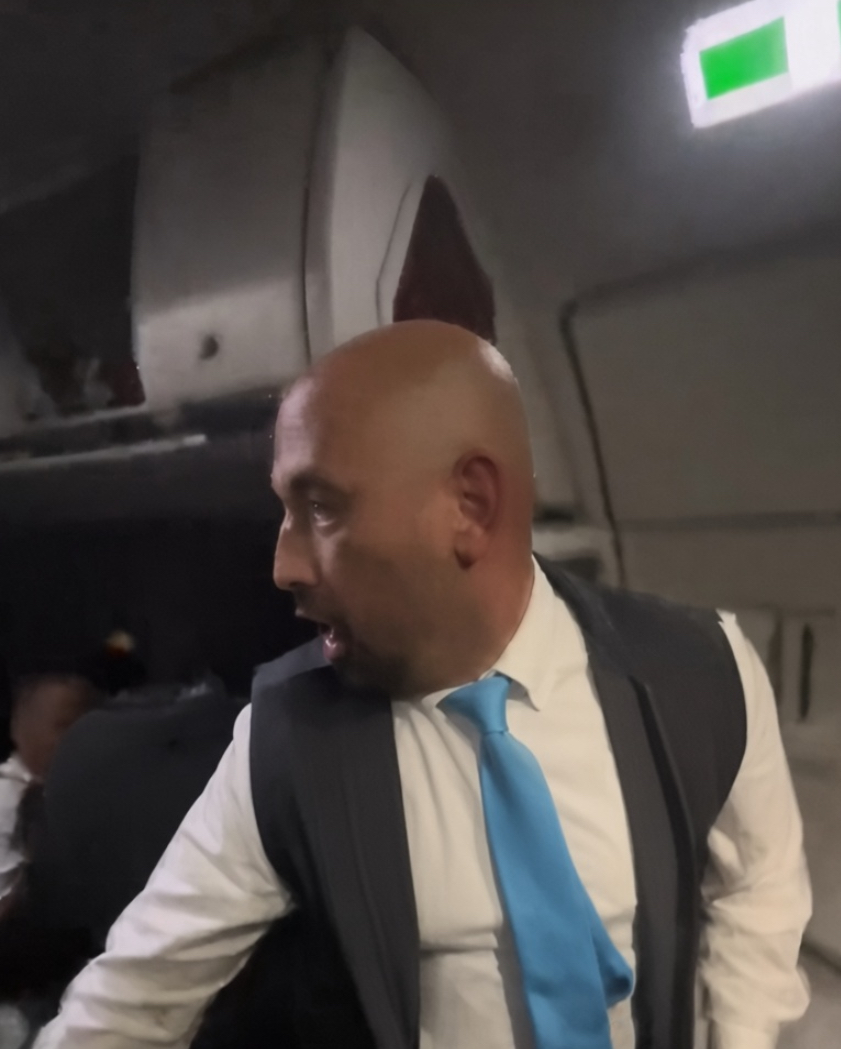
A Frontier Airlines jet that beat its schedule into Atlanta by 20 minutes still left much of the cabin stuck in the dark at the gate, after a jet bridge at Hartsfield-Jackson malfunctioned and deplaning was stopped.
Passenger video from the world’s busiest airport shows the wait ending in a confrontation at the forward door.
Frontier Airlines Flight Arrives To Atlanta Early, Leaves Passengers on Plane
Frontier flight 2052, an Airbus A321 registered N670FR, left New Orleans around 5:37 p.m. on October 6 and touched down at Hartsfield-Jackson Atlanta International Airport around 7:38 p.m., about 20 minutes early, according to airline and aviation accounts of the flight.
The aircraft taxied to the gate, the jet bridge was brought up to the forward door, and the first passengers — along with the pilots, by one account — began to get off.
Then the bridge failed. Frontier says a mechanical problem left it misaligned with the cabin door, so crews halted the rest of the deplaning until maintenance could fix and reconnect it. In a statement, the airline said announcements were made, deplaning resumed once the bridge was safely repaired, and it was “sincerely” sorry for the “inconvenience and discomfort.” It said it was still gathering details.
That is the airline’s version of an Atlanta ground stop. Passengers describe something closer to a sealed cabin.
The traveler who posted the clip, TikTok user @tavi.dinero, wrote that once the plane was at the gate the engines and lights were cut, the air conditioning stopped, and people sat without water. Cabin video shows only emergency lighting. She said that after about 30 minutes a woman began hyperventilating, shaking, and became unresponsive for five to eight minutes, and that the door still was not opened.
She also wrote that some passengers and the pilots had already left, that the wait ran roughly 35 to 50 minutes, and that communication was poor. The New York Post reported passenger claims of a wait of up to an hour in a stuffy, dark airplane, with people struggling to breathe.
The woman in the gray hoodie at the door was, according to the poster, the daughter of the passenger who had collapsed. In the 13-second clip she screams “Open the door!” A flight attendant wraps his arms around her and pushes her back from the doorway while another passenger shouts not to put hands on her. The poster later said the daughter was beating on the door, not trying to open it, because a Frontier worker was already standing on the other side.
The date is slightly muddled in the public record. Frontier’s statement places the arrival on October 6. The passenger’s caption says the night of October 7. What is not in dispute is the airport.
Hartsfield-Jackson is not a side gate where a broken bridge is a private inconvenience. It is the busiest airport in the world, a Delta fortress with a thin Frontier footprint and a jet-bridge system that has to turn aircraft on a clock measured in minutes. The bridge itself is airport ground equipment. When it slips out of alignment after the first passengers have already walked off, the people still in the seats are trapped between two systems: an airline that has shut the engines down, and an airport fix that has to happen before the door can be used again.
That is the Atlanta-specific failure. The flight did its job. It landed early at ATL. The breakdown started at the gate, on the jet bridge, after the aircraft was already parked. With the auxiliary power apparently not keeping the cabin cool and the main door closed for safety, the early arrival became a wait in a dark A321 while maintenance worked the bridge. One passenger account says a woman passed out in that interval. Her daughter’s reaction is what the video captured.
Frontier’s apology treats the episode as discomfort during a safety hold. The Atlanta footage treats it as a cabin that had already been partly emptied, then sealed again, at the airport that moves more people than any other on earth. The jet made up 20 minutes in the air. Hartsfield-Jackson gave them back, with the lights off.
-
Editor’s note: A correction has been issued for this article.
A Delta Air Lines flight bound for Minneapolis–Saint Paul returned safely to Atlanta on Wednesday after striking a bird shortly after takeoff, the airline said.
Delta Air Lines Flight Turns Around Shortly After Takeoff Due To Hitting Bird
Delta flight 2654, operated by an Airbus A321, was carrying 187 passengers when the impact occurred on the departure from Hartsfield-Jackson Atlanta International Airport. The crew turned the aircraft around and landed back in Atlanta without further incident, according to Delta.
The airline apologized to customers for the disruption to their travel plans and moved all 187 passengers onto a replacement aircraft to complete the trip to Minneapolis–Saint Paul.
Delta has not said whether the A321 sustained any damage from the strike. It is also unclear how long passengers waited before departing on the second aircraft.
The account is based on a statement from Delta. The airline did not release further details on the altitude of the strike, which engine or part of the airframe was hit, or whether any passengers or crew were injured. No injuries have been reported in available accounts of the return.
Correction: This article previously listed publishing instructions related to AI.
-
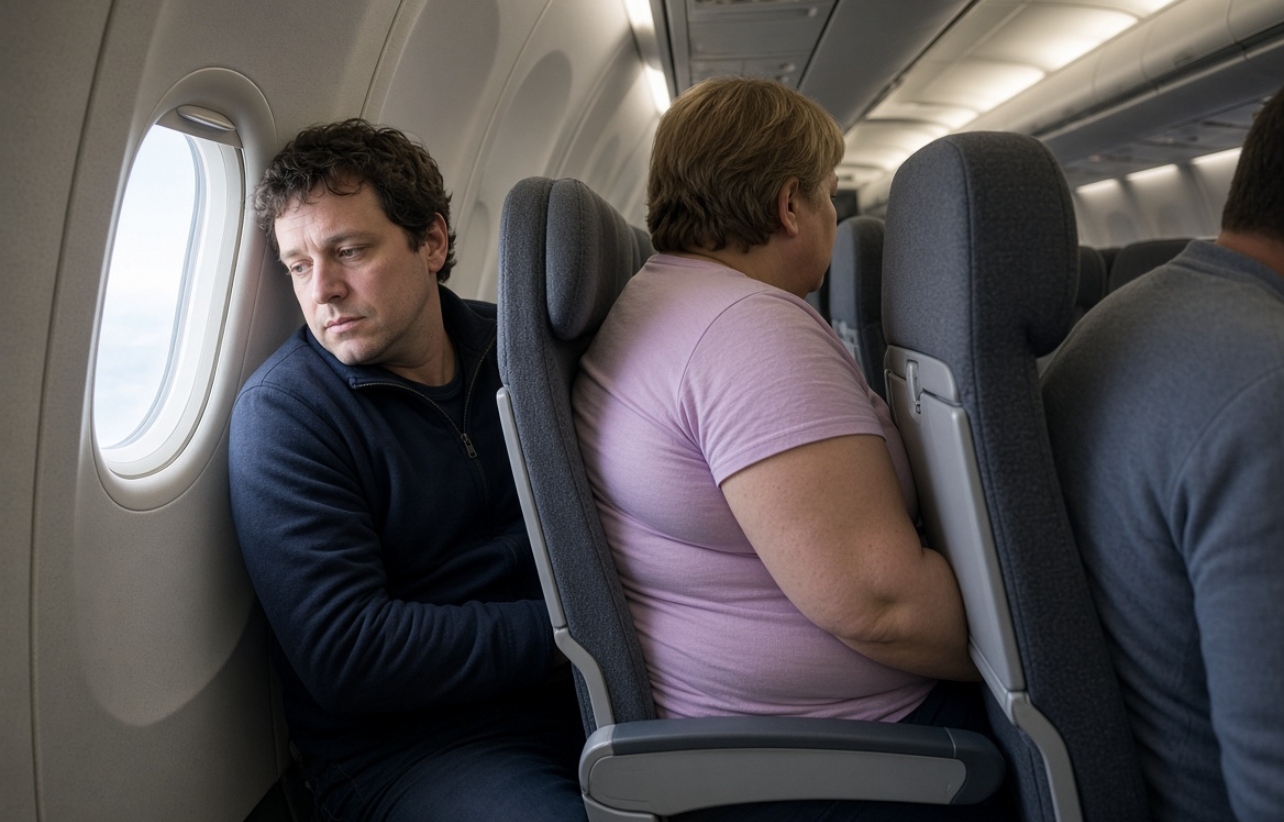
An Atlanta-to-Seattle Delta Air Lines flight that should have been a routine 5½-hour trip has become the subject of a personal-injury lawsuit after passenger Rolando Jimenez said he was forced to sit twisted against the cabin wall for the entire journey — and later needed emergency back surgery.
Jimenez filed suit in Gwinnett County State Court against Delta Air Lines, Inc., docketed as Rolando Jimenez v. Delta Air Lines, Inc., No. 26-C-09516-S6.
Delta lawsuit: Crowded Seat Led to Spine Problems
The complaint alleges that in October 2024 he was a fare-paying Main Cabin passenger in a window seat aboard an Airbus A321 when the larger passenger in the middle seat spilled into his assigned space. With no room to sit normally, Jimenez says he spent the flight in a “constrained and twisted posture” pressed against the aircraft wall.
He asked flight attendants to move him. The flight was full, the lawsuit says, and no alternative seat was offered.
When he stood after landing, Jimenez alleges he felt “immediate and severe pain radiating from his lower back down his left leg.” He sought urgent care within two days. In the weeks that followed, the pain worsened; walking, climbing stairs, bathing, and sleeping became difficult, and he eventually needed a cane.
On November 8, 2024, he underwent an L3-4 laminectomy. Symptoms later returned. He has since been diagnosed with chronic pain syndrome and may need a spinal cord stimulator, the complaint states. Medical bills to date are listed at $44,447.51, plus claims for pain and suffering, emotional distress, future care, punitive damages, and attorney’s fees. He has requested a jury trial.
The legal theory: seats, space, and duty of care
The lawsuit is not only about one neighboring passenger. Jimenez’s attorneys argue Delta configured its A321 Main Cabin with seats about 17.3 inches wide and 31 to 32 inches of pitch — dimensions they say leave a measurable share of adults unable to fit without overflowing into the next seat. The complaint alleges the airline increased density to maximize revenue and shifted the physical cost onto neighboring passengers.
Causes of action include negligence, common-carrier liability, and aggravation of a preexisting condition, along with a claim that Delta failed to enforce its own seating policies or provide a safe, usable seat.
Delta, based in Atlanta, told local media it does not comment on pending litigation.
What happens next
The allegations remain unproven. Airlines routinely defend seating configurations as industry-standard, and courts often treat passenger size, preexisting spinal conditions, and mid-flight posture as fact-intensive questions of causation. Still, the case puts a spotlight on a familiar complaint: economy seats have grown tighter while the flying public has not. A nonstop Atlanta–Seattle hop covers roughly 2,180 miles and typically lasts five to five-and-a-half hours — long enough, Jimenez’s lawyers say, for a cramped, twisted posture to become more than an inconvenience.1
Whether a Georgia jury will treat that as negligence — or as an unavoidable feature of packed air travel — is now a question for the court.
More From AtlantaFi.com:
-

Delta Air Lines is delighting passengers this summer by reintroducing Fresca as a complimentary beverage on its flights, responding directly to years of customer requests. The bright, citrus-flavored sparkling soda officially returned to the onboard lineup on July 1, 2026, just in time for peak travel season.
Fresca, known for its crisp, refreshing taste with zero calories in its standard form, has long held a devoted following among travelers.
Delta Air Lines Brings Back Fresca
Many passengers fondly remember it from earlier Delta flights and persistently asked for its return through feedback channels.
Delta’s decision highlights the airline’s commitment to listening to customers and enhancing the in-flight experience with beloved brands.
Why Fresca Matters Onboard
Available during standard beverage service and complimentary across cabins (where service is offered), Fresca stands out as a versatile option. It works well on its own for a light, zesty refreshment or as a mixer with spirits for those seeking a cocktail twist. It joins other sodas like Coca-Cola, Diet Coke, Sprite, and Seagram’s Ginger Ale on the menu.
The return comes amid broader updates to Delta’s onboard offerings. The airline also added Rold Gold Tiny Twists Original Pretzels as a new complimentary snack, replacing SunChips Garden Salsa, while keeping favorites like Cheez-It crackers and Lotus Biscoff cookies.
Additional Perks for Summer Travel
Delta is sweetening the deal with partner benefits:
- T-Mobile customers can link their SkyMiles account via the T-Life app to unlock one complimentary premium beverage per eligible flight (longer than 350 miles in certain regions).
- Delta SkyMiles American Express Card Members can claim a premium snack on select longer flights through October 31, 2026.
These enhancements reflect Delta’s focus on making air travel more enjoyable and rewarding, especially as passengers seek familiar comforts at 30,000 feet.
A Win for Customer Feedback
The Fresca comeback demonstrates the power of passenger voices. Social media and review platforms had buzzed with requests for the soda’s return, and Delta delivered. For many, it’s more than just a drink—it’s a nostalgic touch that elevates an ordinary flight.
Whether you’re a longtime Fresca fan or eager to try it for the first time, keep an eye on the beverage cart on your next Delta flight. The airline’s latest move proves that sometimes, the best things in travel are the ones that come back better than ever. Safe skies and refreshing sips ahead!
More From AtlantaFi.com:
-
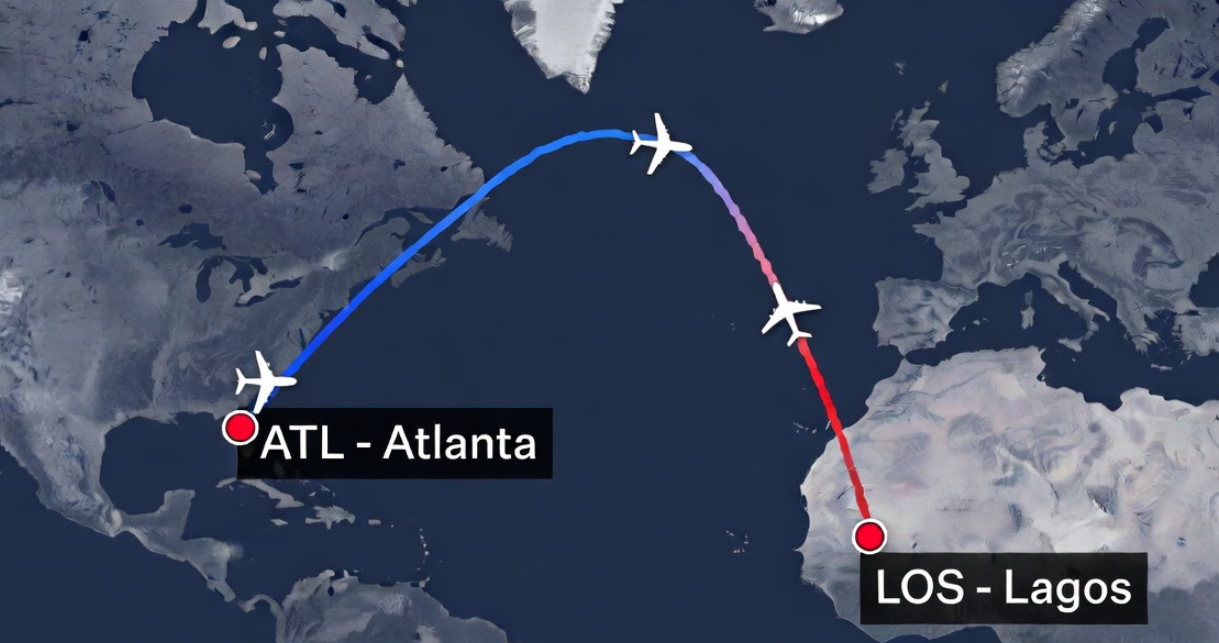
ATLANTA — Hundreds of passengers bound for Nigeria spent nearly eight hours in the air on Saturday night only to land right back where they started at Hartsfield-Jackson Atlanta International Airport.
Delta Air Lines flight DL54, operated by an Airbus A330-200 (registration N854NW), departed ATL at approximately 5:42 p.m. EDT on May 9 for Lagos (LOS). The aircraft climbed to cruising altitude and tracked eastbound across the Atlantic for roughly three-and-a-half hours before the crew initiated a U-turn.
Delta Flight To Lagos Returns to Atlanta After 8 Hours Over the Atlantic
The plane safely touched down back at Hartsfield-Jackson around 1:30 a.m. EDT on Sunday, May 10, after about 7 hours and 48 minutes of flight time.
Delta confirmed the return was due to an “operational issue,” but did not immediately release further details. The decision to return all the way to Atlanta — rather than diverting to a closer airport in Europe or the Azores — indicates the problem was one best addressed at the airline’s primary U.S. hub and maintenance base.
Upon arrival, Delta canceled the flight. The aircraft remained on the ground in Atlanta for inspection.
Passenger Impact
Passengers on the long-haul flight faced a full night of travel with no progress toward their destination. Delta is expected to rebook affected travelers on alternate flights. Travelers are advised to check the Fly Delta app or contact the airline directly for updates.
This incident highlights the challenges of long-distance international flights, where crews must weigh safety, fuel, and operational factors when issues arise mid-ocean.
Hartsfield-Jackson Atlanta International Airport remains one of the world’s busiest hubs, with Delta operating a major international network from ATL. No injuries were reported in connection with the return.
Check Out Our Atlanta Travel Guide
-
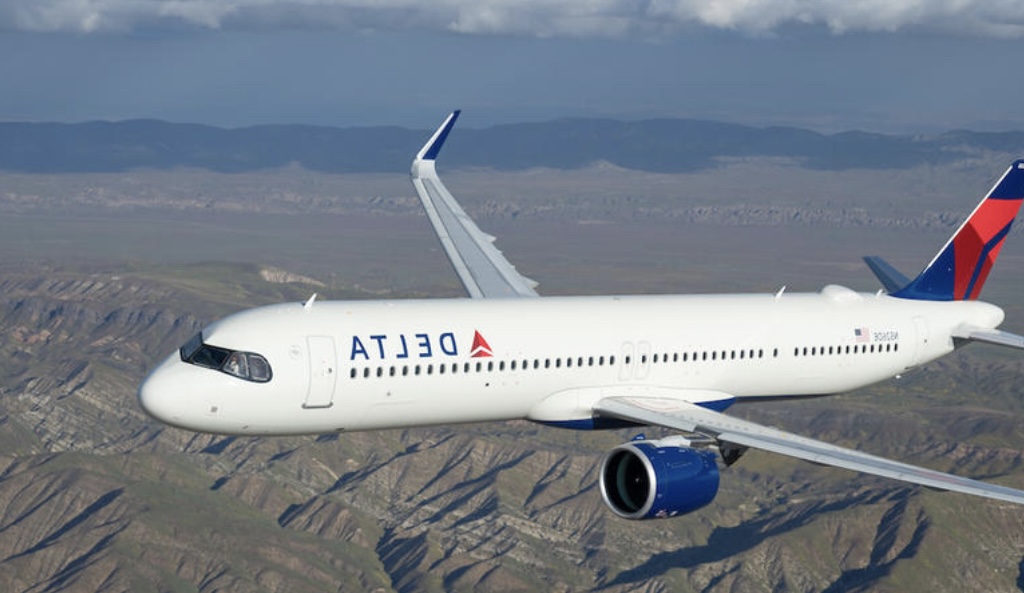
Starting May 19, Delta Air Lines will stop offering food and beverage service on hundreds of its shorter flights, primarily those under 349 miles. The change is expected to affect around 450 daily flights, such as the route between Los Angeles and San Francisco.
According to a Delta spokesperson, the airline is adjusting onboard service for greater consistency across its network.
Delta Cuts Food Service on Short Flights
Passengers in Delta Comfort+ and Main Cabin on flights of 350 miles or longer will receive full beverage and snack service. Shorter flights will have no food or beverage offerings (except in Delta One/First Class, which will continue full service). Crew members will still be available to assist customers on all flights.

This builds on previous adjustments: Delta has offered no food or beverage service on flights under 250 miles since 2015, and introduced more limited “express” service for flights under 349 miles in 2017.
The move comes days after Delta announced 4% raises for employees this summer.
The changes also come as the airline industry faces challenges, including rising fuel prices and the recent shutdown of Spirit Airlines.
Delta has responded to Spirit’s closure by offering reduced fares in affected markets and support options for impacted travelers and employees.
Passengers on the shortest routes will experience a reduction in service, while those on longer domestic flights will see consistent full snack and beverage options.
More From AtlantaFi.com:
-
ATLANTA — Delta Air Lines announced Friday that it will give more than 80,000 employees a 4% pay increase starting June 1. The raise does not apply to pilots or dispatchers.
In a memo to staff, CEO Ed Bastian credited the increase to the employees’ strong performance and the airline’s solid financial position.
Delta Pay Raises Coming in June
“This raise is possible thanks to your solid performance and Delta’s strong foundation,” Bastian wrote.
A company spokesperson noted that 2026 marks the fifth consecutive year of pay increases for eligible employees.
Read: Spirit Airlines speaks out as operations cease
Delta, Georgia’s largest private employer, has been generous with its workforce recently. Earlier this year, the airline shared $1.3 billion in 2025 profits with employees — the equivalent of about four weeks of extra pay. Bastian said the company expects to invest roughly $18 billion in its people this year.
“Thank you for everything you do to keep safety first and care for each other and our customers,” he added.
The move reflects Delta’s ongoing efforts to reward its workforce amid strong financial performance.
Want to work for Delta? Read our in-depth guide on how to get a job with Delta Air Lines.
-
 Business / Travel
TSA Wait Times Atlanta Airport (ATL) 2026: Live Averages, Real-Time Updates & Pro Tips to Skip Lines
 April 10, 2026
6 Min Read
April 10, 2026
6 Min ReadTraveling through Atlanta-Hartsfield Jackson International Airport means you’ve got to deal with ATL security wait times. Unfortunately, the airport is known for notoriously long wait times due to Transportation Security Administration (TSA) checkpoints being backed up with travelers.
Why Are TSA Wait Lines So Long Right Now?
Hartsfield-Jackson Atlanta International Airport (ATL), the world’s busiest airport by passenger volume, is currently facing extended TSA security wait times primarily due to ongoing staffing shortages among TSA officers.
These shortages have been exacerbated by a partial federal government shutdown that began Feb. 14, causing TSA employees to miss two full paychecks — although they have gotten paid now.
As a result, average wait times at main checkpoints have climbed to 20–30 minutes during peak hours, with some lines exceeding 40 minutes as early as 6 a.m.
How Long Does It Take To Get Through TSA At Atlanta’s Airport?
Here are the average wait times at Atlanta’s airport:
AM Times Time Taken PM Times 8 am – 9 am 16 Minutes 8 pm- – 9 pm 9 am – 10 am 16 Minutes 9 pm – 10 pm 10 am – 11 am 5 Minutes 10 pm – 11 pm 11 am – 12 pm 23 Minutes 11 pm – 12 am Annual Passenger Traffic:
- Pre-COVID-19: In 2019, over 110 million passengers passed through Atlanta’s airport, making it the busiest airport globally in terms of both passenger numbers and total flights.
- Pandemic Impact: During the height of the COVID-19 pandemic in 2020, passenger traffic dropped significantly, with around 42 million passengers.
- Recovery: In 2021, passenger numbers began to recover, with approximately 75 million passengers.
- Recent Years: By 2022, ATL handled around 93.7 million passengers, continuing its recovery from the pandemic and retaining its status as one of the world’s busiest airports.
- In 2023, Hartsfield-Jackson Atlanta International Airport recorded approximately 104.7 million passengers, maintaining its position as the world’s busiest airport by passenger traffic.
Best Tools to Check TSA Wait Times at Atlanta Airport (ATL)
Hartsfield-Jackson Atlanta International Airport is the world’s busiest, so knowing current TSA security wait times can save you stress and help you arrive at the right moment. Here are the most reliable tools available right now:

1. Official ATL TSA Wait Times Tracker (Best Real-Time Option)
- Link: atl.com/times/
This is the airport’s own real-time dashboard. It provides minute-by-minute updates on wait times at different checkpoints (Domestic North, South, International, etc.). It’s the most authoritative source when it’s actively updated — but it goes down a lot.
2. MyTSA App (Official TSA Tool)
- Download: Available on iOS and Android
- Website: tsa.gov/mobile
The MyTSA app shows current and historical wait times, crowd levels, and lets users submit their own reports (GPS-verified at the airport). It also includes security tips and what you can bring through screening.
3. AJC Atlanta Wait Times Tool (Crowd-Sourced Reports)
- Link: atlwait.ajc.com/
The Atlanta Journal-Constitution built this user-reported tool. Travelers at the airport can submit their wait times via GPS, helping create a live picture of conditions. Great supplement when official displays are delayed or paused.
4. Airline Apps & Websites (Delta & Others)
Delta frequently shows estimated wait times for ATL on its app and airport wait times page. Other airlines may also pull similar data. Check your airline app before heading out.
5. Additional Helpful Resources
- OnAirParking TSA Wait Times: — Aggregates data for ATL specifically.
- Reddit r/Atlanta Megathreads: Real-time passenger reports during peak periods or disruptions.
Pro Tip: Combine tools — check the official ATL site first, then cross-reference with MyTSA and AJC for the most accurate picture. Peak times are usually 5–9 a.m. and 4–7 p.m. Arrive 2–3 hours early for domestic flights and earlier for international.
How To Speed Through TSA Checkpoints at the Airport
Getting through TSA quickly at the airport can save time and reduce stress. Here are some strategies to help you expedite the security screening process:
Read our guide on whether TSA PreCheck is worth it.
1. Enroll in TSA PreCheck or Global Entry
- TSA PreCheck: This program allows you to use dedicated TSA PreCheck lanes, which often have shorter lines and require less hassle (you don’t need to remove shoes, laptops, liquids, belts, or light jackets). The enrollment process includes a background check and in-person interview. Once approved, it’s valid for five years.
- Cost: $78 for a 5-year membership.
- Global Entry: If you travel internationally often, consider Global Entry, which includes TSA PreCheck benefits as well as expedited customs processing when entering the U.S.
- Cost: $120 for a 5-year membership.
2. Use CLEAR
- CLEAR: CLEAR is a private service that allows you to bypass the ID check lines by verifying your identity using biometric data (fingerprints and eye scans). You’ll still need to go through physical screening, but it can dramatically shorten your wait time before the screening process.
- Cost: $189 annually (discounts may be available for certain credit cards or frequent flyer programs).
- Tip: CLEAR + TSA PreCheck is one of the fastest combinations to get through security.
3. Travel During Off-Peak Times
- Early Mornings or Late Nights: Airports are generally less crowded early in the morning or late at night, making security lines shorter.
- Avoid Peak Days: Busy travel days, such as Fridays, Sundays, and holiday travel, tend to have longer wait times. Traveling on midweek days (Tuesdays and Wednesdays) can be less hectic.
4. Check Wait Times in Advance
- Use the MyTSA app or websites like FlightAware to check real-time security wait times at your airport. Some airports, including Hartsfield-Jackson Atlanta International Airport, have their own apps that provide wait times for TSA security checkpoints.
5. Be Prepared for Screening
- Pack Smart: Place your liquids, electronics, and other items that need to be screened separately in easily accessible parts of your carry-on to avoid digging through your bag in line.
- Liquids: Follow the 3-1-1 rule (3.4-ounce containers in a 1-quart bag per person).
- Electronics: Remove larger electronics like laptops from your bag unless you’re in TSA PreCheck.
- Dress for Efficiency: Wear slip-on shoes and avoid metal objects like large belt buckles or jewelry. Place these items in your carry-on until after you pass through screening.
- ID and Boarding Pass: Have your ID and boarding pass (or mobile boarding pass) ready before reaching the checkpoint to keep things moving smoothly. Going abroad? Have your passport.
Final Word
Travel wait times in Atlanta will likely continue to trend upwards as global travel demand increases. Hartsfield-Jackson remains a crucial hub for domestic and international flights, especially given its role as a major connecting point for Delta Air Lines.
-
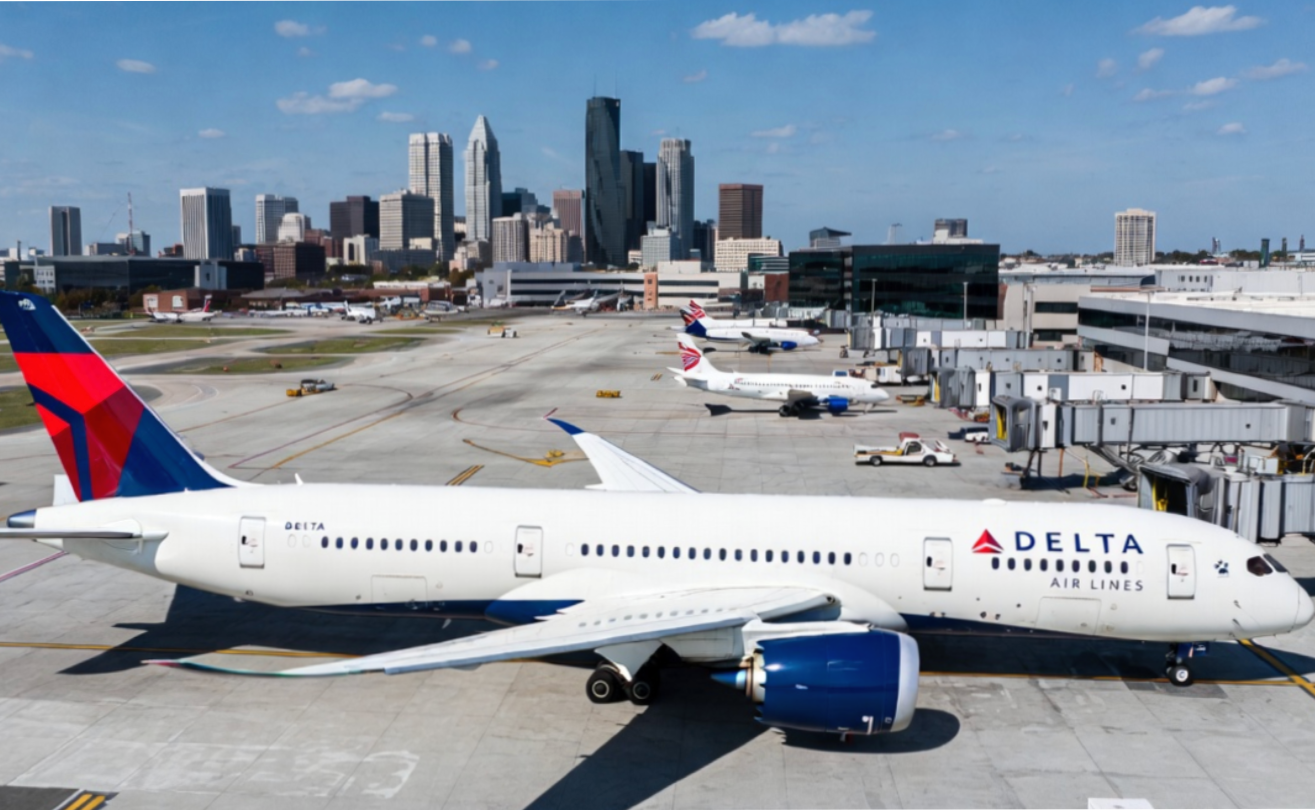
Delta Air Lines, headquartered in Atlanta and the dominant carrier at Hartsfield-Jackson International Airport (ATL), announced a significant aircraft purchase that could reshape the city’s role as a premier global aviation gateway.
On January 13, as part of its full-year 2025 financial results release, Delta revealed a firm order for 30 Boeing 787-10 Dreamliner widebody aircraft, with options for an additional 30 more. Deliveries are scheduled to begin in 2031, marking Delta’s first direct order for the Boeing 787 family and its return to Boeing for widebody aircraft after nearly two decades.
What Delta’s Major Boeing 787-10 Order Means for Atlanta
The 787-10, the largest variant in the efficient Dreamliner series, promises 25% better fuel efficiency per seat compared to the older widebody jets it will replace.
It also offers increased capacity, larger premium cabins, enhanced passenger comfort, and greater cargo capabilities—key advantages for long-haul operations.
Delta executives emphasized the strategic fit.
CEO Ed Bastian described the move as part of “building the fleet for the future,” enhancing customer experience, driving operational improvements, and replacing less efficient aircraft. The order supports Delta’s international expansion, particularly on high-demand transatlantic and South American routes.
“These aircraft will be operated by the best aviation professionals in the industry, providing Delta’s welcoming, elevated and caring service to travelers worldwide,” Bastian said.
For Atlanta, the implications are substantial. As Delta’s primary hub, Hartsfield-Jackson stands to gain from increased long-haul international flights.
The new jets could enable more nonstop services to Europe, South America, and potentially emerging markets in Asia and Africa, boosting connectivity for Georgia businesses, tourists, and residents.
The order also strengthens cargo operations at ATL, one of the world’s busiest airports for air freight. Delta reported a 9% increase in cargo revenue for full-year 2025, and the 787-10’s enhanced belly cargo capacity could further grow this high-margin segment, supporting local logistics jobs and economic activity.
The announcement came amid strong financial performance. Delta reported record full-year 2025 revenue of $63.4 billion (GAAP) and net income of $5.0 billion, with diverse high-margin streams—including premium products and international routes—growing 7% and representing 60% of total revenue. The airline projected 20% earnings growth in 2026 and expects to operate its largest international schedule ever this year.
While the new aircraft won’t arrive until the next decade, the commitment underscores Delta’s confidence in sustained demand for premium and international travel. It also highlights benefits for the U.S. aerospace sector, with the 787-10 and its GE Aerospace GEnx engines designed and manufactured domestically.
Industry observers note this as a step in Delta’s broader fleet modernization, complementing prior orders like 100 Boeing 737-10 narrowbodies.
For Atlanta, it reinforces the city’s position as the heart of Delta’s global network, potentially driving job growth in aviation, hospitality, and related industries over the long term.
Final Word
As Delta continues to leverage its Atlanta base for expansion, local leaders and airport officials will watch closely how these future additions translate into more international gates, flights, and economic impact at the world’s busiest airport.
Check Out Our Atlanta Travel Guide