-
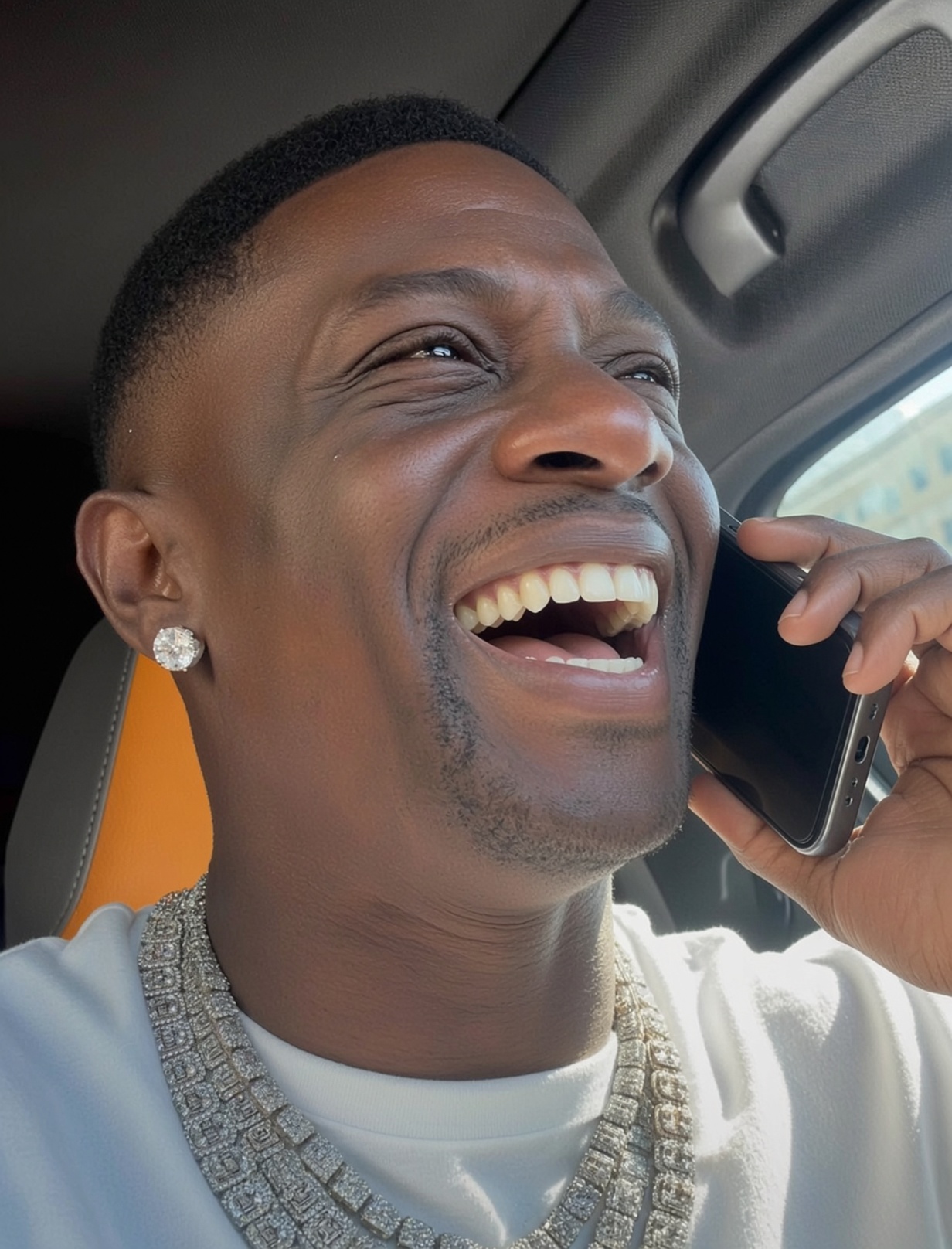
Boosie Badazz knows how to generate some income. The astute businessman, who lives in Palmetto, Georgia, has put a public price list on his personalized video shoutouts, and the menu is already drawing both laughs and side-eye across hip-hop timelines.
Boosie Shares New Business Venture
The Baton Rouge-born rapper sitting in a car, diamond chains visible, laid out the rates recently for video shout-outs he says he will offer:
The full rate card shown in the video is more detailed:
- Birthday: $1,000
- Anniversary: $1,000
- Motivational: $1,250
- Roast someone: $1,500
- Graduation: $1,000
- Get well: $650
- Thank you: $1,000
- Business shoutout: $5,000
- Dispo/distro: $3,000
The clip is short—about 30 seconds—and frames the list as an open offer rather than a one-off joke. Media accounts including Daily Loud and Rap-Up quickly reposted it, with the latter asking whether fans could really be mad at the hustle.
This is not Boosie’s first time monetizing direct-to-fan messages. He has long maintained a Cameo page under Boosie Badazz, where personalized videos have recently been listed around $1,650 and up, with reviews noting quick turnaround and an enthusiastic delivery
He has also posted on social media n the past directing fans to book birthday and business drops through the platform. The Instagram menu circulating now appears to function as a more itemized version of the same service, with a roast option priced above a standard birthday wish and a business shoutout set at five times that rate.
Reaction online split along predictable lines. Some commenters treated it as another example of Boosie finding a way to get paid. Others were sharper: one reply argued that a typical Boosie fan does not have $1,000 to spend on a shoutout and accused him of being out of touch, while another dismissed the whole thing as charging for something people can already do themselves. The post drew hundreds of likes and over a hundred replies within hours, consistent with how quickly Boosie-related clips tend to travel.
Personalized celebrity videos have been a standard side revenue stream for years, from Cameo to direct Instagram bookings. What stands out here is the explicit roast tier and the way the list was presented—party hat on one side of the frame, price sheet on the other—turning a routine business update into content. Whether the $1,500 roast videos actually get ordered remains to be seen; the menu itself is already doing the rounds.
-
Atlanta area rapper Boosie Badazz is pushing back hard against fans who say he violated the street code by taking his fight public.
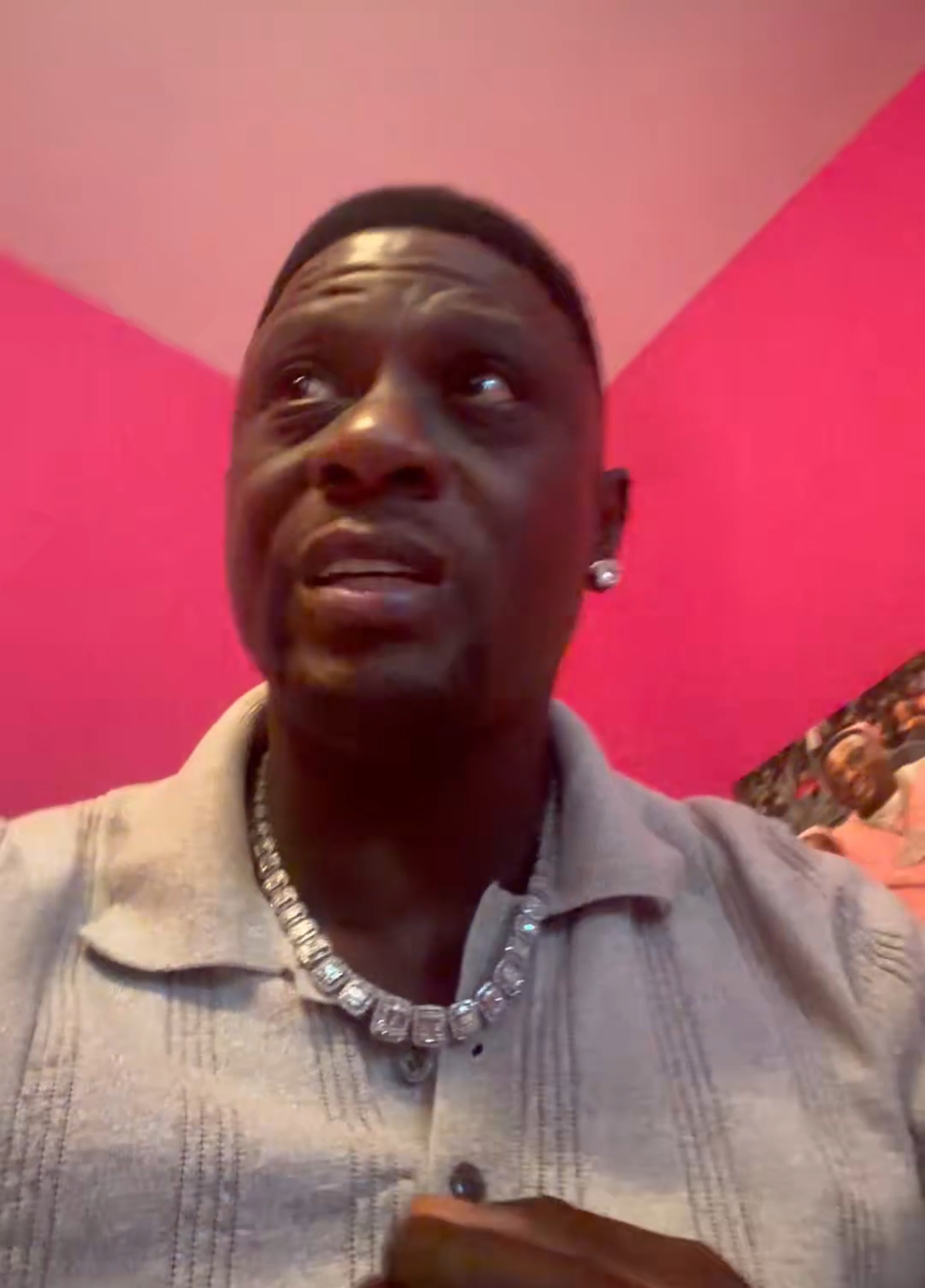
On September 14, 2026, he posted a roughly three-minute video from a pink-walled room, diamond chain on, speaking directly into the camera. The clip was his response to people calling him a snitch after he appeared on 60 Minutes to talk about two lobbyists he says took $600,000 from him for a presidential pardon that never arrived.
His message was blunt: this is not street business. It is a contract dispute.
Boosie’s Controversial 60 Minutes Segment
The day before, CBS’s 60 Minutes aired an investigation into “pardon brokers” — consultants who charge large fees while claiming they can get cases in front of President Donald Trump. Boosie was one of the people featured.
He told correspondent Lesley Stahl he paid Jack Burkman and Jacob Wohl of JM Burkman & Associates $600,000 upfront. “This is what I was led to believe: if you come with this money, you will get a pardon,” he said. The pardon never came. He says their agreement required them to return half the money if it failed. They refused. “They were just so cocky,” Boosie said.
Read: Boosie says he’s owed $600K in pardon deal.
The pair has a documented history of legal trouble, including a large FCC fine tied to robocall activity. They have disputed Boosie’s account, denied a refund was owed, and said they performed work on his behalf. Burkman has said they “tried very, very hard.”
Boosie later posted that he sat for about an hour and that only fragments made the broadcast. He said he also described meeting the White House pardon czar, being told the president had signed a pardon, and having a dismissed case later revived with an added claim that he was an “addict” around a firearm — something he called unfair given he had never been offered rehab despite a prior marijuana sentence. He said he wants far more than a partial refund and hopes the interview helps him in civil court.
Boosie Responds To 60 Minutes Interview
After the segment, social media did what social media does with Boosie: it reached for his own past comments about snitching. Replies to his video included lines like “That’s not snitching?” and “I thought you didn’t like snitches? Now you snitching.” Others accused him of talking tough about “his own people” while taking white lobbyists to court and television.
In the video, Boosie argued that people were mixing two different worlds. Taking someone to court after they sign a contract, take hundreds of thousands of dollars, fail to deliver, and refuse to return the money is not the same as cooperating with police on a street case. “This is business, bro. This ain’t no street sh*t,” he said, according to recaps of the clip. He asked what critics expected him to do instead — “keep it in the street” with government lobbyists?
That distinction is the heart of the argument. Boosie has spent years publicly condemning informants. Going on national television to name the men he says scammed him, describe the deal, and pursue money in a legal process looks, to some fans, like the opposite of that stance. To him, suing two political operatives over a written (if sloppy) business arrangement is simply collecting what he is owed.
The Larger Picture
Boosie, born Torrence Hatch Jr., was dealing with a federal gun case tied to being a felon in possession of a firearm. Travel limits and the threat of more prison time made a pardon attractive. The lobbyists approached his lawyers in 2025, sold access and influence, and collected a large upfront fee. A contract reportedly included a $300,000 refund clause if no pardon arrived by a deadline; the document also contained errors, including a date that had already passed.
60 Minutes presented his story as part of a wider market in which people charge hundreds of thousands — and in some pitches, millions — while dropping names of activists, members of Congress, and White House staff. Boosie was not the only client described. He has called the arrangement a scam and said the men preyed on him while he was under pressure.
The video did not settle the debate. Some viewers still see a rapper who built a brand on not cooperating now using courts and cameras when the other side is white political operatives. Others see a man who paid a fortune, got nothing, and is using the only tools that actually work against people like that.
Boosie is treating it as a business collection matter. A large part of his audience is treating it as a test of the code he has spent years preaching. That gap is why a three-minute phone video, posted hours after a 60 Minutes appearance, became the next round of the story.
-
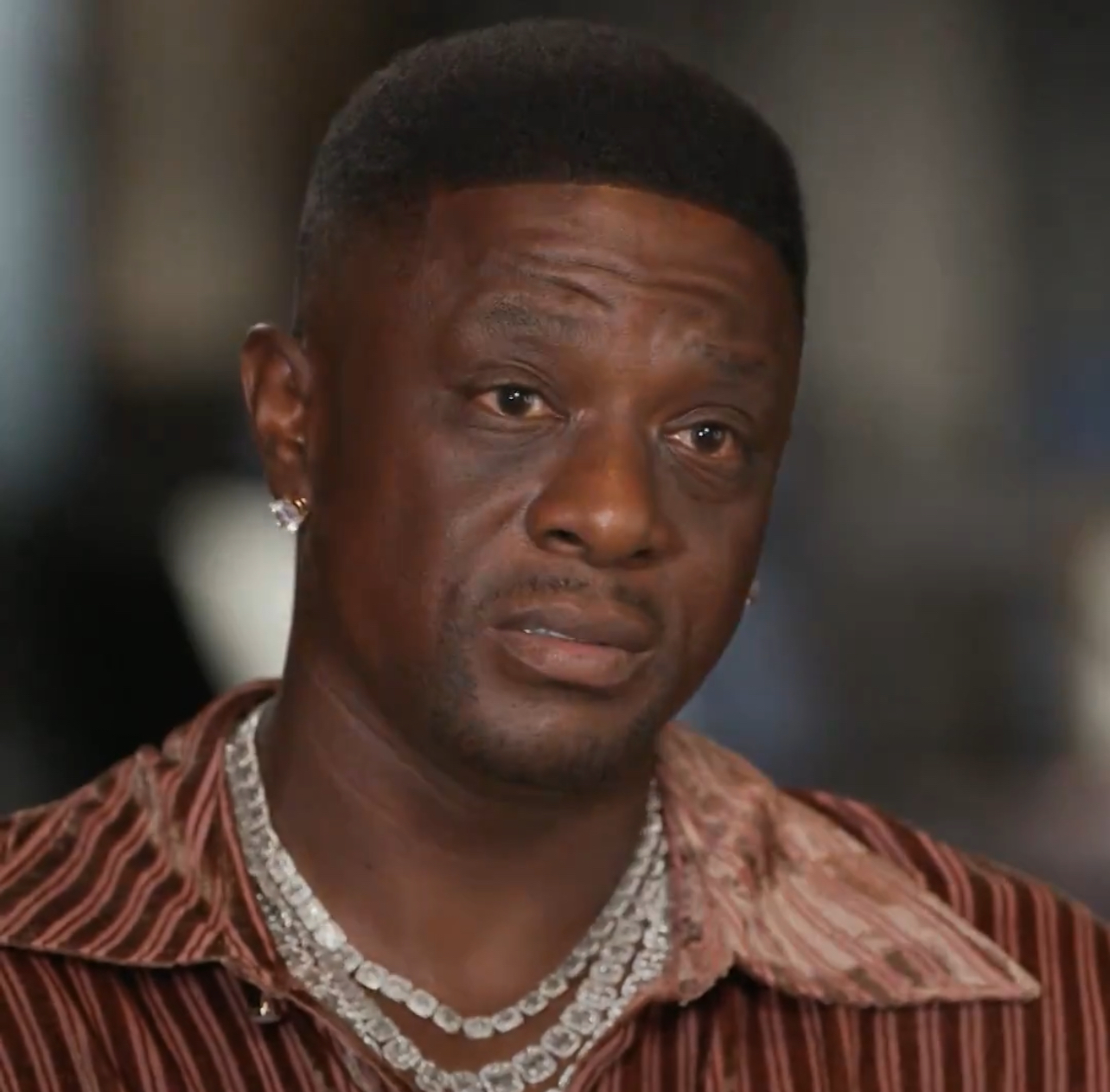
Louisiana rapper Boosie Badazz (Torence Hatch Jr.) says he paid $600,000 to two far-right lobbyists who promised to help secure a presidential pardon from Donald Trump. The pardon never arrived. He is now fighting to recover half the money and has discussed the episode with Lesley Stahl for a 60 Minutes segment.
Boosie is from Baton Rouge, Louisiana—but now lives in Georgia— says that 60 Minutes cut most of his hour-long interview about a $600,000 pardon pitch, a White House meeting with Alice Johnson, and a civil claim that he was scammed by people who used President Trump’s name.
On September 14, 2026, the Baton Rouge rapper posted that he sat for a full hour with 60 Minutes about his lawsuit but “only a few things got put out.” He used the post to fill in what he says the broadcast left out: a meeting with the White House “pardon czar,” a claim that operatives told his team the president had signed a pardon, and his demand for far more than a partial refund.
In 2023 he was arrested in San Diego on federal charges of being a felon in possession of a firearm after police found guns in a vehicle during a video shoot.
Boosie 60 minutes interview: I Was Scammed
He pleaded guilty in August 2025. In January 2026 a judge sentenced him to time served, three years of supervised release, 300 hours of community service, and a fine. Facing that outcome and travel restrictions that limited his work, he sought clemency.
The $600,000 pitch
In September 2025, Jacob Wohl and Jack Burkman of JM Burkman & Associates approached his lawyers. They presented themselves as having proximity to Trump and his orbit, claimed prior success obtaining pardons, and offered to craft a petition narrative. Boosie paid $600,000 upfront. A contract reviewed by multiple outlets included a clause that half the fee ($300,000) would be refundable if a full pardon was not secured by a deadline. The document contained typos, including a 2025 date that had already passed when it was signed.
The lobbyists later told Boosie’s attorney around New Year’s that Trump had signed the pardon and the White House just needed to announce it. Boosie has described celebrating in his house. No announcement came. An assistant U.S. attorney found no record of a signed pardon. A White House official told reporters the clemency team had never dealt with Wohl or Burkman and had not seen an application in Boosie’s name. Federal lobbying records did not support the pair’s claim of having secured multiple prior pardons.
The dispute
Boosie has called the arrangement a scam and a “Ponzi scheme,” saying the operatives “preyed on me” while he was under legal pressure. He is pursuing the $300,000 refund through arbitration or related legal action. Wohl and Burkman dispute that any refund provision was agreed to, say they performed substantial work, and have cited financial problems stemming from earlier fines. Both men have prior convictions related to a 2020 robocall scheme.
This is a contract fight between a private client and private lobbyists who marketed access. The White House has denied involvement with the pair. Boosie has still said he would welcome a pardon.
Enter Boosie 60 Minutes
A 60 Minutes segment titled “The Pardon Economy,” reported in part by CBS investigative journalists and featuring correspondent Lesley Stahl, includes an interview with Boosie about the $600,000 arrangement.
Promotional material describes it as a look at lobbyists offering a chance at clemency at a cost and with no guarantees. The episode was slated to air Sunday evening. Stahl’s interview is part of broader reporting on a market that has grown around high-volume presidential clemency.
Boosie has also recounted the episode in other interviews, including with Rickey Smiley, describing the moment he believed the pardon was signed and the subsequent realization that it was not. The case has drawn attention to the informal, high-fee industry that has developed around pardon requests. Outcomes remain uncertain: the refund fight continues, and no pardon has been issued.
More Content From AtlantaFi.com: