In 1959, Paschal’s Restaurant & Coffee Shop opened at 830 Hunter Street. The new facilities were financed with a $75,000 loan from Citizens Trust Bank in conjunction with Atlanta Life Insurance Company. This was one of the largest loans made by the bank at that time, according to the restaurant’s website.
-

President Donald Trump suggested Wednesday that Atlanta could soon receive federal assistance to address crime, urging local leaders to “call me” and claiming his administration could “take care of Atlanta so fast.”
The comments came during a Black History Month reception in the White House’s East Room, an event intended to highlight Black American achievements and support.
Trump Teases Federal Help — Possibly National Guard Troops in Atlanta
In video footage from the event that quickly spread on social media, Trump repeatedly invoked the city while addressing the crowd:
“Atlanta. Atlanta. We could take care of Atlanta. I’ll tell you what, you oughta get them to call me. We could take care of Atlanta so fast. They don’t want to call. Don’t forget — we move people out.”
He framed the offer as help for a city that “needs” it, drawing applause from attendees. The remarks align with the administration’s broader push to deploy federal resources, including the National Guard, in high-crime Democratic-led cities.
The clip, first posted by journalist Aaron Rupar, has drawn sharp reactions in Atlanta. Some residents and officials view the comments as a welcome signal of support against persistent crime issues. Others see it as political posturing and potential federal overreach into a majority-Black, Democratic-led city just months before midterm elections.
Atlanta’s skyline at dusk — a city Trump now says needs urgent federal help.
The president’s reference to “we move people out” appears to echo his administration’s ongoing mass deportation efforts and use of federal agents to remove criminal illegal immigrants and repeat offenders from sanctuary jurisdictions.19
No formal request for National Guard assistance has been made by Georgia or Atlanta officials, and the White House has not announced any immediate deployment plans.
What’s next for Atlanta?
City leaders have not yet issued a public response. Residents on both sides of the aisle are watching closely to see whether this is campaign rhetoric ahead of the midterms — or the start of real federal involvement on Atlanta’s streets.Stay with Atlanta News for updates as this story develops. Have thoughts on Trump’s comments? Let us know below.
-
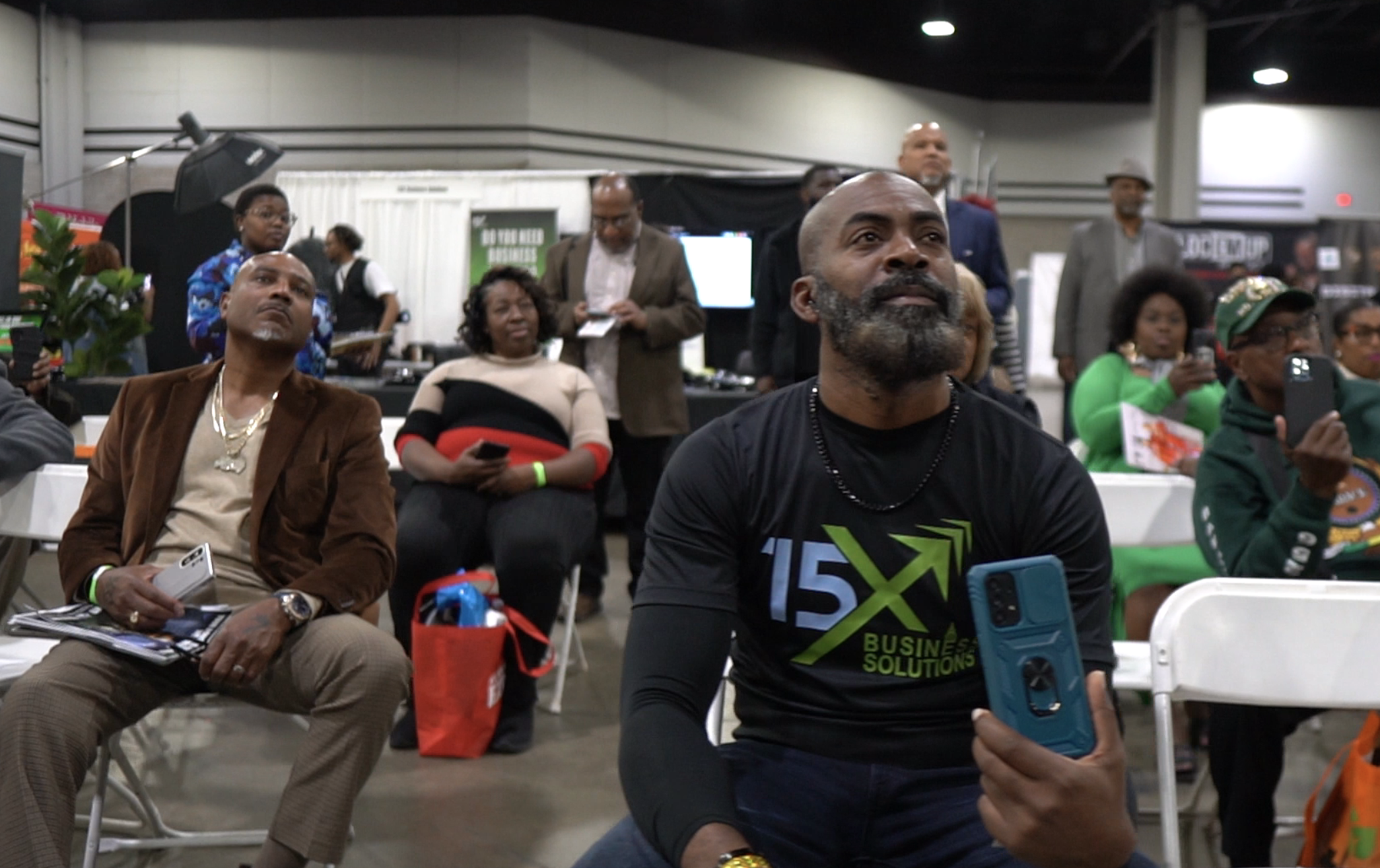
The Atlanta Black Expo (ABE) is making a powerful return to the Georgia World Congress Center this weekend from February 20–22, 2026, establishing itself as the Southeast’s premier and largest non-industry-specific showcase for Black-owned businesses.
Now in its fourth year, the event represents a significant milestone with a nearly doubled exhibition space—expanding from 105,000 to 196,000 square feet—to host more than 300 Black-owned businesses, nonprofits, and community organizations.
Read up on all the Black History Month events in Atlanta.
Atlanta Black Expo: What To Know
Organizers anticipate welcoming over 5,000 attendees across the full three-day weekend format, transforming it into a major hub for economic empowerment, networking, and cultural celebration.”This isn’t just an expo; it’s a monumental economic shift,” said Corey “NetworKing” Moore, who relaunched the Atlanta Black Expo in 2023.
As CEO and President of ProNetworker—a company he founded 16 years ago to support entrepreneurs and sales professionals through strategic networking—Moore describes the event as the “Super Bowl” for Black-owned businesses.
“By expanding to three days and bringing 300-plus Black-owned businesses under one roof at the Georgia World Congress Center, we are formally establishing the Atlanta Black Expo as the undisputed epicenter for Black enterprise and consumer engagement in the Southeast. We’re not just growing in size, we’re growing in impact.”
The Expo goes beyond a traditional marketplace, serving as a catalyst for meaningful change. In collaboration with partners like the Urban League and Atlanta Black Chambers, it addresses critical topics through high-level policy discussions on “The State of Black Business.”
Highlights of the three-day schedule include:
- Friday, February 20: Education Day (10:00 AM–5:00 PM) with workshops on small business growth and health/wellness, followed by the popular Black Foodie Friday (5:00 PM–9:00 PM)—a tasting competition featuring local Black-owned food and beverage vendors vying for the 2026 ATL Best of Award.
- Saturday, February 21: The main Exhibitor Showcase (10:00 AM–5:00 PM) offers a vibrant marketplace of local Black-owned businesses. The evening features the “Back on the Yard” after-party (5:00 PM–9:00 PM), celebrating HBCU and Divine 9 communities with old-school music, classic hits, and competitive games.
- Sunday, February 22: The Exhibitor Showcase continues (10:00 AM–5:00 PM) alongside the Kids Business Expo, spotlighting and educating the city’s youngest entrepreneurs. Additional programming includes panels on franchising and “The State of Black Business,” speed networking sessions, a health fair, and the Black Art Expo—a gallery showcasing the richness of Black art and culture.
This year’s event will honor Pastor Jamal Bryant with the ABE Trailblazer Award, building on last year’s recognition of Atlanta Mayor Andre Dickens.
The Atlanta Black Expo stands at the intersection of economic opportunity, generational empowerment, and Atlanta’s vibrant cultural identity—making it a must-attend event for anyone invested in supporting and elevating Black enterprise.
More From AtlantaFi.com:
-
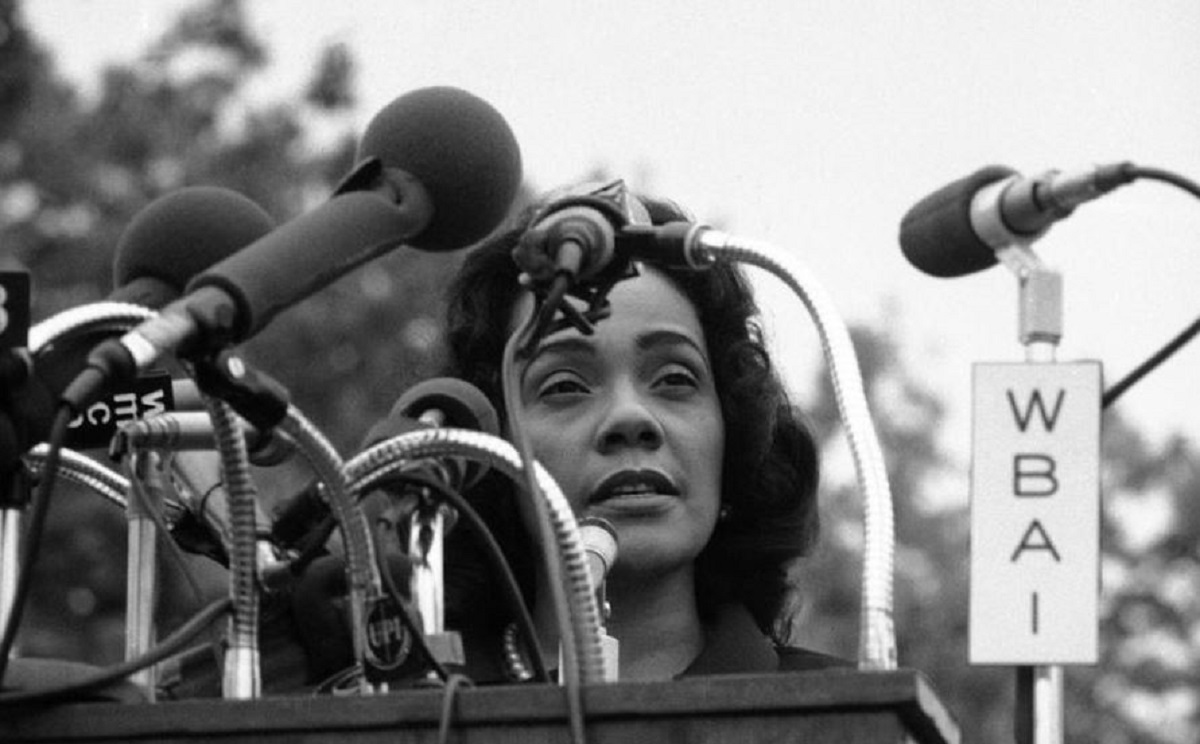
Few figures are as famous and controversial as The Rev. Martin Luther King Jr., straight out of Atlanta. But no one person was more important to him than his wife, the late Coretta Scott King.
Not only is she one of the most iconic women to ever live in America, but along with her husband, she continues to be a charismatic force for good across the world.
You may know that she lived most of her adult life in Atlanta, Georgia, but there’s so much more you may not know. This article will shed some light on the woman behind one of modern history’s most respected leaders.
Best Coretta Scott King Quotes
Mrs. King left us with some indelible quotes that continue to inspire and motivate us years later. Here are some of her best quotes.
On Hate: Hate is too great a burden to bear. It injures the hater more than it injures the hated.On Freedom: Struggle is a never ending process. Freedom is never really won, you earn it and win it in every generation.On the importance of women in the movement: Women, if the soul of the nation is to be saved, I believe that you must become its soul.On humanity: I believe all Americans who believe in freedom, tolerance and human rights have a responsibility to oppose bigotry and prejudice based on sexual orientation.On her in-laws: Mama and Daddy King represent the best in manhood and womanhood, the best in a marriage, the kind of people we are trying to become.Here Are 11 Things You May Not Know About Coretta Scott King
Coretta Scott was born in 1927 in Helberger, Alabama, about 40 miles northwest of Selma. Coretta‘s parents were Obadiah Scott and Bernice McMurry Scott.
She Was Valedictorian Of Her High School Class
Mrs. King was super-smart! She graduated as a valedictorian from Lincoln Normal School in 1945.
The school, which closed in 1970, was founded in 1867 by freed slaves as a school for black children.
Coretta Scott King Was Musically Inclined
As a young person, Mrs. King was skilled at playing various instruments in high school. She played trumpet and piano, sang in the chorus, and participated in school musicals.
When she enrolled at Antioch College, she studied music. She later would make history as she became the first non-white chair of an academic department in a historically white college.
She would later transfer from Antioch to the New England Conservatory of Music in Boston. That’s when she would meet her future husband.
She Babysat A Famous Actor
As a young professional, Mrs. King took up babysitting as a means to earn some extra cash. One family that employed her were the Lithgows family. Coretta would go on to babysit John Lithgow, who went on to become a famous actor in Hollywood.
(Another fun fact is that Lithgow is actor Brad Pitt’s uncle.)
Coretta Changed Her Wedding Vows
When the Kings were married, during the wedding there was one unique variation of the wedding vows: In an unusual move, Coretta had the vow to obey her husband removed from the ceremony.
Obviously, this didn’t mean a thing to MLK, who loved his wife more than anything in the world.
She Played A Major Role In The Passing Of The Civil Rights Act
Contrary to popular belief, Mrs. King was as much as a civil rights leader as her husband. She did as much as anybody to help get the Civil Rights Act passed.
“Not enough attention has been focused on the roles played by women in the struggle. By and large, men have formed the leadership in the civil rights struggle but…women have been the backbone of the whole civil rights movement,” she reportedly said.
After MLK’s Assassination, Coretta Sought A Woman To Take Her Place In the Movement
Not long after her husband’s assassination in 1968, Coretta approached the African American entertainer and activist Josephine Baker to take her husband’s place as leader of The Civil Rights Movement. After many days of thinking it over Baker declined, stating that her twelve adopted children (known as the “rainbow tribe”) were ” … too young to lose their mother.”[5] Shortly after that Coretta decided to take the helm of the movement herself.
She Founded The King Center In Atlanta
It is said that two days after MLK’s death, Mrs. King began plans to honor her husband with a lasting memorial.
As a leader of the movement, King founded the King Center for Nonviolent Social Change in Atlanta. She served as the center’s president and CEO
from its inception until she passed the reins of leadership to son Dexter Scott King. Today the King Center is the official memorial dedicated to the legacy of Martin Luther King Jr. and center of nonviolent social change.
She Petitioned For Years For MLK Day
As far back as 1972, Mrs. King envisioned a national holiday to honor her husband.She openly opined that there should be a day on the American calendar to honor a black man “and, at this point, Martin is the best candidate we have.”
She petitions were eventually successful in 1986, when Martin Luther King Jr. Day was made a federal holiday by President Ronald Reagan.
Oprah Helped Her Find A New Place To Live
In the 1990s, Mrs. King’s home has been hit by several burglaries, including one in which the intruder encountered her sleeping in her bed. After the incidents were highly publicized in the newspapers, media maven Oprah Winfrey paid for her to move into an expensive condo in Buckhead. Former tenants included Elton John and Janet Jackson.
There Is Also A Coretta Scott King Center
In 2005, Mrs. King gifted the use of her name to her alma mater, Antioch College at Yellow Springs, to create the Coretta Scott King Center, an experiential learning resource to address issues of race, class, gender, diversity, and social justice.
She Died In Another Country
After a series of mild strokes, Coretta Scott King traveled to Mexico to begin at the rehabilitation center in Rosarito Beach. She checked in under a fake name, but her real identity soon became known to her caretakers.
Inside the Oasis Hospital, she underwent holistic therapy for her stroke and advanced-stage ovarian cancer. She died on the late evening of January 30, 2006.
Conclusion
Coretta Scott King is one of the iconic figures of the 20th century. She will always be known as the heart and soul of the civil rights movement, but she was much more. She was a dedicated servant, leader, author, humanitarian, mother and American matriarch.
Other women of the movement helped to shape the world we live in right now. What they didn’t tell you about Rosa Parks.
Atlanta has a lot of inspirational people and AtlantaFi.com is going to introduce you to many of them as well as cool places to go, great restaurants and other ATL happenings.
Got an event or know of something opening in and around Atlanta? Holla: CJ@AtlantaFi.com. See what’s poppin’ in the ATL! Subscribe to our news alerts here, follow us on Twitter and like us on Facebook.
More from AtlantaFi.com:
- 7 Amazing Facts About Rosa Parks
- Where MLK and Robert E. Lee Share a Holiday
- 11 Things You Probably Didn’t Know About Coretta Scott King
-
This month-long celebration (February 1–28) offers opportunities to honor Black culture, history, innovation, and community through performances, exhibitions, parades, expos, and family-friendly activities.
Here are some key events to check out (dates, times, and details can vary—always confirm with organizers for the latest info, tickets, or weather-related changes):
Black History Month Events in And Around Atlanta
- Black History Month at the Children’s Museum of Atlanta (CMOA)
Throughout February (February 1–28)
Family-friendly hands-on activities, exhibits, and programming spotlighting African American leaders in science, art, innovation, and trailblazers. Perfect for kids and all ages.
Location: Children’s Museum of Atlanta, Downtown Atlanta. - Alvin Ailey American Dance Theater
February 11–15
The world-renowned company returns to The Fox Theatre with powerful performances celebrating Black dance and culture.
Location: Fox Theatre, Midtown Atlanta. - 2026 Atlanta Black Expo
February 20–22
Dubbed “The Black Business Superbowl,” this major marketplace features vendors, entrepreneurs, networking, and celebrations of Black-owned businesses.
Location: Georgia World Congress Center, Downtown Atlanta. - Atlanta Black History 365 & Civil Rights Experience Tour
Various dates throughout February (including highlighted tours around February 8)
Curated journeys through Atlanta’s historic sites, focusing on civil rights history and ongoing legacy in the “birthplace of the Civil Rights Movement.”
Location: Starts in key historic areas like Auburn Avenue. - East Lake Family Y Black History Month Parade
Saturday, February 7 (starting at 12:00 PM)
A vibrant community parade hosted by East Lake YMCA and Drew Charter School, featuring marching, music, and neighborhood celebration.
Location: Eva Davis Way, East Lake area, Atlanta. - Heroes in the Making: Figure Exhibit and Workshop
Saturday, February 7
Interactive exhibit and workshop focused on Black figures and creativity (part of broader programming from groups like West Atlanta Watershed Alliance).
Location: Check Eventbrite or local listings for exact venue. - Stories in Stitches: A Quilting Skillshare
Saturday, February 14
Community quilting event exploring storytelling through textile arts, tied to Black history themes.
Location: Associated with West Atlanta Watershed Alliance events. - National Center for Civil and Human Rights Special Programming
Throughout February
Ongoing exhibitions, family Saturdays (10 AM–4 PM) with interactive activities, storytelling, and reflections on Black history and civil rights.
Location: National Center for Civil and Human Rights, Centennial Olympic Park area. - College Park Black History Month Program
Saturday, February 21
Annual celebration with cultural elements, hosted by the City of College Park and Cultural Arts Council.
Location: College Park area. - DeKalb County Public Library Black History Month Programs
Various dates throughout February
Over 20 events including historical presentations, exhibits (like “250 Years of African American History”), crafts, films, and conversations.
Multiple library branches in DeKalb County.
Other ongoing ways to celebrate include visiting the National Center for Civil and Human Rights exhibits year-round, exploring the Auburn Avenue Historic District, or catching special showings and talks at venues like the Atlanta History Center.
Atlanta’s rich heritage makes it one of the best places in the country to observe Black History Month—get out there and support these community-driven events! If you’re organizing or know of more, drop them in the comments or send tips our way. Happy Black History Month, Atlanta!
- Black History Month at the Children’s Museum of Atlanta (CMOA)
-
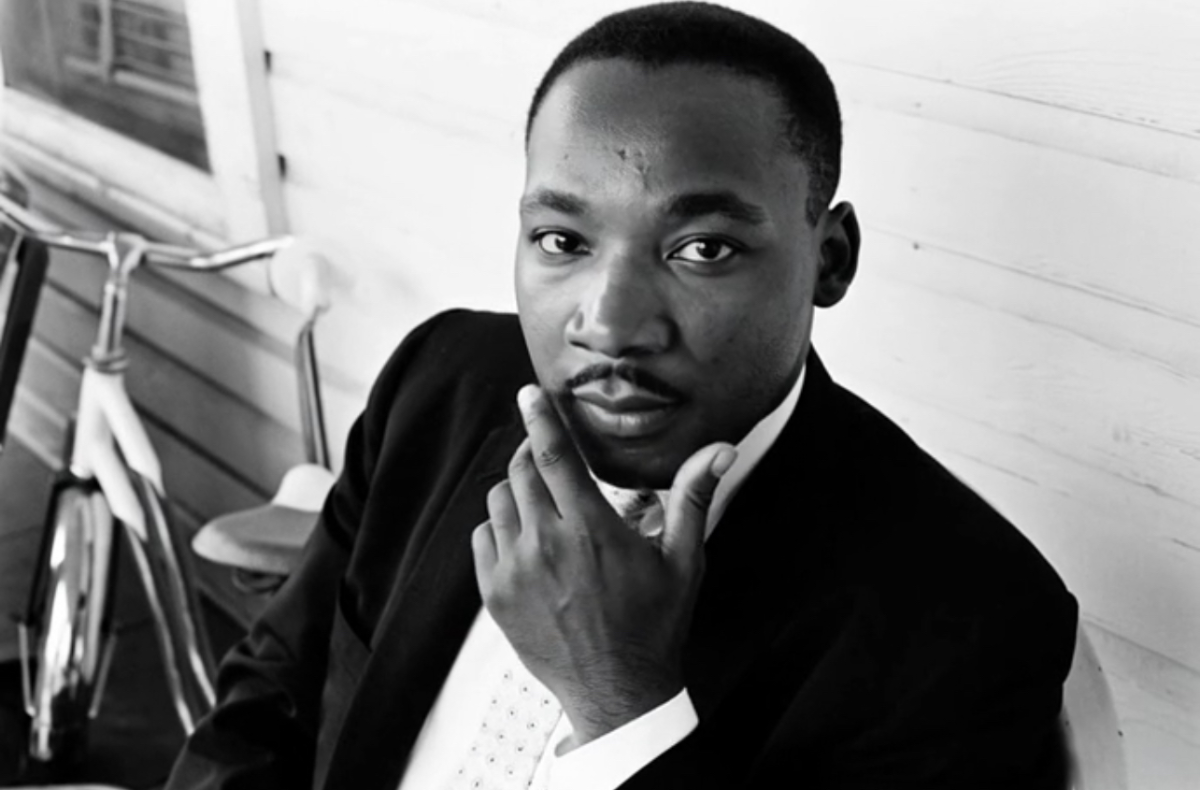
Dr. Martin Luther King Jr. is one of the most studied and celebrated figures in American history. This Black History Month, we’re digging into the life of MLK Jr. a little deeper.
His leadership in the Civil Rights Movement, his commitment to nonviolent resistance, and his iconic “I Have a Dream” speech are widely known. Yet beyond the familiar highlights lies a more complex and nuanced story.
Lesser-Known Facts About MLK Jr.
Here are seven lesser-known facts that shed additional light on King’s life, intellect, and legacy.
1. His Birth Name Was Not Martin

Martin Luther King Jr. was born Michael King Jr. on January 15, 1929, in Atlanta, Georgia. His father, Michael King Sr., was a Baptist minister at Ebenezer Baptist Church.
In 1934, after traveling to Germany and becoming inspired by the Protestant Reformation leader Martin Luther, King’s father changed both his own name and his son’s name to Martin Luther King. The change symbolized a spiritual and theological commitment to reform-minded Christianity.
2. He Entered College at Just 15 Years Old

King was academically gifted and skipped both the ninth and twelfth grades. At the age of 15, he enrolled at Morehouse College in Atlanta, a historically Black institution where his father and grandfather had also studied.
He later attended Crozer Theological Seminary in Pennsylvania and earned a Ph.D. in systematic theology from Boston University in 1955. His intellectual foundation—rooted in theology, philosophy, and ethics—shaped his approach to social justice.
3. He Nearly Died in a 1958 Assassination Attempt

Ten years before his assassination in 1968, King survived a near-fatal stabbing.
On September 20, 1958, while signing copies of his book Stride Toward Freedom at a Harlem department store, King was stabbed in the chest by Izola Ware Curry. The blade came so close to his aorta that doctors later said a sneeze could have killed him.
King publicly forgave his attacker—an act that reflected his unwavering commitment to nonviolence.
When it was learned that Curry suffered from mental problems, King said, “I am deeply sorry that a deranged woman should have injured herself in seeking to injure me. I can say, in all sincerity, that I bear no bitterness toward her and I have felt no resentment from the sad moment that the experience occurred. I know that we want her to receive the necessary treatment so that she may become a constructive citizen in an integrated society where a disorganized personality need not become a menace to any man.”
4. ‘I Have a Dream’ Was Partly Improvised

The March on Washington speech delivered on August 28, 1963, is among the most famous speeches in American history. But the “I Have a Dream” section was not originally part of the prepared text.
As King spoke, gospel singer Mahalia Jackson reportedly called out, “Tell them about the dream, Martin!”
King then set aside his notes and began delivering a version of themes he had used before, speaking extemporaneously. The improvised section became the defining moment of the speech—and of his public legacy.
5. He Spent Time in Jail Nearly 30 Times

Between 1955 and 1968, King was arrested approximately 29 times for acts of civil disobedience and protest.
His 1963 imprisonment in Birmingham, Alabama, resulted in one of his most important writings: “Letter from Birmingham Jail.” Written in the margins of newspapers and scraps of paper, the letter articulated the moral case for direct action and became a foundational document of the Civil Rights Movement.
An excerpt: “We have waited for more than 340 years for our constitutional and God given rights. The nations of Asia and Africa are moving with jetlike speed toward gaining political independence, but we still creep at horse and buggy pace toward gaining a cup of coffee at a lunch counter.”
6. He Was Awarded the Nobel Peace Prize at Age 35

In 1964, Martin Luther King Jr. became the youngest person at the time to receive the Nobel Peace Prize. He was awarded the honor for leading a nonviolent struggle against racial injustice in the United States.
King donated the entire prize money—$54,123 at the time—to the Civil Rights Movement, underscoring his belief that the award belonged not to him personally but to the broader struggle for equality.
7. His Advocacy Extended Beyond Civil Rights

While King is most closely associated with racial equality, his later activism addressed broader structural issues:
- Economic inequality
- Poverty
- Labor rights
- Opposition to the Vietnam War
In 1968, he was organizing the Poor People’s Campaign, a multiracial effort to demand economic justice, when he was assassinated in Memphis, Tennessee, on April 4.
King’s expanding focus on economic reform and anti-war activism was controversial at the time and complicated his public image. It also demonstrated his evolving vision of justice as interconnected—racial, economic, and global.
The Legacy Beyond the Monument
Martin Luther King Jr. is often memorialized through monuments, holidays, and quotations. Yet understanding the full arc of his life reveals a thinker, strategist, theologian, and activist who constantly refined his philosophy and expanded his mission.
He was not only a dreamer but also a disciplined organizer and intellectual—one who believed that moral courage, collective action, and nonviolent resistance could reshape a nation.
More than half a century after his death, his questions about justice, equality, and democracy remain central to American life.
More from AtlantaFi.com:
-
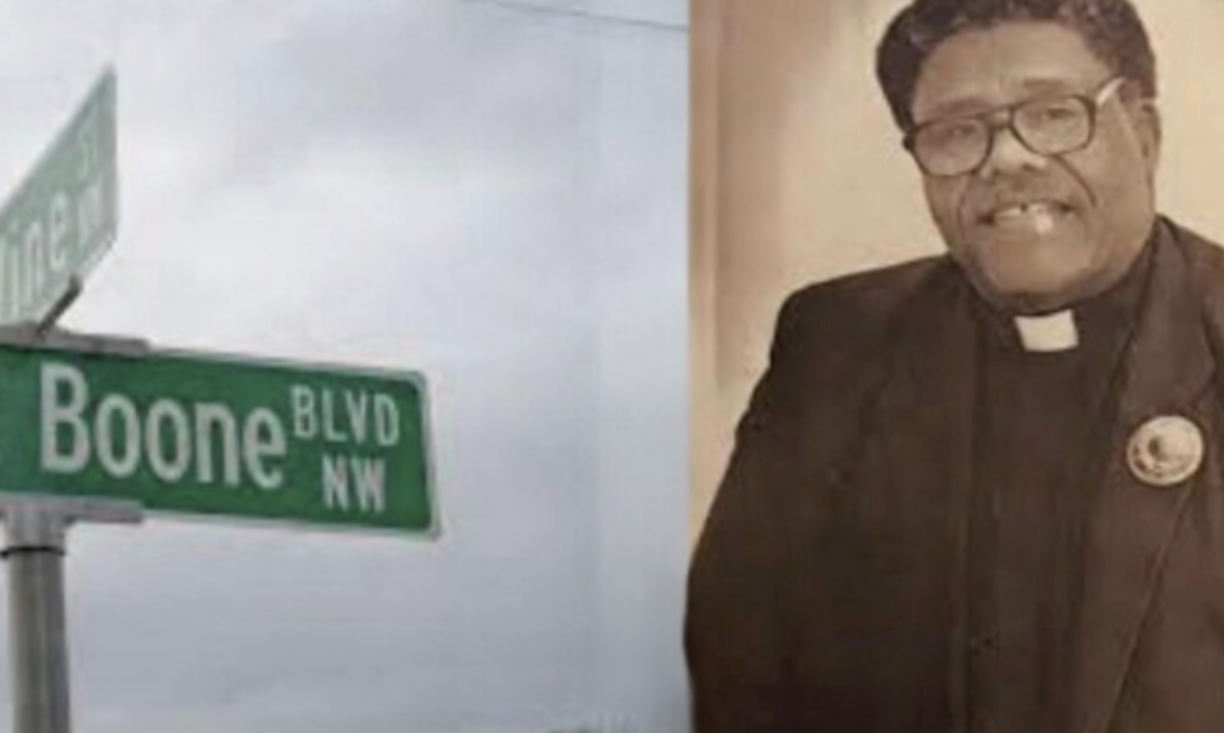
Atlanta, often hailed as the birthplace of the Civil Rights Movement, weaves its rich history into the very fabric of its urban landscape.
Street names across the city serve as enduring tributes to the individuals who shaped not only Atlanta but the nation through their courage, activism, and leadership.
Atlanta’s Streets: Echoes of History and Heroes
Many of these renamings, particularly in recent decades, have replaced older designations—some tied to Confederate figures—with honors for civil rights pioneers.
This shift reflects Atlanta’s commitment to acknowledging its past while celebrating progress. From lawyers who challenged segregation in courts to activists who marched for equality, these streets remind residents and visitors alike of the ongoing journey toward justice.
Martin Luther King Jr. Drive

No discussion of Atlanta’s historic street names would be complete without Martin Luther King Jr. Drive, a major artery renamed in 1976 from Hunter Street to honor the Nobel Peace Prize-winning leader.
This renaming was part of a broader national trend, with Georgia leading the way in dedicating roads to King—over 75 as of the early 2000s.
Where is MLK JR. Drive in Atlanta?

Running through the heart of the city’s west side, MLK Drive passes by significant sites like the King Center and Ebenezer Baptist Church, where Dr. King preached.
The drive symbolizes nonviolent resistance and the dream of equality that continues to inspire.
Ralph David Abernathy Boulevard

Nearby, Ralph David Abernathy Boulevard pays homage to Reverend Ralph David Abernathy, a close confidant and successor to Dr. King in the Southern Christian Leadership Conference (SCLC).
Often called King’s “right-hand man,” Abernathy’s leadership extended the movement’s reach, making this street a fitting memorial. This boulevard in Atlanta’s West End neighborhood recognizes Abernathy’s role in key events like the Montgomery Bus Boycott and the Selma to Montgomery marches.
Where is Ralph David Abernathy Boulevard in Atlanta?

Ralph David Abernathy Boulevard runs east-west through areas including Westview, West End, Adair Park, and Pittsburgh. It is a major thoroughfare in southwest Atlanta, running through neighborhoods like West End, Westview, Adair Park, and Mechanicsville.
Renamed from Gordon Street in 1991, it stretches toward downtown, eventually turning into Georgia Avenue. It is a key connector for the Atlanta Beltline Westside Trail.
Hosea Williams Drive

Hosea Williams (1926–2000) was a prominent American civil rights leader, minister, and politician, known as a key organizer and lieutenant for Martin Luther King, Jr. within the Southern Christian Leadership Conference (SCLC).
He was a tireless nonviolent activist, famous for leading the “Bloody Sunday” march in Selma, Alabama, and later became a Georgia State Representative, an Atlanta City Council member, and the founder of Hosea Feed the Hungry and Homeless.
Where is Hosea L. Williams Drive in Atlanta?

Hosea L. Williams Drive SE (formerly part of other street names) is a major thoroughfare in Atlanta, particularly in the Kirkwood neighborhood (zip code 30317). It runs through Southeast Atlanta, with notable intersections such as Howard St SE and 2nd Ave.
Donald Lee Hollowell Parkway

Donald Lee Hollowell (1917–2004) was a prominent American civil rights attorney based in Atlanta who served as the chief counsel for civil rights protesters in Georgia during the 1950s and 1960s. He is best known for desegregating the University of Georgia, defending Martin Luther King Jr., and mentoring younger civil rights lawyers. Some other accomplishments:
- Known as Georgia’s chief civil rights attorney during the 1950s and 60s, he defended activists, fought to overturn segregation laws, and defended Black men in a racially biased legal system.
- Landmark Cases: He successfully litigated Holmes v. Danner (1961), which forced the desegregation of the University of Georgia. He also secured the release of Martin Luther King Jr. from Reidsville State Prison in 1960.
- Key Victories: His legal work integrated Atlanta public schools, public transit, and led to the admission of Black doctors at Grady Hospital.
- Public Service: In 1966, he was appointed by President Lyndon B. Johnson as the first Black regional director of the Equal Employment Opportunity Commission (EEOC).
Where is Donald Lee Hollowell Parkway in Atlanta?

The NW parkway (formerly Bankhead Highway) runs through Northwest Atlanta (30318), extending from near the city center out to I-285. It serves as the northern boundary of the English Avenue neighborhood, passing through areas like Collier Heights and near the Marietta Blvd intersection.
Joseph E. Boone Boulevard

Joseph E. Boone Boulevard, named for the civil rights organizer who led desegregation efforts in Atlanta’s businesses during the 1960s.
Boone was pastor at Rush Memorial Congregational Church in Atlanta. He was also a pivotal member of the Atlanta Movement and chief negotiator for Operation Breadbasket, the economic development area of the Southern Christian Leadership Conference (SCLC).
Where is Joseph E. Boone Boulevard?

Joseph E. Boone Boulevard is located in Northwest (NW) Atlanta, running through the historic Westside neighborhoods of Vine City, English Avenue, and Grove Park. Formerly named Simpson Road, it was renamed in 2008 to honor civil rights leader Reverend Joseph E. Boone.
John Wesley Dobbs Avenue

John Wesley Dobbs Avenue honors the “unofficial Mayor of Auburn Avenue,” a postal worker turned influential civic leader who advocated for Black voter registration and education.
Dobbs died on August 30, 1961, the very day Atlanta’s schools were desegregated, leaving a legacy of fighting for equality through political organization. He was the grandfather of Maynard Jackson Jr., who became Atlanta’s first Black mayor and later renamed Houston Street to John Wesley Dobbs Avenue in his honor.
Key Contributions and Life:
- Voter Empowerment: He strongly believed in the power of the ballot, organizing, and pushing for political change, which led to the hiring of the first eight Black police officers in Atlanta in 1948.
- “Sweet Auburn” Leader: As Grand Master of the Prince Hall Masons of Georgia (1932–1961), he was a central figure on Auburn Avenue, which was the heart of Black business and culture in Atlanta.
- Civil Rights & Influence: He was a, influential leader who advised politicians and helped desegregate public services. He famously coined the term “Sweet Auburn” for the thriving business district.
Where is John Wesley Dobbs Avenue?

John Wesley Dobbs Avenue NE is located in Atlanta, Georgia (ZIP codes 30303 and 30312), running through the downtown and Old Fourth Ward neighborhoods near the Martin Luther King, Jr. National Historical Park. Formerly known as Houston Street, it was renamed in 1994 in honor of the civil rights leader, stretching near landmarks like the Georgia Pacific Building and Auburn Avenue.
Jesse Hill Jr. Drive

Jesse Hill Jr. Drive, named so in 2001, recognizes the insurance executive and activist who helped integrate Atlanta’s hospitals and schools.
Key Contributions and Roles:
- Civil Rights & Political Influence: Hill was a key advisor to Dr. Martin Luther King Jr., Maynard Jackson, and Andrew Young, acting as a bridge builder between the Black community and white business leadership. He helped secure bail money for protesters and organized efforts to desegregate Georgia institutions.
- Business Leadership: As president of Atlanta Life Insurance Company (1973–1992), he managed one of the nation’s largest Black-owned businesses, promoting economic empowerment.
- Civic Impact: He was the first Black president of the Atlanta Chamber of Commerce (1977), a founder of the Atlanta Inquirer, and key to bringing the 1996 Olympic Games to Atlanta.
Where Is Jesse Hill Drive in Atlanta?

Jesse Hill Jr. Drive is located in Downtown Atlanta, Georgia, near the intersection of I-75/85 and just east of the Georgia State Capitol. The road, which runs as both NE and SE, passes key landmarks including Grady Memorial Hospital, the Fulton County Health Department, and the Georgia State University “K” Deck.
Joseph E. Lowery Boulevard

And Joseph E. Lowery Boulevard pays tribute to Reverend Joseph E. Lowery (1921–2020), dubbed the “Dean of the Civil Rights Movement,” for his work with the SCLC and beyond.
Lowery co-founded the Southern Christian Leadership Conference (SCLC) with Dr. Martin Luther King Jr., serving as president from 1977 to 1997.
Where is Joseph E. Lowery Boulevard in Atlanta?
Joseph E. Lowery Boulevard (formerly Ashby Street) is a major north-south connector in West Atlanta, GA (30314, 30310) running between Hollowell Parkway (North) and extending towards the Southwest side. It serves as a connector forSeveral in-town Atlanta neighborhoods.
Arthur Langford Jr.

Arthur Langford Jr. (1949–1994) was a prominent Atlanta city councilor, Georgia State Senator, Baptist minister, and civil rights activist dedicated to uplifting underserved communities.
Elected as one of the youngest city council members at age 23, he established the United Youth Adult Conference to combat violence and, and notably led volunteer efforts during the Atlanta Child Murders crisis.
Where is Arthur B. Langford Jr. Parkway in Atlanta?

Arthur B. Langford Jr. Parkway (State Route 166) is a major east-west freeway located in Southwest Atlanta, Georgia. It runs from I-285 in the west (near Greenbriar Mall) to I-75/I-85 (the Downtown Connector) in the east, connecting areas like Ben, Hill, and East Point.
John Lewis Freedom Parkway

In August 2018, the City of Atlanta officially renamed a major section of Freedom Parkway to John Lewis Freedom Parkway (spanning near Ponce de Leon Ave NE) to honor the late U.S. Congressman and civil rights leader. The thoroughfare serves as a key route to the Carter Center and is marked by significant,,, John Lewis Plaza, where the “The Bridge” sculpture is located.
Where is John Lewis Freedom Parkway in Atlanta?

John Lewis Freedom Parkway is a major east-west, four-lane road in Atlanta, Georgia, running from the Downtown Connector (I-75/I-85) near downtown, through the Old Fourth Ward, and ending near the Carter Center at Ponce de Leon Avenue and Moreland Avenue.
Final Word
These renamings often stem from efforts to erase ties to the Confederacy, with Atlanta’s advisory committees identifying and changing streets like Confederate Avenue to United Avenue in recent years.
More recently, parts of the city honored former Mayor Shirley Franklin by renaming Central Avenue and a park, highlighting ongoing recognition of diverse leaders.
In a city as dynamic as Atlanta, these street names are more than directions—they are lessons in resilience and change. As we navigate them, we honor the historic figures who paved the way, ensuring their stories endure for generations to come.
More from AtlantaFi.com:
-
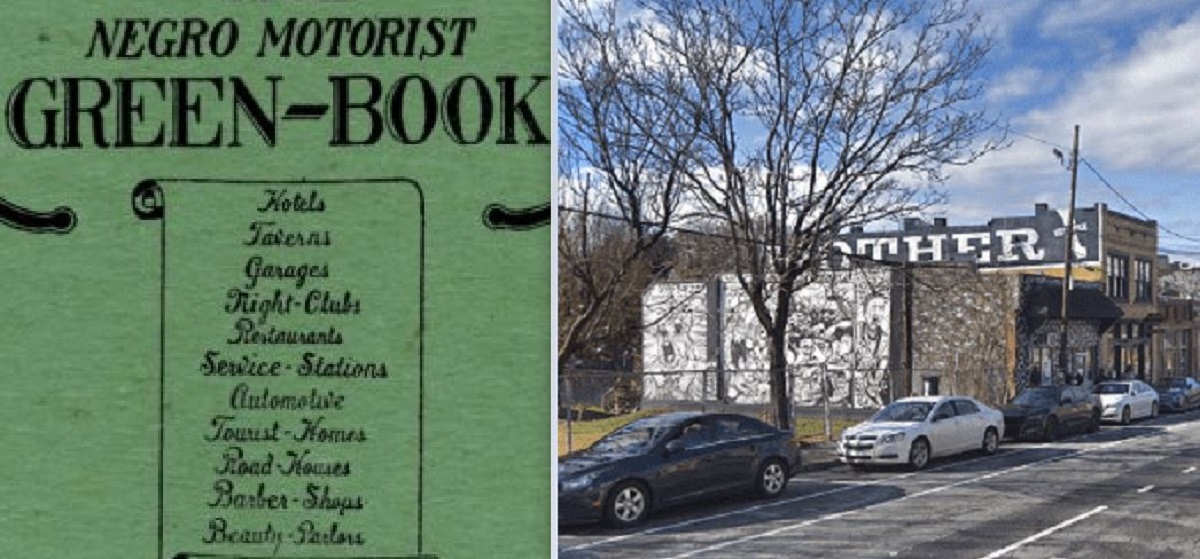
Atlanta’s history is a microcosm of America’s past, for better or worse. One of the more astonishing relics from the Jim Crow era is The Negro Travelers’ Green Book: The Guide to Travel and Vacations.
The Green Book was an important part of American-American safety during a period of oppression, racism and discrimination.
The book was first published in 1954 by New York City’s Victor Hugo Green, an African-American who was a mailman and travel writer based in Harlem.
In this article we’re going to look at the most famous Atlanta locations mentioned in The Green Book.
Here Are All The Green Book Locations In Atlanta
Atlanta played a pivotal role in Green Book locations for hotels, restaurants, beauty salons and barber shops.
This list is not an exhaustive one showing all of the Atlanta locations. For that, we recommend you buy the literal Green Book to benefit its publisher. Here it is below:
Not unsurprisingly, many of these sites were located in the Sweet Auburn district. This area was a black section of the city just east of downtown that thrived amid Jim Crow.
Hotel Royal
214 Auburn Ave NE Atlanta, Ga This hotel located in the Citizens Trust Bank building was originally called the McKay Hotel, but was changed in 1949 to Hotel Royal.One year later, Carrie Cunningham, a former circus performer, bought the Top Hat Club and renamed it Royal Peacock. Under the control of “Mama” Cunningham, it became a top-tier music venue on the “Chitlin Circuit.”Cunningham’s daughter Delois Scott said this about the famed Auburn Avenue institution: ““In some of the articles that have been written about the Royal Peacock, it has been likened to the Apollo, but the Peacock was the Peacock, and the Apollo was the Apollo, in my estimation. Everybody calls the Royal Peacock the ‘incubator’ for artists. When Little Richard first started playing here, he was an unknown. When Ray Charles was first starting out and unknown, he played here. James Brown, unknown. Gladys Knight and Pips, unknown. Nat King Cole played here before he even started singing. He was just playing piano in the Nat King Cole Trio — I have the picture, from those days before he sang.”The Royal Peacock would become a top venue for live performances in the South. The likes of Etta James and more would stop by to hone their skills on their rise to stardom.
‘Mack Hotel’
548 Bedford Place, Atlanta, Ga. 30312
 Bedford Place no longer exists. It is now Central Park Place and lofts and apartment complexes dot the landscape. This street is in the heart of Midtown Atlanta’s Old Fourth Ward.Bedford Place used to be a longtime residential area for blacks under the poverty line. Nearby, there are still some pockets of disenfranchisement that exist.
‘Shaw Hotel’
245 Auburn Avenue, Atlanta, Ga.
Photo credit: Google Maps From its address, this building appears to be part of a block of buildings constructed by black millionaire entrepreneur and former slave Alonzo Herndon, the founder of the Atlanta Life Insurance Company.In the Green Book, the listing says “Shaw” for reasons not apparent. I have not been able to find a “Shaw Hotel” in any historical information.Butler Street YMCA
22 Jesse Hill Jr Dr NE, Atlanta, GA 30303
Photo credit: aaregistry.com The Butler Street YMCA was known as the “Black City Hall” for much of its existence. In addition to being a meeting place for the city’s black leaders, The Y had some mean basketball going on inside.So much so that a Butler Street YMCA team often scheduled against collegians, according to the Black Fives Foundation, a historical group.Butler Street was later renamed in honor of civil rights activist and businessman Jesse Hill, who actually lived at the YMCA for a time.Waluhaje Hotel Apartments

Photo credit: Google Maps The Waluhaje Hotel Apartments were constructed by Atlanta developer Walter H. “Chief” Aiken in the early 1950s.
The name Waluhaje originated came from combining the first two letters of the names of Aikens (Walter), his wife (Lucy), and two of her siblings (Hazel and Jefferson), according to AtlantaTimeMachine.com.This building now serves as home offices for the Atlanta Job Corps.Suttons restaurant

Photo credit: Google Maps Suttons was a restaurant known across the country as a place African-Americans could get a good home-cooked meal.It was owned by one Scottie Sutton, who was affectionately called “Ma” Sutton.Here’s an account from the book, “Living Atlanta: An Oral History of the City, 1914-1948” by Clifford M. Kuhn on Ma Sutton told by one Horace Sinclair:“They called her Ma Sutton,” recalls Sinclair. “Everybody all over the country would come to Atlanta and go get a decent meal at Ma Sutton’s. She would really set the table. You’d get everything on the table just like you would be at home, serve yourself. You’d have meats and vegetables of all kinds, light rolls, cornbread, coffee, milk or tea. She’d even put preserves on the table, all that stuff.”Paschals Bros restaurant
180 Northside Dr SW #B, Atlanta, GA 3031
837 Hunter St. Atlanta, Ga.
Photo credit: Google Maps The most famous black restaurant in Atlanta, Paschals traces its roots back to 1947. That’s when brothers James and Robert Paschal opened their first location at 831 West Hunter Street.Paschals became an unofficial meeting place for the civil rights movement.Today Paschals is located on Northside Drive in Castleberry Hill section of downtown Atlanta. The famed eatery is one of the best black-owned restaurants in Atlanta.‘The Blackeret’
848 Mayson Turner Rd, Atlanta Ga. 30314
The Blackeret was a tavern located on Mayson Turner Road not far from black Atlanta’s educational center of colleges and universities.
Poro Beauty Parlor
250 Auburn Avenue, Atlanta, Ga. 30303

Photo credit: Google Maps The Poro Beauty Parlor sprang up at 250 Auburn Avenue when Ella Martin moved o Atlanta in 1930.
Martin was a representative of the Poro Beauty College founded by black cosmetics pioneer Annie Malone out of St. Louis, according to the book “Historical Roots of the Urban Crisis: Blacks in the Industrial City 1900-1950.”
None other than Madame C.J. Walker began her career in beauty products as a selling agent for Malone’s Poro business. Walker would go on to build her own hair care empire within the African-American community and the world.

Walker’s impact on the U.S. hair care industry is undebatable. Right off Auburn Avenue, the Madam CJ Walker Museum sits at 54 Hilliard St NE, Atlanta, GA 30312.
Atlanta Daily World
145 Auburn Ave NE, Atlanta, GA 30303

Photo credit: Google Maps The Atlanta Daily World, the city’s oldest black newspaper, has a long and rich history of documenting the plight of African-Americans and the world around them. This was also a place of unrequited truth for blacks traveling through town looking for some news.
The newspaper was founded August 5, 1928 by William Alexander Scott II, a 26-year-old wonderkid with keen business sense.
Headquartered on Auburn Avenue, Scott would go on to circulate The Chattanooga Tribune, The Memphis World, and The Chattanooga Tribune, establishing the first chain of African American newspapers.
Final Thought
Auburn Avenue has been overshadowed lately by other streets with headline-grabbing development, but it holds a special place in the hearts of native Atlantans.
If you have a chance to visit, patronize one of the businesses on Auburn Avenue. Stop in and take a look at The Apex Museum or other historical places there.
And don’t forget to read the book below.
In the 1950s, Auburn Avenue was once known as “the richest Negro street in the world.” The moniker “Sweet Auburn” was purportedly coined by John Wesley Dobbs, the grandfather of the city’s first black mayor Maynard Jackson.
The rest, as they say, is history.
Read More From AtlantaFi.com
-
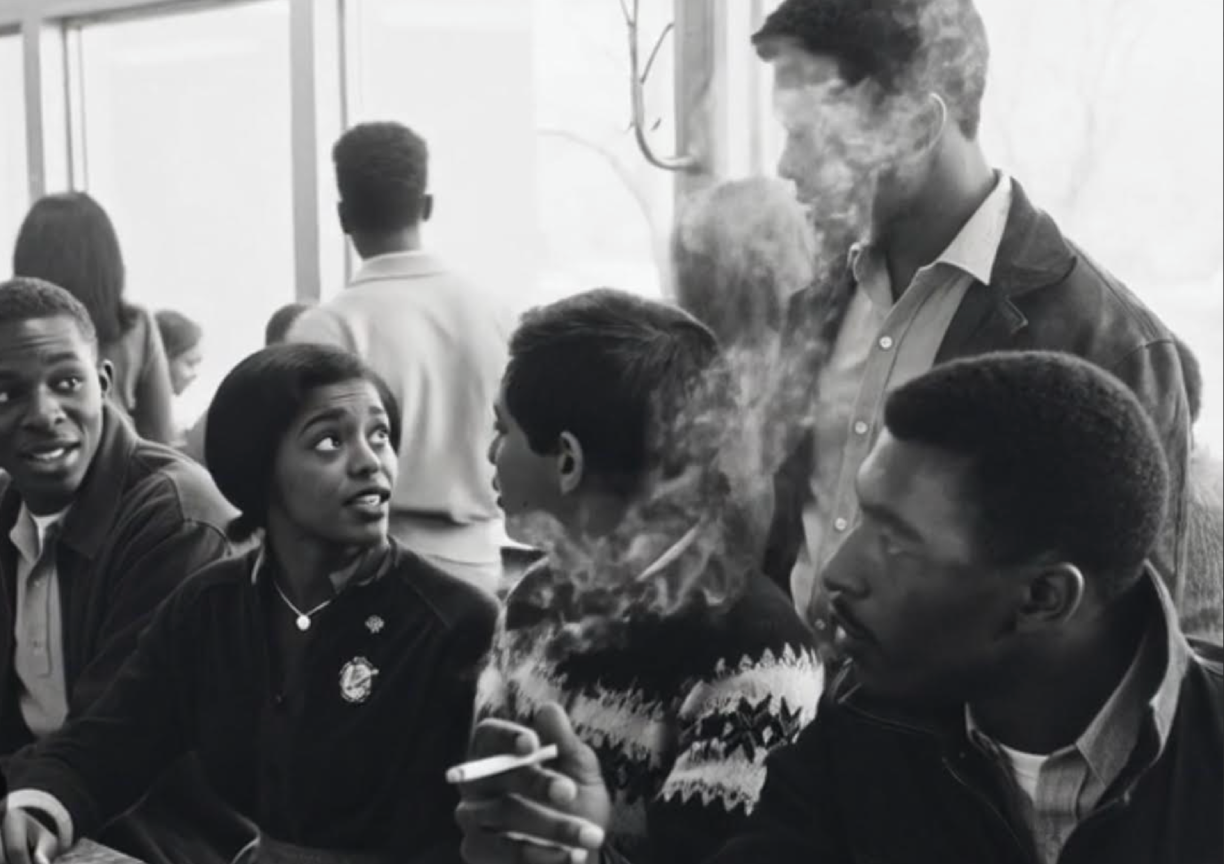
Atlanta has long been recognized as a cradle of the Civil Rights Movement, home to icons like Dr. Martin Luther King Jr. and pivotal organizations such as the Southern Christian Leadership Conference.
But beneath the well-known narratives lie lesser-explored stories of resistance, innovation, and alliance that shaped the city’s—and the nation’s—path toward equality.
Atlanta’s Civil Rights History: What To Know
We’ve delved into archives and accounts to uncover these hidden gems.
Here are seven surprising facts that highlight Atlanta’s multifaceted role.
Atlanta’s Civil Rights Roots Trace Back to the 1880s, Not Just the 1950s

While the post-World War II era often dominates discussions, Atlanta hosted an earlier civil rights surge from 1880 to 1910.
Black Atlantans employed strategies like collective self-defense, mass rallies against lynchings, and negotiation with white elites—tactics that resurfaced in the modern movement.
Key institutions, including churches and mutual aid societies, supported these efforts, fostering black enterprises like Alonzo Herndon’s barbershops and insurance company, which bolstered economic independence amid rising segregation.
The 1881 Washerwomen’s Strike: A Forgotten Labor Uprising

In July 1881, black washerwomen in Atlanta formed the Washing Society and orchestrated a massive strike involving 3,000 women (including some white allies) demanding higher wages and work autonomy.
Supported by black churches and fraternal groups, this action disrupted the city’s laundry services and highlighted early intersections of labor and racial justice.
Though short-lived, it demonstrated organized black women’s power in challenging economic exploitation during Reconstruction’s aftermath.
The 1906 Race Riot Sparked the NAACP and Influenced Brown v. Board

The Atlanta Race Riot of September 1906, fueled by fabricated stories of assaults and white fears of black progress, resulted in over 40 African American deaths and widespread destruction.
This violence profoundly impacted W.E.B. Du Bois, who armed himself for protection and later co-founded the NAACP in 1909. It also traumatized young Walter White, who rose to NAACP leadership and hired Thurgood Marshall, paving the way for the 1954 Brown v. Board of Education decision that ended school segregation.
Streets Honoring Unsung Heroes of Integration
Atlanta’s map pays tribute to lesser-celebrated figures through renamed streets. John Wesley Dobbs Avenue commemorates the activist who registered over 10,000 black voters in the 1930s, co-founded the Atlanta Negro Voters League, and helped integrate the police force.
Donald Lee Hollowell Parkway honors the lawyer who sued the University of Georgia to admit black students, while Hamilton E. Holmes Drive (and MARTA station) recognizes one of the first two black UGA enrollees, alongside Charlayne Hunter-Gault.
The 1948 Hiring of Atlanta’s First Black Police Officers

Photo credit: Atlanta Police Department
In a groundbreaking move for the South, Mayor William B. Hartsfield approved the hiring of eight black police officers in 1948, desegregating the force amid post-war pressures.
These officers, restricted initially to black neighborhoods, symbolized incremental progress and set a precedent for broader integration in city services, reflecting Atlanta’s self-proclaimed image as “the city too busy to hate.”
Lonnie King’s 1960 Sit-Ins to Sway a Presidential Election

While Dr. King is iconic, his childhood friend Lonnie C. King spearheaded Atlanta’s 1960 student movement, inspired by Greensboro sit-ins.
Lonnie organized protests at lunch counters like Rich’s Department Store, enlisting Martin Luther King Jr. for a pivotal October 19 sit-in that led to arrests.
Aimed at drawing national attention during the Kennedy-Nixon race, these actions influenced black voters and pressured candidates on civil rights, culminating in the desegregation of 75 Atlanta establishments by 1961.
The 1969 Piedmont Park Riot: A Cross-Racial Stand Against Police Brutality

On September 21, 1969, a free concert in Piedmont Park turned chaotic when undercover police clashed with hippies and radicals over drug arrests, sparking a riot with tear gas and projectiles.
This event, rooted in harassment of Atlanta’s counterculture “Strip” community, forged an unlikely alliance with black civil rights leaders like Hosea Williams.
Together, they protested police tactics, filed lawsuits, and highlighted shared grievances, bridging racial divides in the movement’s later years. Read Kenny Wilson’s blog for more.
Final Word
These stories remind us that Atlanta’s civil rights legacy is built on layers of perseverance, from everyday workers to radical youth
Exploring sites like the National Center for Civil and Human Rights or walking these historic streets can bring these facts to life, connecting past struggles to today’s ongoing fight for justice.
More from AtlantaFi.com:
-
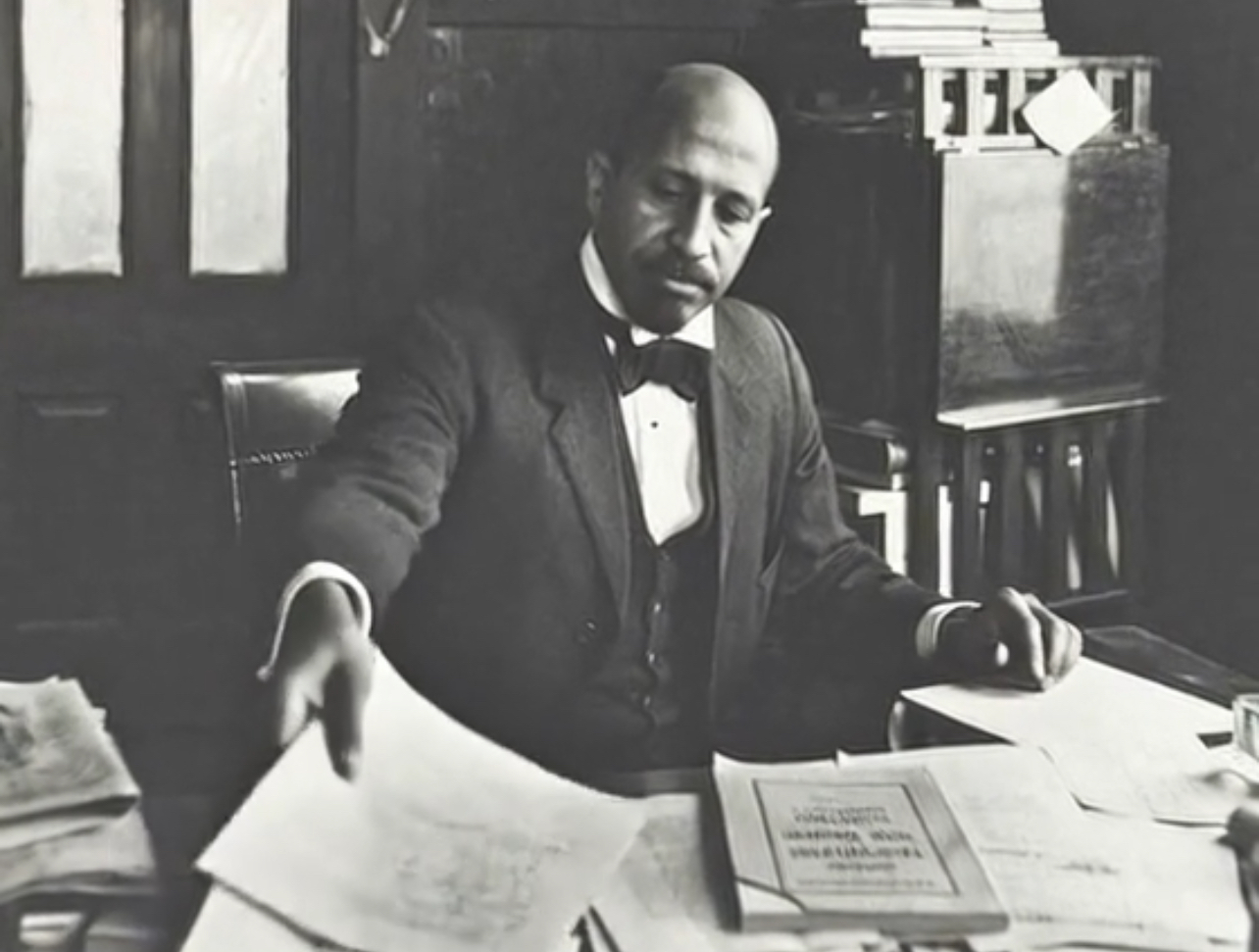
W.E.B. Du Bois remains one of the towering figures in American history: the brilliant scholar who co-founded the NAACP, edited The Crisis magazine for decades, authored the landmark The Souls of Black Folk, and helped define the fight against racial injustice.
In Atlanta, his legacy feels especially close—he spent formative years here as a professor at (Clark) Atlanta University, where he produced some of his most influential sociological work on Black urban life.
But even lifelong students of history might be surprised by these lesser-known facets of Du Bois’s remarkable life:
He Wrote Science Fiction and Speculative Stories

Beyond his essays and histories, Du Bois penned imaginative fiction, including the striking short story “The Comet” (1920), a post-apocalyptic tale set in New York where a Black man and white woman believe they are the last survivors on Earth—until racial terror reemerges.
Scholars have recently uncovered more of his unpublished speculative works, ranging from utopian visions to crime and intrigue plots during the McCarthy era.
This “weird” side of Du Bois reveals a creative mind exploring upheaval, race, and human possibility far beyond his better-known nonfiction.
He Created Pioneering Data Visualizations to Fight Racism

In 1900, Du Bois curated an exhibit for the Paris Exposition Universelle featuring hand-drawn charts (pictured above), graphs, and maps documenting African American life, progress, and economic achievements—particularly in Georgia.
These colorful, proto-modernist infographics were designed to refute racist stereotypes with hard data on literacy, population growth, and business ownership. Today, they’re celebrated as early masterpieces of information design.
He Grew Up in a Surprisingly Integrated Small Town

Born in 1868 in Great Barrington, Massachusetts, where his sculpture resides, Du Bois was raised in a community with relatively little overt segregation compared to the post-Reconstruction South.
He attended school with white children and felt accepted by many neighbors, which shaped his early optimism about racial integration—before he encountered the harsher realities of Jim Crow while studying at Fisk University in Nashville.
He Taught and Conducted Groundbreaking Research in Atlanta

Du Bois joined the faculty of Atlanta University in 1897 and again in the 1930s–40s.
His Atlanta Studies (1896–1914) produced some of the first rigorous sociological surveys of Black urban life, examining housing, family, crime, and education in the city’s Black neighborhoods.
These works laid foundational stones for urban sociology in America—and gave him an intimate, firsthand view of Atlanta’s racial dynamics.
The 1906 Atlanta Race Massacre Deeply Scarred Him
While living in Atlanta, Du Bois witnessed the horrific 1906 race riot (also called the Atlanta Race Massacre), in which white mobs killed dozens of Black residents amid false rumors.
He later described a related earlier lynching—that of Sam Hose in 1899—as a turning point: seeing body parts displayed in a shop window left him profoundly shaken. “Something died in me that day,” he wrote, hardening his resolve against accommodationist approaches to racism.
He became a Citizen of Ghana at Age 93

WEB Du Bois (L) celebrating his 95th birthday with Ghana’s President Kwame Nkrumah in 1963. — Photo credit: WEB DuBois Centre.
In his final years, disillusioned with Cold War-era America and facing passport restrictions, Du Bois moved to Ghana in 1961 at the invitation of President Kwame Nkrumah to work on an Encyclopedia Africana.
He took Ghanaian citizenship that year and died in Accra in 1963—at age 95—the day before the March on Washington. A moment of silence honored him during the event.
He Had a Bitter Public Feud with Marcus Garvey

The rivalry between Du Bois and Jamaican activist Marcus Garvey was intense and personal. Du Bois criticized Garvey’s Back-to-Africa movement and Black Star Line finances in The Crisis, while Garvey attacked Du Bois’s mixed heritage and called him a “mulatto monstrosity.”
The clash highlighted deep ideological divides within Black leadership—integration versus separatism, elite leadership versus mass mobilization—that still echo today.
Du Bois’s life bridged the post-Civil War era to the modern civil rights movement, and his time in Atlanta gave him a front-row seat to both progress and profound injustice.
As we continue reckoning with our city’s—and our nation’s—racial history, his fearless scholarship and unyielding vision remain as relevant as ever.
What’s your favorite Du Bois story or lesson? Share in the comments below—we’d love to hear from our Atlanta readers.
More from AtlantaFi.com:
-

Atlanta’s position in the canon of American black history needs no qualifications, from it being the cradle of the civil rights movement to its progressive strides across many business sectors, Georgia’s largest city has cemented its place.
Being so rich and influential history in the civil rights movement, Atlanta’s many landmarks and attractions offer a unique look into the city’s black heritage.
This article will cover some amazing facts about Atlanta’s black history.
5 Black History Facts About Atlanta
These five amazing black history facts about Atlanta serve as a testament to the city’s rich and influential role in black history.
Sweet Auburn Neighborhood

Photo credit: Google Maps Sweet Auburn was once known as the “the richest negro city in the world.” and its thriving black-owned businesses played a key role in the Civil Rights Movement by providing economic support and resources to the movement.
Today, these businesses are preserving the area’s connection to the Civil Rights Movement and reigniting the spirit of black enterprise.
See Atlanta’s Green Book Locations.
Center for Civil and Human Rights

The Center for Civil and Human Rights is a museum dedicated to preserving and showcasing the city’s rich history in the Civil Rights Movement.
Through interactive exhibitions and displays, visitors can learn about the people who were killed during the Civil Rights Era, and view original writings by Martin Luther King Jr. The Centre serves as a tribute to Atlanta’s pivotal role in the Civil Rights Movement and provides a window into the city’s past.
Martin Luther King Jr. National Historic Site

Photo credit: MLK Center Martin Luther King Jr. was ordained as a minister and served as a pastor at the historic Baptist church that now serves as the Martin Luther King Jr. National Historic Site. This site offers a unique look into King’s life and legacy, and provides a meaningful tribute to his work in the Civil Rights Movement.
The African American Burial Grounds

Developed during the slave era, the African American Burial Grounds in the Southeast Atlanta neighborhood of Lakewood Heights’ South-View Cemetery offers a glimpse into the lives of enslaved people in Atlanta and their role in the Civil Rights Movement. The guided tours provide a powerful and emotional
look into the city’s past, and serve as a reminder of the sacrifices made by those who fought
for equality and justice.Black Colleges

Photo credit: Spelman College Atlanta’s historically black colleges and universities, including Morehouse, have played a significant role in educating and empowering black leaders and have been at the forefront of the Civil Rights Movement.
These institutions continue to have a major impact on the city’s cultural heritage, and serve as a testament to Atlanta’s commitment to
education and equality.What Schools And Colleges Make Up The AU Center?
The colleges and universities that comprise the AU Center include:
- Clark Atlanta University
- Spelman College
- Morehouse College
- Morehouse School of Medicine
Conclusion
They also provide a powerful reminder of the sacrifices made by those who fought for equality and justice.
As you can see, Atlanta’s history is rich when it comes to African-American excellence. Along with having many cool things to do in Atlanta, the city offers a great history lesson of the progress of U.S. society. If you want to support black businesses in Atlanta in a material way, here are some resources to help you.