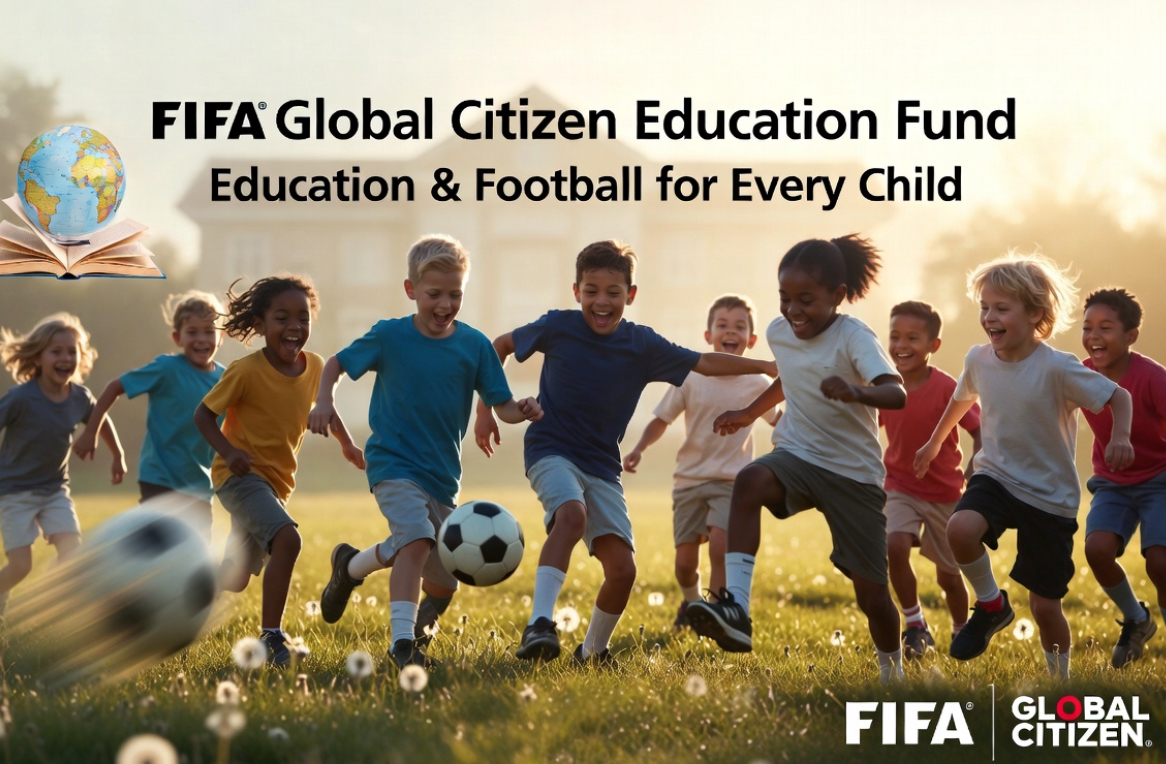

The FIFA Global Citizen Education Fund has announced its inaugural cohort of grant recipients, supporting community-based organizations that provide children with access to quality education and the transformative power of soccer.
Among the recipients is Atlanta-based Field of Dreams Academy, one of 27 grassroots organizations across ten countries selected for funding. The organizations will receive grants ranging from $50,000 to $250,000 to expand their programs in underserved communities.
Since its launch, the Fund has raised $30 million and is targeting a total of $100 million by the conclusion of the FIFA World Cup 2026™. The initiative aims to significantly expand access to education and soccer-based development programs for children around the world.
“Football has the power to unite, inspire and create lasting change, and through the FIFA Global Citizen Education Fund we are putting that power into action to invest in the future of children around the world,” said FIFA President Gianni Infantino. “These organisations are doing extraordinary work, often in the most challenging environments, to ensure children have access to education and the life skills that football provides. Together with Global Citizen, we are committed to expanding this impact and helping many more children realise their potential.”
Investing in Education Through Football
Half of all funds raised by the FIFA Global Citizen Education Fund will support the FIFA Football for Schools (F4S) program. This initiative integrates football-based activities to teach life skills, promote learning, and foster community development among young participants.
The Fund represents a major collaboration between FIFA and Global Citizen, leveraging the global popularity of football to address educational gaps and empower children in vulnerable communities.
Applications for the next round of grants are now open. Organizations interested in applying can visit: globalcitizen.org/en/projects/fifa-global-citizen-education-fund/apply/
This first wave of funding marks an important step in FIFA’s broader commitment to using football as a tool for social development, with ambitions to scale impact significantly in the lead-up to the 2026 World Cup.