
Atlanta, GA — July 10, 2026 — Georgia health officials are urging residents to stay vigilant as a seasonal surge in cyclosporiasis cases linked to the microscopic parasite Cyclospora cayetanensis affects the state and multiple others across the U.S. this summer.
People hear the term explosive diarrhea parasite outbreak and their minds immediately think out of the box.
This article will tell you what you need to know about the cyclospora outbreak in Georgia and how you can stay safe.
“Cyclospora is a parasite, not a bacteria, not a fungus,” said Dr. Jasmine Clark, a Ph.D. microbiologist and nominee for Georgia’s 13th District. “The incubation period is about a week, which means it takes about a week from when you actually ingest it to when you actually start feeling sick.”
The Centers for Disease Control and Prevention (CDC) is monitoring domestically acquired cases that began rising in May. As of mid-June 2026, officials had confirmed 145 cases across 17 states, with 20 hospitalizations and no deaths reported in that surveillance period. Georgia is among the affected states, with 1–10 cases documented.
Cyclospora Outbreak in Georgia: What You Should Know
Local reporting indicates the national picture continues to grow, with significant clusters in states like Michigan (nearly 1,000 cases in some reports) and Ohio, alongside investigations in dozens of others. Georgia Department of Public Health (DPH) data shows cases in the state have trended upward since 2015, largely due to improved laboratory testing, with the majority occurring during the peak summer months of June and July.
What is Cyclospora and How Does It Spread?
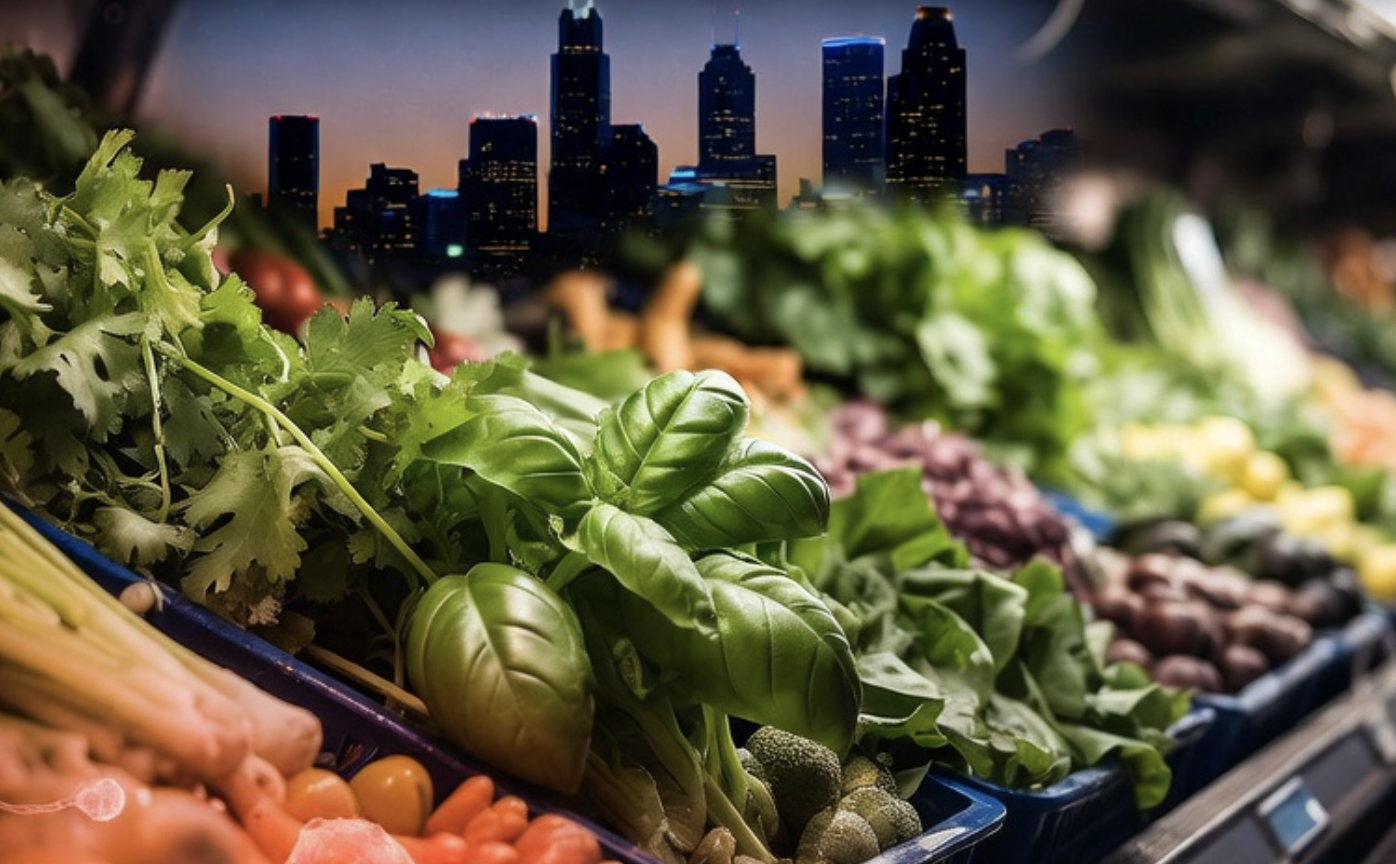
Cyclosporiasis is an intestinal illness caused by the parasite Cyclospora cayetanensis. People become infected by consuming food or water contaminated with the parasite—most often fresh produce such as cilantro, basil, leafy greens, raspberries, or other fruits and vegetables exposed to contaminated irrigation water or handling.
The parasite is not typically spread directly from person to person. Outbreaks tend to occur in late spring and summer.
Symptoms to Watch For
Symptoms usually appear about a week after exposure (though the range can vary) and may include:
- Frequent, watery diarrhea (sometimes described as “explosive”)
- Loss of appetite and weight loss
- Stomach cramping and bloating
- Increased gas
- Nausea
- Fatigue
Without treatment, symptoms can persist for weeks or longer than a month. The illness is generally not life-threatening but can be debilitating, especially for vulnerable groups. Diagnosis requires a specific stool test.
Cyclosporiasis is a notifiable disease in Georgia, meaning labs and healthcare providers must report confirmed cases to the Georgia DPH.
Prevention Tips from Georgia DPH and CDC
While washing produce thoroughly is recommended, it may not completely eliminate the risk:
- Wash hands with soap and water before and after handling fresh produce.
- Rinse fruits and vegetables under running water.
- Consider buying whole heads of lettuce instead of pre-bagged mixes; remove and discard outer leaves and wash the rest thoroughly.
- Cook vegetables when possible.
- Avoid any food or water that may have been contaminated with fecal matter.
Affected States

Here are the affected states based on CDC data as of mid-June 2026, with ongoing reports):
AK, CO, CT, FL, GA, IL, LA, MA, NJ, NY, NC, OH, PA, TN, TX, VA, WI (17+ states total; case counts vary, with higher clusters in states like NY, IL, TX, MI, and OH).
What to Do If You’re Sick
If you experience prolonged watery diarrhea that doesn’t improve within a few days, see a healthcare provider promptly. Mention the possibility of cyclosporiasis, especially if you’ve recently eaten fresh produce. Treatment typically involves antibiotics.
Georgia DPH and the CDC continue to investigate potential sources and clusters. No single nationwide source has been identified for the current seasonal increase.
For the latest updates, check the Georgia Department of Public Health website or the CDC’s cyclosporiasis surveillance page. Stay safe this summer by practicing good produce hygiene.
More From AtlantaFi.com: