-
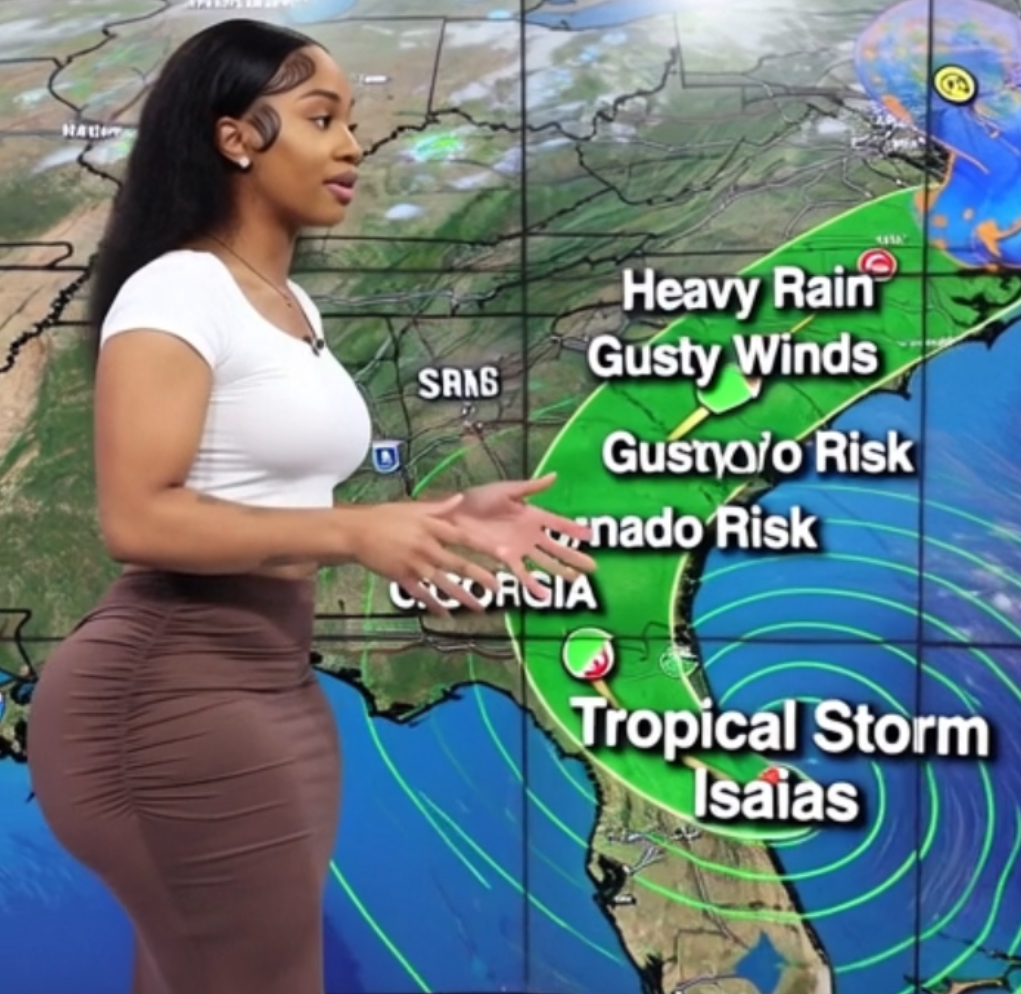
Tropical Storm Isaias is expected to become the Atlantic season’s first hurricane before making landfall on the northern Gulf Coast late Friday or early Saturday, and forecasters say Georgia will feel the effects mainly as heavy rain, gusty winds and a tornado risk.
As of a 1 p.m. CDT intermediate advisory Wednesday, Isaias was centered about 520 miles south-southwest of the mouth of the Mississippi River, with maximum sustained winds of 50 mph and a central pressure of 997 millibars.
The storm was moving east-northeast at 8 mph. The National Hurricane Center said it should strengthen into a hurricane Thursday and approach the coast Friday.
How Will Tropical Storm Isaias Affect Georgia?
Hurricane and storm-surge watches are already in effect from the Mississippi coast through the Florida Panhandle. No tropical watches or warnings were in effect for Georgia Wednesday evening.
On the current forecast track, the center is expected to come ashore near the Alabama–Florida border region and then move north through Alabama. High pressure to the northeast should help keep the core west of Georgia, leaving the state on the eastern side of the circulation — the side that typically sees the heavier rain and the greater chance of spin-up tornadoes.
Rain is the main concern for the state. Showers are forecast to reach south and west Georgia Friday night and spread north, with the heaviest rain Saturday into early Sunday. The hurricane center is calling for 1 to 3 inches across much of the Southeast, with localized totals up to 5 inches.
The National Weather Service office in Peachtree City said there is roughly a 70 percent chance of at least an inch of rain over nearly all of north and central Georgia. Street and poor-drainage flooding is possible, especially in metro Atlanta and along western and northern slopes. A slower or farther-east track would raise the flash-flood and river-flood risk.
Winds are expected to build Friday night. Sustained winds of 10 to 20 mph are forecast Saturday, with gusts of 30 to 40 mph, strongest across north and west Georgia. Scattered tree and power-line damage is possible; widespread hurricane-force winds are not expected inland.
Tornadoes are a secondary threat in outer rainbands, highest late Saturday into early Sunday. Any tornadoes would tend to be brief and embedded in heavier rain.
Coastal southeast Georgia is well east of the expected landfall. Direct storm surge is not the primary issue there, but elevated tides and heavy rain could produce minor coastal and urban flooding around Savannah and the barrier islands, especially near the weekend high tides. Rip currents are expected to increase as swells arrive late in the week.
For north Georgia, impacts should begin Friday night, peak Saturday and ease by Sunday afternoon or evening. Middle and southwest Georgia would see rain and wind somewhat earlier.
Wednesday and Thursday are expected to stay dry and warm ahead of the storm, with highs in the low to mid-80s. Forecasters cautioned that the exact landfall location, the storm’s strength at the coast and its speed inland can still change over the next 48 hours. A shift east would increase wind and tornado risk in Georgia; a shift west would reduce it.
Travelers heading to Saturday’s Georgia–Alabama game in Tuscaloosa could also run into heavy rain and severe weather. University officials said they were monitoring the forecast and had no plans Wednesday to alter the game.
-

ATLANTA — Metro Atlanta residents should prepare for a wet and stormy Friday, July 24, as showers and thunderstorms are expected to move through the area, according to the National Weather Service forecast office in Peachtree City.
What Is The Weather Going To Be Like Today?
Expect a hot and humid day typical of late July in Atlanta. Daytime highs will climb into the mid-to-upper 90s°F (around 94–98°F / 34–37°C), with heat index values likely pushing 105°F+ due to high humidity.
Friday, July 24 Forecast
Expect a mostly cloudy day with a high near 87°F. Showers and thunderstorms are likely, particularly during the afternoon and evening hours. The chance of precipitation reaches 90%, with the heaviest activity possible between 2 p.m. and 5 p.m., continuing into the evening.
Rainfall amounts of a quarter to half an inch are possible, with higher totals in stronger thunderstorms. This could lead to localized flooding in low-lying areas, so drivers are urged to use caution on the roads during the afternoon commute. Heat index values will feel sticky and humid, with overnight lows dropping to around 73°F. Thunderstorms are expected to taper off overnight, though a lingering 80% chance remains early in the evening.
Saturday, July 25 Forecast
Conditions improve slightly on Saturday, though rain chances do not disappear entirely. Daytime highs will again top out near 87°F under partly sunny skies. A 40% chance of showers and thunderstorms is forecast, mainly in the afternoon between 2 p.m. and 4 p.m.
Overnight lows Saturday will hover around 73°F, with only a slight (20%) chance of showers or thunderstorms. Winds remain light throughout the period.0
Additional Details
- Humidity: Highs in the 80s combined with dew points in the mid-70s will make it feel quite muggy.
- Winds: Generally calm to light west/northwest at 5 mph.
- Extended Outlook: Warmer and slightly drier conditions are possible early next week, with highs climbing toward the low 90s and lower rain chances by Monday and Tuesday.
Atlanta-area residents are reminded to stay weather-aware, especially with the potential for heavy downpours. Check weather.gov or local alerts for any updates on flooding or severe weather. Stay safe and dry out there!
Safety Tips:
- Stay hydrated and limit outdoor time during peak heat (midday to late afternoon).
- Be prepared for sudden storms if you’re at outdoor events or commuting.
- Heat advisories are common in these conditions—check local updates from the National Weather Service.
Perfect weather for AC, sweet tea, and staying indoors or seeking shade! If you’re planning activities around the city, early morning or evening will be your best bet.
Local meteorologists and the National Weather Service highlight several primary hazards, mainly from an extreme heat wave in the Southeast.
Preparedness Tips for Atlantans
- Stay informed: Monitor local sources like the National Weather Service Atlanta office, WSB-TV, Atlanta News First, or 11Alive for updates. Have multiple ways to receive alerts (NOAA weather radio, apps with push notifications).
- Severe weather safety: Have a plan—know where to shelter in your home or workplace if a tornado warning is issued. Avoid driving through flooded roads; turn around, don’t drown.
- Power outages: Charge devices, have flashlights and batteries ready. Severe winds often cause widespread outages..
- .
Stay safe, Atlanta—check forecasts frequently and be ready to act if alerts are issued.
Stay tuned for updates, as always, from your AtlantaFi.com weather team. Have a great Tuesday!
Special Notes
Stay tuned to AtlantaFi.com for updates, and check the National Weather Service at weather.gov/ffc. Stay tuned for updates as conditions evolve.
-
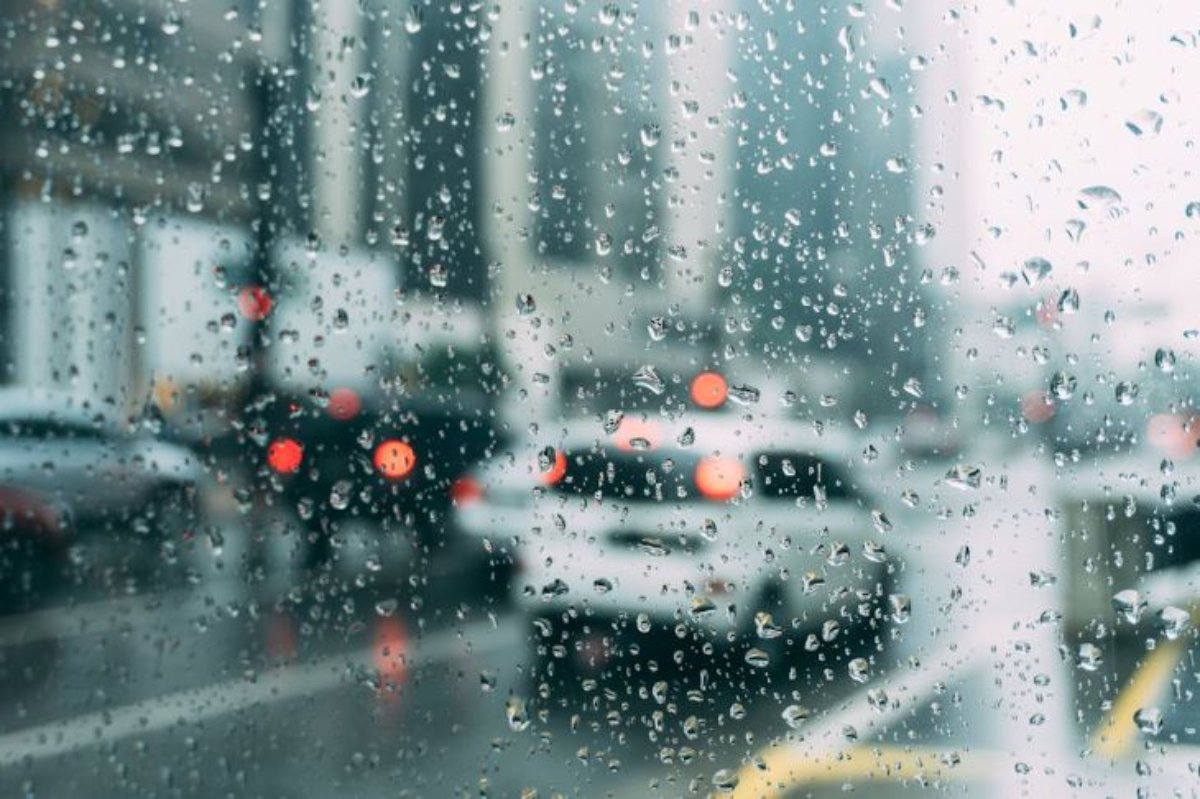
Showers and thunderstorms have been popping up frequently across metro Atlanta in May 2026, with some highly localized downpours causing flash flooding, especially in urban core areas.
A notable weather event occurred on last week, when a slow-moving thunderstorm dumped 2–3 inches of rain in a short period over downtown, leading to flooded roads, stranded vehicles on the Downtown Connector (I-75/I-85), and major rush-hour disruptions.
Why Is It Raining So Much in Atlanta?
Atlanta’s mid-to-late May 2026 weather stems from a combination of seasonal patterns and current meteorological setups:
1. Seasonal Thunderstorm Season: May is typically a transitional month into summer, with high humidity, daytime heating, and Gulf moisture fueling pop-up thunderstorms. Average May rainfall is around 3–4 inches, but localized heavy bursts are common.
2. Current Conditions: A persistent moist environment with deep tropical moisture from the Gulf and Atlantic, combined with stalled boundaries or upper-level features, has supported repeated rounds of showers and storms. High rain rates (1–2+ inches per hour) have led to localized flash flooding in urban areas with poor drainage.
3. Recent Impacts: The May 20 event was extremely localized — heavy rain hammered the Downtown Connector area while nearby spots like the airport or Perimeter saw little to none. This highlights how Atlanta’s convective patterns can create “training” or stationary storms. Earlier drier conditions (with the region in drought or abnormally dry status into April/May) mean some soils were initially less absorbent, worsening runoff.
Rainy Days in Atlanta: How To Prepare
- Carry Rain Gear: Keep an umbrella, raincoat, or poncho handy. Waterproof shoes or boots are ideal for navigating wet streets or sidewalks, especially in areas prone to puddling like Downtown or Midtown.
- Stay Weather-Aware: Monitor the National Weather Service Atlanta or apps like AccuWeather for real-time alerts on thunderstorms, which may bring lightning, gusty winds, or heavy rain. Have a NOAA weather radio or phone alerts enabled for severe weather warnings.
- Plan Outdoor Activities: With afternoon and evening storms likely, schedule outdoor plans (e.g., Father’s Day events or Juneteenth festivals) for earlier in the day or check for indoor alternatives. Venues like the College Football Hall of Fame or High Museum of Art offer sheltered activities.
Home and Property
- Check Drainage: Clear gutters, storm drains, and downspouts to prevent flooding, especially after the mid-Maystorms left some areas waterlogged. Low-lying neighborhoods like Peachtree Hills or parts of DeKalb County are flood-prone.
- Secure Outdoor Items: High winds often accompany Atlanta thunderstorms. Secure patio furniture, trash cans, or decorations to avoid damage or debris hazards.
- Prepare for Power Outages: Recent storms caused widespread outages (over 200,000 affected earlier this month). Keep flashlights, batteries, and a charged power bank ready. If you have a generator, ensure it’s functional and safely stored.
- Driving Safety: Atlanta’s roads, like I-285 or I-75/85, can become slick or flooded during heavy rain. Maintain extra stopping distance, use headlights, and avoid flooded areas (e.g., underpasses in Downtown). Check 511 Georgia or Waze for road closures or delays.
- Airport Travel: If heading to Hartsfield-Jackson Atlanta International Airport, arrive three hours early due to high traffic (195,000+ travelers expected this week). Monitor flight statuses, as thunderstorms can cause delays. Park in covered lots if possible to avoid wet treks.
Final Word
Rain is no fun, but it’s life. If you’re dealing with flooding or travel issues, monitor road conditions via 511 Georgia or Atlanta’s DOT updates.
Also, MARTA buses and trains may face delays during heavy rain. Check MARTA’s app or website for service updates, especially for routes in flood-prone areas like West End or East Atlanta.
-
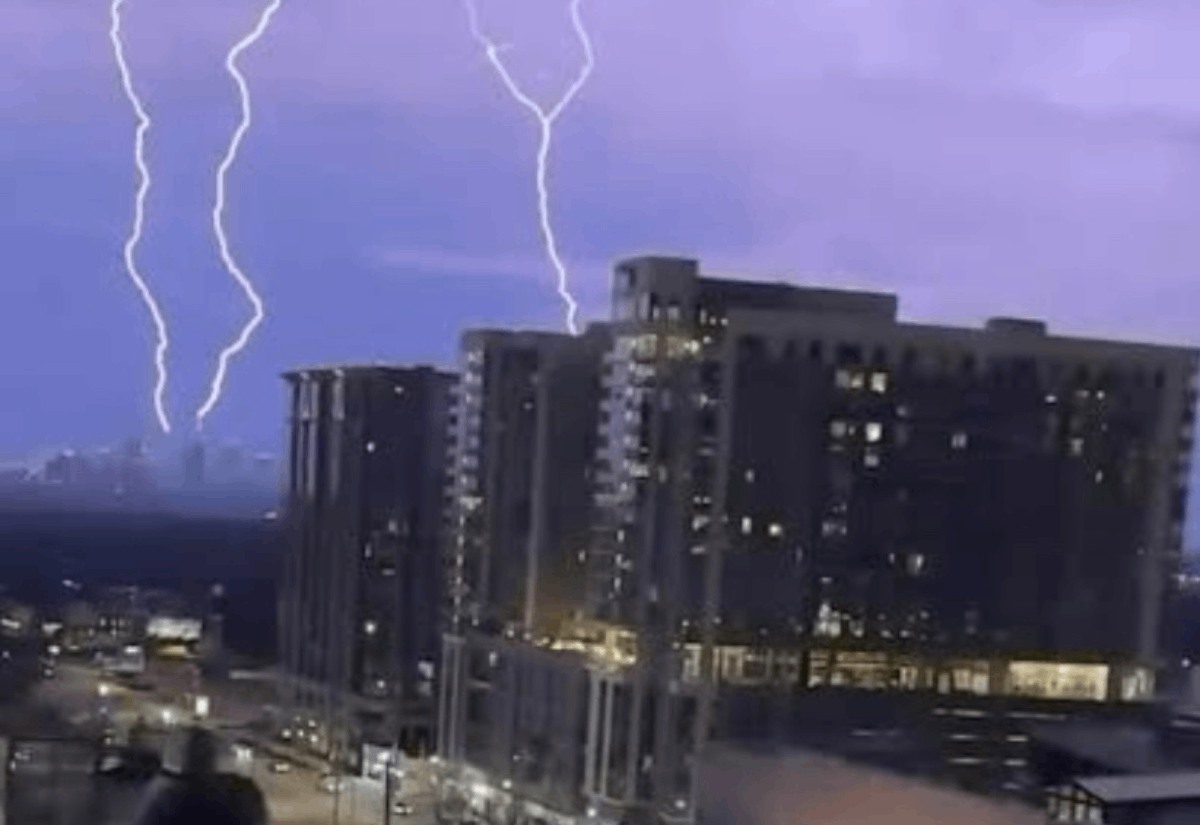
As tornado season fades and the Atlantic hurricane season ends, Georgia homeowners face a stark reality for 2026: the Peach State is increasingly storm-prone.
In 2024, there were 1,765 storm events recorded in Georgia, landing it at No. 10 in a nationwide ranking of states hit hardest by extreme weather.
With an average of 55.6 tornadoes annually and $6,891 in property damage per incident, Georgia’s vulnerability underscores the urgent need for roof readiness, according to a new study by Instant Roofer, a roofing analysis company.
“Georgia’s mix of tornadoes, thunderstorms, and tropical systems can turn a single storm into a six-figure repair bill,” says Jeff Berzolla, CEO of Instant Roofer, an AI-powered platform delivering instant roofing estimates across the U.S. “Homeowners in Atlanta, Savannah, or Macon need to inspect their roofs today—not after the first hailstone hits.”
Georgia’s Storm Snapshot
Instant Roofer analyzed National Centers for Environmental Information data covering hail, high winds, thunderstorm wind, and tornadoes. Georgia logged:
- 1,765 total storm events in 2024
- 56 thunderstorm days
- 55 strong wind events
- Annual average of 55.6 tornadoes (2020–2024)
- Average property damage: $6,891 per event
- Composite risk score: 74.10 / 100
Only nine states—led by Texas (3,680 events, score 87.40)—faced more frequent or severe storms.
Georgia outpaced regional rivals Florida (1,120 events) and Alabama (1,366 events) in total volume, driven by a higher tornado count and consistent thunderstorm activity.
Why Georgia Roofs Are on the Front Line
- Tornado alley overlap: North Georgia sits in “Dixie Alley,” where spring supercells spawn long-track twisters.
- Hurricane season spillover: Coastal and south Georgia brace for tropical storm winds and flooding rains from June through November.
- Hail the silent killer: Golf-ball-sized hail routinely punctures asphalt shingles across metro Atlanta and the Piedmont.
“Even a Category 1 hurricane 200 miles offshore can strip loose shingles with 80-mph gusts,” Berzolla warns. “Combine that with Georgia’s aging housing stock—many roofs over 15 years old—and one storm can cascade into interior water damage, mold, and insurance battles.”
Georgia vs. the Nation: Top 10 Most Storm-Prone States
Rank State Total Storm Events 2024 Avg. Tornadoes (2020–2024) Avg. Damage per Event Score 1 Texas 3,680 103.2 $48,839 87.40 2 Illinois 2,391 98.2 $6,402 85.67 3 Kansas 3,017 45.8 $1,247 83.30 … … … … … … 10 Georgia 1,765 55.6 $6,891 74.10 (Full top-10 table available at InstantRoofer.com)
Safest States Offer Stark Contrast
Hawaii (8 events) and Alaska (83 events) anchor the bottom, with average damage under $250 per incident—proof that location matters. Georgia homeowners, by contrast, paid roughly $12.2 million in storm-related property damage in 2024 alone.
Action Plan for Georgia Homeowners
Berzolla offers a three-step checklist:
- Inspect now – Climb (safely) or hire a pro to check for cracked shingles, rusty flashing, or clogged gutters.
- Fortify – Upgrade to impact-rated shingles or metal roofing; secure loose ridge vents.
- Insure smart – Confirm wind/hail coverage; consider a separate flood policy—standard homeowners insurance excludes it.
“An ounce of prevention beats a pound of FEMA paperwork,” Berzolla says. “Instant Roofer’s free AI tool scans your address and delivers a custom estimate in seconds—no spam, no signup.”
Methodology
The study normalized five metrics—tornado frequency, thunderstorm days, strong wind events, total 2024 storms, and average damage per event—into a 0–100 score. Data sources: Mental Floss (tornado averages) and NCEI Storm Events Database (2024 incidents).
More From AtlantaFi.com:
-
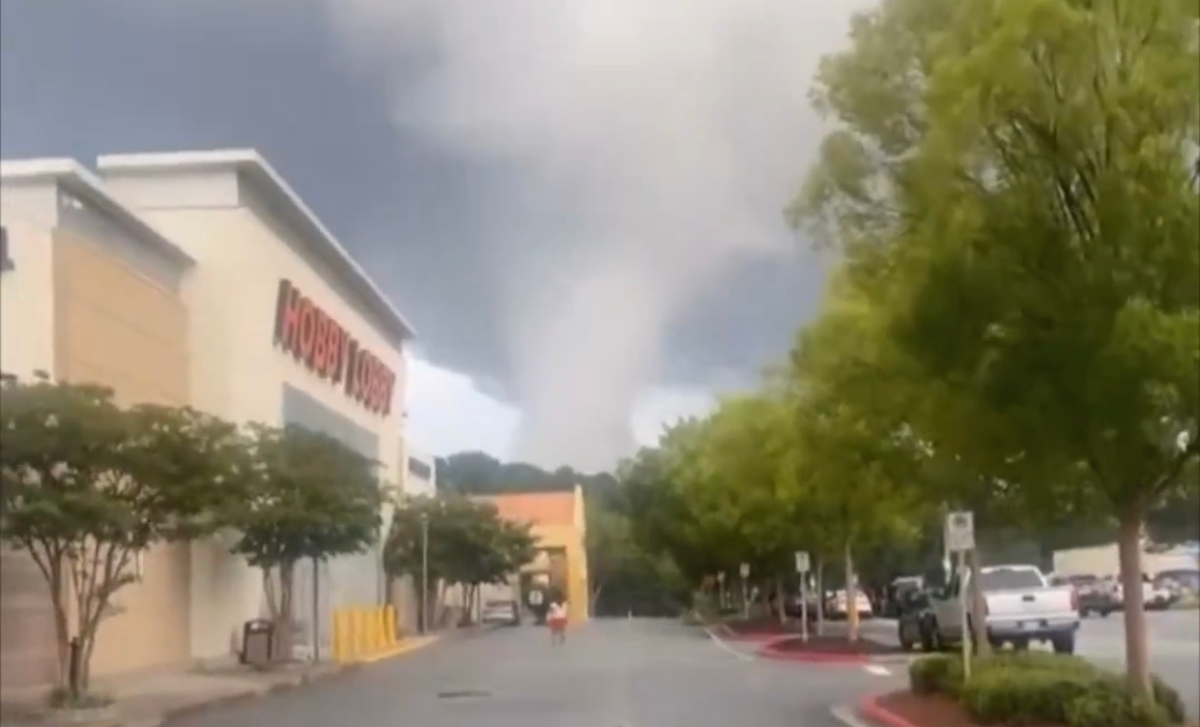
Onlookers in Cobb County, Georgia, were struck with fear on Tuesday, July 1, 2025, when they looked in the sky and saw what looked like gray clouds swirling above them.
Metro Atlanta had been getting heavy rain of late along with alerts about possible hail and yes, tornadoes.
Was That a Tornado in Cobb County?
According to meteorologists, what occurred that day in Cobb was not a tornado, but what is known as a “scud cloud.”
What Is a Scud Cloud?
A scud cloud, also known as pannus cloud or fractus cloud, is a low-hanging, ragged cloud formation often seen beneath other clouds, particularly during thunderstorms.
They are frequently mistaken for funnel clouds or tornadoes due to their appearance and movement, but scud clouds are harmless and lack the organized rotation of those more dangerous formations.
Cowboy State Daily meteorologist Don Day says in Wyoming, scud clouds are frequent.
“When you get into a thunderstorm situation, there’s a lot going on at the base of those clouds,” Day is quoted as saying. “You can get these little vortices that will spin off the base of a cloud and take a piece of cloud with it. Scud clouds are basically pieces that have broken off larger clouds.”
Appearance and Formation:
- Scud clouds are typically low-hanging, ragged, and detached from the main cloud base.
- They form when warm, moist air rises and condenses at lower altitudes than the main cloud base, often due to mixing with cooler air descending from the storm.
- This condensation can create the appearance of swirling or rotating, especially when they are pulled upward into the storm’s updraft.
- Scud clouds can be associated with rain or precipitation, but they are not inherently dangerous.
Distinguishing from Funnel Clouds and Tornadoes
The key difference is the lack of rotation. Scud clouds, while sometimes appearing to spin, lack the organized, cyclonic rotation of a funnel cloud or tornado.
Scud clouds are also generally more ragged and less defined than the smooth, cone-like shape of a funnel cloud.
Final Word
No, thst wasn’t a tornado. It was a scud cloud. They are often found near the base of the main cloud but are not connected to a visible wall cloud (a rotating cloud base from which tornadoes can develop).
-
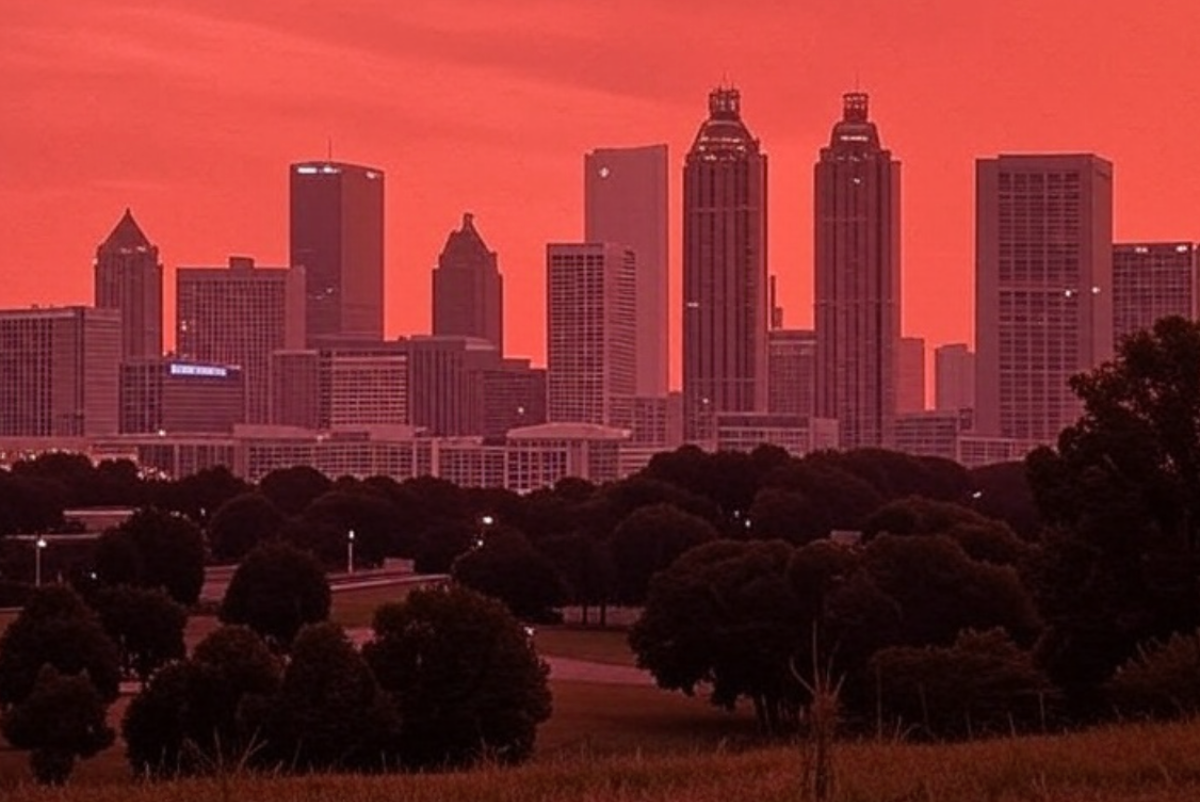
Prolonged high concentrations of dust are expected over metro Atlanta and much of Georgia over the next three to four days.
The large Saharan dust plume, described as one of the biggest of the 2025 season, has already reached Florida as of June 4 and 5, after traveling over 5,000 miles from North Africa.
It is expected to spread to other Southeastern states, including Georgia, the Carolinas, Louisiana, Mississippi, Alabama, and Texas, through the weekend. The dust is causing hazy skies, reduced visibility, and vibrant sunrises/sunsets due to light scattering by dust particles.
People who experience adverse effects due to dust exposure should take precautions.
Saharan dust, carried by the Saharan Air Layer (SAL), is a well-documented phenomenon where dust from the Sahara Desert travels across the Atlantic Ocean, often reaching the southeastern U.S., Gulf Coast, and Caribbean. The references confirm that a significant Saharan dust plume is already affecting the U.S. in early June.
Potential Health Impacts
Respiratory Effects: The dust contains fine particulate matter (PM2.5 and PM10), which can be inhaled deeply into the lungs, irritating airways and triggering:
- Coughing, wheezing, or shortness of breath
- Throat and nasal irritation
- Worsening of allergies or sinus issues
- Vulnerable Populations:
- Children: Developing lungs and faster breathing rates increase susceptibility.
- Older Adults: Reduced lung function or existing health issues heighten risk.
- People with Respiratory Conditions: Those with asthma, COPD, bronchitis, or emphysema may face exacerbated symptoms, potentially leading to asthma attacks or the need for medical care.
- Heart Disease Patients: Dust can inflame blood vessels, raising risks for cardiovascular issues in those already at risk.
- Healthy Individuals: May experience mild symptoms like itchy eyes, scratchy throat, or minor coughing, especially during heavy dust concentrations.
Here are more articles from AtlantaFi.com:
-

People around Atlanta are preparing for an arctic blast Friday evening. That means it’s going to be frigid temps for most of the weekend.
Forecasters said a wintry mix would be possible for metro Atlanta at some point. The center will open Friday February 2, 2018 at 6:00 p.m. and remain open until 12:00 p.m. Saturday, February 3, 2018.
The City of Atlanta has opened a warming center for those in need of a warm place to stay. It is located at the Old Adamsville Recreation Center, 3404 Delmar Lane NW, Atlanta, GA 30331.Central Park Recreation Center Grant Park Recreation Center Old Adamsville Recreation Center.
For more info, please call 404-330-6023.