-
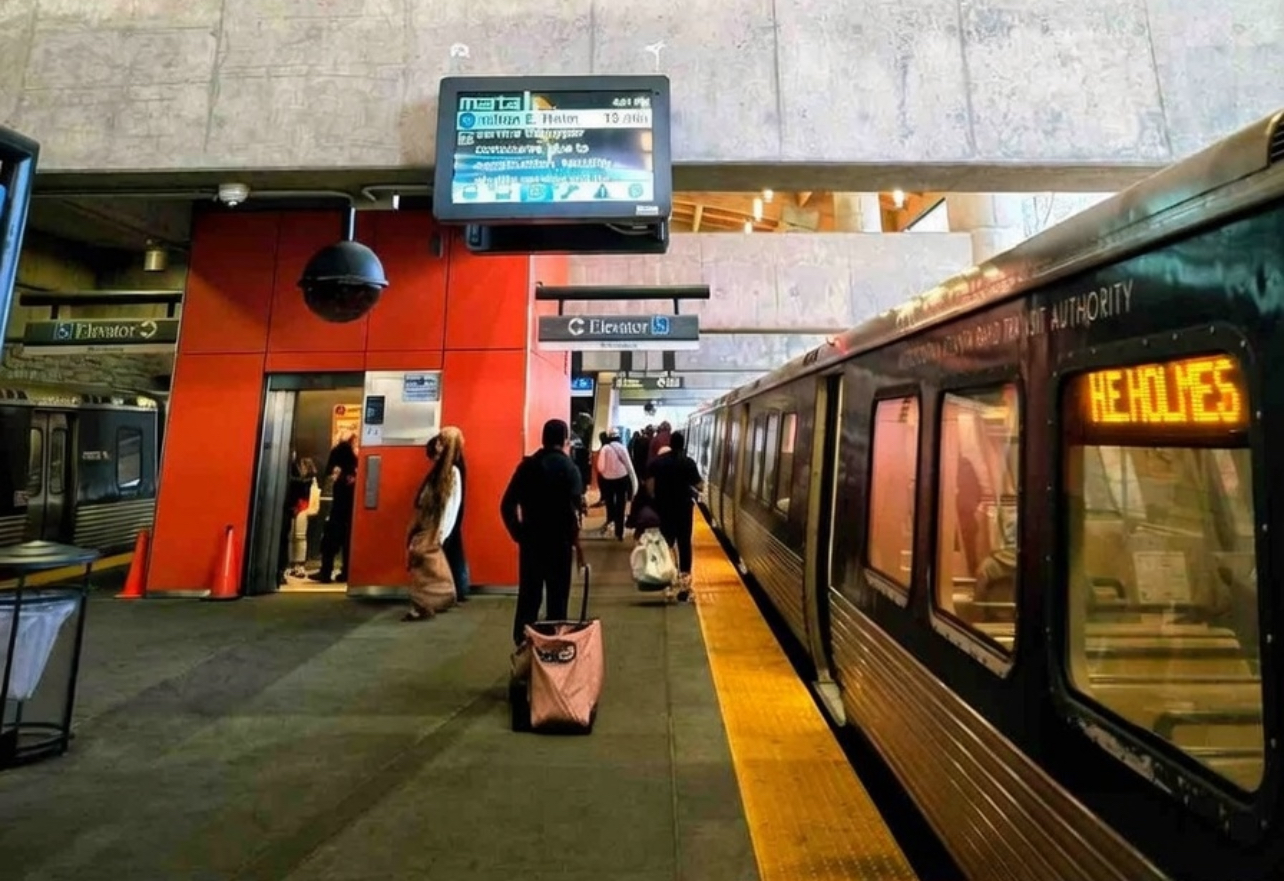
Atlanta’s Metropolitan Atlanta Rapid Transit Authority (MARTA) has announced that it is in the midst of a major overhaul of its Breeze fare collection system, introducing modern equipment and payment methods designed to make transit more secure, convenient, and user-friendly.
The upgrade, often referred to as the “Better Breeze” system, includes installing new faregates, fareboxes, validators, and touchscreen ticket vending machines across the entire rail and bus network.
MARTA Upgrades Breeze Fare System
Installation is proceeding in phases, with new equipment already appearing at rail stations. Riders are currently unaffected and should continue using existing Breeze cards or the current mobile app as normal—no changes to bus or rail service are occurring.
Looking into public transit in Atlanta? Read our guide to riding MARTA.
For any station-specific construction impacts, such as entrance detours, MARTA advises checking its website or signage.
The current Breeze fare media—including physical Breeze cards and the existing Breeze Mobile app—will become incompatible with the upgraded system and will be discontinued after May 2, 2026. After that date, riders will need to use the new fare options to board trains or buses.
Key features of the new system include:
- New fare equipment — More secure faregates that can be remotely monitored and adjusted, helping to reduce fare evasion and enhance overall safety.
- Open payment options — Riders can tap contactless bank cards or mobile wallets (such as Apple Pay or Google Pay) directly at faregates or fareboxes to pay for fares.
- New Breeze app — The current Breeze Mobile 2.0 will be replaced. Users will need to download a new Breeze app and set up a virtual Breeze card to purchase and manage fares digitally.
- New Breeze cards — These will be account-based, meaning stored value and passes live in the customer’s online account rather than on the physical card itself. Options for multi-day and monthly passes will continue to be available.
Important transition details:
A dual-system period will run from March 28 to May 2, 2026, allowing both old and new equipment to operate side-by-side. This gives riders time to use up remaining balances on current media, purchase new fare products, and get comfortable with the changes.
However, any unused fare balances on current Breeze cards or accounts will not transfer to the new system and will be lost if not spent by May 2, 2026. MARTA strongly encourages riders to “spend down” existing value during this window.
Sale of current Breeze products will end in phases starting in March 2026:
- 30-day passes: Last day to buy — March 1, 2026
- 20- and 10-trip passes: Last day — March 15, 2026
- 1-, 2-, 3-, 4-, and 7-day passes: Last day — March 22, 2026
- 1- and 2-trip passes: Last day — March 28, 2026
New Breeze cards, along with multi-day and monthly passes, will go on sale starting March 28, 2026. They will be available at the new touchscreen vending machines, RideStores, Reduced Fare offices, and various pop-up locations around the system (details on pop-ups to be announced in March).
For riders eligible for reduced fare or MARTA Mobility services, options include obtaining a new physical card or using the new mobile app. They can visit a Reduced Fare office, email reducedfare@itsmarta.com, or call 404-848-5112 for assistance.
The upgrade aligns with MARTA’s broader efforts to modernize transit in metro Atlanta, including preparations for major events like the 2026 FIFA World Cup, which is expected to bring increased ridership to the region.
Final Word
These changes are underway as MARTA preps for the FIFA World Cup this summer.
For the latest updates, station-specific information, and resources on the transition, visit MARTA’s official website at itsmarta.com or the dedicated Better Breeze page. Riders are encouraged to plan ahead to avoid any disruptions after the May 2 cutoff.
More from AtlantaFi.com:
-

Atlanta entrepreneurs have exciting opportunities to secure small business grants in 2026, especially with major events like the FIFA World Cup on the horizon.
These non-repayable funds can help cover startup costs, renovations, marketing, or expansions—giving local businesses a competitive edge in one of the fastest-growing metro areas in the U.S.
Guide: Small Grants Available for Atlanta Businesses
While the federal government (through the SBA) rarely offers direct grants for starting or expanding general businesses—focusing instead on research, exporting, or community organizations—Atlanta and Georgia provide targeted local and regional programs.
Many prioritize minority-owned, women-owned, veteran-owned, or neighborhood revitalization efforts.
Here are some of the top small business grants for Atlanta entrepreneurs available or relevant in 2026:
1. Small Business Improvement Grants (Invest Atlanta)
Administered by Invest Atlanta, this program offers grants of up to $50,000 for interior and exterior improvements, such as signage, lighting, storefront upgrades, and code compliance repairs.
Eligibility focuses on small businesses and property owners in seven specific Tax Allocation Districts (TADs): Campbellton Road, Hollowell-ML King, Metropolitan Parkway, Perry Bolton, Eastside, Westside, and Stadium Neighborhoods.
Priority goes to locally owned businesses that create jobs and support equitable economic development.
Recent approvals have distributed hundreds of thousands in funding to businesses like restaurants and retail shops.Applications are typically ongoing or cycle-based—check Invest Atlanta’s website for current deadlines and requirements.
2. Downtown Pop-Up Opportunity Fund (Central Atlanta Progress / Invest Atlanta)
This initiative, tied to preparations for the 2026 FIFA World Cup, provides micro-grants ranging from $5,000 to $50,000 to help independent, locally owned retail and restaurant businesses activate vacant or underutilized storefronts in Downtown Atlanta (Eastside and Westside TAD areas).
Funds cover tenant improvement costs to accelerate leasing ahead of the World Cup and other mega-events.The application opened in early January 2026 and is reviewed on a rolling basis—strong encouragement to apply by March 6, 2026, for timely completion. Required documents include a business W-9, budget, and timeline.
3. Atlanta Beltline Façade pARTnership Grant
This creative program pairs small businesses along the Beltline corridor with artists for façade enhancements, offering up to $50,000 (with a small match required).
The 2025-2026 cycle includes a call for businesses to outline improvement needs, followed by artist matching.It aims to stimulate growth, boost visibility, and enhance the corridor’s appeal—ideal for entrepreneurs in Beltline-adjacent neighborhoods looking to stand out.
4. Other Atlanta-Area and Georgia Opportunities
- Comcast RISE Fund — Provides $10,000 grants plus consulting and tech makeovers to eligible small businesses (often with a focus on underrepresented owners). Applications open periodically.
- Community Foundation for Greater Atlanta — Offers competitive grants, though many target nonprofits; monitor for business-adjacent opportunities in economic development or community impact.
- State-level options like Go Global Georgia (for exporters) or regional revolving loan funds through Georgia’s Department of Economic Development can include grant-like elements or low-interest support.
Tips for Atlanta Entrepreneurs Applying for Grants
- Research eligibility carefully — Many programs target specific neighborhoods, business types, or demographics (e.g., minority-owned).
- Prepare strong applications — Include a solid business plan, budget details, and proof of impact (job creation, community benefit).
- Act fast on time-sensitive programs — World Cup-related funds have rolling or early 2026 deadlines to allow completion before events.
- Combine funding sources — Pair grants with SBA loans (like 7(a) or 504 programs available through local partners) for maximum support.
- Stay updated — Visit official sites like Invest Atlanta, AtlantaGa.gov, Georgia.org, and Beltline.org regularly, as programs evolve.
Atlanta’s entrepreneurial scene is thriving, and these grants—especially those boosting businesses for 2026’s global spotlight—offer real pathways to growth without debt.
If you’re a local entrepreneur, explore these options today and position your business for success in the ATL. For the latest details, always verify directly with program administrators, as availability and requirements can change. Good luck building your Atlanta dream!
Got an event or know of something opening in and around Atlanta? Holla: CJ@AtlantaFi.com. See what’s poppin’ in the ATL! Subscribe to our news alerts here, follow us on Twitter and like us on Facebook.
-

The “Atlanta Race Riots”—more accurately termed the Atlanta Race Massacre—occurred from September 22 to 26, 1906, and stand as a brutal manifestation of the lingering wounds of a divided America.
Relatively few people realize that America’s freedoms are not birthright privileges, but rather hard-fought pacts forged from strife — and war, America’s civil war.
The Confederacy’s defeat in 1865 unleashed a torrent of unresolved racial animosities that festered through Reconstruction and into the Jim Crow South.
What Were the Atlanta Race Riots?
The riots were not a spontaneous clash but a targeted pogrom by white mobs against Atlanta’s Black community, resulting in at least 25 confirmed Black deaths (with estimates up to 100), over 100 injuries, and widespread destruction of Black-owned property.
In his 1948 memoir A Man Called White, civil rights activist and NAACP executive director Walter White recounts his personal experience as a 13-year-old during the riot, defending his home alongside his father.
He describes the mob’s approach: “There was a crash as Negroes smashed the street lamp at the corner of Houston and Piedmont Avenue down the street. In a very few minutes the vanguard of the mob, some of them bearing torches, appeared. A voice which we recognized as that of the son of the grocer with whom we had traded for many years yelled, ‘That’s where that nigger mail carrier lives! Let’s burn it down! It’s too nice for a nigger to live in!'”
It exemplified the South’s descent into institutionalized white supremacy, where the emancipatory promises of the Union victory were systematically dismantled.
Immediate Triggers: Sensationalism and Election-Year Politics
The spark ignited on September 22, 1906, when Atlanta’s white-owned newspapers—the Atlanta Journal, Atlanta Constitution, Atlanta Georgian, and Atlanta News—published lurid, unverified stories alleging that four white women had been sexually assaulted by Black men over the previous weekend.
Yellow Journalism
These reports, rife with racial stereotypes portraying Black men as predatory threats to white womanhood, were amplified by the era’s yellow journalism.
One particularly inflammatory account described the brutal beating of 16-year-old Mabel Lawrence and her aunt, which left Mabel hospitalized and blinded in one eye.
Such stories were not isolated; they echoed a broader pattern of fabricated “outrages” used to justify violence across the South.
This media frenzy about black violence fueled by yellow journalism coincided with Georgia’s heated 1906 gubernatorial election between Democrat Hoke Smith and Clark Howell.

Both candidates, owners of competing newspapers (Journal for Smith, Constitution for Howell), vied for white supremacist votes by promising to disenfranchise Black Georgians.
Smith explicitly campaigned on barring Black voters from the polls, framing them as a criminal underclass unfit for citizenship.
Historian Mark Bauerlein in his 2001 book Negrophobia: A Race Riot in Atlanta, 1906, traces the buildup: “Riots don’t occur spontaneously—they take time to build up, sometimes years. You have years of social tensions, community conflicts, and political manipulations.”
Cultural provocations, like the touring stage production of Thomas Dixon Jr.’s The Clansman (which romanticized the Ku Klux Klan and inspired the later film The Birth of a Nation), further inflamed white audiences in Atlanta theaters.

Underlying Causes: Economic Competition and Racial Resentment
Beneath the headlines lay deeper fissures rooted in Atlanta’s explosive growth and the South’s uneven recovery from the Civil War.
Atlanta, rebuilt as a railroad hub after General Sherman’s 1864 March to the Sea devastated it, ballooned from 89,000 residents in 1900 to over 150,000 by 1910, with the Black population surging from 9,000 in 1880 to 35,000 in 1900.
This urbanization drew rural Black migrants seeking factory jobs in cotton mills, railroads, and emerging industries, but whites viewed them as threats to their economic dominance.
Black entrepreneurs, like barber Alonzo Herndon (who built a fortune serving white clients), symbolized unwelcome Black advancement, fostering resentment over jobs, housing, and political influence.

Public spaces became flashpoints: Streetcars, operated by the Georgia Railway and Power Company, were sites of enforced segregation, where Black riders faced harassment and violence for perceived violations of racial etiquette.
Black saloons on Decatur Street, hubs of community life, were demonized as dens of vice, despite whites frequenting similar establishments.
These tensions reflected a zero-sum worldview: As Blacks gained ground post-emancipation, whites clung to supremacy through violence.
The Broader Conditions of the South in 1906
By 1906, the South was a powder keg of poverty, segregation, and terror, scarred by the Civil War’s legacy and Reconstruction’s betrayal.
The Confederacy’s collapse had freed 4 million enslaved people, but federal troops’ withdrawal in 1877 ushered in the “Redemption” era, where white Democrats reclaimed power through fraud, intimidation, and paramilitary groups like the KKK.
Jim Crow laws—codified segregation in schools, trains, restaurants, and beyond—solidified by the 1890s Supreme Court ruling in Plessy v. Ferguson (1896), turned the region into an apartheid state.
Economically, the South languished in agrarian stagnation. Sharecropping trapped most Black (and many poor white) families in cycles of debt peonage, where cotton yields barely covered advances from white landowners, yielding per capita incomes half those of the North.
Industrialization in cities like Atlanta created jobs but exacerbated racial divides: Whites monopolized skilled trades and government posts (e.g., Atlanta’s police and fire departments were all-white), while Blacks were relegated to menial labor.
Literacy rates among Southern Blacks hovered around 50%, hampered by underfunded segregated schools, compared to near-universal white education.
Politically, Black disenfranchisement was rampant. Georgia’s 1877 constitution imposed poll taxes and residency requirements, but as the 1906 election showed, whites pushed for harsher measures like literacy tests and grandfather clauses (exempting illiterate whites whose grandfathers voted pre-1867).
Nationally, lynchings peaked in the 1890s–1900s, with over 3,000 documented between 1882 and 1968, often for alleged sexual crimes—mirroring Atlanta’s trigger.
The “Lost Cause” mythology romanticized the Confederacy as a noble defense of states’ rights (veiling slavery), justifying Black subjugation as natural order.
Governor Joseph Terrell, a Confederate veteran, embodied this: His National Guard quelled the riots but targeted Black self-defense groups, raiding Brownsville and arresting 250 residents, including educators from Clark University.
Socially, the South was a cauldron of fear and fatalism.
Journalist and author Ray Stannard Baker, in his 1908 book Following the Color Line, analyzes the riot’s causes and aftermath, noting the inflammatory role of media and politics: “Such a wave was the Atlanta riot. Its ominous size, greater by far than the ordinary race disturbances which express themselves in lynchings, alarmed the entire country.”
He quotes Atlanta lawyer Charles T. Hopkins on the economic fallout: “Atlanta’s credit was good for millions before the riot but unable to borrow 50 cents afterward.”
Baker also critiques the broader racial dynamics, observing streetcar segregation: “The very first time I was on a car in Atlanta, I saw the conductor—all conductors are white—ask a Negro woman to get up and take a seat farther back in order to make a place for a white man.”
White elites preached accommodation (à la Booker T. Washington), but events like Atlanta’s massacre radicalized Black leaders—W.E.B. Du Bois, teaching at Atlanta University, armed himself and later channeled outrage into The Crisis magazine.
After the Atlanta Race Riots, academic W.E.B. Du Bois bought a shotgun and said, “If a white mob would step on the campus where I lived, without hesitation I would put their guts on the grass.”

Du Bois, a professor at Atlanta University at the time, responded to the riot with his poem “A Litany of Atlanta,” published in The Independent on October 11, 1906.
In it, he laments the violence: “A city lay in travail, God our Lord, and from her loins sprang twin Murder and Black Hate. Red was the midnight; clang, crack and cry of death and fury filled the air and trembled underneath the stars when church spires pointed silently to Thee. And all this was to sate the greed of greedy men who hide behind the veil of vengeance!”
For whites, the riots reinforced complacency; Mayor James G. Woodward blamed Black “criminality,” ignoring mob savagery.
Aftermath and Legacy
The massacre ended with rain and militia intervention, but its scars endured. Hoke Smith won the governorship and enacted Black disenfranchisement in 1908, slashing Black voters from 30,000 to under 500 in Atlanta by 1910.
Black businesses relocated to enclaves like Sweet Auburn, birthing a vibrant middle class but under constant threat.
The event was whitewashed in local histories until its 2006 centennial commemoration, when Atlanta finally reckoned with this chapter of its past.
In the Southeast’s Confederate heartland, 1906 underscored a grim truth: The Civil War’s end birthed not equality but a redeployed war on Black freedom—one fought with ballots, bullets, and bylines.
It prefigured later atrocities like the 1919 Red Summer and Tulsa Massacre, reminding us how unhealed wounds ignite anew. For deeper reading, I recommend Gregory Mixon’s The Atlanta Riot or the New Georgia Encyclopedia’s entry.
More From AtlantaFi.com:
-
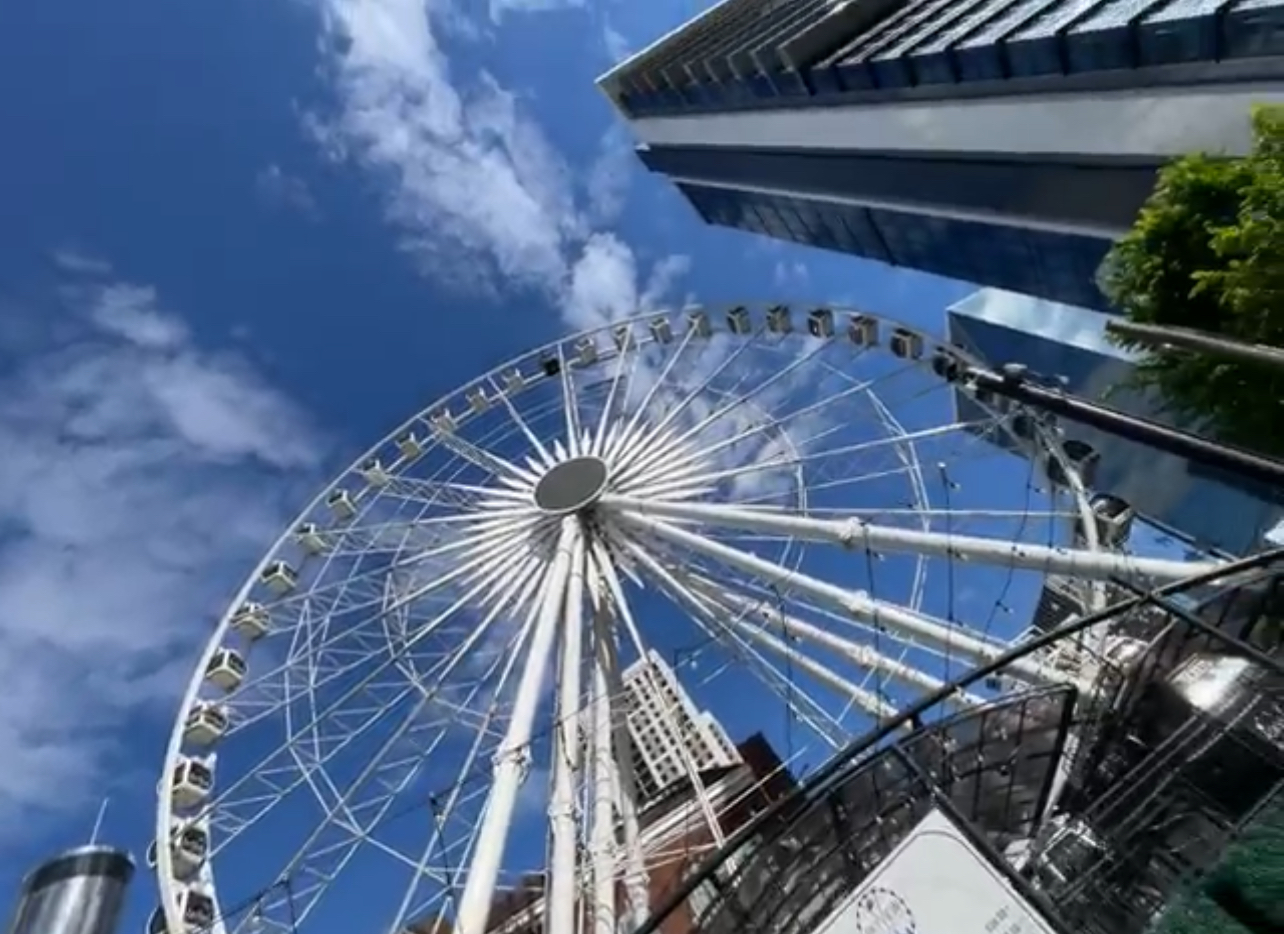
One of downtown Atlanta’s most recognizable attractions, the SkyView Atlanta observation wheel, is currently closed for major maintenance and repairs following a suspected lightning strike to its main axle.
The iconic 200-foot-tall wheel, located near Centennial Olympic Park at 168 Luckie Street NW, began dismantling on Monday, January 12, according to an official announcement from SkyView Atlanta.
Why Did SkyView Atlanta Close?
The operators of SkyView Atlanta say that a suspected light strike caused damage to the Ferris wheel. As a result, repairs are needed. Technicians will also use the time to perform some regular maintenance.
Suspected Lightning Strike Closes SkyView
The extensive work is required to safely remove and repair the damaged axle, which involves completely taking apart the wheel—including the ring beams and spokes—for transport to specialized repair facilities in Warrenton, Missouri.
Key Timeline for Repairs:
- January 12, 2026: Dismantling begins
- January 26, 2026: Main axle repair/rebuild completed
- February 2, 2026: Reinstallation starts
- February 12, 2026: Grand reopening to the public
SkyView Atlanta officials describe the process as a proactive and routine safety measure to maintain the highest standards of reliability, performance, and guest safety.
When Will the Atlanta Ferris Wheel Reopen?
SkyView is set to open fully on February 12, according to a press release.
While the closure is significant, it ensures the long-term integrity of the attraction that has delighted locals and visitors with its climate-controlled gondolas and stunning 360-degree panoramic views of the Atlanta skyline since opening in 2013.
“We appreciate the patience and understanding of our guests during this temporary closure,” a SkyView Atlanta representative said in the announcement. “While this repair is extensive, it is essential to ensure the long-term safety and quality experience our guests expect. We look forward to welcoming everyone back very soon.”
The attraction will share regular updates on progress via its official website (skyviewatlanta.com) and social media channels. Once back in operation on February 12, SkyView Atlanta will once again offer breathtaking views from the heart of the city—perfect for tourists, date nights, or family outings.
In the meantime, nearby attractions around Centennial Olympic Park, the Georgia Aquarium, World of Coca-Cola, and State Farm Arena remain open for visitors exploring downtown Atlanta.
Stay tuned to local news for any further updates on this popular landmark’s return.
Here are more articles from AtlantaFi.com:
-

Just in time for those New Year’s resolutions, Sweetgreen is bringing a new lineup of nutrient-packed salads and bowls to its Atlanta restaurants, created in collaboration with functional medicine expert Dr. Mark Hyman and his company, Function Health.
Sweetgreen, one of the best salad restaurants in Atlanta, launched its limited-time menu nationwide on January 6, emphasizing “food that loves you back” – delicious, real-ingredient meals built around key biological needs like energy, focus, and overall vitality.
Sweetgreen Launches New Menu for New Year
While many markets get the full selection in-store, Atlanta diners (along with those in Florida and Boston) can access the two online-exclusive bowls through the Sweetgreen app or delivery partners like DoorDash and Uber Eats.
What’s On the New Menu at Sweetgreen?
The standout online-only options available here include:
- Iron Boost Bowl: Antibiotic-free caramelized garlic steak with spicy broccoli, shredded cabbage, tomatoes, almonds, golden quinoa, arugula, and lime cilantro jalapeño sauce – packed with iron, magnesium, and B-vitamins for an energy lift.
- Steady Energy Bowl: Antibiotic-free roasted chicken, roasted sweet potatoes, spicy broccoli, cilantro, pickled onions, wild rice, shredded kale, and green goddess ranch – loaded with nutrient-dense veggies and quality protein for sustained fuel.
These join Sweetgreen’s core menu at local spots, complementing favorites with even more intentional, health-supporting ingredients.Dr. Mark Hyman, co-founder of Function Health and a leading voice in functional medicine, designed the dishes based on decades of research. “Food is a powerful signal we send to our bodies,” Hyman said. “Every ingredient on this menu was thoughtfully selected… The result is food people genuinely crave that also supports how the body functions.”
Sweetgreen CEO Jonathan Neman added that the partnership makes healthy eating “intuitive, satisfying, and something guests can return to again and again.”
Atlanta’s Sweetgreen outposts – including Midtown (Colony Square and 14th + Peachtree), West Midtown, Perimeter Center, Emory Village, Ponce City Market, and more – are ideal spots for locals looking to kick off 2026 with better-for-you meals.
Rewards members can also score in-app education from Dr. Hyman on the dishes’ benefits, plus enhanced macro tracking and a $50 credit toward Function Health testing.
Where is Sweetgreen in Atlanta?
Here are the current Sweetgreen locations in the Atlanta, GA area as of January 2026:
Location Name/Neighborhood Address Midtown (Colony Square) 1201 Peachtree St NE, Suite 150, Atlanta, GA 30361 Ponce City Market / Old Fourth Ward 650 North Ave NE, Suite 102B, Atlanta, GA 30308 West Midtown / Westside 1050 Howell Mill Rd NW, Suite 107, Atlanta, GA 30318 Lenox Square / Buckhead 3393 Peachtree Rd NE, Suite 3065C, Atlanta, GA 30326 Perimeter Center / Dunwoody 123 Perimeter Center W, Suite 400, Atlanta, GA 30346 Emory Village 1556 North Decatur Rd, Atlanta, GA 30307 Final Word
Whether you’re grabbing pickup in Buckhead or delivery to your downtown office, these new bowls offer a fresh way to eat clean without sacrificing flavor. Head to the Sweetgreen app or your nearest location to try them while they last.
More Food Coverage:
Here Are The Best New Restaurants In Atlanta
-
The Atlanta real estate market in 2026 is poised for further stabilization as affordability improves gradually and inventory continues to build. Following a year of cooling prices and increased supply in 2025, the industry is shifting toward a more balanced environment, though challenges like lingering high mortgage rates persist.
That said, buying land in Georgia remains competitive as property values have moderated but not crashed, with experts anticipating a modest rebound in some areas. According to recent forecasts, existing home sales are expected to rise modestly, aligning with national trends.
Metro Atlanta Real Estate Outlook: 2026
The metro Atlanta housing market in 2025 is anticipated to experience stabilization with moderate growth, following a period of rapid appreciation in recent years. Key projections include:
The metro Atlanta housing market in 2026 is expected to see continued moderation, with prices stabilizing or experiencing slight changes after the declines observed in 2025. Key projections include:Home Prices
- Stabilization with Minimal Growth: Analysts predict home prices in Atlanta will either hold steady or dip slightly in the first half of the year, potentially rebounding modestly by year-end, diverging from the rapid growth of prior years. noradarealestate.com
- National Context: Broader U.S. forecasts indicate a 1-2.2% appreciation in home values over the year, though Atlanta may underperform with a projected -1.3% change from mid-2025 to mid-2026 per Zillow data. noradarealestate.com +1
Market Activity
- Rising Inventory: Inventory is forecast to grow by around 9% nationally, providing more options for buyers and reducing intense competition, a trend already evident in Atlanta’s 4.4-month supply as of late 2025.
- Sales Pace: Home sales are anticipated to increase slightly (1.7-3% nationally), with Atlanta seeing deliberate buyer behavior amid a stronger spring season.
Economic Factors
- Mortgage Rates: Rates are expected to ease to an average of 6.1-6.3%, offering some relief but remaining elevated compared to pandemic lows, influenced by Federal Reserve policies.
- Affordability Improvements: With prices growing slower than wages, affordability should see gradual gains, though a full reset to pre-pandemic levels is unlikely in the short term.
Regional Considerations
- Potential for Correction: Southern markets like Atlanta could face ongoing adjustments due to increased new home supply and shifting migration patterns, but no major crash is anticipated.
Atlanta remains a leading housing market to watch, though the explosive growth of recent years has given way to a more measured pace.
Will 2026 Be a Better Time To Buy a Home?
The year 2026 will be one in which homeowners face increased prices for homes. Average home values in the metro Atlanta area will mimic much of the nation, which is forecast to see as much as 6% hikes.
Not every location will have home values that increase though. Depending on the neighborhood, town, village and subdivision, some homes see drops in price.
Still, some ominous signs are starting to appear in the U.S. housing market based on national trends, according to Realtor.com.
- Homes actively for sale have fallen 2% compared to last year.
- Unsold homes have fallen 3.7% compared to last year.
- The median price of homes for sale in October 2023 remained stable compared to the same time last year.
- Homes spent 50 days on the market – one day shorter than last year and more than two weeks shorter than before the COVID-19 pandemic.
Will 2026 Be a Better Time To Buy?
In 2026, buyers may find more opportunities as inventory builds and competition eases. Average home values in metro Atlanta, currently around $385,000 (down 4.4% from last year), are projected to stabilize or see minimal declines.
zillow.com Not all neighborhoods will follow suit—some may even appreciate.National trends show homes spending more time on the market, with inventory accumulation leading to softer demand.
Is Atlanta’s Housing Market Overpriced?
While Atlanta was previously ranked among the most overpriced markets, the cooling in 2025 has helped correct some imbalances. Current median prices sit at about $411,000, with values adjusting downward in many areas
Will Prices Go Up Or Down In 2026 In Atlanta?
Based on Zillow forecasts, Atlanta home values may decrease by about 1.3% through mid-2026, contrasting with national modest gains of 1.2-1.7%. Increased inventory (up 25% year-over-year in core counties) will likely extend days on market.
Affordability challenges persist, but lower rates could encourage more transactions. Rental demand may remain strong in urban areas.
There will be a glut of inventory of homes for sale in the metro area, and they will likely take longer to get offers and sales. How to afford a home will also be more of a challenge this year as economic factors loom, expert data says.
As home shoppers are expected to pre-qualify for a mortgage, there will be more homes for sale, homes will likely take longer to sell, and buyers will not face the extreme competition that was commonplace over the past few year.
If you have a home for rent inside the Perimeter, finding a tenant shouldn’t be a problem as favorable rents will drive strong demand from the north side of the city to the southern end.
Will House Prices Be Cheaper This Year?
With so many people moving to Atlanta annually, rather than become cheaper, leading real estate market experts expect home prices to increase slower than they have over the past two years.
Atlanta, one of the fast-growing cities when it comes to home sales, is not unlike other large Southern cities in that it is expected to continue to be a red-hot market. That means a dip in housing prices is unlikely.
One of the main factors that will influence home prices is the economic landscape of the United States. Namely, the incremental movements by the Federal Reserve to get inflation in check.
While interest rates are ticking upward, the chance that a full-blown recession takes hold in 2023 can’t be entirely discounted. But what such a move will no doubt do is slow down the mortgage industry.
Rising mortgage rates are expected to continue to shed competition among people looking to buy a home. While a buyers market is a possibility in some areas, for metro Atlanta, it is anticipated that real estate prices will hold up just enough that such a market won’t firmly take hold.
Home shoppers priced out of the market will likely create pressures on the rent market, boosting prices once again.
Home Prices On Atlanta’s Southside: Up
One of the most dramatic increases in home prices is happening on Atlanta’s southside, below Interstate 20. Take for instance the Sylvan Hills neighborhood.
Sylvan Hills
Average home prices in Sylvan Hills hover around $300,000, up from prior years but with sales pending longer due to increased options.
The area is only four miles from downtown Atlanta and is a historically economically depressed area, but not anymore. Gentrification is happening there and in similar areas on a large scale.

Like Capitol View just north, Sylvan Hills homes sell for about 4% below list price and pending sales last around 62 days.
Adair Park
Adair Park over the past five years has had some of the hottest real estate parcels in Atlanta. In Adair Park, averages are near $320,000, benefiting from proximity to downtown and the airport, though market-wide declines have tempered growth.

Bordered by the West End on one side and the Pittsburgh community on the other, Adair Park has benefited from its close proximity to downtown Atlanta as well as Hartsfield-Jackson Airport.
The average home price in Adair Park is around $240,000, according to RedFin. Homes there sell for about 4% below list price and sales are pending around 41 days.
Atlanta Beltline

But we can’t talk about Atlanta housing trends and real estate outlook with the “B” word: Beltline.
Nothing has shaped Atlanta real estate prices more than the Atlanta Beltline project, which continues to finish a 22-mile loop around the city’s best neighborhoods.
The Beltline remains a driver of value, with surrounding areas seeing resilient demand. Redevelopment projects continue to support prices in Eastside, Westside, and Southside trails, though overall growth is slower.
Suburban preferences persist in areas like Dawsonville, Cumming, Stockbridge, and Cartersville.Georgia’s real estate market has grown significantly over the past 15 years, concentrated in metro Atlanta.
Redevelopment, such as the opening of Krog Street Market and other projects have skewed home prices in the city’s interior in many cases leading to double digit growth.
As more projects see the light of day, we can only predict that home values around the Eastside, Westside and Southside Trails will continue to rise.
Read more: This People Are Having Too Much Fun On The Atlanta Beltline
Overall, many people, especially those relocating to Atlanta, continue to opt for the suburbs. They also are choosing areas farther out, including Dawsonville, Cumming, Stockbridge and Cartersville.
The Georgia real estate market is up 20% over the decade, with most of that confined to the metro Atlanta area.
Here Is How The Georgia Real Estate Market Has Grown From 2010-2024
- Home Price Growth: Median home prices in Georgia increased by over 150% since 2010.
- Population Growth: Georgia’s population grew by over 1.8 million people, with Atlanta being a key driver.
- Employment Impact: Job growth in tech, film, and logistics fueled demand for housing across the state.
Final Word
Homeownership is becoming attainable for more Americans than ever before. And especially is that the case in Georgia.
The Peach State’s largest city has one of the best real estate markets in the country, with affordable housing in every quadrant of the city. Large backyards, manicured parcels and strong neighborhoods with ample dining amenities make it one of the top places for transplants.
Not to mention that the city’s dining scene is the best in the Southeast. Looking for a home? Check out our Real Estate Resource Page.
Keep up with what’s going on in Atlanta’s real estate scene here with our Apartment Guide.
More Articles From AtlantaFi:
-

As the new year begins, many couples are planning one of life’s biggest moments: the marriage proposal.
The food has to be amazing, the views must be outstanding. And the Atlanta venue has to be topnotch. The help? Superb. That’s why we’ve compiled some of the top places in Atlanta to propose.
In this article, we’ll cover the top places to get engaged in Atlanta as well as what to consider before you do.
Here Are the Best Places To Get Engaged in Atlanta
Many of these places are not only great for proposing, but make for some of the best wedding venues in Atlanta as well. Have a look:
Fox Theatre
75 14th St NE Atlanta, GA 30309 404-881-9898

Here’s what one reviewer says about the Fox Theatre: “One of the best and magical venues in Atlanta. I have seen amazing concerts, plays and other performaces there. The staff is professional and kind to the people. The atmosphere is electric and the vibes are always beaming in that place.”
Four Seasons Hotel
75 14th St NE Atlanta, GA 30309 | 404-881-9898

Here’s what one reviewer says about the Four Seasons in Atlanta: “Attended a wedding here over the weekend. The service was very professional and the staff were all exceptionally kind and helpful.”
Georgia Aquarium
225 Baker St NW Atlanta, GA 30313 | 404.581.4000

Here’s what one Google reviewer says about the Georgia Aquarium: “Absolutely incredible. The entire place is beyond cool but the theater type room with the wall of glass is one of the coolest things I’ve ever seen. Even without that this would still be the best aquarium you’ve ever been to but that just puts it over the top. So much to see there this really is a “must see” when you’re in the area. Just phenomenal.”
The Loft at Castleberry Hill

“We celebrated our one year anniversary in January at this venue and it was amazing!”says a Google reviewer. “The food and staff were so amazing my guests are still talking about them both. Hats off to the secruity guard who made everyone feel so warm, even though it was cold that night. I highly recommend this venue for all occasions, you will not be disappointed.”
Southern Exchange Ballrooms
200 Peachtree St, Atlanta, GA 30303 | (404) 522-5522

Southern Exchange Ballrooms is a magnificent venue located in the Westin Peachtree Plaza that comes alive in the spring, summer and fall with lush greenery and beautiful colors for outdoor weddings.
The Piedmont Room
500 10th St NE, Atlanta, GA 30309 | (470) 443-9108

Here’s what one reviewer says about The Piedmont Room in Atlanta: “I attended a wedding at this venue. Beautiful decorated, incredible flow and the staff was phenomenal!! Nene is a real one, truly! She was incredibly helpful and attentive! only issue is probably that the restaurant below was loud during the ceremony, but that is probably just a timing issue and certainly didn’t interrupt anything!”
The Ritz-Carlton, Downtown Atlanta
181 Peachtree St NW, Atlanta, GA 30303 | (404) 659-0400

Here’s what one guest says about The Ritz-Carlton downtown: “My stay at The Ritz-Carlton Atlanta was exceptional from the moment I arrived. The bellman was warm and personable, and every staff member I encountered was polite, friendly, and genuinely welcoming. I requested a lower-level floor, and the team accommodated it without hesitation.”
What To Consider Before Booking a Wedding Venue
Choosing the perfect wedding venue is one of the most exciting—and crucial—steps in planning your big day. It sets the tone for your entire celebration, influences your décor, guest experience, and even your budget.
With 2026 trends leaning toward intentional, sustainable, and immersive spaces like historic properties, tented outdoor setups, and nature-immersed locations, it’s more important than ever to think carefully before signing that contract. Here’s a comprehensive guide to the key factors to consider.
1. Budget and Hidden Costs
Your venue often accounts for a significant portion of your wedding budget—typically 40-50% when including rentals, catering, and add-ons. Start by determining how much you can allocate, then ask about the full pricing structure.
- What is the base rental fee, and does it vary by day of the week, season, or time?
- Are there additional charges for service fees, corkage, cake-cutting, overtime, or setup/teardown?
- Does the package include essentials like tables, chairs, linens, or lighting?
Pro tip: Off-peak dates (weekdays, Sundays, or winter months) can offer substantial discounts, and all-inclusive venues might save money in the long run.
2. Capacity and Guest List
Have a rough guest count early—aim for an estimate before touring venues.
- What is the maximum capacity for seated dinners, cocktail-style receptions, and ceremonies?
- Is there a minimum guest requirement?
- How does the space feel with your expected numbers—cozy or cramped?
In 2026, micro-weddings and multi-day events are rising, so consider venues that allow flexibility for intimate gatherings or weekend buyouts.
3. Availability and Flexibility
Popular venues book 12-18 months in advance, especially for peak seasons.
- Is your preferred date (or backup dates) available?
- Can you hold the date tentatively?
- If planning an outdoor ceremony, what’s the rain plan (indoor backup or tent options)?
Current trends favor versatile spaces like greenhouses or tented gardens for weather-proof elegance.
4. Style and Vision Alignment
Does the venue match your aesthetic—rustic barn, elegant ballroom, beach sunset, or modern greenhouse?Visit in person to feel the vibe, and envision your décor. Read reviews for real couple experiences.With trends toward vintage-glam historic sites and immersive natural settings, prioritize spaces that feel authentic to you.
Final Thoughts
Tour multiple venues, bring a checklist of questions, and trust your instincts. Review the contract thoroughly—deposits, cancellation policies, and insurance requirements—before committing.
The right venue will not only look stunning but also make your day seamless and joyful. Happy planning—your perfect “I do” spot is out there!
-

As flu cases surge across Georgia this holiday season, with reports of an earlier-than-usual spike in infections and hospitalizations, health experts are urging residents to separate fact from fiction when it comes to colds, the flu, and vaccines.
The Georgia Department of Public Health and local doctors note increasing positive flu tests, particularly Influenza A, along with moderate levels of respiratory illnesses statewide.
In this article, we’ll cover truths about influenza, then we’ll share where you can get a free flu shot in Atlanta.
Flu Facts You Need To Know
Metro Atlanta hospitals are bracing for a potentially severe season, reminding everyone that it’s not too late to get vaccinated.
Here are some of the most persistent myths about colds and flu – and the truth behind them, backed by the Centers for Disease Control and Prevention (CDC) and scientific studies:
Myth 1: The flu vaccine can give you the flu
Fact: No, the flu shot cannot cause flu illness. Most flu vaccines use inactivated (killed) viruses or contain no flu virus at all – they simply teach your immune system to fight the real thing. Any side effects, like a sore arm or low-grade fever, are mild and short-lived.
The CDC clearly states that flu vaccines do not cause the flu, and getting vaccinated is the best way to protect yourself, especially as activity rises in Georgia.
Myth 2: Cold weather directly causes colds or the flu
Fact: While we’re seeing more illnesses during Georgia’s cooler months, the cold air itself isn’t the culprit. Viruses spread more easily indoors when people gather closely, and dry winter air helps them survive longer.
A Swedish study showed flu viruses travel farther in cold, dry conditions, but exposure to chilly weather doesn’t infect you – contact with the virus does.
Myth 3: Not bundling up properly will make you catch a cold
Fact: Your mom might have warned you, but going out without a jacket won’t give you a cold. Research from the UK, including a study where volunteers were exposed to cold conditions, found no link between chilling and developing cold symptoms.
It’s all about virus transmission through coughs, sneezes, or touched surfaces – not the temperature outside.
Myth 4: You should “starve a fever” (or flu) to recover faster
Fact: The old saying “feed a cold, starve a flu” is outdated and potentially harmful.
Cutting calories when sick can weaken your immune response. Studies on animals showed that restricted diets made it harder to fight influenza by reducing key infection-fighting cells. Stay nourished and hydrated – your body needs fuel to battle the virus.
Myth 5: Chicken soup or a hot toddy can cure a cold or flu
Fact: There’s no cure for the common cold, and flu requires rest and sometimes antivirals. That said, remedies like chicken soup can help soothe symptoms with hydration, warmth, and nutrients. Research supports its benefits for congestion relief. A hot toddy (hot water, lemon, honey, and perhaps a splash of whiskey) may ease mucus and provide vitamin C comfort – but it’s symptom relief, not a cure.
Pharmacies Offering Free Flu Vaccines in Metro Atlanta
As flu season continues into late 2025, many metro Atlanta pharmacies provide free flu shots for individuals with most health insurance plans (including Medicare Part B), with no copay in most cases.
Eligibility varies by plan, so confirm with your insurer or the pharmacy. Walk-ins are often accepted, but scheduling ahead is recommended due to high demand.Major Pharmacy Chains
- CVS Pharmacy (including locations inside Target stores)
Flu shots are no cost with most insurance. They offer standard, senior-dose, and egg-free options. Available at hundreds of locations across metro Atlanta. Schedule online at cvs.com/immunizations/flu or walk in. - Walgreens
No cost with most insurance. High-dose shots available for ages 65+. Walk-ins welcome or schedule at walgreens.com/topic/pharmacy/seasonal-flu.jsp. - Publix Pharmacy
Covered at no cost with most insurance plans. Many locations throughout metro Atlanta (common in suburbs like Marietta, Decatur, and Alpharetta). - Kroger Pharmacy (including affiliated stores)
Free with most insurance coverage.
Notes for Uninsured Individuals
Commercial pharmacies typically charge $45–$90 without insurance. For lower-cost options:
- Grady Health Neighborhood Centers → Offer walk-in flu shots for $10 (no insurance required) weekdays 8 a.m.–3 p.m.
- County Health Departments (e.g., Fulton, Cobb, DeKalb, Gwinnett) → Provide low-cost shots (often $21–$25 admin fee), and no one is turned away due to inability to pay. Call ahead for availability.
- Use Vaccinefinder.org to find nearby locations, including potential community clinics or events offering free/low-cost shots.
Final Word
With flu activity ramping up in Atlanta and across Georgia – including reports of hundreds of hospitalizations and warnings from Children’s Healthcare of Atlanta about early pediatric cases – experts emphasize prevention: Get your flu shot (available at pharmacies, clinics, and doctors’ offices), wash hands frequently, cover coughs, and stay home if sick.
The CDC recommends annual flu vaccination for everyone 6 months and older, noting it reduces severity even if you catch the virus.
As we head into the holidays, protecting yourself and vulnerable loved ones – like kids, seniors, and those with chronic conditions – is more important than ever.
Stay healthy, Atlanta! For the latest local flu updates, check the Georgia Department of Public Health website.
- CVS Pharmacy (including locations inside Target stores)
-
College Park, Georgia, just minutes from Hartsfield-Jackson Atlanta International Airport, has quietly transformed into a vibrant dining destination.
Historic Main Street and surrounding areas boast a mix of Southern soul food, international flavors, and creative brunch spots that draw locals and travelers alike. From hearty breakfasts to Cajun-inspired dinners, here are some of the top-rated restaurants making waves in College Park right now.
College Park is more than just a quick stop to and from the airport, it’s a restaurant row of sorts. Located about 15 minutes from Atlanta, the city’s culinary scene has been a renewed center of attention since restaurant critic Keith Lee came through to rate some of its eateries.
In this article, we’ll explore some of the best eats in College Park, Georgia, which is just outside Atlanta. Because Hartsfield-Jackson Airport is partially in College Park, we’ll include some eateries located there as well.
Here Are The Best Restaurants In College Park, Georgia
Don’t make the mistake of thinking College Park’s cuisine is relegated to soul food or even just Southern fare. You can find some of the best seafood, barbecue and other inspirations on Main Street alone.
Let’s explore what delicious food choices College Park, Georgia, has to offer for your palate.
Breakfast Boys
3387 Main St, College Park, GA 30337 | (470) 312-2108

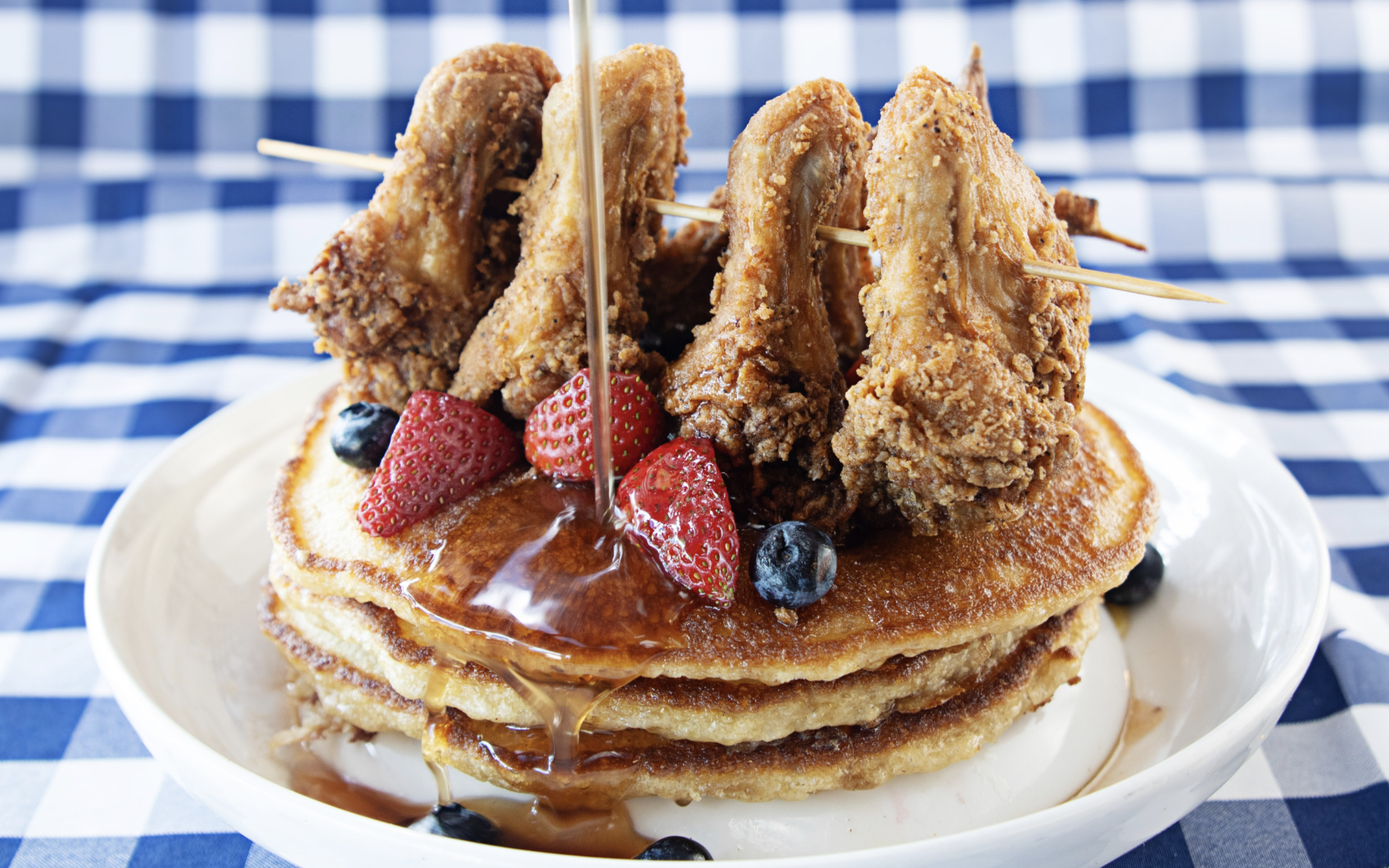
A brunch powerhouse, The Breakfast Boys is famous for inventive dishes like pineapple upside-down French toast and jerk chicken and waffles. Pair your meal with creative cocktails or a peach cobbler latte. It’s a high-energy spot that’s perfect for weekends—expect a crowd!
Buttermilk Biscuit
634 Virginia Ave, Atlanta, GA 30337 | (404) 941-7328

Buttermilk Biscuit is tucked in the corner at the Virginia Station shopping Center on Virginia Avenue, but there’s a lot of good eating going on there. Try the Early Bird.
Brake Pad
3403 E Main St, College Park, GA 30337 (404) 766-1515
 Made from a former gas station, Brake Pad is a great place to enjoy a burger and fries along with a cold beer on draft.Here’s what one reviewer says about Brake Pad: “We were in town for one night, thought this place looked unique. We went here and had amazing service, our waiter was so friendly. The food was absolutely delicious, the price was so reasonable especially for how good it was.”
BBQ Kitchen
1437 Virginia Ave, Atlanta, GA 30337 | (404) 766-9906 Here’s what one reviewer says about BBQ Kitchen. “Oh my gosh this place is amazing! I’m from South Georgia and this is like my kind of hometown cooking. Even though this is in the atl metro area it could be a shining star anywhere in the south! I’ve been here about three times and I’ve never had a bad meal.”
Bole Ethiopian Restaurant
1583 Virginia Ave, College Park, GA 30337 | (404) 549-9111
Here’s what one customer says about Bole Ethiopian: “Visited for the first time for lunch. The food was savory and cooked according to spice level requested. The food came in a timely manner. We had the vegetable sampler as appetizer because the sambusa was not available, which turned out well. The fried fish was well seasoned and battered delicately giving it a nice crunch. The beef awaze was delectable with layers of flavor. The place was decorated tastefully and the cultural area was interesting. The service was excellent thus, we plan to return.”
Don Sige Taqueria
1720 Vesta Ave, College Park, GA 30337 | (404) 762-8084 Here is what one reviewer says about Don Sige Taqueria: “The tacos were delicious. The fries were okay for a Mexican place but the tacos are the main judges here. Well I stop by again to get tacos here? Yes. It’s worth the money and can’t wait to try something else during my next visit.”
Hattie Marie’s
3699 Main St, College Park, GA 30337 | (678) 927-9216 Hattie Marie’s Texas Style BBQ and Cajun Kitchen may specialize in barbecue, but they have several other tasty dishes on the menu.Here’s what one reviewer says about Hattie Marie’s. “The food is delicious! I have traveled almost 3 hours for this food at least weekly since the first time! I tried almost everything my first trip and I was in awe over the seafood. The fried lobster tail, shrimp, crab legs and catfish taste perfect! The sides are great, as well. If you are in the Atlanta area or planning a trip you will not be disappointed. It is a must! I wish I could give more stars.”
Johnny’s Chicken And Waffles
3725 Main Street, College Park, GA 30337

Atlanta celebrities Ne-Yo and wife, Chef Crystal Smith, along with reality TV star Karlie Redd have teamed up to open a new restaurant in College Park: Johnny’s Chicken & Waffles. The eatery opened its doors in December 2020, AtlantaFi.com has learned.
Milk & Honey
5495 Cascade Road, Suite 100, Atlanta, 404-968-9266

Featuring the triumphant dishes of Chef Sammy Davis, winner of the Food Network’s hit show “Chopped,” and helmed by co-owner Monique Rose Simms, Milk & Honey at Cascade has a hit on their hands.
Nouveau Bar & Grille
3775 Main St, College Park, GA 30337 | (404) 343-6785

Here’s what one customer says about Nouveau Bar & Grille. “Checked out Nouveau for brunch. Everybody loved their food. I got some extra chicken to go because it was so good. Bottomless mimosas was an added bonus. DJ was great. Waitstaff was awesome. The guy with the red hair was the best. The manager could be a bit nicer. The owner Ebony checked each table to make sure everything was good. I will definitely be back again. Especially since this is a black owned business.”
Tom, Dick & Hank
3807 East Main Street, College Park, GA 30337

Hank Johnson is the proprietor of Tom, Dick & Hank, a fusion barbecue joint that has commandeered area taste buds near its original location on Ralph David Abernathy across from Georgia State University Stadium. A second location in College Park is sure to elicit the same feelings.
Tom, Dick and Hank has another location at 191 Ralph David Abernathy Blvd SW, Atlanta, GA 30312.
Virgil’s Gullah Kitchen & Bar
3721 Main St, College Park, GA 30337 | (404) 228-4897

Virgil’s is on the main strip of College Park, where you can get authentic Gullah-inspired seafood dishes and desserts.
Last Word
College Park, Georgia is fast becoming a foodie haven thanks to its many restaurants that continue to create buzz during weekend brunch, lunch and more.
if you’re looking for a great place to eat, College Park has several places to go. The College Park dining scene encompasses some of the best restaurants on Atlanta’s South Side.
Don’t take our word for it, come and visit College Park yourself. You can even take the MARTA train.The food goes great with your favorite cocktail and you can even get it to-go or delivered to your door.Who needs fast food when you can try amazing dishes from some of the top chefs around the Southeast? The local restaurant scene in Atlanta could use your support.
When you think of “The Strip,” your mind might imagine Vegas. “The Magnificent Mile” may conjure Chicago’s shopping district. College Park, Georgia’s Main Street might as will be called Meal Street.I’m just going to go out on a limb and say that the quarter-mike stretch of Main Street may have more black restaurants than any other place in America. But College Park’s culinary foot print goes beyond that special strip of road. There are also authentic spots that represent different cuisines and cultures around the world.That not only makes College Park special, but that makes it historic as well. And it just might make you hungry.No matter if you’re in the mood for seafood, American cuisine like burgers and fries or even all-day breakfast, Main Street has it.—————————————————————————————————————————–East Point’s Camp Creek area has numerous restaurants that make up some of the best of metro Atlanta’s food and drink scene
Read more: 20+ essential soul food spots in Atlanta
Slutty Vegan is one of the best black restaurants in Atlanta, and there are plenty others. If you like barbecue, see our list of the Best Atlanta BBQ Restaurants.
As for eateries below I-20, these Southside Atlanta restaurants have developed quite a following.Got an event or know of something opening in and around Atlanta? Holla: CJ@AtlantaFi.com. See what’s poppin’ in the ATL! Subscribe to our news alerts here, follow us on Twitter and like us on Facebook.
-

Winter is here and it’s time to bundle up. The end of warm weather doesn’t mean the end of the planting season.
Atlanta sits in USDA Zone 8a (with occasional dips into 7b), which means our winters are mild enough to grow a surprising amount of fresh food from November through March.
Average lows hover in the mid-30s°F range, with only a handful of nights dropping into the low 20s or teens most years. That’s perfect for cool-season crops!
In this article, we’ll share the top winter crops to plant in Atlanta. And no, you don’t have to own a farm to do it.
What To Plant This Winter in Atlanta
Here are the six most reliable, productive, and tasty crops you should plant right now (late October through early December) in the Atlanta area, plus exactly when and how to plant them and when you’ll be harvesting.
1. Garlic (Hardneck & Softneck)

- Best planting window in Atlanta: Mid-October to mid-December (plant now through Thanksgiving for biggest bulbs)
- Varieties that do great here: ‘Music’, ‘German Red’ (hardneck), ‘Inchelium Red’, ‘Lorz Italian’ (softneck)
How to plant:
- Break bulbs into individual cloves, keeping the papery husk on.
- Plant cloves 2–3 inches deep, pointed end up, 6 inches apart in rows 12 inches apart.
- Mulch heavily with straw or shredded leaves after planting.
- Harvest: Late May to mid-June 2026 when ⅓–½ of the leaves have browned.
- Bonus: Garlic is almost foolproof here and keeps the vampire mosquitoes away.
2. Collards & Kale

- Best planting window: September–February (yes, you can still plant in December/January!)
- Top varieties for Georgia: ‘Georgia Southern’ or ‘Morris Heading’ collards, ‘Lacinato’ (Dinosaur), ‘Winterbor’, or ‘Red Russian’ kale
How to plant:
- Direct seed or transplant 12–18 inches apart.
- They laugh at frost — flavor actually improves after a freeze.
- Harvest: Start picking outer leaves 45–60 days after planting (as early as late December if planted now). Keeps producing until April/May heat makes them bitter.
3. Lettuce (and other salad greens)

- Best planting window: October–February
- Best types: Loose-leaf (‘Black Seeded Simpson’, ‘Red Sails’), romaine (‘Parris Island Cos’), butterhead (‘Tom Thumb’, ‘Buttercrunch’), arugula, spinach, mâche, claytonia
How to plant:
- Succession plant every 2 weeks for continuous harvest.
- Sow seeds ¼ inch deep or set out transplants.
- Use row cover or low tunnel if temps drop below 20°F for multiple nights.
- Harvest: Baby leaves in 25–35 days, full heads in 45–60 days. You can be picking salads through April.
4. Carrots

- Best planting window: Late October–early February (sweetest when grown through winter)
- Best varieties for Georgia clay: ‘Napoli’ (early), ‘Bolero’, ‘Danvers 126’, ‘Sugarsnax’
How to plant:
- Sow seeds ¼ inch deep in loose, rock-free soil (raised beds are your friend here).
- Thin to 2–3 inches apart.
- Keep soil consistently moist during germination (10–21 days).
- Mulch lightly once established.
- Harvest: 65–85 days from planting (February–April). They get sweeter the colder it gets!
5. Beets & Turnips (including Hakurei turnips)

- Best planting window: October–February
- Top varieties: ‘Detroit Dark Red’, ‘Chioggia’ beets; ‘Hakurei’ (sweet salad turnips, ‘Purple Top White Globe’
How to plant:
- Direct sow ½ inch deep, thin to 3–4 inches apart.
- You can eat the thinnings as greens!
- Harvest:
- Beets: 55–70 days (baby beets by late January if planted now)
- Hakurei turnips: 35–45 days — these are incredibly sweet raw or roasted.
6. Onions (transplants or sets) & Multiplier Onions

- Best planting window for transplants/sets: Late November–late January
- Long-day varieties for North Georgia needs: ‘Texas Sweet’, ‘Candy’, ‘Red Creole’
- Egyptian walking onions and shallots can also go in now.
How to plant:
- Plant sets or transplants so the tip is just at soil level, 4–6 inches apart.
- They love rich soil and consistent moisture.
- Harvest: Bulbing onions ready May–June 2026. Green onions can be pulled earlier.
Quick Winter Gardening Tips for Atlanta Success
- Use raised beds or amend clay soil heavily with compost — drainage is everything.
- Mulch everything with 3–4 inches of straw, shredded leaves, or pine straw to moderate soil temperature.
- Row cover or low tunnels add 4–8°F of frost protection on the coldest nights (we usually only need it a few times a winter).
- Water when we go more than 10–14 days without rain — winter droughts happen here!
Plant these six crops now and you’ll be eating fresh, home-grown food from your Atlanta garden from Christmas straight through spring. Happy winter gardening! 🥬🧄🥕
More from AtlantaFi.com: