-

Atlanta, GA – March 7, 2026 – A Southwest Airlines flight en route from Nashville to Fort Lauderdale was diverted to Hartsfield-Jackson Atlanta International Airport last night following a reported bomb threat, prompting a swift response from law enforcement and airport officials.
The incident involved Southwest Flight 2094, which was forced to change course and land safely at Atlanta’s busy hub around 9:06 p.m. on Friday, March 6. According to sources familiar with the matter and passenger accounts circulating online, the diversion stemmed from a bomb threat made onboard or reported to authorities.
Suspicious Passenger Detained in Atlanta After Flight Scare
Upon landing, Atlanta Police Department officers boarded the aircraft. Passengers were instructed to raise their hands as a precautionary measure while authorities assessed the situation.
One passenger was detained and removed from the plane for further questioning. No explosive devices or other dangerous items were reported to have been found, and there were no injuries among the passengers or crew.Southwest Airlines issued a statement confirming the diversion was made “out of an abundance of caution” in response to a “possible security matter.”
The airline commended the flight crew for their professionalism throughout the event.
Hartsfield-Jackson Atlanta International Airport, the world’s busiest by passenger traffic, activated standard security protocols during the incident. The plane was met on the tarmac by emergency vehicles and law enforcement personnel.
The FBI and other federal agencies are now involved in the ongoing investigation, as is standard for aviation security threats. Authorities have not yet released details about the individual detained, including their identity or the exact nature of the threat. It remains unclear whether the threat was deemed credible or if charges will be filed.
Passengers on the flight were reportedly re-accommodated on later flights or provided alternative travel arrangements by Southwest. The airline has not commented further on potential disruptions to other operations.
This incident serves as a reminder of the heightened vigilance maintained in air travel, particularly at major hubs like Atlanta. Airport officials and law enforcement urge anyone with information related to the event to contact authorities.
More updates will be provided as details emerge from the investigation.
Check Out Our Atlanta Travel Guide
-
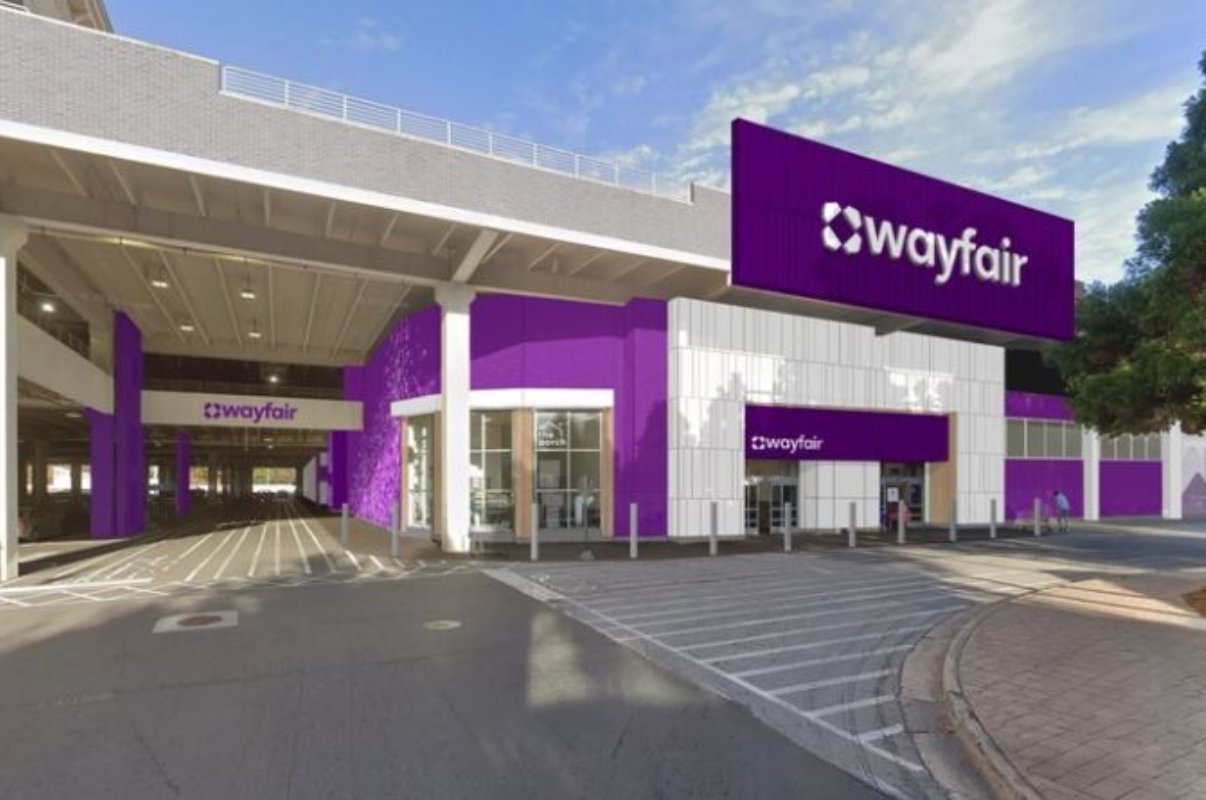
Wayfair is set to bring its signature large-format shopping experience to Atlanta with the grand opening of its second physical store location later this month.
The online home furnishings giant announced today that the new Wayfair store at The District at Howell Mill (1801 Howell Mill Rd NW, Atlanta, GA 30318) will officially open its doors on March 31, 2026, at 10 a.m. ET. A full weekend of grand opening celebrations will follow from April 17–19, 2026, promising special events, giveaways, and family-friendly entertainment to welcome local shoppers.
Spanning approximately 150,000 square feet, the Atlanta store will serve as a comprehensive one-stop destination for home goods. Shoppers can browse an extensive selection of furniture, home décor, outdoor living products, housewares, appliances, and home improvement essentials—covering every style and budget.
Highlights include The Porch, Wayfair’s popular all-day café, along with features like the Dream Center mattress shop and on-site design services, similar to the retailer’s first large-format location in Wilmette, Illinois, which opened in 2024.
Regular store hours will be Monday–Saturday from 10 a.m.–8 p.m. and Sunday from 11 a.m.–7 p.m.
During the grand opening weekend (April 17–19), the first 100 customers each day will receive a $50 Wayfair gift card, with additional activities and surprises planned—more details to be shared closer to the event.
The Upper Westside location at The District at Howell Mill, a well-established shopping center, was first revealed last year as part of Wayfair’s ongoing push into brick-and-mortar retail. The move brings the company’s immersive, hands-on shopping format directly to Atlanta residents after years of dominance in e-commerce.
Local shoppers eager to see (and sit on) Wayfair’s vast inventory in person won’t have to wait much longer.
Mark your calendars for March 31, and plan to join the festivities in mid-April for what promises to be a major home-shopping event in the city.
-

Atlanta, GA – February 23, 2026 – Georgia’s rich agricultural heritage continues to thrive, and family farms across the state—including those in the metro Atlanta region and surrounding counties—are invited to apply for recognition through the Georgia Centennial Farm Program.
Applications are now open for qualifying farms, with a deadline of May 1, 2026.
Farms have long served as the foundation of Georgia’s economy, culture, and family traditions, passing down legacies from one generation to the next. Many properties have remained active for over a century, preserving the state’s farming history amid changing times.
The Georgia Centennial Farm Program highlights these enduring operations and promotes their ongoing preservation.
Launched in 1993, the program has honored more than 630 farms statewide over the past three decades. It celebrates properties that maintain active agricultural production while meeting strict historical criteria.
To qualify, farms must:
- Be working farms with at least 10 acres retained from the original purchase.
- Actively engage in agricultural production.
- Generate a minimum of $1,000 in annual farm-generated income.
- Have been continuously farmed for at least 100 years by members of the same family, or be listed on the National Register of Historic Places.
Recognized farms receive one of several award categories, including the Centennial Heritage Farm Award (for family-owned properties listed on the National Register), the Centennial Farm Award (for century-old farms on the Register without requiring continuous family ownership), or the Centennial Family Farm Award (for century-old family-owned operations not on the Register).
Each fall, qualifying farms are celebrated during a special awards ceremony at the Georgia National Fairgrounds and Agricenter in Perry, where owners receive a certificate of honor signed by the governor.
The program is a collaborative effort administered by the Historic Preservation Division of the Georgia Department of Community Affairs, in partnership with the Georgia Farm Bureau Federation, Georgia Department of Agriculture, Georgia EMC, Georgia National Fair and Agricenter, and University of Georgia Cooperative Extension.
Local farmers and landowners in Fulton, DeKalb, Gwinnett, Cobb, and other nearby counties who believe their property meets these standards are encouraged to apply.
This recognition not only honors family legacies but also helps document Georgia’s agricultural history for future generations.
For application details, eligibility requirements, and forms, visit the official program page at the Georgia Department of Community Affairs website or contact the Historic Preservation Division. Don’t miss the May 1, 2026, deadline—your family’s farm could be the next to join this prestigious list of Georgia treasures.
Interested in dining outside? Here are the best Atlanta restaurants for outdoor eating and here are those with great patios.
If you want to take your dog to the park, here are the best Atlanta parks for Fido.
More From AtlantaFi.com:
-

Stonecrest, GA – February 19, 2026 – Get ready to feel the beat! The City of Stonecrest is set to deliver an afternoon packed with high-energy performances as the second annual Battle of the Drumlines takes over Miller Grove High School Gymnasium on Saturday, February 28, 2026, from 2 to 5 p.m.
This crowd-pleasing event, which debuted in 2025, brings together the precision and power of drumlines from Historically Black Colleges and Universities (HBCUs) alongside talented high school programs.
At Stonecrest: A Celebration of Rhythm, Talent, and Black History Month Pride
It’s more than just a showcase—it’s a vibrant celebration of youth excellence, school spirit, cultural heritage, and community unity, perfectly timed to close out Black History Month.
The event aims to highlight the discipline, creativity, and teamwork of young performers while forging stronger ties between Stonecrest, local schools, HBCUs, and residents across the region. Following a successful inaugural year, organizers promise an even more electrifying experience this time around.
“This is such a dynamic showcase of extraordinary talent from our young people — their discipline, precision, and teamwork,” said Stonecrest Mayor Jazzmin Cobble. “When our high school students share the floor with HBCU band members who once stood in their shoes, it makes college aspirations feel tangible and within reach. It is moments like this second annual Battle of the Drumlines that make us truly Stonecrest PROUD!”
The lineup features powerhouse drumlines from several respected HBCUs, including:
- Albany State University
- Clark Atlanta University
- Fort Valley State University
- Talladega College
They’ll go head-to-head with standout high school drumlines from DeKalb County and neighboring areas, promising intense competition and unforgettable routines.
The Battle of the Drumlines is free and open to the public, making it an accessible way for families, students, alumni, and community members to come together and support local talent.
Mark your calendars and bring your energy—Stonecrest is about to get loud! For more details, visit the City of Stonecrest website or check official event pages on social media.
Event details: Saturday, February 28, 2026 | 2–5 p.m. | Miller Grove High School Gymnasium, Lithonia (Stonecrest area)
Stay tuned to your local source for Atlanta-area news, events, and community highlights.
More from AtlantaFi.com:
-

The Sip & Swine BBQ Festival is set to make its mouthwatering return to Coolray Field in Lawrenceville, bringing Georgia’s top BBQ competition vibes right to Gwinnett County.
This is one of the best metro Atlanta festivals of 2026.
This beloved annual event, now in its 11th year, is scheduled for Friday and Saturday, March 6-7, 2026, with the main public day on Saturday, March 7, running from 10 a.m. to 6 p.m. (Note: The original invitation referenced March 7 as the Saturday focus—full details confirm the two-day format.)
Sip & Swine Fest: What To Know
Admission and parking are both completely free, making it an easy, family-friendly outing for Atlanta-area residents.
Attendees can look forward to fierce competition BBQ action—featuring pro and backyard teams battling it out in categories like chicken, pork, ribs, brisket, and more—plus a popular People’s Choice BBQ Tasting (Saturday 11:30 a.m.–1:30 p.m., with taster kits available for attendee judging), a Kid’s Q Competition for young pitmasters ages 6-15, nonstop live music throughout both days, food vendors, craft booths, and plenty of fun for all ages.
At its core, Sip & Swine is a major fundraiser benefiting Home of Hope at Gwinnett Children’s Shelter, which supports homeless children and their mothers on the path to independence. The event has already raised over $1 million to date for this vital cause, with all proceeds continuing to go directly to the shelter.
Past festivals have delivered that perfect mix of smoky aromas, lively crowds, great tunes, and community spirit—captured in the photos shared from previous years.
Whether you’re a BBQ fanatic, looking for a fun weekend outing, or want to support a great local charity, mark your calendar and head to Coolray Field. For more details, ticket options (if any special tastings or add-ons apply), or updates, visit sipandswine.com.
Questions? Reach out to event organizer Chrissy Keheley (contact info available on the site or in official releases). We’d love to see you there—come hungry and ready to enjoy one of metro Atlanta’s tastiest traditions!
Final Word
There are so many Atlanta events popping off every week it’s hard to keep up with it all. That’s why I suggest you subscribe to AtlantaFi.com to get all the freshest gatherings, Atlanta happenings, parties and more delivered to your inbox.
Here are more articles from AtlantaFi.com:
-

President Donald Trump suggested Wednesday that Atlanta could soon receive federal assistance to address crime, urging local leaders to “call me” and claiming his administration could “take care of Atlanta so fast.”
The comments came during a Black History Month reception in the White House’s East Room, an event intended to highlight Black American achievements and support.
Trump Teases Federal Help — Possibly National Guard Troops in Atlanta
In video footage from the event that quickly spread on social media, Trump repeatedly invoked the city while addressing the crowd:
“Atlanta. Atlanta. We could take care of Atlanta. I’ll tell you what, you oughta get them to call me. We could take care of Atlanta so fast. They don’t want to call. Don’t forget — we move people out.”
He framed the offer as help for a city that “needs” it, drawing applause from attendees. The remarks align with the administration’s broader push to deploy federal resources, including the National Guard, in high-crime Democratic-led cities.
The clip, first posted by journalist Aaron Rupar, has drawn sharp reactions in Atlanta. Some residents and officials view the comments as a welcome signal of support against persistent crime issues. Others see it as political posturing and potential federal overreach into a majority-Black, Democratic-led city just months before midterm elections.
Atlanta’s skyline at dusk — a city Trump now says needs urgent federal help.
The president’s reference to “we move people out” appears to echo his administration’s ongoing mass deportation efforts and use of federal agents to remove criminal illegal immigrants and repeat offenders from sanctuary jurisdictions.19
No formal request for National Guard assistance has been made by Georgia or Atlanta officials, and the White House has not announced any immediate deployment plans.
What’s next for Atlanta?
City leaders have not yet issued a public response. Residents on both sides of the aisle are watching closely to see whether this is campaign rhetoric ahead of the midterms — or the start of real federal involvement on Atlanta’s streets.Stay with Atlanta News for updates as this story develops. Have thoughts on Trump’s comments? Let us know below.
-
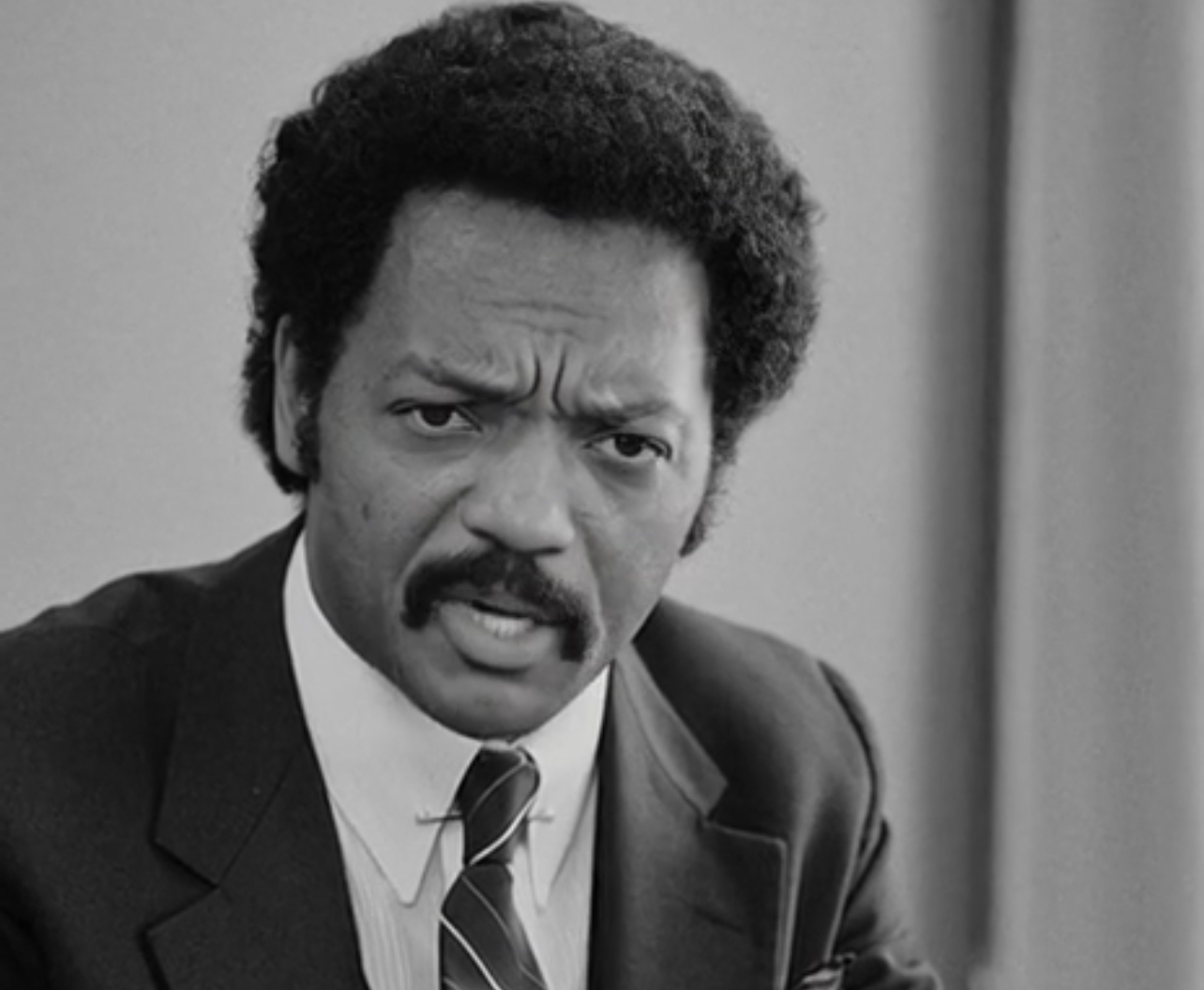
The Rev. Jesse Jackson, the renowned civil rights leader, two-time presidential candidate, and founder of the Rainbow/PUSH Coalition, passed away earlier Tuesday at age 84.
As Atlanta reflects on his legacy, here are five notable visits the civil rights icon made to our city over the decades—moments that often intersected with local activism, historic events, and the ongoing fight for justice.
1. 1973 – Speech at West Hunter Street Baptist Church

In March 1973, Rev. Jackson returned to Atlanta as president of Operation PUSH (People United to Serve Humanity) for a powerful address at West Hunter Street Baptist Church
The visit marked a reunion with old allies from the Southern Christian Leadership Conference era and highlighted shifts in civil rights tactics toward economic empowerment and community organizing.
Jackson spoke on adapting the movement in the post-King years, drawing large crowds eager to hear his message of self-determination and justice.
2. 1986 – Address at Ebenezer Baptist Church

Rev. Jackson spoke at Ebenezer Baptist Church in 1986, delivering remarks tied to Martin Luther King Jr. Day observances.
Standing in the pulpit once occupied by Dr. King, he addressed attendees on continuing the legacy of civil rights, voting rights, and economic fairness.
Photographs from the Atlanta Journal-Constitution captured the emotional moment, as Jackson connected Atlanta’s historic role in the movement to broader national struggles.
3. July 1988 – Keynote Address at the Democratic National Convention

One of the most iconic moments in Atlanta’s political history came when Rev. Jackson delivered his famous “Keep Hope Alive” speech at the 1988 Democratic National Convention, held at the Omni Coliseum (now the site of State Farm Arena).
After a strong second-place finish in the primaries, Jackson rallied delegates with a unifying call for a “Rainbow Coalition” of marginalized groups.
The address, delivered on July 19, 1988, remains a landmark in American oratory and helped cement Atlanta’s place as a hub for progressive politics.
4. Late 2000s/Early 2010s – Advocacy Against Foreclosures

In the wake of the 2008 financial crisis, Rev. Jackson visited Atlanta to protest widespread foreclosures devastating Georgia families. He joined local activists and homeowners outside courthouses on “foreclosure Tuesdays,” when mass sales occurred statewide.
Jackson and supporters rallied to draw attention to predatory lending practices, urging moratoriums and reforms. The visit underscored his longtime focus on economic justice and resonated deeply in Atlanta’s hard-hit neighborhoods.
5. January 2018 – MLK Weekend Sermon at Ebenezer Baptist Church

On January 21, 2018—during the weekend honoring Dr. Martin Luther King Jr.—Rev. Jackson returned to Ebenezer Baptist Church to preach from the same pulpit where he once stood beside his mentor.
As a confidant present at the Lorraine Motel during King’s 1968 assassination, Jackson reflected on the ongoing fight against inequality.
The sermon, covered widely by local media, emphasized perseverance in civil rights amid contemporary challenges like voting access and police reform.
These visits highlight Rev. Jackson’s enduring connection to Atlanta—a city he often described as the “cradle of the old South” and the “crucible of the new South.” From convention halls to church pews, his presence inspired generations. Our thoughts are with his family during this time of loss.
-

The footage captures a man on day 127 of “car living,” surveying a dimly lit parking lot in Atlanta’s outskirts. “Atlanta and outskirts is crazy,” he narrates, estimating that around 50 vehicles in the lot alone are serving as makeshift homes for people unable to afford traditional housing.
Parking Lots as Homes: A Glimpse into Atlanta’s Growing Homelessness Crisis
“I imagine the whole country’s like this, but it’s more people in higher populated areas,” he adds, panning across rows of parked cars under the glow of streetlights. Here’s the video:
This personal account underscores a broader crisis in the metro area, where skyrocketing rents and limited affordable housing options are pushing more individuals and families into precarious living situations.
The video, which has garnered over half a million views, shows the man driving through the lot at night, pointing out vehicles with covered windows and occupants “posted up” for the evening.
It’s a scene that’s becoming all too common in Atlanta, where parking lots at shopping centers, fast-food restaurants, and industrial areas are quietly transforming into unofficial overnight shelters.
Inside Atlanta’s Unhoused Situation
Atlanta’s homelessness has been on a troubling upward trajectory in recent years. According to the 2025 Point-in-Time (PIT) Count conducted by Partners for HOME, the city recorded 2,894 individuals experiencing homelessness, marking a 1% increase from the previous year.
This follows sharper rises of 7% in 2024 and 33% in 2023.
While chronic homelessness saw a 9% decline and veteran homelessness dropped by 3%, family homelessness surged by 14%, affecting roughly 400 more people than in prior counts.
Particularly alarming is the rise of the “working homeless” – individuals who hold jobs but still can’t secure stable housing due to high costs.
That situation describes that of June Williams of Cumming, Georgia.
Williams works in Atlanta but lives — in her car — in Cumming. “I lost my apartment last year after a layoff,” she said. “I’m just doing what I got to do for now,” she said.
She showers at a local LA Fitness and is hoping for a better paying job in the near future.
Data from 2025 indicates that only about 4% of Atlanta’s homeless population reported having both employment and benefits, but local advocates estimate the true figure of working homeless could be as high as 50%.
Many of these residents are employed full- or part-time, yet face rents averaging over $2,000 per month in the city, making traditional apartments unattainable.
In metro Atlanta, an additional 4,600 people are living full-time in extended-stay hotels, with families often spending up to 77% of their income on these temporary accommodations.
The video’s creator, who documents his ongoing experience of vehicle-dwelling, highlights how these parking lot communities form out of necessity.
“There’s literally got to be 50 cars up here, and you can tell we all posted up,” he says, emphasizing the shared struggle in a city where the cost of living continues to outpace wages for many.
This phenomenon isn’t isolated; reports from organizations like Atlanta Mission note that around 2,000 people sleep on the streets nightly in Atlanta, with vehicle living becoming a hidden but growing subset of unsheltered homelessness.
City officials have responded with initiatives like the Atlanta Rising program, aiming to house 400 individuals by the end of 2025, and allocating $60 million in 2024 to combat the issue.
However, advocates argue more is needed, including expanded affordable housing development and stronger social safety nets to address root causes like evictions, rental scams, and economic inequality.As Atlanta prepares for the World Cup, stories like the one in this video serve as a poignant reminder of the human cost behind the statistics. For many, parking lots aren’t just a stopover – they’re the new reality of home.
Interested in other ways to save or make money? Check out our Money Section:
More Articles Like This From AtlantaFi.com:
-
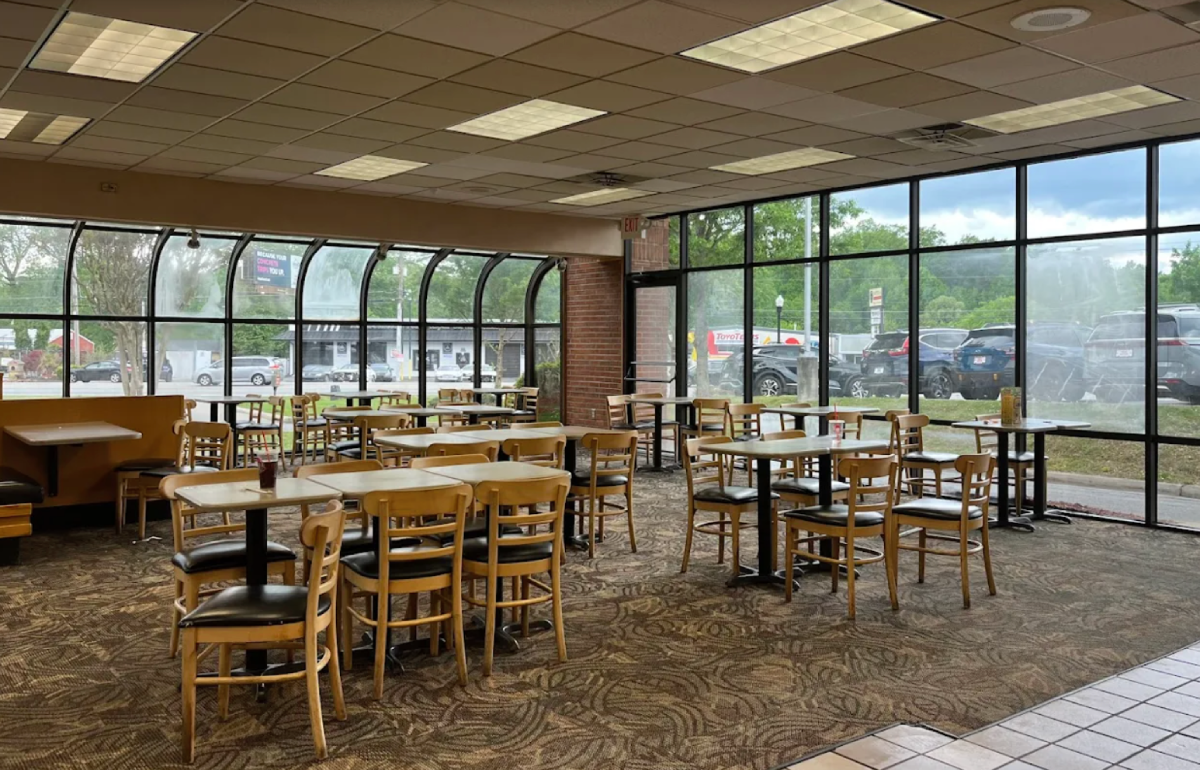
Fast-food giant Wendy’s revealed this week that it plans to close between 298 and 358 underperforming restaurants across the United States during the first half of 2026.
The move represents approximately 5% to 6% of the chain’s domestic footprint and is part of a broader turnaround strategy amid ongoing sales challenges.
Wendy’s Closing Hundreds of Stores
The Dublin, Ohio-based company, which ended 2025 with 5,969 U.S. locations, disclosed the details in its fourth-quarter and full-year 2025 earnings report released on Friday.
This round of closures builds on previous efforts, including 240 restaurant shutdowns in 2024 and an additional 28 locations closed in the final quarter of last year.
Interim CEO Ken Cook emphasized that the decisions were made in collaboration with franchisees to eliminate “consistently underperforming restaurants” — often older, outdated facilities that drag on profitability
By streamlining its portfolio, Wendy’s aims to allow operators to concentrate resources on higher-potential sites and drive long-term growth.
The closures come after a difficult period for the chain’s U.S. operations. In the fourth quarter of 2025, same-restaurant sales (a key metric tracking locations open at least one year) dropped 11.3% domestically — the chain’s worst performance in at least two decades.
Overall U.S. systemwide sales declined significantly, reflecting broader pressures in the fast-food industry, including competition from value-focused promotions at rivals and economic strain on lower-income consumers.
While Wendy’s has not yet released a specific list of closing locations, the targeted sites are expected to include older units in various markets nationwide
Atlanta metro area residents may see some local impacts, given Georgia’s substantial number of Wendy’s outlets and the chain’s focus on removing less profitable, aging stores from high-density urban and suburban areas.
Despite the setbacks, company leadership remains optimistic about recovery. Wendy’s highlighted ongoing value initiatives like its popular Biggie Deals menu to attract budget-conscious customers. The chain also plans selective new openings in stronger markets while modernizing remaining locations to better compete.
For Atlanta-area customers, the news serves as a reminder of the evolving fast-food landscape, where chains are increasingly prioritizing efficiency and profitability over sheer expansion.
Wendy’s fans are encouraged to check their local spots for any service changes in the coming months, though no immediate widespread disruptions are anticipated beyond individual closures.
As the first half of 2026 unfolds, Atlanta Business Journal will continue monitoring updates on specific Georgia locations affected by Wendy’s restructuring plan. Company officials have indicated that more details on individual sites may emerge as the process advances.
More from AtlantaFi.com:
-

In a market where big-name brokerages continue to consolidate and dominate, a prominent local figure is charting an independent path. Harvin Greene, one of Atlanta’s top-producing real estate professionals, has officially launched DOSSIER, a boutique, design-led luxury real estate firm aimed at delivering personalized, thoughtful service amid industry-wide changes.
Dossier: Luxury Real Estate Brand Opens in Atlanta
The announcement, made earlier this month, positions DOSSIER as a deliberate alternative to the growing scale of corporate real estate models.
Greene, who has built a reputation for handling some of the city’s most high-profile and expensive transactions, brings her expertise to this new venture.
In recent years, Greene’s team achieved standout results, including ranking No. 2 in Atlanta by sales volume in 2024 according to local association data, and closing nearly $160 million in residential sales across 2024 and 2025.
She has represented both sides of Atlanta’s record-breaking deals, such as the $19.8 million Buckhead mansion purchase in 2024 (the city’s most expensive residential sale at the time) and the $15.75 million Tuxedo Park estate sale in 2025.
Her background extends beyond traditional real estate: with over 17 years in the industry and a prior decade in global marketing leadership at The Coca-Cola Company, Greene combines market savvy with strong brand strategy, design sensibility, and hands-on construction knowledge gained through renovation projects alongside her husband, builder Tommy Greene of T2Greene.
DOSSIER is founded on the philosophy that “every home tells a story” — and that clients deserve representation matching the nuance and individuality of their properties.
The firm emphasizes discretion, strategic guidance, elevated presentation, and a deeply personal approach, catering especially to those buying or selling historic estates, modern builds, or other luxury properties who prioritize clarity and trusted counsel over mass-market uniformity.
The new brokerage operates as a founder-led, intentionally independent entity, created in partnership with Side, the platform that empowers top agents to build and scale their own companies while handling backend operations.
“We’re seeing more consolidation than ever in real estate, but bigger doesn’t always mean better for clients,” Greene said in the launch announcement. “DOSSIER was built as a response to that — a firm where innovation, integrity and exceptional service aren’t diluted by scale.”
Guy Gal, CEO and co-founder of Side, praised the move: “Harvin represents the future of independent luxury real estate. She’s not just selling homes — she’s building a brand that elevates how clients feel, decide, and invest. We’re honored to power DOSSIER behind the scenes as it grows.”
DOSSIER evolves from Greene’s established personal brand, HARVIN, which had become synonymous with discernment and high-performance results in Atlanta’s competitive luxury market.
The firm promises a polished, client-centered experience that draws on design expertise, construction insight, data-driven strategies, and unwavering service standards.
As Atlanta’s luxury real estate landscape continues to evolve, DOSSIER arrives as a fresh, boutique option for buyers and sellers seeking an alternative to the consolidated giants — one rooted in local expertise, creative vision, and personal attention.
Not to mention that the city’s dining scene is the best in the Southeast. Looking for a home? Check out our Real Estate Resource Page.
Keep up with what’s going on in Atlanta’s real estate scene here with our Apartment Guide.
See The Latest Atlanta Real Estate News At AtlantaFi.com.
More Articles From AtlantaFi: