-
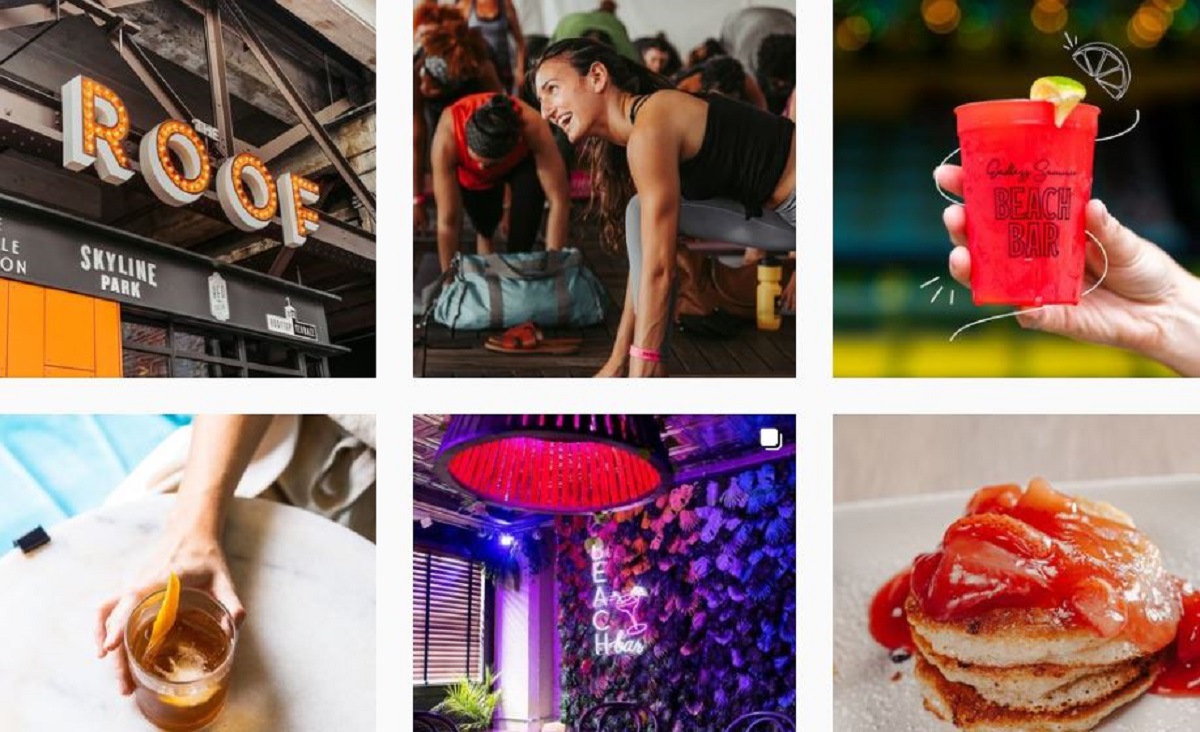
Ponce City Market continues to be one of Atlanta’s premier destinations this winter, blending historic charm with modern vibes in the heart of the Old Fourth Ward.
Housed in the massive former Sears, Roebuck & Co. building (built in 1926 and redeveloped starting in 2014), this mixed-use hub offers an unbeatable mix of dining, shopping, entertainment, and easy access to the Atlanta BeltLine Eastside Trail.
Ponce City Market: What To Do There This Winter
Whether you’re people-watching in the bustling Central Food Hall, grabbing skyline views from the roof, or exploring ongoing events, PCM is a year-round spot for locals and visitors alike.
Entry to the market is free, and it’s perfect for a full day out. Parking is available on-site (rates start around $1 for the first half-hour, with daily maxes applying—check the app for current details).
1. Head to The Roof for Skyline Park and Epic Views

The rooftop remains a standout attraction with Skyline Park, the retro-inspired amusement area featuring mini-golf, classic carnival games, a three-story slide, and more. It’s all-ages fun with stunning panoramic views of Midtown, Downtown, and Buckhead.
- Pair it with dining at 9 Mile Station, known for elevated cocktails and dishes overlooking the city.
- In early 2026, look forward to family-friendly events like the annual Noon Year’s Eve celebration (which rang in 2026 with a midday countdown—similar festivities often return).
- Admission: Around $15 for adults, $7 for kids (prices subject to change; free for young children). Buy tickets at the ground-floor booth or online.
Pro tip: The Roof also features seasonal activations, like the popular Skate the Sky ice rink in winter months.
2. Dive into the Central Food Hall

Photo credit: youtube.com The food hall is the vibrant heart of PCM, packed with artisanal vendors and award-winning chefs offering everything from quick bites to full meals.
- Fan favorite H&F Burger is still slinging some of the best burgers in the South—don’t skip the house-made ketchup or their veggie option.
- Note: Longtime tenant W.H. Stiles Fish Camp closed in 2025, but exciting new Thai concept Terminal 26 is slated to open in spring 2026 in its place.
- Other highlights include spots from the Slutty Vegan family (like Bar Vegan for plant-based vibes) and a huge variety of global flavors.
It’s open daily, making it ideal for breakfast, lunch, dinner, or late-night snacks.
3. Shop Till You Drop

PCM’s retail mix includes national brands, local makers, and unique boutiques across multiple floors.
- Must-visits: West Elm for home goods, Anthropologie and J.Crew for fashion, Warby Parker for eyewear, and Citizen Supply for artisan crafts.
- Support local with spots like The Village Retail (focusing on Black-owned businesses) and handmade goods from Atlanta creators.
- Don’t miss building your own bouquet at floral shops or browsing sustainable apparel.
Shopping hours are generally 10 a.m.–9 p.m. weekdays/Saturdays, shorter on Sundays.4. Catch Events and Weekly HappeningsPCM’s calendar is always buzzing in 2026:
- Placita at Ponce: Weekly Friday block party in the Food Hall with music, vibes, and more.
- Guided tastings, cocktail classes, and winery tours at spots like City Winery.
- Run clubs, makers markets, and seasonal pop-ups—check poncecitymarket.com/events for the latest.
5. Stroll the BeltLine and Explore the Neighborhood

Photo credit: AtlantaFi.com Step right out onto the Eastside Trail for walking, biking, or people-watching. It’s a seamless connection to nearby spots like Historic Fourth Ward Park.Ponce City Market evolves while staying true to its roots as a community hub.
With new openings on the horizon and timeless attractions like the rooftop views and food hall energy, it’s a can’t-miss Atlanta experience in 2026.
Final Word
Download the PCM app for maps, directories, and real-time updates!For more Atlanta hotspots, stay tuned to your local news source. What’s your favorite spot at PCM? Let us know in the comments!
Summerhill is one of Atlanta’s most dynamic neighborhoods and one of the best places to eat on the southside. The street’s walkable, trendy vibe, enhanced by vibrant murals and restored brick storefronts, draws food enthusiasts and supports a burgeoning dining scene.
More Food Coverage:
Here Are The Best New Restaurants In Atlanta
-
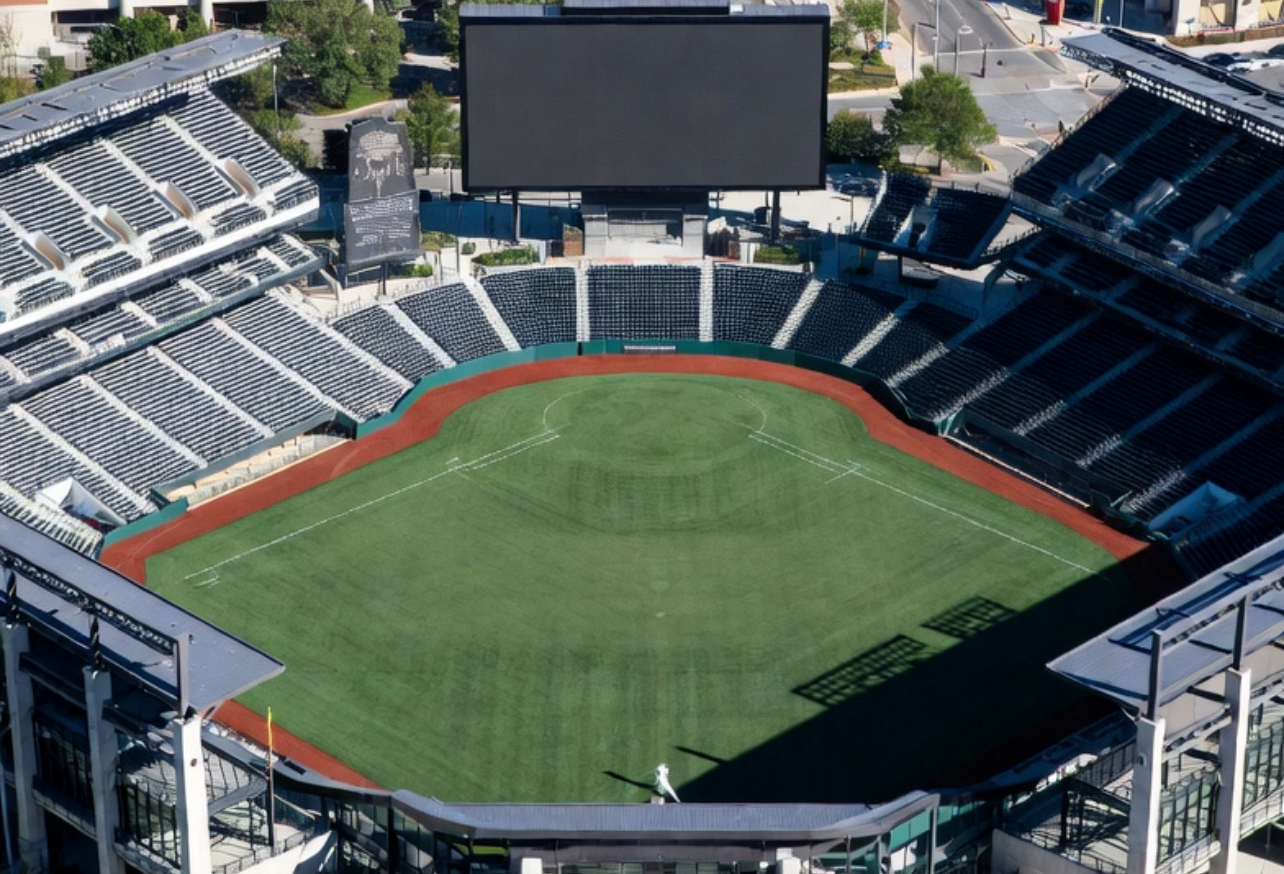
In a major boost for college sports in the heart of the city, Georgia State University has officially begun construction on its new baseball stadium, bringing the Panthers baseball program back to downtown Atlanta and adding another key venue to the city’s rich sports landscape.
The $15.4 million project is rising on the historic grounds of the former Atlanta-Fulton County Stadium — the legendary ballpark that once hosted the Atlanta Braves (1966-1996), the Atlanta Falcons, the Atlanta Chiefs, the Peach Bowl, and even Olympic baseball during the 1996 Summer Games.
Georgia State Breaks Ground on New Baseball Stadium
Most famously, it’s where Hank Aaron smashed his record-breaking 715th home run on April 8, 1974.
Currently a parking lot adjacent to Center Parc Credit Union Stadium (home of GSU football), the site sits just steps from the university’s downtown campus, the new GSU Convocation Center (home to men’s and women’s basketball), and the surrounding Summerhill neighborhood.
When completed, the new facility will create a true “athletics village” in the area, enhancing fan access and community engagement right in the center of Atlanta’s sports scene.
The stadium will feature approximately 1,000 seats, a modern turf playing surface, expanded dugouts, upgraded batting cages and bullpens, advanced technology infrastructure, and improved seating and hospitality areas.

AI rendering of new GSU baseball stadium.
To honor the site’s storied past, GSU is relocating the iconic Hank Aaron statue from the entrance of Center Parc Credit Union Stadium to the new baseball stadium’s main entrance.Plans also include a commemorative marker in left field recognizing the exact spot where Aaron’s historic homer cleared the wall.
“This stadium represents more than just a place to play baseball,” said Georgia State President Dr. M. Brian Blake. “It connects Georgia State to Atlanta’s sports legacy and creates a vibrant future for our program and community.”
The project received its final green light when the City of Atlanta approved the Land Disturbance Permit on November 18, 2025.
Construction crews have already mobilized equipment to the site, with completion targeted for fall 2026 — in time for the Panthers to potentially open the 2027 season in their new home.
The move brings baseball much closer to campus, replacing the current GSU Baseball Complex in Decatur (about 12 miles away), which has served as the Panthers’ home since 1986.
This new venue joins Atlanta’s impressive lineup of sports facilities, including Mercedes-Benz Stadium (home of the NFL’s Falcons and MLS’s Atlanta United), Truist Park (home of the MLB’s Braves), State Farm Arena (home of the NBA’s Hawks), and the nearby Center Parc Credit Union Stadium and GSU Convocation Center.
It’s a welcome addition for local fans, student-athletes, and the Summerhill community, further solidifying downtown Atlanta as a hub for both professional and collegiate sports.
Donations continue to support the project, with naming opportunities still available for the stadium and playing field (pending approval from the University System of Georgia Board of Regents).
Final Word
Stay tuned to AtlantaFi.com for more developments as this exciting new chapter in Atlanta sports history takes shape!
For more information, visit georgiastatesports.com. Go Panthers!
-
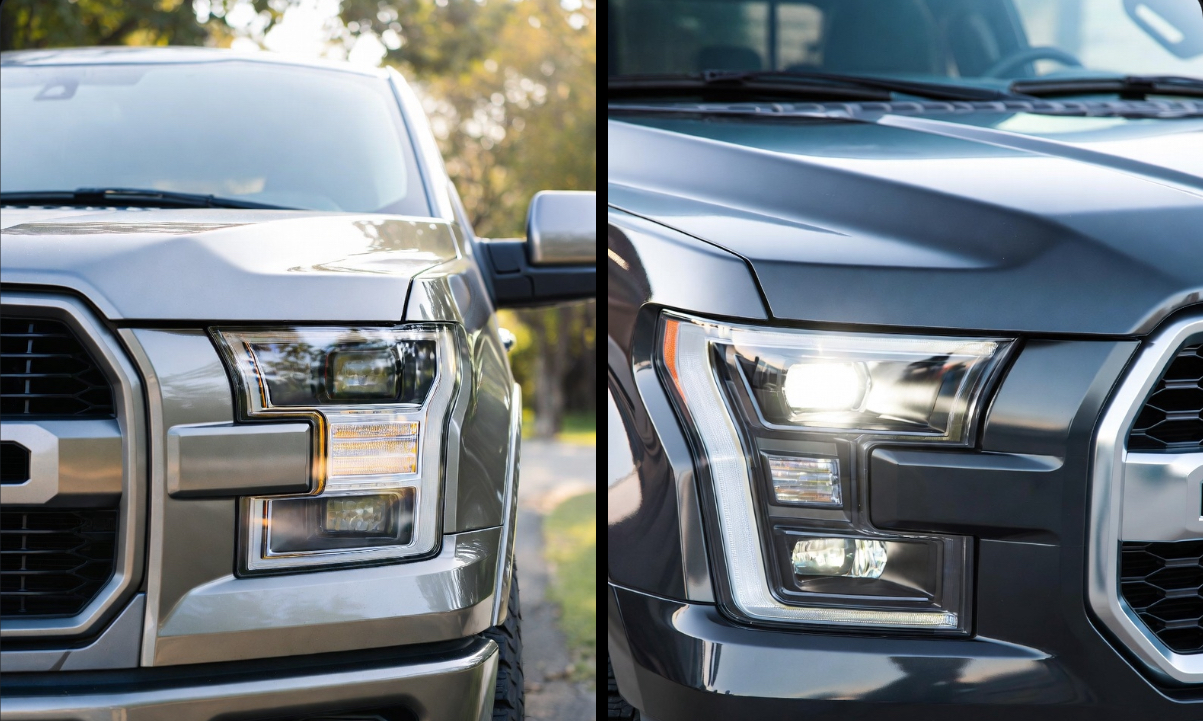
With the new year upon us, Georgia drivers – especially those in metro Atlanta – are being urged to take extra precautions after a new report identified the state’s most stolen vehicles.
According to data compiled by USInsuranceAgents.com and released on December 23, Ford F-Series pickups (including popular F-150 and Super Duty models) lead the list as the most stolen vehicle in the state for 2025.
Ford Pickup Trucks Top List as Georgia’s Most Stolen Vehicle in 2025
Thieves are drawn to these trucks due to their widespread popularity, high demand for parts, ease of resale, and the potential for valuable tools often left inside by contractors.
The report highlights the following as among the most stolen vehicles in Georgia this year:
- Ford F-Series pickup trucks
- Honda Accord
- Honda Civic
- Toyota Camry
- Chevrolet pickup trucks (such as Silverado)
- Dodge RAM
While national trends show vehicle thefts declining overall in 2025 – with the National Insurance Crime Bureau (NICB) reporting a drop toward pre-pandemic levels – certain models remain prime targets, particularly in urban areas like Atlanta and Savannah where theft rates are higher than in rural parts of the state.
Melanie Musson, a car insurance expert with USInsuranceAgents.com, noted that holidays like New Year’s Eve pose special risks. “With parties and late nights, vehicle owners are more likely to be distracted, and thieves take advantage of the decreased vigilance,” she said.
How To Prevent Vehicle Theft
Local authorities and experts recommend these practical steps to protect your vehicle, especially during the holiday season and year-round:
- Park in a garage whenever possible – this is one of the most effective deterrents.
- Always lock your doors and close all windows, even for short stops.
- Store key fobs in an RFID-blocking pouch or box to prevent relay attacks on keyless entry systems.
- Choose well-lit, high-traffic areas for parking to increase visibility and reduce opportunity for thieves.
- Never leave your vehicle running unattended (a common issue in Atlanta, especially during cold weather or delivery stops).
- Remove valuables from plain sight – don’t leave electronics, bags, or tools visible inside.
- Consider additional deterrents like steering wheel locks, alarms, or GPS tracking devices.
Comprehensive insurance coverage is also recommended for newer vehicles (under 10 years old) to provide financial protection in case of theft, though owners are typically responsible for the deductible.
Final Word
Atlanta police and Georgia law enforcement continue to emphasize that vehicle theft is often a crime of opportunity. Simple habits like locking up and staying vigilant can make a big difference.
Drivers with information about vehicle theft or suspicious activity are encouraged to contact local authorities or the NICB at 1-800-TEL-NICB. Stay safe on the roads this holiday season!
Check Out Our Atlanta Travel Guide
-
If you’ve ever dreamed of living like the president without leaving Georgia, now’s your chance — for a cool $35 million.
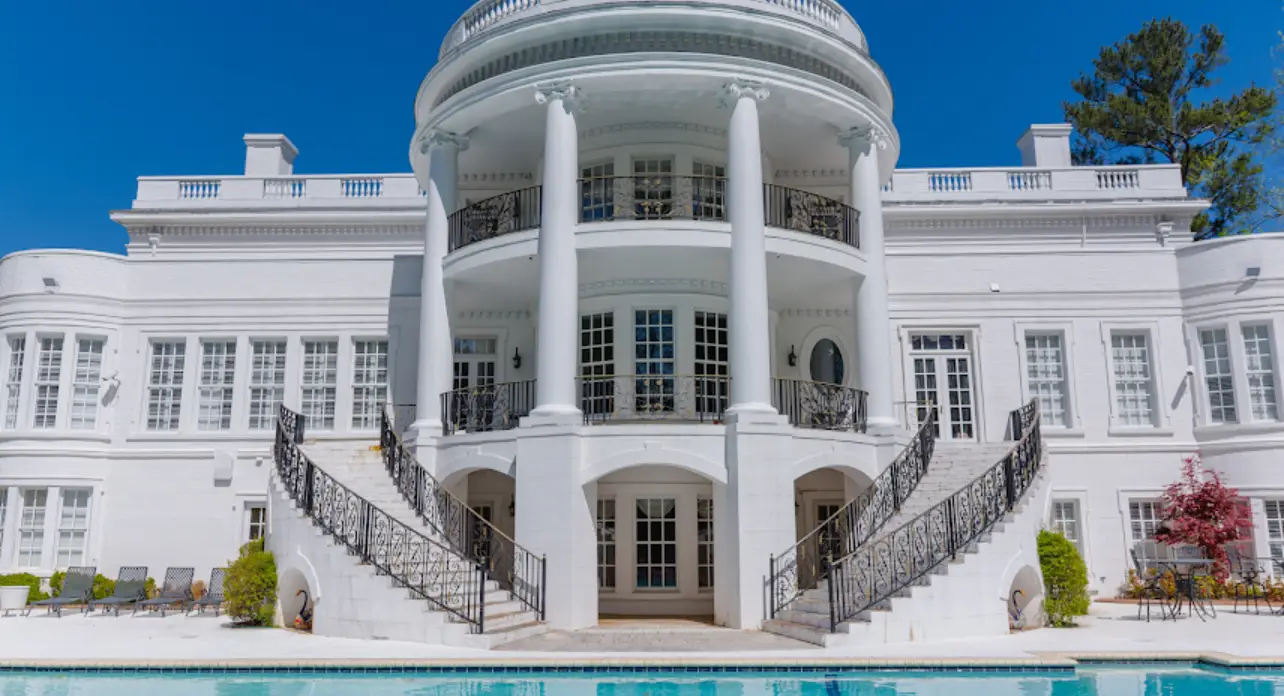
The famous “Atlanta White House,” a three-quarters-scale replica of the actual White House in Washington, D.C., is on the market, making it the most expensive residential listing in metro Atlanta.
Atlanta’s White House Replica for Sale
Located at 3687 Briarcliff Road NE in DeKalb County’s Oak Grove area, the neoclassical estate spans nearly 3 acres and includes two full residences totaling more than 20,000 square feet of living space.
Built in 2001 by Iranian-American developer Fred Milani, the property was designed as a tribute to American democracy.

Milani sent designers to the nation’s capital to study the original 1600 Pennsylvania Avenue, resulting in a striking facade complete with Corinthian columns and iconic architectural details.
The main house, approximately 16,500 square feet, features presidential touches like a replica Oval Office with the Presidential Seal on the ceiling, a Lincoln Bedroom, and a Truman-inspired balcony.
Inside, buyers will find a grand foyer with a sweeping staircase, muraled ceilings, custom chandeliers, and an elevator for easy access to all levels.

The estate also includes a separate 7-bedroom guest house — dubbed a nod to the “West Wing” — along with amenities such as manicured gardens, an oversized swimming pool and jacuzzi, a pool house with outdoor kitchen, a banquet hall seating up to 250, a theater, game room, and meditation spaces.
Current owner Thuy Ai Kathy Lam, who purchased the home in 2013, has called it a symbol of her own American dream.
Lam immigrated from postwar Vietnam in 1995 and built a successful beauty business in Atlanta. She raised her family in the mansion until her children went off to college, prompting the decision to sell.
After Milani faced financial challenges during the 2008 housing crisis, the home was used for events, film shoots, and gatherings before Lam made it her private residence.
Real estate experts note that a sale at the full asking price would shatter metro Atlanta’s record for the priciest home sale, far exceeding previous highs around $18 million.
The property is listed with agents from SERHANT. Georgia, including Tiffany Powell and Tuy Dewey Luong.
National interest has surged recently, with CNN featuring a tour of the home highlighting its unique presidential replicas.
For more details or to schedule a viewing, contact the listing agents. In the meantime, drive-by sightings on Briarcliff Road continue to turn heads — just don’t expect Secret Service at the gates.
Final Word
Atlanta has some of the most prime real estate in the Southeast. Not to mention that the city’s dining scene is the best in the Southeast. Looking for a home? Check out our Real Estate Resource Page.
Keep up with what’s going on in Atlanta’s real estate scene here with our Apartment Guide.
See The Latest Atlanta Real Estate News At AtlantaFi.com.
More Articles From AtlantaFi:
-

While giants like LinkedIn, Indeed, FlexJobs, RemoteOK, and We Work Remotely dominate the remote job search landscape, plenty of high-quality, lesser-known platforms offer curated opportunities with less competition.
These sites are reputable, often featuring hand-screened listings to minimize scams, and cater to professionals in tech, marketing, design, customer support, and more.
Check Out These Lesser-Known Remote Work Websites
In the coming year, as remote work continues to evolve, these under-the-radar boards can give you an edge in landing your next role.
Here are seven standout, not-as-well-known remote job websites worth bookmarking:
1. Remotive (remotive.com)
Remotive has been a reliable player since 2014, offering curated remote jobs in software development, marketing, design, and customer support.
What sets it apart is its active community features, including a Slack group for networking and job alerts. Listings are high-quality, with a focus on fully remote positions from established companies.
It’s especially strong for tech and digital roles, making it a go-to for professionals seeking meaningful connections beyond just applications.
2. Jobspresso (jobspresso.co)
Jobspresso stands out for its rigorous manual review process—every listing is vetted for legitimacy, checking employer reputations and details.
It emphasizes U.S.-based opportunities but includes global roles in tech, marketing, and support.
With a network of over 100,000 professionals, it’s ideal for those tired of sifting through unverified posts. The platform prioritizes quality over quantity, often featuring roles from reputable remote-first companies.
3. Working Nomads (workingnomads.com)
Tailored for digital nomads and location-independent workers, Working Nomads curates fully remote jobs across fields like development, marketing, design, management, and healthcare. Daily email alerts keep you updated without overwhelming your inbox.
It’s known for reliable listings from well-known employers, making it a solid choice for creative and tech professionals seeking flexibility.
4. NoDesk (nodesk.co)
NoDesk focuses on hand-picked remote jobs from leading startups and remote-first companies, with no sign-up required to browse or apply.
Categories include design, development, marketing, and operations. Its clean interface and weekly newsletter highlight fresh opportunities, often exclusive to the platform.
It’s particularly reputable for avoiding spam and connecting users directly with innovative employers.
5. Dynamite Jobs (dynamitejobs.com)
Dynamite Jobs specializes in 100% remote positions from remote-first companies, covering roles in marketing, support, development, and operations.
Listings are curated for quality, and the platform emphasizes easy applications.
Users praise its straightforward process and legitimate opportunities, making it a hidden gem for those building long-term remote careers.
6. JustRemote (justremote.co)
JustRemote uncovers “hidden” jobs not widely advertised, with strong filters for international and partially remote roles in tech, marketing, and business development.
It features positions from companies like GoDaddy and Splunk, focusing on power searches to match skills quickly.
Reputable for its emphasis on global opportunities, it’s great for non-U.S. applicants.
7. Remote.co (remote.co)
Founded by the team behind FlexJobs, Remote.co offers verified remote jobs across categories like technology, marketing, design, and customer service. Jobs are carefully reviewed, with new listings added weekly.
It also provides valuable resources on remote work best practices, making it more than just a board—it’s a supportive hub for legitimate opportunities.
These platforms prove that you don’t need to stick to the most crowded sites to find great remote work.
Final Word
By diversifying your search to these reputable alternatives, you’ll face fewer applicants per role and access more targeted, scam-free listings.
Check out our Atlanta Remote Work Guide.
Pro tip: Set up alerts on multiple sites and tailor your applications to stand out.
Happy job hunting—your ideal remote role might be waiting on one of these underrated boards!
If you’re looking to get hired in Atlanta right now, there’s a very real possibility that you can land your dream job.
Read more: Best Work From Home Jobs In Atlanta, Georgia
-

Atlanta’s rental market continues to evolve, blending Southern charm with urban energy. While the city’s popularity has driven up prices in recent years, there’s still plenty of value to be found for budget-conscious renters.
Whether you’re a young professional, student, or family starting out, affordable apartments under $1,500 for a one-bedroom are available—especially if you’re open to neighborhoods just beyond the core downtown area.
How To Find Cheap Apartments in Atlanta
In this updated guide, we’ll cover current median rents, spotlight top picks based on recent reviews and listings, and share tips for scoring the best deals. (Note: Prices fluctuate; always verify with property managers.)
Since you already know how to find an affordable apartment, this article will show you some prices in Atlanta.
You should already have in mind how many bedrooms you want and some must-have amenities. You may not know what part of town you want to live in (close to the job?) and that’s OK.
How Much Is Rent in Atlanta?
As of late 2025, Atlanta’s rental landscape has seen modest increases due to ongoing development and demand, but it’s still more accessible than many major metros. According to recent data:
- Studio Apartment: Around $1,500 per month rent.com
- One Bedroom: $1,600–$1,800 per month apartments.com +1
- Two Bedrooms: $1,800–$2,100 per month
- Three Bedrooms: $2,000+ per month, with single-family homes averaging $1,898 atlantaagentmagazine.com
These figures are citywide medians; venturing into affordable pockets like the westside or eastside can shave off 20–30%. Pro tip: Off-season moves (winter months) often yield discounts.
Top Affordable Apartment Picks in Atlanta
We’ve refreshed our list with current favorites, drawing from resident reviews, availability, and value. These standouts offer modern amenities without breaking the bank, focusing on spots under $1,600 for starters. Many are pet-friendly and transit-accessible.
Peachtree Park Apartments

- Location: 1000 Peachtree Park Dr NE, Atlanta, GA 30309 | Phone: (678) 949-5307
- Sample Prices: Starting at $1,450 for 1BR; $1,650 for 2BR (updated from 2020 lows)
- Details:
- Tuscan floorplan: 1BR/1BA, 753 sq ft
- Maple floorplan: 2BR/2BA, 900 sq ft
- Amenities/Features: Resort-style pool, fitness center, gated parking, in-unit laundry. Close to Midtown’s vibrant scene.
- Resident Review: “The location is unbeatable—walkable to everything. Staff like Ruqayyah and Grant go above and beyond for quick fixes.” yelp.com (Yelp, 2025)
Venue Brookwood Apartments

- Location: 1000 Marietta St NW, Atlanta, GA 30318 | Phone: (404) 814-4550
- Sample Prices: From $1,350 for 1BR
- Details:
- Studios and 1BR units around 650–800 sq ft
- Amenities/Features: Rooftop lounge, dog park, EV charging, stainless steel appliances. West Midtown vibe with easy BeltLine access.
- Resident Review: “Affordable luxury without the hassle—quiet yet central. Maintenance is responsive, and the amenities make it feel premium.” yelp.com (Yelp, December 2025)
Camden Buckhead Square Apartments

- Location: 2819 Buford Hwy NE, Atlanta, GA 30329 | Phone: (404) 276-3355
- Sample Prices: $1,299–$1,499 for 1BR
- Details:
- 1BR/1BA: 700–850 sq ft
- Amenities/Features: Resort pool, 24-hour gym, coffee bar, pet spa. Near Brookhaven’s shops and MARTA.
- Resident Review: “Great bang for your buck in Buckhead—modern units and friendly community events keep it lively.” yelp.com (Updated Yelp, 2025)
Link Apartments® Grant Park

- Location: 450 Seminole Ave NE, Atlanta, GA 30312 | Phone: (470) 408-4840
- Sample Prices: From $1,200 for studios; $1,400 for 1BR
- Details:
- Studios: 500 sq ft; 1BR: 650 sq ft
- Amenities/Features: Bike storage, grilling areas, co-working space, in-unit W/D. Steps from Grant Park’s trails and farmers market.
- Resident Review: “Perfect for first-timers—affordable, eco-friendly, and in a walkable, green neighborhood.” rentcafe.com (RentCafe, November 2025)
Briarcliff Apartments

- Location: 2660 Briarcliff Rd NE, Atlanta, GA 30329 | Phone: (404) 523-4848
- Sample Prices: $1,100–$1,300 for 1BR
- Details:
- 1BR/1BA: 750 sq ft
- Amenities/Features: Renovated kitchens, pool, laundry facilities, near Emory University.
- Resident Review: “Quiet, clean, and super value-driven. Close to everything but feels tucked away.” rentcafe.com (RentCafe, 2025)
Fulton Pointe Apartments

- Location: 3080 Godby Rd, College Park, GA 30349 (near Atlanta) | Phone: (404) 765-0400
- Sample Prices: From $999 for 1BR (one of the lowest in the metro)
- Details:
- 1BR/1BA: 650 sq ft; 2BR: 900 sq ft
- Amenities/Features: Clubhouse, playground, basketball court, pet-friendly. Airport-adjacent for commuters.
- Resident Review: “Budget goldmine—spacious and maintained well for the price.” rentcafe.com (RentCafe, November 2025)
What Are the Cheapest Places to Rent in Atlanta?
Affordability shines in Atlanta’s diverse quadrants. Head south or west of I-20 for the best deals—rents can dip below city averages by 15–25%. Top budget neighborhoods in 2025 include:
Neighborhood Avg. 1BR Rent Why It’s Affordable & Appealing Cascade Heights $1,200 Family-friendly, green spaces, below-average rates apartments.com Campbellton Road $1,150 Quiet, residential vibe with easy highway access zumper.com Pittsburgh $1,100 Historic charm, revitalizing with low entry costs apartments.com Ashview Heights $1,250 Proximity to downtown, rising but still value-packed zumper.com Cabbagetown $1,300 Artsy, safe (top 78% for security), median home $244K extraspace.com Eastside spots like Candler Park ($1,110 avg. 1BR offer eclectic vibes. For ultra-low (under $800), check low-income programs via Atlanta Housing
If you want to find some Atlanta apartments for under $600, here are several of the best rentals.
Final Thoughts
Finding a cheap apartment in Atlanta shouldn’t intimidate you. The key is to do your research. Look up the different school districts and amenities in the various neighborhoods to see if they are places you would like to live.
Finding an apartment to rent in Atlanta is not a small accomplishment. Although the city is huge, don’t think that means that you have to overpay for a place to live.
Remember when dealing property managers to list your must-haves and stick to them.
Atlanta has one of the best real estate markets in the country, with affordable housing in every quadrant of the city. Large backyards, manicured parcels and strong neighborhoods with ample dining amenities make it one of the top places for transplants.
Keep up with what’s going on in Atlanta’s real estate scene here with our Apartment Guide.More Articles From AtlantaFi:
-
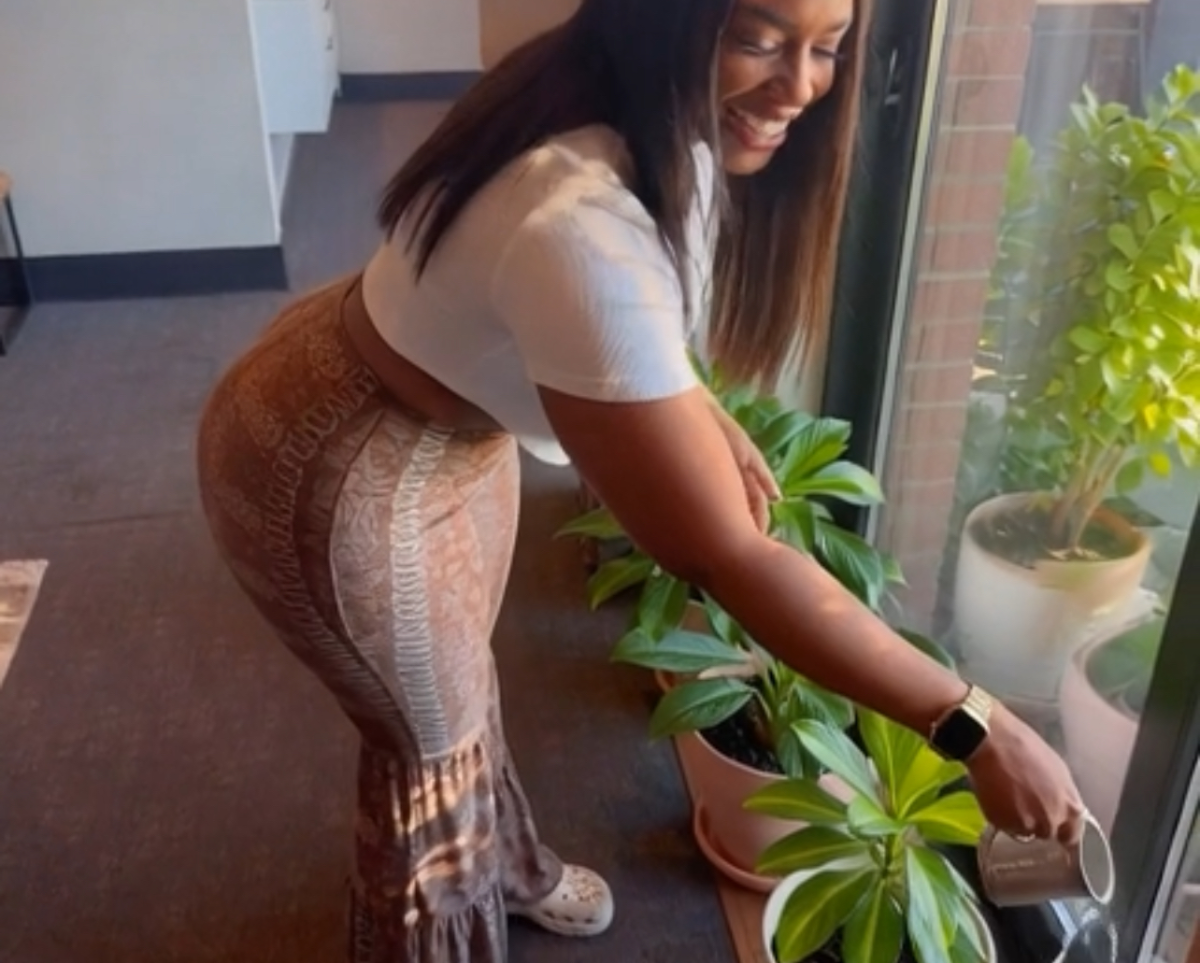
As a sudden cold snap grips metro Atlanta, with temperatures dipping into the low 20s and frost warnings blanketing the region from Cobb County to DeKalb, our beloved houseplants are facing an unexpected chill.
While we’re no strangers to Georgia’s fickle weather—after all, just last week we were basking in highs near 70— this December freeze serves as a stark reminder that winter is here.
How To Protect Your House Plants From the Cold
For Atlanta gardeners who double as indoor jungle enthusiasts, now’s the time to act fast to shield your leafy companions from the drop.
At AtlantaFi.com, where we champion everything from community tree plantings along the BeltLine to vibrant flower beds in Grant Park, we know indoor plants play a vital role in our urban oasis.
They purify the air in our high-rises and provide a touch of nature amid the concrete. But cold air seeping through windows and drafts from HVAC systems can stress even the hardiest ficus or pothos, leading to yellowing leaves, droopy stems, or worse—root rot from overcompensation with heat.
Here’s our expert guide to keeping your houseplants thriving through this frosty spell, drawn from local horticulturists at the State Botanical Garden of Georgia and the Atlanta Botanical Garden.
1. Relocate Away from the Cold Fronts
Your windowsills might offer prime sunlight during milder months, but they’re enemy territory right now. Cold glass can create “radiational cooling,” dropping temps by up to 10 degrees near the panes.
- Pro Tip: Move plants at least 2-3 feet away from untreated windows, especially north- or east-facing ones. In high-rises like those in Midtown, cluster them near interior walls or in warmer rooms like the kitchen.
- Local Note: If you’re in a drafty Craftsman bungalow in Inman Park, seal gaps with weatherstripping—it’s a quick win for both plants and your energy bill.
2. Maintain Steady Humidity and Watering
Atlanta’s indoor heating cranks up during snaps like this, sucking moisture from the air and your plants’ leaves. Aim for 40-60% humidity to mimic their tropical origins.
- Pro Tip: Group plants together on a tray filled with pebbles and water (keep pots elevated to avoid soggy roots). A quick misting with room-temperature water in the morning helps, but skip it at night to prevent fungal issues.
- Water Wisely: Let the top inch of soil dry out before watering—cold soil holds moisture longer, risking root rot. Use lukewarm water to avoid shocking roots. For succulents like your jade plant, ease up even more; they’re drought-tolerant champs.
3. Boost Warmth Without the Burn
No one wants crispy edges from a too-hot radiator, but a little gentle warmth goes a long way.
- Pro Tip: Place a space heater on low in the room (keep it 3 feet away from foliage), or use a plant lamp with a warm bulb for indirect light. Avoid direct blasts from vents—opt for a fan on low to circulate air evenly.
- Eco Twist: Atlanta’s sustainability crowd will love this: Drape a lightweight blanket over larger pots at night for insulation, reducing reliance on fossil-fuel heat.
4. Monitor for Stress Signals and Pests
This cold can weaken defenses, inviting spider mites or scale that love dry, chilly conditions.
- Pro Tip: Inspect undersides of leaves daily. Wipe with a damp cloth and neem oil solution if you spot trouble. Yellowing? It might be chill stress—prune affected leaves to redirect energy.
- When to Call in Pros: If your peace lily (a humidity hog) starts wilting despite TLC, head to Pike Nurseries in East Cobb for a check-up. They’re running a “Winter Prep Workshop” this weekend.
As we hunker down through this snap—expected to lift by Wednesday with highs rebounding to the 50s—remember that resilient indoor greenery sets the stage for spring’s outdoor planting frenzy. Whether you’re prepping for dogwoods in Piedmont Park or wildflowers along the Chattahoochee, healthy houseplants are your best practice run.
Final Word
Stay warm, Atlanta, and keep those greens growing. Got a plant survival story from this freeze? Share it in the comments below—we’re all in this frosty garden together.
AtlantaFi.com is your go-to source for sustainable agriculture news, from urban farming initiatives to tree-planting drives across the Peach State.
More from AtlantaFi.com:
-

What if you could plan your vacation and it not cost you an arm and a leg? Keep reading to find some great travel hacks.
What Travel Hacks Can Allow Me To Save Money?
This article is going to show you some of the best ones we’ve been able to find on social media so that you can utilize them into your travel routine. But first, you don’t want to miss some ways to make your trip better.
Holiday Travel: Should You Fly? 5 Ways To Save On Your Next Trip International Travel Checklist Atlanta Travel Guide: How To Navigate And Save How Can You Make Traveling Fun?
To tell the truth, traveling can be a nightmare, especially in an era of flight delays and cancellations. To make it a more enjoyable experience, see if you can make a game out of your trip.
Keep score of the many travel tips you can come up with and how it saves you time or money. Also, make sure you tip the skycap, shuttle bus driver or anyone who helps you.
Also, be observant, polite and speak to people in your destination city. You’d be surprised how much more fun your trip will be.
Try This Google Flights Hack
Want to find cheap flights, but you aren’t particular about the destination? Try this with Google Flights.
Search For Flights Online In Incognito Mode
This is an old hack you may have forgotten about: If you’re searching for flights online, be sure to do so in incognito mode, so that the site won’t be able to factor in your past activities when it comes to pricing.
Carry Your Lotions In A Lens Case
You know that lens case that you’re carrying? Yes, the empty one. Why not use it to store away your lotions?
Bring Your Own Sauce To Spice Up Airplane Food
Use A TV To Charge Your Phone
Some TVs are compatible with USB cords, which is a great thing if your charger doesn’t fit the hotel hotel.
Buy A Plug Extender
If you’re going to a foreign country, it’s good to have a plug extender so you can keep your devices charged.
Dab An Essential Oil Before Wearing A Mask
This is a great tip for travelers who need to wear a mask for a long period of time.
Cords In Your Glass Case
This Twitter user has an ingenius way to save space while traveling.
Use Your Shower Cap As A Shoe Bag
Last Word
One of the best ways to spend your time and money is by traveling. What if I told you that you could save a lot of money during your getaways?
Do you love traveling but are tired of losing money every time you take a trip? Travel-hacking is the way to go!
While it’s always fun to travel, the expenses related to booking a trip seem to always be a bummer. But what if you could plan your vacation and save money in the process? Keep reading to find some great travel hacks.
Once you get your passport, you should be ready for your trip. Make sure you have found the cheapest flights from Atlanta that are on sale.
To Atlanta is one of the most convenient places to travel to and from. A large part of that is because Hartsfield-Jackson International Airport is so accessible.
Not only is it the world’s busiest airport, but it’s state-of-the-art in every way. If you’re interesting in traveling around Atlanta via car or even on scooter, here’s what to know.
More Articles Like This:
Traveling Soon? Check Out Our International Checklist
-
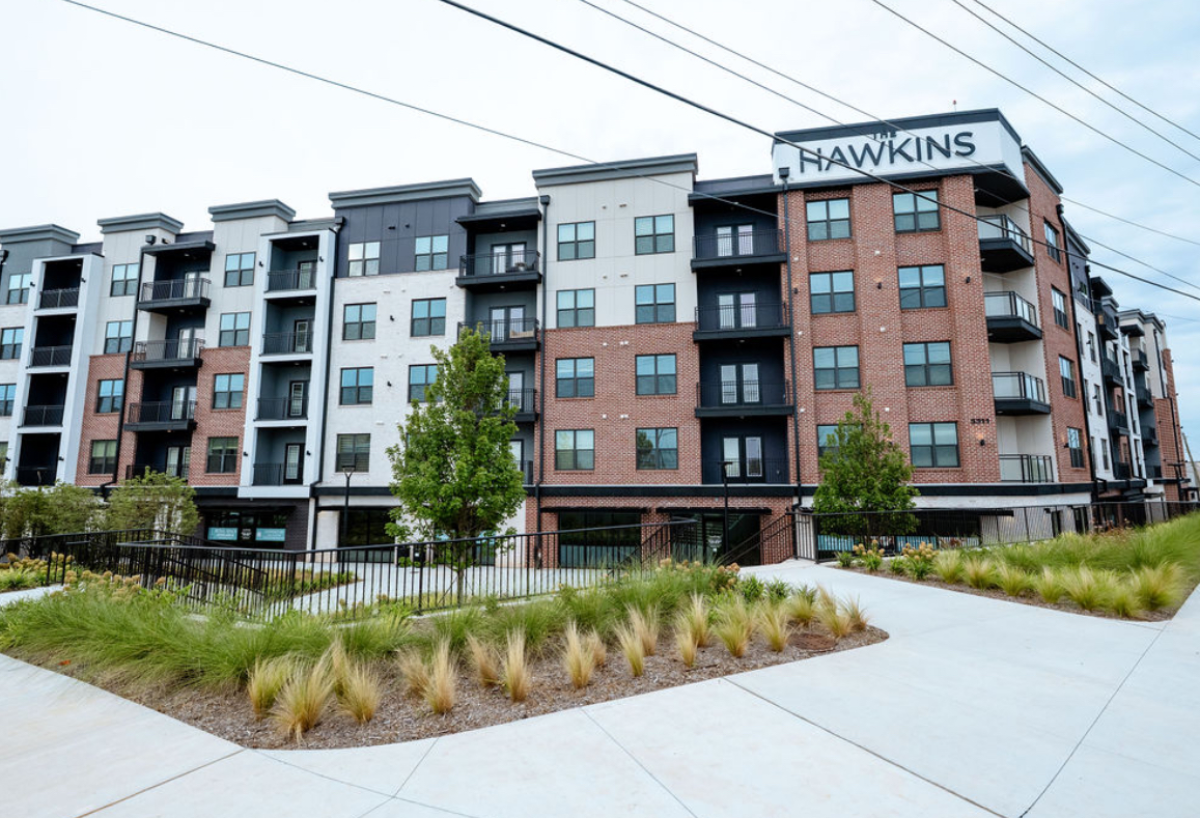
Chamblee, GA – The Hawkins, a sleek 192-unit luxury apartment community, recently opened in Chamblee. The units are already turning heads—and runways—as a hot spot for renters in metro Atlanta’s fast-growing suburbs.
Just five months after kicking off leasing, the development has hit an impressive 63% occupancy rate, with projections to reach full capacity by the end of the first quarter of 2026, according to Atlas Real Estate Partners.
Grand Opening Celebrates The Hawkins Apartments
The rapid uptake underscores the surging appetite for premium, transit-friendly housing in Chamblee, where proximity to bustling hubs like Buckhead, Brookhaven, and Downtown Atlanta makes daily commutes a breeze.
What sets The Hawkins apart? Its prime perch right next to DeKalb-Peachtree Airport (PDK), delivering jaw-dropping, unobstructed vistas of private jets and the glittering Atlanta skyline.
“We designed The Hawkins to stand out not only in Chamblee, but across Atlanta,” said Alex Foster, Managing Partner at Atlas Real Estate Partners. “Blending irreplaceable offerings like the sky lounge overlooking PDK to its practical amenities such as our dog walk and pet spa, coworking spaces and intimate courtyard, every detail reflects our goal of creating a community where residents can live, work, and connect in one of Atlanta’s most exciting neighborhoods.”
The residences themselves cater to a range of lifestyles, blending studios, one-, two-, and three-bedroom layouts with upscale touches: think expansive open floor plans, high-end finishes, and smart, contemporary conveniences that scream modern comfort.
But it’s the shared spaces that elevate the experience.
The crown jewel is the sky lounge—a showstopper with floor-to-ceiling glass walls framing those panoramic airport and city views, perfect for sunset cocktails or remote work sessions with a view.
For the wellness crowd, there’s a cutting-edge indoor/outdoor fitness center and a resort-style pool to beat the Georgia heat.
Pet owners will appreciate the dedicated dog spa and walking areas, while remote professionals can plug into flexible, high-design coworking zones.
Adding to the everyday ease: Plans for ground-floor retail and a grab-and-go market mean coffee runs and quick bites are just steps away.
All of this sits minutes from Chamblee’s top-tier dining, shopping, and entertainment scenes, with easy access via multiple transit lines.
This isn’t Atlas’s first rodeo in the Peach State. The New York- and Miami-based firm, founded in 2010, has scooped up over 9,000 multifamily units and built nearly 1,000 more, honing a reputation for value-add developments that prioritize creativity and top-notch operations.
The Hawkins fits neatly into their Opportunity Zone strategy, aiming to revitalize and energize underserved areas.
Joining Atlas on this venture is a powerhouse lineup: FIDES Development as co-developer, New South Construction handling the build, Nelson Architects on design, Banko Design for interiors, and Greystar Property Management to keep things running smoothly.
As Atlanta’s real estate market continues to evolve, projects like The Hawkins signal a shift toward communities that don’t just house residents—they inspire them. Ready to soar? Prospective tenants can dive into details and schedule a tour at thehawkinsatl.com.
AtlantaFi.com is your go-to source for the latest on homes, developments, and market trends across the ATL and beyond.
tlanta has one of the best real estate markets in the country, with affordable housing in every quadrant of the city. Large backyards, manicured parcels and strong neighborhoods with ample dining amenities make it one of the top places for transplants.
Not to mention that the city’s dining scene is the best in the Southeast. Looking for a home? Check out our Real Estate Resource Page.
Keep up with what’s going on in Atlanta’s real estate scene here with our Apartment Guide.
See The Latest Atlanta Real Estate News At AtlantaFi.com.
More Articles From AtlantaFi:
-

In a year where Southern hospitality meets global gastronomy, Atlanta’s dining scene is once again proving it’s a force to be reckoned with.
OpenTable, the go-to platform for restaurant reservations, unveiled its annual Top 100 Restaurants in America list for 2025, and the Peach State punched above its weight with not one, but three Atlanta establishments earning well-deserved nods.
America’s Best Restaurants, According To OpenTable
Amid a coast-to-coast lineup of 100 elite spots – from California powerhouses to New York staples – our city’s steakhouses, Italian havens, and sushi sanctuaries stand tall, showcasing the diverse flavors that make Atlanta a true foodie destination.
The list, drawn from a staggering 10 million verified diner reviews collected between September 1, 2024, and August 31, 2025, isn’t just about star power; it’s a data-driven celebration of excellence.
OpenTable crunched metrics like average ratings, the percentage of five-star reviews, reservation demand (including advance bookings and capacity fill rates), and even direct searches to score contenders.
Only those hitting a minimum review threshold made the cut, resulting in an alphabetical-by-state roster (no numerical rankings here – every entry is a winner). With Atlanta’s trio all boasting perfect 4.9-star ratings on the platform, it’s clear our locals are delivering unforgettable nights out.
Buckhead’s timeless elegance dominates the Georgia contingent, but West Midtown sneaks in with a modern twist.
Here’s the lowdown on Atlanta’s honorees, each a pillar of our vibrant culinary landscape:
Bones: The Steakhouse Standard-Bearer

Perched in the heart of Buckhead at 3130 Piedmont Rd NE, Bones has been Atlanta’s go-to for power lunches and celebratory suppers since 1979.
This isn’t just a steakhouse; it’s an institution where prime aged beef meets fresh Maine lobster and Southern-rooted specialties like sautéed mushrooms atop a petite New York strip.
Diners rave about the “best steak in town” and “exceptional service,” with one OpenTable reviewer calling it their “favorite restaurant in Atlanta for 40 years.”
What sets Bones apart? An award-winning wine cellar boasting over 1,350 labels – browsable via iPad for that tech-savvy touch – and a cozy, club-like vibe perfect for sealing deals or toasting milestones. Zagat has crowned it America’s top steakhouse for food and service, and with 630 glowing reviews on OpenTable, it’s no wonder.
Pro tip: Pair your dry-aged ribeye with a classic martini; they shake ’em like no one else in the ATL.
La Grotta: Italian Heritage in a Hidden Gem

Tucked away in the speakeasy-style basement of a Buckhead condo at 2637 Peachtree Rd NE, La Grotta feels like a secret shared among Atlanta’s elite since its 1978 debut.
Overlooking a lush courtyard garden, this Northern Italian treasure specializes in handmade pastas, seared calamari, and veal dishes that whisper “nonna’s kitchen” with upscale flair.
“Still the best restaurant in Atlanta,” declares a loyal patron, while another praises the “impeccable” fall patio under heat lamps.
Voted Atlanta Magazine’s Best Italian for 18 straight years and a 25-time AAA Four Diamond winner, La Grotta embodies timeless class – think vitello tonnato appetizers and goat cheese-stuffed ravioli mains.
Chef Daniel Chance, at the helm since 2021, sources fresh, local ingredients for hearty, rustic plates that pair beautifully with the full bar’s cocktails.
It’s the spot for rehearsal dinners or corporate escapes, seating up to 110 in private bliss. Dress to impress; this is where trends fade, but classics endure.
Mujō: Sushi Elevated with Southern Soul

For a sleek departure from Buckhead’s classics, head to West Midtown’s Mujō at 691 14th St NW, where Michelin-starred omakase meets moody, intimate vibes.
This 15-seat cypress-counter haven, led by Kentucky-raised Chef J. Trent Harris (a veteran of Tokyo and NYC sushi temples), delivers Edomae-style nigiri feasts that evolve nightly with seasonal fish flown in from Japan.
“Phenomenal service” and “impeccable food” dominate the 119 OpenTable reviews, with guests swooning over wagyu bites and chawanmushi custards.
Opened in 2022 after a pandemic pop-up stint, Mujō infuses Japanese precision with Atlanta flair – think hip-hop on the playlist and bespoke cocktails in the dimly lit bar. It’s a “luxury seafood dreamland” where small plates precede a nigiri progression, all in a space that activates every sense
Esquire named it one of America’s Best New Restaurants in 2023, and its Michelin nod cements the hype. Reservations? Book months ahead; this is ichi-go ichi-e – one chance, one meeting – at its finest.
Atlanta’s representation on this national stage underscores our city’s evolution from Southern comfort to world-class innovation.
With heavy hitters from Chicago (15 spots!) and California (16) leading the pack, Georgia’s trio – all within a short drive of downtown – highlights how we’re blending heritage with high-end without missing a beat.
Final Word
As Debby Soo, OpenTable’s Chief Product and Technology Officer, noted in the announcement, these honorees “exemplify the incredible dining experiences available across the country.”
Whether you’re craving a dry-aged cut at Bones, al dente perfection at La Grotta, or nigiri nirvana at Mujō, make your move – tables fill faster than a Falcons comeback. Atlanta’s food scene isn’t just cooking; it’s commanding the conversation. What’s your next reservation? Drop us a line in the comments.
Even if 100 restaurants don’t fit your fancy, you can also come and grub at one of the best places to eat on the southside. The street’s walkable, trendy vibe, enhanced by vibrant murals and restored brick storefronts, draws food enthusiasts and supports a burgeoning dining scene.
More Food Coverage:
Here Are The Best New Restaurants In Atlanta