-
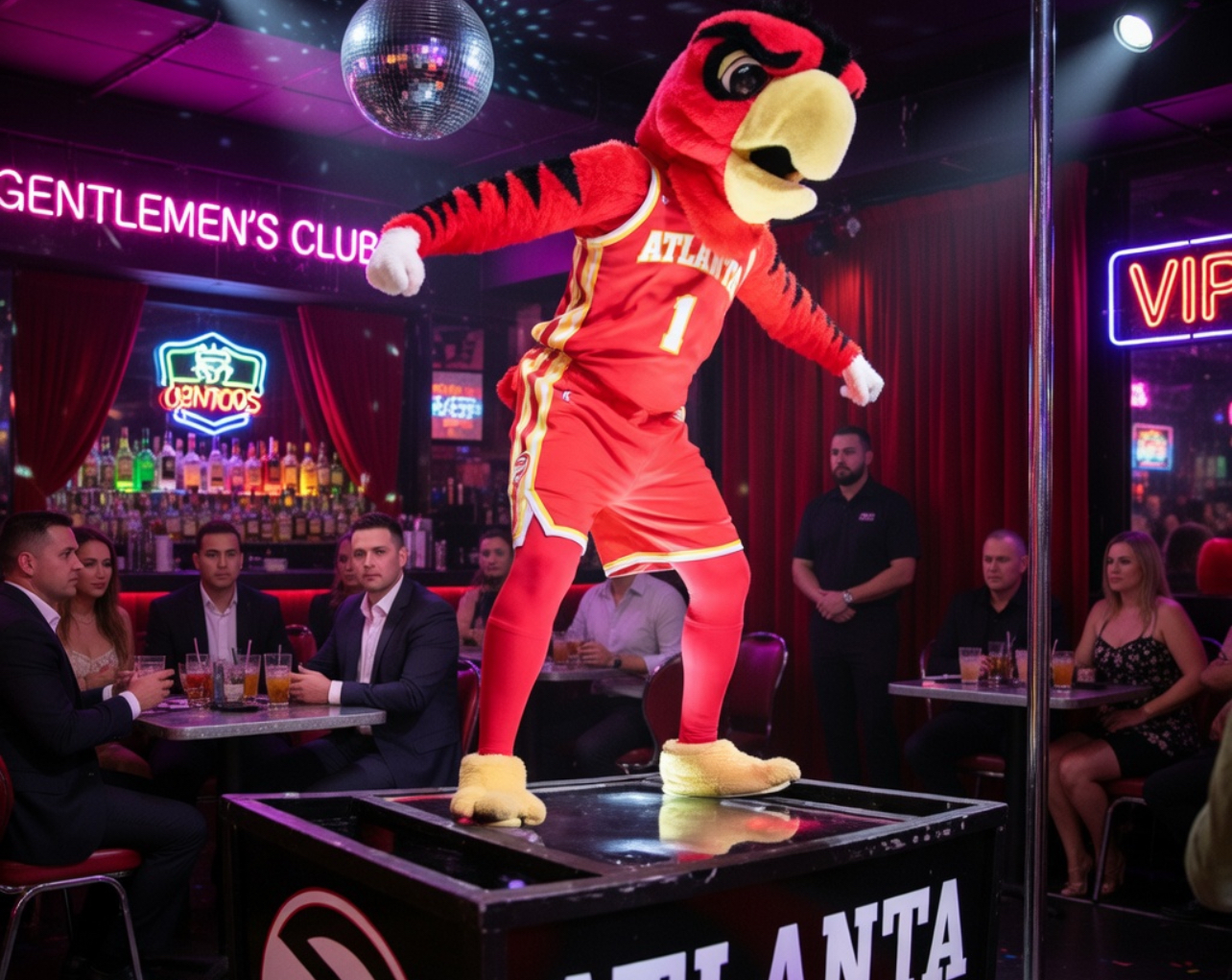
After hearing from stakeholders, the NBA canceled the Atlanta Hawks’ “Magic City Night,” a title that winked at the city’s most famous strip club.
If they would have dug deeper, the league would have saw that the event was tied to a documentary one of the team’s proprietors was making.
In any event, the whole brouhaha makes us wonder what are some of the Hawks’ other theme nights.
We’ve compiled a list:
Here are the key theme nights and promotions for the Atlanta Hawks’ 2026 season at State Farm Arena, based on the official announcements and updates from the team.
The Hawks rolled out a vibrant promotional calendar with 19 elevated game-day experiences, focusing on Atlanta’s culture, community, family fun, and special giveaways.
Highlighted Theme Nights & Cultural Celebrations:
- Outkast Night — December 3, 2025 (vs. LA Clippers): Celebrating the duo’s Rock & Roll Hall of Fame induction with iconic tracks, a limited-edition collectible figurine giveaway (first 5,000 fans), and a halftime performance.
- Divine 9 Night — December 5, 2025 (vs. Denver Nuggets): Honoring Black excellence and the Divine Nine fraternities/sororities.
- HBCU Night presented by Chase — February 7, 2026: Eighth annual event bringing together storytelling, culture, and community to celebrate Historically Black Colleges and Universities.
- Culture Fest — February 20, 2026: A broad celebration of Atlanta’s diverse heritage.
- Crowning Courage Night — March 12, 2026 (vs. Nets): Honoring active and retired military personnel.
- Magic City Night (also called Magic City Monday and now CANCELED) — March 16, 2026 (vs. Orlando Magic): Tribute to the iconic Atlanta strip club, featuring lemon pepper wings, a T.I. performance, exclusive co-branded merchandise (like a limited-edition hoodie), and more. (Note: This one drew some controversy and calls for cancellation from an NBA player citing respect concerns.)
- Ladies Night — March 28, 2026 (vs. Sacramento Kings): A fan-favorite evening with special focus on women fans.
- True to Atlanta Night (City Edition Game) — April 10, 2026 (vs. Cleveland Cavaliers): The final home game, celebrating the city and fans with special ticket offers.
Other Notable Promotions & Giveaways:
- Bobblehead Nights: Dyson Daniels (November 4, 2025 vs. Orlando) and Zaccharie Risacher (January 23, 2026 vs. Phoenix).
- Kids Games / Family Events: Multiple family-focused days with early tip-offs, first 3,000 kids giveaways (e.g., youth shooting sleeves on March 14 vs. Bucks), and Family 4-Pack offers.
- MLK Day Game: Returned as a highlight (specific 2026 date not detailed in announcements, but traditionally a community-focused event).
- Star Wars Ticket Offer — March 10, 2026 (vs. Mavericks): Includes exclusive Grogu bobblehead.
- Baseball Jersey Ticket Offer and other appreciation nights (e.g., Healthcare, Educator).
- Holiday Game — December 23, 2025 (vs. Chicago Bulls): Festive activations and entertainment.
For the full list, special ticket packages, or any late-season additions, check the official Hawks promotions page at Hawks.com/Promotions or the NBA.com/Hawks site.
These events help make State Farm Arena a top spot for fans all season long—grab tickets early for the popular ones! Go Hawks!
More From AtlantaFi.com:
-

Midtown Atlanta is your go-to place in the city for new restaurants and more, but most of us aren’t rich. Can you check out Midtown Atlanta’s many sights and sounds without breaking your bank? Yes, you can.
But where should you start? In this article, we’ll walk you through several top things to do in Midtown Atlanta for the cheap.
Things To Do In Midtown Atlanta For Cheap
Here are some really cool things to do in Midtown Atlanta that won’t cost you a lot of money:
Atlantic Station Creators Market

Photo credit: Maria Lindsey Content Creator / Pexels There’s no better way to support a maker than to check out their wares at Atlantic Station’s Creators Market. The market is open at the following times:
- Every Saturday from 11 a.m. to 9 p.m.
- Every Sunday from 12 to 7 p.m.
- Christmas Eve, Dec. 24, 11 a.m. to 4 p.m.
Check out what’s on sale in Atlanta.
High Museum of Art

The premier art spot features diverse collections is High Museum of Art in Midtown. General admission is around $15–20 (check for updates), but take advantage of UPS Second Sundays (second Sunday each month, e.g., March 8, 2026) for free admission for all + family programming. Military personnel get free entry anytime with proof.
Location: 1280 Peachtree St NE, Atlanta, GA 30309.
Cost: Free on select days; otherwise low-cost.Piedmont Park

Atlanta’s iconic green oasis remains a top free spot for picnics, jogging, dog-watching, or relaxing amid dogwoods and azaleas. With 200+ acres, it includes paths, sports courts, a pond, and dog parks. It’s a hub for free events like yoga, festivals, and the Atlanta Dogwood Festival (April 10–12, 2026, with a small entry fee this year due to funding changes).
Ongoing improvements from the Piedmont Park Conservancy’s master plan enhance accessibility and paths—no major disruptions reported.
Location: 400 Park Dr NE, Atlanta, GA 30306.Price: Free
Krog Street Market

Photo credit: Youtube.com Conveniently situated just feet from the Beltline in Inman Park, Krog Street Market is the city’s second-most successful project. The market sits on nine acres and features 12,000 square feet of anchor restaurants like Superica, a renown beer and wine store and all kinds of cool restaurants and pop-up shops.Atlantic Station

Photo credit: youtube.com The most high-profile mixed-use development project in Midtown is Atlantic Station. Comprised of a retail district, office space, condominiums, townhomes and apartment buildings, Atlantic Station is credited with heralding the post-mall era for metro Atlanta as well as helping city leaders envision transit without vehicles. The park-like setting features a movie theater, greenspace, yoga in the park, restaurants and candy shops and a more. Even if you want to just walk around, it’s a cool place to be.Rent An Electric Scooter

Photo credit: Youtube If you’ve traveled through Midtown Atlanta at all this year, you can’t miss someone on one of those electric scooters whizzing pass you. Atlantans can rent Birds in several locations around Midtown as well as at Tech Square, downtown, and even in the West End. You must download the Bird app to ride and it costs $1 to start, then 15 cents per minute afterward. Here’s how to do it safely.Additionally, Lime scooters are also available around the city’s core. Lime scooters cost just $1 to unlock plus a small fee (usually 15 cents per minute) in most areas.Visit Central Park

Photo credit: youtube.com A lot of people would tell you that PIedmont Park is Atlanta’s Central Park, but really Central Park is Atlanta’s Central Park. The Midtown spot is located between Ralph McGill Boulevard and North Avenue butting up against Old Fourth Ward. Central Park offers acre upon acre of natural greenery. There are tennis courts, basketball courts and running trails throughout.Martin Luther King, Jr. National Historical Park

Photo credit: Yotuube.com Ebenezer Baptist Church, continues to thrive. 450 Auburn Ave NE, Atlanta, GA 30312.Hit The Beltline
 Atlanta’s Beltline project has become the largest of its kind in the world. And it’ll be hard to beat the adventure and exercise you’ll get by walking it for at least 30 minutes in either direction.
Dad’s Garage Theater Company
If you want an affordable night out filled with laughs, Dad’s Garage is the spot. The non-profit comedy theatre erves up award-winning Atlanta improv comedy, scripted shows, and a fully-stocked bar. Come see them Wednesday through Saturday, every week of the year. Tickets are $40.50 online, $42.50 phone & door. 569 Ezzard St SE, Atlanta, GA 30312-1910.
Ponce City Market

Photo credit: youtube.com A BeltLine-adjacent food hall and gathering spot with free entry. Browse shops, enjoy street-level vibes, and grab affordable eats (or just people-watch). It’s a social hub year-round.
Cost: Free entry.675 Ponce De Leon Ave NE, Atlanta, GA 30308.
The Plaza Theatre

Photo by Demetrius Washington on Unsplash The Plaza Theatre is an Atlanta landmark and the city’s longest continuously operating movie theatre. In the 1970s, the Plaza became an X-rated adult cinema and live burlesque theatre, screening such risqué fare as Teeny Buns and Swinging Sorority, until the entire shopping center was renovated
Piedmont Park

photo credit: youtube.com The city’s preeminent park, Piedmont Park in Midtown Atlanta is the perfect place to job, walk or just chill on the green grass. The park has a pristine pond, a huge running track, sprawling jogging paths, basketball courts, dog parks and more. The real treat is spending the day strolling through this bucolic oasis in the middle of Atlanta and admiring the many dogwood trees, crepe murtles and azaleas planted throughout. Not only is it refreshing for the mind, but it continues to be one of many fun things to do in the city’s largest greenspace. 400 Park Dr NE, Atlanta, GA 30306.Eat At The Varsity

Photo credit: Youtube.com “Whaddyahave, Whaddyahave, Whaddyahave!?” Either you know about that, or you don’t. The Varsity is arguably the most famous restaurant in Atlanta. It all started about a century ago in Midtown Atlanta and gradually branched out to a handful of locations around metro Atlanta. And no wonder. Where else can you get iconic chilli dogs, hamburgers and onion rings that have made their way into pop culture and the fabric of the area’s dining scene? Come check out the largest drive-in fast food restaurant in the world. : 61 North Avenue NW Atlanta, GA. 30318.
Fox Theatre

The Fox Theatre is a jewel of a landmark located on Peachtree Street in Midtown Atlanta. Got some time on your hands? Catch a show!
The Fox, located at 660 Peachtree St NE, Atlanta, GA 30308, always has a highly acclaimed lineup. Check the show schedule.
Final Word
Midtown Atlanta is a perfect place to explore the city. Don’t be afraid to take MARTA to several high-profile spots. You’ll save time.
Midtown has some of the best restaurants in the city, places where visitors, namely tourists, and others can enjoy a meal. Downtown Atlanta or Midtown often has something cool going on! Check out these events in Atlanta today and this week and this weekend:
Here are more articles from AtlantaFi.com:
-
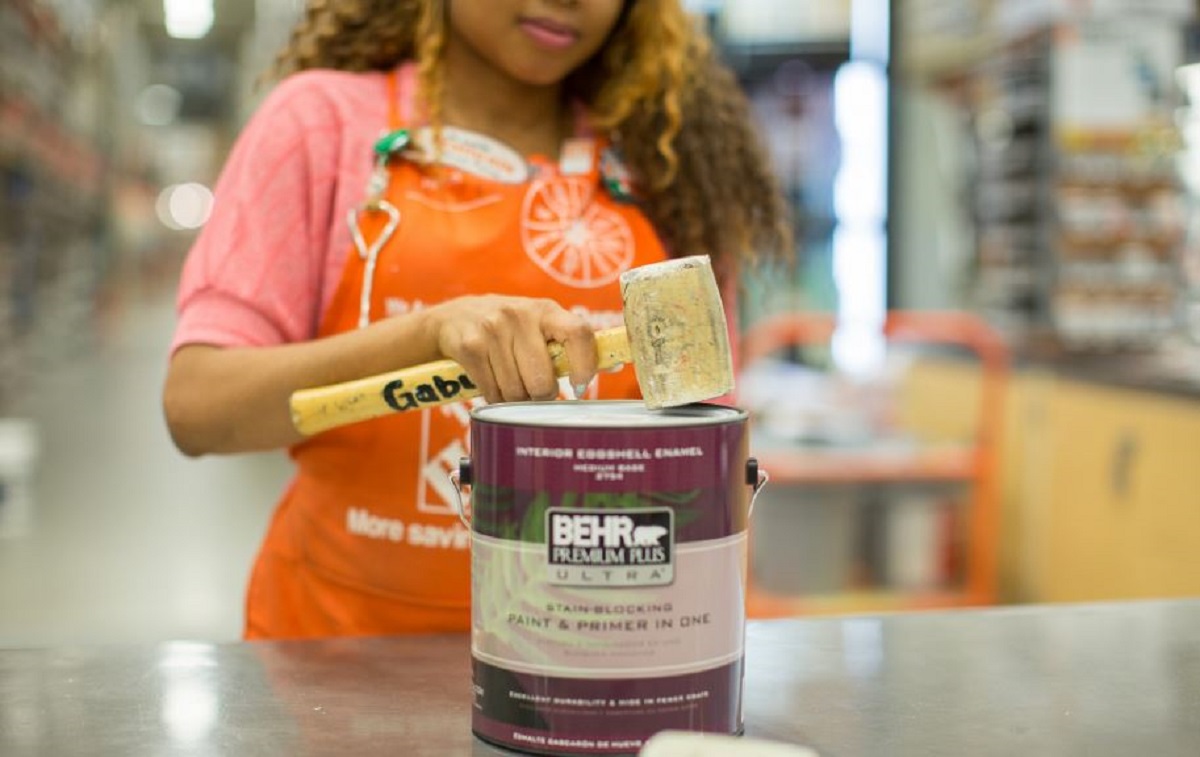
One of the best local companies is currently hiring: Atlanta-based Home Depot. if you’re looking for a job, the home improvement store could be the perfect spot to work.
Do you want to go to work everyday in an orange apron? Or are you the office type? Home Depot has store positions available, but they also have many corporate positions that you could be a fit for.
How To Get Hired By Home Depot: Everything You Need To Know
This article will show you how to get hired at Home Depot and what you need to know when you apply.
How Much Does Home Depot Pay?
If you get hired at Home Depot, your salary will depend on your position as well as your experience.
Here’s a sample of job salaries at Home Depot from Payscale.com:
Job Title Range Average Job Title:Sales Associate Range:$10 – $16 Average:$12 Cashier Range:$10 – $14 Average:$12 Retail Department Supervisor Range:$13 – $20 Average:$16 Retail Sales Associate Range:$11 – $17 Average:$12 Is It Hard To Get Hired At Home Depot?
Getting hired at Home Depot may be characterized as difficult for some, but others who have worked for the company say they run a typical employment process.
Home Depot has an extensive hiring process that makes sure the company only employs the very best people. It can take several weeks for your application to reach a Home Depot recruiter.
Home Depot has been quietly ramping up its staffing in its stores and corporate offices. The home improvement store says it plans to hire 80,000 people for spring.
What Types Of Positions Are Available At Home Depot?
The Atlanta-based company says it has job opportunities nationwide for young adults entering the job market as well as retirees and parents looking for work.
Here’s a sample of some job titles that are currently open at Home Depot around Atlanta:
- Cashier
- Warehouse Associate
- Freight/Receiving
- Customer Contact Associate
- Customer Service/Sales
- Corporate Security Officer
- Store Support
The jobs will be full- and part-time positions. After one year, all associates will qualify for paid family leave and other perks.
How Many Employees Does Home Depot Have?
Home Depot has approximately 500,000 employees as of the beginning of 2023.
If you’re wondering what types of jobs Home Depot will have available, the company recently said that it was hiring for the following positions:
- Garden center
- Overnight freight
- Merchandising
- Customer service roles across store departments
- Warehouse associates for its distribution centers
“When you join The Home Depot, you’re joining a winning team built on our core values and associate-centric culture,” said Tim Hourigan, executive vice president of human resources. “More than 90 percent of our store leaders began their careers here as hourly associates, which is a testament to our commitment to growing the careers of our people.”
How To Apply For A Job At Home Depot
Interested jobseekers should visit Careers.Homedepot.com for a quick and easy application or text JOBS to 52270 for a link to apply to local positions.
Once you’ve submitted your application at Homedepot.com, monitor your email for some correspondence from he company. The email will be sent to the same address you entered when signing up on Home Depot’s career page.
If you are considered for the job, a Home Depot recruiter will reach out to you either through email or via phone.
From there, you’ll get an interview scheduled. Here’s how to ace a video interview.
What Benefits Does Home Depot Offer?
Home Depot is one of the best places to work in metro Atlanta. The company offers the following perks as part of employment:
- 401(k) with company match
- Paid parental leave
- Merit increases and performance bonuses
- Pet care and insurance for pet sitting
- Exclusive discounts
Final Word
If you love a fast-paced environment or interacting with people and solving their problems, working inside a Home Depot store could be perfect for you.
Working for a home improvement company may not have been one of your goals in school, but Home Depot, one of the largest employers in metro Atlanta, is a great place to work.
The Smyrna-based company began in Atlanta more than 30 years ago and has become a global force for consumer supplies and equipment.
At the end of the third quarter of fiscal year 2022, Home Depot operated a total of 2,319 retail stores in all 50 states.
Metro Atlanta has a hot economy and that means employers are hiring at a rapid pace. We currently have job articles that show you high-paying jobs, those close to downtown and even side hustles you might like.If you’re looking to get hired in Atlanta right now, there’s a very real possibility that you can land your dream job. -

The highly anticipated Cosm Atlanta venue at Centennial Yards is officially set to open its doors to the public on June 10, 2026, kicking off with an immersive live Shared Reality broadcast of Game 4 of the NBA Finals.
This marks a major addition to downtown Atlanta’s sports and entertainment scene, placing the state-of-the-art facility right next to State Farm Arena and Mercedes-Benz Stadium—putting fans steps away from the action in the heart of the city.
Cosm To Open in Atlanta This Summer
Cosm Atlanta spans 70,000 square feet across three levels and centers around a massive 87-foot-diameter 12K+ LED dome that delivers what the company calls “Shared Reality”—a cutting-edge blend of virtual and physical worlds.
More Content From AtlantaFi.com:
- Centennial Yards: 50-Acre Redevelopment of the Gulch
- What Is The Average Cost of an Atlanta Home?
- The Most Fun Things To Do in Centennial
The technology creates an ultra-immersive environment where attendees get the ultimate “best seat in the house” feel for major events, complete with stunning visuals, dynamic sound, and communal energy.
To celebrate the grand opening, Cosm will host a live Shared Reality production of the NBA Finals Game 4 matchup (TBD).
Tickets for the venue’s debut slate of programming are now on sale through Cosm.com and the Cosm app. The initial lineup includes:
- Live sports broadcasts from the NBA (including NBA Finals Games 4 and potentially 5), UFC, MLB, WWE, and more—such as UFC events on June 14 and College World Series games later in June.
- Immersive Shared Reality screenings of blockbuster films like Harry Potter and the Sorcerer’s Stone and The Matrix.
The venue offers multiple viewing options, from the fully immersive main Dome to social spaces like the Hall and outdoor Deck terrace, with food, drinks, and alcohol available.
Located at 85 Centennial Olympic Park Drive NW in Centennial Yards—described as the emerging “sports and entertainment capital of the South”—Cosm Atlanta is easily accessible via the nearby Five Points MARTA station. The timing couldn’t be better, as the opening comes just days ahead of Atlanta hosting matches in the 2026 FIFA World Cup starting June 15.
This new attraction is expected to draw crowds for big games, movie nights, and special events, further boosting the vibrant energy around Mercedes-Benz Stadium, State Farm Arena, and the broader Centennial Yards development.
For the latest event details, ticket purchases, and venue info, visit Cosm.com/atlanta or download the Cosm app. Atlanta fans—get ready for a game-changing way to experience live sports and entertainment!
-
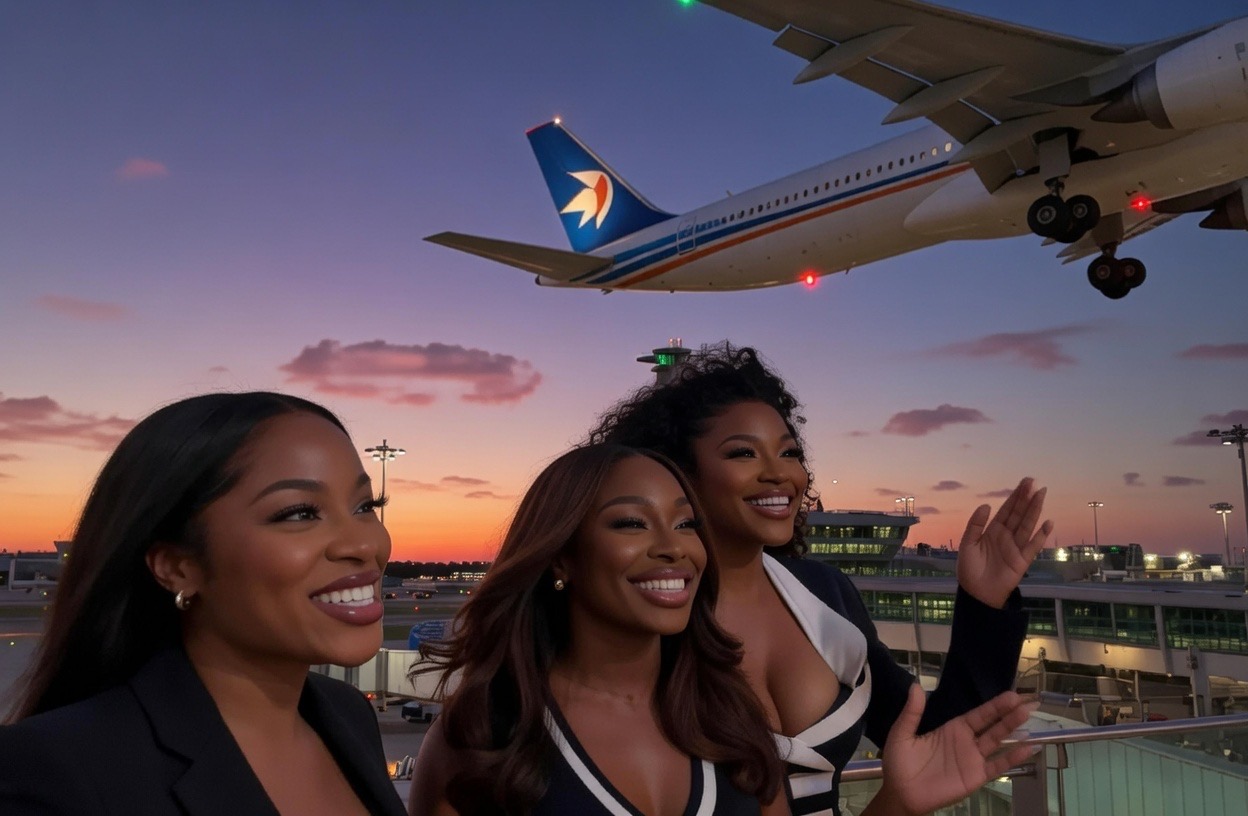
It’s no secret that Hartsfield-Jackson Atlanta International Airport (ATL) remains the busiest airport in the world, with planes taking off and landing every minute during peak hours.
Whether you’re an aviation enthusiast, traveling with kids who love airplanes, or just looking for a unique Atlanta experience, watching the massive jets glide in for landing never gets old.
The airport’s five parallel runways create dramatic approaches, especially when traffic flows west (landings on the 26s/27s) or east (9s/10s), depending on wind.
Where To Watch Planes Arrive, Take Off in Atlanta
Here are some of the top spots around metro Atlanta to catch those thrilling low approaches and touchdowns—some free, some with perks like food and drinks.
1. The Rooftop at The Overland (Hapeville)

Perched on the 8th floor of the Kimpton Overland Hotel, this open-air lounge offers one of the most elevated and comfortable views of planes arriving and departing.
You get sweeping sights of the runways alongside the Porsche Experience Center’s test track—jets overhead while Porsches zoom below.
Open Thursday through Saturday evenings, it’s perfect for cocktails and small plates while watching the action. No hotel stay required, though rooms with views make for an ideal plane-spotting staycation.
2. Renaissance Concourse Atlanta Airport Hotel

A longtime favorite among aviation fans, this hotel sits right north of the midfield runways. Request a south-facing room (higher floors are best) with a balcony for unobstructed views of takeoffs and landings, especially on the northern runways (26L/26R or 27L/27R depending on flow). Soundproofing keeps things peaceful indoors, but step out for the full roar.
It’s one of the most immersive spots without needing to leave your room.
3. Phoenix Trail (College Park)

For an active option, head to this 2-mile paved rail-trail along the western edge of the airport. Walkers, runners, and cyclists enjoy frequent low passes as planes approach from the west.
It’s free, scenic, and combines exercise with aviation watching—great for families or anyone wanting fresh air. Pair it with a stop in nearby College Park for extra views.
4. Airport View Restaurant & Nearby Patios (College Park / Hapeville area)

This classic Southern cafeteria-style spot offers window seating with planes soaring past during lunch hours (weekdays)
For evening or weekend vibes, check out patios and rooftops along College Park’s “restaurant row”—places like Johnny’s Chicken & Waffles, Virgil’s Gullah Kitchen & Bar, The Real Milk & Honey, Nouveau Bar & Grill, and Aye Tea Elle put you right under arrival or departure paths. Many diners enjoy meals with jets climbing overhead.
5. Terminal Parking Decks (North and South)

If you don’t mind paying the hourly rate (around $3/hour), the top levels of the North and South Terminal parking decks provide solid ground-level views of landings and takeoffs.
South deck excels for the western runways (27s), while North works well for eastern flows (26s). Cell phone waiting lots nearby offer free alternatives with decent sightlines, though lower than the decks.
Bonus Tips for the Best Experience
- Check wind direction — Use apps like Flightradar24 or Windy to see which runways are in use. West flow (landings on 26/27) often gives lower, closer approaches visible from many west-side spots.
- Bring binoculars or a camera — Even distant planes become identifiable.
- Timing matters — Early mornings and late afternoons see heavy traffic; weekends can be slightly quieter.
- Respect rules — Avoid restricted areas, and don’t block traffic in parking spots.
From rooftop cocktails to trail walks, Atlanta’s proximity to the world’s busiest airport makes plane watching an easy, free (or low-cost) local adventure. Grab a coffee, find your spot, and enjoy the show overhead. Safe spotting!
Check Out Our Atlanta Travel Guide
-

Spelman College in Atlanta holds the distinction of being one of the top historically black colleges (HBCUs) in the United States. The women’s only school has become synonymous with black girl excellence.
This article will tell you everything you need to know about Spelman.
What Is Spelman College?
Spelman College is a private, historically black liberal arts women’s college located in Atlanta, Georgia, United States. It was founded in 1881 as the Atlanta Baptist Female Seminary by Sophia B. Packard and Harriet E. Giles. Spelman College is named after Laura Spelman Rockefeller and her parents Harvey Buel and Lucy Henry Spelman, longtime activists in the abolitionist movement.
Spelman College is known for its strong commitment to the education of African American women and has a rich history of producing influential alumnae in various fields, including politics, business, academia, and the arts. The college offers a wide range of undergraduate programs and is particularly well-regarded for its programs in the humanities, social sciences, and STEM fields.
The school mascot, the Jaguar, can be seen prominently in the school’s athletics program.
Where Is Spelman College Located?
Spelman College is located in Atlanta, Georgia, in what is called the Atlanta University Center (AU Center), a consortium of HBCUs near downtown. Spelman’s address is 350 Spelman Ln SW, Atlanta, GA 30314. Here’s a map to help you find it.
How Much Does Spelman College Cost?
When it comes to tuition fees for the 2023-2024 semester, part-time students registered for less than 12 hours must pay $1,130 per credit hour.
Full-time students registered for more than 20 hours will be charged $925 for each additional credit hours, according to the school’s website.
Additional charges will be incurred for out-of-state fees as well as for on-campus dorm living, which is customary.
FIRST SEMESTER ON-CAMPUS STUDENTS OFF-CAMPUS STUDENTS Tuition (12 to 20 credit hours) $13,457.50 $13,457.50 Student fees (see details below) $1,571.50 $1,571.50 Room and Board * $8,146.50 — Total First Semester $23,175.50 $15,029.00 Other charges to be assessed at registration (see Other Charges below).
SECOND SEMESTER ON-CAMPUS STUDENTS OFF-CAMPUS STUDENTS Tuition (12 to 20 credit hours) $13,457.50 $13,457.50 Student fees (see details below) $1,571.50 $1,571.50 Room and Board * $8,146.50 — Total Second Semester $23,175.50 $15,029.00 Other charges to be assessed at registration (see Other Charges below).
TOTAL FOR YEAR $46,351.00 $30,058.0 Who Are Some Notable Spelman College Alumni?
Spelman features a who’s who of famous and notable alumni. Here are a few:
- Alice Walker – Pulitzer Prize-winning author known for her novel “The Color Purple.”
- Marian Wright Edelman – Founder and president emerita of the Children’s Defense Fund, a leading advocacy organization for children’s rights.
- Bernice Johnson Reagon – Founder of the a cappella ensemble Sweet Honey in the Rock and a prominent scholar of African American music and history.
- Keshia Knight Pulliam – Actress known for her role as Rudy Huxtable on “The Cosby Show.”
- Rosalind Brewer – CEO of Walgreens Boots Alliance and former COO of Starbucks.
- Stacey Abrams – Politician, lawyer, and voting rights activist who served in the Georgia House of Representatives and ran for governor of Georgia in 2018.
- Beverly Daniel Tatum – Psychologist, educator, and author known for her work on race relations and identity development, particularly in the context of education.
Final Word
Spelman College is recognized for its dedicated focus on educating African American women and boasts a history of notable graduates who have excelled in diverse areas such as politics, business, academia, and the arts. Offering a broad spectrum of undergraduate programs, the college is especially esteemed for its curriculum in the humanities, social sciences, and STEM disciplines.
Spelman is part of the Atlanta University Center, which is a consortium of historically black colleges and universities (HBCUs) located in Atlanta, Georgia.
The consortium includes four member institutions: Clark Atlanta University, Morehouse College, Morehouse School of Medicine, and Spelman College. These institutions are known for their academic excellence and cultural significance in the African American community. The AU Center offers a wide range of undergraduate, graduate, and professional programs, as well as cultural and social activities for students. The AU Center is also known for its restaurants.
Got an event or know of something opening in and around Atlanta? Holla: CJ@AtlantaFi.com. See what’s poppin’ in the ATL! Subscribe to our news alerts here, follow us on Twitter and like us on Facebook.
Here Are The Best New Restaurants In Atlanta
-
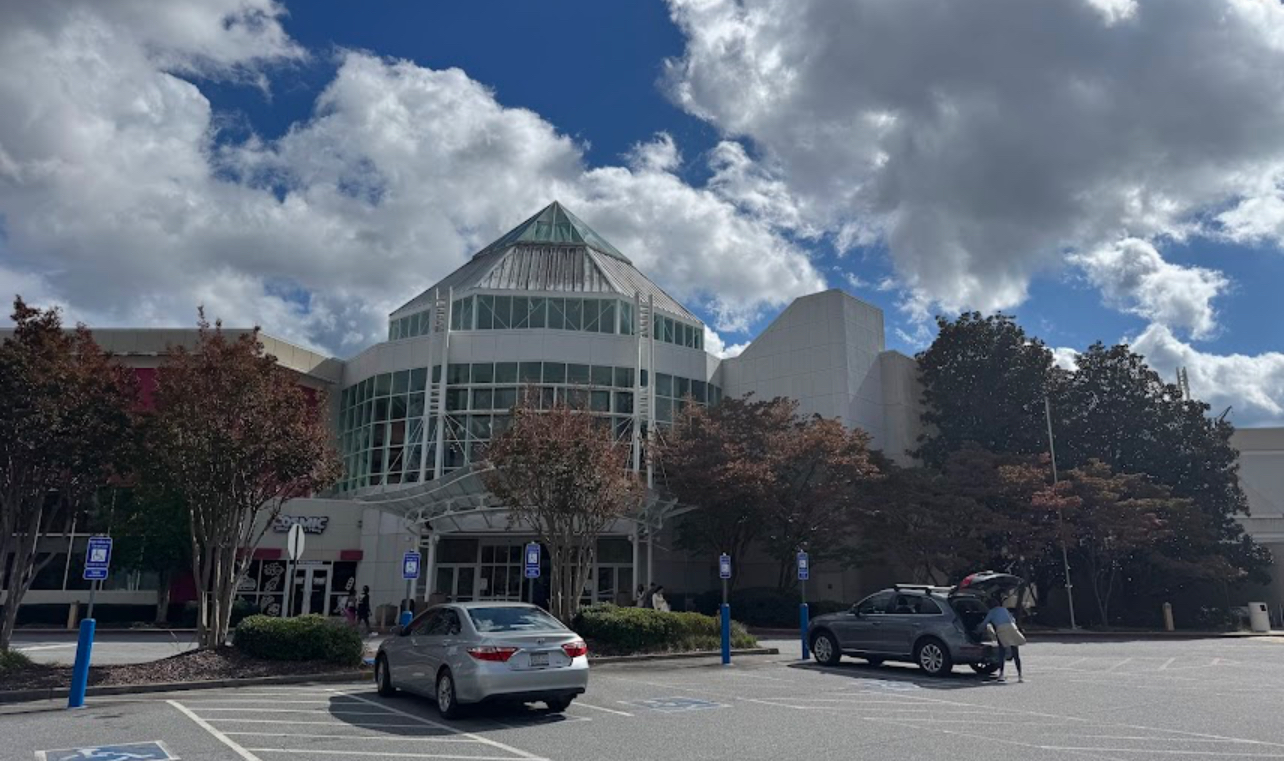
Alpharetta, GA — February 27, 2026 — The team behind one of Atlanta’s most successful urban redevelopment projects is now turning its attention northward, as global real estate firm Jamestown has been tapped to lead the transformation of the aging North Point Mall into a vibrant mixed-use entertainment district — with a potential NHL arena at its core.
Jamestown, renowned for revitalizing the historic Ponce City Market in Atlanta’s Old Fourth Ward into a bustling hub of retail, dining, offices, and public spaces, announced the partnership Thursday with New York Life, the current owner of the 100-acre North Point Mall property in Alpharetta.
PCM Developers Selected to Revamp North Point Mall
The developer will oversee pre-development efforts, including securing necessary entitlements and rezoning approvals from the City of Alpharetta and Fulton County.
The ambitious vision includes a state-of-the-art arena designed to NHL standards, alongside multifamily housing, retail spaces, office areas, hotels, improved public transit access, and other amenities aimed at creating a walkable, sports-anchored destination.
Jamestown is collaborating with Machete Group, a firm experienced in sports venue development across major leagues, to bring the project to life.
Tim Perry, Jamestown’s chief investment officer, expressed optimism about the site’s potential: “We think this is a great location for an NHL team and, hopefully, our efforts will attract an owner who wants to acquire an expansion team and bring hockey back to Atlanta.”
The move intensifies the competition to land a new National Hockey League franchise in the Atlanta metro area. North Point Mall’s redevelopment joins The Gathering at South Forsyth, a separate multi-billion-dollar mixed-use proposal in neighboring Forsyth County.
That project, led by businessman Vernon Krause, centers on an 18,000-seat arena and has already secured significant local government support, including tax incentives contingent on securing an NHL team.
Both sites highlight growing momentum for NHL expansion in the region, which last hosted professional hockey with the Atlanta Thrashers (1999–2011).
Metro Atlanta’s northern suburbs offer strong demographics, existing hockey interest through youth and recreational programs, and proximity to major highways.
No timeline has been set for construction or NHL franchise decisions, as the projects remain in early planning and entitlement phases. Jamestown is scheduled to assume property management of North Point Mall starting March 1.
Local leaders in Alpharetta have previously advanced related efforts, including creating a Tax Allocation District to support mixed-use redevelopment in the broader North Point area.
As discussions continue, the involvement of a proven developer like Jamestown adds significant credibility to the North Point Mall bid in the race to return top-tier hockey to Georgia. Stay tuned to AtlantaFi.com for updates on this evolving story.
More Content From AtlantaFi.com:
-
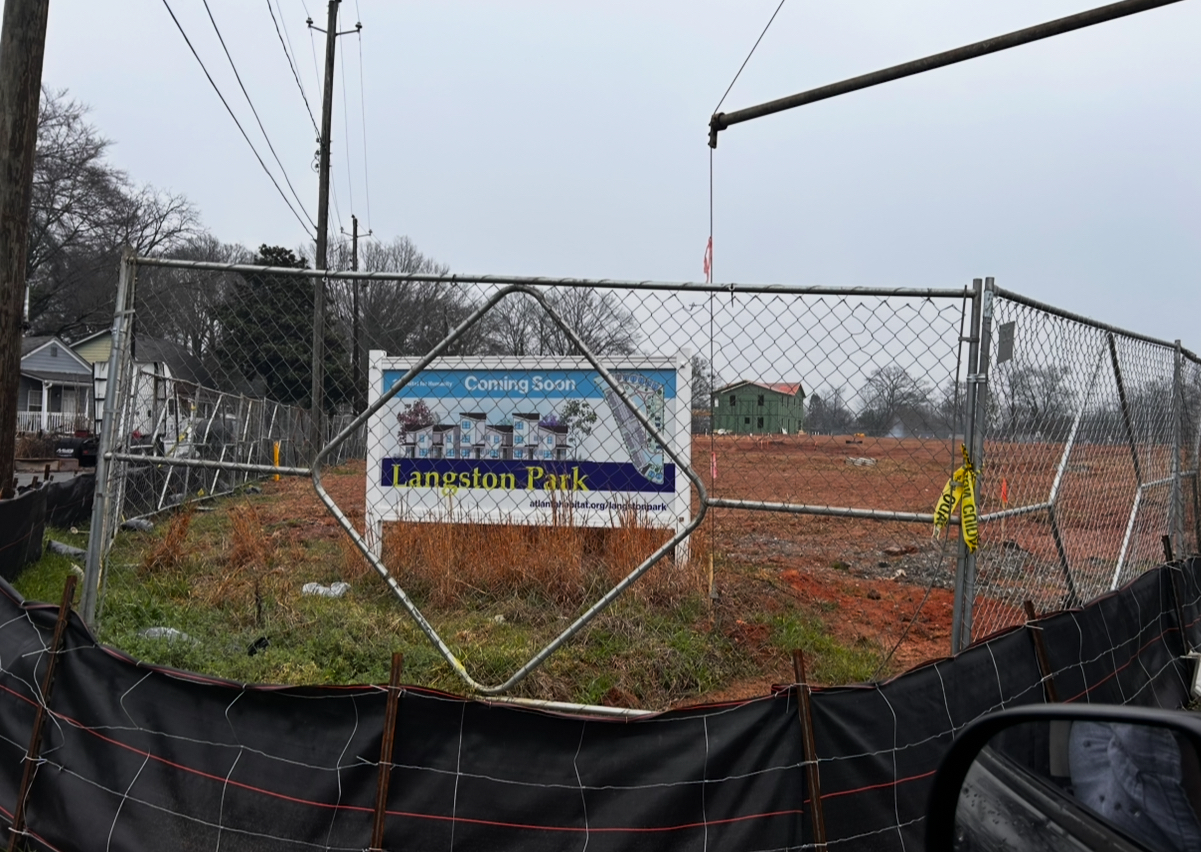
Atlanta Habitat for Humanity has cleared the land and has broke ground on Langston Park, a master-planned community in the historic Sylvan Hills neighborhood that introduces townhome-style homes for the first time in the organization’s 42-year history.
Announced in early 2025, Langston Park aims to expand homeownership opportunities by offering a more diverse mix of housing types that are modern, sustainable, and efficient.
Langston Park Being Built in Atlanta’s Sylvan Hills Neighborhood
The development will feature attached townhomes in configurations of 2-, 4-, and 6-unit buildings, designed with contemporary aesthetics similar to Atlanta Habitat’s popular two-story single-family homes but incorporating shared walls to maximize space and affordability.
Future phases of townhome construction are planned to include 2- and 3-story options with 3- or 4-bedroom layouts, providing flexibility for families of varying sizes.
Situated at 1579 Langston Ave. on the western edge of Sylvan Hills, the site offers strong connectivity: it’s near two MARTA stations (including the Oakland City station), the Westside Trail of the Atlanta Beltline, and nearby green spaces. This location supports easier access to transit, walking paths, and community amenities—key advantages for future residents.
Homebuyers who join Atlanta Habitat’s program starting in 2025 will have the chance to purchase these brand-new townhomes, marking a historic shift from the organization’s traditional focus on standalone single-family homes. Construction on the project is scheduled to begin in 2026.
Langston Park represents Atlanta Habitat’s second major planned development in Sylvan Hills and is envisioned as a higher-density community overall. Master plans call for up to approximately 68 homes across the roughly eight-acre site, including around 40 townhomes, 18 duplexes, and 10 single-family homes.
The project will gain national attention in May 2026 when it hosts the 40th Jimmy & Rosalynn Carter Work Project
From May 3-8, thousands of volunteers are expected to converge on the site to build 24 new homes—single-family units and townhomes—in just five days, kicking off broader construction efforts.
Atlanta Habitat encourages prospective homebuyers interested in Langston Park to apply through their monthly homebuyer program opportunities.
The organization also invites community members to support the initiative by donating, volunteering on construction or other teams, or contributing goods to its ReStores.
For more information on the Langston Park development, homebuyer applications, or ways to get involved, visit atlantahabitat.org.
More From AtlantaFi.com:
-

Atlanta, GA – February 23, 2026 – Georgia’s rich agricultural heritage continues to thrive, and family farms across the state—including those in the metro Atlanta region and surrounding counties—are invited to apply for recognition through the Georgia Centennial Farm Program.
Applications are now open for qualifying farms, with a deadline of May 1, 2026.
Farms have long served as the foundation of Georgia’s economy, culture, and family traditions, passing down legacies from one generation to the next. Many properties have remained active for over a century, preserving the state’s farming history amid changing times.
The Georgia Centennial Farm Program highlights these enduring operations and promotes their ongoing preservation.
Launched in 1993, the program has honored more than 630 farms statewide over the past three decades. It celebrates properties that maintain active agricultural production while meeting strict historical criteria.
To qualify, farms must:
- Be working farms with at least 10 acres retained from the original purchase.
- Actively engage in agricultural production.
- Generate a minimum of $1,000 in annual farm-generated income.
- Have been continuously farmed for at least 100 years by members of the same family, or be listed on the National Register of Historic Places.
Recognized farms receive one of several award categories, including the Centennial Heritage Farm Award (for family-owned properties listed on the National Register), the Centennial Farm Award (for century-old farms on the Register without requiring continuous family ownership), or the Centennial Family Farm Award (for century-old family-owned operations not on the Register).
Each fall, qualifying farms are celebrated during a special awards ceremony at the Georgia National Fairgrounds and Agricenter in Perry, where owners receive a certificate of honor signed by the governor.
The program is a collaborative effort administered by the Historic Preservation Division of the Georgia Department of Community Affairs, in partnership with the Georgia Farm Bureau Federation, Georgia Department of Agriculture, Georgia EMC, Georgia National Fair and Agricenter, and University of Georgia Cooperative Extension.
Local farmers and landowners in Fulton, DeKalb, Gwinnett, Cobb, and other nearby counties who believe their property meets these standards are encouraged to apply.
This recognition not only honors family legacies but also helps document Georgia’s agricultural history for future generations.
For application details, eligibility requirements, and forms, visit the official program page at the Georgia Department of Community Affairs website or contact the Historic Preservation Division. Don’t miss the May 1, 2026, deadline—your family’s farm could be the next to join this prestigious list of Georgia treasures.
Interested in dining outside? Here are the best Atlanta restaurants for outdoor eating and here are those with great patios.
If you want to take your dog to the park, here are the best Atlanta parks for Fido.
More From AtlantaFi.com:
-

Every now and again, you want some food that blends the very best of Cuban and Caribbean classics like jerk meats, plantains, and Latin-infused dishes.
Because we all like curry goat, jerk chicken and such, here are the best Caribbean restaurants in Atlanta. Some very capable chefs from places like Barbados, St. Lucia, Jamaica and other spots have made Atlanta their home.
With them, they’ve bought some of their best Caribbean dishes with them.
Here Are The Best Caribbean Restaurants In Atlanta
We thank them very much, but new Caribbean restaurants are opening all the time in metro Atlanta, so we need to show you where they’re located:
Miss Conduck
357 Edgewood Ave SE

Upscale Caribbean fusion in Old Fourth Ward, Miss Conduck focuses on Trinidadian and Jamaican flavors in an elegant, vibrant space. High ratings (around 4.0+ on various platforms) for bold, refined dishes—great for date nights or special occasions.
J’ouvert Kitchen Caribbean Kitchen & Bar
558 Main Street NE, Atlanta, GA 30324

Self-proclaimed (and widely echoed) as one of the best in Atlanta. Bold island flavors including oxtail, jerk chicken, fried snapper, and more.
Hours vary (closed Mondays, late nights on weekends). Vibrant vibe with catering options—perfect for dine-in or events.
Wylie & Rum Island Bar and Grill
45 Moreland Ave SE Suite 300

Emerging favorite with strong ratings (4.8 in some spots). Island bar vibes with Caribbean dishes and cocktails—great for a fun, relaxed experience.
Dat Fire Jerk Chicken
226 Northside Dr SW, Atlanta, GA 30313

Temporarily closed due to a fire incident, but we had to show love (they still offer catering/food truck options in the meantime).
Dat Fire Jerk Chicken is known for their jerk chicken and collard greens. The Northside eatery has also gained a following for authentic Jamaican cabbage salad.
Here’s what one Google reviewer says about Dat Fire Jerk chicken: “Authentic Jamaican food. My husband is from Jamaica lived their all his life, even had his own jamaican restaurant and he LOVED the food here. The owner and staff are great with SUPER customer service. I wish I could give it 10 stars.”
Caribbean Delights
576 Lee St SW B, Atlanta, GA 30310

Caribbean Delights is small counter-serve restaurant that packs a powerful punch when it comes to its culinary might. The restaurant serves Caribbean eats & vegetarian options.
One Google reviewer says aout Caribbean Delights: “I love the head woman in charge been living in the area almost 4 years and I prefer to go when she’s there and miss her when I don’t see her. And her patties, jerk chicken, plantains, macaroni, and greens my my my…. she knows I’ll come in just for her greens!”
Foxx Original Jamaican Restaurant
378 Edgewood Ave SE, Atlanta, GA 30312

One of the more popular spots to grab some Caribbean food near downtown Atlanta is at Foxx Original Jamaican Restaurant on Edgewood Avenue. The eatery has all the Jamaican staples like plantains, stew, jerk & curry to goat, fish & tofu.
Here’s what one Google reviewer says about Foxx Original Jamaican Restaurant: “The curry goat that my husband got was great! I got a veggie plate of rice and peas with cabbage, collard greens and candied yams. It was good, but it tasted more “southern” than Caribbean due to the well-done cabbage and overall sweetness of the vegetables.”
This Jamaican restaurant encompasses everything we love about Caribbean cuisine: flavorful dishes, warm and inviting hospitality along with authentic Jamrock roots, mon! The counter-serve restaurant is small on dining space, but you can still get you a carryout of Jamaican jerk chicken, curry goat & other favorites.Irie Mon Cafe
1800 Peachtree St NW Ste 103, Atlanta, GA 30309

Irie Mon Cafe is located in the heart of downtown Atlanta and is a favorite place for professionals working in the city’s center to find Jamaican food and other Caribbean staples.
Here’s what one reviewer says of Irie Mon Cafe. “Excellent stewed fish, very authentic. Customer service is excellent too, representative assisted with choices and made sure we were eating well.”
Island Takeaway & Dining
5540 Old National Hwy, Atlanta, GA 30349
 Island Takeaway & Dining has a loyal following because of its Jerk Chicken Tacos, Stuffed Crab and Jerk Chicken Plate. Located in southwest Atlanta, Island Takeaway is affordable and has quick service.
Here’s what a Google reviewer says about Island Takeaway & Dining: “Great Food, Atmosphere and Service! Good Vibes Escovitch Fish Red Snapper. Fresh cooked to order. Price is excellent. Just tried the Jerk chicken Tacos with a great sauce to put on them. Homemade Fruit Punch is all natural and homemade Pineapple Ginger has a kick!!! Try everything on the menu!”
Jerk Chicken Grill
925 Garrett St STE L, Atlanta, GA 30316 Located in downtown Atlanta, Jerk Chicken Grill is a modest place that goes big on the flavor. This place is known for its sauce: Peach Bourbon, Honey Lime Sriracha and Festival, among others.Here’s what one reviewer says about Jerk Chicken Grill: “This place is the best! I ordered Uber eats from here several times before actually going in. The food is amazing. The jerk chicken wrap is my go to! The food always tastes fresh and their sauces are delicious. Check it out if you’re in the east Atlanta area.”
Mango’s Caribbean Restaurant
180 Auburn Ave. NE, Atlanta, GA | 404-698-3992
806 Ralph David Abernathy Blvd SW, Atlanta, GA 30310 | (404) 500-2851
 Matthew “True” Nelson was well known around Atlanta as a famed reggae club promoter. These days, Nelson, known in musical circles as Krushmore, is making culinary hits these days. He owns Mangos Caribbean Restaurant on Auburn Avenue next to the Royal Peacock, which he controls as well. As Mango’s jerk chicken grows in popularity, Nelson’s food empire is expanding to the West End.Historically, those with the best food have struggled to stay afloat, either due to business mistakes are trying to survive on bare-bones budgets. That being said, there are a few joints still keeping the soul food flame alive.
Taste of Tropical
530 Joseph E Lowery Blvd SW, Atlanta, GA
Taste of Tropical is a fast-serve Atlanta restaurant located at Oak At Ashby Street Shopping Center. The eatery serves decent oxtail, curry chicken and saltfish to boot.
Here is what one Google reviewer says about the place: “Best Jamaican Restaurant in town also with Tofu on the menu. I’ve been coming to this place for over 15 years. Won’t catch me anywhere else but here. Introduced my friends from Philly/NJ to this place…. they’ve been loyal customers ever since.”
Final Word
Some of the best food in Atlanta is of the Southern variety, but with so many transplants from the islands, the metro area has gained a reputation for Caribbean food.
Atlanta is having a restaurant renaissance. Hot chicken is the rage in Atlanta’s dining scene right now. But so are chicken and waffles.Fast-casual is also the dining trend du jour around metro Atlanta restaurants. The concept involves mixing the quick accessibility of fast food with the casual dining experience. Food in Atlanta is also adapting to the various tastes of the migrants that come here to live.Patrons typically order off a menu board like they would at a burger joint, but the convenience of sitting down to leisurely enjoy their food has made the segment a popular one with the restaurant industry. The craze hasn’t escaped metro Atlanta’s food and drink scene, which has seen a fast-caz explosion in recent years.


 T
T