-
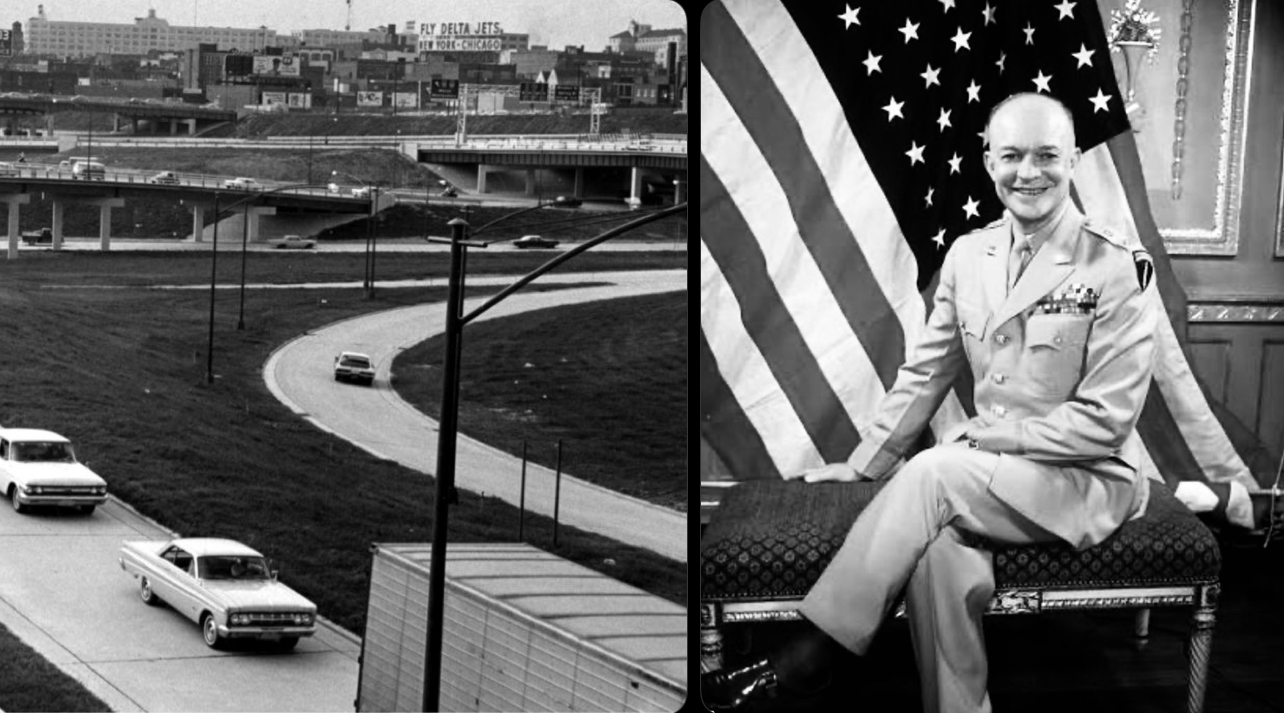
The U.S. Interstate Highway System, formally known as the Dwight D. Eisenhower National System of Interstate and Defense Highways, stands as one of the largest and most transformative public works projects in American history. Authorized by the Federal-Aid Highway Act of 1956 and signed into law by President Dwight D. Eisenhower on June 29, 1956, it created a network of controlled-access highways that fundamentally reshaped transportation, commerce, defense, and urban landscapes across the nation.
Origins of the Interstate System
Planning for a national system of superhighways began in the late 1930s amid the Great Depression. President Franklin D. Roosevelt and others saw highway construction as a way to create jobs. The Federal Aid Highway Act of 1938 directed the Bureau of Public Roads to study a toll-financed network of three east-west and three north-south superhighways, but a key report, Toll Roads and Free Roads, concluded that tolls alone could not support it.
World War II highlighted the need for better roads for military and economic purposes. In 1944, the Federal-Aid Highway Act authorized a “National System of Interstate Highways” of about 40,000 miles, though it provided limited funding. The 1944 act designated routes but left construction largely unfunded until the 1950s.
Eisenhower’s personal experiences proved pivotal. In 1919, he participated in a grueling U.S. Army convoy across the country that took 62 days on poor roads. During World War II, he observed Germany’s Autobahn system. These experiences convinced him of the need for a modern national network for defense, commerce, and safety.
After taking office in 1953, Eisenhower pushed for action. A committee led by General Lucius Clay recommended a major program. The 1956 Act resolved funding debates by creating the Highway Trust Fund, financed primarily through federal taxes on gasoline, diesel, tires, and other user fees. The federal government covered 90% of costs, with states contributing 10%.
The system expanded to about 41,000 miles (later growing to over 46,000–48,000 miles). Construction boomed in the following decades, with the system largely completed by the early 1990s.
The Interstates standardized design features like limited access, divided lanes, and high-speed alignments. They boosted economic growth, suburbanization, long-distance trucking, and personal mobility but also displaced communities, spurred urban sprawl, contributed to the decline of some public transit and rail options, and raised environmental concerns.
Interstate 20: Route and National Context
Interstate 20 (I-20) is a major east-west artery spanning about 1,539 miles from Kent, Texas (near Dallas-Fort Worth) to Florence, South Carolina. It passes through Texas, Louisiana, Mississippi, Alabama, Georgia, and South Carolina, connecting cities including Shreveport, Jackson, Birmingham, Atlanta, and Augusta. As an original Interstate, its planning aligned with the 1940s–1950s national designations.
In Georgia, I-20 covers roughly 203 miles from the Alabama line near Tallapoosa to the South Carolina line at Augusta. It is unsigned State Route 402 and features sections named after figures like Tom Murphy, Ralph David Abernathy, and others.
I-20 in Atlanta: Planning, Construction, and Controversy
Atlanta’s Interstate planning began even before the 1956 Act. In 1946, the Lochner Plan (by H.W. Lochner & Company) outlined a system of expressways radiating from downtown Atlanta to address congestion, building on earlier railroad-era patterns. This included what became parts of I-20 as major east-west routes.
Construction of Atlanta’s expressways started in the late 1940s using pre-Interstate standards, but progress was slow due to costs and design changes. The 1956 Act accelerated work with substantial federal funding. Segments of I-20 opened progressively: parts in the Atlanta area in the early 1960s, with the westernmost section (Villa Rica to Alabama line) completing around 1977–1978.
I-20 runs east-west through Atlanta, intersecting I-285 (the Perimeter), the Downtown Connector (I-75/I-85), and other routes. It passes near landmarks like Six Flags Over Georgia and the Georgia State Capitol area. The Capitol Hill Interchange (with the Downtown Connector) was a complex multi-level structure rebuilt in the 1980s.
“Freeing the Freeways” — Atlanta undertook a major 1976–1994 modernization program. For I-20, this included widening (often to 8–10 lanes in urban sections), interchange reconstructions (e.g., with I-285 and the Connector to remove left exits and improve flow), and HOV lanes. These upgrades addressed growing congestion in one of the nation’s fastest-expanding metro areas.
Ongoing projects continue this evolution, such as the major reconstruction of the I-285/I-20 West interchange (a multi-billion-dollar effort to improve safety, remove left exits, and add capacity, with substantial completion targeted in the late 2020s) and similar work on the east side.
Social and Urban Impacts in Atlanta
I-20’s history in Atlanta is intertwined with the city’s mid-20th-century racial dynamics. City leaders, including Mayor William Hartsfield, deliberately routed the western section in the late 1950s to serve as a “boundary between the white and Negro communities.”
This aimed to contain Black neighborhoods while protecting white areas and facilitating suburban commuter access to downtown. Construction displaced thousands (estimates for I-20 in the city suggest at least 7,500 people affected in the relevant period, with significant impacts on Black residents) and razed homes and businesses, contributing to urban renewal efforts that accelerated white flight and altered demographics.
While the explicit segregationist intent reflected the era, the highway’s path has had lasting effects on mobility, neighborhood connectivity, and economic patterns south of I-20. Modern Atlanta grapples with these legacies amid efforts to improve equity, transit, and traffic flow.
Legacy
The Interstate System, including I-20, transformed America into a car-centric society, enabling unprecedented mobility and economic integration. In Atlanta, I-20 remains a vital artery for freight, commuters, and travelers, while symbolizing both progress and the complex social costs of large-scale infrastructure. As the region grows, ongoing investments in safety, capacity, and multimodal options reflect the system’s enduring importance and the need for continual adaptation.
The story of I-20 in Atlanta exemplifies how national ambitions for defense and commerce intersected with local urban planning and social realities, leaving a concrete legacy that continues to shape daily life in one of the South’s major metropolises.
-
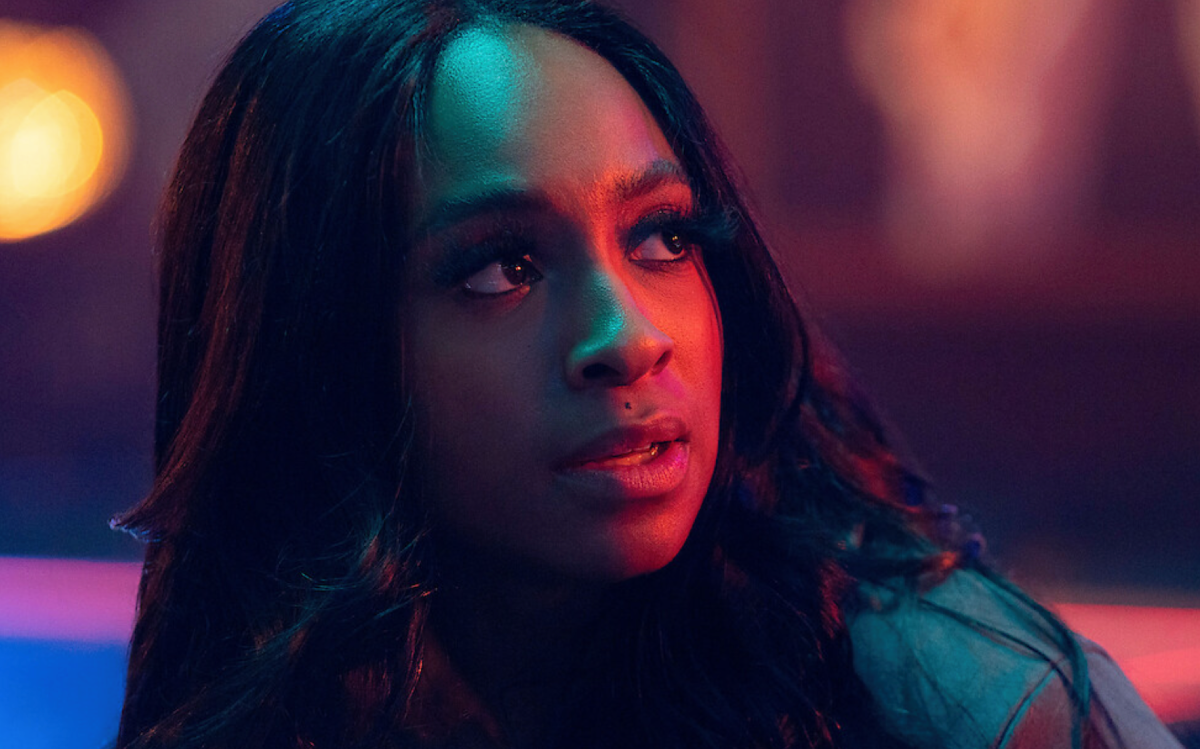
Netflix has reversed course on Tyler Perry’s drama series Beauty in Black, renewing it for a fourth season just months after declaring that Season 3 would serve as the finale. The announcement, made on July 23, 2026, comes ahead of the still-unscheduled Season 3 premiere and follows the strong performance of Season 2.
Beauty in Black Season 4 Renewed
In December 2025, the streamer had renewed the show for a third and final season. That plan has now been scrapped. The turnaround is credited in large part to Season 2’s viewership success. Released in two parts, the season spent six weeks in Netflix’s Global Top 10 and reached No. 1 in 17 countries.
The Series and Its Story
Created, written, directed, and executive produced by Tyler Perry, Beauty in Black centers on two women from vastly different worlds whose lives become deeply entangled. Kimmie (Taylor Polidore Williams), a former sex worker struggling after being kicked out by her mother, crosses paths with Mallory (Crystle Stewart), who runs a successful beauty business. The series explores the ruthless Bellarie family behind a cosmetics empire that also masks an underground trafficking ring.
Season 2 followed Kimmie as she transformed into a force of vengeance seeking to rescue her kidnapped sister while the family’s secrets and betrayals came under pressure. Season 3 is expected to place Kimmie at the Bellarie table, only for a deadly family feud to force an uneasy alliance with Mallory as they navigate blackmail, revenge, and buried secrets that threaten to destroy the empire.
No premiere date for Season 3 has been announced.
Tyler Perry’s Response
Perry expressed enthusiasm about the continued storytelling. “Beauty in Black is back for Season 4, and the Bellarie family’s story is far from finished. There was so much more I wanted to explore, and I’m grateful I get to keep telling this story,” he said. “To the audience that has been on this ride with us from day one, thank you for watching and sharing it with the world. More episodes are on the way!”
Cast and Production
Returning cast members include Amber Reign Smith, Xavier Smalls, Ricco Ross, Julian Horton, Steven G. Norfleet, Richard Lawson, Terrell Carter, Bryan Tanaka, Charles Malik Whitfield, and Debbi Morgan, along with a large supporting ensemble. Producers include Angi Bones and Tony Strickland for Tyler Perry Studios, with music by Wow Jones and Jimijame$.
The first two seasons are currently streaming on Netflix. The surprise Season 4 renewal signals Netflix’s continued investment in Perry’s high-drama, audience-driven projects and gives fans of the soapy thriller additional chapters beyond the previously planned conclusion.
-

It’s no secret that Real Housewives of Atlanta Season 17 has lived up to the hype. But rarely do we see the buildup as we have recently, thanks to Porsha Williams.
Porsha Williams, the iconic reality TV star, entrepreneur, and media personality, lit up New York City with a high-profile press run in early April 2026. Promoting the new season of RHOA (Season 17) alongside her brands Go Naked Hair and Pampered by Porsha, the Atlanta native brought her signature energy, style, and business savvy to the Big Apple.
A clip has gone viral, with many RHOA fans’ admiration for her styling, underscoring why Porsha remains a fan favorite.
Porsha Williams’ NYC Press Run: SiriusXM, Forbes, and More
Porsha documented the whirlwind tour herself, posting: “Press run in New York for the New season of Real Housewives of Atlanta & @GonakedHair & @pamperedbyporsha Stopped by SiriusXM, Forbes, and a few more interviews. So excited for you all to see this season!”
Key stops included:
- SiriusXM Studios (April 1, 2026) — She visited for interviews amid the celebrity circuit.
- Forbes — A deep-dive “Talks Shop” conversation published April 30, 2026, where she discussed building her business empire.
- Jeff Lewis Has Issues podcast — Appeared around April 10, teasing Season 17 drama and personal topics.
The tour blended promotion for the rebooted RHOA season with spotlight on her entrepreneurial ventures, perfectly showcasing the multifaceted Porsha.
Businesswoman First: Go Naked Hair, Pampered by Porsha, and Entrepreneurial Roots
In her Forbes interview, Porsha emphasized that entrepreneurship has always been core to her identity. Growing up with parents who built businesses (her mother owned childcare centers), she launched her own childcare center at age 24. She noted that while reality TV brought fame, her business foundation is what will endure: “That’s what I’ll do even when reality TV is gone.”
She promoted Go Naked Hair, her premium virgin hair brand that has grown into a multi-million-dollar venture (reportedly exceeding $10M in some coverage), and Pampered by Porsha, her luxurious bedding and sheets line inspired by her mother’s love of high-quality linens. Fans and interviewers raved about the products during the NYC stops.
Self-care also took center stage. Porsha shared her “mommy ritual” nighttime routine: a steamy shower, face steaming in bed on her Pampered by Porsha sheets, and winding down without screens. She described feeling most confident in meetings when dressed professionally, often in pantyhose and buttoned-up looks.
Teasing Season 17 and Personal Growth
The press run built major anticipation for RHOA Season 17, which premiered around early April 2026. Porsha teased the season’s mix of drama, friendships (including tensions and reconciliations), laughs, and personal storylines—such as her relationship with girlfriend Patrice “Sway” McKinney.
In various appearances, she addressed topics ranging from cast dynamics and her return to the spotlight to embracing authenticity in her personal life. The tour positioned her not just as a Housewife but as a central figure driving conversation in the franchise.
Style and Fan Frenzy
Porsha’s NYC appearances delivered on glam. Whether in tailored looks, statement shoes, or bold ensembles, she turned heads—exactly as captured in the viral X clip that reignited fan excitement months later. Outfits highlighted her proportions, confidence, and flair, with admirers online obsessing over everything from her hair to her footwear.
A Star Building an Empire
Porsha’s NYC press run was more than promo—it was a masterclass in leveraging her platform. From SiriusXM banter to Forbes business insights and podcast teases, she balanced RHOA hype with genuine entrepreneurship. With Season 17 delivering fresh drama and her brands expanding, Porsha continues to evolve as a reality TV veteran, mother to daughter Pilar, and savvy businesswoman.
Fans can’t get enough of her commanding presence—whether on screen, in interviews, or owning the streets of New York. As one viral post put it: “Porsha ThhhhEeee Williams honey!!” The queen of shade, style, and self-made success is still very much in her bag.
Stay tuned for more from Porsha as RHOA Season 17 unfolds and her empire continues to grow.
-

Cyclosporiasis is an intestinal infection caused by the parasite Cyclospora cayetanensis. It leads to watery diarrhea, fatigue, and other uncomfortable symptoms. Cases often surge in the U.S. during summer months, frequently linked to contaminated fresh produce.
With recent outbreaks affecting thousands across multiple states, knowing cyclosporiasis foods to avoid helps reduce your risk while still enjoying a healthy diet.
What Is Cyclosporiasis and How Do You Get It?
- Cyclospora* spreads through food or water contaminated with feces. The parasite is not killed by standard chlorine treatments in water and requires time (days to weeks) to become infectious after contaminating produce.
Common symptoms include:
- Watery (sometimes explosive) diarrhea
- Loss of appetite and weight loss
- Stomach cramps, bloating, nausea
- Fatigue and low-grade fever
Symptoms typically start about a week after exposure and can last weeks if untreated. Antibiotics like trimethoprim-sulfamethoxazole (Bactrim) are effective for treatment.
Key Cyclosporiasis Foods to Avoid (Especially During Outbreaks)
No single food is universally banned, but certain fresh produce items have been repeatedly linked to U.S. outbreaks. Prioritize caution with these during peak season (May–August):
- Bagged Salad Mixes and Pre-Cut Leafy Greens
These top the list for cyclosporiasis foods to avoid. Prewashed bagged lettuces, salad kits, and mixes undergo more handling and have been implicated in multiple outbreaks, including recent ones involving shredded iceberg lettuce. Opt for whole heads instead and discard outer leaves. - Fresh Herbs (Cilantro, Basil, Parsley)
Their textured leaves easily trap the parasite. Cilantro and basil from imported sources have caused numerous past outbreaks. - Berries, Especially Raspberries
Imported raspberries have a long history of cyclosporiasis links. Blackberries and mixed berries also warrant caution when eaten raw. - Snow Peas and Sugar Snap Peas
These have been vehicles in several documented outbreaks. - Other Leafy Greens and Produce
Romaine lettuce, mesclun, green onions, parsley, and sometimes broccoli or cabbage.
Current 2026 Outbreak Note: Investigations point toward lettuce and salad greens in several states, with over 1,600 cases reported. Some restaurants (e.g., certain Taco Bell locations) have temporarily removed lettuce. Always check CDC or FDA updates for specific recalls.
Prevention Tips Beyond Just Avoiding Foods
You don’t need to eliminate all fresh produce — the benefits outweigh risks when handled properly:
- Wash thoroughly under running water, even if labeled “prewashed.” Rub firm produce and discard outer layers of leafy greens.
- Cook when possible — Heating to 158°F (70°C) or higher kills the parasite.
- Choose whole produce over pre-cut or bagged items.
- Drink safe, treated water and avoid untreated sources, especially when traveling.
- Stay informed via CDC, FDA, or state health department alerts during summer.
Safe Alternatives and What to Eat Instead
Focus on:
- Cooked vegetables and proteins
- Peeled fruits (bananas, oranges, melons with rind removed)
- Whole, uncut produce washed at home
- Shelf-stable or frozen items
Consumer Reports and experts emphasize that you shouldn’t stop eating fruits and vegetables entirely — just be more vigilant with preparation and sourcing.
When to See a Doctor
Seek medical care if you have prolonged watery diarrhea, especially with fatigue or significant weight loss. Diagnosis usually involves a stool test. Most people recover with treatment and hydration, but complications can arise in vulnerable groups.
Bottom Line on Cyclosporiasis Foods to Avoid
Staying aware of high-risk items like bagged salads, fresh herbs, raspberries, and snow peas is one of the best defenses during cyclosporiasis outbreaks. Combine this with good washing and cooking practices for the safest approach to enjoying fresh food.
For the latest updates, visit the CDC Cyclosporiasis page or FDA outbreak announcements. Prevention through informed choices keeps you healthy without unnecessary restrictions.
-
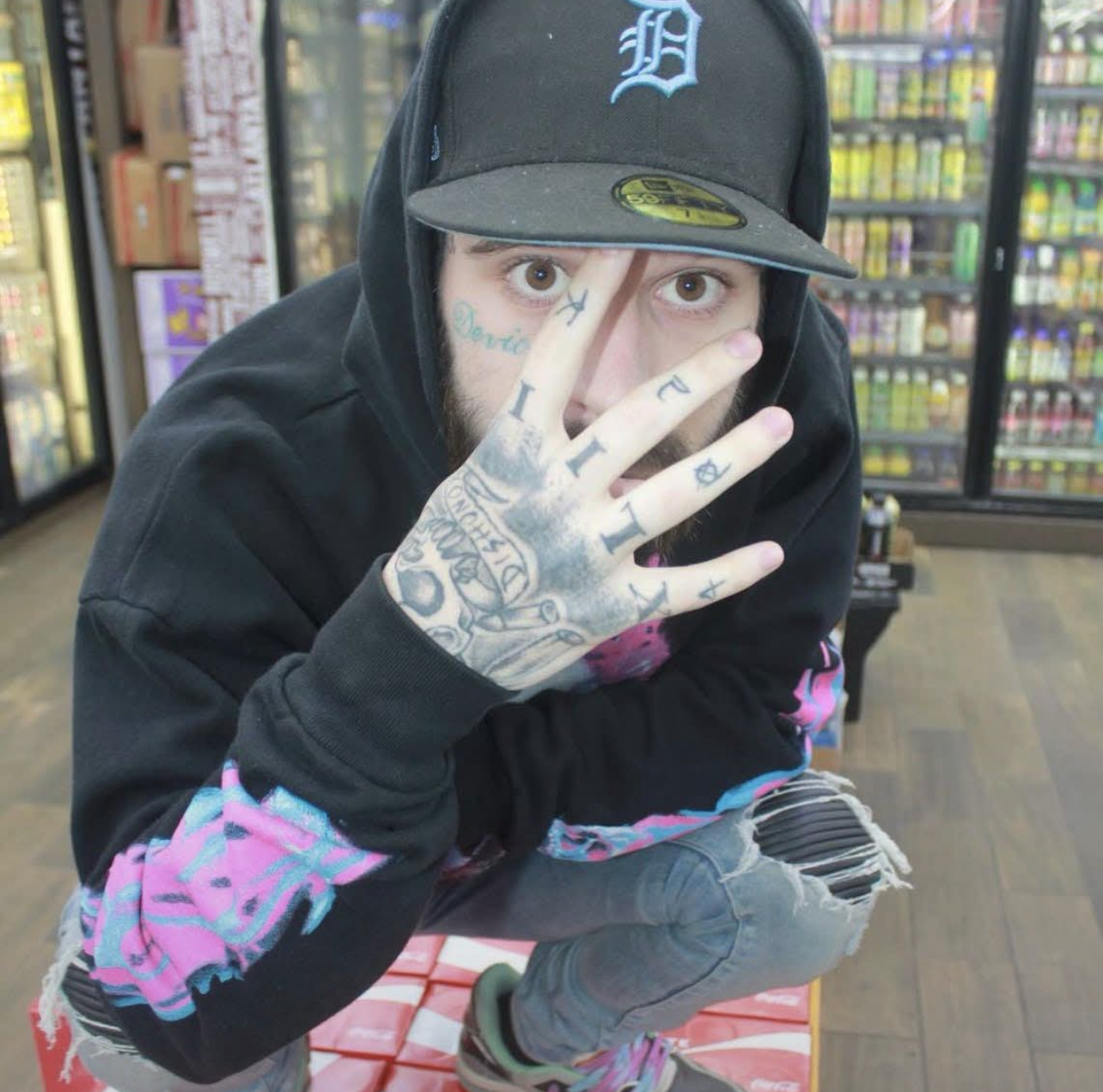
ATLANTA — Chase Matthew Griffin, a 26-year-old Atlanta man known as “Trey,” has been sentenced to 108 months (nine years) in federal prison for his central role in a sophisticated $2.8 million bank fraud conspiracy that blended old-school check theft with modern social media recruitment.
U.S. authorities say Griffin and his co-conspirators executed a multi-step operation that preyed on both postal infrastructure and unsuspecting Instagram users.
Instagram-Advertised $2.8 Million Bank Fraud Scheme Lands Atlanta Man 9 Years in Federal Prison
The scheme netted millions before law enforcement intervened.
How the Fraud Unfolded
According to court details, the group began by targeting U.S. Postal Service (USPS) collection boxes to steal physical checks from mailboxes. Once obtained, the checks were chemically “washed” or otherwise altered to change payee information and amounts, transforming legitimate instruments into tools for fraud.
The next phase relied heavily on social media. Griffin and his associates used Instagram to recruit individuals willing to provide access to their bank accounts. Prosecutors say the recruiters flaunted stacks of cash in flashy posts to lure potential “money mules” or account holders. Victims or recruits would then hand over login credentials, debit cards, or full account control.
With compromised accounts in hand, the group moved quickly to drain funds through a variety of channels:
- Rapid ATM withdrawals
- Zelle transfers
- Casino transactions designed to obscure the money trail
This high-speed cash-out strategy aimed to beat bank fraud detection systems before alerts could freeze the accounts. The operation ultimately involved $2.8 million in fraud losses or intended losses.
Sentencing and Restitution
On top of the nine-year prison term, Griffin was ordered to pay $307,386 in restitution to victims and affected financial institutions. The sentence reflects the scale of the conspiracy and the deliberate use of technology and social platforms to scale the crime.
Federal sentencing guidelines often impose significant prison time in organized fraud cases involving identity theft, check washing, and social media recruitment, especially when losses reach into the millions. Griffin’s case highlights the growing intersection of traditional financial crimes with digital platforms.
Authorities have not released full details on all co-conspirators or whether additional arrests are pending, but the outcome serves as a stark warning about the risks of mixing flashy social media promises with requests for bank account access.
This prosecution underscores ongoing efforts by federal agencies, including the FBI and U.S. Postal Inspection Service, to combat hybrid fraud schemes that exploit both physical mail and online networks. Victims are encouraged to monitor accounts closely and report suspicious Instagram solicitations involving cash or quick-money opportunities.
-
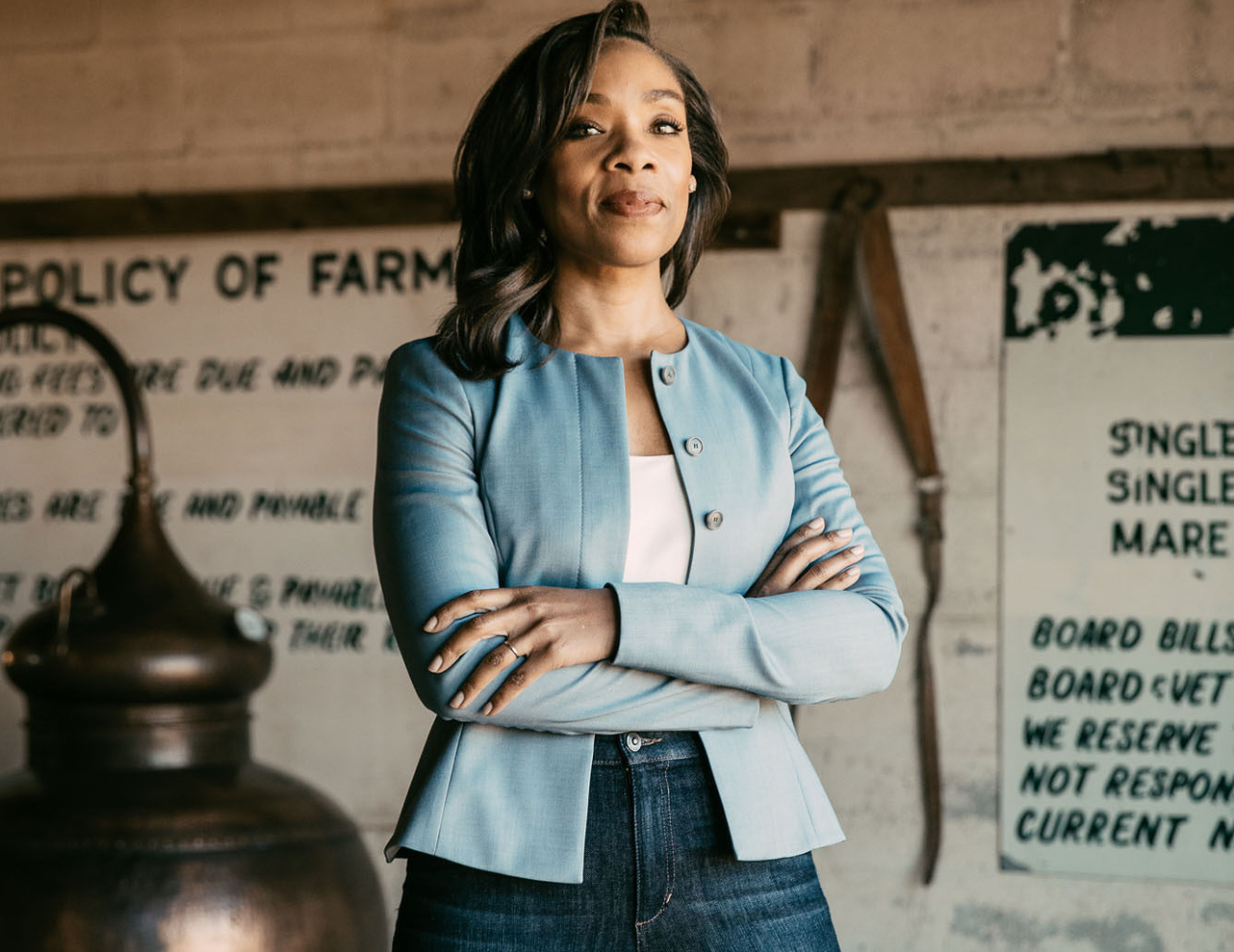
Nashville, Tenn. — Fawn Weaver, the founder and CEO of the prominent Tennessee whiskey brand Uncle Nearest, has been terminated from the company along with her husband, Keith Weaver, a co-founder.
The move, detailed in a July 10 court filing, was made by the court-appointed receiver overseeing Uncle Nearest. The terminations were backdated to June 1, 2026.
Uncle Nearest CEO Fawn Weaver Fired Amid Company’s Ongoing Legal and Financial Turmoil
The receiver noted that while the decision was difficult, it has “resulted in significantly less confusion among employees and vendors, and has made business operations significantly smoother.”
Background on the Receivership
Uncle Nearest has been under the control of a court-appointed receiver since August 2025, following a lawsuit filed by lender Farm Credit Mid-America. The company reportedly owes more than $200 million in debt.
The receivership was established after allegations of default on substantial loans. The company and its related entities, including Nearest Green Distillery and real estate holdings, have faced significant financial challenges, including a plummeting global spirits market, distributor shifts, and extensive litigation.
Recent Developments and Sale Efforts
In a recent filing, the receiver reported signing a non-binding letter of intent to sell substantially all of the company’s assets — including Uncle Nearest, its real estate holdings, and the Nearest Green Distillery — to an African American-owned investment firm. Any sale would require approval from a federal judge.
The receiver described the past quarter as “exceedingly challenging,” citing excessive litigation, government investigations, and market pressures. Despite these hurdles, progress has been made:
- Sale of property on Martha’s Vineyard for $2.59 million.
- Identification of a buyer for vineyards in France.
- Ongoing negotiations for the core business assets.
The filing also mentions ongoing investigations by the U.S. Attorney for the Southern District of New York and the Securities and Exchange Commission, with the receivership team cooperating fully.
Looking Ahead
Remaining tasks include evicting two restaurants connected to Keith Weaver from the Nearest Green Distillery property in Shelbyville, Tenn., where rent has gone unpaid for about a year.
The receiver expressed optimism that the brand has a viable future under new ownership, stating that “a buyer of these assets can rehabilitate this brand with an infusion of new capital and more disciplined financial and operational leadership.”0
This story is developing as the company navigates its path through receivership and potential sale.
-
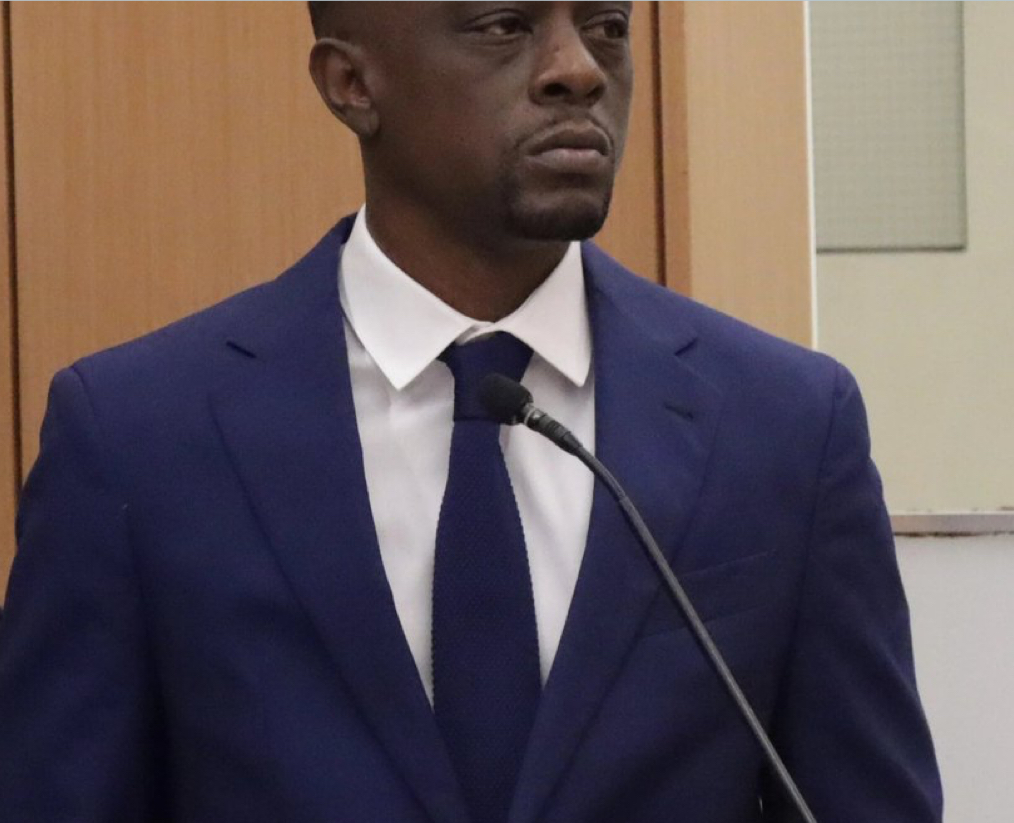
Baton Rouge-born rapper Boosie Badazz (Torrence Hatch), who maintains strong ties to Atlanta and the Southern hip-hop scene, is embroiled in a high-profile dispute over a $600,000 payment he made to secure a presidential pardon.
The Louisiana rapper claims political operatives Jacob Wohl and Jack Burkman of JM Burkman & Associates took his money, made false promises about influence with President Donald Trump, and effectively stole the funds after failing to deliver on a clemency deal.
The story has unfolded amid Boosie’s ongoing legal troubles and a broader “clemency economy” surrounding Trump’s second term.
Boosie’s Federal Gun Conviction
Boosie’s push for a pardon stems from a 2023 federal case. He was arrested in San Diego while filming a music video and charged as a felon in possession of a firearm (a loaded Glock 19 pistol). After initial state charges and legal wrangling, he pleaded guilty to the federal count. In January 2026, a federal judge sentenced him to time served (with credit for approximately 10 days), three years of supervised release, 300 hours of community service, and a $50,000 fine.40
Federal prosecutors later sought to revoke his supervised release following an alleged incident in Texas. Boosie has long sought clemency to clear his record and avoid further restrictions.
The $600,000 Pardon Deal
In September 2024, Boosie signed a contract with JM Burkman & Associates after being pitched aggressively by Wohl and Burkman. The operatives, known as far-right political figures with controversial histories (including robocall-related convictions and fines), promised significant pull within Trump’s orbit. Boosie later described them as “real aggressive, they were talking like they had Trump on speed dial.”29
He paid the full $600,000 upfront. The contract reportedly included a clause allowing for a $300,000 partial refund if no presidential pardon was secured by a specified deadline (around late January 2025/2026, with the document containing apparent typos).1
Claims of a Signed Pardon and Subsequent Fallout
According to reports, the lobbyists provided regular updates claiming progress: the application was under review, endorsed by various MAGA figures and lawmakers, and even referenced a successful prior pardon they claimed involvement in (that of Joseph Schwartz). On New Year’s Eve 2024, Burkman texted that Trump had the pardon “in hand and is ready to sign.” On New Year’s Day 2025, Boosie’s lawyer received a call stating that Trump had signed the pardon and it simply awaited announcement.11
The pardon never materialized. A White House official later confirmed that the clemency team had never heard from Wohl or Burkman, stated they had no role in any pardons, and warned that their involvement could actively harm an applicant’s chances.29
By March 2025, Boosie terminated the relationship and demanded the $300,000 refund per the contract terms. The firm reportedly resisted, citing costs, claiming the firm was “essentially bankrupt” due to millions in prior fines, and disputing that the refund clause was ever fully agreed upon. They maintained they performed extensive work on Boosie’s behalf.
Boosie’s Accusations: ‘The Money Was Stolen’
Boosie has publicly accused the operatives of lying and scamming him, particularly over the New Year’s Day claim that the pardon was signed. In social media posts, he expressed frustration at being emotionally manipulated with false hope of freedom, only to be left without results or a refund. He has vowed to pursue the matter in federal court if arbitration fails, stating variations of being “played with” and demanding his money back after months of delay.
His lawyer has described the situation as people preying on hope in difficult legal circumstances. Boosie is currently pursuing arbitration through the American Arbitration Association to recover the $300,000 while also advancing a separate, direct pardon application to the White House through his own counsel.
The Lobbyists’ Response
Jack Burkman has pushed back, telling media outlets that Boosie “has no reason to be unhappy” and that the firm did more work for him than for nearly any other client. He disputed the refund provision’s validity and noted that a subsequent arrest in Texas complicated the pardon effort. The firm has portrayed itself as having worked diligently across Congress, influencers, and media.
Wohl and Burkman have a documented history of provocative political stunts and legal issues, which has fueled skepticism about their pardon-lobbying claims (they asserted involvement in nine pardons, though records show limited verifiable success).
Broader Context
This episode highlights the unregulated world of clemency lobbying in the current political climate, where individuals and firms charge substantial fees for access and influence with the White House on presidential pardons—a power that is nearly absolute. Boosie’s case is one of several involving high-profile clients and large payments.
As of mid-July 2026, the arbitration remains ongoing, Boosie continues his music career and public commentary, and no pardon has been granted in his federal gun case. He has expressed ongoing hope through legitimate channels while fighting to recover what he views as stolen funds from a broken promise.
The dispute underscores the high stakes—and high risks—of navigating the criminal justice system through expensive third-party advocates when freedom and reputation are on the line.
-

Atlanta, GA — Atlanta is capping off a historic summer as a host city for the 2026 FIFA World Cup with a massive free community event. On Sunday, July 19, 2026, Piedmont Park will transform into the Southeast’s largest free World Cup finals watch party: A Celebration of Soccer & Sound. Grammy-winning Atlanta icon Ludacris headlines the festivities.
Ludacris Free Concert @ Celebration of Soccer & Sound
The event runs from 11:00 AM to 8:00 PM at Piedmont Park (400 Park Drive NE, Atlanta, GA 30306). It blends global soccer culture with hometown vibes in a family-friendly atmosphere.
Highlights include:
- Live Music: Ludacris delivers a full headline set, joined by local and international artists, DJs, marching bands, and more throughout the day.
- World Cup Final Watch Party: A giant screen broadcasts the FIFA World Cup 2026 Final starting at 3:00 PM, creating a shared experience for thousands of fans.
- International Food Village: Curated vendors offer diverse eats and drinks representing Atlanta’s multicultural communities.
- Vendors & Shopping: Local art, crafts, small businesses, and ATL merchandise stands.
- Kids Zone: Games, hands-on activities, and soccer-themed fun for families.
- Interactive Programming: Cool zones, activities, and immersive experiences all day long.
A Full-Day Festival of Music, Soccer, and Atlanta Pride
Mayor Andre Dickens and Showcase Atlanta organized the festival to ensure every resident — whether they attended a ticketed match or not — could participate in the World Cup spirit. Produced by ONE Musicfest and presented by Delta (with UPS delivery support), the free event emphasizes accessibility and economic opportunity for local businesses.
“Atlanta knows how to host, and we do it like nobody else,” said Lamar Stewart, interim executive director of Showcase Atlanta. Ludacris closing it out at Piedmont Park perfectly captures the city’s culture on a global stage.
Ludacris has already energized fans with earlier World Cup appearances, including a performance at the FIFA Fan Festival.
How to Attend: Practical Info
- Admission: Free, but RSVP encouraged via showcaseatlanta.com/celebration for updates.5
- What to Bring: Chairs, blankets, or low tents for comfortable viewing. Sunscreen and hydration are key.
- Getting There: MARTA and rideshares are strongly recommended due to limited parking. Special parking options are available near the park.20
- Weather Note: Plan for a full day outdoors in Atlanta’s July heat.
This Sunday’s Celebration of Soccer & Sound promises to be an unforgettable blend of high-energy hip-hop, world-class soccer, and Atlanta community pride. Whether you’re there for Ludacris’s hits, the big match, or the family fun, it’s a must-attend finale to Atlanta’s landmark World Cup summer.2
See you at the park — let’s make some noise!
Whether you’re a die-hard soccer fan, a Ludacris supporter, or simply looking for free summer entertainment, these concerts offer a prime opportunity to experience the World Cup spirit in the heart of Atlanta. The city that gave the world OutKast, the Braves, and now World Cup matches is ready to show why it’s one of the best places to be this summer.
Georgia’s largest city has been preparing for the World Cup for months now. Atlanta’s mix of world-class venues, diverse communities, and hospitality makes it a premier destination. Whether at the official Fan Festival or a local bar, the city delivers unforgettable atmosphere. Grab your jersey, gather your crew, and join the global party—We Are Atlanta. We Are 26.
More From AtlantaFi.com:
-

Atlanta, GA – July 14, 2026 – Attention all “moo-ving” Atlantans: Tuesday is Chick-fil-A’s legendary Cow Appreciation Day, and participating locations across the metro area are rolling out the red carpet (or should we say, the spotted carpet) for customers who show up dressed like cows.
In honor of the company’s 80th anniversary, the beloved fast-food chain is inviting the whole herd to come in-restaurant between 7:00 a.m. and 7:00 p.m. Tuesday for a free entrée when you dress the part. No app orders or delivery — you’ve got to show up in person, spots and all.
What You Can Get for Free
Dress like a cow (the more creative, the better — think cow-print shirts, horns, tails, full costumes, or even just a spotted accessory) and choose one entrée from this list, while supplies last:
- Breakfast: Chick-fil-A Chicken Biscuit (Original) or 4-count Chick-n-Minis
- Lunch/Dinner: Chick-fil-A Chicken Sandwich (Original or Spicy), 8-count Nuggets (Original or Grilled), or 3-count Chick-n-Strips
- Kids 12 and under: A select kids entrée plus a prize (confirm with your local restaurant)
Options may vary slightly by location, and the offer cannot be combined with other deals or rewards. Salads are not included.
Free Food, Local Buzz in Atlanta
With dozens of Chick-fil-A spots from Buckhead to Decatur, Marietta to Newnan, expect long lines of spotted customers today. Atlanta has always embraced the brand’s “Eat Mor Chikin” cows, and this year’s event is shaping up to be one of the biggest yet.
Read our guide on food deals in Atlanta.
Pro tip from locals: Arrive early if you want your first choice — popular items tend to run out as the day goes on. And yes, you can hit multiple locations if you stay in costume!
Fun Extras
- Download the Chick-fil-A app and play “Spot the Cows” for a tasty surprise (while supplies last).
- Need last-minute costume ideas? Chick-fil-A’s online shop has a full Cow Collection, or check their site for easy DIY tutorials like cow-print cupcakes or costumes.
Whether you’re a lifelong fan or just in it for the free sandwich, Cow Appreciation Day is Atlanta’s favorite way to celebrate summer with a smile — and a side of waffle fries (those you’ll still have to pay for).
Head to your nearest participating Chick-fil-A today and join the fun. Just don’t forget the spots!
Valid only at participating restaurants. Offer subject to availability.
-
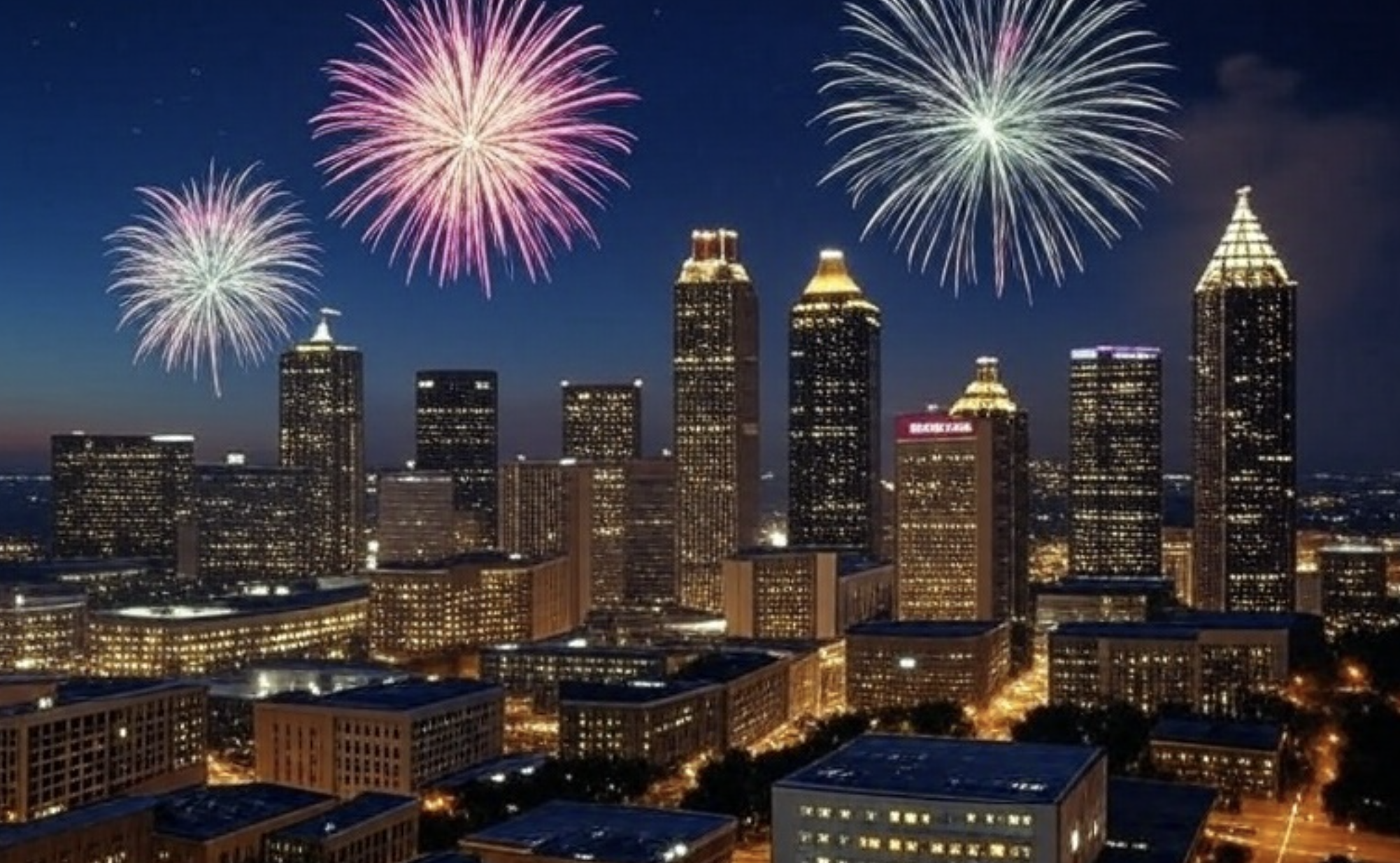
With the Fourth of July and related events here, it’s a good thing to be familiar with your rights — and restrictions — as it relates to shooting fireworks in Atlanta and surrounding cities in Georgia.
Can I Shoot Fireworks in the Air in Georgia?
Yes, it is legal to shoot fireworks in the air in Georgia, provided certain conditions are met. Consumer fireworks, including aerial types like bottle rockets, sky rockets, and mortars, classified as DOT 1.4G, are permitted for purchase and use by individuals aged 18 and older, as outlined in Georgia General Assembly House Bill 727.
These can be used on private property any day from 10:00 A.M. to 11:59 P.M., with extended hours until midnight on July 3 and July 4, and until 1:00 A.M. on January 1.However, there are restrictions:
- Prohibited Locations: Fireworks cannot be ignited within 100 yards of hospitals, nursing homes, electric substations, or facilities storing over 500 gallons of flammable liquids or gases. They are also banned in public parks, historic sites, recreational areas, or on city/state property without a special permit.
- Local Ordinances: Local governments may impose stricter rules, such as noise ordinances, which can limit usage times (e.g., to 10:00 P.M. in some areas). Check with your local jurisdiction for specific regulations.
- Safety and Age: Only those 18 or older can purchase fireworks, and it’s illegal to use them while under the influence of alcohol or drugs. Children under 16 should be supervised due to high injury risks.
- Drought Restrictions: The governor may suspend fireworks use during drought conditions for safety reasons.
- Private Communities: HOAs or private communities may have additional rules prohibiting fireworks.
Final Word
As you can see, you can shoot fireworks in the air in Atlanta, but there are restrictions set down by the laws of the state.
For public displays or events, a permit is required from the local fire marshal, as in Marietta, where applications must be filed 10 days in advance.
Final Word
No matter what you do on The Fourth, the priority is to stay safe. Here are some ways to do that:
- Always have adult supervision for children.
- Read and follow all instructions on the fireworks packaging.
- Use fireworks outdoors in a clear, open area away from buildings and flammable materials.
- Keep a bucket of water or a hose nearby to extinguish sparks or fires.
- Light one firework at a time and never try to relight a dud.
- Wear protective eyewear and avoid loose clothing.
Always use fireworks on private property, away from structures, vehicles, and flammable materials, and follow safety guidelines to avoid injuries or property damage. If you’re in a specific city or county, verify local rules, as they can override state allowances in some cases.
Here are more articles from AtlantaFi.com you might like: