-

Frustrated residents take action against driverless vehicles endlessly circling residential streets during morning rush.
ATLANTA — Early morning peace on Battleview Drive has been shattered for the past two months by a fleet of empty autonomous vehicles aimlessly looping through the quiet neighborhood.
Residents reported seeing Jaguar I-Pace and Hyundai Ioniq 5 vehicles, equipped with Waymo’s distinctive rooftop sensor pods, driving in repetitive circles between 6 and 7 a.m. Waymos have been a big help to the city, but this is overboard, neighbors say.
Waymos in Buckhead Neighborhood Have Residents Concerned
The pattern, which began sporadically two months ago, has intensified in recent weeks, raising safety concerns among families with children waiting for school buses and pet owners worried about loose animals.In response, neighbors took matters into their own hands. They blocked the road using inflatable toys, lawn chairs, and other household items. At one point, the makeshift barricade successfully trapped eight of the driverless cars.
Waymo, Alphabet’s self-driving subsidiary, launched its commercial robotaxi service in Atlanta last summer. The company acknowledged the issue and said it has since deployed a fix to its routing software to prevent the vehicles from lingering in residential areas.“No crashes or injuries have been reported,” a Waymo spokesperson confirmed. “We take community feedback seriously and have adjusted our systems to better respect neighborhood streets and avoid unnecessary circulation in low-traffic residential zones.”
The incident highlights growing pains for autonomous vehicle deployment in suburban settings. While robotaxis have been praised for offering convenient, 24/7 transportation in approved areas, critics point to problems such as “deadheading” (empty vehicles traveling to reposition) and occasional odd routing behavior that can disrupt daily life.
Battleview Drive residents described the looping cars as eerie and potentially hazardous during the busy morning window when children are outside.
One neighbor, who asked not to be named, told local reporters the vehicles would sometimes pause for extended periods before continuing their loops, creating an unsettling presence on the narrow street.
Waymo has emphasized that its vehicles are programmed to operate safely and yield to obstacles, including temporary roadblocks.
The company said the updated routing logic now prioritizes major roads and avoids treating residential streets as shortcuts or holding patterns.As autonomous technology expands across U.S. cities, similar friction between operators and local communities has surfaced in other markets. Regulators and companies continue to refine geofencing and operational design domains to balance innovation with neighborhood livability.
For now, Battleview Drive appears to have returned to relative calm following the software update, though residents say they’ll keep a close eye on the robotaxis — and their lawn chairs at the ready.
More News Articles From AtlantaFi.com:
-

In a packed county meeting, 28-year-old Brianna Rice stood at the podium in a red shirt, her voice steady but urgent, as she fought for the survival of her family’s cattle farm in Coweta County, Georgia. The moment, captured in a video that exploded across social media, has ignited widespread outrage over the use of eminent domain to clear the way for power infrastructure supporting a $17 billion hyperscale data center project.
“I’m 28 years old. While most people my age are planning vacations… I’m fighting for survival of my cattle farm because a massive data center was approved just miles from my land — and I’m being hounded by Georgia Power to build transmission lines through my property for the data center,” Rice said of the Coweta County imminent domain case.
Coweta County imminent Domain Case: Farmer Speaks Out
She continued: “I’m a local farmer, not an industrial developer. These 500-kV lines aren’t for me. They are for the data centers that the boards and surrounding counties continue to approve. I have mail from lawyers stacking up on my kitchen table wanting to take my case because they know my land is being targeted for eminent domain. These easements are permanent. They affect my ability to graze my cattle, they lower my property value, and they destroy the rural character of this county forever.”
Why data centers are popping up throughout Georgia.
Rice emphasized the human cost: “This board makes decisions to approve these massive projects, but it’s residents like me — young people trying to build a life here — who pay the price.
You’re voting to turn our farms into a network of high-voltage wires and noisy industrial buildings. Every time you say yes to a data center, you’re saying no to a local farmer. We aren’t just numbers on a map. We are the future of the county, and right now you’re making that future impossible.”
The controversy centers on Project Sail, a sprawling data center campus developed by Prologis (in partnership with Atlas Development) on 829 acres of former rural conservation land southwest of Atlanta, near Newnan.
Approved by the Coweta County Board of Commissioners in a narrow 3-2 vote in April 2026, the $17 billion project calls for up to nine buildings totaling 4.34 million square feet and up to 900 MW of power capacity — enough to rival the energy needs of a small city.
To feed the explosive growth in data centers driven by artificial intelligence and cloud computing, Georgia Power is planning a 35-mile, 500-kilovolt transmission line project. It will impact more than 330 private properties across Coweta and Fayette counties, including full acquisitions and demolitions of roughly 20-30 homes.
The utility says it will first negotiate purchases and easements but will resort to eminent domain if necessary to “strengthen the grid” amid surging electricity demand from data centers.
Critics, including Rice and dozens of other residents, argue the project prioritizes corporate tech interests over generational family farms and rural communities. Nearly 20 residents have already filed lawsuits challenging the county’s rezoning decision, claiming the land — designated as a “Most Significant Groundwater Recharge Area” — should remain protected.
State Senator Greg Dolezal has visited affected properties and publicly called eminent domain for data centers “absurd,” especially given the tax incentives Georgia offers to attract such developments.
Public opposition has grown rapidly, with residents organizing under slogans like “No Farms, No Food” and highlighting how permanent easements could forever alter the landscape.
Rice’s comments underscore a broader national tension. As AI demand skyrockets, utilities and developers are racing to build massive infrastructure, often in rural areas where land is cheaper and less regulated. Georgia has become a hotspot for data centers, but locals warn the hidden costs — lost farmland, disrupted communities, and strained power grids — are too high.
Rice closed her remarks with a pointed message to the board: “Respectfully, take that cow off the logo.”
Her words, now amplified across social media, have become a rallying cry for those who believe America’s heartland should not be sacrificed for silicon valleys of servers.
As lawsuits proceed and more families face the threat of losing their land, the debate in Coweta County is far from over. It raises urgent questions: In the rush to power the AI revolution, who truly pays the price — and at what cost to America’s rural way of life?
-

The Atlanta Falcons enter the 2026 season with what appears to be one of the more favorable schedules on paper—but the reality is more nuanced. Using the traditional NFL metric (opponents’ combined 2025 regular-season winning percentage), Atlanta’s slate ranks as the 5th-easiest (tied for 28th-toughest) in the league at .465.
Only the Cleveland Browns (.429), New Orleans Saints (.434), Cincinnati Bengals (.450), and Indianapolis Colts (.465) have softer schedules by this measure.
Atlanta Falcons 2026 Strength of Schedule Analysis
The Atlanta Falcons enter the 2026 season with what appears to be one of the more favorable schedules on paper—but the reality is more nuanced.
Using the traditional NFL metric (opponents’ combined 2025 regular-season winning percentage), Atlanta’s slate ranks as the 5th-easiest (tied for 28th-toughest) in the league at .465. Only the Cleveland Browns (.429), New Orleans Saints (.434), Cincinnati Bengals (.450), and Indianapolis Colts (.465) have softer schedules by this measure.
However, analysts widely view this number as misleading. Many of Atlanta’s non-divisional opponents underperformed in 2025 but carry significant upside heading into 2026 (e.g., Chiefs, Ravens, 49ers, Lions).
When measured by projected 2026 win totals from Vegas oddsmakers (a more forward-looking approach used by Sharp Football Analysis), the Falcons’ schedule jumps to roughly the 20th-toughest in the NFL.
Why the Traditional Falcons Strength of Schedule Looks Easy
- NFC South dominance in the schedule: Atlanta plays six games against division foes who all finished 2025 with losing or .500 records (Panthers 8-9, Saints 6-11, Buccaneers 8-9). These are six of the “easiest” matchups on the slate.
- Several 2025 bottom-feeders: Bengals (6-11), Chiefs (6-11), Browns (5-12), and Commanders (5-12) drag the average down.
Why Falcons’ Strength of Schedule Actually Tougher Than It Looks
- High-quality opponents with rebound potential: Home games vs. Bears (11-6 in 2025), Lions (9-8), 49ers (12-5), Ravens (8-9), and Chiefs (projected bounce-back).
- Tough road tests: Visits to Steelers (10-7), Packers (9-7-1), and Vikings (9-8).
- Primetime and international travel: Sunday Night Football vs. Ravens, Monday Night at Saints, Thursday Night at Packers, and the Week 9 neutral-site game in Madrid vs. the Bengals (travel fatigue factor).
- Overall balance: Only three true “easy” non-division games on the road (Browns, Commanders, and one Panthers matchup).
Falcons 2026 Opponents + 2025 RecordsHere is every opponent with their 2025 record, 2025 win %, location for 2026, and a quick difficulty note:
Opponent 2025 Record 2025 Win % 2026 Location Difficulty Notes Pittsburgh Steelers 10-7 .588 Away Strong defense, playoff team Carolina Panthers 8-9 .471 Home + Away Divisional – winnable both Green Bay Packers 9-7-1 .559 Away (TNF) Road primetime challenge New Orleans Saints 6-11 .353 Away (MNF) + Home Divisional – favorable Baltimore Ravens 8-9 .471 Home (SNF) Elite roster, tough home test Chicago Bears 11-6 .647 Home Rising NFC North power San Francisco 49ers 12-5 .706 Home One of NFL’s best Tampa Bay Buccaneers 8-9 .471 Away + Home Divisional – competitive Cincinnati Bengals 6-11 .353 Neutral (Madrid) Easiest non-divisional? Kansas City Chiefs 6-11 .353 Home Expected big rebound Minnesota Vikings 9-8 .529 Away Solid road test Detroit Lions 9-8 .529 Home Playoff-caliber team Cleveland Browns 5-12 .294 Away One of the weakest Washington Commanders 5-12 .294 Away One of the weakest (Bye Week 11) — — — Mid-season rest Key takeaway on the math: The .465 figure comes from weighting each of the 17 opponents’ 2025 winning percentages (with divisional foes counted twice). While the division games pad the schedule favorably, the conference and interconference slate pulls it back toward average-to-tough.
Bottom Line for Falcons Fans
- Opportunity schedule: With six games against a weak NFC South and a handful of 2025 underachievers (Chiefs, Bengals, Browns), Atlanta has a realistic path to double-digit wins if the team improves under new coaching/staff.
- Hidden difficulty: The presence of seven projected 2026 playoff-level or near-playoff teams (Bears, Lions, 49ers, Packers, Vikings, Ravens, Steelers) plus rebound candidates means this is no “gimme” slate.
- Playoff implications: A top-20 projected SOS (per Vegas) suggests the Falcons will need to beat the teams they should beat while stealing a couple of high-profile wins (Chiefs or 49ers at home, or road wins in the North) to snap their playoff drought.
The 2026 season offers the Falcons a legitimate chance to return to the postseason, but they’ll have to earn it against a stealthily difficult group of opponents. The Madrid trip and primetime slate only add to the intrigue.
More From AtlantaFi.com:
-

The NFL officially released the 2026 regular-season schedule on May 14, and Atlanta Falcons fans have plenty to get excited about.
Following a competitive 2025 campaign that locked in their opponents, the Falcons are set for a demanding slate that includes an international trip to Madrid, Spain, and—most notably—three primetime games in the first five weeks of the season.
Atlanta Falcons Primetime Games 2026: A Spotlight on 3 High-Profile Matchups
These nationally televised contests will give quarterback play, star running back Bijan Robinson, and the revamped defense plenty of prime exposure. The early-season primetime stretch kicks off with a Thursday night road trip to historic Lambeau Field, followed by back-to-back primetime home and away games that could shape Atlanta’s early narrative.
Here’s a breakdown of the Falcons’ confirmed 2026 primetime slate, plus context on why each matchup matters.
The Primetime Schedule at a Glance
The Falcons will appear on national television in prime evening slots three times:
- Week 3: Thursday, September 24 – at Green Bay Packers, 8:15 p.m. ET (Amazon Prime Video)
A rare Thursday Night Football appearance in Lambeau Field. The Packers are perennial contenders, and this matchup tests Atlanta’s road grit under the lights early in the season. - Week 4: Monday, October 5 – at New Orleans Saints, 8:15 p.m. ET (ESPN)
Monday Night Football in the Superdome. A divisional rivalry game with major NFC South implications, broadcast on ESPN for a national audience. - Week 5: Sunday, October 11 – vs. Baltimore Ravens, 8:20 p.m. ET (NBC / Peacock)
Sunday Night Football at Mercedes-Benz Stadium. Facing Lamar Jackson and the high-powered Ravens offense at home will be a prime showcase for the Falcons’ revamped defense and offensive firepower.
(Note: The Week 9 international game vs. the Cincinnati Bengals on November 8 in Madrid—9:30 a.m. ET on NFL Network—is a unique morning slot and not considered traditional U.S. primetime.)
These three games represent a strong early primetime presence for the Falcons, who will be featured prominently on Amazon Prime, ESPN, and NBC/Peacock.
With the rest of the schedule filled with mostly afternoon games (plus a couple of TBD flexible late-season slots in Weeks 16 and 18), Atlanta’s visibility will hinge heavily on how they perform in these spotlight matchups.Why These Games Matter for Falcons Fans
- Early Momentum: Three primetime games in Weeks 3-5 mean the Falcons must hit the ground running. A strong start could build national buzz around the team and coach Kevin Stefanski’s system.
- Tough Competition: The Packers, Saints (divisional foe), and Ravens are all projected as strong 2026 contenders. Success here would signal Atlanta is ready to contend in the NFC South.
- Fan and Broadcast Exposure: Primetime slots mean higher viewership, bigger national conversations, and potential for dramatic storylines—especially the home Sunday Night Football showdown against Baltimore.
The full 2026 schedule also includes intriguing non-primetime games, such as home matchups against the Chiefs, 49ers, Lions, and Bears, plus the marquee international contest in Spain. But for now, the focus is squarely on those three prime-time opportunities.Table of Atlanta Falcons 2026 Primetime Games
Week Date Opponent Time (ET) Network Location 3 Thursday, Sept. 24 Green Bay Packers 8:15 p.m. Amazon Prime Video Away – Lambeau Field 4 Monday, Oct. 5 New Orleans Saints 8:15 p.m. ESPN Away – Caesars Superdome 5 Sunday, Oct. 11 Baltimore Ravens 8:20 p.m. NBC / Peacock Home – Mercedes-Benz Stadium Source: Official 2026 NFL schedule details as reported post-release.
sports.yahoo.comFalcons fans, mark your calendars—the 2026 season is shaping up to be one of the most nationally visible in recent memory.
Will Atlanta deliver in the spotlight and turn these primetime games into signature wins? The stage is set. For the complete 17-game schedule, including all times and ticket information, check the official Atlanta Falcons website or NFL.com. Rise up!
More From AtlantaFi.com:
- Week 3: Thursday, September 24 – at Green Bay Packers, 8:15 p.m. ET (Amazon Prime Video)
-
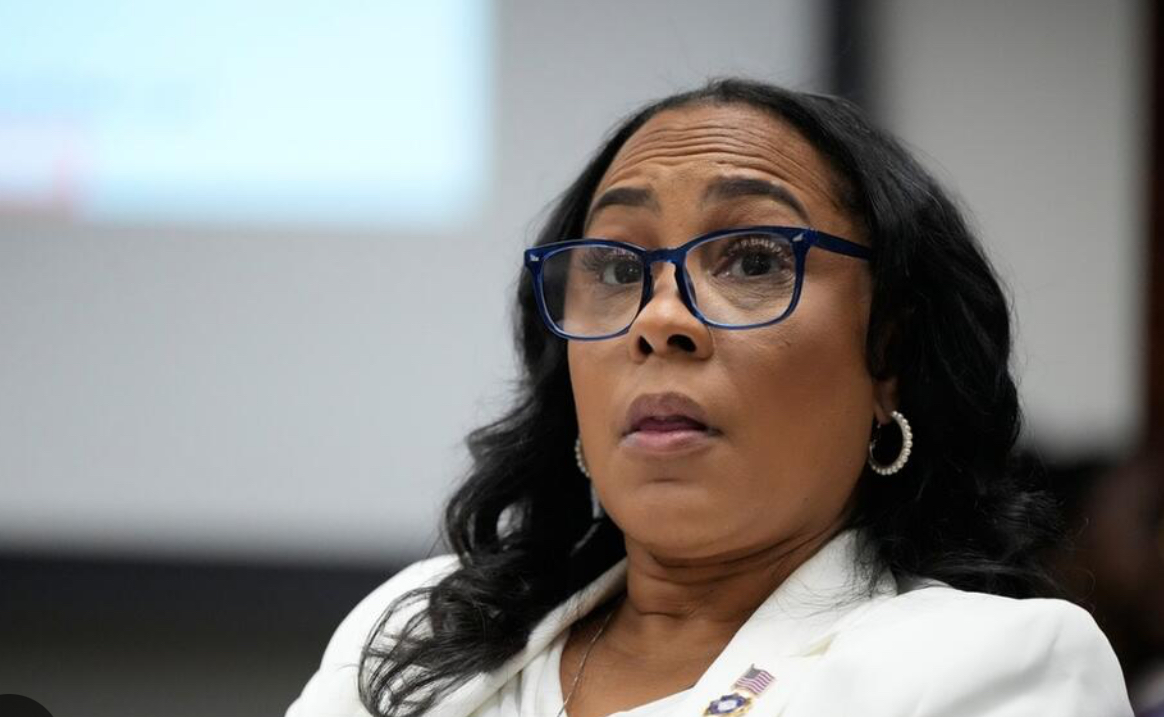
Georgia Governor Brian Kemp has signed legislation requiring nonpartisan elections for most local offices in the five largest counties in the Atlanta metropolitan area.
Fulton County District Attorney Fani Willis and DeKalb County District Attorney Sherry Boston have vowed to challenge the new law in court, calling it unconstitutional.
Fani Willis Threatens Lawsuit Over Georgia Law Mandating Nonpartisan Local Elections in Atlanta-Area Counties
Kemp signed the bill privately on Tuesday, May 13, 2026—the last day he could act on legislation from the 2026 session. The measure affects races in Fulton (which includes most of Atlanta), Clayton, Cobb, DeKalb, and Gwinnett counties.
It shifts most local offices to nonpartisan contests starting in 2028, moving them to May ballots alongside judicial elections. Sheriffs would remain partisan.
Under the change, candidates would no longer appear on ballots with party labels (Democrat or Republican). If no candidate receives a majority, a runoff would follow in June. This would generally result in lower-turnout elections compared to November general elections.
Willis and Boston issued a joint statement criticizing the law as “a blatant attempt by Republicans to give their candidates an edge in Democratic counties by hiding their party affiliation from voters.” They argue it violates the Georgia Constitution.
Republicans, including bill sponsor State Sen. John Albers (R-Roswell), have promoted the change as a way to emphasize public safety over partisanship for key local roles. The law targets an area where Democrats have gained significant ground in recent years, flipping traditionally Republican suburban counties like Cobb and Gwinnett. Fulton, DeKalb, and Clayton are longstanding Democratic strongholds.
Critics, including Democrats, contend the measure selectively applies only to the Atlanta region rather than statewide, suggesting it is politically motivated—particularly given that it affects counties led by Democratic district attorneys, several of whom are Black women. Republicans have previously targeted Willis over her prosecution of former President Donald Trump related to the 2020 election.
District attorney associations have noted that DAs may be considered state judicial officers rather than county officials, potentially requiring a constitutional amendment (which needs a two-thirds legislative vote) to change their election status.
The dispute highlights ongoing tensions in Georgia politics over election rules, partisanship in local offices, and control of the fast-growing Atlanta metro area. A legal challenge from Willis and Boston is expected soon.
-

The FIFA Global Citizen Education Fund has announced its inaugural cohort of grant recipients, supporting community-based organizations that provide children with access to quality education and the transformative power of soccer.
Among the recipients is Atlanta-based Field of Dreams Academy, one of 27 grassroots organizations across ten countries selected for funding. The organizations will receive grants ranging from $50,000 to $250,000 to expand their programs in underserved communities.
Since its launch, the Fund has raised $30 million and is targeting a total of $100 million by the conclusion of the FIFA World Cup 2026™. The initiative aims to significantly expand access to education and soccer-based development programs for children around the world.
“Football has the power to unite, inspire and create lasting change, and through the FIFA Global Citizen Education Fund we are putting that power into action to invest in the future of children around the world,” said FIFA President Gianni Infantino. “These organisations are doing extraordinary work, often in the most challenging environments, to ensure children have access to education and the life skills that football provides. Together with Global Citizen, we are committed to expanding this impact and helping many more children realise their potential.”
Investing in Education Through Football
Half of all funds raised by the FIFA Global Citizen Education Fund will support the FIFA Football for Schools (F4S) program. This initiative integrates football-based activities to teach life skills, promote learning, and foster community development among young participants.
The Fund represents a major collaboration between FIFA and Global Citizen, leveraging the global popularity of football to address educational gaps and empower children in vulnerable communities.
Applications for the next round of grants are now open. Organizations interested in applying can visit: globalcitizen.org/en/projects/fifa-global-citizen-education-fund/apply/
This first wave of funding marks an important step in FIFA’s broader commitment to using football as a tool for social development, with ambitions to scale impact significantly in the lead-up to the 2026 World Cup.
-

ATLANTA — Atlantic Station is elevating its popular “Screen on the Green” series with a special gaming-themed edition on Thursday, May 14, featuring a free outdoor screening of the hit film Free Guy and an exciting pre-show collaboration with DreamHack Atlanta.
The event kicks off at 6 p.m. on Atlantic Green, with the movie starting at 7 p.m. and running until approximately 9 p.m. Organizers encourage guests to arrive early to secure a prime spot on the lawn and dive into the interactive, gaming-inspired experiences courtesy of DreamHack.
Dreamhack: Atlantic Station Brings Free Outdoor Movie Night for ‘Free Guy’ Screening
DreamHack, recognized as the world’s leading gaming lifestyle festival, unites esports competitions, content creators, and immersive fan experiences.
For this special night, DreamHack will bring a taste of its high-energy atmosphere to the Green with pre-show activations including cosplay photo opportunities and on-site giveaways. Attendees will have the chance to win free 3-day weekend passes to the full DreamHack Atlanta festival, along with exclusive merchandise.
Additionally, everyone at Screen on the Green will receive a QR code offering discounted tickets to attend DreamHack Atlanta in person, taking place May 15–17 at the Georgia World Congress Center.
WHAT: Atlantic Station Screen on the Green, Powered by DreamHack Atlanta – Free Screening of Free Guy
WHEN: Thursday, May 14, 6 – 9 p.m. (Film begins at 7 p.m.)
WHERE: Atlantic Green, Atlantic Station
1380 Atlantic Dr. NW, Atlanta, GA 30363This collaboration offers a perfect blend of blockbuster entertainment and gaming culture just ahead of the main DreamHack weekend. Whether you’re a movie fan, gamer, cosplayer, or simply looking for a fun evening outdoors, the event promises something for everyone — and it’s completely free.
Bring blankets, low chairs, and your best gaming spirit for a memorable night under the stars at Atlantic Station. No tickets are required for the movie screening.
More From AtlantaFi.com:
-

WEST MIDTOWN — Spring in Atlanta means one thing for brunch lovers: endless mimosas under sunny skies. This weekend, Flight Club Atlanta is making the most of National Mimosa Day with bottomless bubbles, a tempting spread of bites, and its signature social darts experience.
On Saturday, May 16, the popular West Midtown venue at Star Metals is inviting guests to kick off brunch season in style. Whether you’re lounging on the patio or stepping up to the oche for a game of darts, the mimosas will keep flowing all afternoon.
Atlanta Brunch Scene Heats Up: Flight Club Atlanta To Serve Bottomless Mimosas for National Mimosa Day
Flight Club Atlanta has built a name for itself as more than just a bar — it’s a vibrant social destination where friends gather for good food, great drinks, and friendly competition. National Mimosa Day provides the perfect excuse to settle in for a relaxed yet lively afternoon.
The brunch menu features shareable favorites that pair perfectly with sparkling pours:
- Breakfast sliders
- Smoked salmon flatbread
Guests can enjoy the full spread while sipping in the sunshine or challenging friends to a few rounds of social darts. The combination of bottomless mimosas, flavorful bites, and Flight Club’s energetic yet welcoming atmosphere makes it an ideal spot for groups celebrating the occasion.
“Spring weekends call for brunch plans,” the venue noted in its announcement, “and National Mimosa Day gives us another reason to keep the glasses flowing.”
Event Details:
- Date: Saturday, May 16
- Time: Brunch service with bottomless mimosas (check with venue for exact hours)
- Location: Flight Club Atlanta, Star Metals, 1055 Howell Mill Rd, Suite 140, Atlanta, GA 30318
Reservations are recommended as Atlanta’s brunch crowd loves a good celebration. Whether you’re planning a laid-back girls’ day, a couples’ outing, or a group gathering with friends, Flight Club Atlanta is right on target for toasting National Mimosa Day in true Atlanta fashion.
For more information or to make reservations, visit the Flight Club Atlanta website or call the venue directly.
More From AtlantaFi.com:
-

¡Buenas tardes, Falcons fans! The Atlanta Falcons are taking their game global once again. On November 8, 2026, the team will face the Cincinnati Bengals in a regular-season NFL matchup at the iconic Estadio Santiago Bernabéu in Madrid, Spain.
This marks the second NFL regular-season game in Madrid, building on the league’s successful debut in Spain last season, when the Miami Dolphins edged the Washington Commanders in overtime before a sold-out crowd of 78,610 at the Bernabéu. The Falcons will serve as the designated home team for this high-profile international contest, continuing the NFL’s aggressive push to expand the sport’s footprint across Europe.
Atlanta Falcons will face the Cincinnati Bengals in Madrid, Spain
The NFL has scheduled a record nine international games in 2026 across multiple continents, underscoring its commitment to global growth. Madrid’s multi-year partnership with the league ensures the Bernabéu—home to Real Madrid C.F.—will host more thrilling American football action in the years ahead.3
Falcons President and CEO Greg Beadles expressed excitement about the opportunity: “We are incredibly proud to be part of an NFL regular-season game in Madrid at the iconic Bernabéu.” He highlighted the cultural synergy between Atlanta and Madrid, noting the city’s role in hosting FIFA World Cup matches at Mercedes-Benz Stadium.27
This will be the Falcons’ sixth regular-season game outside the United States and their fifth trip to Europe in recent years (following stops in London and Berlin). The organization has a strong history of embracing international play, having previously served as the home team in London.14
What Fans Can Expect
Full details on tickets, fan events, travel packages, and more will be released in the coming weeks and months. Falcons Fan Travel has already begun offering official packages that include flights, hotels, exclusive events, and game-day experiences. Season ticket holders should note that the 2026 membership covers eight home games at Mercedes-Benz Stadium plus one preseason contest—the Madrid game does not count against that allocation.27
For the latest updates, visit the official Falcons site or sign up for notifications through the NFL’s international ticket portal.10
Why This Matters
Playing at the Bernabéu offers a unique blend of worlds: the passion of NFL football in one of soccer’s most hallowed venues. With Spain’s NFL fanbase growing rapidly, expect an electric atmosphere filled with tailgates, international Falcons faithful, and perhaps some cross-sport energy from Real Madrid supporters.
This matchup also adds intrigue for Bengals fans, as Cincinnati travels abroad for what counts as a road game in Week 9 of the 2026 season.
Stay tuned for the full 2026 NFL schedule release and more details on this transatlantic clash. The Falcons are bringing the heat to Madrid—Rise Up in Spain!
-

Fayetteville, Ga. — A massive data center campus in Fayette County consumed more than 29 million gallons of water without proper billing or full awareness by local utilities, leading to low water pressure issues for residents in the surrounding community, according to a Politico report published Saturday.
The 615-acre facility, codenamed “Project Excalibur,” is located in north-central Georgia near Fayetteville. Investigators discovered that the campus had one unauthorized water connection installed without the knowledge of the Fayette County Water System. A second connection was active but not properly linked to the developer’s account, meaning the operator was not being billed for the massive usage.
Fayetteville Data Center Secretly Drained 29 Million Gallons of Water, Causing Low Pressure for Local Residents
Controversial data centers have been erected across Georgia in recent years.
Local officials say the unreported consumption strained the water system and contributed to noticeably low water pressure for homes and businesses in the host community. Many residents reported issues with daily water use during the period of heavy draw by the data center.
Sandra Bailey, a homemaker who lives in Fayette County, says she noticed that her kitchen faucet would slow to a trickle at certain times of the day.
”It was just something that happened all of a sudden,” said Bailey, who attended a recent City Council meeting but refrained from making public comments.
Data centers are known for their enormous resource demands, particularly for cooling servers, but the scale of the unbilled usage in Fayette County has raised fresh concerns about transparency, infrastructure capacity, and oversight as the region continues to attract major tech investments.
Fayette County officials have not yet released a full public statement on the matter, but sources familiar with the situation indicate that utility staff are now working to bring both connections into full compliance and proper metering. It remains unclear how long the unauthorized or unbilled connections were active before being identified.
The incident comes as Georgia aggressively courts hyperscale data center projects, drawn by the state’s relatively low energy costs, available land, and business-friendly climate. However, similar stories in other communities have highlighted growing tensions over water and power usage as these facilities multiply across the Southeast.
This is a developing story. AtlantaFi.com will continue to follow developments with Fayette County officials, the data center operator, and state regulators regarding Project Excalibur and any potential remediation or policy changes that may result.
Residents with questions about their water service are encouraged to contact the Fayette County Water System directly.