In 1959, Paschal’s Restaurant & Coffee Shop opened at 830 Hunter Street. The new facilities were financed with a $75,000 loan from Citizens Trust Bank in conjunction with Atlanta Life Insurance Company. This was one of the largest loans made by the bank at that time, according to the restaurant’s website.
-
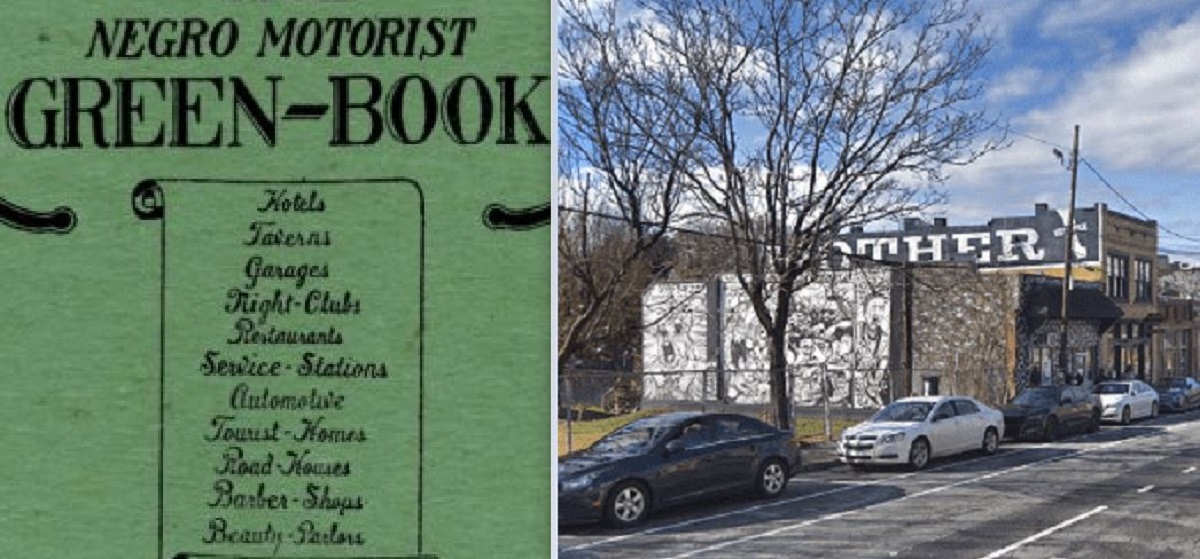
Atlanta’s history is a microcosm of America’s past, for better or worse. One of the more astonishing relics from the Jim Crow era is The Negro Travelers’ Green Book: The Guide to Travel and Vacations.
The Green Book was an important part of American-American safety during a period of oppression, racism and discrimination.
The book was first published in 1954 by New York City’s Victor Hugo Green, an African-American who was a mailman and travel writer based in Harlem.
In this article we’re going to look at the most famous Atlanta locations mentioned in The Green Book.
Here Are All The Green Book Locations In Atlanta
Atlanta played a pivotal role in Green Book locations for hotels, restaurants, beauty salons and barber shops.
This list is not an exhaustive one showing all of the Atlanta locations. For that, we recommend you buy the literal Green Book to benefit its publisher. Here it is below:
Not unsurprisingly, many of these sites were located in the Sweet Auburn district. This area was a black section of the city just east of downtown that thrived amid Jim Crow.
Hotel Royal
214 Auburn Ave NE Atlanta, Ga This hotel located in the Citizens Trust Bank building was originally called the McKay Hotel, but was changed in 1949 to Hotel Royal.One year later, Carrie Cunningham, a former circus performer, bought the Top Hat Club and renamed it Royal Peacock. Under the control of “Mama” Cunningham, it became a top-tier music venue on the “Chitlin Circuit.”Cunningham’s daughter Delois Scott said this about the famed Auburn Avenue institution: ““In some of the articles that have been written about the Royal Peacock, it has been likened to the Apollo, but the Peacock was the Peacock, and the Apollo was the Apollo, in my estimation. Everybody calls the Royal Peacock the ‘incubator’ for artists. When Little Richard first started playing here, he was an unknown. When Ray Charles was first starting out and unknown, he played here. James Brown, unknown. Gladys Knight and Pips, unknown. Nat King Cole played here before he even started singing. He was just playing piano in the Nat King Cole Trio — I have the picture, from those days before he sang.”The Royal Peacock would become a top venue for live performances in the South. The likes of Etta James and more would stop by to hone their skills on their rise to stardom.
‘Mack Hotel’
548 Bedford Place, Atlanta, Ga. 30312
 Bedford Place no longer exists. It is now Central Park Place and lofts and apartment complexes dot the landscape. This street is in the heart of Midtown Atlanta’s Old Fourth Ward.Bedford Place used to be a longtime residential area for blacks under the poverty line. Nearby, there are still some pockets of disenfranchisement that exist.
‘Shaw Hotel’
245 Auburn Avenue, Atlanta, Ga.
Photo credit: Google Maps From its address, this building appears to be part of a block of buildings constructed by black millionaire entrepreneur and former slave Alonzo Herndon, the founder of the Atlanta Life Insurance Company.In the Green Book, the listing says “Shaw” for reasons not apparent. I have not been able to find a “Shaw Hotel” in any historical information.Butler Street YMCA
22 Jesse Hill Jr Dr NE, Atlanta, GA 30303
Photo credit: aaregistry.com The Butler Street YMCA was known as the “Black City Hall” for much of its existence. In addition to being a meeting place for the city’s black leaders, The Y had some mean basketball going on inside.So much so that a Butler Street YMCA team often scheduled against collegians, according to the Black Fives Foundation, a historical group.Butler Street was later renamed in honor of civil rights activist and businessman Jesse Hill, who actually lived at the YMCA for a time.Waluhaje Hotel Apartments

Photo credit: Google Maps The Waluhaje Hotel Apartments were constructed by Atlanta developer Walter H. “Chief” Aiken in the early 1950s.
The name Waluhaje originated came from combining the first two letters of the names of Aikens (Walter), his wife (Lucy), and two of her siblings (Hazel and Jefferson), according to AtlantaTimeMachine.com.This building now serves as home offices for the Atlanta Job Corps.Suttons restaurant

Photo credit: Google Maps Suttons was a restaurant known across the country as a place African-Americans could get a good home-cooked meal.It was owned by one Scottie Sutton, who was affectionately called “Ma” Sutton.Here’s an account from the book, “Living Atlanta: An Oral History of the City, 1914-1948” by Clifford M. Kuhn on Ma Sutton told by one Horace Sinclair:“They called her Ma Sutton,” recalls Sinclair. “Everybody all over the country would come to Atlanta and go get a decent meal at Ma Sutton’s. She would really set the table. You’d get everything on the table just like you would be at home, serve yourself. You’d have meats and vegetables of all kinds, light rolls, cornbread, coffee, milk or tea. She’d even put preserves on the table, all that stuff.”Paschals Bros restaurant
180 Northside Dr SW #B, Atlanta, GA 3031
837 Hunter St. Atlanta, Ga.
Photo credit: Google Maps The most famous black restaurant in Atlanta, Paschals traces its roots back to 1947. That’s when brothers James and Robert Paschal opened their first location at 831 West Hunter Street.Paschals became an unofficial meeting place for the civil rights movement.Today Paschals is located on Northside Drive in Castleberry Hill section of downtown Atlanta. The famed eatery is one of the best black-owned restaurants in Atlanta.‘The Blackeret’
848 Mayson Turner Rd, Atlanta Ga. 30314
The Blackeret was a tavern located on Mayson Turner Road not far from black Atlanta’s educational center of colleges and universities.
Poro Beauty Parlor
250 Auburn Avenue, Atlanta, Ga. 30303

Photo credit: Google Maps The Poro Beauty Parlor sprang up at 250 Auburn Avenue when Ella Martin moved o Atlanta in 1930.
Martin was a representative of the Poro Beauty College founded by black cosmetics pioneer Annie Malone out of St. Louis, according to the book “Historical Roots of the Urban Crisis: Blacks in the Industrial City 1900-1950.”
None other than Madame C.J. Walker began her career in beauty products as a selling agent for Malone’s Poro business. Walker would go on to build her own hair care empire within the African-American community and the world.

Walker’s impact on the U.S. hair care industry is undebatable. Right off Auburn Avenue, the Madam CJ Walker Museum sits at 54 Hilliard St NE, Atlanta, GA 30312.
Atlanta Daily World
145 Auburn Ave NE, Atlanta, GA 30303

Photo credit: Google Maps The Atlanta Daily World, the city’s oldest black newspaper, has a long and rich history of documenting the plight of African-Americans and the world around them. This was also a place of unrequited truth for blacks traveling through town looking for some news.
The newspaper was founded August 5, 1928 by William Alexander Scott II, a 26-year-old wonderkid with keen business sense.
Headquartered on Auburn Avenue, Scott would go on to circulate The Chattanooga Tribune, The Memphis World, and The Chattanooga Tribune, establishing the first chain of African American newspapers.
Final Thought
Auburn Avenue has been overshadowed lately by other streets with headline-grabbing development, but it holds a special place in the hearts of native Atlantans.
If you have a chance to visit, patronize one of the businesses on Auburn Avenue. Stop in and take a look at The Apex Museum or other historical places there.
And don’t forget to read the book below.
In the 1950s, Auburn Avenue was once known as “the richest Negro street in the world.” The moniker “Sweet Auburn” was purportedly coined by John Wesley Dobbs, the grandfather of the city’s first black mayor Maynard Jackson.
The rest, as they say, is history.
Read More From AtlantaFi.com
-

U.S. employers announced 108,435 job cuts in January 2026, marking a dramatic escalation in layoffs and the highest number for the month since 2009, according to a report from global outplacement and executive coaching firm Challenger, Gray & Christmas.
The figure represents a 205% increase from the 35,553 layoffs announced in December 2025, and a 118% rise compared to the 49,795 cuts reported in January 2025.
Layoffs Surge Across America
This sharp monthly jump reverses a recent downward trend in layoff announcements and signals growing caution among businesses heading into the new year.
January’s total is the highest for the month since 2009, when 241,749 job cuts were announced amid the aftermath of the Great Recession. It also stands as the largest monthly layoff figure since October 2025, when 153,074 cuts were recorded.
Experts note that January often sees elevated layoff announcements as companies finalize budgets, adjust staffing to meet financial targets, and respond to shifting economic conditions. However, the scale of this year’s increase stands out.
Key Drivers Behind the Layoffs
The transportation sector led the way with 31,243 announced job cuts, largely driven by logistics giant UPS, which cited the loss of a major delivery contract with Amazon as a key factor in plans to eliminate up to 30,000 positions and close multiple facilities.
The technology sector followed closely, with 22,291 cuts. Amazon contributed significantly to this total through restructuring and efficiency measures, including shifts toward automation.
Healthcare and related products companies announced 17,107 layoffs, the highest monthly figure for the sector since 2020. Other notable drivers included contract losses (30,784 cuts), market and economic conditions (28,392 cuts), and restructuring efforts (20,044 cuts).
Artificial intelligence (AI) was directly cited as a reason for 7,624 layoffs in January—about 7% of the month’s total—continuing a trend where companies increasingly turn to automation to streamline operations.
Broader Labor Market Context
The surge in layoffs coincides with subdued hiring plans. Employers announced just 5,306 new positions in January—the lowest January hiring total on record since Challenger began tracking the data. This wide gap between cuts and new hires echoes patterns seen during economic downturns and suggests a more challenging job market for workers seeking new opportunities.
Andy Challenger, chief revenue officer at Challenger, Gray & Christmas, described the data as a sign of pessimism about the 2026 outlook. “It means most of these plans were set at the end of 2025, signaling employers are less-than-optimistic about the outlook for 2026,” he said.
While the report tracks announced plans (actual job losses may occur over weeks or months and could be adjusted), the numbers highlight mounting pressure on the U.S. labor market amid uncertainties around economic growth, consumer demand, and policy changes.
As 2026 unfolds, economists and workforce experts will watch closely to see whether this January spike proves to be a seasonal blip or the start of a broader trend in corporate cost-cutting and restructuring.
For now, the data paints a picture of a labor market shifting gears—away from expansion and toward caution.
Final Word
We currently have job articles that show you high-paying jobs, those close to downtown and even side hustles you might like.
If you’re looking to get hired in Atlanta right now, there’s a very real possibility that you can land your dream job.
Read more: Best work from home jobs in Atlanta, Georgia
-
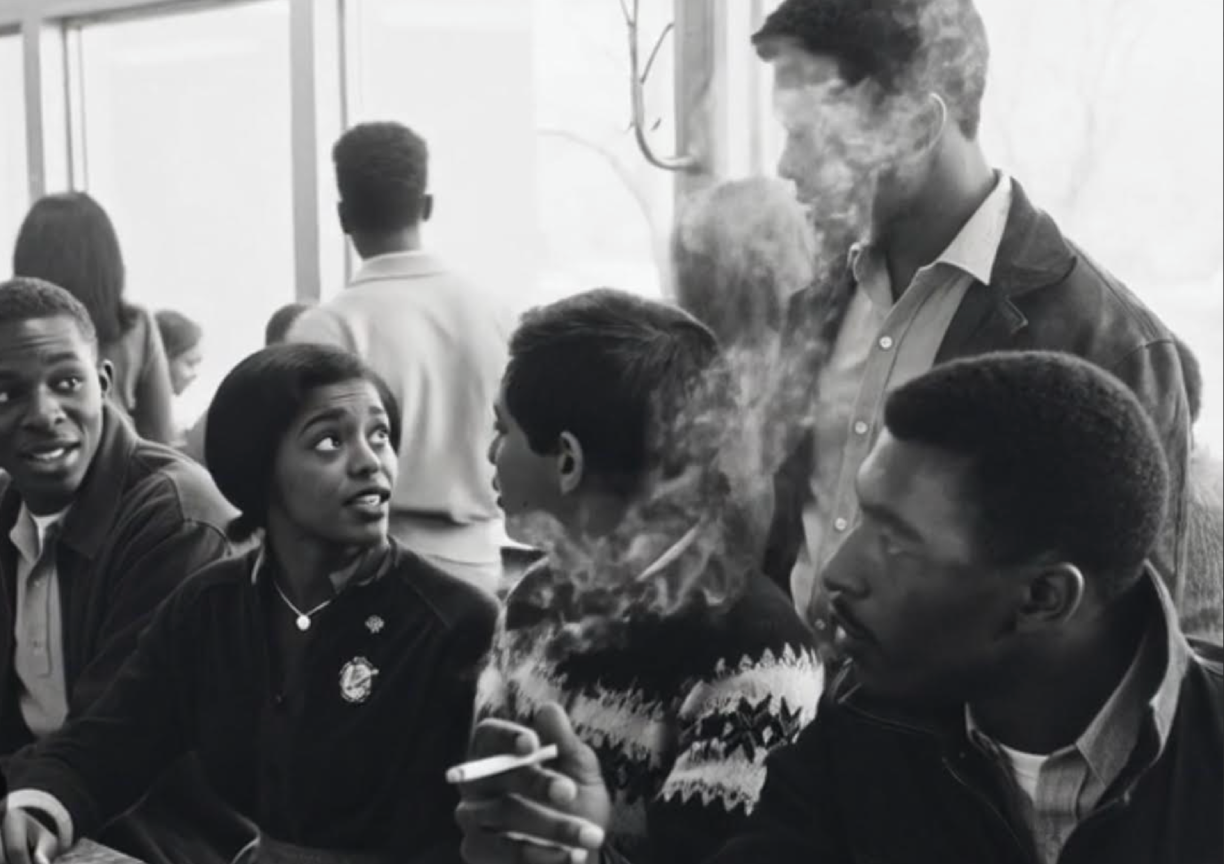
Atlanta has long been recognized as a cradle of the Civil Rights Movement, home to icons like Dr. Martin Luther King Jr. and pivotal organizations such as the Southern Christian Leadership Conference.
But beneath the well-known narratives lie lesser-explored stories of resistance, innovation, and alliance that shaped the city’s—and the nation’s—path toward equality.
Atlanta’s Civil Rights History: What To Know
We’ve delved into archives and accounts to uncover these hidden gems.
Here are seven surprising facts that highlight Atlanta’s multifaceted role.
Atlanta’s Civil Rights Roots Trace Back to the 1880s, Not Just the 1950s

While the post-World War II era often dominates discussions, Atlanta hosted an earlier civil rights surge from 1880 to 1910.
Black Atlantans employed strategies like collective self-defense, mass rallies against lynchings, and negotiation with white elites—tactics that resurfaced in the modern movement.
Key institutions, including churches and mutual aid societies, supported these efforts, fostering black enterprises like Alonzo Herndon’s barbershops and insurance company, which bolstered economic independence amid rising segregation.
The 1881 Washerwomen’s Strike: A Forgotten Labor Uprising

In July 1881, black washerwomen in Atlanta formed the Washing Society and orchestrated a massive strike involving 3,000 women (including some white allies) demanding higher wages and work autonomy.
Supported by black churches and fraternal groups, this action disrupted the city’s laundry services and highlighted early intersections of labor and racial justice.
Though short-lived, it demonstrated organized black women’s power in challenging economic exploitation during Reconstruction’s aftermath.
The 1906 Race Riot Sparked the NAACP and Influenced Brown v. Board

The Atlanta Race Riot of September 1906, fueled by fabricated stories of assaults and white fears of black progress, resulted in over 40 African American deaths and widespread destruction.
This violence profoundly impacted W.E.B. Du Bois, who armed himself for protection and later co-founded the NAACP in 1909. It also traumatized young Walter White, who rose to NAACP leadership and hired Thurgood Marshall, paving the way for the 1954 Brown v. Board of Education decision that ended school segregation.
Streets Honoring Unsung Heroes of Integration

Atlanta’s map pays tribute to lesser-celebrated figures through renamed streets. John Wesley Dobbs Avenue commemorates the activist who registered over 10,000 black voters in the 1930s, co-founded the Atlanta Negro Voters League, and helped integrate the police force.
Donald Lee Hollowell Parkway honors the lawyer who sued the University of Georgia to admit black students, while Hamilton E. Holmes Drive (and MARTA station) recognizes one of the first two black UGA enrollees, alongside Charlayne Hunter-Gault.
The 1948 Hiring of Atlanta’s First Black Police Officers

Photo credit: Atlanta Police Department
In a groundbreaking move for the South, Mayor William B. Hartsfield approved the hiring of eight black police officers in 1948, desegregating the force amid post-war pressures.
These officers, restricted initially to black neighborhoods, symbolized incremental progress and set a precedent for broader integration in city services, reflecting Atlanta’s self-proclaimed image as “the city too busy to hate.”
Lonnie King’s 1960 Sit-Ins to Sway a Presidential Election

While Dr. King is iconic, his childhood friend Lonnie C. King spearheaded Atlanta’s 1960 student movement, inspired by Greensboro sit-ins.
Lonnie organized protests at lunch counters like Rich’s Department Store, enlisting Martin Luther King Jr. for a pivotal October 19 sit-in that led to arrests.
Aimed at drawing national attention during the Kennedy-Nixon race, these actions influenced black voters and pressured candidates on civil rights, culminating in the desegregation of 75 Atlanta establishments by 1961.
The 1969 Piedmont Park Riot: A Cross-Racial Stand Against Police Brutality

On September 21, 1969, a free concert in Piedmont Park turned chaotic when undercover police clashed with hippies and radicals over drug arrests, sparking a riot with tear gas and projectiles.
This event, rooted in harassment of Atlanta’s counterculture “Strip” community, forged an unlikely alliance with black civil rights leaders like Hosea Williams.
Together, they protested police tactics, filed lawsuits, and highlighted shared grievances, bridging racial divides in the movement’s later years. Read Kenny Wilson’s blog for more.
Final Word
These stories remind us that Atlanta’s civil rights legacy is built on layers of perseverance, from everyday workers to radical youth
Exploring sites like the National Center for Civil and Human Rights or walking these historic streets can bring these facts to life, connecting past struggles to today’s ongoing fight for justice.
More from AtlantaFi.com:
-
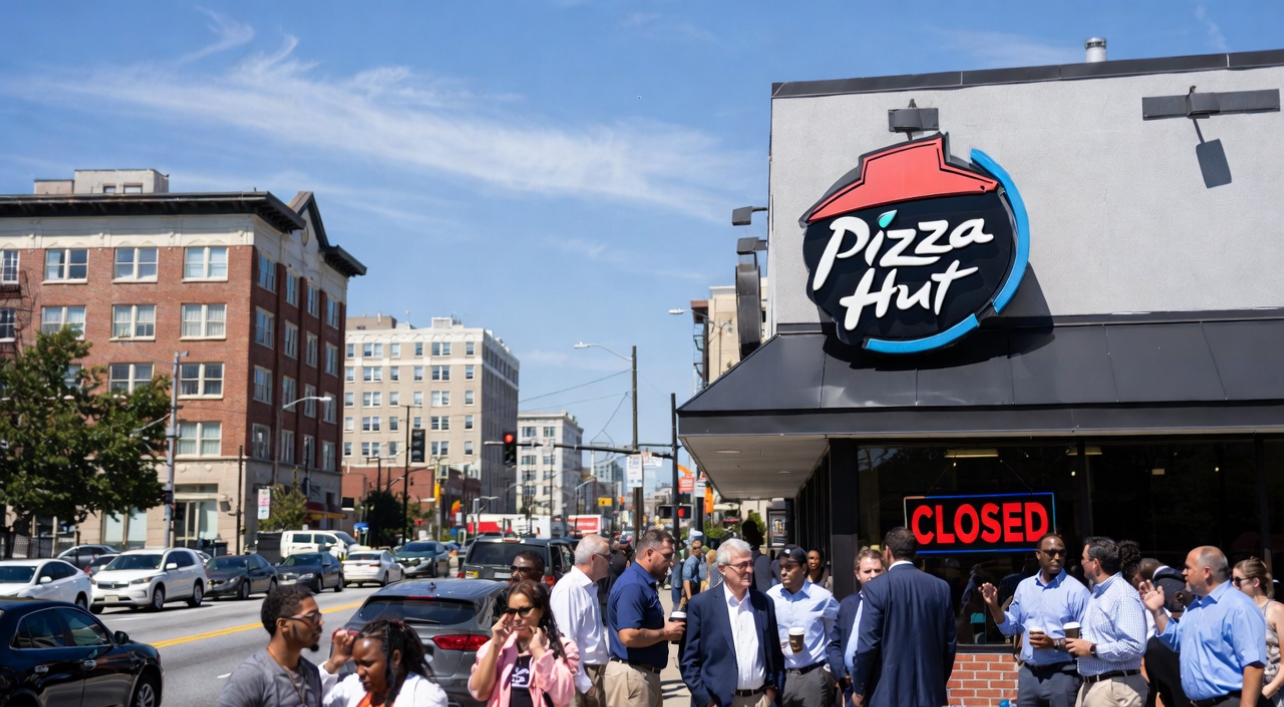
Pizza Hut, the iconic pizza chain familiar to many Atlanta-area residents, is planning to shutter approximately 250 of its U.S. restaurants during the first half of 2026.
The closures, announced by parent company Yum! Brands during its Q4 2025 earnings call, target underperforming locations as part of an ongoing effort to strengthen the brand.
Pizza Hut to Shutter Underperforming U.S. Locations in 2026 Amid Strategic Review
Pizza Hut operates more than 6,000 locations across the United States, meaning the planned closures represent roughly 3-4% of its domestic footprint. Specific locations set to close—including any in the greater Atlanta metro area or elsewhere in Georgia—have not yet been disclosed by the company.
Yum! Brands, headquartered in Louisville, Kentucky, owns several major fast-food chains including KFC, Taco Bell, and Habit Burger & Grill. Executives described the moves as tied to “Hut Forward,” a strategy focused on vibrant marketing, technology modernization, updated franchise agreements, and overall revitalization.
The chain has faced challenges in recent years, with U.S. same-store sales declining 5% in 2025.
Competition from rivals like Domino’s—which saw positive same-store sales growth—has intensified pressure, alongside issues like outdated store formats and shifting consumer preferences.
Globally, Pizza Hut ended 2025 with nearly 20,000 locations, down 251 from the prior year.
While international markets showed modest growth (up 1% in same-store sales, particularly strong in Asia, the Middle East, and Latin America), the U.S. market has lagged.
Yum! Brands is also conducting a formal strategic review of options for Pizza Hut, which could include a potential sale of the brand. The review is expected to conclude later this year.
A Pizza Hut spokesperson emphasized that the 250 closures represent a small portion of the chain’s nearly 20,000 global units and are seen as the right step forward.
For local customers, this news may raise questions about favorite neighborhood spots. Atlanta and surrounding areas feature numerous Pizza Hut locations offering dine-in, carryout, and delivery services.
Residents are advised to check the official Pizza Hut website or app for updates on any specific closures.
Final Word
Yum! Brands has not provided a timeline for announcing individual locations or further details on impacts to employees or franchises. This story will be updated as more information becomes available.
More From AtlantaFi.com:
-

Looking for a unique way to celebrate Valentine’s Day this weekend? Planet Fitness, one of the best gyms in Atlanta, is turning up the heat on romance by encouraging Atlantans to share the love through sweat and fitness.
Check Out This Planet Fitness Freebie
This Valentine’s Day weekend, February 14–15, Planet Fitness locations across Georgia—including all metro Atlanta clubs—are opening their doors for a special Guest Weekend.
Current members can bring a spouse, significant other, friend, or family member for free workouts together.
Guests of any fitness level are welcome to enjoy complimentary access to the gym floor, along with perks like massage chairs and HydroMassage sessions for post-workout recovery.
Participants must be 18 years or older and present a valid ID upon arrival.
The promotion highlights the benefits of partnering up for exercise.
Research shows that working out with someone else can boost mental well-being by reducing stress, lifting mood, and fostering stronger social bonds.
A study from the National Institutes of Health found that individuals who exercise with a friend are 45% more likely to report good mental health.
Planet Fitness clubs are known for their welcoming, Judgment Free Zone® atmosphere, making them ideal for beginners and seasoned gym-goers alike.
Each location offers certified fitness trainers, a wide range of strength and cardio equipment, and on-demand workouts available through the Planet Fitness App. Many Georgia clubs operate 24 hours a day for maximum convenience.
Event Details:
- What: Valentine’s Day Guest Special at Planet Fitness
- When: Saturday, February 14 – Sunday, February 15, 2026
- Where: All Planet Fitness locations in Georgia (including numerous spots throughout the Atlanta metro area)
- How to Participate: Current members simply bring their guest (18+ with valid ID) for free access during the weekend.
Whether you’re looking to bond with your partner over partner exercises, motivate a friend to try the gym, or simply enjoy a shared sweat session, this weekend offers a fun, healthy twist on Valentine’s Day traditions.
For more information or to find your nearest location, visit the Planet Fitness website or download the PF App. Get ready to make those heart rates rise—for all the right reasons!
More articles from AtlantaFi.com:
-
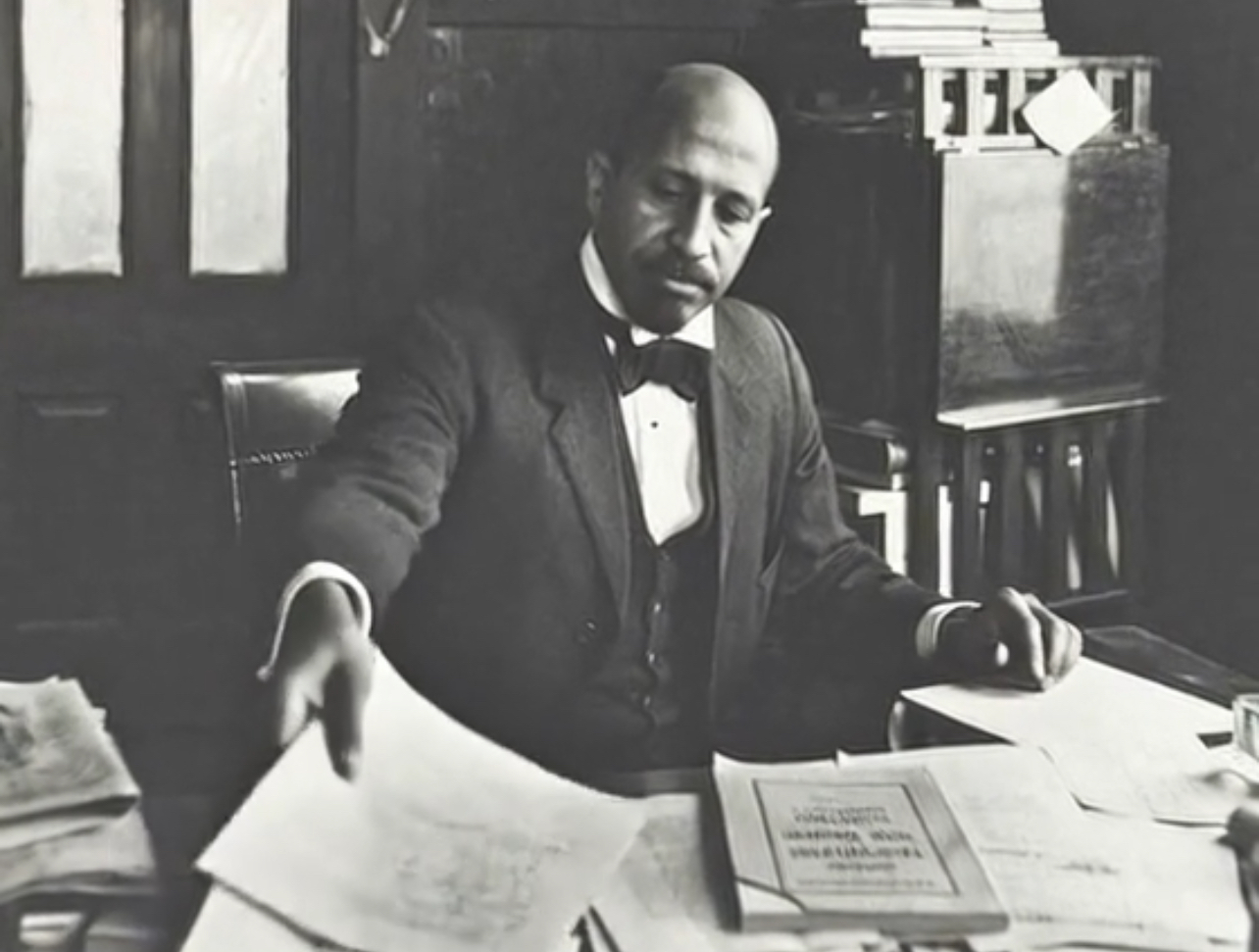
W.E.B. Du Bois remains one of the towering figures in American history: the brilliant scholar who co-founded the NAACP, edited The Crisis magazine for decades, authored the landmark The Souls of Black Folk, and helped define the fight against racial injustice.
In Atlanta, his legacy feels especially close—he spent formative years here as a professor at (Clark) Atlanta University, where he produced some of his most influential sociological work on Black urban life.
But even lifelong students of history might be surprised by these lesser-known facets of Du Bois’s remarkable life:
He Wrote Science Fiction and Speculative Stories

Beyond his essays and histories, Du Bois penned imaginative fiction, including the striking short story “The Comet” (1920), a post-apocalyptic tale set in New York where a Black man and white woman believe they are the last survivors on Earth—until racial terror reemerges.
Scholars have recently uncovered more of his unpublished speculative works, ranging from utopian visions to crime and intrigue plots during the McCarthy era.
This “weird” side of Du Bois reveals a creative mind exploring upheaval, race, and human possibility far beyond his better-known nonfiction.
He Created Pioneering Data Visualizations to Fight Racism

In 1900, Du Bois curated an exhibit for the Paris Exposition Universelle featuring hand-drawn charts (pictured above), graphs, and maps documenting African American life, progress, and economic achievements—particularly in Georgia.
These colorful, proto-modernist infographics were designed to refute racist stereotypes with hard data on literacy, population growth, and business ownership. Today, they’re celebrated as early masterpieces of information design.
He Grew Up in a Surprisingly Integrated Small Town

Born in 1868 in Great Barrington, Massachusetts, where his sculpture resides, Du Bois was raised in a community with relatively little overt segregation compared to the post-Reconstruction South.
He attended school with white children and felt accepted by many neighbors, which shaped his early optimism about racial integration—before he encountered the harsher realities of Jim Crow while studying at Fisk University in Nashville.
He Taught and Conducted Groundbreaking Research in Atlanta

Du Bois joined the faculty of Atlanta University in 1897 and again in the 1930s–40s.
His Atlanta Studies (1896–1914) produced some of the first rigorous sociological surveys of Black urban life, examining housing, family, crime, and education in the city’s Black neighborhoods.
These works laid foundational stones for urban sociology in America—and gave him an intimate, firsthand view of Atlanta’s racial dynamics.
The 1906 Atlanta Race Massacre Deeply Scarred Him
While living in Atlanta, Du Bois witnessed the horrific 1906 race riot (also called the Atlanta Race Massacre), in which white mobs killed dozens of Black residents amid false rumors.
He later described a related earlier lynching—that of Sam Hose in 1899—as a turning point: seeing body parts displayed in a shop window left him profoundly shaken. “Something died in me that day,” he wrote, hardening his resolve against accommodationist approaches to racism.
He became a Citizen of Ghana at Age 93

WEB Du Bois (L) celebrating his 95th birthday with Ghana’s President Kwame Nkrumah in 1963. — Photo credit: WEB DuBois Centre.
In his final years, disillusioned with Cold War-era America and facing passport restrictions, Du Bois moved to Ghana in 1961 at the invitation of President Kwame Nkrumah to work on an Encyclopedia Africana.
He took Ghanaian citizenship that year and died in Accra in 1963—at age 95—the day before the March on Washington. A moment of silence honored him during the event.
He Had a Bitter Public Feud with Marcus Garvey

The rivalry between Du Bois and Jamaican activist Marcus Garvey was intense and personal. Du Bois criticized Garvey’s Back-to-Africa movement and Black Star Line finances in The Crisis, while Garvey attacked Du Bois’s mixed heritage and called him a “mulatto monstrosity.”
The clash highlighted deep ideological divides within Black leadership—integration versus separatism, elite leadership versus mass mobilization—that still echo today.
Du Bois’s life bridged the post-Civil War era to the modern civil rights movement, and his time in Atlanta gave him a front-row seat to both progress and profound injustice.
As we continue reckoning with our city’s—and our nation’s—racial history, his fearless scholarship and unyielding vision remain as relevant as ever.
What’s your favorite Du Bois story or lesson? Share in the comments below—we’d love to hear from our Atlanta readers.
More from AtlantaFi.com:
-
As Atlanta’s job market continues to thrive in early 2026, with strong demand across sectors like automotive, healthcare, legal, and tech, numerous employers are actively seeking talent.
Despite national fluctuations, the metro area boasts thousands of openings, from entry-level positions to specialized roles.
Whether you’re in sales, service, or skilled trades, opportunities abound. In this updated guide, we’ve highlighted 10 companies hiring immediately in and around Atlanta, complete with sample jobs, locations, and direct application links. All positions are current as of February 2026.
Here are 10 standout companies currently recruiting:
- Jim Ellis Automotive Group
Looking for support roles in automotive services.- Sample Job: Gate Attendant / Porter – Jim Ellis University
- Location: Atlanta, GA
- Pay: $15.00 per hour
- Apply: Jim Ellis Automotive Group Careers
- Citywide Plumbing
Opportunities for skilled tradespeople in plumbing.- Sample Job: Commercial Plumbing Technician
- Location: Atlanta, GA
- Pay: $60K – $80K
- Apply: Citywide Plumbing Careers
- GOODMAN MCGUFFEY LLP
Legal firm seeking attorneys for their team.- Sample Job: Associate Attorney
- Location: Atlanta, GA
- Pay: $98K – $155K (estimated)
- Apply: GOODMAN MCGUFFEY LLP Careers
- Babel Audio
Tech roles focused on AI and language processing.- Sample Job: AI Trainer – English Dialogue & Speech
- Location: Georgia (remote-friendly)
- Pay: $17.50 per hour
- Apply: Babel Audio Careers
- Behavior Frontiers
Healthcare positions in behavioral analysis.- Sample Job: Board Certified Behavior Analyst (BCBA)
- Location: Smyrna, GA
- Pay: $87K – $95K
- Apply: Behavior Frontiers Careers
- Customs and Border Protection
Government roles in security and enforcement.- Sample Job: Border Patrol Agent – Experienced
- Location: Atlanta, GA
- Pay: $63K – $120K
- Apply: Customs and Border Protection Careers
- Rick Hendrick Chevrolet – Duluth
Automotive technician opportunities.- Sample Job: GM and Diesel Automotive Technician/Mechanic
- Location: Duluth, GA
- Pay: $35.00 – $50.00 per hour
- Apply: Rick Hendrick Chevrolet Careers
- Power Home Remodeling
Entry-level sales positions available.- Sample Job: Entry Level Sales Representative
- Location: Atlanta, GA
- Pay: $72K – $130K
- Apply: Power Home Remodeling Careers
- Cenveo
Manufacturing roles in printing and packaging.- Sample Job: Envelope Machine Adjuster
- Location: Smyrna, GA
- Pay: $24.00 per hour
- Apply: Cenveo Careers
- Taco Mac Restaurant Group
Hospitality jobs in food service.- Sample Job: Cook – Crabapple
- Location: Roswell, GA
- Pay: $18.00 per hour
- Apply: Taco Mac Restaurant Group Careers
These companies offer a range of opportunities across various industries. Visit their career pages for more details on openings
Is It Hard To Get A Job In Atlanta?
The main way to get a job in Atlanta is to know which companies are hiring. Once you know that and your resume is tight, you can submit applications and hopefully get the gig — but one thing at a time.
In addition to a diverse job market, Atlanta has a vibrant gig economy that makes it easy to make money by ridesharing or some other way.
Atlanta, Georgia has a wide-ranging economy, which bodes well for job seekers looking to move to the city, especially in the city’s tech industry.
If you’re looking for a job in Atlanta, make sure you check out our Jobs Page that has employment resources.
Read more: Best Work-From-Home Jobs In Atlanta, Georgia
- Jim Ellis Automotive Group
-

Atlanta Falcons quarterback Michael Penix Jr. recently shared a powerful and deeply personal message on social media that has resonated widely across the Atlanta sports community and beyond.
In the heartfelt post, accompanied by a dramatic image of Penix in his black Falcons jersey standing resolute amid swirling smoke, the 25-year-old signal-caller opened up about the immense pressures he faces as a man, a provider, and a professional athlete.
Penix: I Won’t Fold Under Pressure
“As a man, you carry a lot of ‘pressure’ each and every day,” Penix wrote. “Pressure to provide for your family, pressure to succeed in everything you do in life, pressure of letting everybody around you down. But one thing I never did and never will do is fold in the face of it.”
The lengthy reflection traces Penix’s journey from humble beginnings—”I come from the mud literally”—to his current role as the Falcons’ franchise quarterback.
He emphasized self-reliance, declaring he “never had no handouts” and that his path to success was forged through relentless determination despite pain, uncertainties, and setbacks.
Penix credited his upbringing and faith for his unbreakable mindset: “I’m forever going to stand 10 toes and show why my God is Almighty and will never put me in a situation that I can’t get through.”
The post also served as motivation for others, urging readers to “STAY THERE” wherever they are in their own stories. “The turtle race continues…. 🏁 Year 2 ✓,” he concluded, signaling his ongoing commitment as he enters his second NFL season.
Penix, selected eighth overall by the Falcons in the 2024 NFL Draft after a standout college career at Washington (where he won the Maxwell Award and led the nation in passing yards), has faced his share of challenges.
His rookie year in 2024 included limited action due to competition and development, but he appeared in several games and showed flashes of his strong arm.
In 2025, he took on a larger role, starting nine games and throwing for nearly 2,000 yards with nine touchdowns before a knee injury sidelined him late in the season, landing him on injured reserve.
Now recovering and eyeing a return potentially as early as Week 1 of the upcoming campaign, Penix’s words highlight the mental fortitude required at the NFL level—especially for a young quarterback under the spotlight in a passionate football city like Atlanta.
Fans quickly rallied around the message, praising Penix’s authenticity and resilience.
In a league where vulnerability is rare, his openness about personal struggles while tying it to his faith and drive offers inspiration far beyond the gridiron.
As Penix continues his rehab and preparation for what could be a pivotal year in Atlanta, this post reminds everyone that behind the helmet and the stats is a determined individual refusing to fold—no matter the pressure.
The Falcons and their supporters are standing with him as the “turtle race” marches on.
-
Tech giant Salesforce is strengthening its roots in the Atlanta area with a significant investment that promises to boost the local economy and create hundreds of high-quality job opportunities.
Salesforce, Inc., the San Francisco-based leader in customer relationship management (CRM) software and cloud-based solutions, will invest $15 million to expand its operations across Georgia.
Salesforce To Bring Jobs, $15 Million Expansion in Atlanta
The project is expected to create more than 250 new jobs in Fulton County by the end of 2028, according to an announcement originally made by Governor Brian P. Kemp in late 2025.
The expansion builds on Salesforce’s already substantial footprint in the state, where the company currently supports over 2,000 jobs.
Salesforce serves a wide range of Georgia customers across key industries, including financial services, healthcare, retail, manufacturing, logistics, and the public sector.
Company leaders have highlighted Atlanta’s talented workforce, global connectivity, and inclusive business environment as major factors driving the decision to grow here.
“This investment underscores Salesforce’s confidence in Metro Atlanta as a hub for innovation and talent,” said Katie Kirkpatrick, President and CEO of the Metro Atlanta Chamber. “These new positions will bring well-paying opportunities in technology and related fields, further solidifying our region’s position in the global tech economy.”
Fulton County officials echoed the enthusiasm. “Salesforce’s expansion is a win for Fulton County,” said Chairman Robb Pitts of the Fulton County Board of Commissioners. “This major investment in jobs demonstrates the confidence that globally premier companies have in our community. We are proud to welcome this growth and look forward to the opportunities it will bring to our residents and local economy.”
The announcement was supported by a collaborative effort involving the Georgia Department of Economic Development’s Global Commerce team, Invest Atlanta, Fulton County, the Metro Atlanta Chamber, and Georgia Power.
While specific details about the types of roles, exact locations within Fulton County (such as potential ties to existing offices in areas like Buckhead or Midtown), and timelines for hiring have not been fully disclosed, the new positions are anticipated to include a mix of software development, sales, customer success, and support functions aligned with Salesforce’s AI-powered platforms and cloud services.
Final Word
As Atlanta continues to attract major corporate expansions in tech and related sectors, this move by Salesforce reinforces the city’s reputation as a growing destination for innovative companies. Residents interested in opportunities with Salesforce can monitor the company’s careers page for upcoming openings related to the Georgia expansion.
For more information on the project, visit the Georgia Department of Economic Development or Invest Atlanta.
-
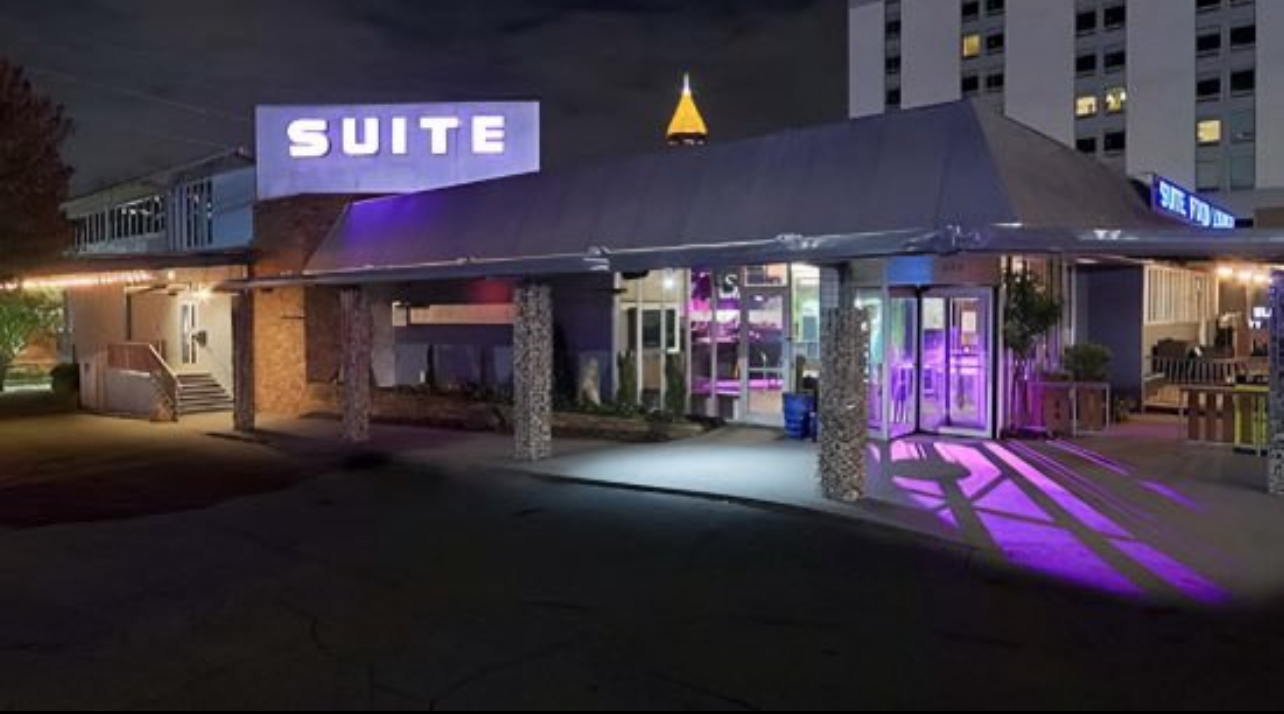
A beloved fixture of downtown Atlanta’s nightlife scene for over a decade, Suite Food Lounge at 375 Luckie Street NW, has announced that it prepares to close its doors for good.
The venue will be remembered as one of the best clubs in the city, with its eye-catching exterior bathed in vibrant purple and blue lighting, distinctive peaked roofline accented by a golden triangular element.
Iconic Downtown Atlanta Nightspot Suite Food Lounge Announces Closure
The modern, inviting entrance features automatic glass doors framed by textured stone pillars, outdoor seating areas, and colorful ground projections that create a dynamic, almost futuristic ambiance against the dark night sky.
Nearby high-rise buildings loom in the background, highlighting the spot’s prime location in the bustling Luckie Street entertainment district.
Suite Food Lounge – often simply called “Suite” by locals – has long been known as more than just a restaurant.
It combined upscale dining with a lively nightclub atmosphere, featuring multiple bars, a dance floor, live entertainment including the popular Suite Jazz Series, and a rooftop area known as Greenhaus.
The venue offered a fusion of classic American cuisine with Southern-inspired twists, from shrimp and grits to creative cocktails, drawing crowds for everything from dinner dates to late-night partying and special events.
After 13 years of operation, owners announced on Feb. 3 the permanent closure with heavy hearts. In a social media post, they expressed deep gratitude to loyal patrons, noting the countless memories created within its walls.
The news has sparked an outpouring of nostalgia online, with hundreds of commenters sharing stories of milestone celebrations, first dates, and unforgettable nights out in Atlanta’s downtown scene.
“Atlanta’s nightlife landscape is changing, but spots like Suite have left an indelible mark on our city’s culture,” said one longtime patron in response to the announcement.
Many are reflecting on how the venue helped define evenings in the area near Centennial Olympic Park and the Georgia Aquarium.
While the exact reason for the closure was not detailed beyond the owners’ emotional statement, the decision comes at a time when several longstanding entertainment venues in Atlanta have faced similar challenges. Suite’s final days are expected to draw large crowds eager for one last visit.
For those looking to reminisce or say goodbye, the venue’s website (suiteatl.com) and social media channels (@suiteloungeatl) remain active with updates.
As one era ends, Atlanta’s vibrant dining and entertainment community continues to evolve – but the glowing purple lights of Suite will linger in many memories.
Have your own Suite story? Share it in the comments below – we’d love to hear how this downtown gem impacted your Atlanta nights.
More from AtlantaFi.com: