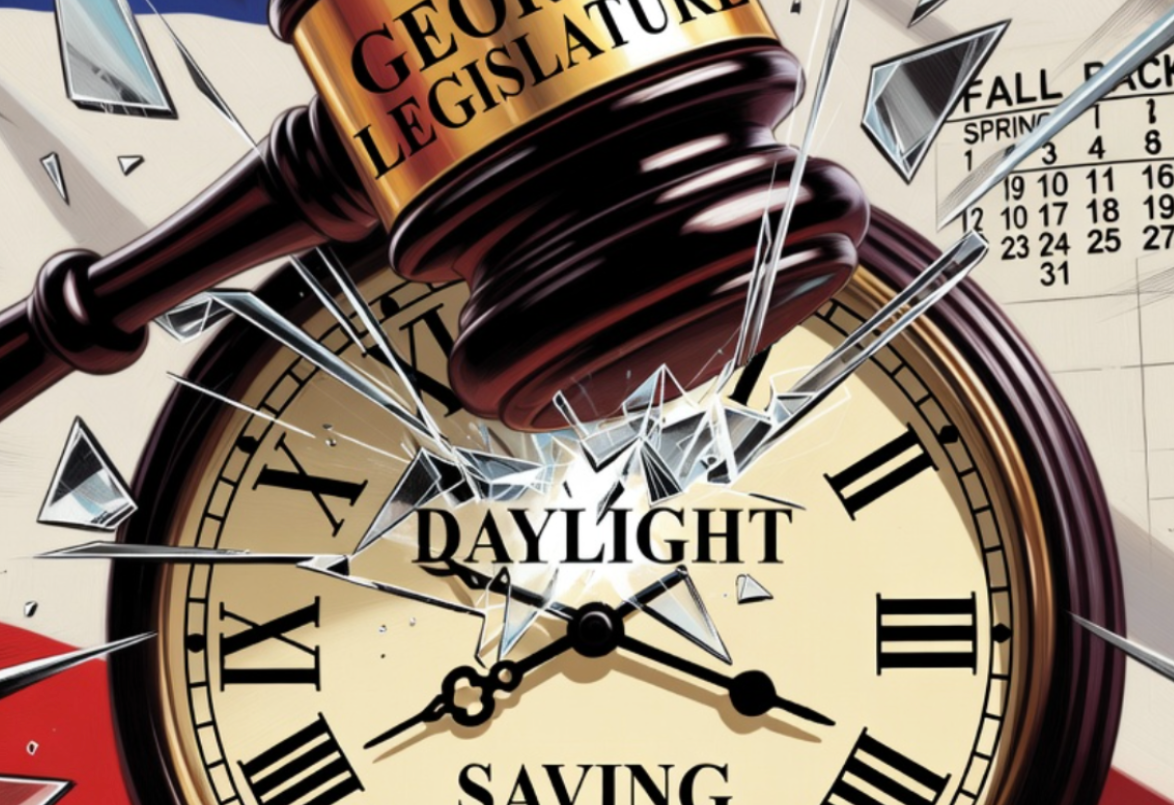

Atlanta, GA – July 15, 2026 – Developments on July 14, 2026, have brought Georgia one significant step closer to permanently observing Daylight Saving Time (DST), eliminating the biannual clock changes that have long frustrated residents and businesses across the state.
The U.S. House of Representatives passed the Sunshine Protection Act on July 14, a bill that would make Daylight Saving Time the permanent standard time nationwide, with provisions allowing states to opt out for standard time if they choose.
This federal legislation, which has received backing from President Donald Trump, now heads to the Senate.
Georgia Poised for Year-Round Daylight Saving Time as Federal Momentum Builds Following House Passage of Sunshine Protection Act
If enacted, it would enable states like Georgia— which have already laid the groundwork through state legislation—to lock in later sunsets year-round without needing further congressional approval for time zone adjustments.
Georgia’s Long-Standing Push for Permanent DST
Georgia has been at the forefront of efforts to end the clock-changing ritual. Earlier in 2026, the Georgia Senate advanced House Bill 154, known as the “Georgia Sunshine Protection Act.” This measure directs the Governor to request that the U.S. Secretary of Transportation shift the state into the Atlantic Time Zone, effectively implementing year-round DST by aligning clocks permanently with the advanced time.
The bill passed the Senate in March 2026 and reflects broad bipartisan support in the state legislature. Proponents argue that permanent DST would boost public safety by providing more evening daylight for after-work activities, reduce energy consumption related to lighting, and benefit key sectors such as agriculture, retail, and tourism. Supporters, including many in the business community, highlight how darker winter mornings under standard time contribute to morning traffic accidents and lower productivity.
“Extra evening light means families can enjoy more time outdoors, kids playing safely after school, and businesses staying open later,” said one advocate familiar with the state legislation.
The Federal Context and Potential Impacts
The House’s action on July 14 revives a long-debated national conversation. Similar versions of the Sunshine Protection Act passed the Senate in prior years but stalled in the House. With federal passage now a real possibility, Georgia’s preemptive legislation positions the state to implement changes swiftly.
If both the federal bill and Georgia’s efforts succeed:
- Sunsets in winter months like December would shift later (e.g., around 6:30 p.m. instead of 5:30 p.m. in parts of the state).
- Sunrises would also be delayed, potentially pushing winter sunrises to 8:00 a.m. or later in some areas.
This trade-off has drawn criticism from health experts and parents. Opponents cite studies linking later winter mornings to increased risks of heart issues, obesity, sleep disruption (especially for schoolchildren), and workplace fatigue. Some rural areas and eastern parts of Georgia, already on the edge of time zones, worry about misalignment with neighboring states like Alabama and Tennessee.
Broader National Picture
Georgia joins roughly 19 other states that have passed resolutions or laws supporting permanent DST, contingent on federal approval. Public opinion remains divided: most Americans dislike the twice-yearly time changes, but polls often show a preference for permanent standard time (with earlier sunsets) over permanent DST when forced to choose.
The Senate’s upcoming debate on the Sunshine Protection Act will be closely watched in Georgia. Governor Brian Kemp and state lawmakers have signaled readiness to move forward once federal hurdles are cleared.
As the debate continues, Georgians may soon bid farewell to “falling back” and “springing forward,” ushering in a new era of consistent timekeeping—if the stars (and clocks) align in Washington and Atlanta.
Whether this brings more evening recreation or darker school mornings remains to be seen, but one thing is certain: the conversation about time in Georgia is far from over.